Crash of a Hawker-Siddeley HS.125-1A-522 on Mt Otay: 10 killed

Date & Time: Mar 16, 1991 at 0143 LT
Type of aircraft:
Registration:
N831LC
Flight Phase:
Survivors:
No
Site:
Schedule:
San Diego – Amarillo – Evansville
MSN:
25095
YOM:
1966
Crew on board:
2
Crew fatalities:
Pax on board:
8
Pax fatalities:
Other fatalities:
Total fatalities:
10
Captain / Total flying hours:
15000
Captain / Total hours on type:
150.00
Circumstances:
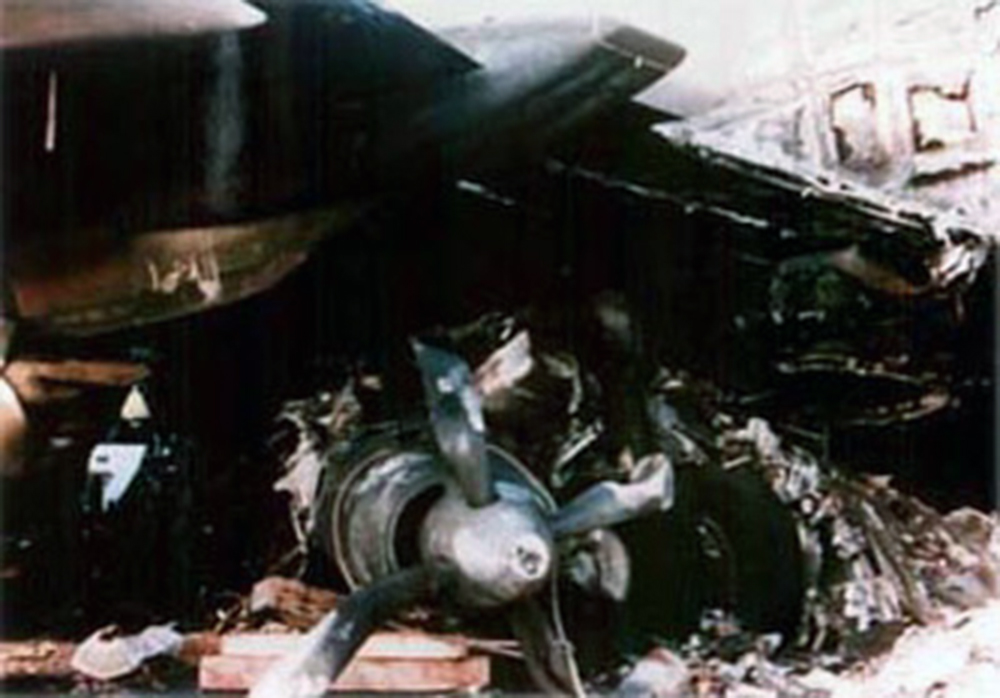
After flying personnel of entertainment group to Lindbergh Field, aircraft was positioned to nearby Brown Field, since late departure was planned after noise curfew was in effect at Lindbergh. Pilot talked with FSS specialist (splst) 3 times before takeoff. He reported he did not have instruction departure procedures from airport. Splst read departure procedures on phone. On last call to FSS, pilot said he planned to depart VFR toward northeast and obtain IFR clearance after airborne (this route was toward mountains.) During call, pilot expressed concern about remaining cleared of TCA and inquired about staying below 3,000 feet. Splst agreed with pilots concerns, but after accident, splst said he thought pilot was referring to 3,000 feet agl, rather than 3,000 feet msl. Pilot had filed to takeoff at midnight, but didn't get airborne until 0141 pst. Since flight was over 1.5 hours late, IFR flight plan had 'clocked out.' As controller was reentering flight plan in computer, aircraft hit rising terrain near top of mountain, about 8 miles northeast of airport at elevation of about 3,300 feet. No deficiencies were found with aircraft or its engines. Copilot had no type rating for this aircraft, tho he reportedly had made 3 takeoffs and landings in Hawker-Siddeley HS.125. All 10 occupants were killed, among them all members of the country music 'Reba McEntire Band'.
Passengers:
Chris Austin,
Kirk Cappello,
Joey Cigainero,
Paul Kaye Evans,
Jim Hammond,
Terry Jackson,
Anthony Saputo,
Michael Thomas.
Probable cause:
Improper planning/decision by the pilot, the pilot's failure to maintain proper altitude and clearance over mountainous terrain, and the copilot's failure to adequately monitor the progress of the flight. Factors related to the accident were: insufficient terrain information provided by the flight service specialist during the preflight briefing after the pilot inquired about a low altitude departure, darkness, mountainous terrain, both pilot's lack of familiarity with the geographical area, and the copilot's lack of familiarity with the aircraft.
Final Report:

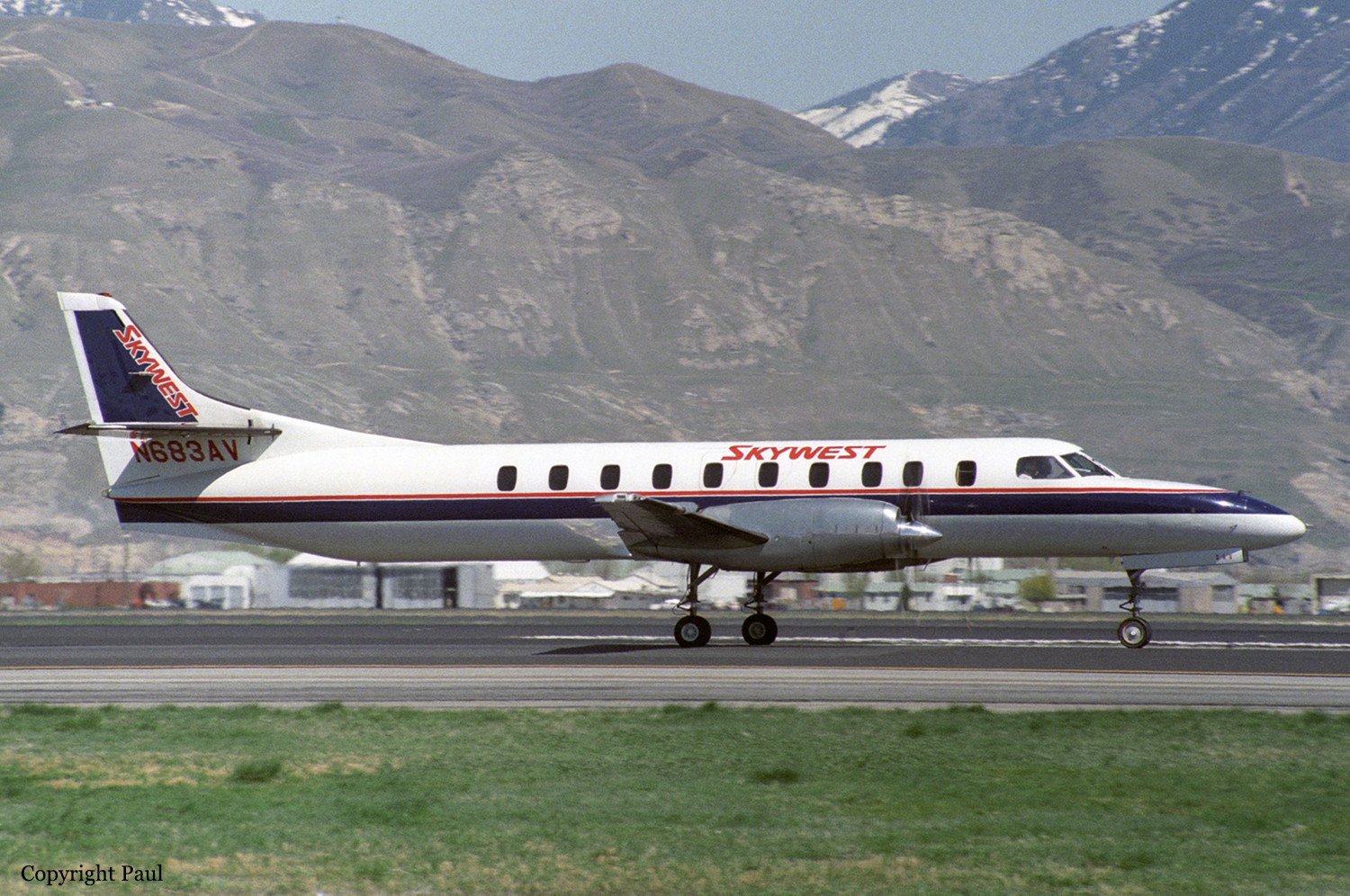
Crash of a Swearingen SA227AC Metro III in Los Angeles: 12 killed

Date & Time: Feb 1, 1991 at 1807 LT
Type of aircraft:
Operator:
Registration:
N683AV
Flight Phase:
Survivors:
No
Schedule:
Los Angeles - Palmdale
MSN:
AC-683
YOM:
1987
Flight number:
OO5569
Crew on board:
2
Crew fatalities:
Pax on board:
10
Pax fatalities:
Other fatalities:
Total fatalities:
12
Captain / Total flying hours:
8808
Captain / Total hours on type:
2107.00
Copilot / Total flying hours:
8000
Copilot / Total hours on type:
1363
Circumstances:
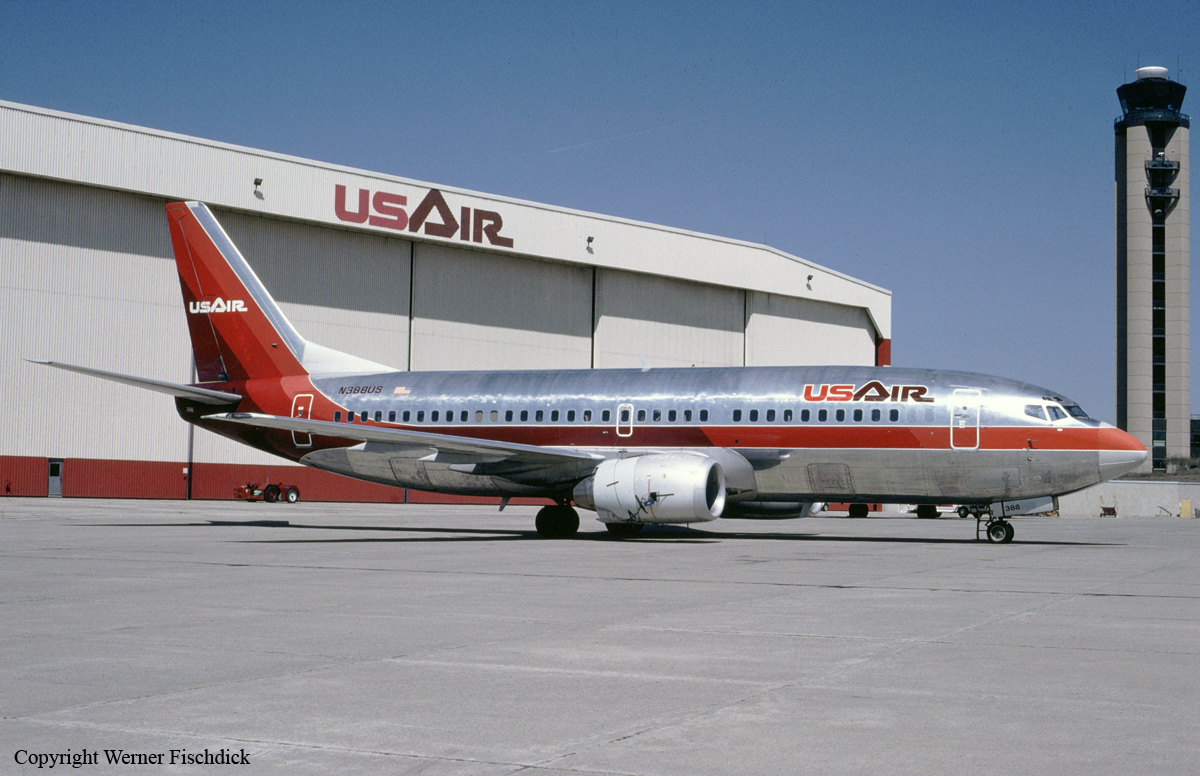
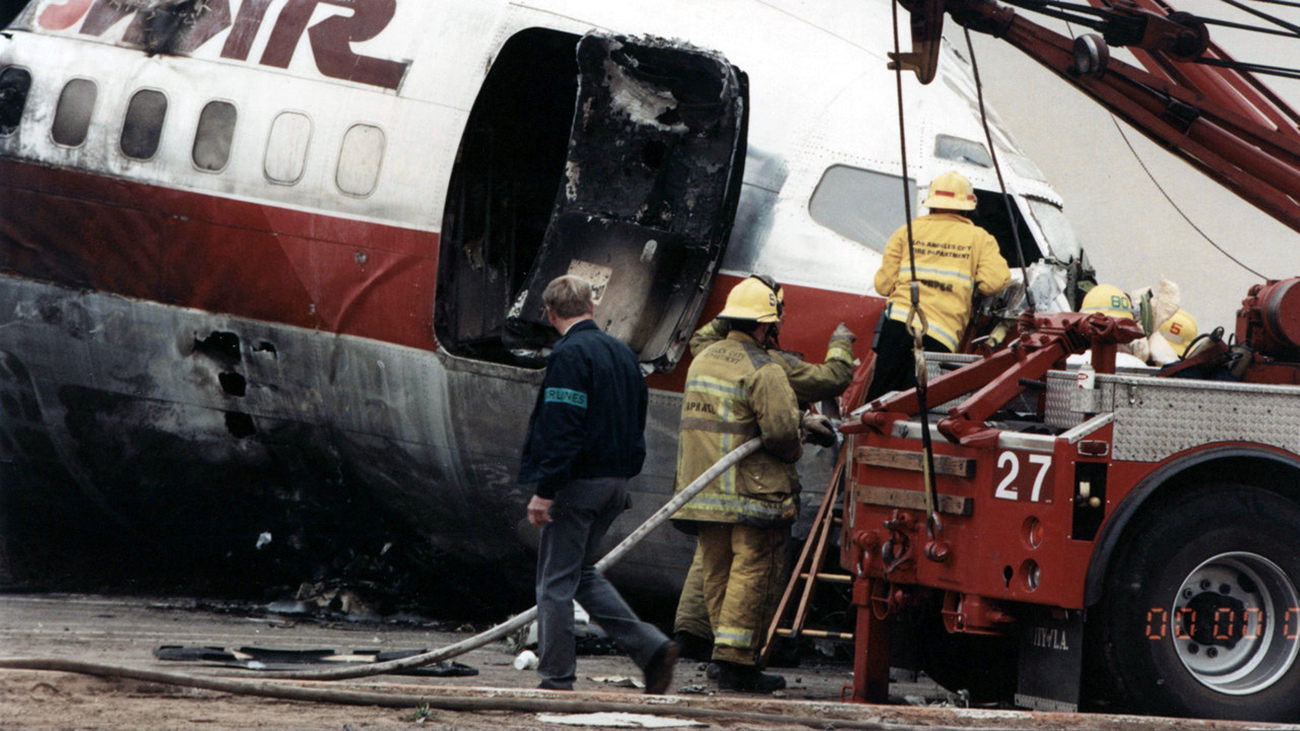
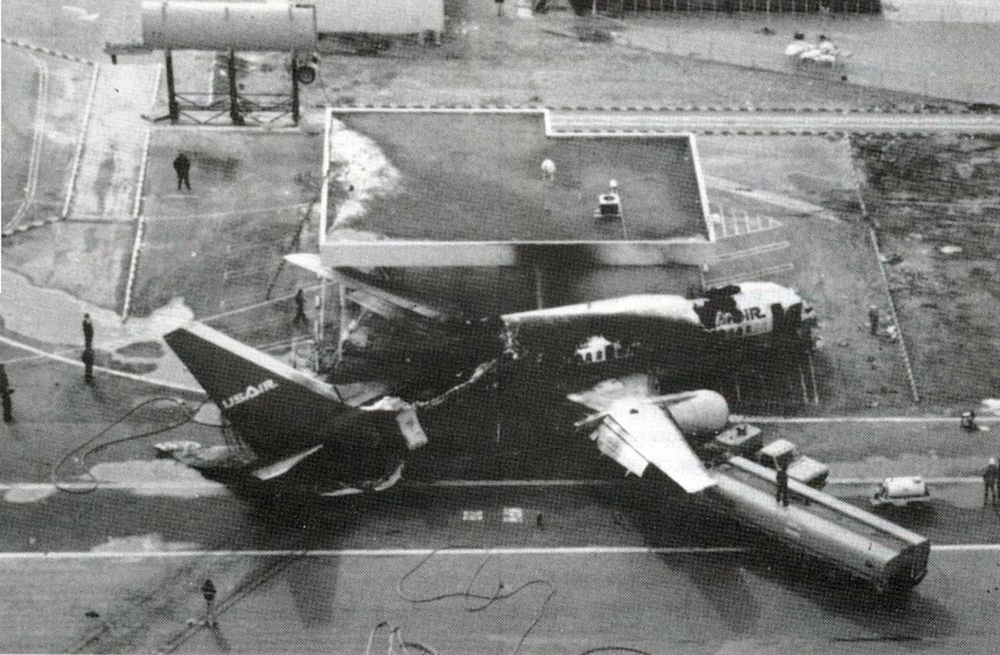
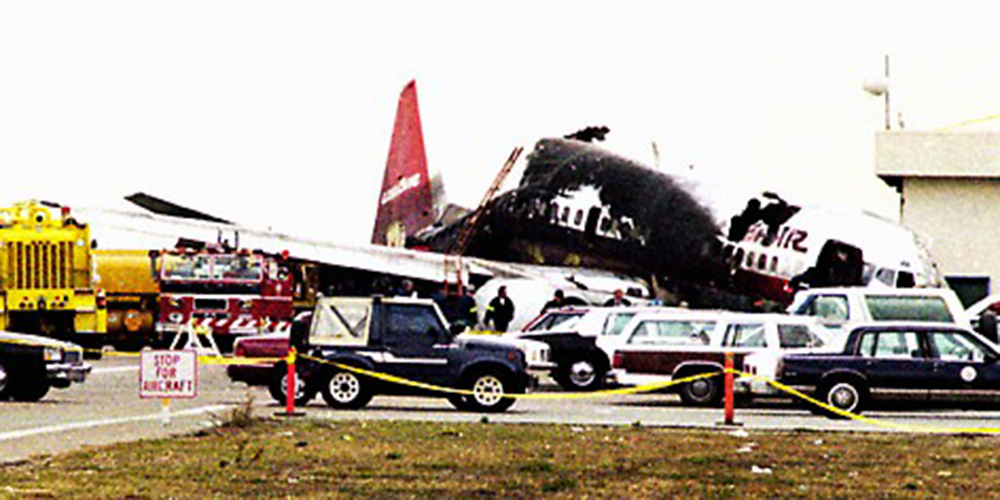
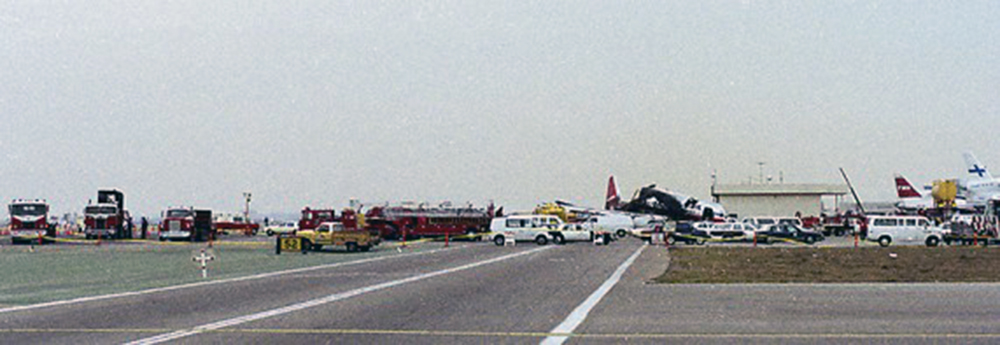
SKW5569, N683AV, had been cleared to runway 24L, at intersection 45, to position and hold. The local controller, because of her preoccupation with another airplane, forgot she had placed SKW5569 on the runway and subsequently cleared US1493, N388US, for landing. After the collision, the two airplanes slid off the runway into an unoccupied fire station. The tower operating procedures did not require flight progress strips to be processed through the local ground control position. Because this strip was not present, the local controller misidentified an airplane and issued a landing clearance. The technical appraisal program for air traffic controllers is not being fully utilized because of a lack of understanding by supervisors and the unavailability of appraisal histories.
Probable cause:
The failure of the los angeles air traffic facility management to implement procedures that provided redundancy comparable to the requirements contained in the national operational position standards and the failure of the faa air traffic service to provide adequate policy direction and oversight to its air traffic control facility managers. These failures created an environment in the Los Angeles air traffic control tower that ultimately led to the failure of the local controller 2 (lc2) to maintain an awareness of the traffic situation, culminating in the inappropriate clearances and the subsequent collision of the usair and skywest aircraft. Contributing to the cause of the accident was the failure of the faa to provide effective quality assurance of the atc system.
Final Report:

Crash of a Boeing 737-3B7 in Los Angeles: 22 killed

Date & Time: Feb 1, 1991 at 1807 LT
Type of aircraft:
Operator:
Registration:
N388US
Survivors:
Yes
Schedule:
Columbus - Los Angeles
MSN:
23310
YOM:
1985
Flight number:
US1493
Crew on board:
6
Crew fatalities:
Pax on board:
83
Pax fatalities:
Other fatalities:
Total fatalities:
22
Captain / Total flying hours:
16300
Captain / Total hours on type:
4300.00
Copilot / Total flying hours:
4316
Copilot / Total hours on type:
982
Circumstances:
SKW5569, N683AV, had been cleared to runway 24L, at intersection 45, to position and hold. The local controller, because of her preoccupation with another airplane, forgot she had placed SKW5569 on the runway and subsequently cleared US1493, N388US, for landing. After the collision, the two airplanes slid off the runway into an unoccupied fire station. The tower operating procedures did not require flight progress strips to be processed through the local ground control position. Because this strip was not present, the local controller misidentified an airplane and issued a landing clearance. The technical appraisal program for air traffic controllers is not being fully utilized because of a lack of understanding by supervisors and the unavailability of appraisal histories.
Probable cause:
The failure of the los angeles air traffic facility management to implement procedures that provided redundancy comparable to the requirements contained in the national operational position standards and the failure of the faa air traffic service to provide adequate policy direction and oversight to its air traffic control facility managers. These failures created an environment in the Los Angeles air traffic control tower that ultimately led to the failure of the local controller 2 (lc2) to maintain an awareness of the traffic situation, culminating in the inappropriate clearances and the subsequent collision of the usair and skywest aircraft. Contributing to the cause of the accident was the failure of the faa to provide effective quality assurance of the atc system.
Final Report:

Crash of a Lockheed PV-2D Harpoon off Lakeport: 8 killed

Date & Time: Sep 29, 1990 at 1229 LT
Type of aircraft:
Registration:
N7250C
Flight Phase:
Flight Type:
Survivors:
No
Schedule:
Santa Rosa - Santa Rosa
MSN:
15-1605
YOM:
1945
Crew on board:
1
Crew fatalities:
Pax on board:
7
Pax fatalities:
Other fatalities:
Total fatalities:
8
Captain / Total flying hours:
811
Circumstances:
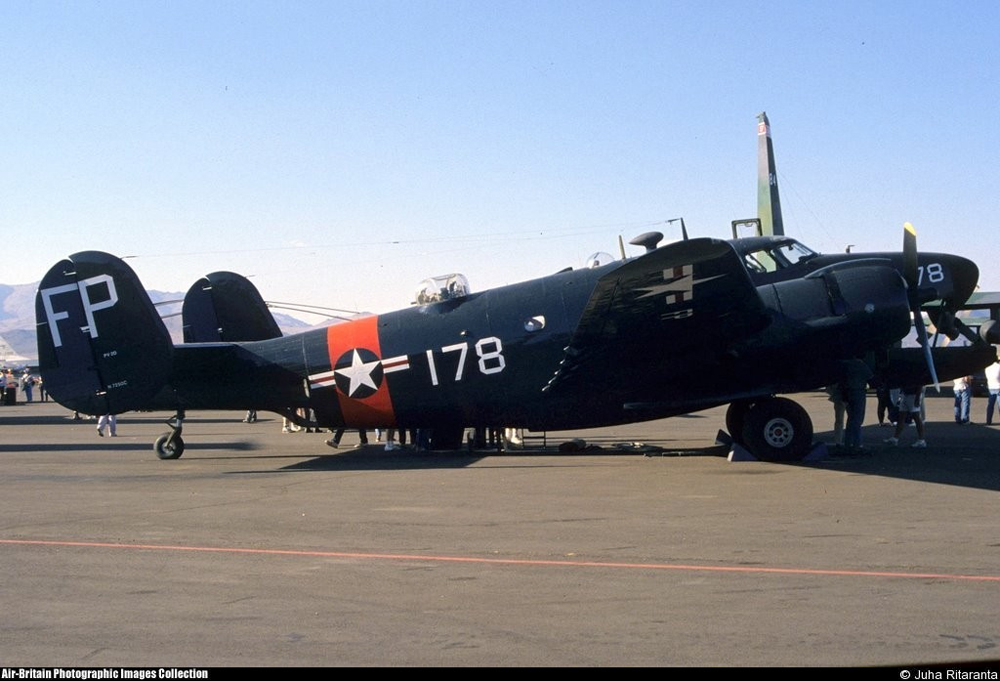
The airplane was observed making several low passes, with its smoke generators operating, over seaplanes anchored in a lake. The last pass was reportedly at an altitude less than 50 feet, and then the airplane was observed entering an abnormally steep climb, followed by a near vertical nose-down attitude to impact. A video tape shows that both propellers were turning. The pilot had received his multi-engine rating in a Beech 76 on 3/6/90, and his type rating in the airplane 3/28/90.
Probable cause:
The pilot-in-command's failure to maintain airspeed during a pull-up from a low pass. Factors which contributed to the accident were: the pilot's poor judgement in buzzing the seaplanes which resulted in insufficient altitude to recover from the stall, and the pilot's inexperience in the airplane.
Final Report:

Crash of a Lockheed P-3C Orion at Crows Landing-Aux Field AFB

Date & Time: Sep 25, 1990
Type of aircraft:
Operator:
Registration:
161762
Flight Type:
Survivors:
Yes
Schedule:
Crows Landing AFB - Crows Landing AFB
MSN:
5772
YOM:
1984
Crew on board:
4
Crew fatalities:
Pax on board:
0
Pax fatalities:
Other fatalities:
Total fatalities:
0
Circumstances:
The crew was taking part to an airshow at Crows Landing-Aux Field AFB and practicing touch-and-go. For unknown reasons, the aircraft landed hard, went out of control and came to rest, bursting into flames. All four crew members escaped uninjured while the aircraft was destroyed.

Crash of a Cessna 500 Citation in San Luis Obispo: 4 killed

Date & Time: Sep 24, 1990 at 0702 LT
Type of aircraft:
Registration:
N79DD
Flight Type:
Survivors:
No
Schedule:
Van Nuys - San Luis Obispo
MSN:
500-0254
YOM:
1975
Crew on board:
2
Crew fatalities:
Pax on board:
2
Pax fatalities:
Other fatalities:
Total fatalities:
4
Captain / Total flying hours:
1021
Captain / Total hours on type:
95.00
Aircraft flight hours:
4197
Circumstances:
The flight was cleared for a loc runway 11 approach. About 3 minutes later, the 2nd-in-command (sic) reported '. . . We don't get the localizer can you see if we're on course.' The LAX ARTCC R-15 controller confirmed the flight was right of course and below the required altitude. The aircraft's mode C indicated an altitude of 1,400 feet; the controller advised the flight crew to maintain at least 2,300 feet until past the final approach fix (faf). The crew then replied that they were in VMC. Radar svc was terminated and a frequency change to tower was approved. Shortly thereafter, the aircraft hit a eucalyptus tree at about 90 feet agl, 2.05 miles from the approach end of the runway and about 195 feet right of the loc. Elevation of the crash site was 101 feet; minimum descent altitude (MDA) for the approach was 640 feet. The 0645 pdt weather was, in part: indefinite ceiling, 100 feet obscured, vis 1/8 mile with fog, wind from 220° at 4 kts. No preimpact part failure or malfunction of the aircraft was found. All four occupants were killed.
Probable cause:
The pilot's improper IFR (instrument) procedure, and his failure to maintain the minimum descent altitude (MDA) for the approach. The adverse weather was a related factor.
Final Report:

Crash of a Cessna 208A Cargomaster in Fresno

Date & Time: Jun 6, 1990 at 1715 LT
Type of aircraft:
Operator:
Registration:
N803FE
Flight Type:
Survivors:
Yes
Schedule:
Fresno - Oakland
MSN:
208-0015
YOM:
1985
Crew on board:
1
Crew fatalities:
Pax on board:
0
Pax fatalities:
Other fatalities:
Total fatalities:
0
Captain / Total flying hours:
9275
Captain / Total hours on type:
335.00
Circumstances:
The engine lost oil pressure while climbing through 6,000 feet, and the pilot requested to return to his departure airport. ATC informed the pilot of a closer airport. The pilot secured the engine, feathered the prop, and made a power-off descent to the airport. The pilot elected to make a downwind approach to runway 12L due to his altitude. The airplane overflew the runway and touched down past the departure end. It penetrated the airport perimeter fence, struck several trees, a sign post, a light pole, and an auto before coming to rest in a residential area. Examination of the wreckage revealed the loss of pressure was due to oil leaking. The oil filler cap was found improperly adjusted after the original installation. The maintenance manual does not approve any field repairs on the oil filler cap engaging mechanisms. The airplane's flaps were found at a 7° intermediate setting.
Probable cause:
A loss of engine oil pressure due to improper maintenance performed on the engine oil filler cap by an unknown person. In addition, the pilot misjudged his landing approach to the runway during the forced landing which resulted in an overshoot and collision with objects. A tailwind contributed to the overshoot.
Final Report:

Crash of a Douglas C-54P Skymaster in Chico

Date & Time: Apr 30, 1990 at 1200 LT
Type of aircraft:
Operator:
Registration:
N67109
Flight Type:
Survivors:
Yes
Schedule:
Chico - Chico
MSN:
10459
YOM:
1944
Flight number:
Tanker 17
Crew on board:
2
Crew fatalities:
Pax on board:
0
Pax fatalities:
Other fatalities:
Total fatalities:
0
Circumstances:
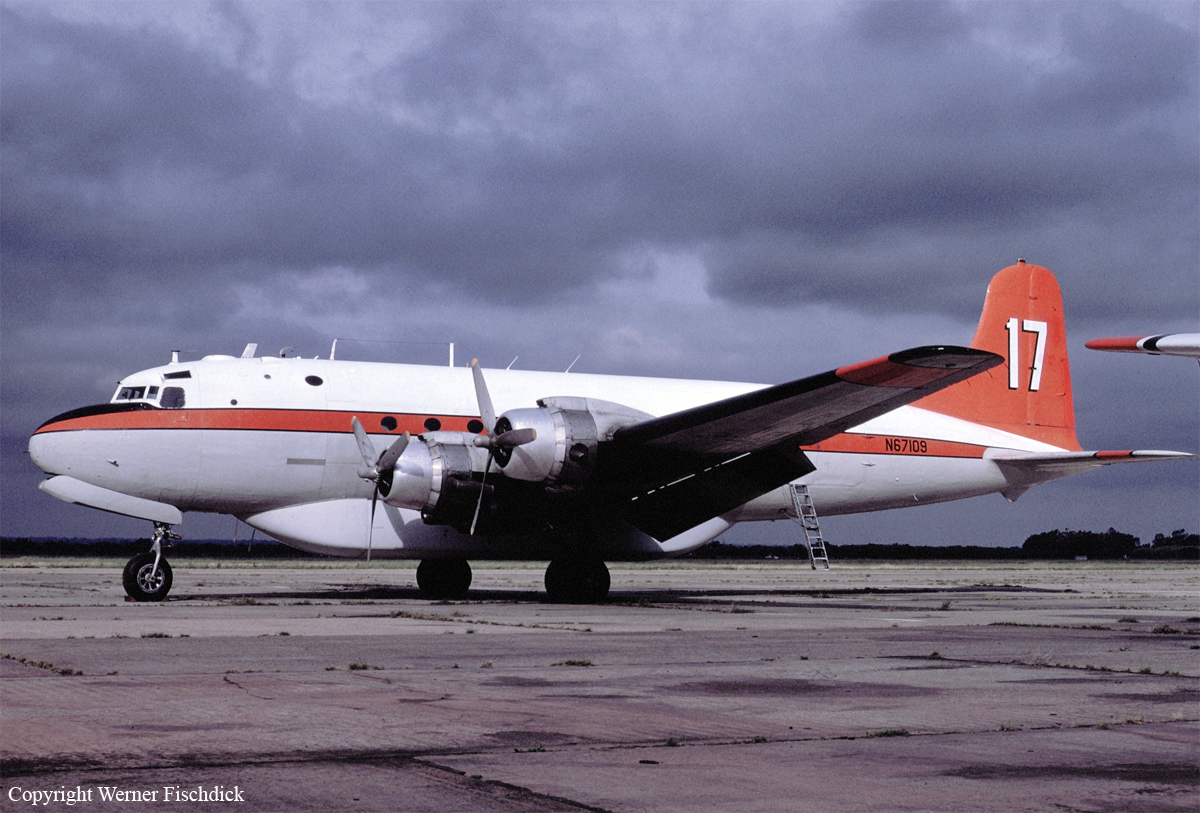
The crew was completing a local training flight at Chico Airport. After touchdown, the nose gear collapsed. The airplane slid on its nose for few dozen yards before coming to rest. Both pilots escaped uninjured while the aircraft was damaged beyond repair.
Probable cause:
Failure of the nose gear upon landing for unknown reasons.
Final Report:

Crash of a Learjet 35 in McClellan-Palomar

Date & Time: Apr 2, 1990 at 1245 LT
Type of aircraft:
Operator:
Registration:
N51FN
Flight Phase:
Flight Type:
Survivors:
Yes
Schedule:
McClellan-Palomar - McClellan-Palomar
MSN:
35-059
YOM:
1976
Crew on board:
2
Crew fatalities:
Pax on board:
0
Pax fatalities:
Other fatalities:
Total fatalities:
0
Circumstances:
During the takeoff roll on runway 24 at McClellan-Palomar Airport, one of the engine failed between V1 and VR. After both wings struck the runway surface, the crew lost control of the airplane that crash near the runway end. Both pilots were slightly injured and the aircraft was written off.
Probable cause:
Engine failure during takeoff roll for unknown reasons.
Final Report:

Crash of a Cessna 414 Chancellor in Ramona

Date & Time: Mar 16, 1990 at 1440 LT
Type of aircraft:
Registration:
N711AG
Flight Type:
Survivors:
Yes
Schedule:
Carlsbad - Ramona
MSN:
414-0016
YOM:
1969
Crew on board:
1
Crew fatalities:
Pax on board:
2
Pax fatalities:
Other fatalities:
Total fatalities:
0
Captain / Total flying hours:
2300
Captain / Total hours on type:
50.00
Circumstances:
The pilot reported that the aircraft landed normally and during the landing roll a loud 'bang' was heard and the right main landing gear collapsed. An investigation was conducted by an FAA airworthiness inspector. During this investigation, it was noted that a washer in the right main landing gear assembly failed. Subsequent investigation, including a review of the aircraft maintenance records, revealed that cessna aircraft service information letter number ME83-37, dated november 23, 1983 had not been complied with. This service letter recommended replacement of the original washers with a new washer, Cessna part number S1450-5H12-063. (Old part number 5045018-2)
Probable cause:
Right main gear scissors assembly becoming disconnected during landing roll, allowing the right run landing gear to collapse; scissor assembly washers not being replaced as recommended in cessna aircraft service bulletin ME83-37.
Final Report: