


Country
Operator Image

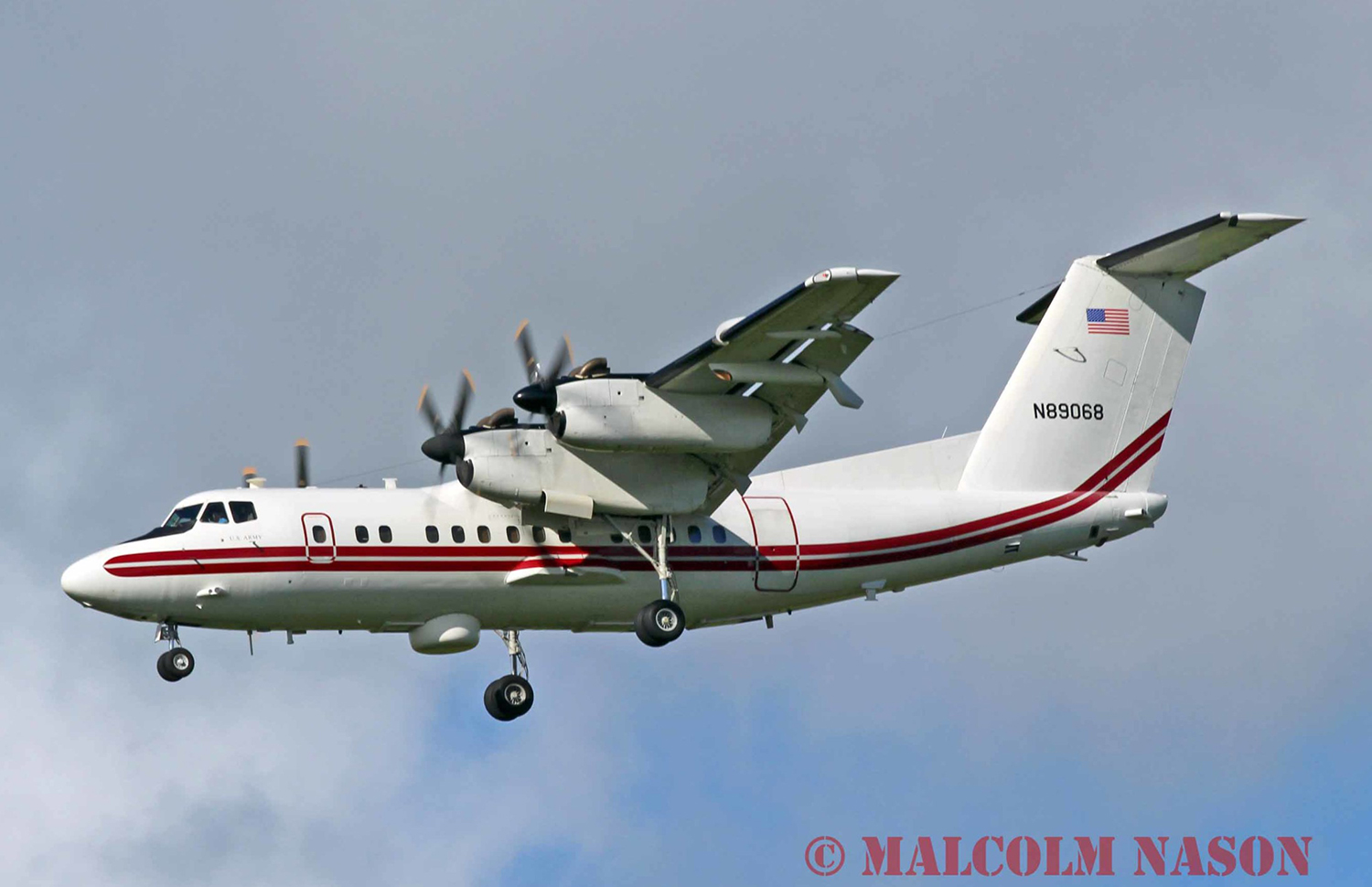
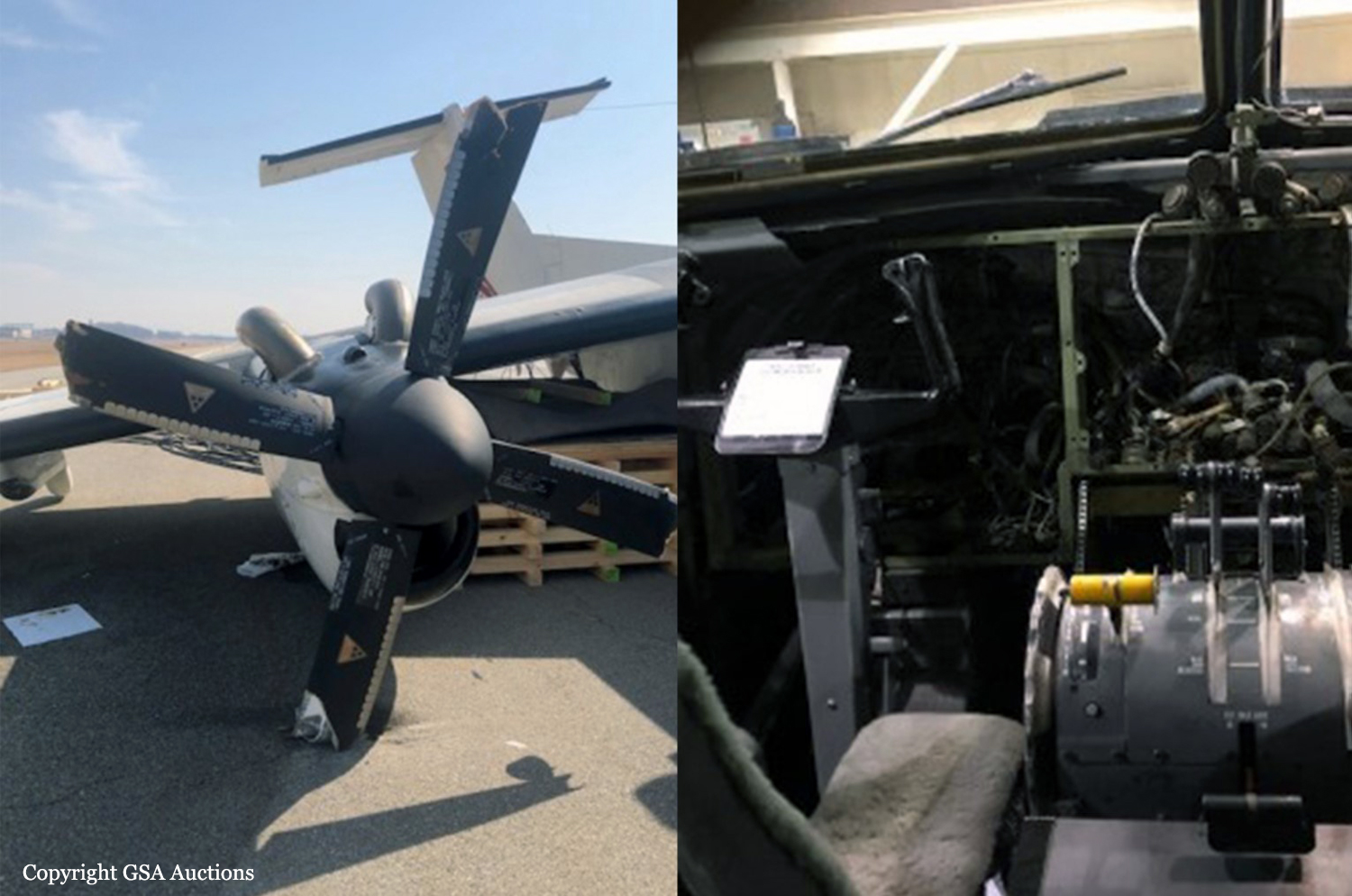
Crash of a De Havilland EO-5C (Dash-7-102) at Pyongtaek-Desiderio AAF
Date & Time:
Feb 25, 2019
Operator:
Registration:
N89068
Survivors:
Yes
Schedule:
Pyongtaek - Pyongtaek
MSN:
88
YOM:
1982
Crew on board:
0
Crew fatalities:
Pax on board:
0
Pax fatalities:
Other fatalities:
Total fatalities:
0
Circumstances:
The aircraft was complering a survey mission on behalf of the US Ministry of Defense. For unknown reasons, the four engine airplane landed hard at Pyongtaek-Desiderio AAF (Camp Humphreys), causing the right main gear to collapse. The right wing fell on the ground and the aircraft slid for few dozen metres before coming to rest. All occupants evacuated safely and the aircraft was damaged beyond repair.
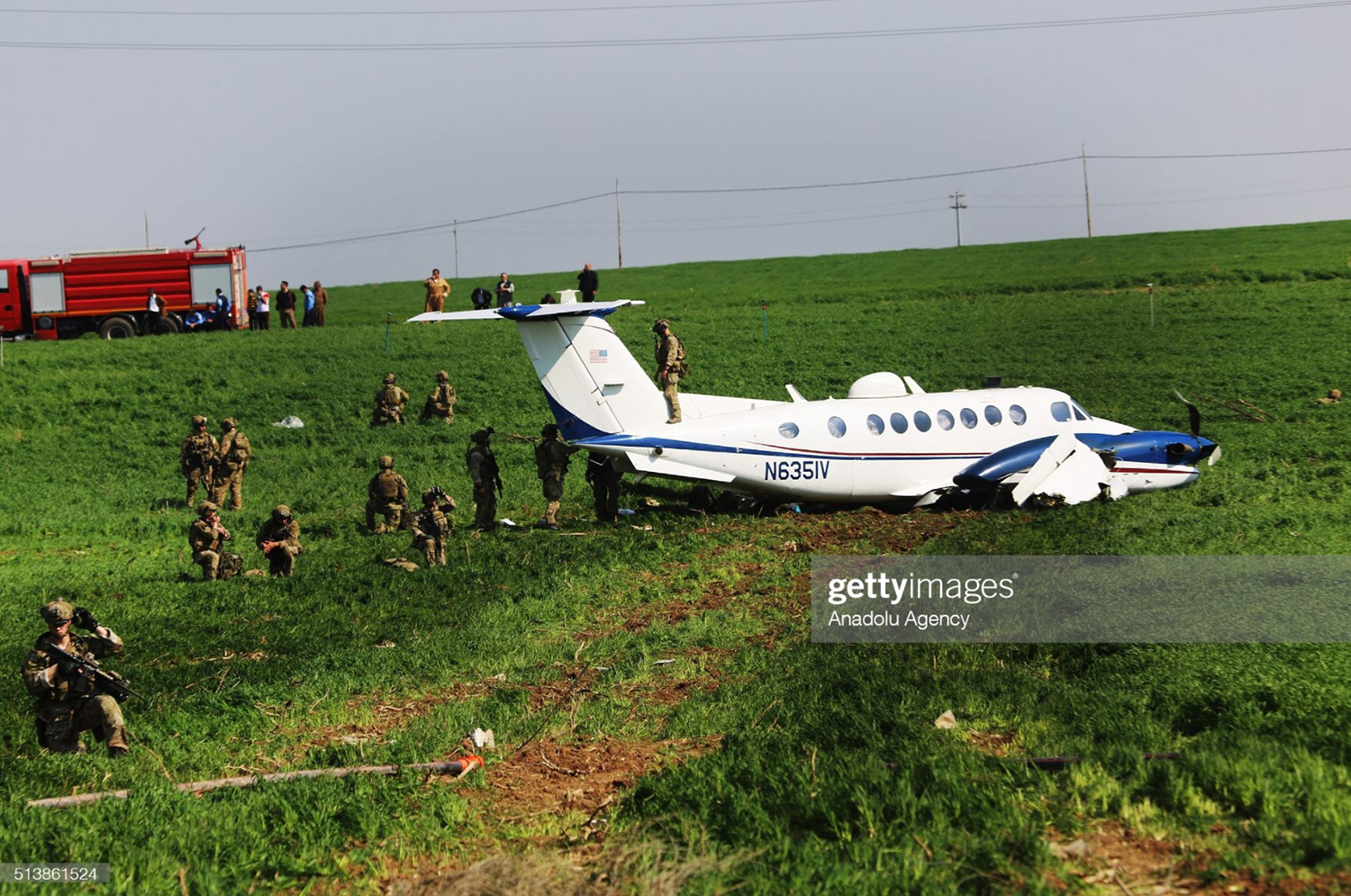
Crash of a Beechcraft MC-12W Liberty in Kawrgosk
Date & Time:
Mar 5, 2016
Operator:
Registration:
N6351V
Survivors:
Yes
Schedule:
Arbil - Arbil
MSN:
FL-751
YOM:
2011
Crew on board:
2
Crew fatalities:
Pax on board:
2
Pax fatalities:
Other fatalities:
Total fatalities:
0
Circumstances:
The twin engine airplane departed Arbil Airport on a military survey flight, carrying two passengers and two pilots. While cruising at an altitude of 20,000 feet, the left engine failed and smoke spread in the cabin. Confused and disoriented, the crew inadvertently shut down the right engine. During the descent, the crew was able to open the outflow valve, clearing the smoke. The crew then realized he could not reached the Arbil Airport so he attempted an emergency landing in a field located in Kawrgosk, about 17 km northwest of Arbil Airport. The aircraft slid on its belly for few dozen metres before coming to rest, and was damaged beyond repair. All four occupants evacuated safely.
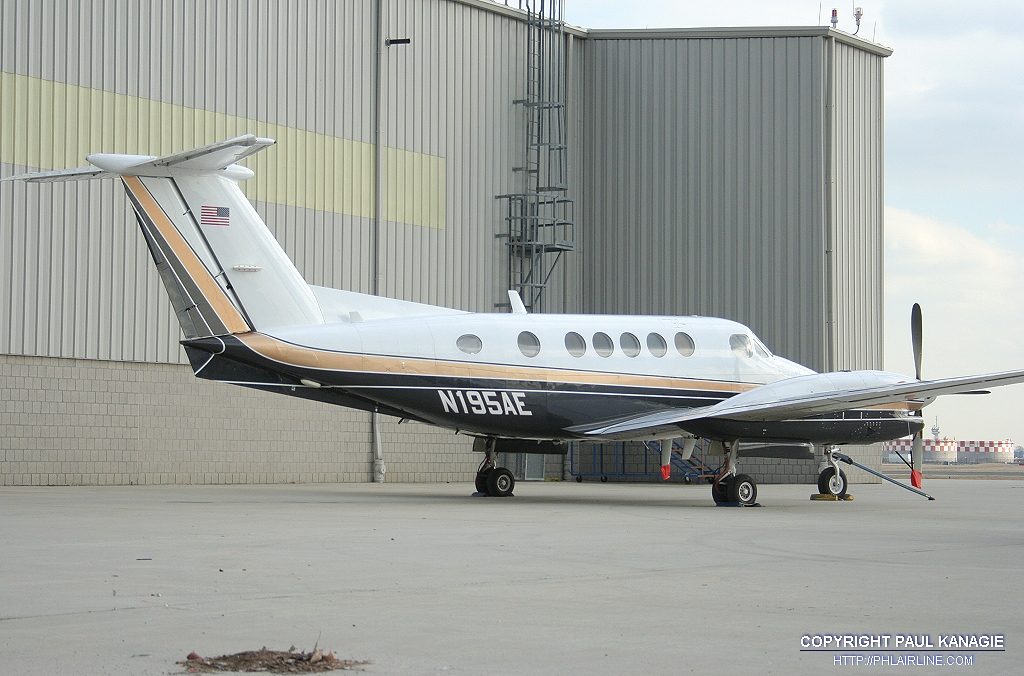
Crash of a Beechcraft MC-12W Liberty in Afghanistan: 3 killed
Date & Time:
Jan 9, 2014
Operator:
Registration:
N195AE
Survivors:
No
MSN:
FA-195
YOM:
1989
Crew on board:
2
Crew fatalities:
Pax on board:
1
Pax fatalities:
Other fatalities:
Total fatalities:
3
Circumstances:
The twin engine aircraft was performing a special mission with a crew of two and a member of the ISAF on board. The accident occurred in unknown circumstances somewhere in the east part of Afghanistan. The aircraft was destroyed and all three occupants were killed. There are no indications that the aircraft was brought down by enemy fire, said a Defense official. It was later reported that the airplane involved was completing an Air Medium-Altitude Reconnaissance and Surveillance System (MARSS) mission.
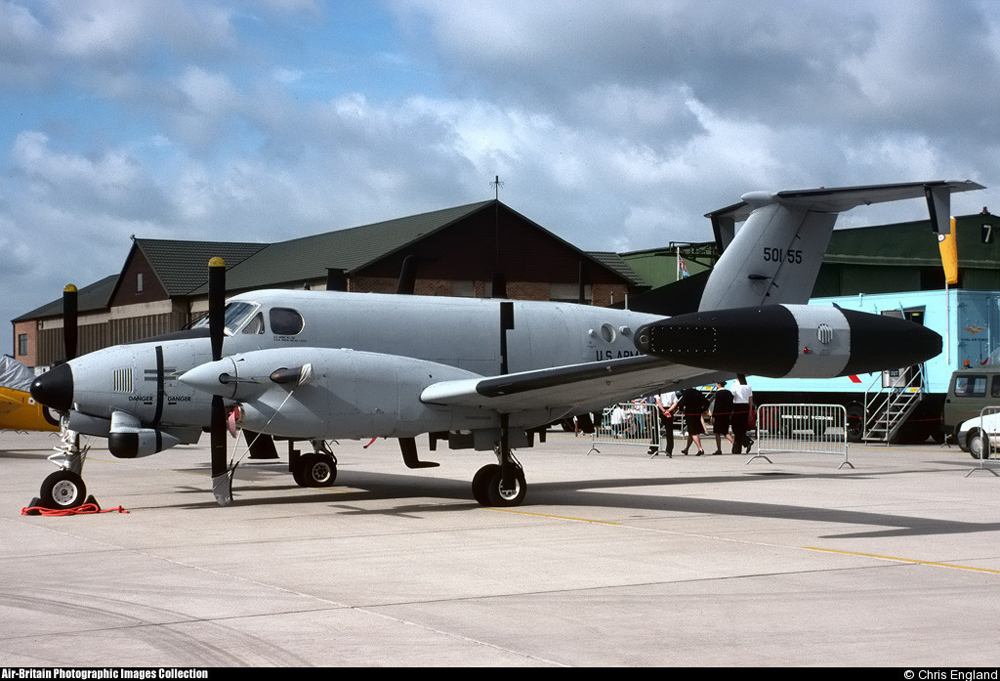
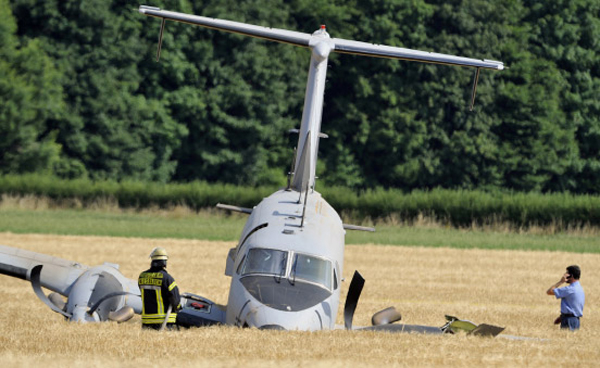
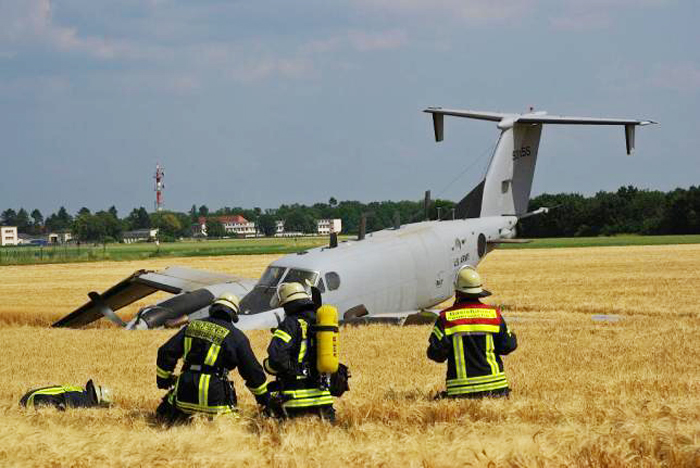
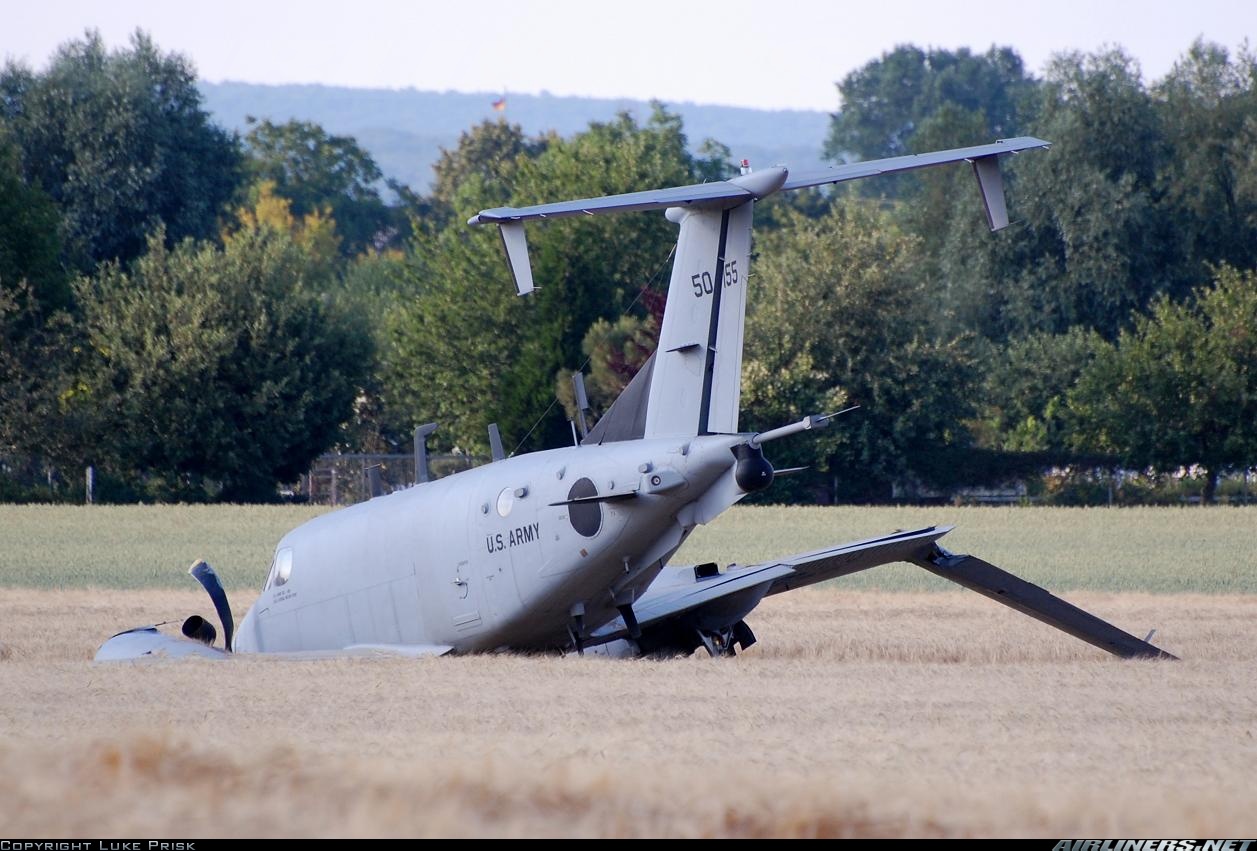
Crash of a Beechcraft RC-12K Guardrail in Wiesbaden
Date & Time:
Jun 30, 2010 at 1540 LT
Operator:
Registration:
85-0155
Survivors:
Yes
Schedule:
Wiesbaden - Wiesbaden
MSN:
FE-9
YOM:
1987
Crew on board:
2
Crew fatalities:
Pax on board:
0
Pax fatalities:
Other fatalities:
Total fatalities:
0
Circumstances:
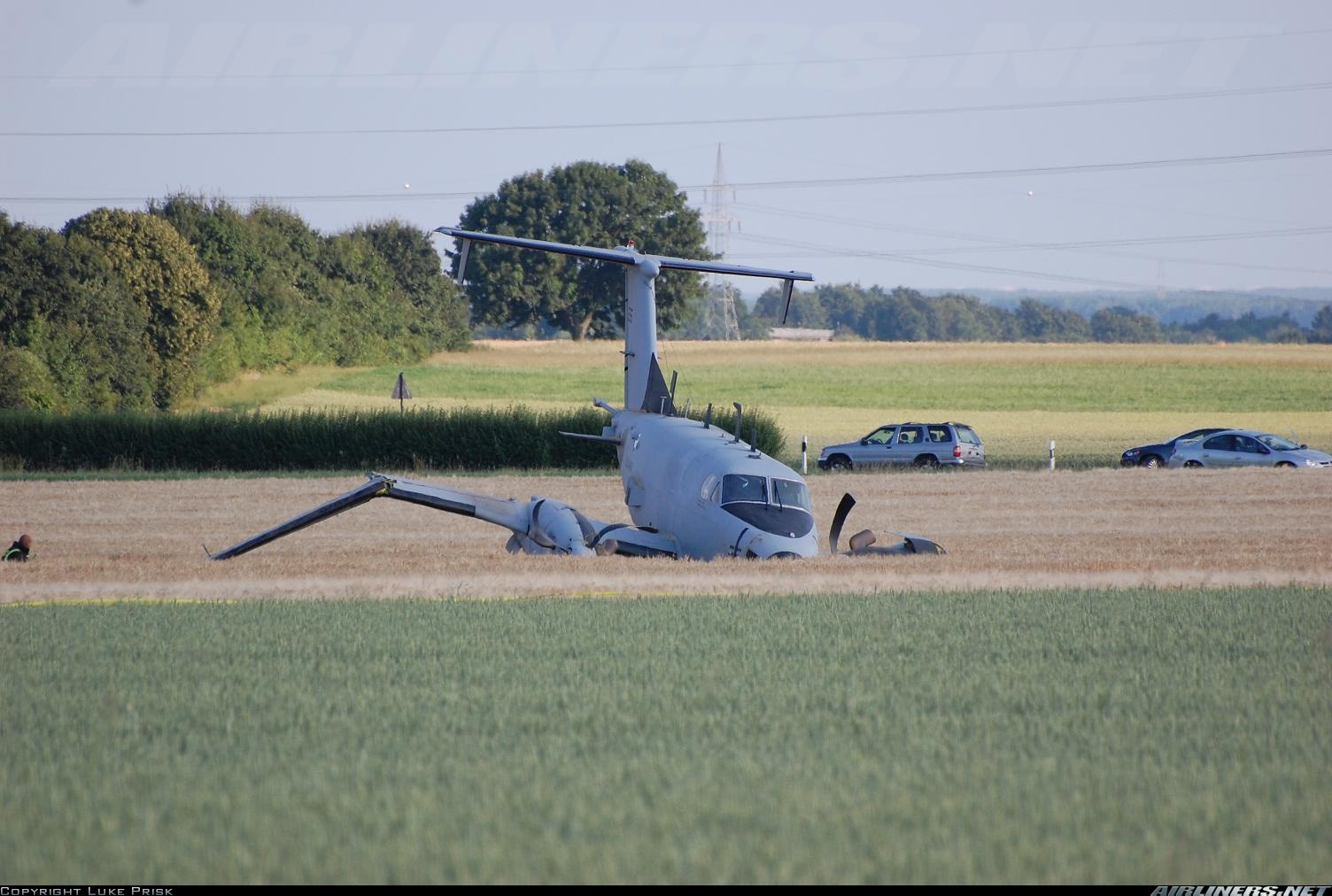
The crew departed Wiesbaden-Erbenheim AFB on a local training flight. On approach, technical problem forced the crew to attempt an emergency landing in a cornfield 200 metres short of runway. Both pilots were slightly injured while the aircraft was damaged beyond repair.
Probable cause:

Crash of a Beechcraft C-12C Huron in the Nuristan Province: 3 killed
Date & Time:
Oct 13, 2009
Operator:
Registration:
78-23135
Survivors:
No
Schedule:
Bagram - Bagram
MSN:
BC-71
YOM:
1978
Flight number:
Red Handed 56
Crew on board:
3
Crew fatalities:
Pax on board:
0
Pax fatalities:
Other fatalities:
Total fatalities:
3
Circumstances:
The twin engine aircraft departed Bagram AFB on a counter-narcoterrorism operation over the Nuristan province, carrying three crew members. In unknown circumstances, the aircraft struck the slope of a mountain. The wreckage was spotted 7 days later and the rescuers arrived on site Oct 27. The aircraft was destroyed and all three occupants were killed.
Crew:
CIV Randolph Bergquist,
CIV J. B. Anderson,
CIV Jeff Lehner.
Crew:
CIV Randolph Bergquist,
CIV J. B. Anderson,
CIV Jeff Lehner.
Probable cause:
It is believed that the accident was the consequence of a crew error (navigation error) or a possible technical problem. A possible hostile act was ruled out.
Crash of a Beechcraft C-12F Huron near Pyongtaek: 2 killed
Date & Time:
Aug 12, 2003 at 1443 LT
Operator:
Registration:
84-0169
Survivors:
No
Schedule:
Pyongtaek - Pyongtaek
MSN:
BL-99
YOM:
1984
Crew on board:
2
Crew fatalities:
Pax on board:
0
Pax fatalities:
Other fatalities:
Total fatalities:
2
Circumstances:
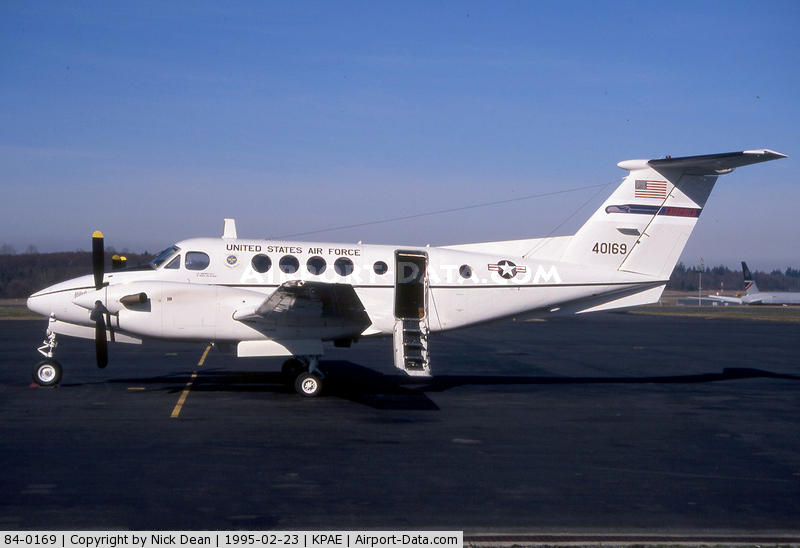
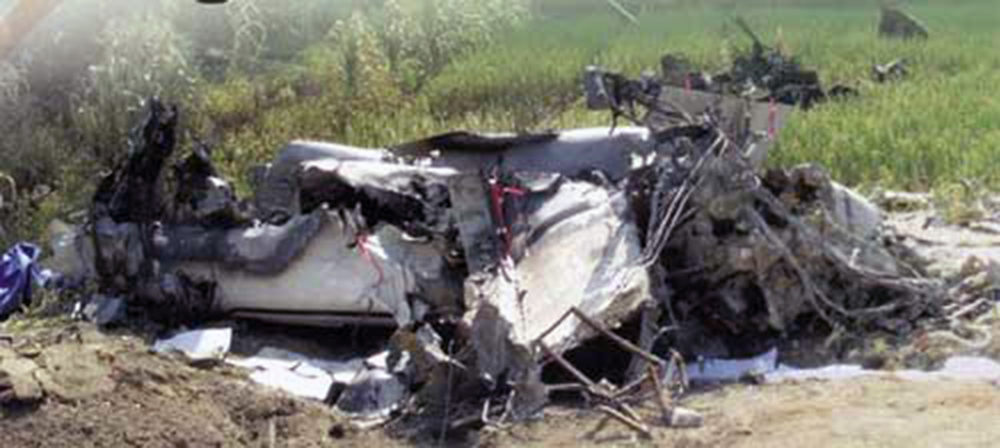
The crew departed Pyongtaek-Desiderio AAF on a local test flight. The goal of the flight was to test the aircraft after replacement stall strips had been fitted to the outer edge of the wings. In flight, the crew lost control of the airplane that entered a dive and crashed in a field, bursting into flames. Both occupants were killed.
Probable cause:
Failure of the crew to follow the procedures while attempting to create stall conditions, which caused the aircraft to enter an irrecoverable situation.
Crash of a Pilatus UV-20A Turbo Porter in Marana: 1 killed
Date & Time:
Mar 15, 2002 at 1000 LT
Operator:
Registration:
79-23253
Survivors:
No
Schedule:
Marana - Marana
MSN:
802
YOM:
1979
Crew on board:
1
Crew fatalities:
Pax on board:
0
Pax fatalities:
Other fatalities:
Total fatalities:
1
Captain / Total hours on type:
31.00
Aircraft flight hours:
6267
Circumstances:
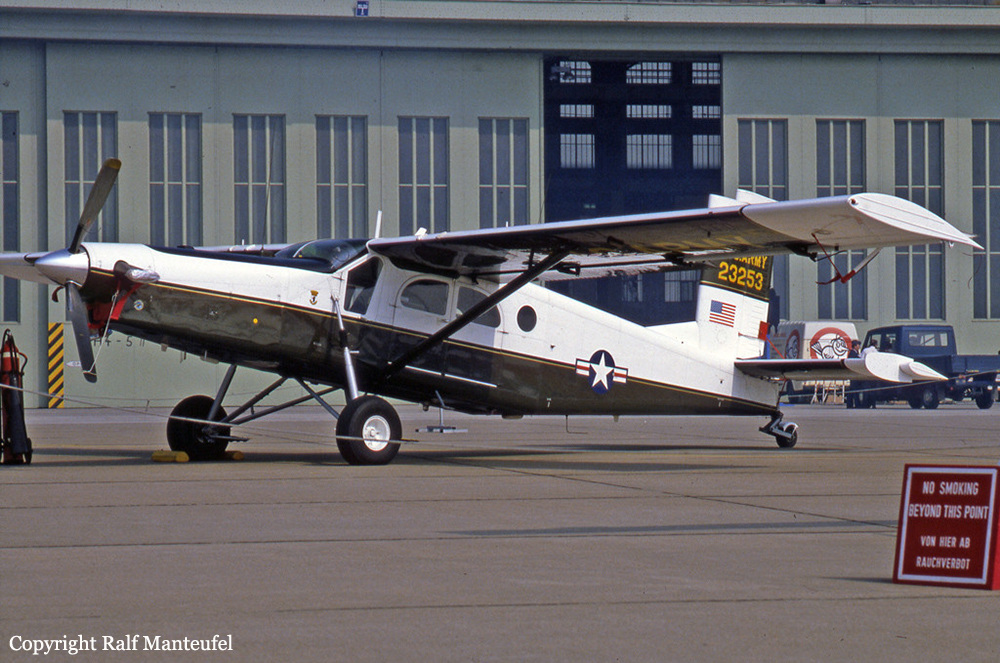
A US Army Pilatus UV-20A collided in midair with a Cessna 182C during parachute jumping operations. The collision occurred about 4,800 feet mean sea level (msl) (2,800 feet above ground level (agl)) on the northeast side of runway 12 abeam the approach end. Both aircraft had made multiple flights taking jumpers aloft prior to the accident. The Pilatus departed runway 12 about 5 minutes prior to the Cessna's departure on the same runway. The drop zone was on the airport west of the intersections of runways 12 and 03. The Pilatus departed to the south and began a climb to the jump altitude of 5,500 feet msl, which was 3,500 feet agl. The pilot began the jump run on the southwest side of the runway paralleling it on a heading of about 300 degrees and when he was 1 to 2 minutes from the drop zone broadcast the intent to drop jumpers. The first jumper stated that it normally took him between 1 minute and 1 minute 15 seconds to reach the ground. As he neared the ground he observed everyone running toward the crash site. The Cessna pilot had four jumpers on board and said that his usual practice is to plan his climb so that the jump altitude (5,000 to 5,500 feet msl) is reached about the same time that the aircraft arrives over the jump zone. He departed runway 12 and made a wide sweeping right turn around the airport to set up for the jump. As the Pilatus neared the jump zone the Cessna was greater than 1,000 feet lower and west of the Pilatus climbing on a northerly heading. The Cessna pilot planned to make a right turn to parallel the left side of runway 12, and then turn right toward the drop zone. The jumpers in the Cessna looked out of the right side, and watched the Golden Knights exit their airplane. The jumpers said that their altimeters read 2,500 feet agl. The Cessna pilot turned to a heading of 120 degrees along the left side of the approach end of runway 12. He heard the Pilatus pilot say on Common Traffic Advisory Frequency that the Pilatus was downwind for runway 12. Based on witness observations, at this point the Pilatus was in a descending turn heading generally opposite to the downwind heading on the northeast side of the runway. Everyone in the Cessna heard a loud bang, the Cessna pilot felt something hit him in the head, and the airplane pitched down and lost several hundred feet of altitude. He noticed a blur of yellow and white out of his left window. The lead jumper decided that they should exit, and they all jumped. The Cessna pilot decided that the airplane was controllable, and landed safely. Both civilian and military witnesses on the ground heard the Pilatus pilot call downwind for runway 12. About 10 seconds later they heard intense transmissions over the loud speaker, and looked up and observed the Pilatus in a nearly vertical, nose down slow spiral. There was an open gash in the top of the Cessna's cabin on the left side near the wing root. The green lens and its gold attachment fitting from the Pilatus were on the floor behind the pilot's seat.
Probable cause:
The failure of both pilots to maintain an adequate visual lookout. The failure of the Pilatus pilot to report his proper position was a factor.
Final Report:
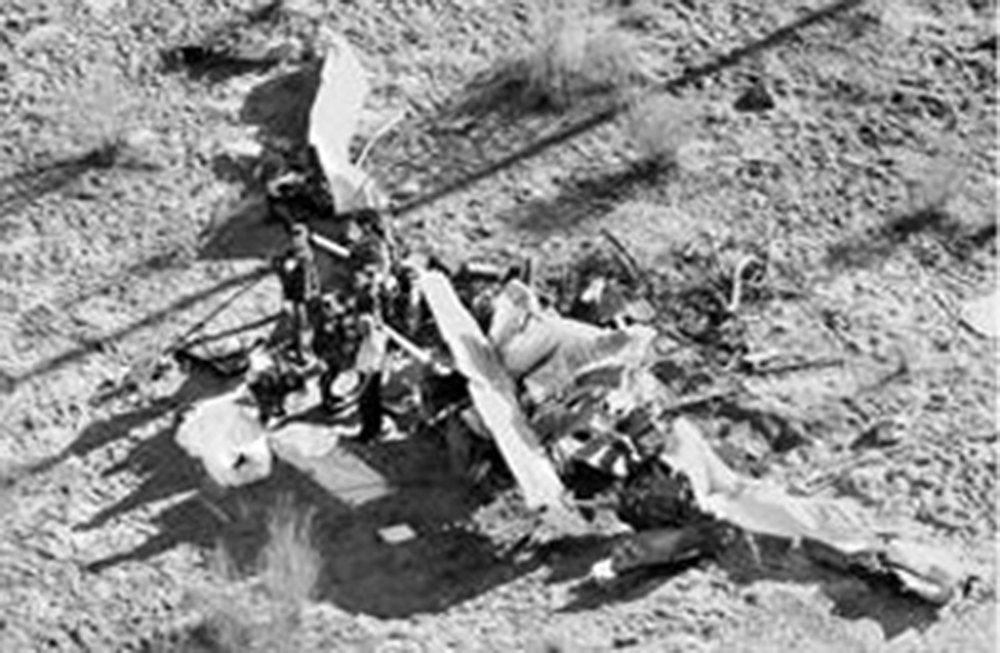
Crash of a Let L-410UVP-E3 at Fort Bliss AFB
Date & Time:
Feb 8, 2002
Operator:
Registration:
00-0292
Survivors:
Yes
MSN:
89 23 07
YOM:
1989
Crew on board:
4
Crew fatalities:
Pax on board:
0
Pax fatalities:
Other fatalities:
Total fatalities:
0
Circumstances:
Crashed in unknown circumstances in trees while completing a local training flight at Fort Bliss AFB. All four crew members were rescued, among them two were injured.

