Operator Image

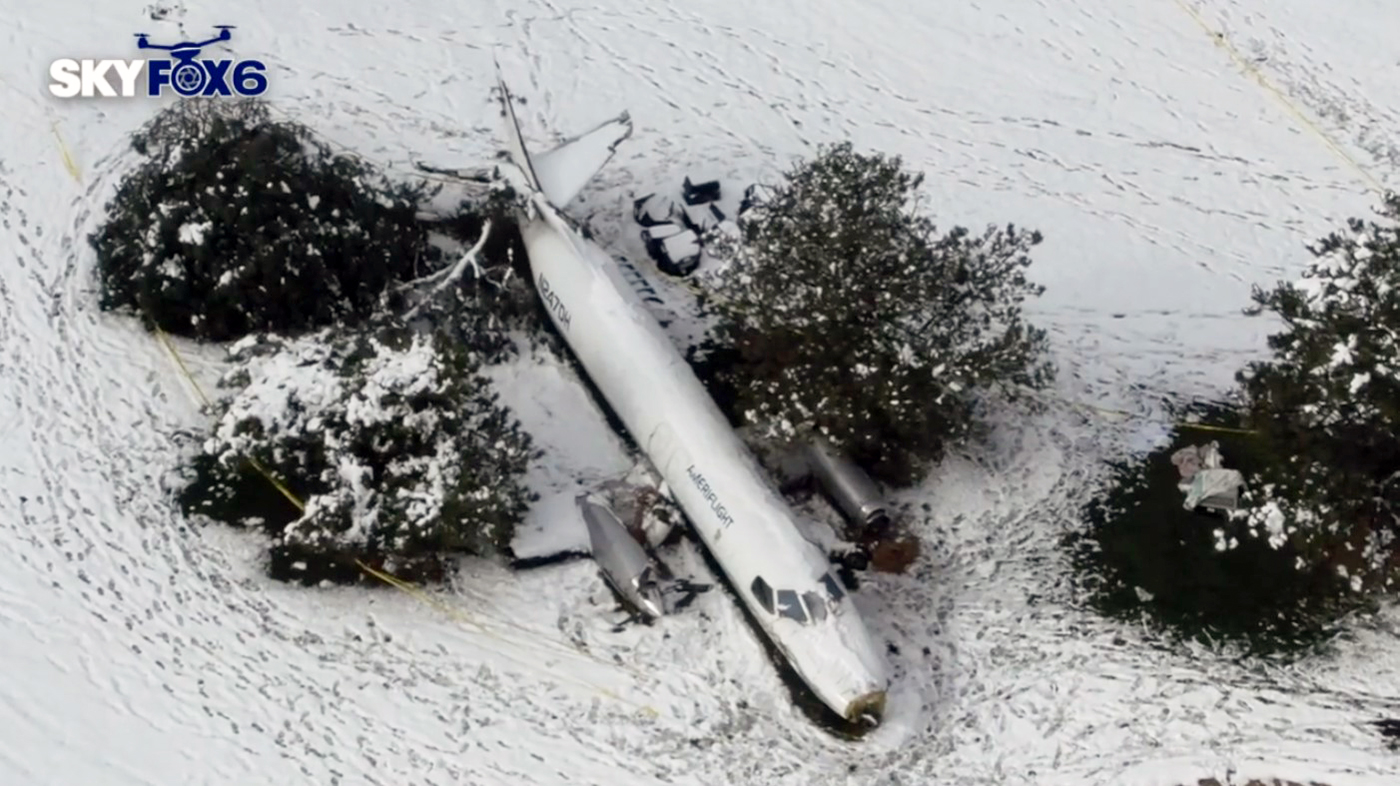
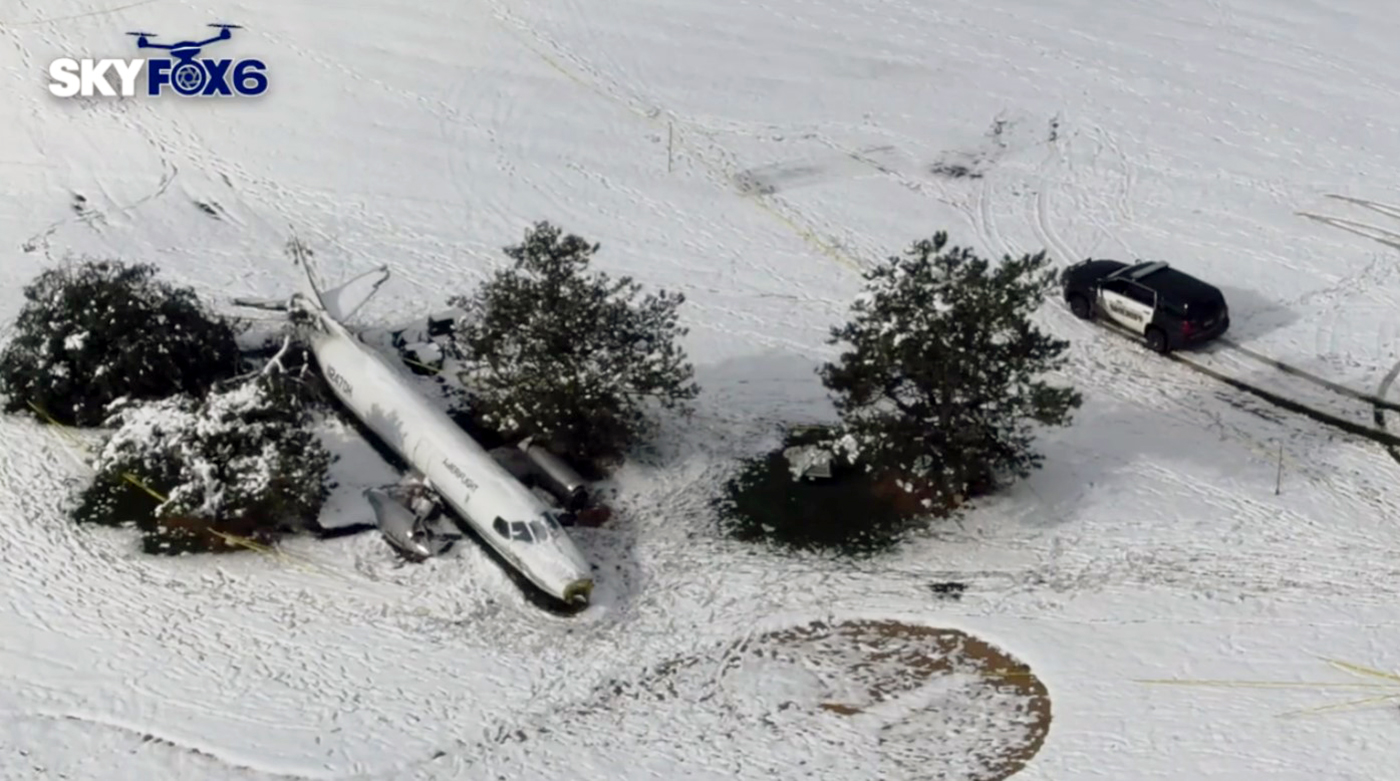
Crash of a Beechcraft 99 Airliner in Norfolk: 1 killed

Date & Time: Oct 7, 2024 at 1938 LT
Type of aircraft:
Operator:
Registration:
N130GP
Flight Phase:
Flight Type:
Survivors:
No
Schedule:
Norfolk - Omaha
MSN:
U-222
YOM:
1984
Flight number:
AMF1685
Crew on board:
1
Crew fatalities:
Pax on board:
0
Pax fatalities:
Other fatalities:
Total fatalities:
1
Circumstances:
Shortly after takeoff from Norfolk-Karl Stefan Airport, while in initial climb, the twin engine airplane went out of control and crashed in an open field located one-half mile south of the runway. The airplane was destroyed and the pilot, sole on board, was killed.

Crash of a Beechcraft C99 Airliner in Londonderry

Date & Time: Jan 26, 2024 at 0726 LT
Type of aircraft:
Operator:
Registration:
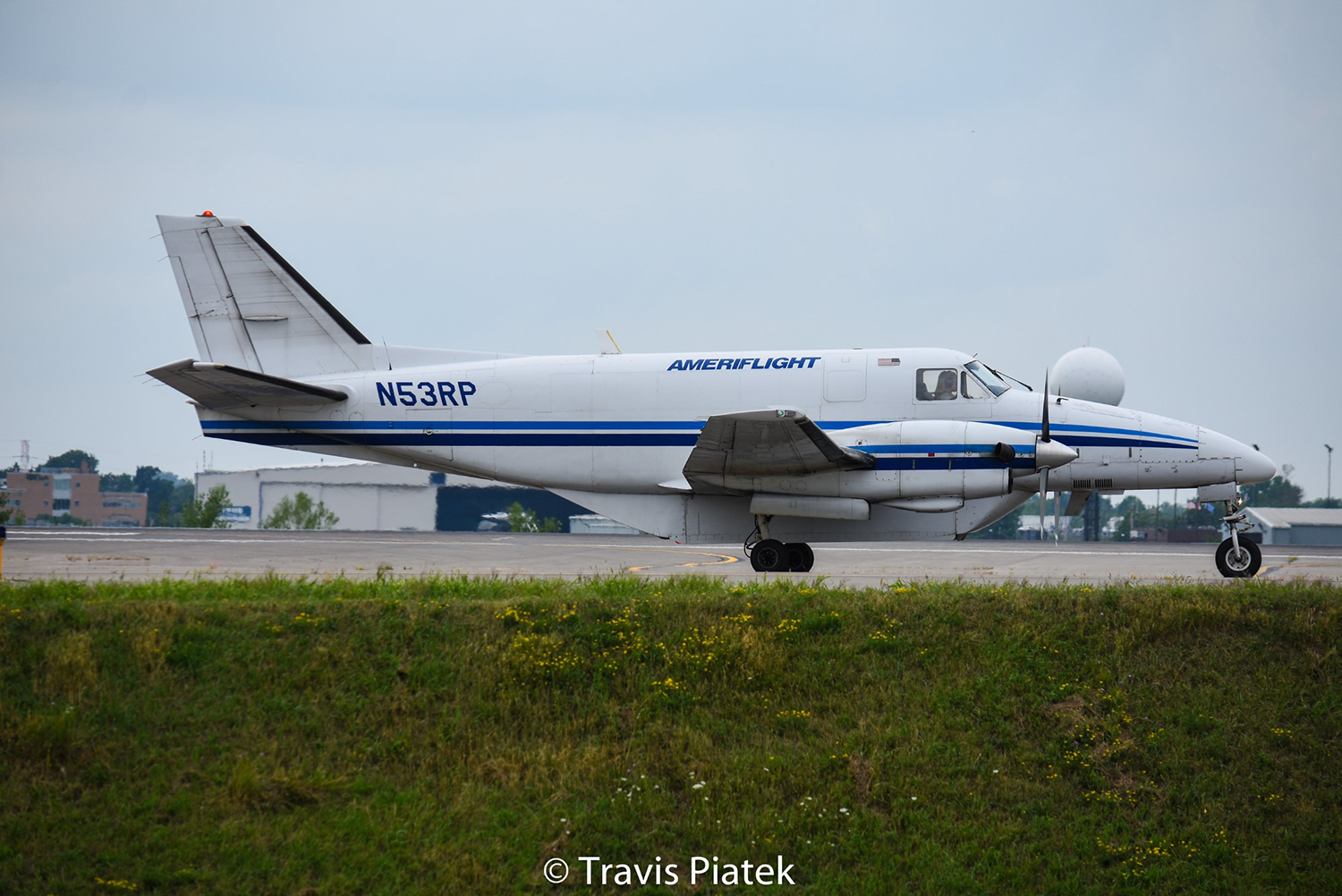
N53RP
Flight Phase:
Flight Type:
Survivors:
Yes
Schedule:
Manchester - Presque Isle
MSN:
U-195
YOM:
1982
Flight number:
WIG1046
Crew on board:
1
Crew fatalities:
Pax on board:
0
Pax fatalities:
Other fatalities:
Total fatalities:
0
Circumstances:
The twin engine airplane departed Manchester-Boston Regional Airport Runway 06 at 0709LT on a cargo service (flight WIG1046) to Presque Isle. After takeoff, the airplane entered a left turn and climbed to 2,700 feet when the pilot reported problems to ATC. He followed several circuits over Manchester, Auburn and Merrimack with erratic courses and varying altitude and speed. Finally, the airplane entered a right turn and crashed in a forest located near Londonderry, about 8 km south of Manchester Airport. The accident occurred 17 minutes after departure. The pilot was seriously injured and the airplane was destroyed.

Crash of a Beechcraft C99 Airliner in Lansing

Date & Time: Aug 15, 2023 at 0805 LT
Type of aircraft:
Operator:
Registration:
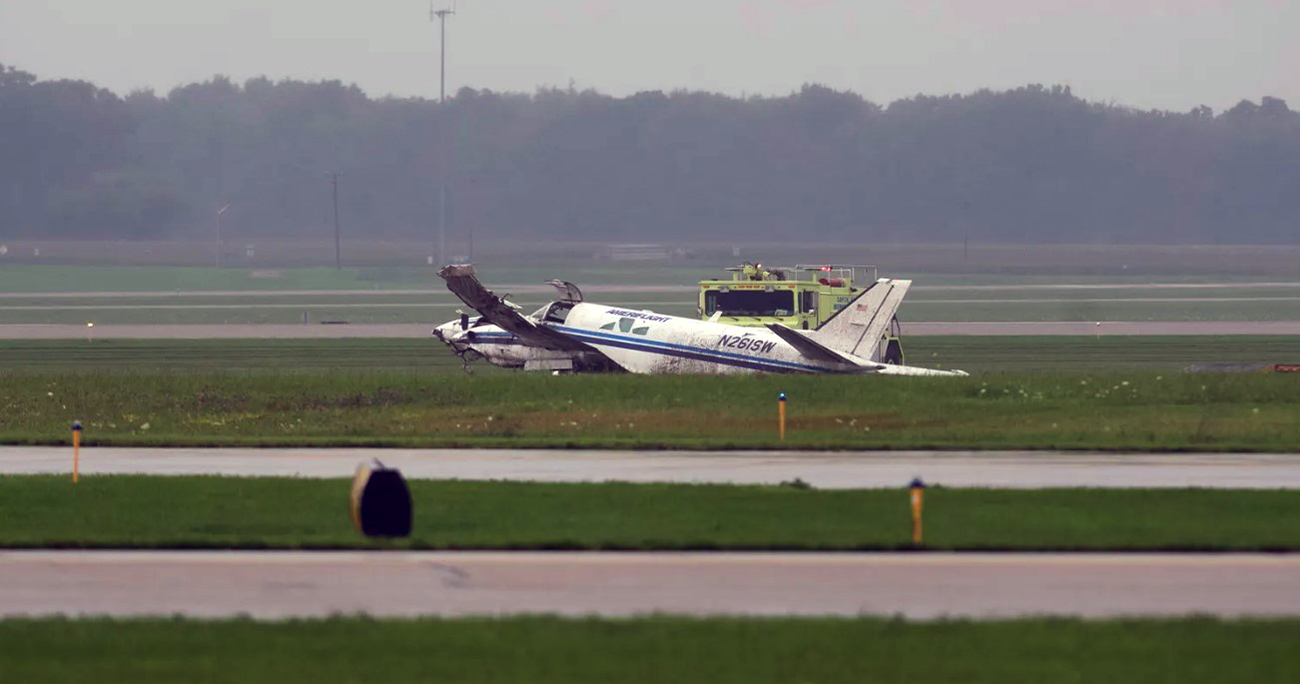
N261SW
Flight Phase:
Flight Type:
Survivors:
Yes
Schedule:
Lansing – Pellston
MSN:
U-202
YOM:
1983
Flight number:
AMF1304
Crew on board:
1
Crew fatalities:
Pax on board:
0
Pax fatalities:
Other fatalities:
Total fatalities:
0
Captain / Total flying hours:
1218
Captain / Total hours on type:
26.00
Aircraft flight hours:
27642
Circumstances:
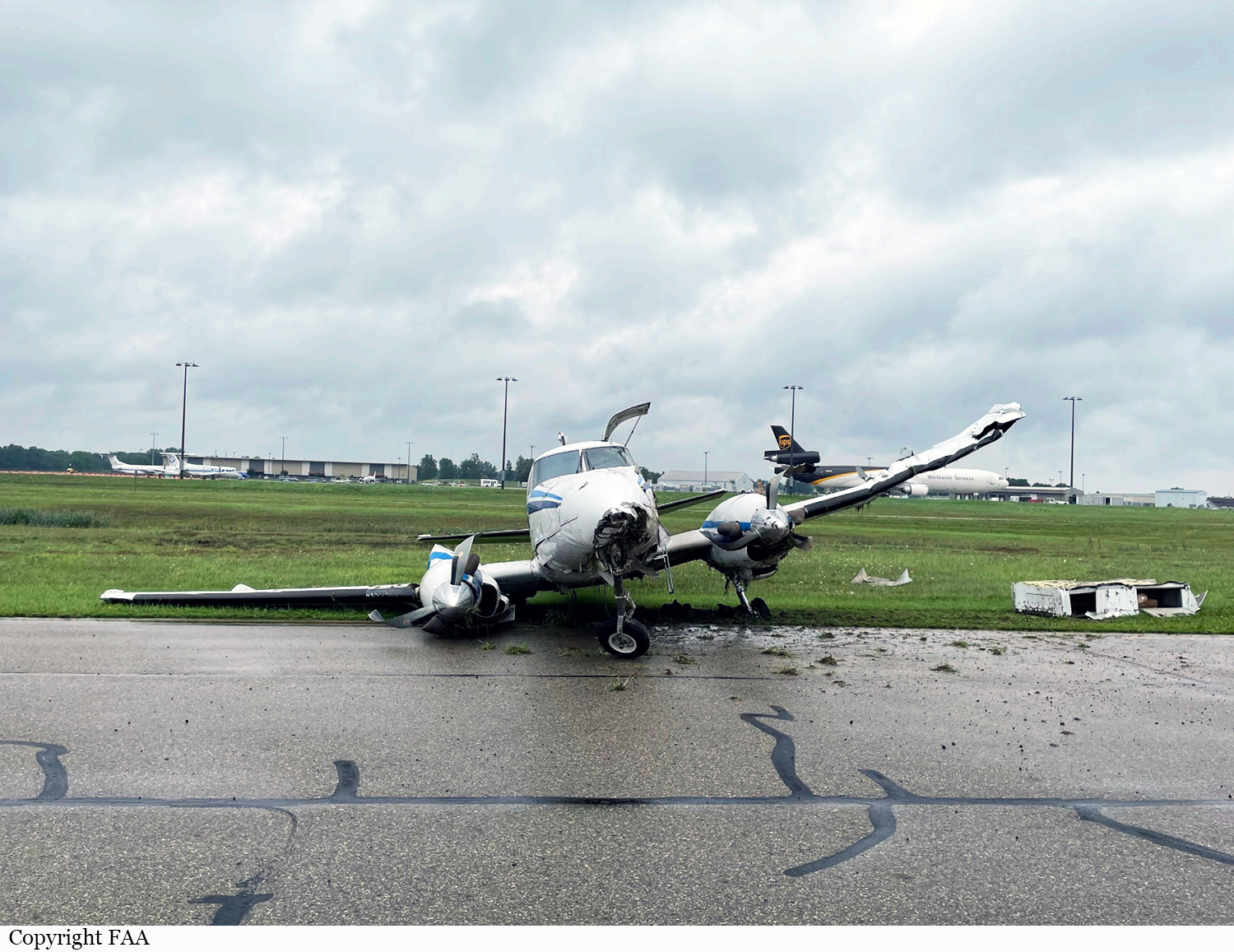
The pilot reported that after a normal start and taxi, the airplane was cleared for takeoff. During the takeoff roll, the airplane drifted right and the pilot corrected with the left rudder. When the airplane reached 100 knots, he rotated the airplane, and about 30 feet in altitude, the airplane experienced a roll to the right. The pilot tried to correct the roll with left rudder but was unable to provide sufficient left rudder. At this point, the airplane had drifted to the right of the runway and over the adjacent parallel taxiway. He was able to regain partial control by reducing engine power and banking the airplane to the left. The pilot attempted to land on the taxiway but was unable to judge his height above ground due to the low visibility, and subsequently impacted terrain to the right of the taxiway. Both wings and the fuselage sustained substantial damage. Prior to exiting the airplane, the pilot noted that the rudder trim was set to the full nose-right position. The pilot reported no preaccident mechanical malfunctions or failures with the airplane that would have precluded normal operation. Prior to the accident, maintenance was completed that consisted of an “Event II & Routine” inspection. The inspection procedure required the rudder trim system to be lubricated, a trim tab free play inspection, and an operational check prior to returning the airplane to service. Review of the maintenance procedures revealed there was no guidance on returning the rudder trim control system back to a neutral position at completion of the inspection.
Probable cause:
The pilot’s failure to properly set the rudder trim position which resulted in a loss of directional control during takeoff. Contributing was the pilot’s inadequate checklist procedures prior to takeoff.
Final Report:

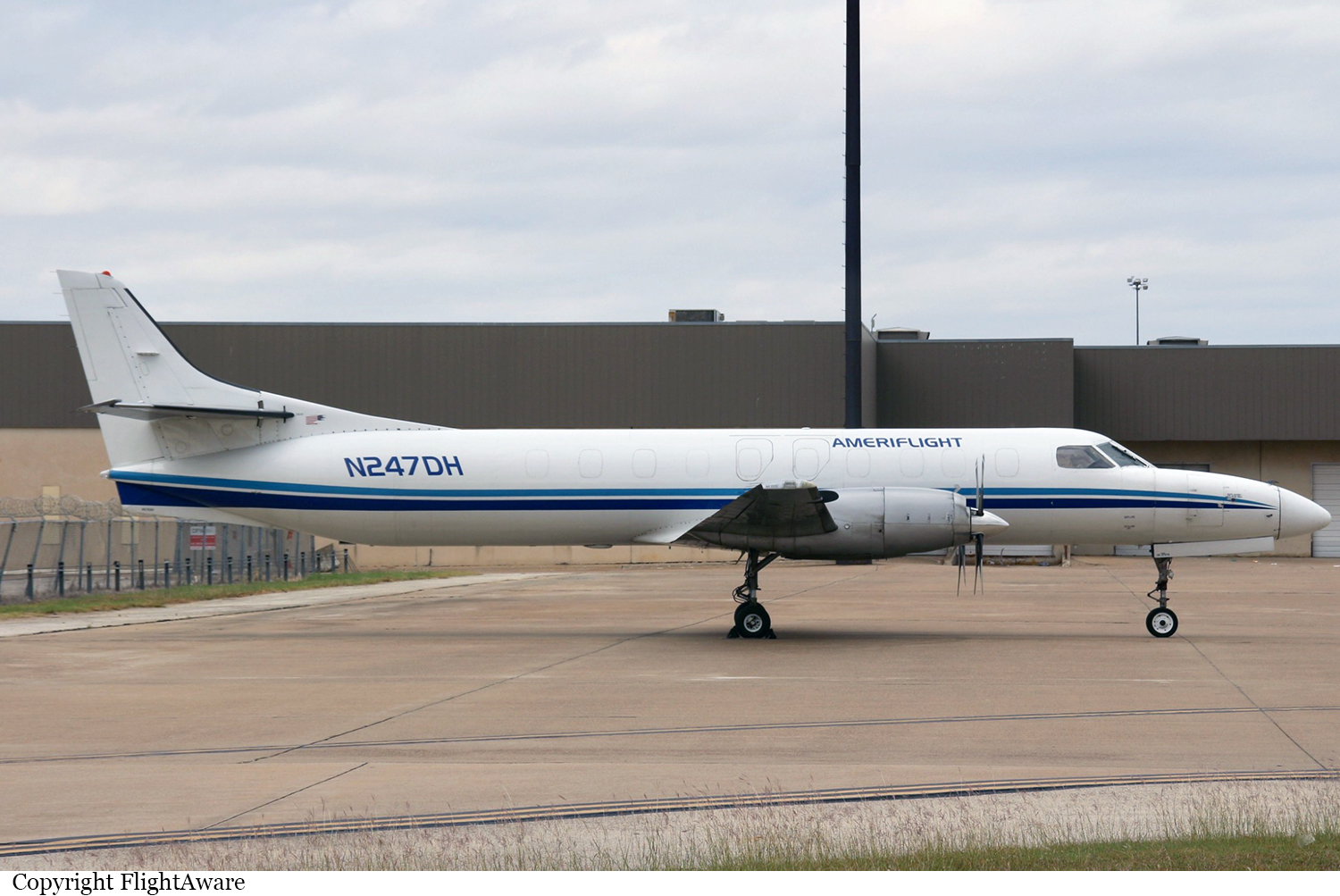
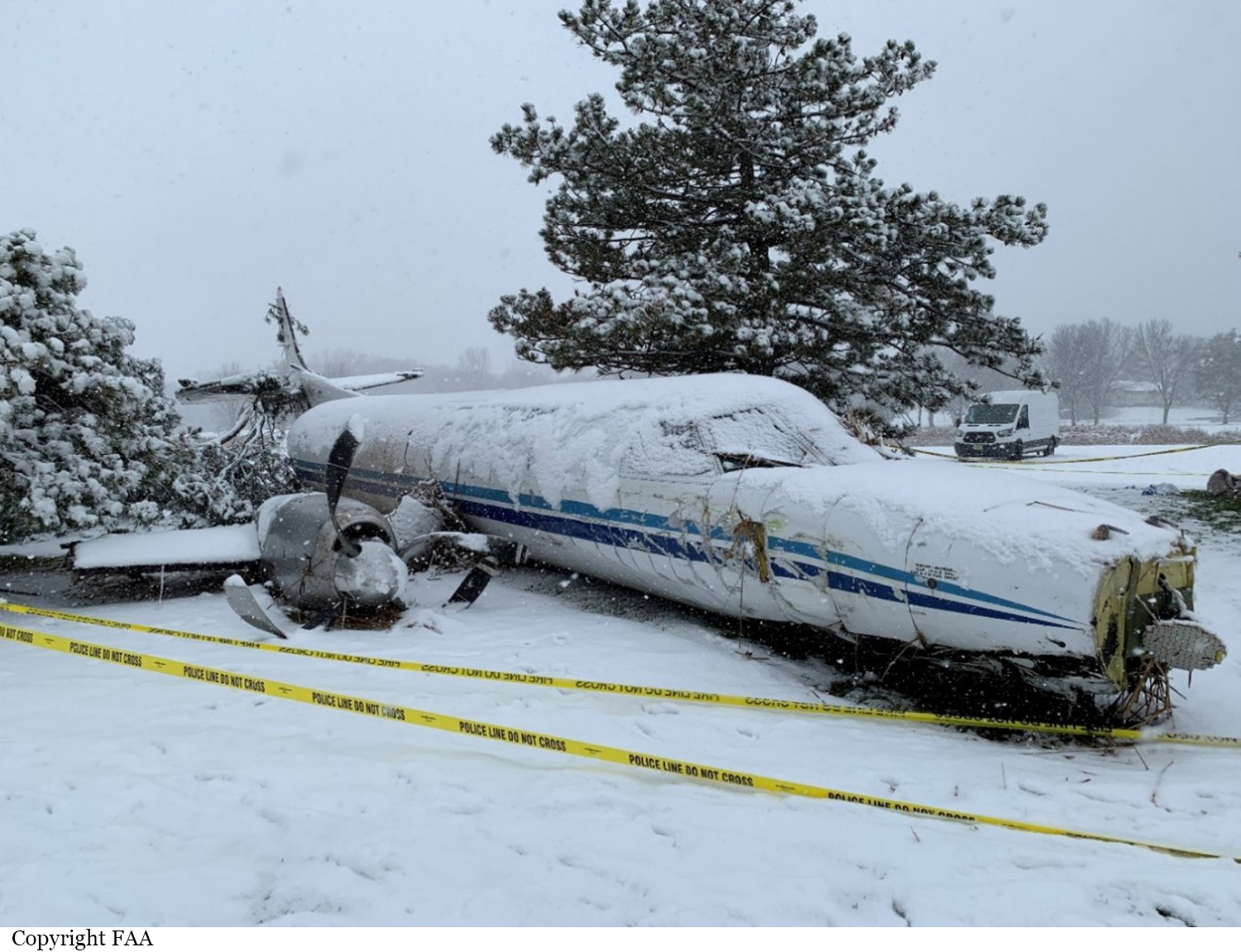
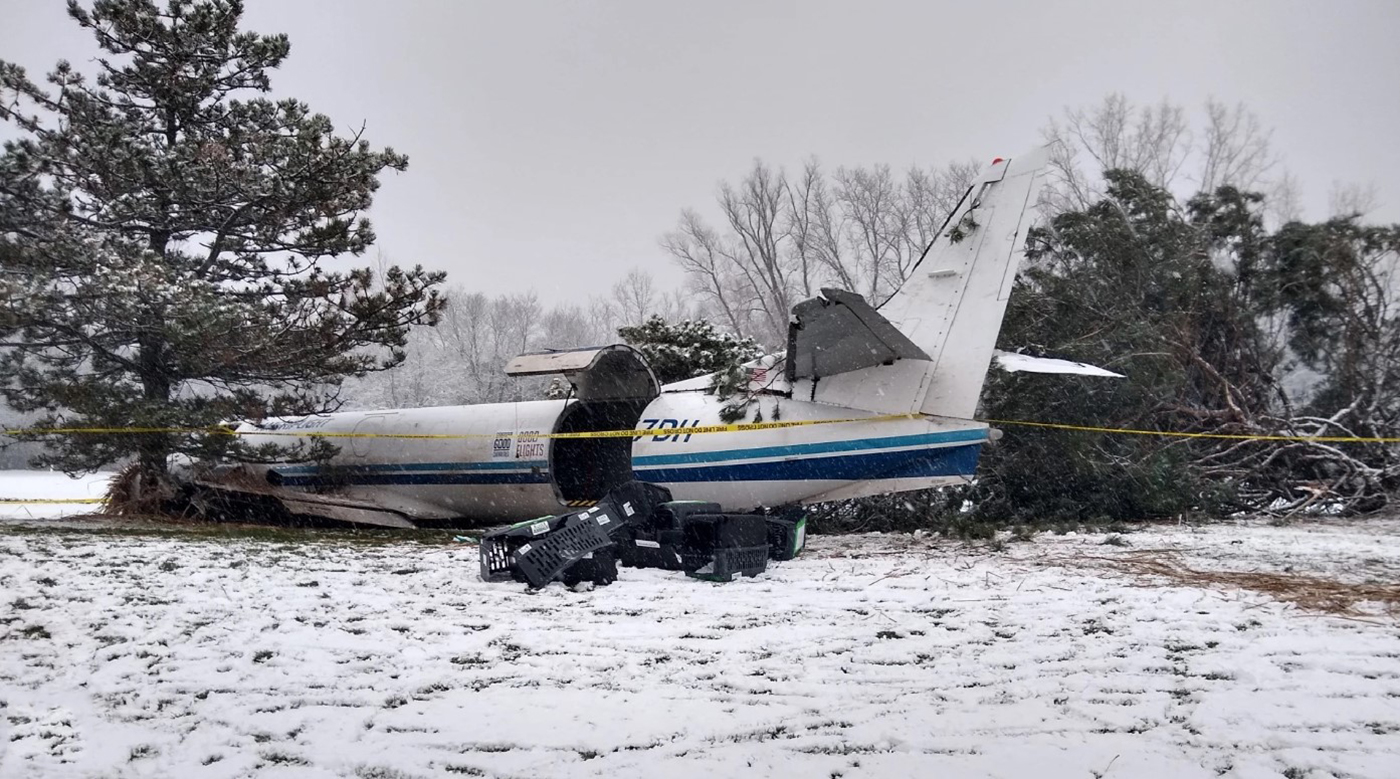
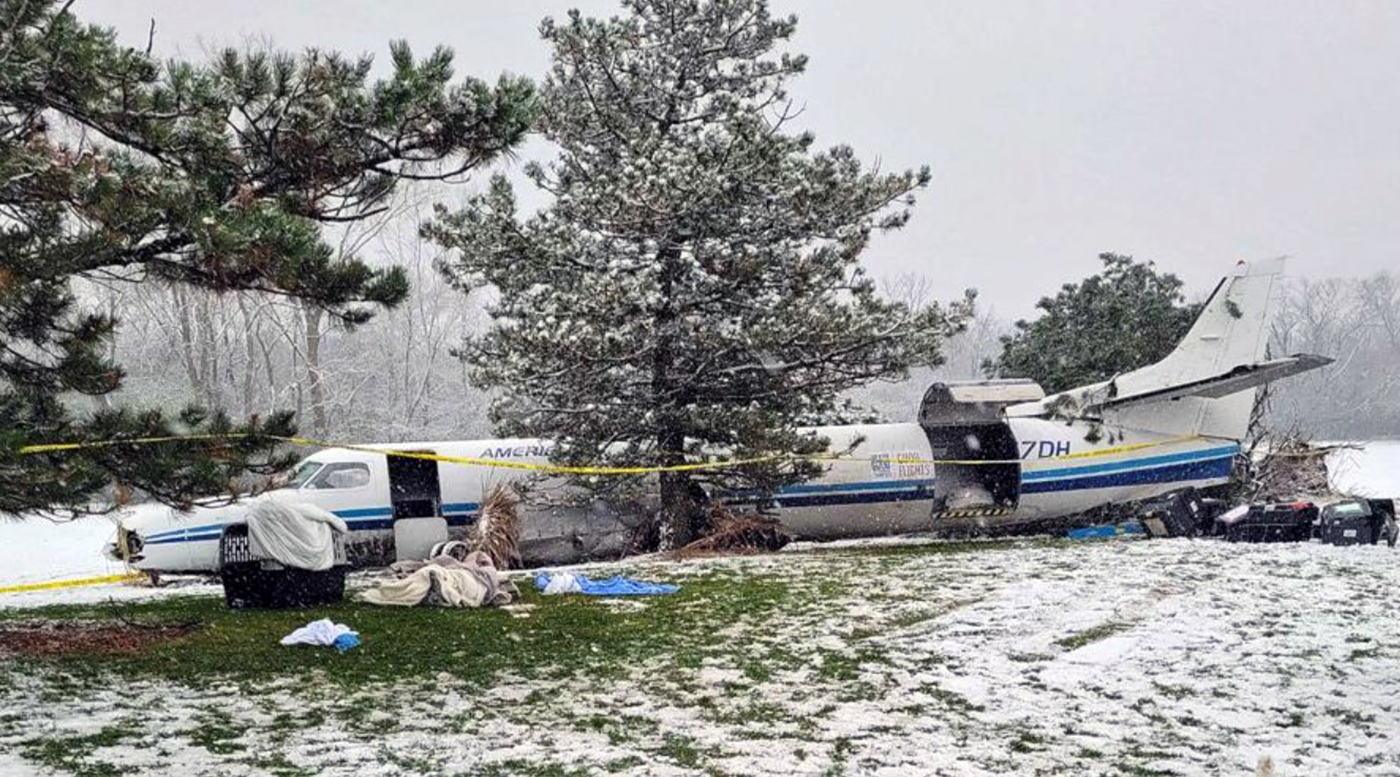
Crash of a Swearingen SA227AT Expediter in Waukesha

Date & Time: Nov 15, 2022 at 1500 LT
Operator:

Registration:
N247DH
Flight Type:
Survivors:
Yes
Schedule:
New Orleans – Waukesha
MSN:
AT-626B
YOM:
1985
Flight number:
AMF7141
Crew on board:
3
Crew fatalities:
Pax on board:
0
Pax fatalities:
Other fatalities:
Total fatalities:
0
Captain / Total flying hours:
2848
Captain / Total hours on type:
1316.00
Copilot / Total flying hours:
1320
Copilot / Total hours on type:
537
Aircraft flight hours:
29256
Circumstances:
The flight crew reported that while on an instrument landing system (ILS) approach with the autopilot system engaged in approach mode, they noticed that the airplane flight director indicated a climbing right turn but the airplane was still tracking the localizer and glideslope. The airplane’s ice protection was on, and no visible ice had accumulated. They reported that they disconnected the autopilot, and the airplane suddenly rolled to the right. They attempted to regain control by increasing engine power and applying counteractive control inputs, but the airplane impacted the ground in a near-wings-level attitude. Examination of the airplane’s primary flight control system and engines after the accident did not reveal any defects. The rudder trim was neutral, and the pitch trim was airplane nose up. Aileron trim could not be determined. Examination of the airplane’s autopilot components revealed deficiencies in the yaw damper system that rendered it inoperative; however, on the accident airplane the yaw damper system was an optional component and was not necessary for airplane operation. Testing of the remaining autopilot components revealed some deficiencies that could have degraded performance but would not have resulted in a complete failure of the automatic flight control system. A performance study based on ADS-B data showed that the airplane intercepted the localizer and glideslope for the ILS approach and was descending in a level attitude. While maintaining the ILS approach guidance, the airplane slowed below the 130 knots (kts) airspeed that the crew stated was the desired approach speed. The airspeed continued to slow to about 102 kts when the ADS-B data indicated that the airplane rolled slightly to the right, likely corresponding to the flight crew’s description of events after they disconnected the autopilot. The airplane continued to slow below 100 kts and the airplane was at a bank angle of 27° right wing down. Subsequently, the descent rate increased to over 4,000 ft/min and airspeed increased while ground speed remained between 80 and 90 kts. The airplane rolled sharply to the left. The sudden roll and loss of altitude after reaching a low airspeed was consistent with an aerodynamic stall. Based on the available evidence, the airplane entered an inadvertent aerodynamic stall due to exceedance of the critical angle of attack after the flight crew allowed the airspeed to decay during the instrument approach. Although an unknown anomaly in the flight director system could have resulted in the crew becoming fixated on an errant flight director indication at the expense of airspeed control, the postaccident component examination was not able to explain the errant flight director indication that the flight crew described.
Probable cause:
The flight crew’s failure to maintain adequate airspeed and their exceedance of the airplane’s critical angle of attack during the instrument approach, which resulted in an aerodynamic stall. Contributing to the accident was an undetermined anomaly in the airplane flight director system which resulted in the flight crew likely becoming fixated on the anomaly at the expense of airspeed control.
Final Report:


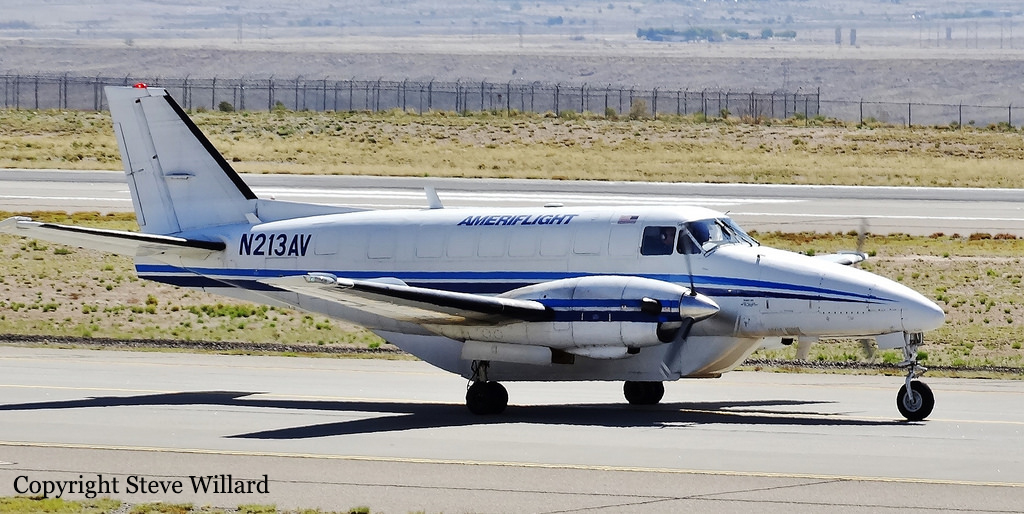
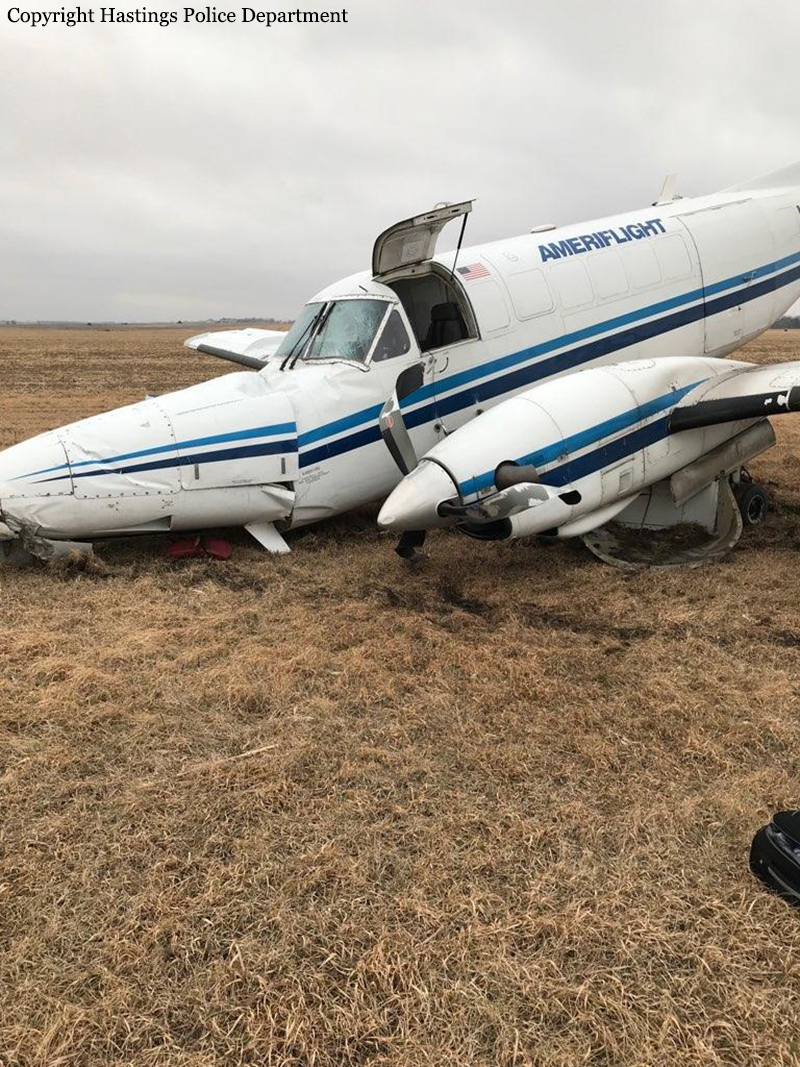
Crash of a Beechcraft C99 Airliner in Hastings

Date & Time: Mar 16, 2018 at 0750 LT
Type of aircraft:
Operator:
Registration:
N213AV
Flight Type:
Survivors:
Yes
Schedule:
Omaha – Hastings
MSN:
U-213
YOM:
1983
Flight number:
AMF1696
Crew on board:
2
Crew fatalities:
Pax on board:
0
Pax fatalities:
Other fatalities:
Total fatalities:
0
Captain / Total flying hours:
6500
Captain / Total hours on type:
1145.00
Copilot / Total flying hours:
853
Copilot / Total hours on type:
21
Aircraft flight hours:
17228
Circumstances:
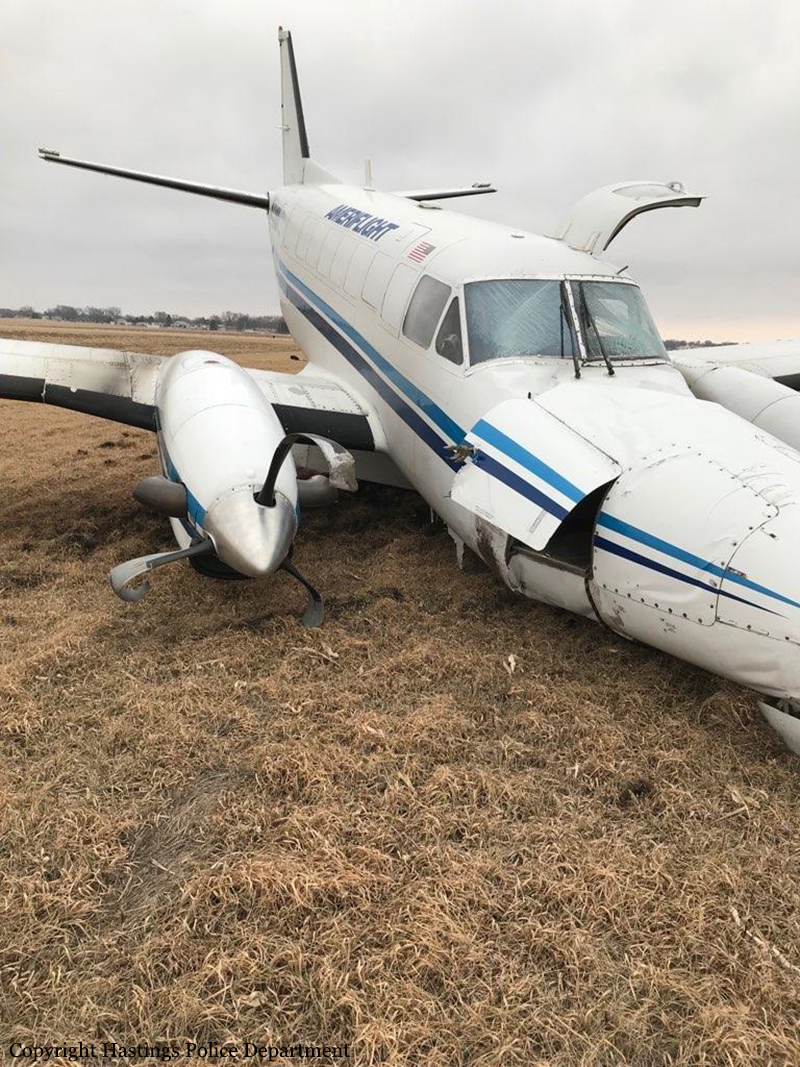
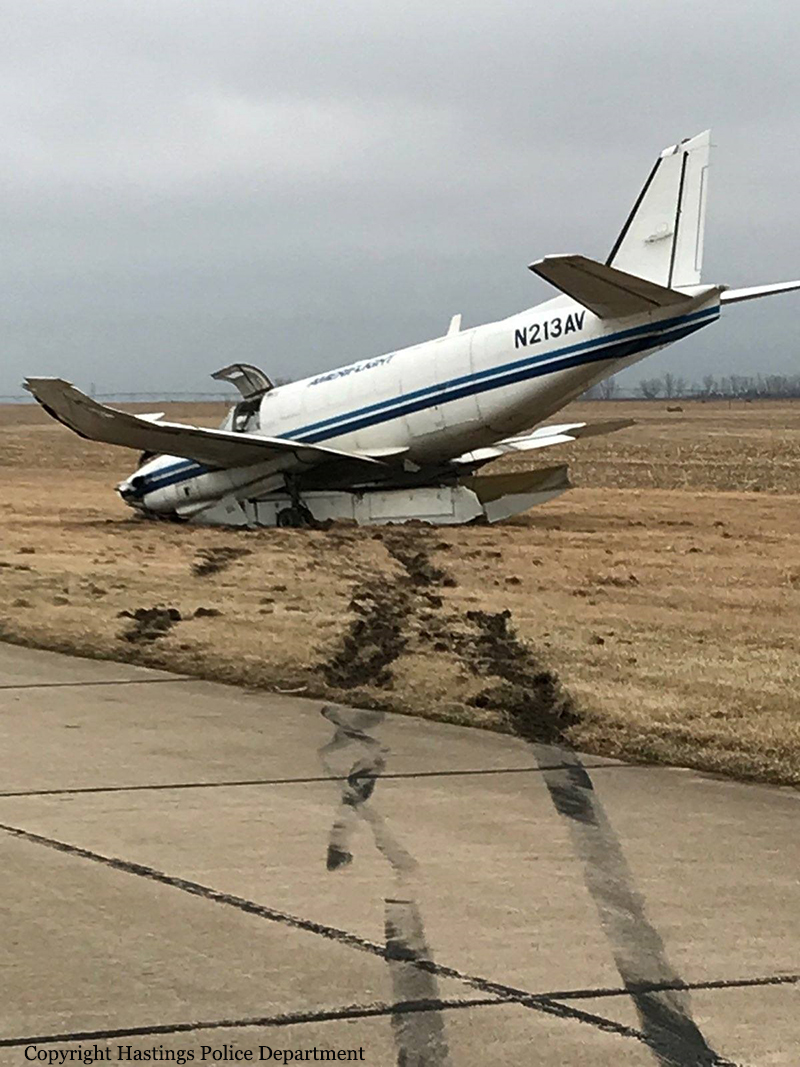
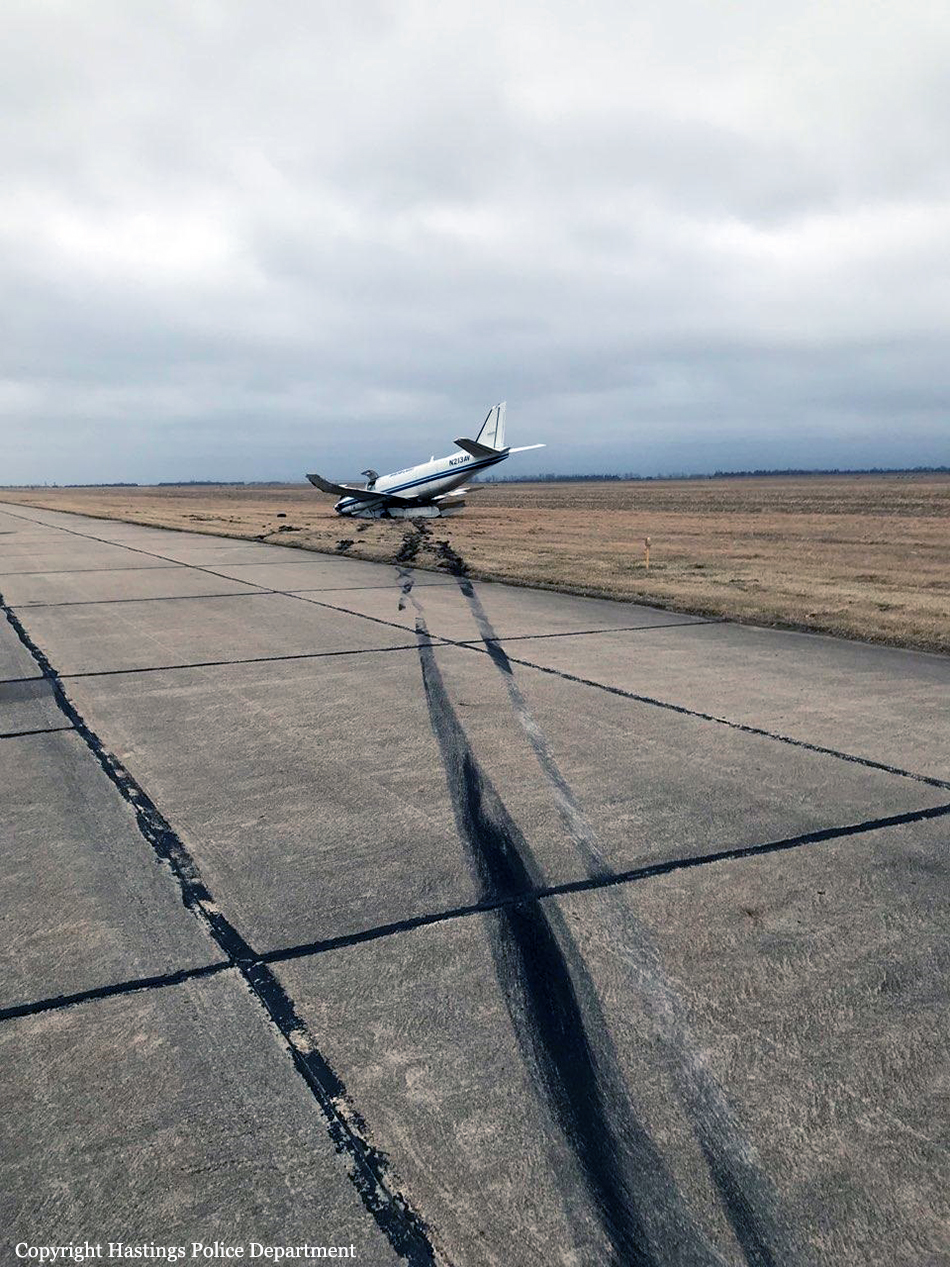
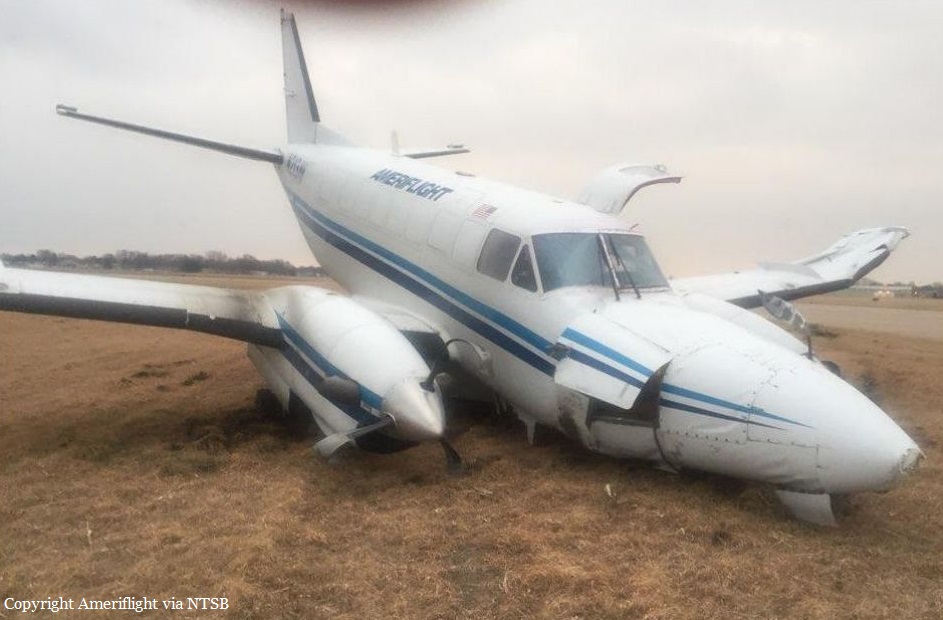
According to the operator's director of safety, during landing in gusty crosswind conditions, the multi-engine, turbine-powered airplane bounced. The airplane then touched down a second time left of the runway centerline. "Recognizing their position was too far left," the flight crew attempted a go-around. However, both engines were almost at idle and "took time to spool back up." Without the appropriate airspeed, the airplane continued to veer to the left. A gust under the right wing "drove" the left wing into the ground. The airplane continued across a grass field, the nose landing gear collapsed, and the airplane slid to a stop. The airplane sustained substantial damage to the fuselage and left wing. The director of safety reported that there were no preaccident mechanical failures or malfunctions with the airplane that would have precluded normal operation. The automated weather observation system located at the accident airport reported that, about the time of the accident, the wind was from 110° at 21 knots, gusting to 35 knots. The pilot landed on runway 04. The Beechcraft airplane flight manual states the max demonstrated crosswind is 25 knots. Based on the stated wind conditions, the calculated crosswind component was 19 to 33 knots.
Probable cause:
The pilot's decision to land in a gusty crosswind that exceeded the airplane's maximum demonstrated crosswind and resulted in a runway excursion.
Final Report: