Country
Operator Image

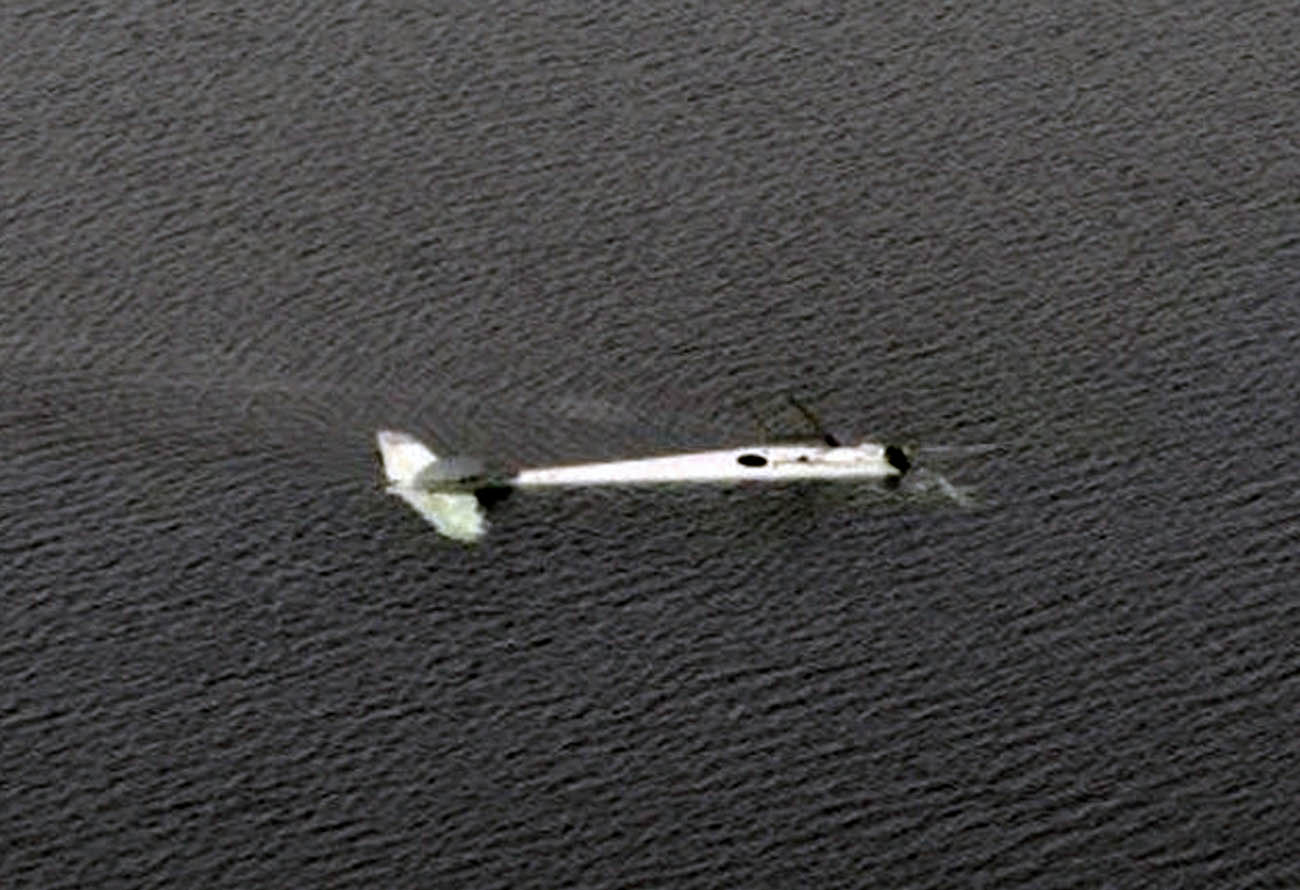
Crash of a De Havilland DHC-2 Beaver into Mistastin Lake: 7 killed

Date & Time: Jul 15, 2019
Type of aircraft:
Operator:
Registration:
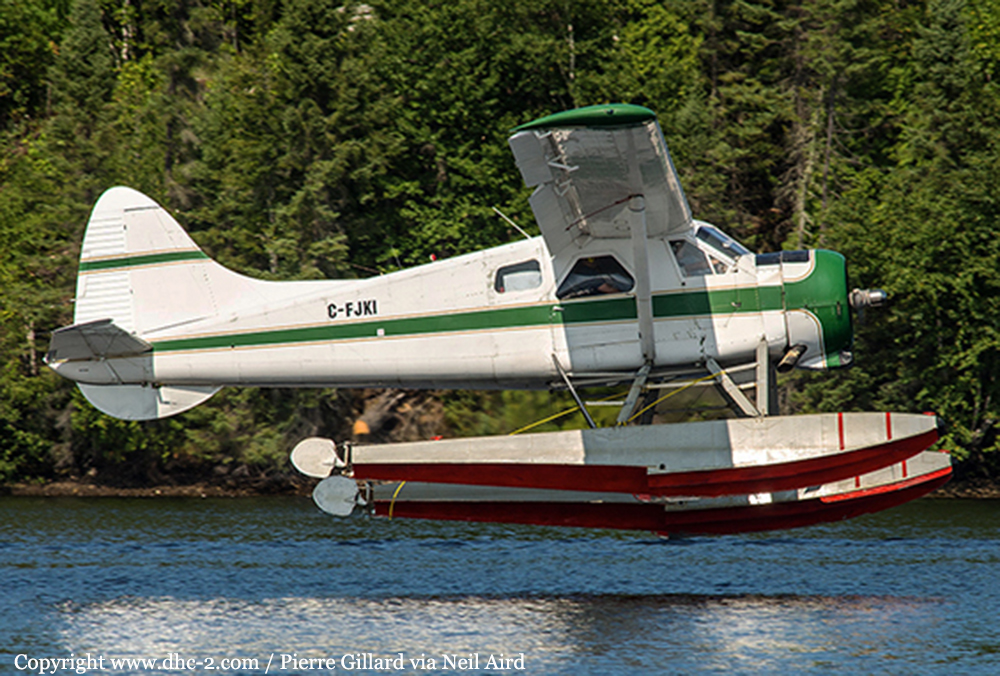
C-FJKI
Survivors:
No
Schedule:
Crossroads Lake - Mistastin Lake
MSN:
992
YOM:
1956
Country:
Crew on board:
1
Crew fatalities:
Pax on board:
6
Pax fatalities:
Other fatalities:
Total fatalities:
7
Captain / Total flying hours:
18800
Captain / Total hours on type:
16000.00
Circumstances:
The single engine airplane was chartered by a provider based in Crossroads Lake (near Churchill Falls reservoir) to fly four fisherman and two guides to Mistastin Lake, Labrador. The aircraft was supposed to leave Crossroads Lake at 0700LT but the departure was postponed to 1000LT due to low ceiling. Several attempts to contact the pilot failed during the day and the SAR center based in Trenton was alerted. SAR operations were initiated and four days later, the location of the accident was reached but only four bodies were found. The body of the pilot and two passengers were never recovered as well as the wreckage.
Probable cause:
The aircraft had been seen floating in Mistastin Lake and later sank. To date, the wreckage has not been found. There is no radar coverage at low altitudes in the area, and the aircraft was flying in uncontrolled airspace and not in communication with air traffic services. Without any witnesses and without key pieces of the aircraft, the TSB is unable to conduct a full investigation into this accident. If the aircraft is found, the TSB will assess the feasibility of investigating the accident further.
Final Report:
Crash of a De Havilland DHC-2 Beaver near Les Bergeronnes: 6 killed

Date & Time: Aug 23, 2015 at 1127 LT
Type of aircraft:
Operator:
Registration:
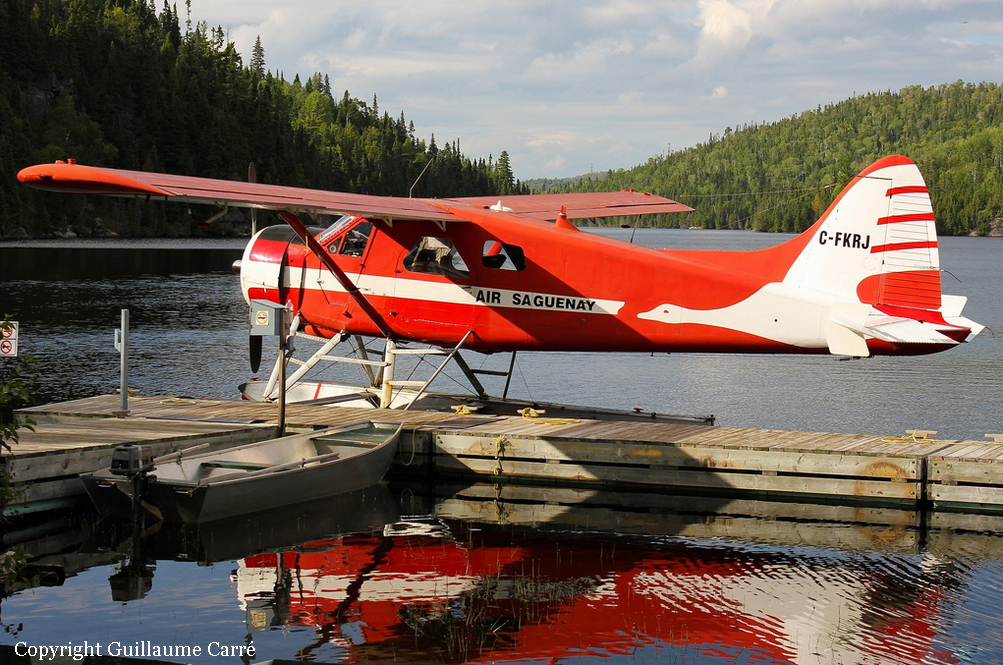
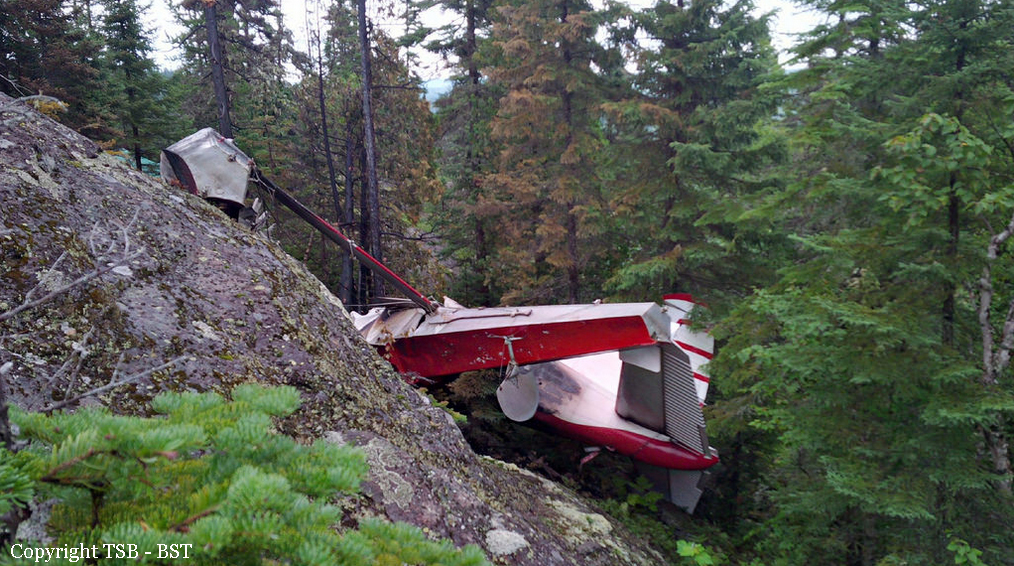
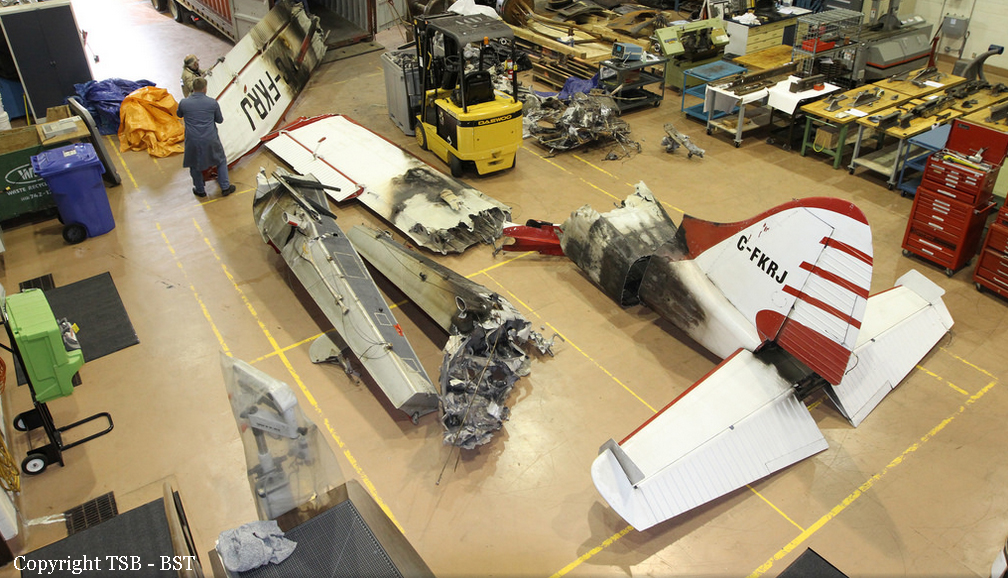
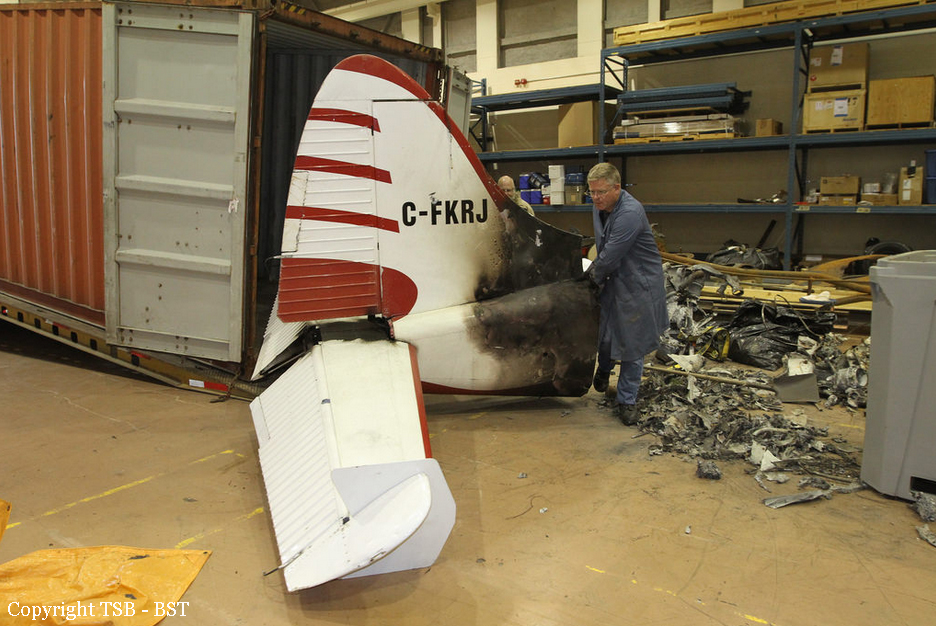
C-FKRJ
Flight Phase:
Survivors:
No
Schedule:
Lac Long - Lac Long
MSN:
1210
YOM:
1958
Country:
Crew on board:
1
Crew fatalities:
Pax on board:
5
Pax fatalities:
Other fatalities:
Total fatalities:
6
Captain / Total flying hours:
5989
Captain / Total hours on type:
4230.00
Aircraft flight hours:
25223
Circumstances:
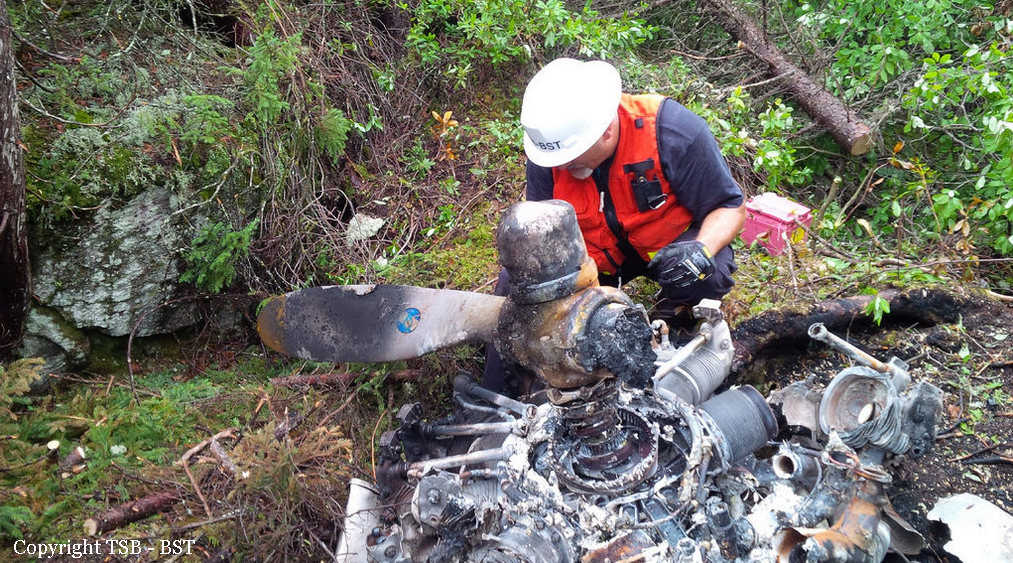
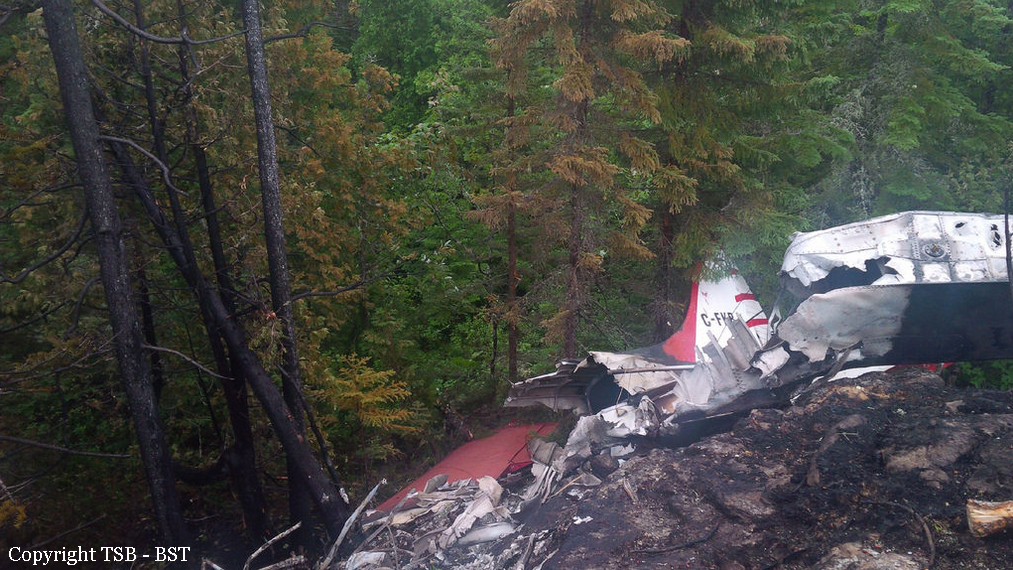
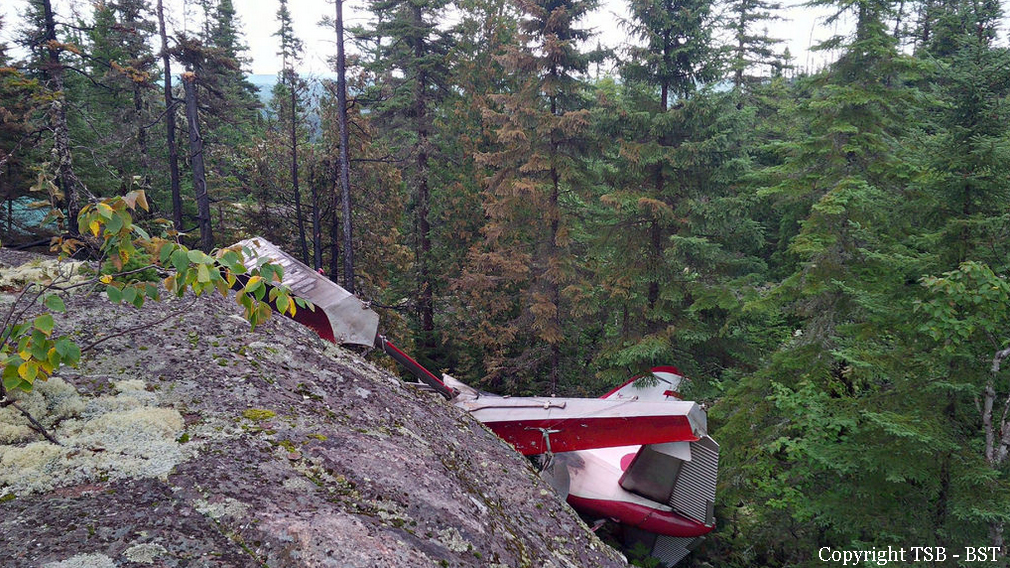
The float-equipped de Havilland DHC-2 Mk. 1 Beaver (registration C-FKRJ, serial number 1210), operated by Air Saguenay (1980) inc., was on a visual flight rules sightseeing flight in the region of Tadoussac, Quebec. At 1104 Eastern Daylight Time, the aircraft took off from its base on Lac Long, Quebec, for a 20-minute flight, with 1 pilot and 5 passengers on board. At 1127, on the return trip, approximately 2.5 nautical miles north-northwest of its destination (7 nautical miles north of Tadoussac), the aircraft stalled in a steep turn. The aircraft descended vertically and struck a rocky outcrop. The aircraft was substantially damaged in the collision with the terrain and was destroyed by the post-impact fire. The 6 occupants received fatal injuries. No emergency locator transmitter signal was captured.
Probable cause:
Findings as to causes and contributing factors:
1. The pilot performed manoeuvres with a reduced safety margin at low altitudes. As a result, these flights involved a level of risk that was unnecessary to attain the objectives of sightseeing flights.
2. With no restrictions on manoeuvres and no minimum altitude prescribed by the company prior to flight, the pilot flew according to his own limits and made a steep turn at approximately 110 feet above ground level.
3. When the pilot made a steep left turn, aerodynamic stalling ensued, causing an incipient spin at an altitude insufficient to allow control of the aircraft to be regained prior to vertical collision with the terrain.
4. The absence of an angle-of-attack indicator system and an impending stall warning device deprived the pilot of the last line of defence against loss of control of the aircraft.

Findings as to risk:
1. If lightweight flight data recording systems are not used to closely monitor flight operations, there is a risk that pilots will deviate from established procedures and limits, thereby reducing safety margins.
2. If Transport Canada does not take concrete measures to facilitate the use of lightweight flight data recording systems and flight data monitoring, operators may not be able to proactively identify safety deficiencies before they cause an accident.
3. If pilots do not obtain at least the regulatory rest periods, there is a risk that flights will be conducted when pilots are fatigued.
4. Unless all flights made are recorded in the pilot’s logbook and monitored by the company, it is possible that the pilot will not receive the required rest periods, which increases the risk of flights being conducted when the pilot is fatigued.
5. If flights made are not recorded in the aircraft’s journey logbook, it is possible that inspection and maintenance schedules and component lifetimes will be exceeded, increasing the risk of failure.
6. Unless safety management systems are required, assessed, and monitored by Transport Canada in order to ensure continual improvement, there is an increased risk that companies will not be able to identify and effectively mitigate the hazards involved in their operations.
7. If pilots do not receive stall training that demonstrates the aircraft’s actual behaviour in a steep turn under power, there is a high risk of loss of control.

Other findings:
1. The replacement of the ventral fin with Seafins on C-FKRJ was in compliance with the requirements of Kenmore Air Harbor Inc.’s supplemental type certificate.
2. The control wheel was in the left-hand position (pilot side) at the moment of impact.
3. Angle-of-attack indicator systems have been recognized as contributing to flight safety by improving pilot awareness of the stall margin at all times, thereby allowing pilots to react in order to prevent loss of control of the aircraft.
4. Stall warning systems have been recognized as a means of improving flight safety by providing a clear, unambiguous warning of an impending stall.
Final Report:

Crash of a De Havilland DHC-2 Beaver near Chute des Passes: 4 killed

Date & Time: Jul 16, 2010 at 1117 LT
Type of aircraft:
Operator:
Registration:
C-GAXL
Flight Phase:
Survivors:
Yes
Site:
Schedule:
Lac des Quatre - Lac Margane
MSN:
1032
YOM:
1957
Country:
Crew on board:
1
Crew fatalities:
Pax on board:
5
Pax fatalities:
Other fatalities:
Total fatalities:
4
Captain / Total flying hours:
11500
Captain / Total hours on type:
9000.00
Aircraft flight hours:
17204
Circumstances:
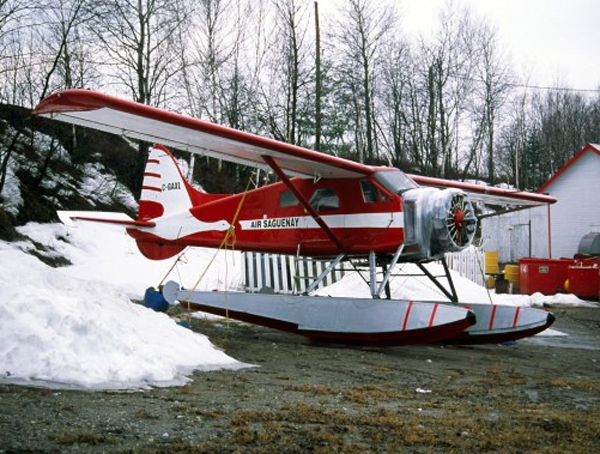
The float-equipped de Havilland Beaver DHC-2 Mk.I (registration number C-GAXL, serial number 1032), operated by Air Saguenay (1980) Inc., was flying under visual flight rules from Lac des Quatre to Lac Margane, Quebec, with 1 pilot and 5 passengers on board. A few minutes after take-off, the pilot reported intentions of making a precautionary landing due to adverse weather conditions. At approximately 1117, Eastern Daylight Time, the aircraft hit a mountain, 12 nautical miles west-south-west of the southern part of Lac Péribonka. The aircraft was destroyed and partly consumed by the fire that broke out after the impact. The pilot and 3 passengers were killed; 1 passenger sustained serious injuries and 1 passenger sustained minor injuries. No ELT signal was received.
Probable cause:
Causes and Contributing Factors:
1. The pilot took off in weather conditions that were below the minimum for visual flight rules, and continued the flight in those conditions.
2. After a late decision to carry out a precautionary alighting, the pilot wound up in instrument meteorological conditions (IMC). Consequently, the visual references were reduced to the point of leading the aircraft to controlled flight into terrain (CFIT).
3. The passenger at the rear of the aircraft was not seated on a seat compliant with aeronautical standards. The passenger was ejected from the plane at the moment of impact, which diminished his chances of survival.
Findings as to Risk:
1. The lack of training on pilot decision-making (PDM) for air taxi operators exposes pilots and passengers to increased risk when flying in adverse weather conditions.
2. In view of the absence of an ELT signal and the operator’s delay in calling, search efforts were initiated more than 3 ½ hours after the accident. That additional time lag can influence the seriousness of injuries and the survival of the occupants.
Final Report:

Crash of a De Havilland DHC-3 Otter near Lake Cojibo

Date & Time: Jun 30, 2002 at 0900 LT
Type of aircraft:
Operator:
Registration:
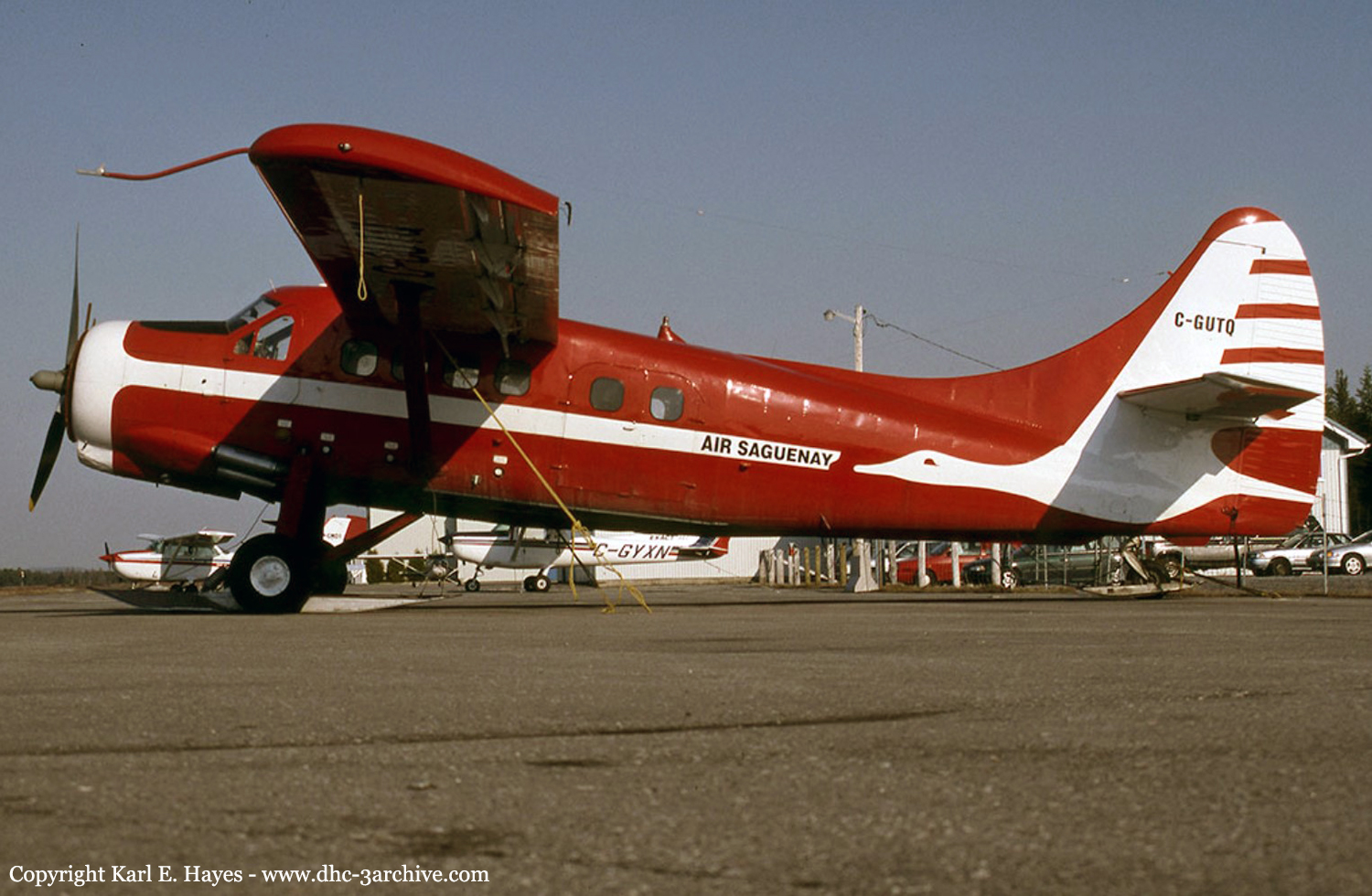
C-GUTQ
Flight Phase:
Survivors:
Yes
Site:
MSN:
402
YOM:
1960
Country:
Crew on board:
1
Crew fatalities:
Pax on board:
2
Pax fatalities:
Other fatalities:
Total fatalities:
0
Circumstances:
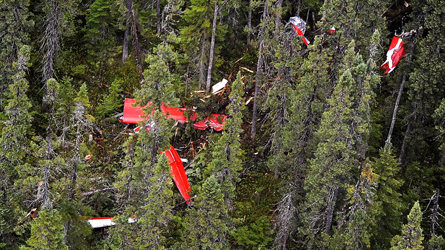
The single engine aircraft departed Lake Cojibo with two passengers, one pilot and a full load of freight, destined for a fishing camp. Weather conditions were good but the OAT was high. After takeoff, the aircraft encountered difficulties to maintain a proper rate of climb due to the high temperature and the weight it was carrying. The pilot entered a valley and while trying to gain height to clear rising terrain, the aircraft struck the top of a mountain and crashed, bursting into flames. All three occupants were injured and the aircraft was destroyed by fire.

Crash of a De Havilland DHC-3 Otter near Schefferville

Date & Time: Aug 21, 1992 at 0730 LT
Type of aircraft:
Operator:
Registration:
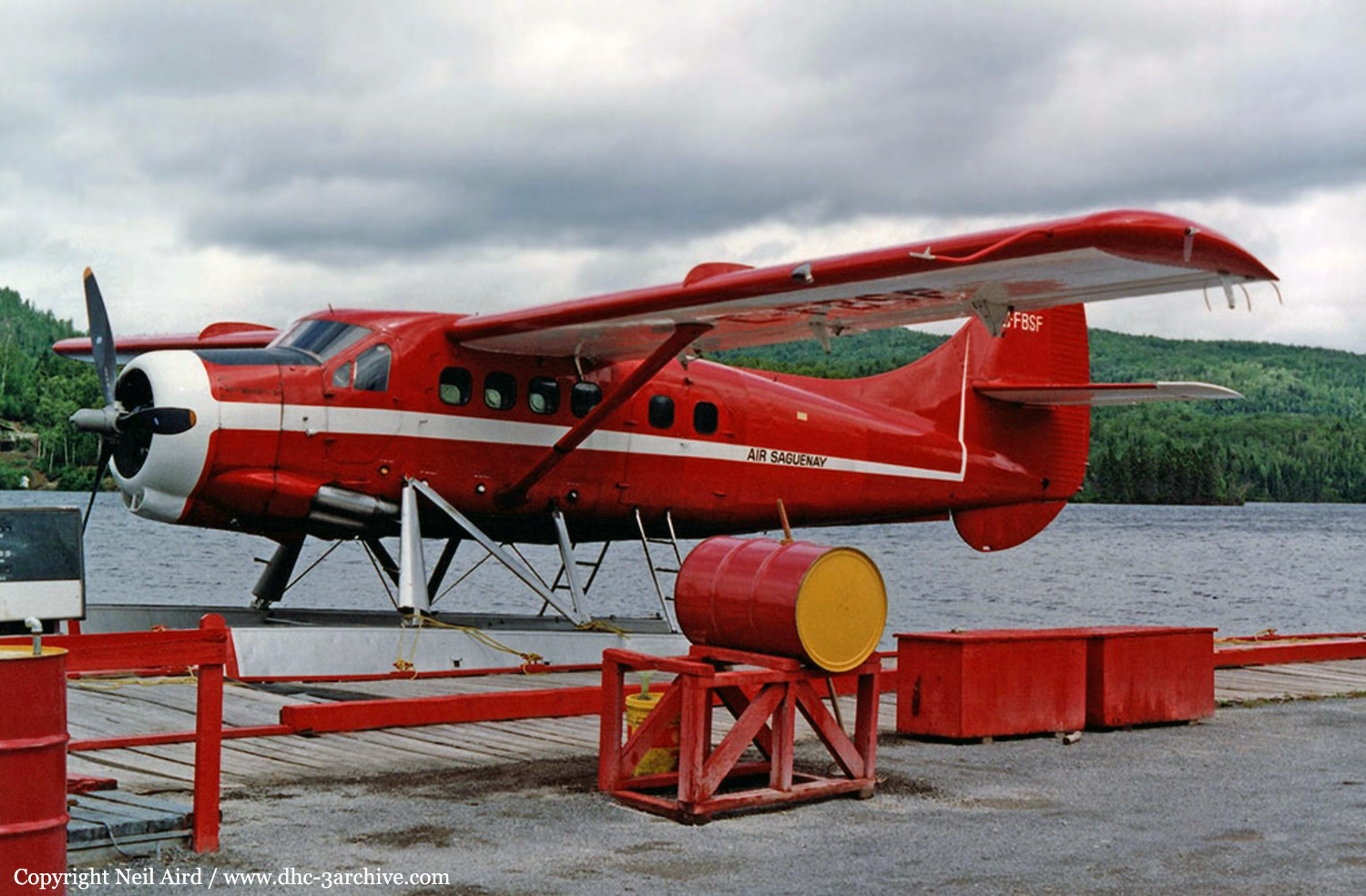
C-FBSF
Flight Phase:
Survivors:
Yes
Site:
Schedule:
Schefferville - Desbergères Lake
MSN:
9
YOM:
1953
Country:
Crew on board:
1
Crew fatalities:
Pax on board:
6
Pax fatalities:
Other fatalities:
Total fatalities:
0
Circumstances:
The pilot departed the Air Saguenay base at Squaw Lake, Schefferville in northern Quebec around 07:00 local on a VFR flight to Desbergères Lake, about 210 miles to the northwest. The float-equipped C-FBSF was carrying six passengers and equipment for hunting caribou. Weather conditions deteriorated 30 minutes into the flight. The pilot entered a narrow valley some 50 miles northwest of Schefferville, then realised he could not clear the mountain peaks because of the lower ceiling in that area. When he tried to turn around to the left he flew into a fog bank. On emerging from the fog he saw the aircraft was going to strike the mountain. He raised the nose to minimize the force of the impact and tried to set the Otter down on the mountain side. The floats slid about 150 feet along the rocky surface, then broke off. The engine struck the ground and was torn off. The engine then rolled under the aircraft and came to rest on the right side of the fuselage. The Otter came to rest on the mountainside at an altitude of 2,650 feet. All passengers had been sitting on the right side of the aircraft and the baggage and equipment was stowed on the left side. The pilot and passengers were able to evacuate the Otter and there were no injuries. As they did so the Otter caught fire and burned for 45 minutes, consuming the fuselage. The wings fell to the ground after the wing supports melted. The fire died out after all flammable material was consumed. When radio contact with the Otter was lost, search aircraft were launched and located the crash site. The occupants were spotted at 11:30 and a rescue helicopter arrived at the site at 14:00 and all were rescued. There was however no rescue for the Otter which had been completely destroyed.
Source: http://www.dhc-3archive.com/DHC-3_9.html