Country
Operator Image

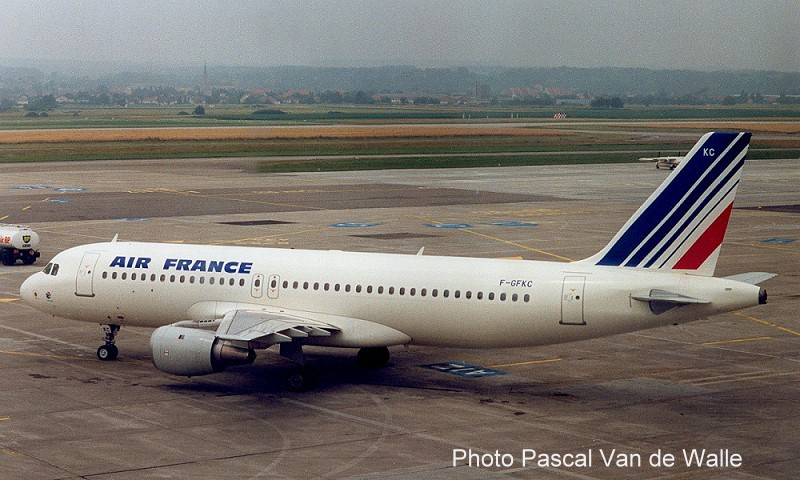
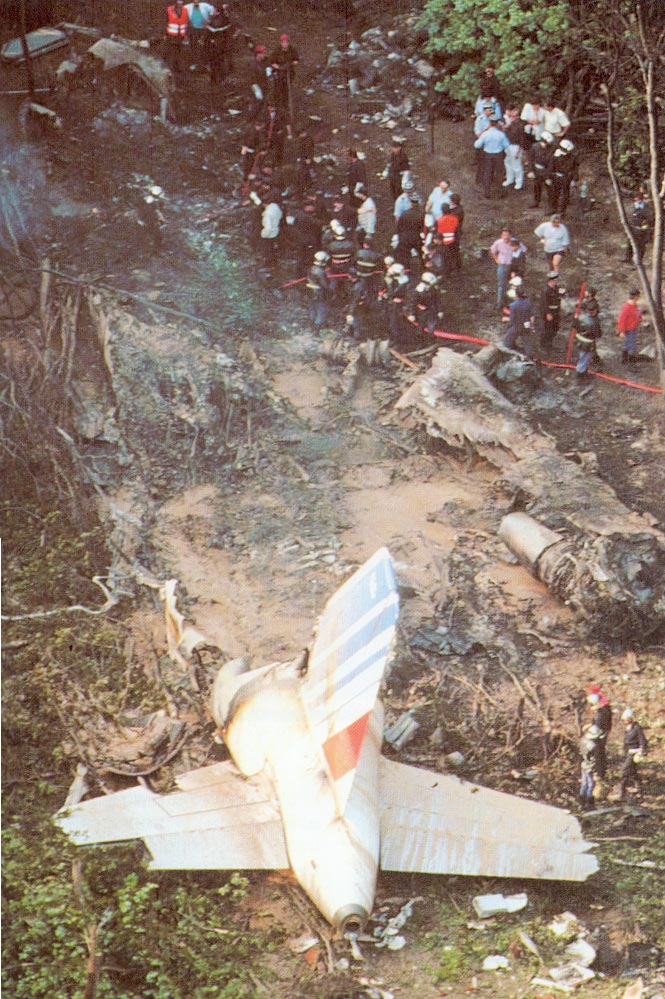
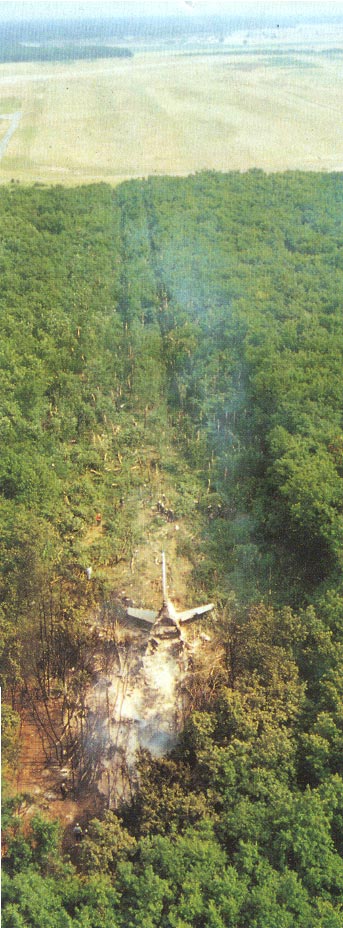
Crash of an Airbus A320-111 in Mulhouse: 3 killed
Date & Time:
Jun 26, 1988 at 1445 LT
Operator:
Registration:
F-GFKC
Survivors:
Yes
Schedule:
Basel - Mulhouse - Basel
MSN:
009
YOM:
1988
Flight number:
AF296Q
Crew on board:
6
Crew fatalities:
Pax on board:
130
Pax fatalities:
Other fatalities:
Total fatalities:
3
Captain / Total hours on type:
138.00
Copilot / Total hours on type:
44
Aircraft flight hours:
22
Aircraft flight cycles:
18
Circumstances:
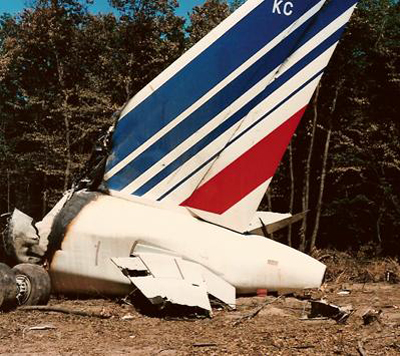
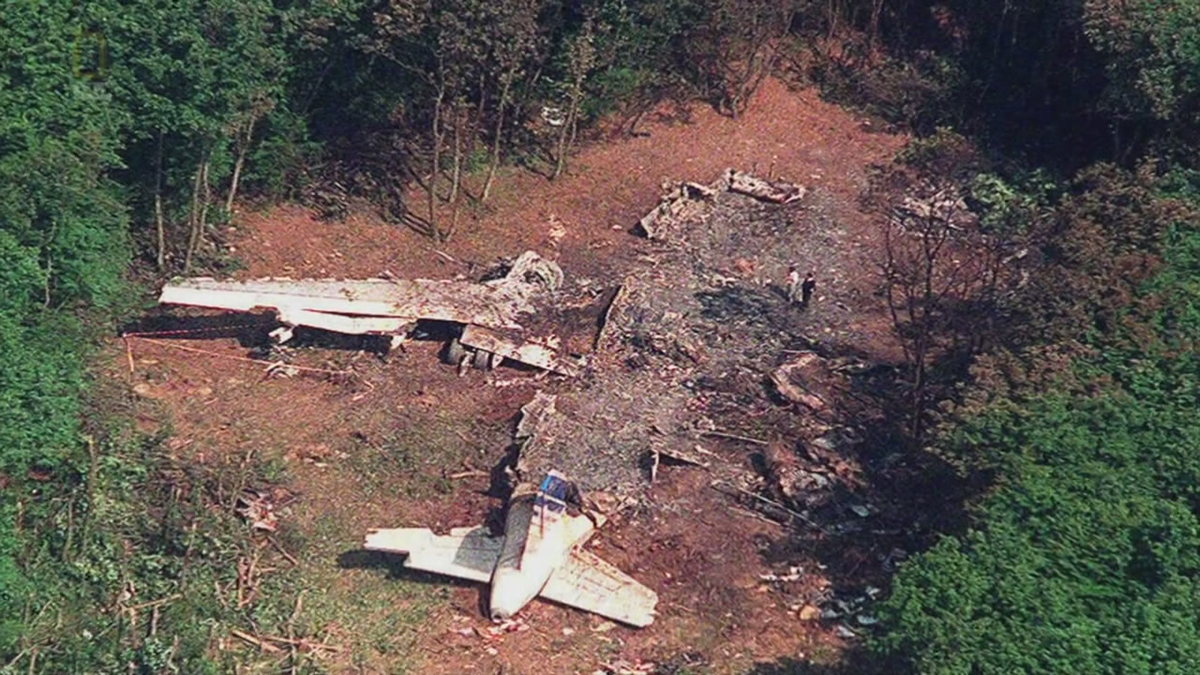
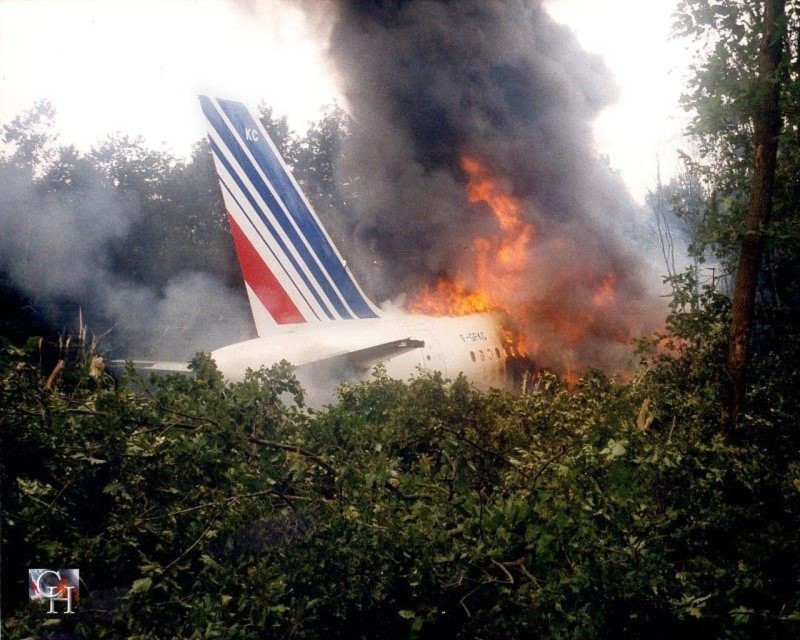
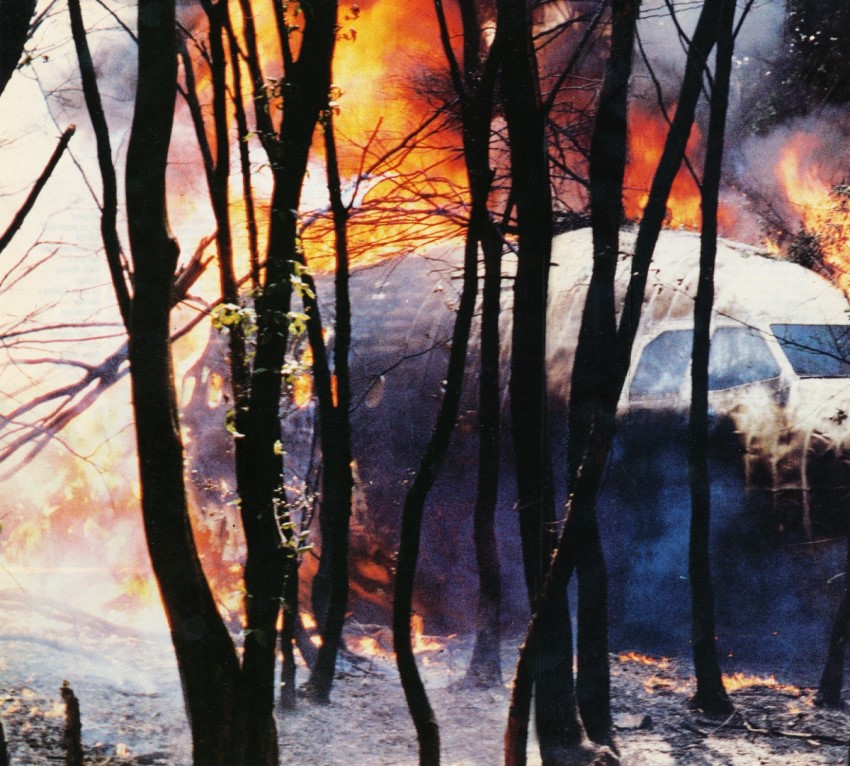
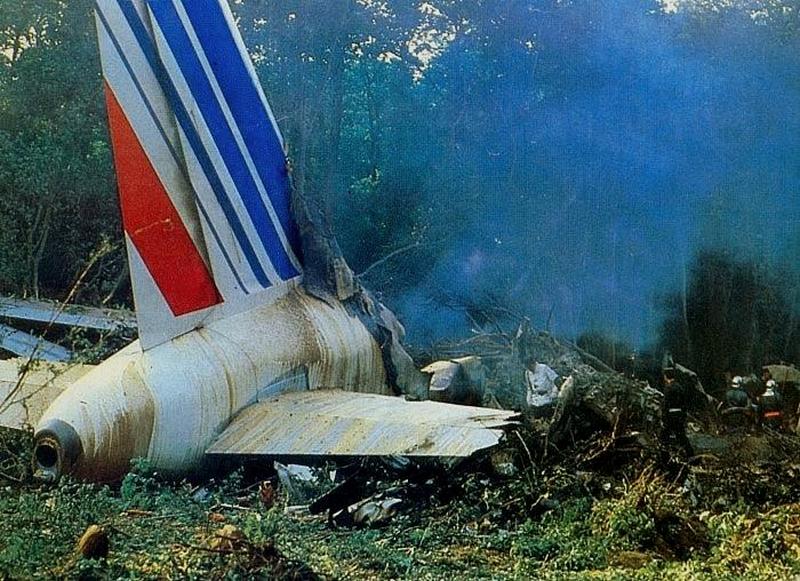
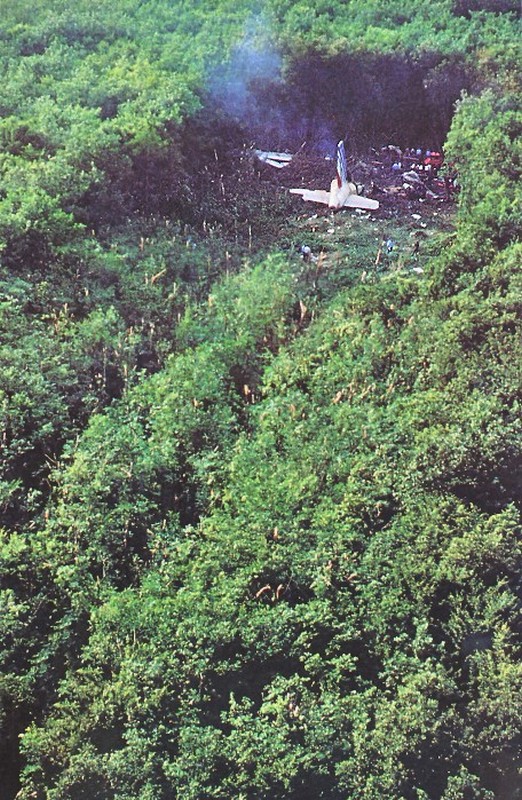
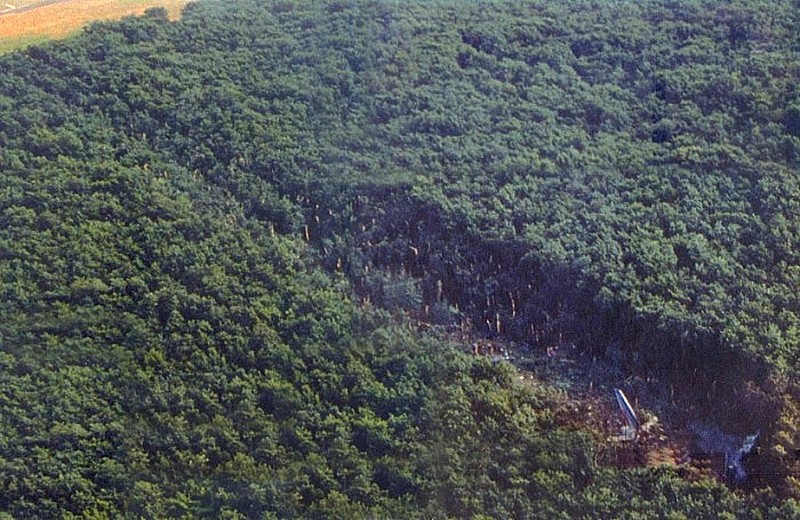
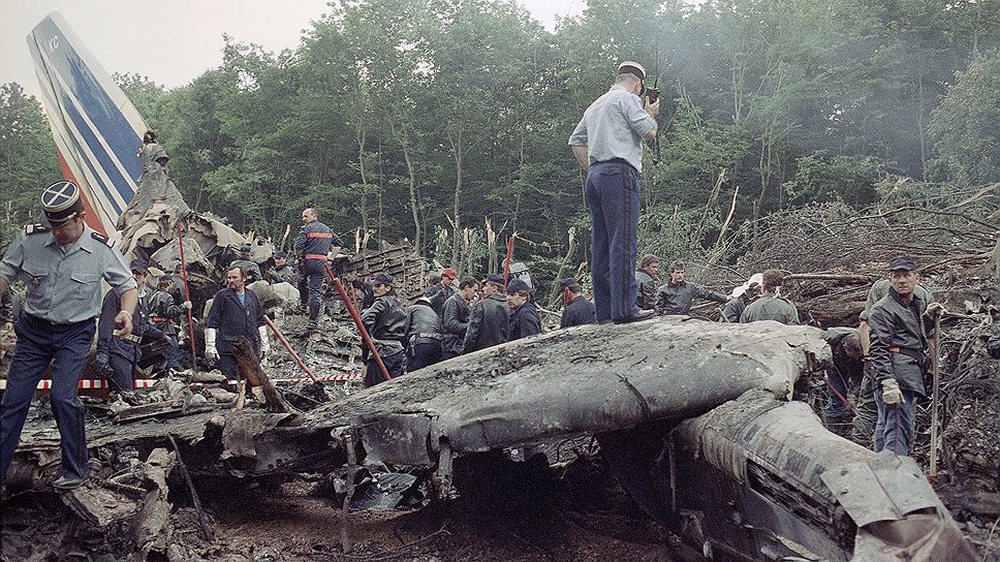
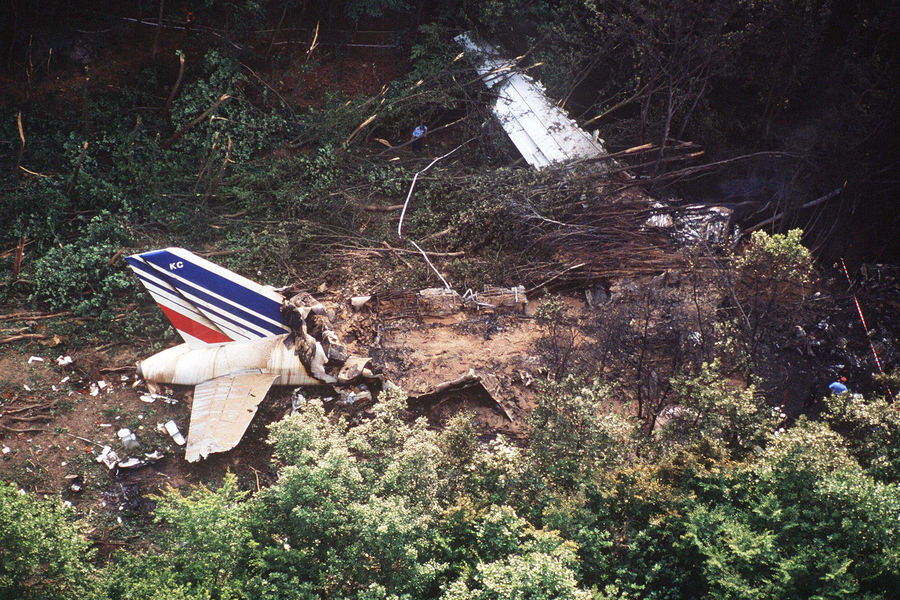
A newly delivered Airbus A320, F-GFKC, was destroyed when it impacted trees during a low pass over the runway at Mulhouse-Habsheim Airport, France. A fire broke out, killing three occupants. The Mulhouse Flying Club had requested Air France to perform a fly by at their air show at Mulhouse-Habsheim Airport on June 26, 1988. Air France prepared a low speed pass with the gear down at 100 feet and the another pass at high speed in clean configuration. While Air France had performed more than twenty low passes since 1987, the altitude of 100 feet was not allowed according to regulations. French air safety regulations imposed a minimum VFR overflight height of 170 feet. The fly by was to be performed using an Airbus A320, an aircraft model that was introduced by launching customer Air France in March 1988. F-GFKC was the third A320 in the fleet and had been delivered on June 23. The flight crew scheduled to perform the demonstration flight were two captains: the head of A320 training subdivision (Pilot Flying) and a captain participating in the placing into service of the A320(Pilot Monitoring). On board the flight were four cabin crew members and 130 passengers. The aircraft took off from nearby Basel-Mulhouse Airport at 14:41 and climbed to 1000 feet agl. The crew started the descent three minutes later and Habsheim was in sight at 450 feet agl. The Pilot Monitoring informed the Pilot Flying that the aircraft was reaching 100 feet at 14:45:14. The descent continued to 50 feet 8 seconds later and further to 30-35 feet. Go-around power was added at 14:45:35. The A320 continued and touched trees approximately 60 meters from the end of runway 34R at 14:45:40 with a 14 degree pitch attitude and engines at 83% N1. The plane sank slowly into the forest and a fire broke out.
Probable cause:
The Commission believes that the accident resulted from the combination of the following conditions:
1) Very low flyover height, lower than surrounding obstacles;
2) Speed very slow and reducing to reach maximum possible angle of attack;
3) Engine speed at flight idle;
4) Late application of go-around power.
This combination led to impact of the aircraft with the trees. The Commission believes that if the descent below 100 feet was not deliberate, it may have resulted from failure to take proper account of the visual and aural information intended to give the height of the aircraft.
1) Very low flyover height, lower than surrounding obstacles;
2) Speed very slow and reducing to reach maximum possible angle of attack;
3) Engine speed at flight idle;
4) Late application of go-around power.
This combination led to impact of the aircraft with the trees. The Commission believes that if the descent below 100 feet was not deliberate, it may have resulted from failure to take proper account of the visual and aural information intended to give the height of the aircraft.
Final Report:


Crash of a Boeing 747-228B in Rio de Janeiro
Date & Time:
Dec 2, 1985 at 0634 LT
Operator:
Registration:
F-GCBC
Survivors:
Yes
Schedule:
Paris – Rio de Janeiro – Buenos Aires – Santiago de Chile
MSN:
22427
YOM:
1980
Flight number:
AF091
Crew on board:
17
Crew fatalities:
Pax on board:
265
Pax fatalities:
Other fatalities:
Total fatalities:
0
Captain / Total hours on type:
979.00
Copilot / Total hours on type:
513
Aircraft flight hours:
22762
Circumstances:
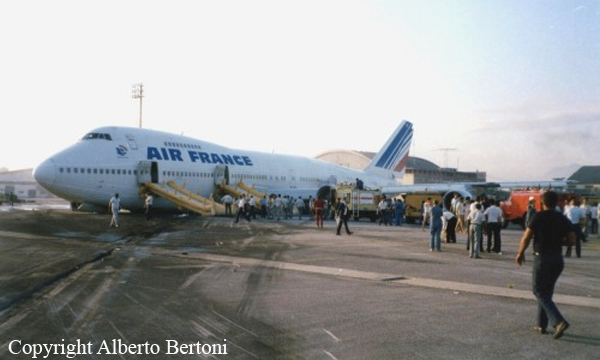
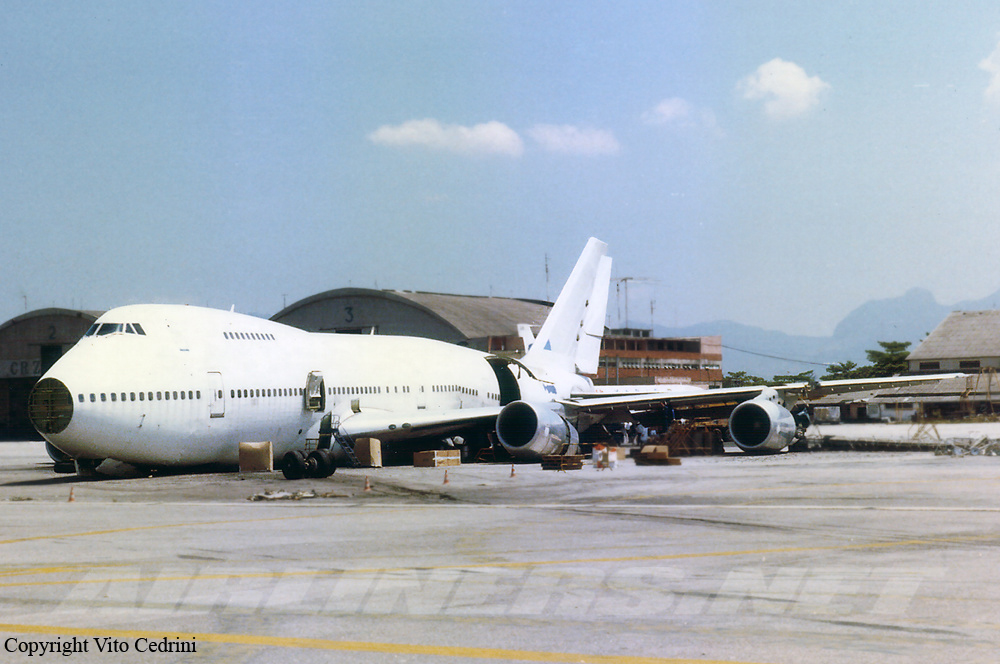
Air France flight 091 was involved in runway excursion accident at Rio de Janeiro-Galeão International Airport, Brazil. The aircraft, a Boeing 747-200, took off from Paris-Charles de Gaulle Airport, France at 21:30 UTC on a flight to Santiago, Chile with en route stops at Rio de Janeiro and Buenos Aires, Argentina. The flight to Rio de Janeiro took about eleven hours and was uneventful. At 08:34 UTC the aircraft touched down on runway 14, 400 meters from the threshold. After reversers were set, the aircraft deviated from the runway heading and at 2,000 meters from the threshold it veered off the right side of the runway. The aircraft ran over the grass for 765 meters, until passing over a drainage ditch and the load apron concrete step, where the landing gears folded aft with the left wing gear completely separating. On the load apron concrete the aircraft spun around for 275 meters until stopping, after the left outboard wing section struck an illumination stand. For a few seconds engines 2, 3 and 4 kept running at maximum reverse thrust, while engine number one run operated at full forward thrust. After the engines were shut down, the passengers evacuated using three of the aircraft's left hand side escape slides. The fire that started on the area near engines number 2 and 3 was extinguished by the airport fire fighters. It appeared that the n°1 engine throttle cable had broken, making it impossible for the flight crew to control engine power. The engine had accelerated to an unusually high level of (forward) thrust (above takeoff power).
Probable cause:
The following findings were reported:
(1) Human Factor:
Physiological Aspect - The crewmembers physical conditions (fatigue) might have contributed to their delay in perceiving the engine failure and to the inadequate reactions during the emergency.
(2) Material Factor:
a) The hydraulic pump ripple of the CF6-50E engine caused considerable vibration on the pulley support region, which worked as a dynamic source to produce cable oscillation and relative movement between cable and pulley.
b) Pulley bracket design deficiency, possibly related to the reduced contact area between cable and pulley, allowing for the wearing of these components in the presence of abrasive agents, in association with the vibration on that area, knowing that there is localized contact between both (at the same points) in an almost permanent way (93% of the engine operating time in cruise range).
c) The tests performed by the Manufacturer confirmed the existing relative movement between cable and pulley, even after the introduction of modifications.
(3) Maintenance Deficiency:
a) The use of an aluminum pulley, not authorized by the manufacturer as a substitution to the recommended phenolic pulley, made possible the formation of the abrasive agent (alumina).
b) The inadequate fixation of the pulley bracket due to the use, by the operator, of a screw of insufficient length for an additional washer, left loose the support side brace, allowing for the increase of the relative movement. already existing at that region, between cable and pulley.
(4) Flight Manual Deficiency:
a) The B747 AFM instructions allow the pilot flying to apply reverse thrust before knowing the effective transit of reversers.
b) The B747 AFM has no instruction regarding a failure of reverser deployment associated with an engine runaway forward thrust. The lack of instructions on this specific kind of abnormality, contributed to the crew not noticing that the failure had occurred.
(5) Training Requirement Deficiency:
a) The lack of simulator training requirement for this type of emergency contributed to the control loss.
(6) Crewmember Factor due to Operational Error:
a) The captain did not observe the AFM instructions about the reverse levers and manual brake use.
b) The FIE did not observe the AFM instructions about the correct engine instrument monitoring during the reverse operation.
(1) Human Factor:
Physiological Aspect - The crewmembers physical conditions (fatigue) might have contributed to their delay in perceiving the engine failure and to the inadequate reactions during the emergency.
(2) Material Factor:
a) The hydraulic pump ripple of the CF6-50E engine caused considerable vibration on the pulley support region, which worked as a dynamic source to produce cable oscillation and relative movement between cable and pulley.
b) Pulley bracket design deficiency, possibly related to the reduced contact area between cable and pulley, allowing for the wearing of these components in the presence of abrasive agents, in association with the vibration on that area, knowing that there is localized contact between both (at the same points) in an almost permanent way (93% of the engine operating time in cruise range).
c) The tests performed by the Manufacturer confirmed the existing relative movement between cable and pulley, even after the introduction of modifications.
(3) Maintenance Deficiency:
a) The use of an aluminum pulley, not authorized by the manufacturer as a substitution to the recommended phenolic pulley, made possible the formation of the abrasive agent (alumina).
b) The inadequate fixation of the pulley bracket due to the use, by the operator, of a screw of insufficient length for an additional washer, left loose the support side brace, allowing for the increase of the relative movement. already existing at that region, between cable and pulley.
(4) Flight Manual Deficiency:
a) The B747 AFM instructions allow the pilot flying to apply reverse thrust before knowing the effective transit of reversers.
b) The B747 AFM has no instruction regarding a failure of reverser deployment associated with an engine runaway forward thrust. The lack of instructions on this specific kind of abnormality, contributed to the crew not noticing that the failure had occurred.
(5) Training Requirement Deficiency:
a) The lack of simulator training requirement for this type of emergency contributed to the control loss.
(6) Crewmember Factor due to Operational Error:
a) The captain did not observe the AFM instructions about the reverse levers and manual brake use.
b) The FIE did not observe the AFM instructions about the correct engine instrument monitoring during the reverse operation.
Final Report:


Crash of an Airbus A300B4-203 in Sanaa
Date & Time:
Mar 17, 1982 at 0810 LT
Operator:
Registration:
F-BVGK
Survivors:
Yes
Schedule:
Sanaa - Cairo - Paris
MSN:
070
YOM:
1979
Flight number:
AF125
Crew on board:
13
Crew fatalities:
Pax on board:
111
Pax fatalities:
Other fatalities:
Total fatalities:
0
Aircraft flight hours:
9053
Aircraft flight cycles:
3376
Circumstances:
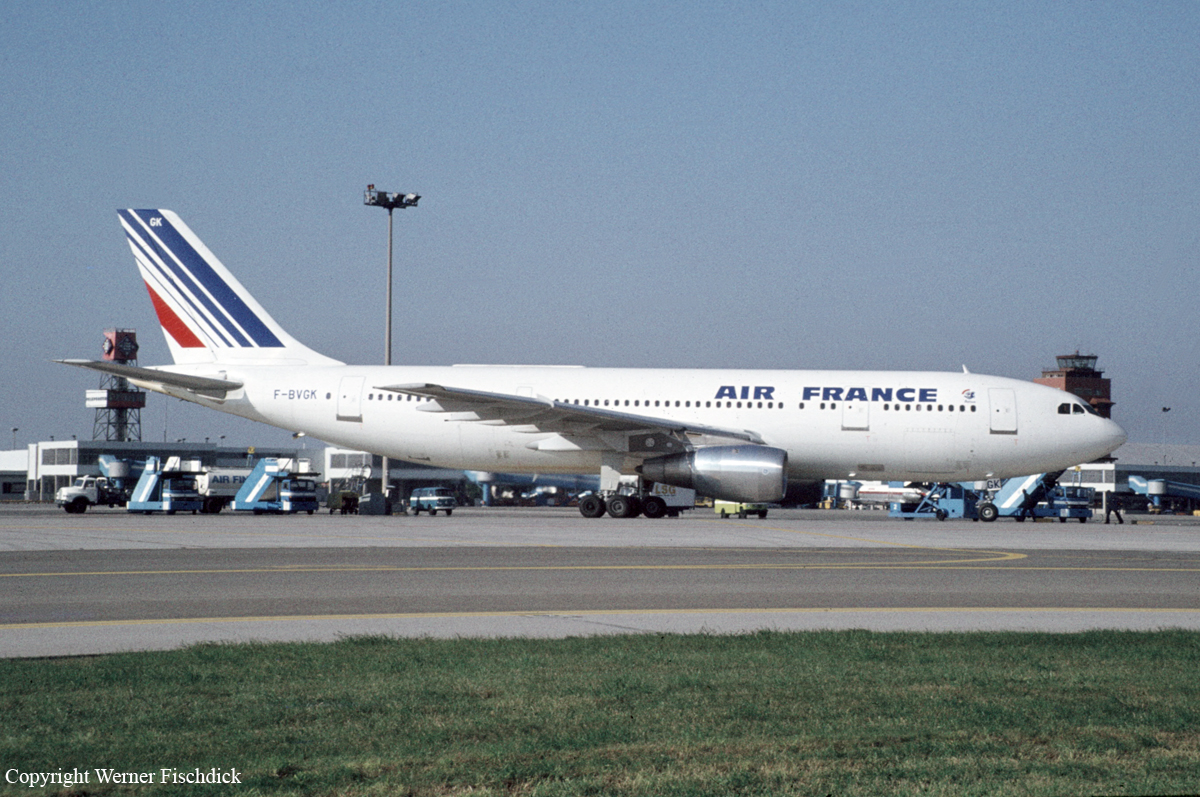
During the takeoff roll at Sana'a Intl Airport, at a speed of 95 knots, the crew noticed a loud bang followed by vibrations. The captain decided to abandon the takeoff procedure and initiated an emergency braking maneuver. The airplane came to rest on runway with its right wing on fire. All 124 occupants were evacuated safely, nevertheless, two passengers were slightly injured. The aircraft was considered as damaged beyond repair.
Probable cause:
The accident directly resulted from the uncontained explosion of a first stage high pressure turbine disk of the right hand engine. The propagation of a low cycle fatigue crack on one of the embossments of the disk rim was at the origin of the disk fracture. This cracks, which existed before, had not been detected during the inspection conducted in the operator's workshops, according to the method defined by the manufacturer and in accordance with the requirements of the airworthiness authority. The investigations showed that it was necessary, not only to reduce the intervals between the inspections of these disks and conduct two independent sequential inspections, but also to modify the design and make sure they were progressively replaced by the new type. It seems obvious that the limit life validation methods used at the time of the accident, were still insufficient, as far as the probability of non-detection of cracks was concerned.
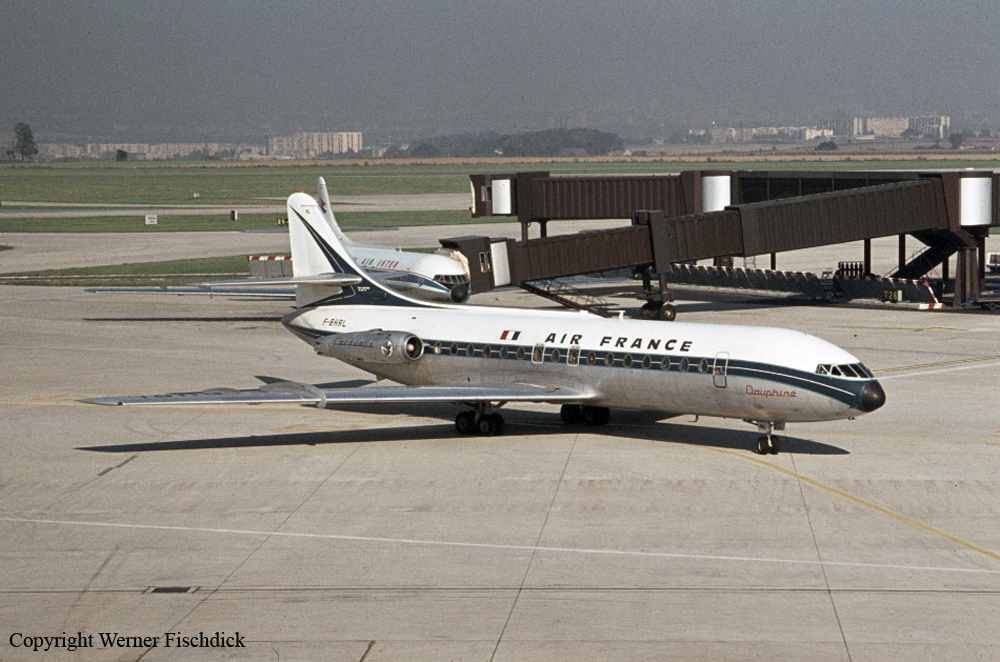
Ground accident of a Sud-Aviation SE-210 Caravelle IIIA in Frankfurt
Date & Time:
Mar 12, 1979
Operator:
Registration:
F-BHRL
Survivors:
Yes
Schedule:
Frankfurt - Lyon
MSN:
31
YOM:
1960
Crew on board:
6
Crew fatalities:
Pax on board:
35
Pax fatalities:
Other fatalities:
Total fatalities:
0
Circumstances:
While taxiing at Frankfurt-Main Airport, the pilot-in-command lost control of the airplane that collided with a fence and ground lights marking construction work before coming to rest. The right wing was seriously damaged and a tank was punctured, causing 500 liters of fuel to leak on the ground. All 41 occupants were evacuated safely while the aircraft was damaged beyond repair.
Ground explosion of a Sud-Aviation SE-210 Caravelle III in Ho Chi Minh: 1 killed
Date & Time:
Aug 28, 1976
Operator:
Registration:
F-BSGZ
Survivors:
Yes
Schedule:
Ho Chi Minh – Bangkok
MSN:
83
YOM:
1961
Crew on board:
5
Crew fatalities:
Pax on board:
15
Pax fatalities:
Other fatalities:
Total fatalities:
1
Circumstances:
While parked at Ho Chi Minh-City Airport, the airplane was hijacked by a Vietnamese passenger. All 19 occupants were quickly released and when police forces approached the aircraft, the hijacker set off two grenades that exploded in the cabin. The hijacker was killed and the aircraft was considered as damaged beyond repair.
Probable cause:
Explosion of two grenades in the cabin after the aircraft has been hijacked.
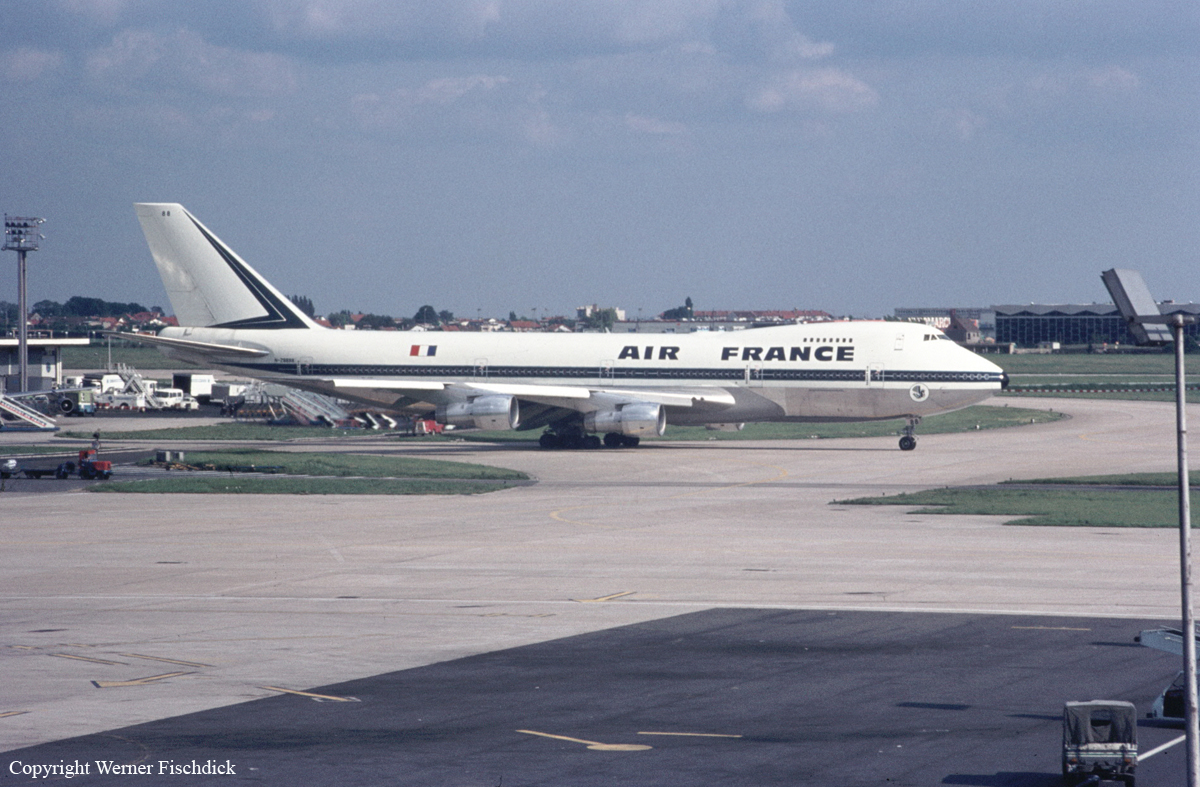
Ground fire of a Boeing 747-128 in Bombay
Date & Time:
Jun 12, 1975 at 0215 LT
Operator:
Registration:
N28888
Survivors:
Yes
Schedule:
Hong Kong - Bombay - Tel Aviv - Paris
MSN:
20542/201
YOM:
1972
Flight number:
AF193
Crew on board:
18
Crew fatalities:
Pax on board:
384
Pax fatalities:
Other fatalities:
Total fatalities:
0
Circumstances:
The crew was completing a 180 turn on runway 27 threshold to prepare for takeoff when the fire alarm sounded in the cockpit panel. The crew stopped the aircraft and ordered all 402 occupants to evacuate the aircraft. Fire spread quickly on the right side of the airplane that was destroyed. All 402 occupants escaped, 10 of them were slightly injured.
Probable cause:
It was determined that tires n°11 & 12 located on the right main gear burst while the aircraft was completing a 180 turn on the runway, causing the wheel to struck the ground. Initial delay in shutting down the engines and an improper deployment of fire services caused the fire to spread.
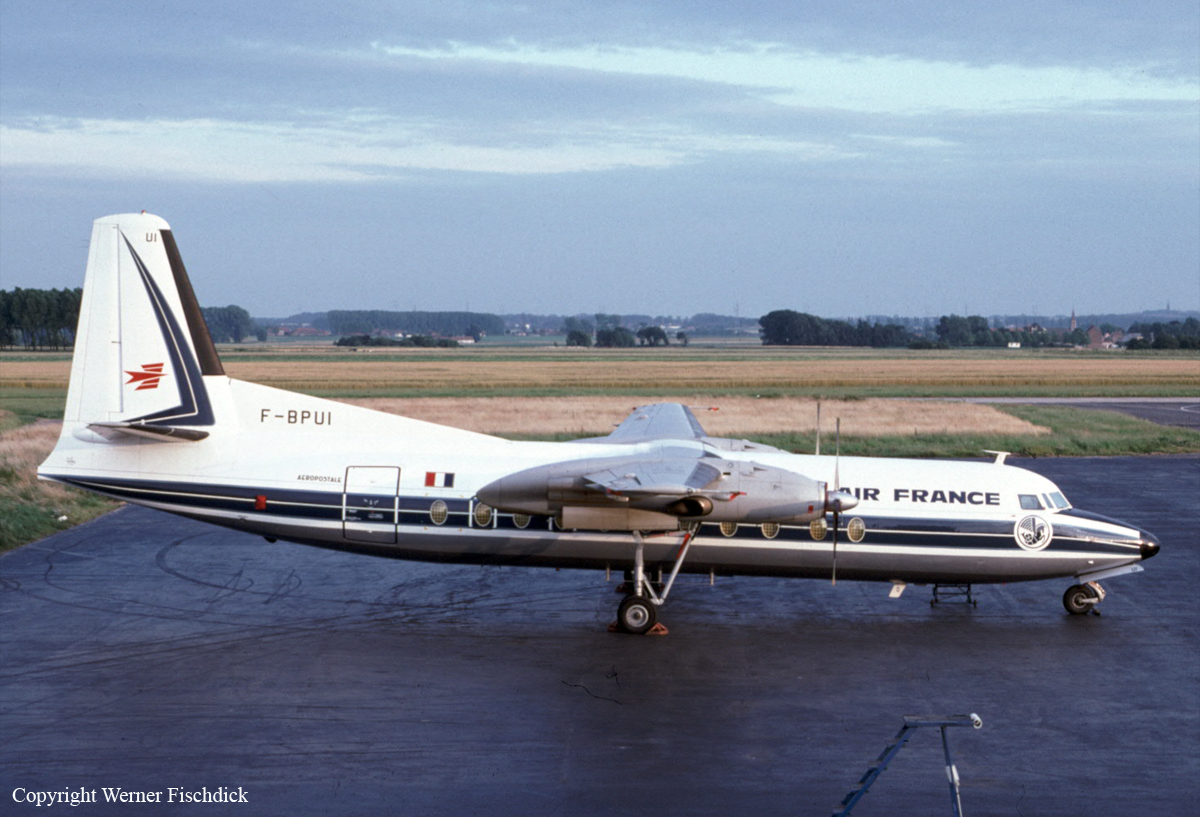
Crash of a Fokker F27 Friendship 500 in Nantes: 3 killed
Date & Time:
Jul 24, 1974 at 2145 LT
Operator:
Registration:
F-BPUI
Survivors:
No
Schedule:
Rennes - Nantes - Poitiers - Clermont-Ferrand
MSN:
10389
YOM:
1969
Crew on board:
3
Crew fatalities:
Pax on board:
0
Pax fatalities:
Other fatalities:
Total fatalities:
3
Aircraft flight hours:
14208
Aircraft flight cycles:
17677
Circumstances:
The crew was completing a mail flight from Rennes to Clermont-Ferrand with intermediate stops in Nantes and Poitiers on behalf of the French Postal Service (La Poste). On final approach to Nantes-Château Bougon Airport by night, the crew failed to realize his altitude was too low when the airplane struck power cables and crashed in flames in a field located about 12 km from the airport. The aircraft was destroyed and all three crew members were killed.
Probable cause:
The accident was the consequence of the combination of the following factors:
- Poor crew coordination,
- The crew failed to follow the published approach procedures,
- Lack of visibility,
- High obstructions.
- Poor crew coordination,
- The crew failed to follow the published approach procedures,
- Lack of visibility,
- High obstructions.