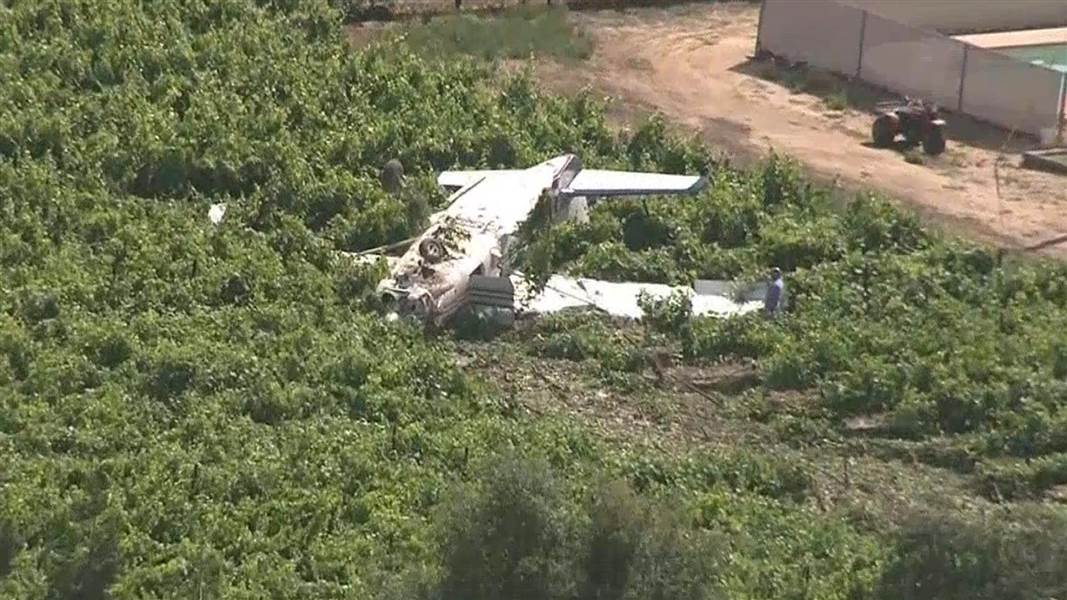
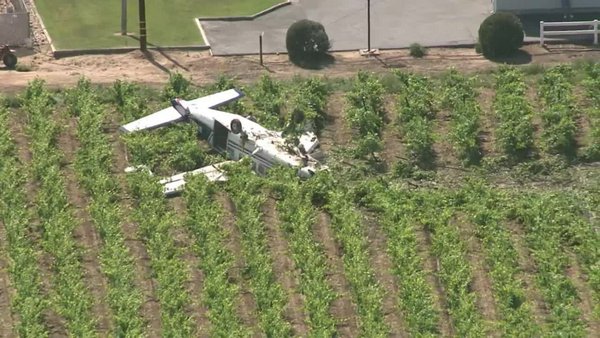
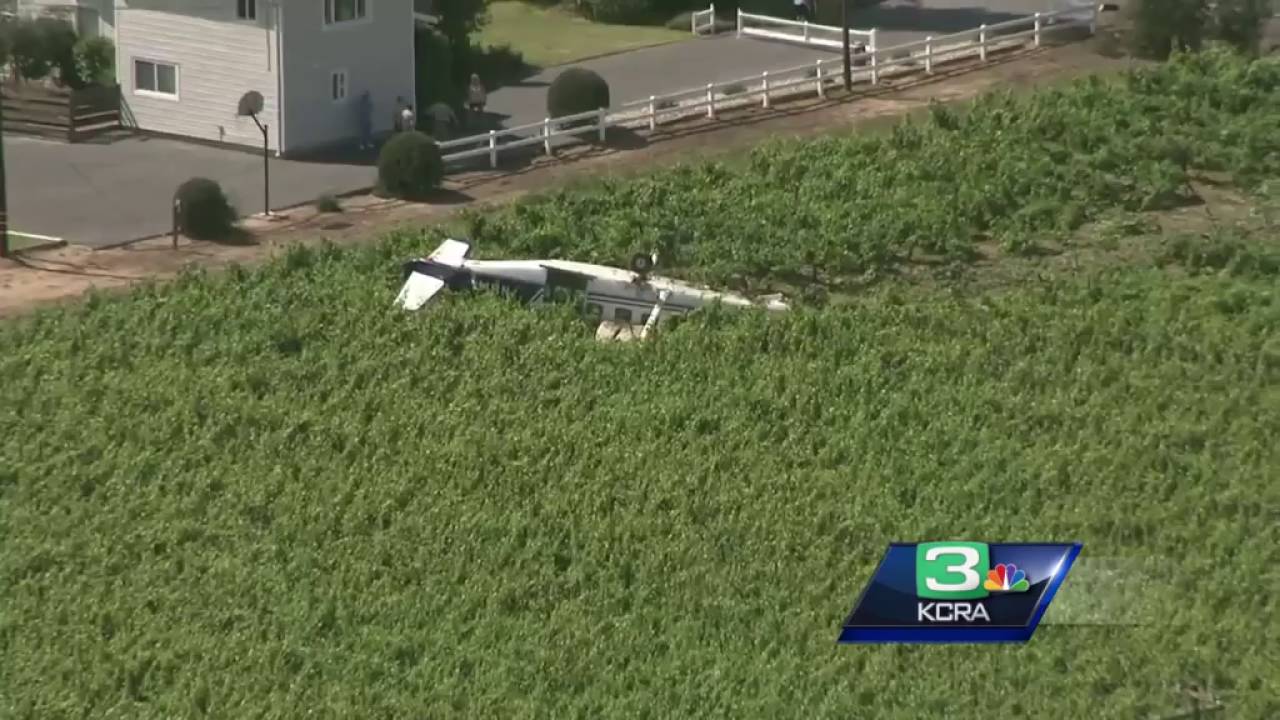
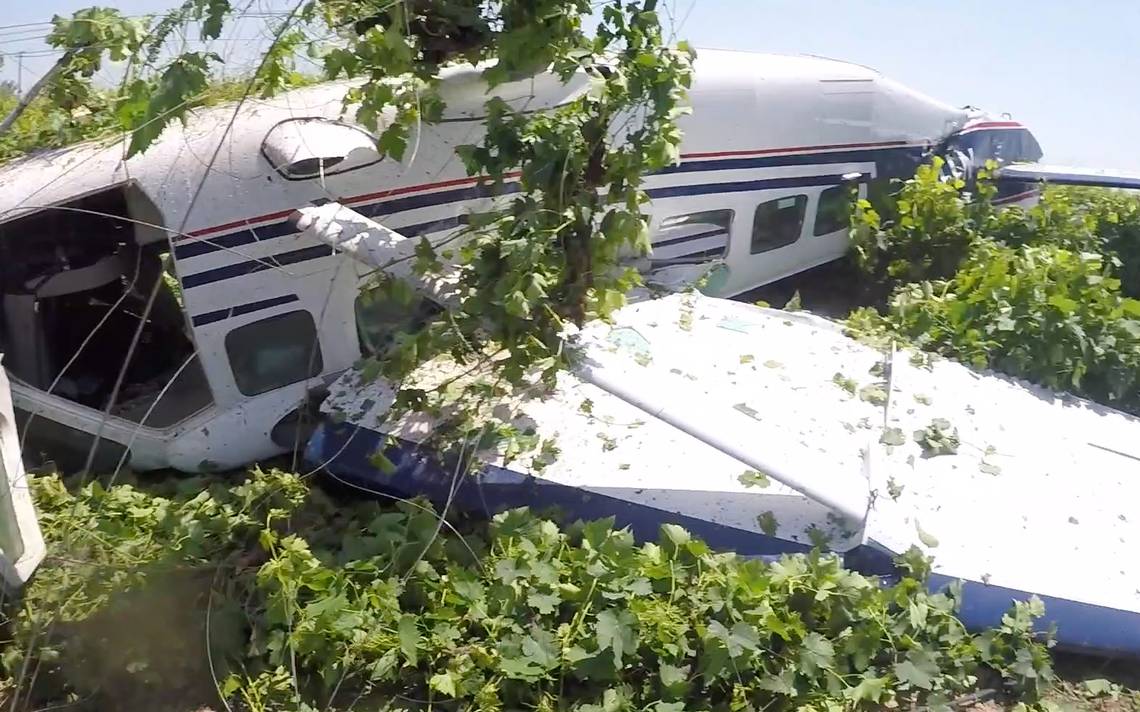
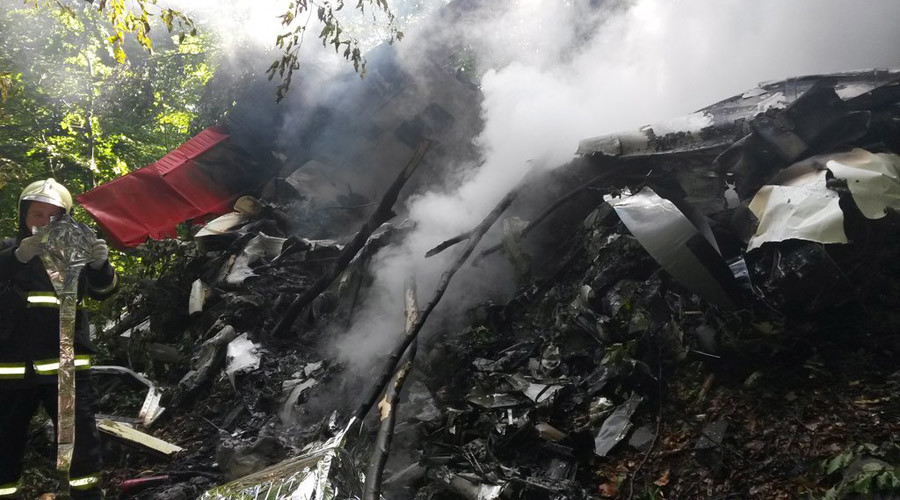
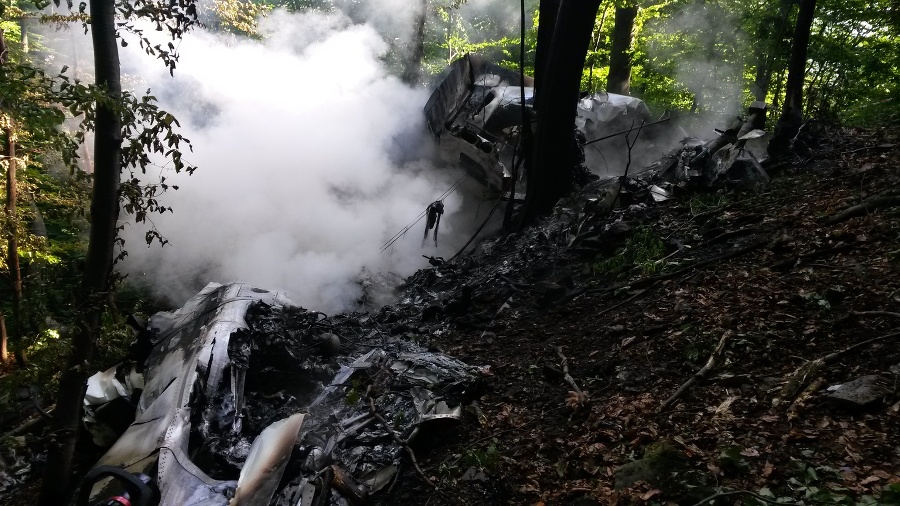
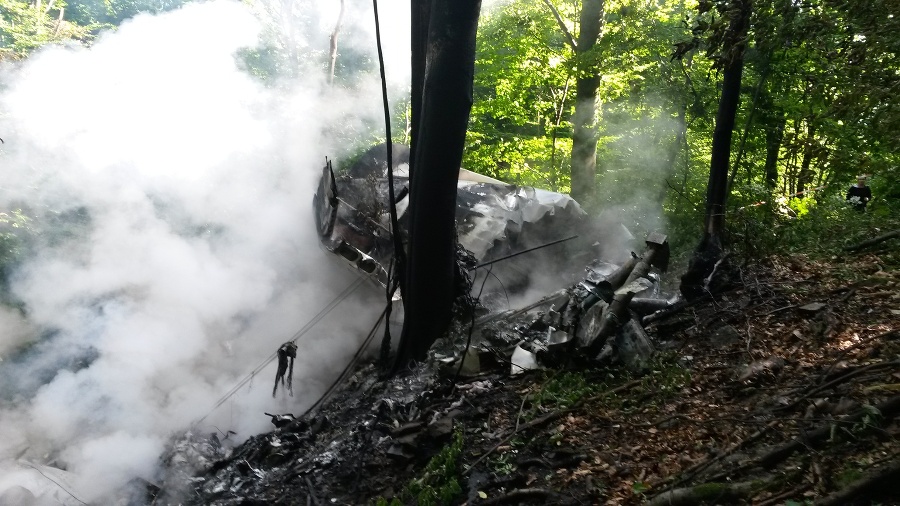
Crash of a Cessna 208B Grand Caravan in Lodi

Date & Time: May 12, 2016 at 1413 LT
Type of aircraft:
Registration:
N1114A
Flight Phase:
Survivors:
Yes
Schedule:
Lodi - Lodi
MSN:
208B-0309
YOM:
1992
Location:
Crew on board:
1
Crew fatalities:
Pax on board:
17
Pax fatalities:
Other fatalities:
Total fatalities:
0
Captain / Total flying hours:
7050
Captain / Total hours on type:
253.00
Aircraft flight hours:
12848
Circumstances:
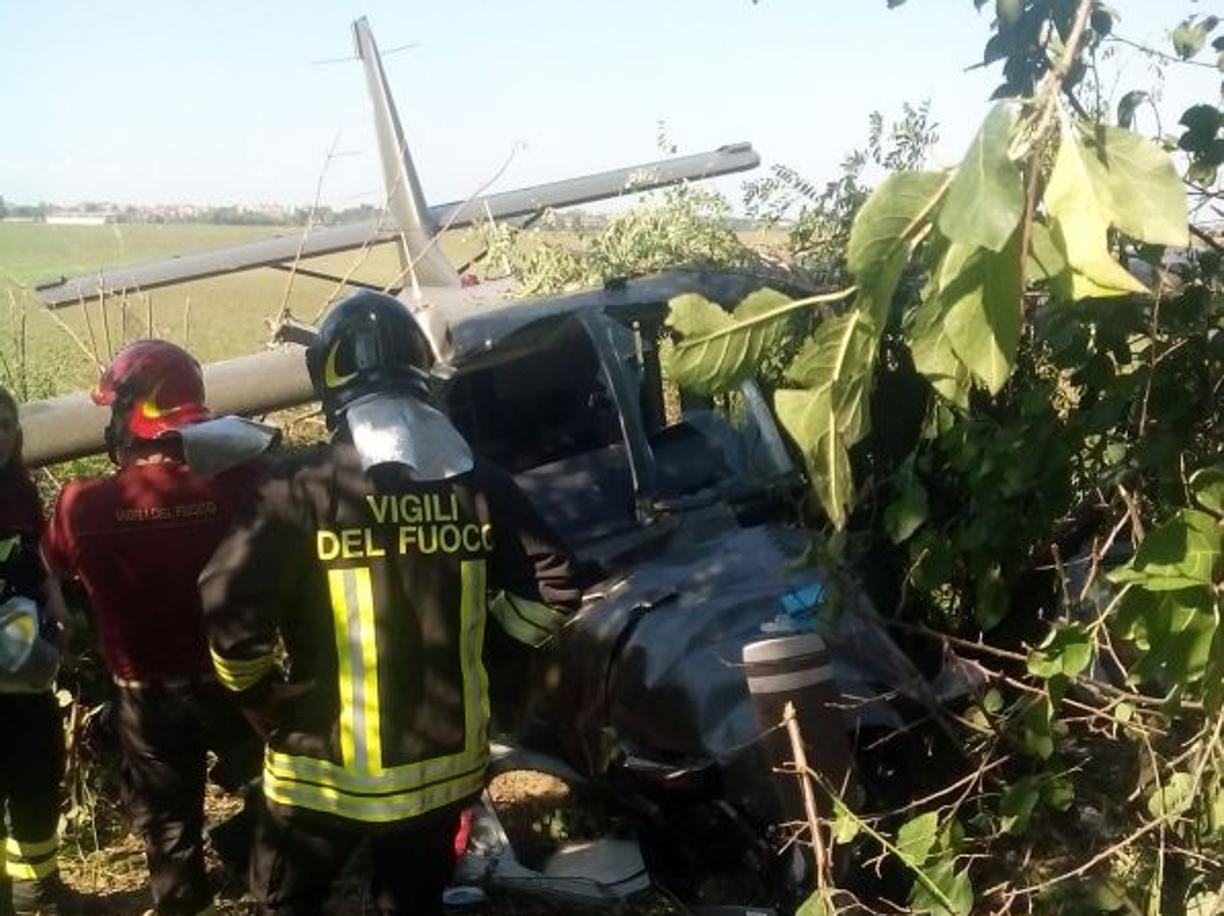
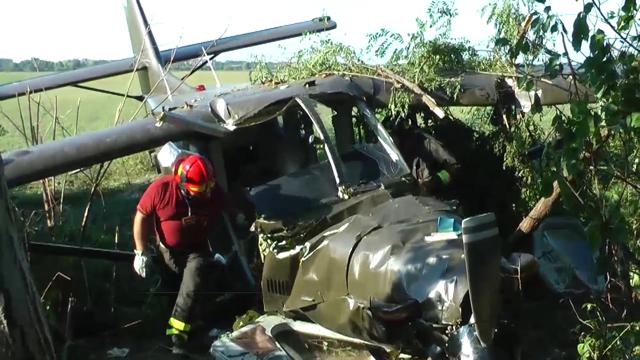
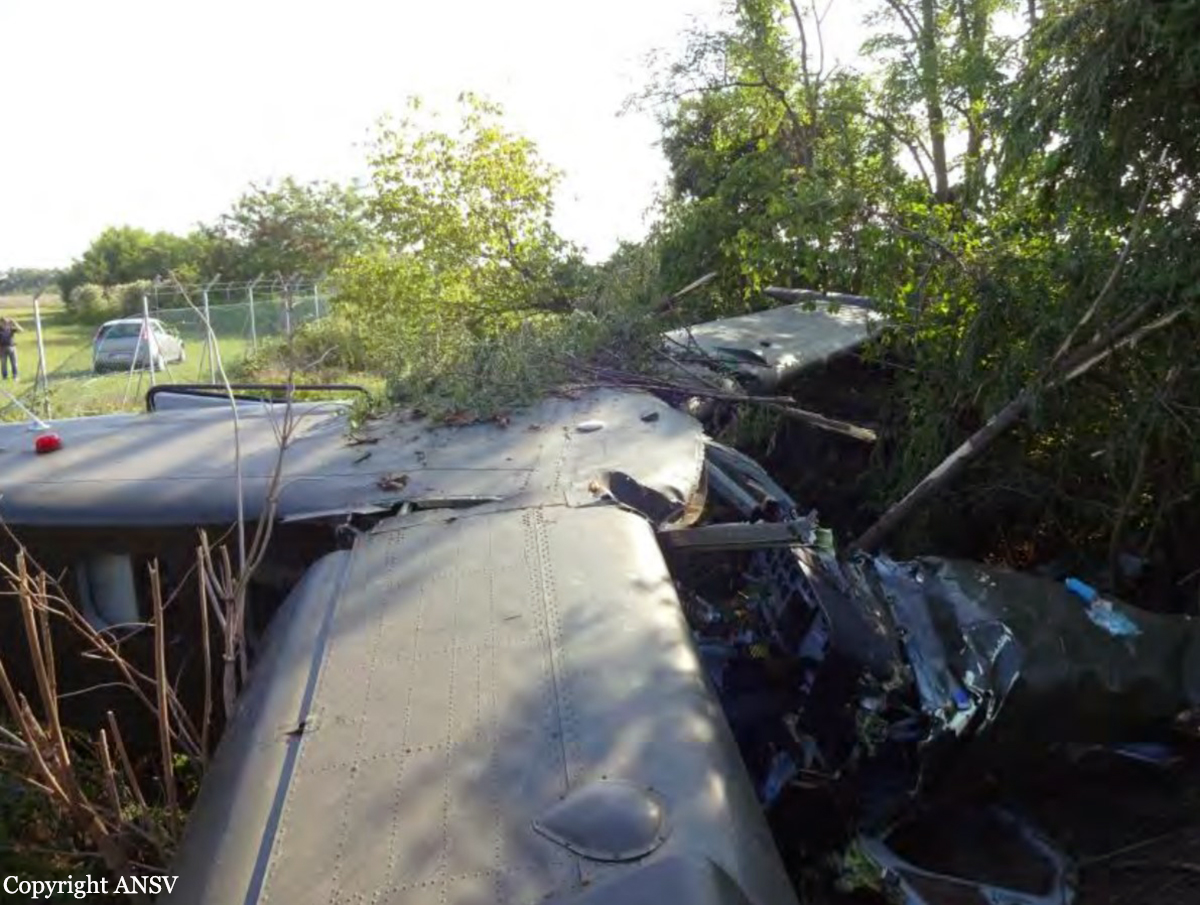
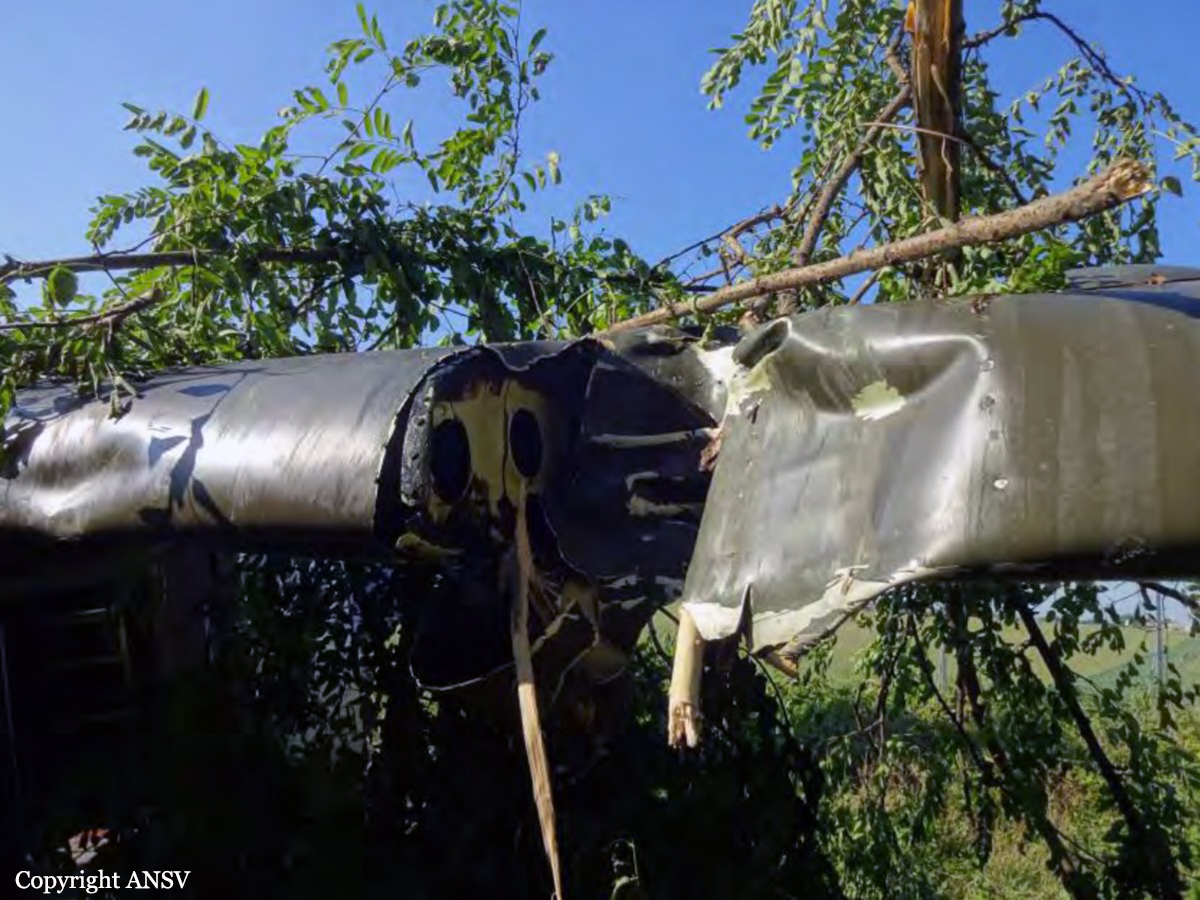
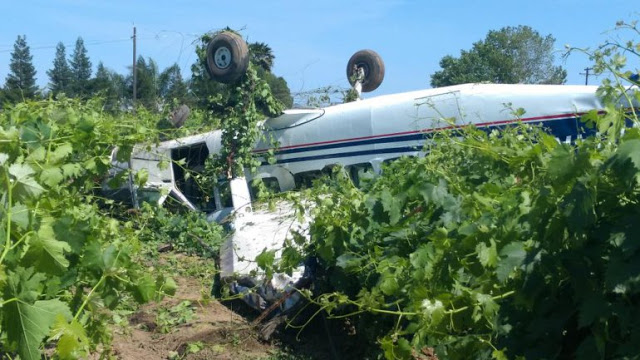
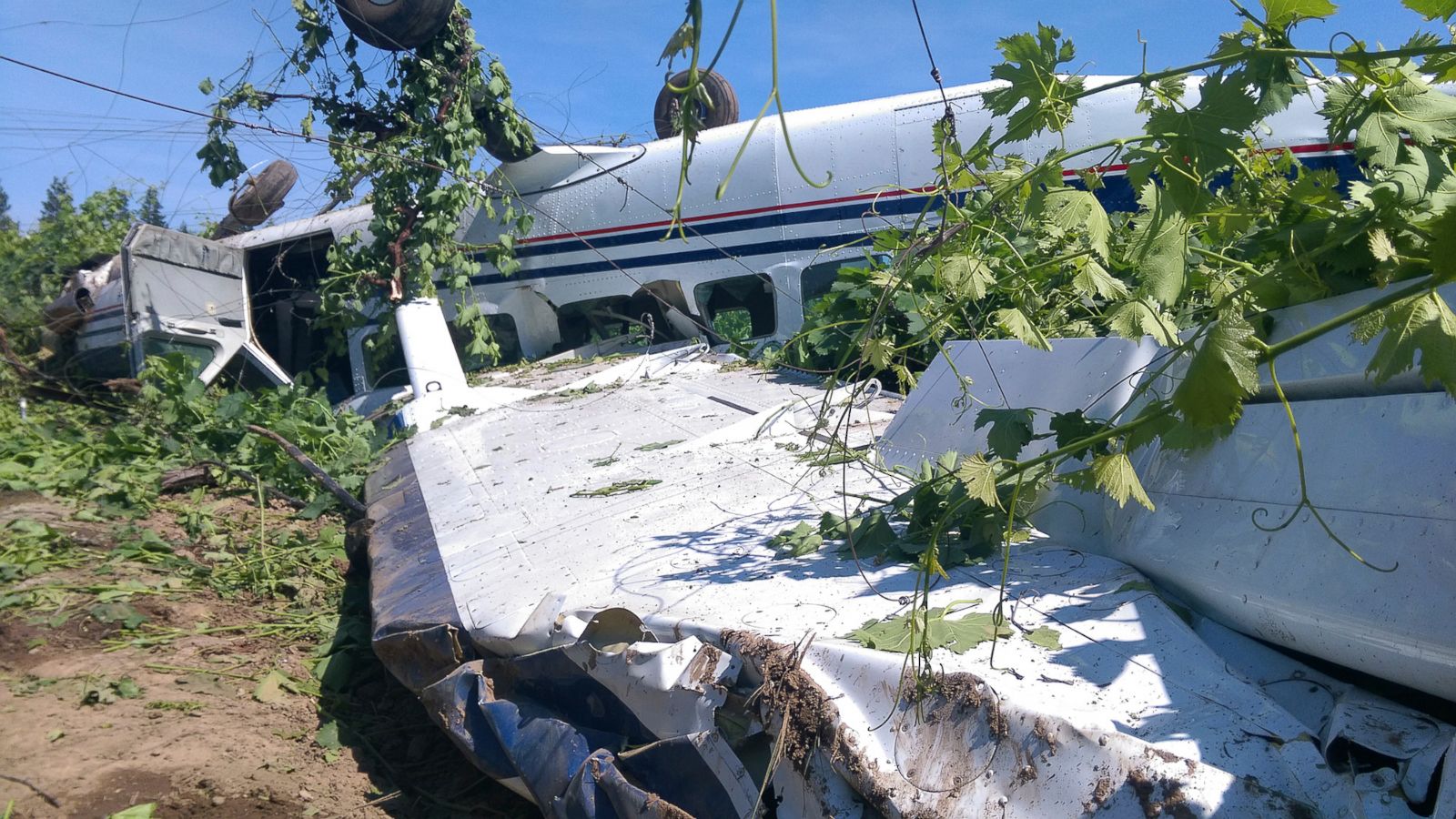
The commercial pilot reported that, after takeoff on the local skydiving flight, the engine experienced a total loss of power. He initiated a turn toward the airport, but realized the airplane would not reach the runway and chose to perform a forced landing to an open field. During the landing roll, the airplane exited the field, crossed a road, impacted a truck, and continued into a vineyard, where it nosed over. Postaccident examination of the engine revealed that the fuel pressure line that connects the fuel control unit to the airframe fuel pressure transducer was fractured below the fuel control unit fitting's swaged seat. In addition, a supporting clamp for the fuel pressure fuel line was fractured and separated. The operator reported that the fractured fuel line had been replaced the night before the accident and had accumulated about 4 hours of operational time. The previously-installed line had also fractured. Metallurgical examination of the two fractured fuel lines revealed that both fuel lines fractured due to reverse bending fatigue through the tube wall where a ferrule was brazed to the outside of the tube. There were no apparent anomalies or defects at the crack initiation sites. Examination of the supporting clamp determined that it fractured due to unidirectional bending fatigue where one of the clamp's tabs met the clamp loop, with the crack initiating along the inward-facing side of the clamp. The orientation of the reverse bending fatigue cracks and the spacing of the fatigue striations on the tube fracture surfaces were consistent with high-cycle bending fatigue due to a vibration of the tube. The cushioned support clamp is designed to prevent such vibrations from occurring. However, if the clamp tab is fractured, it cannot properly clamp the tube and will be unable to prevent the vibration. The presence of the fractured clamp combined with the fact that the two pressure tubes failed in similar modes in short succession indicated that the clamp most likely failed first, resulting in the subsequent failure of the tubes. Since the clamp was likely fractured when the first fractured fuel pressure line was replaced, the clamp was either not inspected or inadequately inspected at the time of the maintenance.
Probable cause:
A total loss of engine power due to a fatigue fracture of the fuel pressure line that connected the fuel control unit and the fuel flow transducer due to vibration as the result of a fatigue fracture of an associated support clamp. Contributing to the accident was the mechanic's inadequate inspection of the fuel line support clamp during the previous replacement of the fuel line.
Final Report:
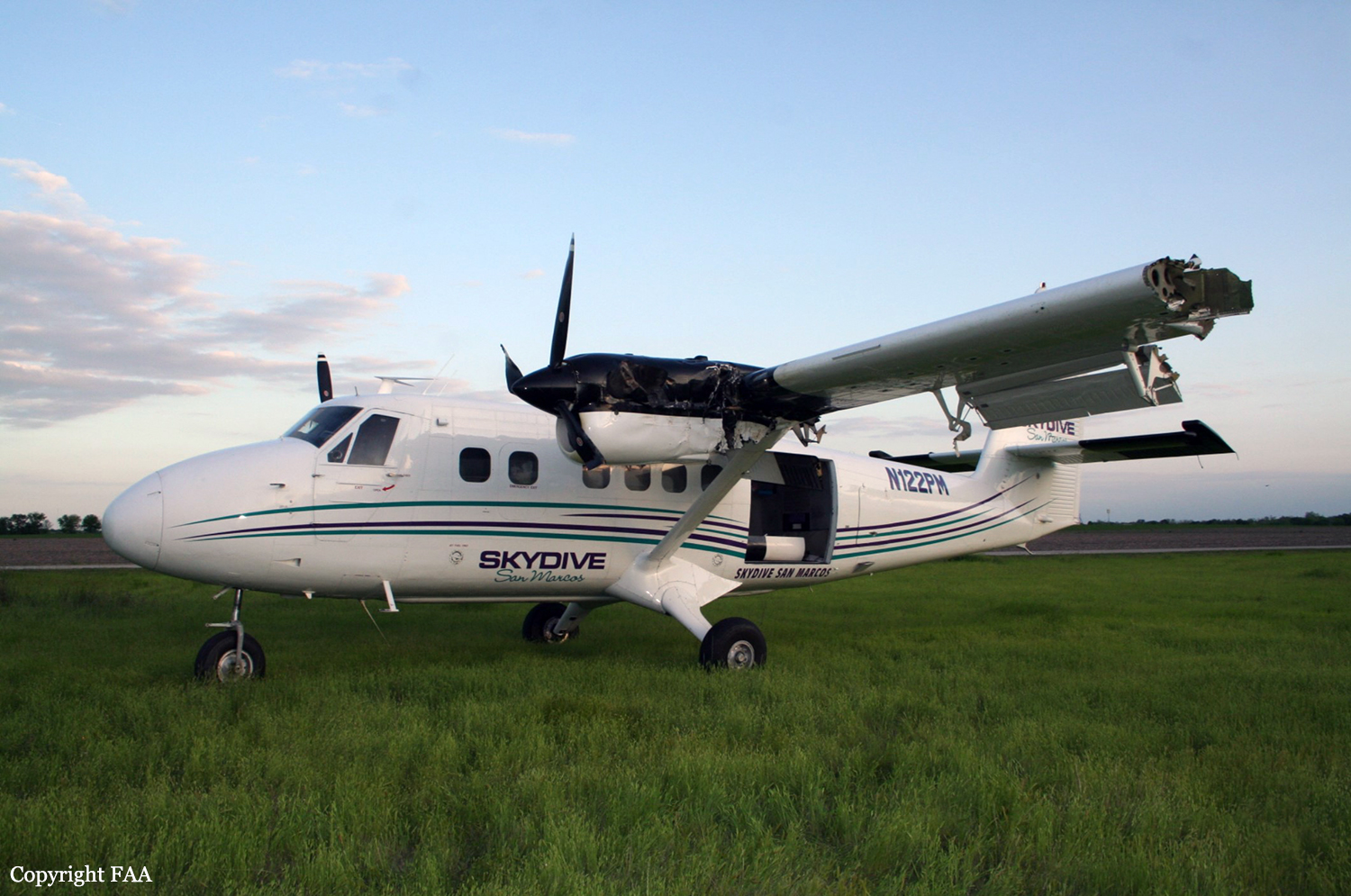
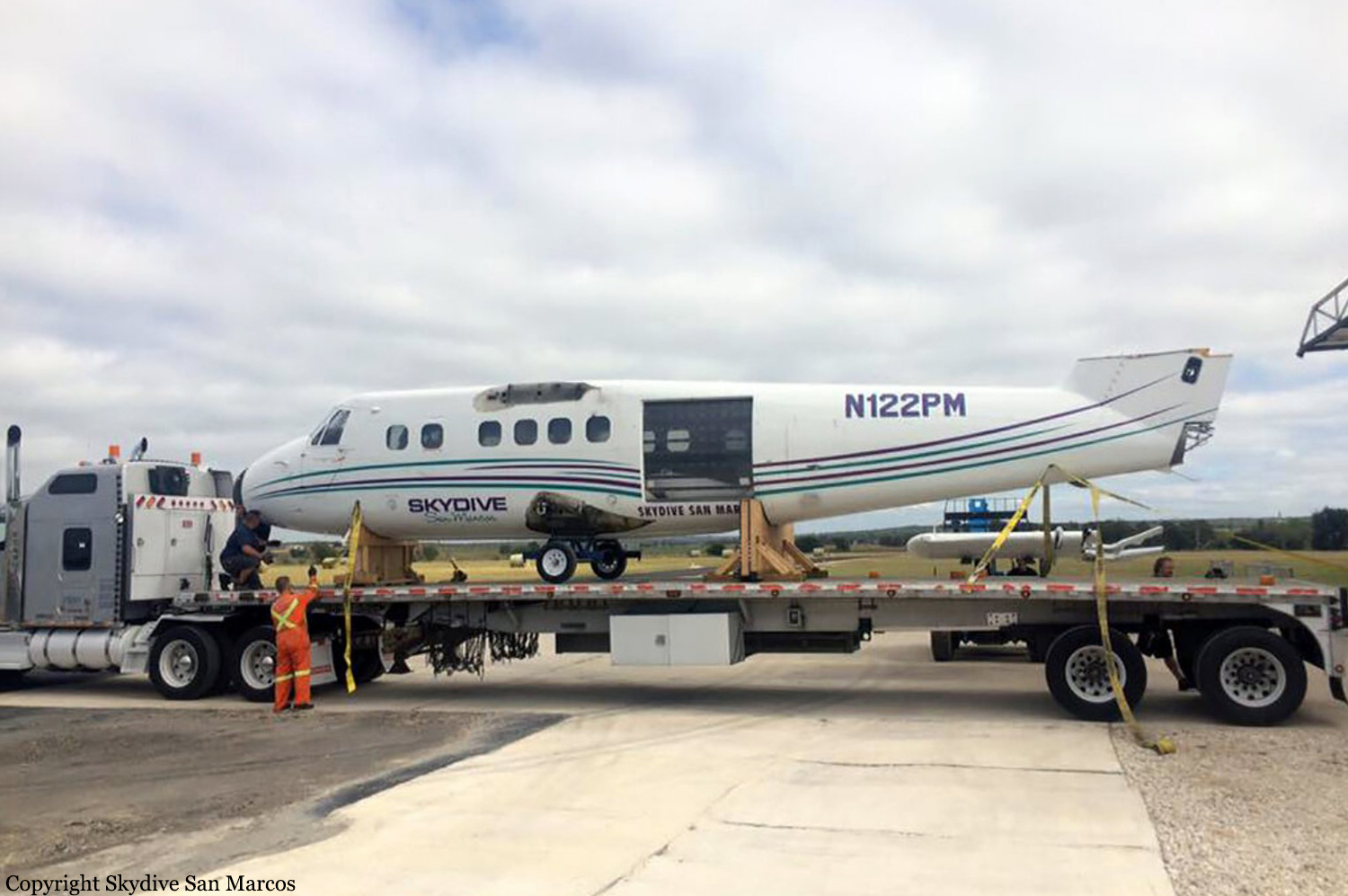
Crash of a De Havilland DHC-6 Twin Otter 100 in Fentress

Date & Time: Apr 9, 2016 at 1700 LT
Operator:
Registration:
N122PM
Survivors:
Yes
Schedule:
Fentress - Fentress
MSN:
15
YOM:
1966
Location:
Crew on board:
2
Crew fatalities:
Pax on board:
0
Pax fatalities:
Other fatalities:
Total fatalities:
0
Captain / Total flying hours:
6000
Captain / Total hours on type:
1000.00
Aircraft flight hours:
53624
Circumstances:
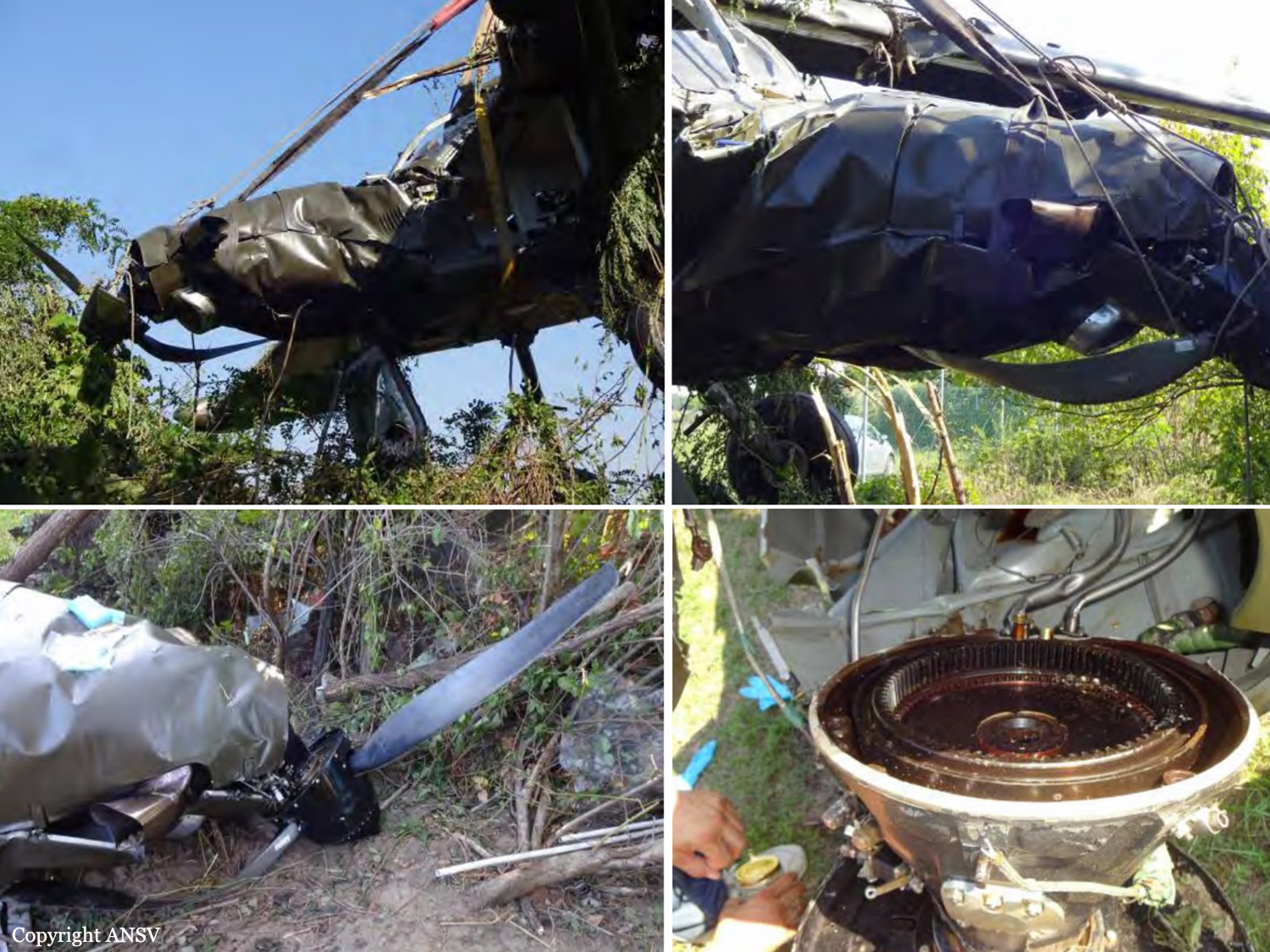
The pilot reported that he was landing in gusty crosswind conditions following a parachute jump flight, and that the gusty conditions had persisted for the previous 10 skydiving flights that day. The pilot further reported that during the landing roll, when the nose wheel touched down, the airplane became "unstable" and veered to the left. He reported that he applied right rudder and added power to abort the landing, but the airplane departed the runway to the left and the left wing impacted a tree. The airplane spun 180 degrees to the left and came to rest after the impact with the tree. The left wing was substantially damaged. The pilot did not report any mechanical malfunctions or failures with the airplane that would have precluded normal operation.
Probable cause:
The pilot's failure to maintain directional control during the aborted landing in gusty crosswind conditions, which resulted in a runway excursion and a collision with a tree.
Final Report:
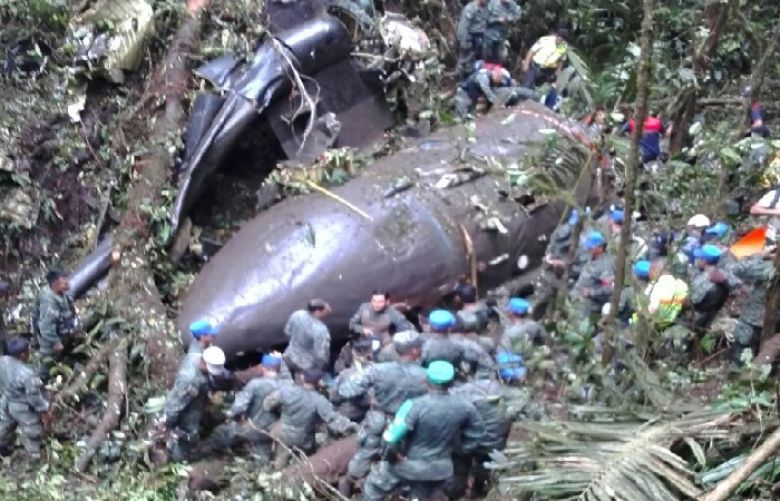
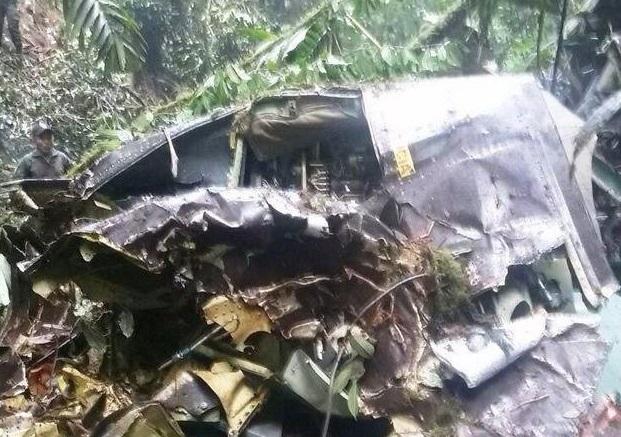
Crash of an IAI Arava 201 near Fátima: 22 killed

Date & Time: Mar 15, 2016 at 1430 LT
Type of aircraft:
Operator:
Registration:
E-206
Flight Phase:
Survivors:
No
Schedule:
Shell - Shell
MSN:
090
YOM:
1992
Location:
Country:
Crew on board:
3
Crew fatalities:
Pax on board:
19
Pax fatalities:
Other fatalities:
Total fatalities:
22
Circumstances:
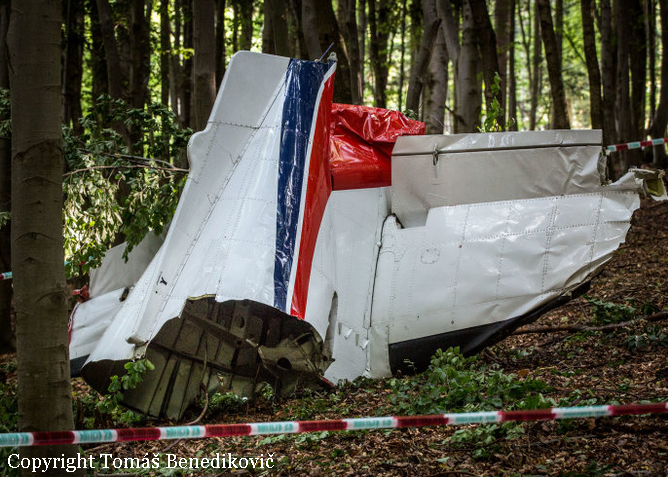
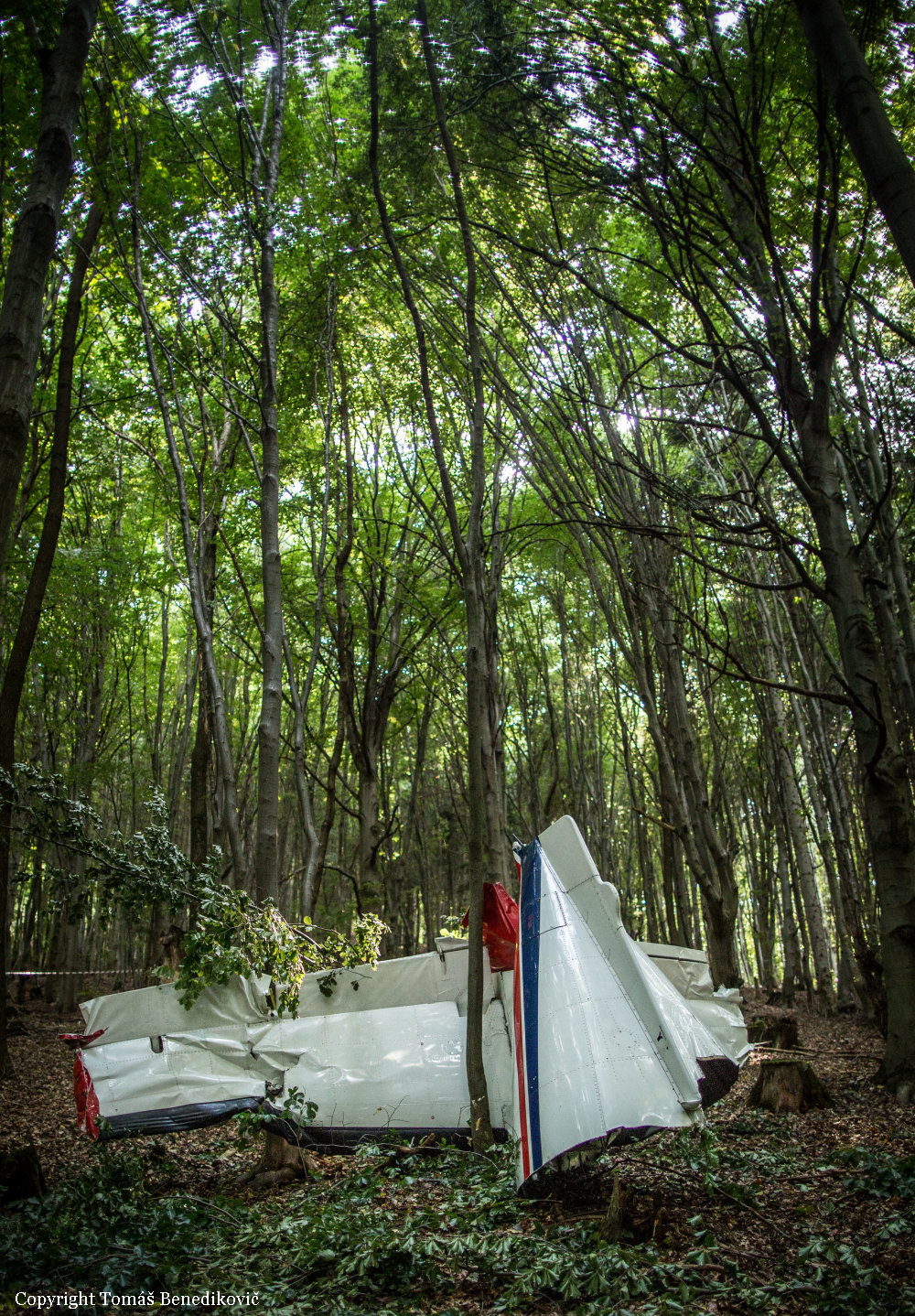
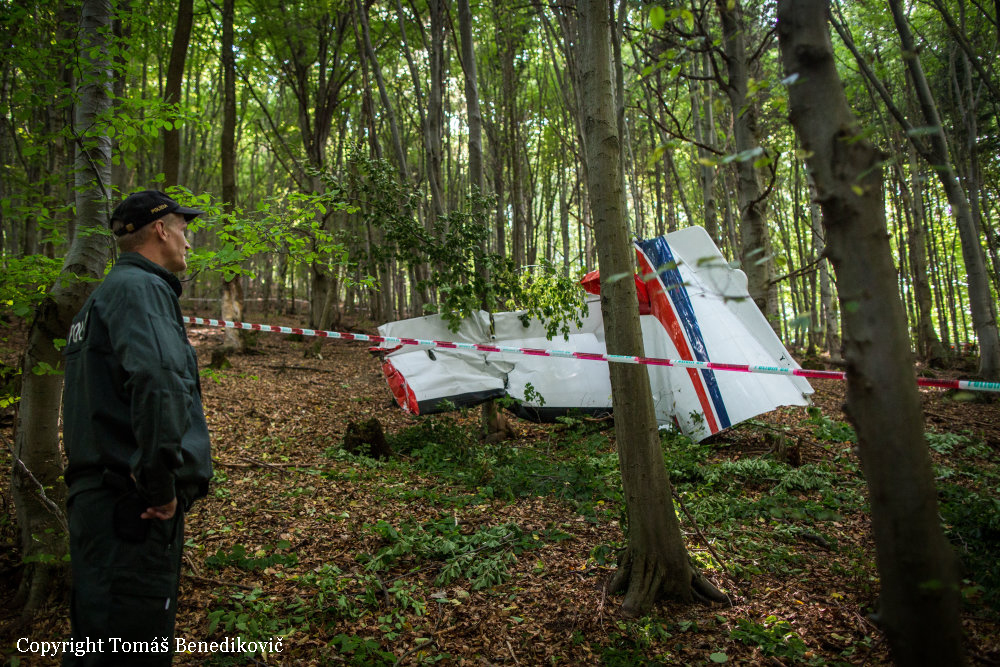
The twin engine airplane departed Shell Airport at 1251LT for a local training exercice with a crew of three and 19 paratroopers on board. About an hour into the flight, the crew informed ground he was returning to his base due to the deterioration of the weather conditions. Shortly later, the aircraft entered an uncontrolled descent and crashed in a wooded area. All 22 occupants were killed. Up to date, this is the worst accident involving an IAI Arava 201.

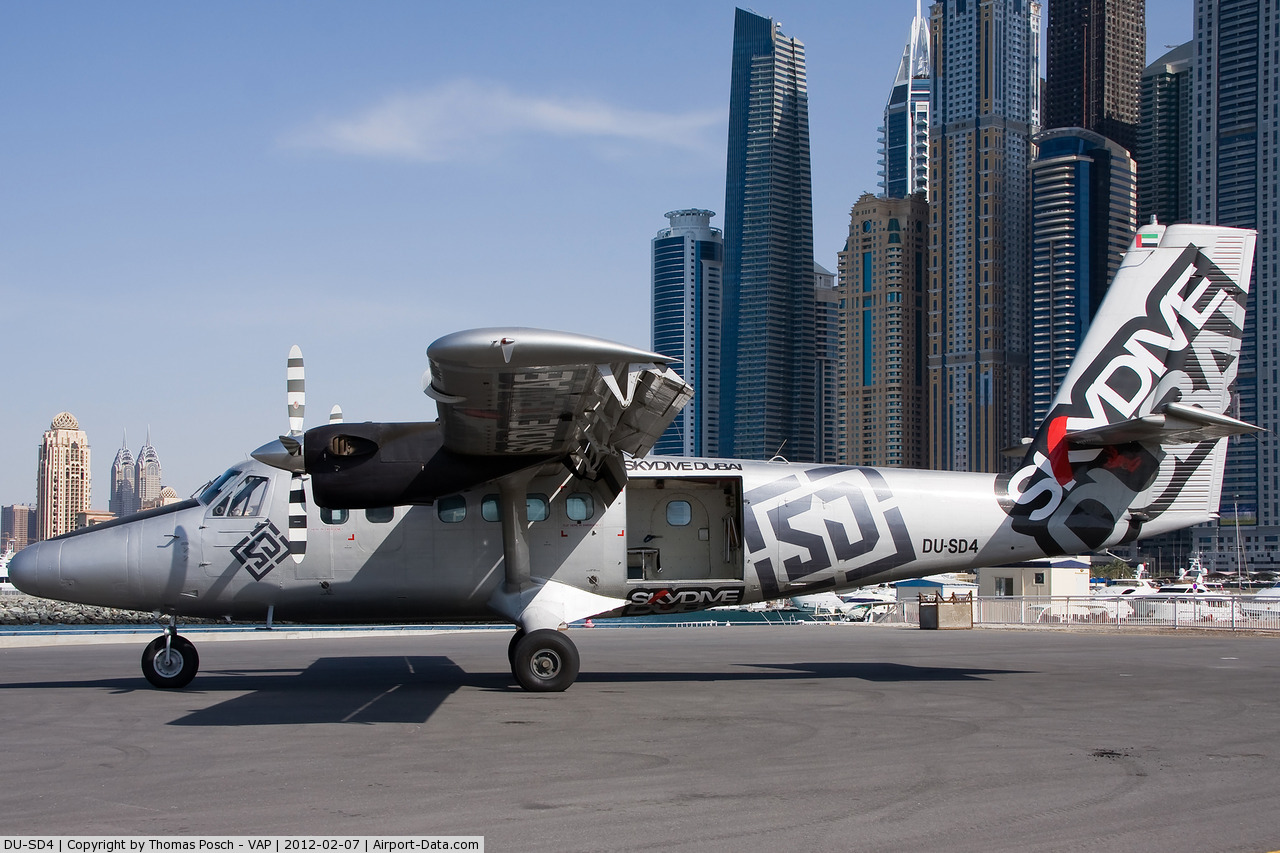
Crash of a De Havilland DHC-6 Twin Otter 200 in Dubai

Date & Time: Oct 2, 2015
Operator:
Registration:
DU-SD4
Survivors:
Yes
Schedule:
Dubai - Dubai
MSN:
132
YOM:
1968
Region:
Crew on board:
1
Crew fatalities:
Pax on board:
0
Pax fatalities:
Other fatalities:
Total fatalities:
0
Circumstances:
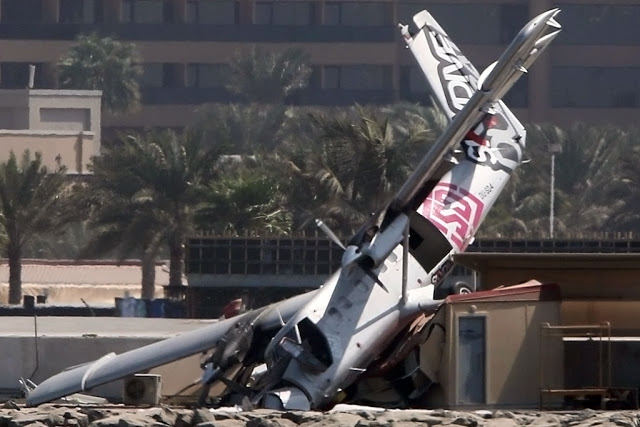
Following an uneventful skydiving mission over the Dubai Drop Zone, the pilot was returning to his base. Upon landing on runway 06, the twin engine aircraft went out of control, veered off runway to the left, struck an embankment and came to rest with the right wing torn off. The pilot was uninjured and the aircraft was damaged beyond repair.

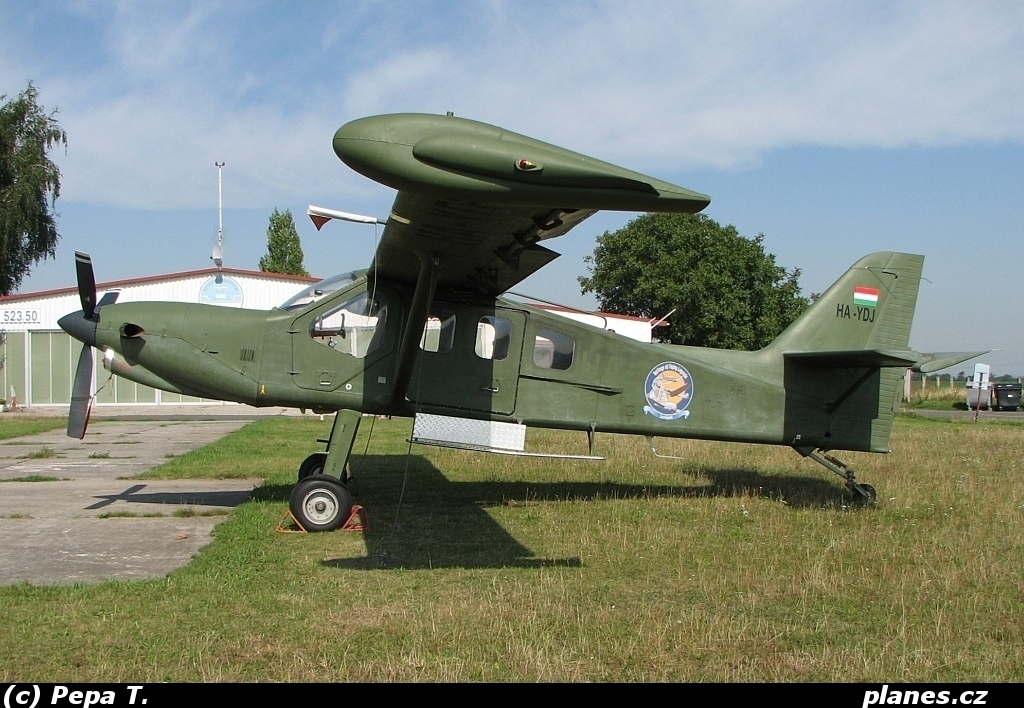
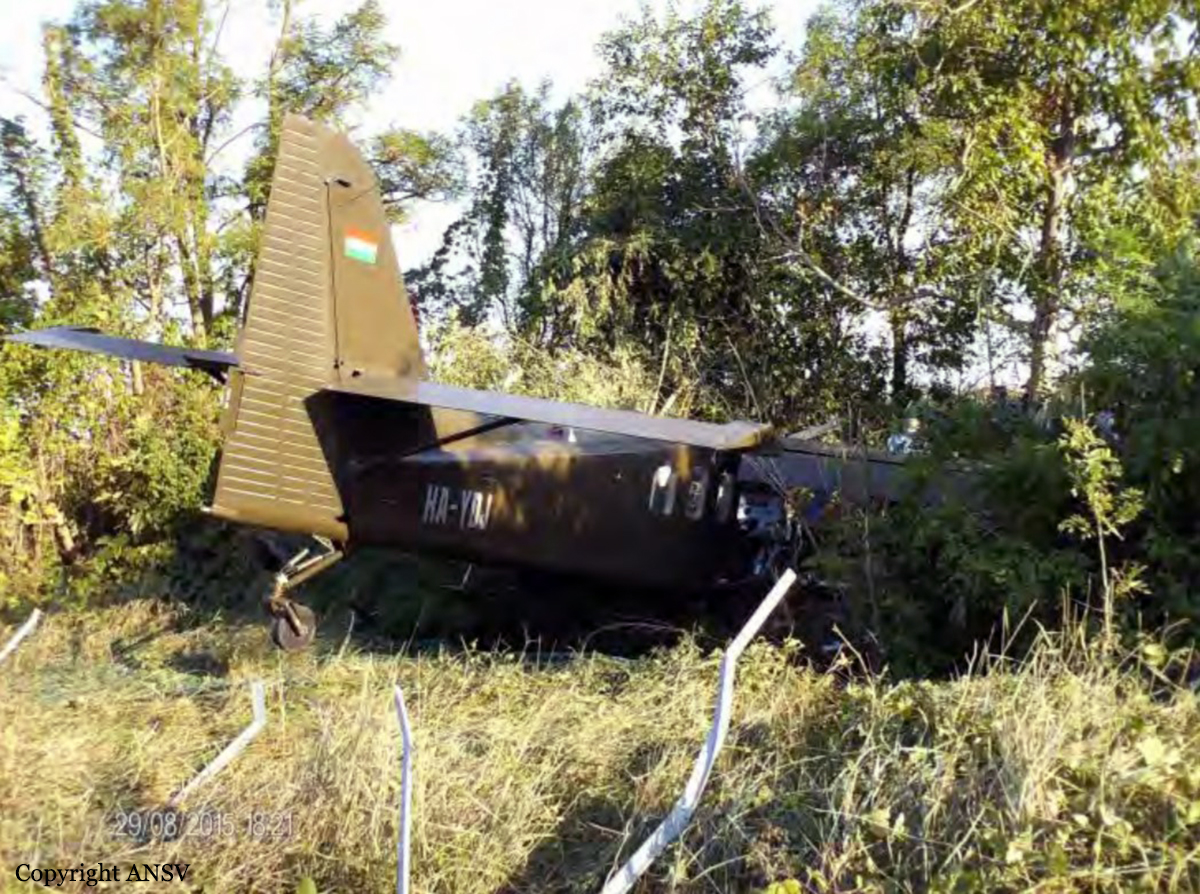
Crash of a Technoavia SMG-92 Turbo Finist in Casale Monferrato

Date & Time: Aug 29, 2015 at 1430 LT
Operator:
Registration:
HA-YDJ
Flight Phase:
Survivors:
Yes
Schedule:
Casale Monferrato - Casale Monferrato
MSN:
02-001
YOM:
1993
Country:
Region:
Crew on board:
1
Crew fatalities:
Pax on board:
10
Pax fatalities:
Other fatalities:
Total fatalities:
0
Captain / Total flying hours:
600
Captain / Total hours on type:
35.00
Aircraft flight hours:
800
Circumstances:
The single engine aircraft departed Casale Monferrato-Francesco Cappa Airfield on a local skydiving mission, the 13th sortie of the day, carrying seven skydivers, three tourists and one pilot). Shortly after rotation from a grassy runway, the pilot encountered engine problems. The aircraft continued in a flat attitude, collided with a hedge and few trees before coming to rest in a wooded area located 300 metres past the runway end. All 11 occupants were injured, some of them seriously. The aircraft was damaged beyond repair.
Probable cause:
The accident is the consequence of an engine failure caused by the loss of connection in the power module between the quill shaft and the PT shaft.
The following contributing factors were identified:
- A control system of the aircraft as part of 'aircraft operator CAMO not sufficiently thorough,
- The inaccurate, non-timely and incorrect reporting by the user of the aircraft of critical parameters for monitoring engine life,
- A national regulation, in force at the time of the accident, relating to the flight activity for launching paratroopers, which did not provide, in fact, adequate surveillance technique by the aeronautical authority on the aircraft used in this activity,
- The absence of adequate retention and safety devices for paratroopers on board the aircraft.
Final Report:
Crash of a Let L-410UVP in Červený Kameň: 4 killed

Date & Time: Aug 20, 2015 at 0921 LT
Type of aircraft:
Operator:
Registration:
OM-ODQ
Flight Phase:
Survivors:
Yes
Schedule:
Dubnica - Dubnica
MSN:
84 13 20
YOM:
1984
Country:
Region:
Crew on board:
2
Crew fatalities:
Pax on board:
17
Pax fatalities:
Other fatalities:
Total fatalities:
4
Captain / Total flying hours:
10625
Aircraft flight hours:
8021
Circumstances:
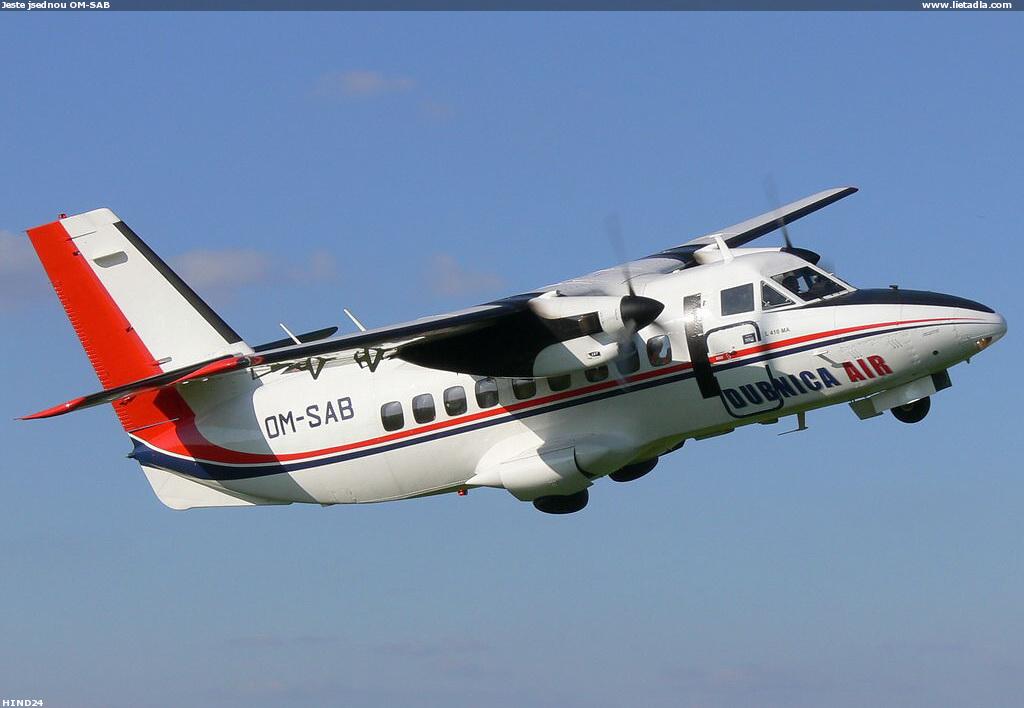
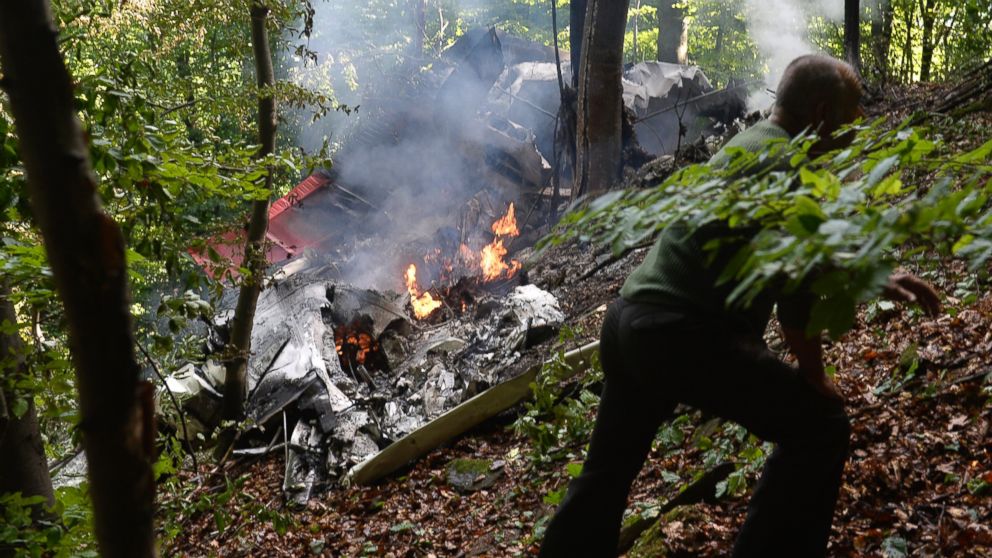
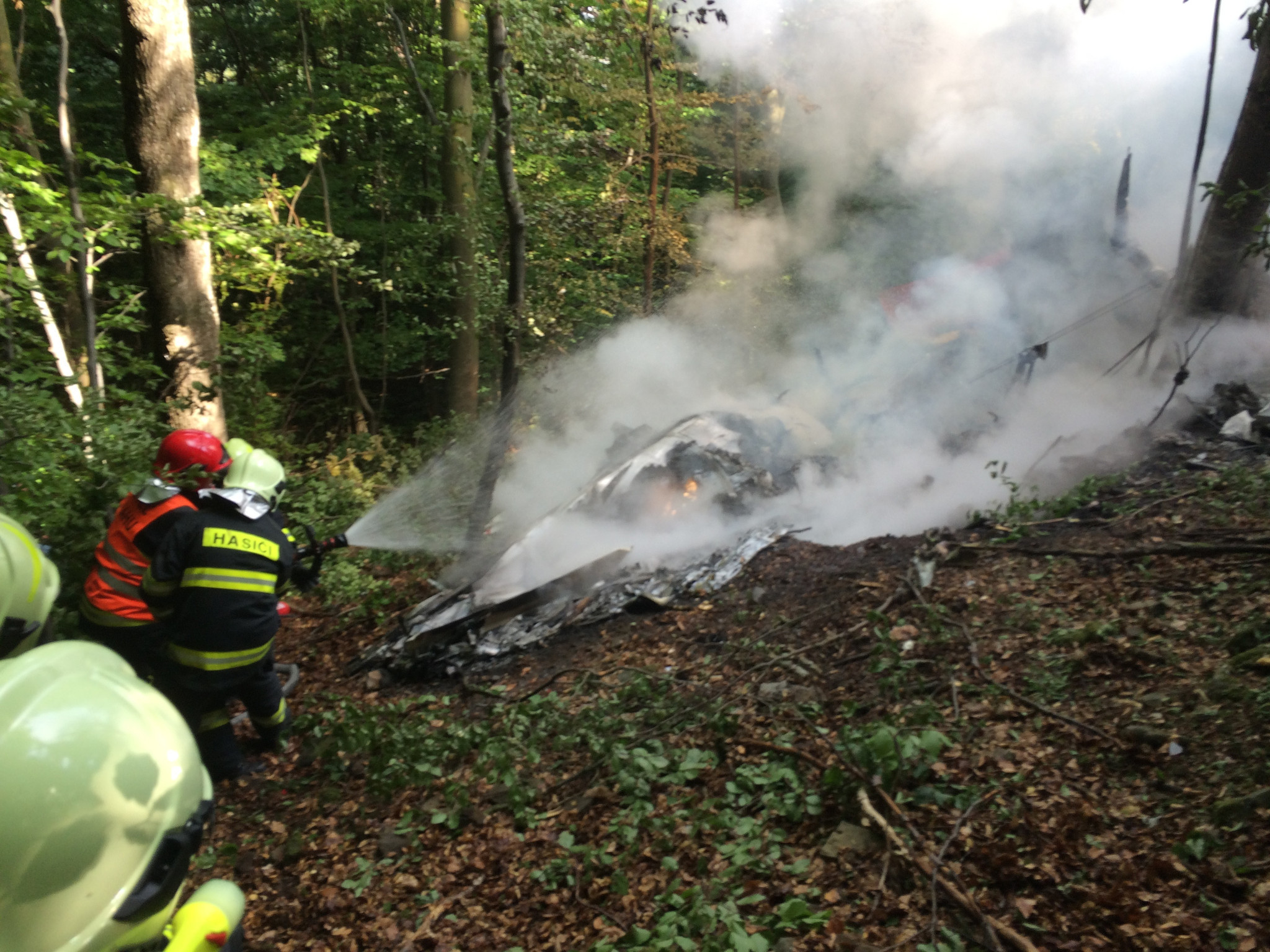
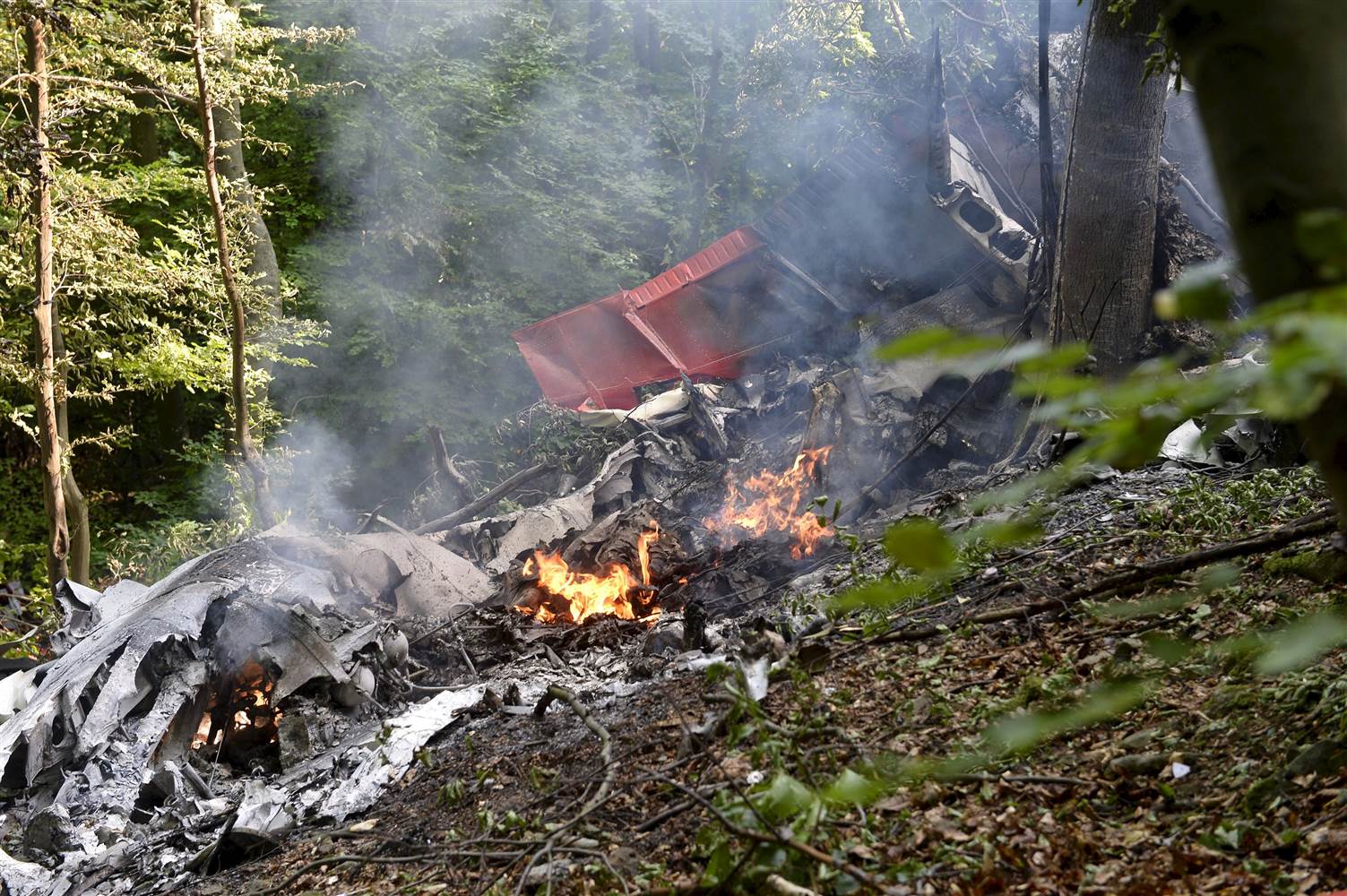
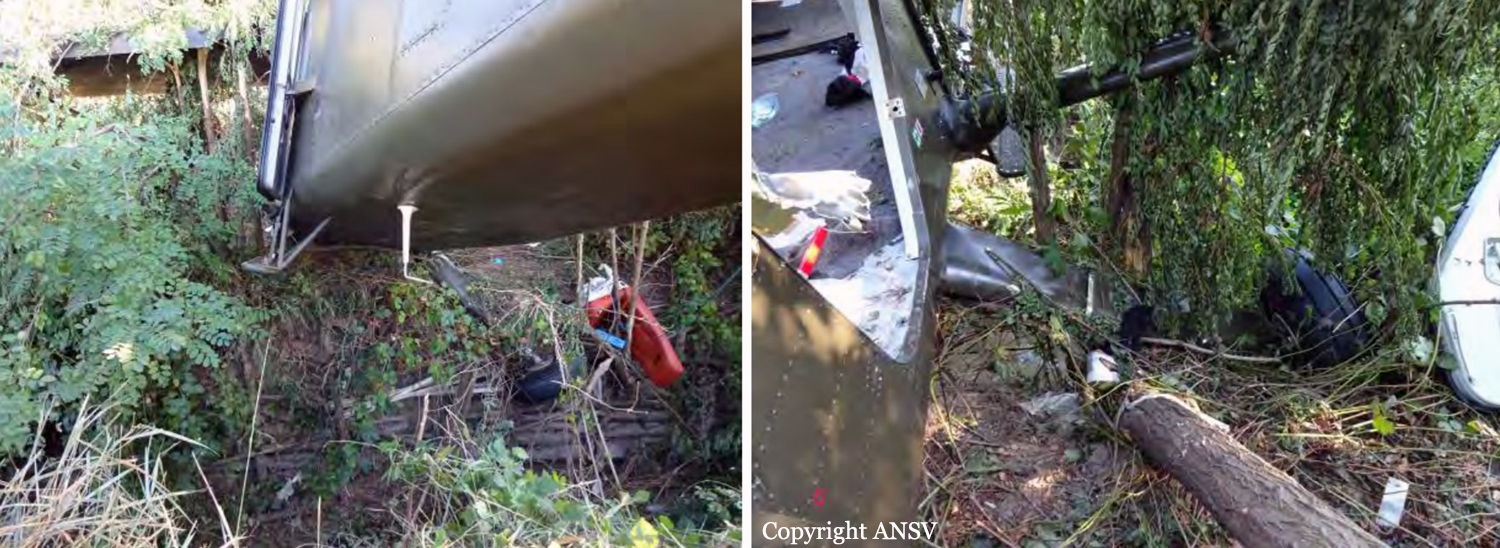
The twin engine aircraft was carrying 17 skydivers and two pilots and was performing a skydiving mission with another Let L-410 owned by the same operator. Registered OM-SAB, the second aircraft was carrying 17 skydivers and 2 pilots as well. Both crew were preparing a program for an airshow scheduled next Sunday August 23. While climbing to an altitude of about 1,400 - 1,500 metres, the pilot of OM-ODQ was trying to get closer to OM-SAB when both aircraft collided. All but three skydivers were able to bail out prior both aircraft crashed in a wooded area located north of the airfield. All four crew members were killed and three skydivers as well, one in OM-SAB and two in OM-ODQ.
Probable cause:
The main cause of the in-flight collision was a poor flight management on part of the OM-ODQ captain.
Contributing factors:
- The captain of OM-ODQ was using a mobile phone at the time of the collision,
- The total weight of OM-ODQ at the time of the accident was above MTOW.
Final Report:

Crash of a Let L-410MA in Červený Kameň: 3 killed

Date & Time: Aug 20, 2015 at 0921 LT
Type of aircraft:
Operator:
Registration:
OM-SAB
Flight Phase:
Survivors:
Yes
Schedule:
Dubnica - Dubnica
MSN:
75 04 05
YOM:
1975
Country:
Region:
Crew on board:
2
Crew fatalities:
Pax on board:
17
Pax fatalities:
Other fatalities:
Total fatalities:
3
Captain / Total flying hours:
8404
Copilot / Total flying hours:
235
Aircraft flight hours:
5618
Circumstances:
The twin engine aircraft was carrying 17 skydivers and two pilots and was performing a skydiving mission with another Let L-410 owned by the same operator. Registered OM-ODQ, the second aircraft was carrying 17 skydivers and 2 pilots as well. Both crew were preparing a program for an airshow scheduled next Sunday August 23. While climbing to an altitude of about 1,400 - 1,500 metres, the pilot of OM-ODQ was trying to get closer to OM-SAB when both aircraft collided. All but three skydivers were able to bail out prior both aircraft crashed in a wooded area located north of the airfield. All four crew members were killed and three skydivers as well, one in OM-SAB and two in OM-ODQ.
Probable cause:
The main cause of the in-flight collision was a poor flight management on part of the OM-ODQ captain.
Contributing factors:
- The captain of OM-ODQ was using a mobile phone at the time of the collision,
- The total weight of OM-ODQ at the time of the accident was above MTOW.
Final Report:
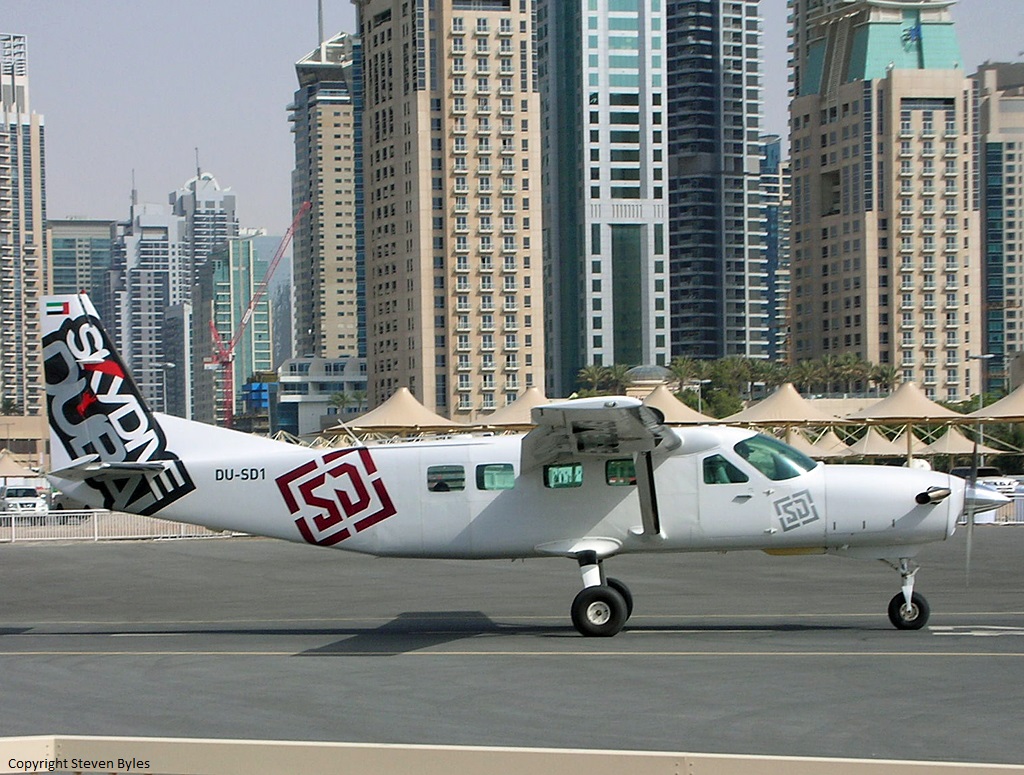
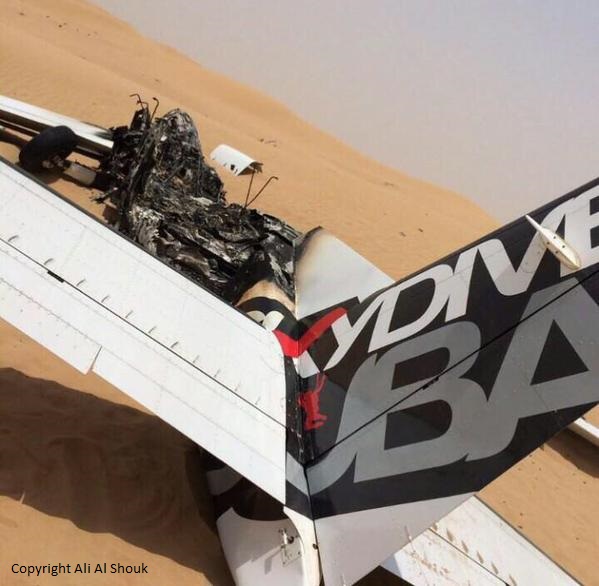
Crash of a Cessna 208B Grand Caravan in Dubai

Date & Time: Jul 7, 2015 at 0800 LT
Type of aircraft:
Operator:
Registration:
DU-SD1
Flight Phase:
Survivors:
Yes
Schedule:
Dubai - Dubai
MSN:
208B-1141
YOM:
2005
Region:
Crew on board:
1
Crew fatalities:
Pax on board:
14
Pax fatalities:
Other fatalities:
Total fatalities:
0
Circumstances:
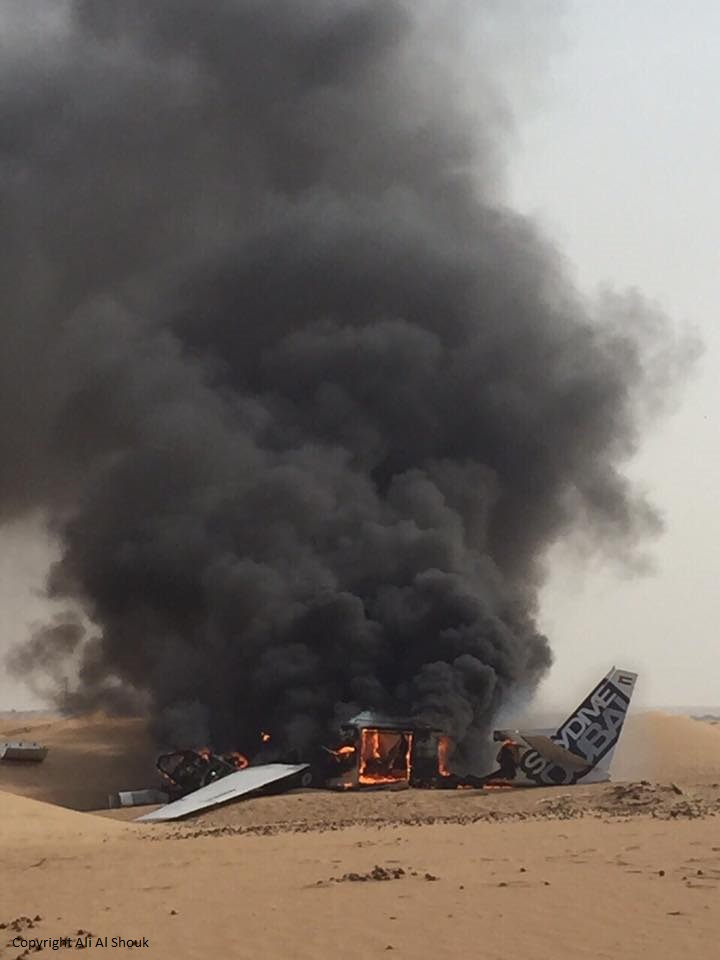
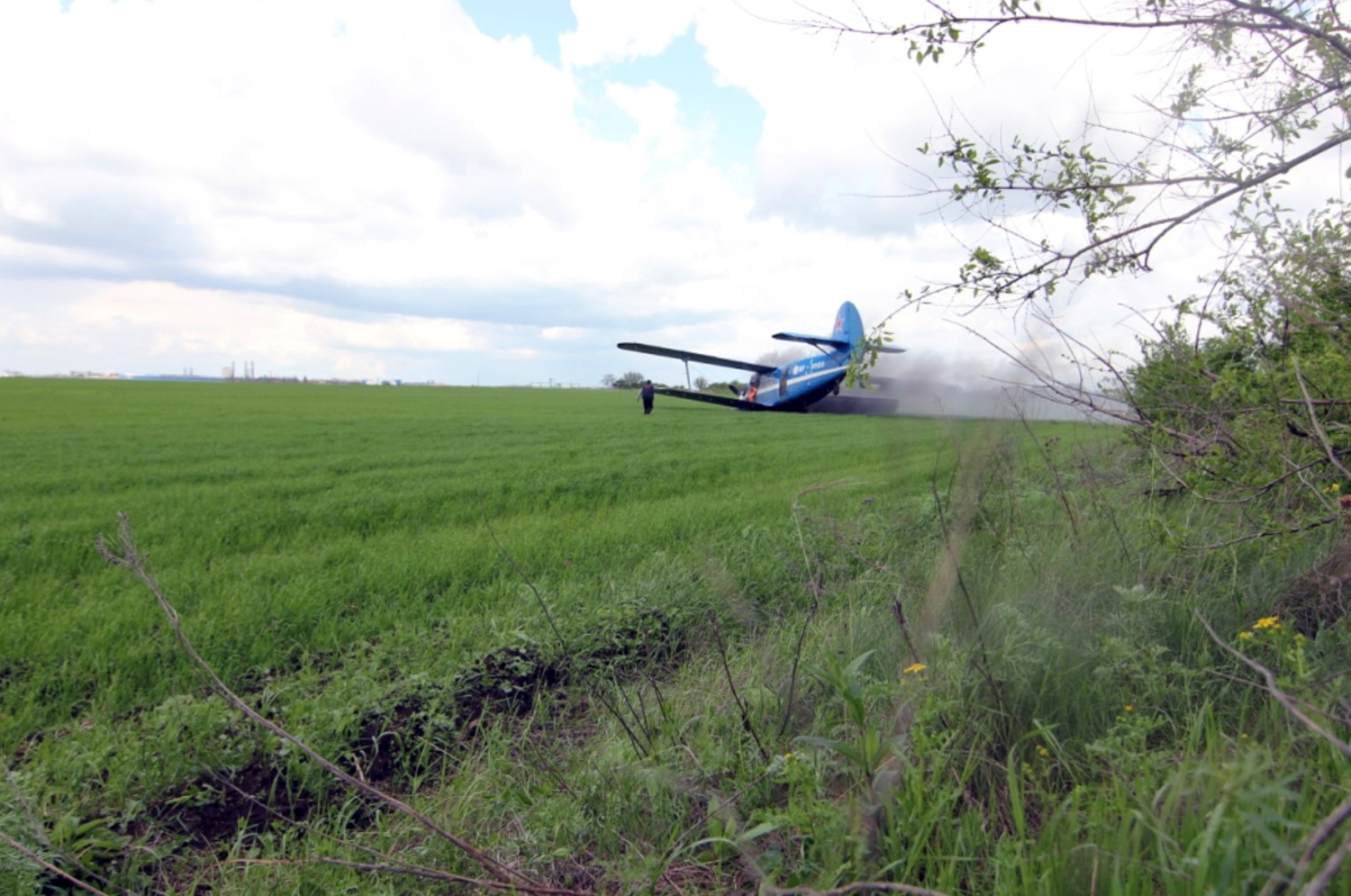
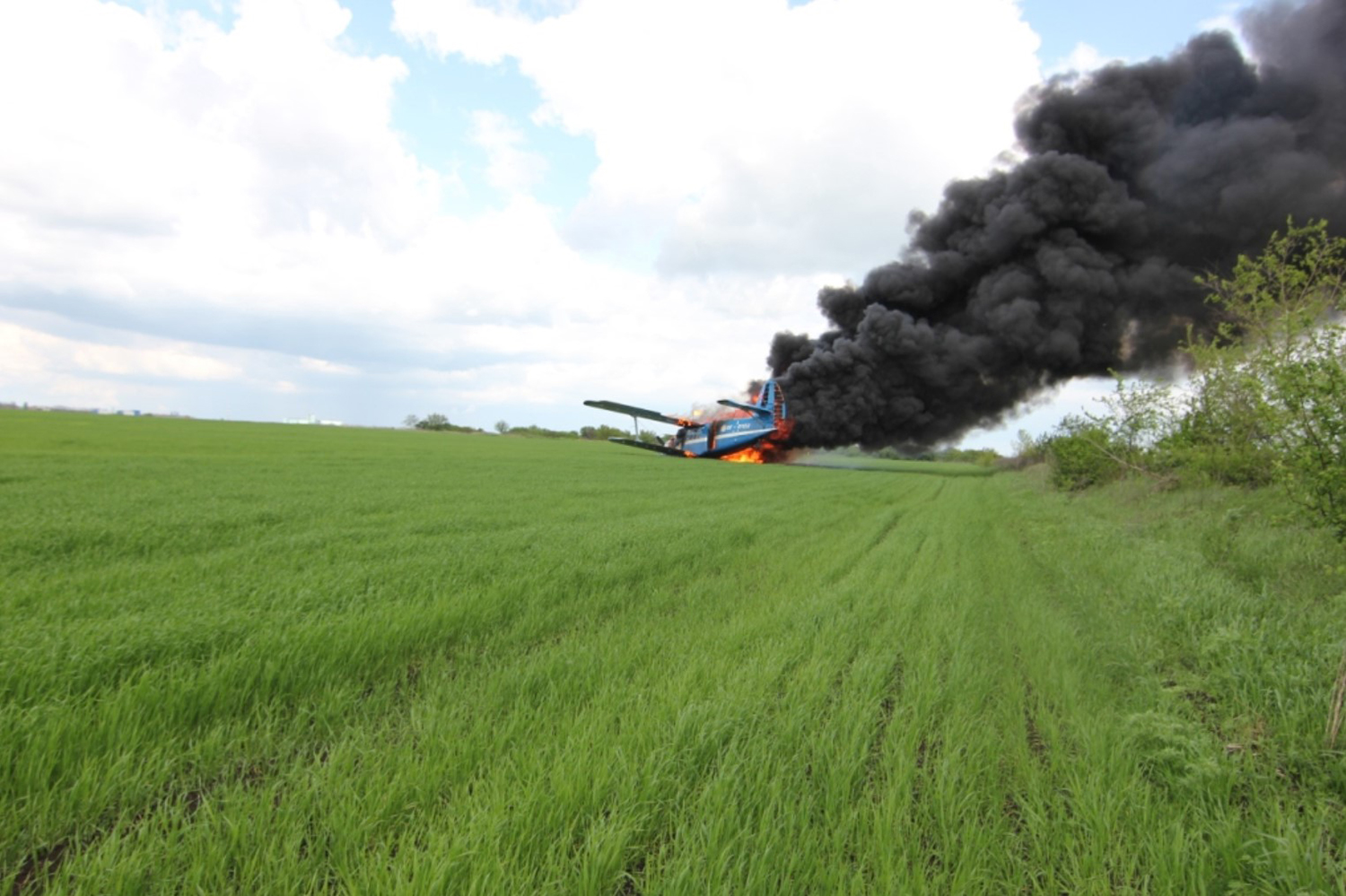
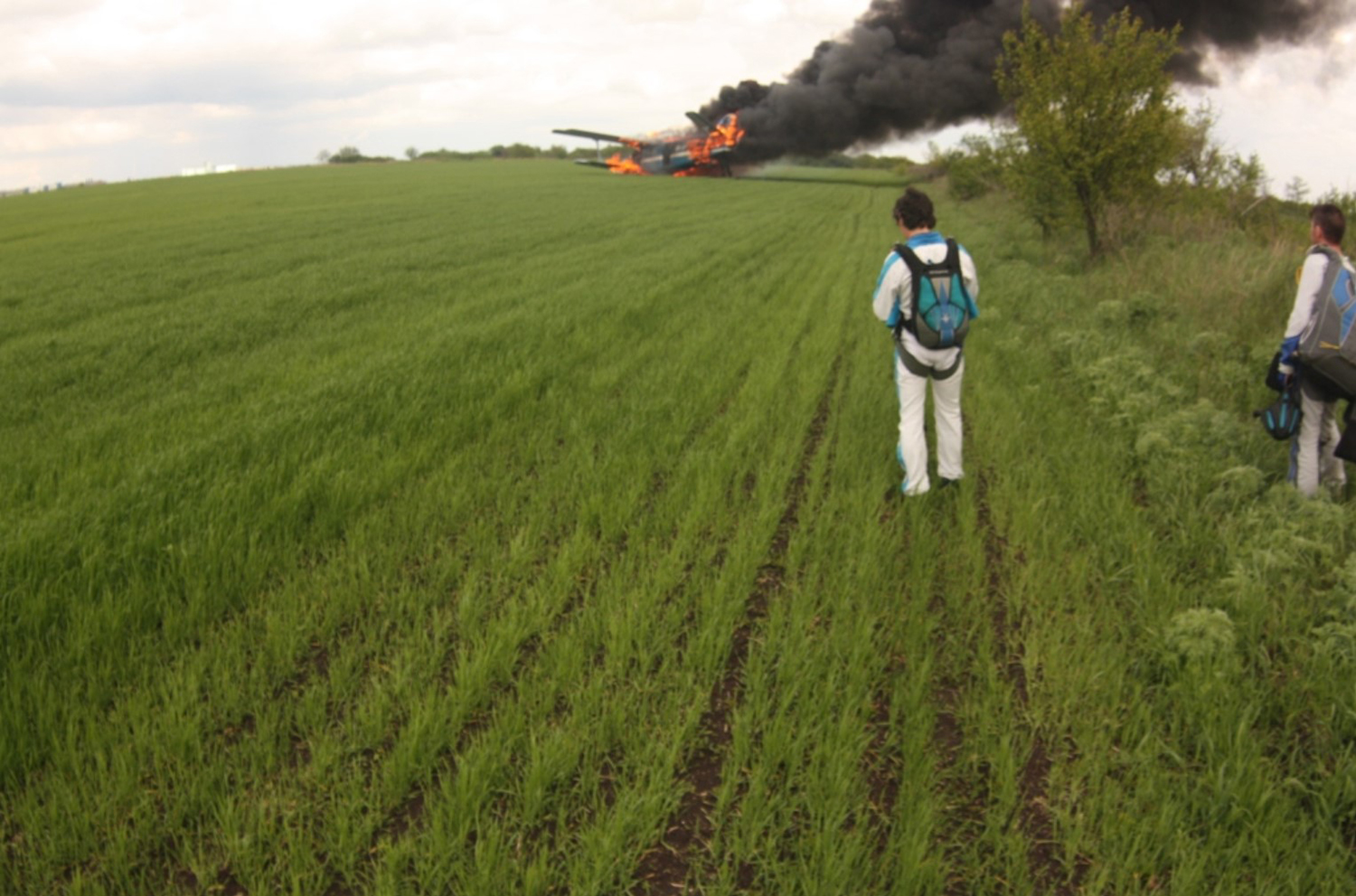
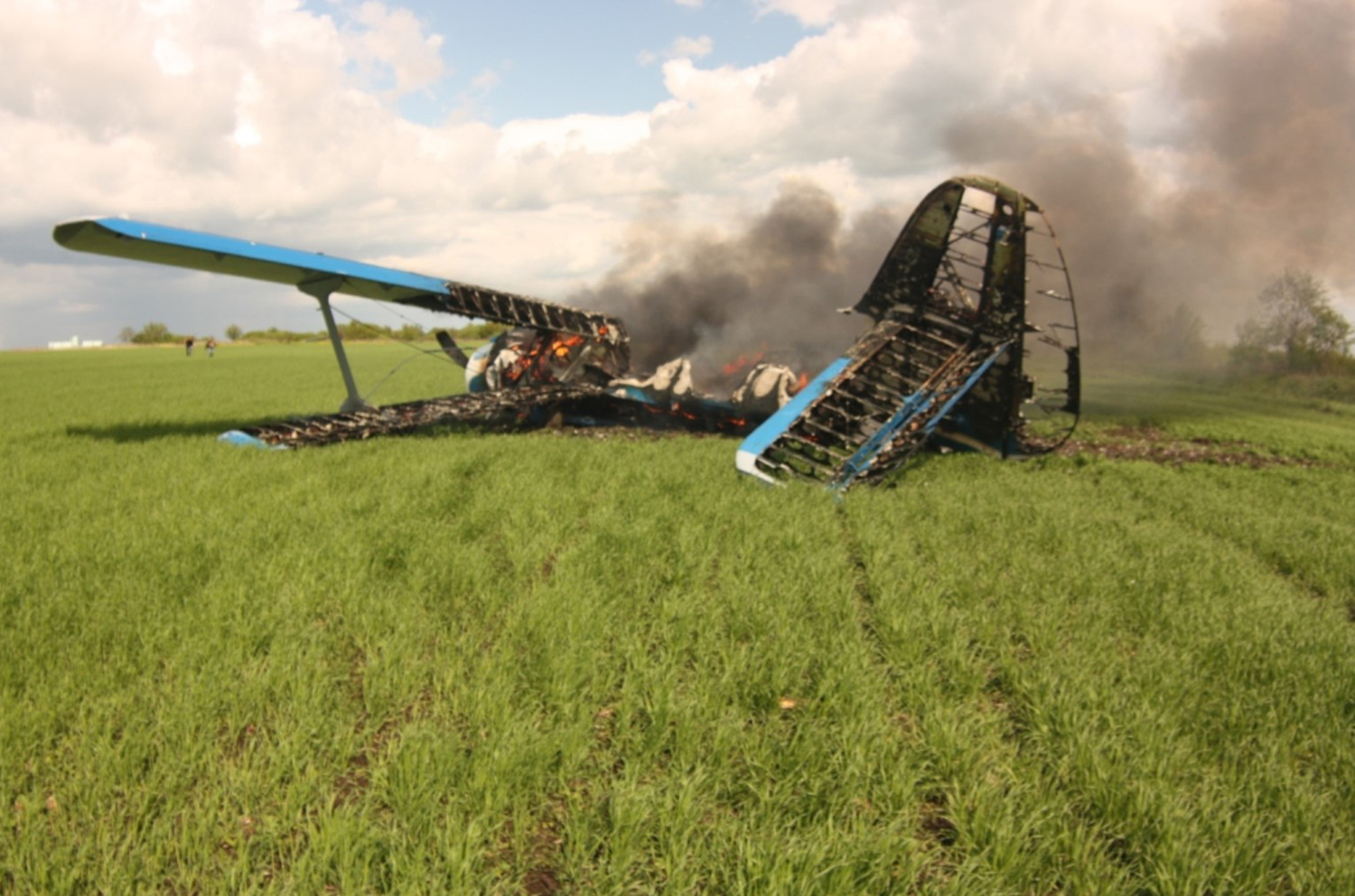
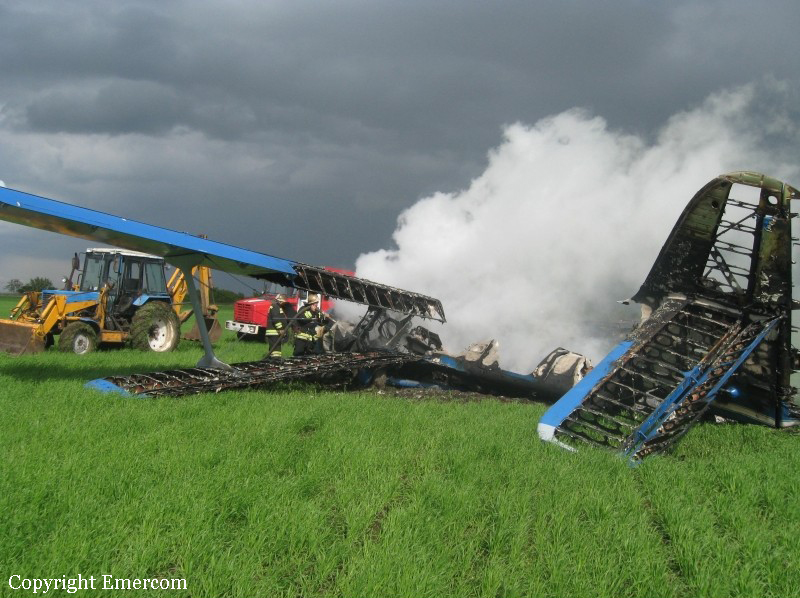
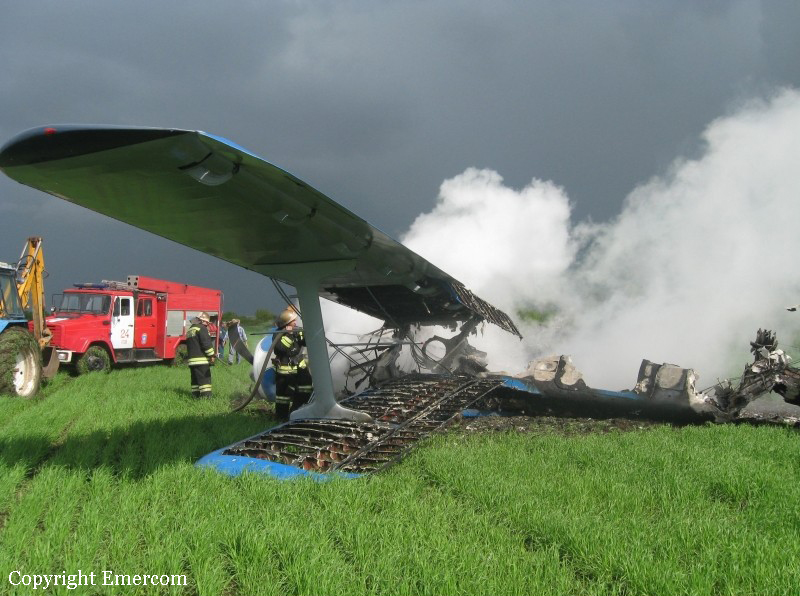
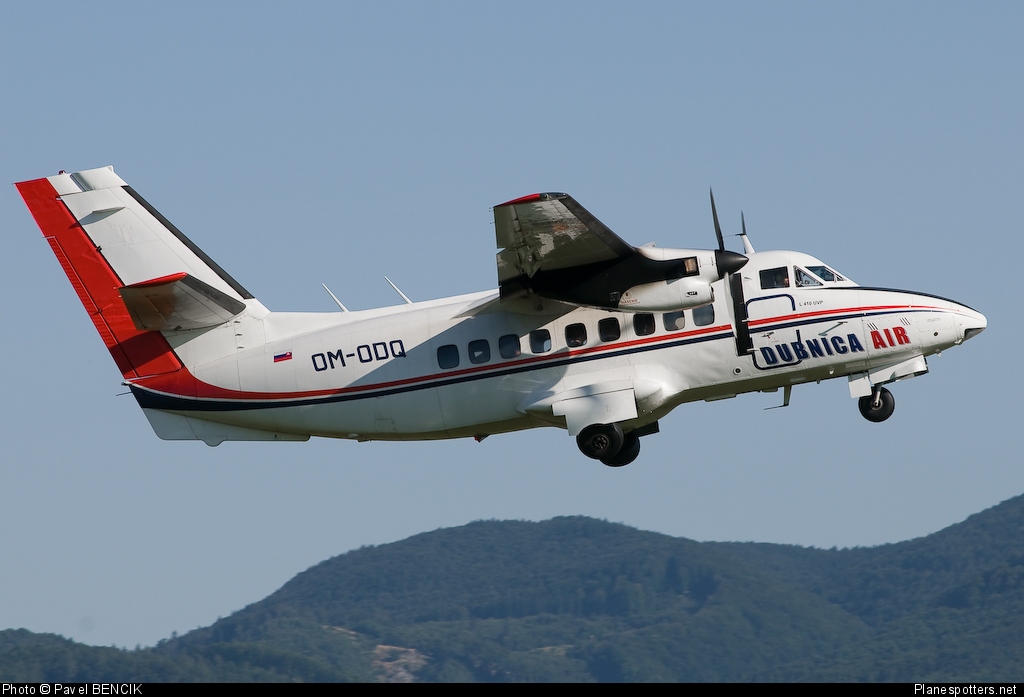
After takeoff from Dubai-Skydive Campus Airfield, while climbing to a height of 2,500 feet, the pilot encountered engine problems. He elected to return to the airport but eventually attempted an emergency landing in a desert area close to the airport. The aircraft crash landed and came to rest, bursting into flames. All 15 occupants escaped uninjured and the aircraft was destroyed by a post crash fire.

Crash of a PZL-Mielec AN-2T in Azov

Date & Time: May 10, 2015 at 1433 LT
Type of aircraft:
Operator:
Registration:
RF-01159
Flight Phase:
Survivors:
Yes
Schedule:
Azov - Azov
MSN:
1G108-24
YOM:
1969
Country:
Region:
Crew on board:
1
Crew fatalities:
Pax on board:
12
Pax fatalities:
Other fatalities:
Total fatalities:
0
Circumstances:
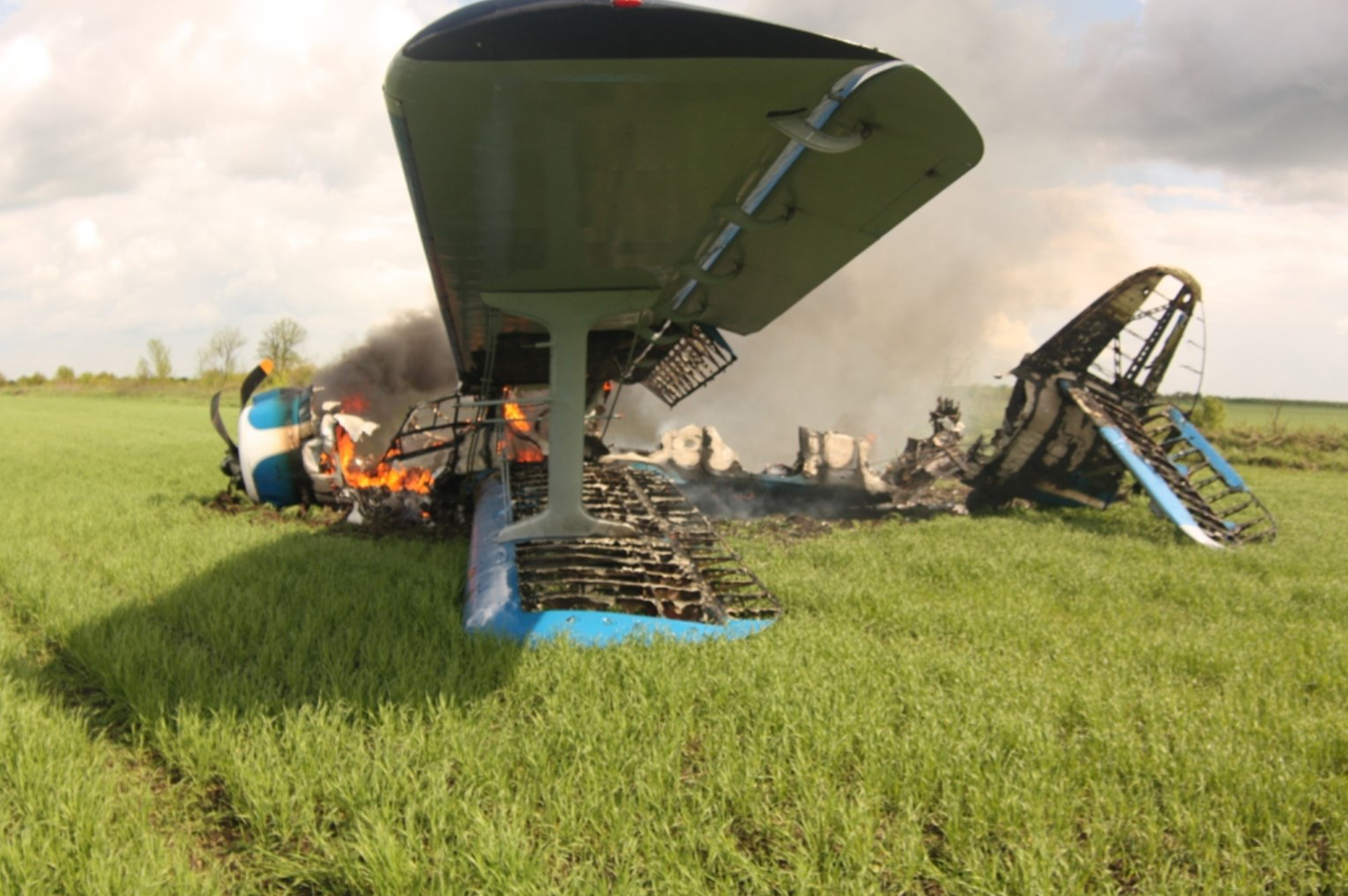
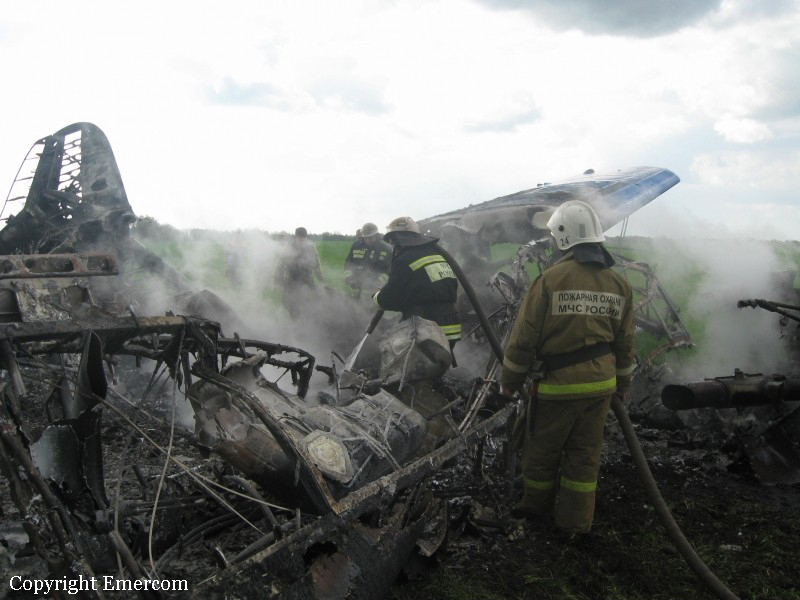
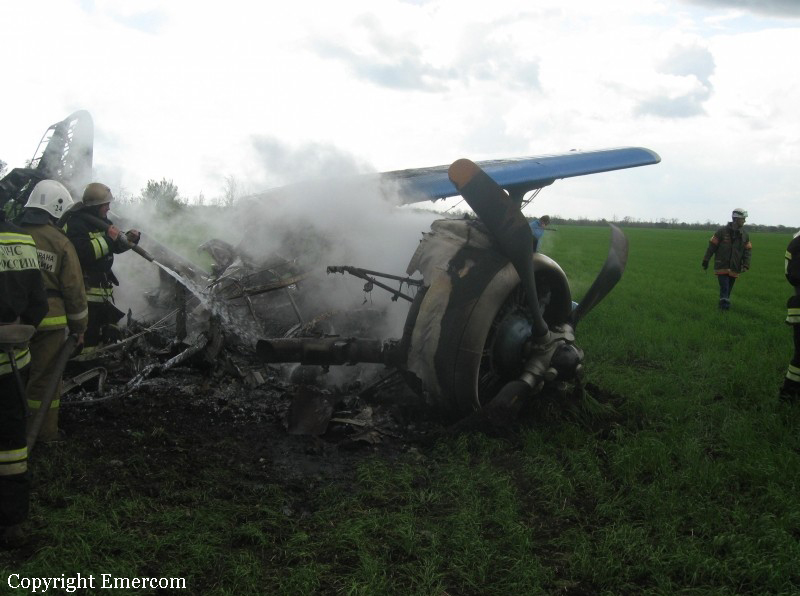
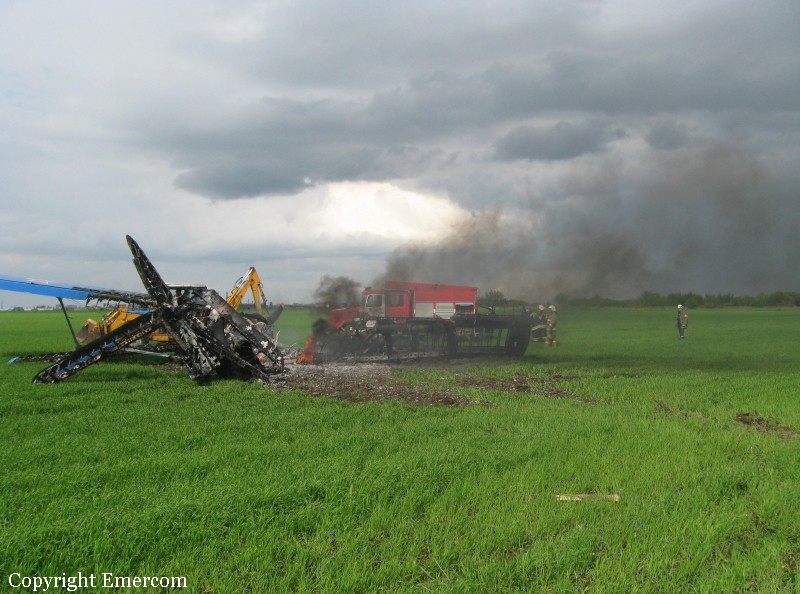
The aircraft departed Azov-Almaz Airfield on a skydiving mission, carrying 12 skydivers and one pilot on behalf of the Azov Flying Club. Shortly after takeoff, while climbing, the engine lost power. The pilot attempted to return for an emergency landing when the aircraft lost height and crashed in an open field located near the airport, bursting into flames. All 13 occupants were rescued, among them one passenger suffered minor injuries. The aircraft was totally destroyed by fire.
Probable cause:
Loss of engine power for unknown reasons.

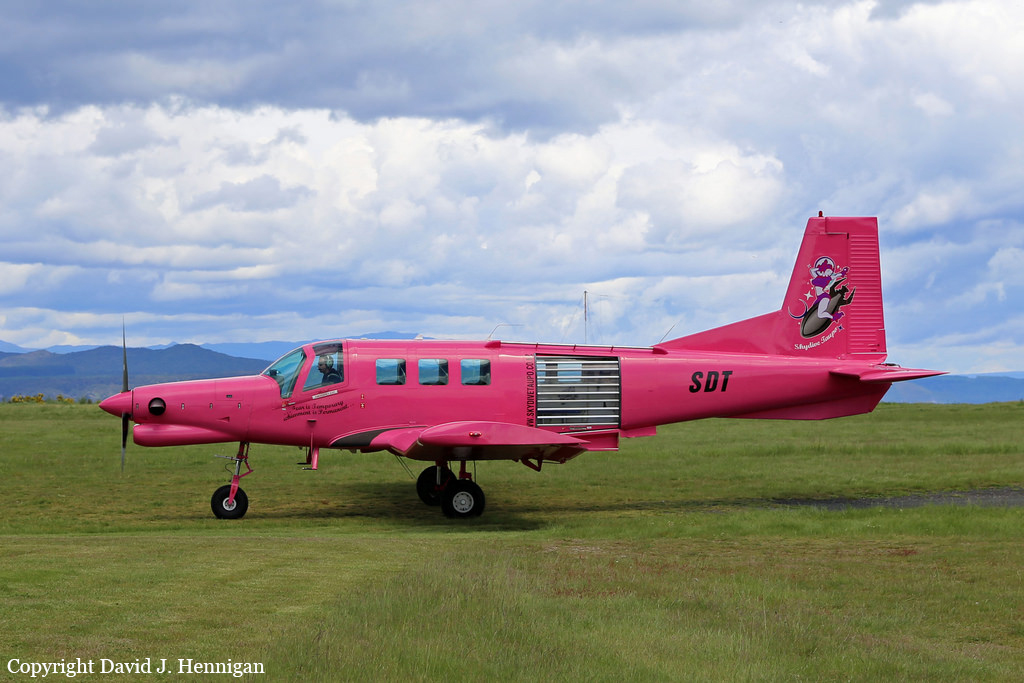
Crash of a Pacific Aerospace PAC 750XL in Taupo Lake

Date & Time: Jan 7, 2015 at 1216 LT
Operator:
Registration:
ZK-SDT
Flight Phase:
Survivors:
Yes
Schedule:
Taupo - Taupo
MSN:
122
YOM:
2005
Country:
Region:
Crew on board:
1
Crew fatalities:
Pax on board:
12
Pax fatalities:
Other fatalities:
Total fatalities:
0
Captain / Total flying hours:
588
Captain / Total hours on type:
14.00
Circumstances:
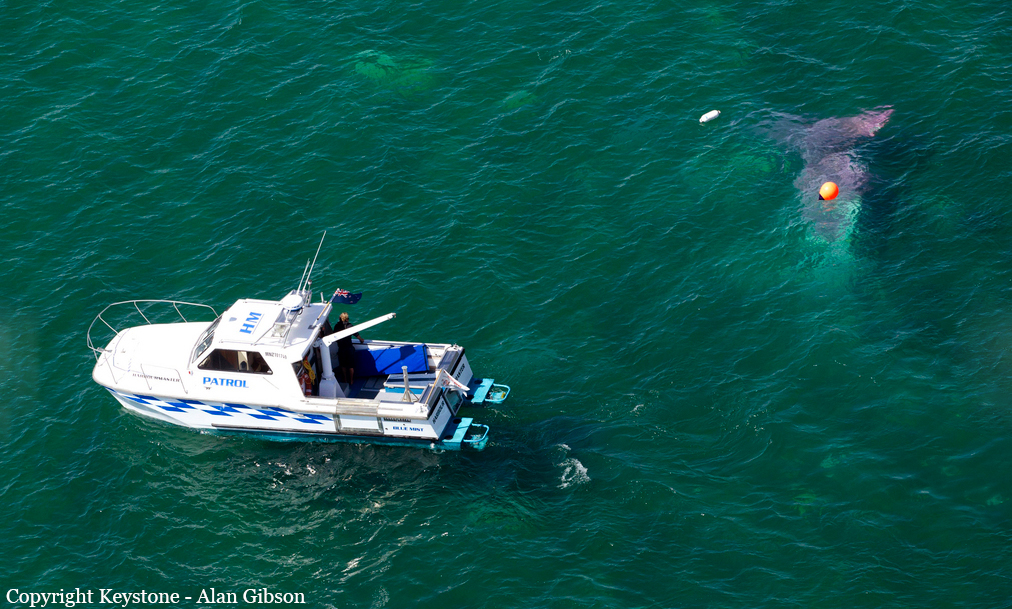
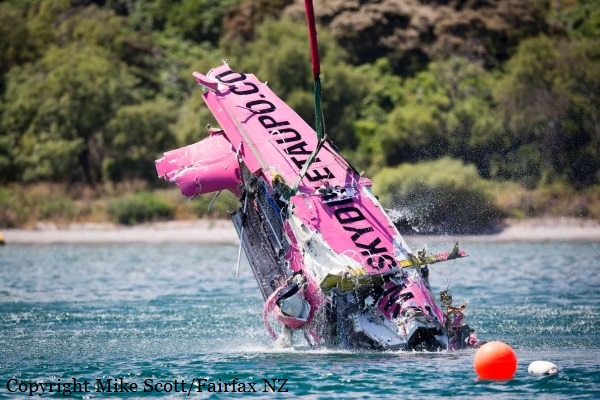
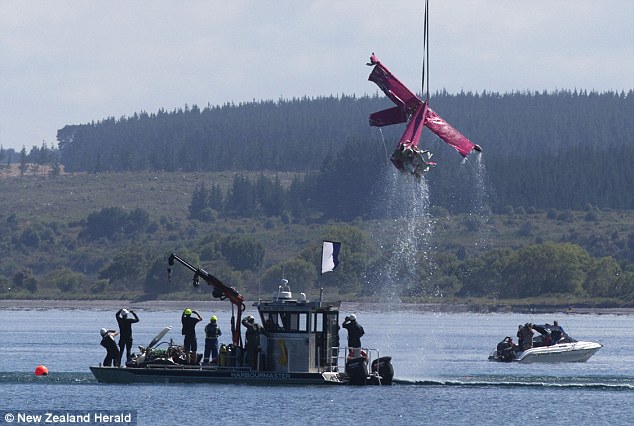
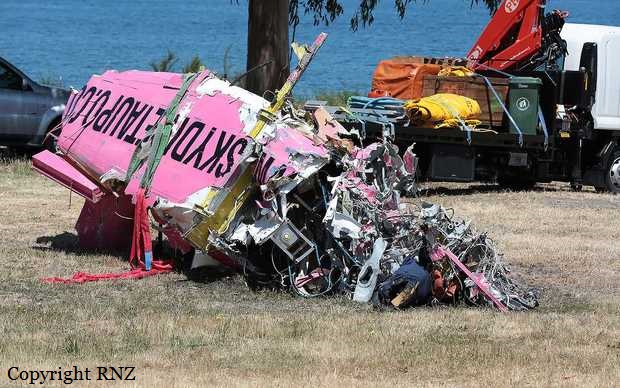
On 7 January 2015 a Pacific Aerospace Limited 750XL aeroplane was being used for tandem parachuting (or ‘skydiving’) operations at Taupō aerodrome. During the climb on the fourth flight of the day, the Pratt & Whitney Canada PT6A-34 engine failed suddenly. The 12 parachutists and the pilot baled out of the aeroplane and landed without serious injury. The aeroplane crashed into Lake Taupō and was destroyed.
Probable cause:
The following findings were identified:
- The first compressor turbine blade failed after a fatigue crack, which had begun at the trailing edge, propagated towards the leading edge. The blade finally fractured in tensile overload. The separated blade fragment caused other blades to fracture and the engine to stop.
- The fatigue crack in the trailing edge of the blade was likely initiated by the trailing edge radius having been below the specification for a new blade.
- The P&WC Repair Requirement Document 725009-SRR-001, at the time the blades were overhauled, had generic requirements for trailing edge thickness inspections but did not specify a minimum measurement for the trailing edge radius.
- The higher engine power settings used by the operator since August 2014 were within the flight manual limits. Therefore it was unlikely that the operator’s engine handling policy contributed to the engine failure.
- The operator had maintained the engine in accordance with an approved, alternative maintenance programme, but the registration of the engine into that programme had not been completed. The administrative oversight did not affect the reliability of the engine or contribute to the blade failure.
- It was likely that the maintenance provider had not followed fully the engine manufacturer’s recommended procedure for inspecting the compressor turbine blades. It could not be determined whether the crack might have been present, and potentially detectable, at the most recent borescope inspection.
- The operator had not equipped its pilots with flotation devices to cover the possibility of a ditching or an emergency bale-out over or near water.
- The pilot had demonstrated that he was competent and he had the required ratings. However, it was likely that the operator’s training of the pilot in emergency procedures was inadequate. This contributed to the pilot making a hasty exit from the aeroplane that jeopardized others.
Final Report: