Crash of an Ilyushin II-76MD in Ivanovo: 16 killed

Date & Time: Mar 12, 2024 at 1300 LT
Type of aircraft:
Operator:
Registration:
RF-76551
Flight Phase:
Flight Type:
Survivors:
No
Schedule:
Ivanovo - Plessetsk
MSN:
00334 45309
YOM:
1983
Country:
Region:
Crew on board:
8
Crew fatalities:
Pax on board:
8
Pax fatalities:
Other fatalities:
Total fatalities:
16
Circumstances:
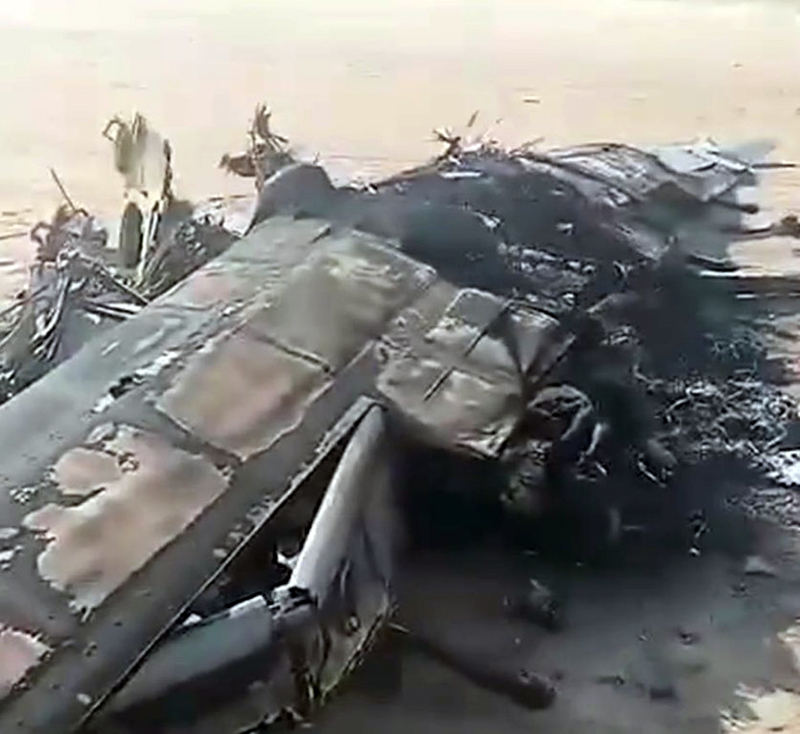
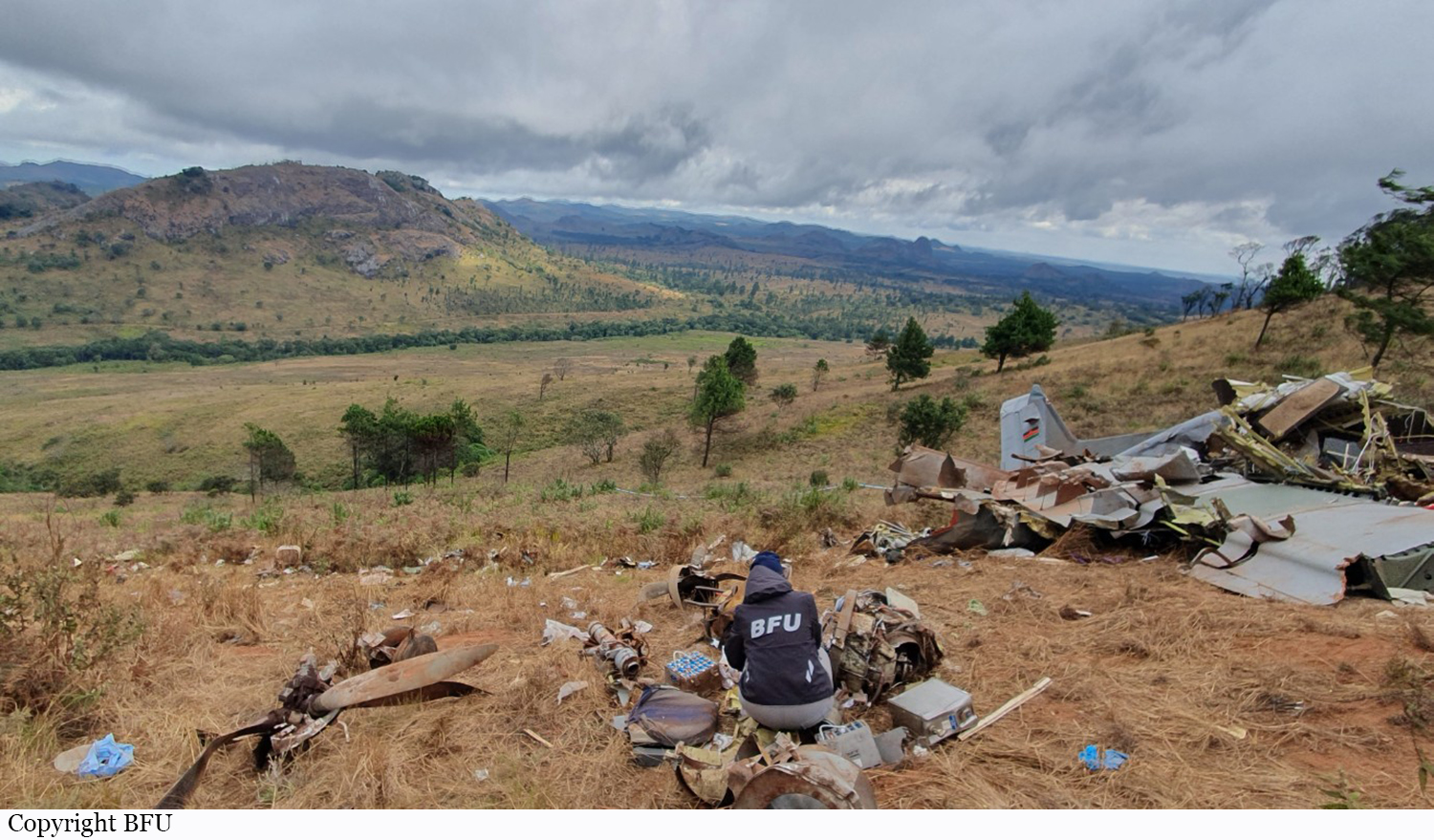
After takeoff from Ivanovo-Severny AFB, while climbing, the engine n°4 caught fire. The crew decided to return to the base and initiated a circuit in a slight right bank attitude. Few dozen seconds after departure, the engine n°4 detached. The airplane later entered an uncontrolled descent and crashed in a wooded area, bursting into flames. All 16 occupants were killed. The crew was en route to the airbase of Plessetsk, Arkhangelsk oblast.

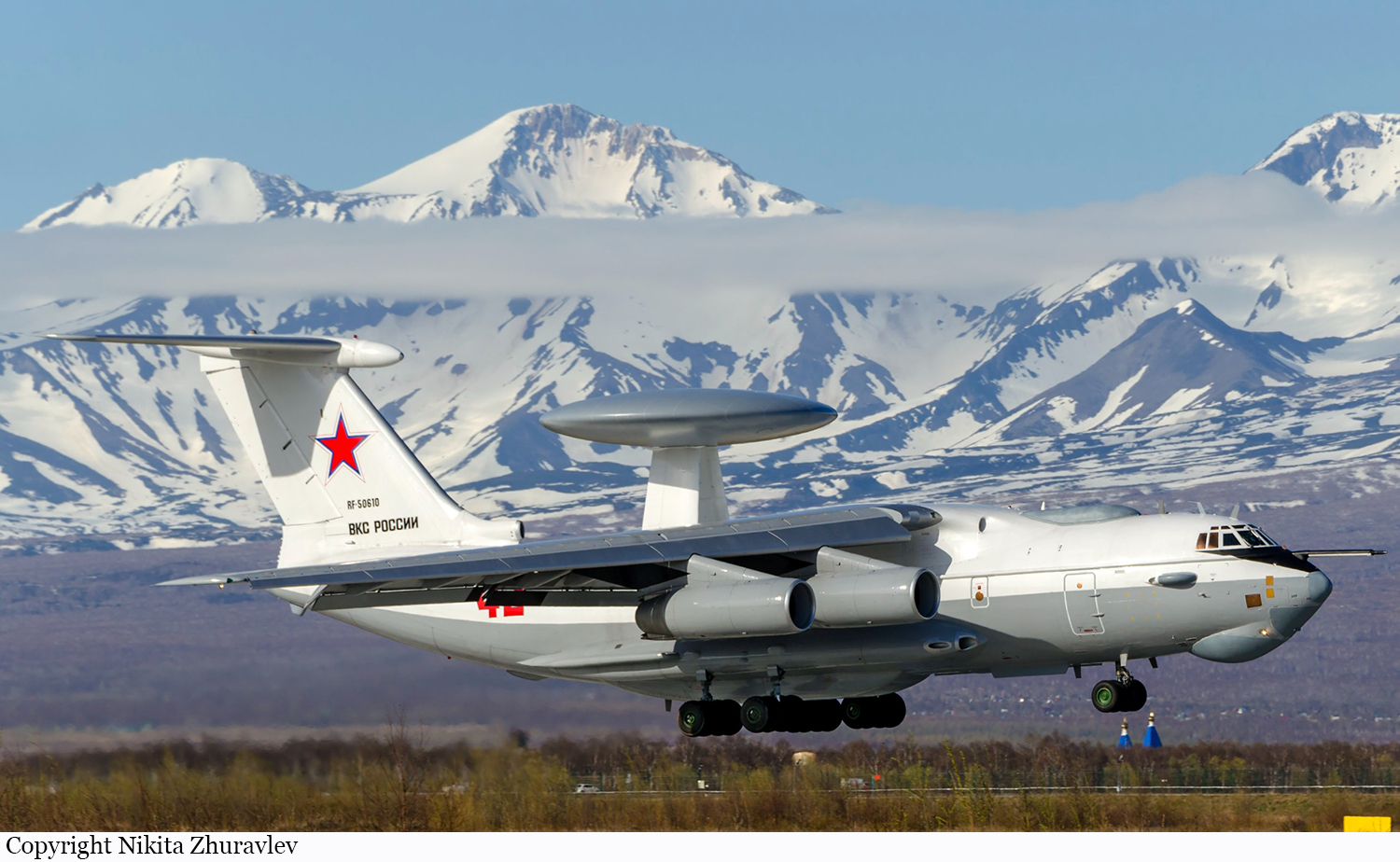
Crash of a Beriev A-50U near Yeysk: 10 killed

Date & Time: Feb 23, 2024 at 1844 LT
Type of aircraft:
Operator:
Registration:
RF-50610
Flight Phase:
Flight Type:
Survivors:
No
MSN:
00834 84538
YOM:
1989
Country:
Region:
Crew on board:
10
Crew fatalities:
Pax on board:
0
Pax fatalities:
Other fatalities:
Total fatalities:
10
Circumstances:
While cruising at night in the region of Yeysk, the four engine airplane was shot down by enemy fire and crashed in an open field located near Yeysk. All 10 occupants were killed. The airplane was operated by the 610th Center of Combat Application and coded 42 Red. Ukraine's military intelligence agency confirmed Russian A-50 military aircraft had been downed as a result of a joint operation with the Air Force.

Crash of an Ilyushin II-76M near Yablonovo: 74 killed

Date & Time: Jan 24, 2024 at 1115 LT
Type of aircraft:
Operator:
Registration:
RF-86868
Flight Phase:
Flight Type:
Survivors:
No
Schedule:
Moscow - Belgorod
MSN:
00134 28833
YOM:
1981
Country:
Region:
Crew on board:
6
Crew fatalities:
Pax on board:
68
Pax fatalities:
Other fatalities:
Total fatalities:
74
Circumstances:
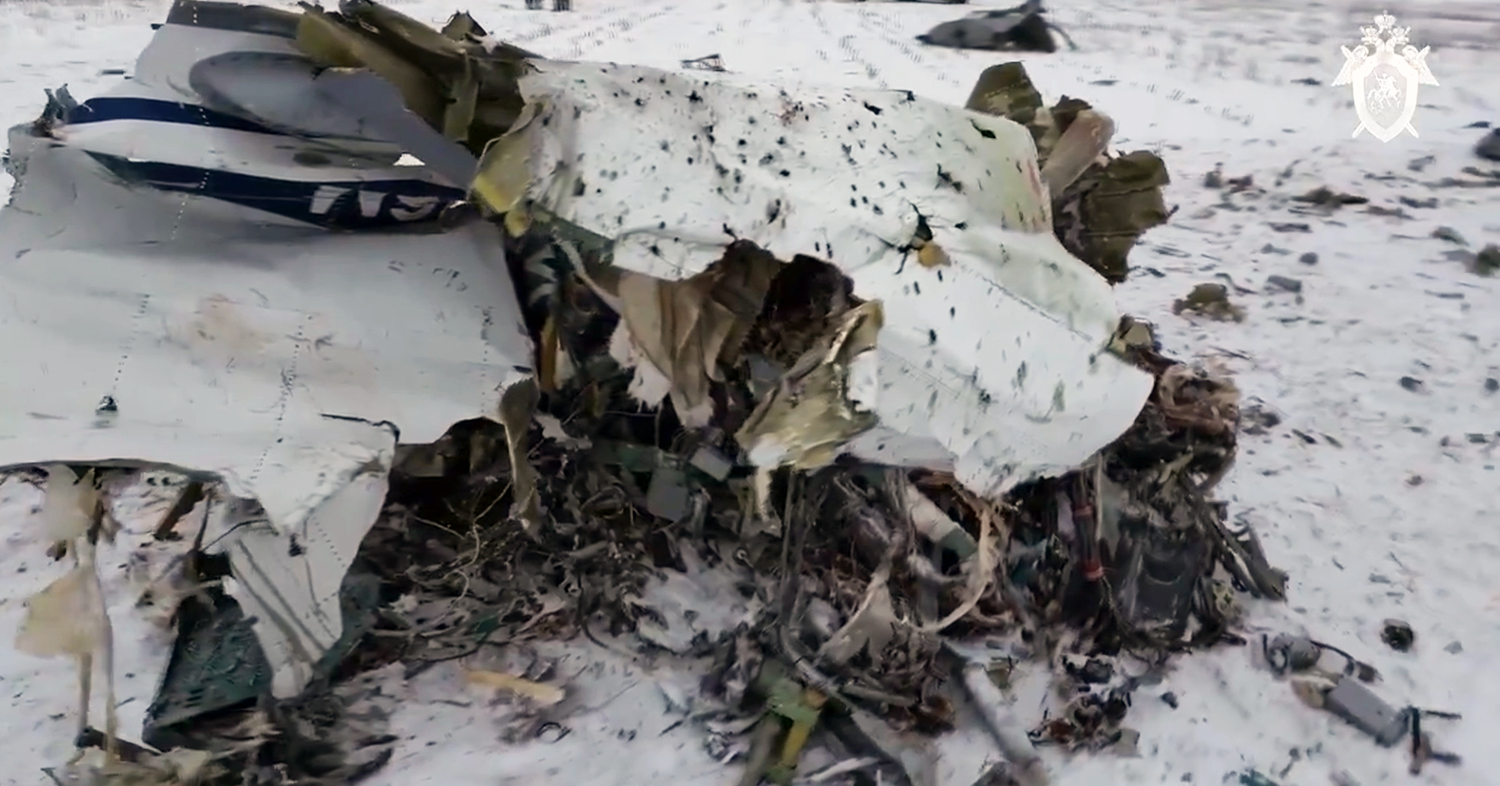
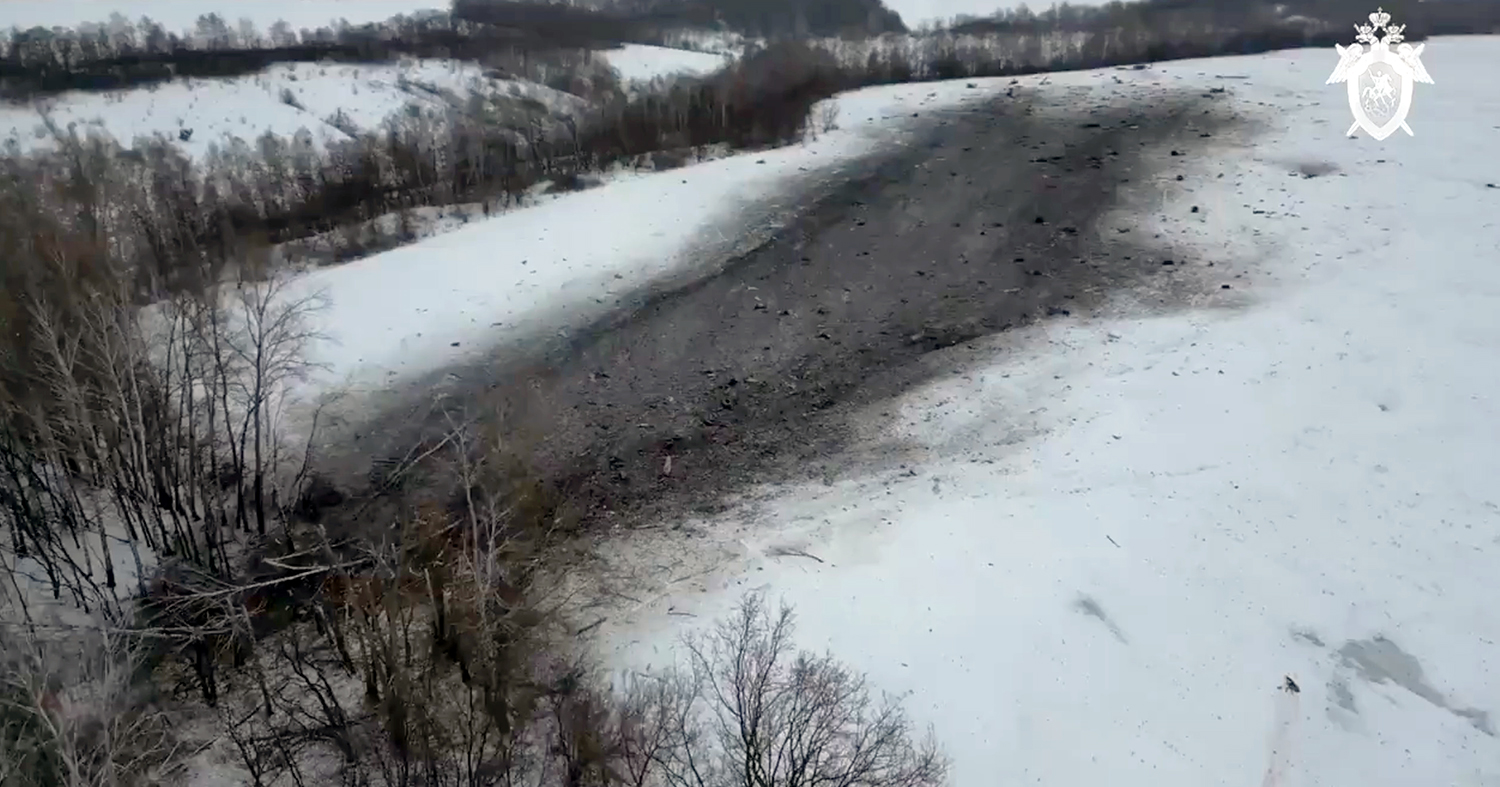
The airplane departed Moscow-Chkalovsky Airport on a flight to Belgorod, carrying 65 Ukrainian soldiers, three accompanying people and six crew members. The crew started the descent to Belgorod Airport when the airplane entered an uncontrolled descent, rolled to the left and eventually crashed in a snow covered field located in Yablonovo, about 55 km northeast of Belgorod Airport. The airplane disintegrated on impact and all 74 occupants were killed. The exact circumstances of the accident remains unclear as Russian Authorities claim that the airplane has been shot down, by error or voluntarily, by a Ukrainian missile. The 65 Ukrainian soldiers were transferred to Belgorod as part of a prisoner exchange program.
Crew:
Stanislav Bezzubkin, pilot,
Alexey Vysokin, copilot,
Andrey Piluev, flight engineer,
Sergey Zhitenev, technician,
Igor Sablinsky, radio operator.

Crash of a Shaanxi Y-8F-200W in Lengpui

Date & Time: Jan 23, 2024 at 1019 LT
Type of aircraft:
Operator:
Registration:
5821
Flight Type:
Survivors:
Yes
Location:
Country:
Region:
Crew on board:
6
Crew fatalities:
Pax on board:
8
Pax fatalities:
Other fatalities:
Total fatalities:
0
Circumstances:
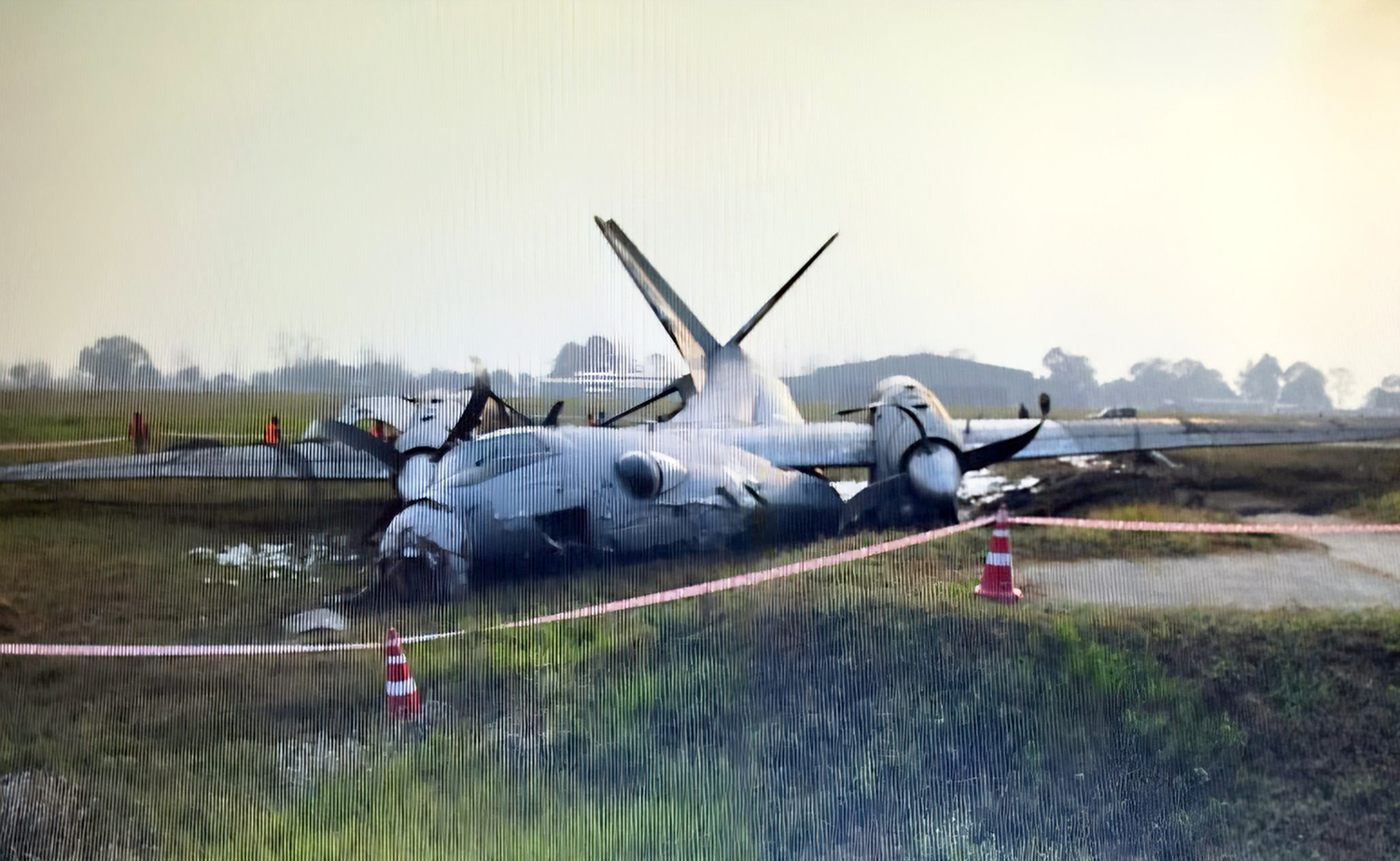
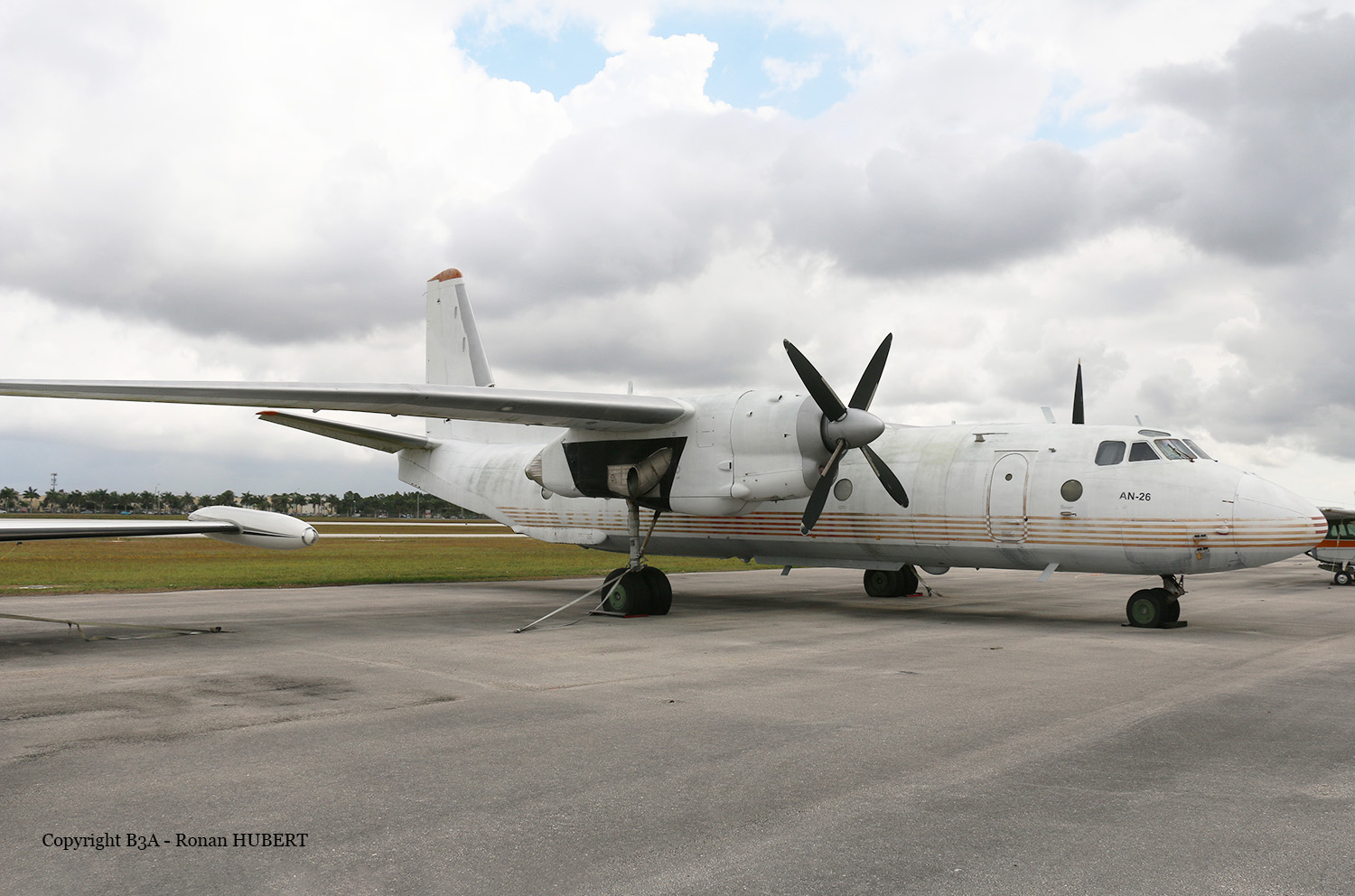
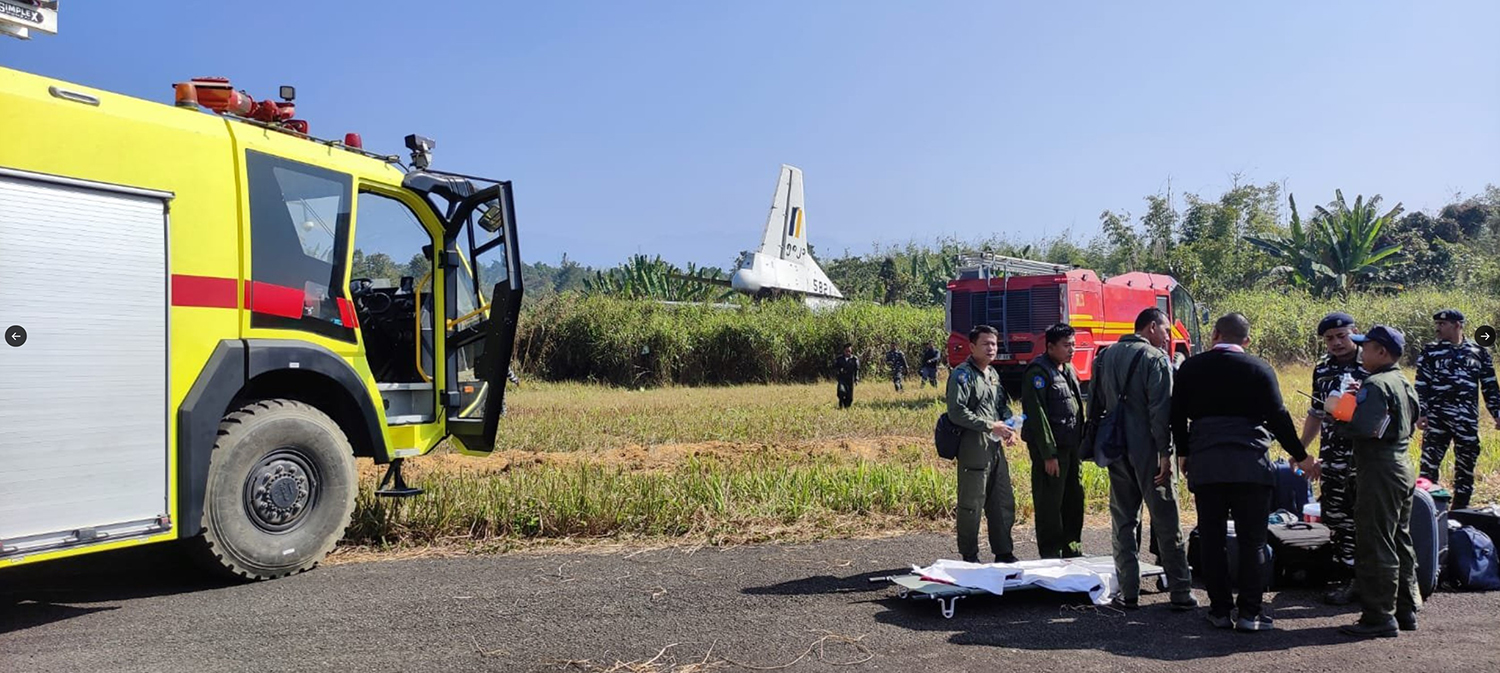
After touchdown on runway 35 at Lengpui Airport, the four engine airplane encountered difficulties to stop within the remaining distance. It overran, rolled through bushes, went down an embankment and came to rest, broken in two. All 14 occupants were rescued, among them eight were injured. The plane was dispatched to Lengpui to pick up 92 soldiers from the Myanmar Army who should be repatriated to Myanmar on behalf of the 7th Squadron. These Myanmarese soldiers crossed over to India last week, following gunfights with ethnic insurgent group 'Arakan Army'.

Crash of an Ilyushin II-76MD at Ayni AFB

Date & Time: Oct 20, 2023 at 0003 LT
Type of aircraft:
Operator:
Registration:
RF-86900
Flight Type:
Survivors:
Yes
MSN:
00234 35034
YOM:
1982
Country:
Region:
Crew on board:
8
Crew fatalities:
Pax on board:
0
Pax fatalities:
Other fatalities:
Total fatalities:
0
Aircraft flight hours:
6054
Aircraft flight cycles:
4231
Circumstances:
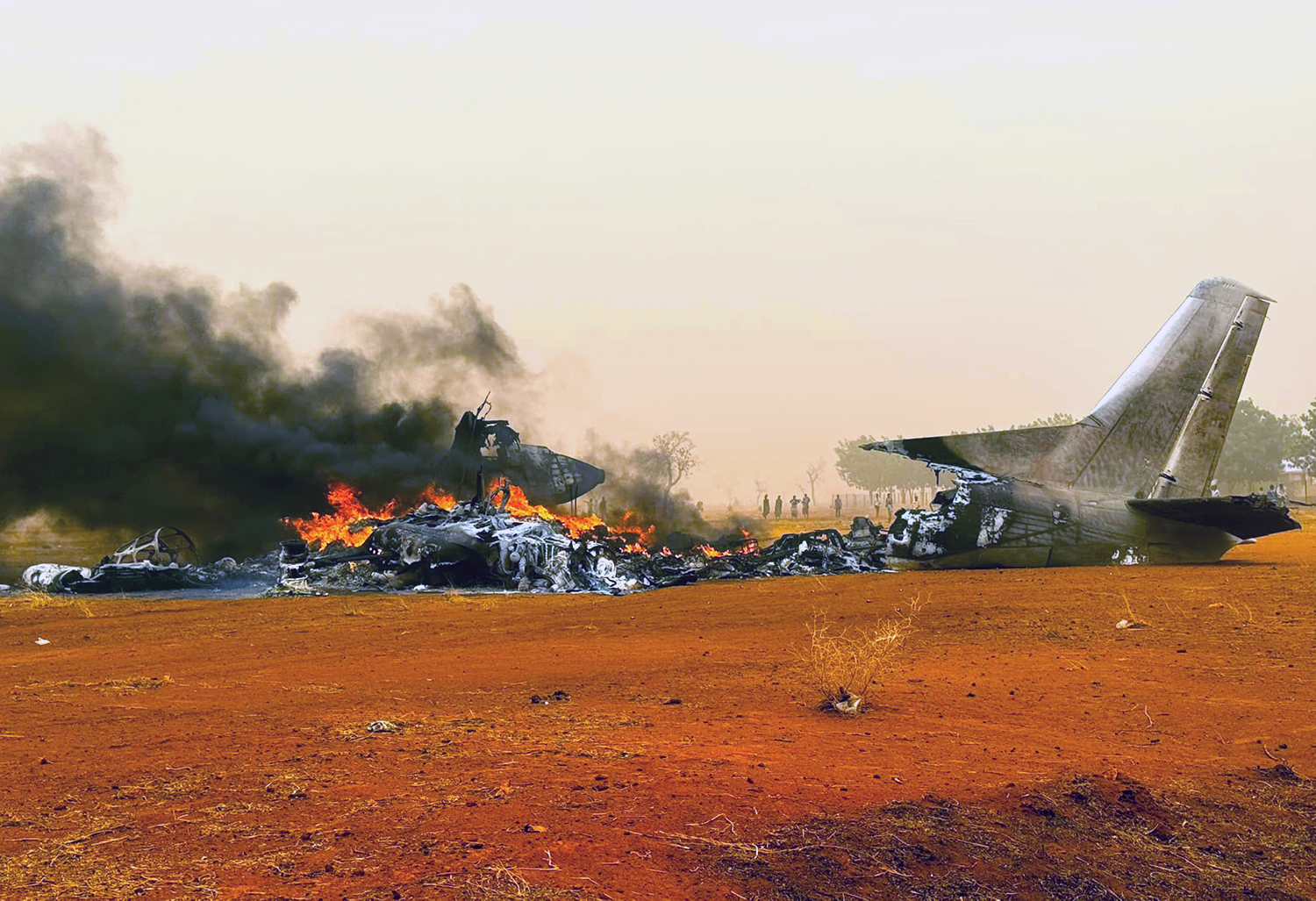
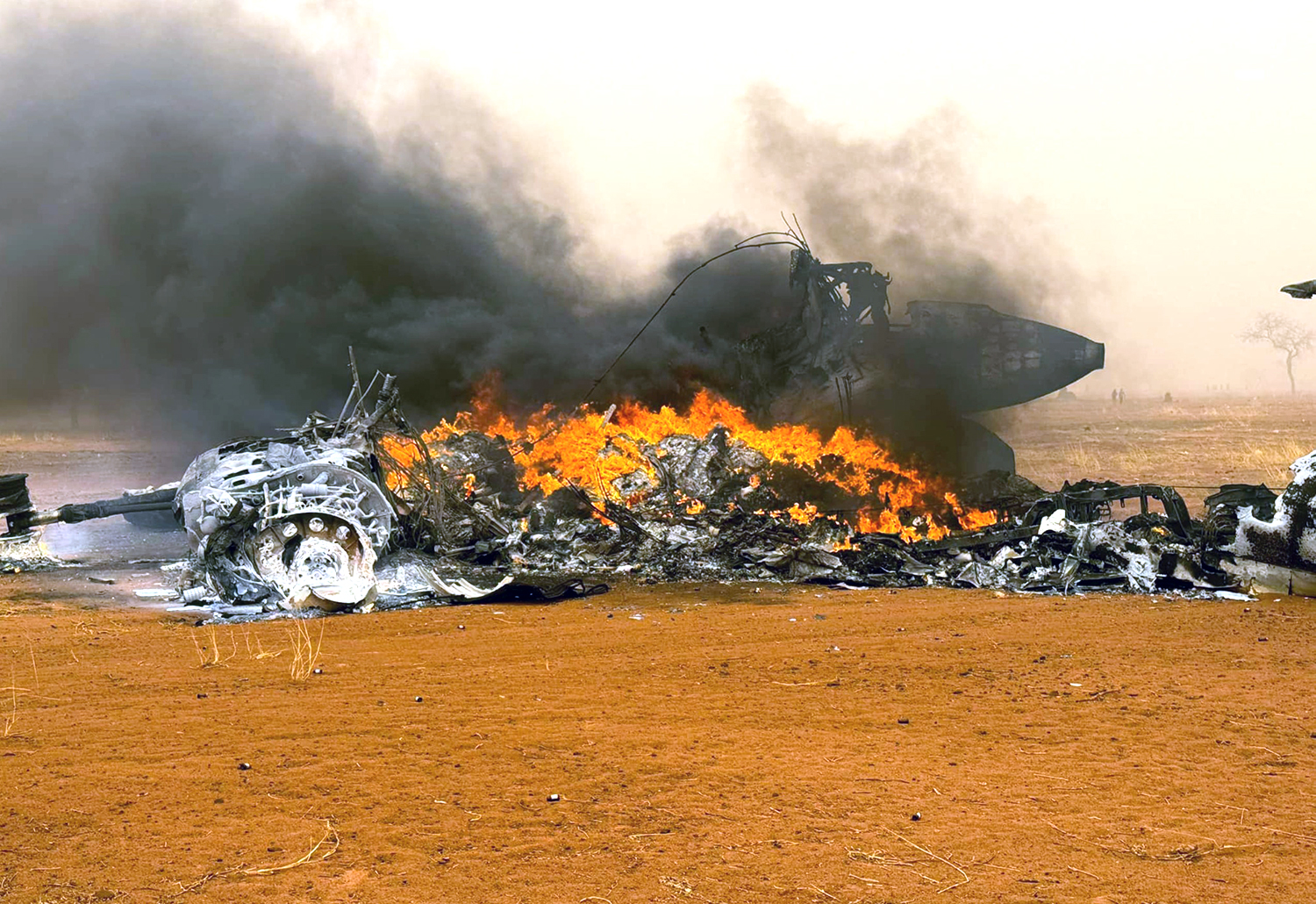
In the evening of October 19, the four engine airplane departed Ayni AFB (Gissar AFB) located west of Dushanbe on a transport mission with a crew of eight on board. Shortly after takeoff, while climbing, the crew reported an engine fire and was cleared for an immediate return. The crew turned over the area for several minutes to dump the fuel before completing a landing on runway 08/26. After touchdown shortly past midnight on October 20, the airplane veered off runway and came to rest in a grassy area, bursting into flames. All eight crew members evacuated safely while the airplane was totally destroyed by fire. It is believed that the engine n°4 caught fire during initial climb.

Crash of an Ilyushin II-76 in Gao: 2 killed

Date & Time: Sep 23, 2023 at 0700 LT
Type of aircraft:
Operator:
Registration:
TZ-98T
Flight Type:
Survivors:
Yes
MSN:
10234 11378
YOM:
1992
Location:
Country:
Region:
Crew on board:
2
Crew fatalities:
Pax on board:
0
Pax fatalities:
Other fatalities:
Total fatalities:
2
Circumstances:
After touchdown on runway 06L at Gao Airport, the airplane was unable to stop within the remaining distance. It overran and eventually crashed in a ravine located about 500 meters past the runway end, bursting into flames. There were some casualties as well as few people were rescued. The exact number of victims is unclear. It is believed that the airplane was given to the Malian Air Force by the Wagner Group about a week prior to the accident. Some members of the Wagner Group were on board according to the Malian Authorities. For unknow reasons, the airplane landed too far down the runway, most probably well past the mid runway, reducing the landing distance available. In such conditions, the crew was unable to stop the airplane in due time. It is believed that at least two crew members were killed in the crash.
Video of the accident on the following link:
https://www.linkedin.com/feed/update/urn:li:activity:7112754644249927682/

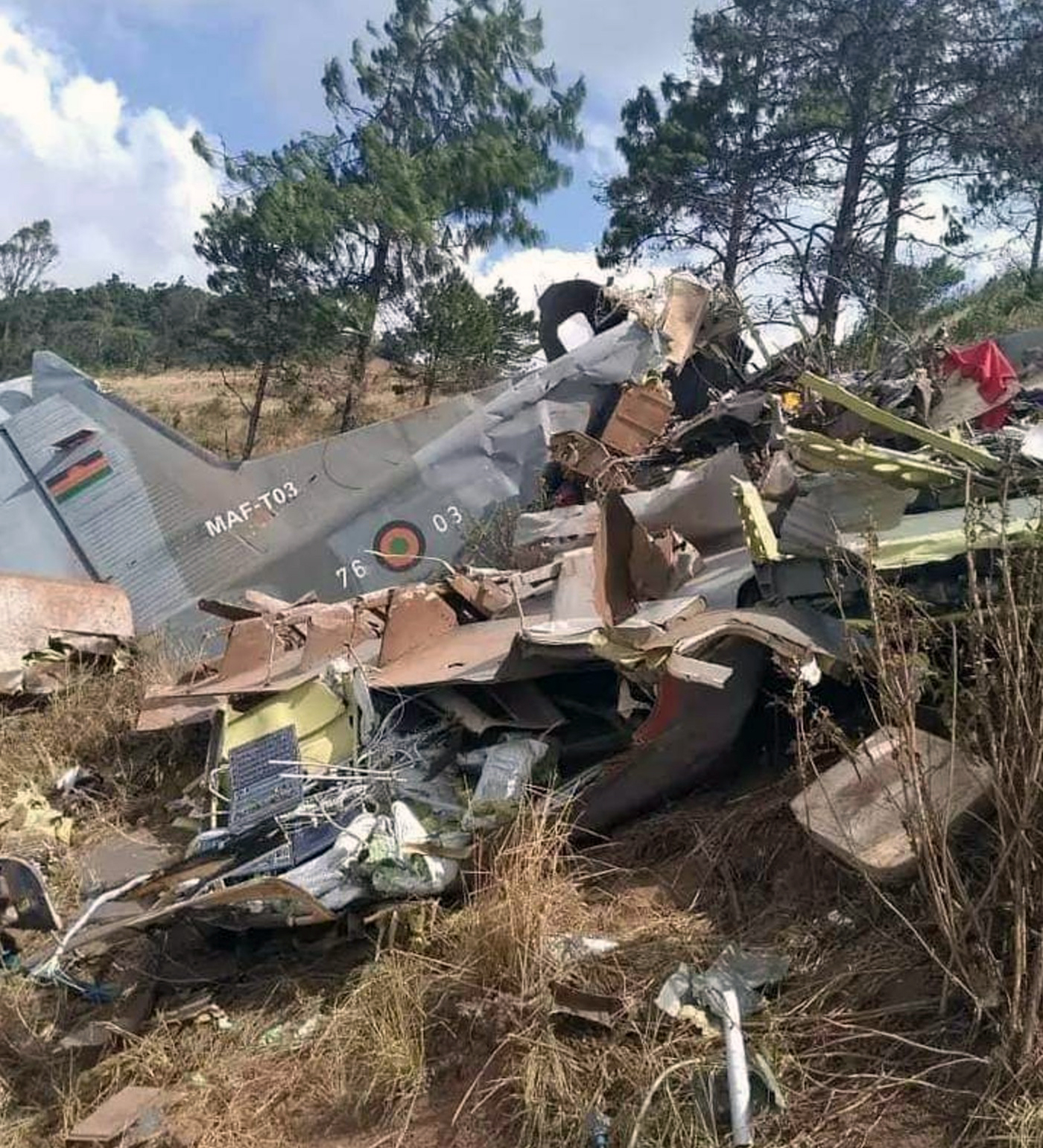
Crash of a Short SC.7 Skyvan 3A Variant 100 in Kalongo

Date & Time: May 19, 2023
Type of aircraft:
Operator:
Registration:
AF-519
Flight Type:
Survivors:
Yes
MSN:
1901
YOM:
1972
Country:
Region:
Crew on board:
2
Crew fatalities:
Pax on board:
0
Pax fatalities:
Other fatalities:
Total fatalities:
0
Circumstances:
After landing at Kalongo Airstrip, the twin engine airplane went out of control and came to rest upside down with its right wing torn off. Both pilots escaped uninjured.

Crash of a Learjet 36A off San Clemente NAS: 3 killed

Date & Time: May 10, 2023 at 0749 LT
Type of aircraft:
Operator:
Registration:
N56PA
Flight Phase:
Flight Type:
Survivors:
No
Schedule:
Point Mugu - Point Mugu
MSN:
36-023
YOM:
1976
Flight number:
Fenix 01
Crew on board:
3
Crew fatalities:
Pax on board:
0
Pax fatalities:
Other fatalities:
Total fatalities:
3
Captain / Total flying hours:
10300
Captain / Total hours on type:
5700.00
Copilot / Total flying hours:
1013
Copilot / Total hours on type:
844
Aircraft flight hours:
18807
Circumstances:
The accident airplane took off as the lead airplane in formation with a second Lear Jet airplane flying as wingman in a close formation position. The purpose of the flight was to participate in an exercise with the United States Navy in an over-water training area. Shortly after entering the training area at 15,000 ft mean sea level (msl) the wingman positioned on the right side of the accident airplane, observed the flaps on the accident airplane were partially extended. They notified the pilot of the accident airplane who acknowledged the radio call. The wingman then observed the flaps retract and observed white or gray colored “smoke or gas” coming from the left aft side of the airplane. The pilot in the accident airplane then radioed that they detected an odor in the cabin. Seconds later, the wingman observed red fluid on the underside of the tail cone followed by flames coming from around the aft equipment bay (tail cone) access door. They informed the accident pilots that their airplane was on fire and the accident pilot declared an emergency along with their intentions to land at a nearby airfield on the island. The wingman took over leading the formation and maneuvered in front of the accident airplane. The wingman last observed and heard radio transmissions from the accident airplane a short time later as they descended through about 7000 ft msl. The flight was above an overcast cloud layer that obstructed the view of the island at that time. Recorded ADS-B data showed that the accident airplane subsequently made a series of descending turns before the data ended. The airplane wreckage was located underwater about 4 miles northwest of the last ADS-B data point. The wreckage was highly fragmented, and the debris field extended several hundred feet along the ocean floor. Salvage operations were able to recover about 40 percent of the airplane wreckage. Examination of the wreckage showed areas of smoke and fire damage in portions of the airplane from the center wing fuselage outboard through the left- and right-wing roots and aft throughout the empennage. The aft equipment bay forward bulkhead, which also served as the fuselage fuel tank aft bulkhead, exhibited damage on the upper left side consistent with exposure to a focused heat source such as a fire from a leak in a pressurized fuel or hydraulic line. Additional evidence of focused fire damage was identified in the left engine pylon, which was located outboard and adjacent to the aft equipment bay. The effected area of the pylon contained engine fire detection circuits. Examination of the hydraulic shutoff valves attached to the hydraulic reservoir found that the left hydraulic shutoff valve was closed and the right valve was in the open position. The position of the left hydraulic shutoff valve indicates the aircrew likely shut down the left engine due to a fire indication (A hydraulic valve will close if the FIRE PULL tee-handle switch is activated by the flight crew in the event an engine fire is detected). Investigators were unable to determine if the witnessed flap extension and retraction was initiated by activation of the flap selector switch or induced by fire damage. The aft equipment bay houses electrical equipment capable of providing an ignition source for a fire, and hydraulic and fuel system components capable of providing fuel for a fire in the event of a leak. The left fuel motive flow line was intact from the fuel pump up to the fuselage fitting, where the line passes through the fuselage skin into the aft equipment bay near the aft left engine mount. The fuselage fitting had the stainless-steel fuel line and b-nut attached on the outboard, engine side. The inboard, aft equipment bay side of the fitting did not have an aluminum b-nut attached or the line that connects the fitting to the motive flow valve. The left engine hydraulic pressure line and PT2 line, which pass through the fuselage into the aft equipment bay adjacent to the motive fuel line, each had aluminum b-nuts present on the interior side of their respective fuselage fittings and the interior lines for each was sheared at the fitting. The left fuel motive flow fuselage fitting and the hydraulic fluid return fitting were examined. No thermal damage was observed on the outboard nuts and attached portions of tubing. Examination of the threads on the inboard side of the motive flow fitting did not exhibit evidence of thread stripping and comparison between the two fittings did not reveal any physical differences to explain why one nut remained attached and the other did not. The reason the motive flow nut was missing from the fitting could not be determined. Observed fire and heat damage patterns indicate the fire likely started in proximity to the where the pressurized fuel motive flow line connected to the firewall fitting where the missing b-nut was located. A leak from the pressurized motive flow line would have sustained and allowed an uncontrollable fire to develop. The sustained fire likely affected controllability of the airplane and resulted in the pilots’ loss of control of the airplane.
Probable cause:
The pilots’ loss of airplane control following a catastrophic fire that started on the left side of the aft equipment bay (tail cone). The fire likely initiated from a leak from the left fuel motive flow line due to a b-nut that loosened for reasons that could not be determined based on available evidence.
Final Report:

Crash of a Learjet 36 at North Island NAS

Date & Time: Sep 9, 2022 at 1314 LT
Type of aircraft:
Registration:
N26FN
Flight Type:
Survivors:
Yes
Schedule:
North Island - North Island
MSN:
36-011
YOM:
1975
Flight number:
FST26
Crew on board:
2
Crew fatalities:
Pax on board:
0
Pax fatalities:
Other fatalities:
Total fatalities:
0
Captain / Total flying hours:
7200
Captain / Total hours on type:
5250.00
Copilot / Total flying hours:
18288
Copilot / Total hours on type:
165
Aircraft flight hours:
17024
Circumstances:
The flight crew was supporting a United States Navy (USN) training mission and ended the flight early due to icing conditions. The flight crew calculated a landing reference speed (Vref) of 140 knots (kts) indicated airspeed (KIAS) and landing distance required of 4,200 ft for a wet runway and a flap setting of 20°. Due to underwing-mounted external storage, the landing flaps were limited to a maximum extension of 20°. The flight crew configured the airplane with 20° flaps and reported that the airplane touched down at 140 kts. Although the runway was 8,001 ft long, an arresting cable was located 1,701 ft from the runway threshold, resulting in a runway distance available of about 6,300 ft. After landing, the second in command (SIC) reported that the pilot-in-command (PIC) deployed the spoilers and brakes, then announced that the airplane was not slowing down. The PIC stated that the airplane did not decelerate normally, that the brake anti-skid system was active, and that the airplane seemed to be hydroplaning. He cycled the brakes, which had no effect.The airplane subsequently overran the departure end of the runway, breached an ocean sea wall and came to rest in a nose-down attitude on a sandbar. The airport weather observation system recorded that 0.06 inches of liquid equivalent precipitation fell between 18 and 9 minutes before the accident. In the 4 hours before the accident, the airport received 0.31 inches of liquid equivalent precipitation. A landing performance study conducted by the airplane manufacturer modeled a variety of landing scenarios considered during the investigation. The modeling used factual information provided by the investigation, including ADS-B data, as well as manufacturer-provided airplane performance data specific to the airplane. The study considered the effect on landing distance of both a wet and dry runway, a contaminated runway, both full and intermittent hydroplaning, a localized tailwind (which was not present in the weather data), and an inboard brake failure. The study showed that the most likely scenario, based on the available data, was that the airplane touched down with a ground speed well in excess of the 140 kts Vref speed reported by the crew, and that subsequent to the touchdown encountered full hydroplaning at speeds above 104 kts. The airplane sat overnight on the sandbar and was submerged in saltwater before the airplane was recovered. As a result, the airplane’s braking system could not be functionally tested. However, the physical evidence from the brakes as found post accident, combined with the results of the landing distance modeling, did not indicate that a brake failure occurred. Similarly, ADS-B data did not support the presence of a localized tailwind when such a landing was modeled in the study. Thus, it’s likely that the flight crew landed too fast and then encountered hydroplaning during the landing roll as a result of a recent heavy rain shower, which diminished the calculated stopping distance.
Probable cause:
The flight crew’s fast landing on a wet runway, which resulted in the airplane hydroplaning during the landing roll and subsequently overrunning the runway.
Final Report:

Crash of an Ilyushin II-76MD at Dyagilevo AFB: 5 killed

Date & Time: Jun 24, 2022 at 0305 LT
Type of aircraft:
Operator:
Registration:
RF-78778
Flight Phase:
Flight Type:
Survivors:
Yes
Schedule:
Dyagilevo AFB - Belgorod
MSN:
00834 89659
YOM:
1988
Country:
Region:
Crew on board:
9
Crew fatalities:
Pax on board:
0
Pax fatalities:
Other fatalities:
Total fatalities:
5
Circumstances:
The airplane departed Dyagilevo AFB (Ryazan) on a night flight apparently to Belgorod, carrying nine crew members. After takeoff, the engine n°4 caught fire. The crew elected to return for an emergency landing but the aircraft went out of control and crashed about one km from the airbase, bursting into flames. Four crew members were seriously injured and five others were killed. The aircraft was destroyed by impact forces and a post crash fire.