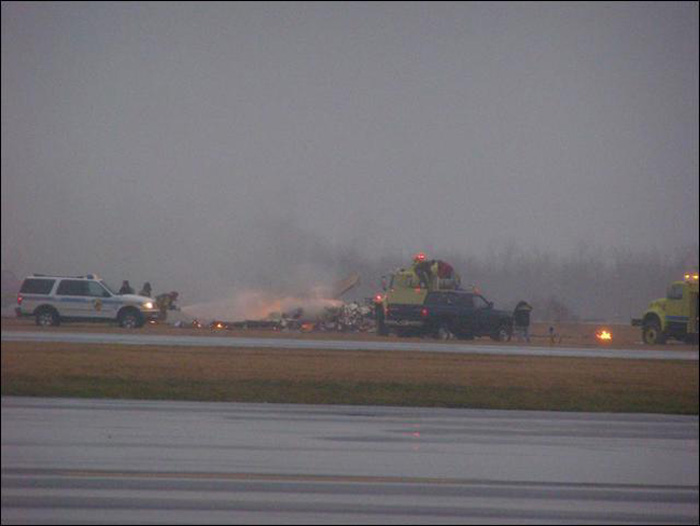
Crash of a Cessna 414 Chancellor in Hammonton

Date & Time: Apr 5, 2013 at 1150 LT
Type of aircraft:
Operator:
Registration:
N37480
Flight Type:
Survivors:
Yes
Schedule:
Gaithersburg - Hammonton
MSN:
414-0958
YOM:
1977
Crew on board:
1
Crew fatalities:
Pax on board:
1
Pax fatalities:
Other fatalities:
Total fatalities:
0
Captain / Total flying hours:
587
Captain / Total hours on type:
120.00
Aircraft flight hours:
9376
Circumstances:
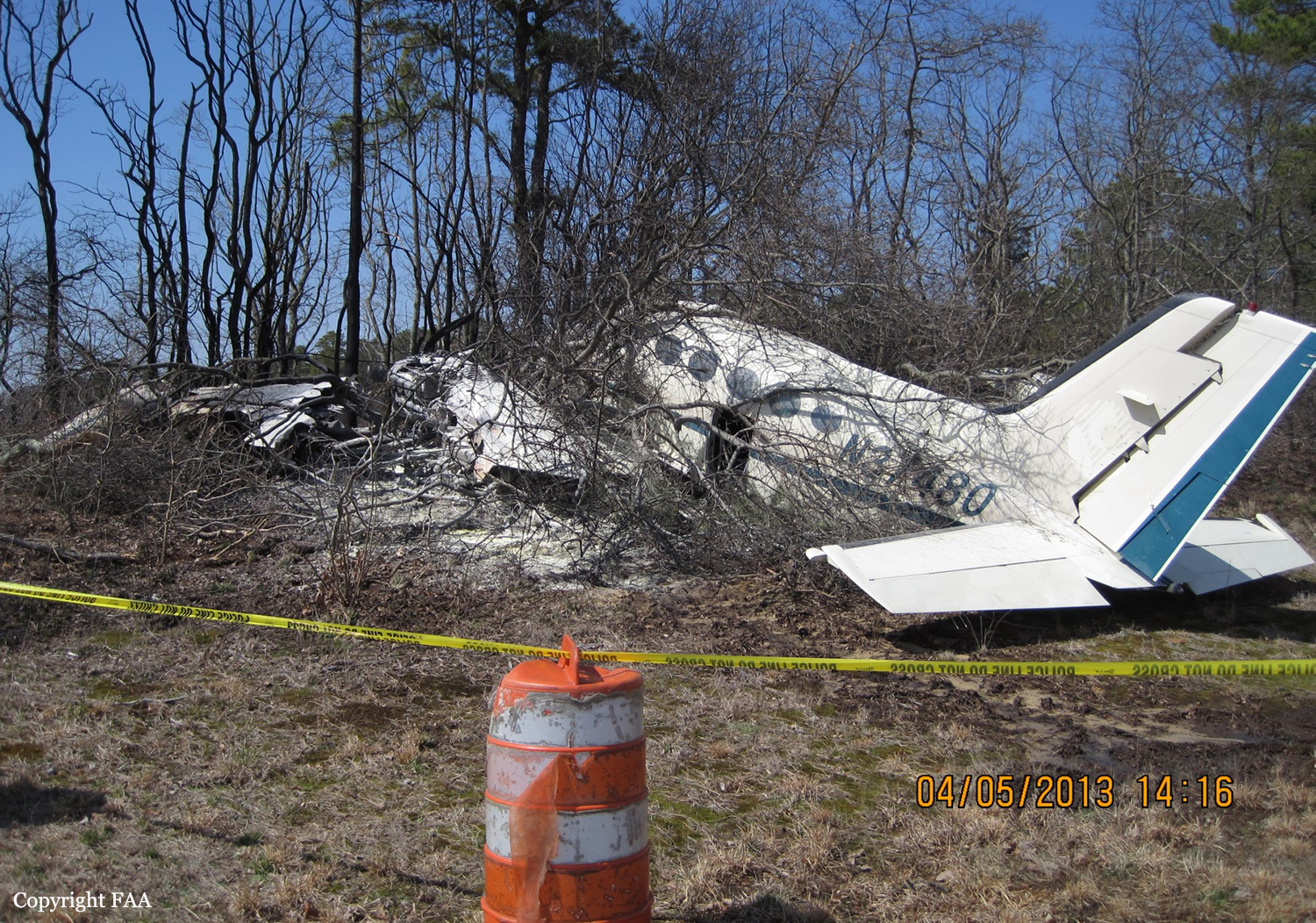
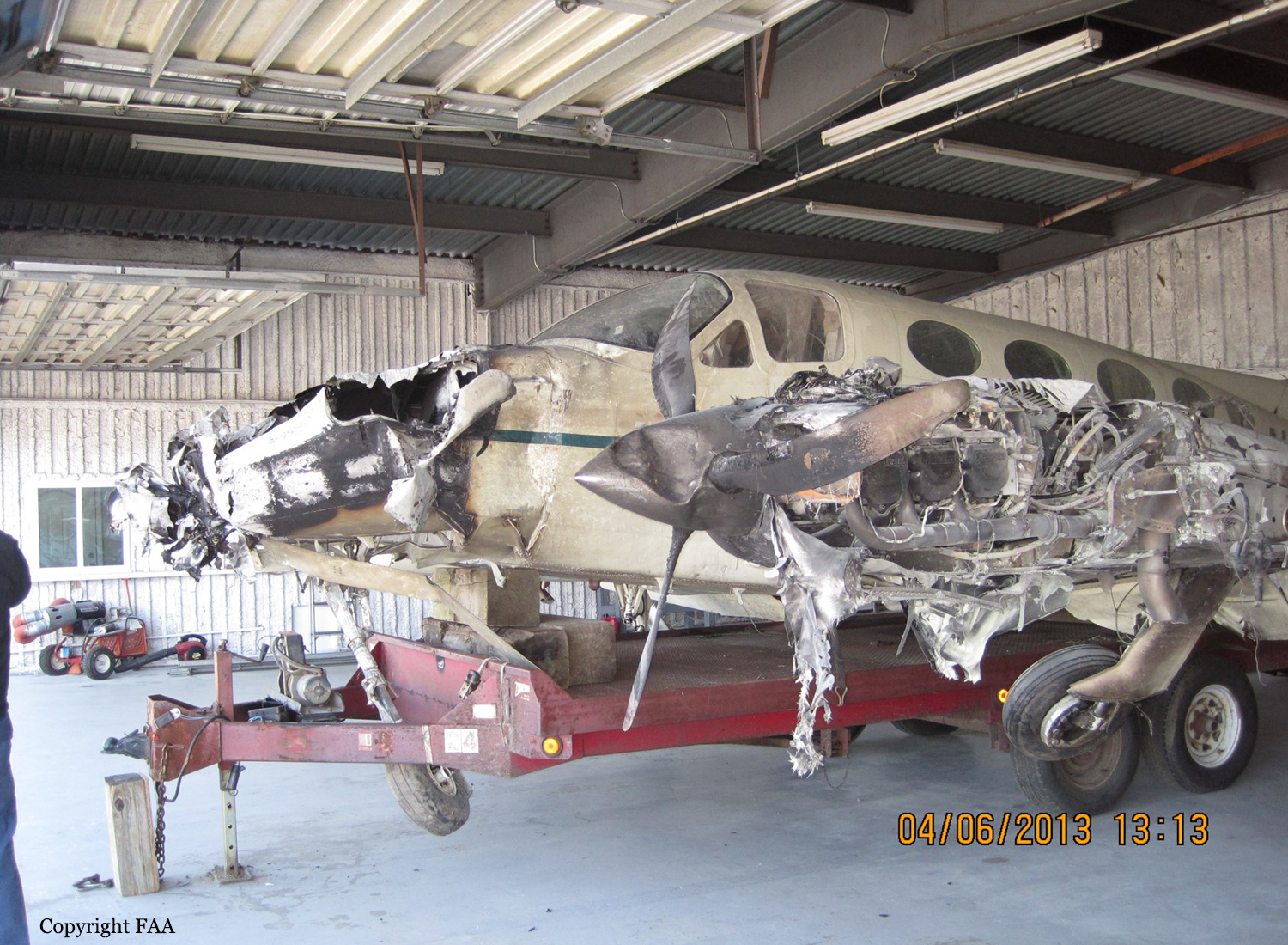
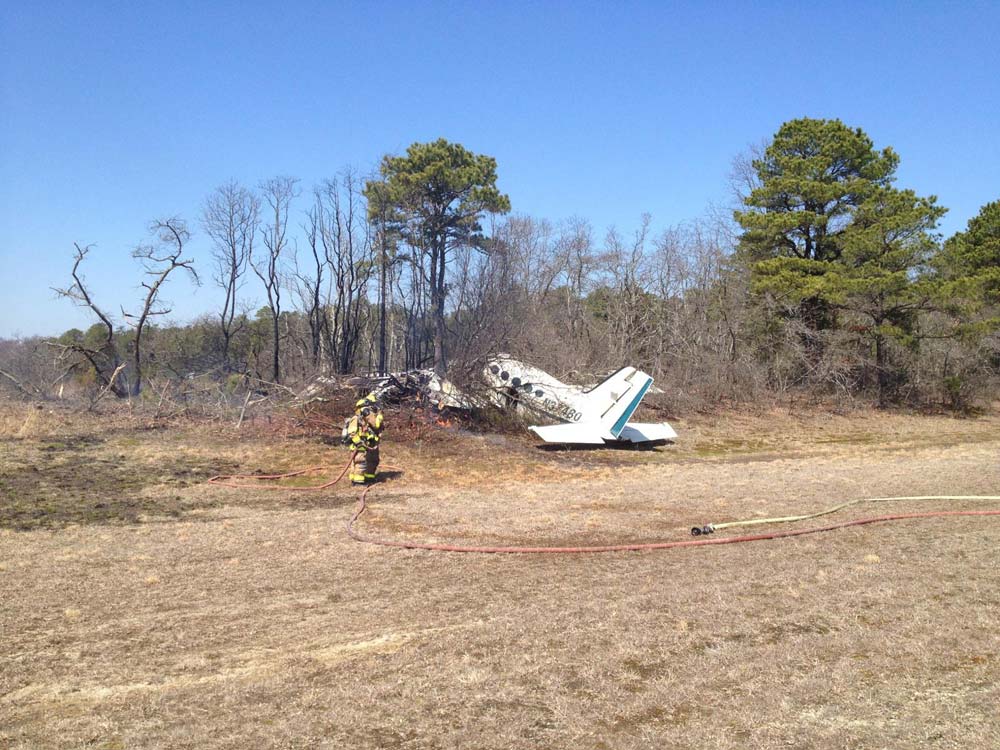
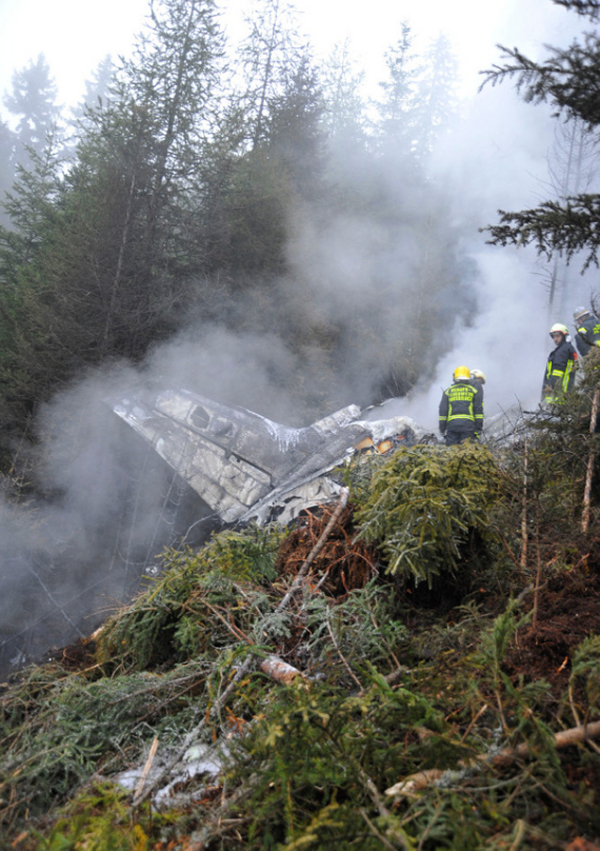
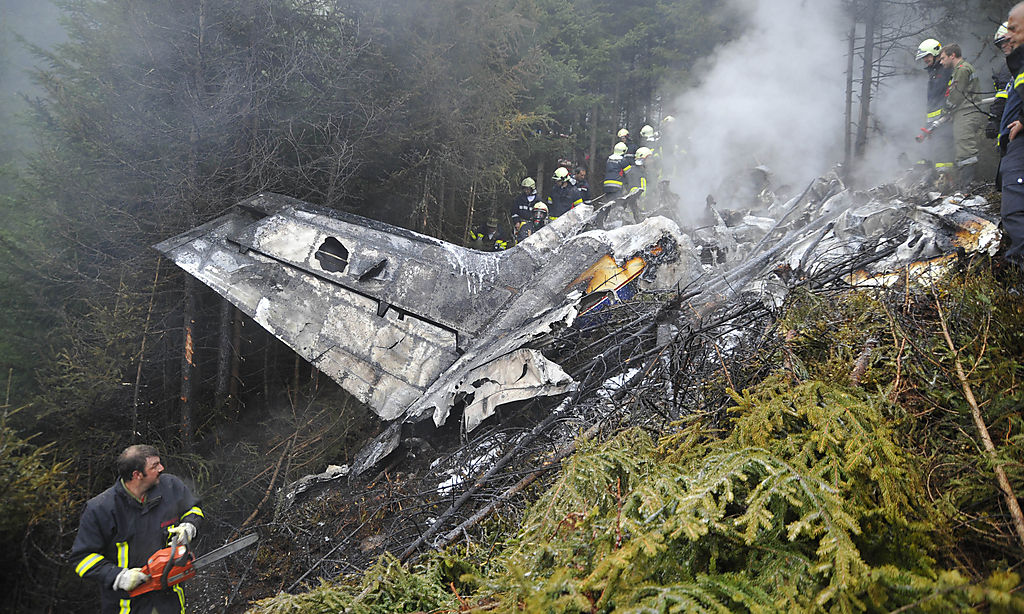
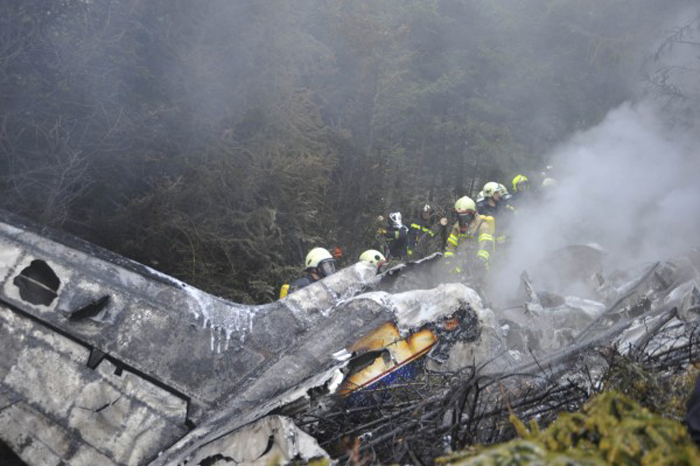
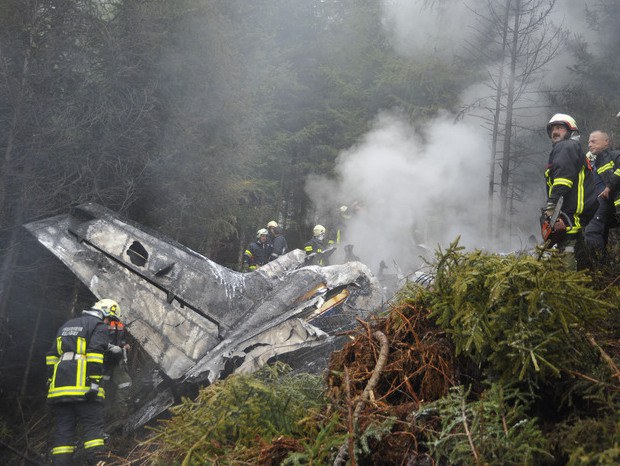
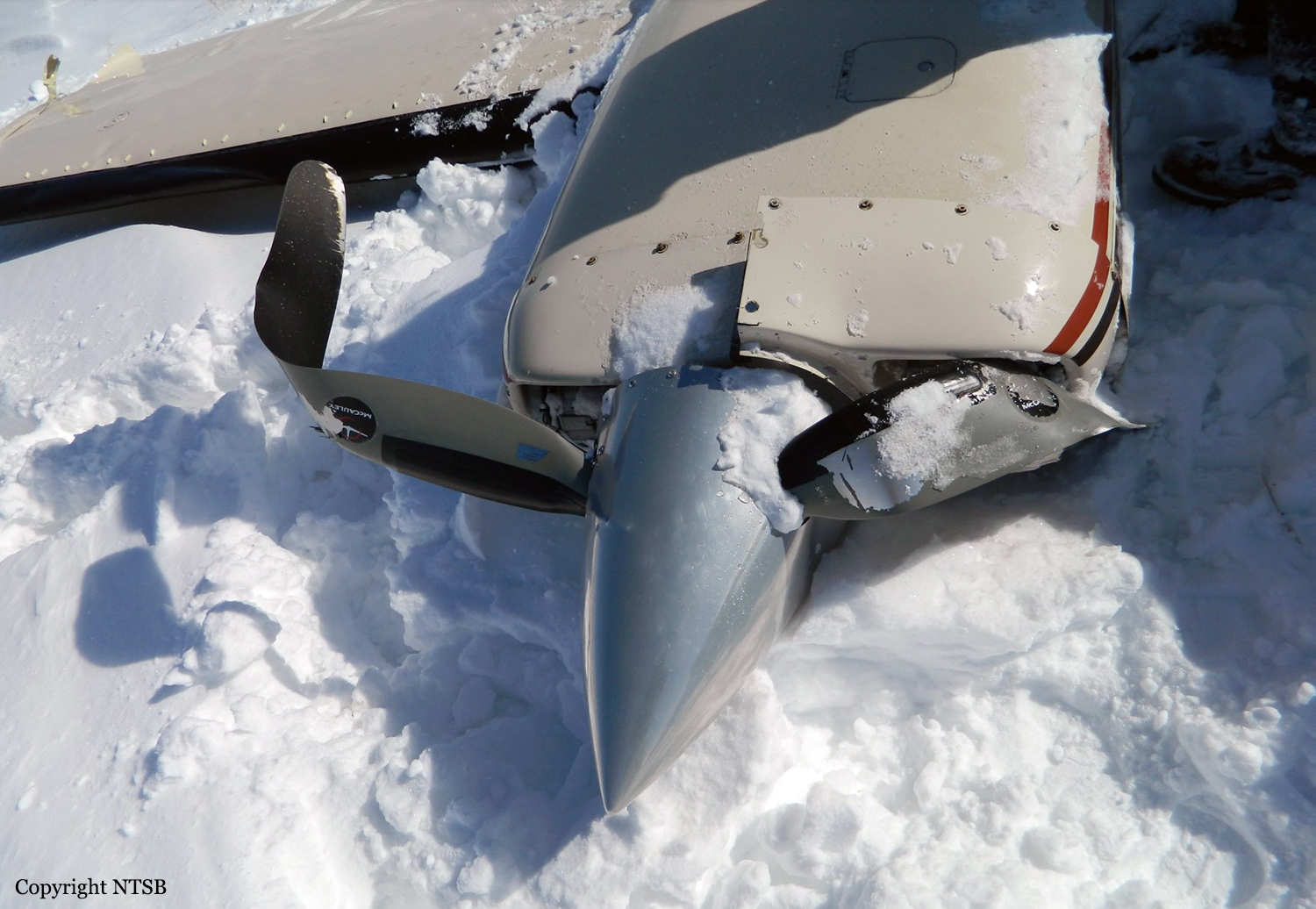
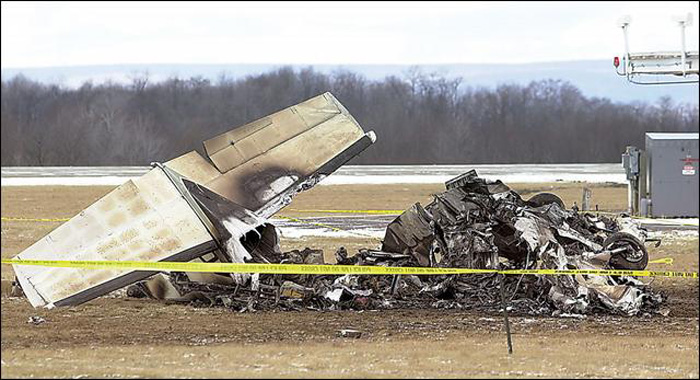
Aircraft was substantially damaged when it veered off the runway while landing at Hammonton Municipal Airport (N81), Hammonton, New Jersey. The private pilot was not injured and the commercial pilot-rated passenger received minor injuries. Visual meteorological conditions prevailed, and an instrument flight rules flight plan was filed for the flight. The flight originated from Montgomery County Airpark (GAI), Gaithersburg, Maryland about 1105 and was destined for N81. The personal flight was conducted under the provisions of Title 14 Code of Federal Regulations Part 91. The airplane was being repositioned to N81 in order for the owner's insurance adjuster and a local mechanic to physically inspect previous claim work for damage done during ground handling following Hurricane Sandy. The pilot reported lowering the landing gear during the approach to runway 03, and confirmed that they were extended by observing the landing gear position indicator lights. Immediately after touchdown, the airplane veered to the left. The pilot applied full right rudder, but the airplane continued to veer to the left. After departing the left side of the runway, the airplane struck several trees and was subsequently engulfed in a post-crash fire. According to FAA records, the pilot held a private certificate, with ratings for airplane single- and multiengine land. His most recent FAA third class medical certificate was issued on January 2, 2013. As of April 5, 2013, the pilot reported a total of 587 total hours of flight experience, of which 120 hours were in the same make and model as the accident airplane. The seven-seat, twin-engine, low-wing, retractable tricycle-gear airplane was manufactured in 1977 and was equipped with two Continental Motors TSIO-520, 520-hp engines. Review of the airplane's maintenance logbooks revealed that its most recent annual inspection was completed on October 26, 2012. At the time of inspection, the airplane had accumulated 9,335 total hours in service. The number one and two engines accumulated approximately 735 and 157 total hours of operation since overhaul, respectively. The airplane had flown about three hours since the most recent annual inspection. The 1154 recorded weather observation at Atlantic City International Airport (ACY), Atlantic City, New Jersey, located about 15 miles southeast of the accident site, included wind from 330 degrees at 13 knots, 10 miles visibility, few clouds at 1,600 feet, temperature 11 degrees C, dew point 4 degrees C, and a barometric altimeter setting of 29.83 inches of mercury. N81 was a non-tower-controlled airport equipped with one asphalt runway, oriented in a 03/21 configuration. The runway was 3,601 feet in length and 75 feet wide. The field elevation for the airport was 65 feet mean sea level.
Probable cause:
Examination of the accident site and surrounding area by a Federal Aviation Administration (FAA) inspector revealed the left wing impacted several 4 to 6 inch-diameter trees prior to separating from the aircraft. The airplane then spun to the left, with fuel from the severed wing splashing on the nose section of the airplane and onto the hot left engine. The fuel ignited and caused substantial damage to the left engine and forward left section of the fuselage. Post-accident examination also revealed that the nose landing gear (NLG) had separated from its mount at the nose trunnion. Further investigation revealed that the left NLG trunnion lug had sheared from the trunnion assembly. The fractured lug was sent to the manufacturer for fractographic examination. The examination revealed a pre-existing crack at the surface of the NLG trunnion lug. The crack was approximately 0.015 inch deep at the time of final fracture. Subsequent investigation revealed that the fractured component was taken from a Cessna 310 airplane, and had accumulated approximately 20,000 service hours. According to maintenance records, on March 12, 2013, the nose gear attached tunnel and forward bulkhead were repaired as part of the filed insurance claim, and the nose gear trunnion assembly was replaced at this time. Cessna Multi-engine Service Bulletin MEB88-5 (Revision 2), Nose Gear Trunnion/Replacement, stated the preferred inspection method for the side lug area was a surface eddy current inspection. An alternate fluorescent penetrant inspection may be used for those facilities without eddy current inspection capabilities. However, MEB88-5 was not a federally mandated requirement for all owner/operators to accomplish. Subsequently, the subject trunnion assembly installed on the accident airplane had received only a visual examination prior to installation.
Final Report:

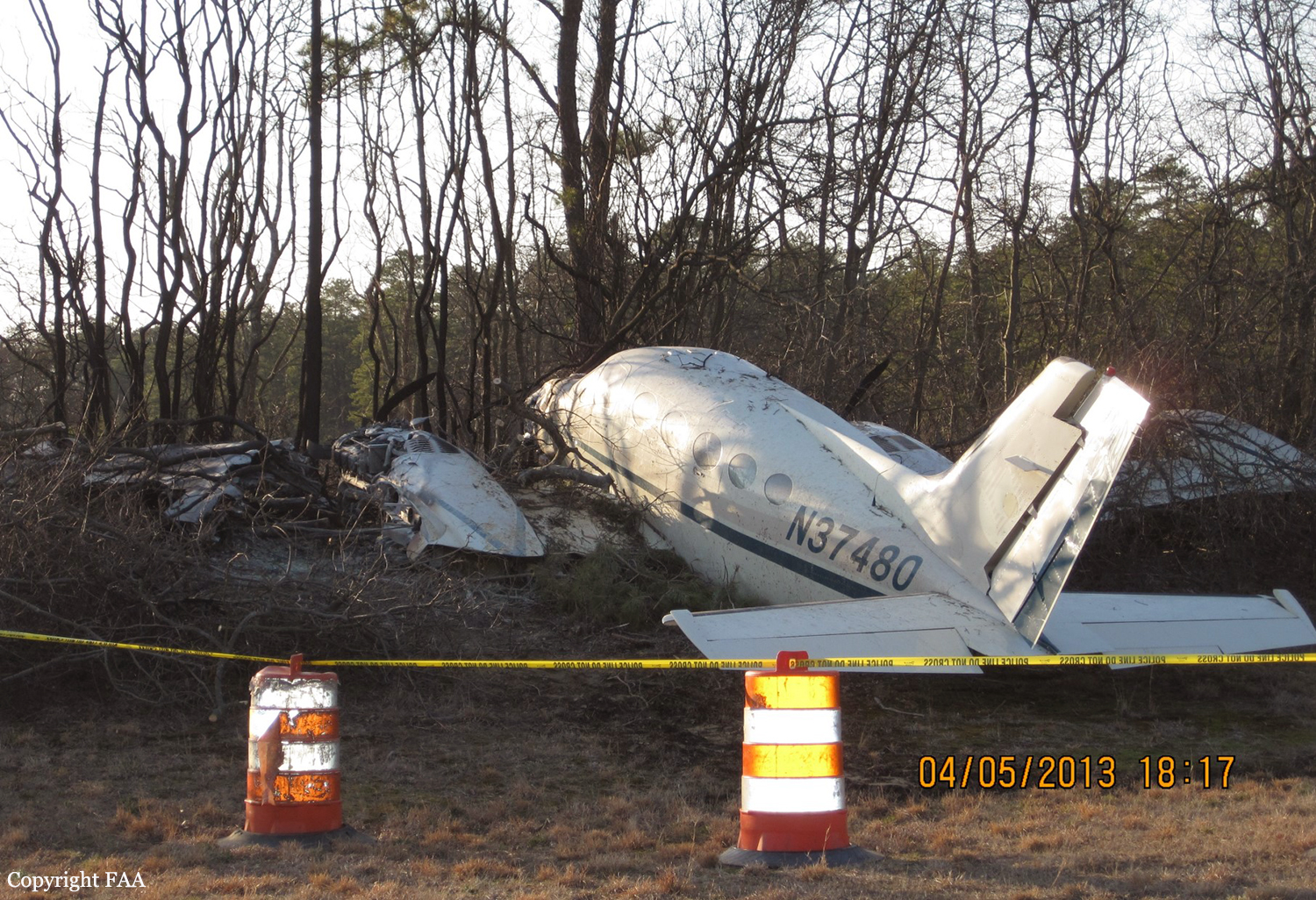
Crash of a Cessna 414A Chancellor in Ellbögen: 6 killed

Date & Time: Sep 30, 2012 at 0658 LT
Type of aircraft:
Operator:
Registration:
N738W
Flight Phase:
Flight Type:
Survivors:
Yes
Site:
Schedule:
Innsbruck - Valencia
MSN:
414A-0027
YOM:
1978
Location:
Country:
Region:
Crew on board:
1
Crew fatalities:
Pax on board:
7
Pax fatalities:
Other fatalities:
Total fatalities:
6
Captain / Total flying hours:
12000
Captain / Total hours on type:
1200.00
Aircraft flight hours:
8600
Circumstances:
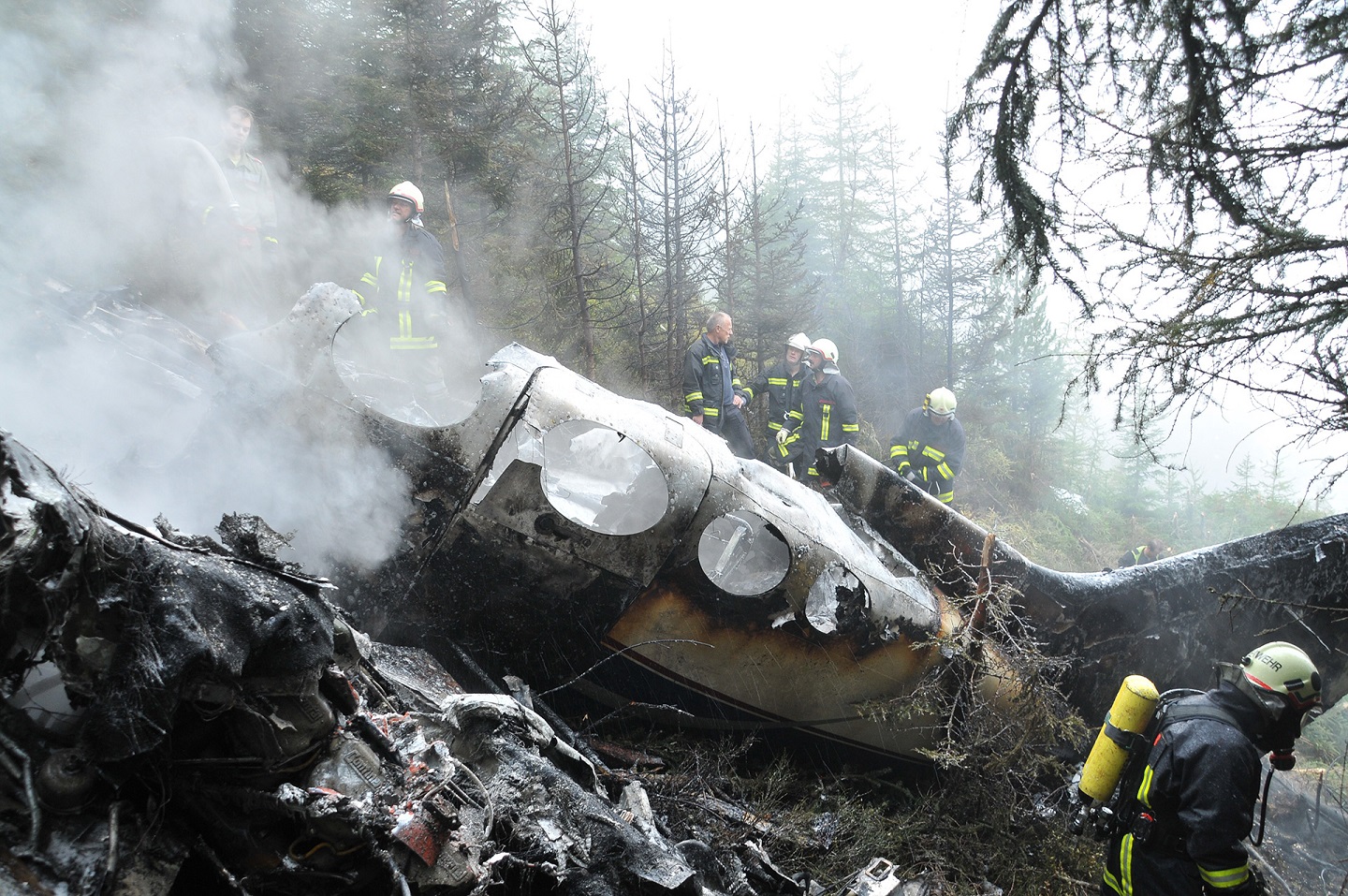
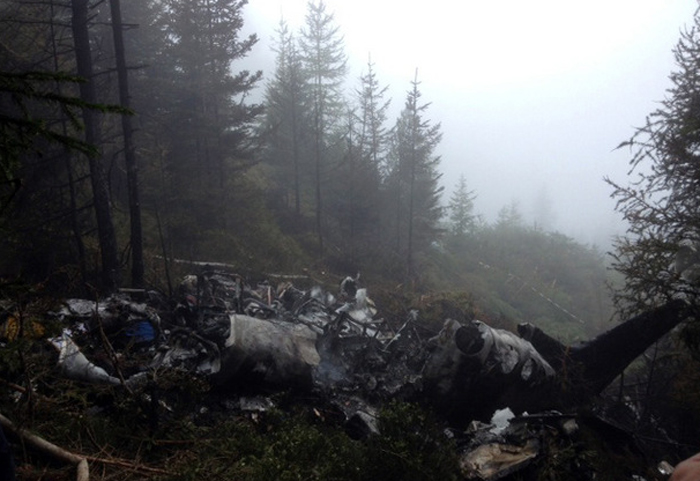
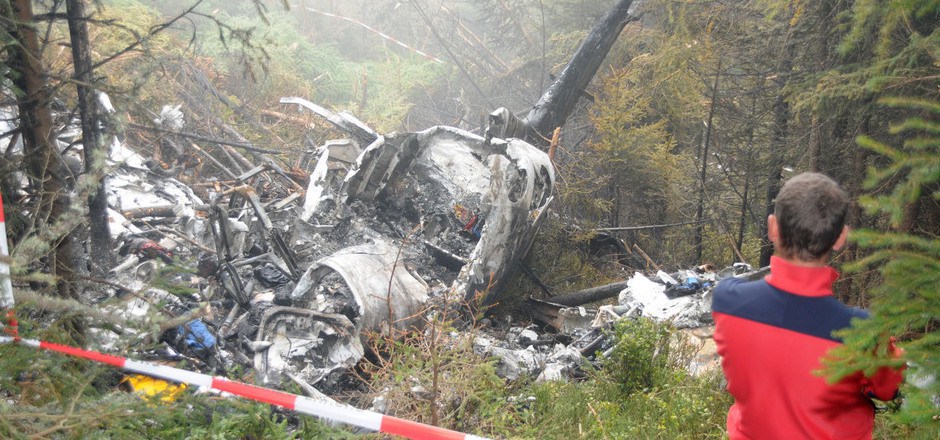
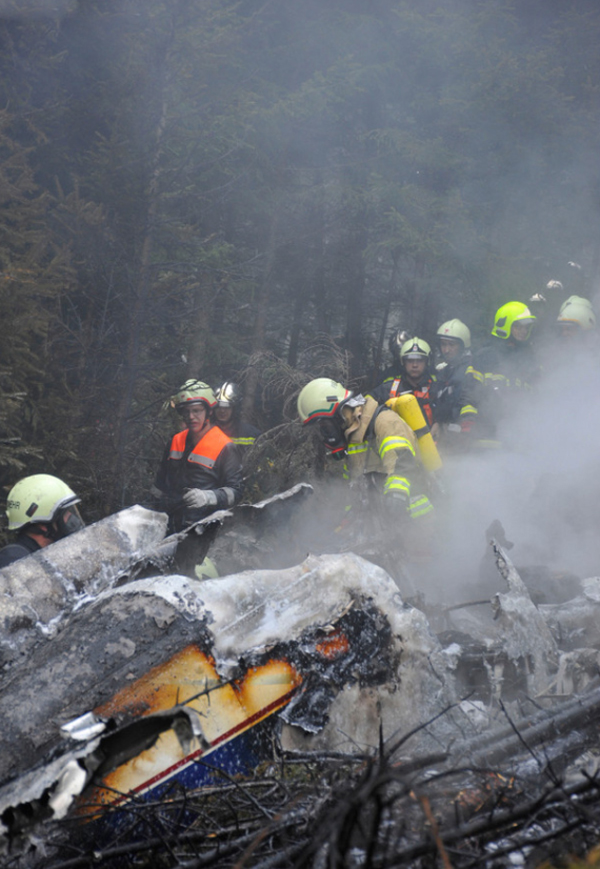
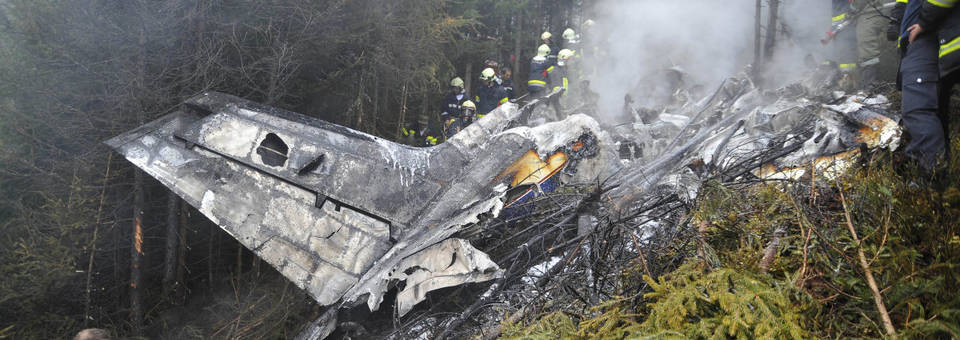
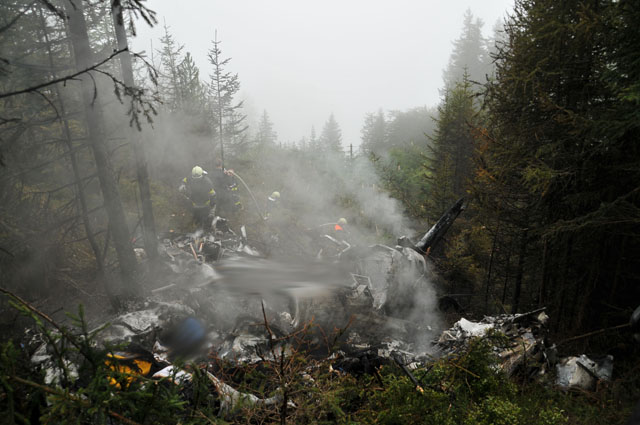
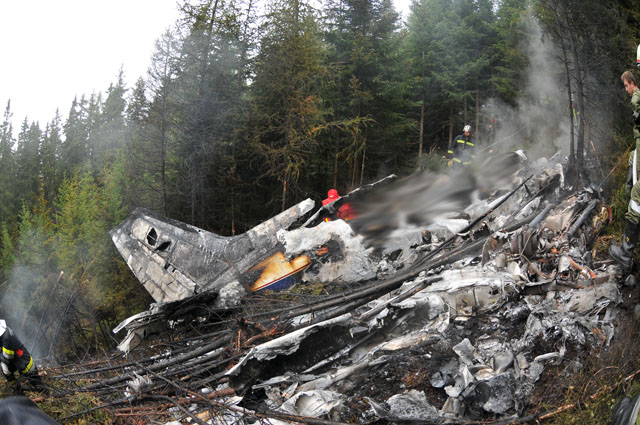
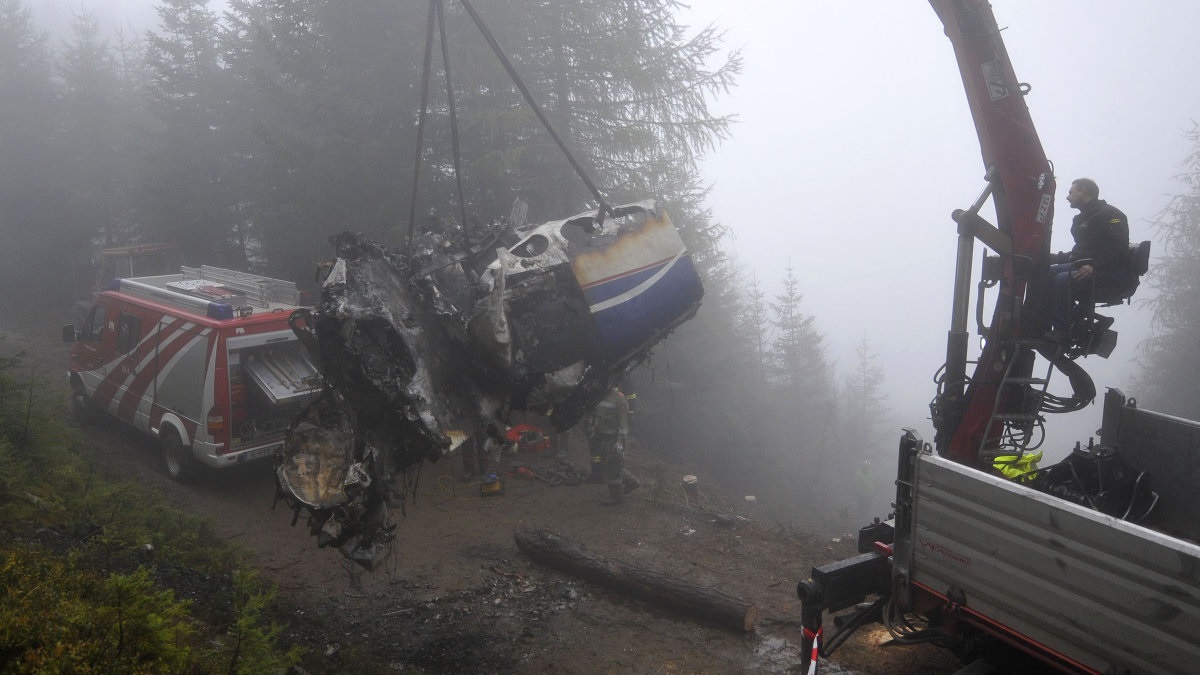
The twin engine aircraft departed Innsbruck-Kranebitten Airport at 0654LT on a private flight to Valencia, Spain, carrying seven passengers and one pilot. VFR conditions prevailed at the time of departure. After takeoff from runway 26, the pilot turn to the south when he encountered limited visibility due to foggy conditions. In IMC conditions, the aircraft contacted trees, lost height and crashed in a wooded area located near the village of Ellbögen, about 15 km southeast of Innsbruck Airport, bursting into flames. The wreckage was found at an altitude of 1,612 metres. Two passengers were seriously injure while six other occupants were killed. The aircraft was totally destroyed by a post impact fire.
Probable cause:
Controlled flight into terrain after the pilot continued under VFR mode in IMC conditions.
Final Report:

Crash of a Cessna 414A Chancellor in Hayden: 2 killed

Date & Time: Feb 19, 2012 at 1525 LT
Type of aircraft:
Registration:
N4772A
Flight Type:
Survivors:
Yes
Schedule:
Dalhart - Hayden
MSN:
414-0095
YOM:
1978
Crew on board:
1
Crew fatalities:
Pax on board:
5
Pax fatalities:
Other fatalities:
Total fatalities:
2
Circumstances:
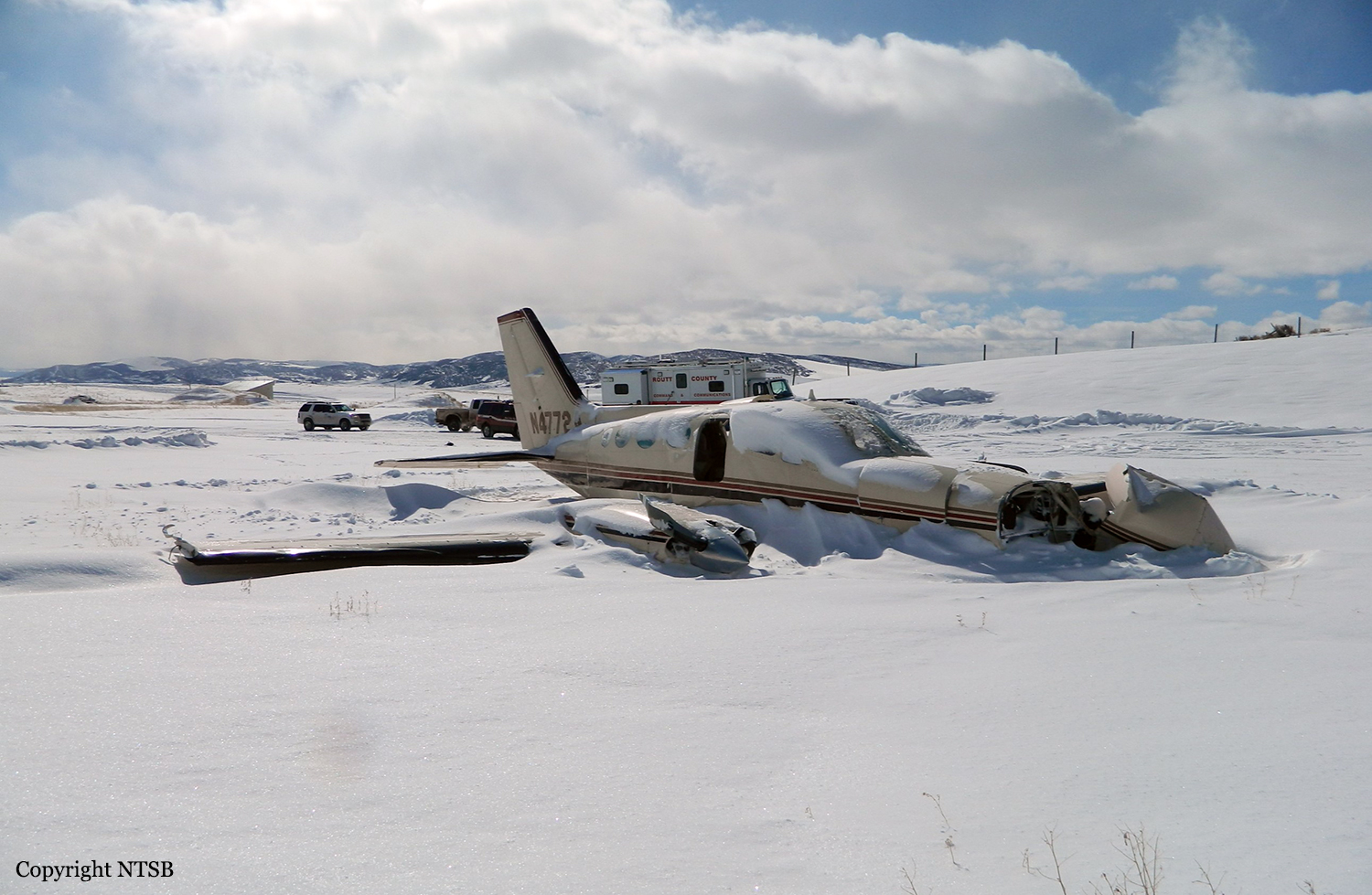
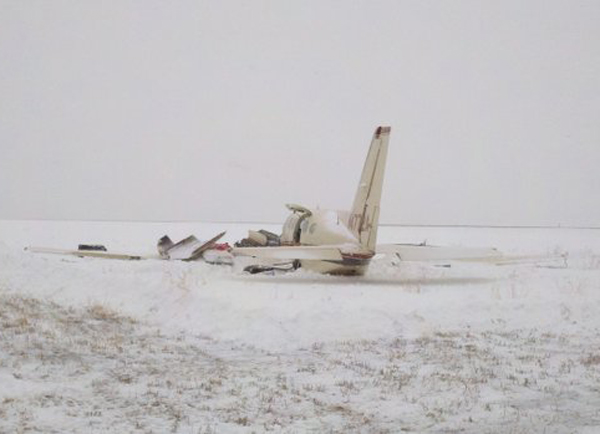
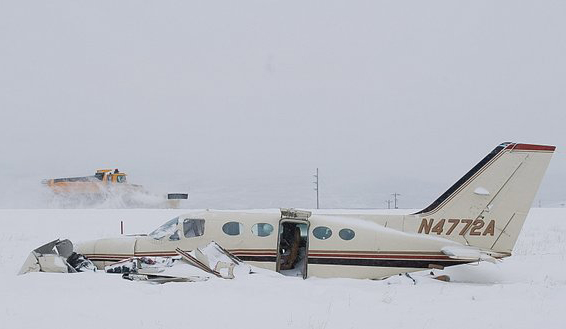
The pilot performed an instrument approach to the runway with an approaching winter storm. A review of on-board global positioning system (GPS) data indicated that the airplane flew through the approach course several times during the approach and was consistently below the glideslope path. The airplane continued below the published decision height altitude and drifted to the right of the runway’s extended centerline. The GPS recorded the pilot’s attempt to perform a missed approach, a rapid decrease in ground speed, and then the airplane descend to the ground, consistent with an aerodynamic stall. Further, the airplane owner, who was also a passenger on the flight, stated that, after the pilot made the two “left turning circles” and had begun a third circle, he perceived that the airplane “just stalled.” An examination of the airframe and engine did not detect any preimpact anomalies that would have precluded normal operation. The airplane’s anti-ice and propeller anti-ice switches were found in the “off” position. A review of weather information revealed that the airplane was operating in an area with the potential for moderate icing and snow. Based on the GPS data and weather information, it is likely that the airframe collected ice during the descent and approach, which affected the airplane’s performance and led to an aerodynamic stall during the climb.
Probable cause:
The pilot’s inadvertent stall during a missed approach. Contributing to the accident was the pilot’s operation of the airplane in forecasted icing conditions without using all of its anti-ice systems.
Final Report:

Crash of a Cessna 414A Chancellor off Sydney: 2 killed

Date & Time: Aug 5, 2010 at 2337 LT
Type of aircraft:
Operator:
Registration:
C-GENG
Survivors:
No
Schedule:
Butonville - Sydney
MSN:
414A-0288
YOM:
1979
Country:
Crew on board:
1
Crew fatalities:
Pax on board:
1
Pax fatalities:
Other fatalities:
Total fatalities:
2
Aircraft flight hours:
9677
Circumstances:
The privately owned Cessna 414A departed Toronto/Buttonville Municipal Airport, Ontario, en route to Sydney, Nova Scotia. The flight was operating under an instrument flight rules flight plan with the pilot-in-command and the aircraft owner on board. Nearing Sydney, the aircraft was cleared to conduct an instrument approach. At the final approach waypoint the pilot was advised to discontinue the approach due to conflicting traffic. While manoeuvring for a second approach, the aircraft departed from controlled flight, entered a rapid descent and impacted the water at 2335 Atlantic Daylight Time. The aircraft wreckage was located using a side-scan sonar 11 days later, in 170 feet of water. The aircraft had been destroyed and both occupants were fatally injured. No signal was detected from the emergency locator transmitter.
Probable cause:
Findings as to Causes and Contributing Factors:
1. It is likely that the PIC and the owner were both suffering some degree of spatial disorientation during the final portion of the flight. This resulted in a loss of control of the aircraft and the crew was unable to recover prior to contacting the surface of the water.
2. The PIC did not accept assistance in the form of radar vectors, which contributed to the workload during the approach.
3. Self-imposed pressure likely influenced the crew’s decision to depart Buttonville despite the flight conditions, lengthy day, and lack of experience with the aircraft and the destination airport.
Other Findings:
1. It could not be conclusively determined who was flying the aircraft at the time of the occurrence.
2. The lack of onboard recording devices prevented the investigation from determining the reasons why the aircraft departed controlled flight.
3. The practice of placing aircraft technical records on board aircraft may impede an investigation if the records are lost due to an accident.
Final Report:

Crash of a Cessna 414 Chancellor off San Andrés

Date & Time: Jul 26, 2008 at 1052 LT
Type of aircraft:
Registration:
XB-JBD
Flight Type:
Survivors:
Yes
Schedule:
San Salvador – San Andrés – Barranquilla
MSN:
414-0253
YOM:
1971
Country:
Crew on board:
1
Crew fatalities:
Pax on board:
1
Pax fatalities:
Other fatalities:
Total fatalities:
0
Captain / Total flying hours:
1196
Aircraft flight hours:
4480
Circumstances:
The twin engine aircraft departed San Salvador-Ilopango Airport on a private flight to Barranquilla with an intermediate stop in San Andrés Island, carrying one passenger and one pilot. On final approach to San Andrés-Gustavo Rojas Pinilla Airport runway 06, the left engine failed. The pilot increased power on the right engine but the aircraft continued to lose height. The pilot ditched the aircraft near the coast. Both occupants evacuated safely and were quickly rescued while the aircraft was damaged beyond repair.
Probable cause:
Failure of the left engine on final due to fuel exhaustion. It remained a total of 3 gallons of fuel in the left fuel tank and 23 gallons in the right main tank.
Final Report:
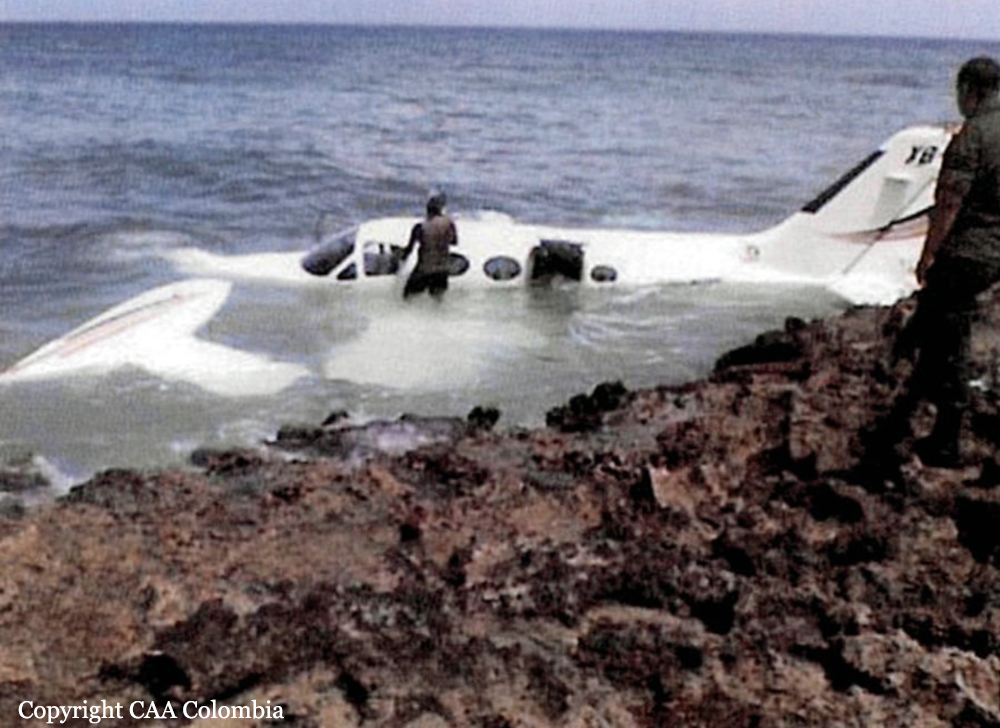
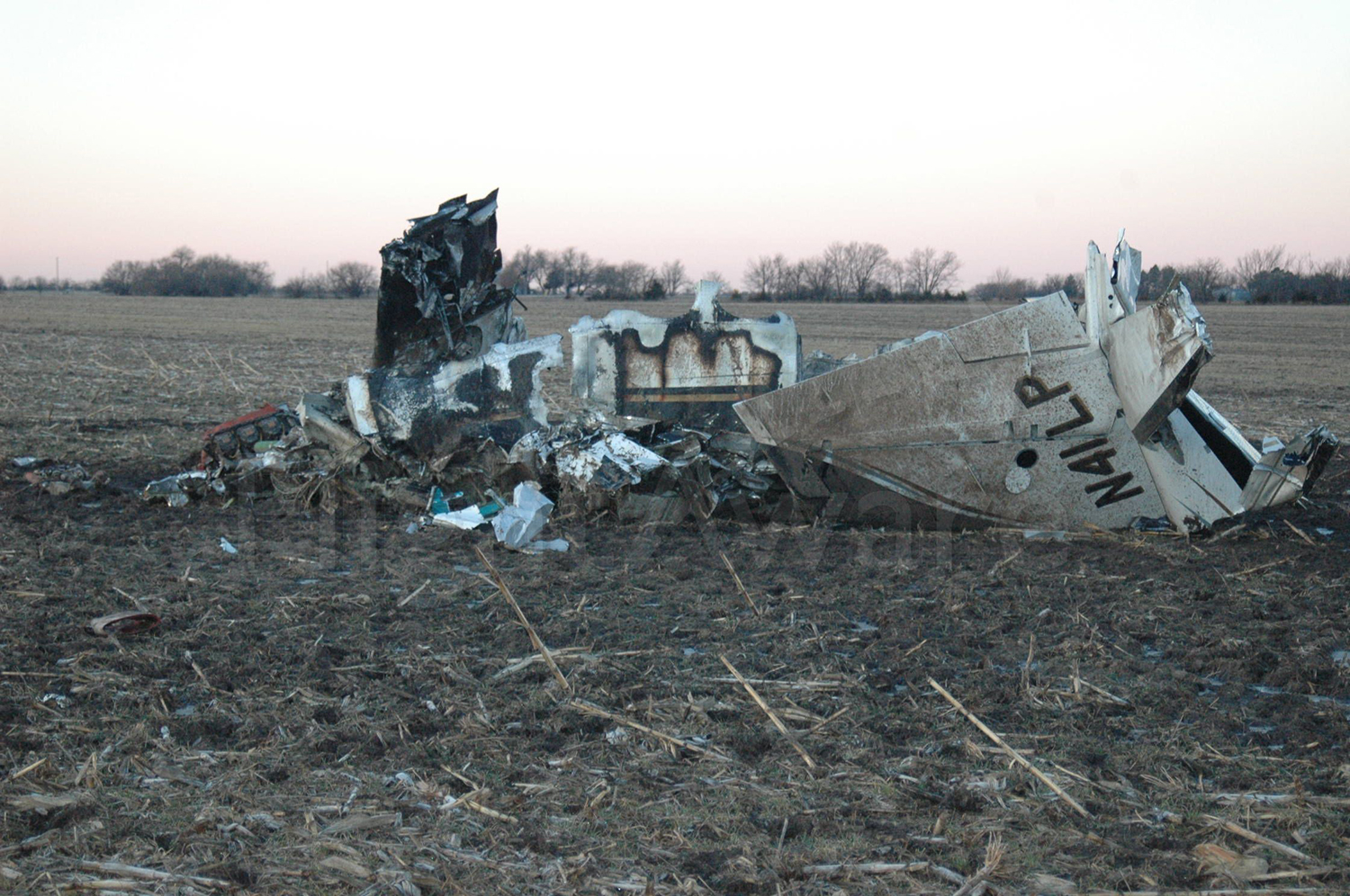
Crash of a Cessna 414 Chancellor in Benton: 2 killed

Date & Time: Feb 16, 2008 at 1845 LT
Type of aircraft:
Operator:
Registration:
N41LP
Flight Phase:
Flight Type:
Survivors:
No
Schedule:
Benton - Wichita
MSN:
414-0491
YOM:
1980
Location:
Crew on board:
1
Crew fatalities:
Pax on board:
1
Pax fatalities:
Other fatalities:
Total fatalities:
2
Captain / Total flying hours:
565
Captain / Total hours on type:
52.00
Aircraft flight hours:
6656
Circumstances:
According to witnesses, the airplane departed runway 35 and was observed flying in and out of the clouds. Several of the witnesses observed the airplane initiate a turn to the west. One witnesses commented that it was dark but he could still see the silhouette of the airplane. He observed the airplane descend below the trees. All of the witnesses reported flames and "fireballs." On scene evidence was consistent with the airplane impacting trees in a left turn. The airplane was destroyed. An examination of the airplane, flight controls, engines, and remaining systems revealed no anomalies. Weather observations and radar data depicted low clouds, and restricted visibility due to rain and mist, in the vicinity of the airport. Toxicological examination revealed cetirizine, an antihistamine, consistent with use within the previous 12 hours. Most studies have not found any significant impairment from the medication, though it is reported to cause substantial sedation in some individuals.
Probable cause:
The pilot's failure to maintain clearance from the trees. Contributing to the accident was the pilot's flight into known adverse weather conditions and the low clouds and visibility.
Final Report:
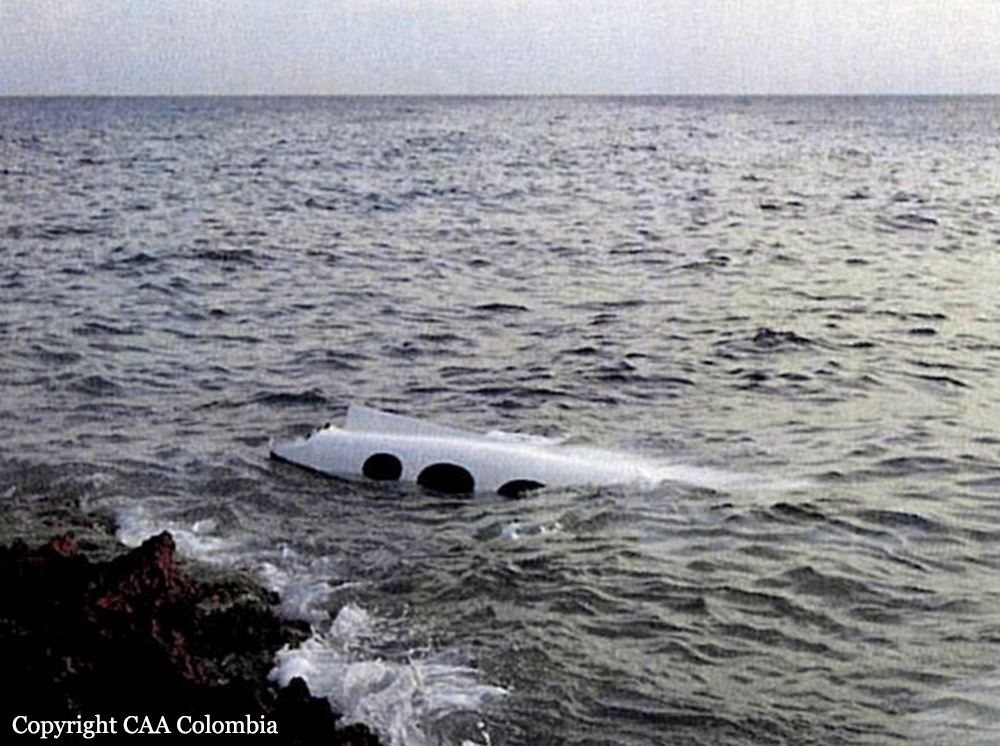
Crash of a Cessna 414 Chancellor in Rocksprings: 2 killed

Date & Time: Feb 9, 2007 at 1715 LT
Type of aircraft:
Operator:
Registration:
N69845
Survivors:
No
Schedule:
Houston – Rocksprings
MSN:
414-0637
YOM:
1975
Crew on board:
1
Crew fatalities:
Pax on board:
1
Pax fatalities:
Other fatalities:
Total fatalities:
2
Captain / Total flying hours:
2212
Aircraft flight hours:
5466
Circumstances:
The 2,212-hour instrument rated commercial pilot collided with terrain while circling to land after completing an instrument approach to an uncontrolled non-towered airport. The airport had two instrument approaches to Runway 14; a VOR and a RNAV(GPS). The published minimums for a circling approach to Runway 32 are a 500 foot ceiling and one mile visibility (VOR14) and a 700 foot ceiling and one mile visibility for RNAV(GPS) to Runway 14. The weather at the airport at the time of the accident was reported as 300 overcast, visibility of 3/4 of a mile in mist, with winds from 020 degrees at 10 knots gusting to 14 knots. Two witnesses reported that the airplane circled over the airport and then descended straight to the ground. Radar data revealed that after the airplane made the instrument approach to Runway 14, at approximately 2,800 feet mean sea level (msl), the airplane initiated a circling turn to the left and a slight descent. The last radar hit showed the airplane at 2,600 feet at a groundspeed of 186 knots. A post impact fire consumed some of the airframe. The pilot's logbooks were not located during the course of the investigation and his instrument experience and currency could not be determined. The pilot was reported to be very familiar with the airport and the 2 instrument approaches. A detailed examination of the wreckage of the airplane failed to reveal any anomalies with the airframe, structure, or systems. Flight control continuity was established at the accident site. The engines were examined, and no mechanical anomalies were found. The propellers were shipped to the manufacturer's facility for examination and teardown. Both propellers were rotating at the time of ground impact. Neither of the two propellers was found in the feathered position. Blade damage was consistent with both propellers operating under power at the time of impact. No mechanical defects were noted with either propeller.
Probable cause:
The pilot's failure to maintain clearance with terrain. Contributing factors were the below approach/landing minimums weather and the drizzle/mist weather conditions.
Final Report:
Crash of a Cessna 414 Chancellor in Johnstown: 2 killed

Date & Time: Dec 26, 2006 at 1555 LT
Type of aircraft:
Operator:
Registration:
N400CS
Flight Type:
Survivors:
No
Schedule:
Morgantown - Teterboro
MSN:
414-0613
Crew on board:
2
Crew fatalities:
Pax on board:
0
Pax fatalities:
Other fatalities:
Total fatalities:
2
Captain / Total flying hours:
3547
Aircraft flight hours:
5904
Circumstances:
The airplane encountered in-flight icing, and the pilot diverted to an airport to attempt to knock the ice off at a lower altitude. During the instrument approach, the pilot advised the tower controller of the ice, and that it depended on whether or not the ice came off the airplane if she would land. As the airplane broke out of the clouds, it appeared to tower personnel to be executing a missed approach; however, it suddenly "dove" for the runway. The tower supervisor noticed that the landing gear were not down, and at 75 to 100 feet above the runway, advised the pilot to go around. The airplane continued to descend, and by the time it impacted the runway, the landing gear were only partially extended, and the propellers and airframe impacted the pavement. The pilot then attempted to abort the landing. The damaged airplane became airborne, climbed to the right, stalled, and nosed straight down into the ground.
Probable cause:
The pilot's improper decision to abort the landing with a damaged airplane. Contributing to the accident were the damage from the airplane's impact with the runway, the pilot's failure to lower the landing gear prior to the landing attempt, and the in-flight icing conditions.
Final Report: