Zone

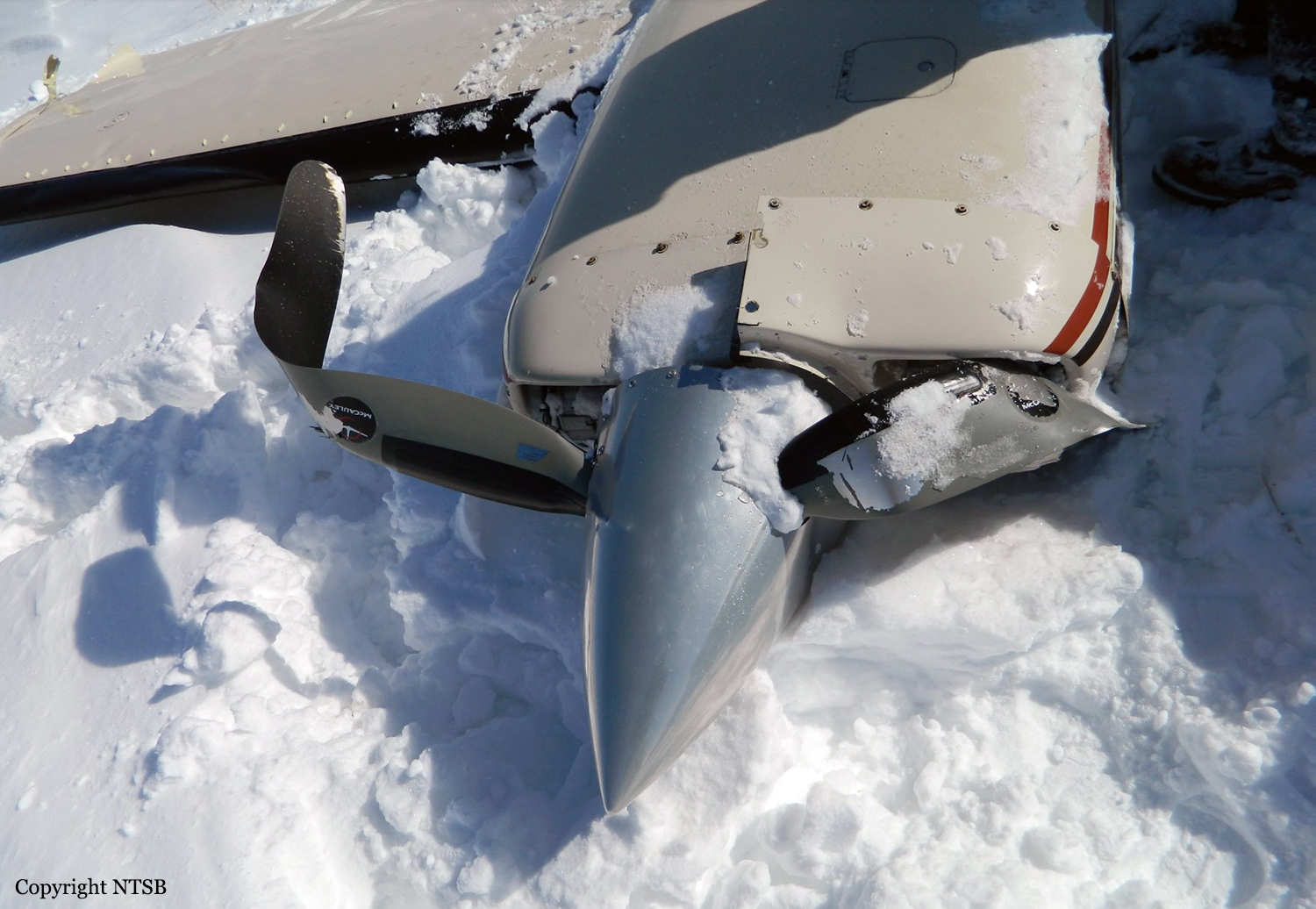
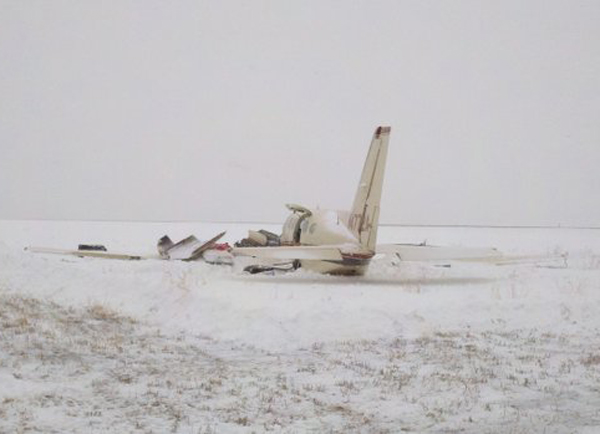
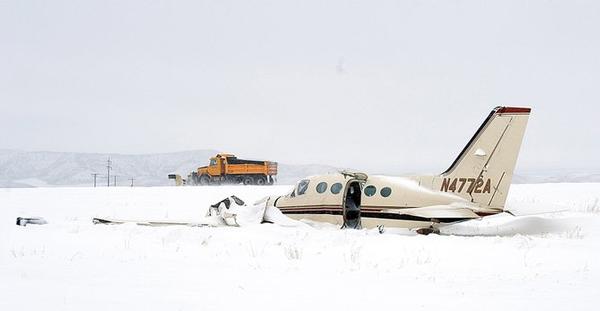
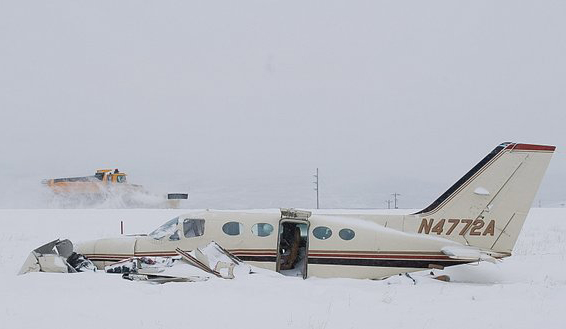
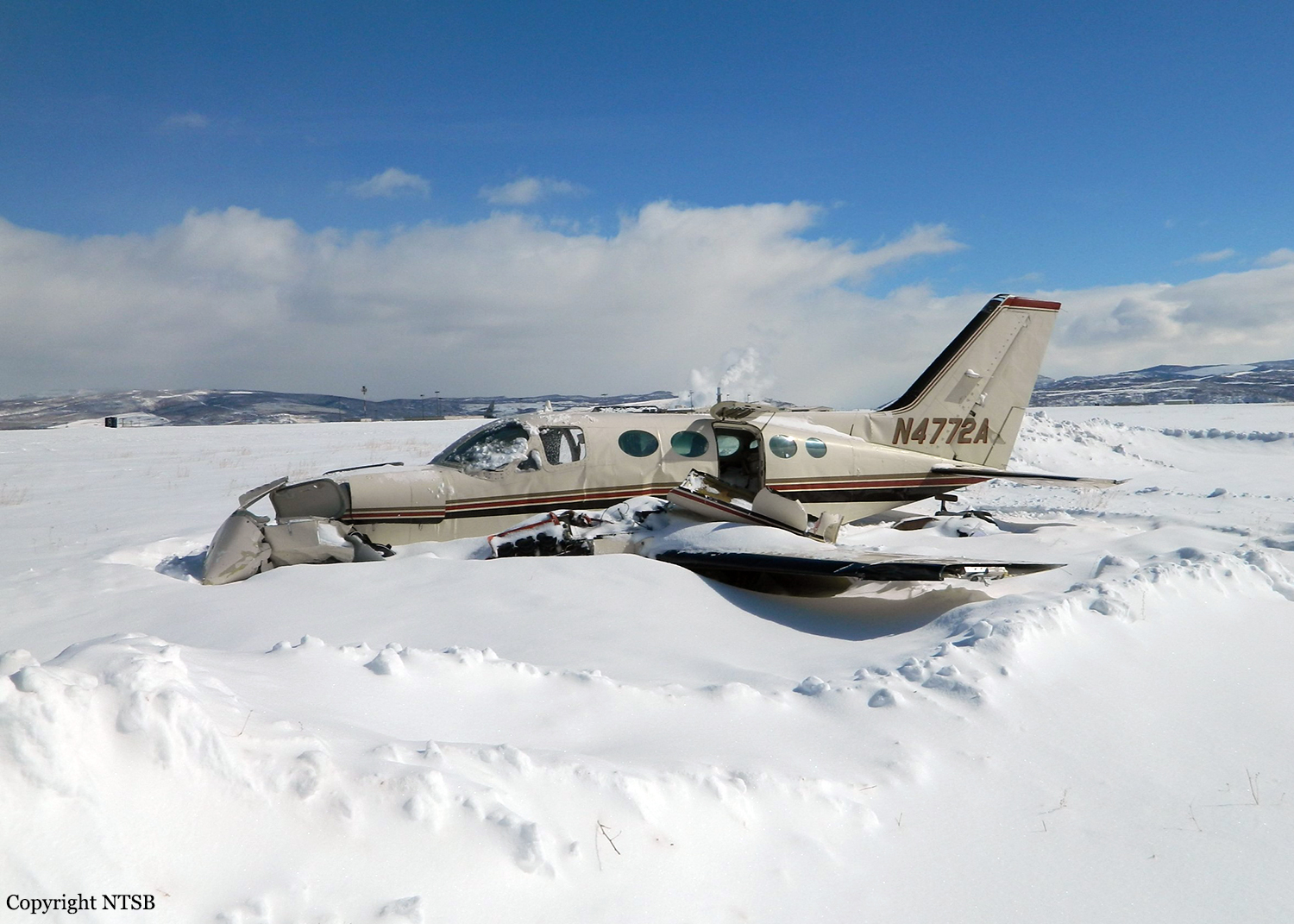
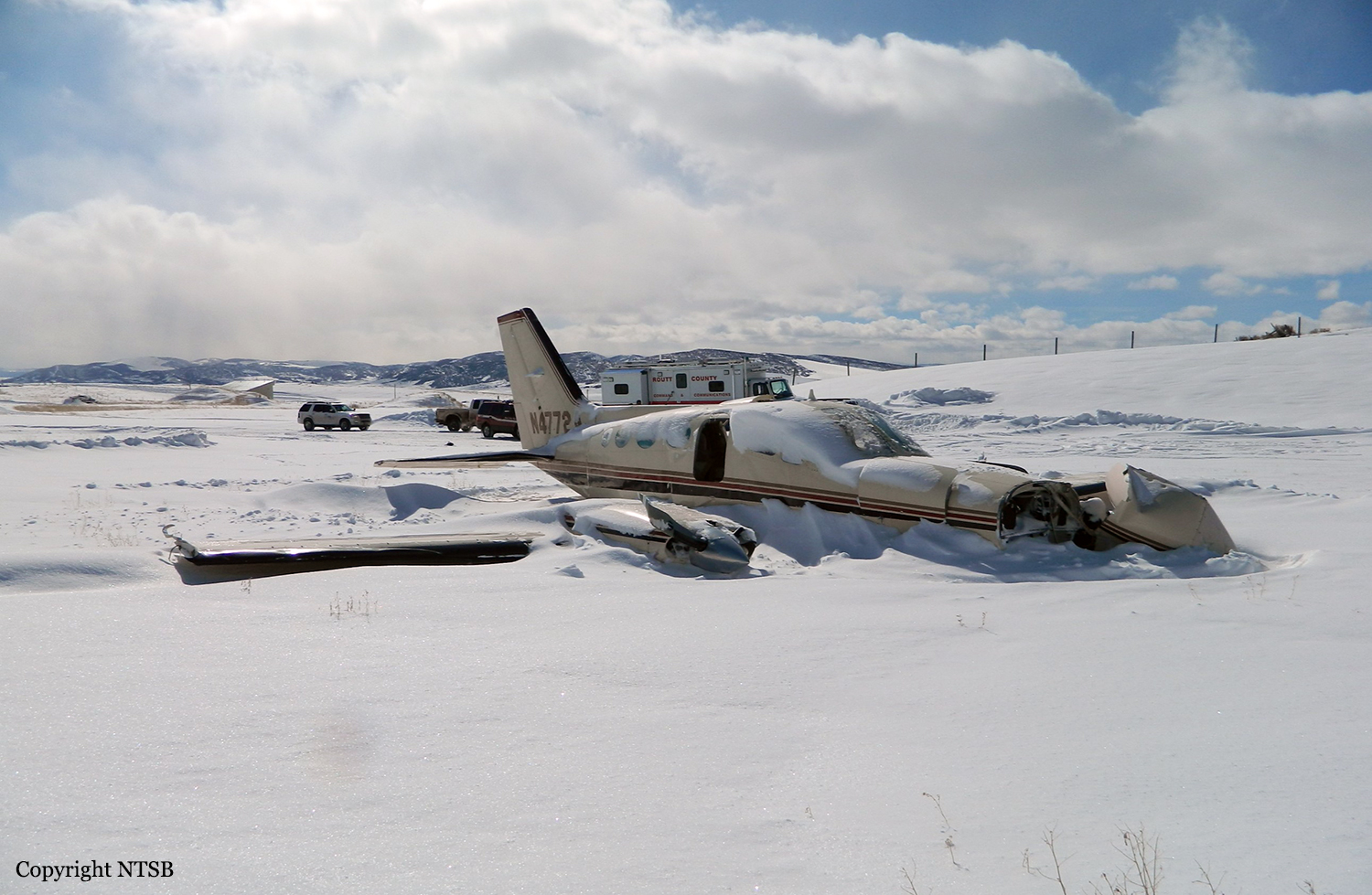
Crash of a Cessna 414A Chancellor in Hayden: 2 killed

Date & Time: Feb 19, 2012 at 1525 LT
Type of aircraft:
Registration:
N4772A
Flight Type:
Survivors:
Yes
Schedule:
Dalhart - Hayden
MSN:
414-0095
YOM:
1978
Crew on board:
1
Crew fatalities:
Pax on board:
5
Pax fatalities:
Other fatalities:
Total fatalities:
2
Circumstances:
The pilot performed an instrument approach to the runway with an approaching winter storm. A review of on-board global positioning system (GPS) data indicated that the airplane flew through the approach course several times during the approach and was consistently below the glideslope path. The airplane continued below the published decision height altitude and drifted to the right of the runway’s extended centerline. The GPS recorded the pilot’s attempt to perform a missed approach, a rapid decrease in ground speed, and then the airplane descend to the ground, consistent with an aerodynamic stall. Further, the airplane owner, who was also a passenger on the flight, stated that, after the pilot made the two “left turning circles” and had begun a third circle, he perceived that the airplane “just stalled.” An examination of the airframe and engine did not detect any preimpact anomalies that would have precluded normal operation. The airplane’s anti-ice and propeller anti-ice switches were found in the “off” position. A review of weather information revealed that the airplane was operating in an area with the potential for moderate icing and snow. Based on the GPS data and weather information, it is likely that the airframe collected ice during the descent and approach, which affected the airplane’s performance and led to an aerodynamic stall during the climb.
Probable cause:
The pilot’s inadvertent stall during a missed approach. Contributing to the accident was the pilot’s operation of the airplane in forecasted icing conditions without using all of its anti-ice systems.
Final Report:
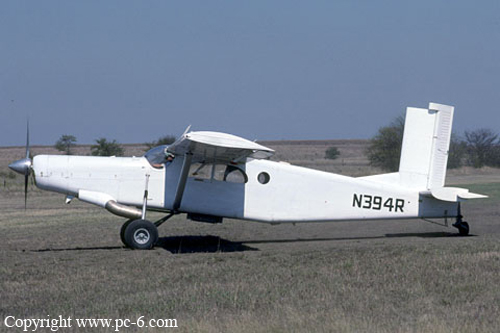
Crash of a Pilatus PC-6/C-H2 Turbo Porter in Vigo Park

Date & Time: Aug 28, 2003 at 1700 LT
Operator:
Registration:
N394R
Flight Phase:
Flight Type:
Survivors:
Yes
Schedule:
Bishop - Dalhart
MSN:
599
YOM:
1966
Location:
Crew on board:
1
Crew fatalities:
Pax on board:
0
Pax fatalities:
Other fatalities:
Total fatalities:
0
Captain / Total flying hours:
33000
Captain / Total hours on type:
10004.00
Aircraft flight hours:
15120
Circumstances:
During cruise flight, the 33,000-hour pilot stated that the airplane encountered "extreme clear air turbulence followed by three jolts in rapid succession." He "heard a loud pop as he jerked the throttle to the flight idle position." As the airspeed was slowing, the pilot attempted to add power. The "throttle would not move from the flight idle position and the propeller went into BETA." The airplane pitched downward as the pilot continued to try and "push the throttle lever forward." The airplane established "a rate of descent in excess of 10,000 feet per minute at a near vertical attitude." The pilot initiated an evacuation of the airplane and deployed his parachute (the pilot was wearing a sport parachute during the flight). Subsequently, the airplane impacted terrain. During a post accident examination, no mechanical anomalies were noted on the airframe, propeller, or engine that could have caused the accident. The reason for the loss of propeller pitch control could not be determined.
Probable cause:
The loss of propeller pitch control for undetermined reasons.
Final Report:

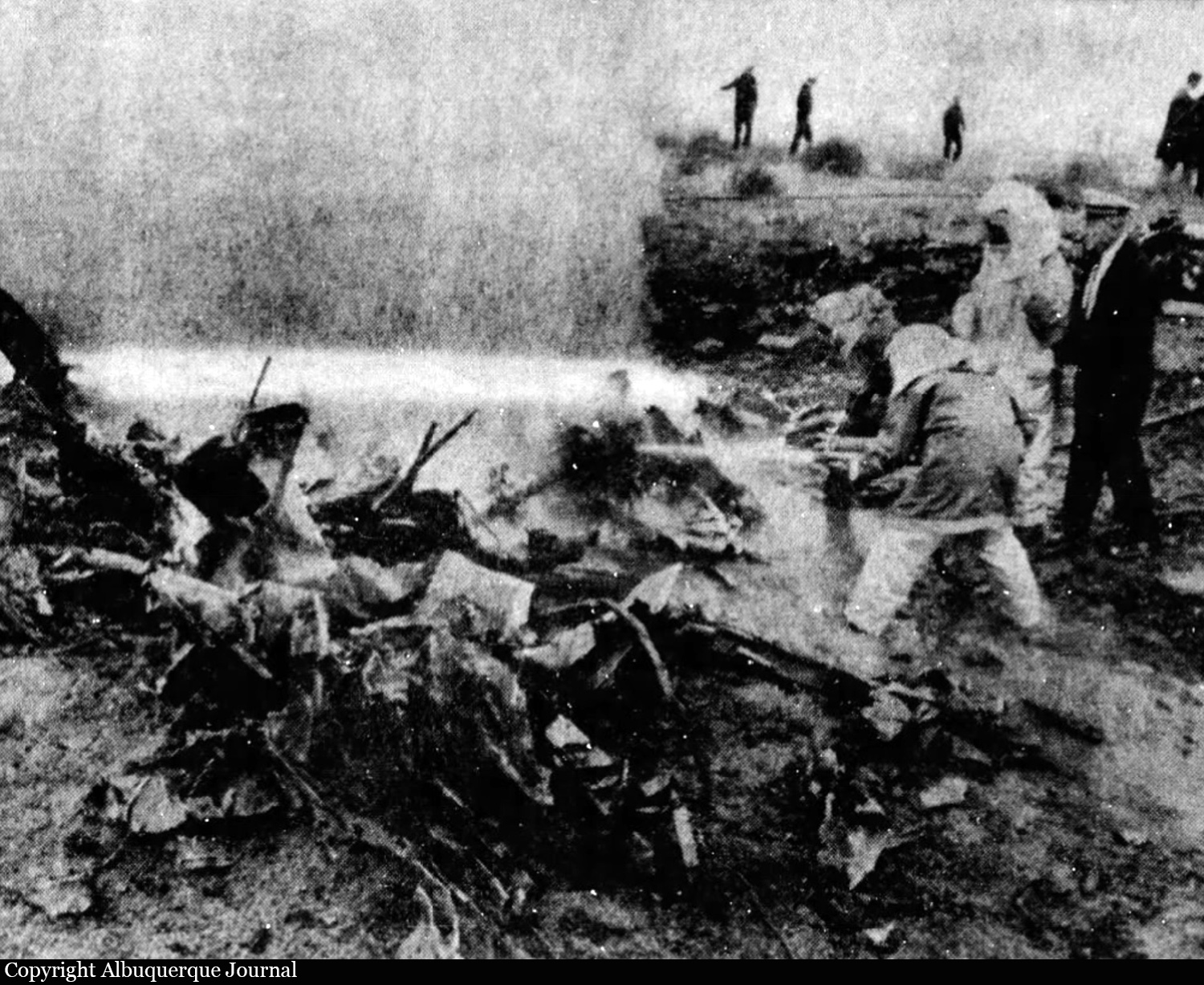
Crash of a Lockheed 18-08 LodeStar in Albuquerque: 11 killed

Date & Time: Dec 5, 1969 at 1500 LT
Type of aircraft:
Registration:
N410M
Flight Phase:
Flight Type:
Survivors:
No
Schedule:
Las Vegas - Dalhart
MSN:
2203
YOM:
1942
Crew on board:
2
Crew fatalities:
Pax on board:
9
Pax fatalities:
Other fatalities:
Total fatalities:
11
Captain / Total flying hours:
8030
Captain / Total hours on type:
30.00
Circumstances:
En route from Las Vegas to Dalhart, Texas, the crew encountered poor weather conditions with icing and turbulences. The VFR rated pilot preferred to continue in such conditions when few minutes later, a structural failure occurred on the left wing that detached. Out of control, the airplane dove into the ground and crashed in a huge explosion in an open field. All 11 occupants were killed.
Probable cause:
Airframe failure in flight and uncontrolled descent caused by the combination of the following factors:
- The pilot-in-command attempted operation with known deficiencies in equipment,
- The pilot-in-command continued VFR flight into adverse weather conditions,
- The pilot-in-command exceeded designed stress limits of aircraft,
- Overload failure of airframe, wings spars,
- Separation in flight,
- Icing conditions, including sleet and freezing rain,
- Airframe ice,
- The left wing failed and separated in flight,
- The pilot type rated for VFR flight only,
- The aircraft was not fitted with de-icing equipment.
Final Report:

Crash of a Douglas C-47-DL near Dalhart: 2 killed

Date & Time: Feb 10, 1943
Operator:
Registration:
41-18430
Flight Phase:
Flight Type:
Survivors:
No
MSN:
4492
YOM:
1942
Location:
Crew on board:
2
Crew fatalities:
Pax on board:
0
Pax fatalities:
Other fatalities:
Total fatalities:
2
Circumstances:
Crashed in unknown circumstances in an isolated area located some 48 km south of Dalhart. Both pilots were killed.
Crew:
1st Lt Howard D. Bankston Jr.,
1st Lt Jules C. Burke.

Crash of a Cessna AT-17 Bobcat in Dalhart

Date & Time: Dec 23, 1942
Operator:
Registration:
42-281
Flight Type:
Survivors:
Yes
Location:
Crew on board:
0
Crew fatalities:
Pax on board:
0
Pax fatalities:
Other fatalities:
Total fatalities:
0
Circumstances:
The airplane crashed on landing at Dalhart Airport and was damaged beyond repair. There were no fatalities.