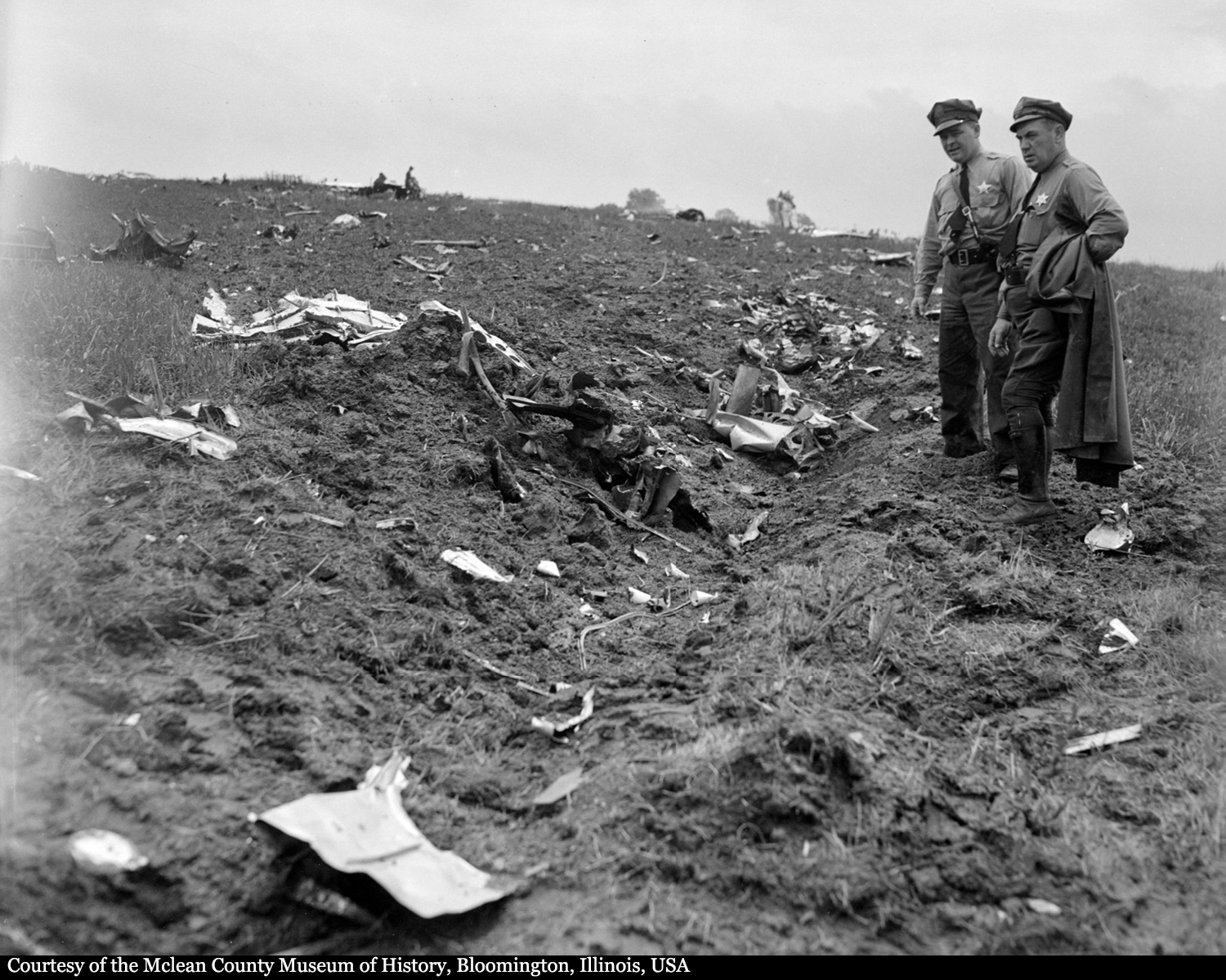
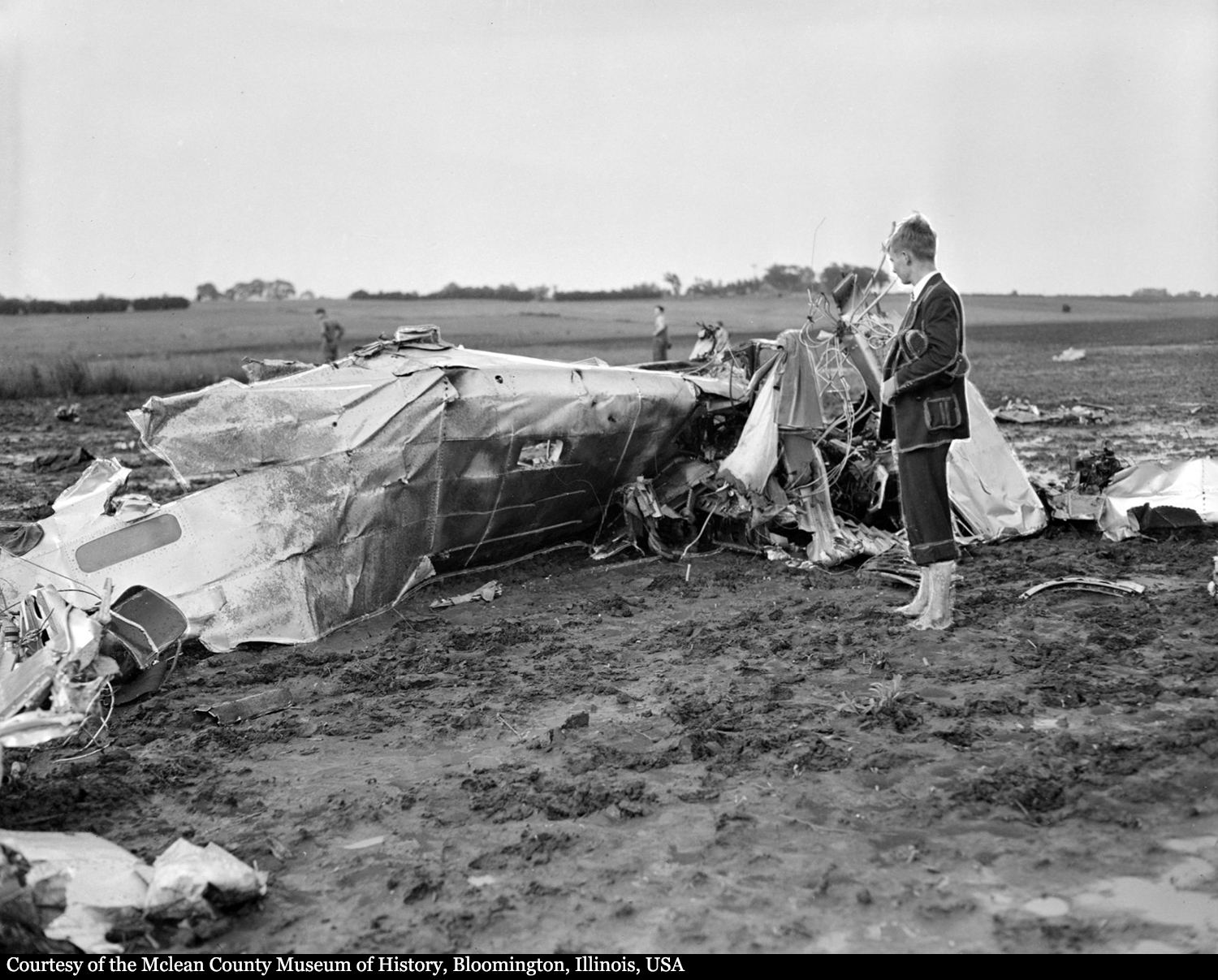
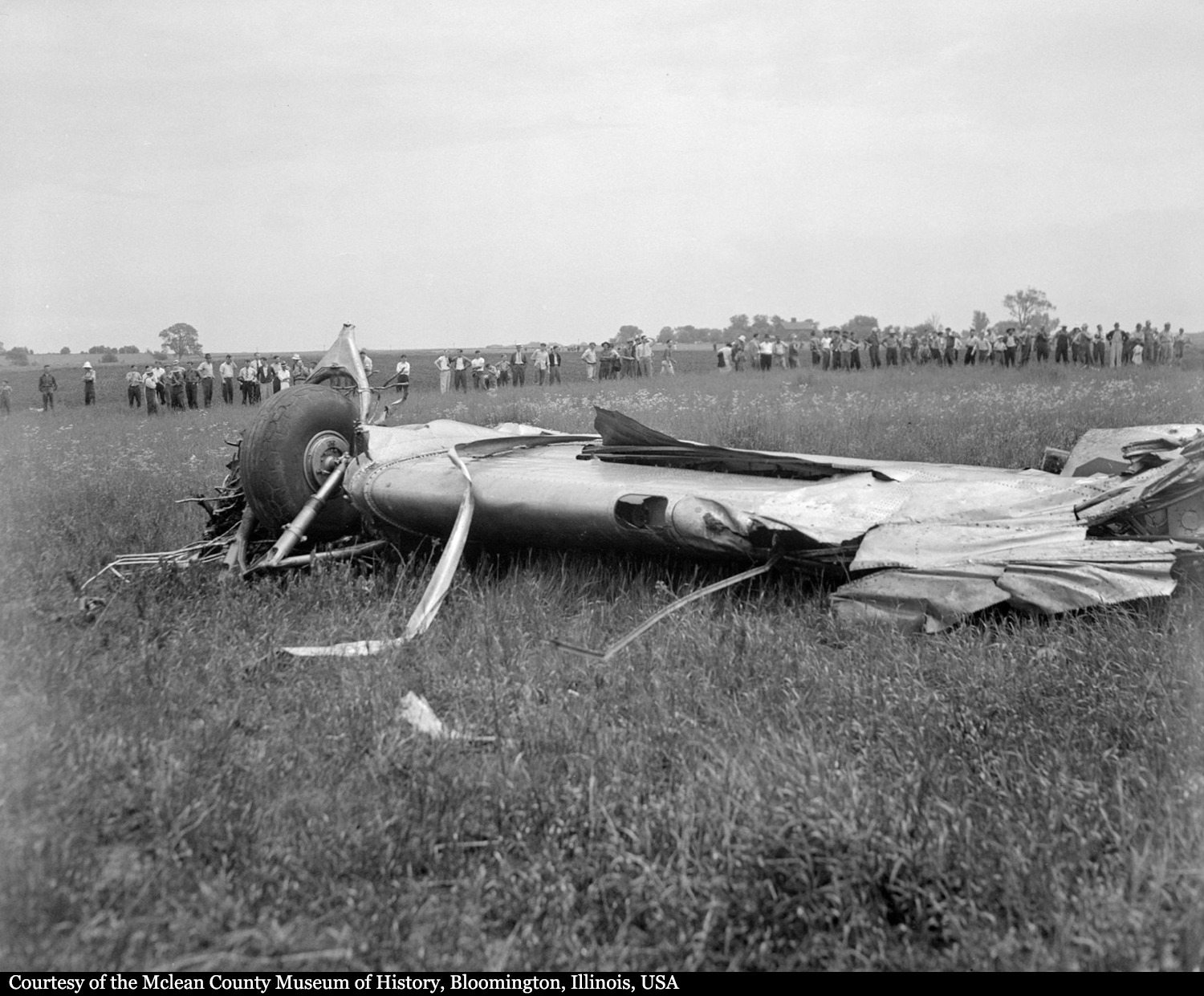
Crash of a North American B-25 Mitchell in Springfield

Date & Time: Jun 20, 1942
Operator:
Registration:
41-12684
Flight Phase:
Flight Type:
Survivors:
Yes
MSN:
82-5319
YOM:
1941
Crew on board:
0
Crew fatalities:
Pax on board:
0
Pax fatalities:
Other fatalities:
Total fatalities:
0
Circumstances:
The airplane crashed upon takeoff and was damaged beyond repair. There were no casualties.

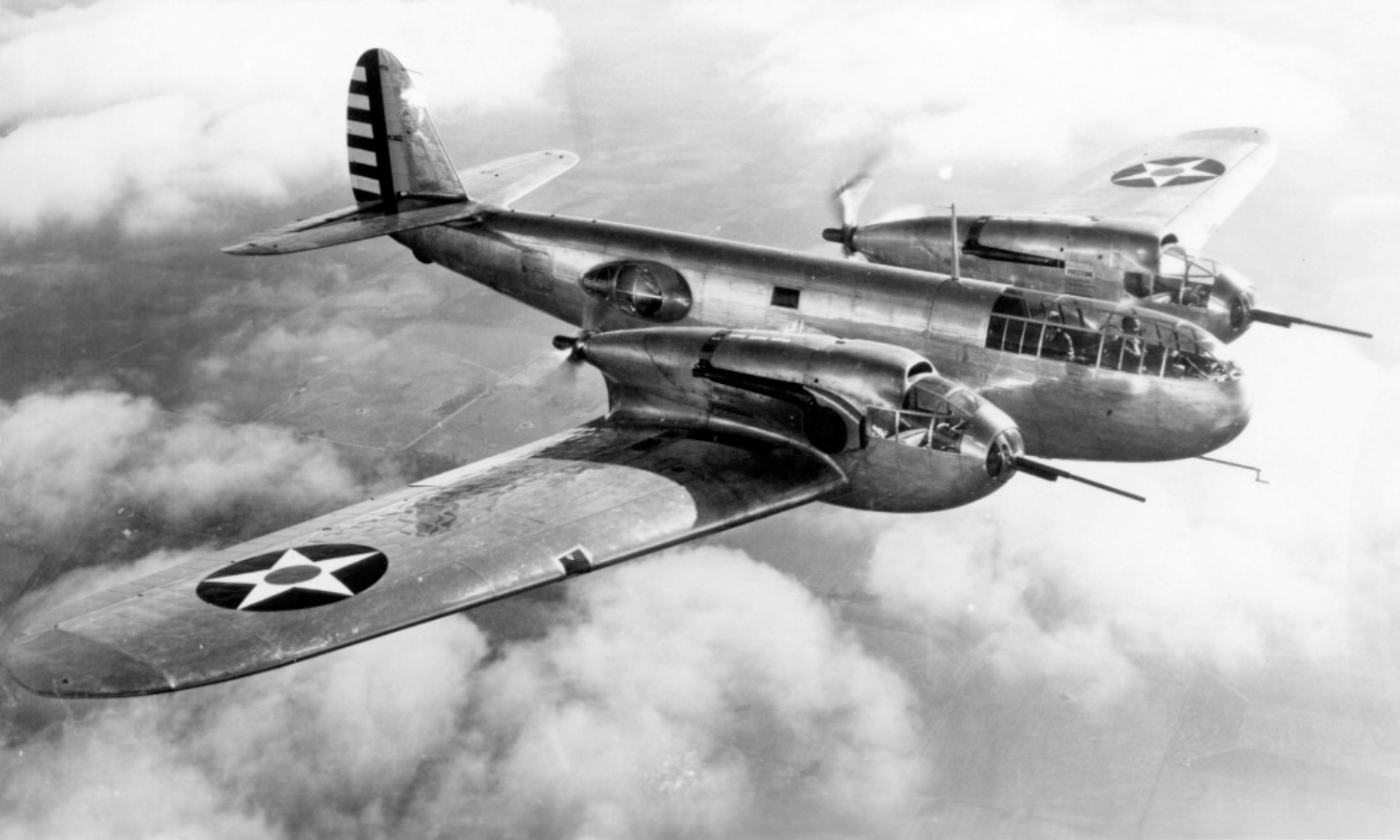
Crash of a Bell YFM-1A Airacuda in Dewey: 1 killed

Date & Time: Jan 22, 1942
Type of aircraft:
Operator:
Registration:
38-497
Flight Phase:
Flight Type:
Survivors:
Yes
Schedule:
Chanute - Keesler
Location:
Crew on board:
2
Crew fatalities:
Pax on board:
0
Pax fatalities:
Other fatalities:
Total fatalities:
1
Circumstances:
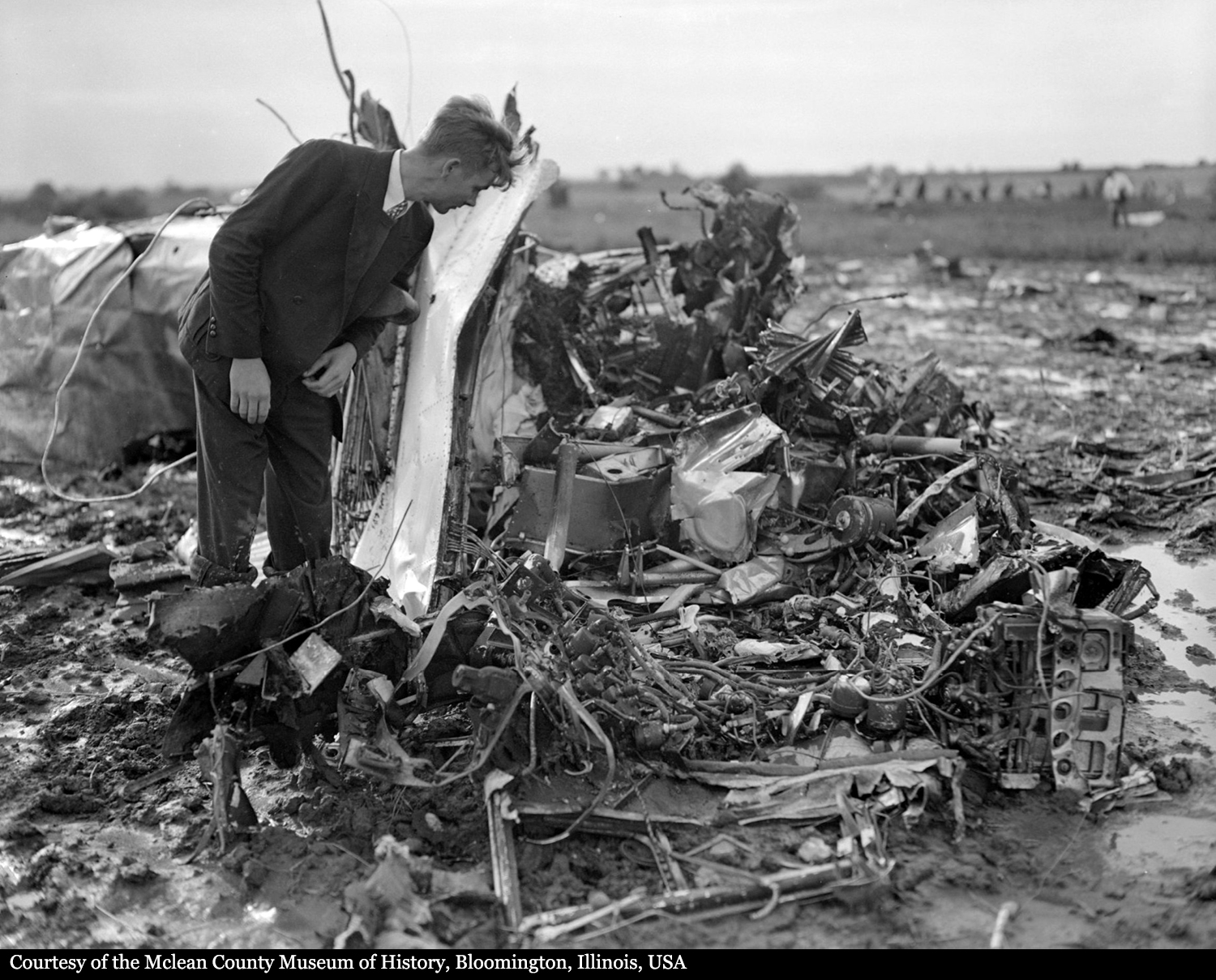
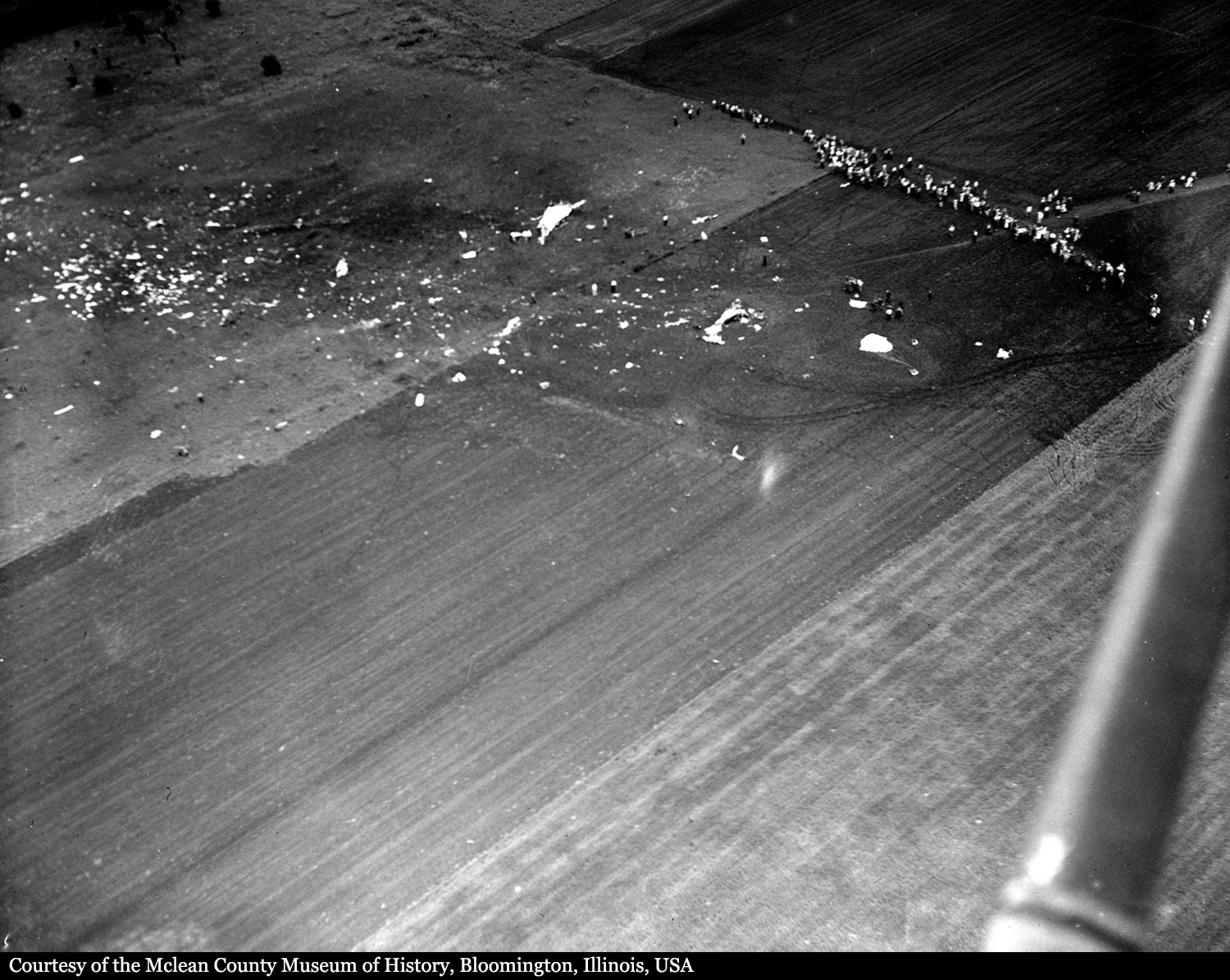
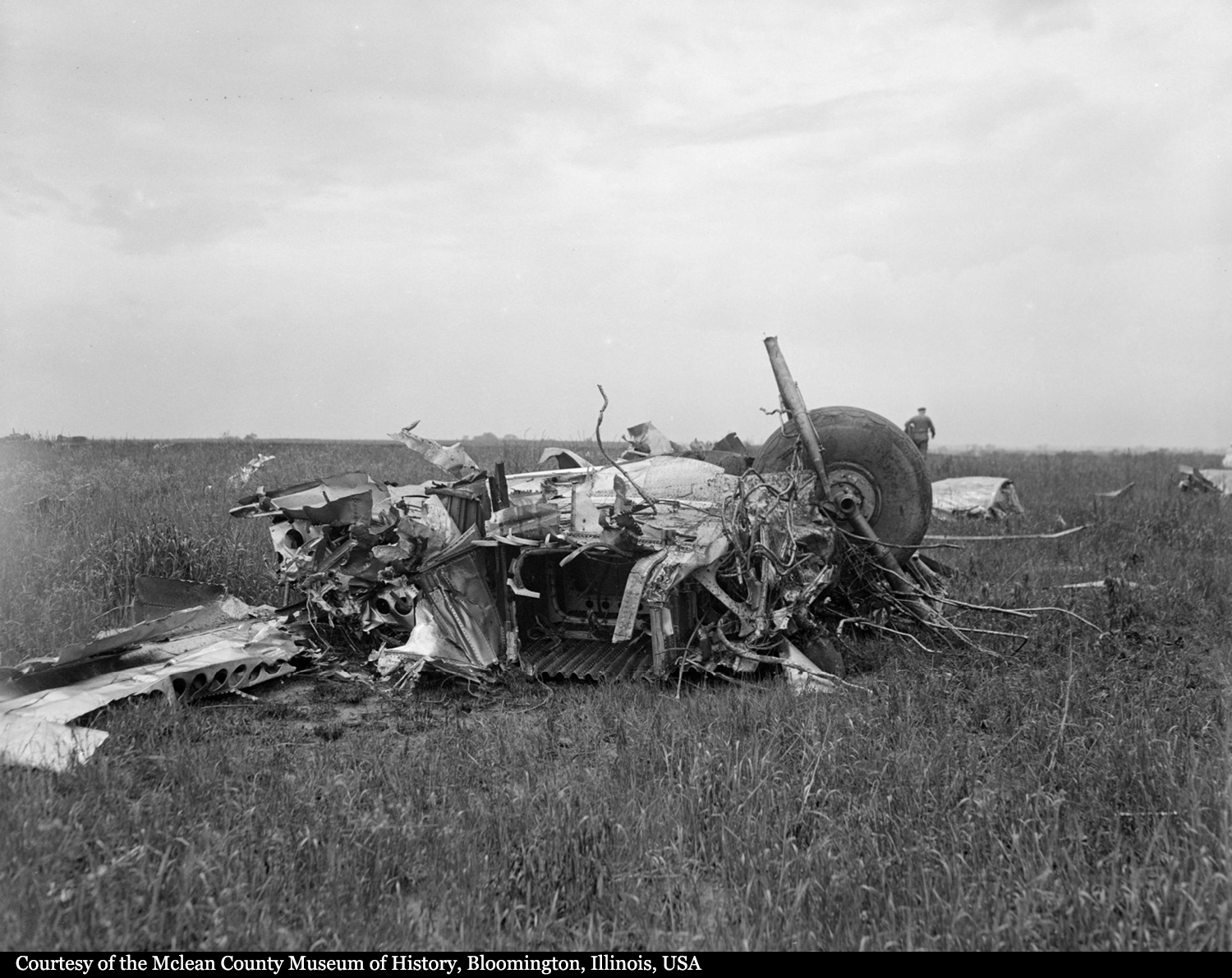
En route from Chanute AFB to Keesler AFB, the crew encountered technical problems and abandoned the airplane that crashed in an open field in Dewey, bursting into flames. The copilot was found uninjured while the pilot was killed after his parachute failed to open.
Crew (10th ABS):
1st Lt James Otis Read, pilot.
Probable cause:
An hydraulic broke out in flight, then a fire erupted.

Crash of a Martin B-10M at Scott AFB

Date & Time: Jun 7, 1941
Operator:
Registration:
34-58
Flight Type:
Survivors:
Yes
MSN:
589
YOM:
1934
Crew on board:
0
Crew fatalities:
Pax on board:
0
Pax fatalities:
Other fatalities:
Total fatalities:
0
Circumstances:
Crashed for unknown reasons upon landing at Scott AFB. There were no casualties.

Crash of a Douglas DC-3A-197C in Chicago-Midway: 10 killed

Date & Time: Dec 4, 1940 at 1748 LT
Type of aircraft:
Operator:
Registration:
NC25678
Survivors:
Yes
Schedule:
New York-La Guardia – Philadelphia – Allentown – Akron – Cleveland – Chicago
MSN:
2175
YOM:
1940
Flight number:
UA021
Crew on board:
3
Crew fatalities:
Pax on board:
13
Pax fatalities:
Other fatalities:
Total fatalities:
10
Captain / Total flying hours:
5000
Captain / Total hours on type:
1535.00
Copilot / Total flying hours:
1800
Copilot / Total hours on type:
700
Aircraft flight hours:
2456
Circumstances:
The airplane departed New York-LaGuardia Airport on a schedule service to Chicago with intermediate stops in Philadelphia, Allentown, Akron and Cleveland, carrying 13 passengers and a crew of three. While descending to Chicago-Midway Airport, the crew encountered marginal weather conditions with clouds and icing. On final approach, at an altitude of 160 feet, the aircraft stalled and crashed short of runway. All three crew members and seven passengers were killed.
Crew:
Philip Cramer Scott, pilot,
George Sumner Young, copilot,
Florence Little, stewardess.
Probable cause:
Upon the basis of the foregoing findings of fact and upon all the evidence available at this time, investigators find that the probable cause of the accident was the failure of the pilot to exercise that degree of caution and skill required to avert a stall while approaching for a landing on the short northwest runway. A substantial contributing factor to the accident was the error in judgment of captain in choosing that short runway for his landing.
Final Report:

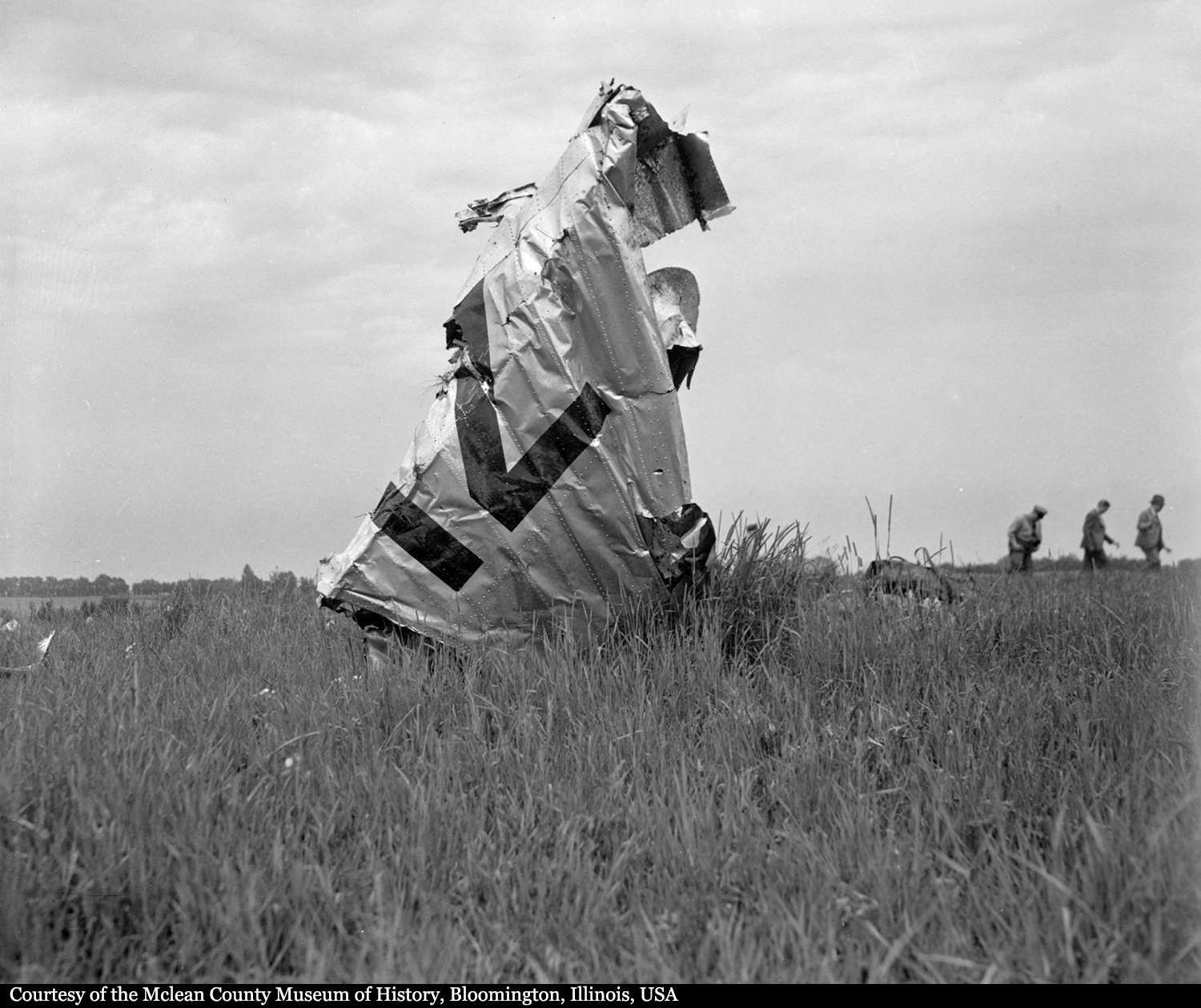
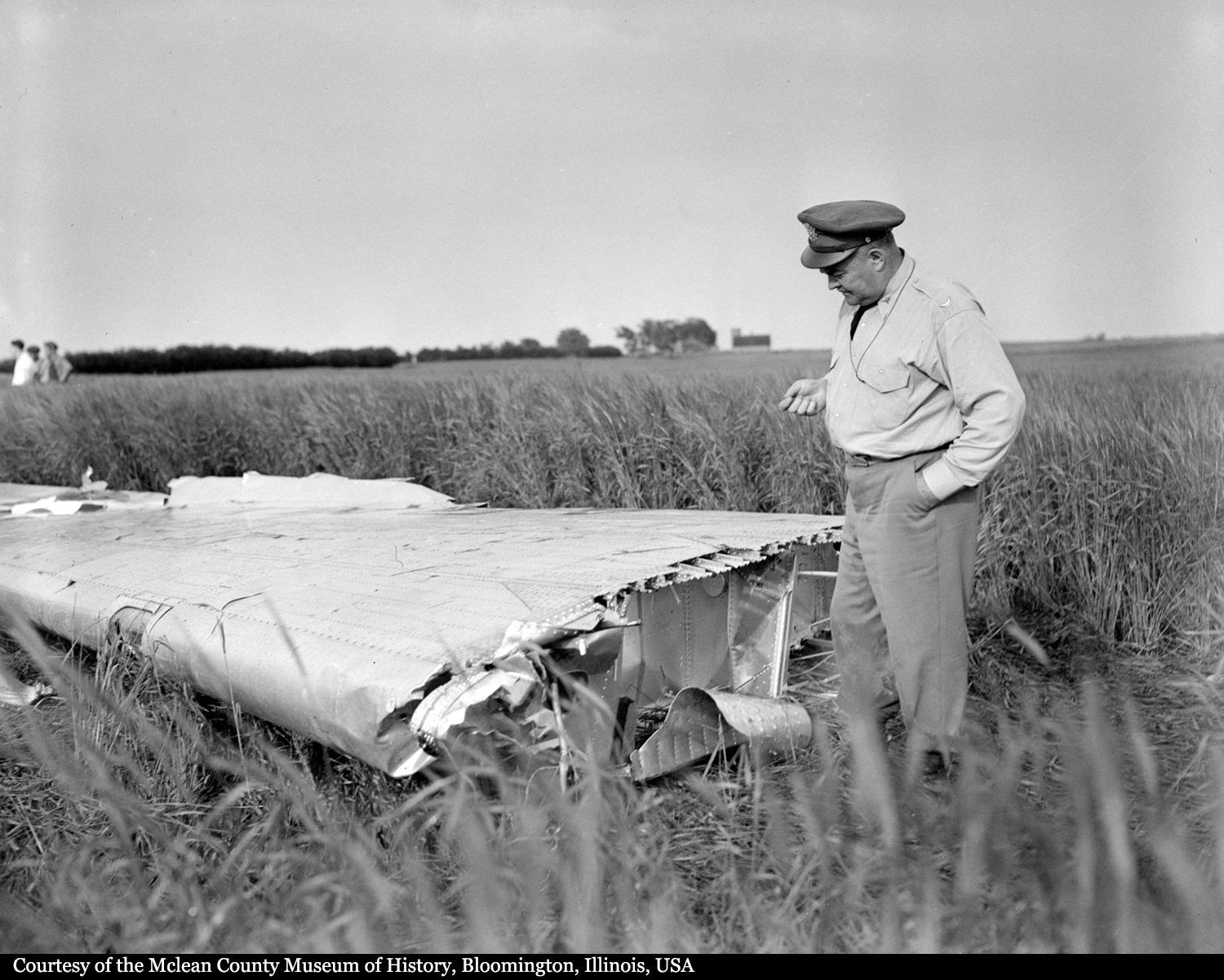
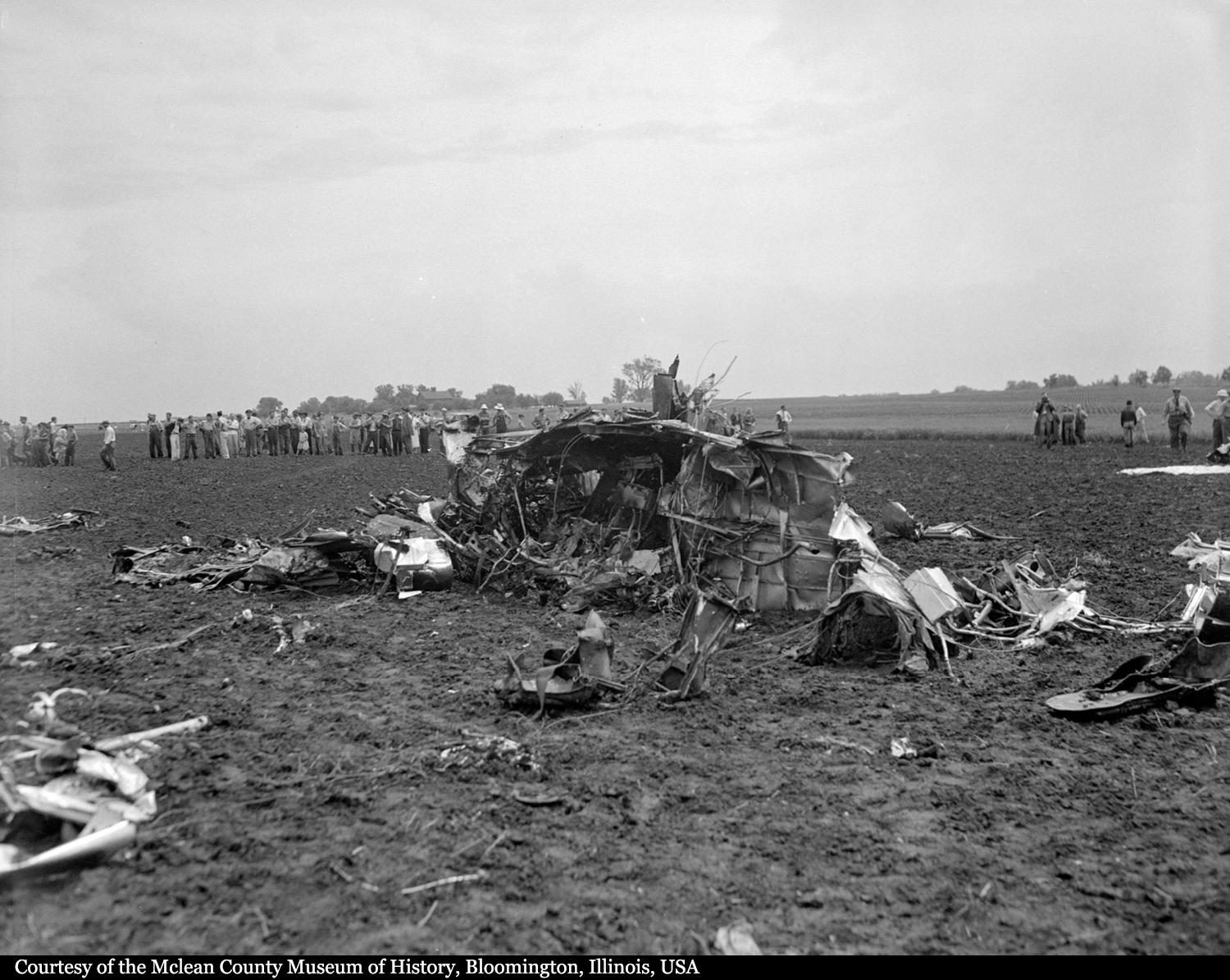
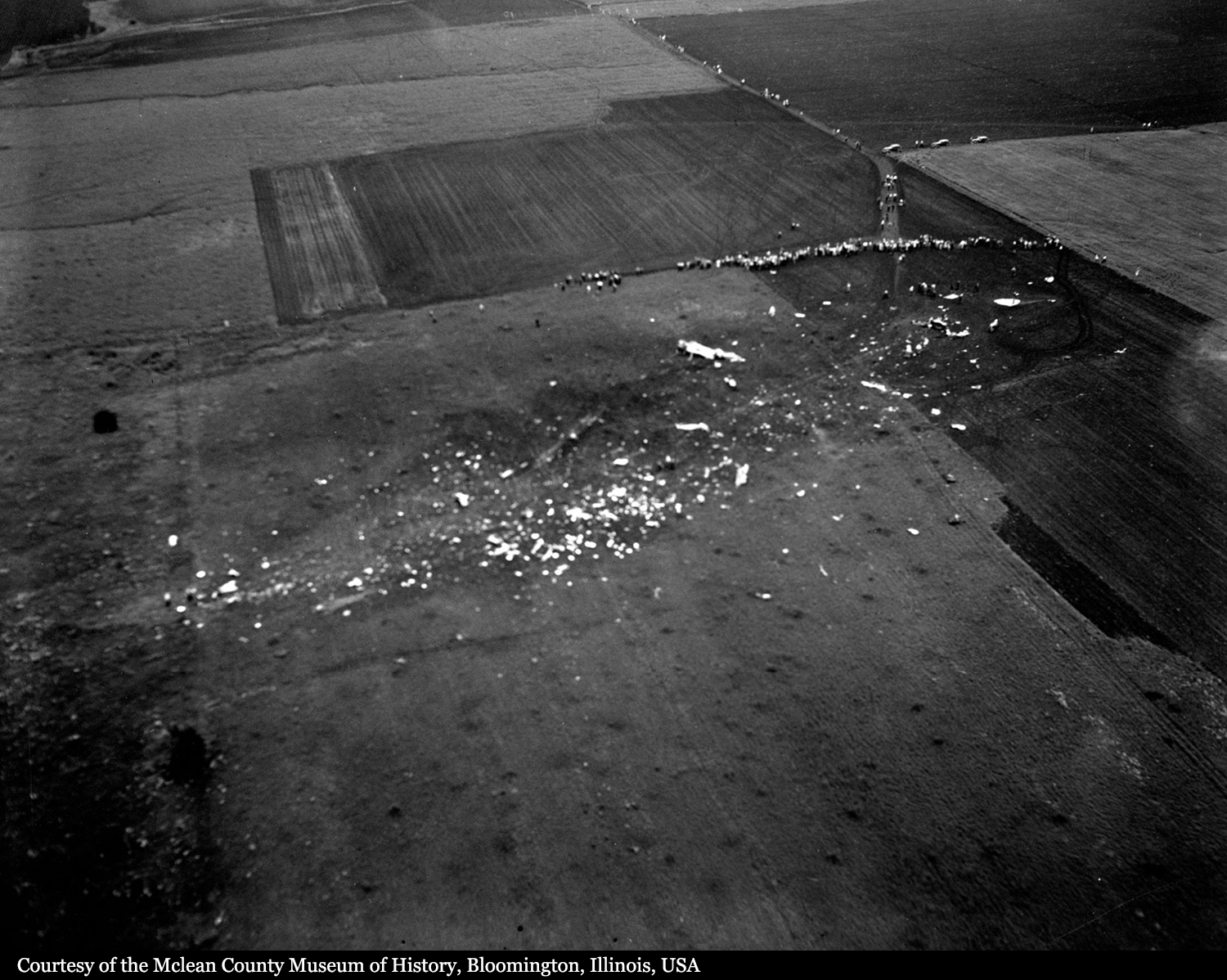
Crash of a Douglas B-18 Bolo near Delavan: 8 killed

Date & Time: Jun 10, 1938
Type of aircraft:
Operator:
Registration:
36-265
Flight Phase:
Flight Type:
Survivors:
No
Schedule:
Chanute - Lowry
MSN:
1653
YOM:
1936
Crew on board:
2
Crew fatalities:
Pax on board:
6
Pax fatalities:
Other fatalities:
Total fatalities:
8
Circumstances:
The twin engine airplane departed Chanute AFB (Rantoul, IL), on a flight to Lowry AFB, Denver, carrying six passengers and two pilots. En route, the crew encountered very bad weather conditions with thunderstorm activity and strong atmospheric turbulences. The airplane entered an uncontrolled descent and crashed in an open field located near Delavan. The aircraft was totally destroyed and all eight occupants were killed.
Crew:
1st Lt Norman H. Ives, pilot,
Pvt Max W. Myser,
Pvt George L. Huntsman +5.
Probable cause:
It is believed that the aircraft either was struck by lightning or disintegrated in the air due to severe atmospheric turbulences.

Crash of a Ford 4 in Belleville

Date & Time: May 29, 1937
Type of aircraft:
Registration:
NC8404
Flight Phase:
Flight Type:
Survivors:
Yes
MSN:
4-AT-066
YOM:
1929
Crew on board:
0
Crew fatalities:
Pax on board:
0
Pax fatalities:
Other fatalities:
Total fatalities:
0
Circumstances:
The three engine aircraft crashed in unknown circumstances in Belleville, Illinois. All occupants evacuated safely and while the aircraft was damaged beyond repair.

Crash of a Lockheed 5C Vega in Naperville: 4 killed

Date & Time: Sep 29, 1936
Type of aircraft:
Registration:
NC959Y
Flight Phase:
Flight Type:
Survivors:
No
Schedule:
Chicago - Chicago
MSN:
170
YOM:
1931
Crew on board:
1
Crew fatalities:
Pax on board:
3
Pax fatalities:
Other fatalities:
Total fatalities:
4
Circumstances:
The single engine airplane was taking part to an aerial photography of the streamline train 'Zephyr'. While flying at a height of 100 feet, the airplane went out of control and crashed. All four occupants were killed.
Crew:
Oscar Harold, pilot.
Passengers:
Wilma Schuster,
Howard Adams,
Ralph Biddy.

Crash of a Douglas DC-2-172 in Chicago

Date & Time: May 31, 1936 at 2104 LT
Type of aircraft:
Operator:
Registration:
NC14979
Survivors:
Yes
Schedule:
Newark – Chicago
MSN:
1409
YOM:
1935
Flight number:
TW009
Crew on board:
3
Crew fatalities:
Pax on board:
12
Pax fatalities:
Other fatalities:
Total fatalities:
0
Circumstances:
Difficulty was first encountered in the vicinity of Goshen, Indiana, approximately 100 miles from Chicago, when the oil pressure on the left engine raised to 90 lbs. and then gradually dropped to below 50 lbs. As the altitude at this time was about 3000 feet, the pilot climbed to 4000 feet on both engines and throttled the left engine back. He continued to climb on up to 4700 feet using the right engine alone. He advised Columbus of his trouble and was given the option of landing at South Bend, Indiana. He elected to proceed on to Chicago, his reasons for this being that direct radio communication with the South Bend airport was impossible and the lighting there was not as good as at Chicago. The flight continued until within the vicinity of Chicago Municipal Airport, with the right propeller in high pitch, the left engine stopped and the left gasoline valve shut off to save fuel. At this time, Pilot Smith requested and obtained clearance from the control tower to come into the field. He was granted the right of way over other aircraft. The surface wind over the airport was eight miles per hour. However, due to a recent thunderstorm, it was gusty and at an altitude of 2000 feet, increased to a velocity of 34 miles per hour. In approaching the airport at an elevation of about 2000 feet, using the right engine only, the wing flaps and undercarriage were lowered and the air-speed was reduced to about 80 miles per hour in preparation for landing. The winds above the airport were much stronger than the pilot had anticipated and it soon became apparent that the airplane was losing altitude too fast to reach the airport. The pilot attempted to correct this situation by use of the one engine. The effect was to turn the airplane to the left and, due to the reduced air-speed, full control movement proved ineffective against it. Before the speed of the airplane could be increased by Getting the flaps and undercarriage raised and the left engine started, it became evident that it would be impossible to reach the airport and the pilot attempted to head due south and land in an open area. The right wing struck a tree, causing the airplane to collide with a house and then strike the ground. While the aircraft was destroyed, all occupants were injured.
Probable cause:
It is the opinion of the Bureau of Air Commerce that the probable cause of this accident was poor judgment on the part of the pilot for not having started the left engine prior to his approach for a landing so that it could have been used in case of emergency and also for reducing the air-speed of the airplane below a safe minimum for single engine performance. Contributory causes were the indicated drop in oil pressure, cause undetermined, and the unexpected strong winds of unknown velocity to the pilot, which he encountered while landing.
Final Report:

Crash of a Stinson Model A in Chicago

Date & Time: May 26, 1936
Type of aircraft:
Operator:
Registration:
NC14141
Flight Phase:
Survivors:
Yes
Schedule:
Chicago – Detroit
MSN:
9100
YOM:
1934
Crew on board:
1
Crew fatalities:
Pax on board:
2
Pax fatalities:
Other fatalities:
Total fatalities:
0
Circumstances:
Shortly after takeoff from Chicago Airport, one of the engine caught fire. The pilot attempted an emergency landing when the aircraft crash landed in a field near the airport, bursting into flames. All three occupants evacuated safely while the aircraft was totally destroyed by fire.
Probable cause:
Engine fire shortly after takeoff.