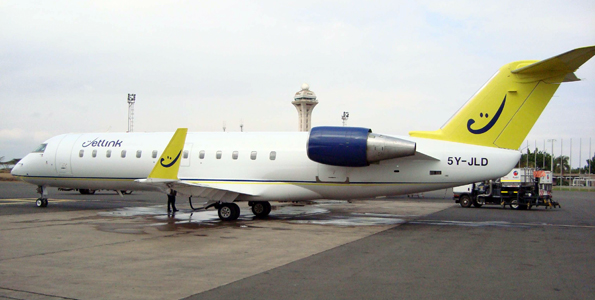
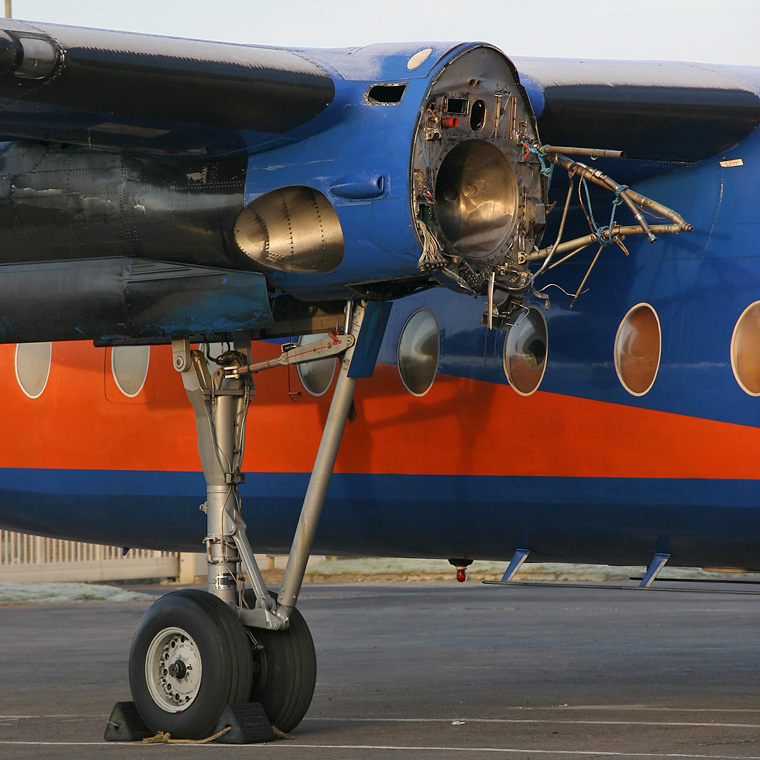
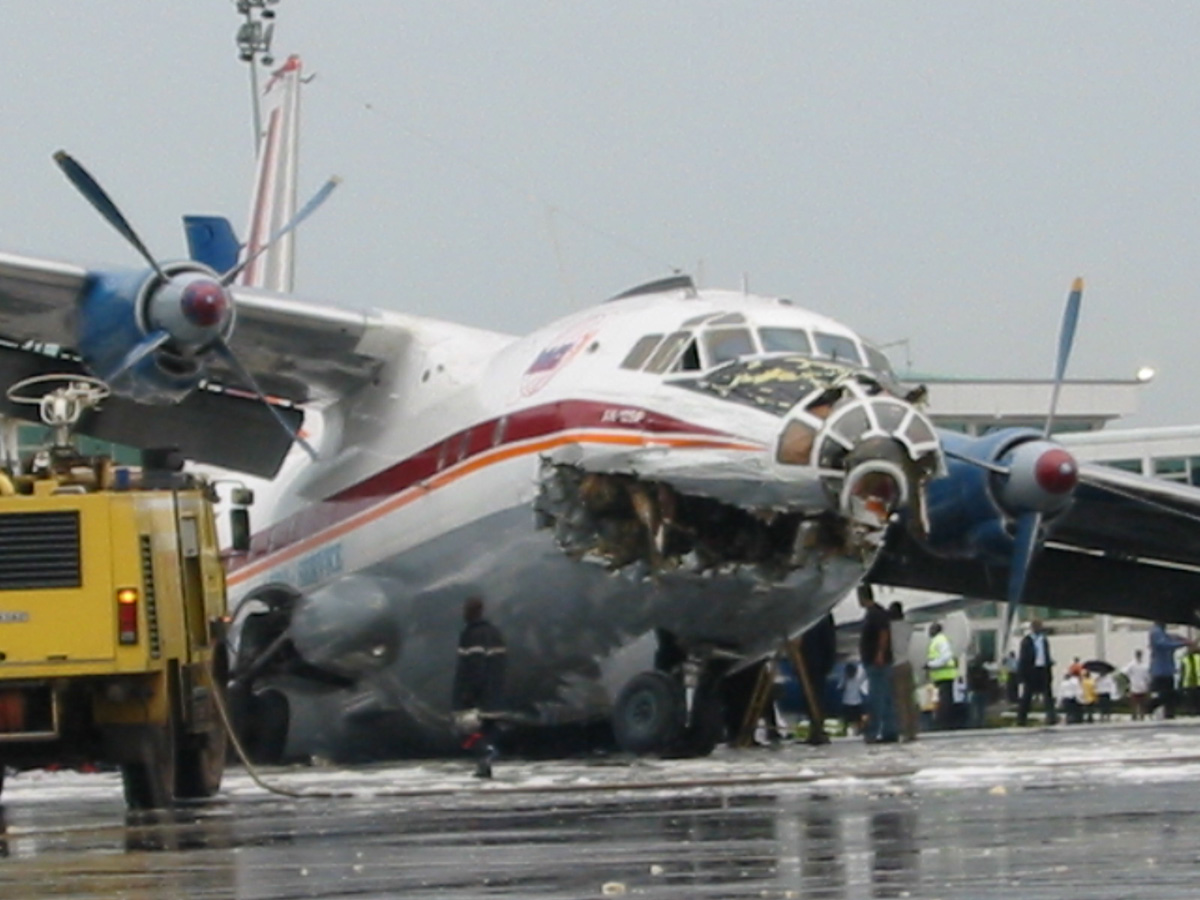
Crash of a Canadair RegionalJet CRJ-100ER in Kigali: 1 killed

Date & Time: Nov 12, 2009 at 1315 LT
Operator:
Registration:
5Y-JLD
Flight Phase:
Survivors:
Yes
Schedule:
Kigali - Entebbe
MSN:
7197
YOM:
1997
Flight number:
WB205
Country:
Region:
Crew on board:
4
Crew fatalities:
Pax on board:
11
Pax fatalities:
Other fatalities:
Total fatalities:
1
Captain / Total flying hours:
11478
Captain / Total hours on type:
1110.00
Copilot / Total flying hours:
1558
Copilot / Total hours on type:
533
Aircraft flight hours:
17140
Aircraft flight cycles:
17025
Circumstances:
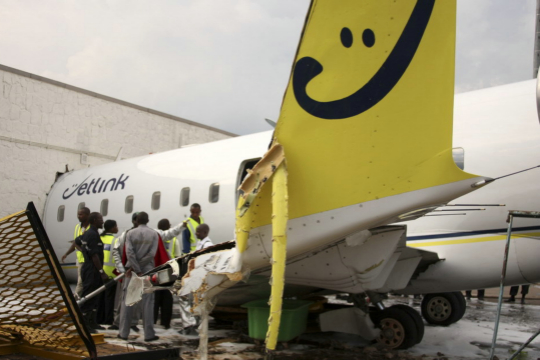
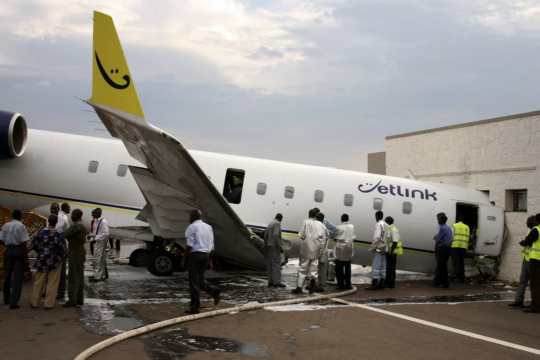
Shortly after takeoff, when the Copilot pulled back the thrust levers of both engines to the desired positions, the thrust lever on left engine could not move and the engine remained in full power. The Pilot in Command (PIC) then informed Air Traffic Controller (ATC) that the aircraft had a technical problem and requested to return to the airport. The crew managed to land safely with the Copilot and accompanying company maintenance engineer struggling to control the left engine which was on high power setting and the PIC controlling the aircraft using only the right hand engine. The aircraft taxied to parking bay number 4 with the left engine still in full power. The captain applied the parking brake and the aircraft stopped for a while and before putting on the chocks, the aircraft started moving forward at a high speed through the jet blast fence and crashed into Control Tower building. A passenger was killed, six people were injured, three seriously.
Probable cause:
The flight crew’s failure to identify corrective action and their lack of knowledge of applicable airplane and engine systems in response to a jammed thrust lever, which resulted in the number 1 engine operating at high power and the airplane configured in an unsafe condition that led to the need to apply heavy braking during landing. Also causal was the flightcrew failure to recognize the safety hazard that existed from overheated brakes and the potential consequence on the braking action needed to park the airplane. Contributing factors included the possible failure by maintenance crew to correctly stow the upper core cowl support strut after maintenance, Flight crew’s failure to follow standard operating procedures, the company’s failure to be availed to manufacturer safety literature on the subject, and the susceptibility of the cowl core support shaft to interfere with the throttle control mechanism when the core strut is not in its stowed position.
Final Report:

Ground accident of a Learjet 40 in Fort Worth

Date & Time: Jun 18, 2009
Type of aircraft:
Operator:
Registration:
N998AL
Flight Phase:
Flight Type:
Survivors:
Yes
MSN:
45-2029
YOM:
2005
Crew on board:
2
Crew fatalities:
Pax on board:
0
Pax fatalities:
Other fatalities:
Total fatalities:
0
Circumstances:
The Learjet 40 was being operated by two A&P mechanics for the purpose to taxi out for an engine test run on the n°1 engine. During taxi it was necessary to stop the aircraft for motor vehicle traffic. The mechanic advanced the throttles for taxi and to climb a 15 to 20 foot hill. When the mechanic attempted to reduce the throttles only the n° 2 engine could be retarded. The n°1 engine was at a high power setting and could not be reduced. The aircraft left 4 skid marks as the main tires were locked for approximately the length of a little more than a football field. The mechanics could not shut down the n°1 engine. Control of the aircraft was lost with the n°1 engine at a high power setting. The right wing impacted the corner of a hanger. The nose gear broke and an embankment stopped the aircraft. The mechanics were then able to shut down both engines and exited the aircraft with no injuries.

Probable cause:
The NTSB did not proceed to any investigation on this event.
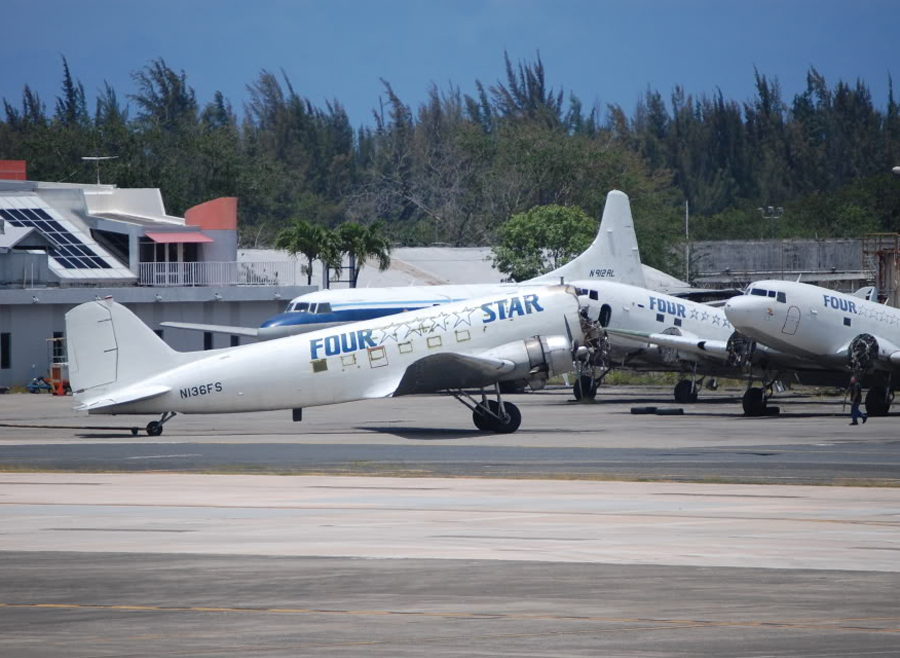
Ground fire of a Douglas DC-3C in San Juan

Date & Time: Apr 26, 2009 at 0428 LT
Type of aircraft:
Operator:
Registration:
N136FS
Flight Phase:
Flight Type:
Survivors:
Yes
Schedule:
San Juan - Charlotte Amalie
MSN:
10267
YOM:
1943
Country:
Crew on board:
2
Crew fatalities:
Pax on board:
2
Pax fatalities:
Other fatalities:
Total fatalities:
0
Captain / Total flying hours:
50233
Captain / Total hours on type:
7000.00
Copilot / Total flying hours:
957
Copilot / Total hours on type:
204
Aircraft flight hours:
19952
Circumstances:
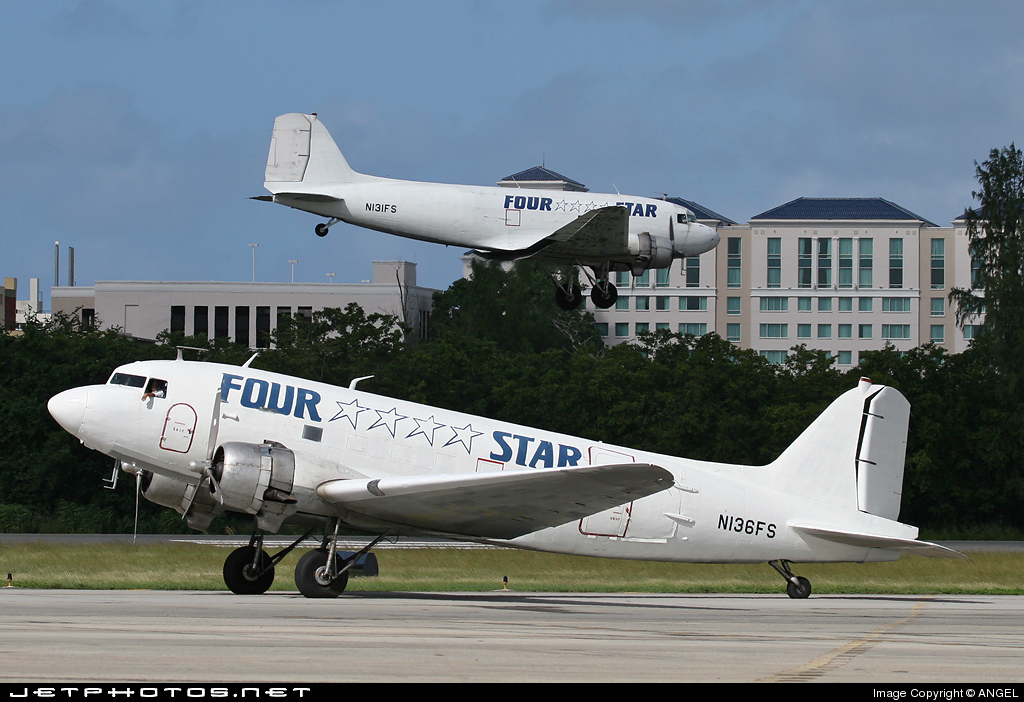
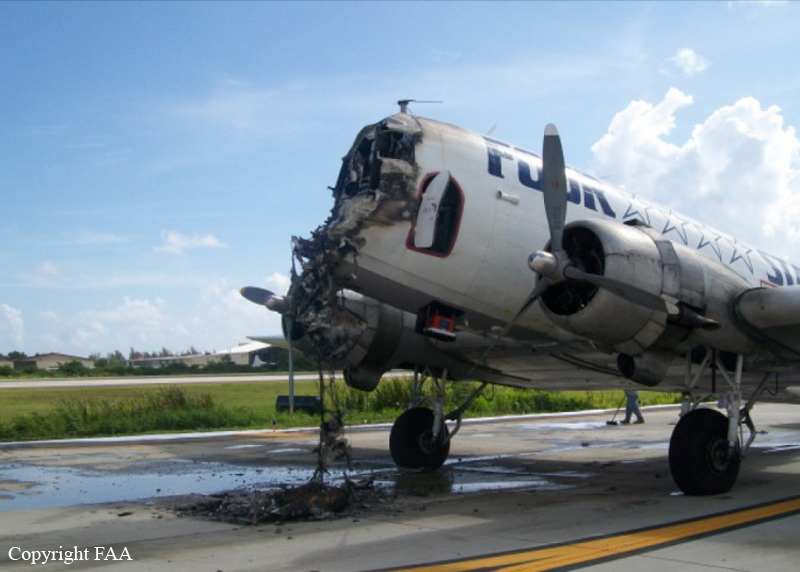
During taxi to a runway, the instrument panel and cockpit floor erupted in flames. Examination of the wreckage revealed that the majority of the wires contained inside the main junction box had very little damage except for two wires that had insulation missing. The damage appeared to be associated with the routing of the two wires. Both wires were connected to the battery relay and ran through wires in and around the exposed terminal studs. Heat damage was noted on the insulation of wires and other components that were in contact with the exposed wires. The wires ran from the battery relay to the forward section of the cockpit, where the fire started. Due to the fire damage that consumed the cockpit, the examination was unable to determine what system the wires were associated with. Further examination revealed that the fuel pressure was a direct indicating system. Fuel traveled directly to the instruments in the cockpit via rigid aluminum lines routed on the right lower side of the fuselage, where more severe fire damage was noted. Review of maintenance records did not reveal any evidence of the fuel pressure indicating system lines and hoses having ever been replaced; however, they were only required to be replaced on an as-needed basis. The electrical system, instrument lines, and hoses through the nose compartment were required to be inspected on a Phase D inspection; the airplane's last Phase D inspection was completed about 9 months prior to the accident and the airplane had accrued 313.1 hours of operation since that inspection.
Probable cause:
Worn electrical wires and a fuel pressure indicating system hose, which resulted in a ground fire during taxi.
Final Report:

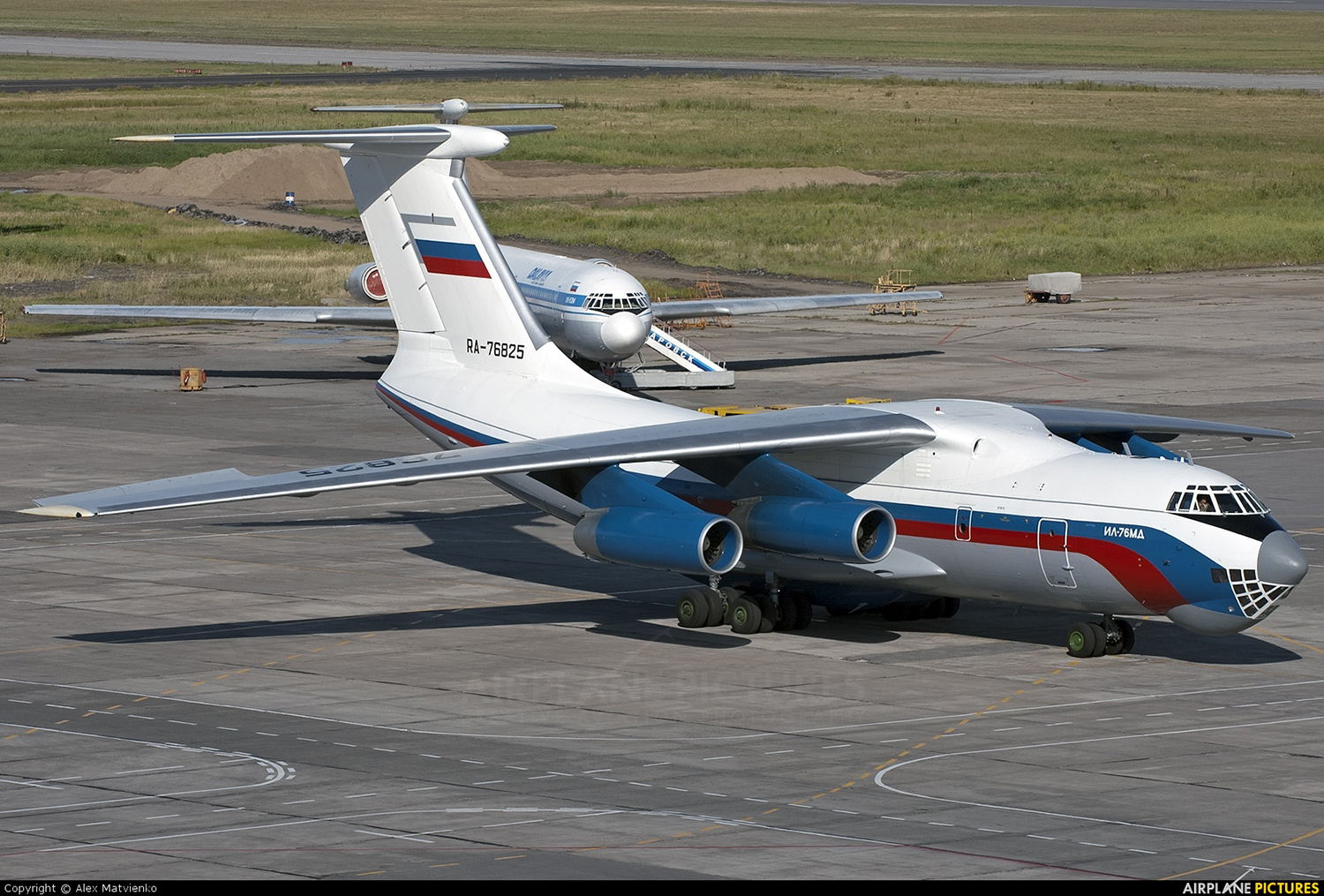
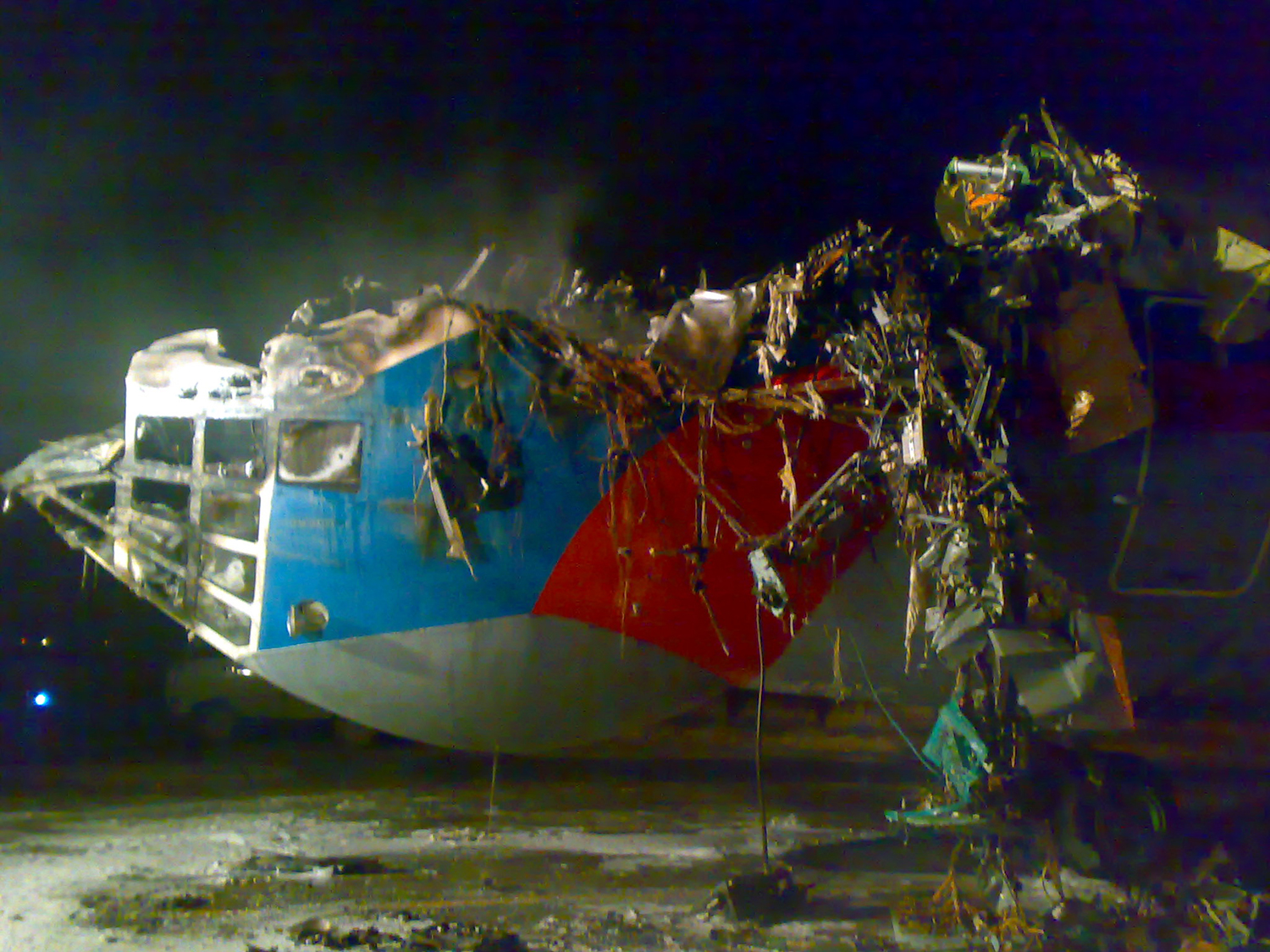
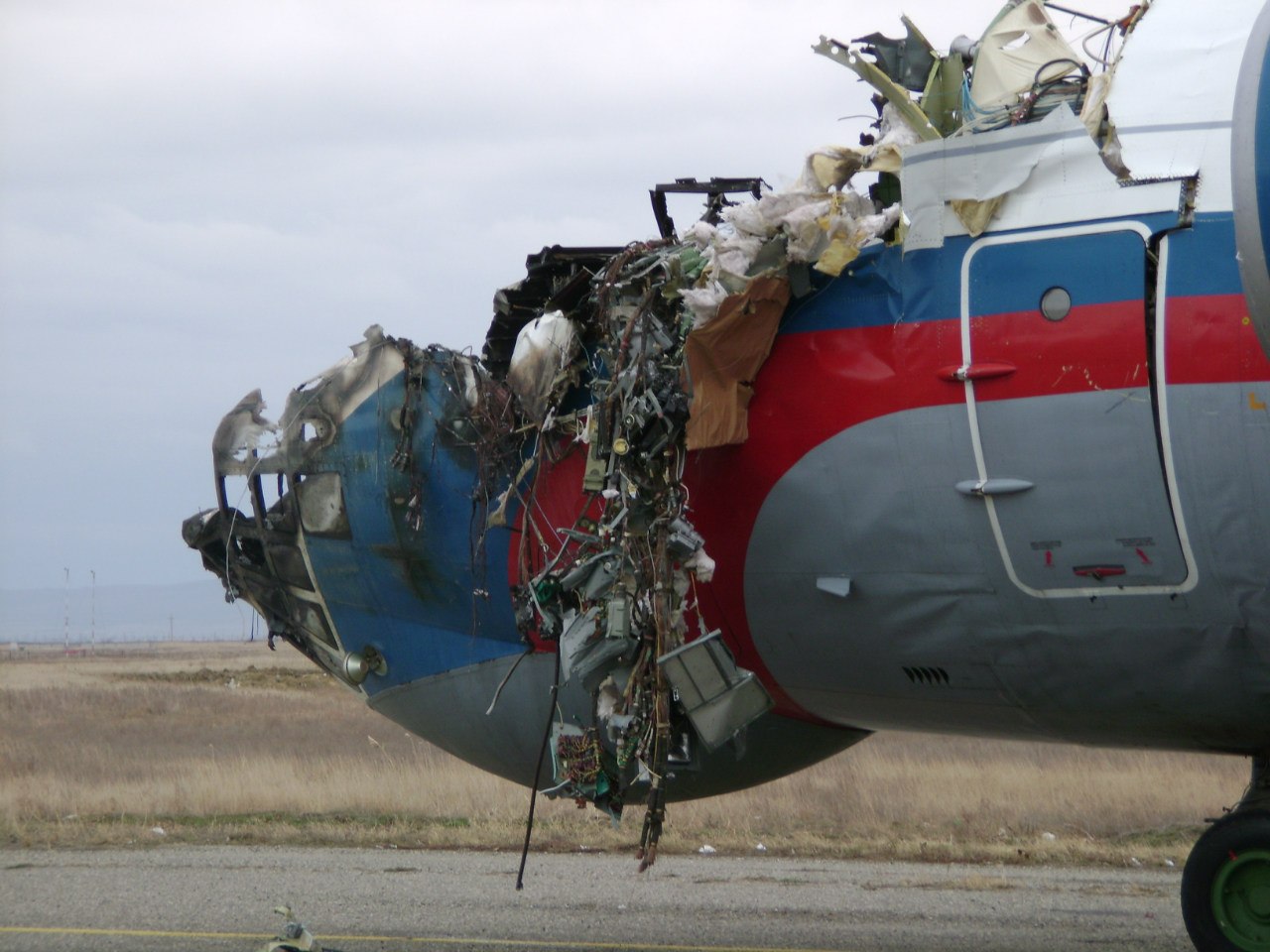
Ground collision of two Ilyushin II-76MD in Makhachkala: 4 killed

Date & Time: Jan 15, 2009 at 2110 LT
Type of aircraft:
Operator:
Registration:
RA-76825
Flight Phase:
Flight Type:
Survivors:
Yes
Schedule:
Makhachkala - Nizhny Novgorod
MSN:
10034 04136
YOM:
1990
Country:
Region:
Crew on board:
7
Crew fatalities:
Pax on board:
0
Pax fatalities:
Other fatalities:
Total fatalities:
4
Circumstances:
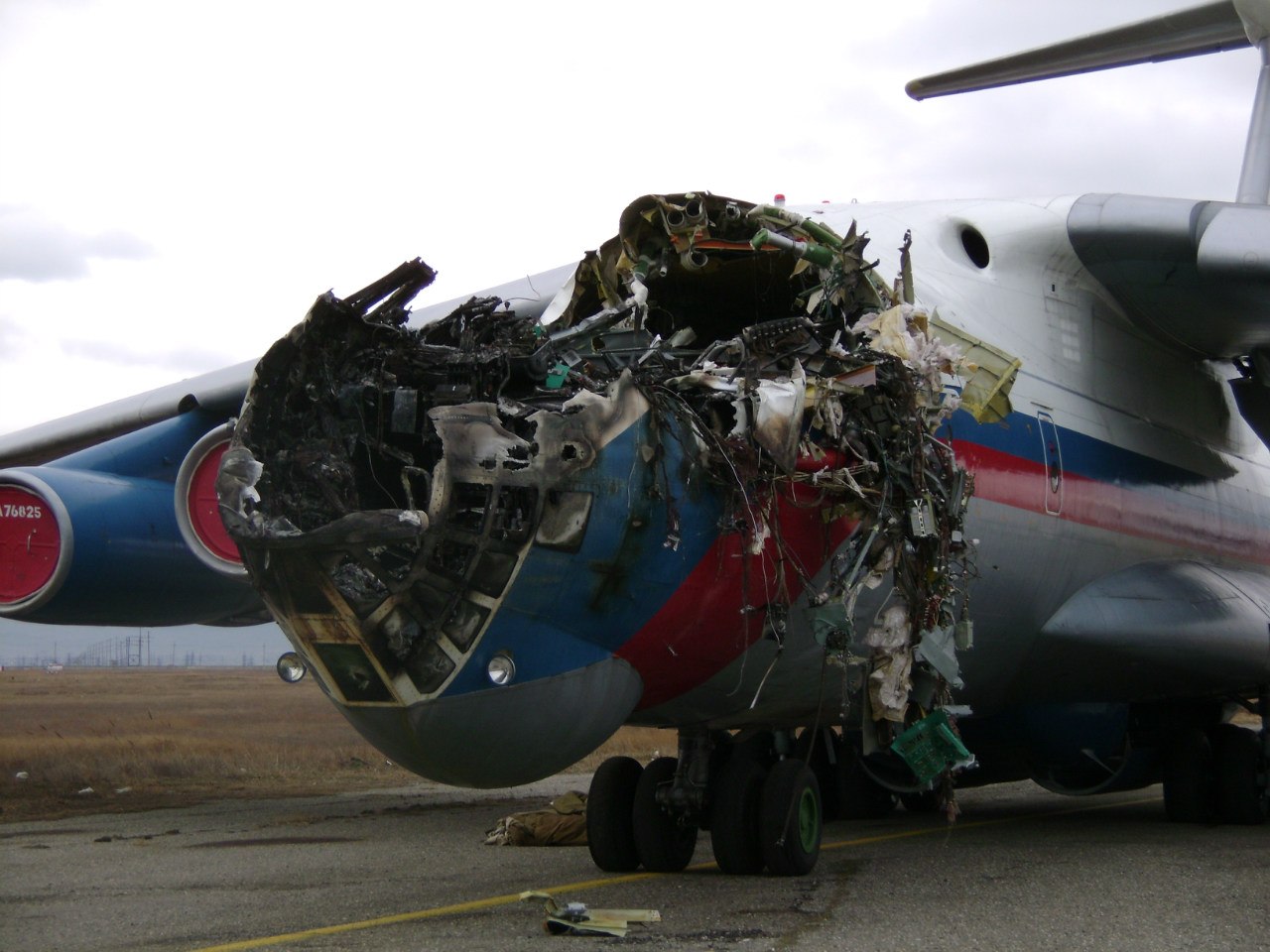
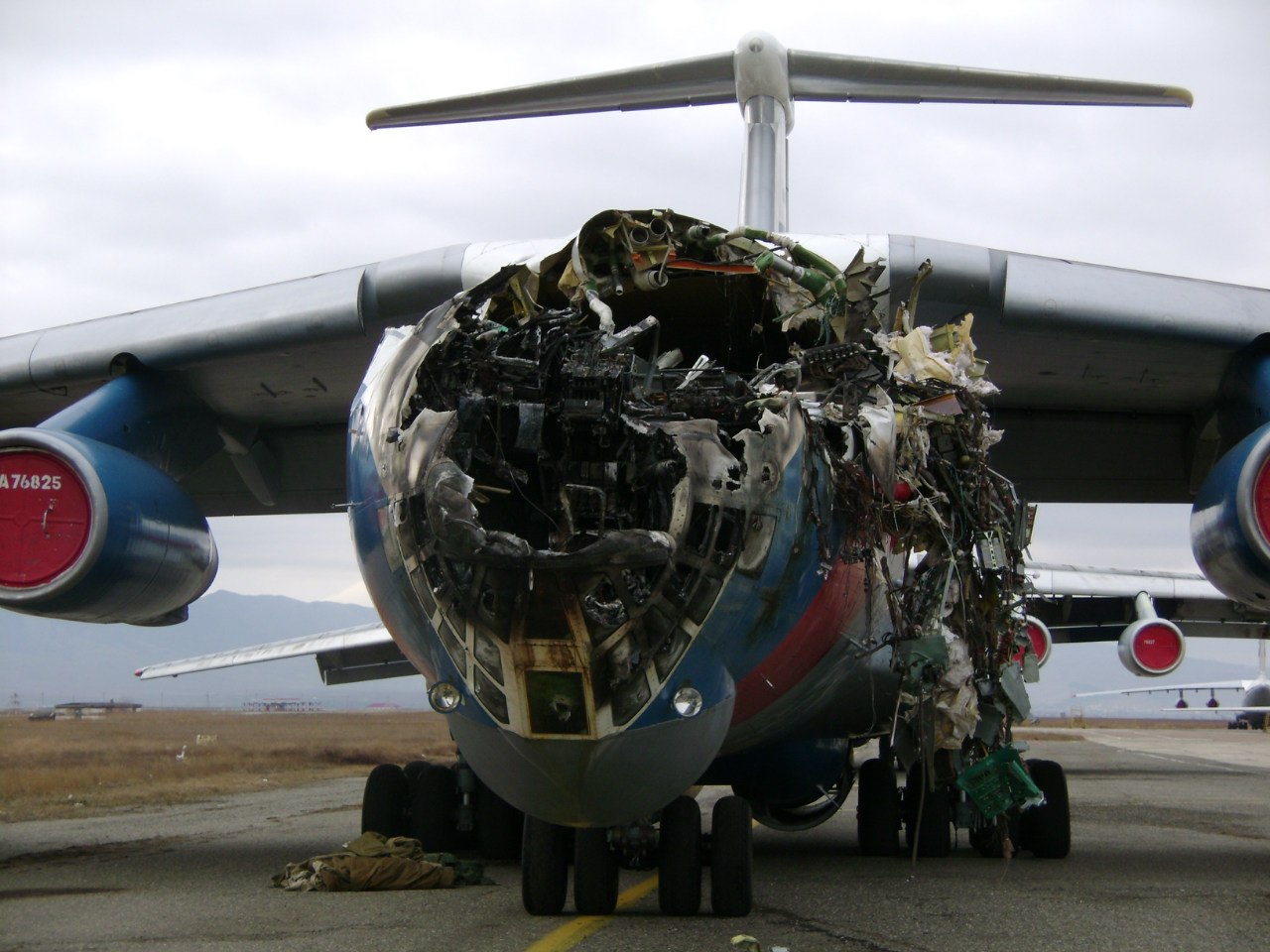
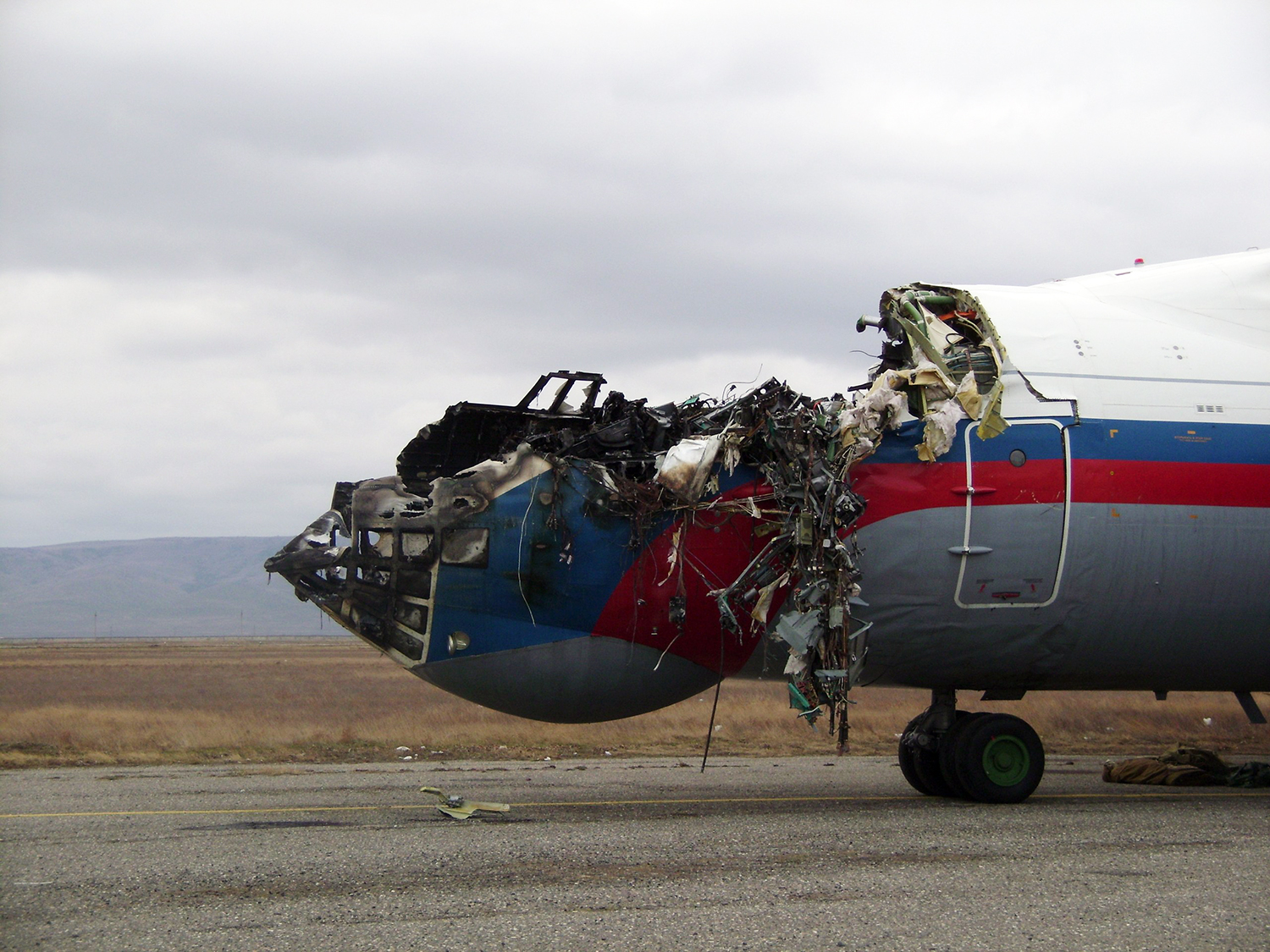
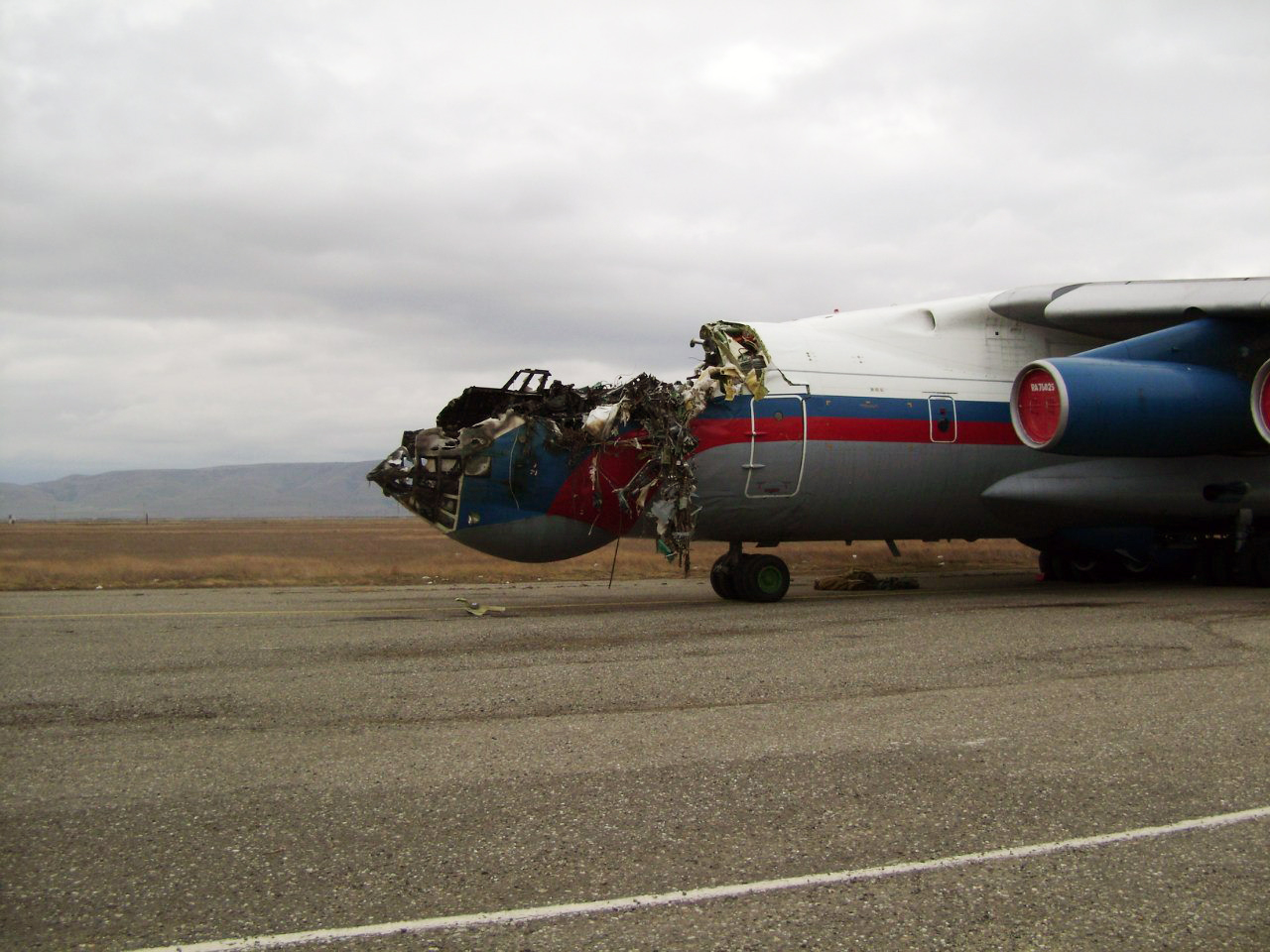
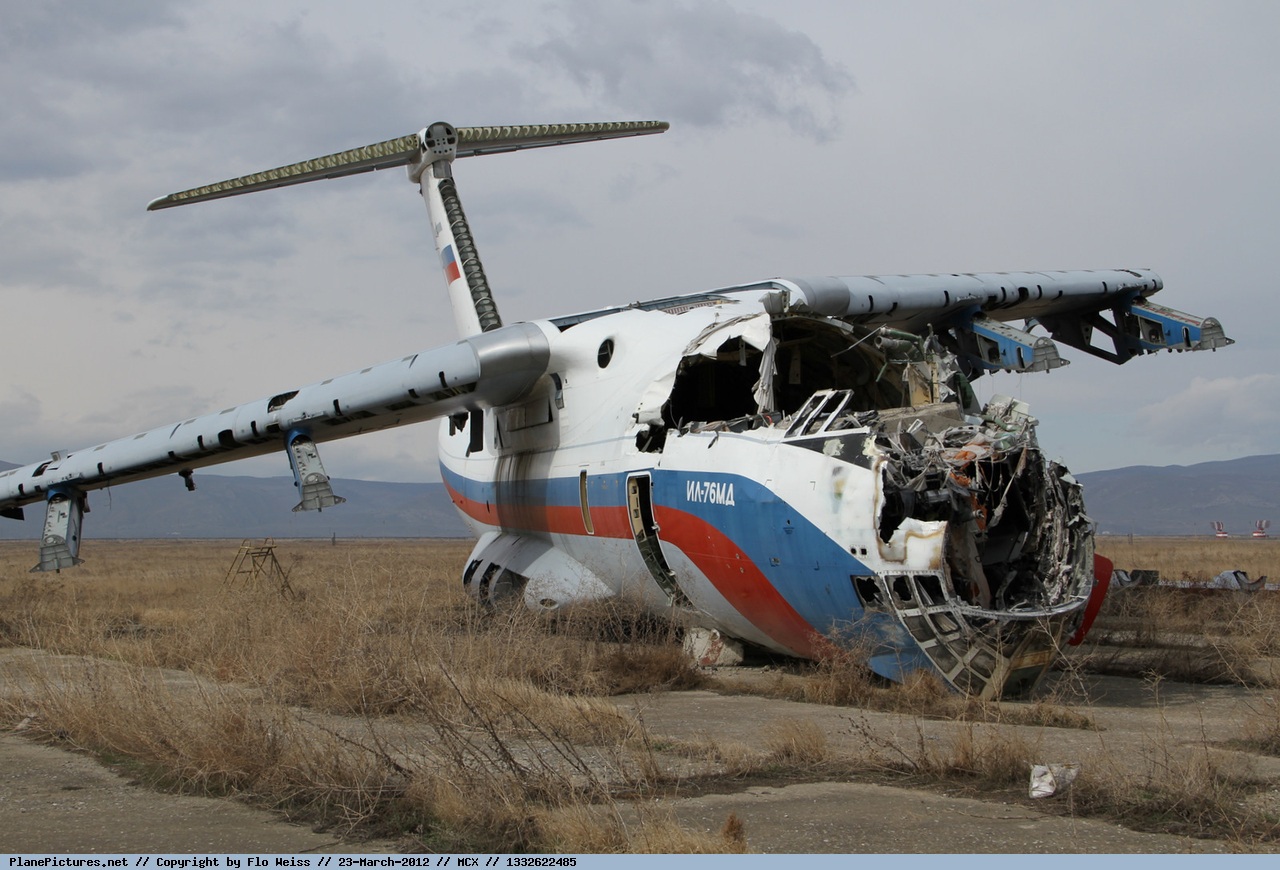
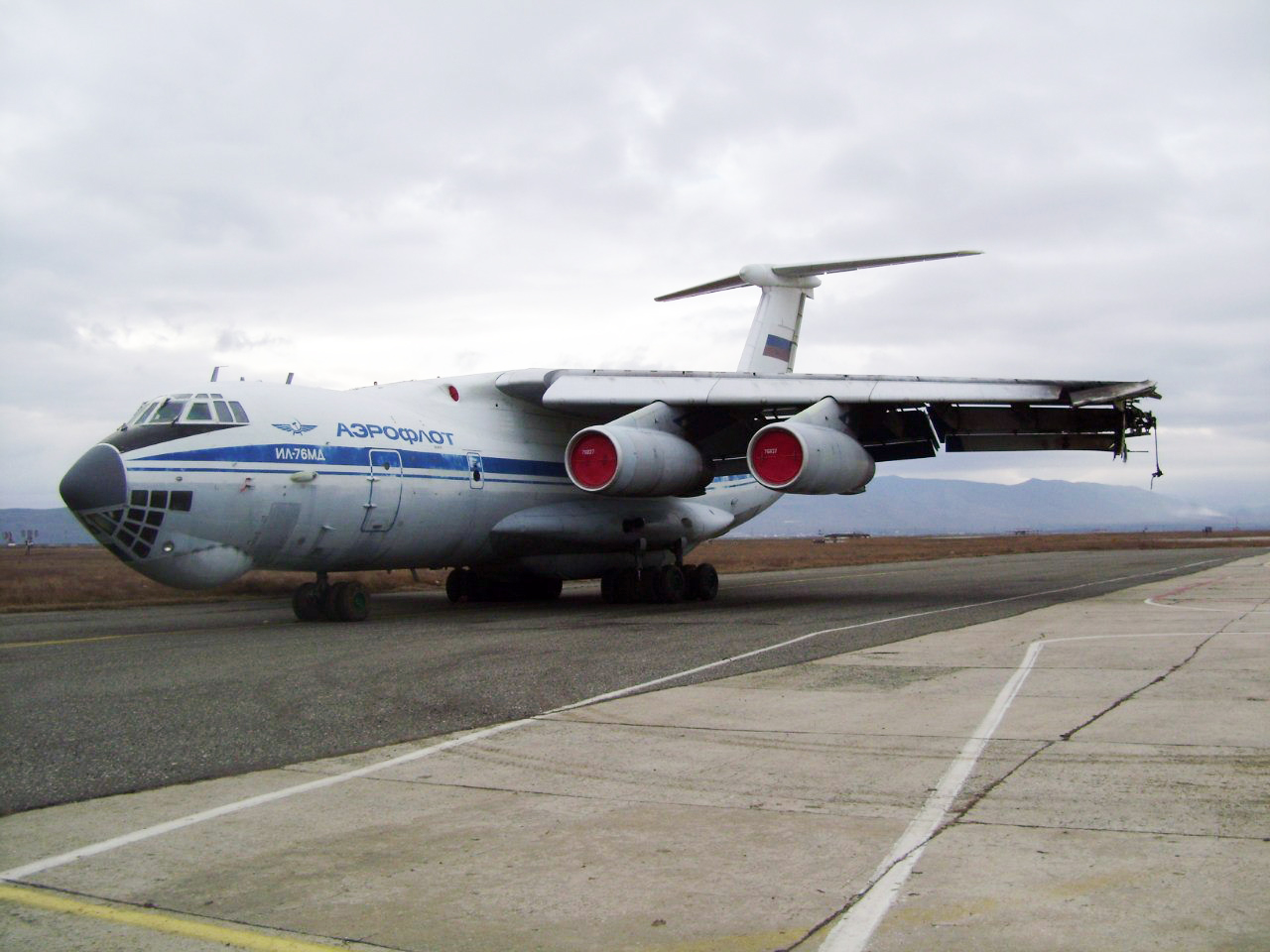
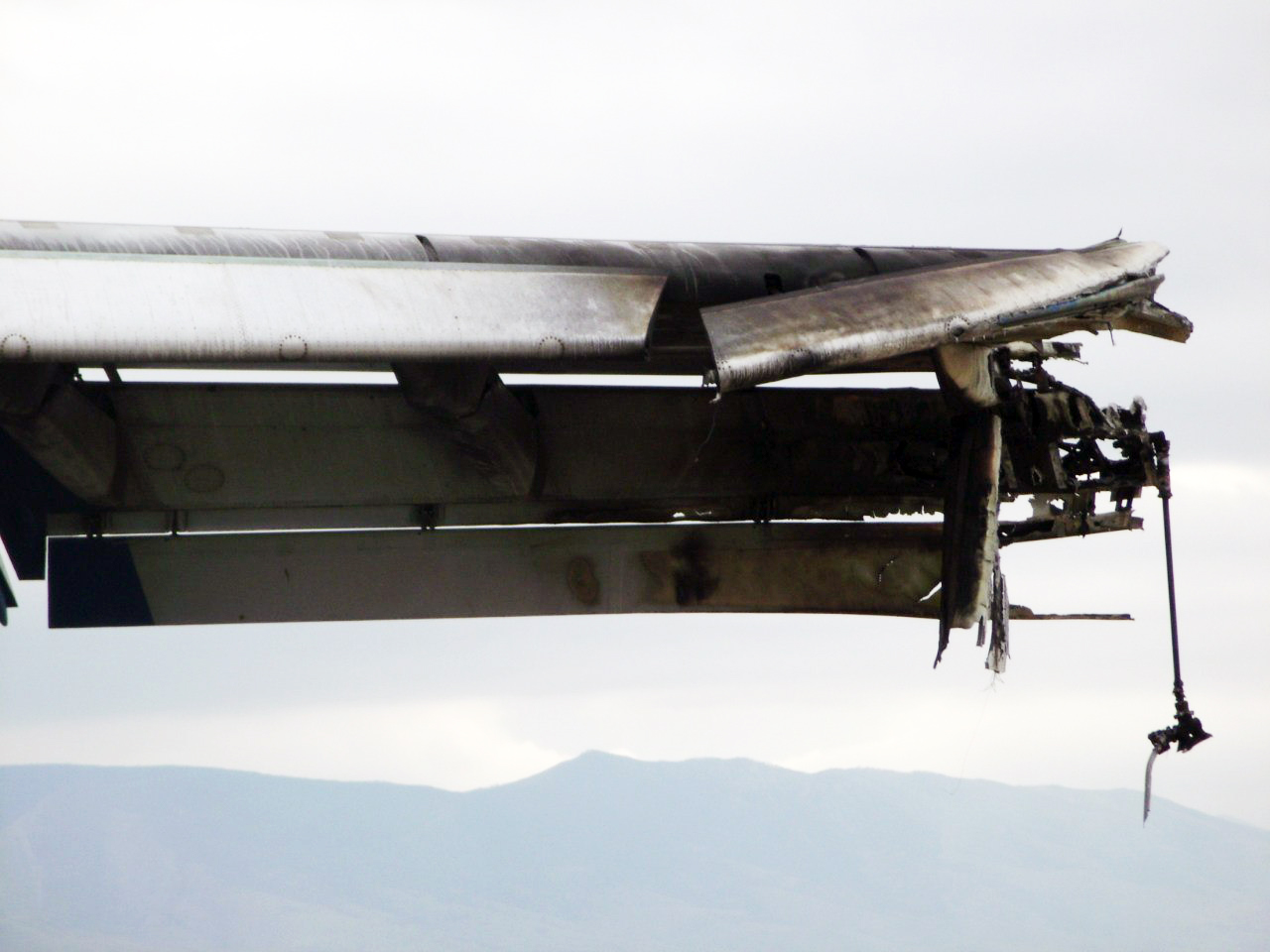
The aircraft was dispatched to Makhachkala to deliver troops, military equipment and cargo with 7 crew members on board. Ready for the next trip to Nizhny Novgorod, the crew was cleared to taxi to the holding point of runway 14. At that time, the visibility was poor due to the night and foggy conditions. A second Ilyushin II-76MD registered RA-76827 was on approach to runway 14 with 25 passengers and a crew of six on board. On final approach, the navigator informed the crew that the headlights should be switched on but no actions was taken. In a visibility lower than 800 metres, the aircraft landed on the left part of the runway, 530 metres past the runway threshold. Almost immediately after touchdown, the airplane veered off runway to the left, rolled for about 512 metres when its left wing collided with the cockpit of the II-76 registered RA-76825 that was waiting at a position located 41 metres past the holding position markings. RA-76827 continued to roll parallel to the runway and eventually stopped 1'876 metres past the runway 14 threshold with only minor damage, and no one on board was injured. The cockpit of RA-76825 was totally destroyed and four crew members were killed while three others were injured.
Probable cause:
The accident was the consequence of the combination of the following factors:
- Poor piloting techniques on part of the landing crew,
- Rules violation on part of the captain of the taxiing aircraft,
- Errors and violations of procedures by air traffic control at Makhachkala Airport,
- Shortcomings in flight technical support at Makhachkala airport,
- After touchdown on the left side of runway 14, 530 metres after threshold, RA-76827 skidded to the left and veered off runway into soft ground. After a course of 512 metres, the left wing tip impacted the cockpit of RA-76825 that was holding at a position located 41 metres beyond the holding position marking. The presence of the aircraft beyond the holding position marking was due to non-compliant ground markings, uncoordinated actions by air traffic controllers and the fact that the captain failed to report his position to ATC,
- Shortcomings and irregularities in the organization of meteorological services at Makhachkala airport, which resulted in unsatisfactory meteorological information transmitted to the crews, leading to a landing in below minima weather conditions,
- Shortcomings in the organization of flight operations at 675 OSAP procedure, which led to a mismatch between the crew's actual level of preparedness and the complexity of the flight mission,
- An overestimation by the captain of his level of preparedness,
- The failure of the captain to divert to the alternate airport,
- A lack of discipline on part of the captain who decided to complete the landing procedure with the headlights off.
Final Report:

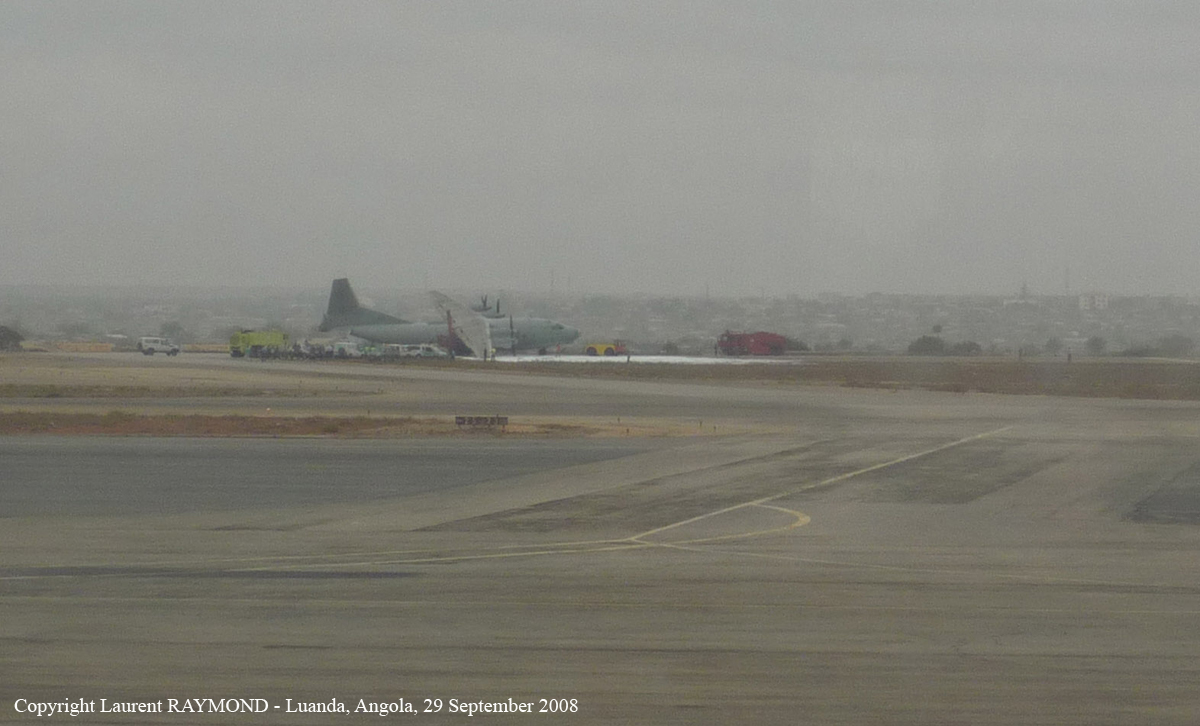
Ground accident of an Antonov AN-12BK in Luanda

Date & Time: Sep 29, 2008
Type of aircraft:
Operator:
Registration:
T-311
Flight Phase:
Flight Type:
Survivors:
Yes
MSN:
8 3 454 10
YOM:
1968
Country:
Region:
Crew on board:
0
Crew fatalities:
Pax on board:
0
Pax fatalities:
Other fatalities:
Total fatalities:
0
Circumstances:
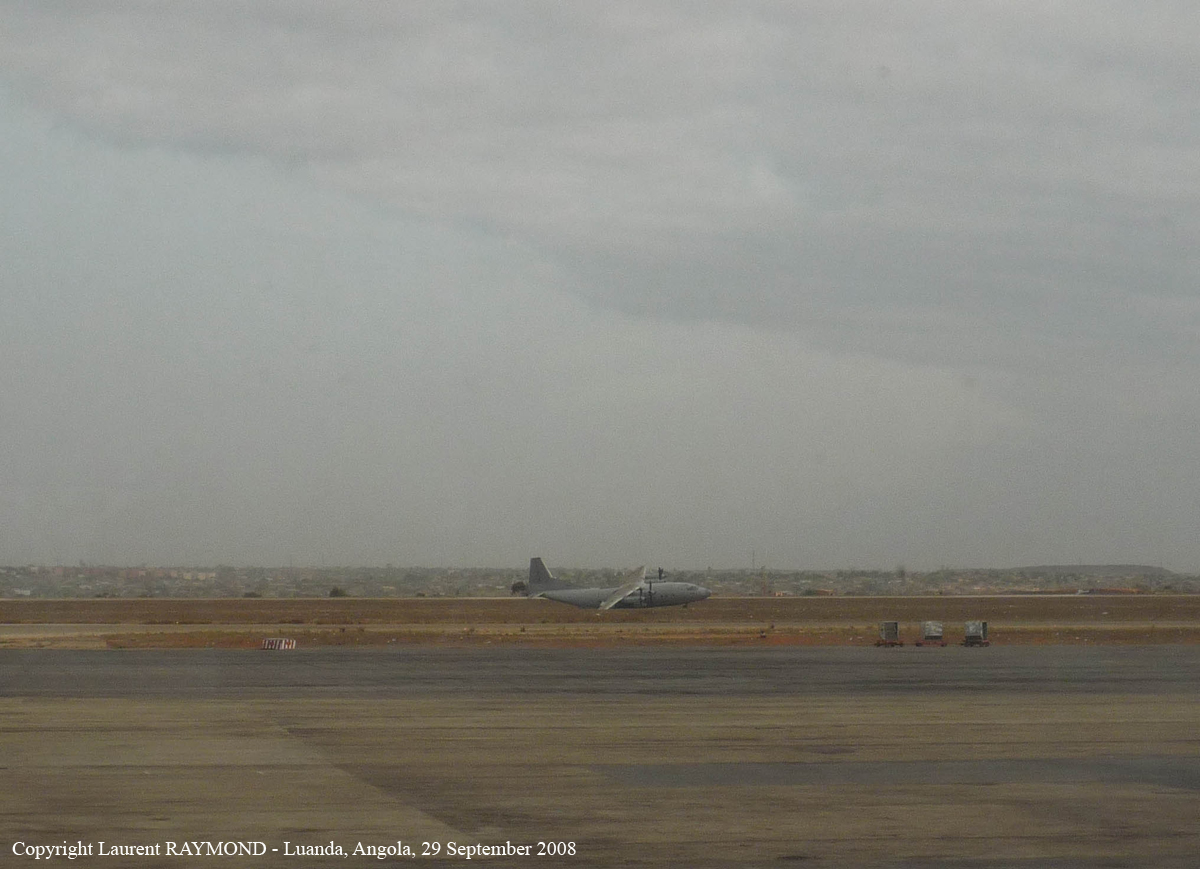
While taxiing to runway 23, the aircraft suffered a right landing gear failure and came to rest. There were no injuries and the aircraft was damaged beyond repair.
Probable cause:
Failure of the right main gear for unknown reasons.

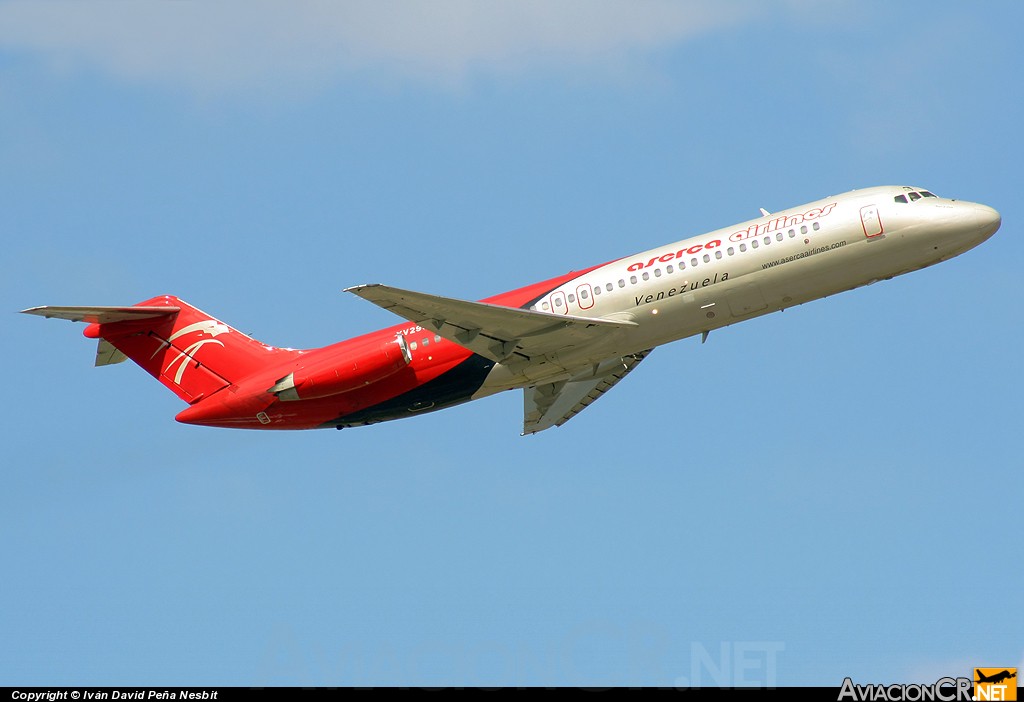
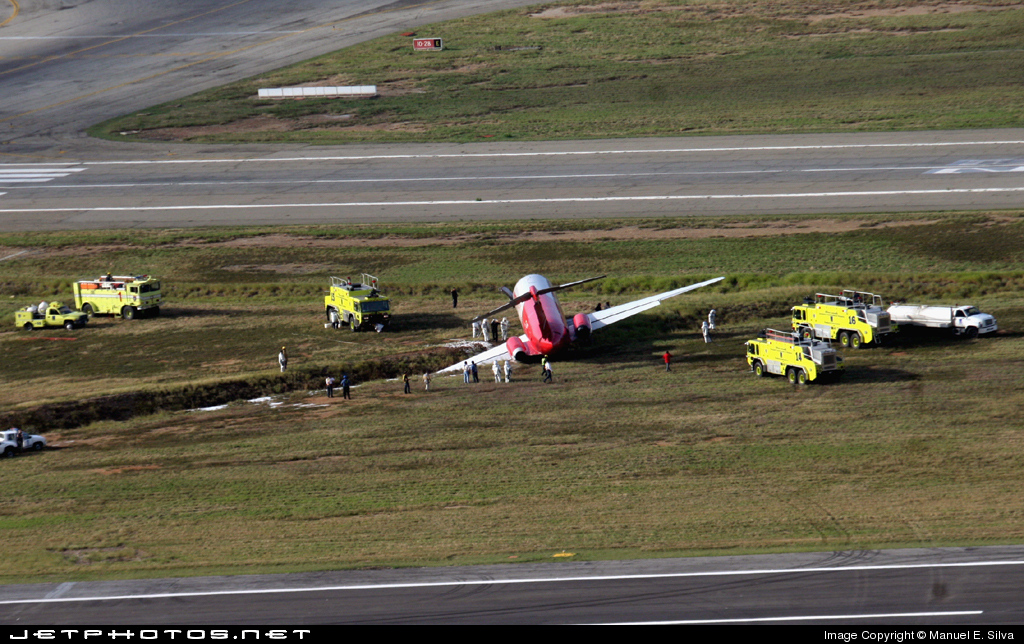
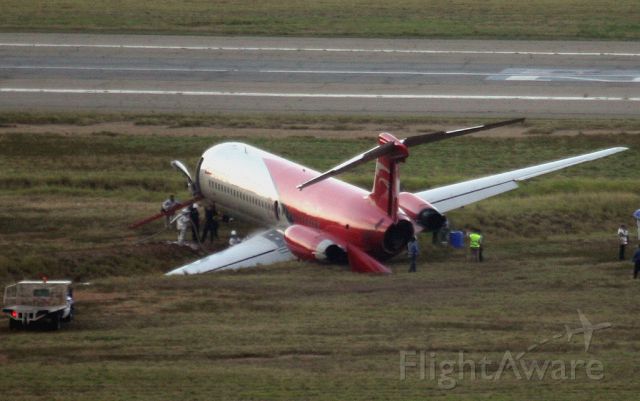
Ground accident of a DC-9-31 in Caracas

Date & Time: Feb 12, 2008
Type of aircraft:
Operator:
Registration:
YV298T
Flight Phase:
Flight Type:
Survivors:
Yes
MSN:
48147/1048
YOM:
1981
Country:
Crew on board:
2
Crew fatalities:
Pax on board:
0
Pax fatalities:
Other fatalities:
Total fatalities:
0
Circumstances:
The aircraft was on a post maintenance delivery mission. A crew of two engineers was positioning the aircraft from a technical hangar at Caracas-Maiquetía-Simón Bolívar Airport to the main terminal. While taxiing on the ramp, the crew lost control of the aircraft that rolled to a grassy area and eventually collided with a drainage ditch. The left main gear collapse and the left wing was severely damaged. Both crew were uninjured while the aircraft was damaged beyond repair.
Probable cause:
Loss of control for undetermined reasons.

Ground collision with a Fokker F27 in Edinburgh

Date & Time: Feb 2, 2008 at 2115 LT
Type of aircraft:
Operator:
Registration:
TC-MBG
Flight Phase:
Flight Type:
Survivors:
Yes
Schedule:
Edinburgh - Coventry
MSN:
10459
YOM:
1971
Region:
Crew on board:
2
Crew fatalities:
Pax on board:
0
Pax fatalities:
Other fatalities:
Total fatalities:
0
Captain / Total flying hours:
4080
Captain / Total hours on type:
2745.00
Circumstances:
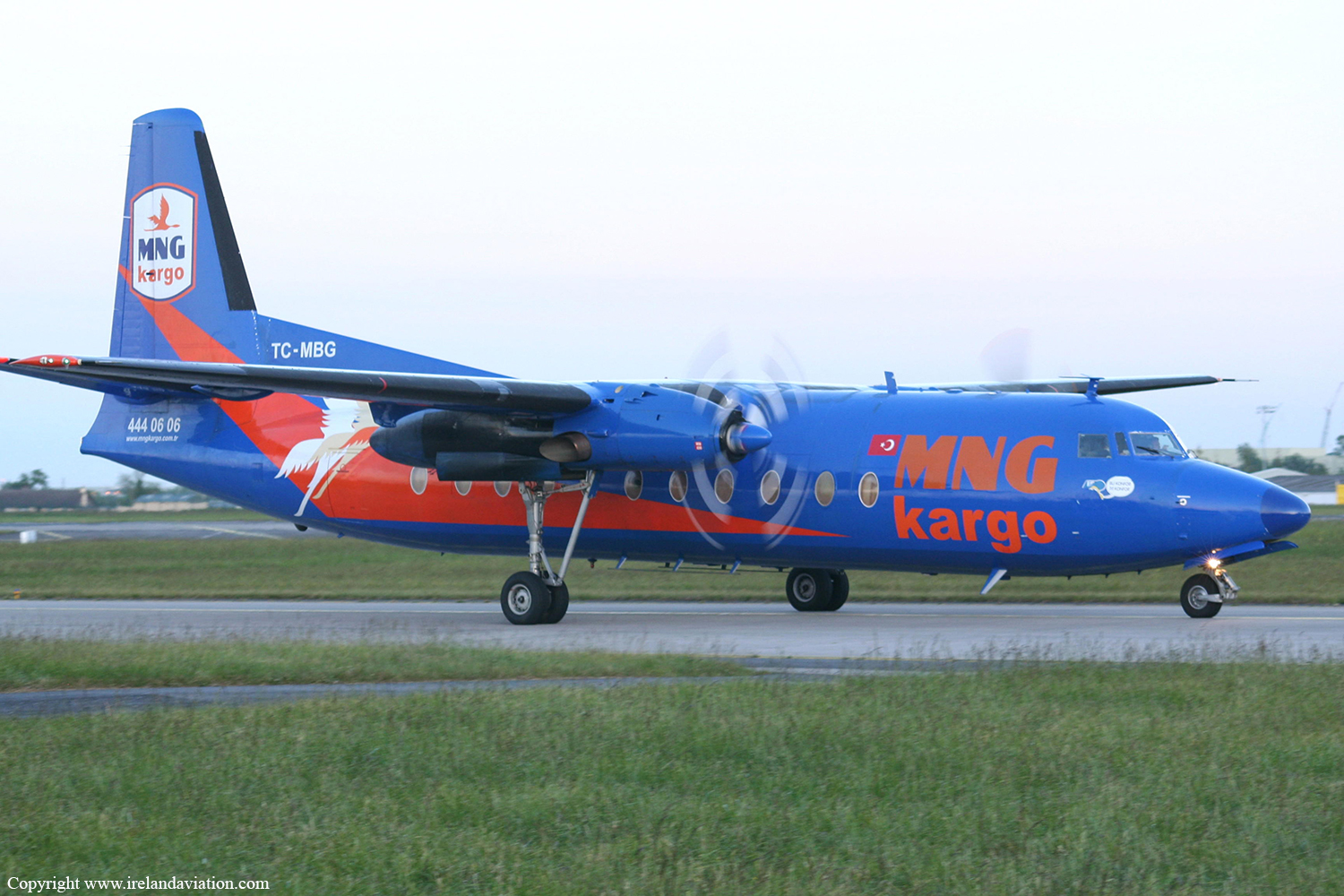
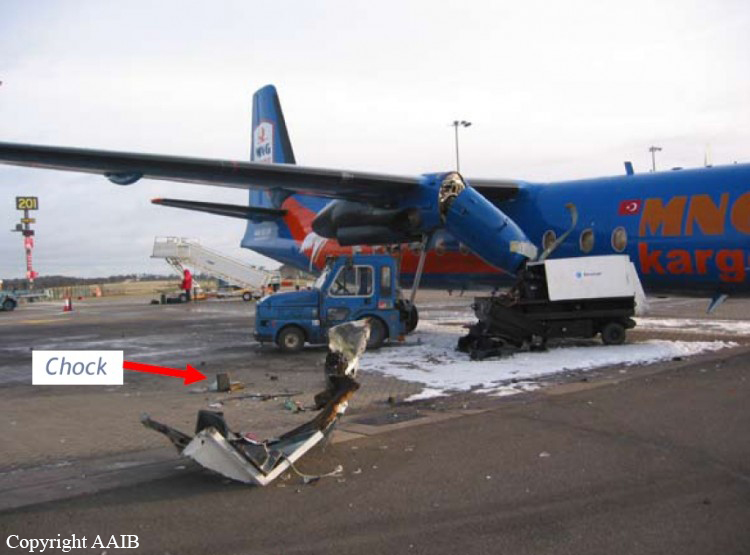
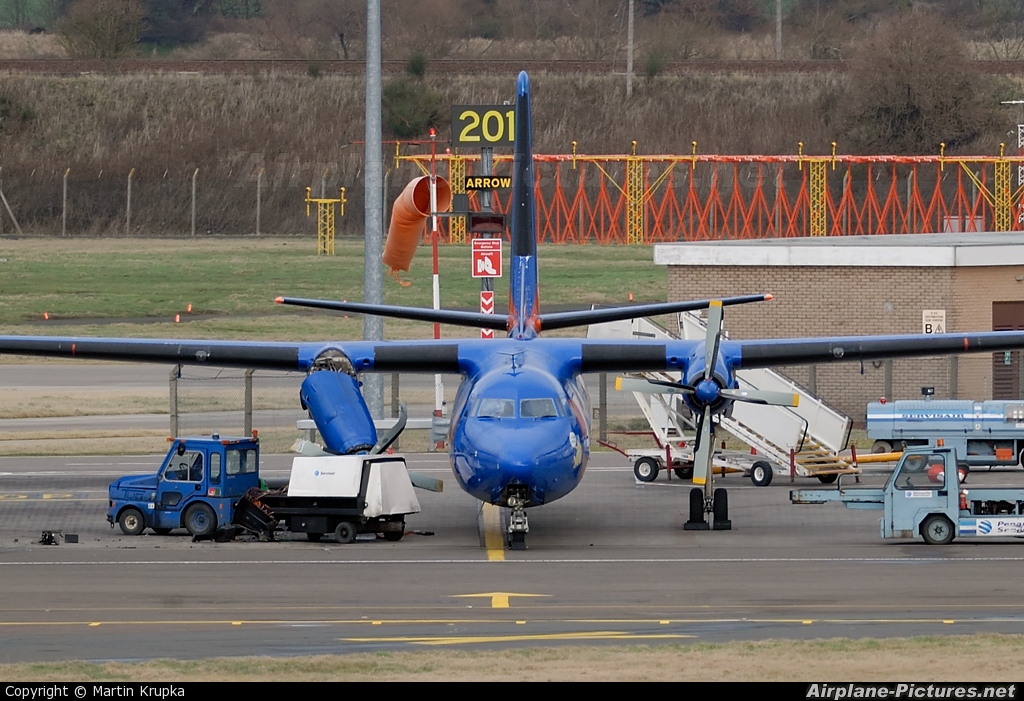
The aircraft was scheduled to operate a night cargo flight from Edinburgh to Coventry. The weather conditions at Edinburgh Airport were wintry with snowfall, which required the aircraft to be de-iced. Shortly after both engines had been started, the commander signalled to the marshaller to remove the Ground Power Unit (GPU) from the aircraft, which was facing nose out from its stand, down a slight slope. As the marshaller went to assist his colleague to remove the GPU to a safe distance prior to the aircraft taxiing off the stand, the aircraft started to move forward slowly, forcing them to run to safety. The flight crew, who were looking into the cockpit, were unaware that the aircraft was moving. It continued to move forward until its right propeller struck the GPU, causing substantial damage to the GPU, the propeller and the engine. The ground crew were uninjured. No cause as to why the aircraft moved could be positively identified.
Probable cause:
The aircraft moved forward inadvertently after engine start, causing its right propeller to strike a GPU. Possible explanations include that the parking brake was not set, the chocks had slipped from the nosewheel, or the chocks were removed prematurely. There was insufficient evidence to determine which of these scenarios was the most likely. Contributory factors were: the aircraft was facing down a slight downslope, the ramp was slippery due to the weather conditions and the flight crew increased engine speed to top up the pneumatic system pressure. The airport operator’s instructions contained in MDD 04/07 required aircraft facing nose-out on North Cargo Apron stands to be towed onto the taxiway centreline, prior to starting engines. Had these instructions been complied with, the accident would probably have been avoided.
Final Report:

Ground accident of a Rockwell Sabreliner 80 in Fort Lauderdale

Date & Time: Feb 1, 2008 at 1542 LT
Type of aircraft:
Operator:
Registration:
N3RP
Flight Phase:
Flight Type:
Survivors:
Yes
Schedule:
Fort Lauderdale - Brooksville
MSN:
380-42
YOM:
1976
Crew on board:
2
Crew fatalities:
Pax on board:
0
Pax fatalities:
Other fatalities:
Total fatalities:
0
Captain / Total flying hours:
8500
Captain / Total hours on type:
350.00
Copilot / Total flying hours:
14400
Copilot / Total hours on type:
360
Aircraft flight hours:
5825
Circumstances:
The Rockwell International Sabreliner had just been released from the repair station following several months of maintenance, primarily for structural corrosion control and repair. According to the pilots, they began to taxi away from the repair station. Initially, the brakes and steering were satisfactory, but then failed. The airplane then contacted several other airplanes and a tug with an airplane in tow, before coming to a stop. The airplane incurred substantial damage as a result of the multiple collisions. Neither crewmember heard or saw any annunciations to alert them to a hydraulic system problem. Postaccident examination revealed that there was no pressure in the normal hydraulic system, as expected, and that the auxiliary system pressure was adequate to facilitate emergency braking. Additional examination and testing revealed that the aural warning for low hydraulic system pressure was inoperative, but all other hydraulic, steering, and braking systems functioned properly. Both the pilot and copilot were type-rated in the Sabreliner, and each had approximately 350 hours of flight time in type. Neither crewmember had any time in Sabreliners in the 90 days prior to the accident. Operation of the emergency braking system in the airplane required switching the system on, waiting for system pressure to decrease to 1,700 pounds per square inch (psi), pulling the "T" handle, and then pumping the brake pedals 3 to 5 times. In addition, the system will not function if both the pilot's and copilot's brake pedals are depressed simultaneously. The investigation did not uncover any evidence to suggest the crew turned on the auxiliary hydraulic system, or waited for the system pressure to decrease to 1,700 psi in their attempt to use the emergency braking system.
Probable cause:
The depletion of pressure in the normal hydraulic system for an undetermined reason, and the pilots' failure to properly operate the emergency braking system. Contributing to the accident was an inoperative hydraulic system aural warning.
Final Report:

Crash of an Antonov AN-12BP in Pointe-Noire

Date & Time: Jan 25, 2008
Type of aircraft:
Operator:
Registration:
EK-11660
Flight Phase:
Flight Type:
Survivors:
Yes
Schedule:
Brazzaville – Pointe-Noire
MSN:
5 3 432 09
YOM:
1965
Country:
Region:
Crew on board:
6
Crew fatalities:
Pax on board:
0
Pax fatalities:
Other fatalities:
Total fatalities:
0
Circumstances:
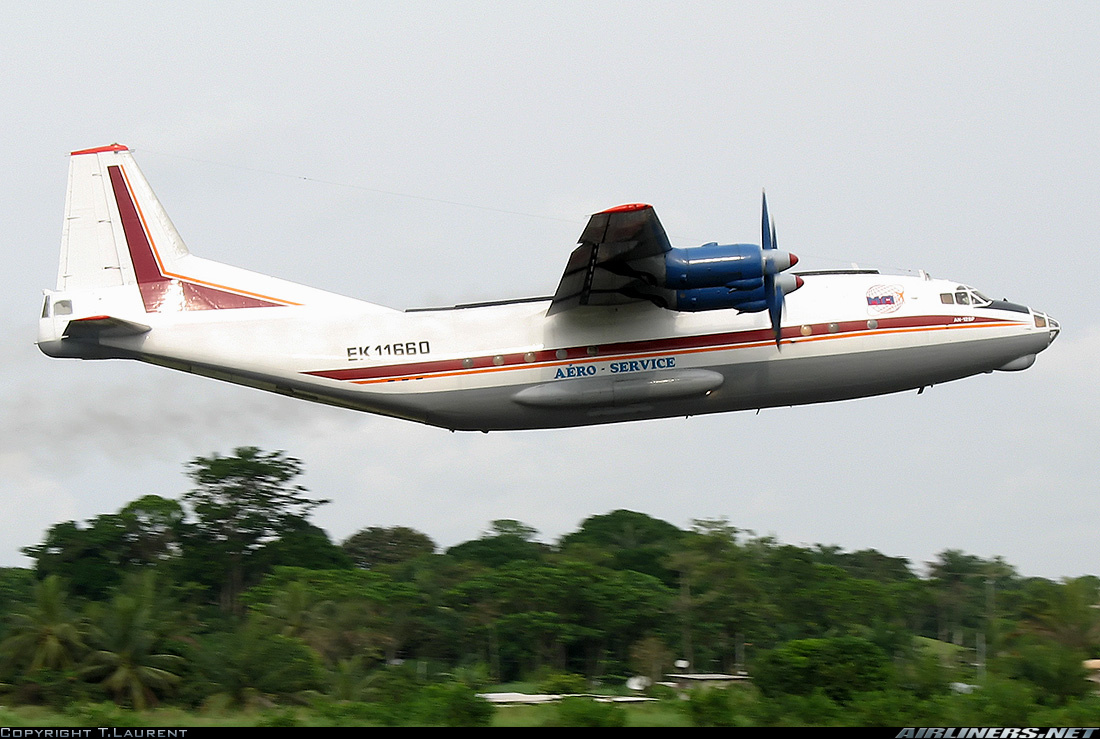
The aircraft departed Brazzaville on a cargo flight to Pointe-Noire, carrying six crew members and a load of various goods. Following a normal landing, the crew vacated the runway and while approaching the apron, they lost control of the aircraft that collided with a parked Boeing 727-246 registered 9L-LEF and operated by Canadian Airways Congo. All six crew members on board the AN-12 were injured, both pilots seriously. Both aircraft were damaged beyond repair. The Boeing 727 was empty at the time of the ground collision.
Probable cause:
It is believed that the loss of control was the consequence of a brakes failure.

Ground accident of a Fokker 100 in Bouaké: 4 killed

Date & Time: Jun 29, 2007 at 1033 LT
Type of aircraft:
Registration:
TU-VAA
Flight Phase:
Flight Type:
Survivors:
Yes
Schedule:
Abidjan - Bouaké
MSN:
11245
YOM:
1987
Country:
Region:
Crew on board:
4
Crew fatalities:
Pax on board:
30
Pax fatalities:
Other fatalities:
Total fatalities:
4
Circumstances:
The aircraft departed Abidjan-Félix Houphouët Boigny Airport at 0952LT on a government flight to Bouaké, carrying a crew of 4 and 30 passengers, respectively a delegation of 10 people from the government among them the Prime Minister Guillaume Soro, and 20 journalists. Following an uneventful flight and a normal landing, the crew vacated the runway and taxied to the ramp when three explosions occurred on the right side of the airplane. The crew stopped the aircraft immediately on the taxiway and the rescue teams arrived quickly on the scene. Ten people were seriously injured while four passengers were killed. The aircraft was later considered as damaged beyond repair.
Those killed were:
Sékou Doumbia, member of the State Protocol serving the Prime Minister's office,
Souleymane Sérifou, member of the State Protocol serving the Prime Minister's office,
Lt Drissa Ouattara, Chief of Security of the Prime Minister,
Cpl Siaka Diomandé, Prime MInister's bodyguard.
Probable cause:
It was determined that three rockets were fired from outside the airport compound.