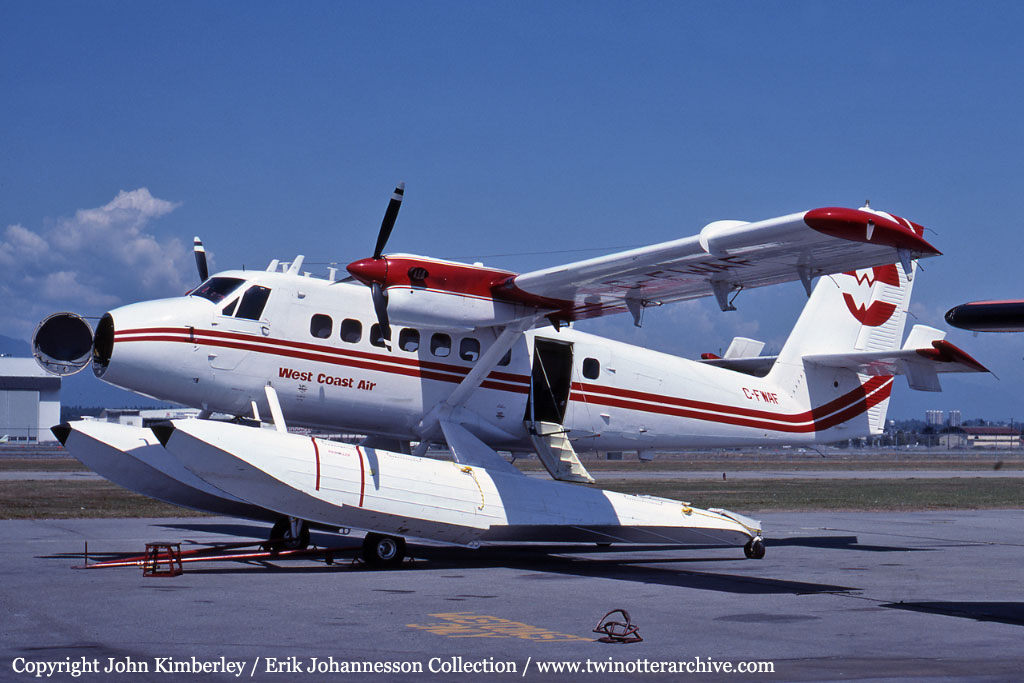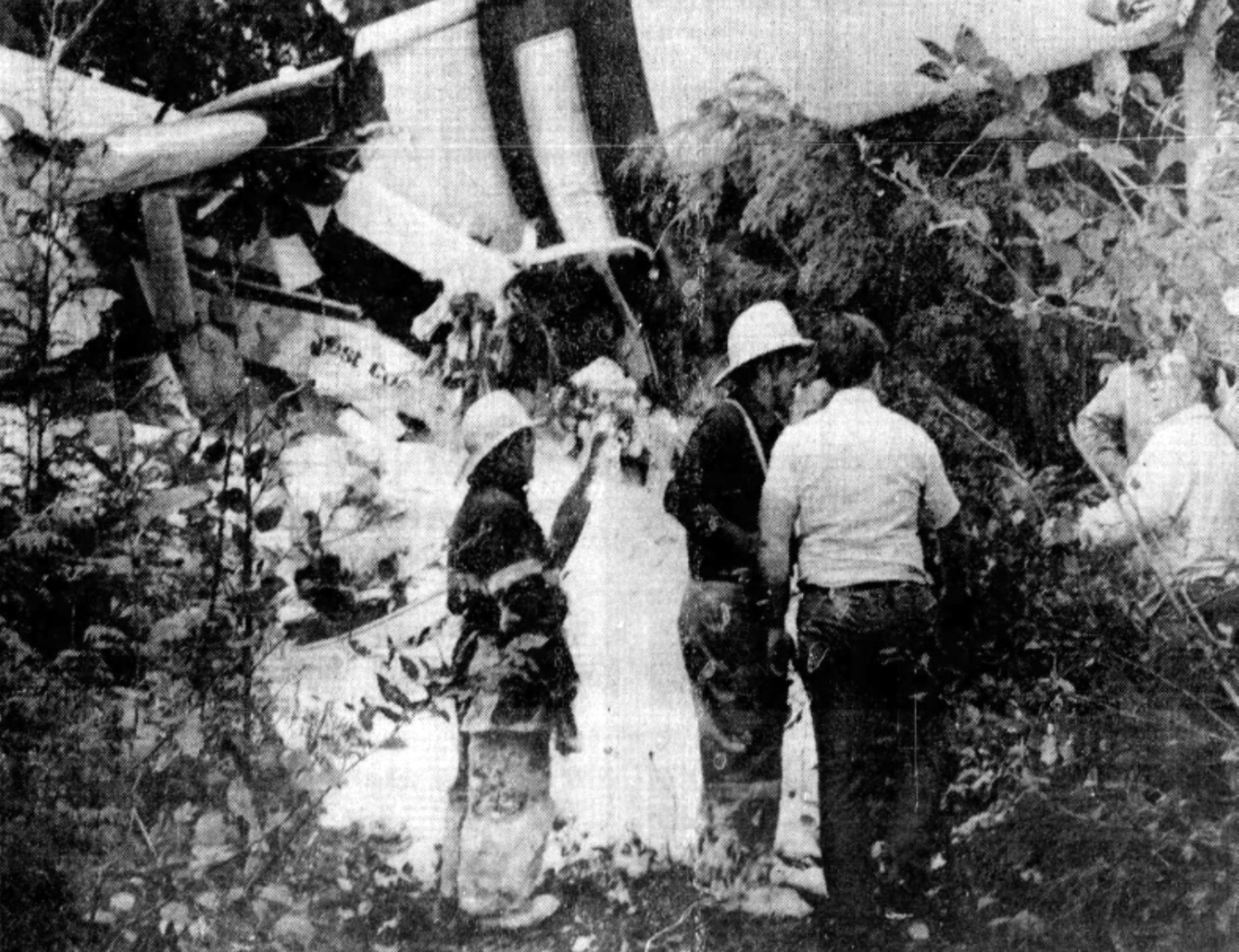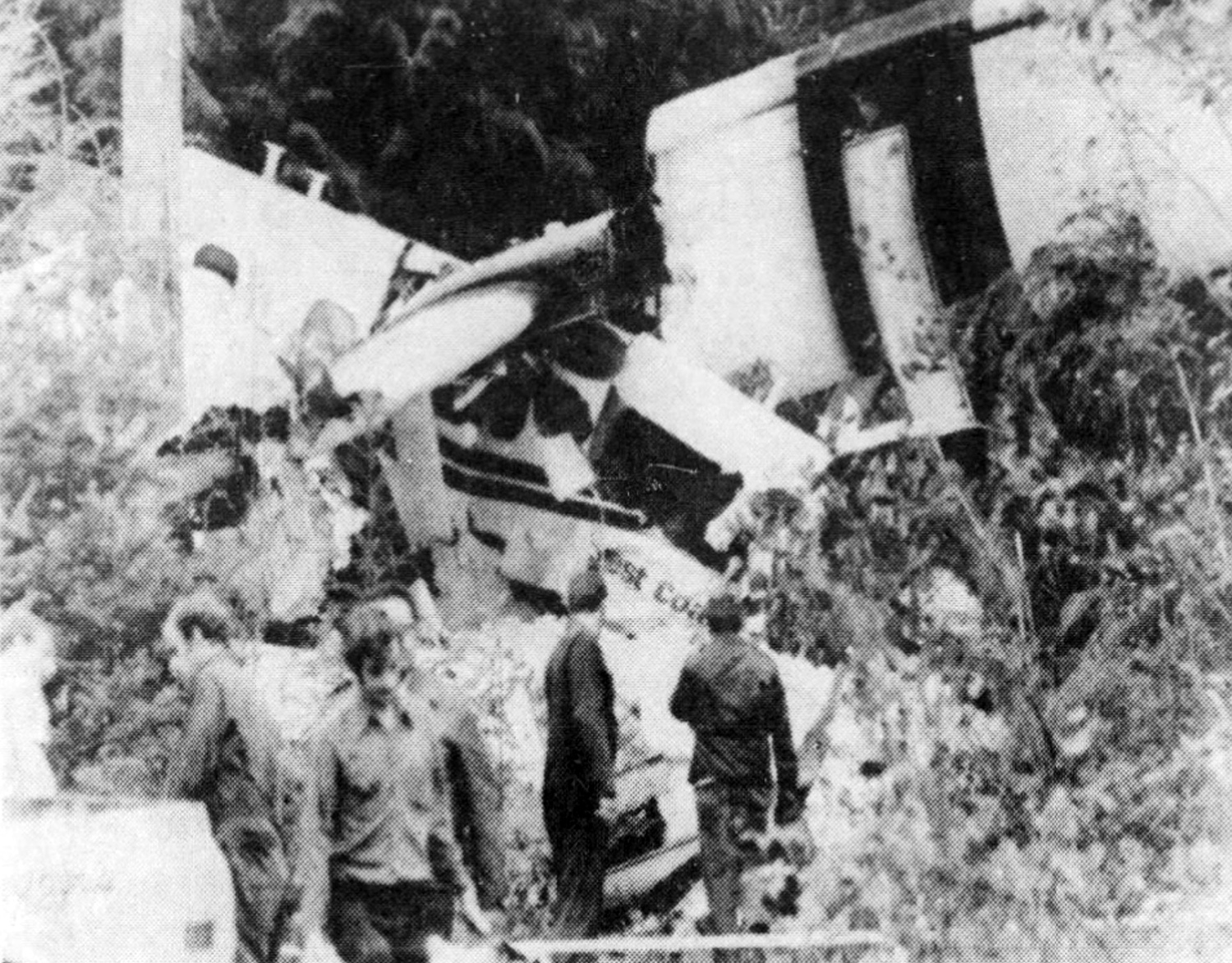

Crash of a De Havilland DHC-6 Twin Otter 200 in Sechelt: 2 killed
Date & Time:
Sep 30, 1979 at 1300 LT
Registration:
C-FWAF
Survivors:
Yes
Schedule:
Vancouver – Sechelt – Powell River
MSN:
122
YOM:
1968
Flight number:
106
Crew on board:
2
Crew fatalities:
Pax on board:
14
Pax fatalities:
Other fatalities:
Total fatalities:
2
Captain / Total hours on type:
210.00
Copilot / Total hours on type:
325
Aircraft flight hours:
13815
Circumstances:
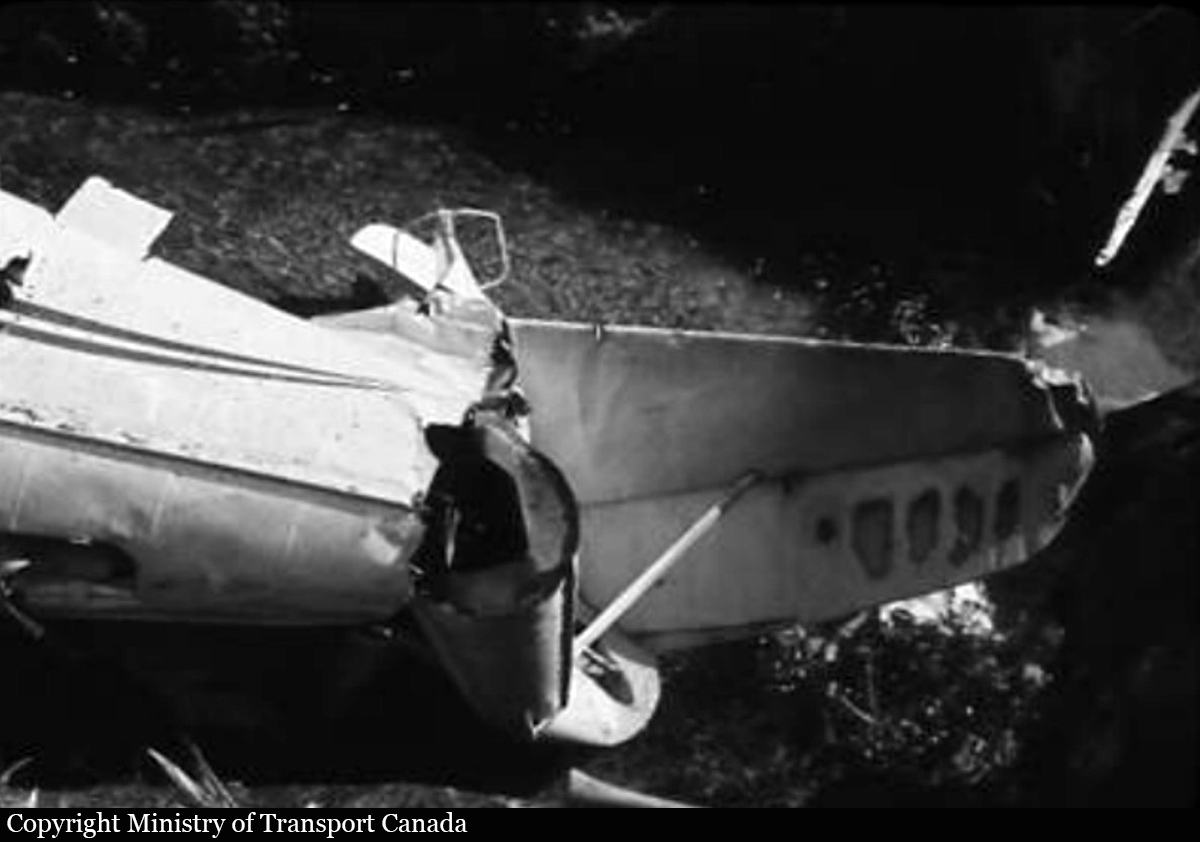
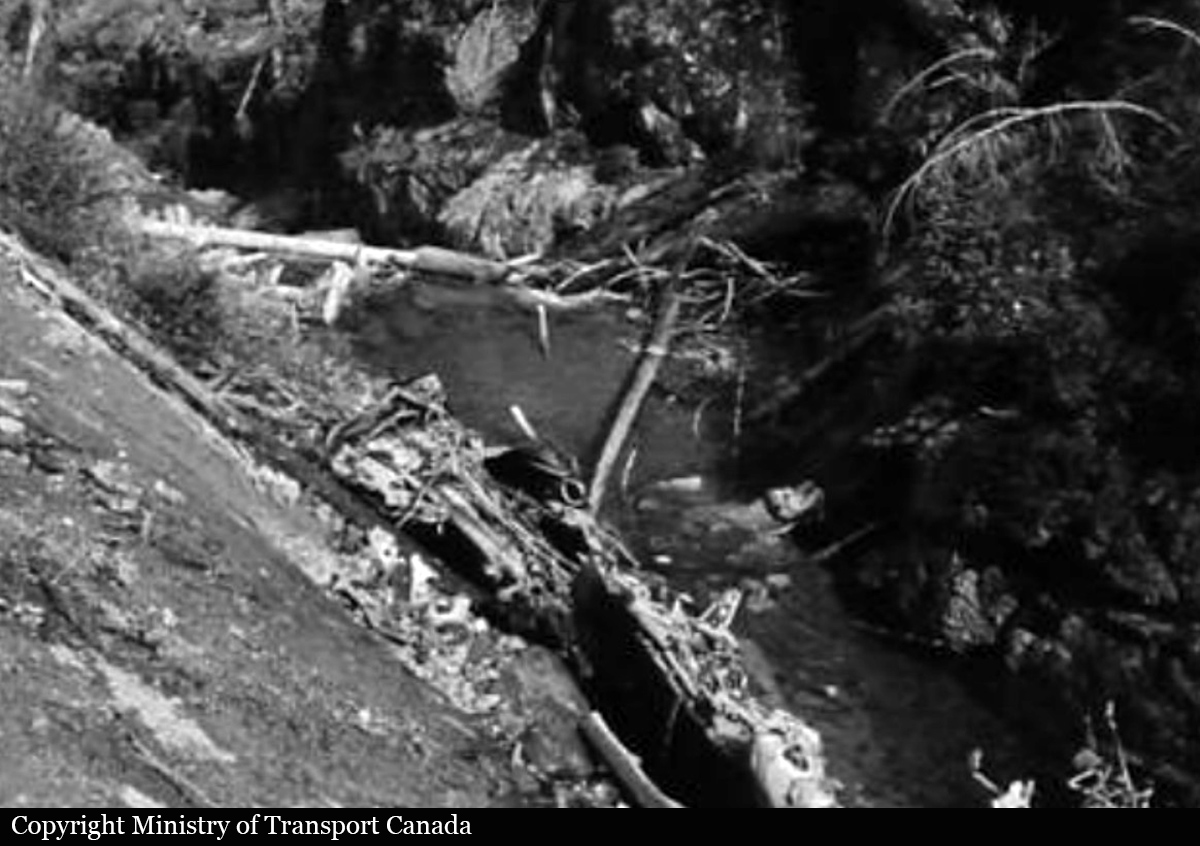
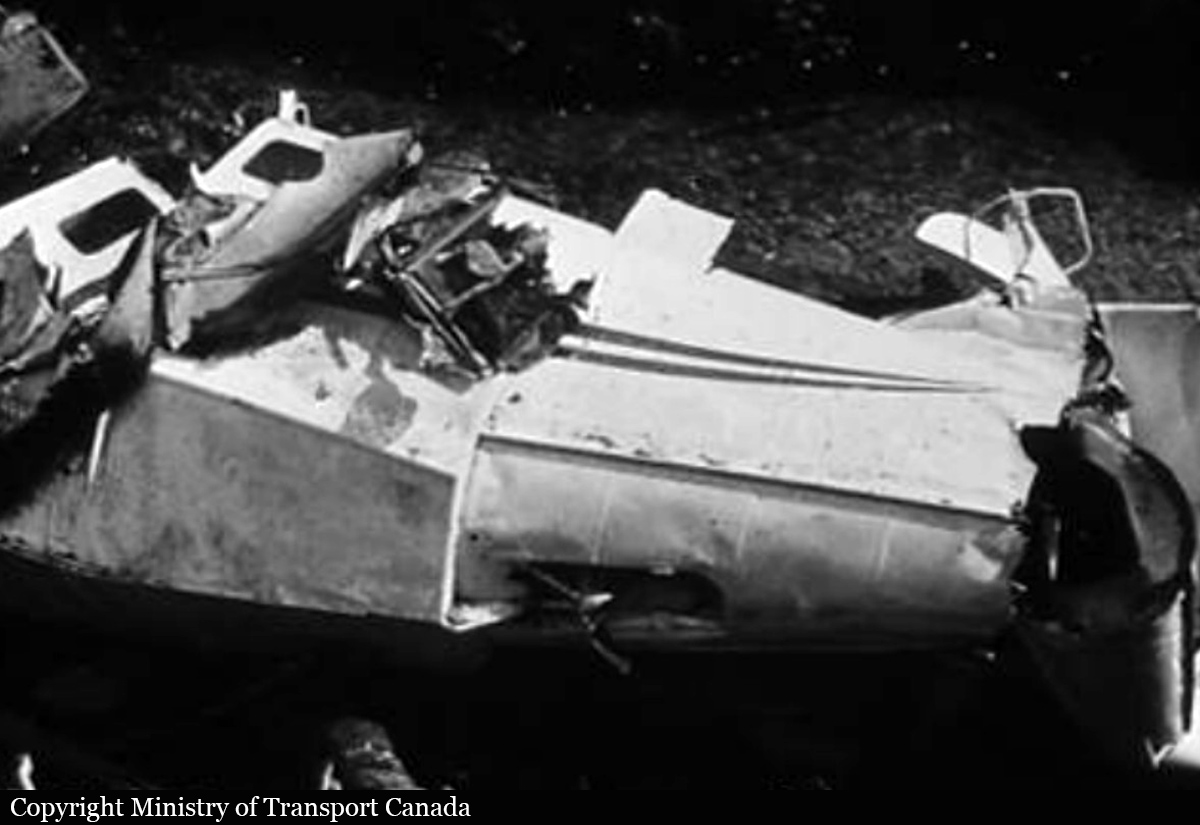
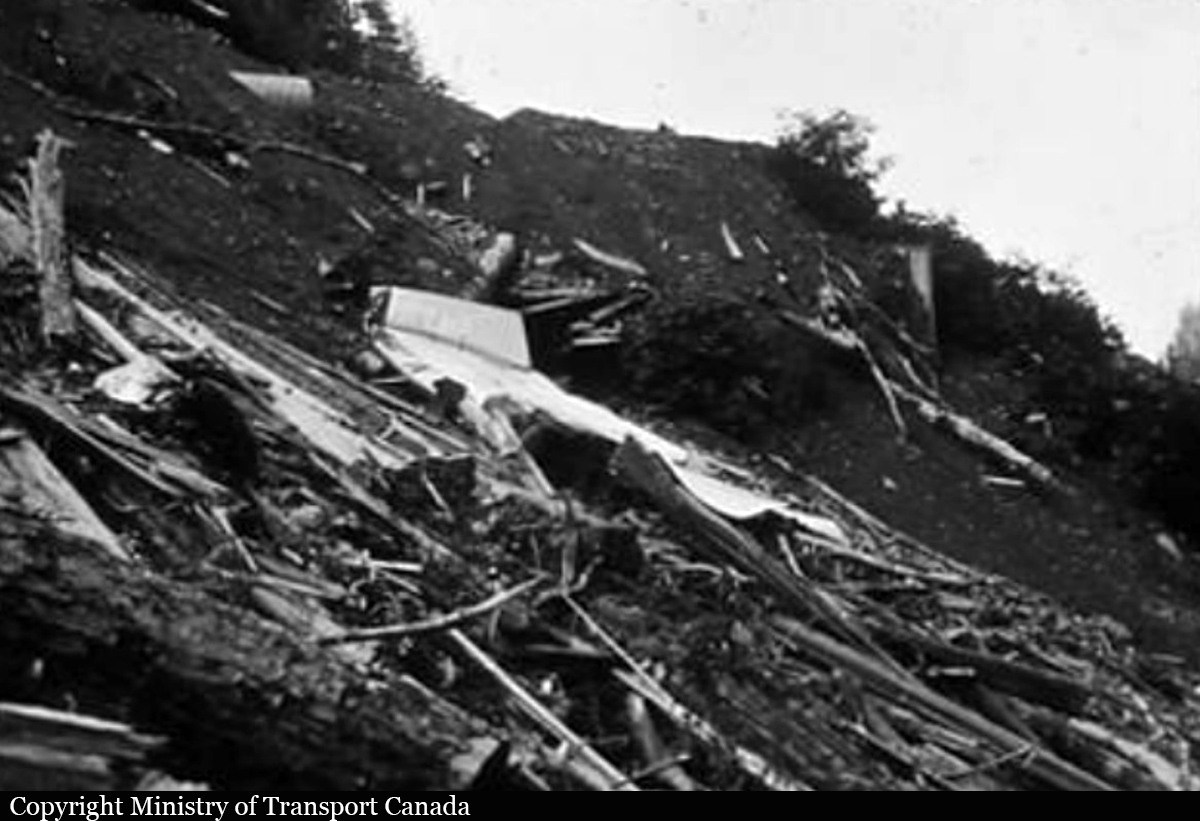
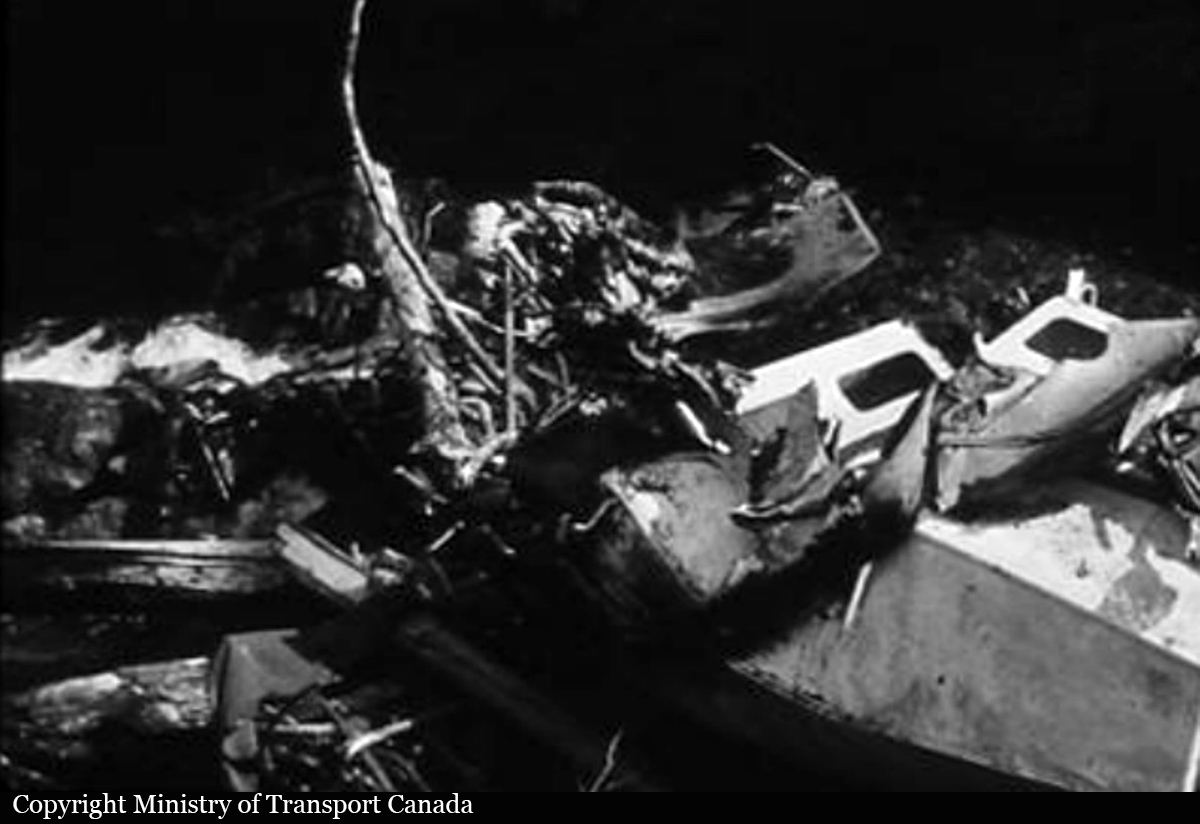
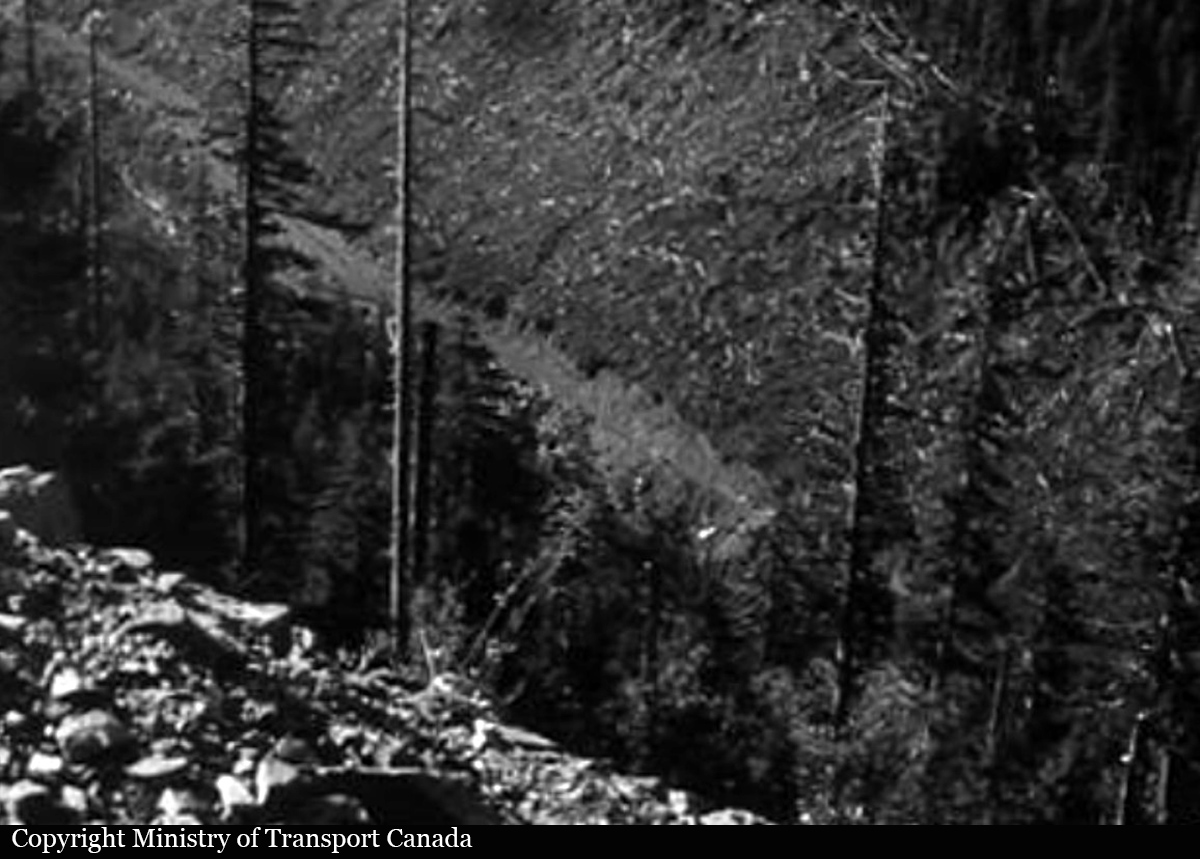
Flight 106 was a scheduled service from Vancouver to Powell River with an intermediate stop at Sechelt. The flight to Sechelt was uneventful. While approaching Porpoise Bay at Sechelt, at an altitude of 200 feet, the twin engine airplane rolled to the right in an angle of 90° then nosed down and crashed on the east shore of the bay, about 50 meters from the water. The captain and a passenger were killed while 14 other occupants were injured, four of them seriously.
Probable cause:
The following findings were identified:
- Under normal flight loads, the right hand aileron control rod of the aircraft (bellcrank to aileron push-pull rod) separated from the bellcrank end fitting due to an extensive stress corrosion crack.
- The failure of the right hand aileron control rod allowed the right aileron to float to an UP position, causing an asymmetric lift condition and consequent loss of control.
- At an altitude of about 200 feet on final approach the aircraft began a roll to the right which under the circumstances was uncontrollable, it descended and struck the ground with the right wing down 45°+5°.
- The specific visual inspection of aileron control rods was inadequate to detect stress corrosion cracking.
- Previous stress corrosion failures of flap control rods on aircraft of this type had led to corrective airworthiness action by the Department of Transport and the manufacturer. These measures however had not been applied to the aileron rods which are of similar construction.
- Under normal flight loads, the right hand aileron control rod of the aircraft (bellcrank to aileron push-pull rod) separated from the bellcrank end fitting due to an extensive stress corrosion crack.
- The failure of the right hand aileron control rod allowed the right aileron to float to an UP position, causing an asymmetric lift condition and consequent loss of control.
- At an altitude of about 200 feet on final approach the aircraft began a roll to the right which under the circumstances was uncontrollable, it descended and struck the ground with the right wing down 45°+5°.
- The specific visual inspection of aileron control rods was inadequate to detect stress corrosion cracking.
- Previous stress corrosion failures of flap control rods on aircraft of this type had led to corrective airworthiness action by the Department of Transport and the manufacturer. These measures however had not been applied to the aileron rods which are of similar construction.
Final Report: