Crash of a PZL-Mielec AN-2T in Tuzla: 12 killed

Date & Time: Jul 5, 2010 at 1740 LT
Type of aircraft:
Operator:
Registration:
53
Flight Phase:
Survivors:
Yes
Schedule:
Tuzla - Tuzla
MSN:
1G194-53
YOM:
1982
Country:
Region:
Crew on board:
4
Crew fatalities:
Pax on board:
10
Pax fatalities:
Other fatalities:
Total fatalities:
12
Circumstances:
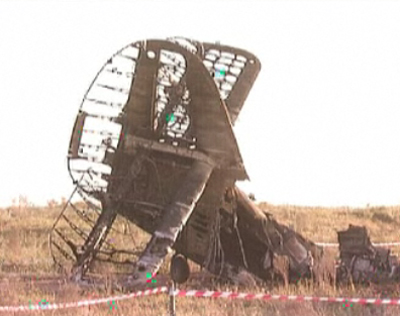
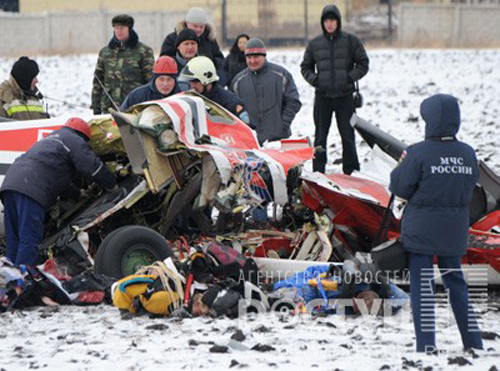
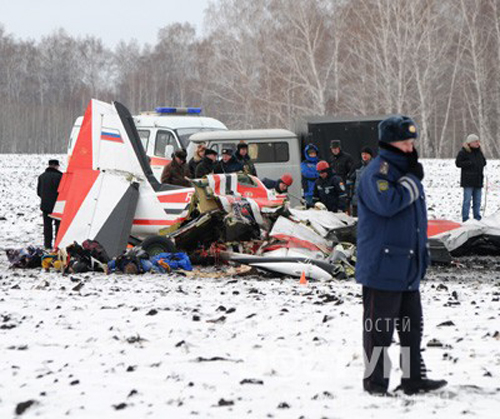
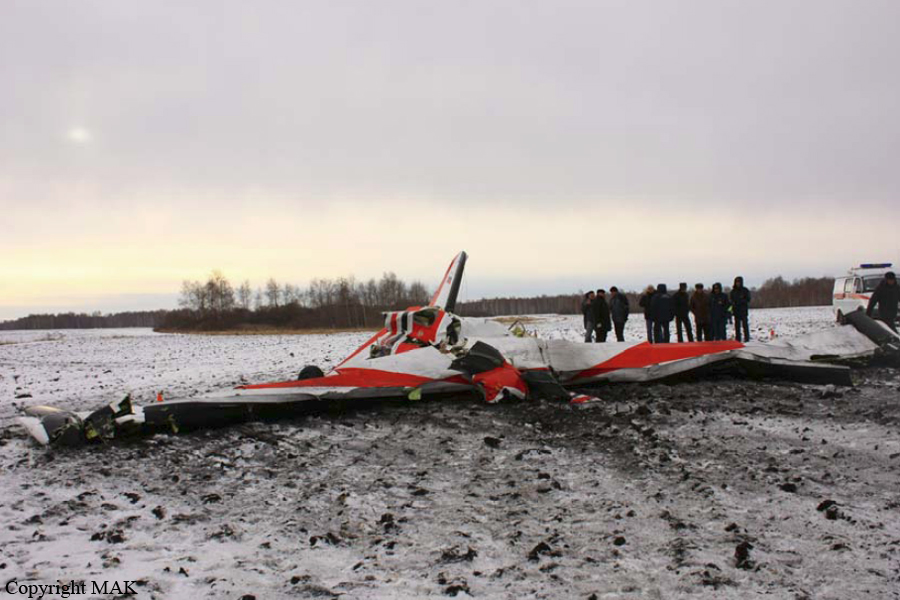
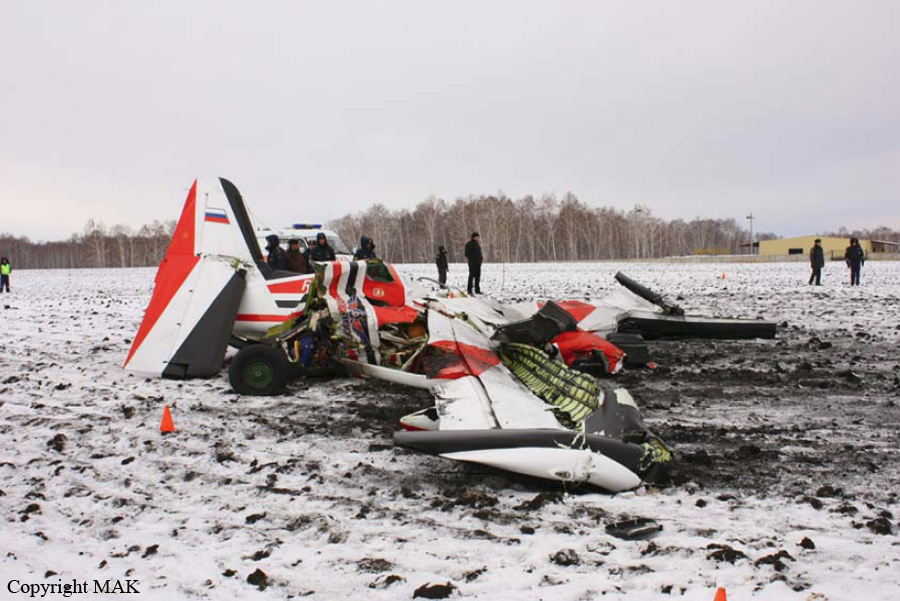
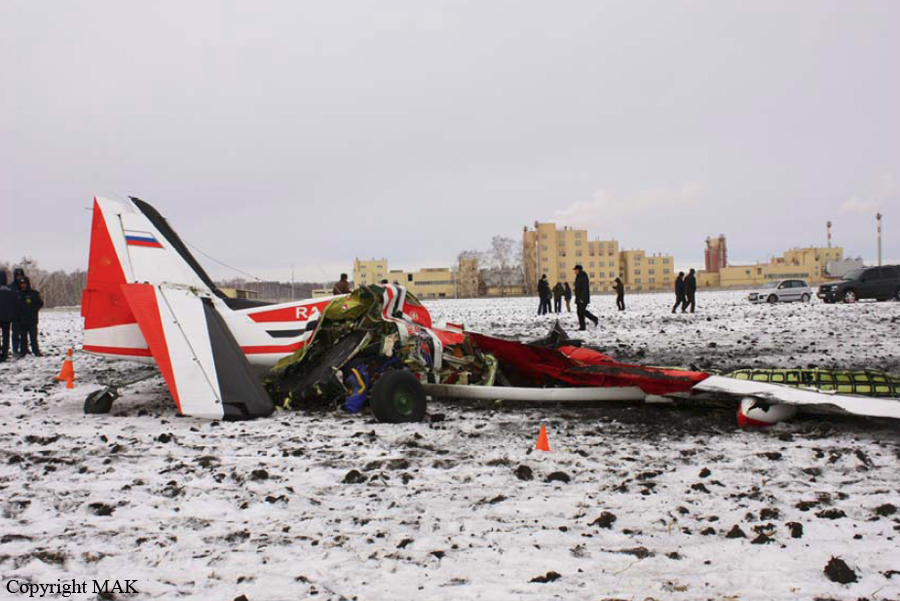
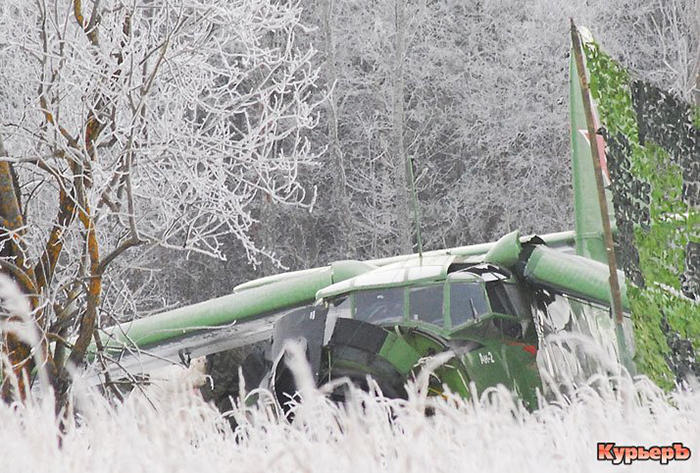
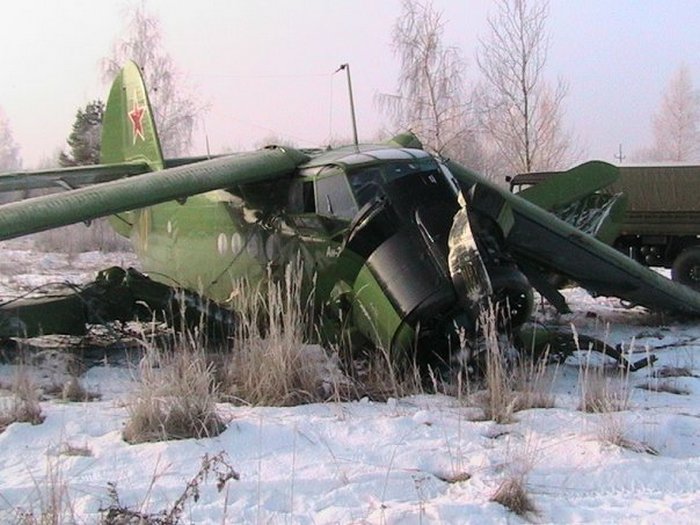
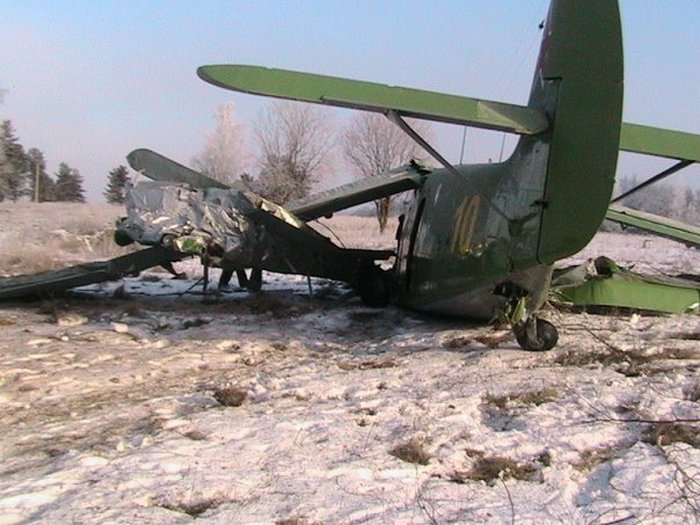
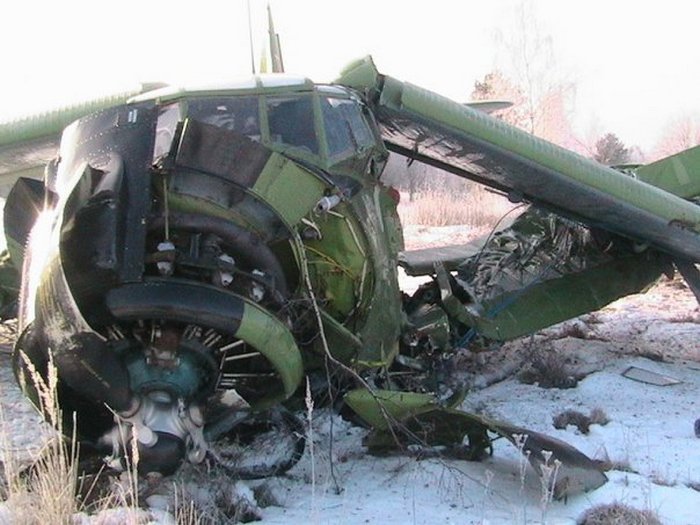
Shortly after takeoff from Tuzla Airport, the single engine aircraft stalled and crashed in an open field, bursting into flames. Two passengers survived while 12 other occupants were killed. The aircraft was carrying 4 crew and 10 members of the Romanian Navy engaged in a paratroopers mission.
Those killed were:
Cdr Nicolae Jianu,
Lt Cdr Cătălin Vicenţiu Antoche,
Lt Lavinia Guită,
Lt Răzvan Rîngheţ,
Lt Liviu Antim,
Florin Claudiu Cişmaşu,
Cătălin Rădoi,
Băduţ Papuc,
Vlăduţ Sărman,
Marius Cătălin Chioveanu,
Cosmin Furtună,
Cosmin Florescu.
The Captain Daniel Bâlsanu and the foreman Marius Nazare were injured.
Crash of an Antonov AN-2 in Astrakhan

Date & Time: May 12, 2010
Type of aircraft:
Operator:
Flight Phase:
Survivors:
Yes
Schedule:
Astrakhan - Astrakhan
Country:
Region:
Crew on board:
2
Crew fatalities:
Pax on board:
10
Pax fatalities:
Other fatalities:
Total fatalities:
0
Circumstances:
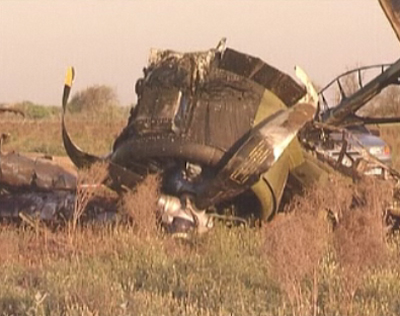
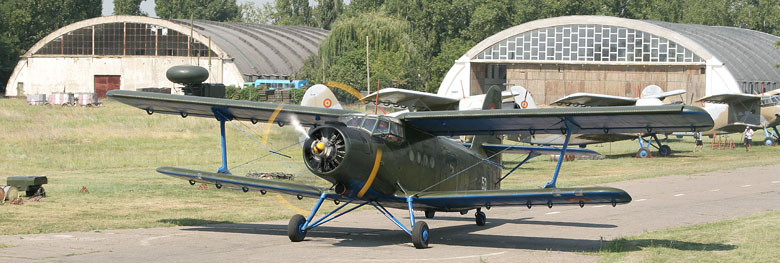
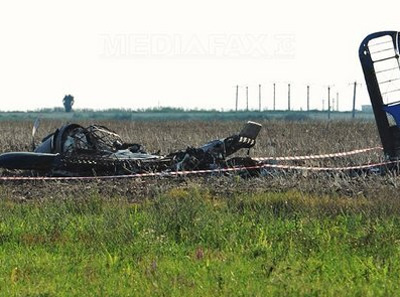
Shortly after takeoff, while in initial climb, the aircraft suffered an engine failure. The crew attempted an emergency landing when the aircraft stalled and crashed in an open field, bursting into flames. All 12 occupants escaped uninjured while the aircraft was destroyed by a post crash fire.
Probable cause:
Engine failure for unknown reasons.

Crash of a PAC 750XL in Cascais: 1 killed

Date & Time: Feb 12, 2010 at 1700 LT
Operator:
Registration:
D-FGOJ
Survivors:
Yes
Schedule:
Évora - Cascais
MSN:
139
YOM:
2008
Country:
Region:
Crew on board:
1
Crew fatalities:
Pax on board:
3
Pax fatalities:
Other fatalities:
Total fatalities:
1
Circumstances:
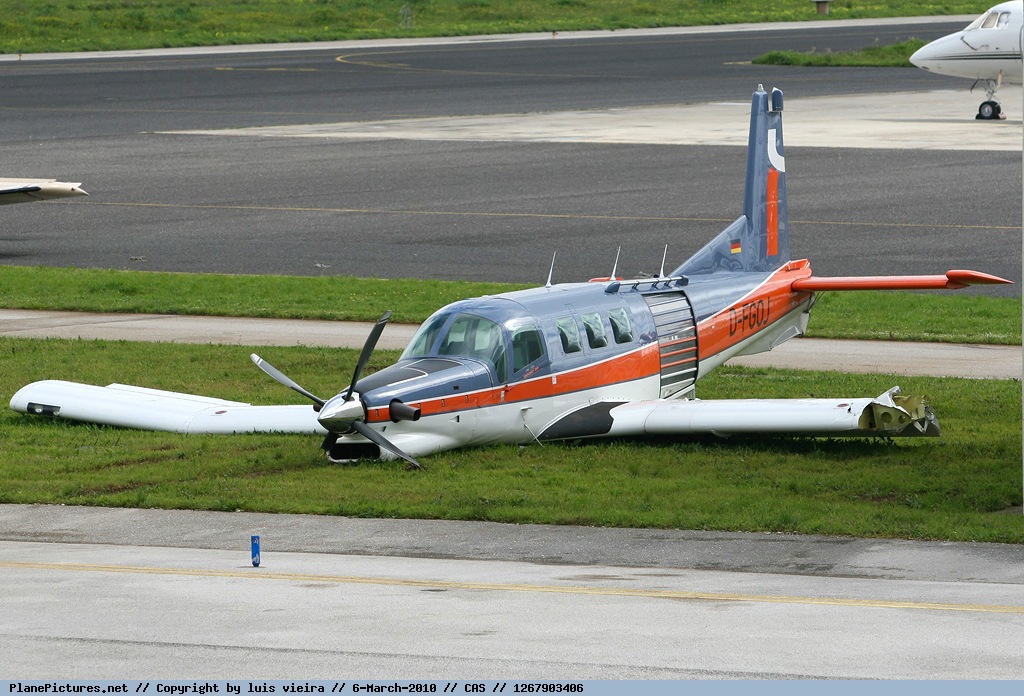
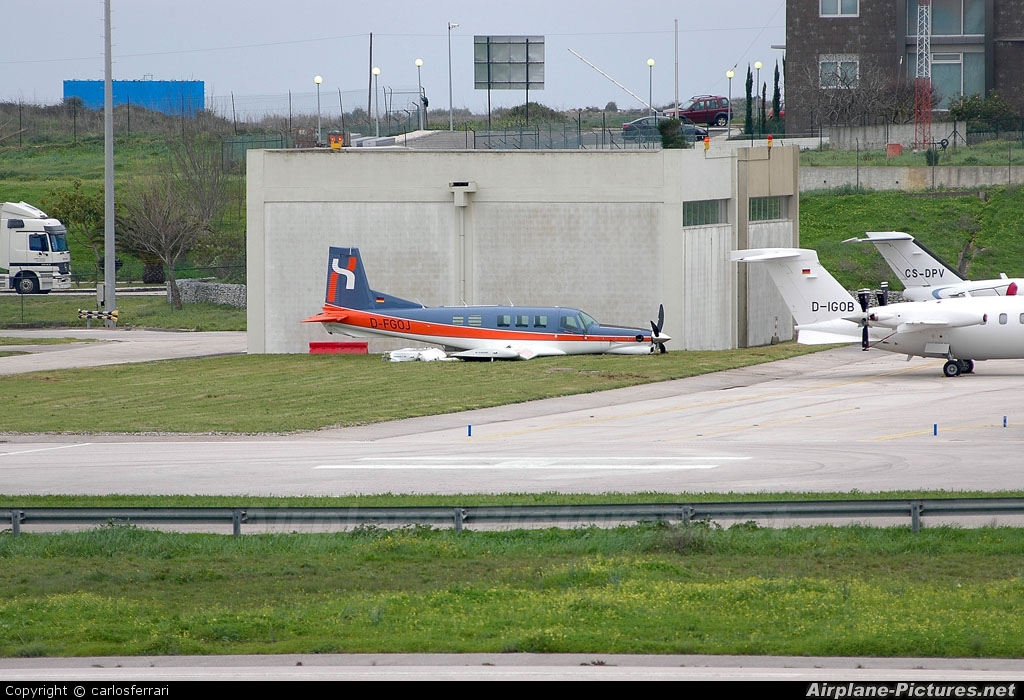
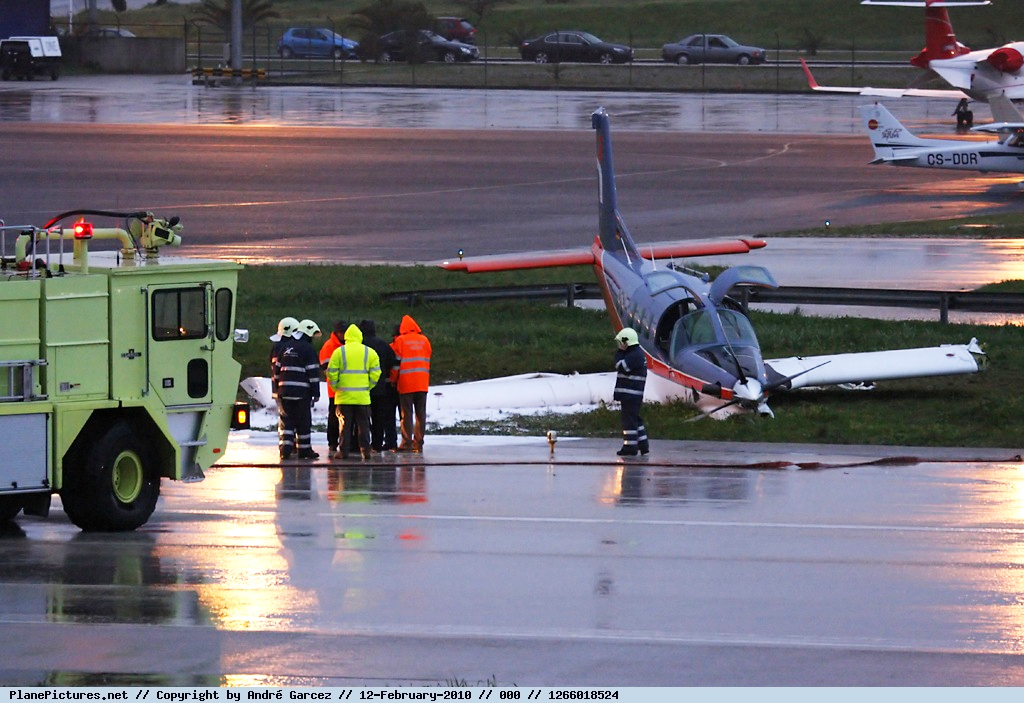
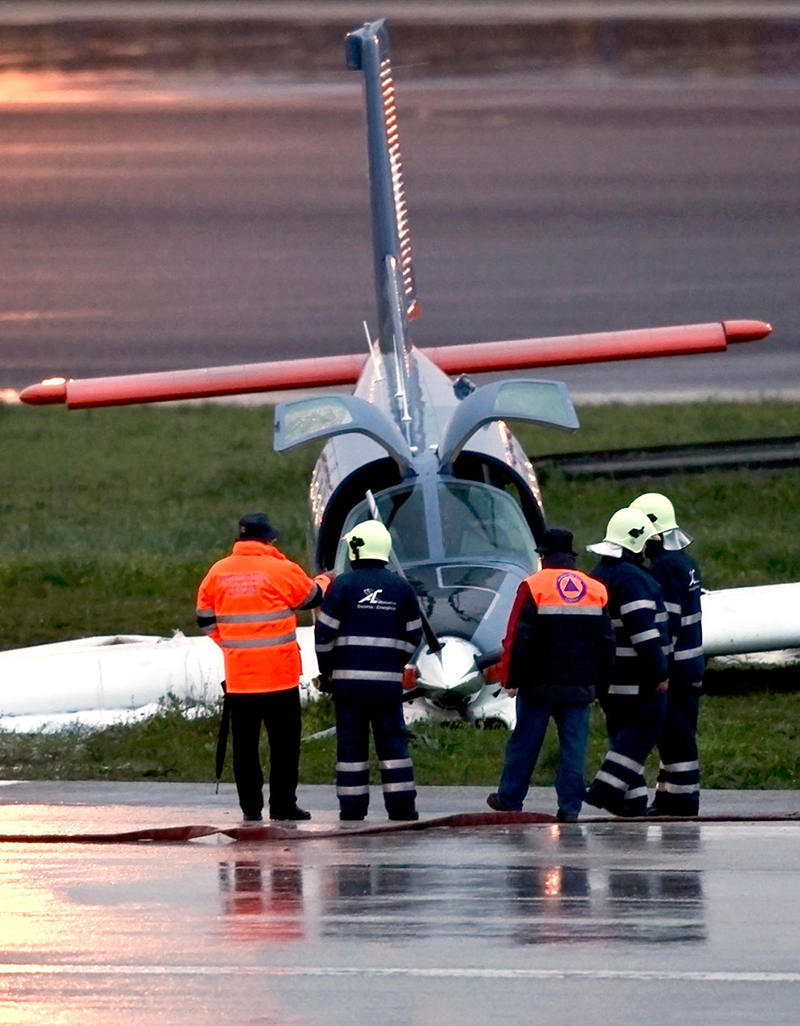
The aircraft departed Evora Airport in the afternoon for a local flight with two skydivers, one photographer and a pilot on board. Few minutes after take off, the photographer output a weapon and ordered both skydivers to jump. After they left the cabin, the photographer then threatened the pilot and ordered him to divert to Cascais-Tires Airport. After landing, the aircraft veered off runway, lost its undercarriage and came to rest in a grassy area near the apron. The pilot was able to escape while the photographer shot himself and died. Aircraft was damaged beyond repair, both wings being partially sheared off.
Probable cause:
Aircraft and crew hijacked in flight by a 'photographer'.
Final Report:

Crash of a Technoavia SM-92T Turbo Finist in Kalachevo: 8 killed

Date & Time: Dec 13, 2009 at 1100 LT
Operator:
Registration:
RA-0257G
Flight Phase:
Survivors:
No
Schedule:
Kalachevo - Kalachevo
MSN:
02-005
YOM:
1997
Country:
Region:
Crew on board:
1
Crew fatalities:
Pax on board:
7
Pax fatalities:
Other fatalities:
Total fatalities:
8
Captain / Total flying hours:
4658
Captain / Total hours on type:
98.00
Aircraft flight hours:
536
Aircraft flight cycles:
1378
Circumstances:
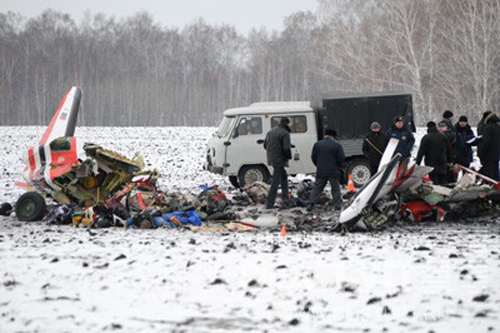
The single engine was completing local skydiving sorties at Kalachevo Airport, about 24 kkm south of Chelyabinsk. Shortly after takeoff, while climbing to a height of about 100 metres, the aircraft stalled and crashed in a snow covered field located 1,5 km north of the airfield. The aircraft was totally destroyed upon impact and all 8 occupants were killed.
Probable cause:
The accident was the consequence of a stall during initial climb due to the combination of the following factors:
- Violation of the climb procedures regarding the speed,
- Flight performances were not met as the aircraft was operated for skydiving purposes but not intended for such type of flight,
- The total weight of the aircraft was above the MTOW,
- The aircraft was not equipped with a system that could inform the pilot of the imminence of a stall,
- The aircraft stalled at a relative low altitude that could not allow the pilot to expect recovery.
Final Report:

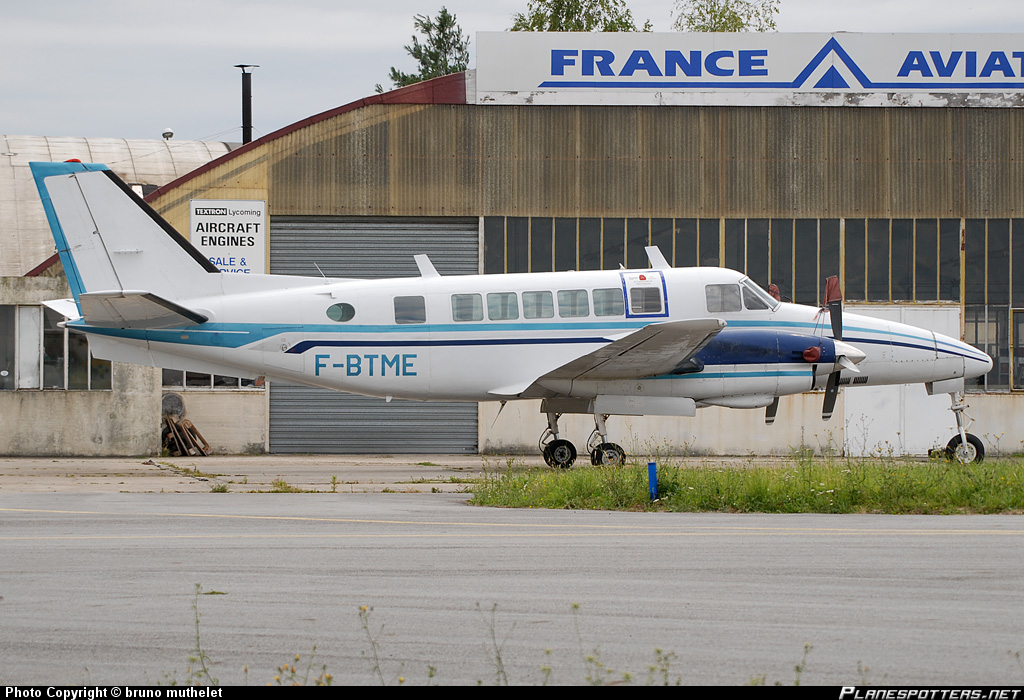
Crash of a Beechcraft 99 Airliner in Évora: 2 killed

Date & Time: Aug 14, 2009 at 1908 LT
Type of aircraft:
Operator:
Registration:
F-BTME
Survivors:
No
Site:
Schedule:
Évora - Évora
MSN:
U-79
YOM:
1968
Country:
Region:
Crew on board:
1
Crew fatalities:
Pax on board:
1
Pax fatalities:
Other fatalities:
Total fatalities:
2
Aircraft flight hours:
22993
Aircraft flight cycles:
17449
Circumstances:
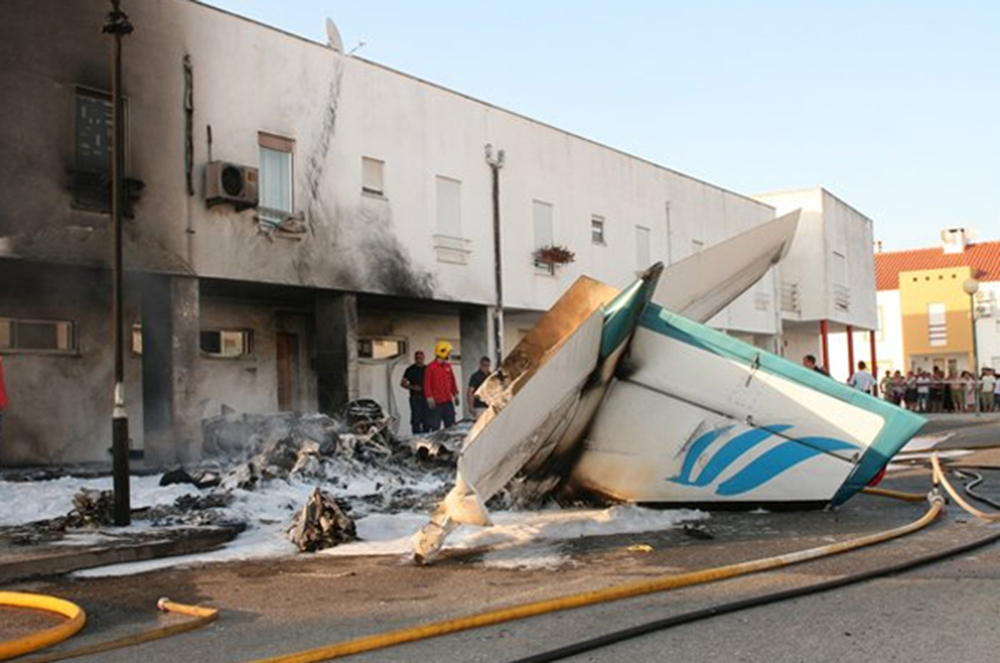
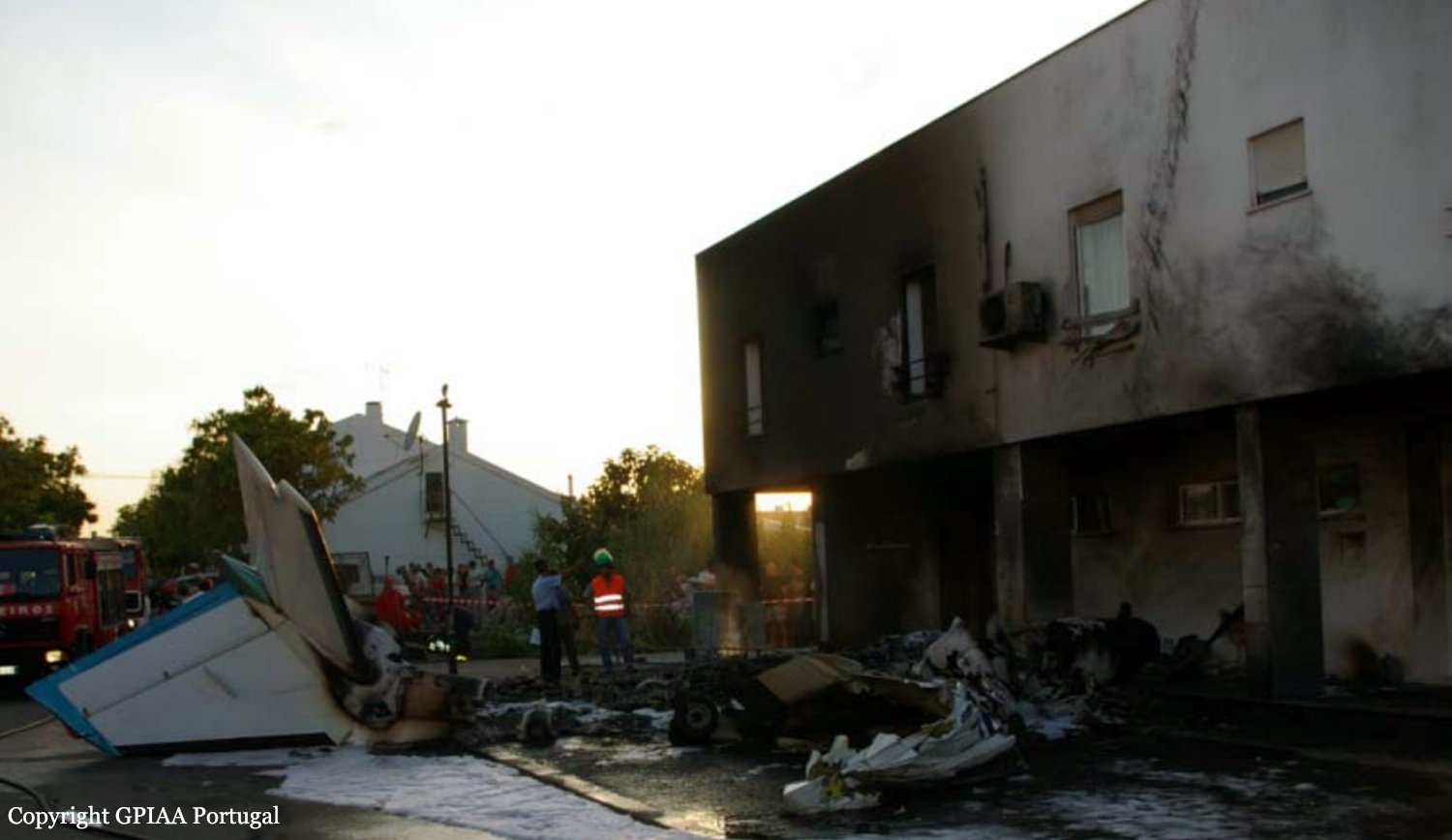
The aircraft, a Beechcraft model BE-99, s/n U79, with French registration F-BTME, belonging to the operator “Avioarte Serviços Aéreos, Lda”, was involved all that day, 14th of August, 2009, flying locally, carrying parachutists for skydiving exercises, in the vicinity of Évora aerodrome (LPEV), working for the enterprise “Skydive”. With twelve full equipped parachutists and one pilot on board, the aircraft took-off on runway 01 at 18:47, intending to climb to an altitude of 13000ft (4000m), at which altitude the jumping would take place. When passing about 9500ft (2900m), left engine (#1) flame-out and respective propeller was automatically feathered. The pilot stop climb at around 10500ft (3200m), informed the parachutists that one engine had stopped and they should jump a little lower than it was expected, while he would proceed for landing at same aerodrome, with one engine inoperative. All parachutists left the aircraft, on sequence, but one, who, after being next to the exit, returned to the cockpit and remained on board, with the pilot. The aircraft started a dive, turning around the field, and the pilot contacted the tower on left base leg for runway 01, but said nothing about the inoperative engine or any assistance required. He was told to report on final, which he never did. He continued the approach for runway 01, with landing gear down and flaps at initial setting (13º), but keeping high speed. The aircraft made a low pass, over all runway length, without the wheels touching the ground. Once passing runway end it continued flying, the pilot increased power on right engine (#2) and the aircraft started deviating to the left, with wings levelled and without showing significant climb tendency. Observers, at the aerodrome, lost the sight of the aircraft for some moments and saw it reappearing close to Almeirim residential quarter (in the outskirts of Évora). One testimony, sited at the aerodrome, referred seeing the aircraft executing a sudden manoeuvre, like a left roll, pointing the wheels up to the sky. Moments later a collision sound was heard, the engine became silent and some flames and a black smoke cloud appeared. The aircraft collided with a residential building, in Maria Auxiliadora street, Almeirim residential quarter, sited about 1160m far from runway end, on track 330º. After the collision with the building, the aircraft fell to the ground, upside-down, a fire sparked immediately and the plane was engulfed by flames. Fire brigades from Évora, Viana do Alentejo, Montemor-o-Novo and Arraiolos arrived at the scene, promptly, but it took some time for the fire to be extinguished (after burning all aircraft fuel) and the burned bodies recovered from the wreckage.

Probable cause:
Primary Cause:
Primary cause for this accident was pilot inability, as he was not qualified to fly this class of aircraft, to carry a single engine landing or maintain directional control during go-around with one engine inoperative.
Contributory Factors:
The following were considered as Contributory factors:
- The pilot was not qualified to operate multi-engine aircrafts and had no knowledge and training to fly this kind of aircraft;
- Unsuitable fuel monitoring and omission on manufacturer recommended procedures accomplishment;
- Inadequate flying technique, without consideration to the airplane special flying characteristics;
- Inadequate supervision, by the competent authorities, on flying activities carried by pilots and aircrafts with foreign licenses and registrations, inside Portuguese territory.
Final Report:

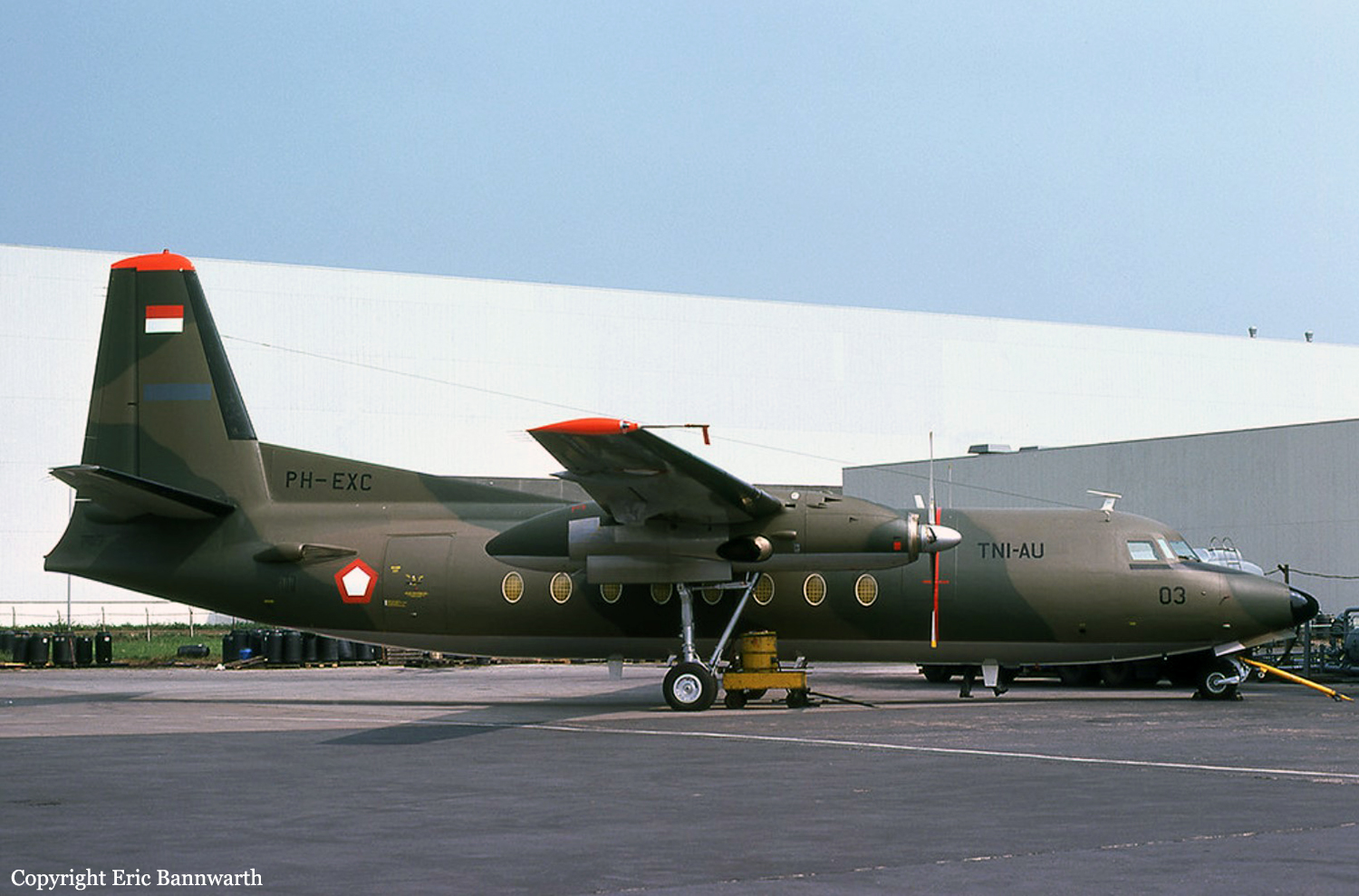
Crash of a Fokker F27 Friendship 400M in Bandung: 24 killed

Date & Time: Apr 6, 2009 at 1230 LT
Type of aircraft:
Operator:
Registration:
A-2703
Survivors:
No
Schedule:
Bandung - Bandung
MSN:
10538
YOM:
1976
Country:
Region:
Crew on board:
6
Crew fatalities:
Pax on board:
18
Pax fatalities:
Other fatalities:
Total fatalities:
24
Circumstances:
The aircraft was performing a paratroopers/skydiving mission in the region of Bandung, taking part to a military program with members of the Special Forces on board. While approaching runway 29 with 20 knots crosswind, the aircraft went out of control and crashed onto a hangar, bursting into flames. All 24 occupants were killed, among them 17 paratroopers, one instructor and 6 crew members.

Crash of a PZL-Mielec AN-2T in Volosovo

Date & Time: Mar 7, 2009
Type of aircraft:
Operator:
Registration:
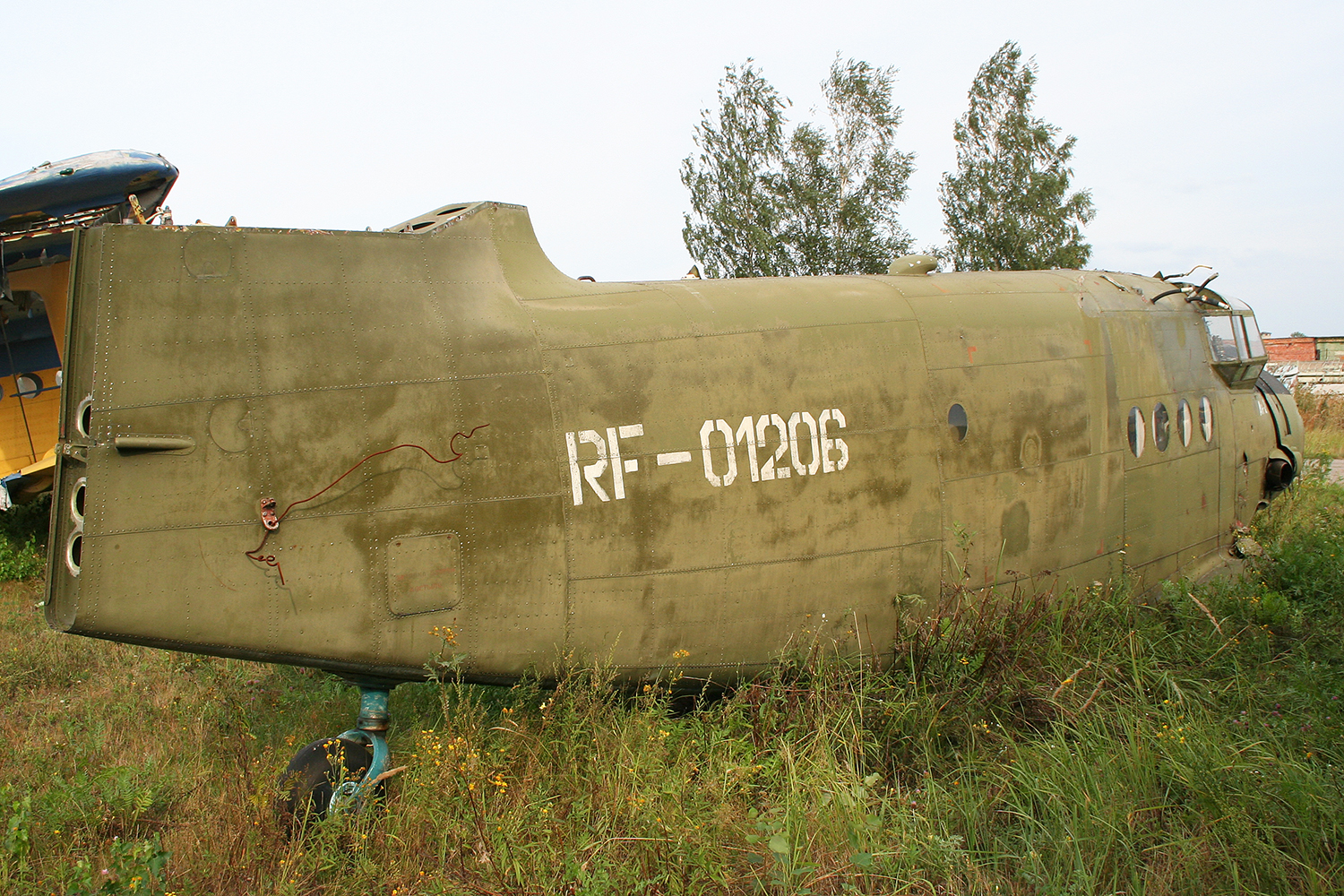
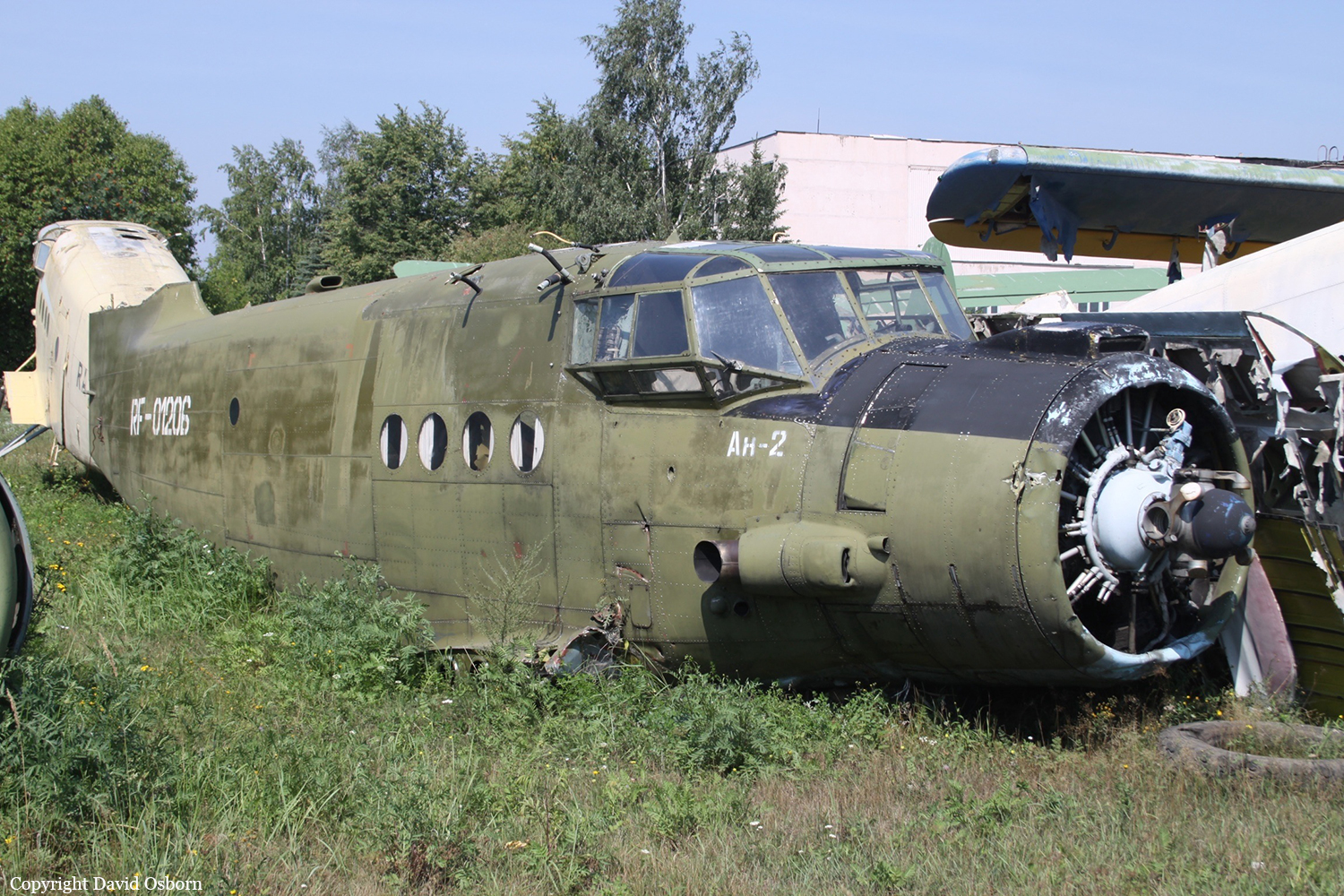
RF-01206
Flight Phase:
Survivors:
Yes
Schedule:
Volosovo - Volosovo
MSN:
1G98-22
YOM:
1968
Country:
Region:
Crew on board:
1
Crew fatalities:
Pax on board:
10
Pax fatalities:
Other fatalities:
Total fatalities:
0
Circumstances:
45 seconds after takeoff, while climbing, the aircraft stalled and crashed in a snow covered field. The pilot and all 10 skydivers escaped uninjured while the aircraft was damaged beyond repair.

Crash of an Antonov AN-2 in Pskov

Date & Time: Feb 11, 2009 at 1030 LT
Type of aircraft:
Operator:
Registration:
10 yellow
Flight Phase:
Survivors:
Yes
Schedule:
Pskov - Pskov
Country:
Region:
Crew on board:
3
Crew fatalities:
Pax on board:
10
Pax fatalities:
Other fatalities:
Total fatalities:
0
Circumstances:
Shortly after take off from Pskov Airport, while climbing to a height of about 50-70 metres, the crew encountered engine problems and elected to make an emergency landing. The aircraft lost height and crashed in a snow covered field located near the airport and came to rest. All 13 occupants escaped uninjured while the aircraft was damaged beyond repair. All passengers were skydivers (paratroopers) from the Marine Corps.
Probable cause:
Engine failure for unknown reasons.

Crash of a Pacific Aerospace PAC 750XL in Pont-en-Ogoz: 2 killed

Date & Time: Sep 21, 2008 at 1328 LT
Operator:
Registration:
ZK-JPP
Flight Phase:
Survivors:
No
Schedule:
Colombier – Ecuvillens
MSN:
106
YOM:
2003
Country:
Region:
Crew on board:
1
Crew fatalities:
Pax on board:
1
Pax fatalities:
Other fatalities:
Total fatalities:
2
Captain / Total flying hours:
645
Captain / Total hours on type:
213.00
Aircraft flight hours:
1471
Aircraft flight cycles:
4214
Circumstances:
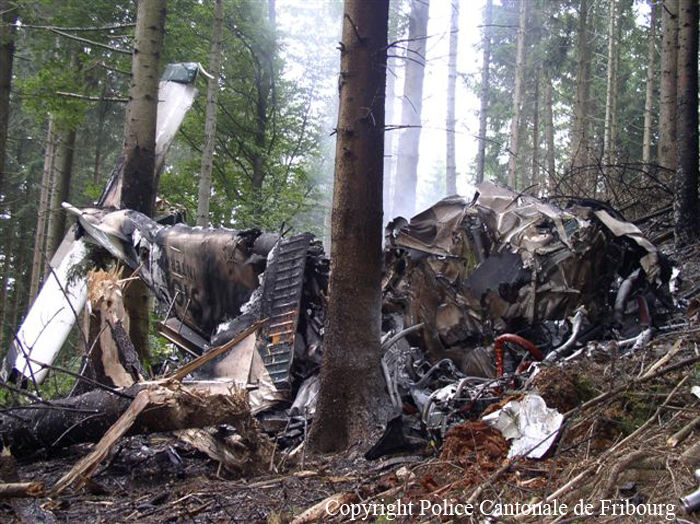
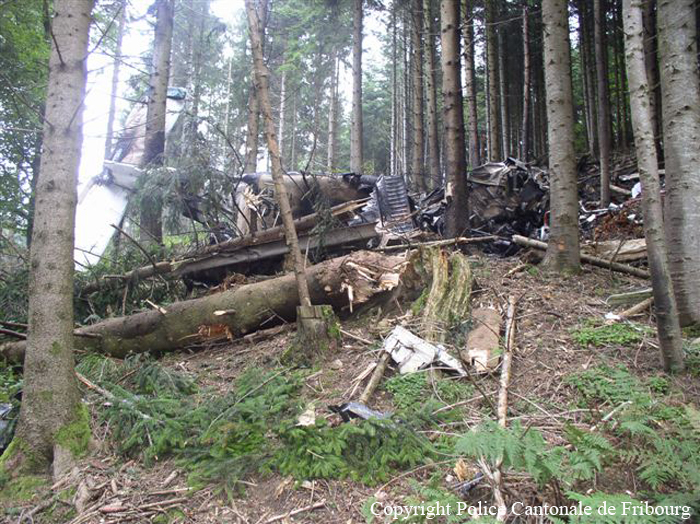
Following an uneventful flight from Beromünster, the single engine aircraft landed at Colombier Airport where 17 skydivers boarded the plane on a flight to Ecuvillens. While overflying the region of Gruyere, all 17 skydivers jumped. Few minutes later, while descending to Ecuvillens, the pilot encountered marginale weather conditions with limited visibility due to stratus up to the altitude of 1,060 metres. While flying under VFR mode in IMC conditions, the aircraft collided with trees and crashed the forest of Gibloux, near Pont-en-Ogoz. The aircraft was totally destroyed by impact forces and a post crash fire and both occupants, one pilot and one female passenger, were killed.
Probable cause:
Controlled flight into terrain after the pilot continued under VFR mode in IMC conditions.
Final Report:

Crash of a Beechcraft A90 King Air in Pitt Meadows

Date & Time: Aug 3, 2008 at 1524 LT
Type of aircraft:
Registration:
N17SA
Survivors:
Yes
Schedule:
Pitt Meadows - Pitt Meadows
MSN:
LJ-164
YOM:
1966
Country:
Crew on board:
1
Crew fatalities:
Pax on board:
7
Pax fatalities:
Other fatalities:
Total fatalities:
0
Captain / Total flying hours:
4800
Captain / Total hours on type:
1290.00
Aircraft flight hours:
13257
Circumstances:
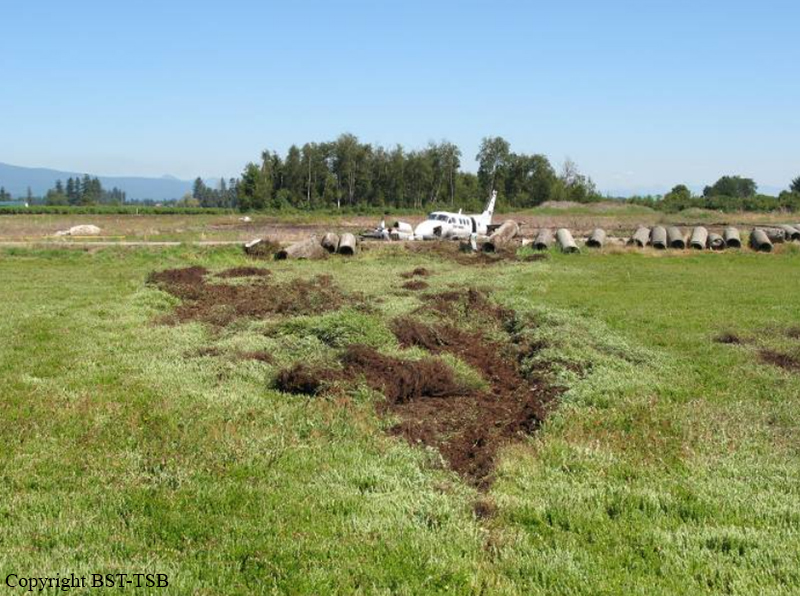
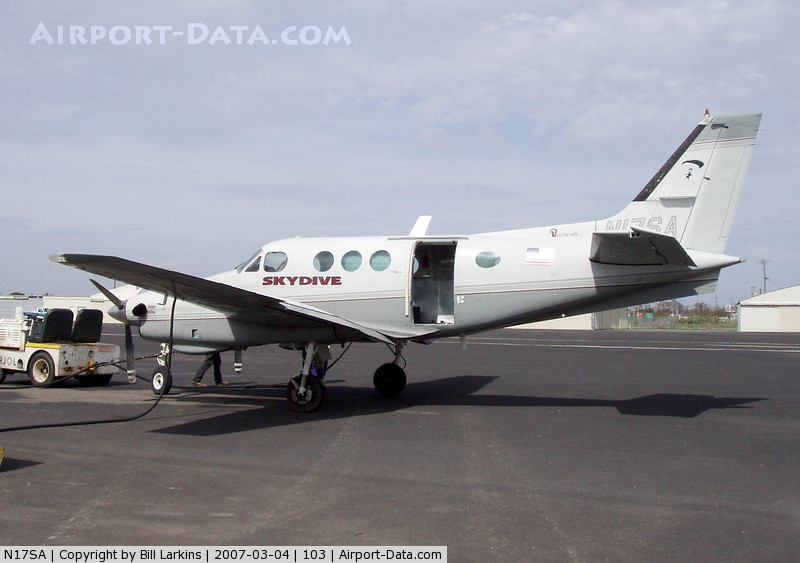
The Bill Dause Beech 65-A90 King Air (United States registration N17SA, aircraft serial number LJ-164) took off from Pitt Meadows Airport, British Columbia, with the pilot and seven parachutists for a local sky diving flight. At 1521 Pacific daylight time, as the aircraft was climbing through 3900 feet above sea level, the pilot reported an engine failure and turned back towards Pitt Meadows Airport for a landing on Runway 08R. The airport could not be reached and a forced landing was carried out in a cranberry field, 400 metres west of the airport. On touchdown, the aircraft struck an earthen berm, bounced, and struck the terrain again. On its second impact, the left wing dug into the soft peat, spinning the aircraft 180 degrees. Four of the parachutists received serious injuries and the aircraft was substantially damaged. There was no fire and the occupants were evacuated. The emergency locator transmitter functioned at impact and was turned off by first responders.
Probable cause:
Findings as to Causes and Contributing Factors:
1. The general condition of the aircraft, the engine time before overhaul (TBO) over-run and the missed inspection items demonstrated inadequate maintenance that was not detected by regulatory oversight.
2. The TBO over-run and missed inspections resulted in excessive spline wear in the left engine-driven fuel pump going undetected.
3. The left engine lost power due to mechanical failure of the engine fuel pump drive splines.
4. The horizontal engine instrument arrangement and the lack of recent emergency training made quick engine malfunction identification difficult. This resulted in the pilot shutting down the wrong engine, causing a dual-engine power loss and a forced landing.
5. Not using the restraint devices contributed to the seriousness of injuries to some passengers.
Finding as to Risk:
1. There is a risk to passengers if Transport Canada does not verify that holders of Canadian Foreign Air Operator Certificates-Free Trade Agreement meet airworthiness and operational requirements.
Final Report: