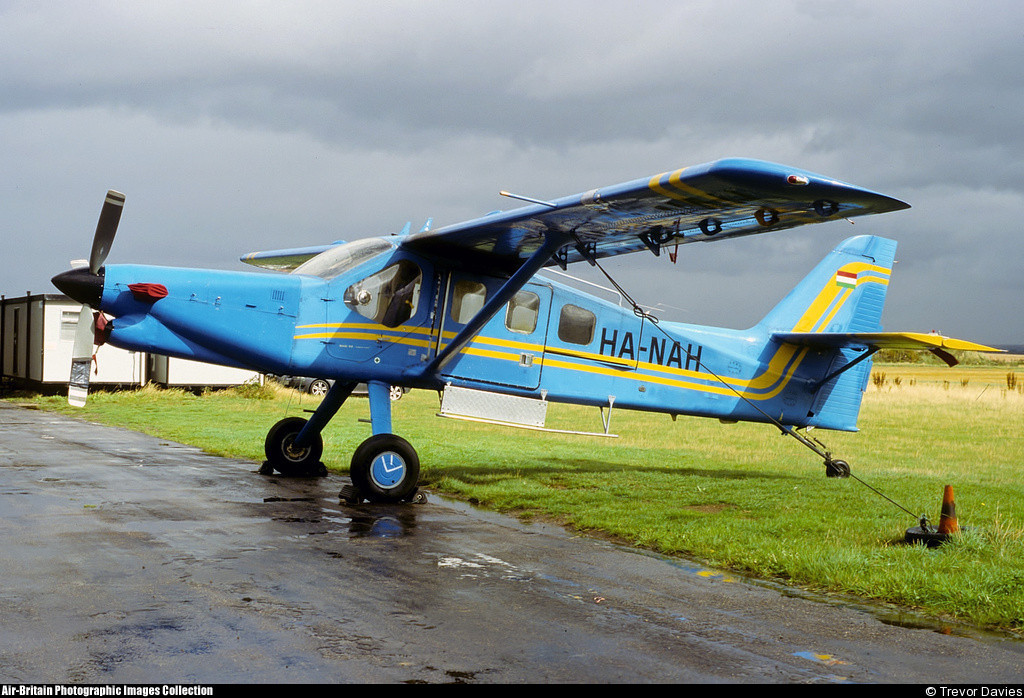
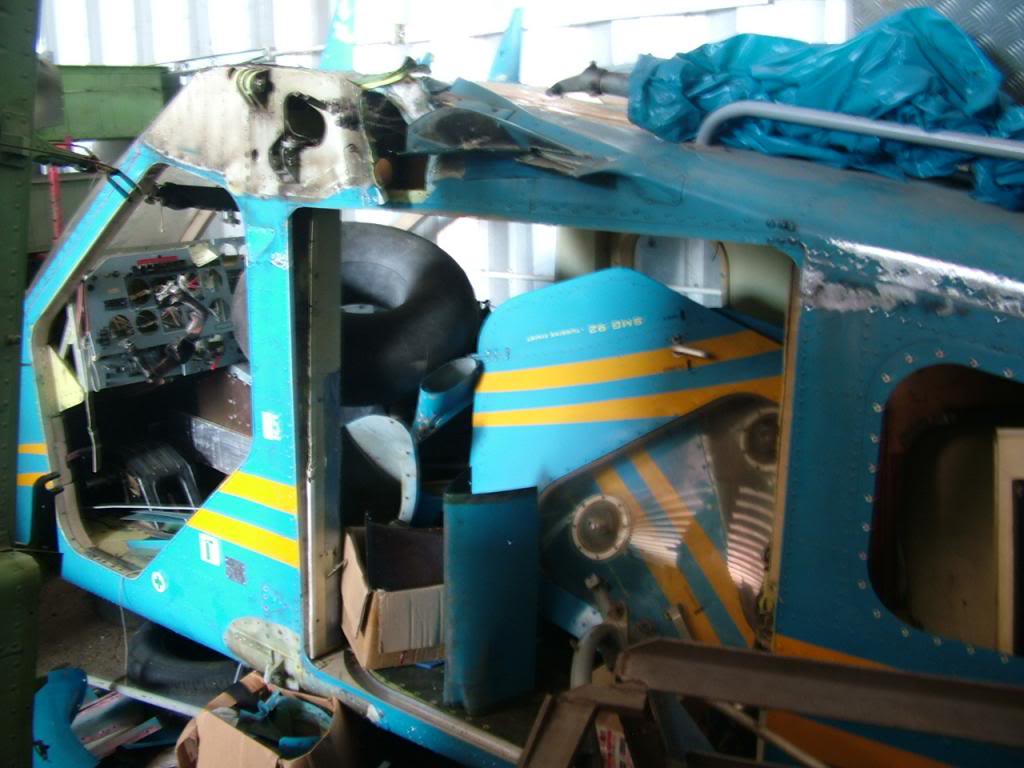
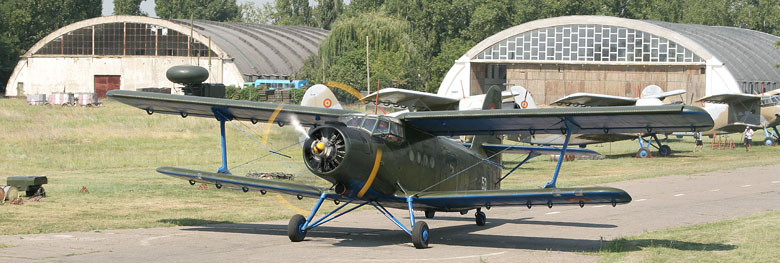
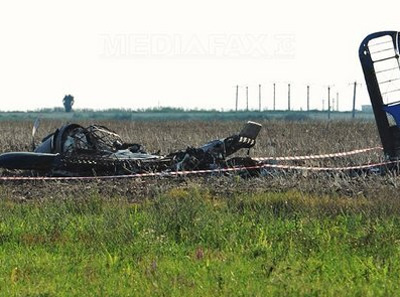
Crash of a Technoavia SM-92G Turbo Finist in Bollullos de la Mitación

Date & Time: Jul 1, 2012 at 1045 LT
Registration:
HA-NAH
Flight Phase:
Survivors:
Yes
Schedule:
Bollullos de la Mitación - Bollullos de la Mitación
MSN:
003
YOM:
1994
Country:
Region:
Crew on board:
2
Crew fatalities:
Pax on board:
8
Pax fatalities:
Other fatalities:
Total fatalities:
0
Captain / Total flying hours:
340
Captain / Total hours on type:
24.00
Aircraft flight hours:
2575
Circumstances:
The aircraft started taking off from runway 27 threshold. Upon reaching a speed deemed proper by the pilot for rotation, the pilot noticed that the aircraft was not taking off, so he decided to abort the takeoff. While trying to stop the aircraft, it exited via the left side of the runway near the end, breaking through the fence that surrounds the aerodrome before coming to rest in trees. While all ten occupants were uninjured, the aircraft was damaged beyond repair with both wings sheared off.
Probable cause:
Whenever this aircraft is doing a short-field takeoff with a high weight, it is recommended that the flaps be set to their takeoff position of 20°. The evidence indicates that the pilot was attempting to take off on runway 27 and forgot to place the flaps in the takeoff position (20°).
Final Report:

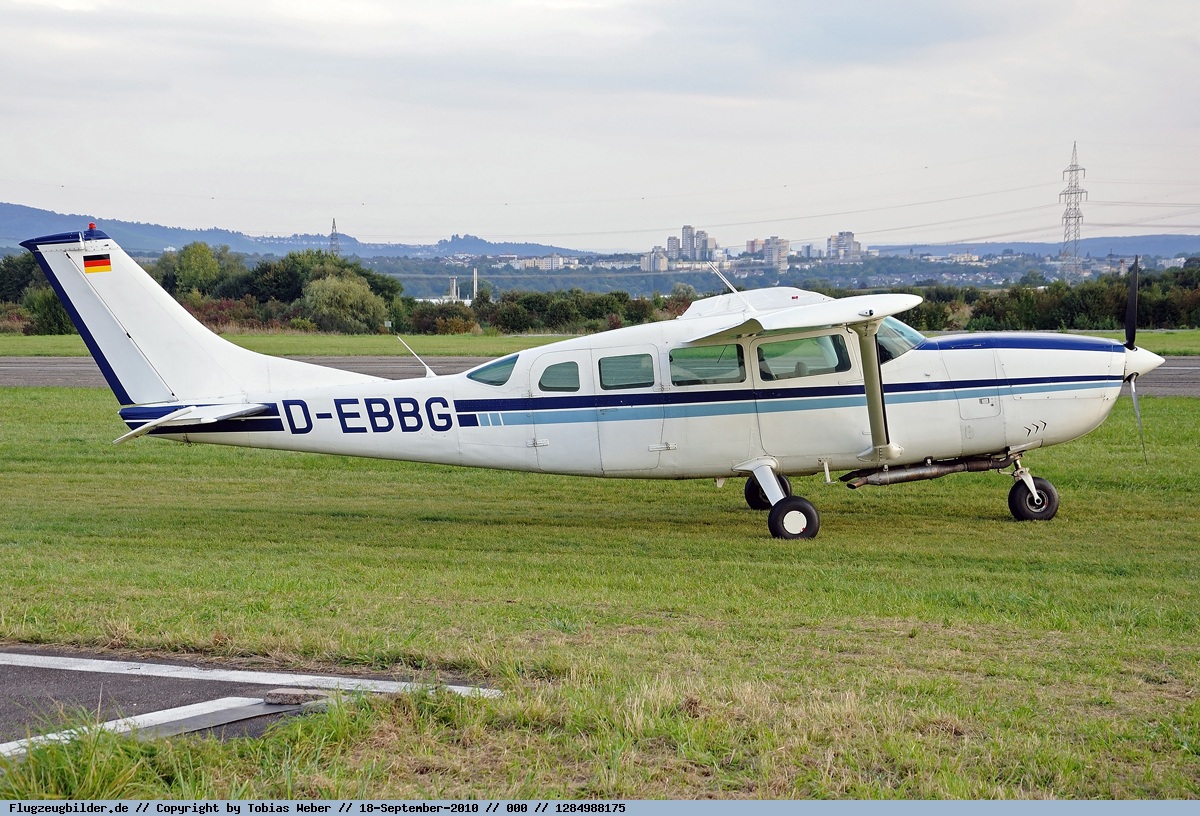
Crash of a Cessna 207 Skywagon in Clinceni

Date & Time: Jun 23, 2012 at 1110 LT
Registration:
D-EBBG
Flight Phase:
Survivors:
Yes
Schedule:
Clinceni - Clinceni
MSN:
207-0108
YOM:
1969
Location:
Country:
Region:
Crew on board:
1
Crew fatalities:
Pax on board:
3
Pax fatalities:
Other fatalities:
Total fatalities:
0
Captain / Total flying hours:
3656
Captain / Total hours on type:
182.00
Aircraft flight hours:
9019
Circumstances:
The single engine aircraft was engaged in skydiving flights at Clinceni Airport. Shortly after takeoff, while climbing to a height of about 200 feet, the engine failed. The pilot attempted an emergency landing when the aircraft crash landed in a field located 300 meters past the runway end. A skydiver was slightly injured while three other occupants were unhurt. The aircraft was damaged beyond repair.
Probable cause:
The connecting rod in the second cylinder failed during initial climb, causing the engine to stop. The authorization to operate skydiving flights was canceled 21 April 2012.
Final Report:

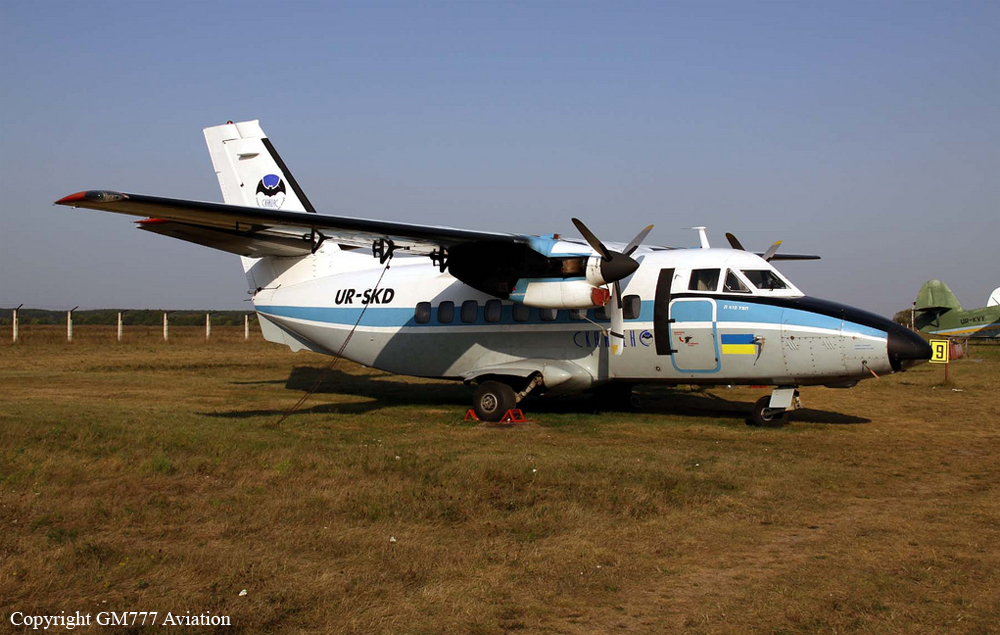
Crash of a Let L-410UVP in Borodyanka: 5 killed

Date & Time: Jun 10, 2012 at 1040 LT
Type of aircraft:
Registration:
UR-SKD
Survivors:
Yes
Schedule:
Borodyanka - Borodyanka
MSN:
81 07 21
YOM:
1981
Country:
Region:
Crew on board:
2
Crew fatalities:
Pax on board:
20
Pax fatalities:
Other fatalities:
Total fatalities:
5
Circumstances:
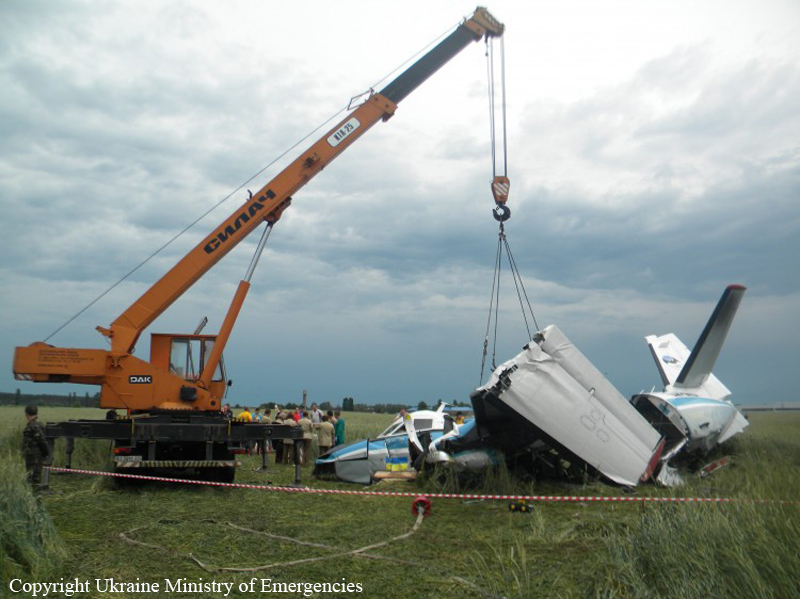
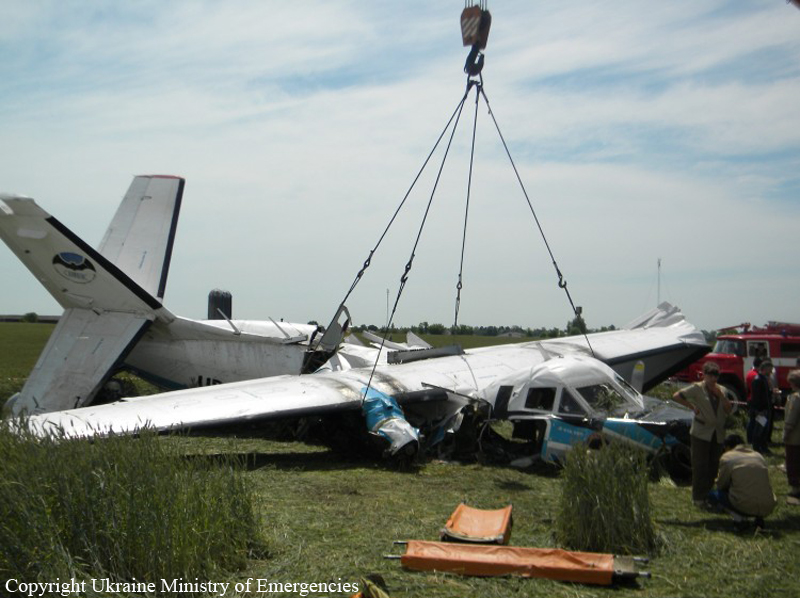
Owned by Skaidens (Skydance), the twin engine aircraft was engaged on local skydiving mission and operated on behalf of the Ukrainska Shkola Pilotov (Ukrainian Pilots' School). On board were 20 skydivers and two pilots. After take off from Borodyanka Aerodrome, the crew realized that weather conditions deteriorated and that a thunderstorm was approaching the airfield. The crew decided to cancel the mission and to return to the airport. On final approach, the aircraft encountered downdrafts and microburst. It lost height and crashed in a field some 900 meters short of runway threshold. Five skydivers were killed while 17 other occupants were injured, some seriously.
Probable cause:
According to the findings of the commission of inquiry, the most likely cause of the crash was the impact of the aircraft in a low-altitude wind due to strong downward air flow (micro-burst) during the landing of the aircraft in thunderstorms due to coincidence of the following negative factors.
- Failure of the crew to perform a go around or divert to the alternate aerodrome;
- A rapid increase in the speed of movement of the thunderstorm in the direction of the Borodyanka airfield area;
- Lack of training on the simulator in the conditions of wind shear, lack of experience in the crew on approach to landing in the conditions of wind shear, in particular micro-burst;
- Insufficient aeronautical equipment (lack of meteorological radar on the plane and airfield);
- Lack of information for the crew about the forecasted and actual meteorological conditions at the landing aerodrome, warnings about the forecasted / available wind shift at Borodyanka aerodrome;
- The crew was not sufficiently informed about the flight conditions due to insufficient lighting of the cockpit and failure of the instrumentation of the aircraft due to a power failure during approach in thunderstorm conditions;
- Lack of sufficient experience of the crew to perform activities and landings in conditions when the landing weight exceeded the maximum allowable, due to the presence of skydivers on board the aircraft;
- Motivation of the crew to perform the landing approach on the first attempt, due to insufficient information about the storm at the aerodrome. The information on wind increase and its direction (provided to the pilot) was perceived by the crew as possible conditions for landing because their parameters did not exceed the limits allowed by the AOM of the aircraft;
- Overloading of the aircraft, motivation of the decision of the captain to perform landing at the aerodrome of departure (Borodyanka) due to the presence of unregistered passengers on board, due to improper organization of boarding of skydivers at the aerodrome Borodyanka;
- Insufficient organization of flights at Borodyanka airfield in terms of meteorological support;
- Insufficient (weak) regulatory, regulatory, legislative framework for parachuting.

Crash of a Cessna 208B Grand Caravan in Lézignan-Corbières

Date & Time: May 25, 2012 at 1710 LT
Type of aircraft:
Operator:
Registration:
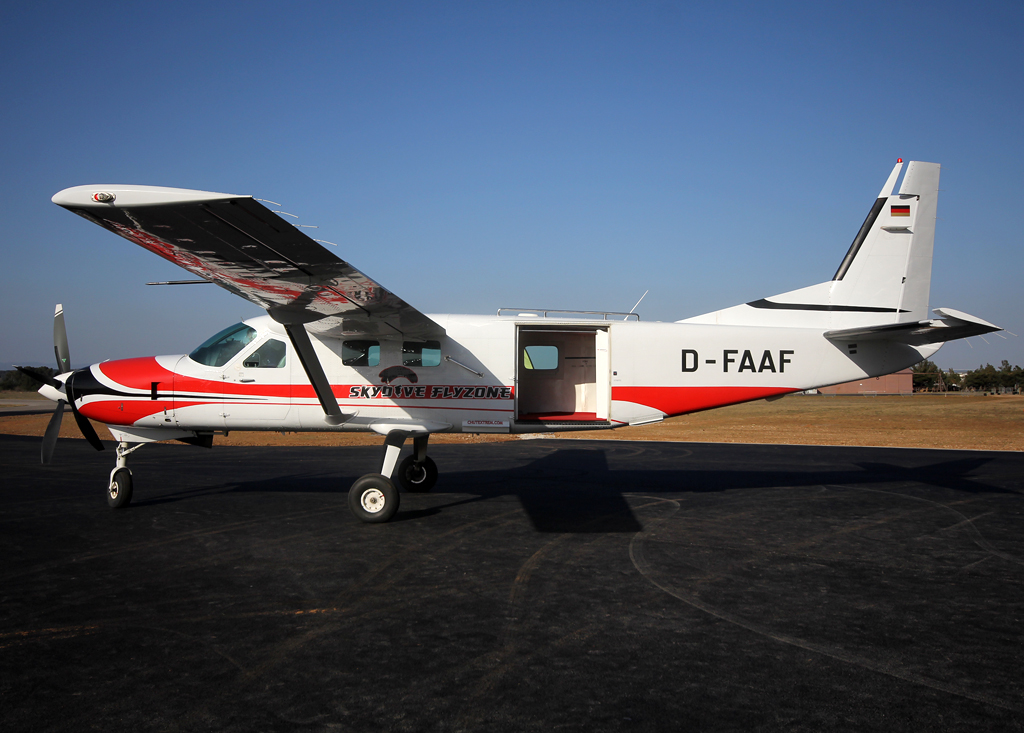
D-FAAF
Survivors:
Yes
Schedule:
Lézignan-Corbières - Lézignan-Corbières
MSN:
208B-1125
YOM:
2005
Country:
Region:
Crew on board:
1
Crew fatalities:
Pax on board:
0
Pax fatalities:
Other fatalities:
Total fatalities:
0
Captain / Total flying hours:
1900
Captain / Total hours on type:
850.00
Circumstances:
The single engine aircraft departed Lézignan-Corbières Airport at 1650LT with a pilot and several skydivers on board. At 10,500 feet, all skydivers jumped out and the pilot reduced his altitude to return to his base. On final approach to runway 08, at a height of 700 feet and at a speed of 90 knots, the pilot slightly increased the engine power to maintain the glide and then reduced again the power. At this time, the engine stopped and the propeller auto-feathered. Unable to reach the runway, the pilot attempted an emergency landing in a vineyard located some 800 meters short of runway 08, to the right of its extended centerline. While the pilot was uninjured, the aircraft was damaged beyond repair.
Probable cause:
Investigation were unable to determine the cause of the turbine failure on final approach. Sufficient fuel (about 500 pounds) was still present in the tanks and all analysis of the engine, fuel supply control system and the fuel pump did not reveal any anomalies.
Final Report:

Crash of a Beechcraft B90 King Air in Hillsboro

Date & Time: Sep 17, 2011 at 1145 LT
Type of aircraft:
Registration:
N125A
Survivors:
Yes
Schedule:
Hillsboro - Hillsboro
MSN:
LJ-360
YOM:
1968
Location:
Crew on board:
1
Crew fatalities:
Pax on board:
0
Pax fatalities:
Other fatalities:
Total fatalities:
0
Captain / Total flying hours:
1900
Captain / Total hours on type:
200.00
Aircraft flight hours:
9254
Circumstances:
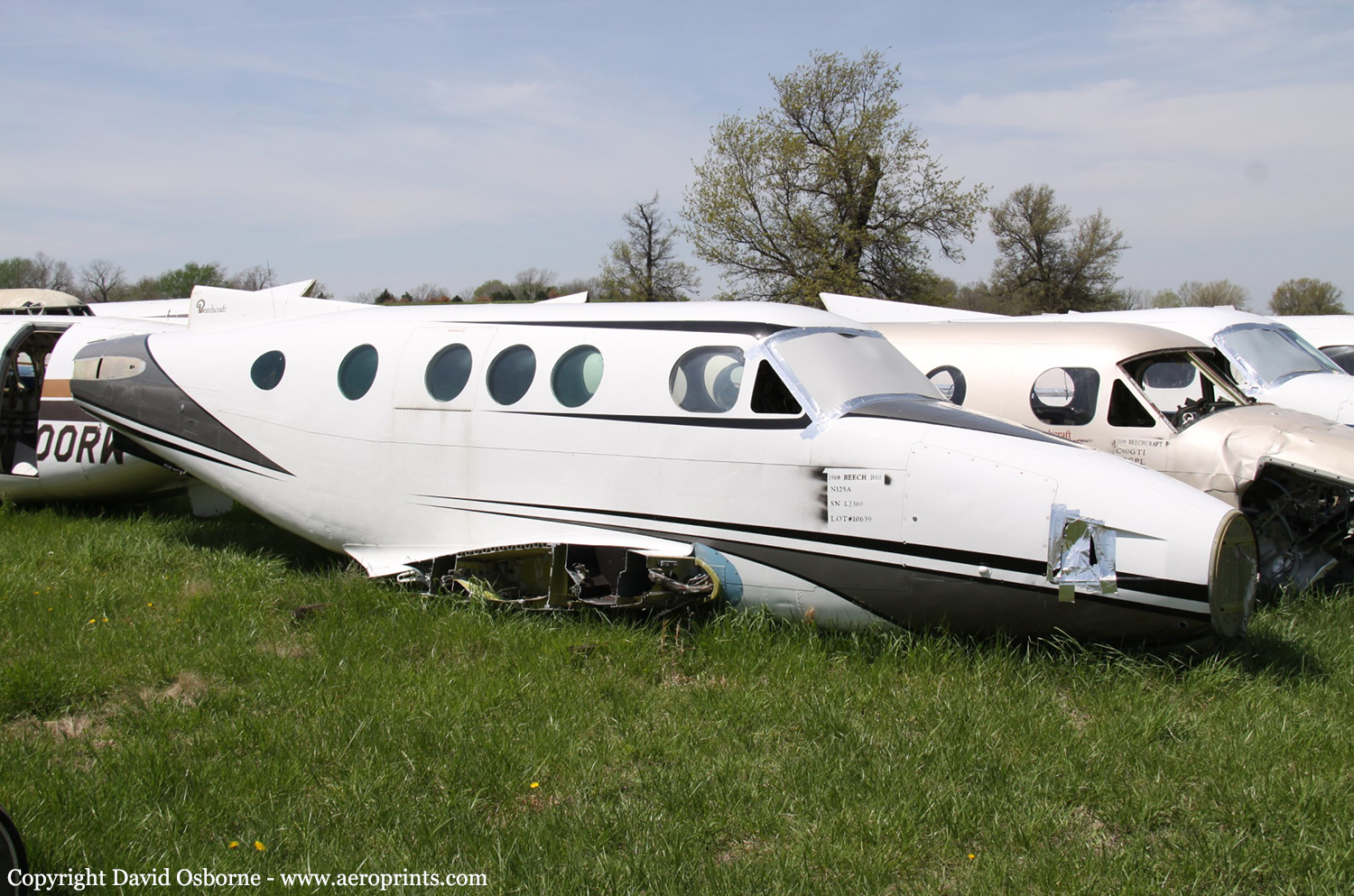
While landing, the airplane touched down short of the runway, the left main landing gear impacted the edge of the runway and collapsed, and the airplane departed the edge of the runway into a culvert. The airplane’s left wing sustained substantial damage.
Probable cause:
The pilot's failure to obtain a proper touchdown point, which resulted in a runway undershoot.
Final Report:

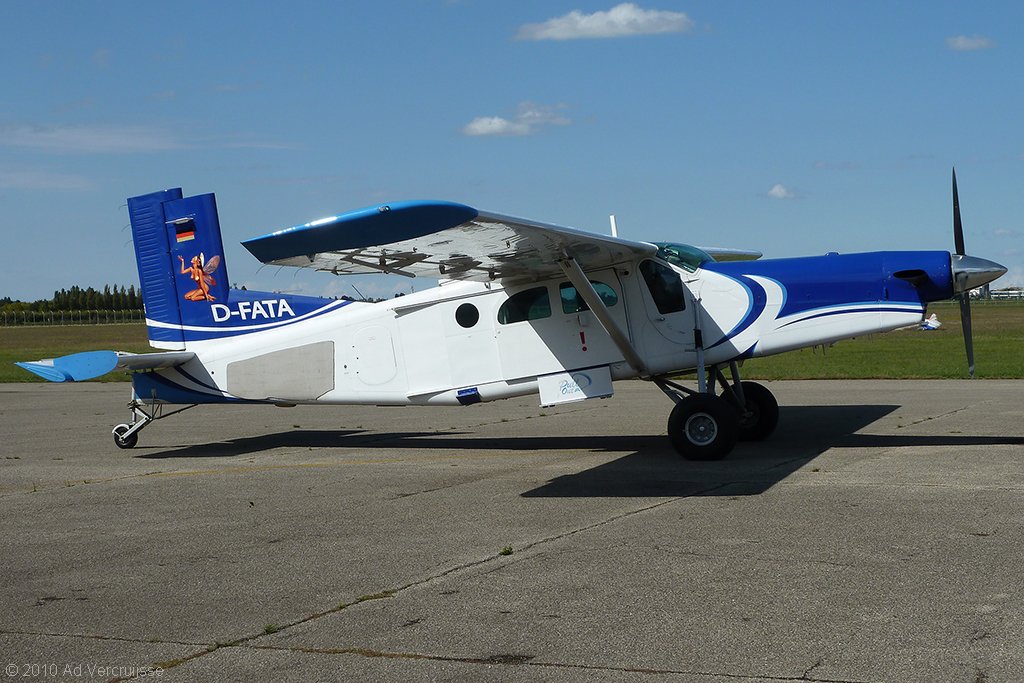
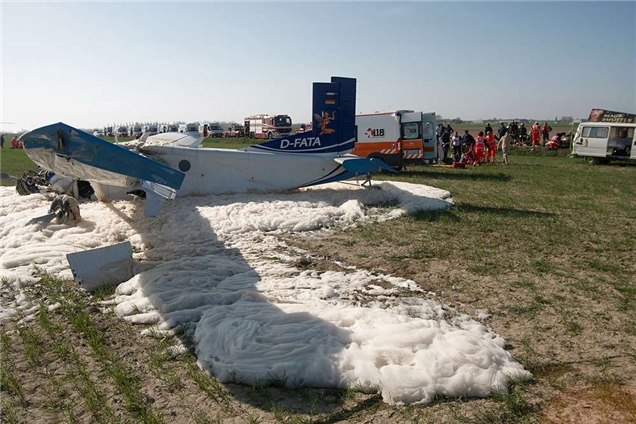
Crash of a Pilatus PC-6/B2-H4 Turbo Porter in Ravenna

Date & Time: Apr 2, 2011 at 1530 LT
Operator:
Registration:
D-FATA
Flight Phase:
Survivors:
Yes
Schedule:
Ravenna - Ravenna
MSN:
894
YOM:
1994
Country:
Region:
Crew on board:
1
Crew fatalities:
Pax on board:
10
Pax fatalities:
Other fatalities:
Total fatalities:
0
Aircraft flight hours:
5797
Circumstances:
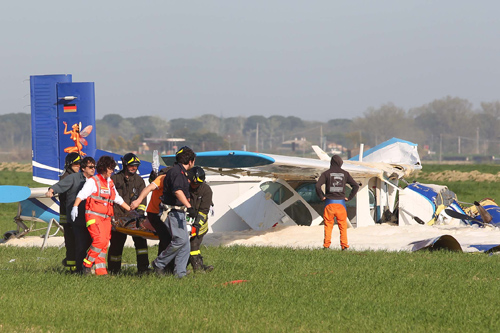
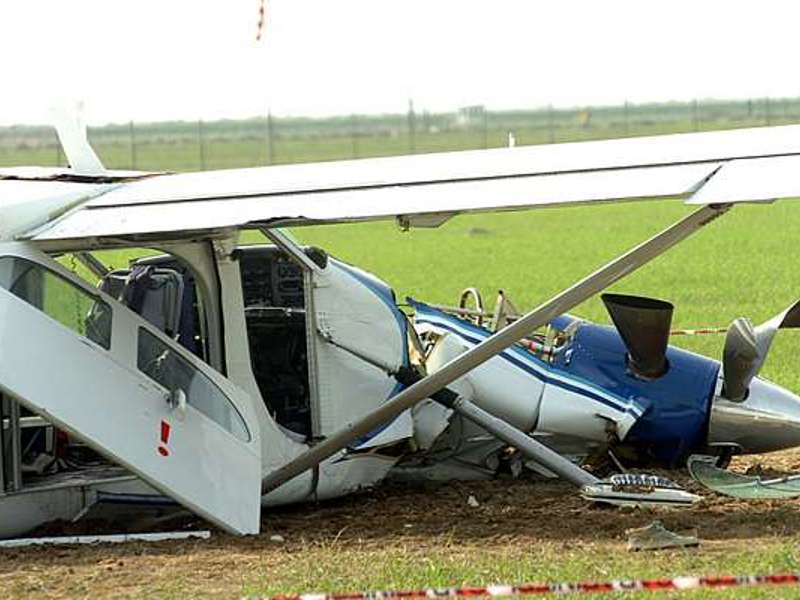
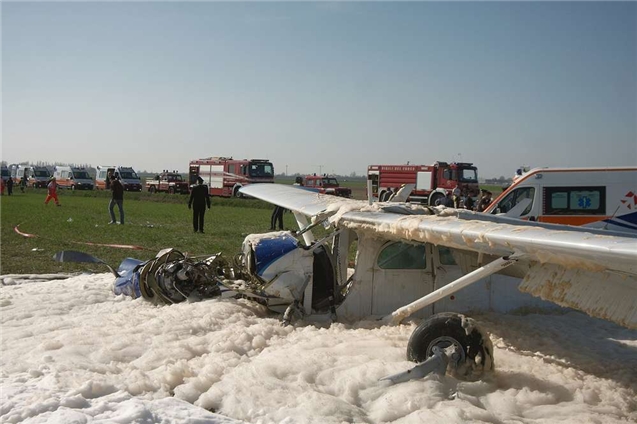
The single engine aircraft departed Ravenna-La Spreta Airport on a local skydiving mission, carrying nine skydivers, one child and one pilot. After takeoff from runway 08, while climbing to an altitude of about 50 feet, the aircraft turned to the left then lost height and crashed in an open field located 380 metres from the runway end. All 11 occupants were injured, five of them seriously. The aircraft was destroyed.
Final Report:

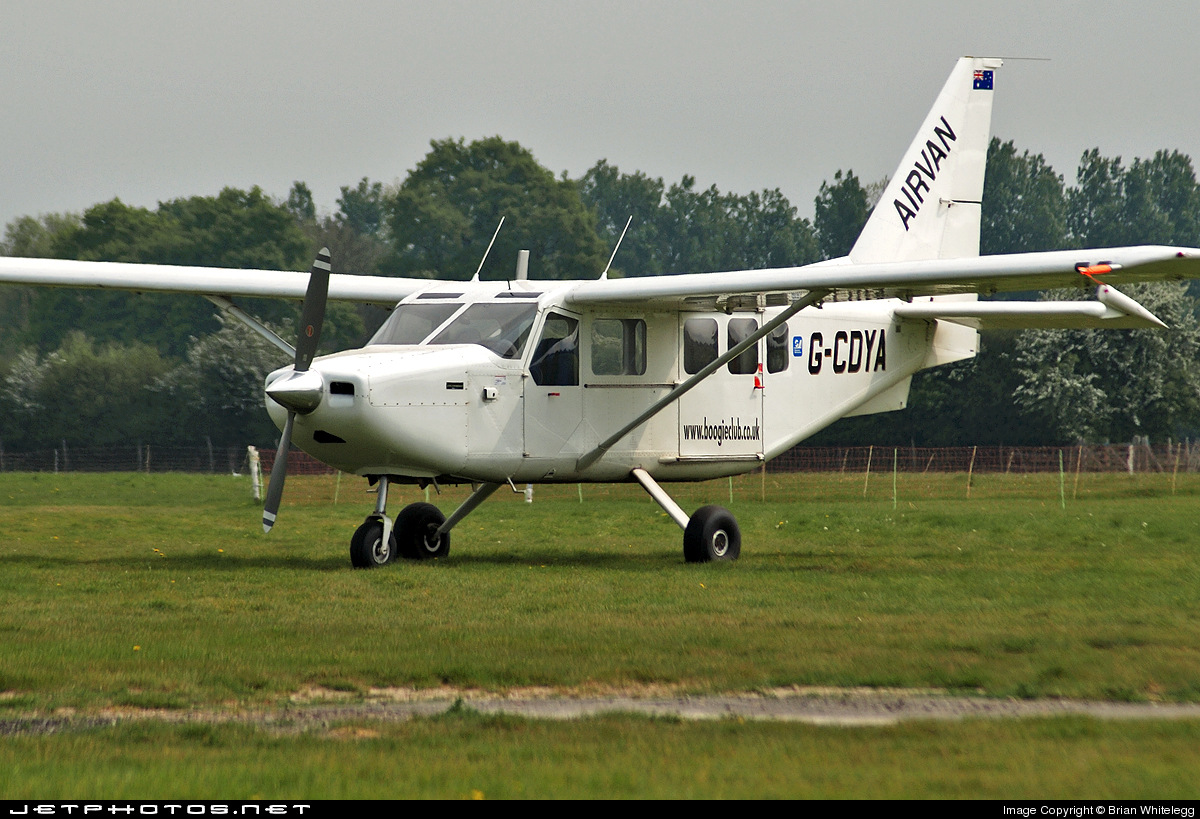
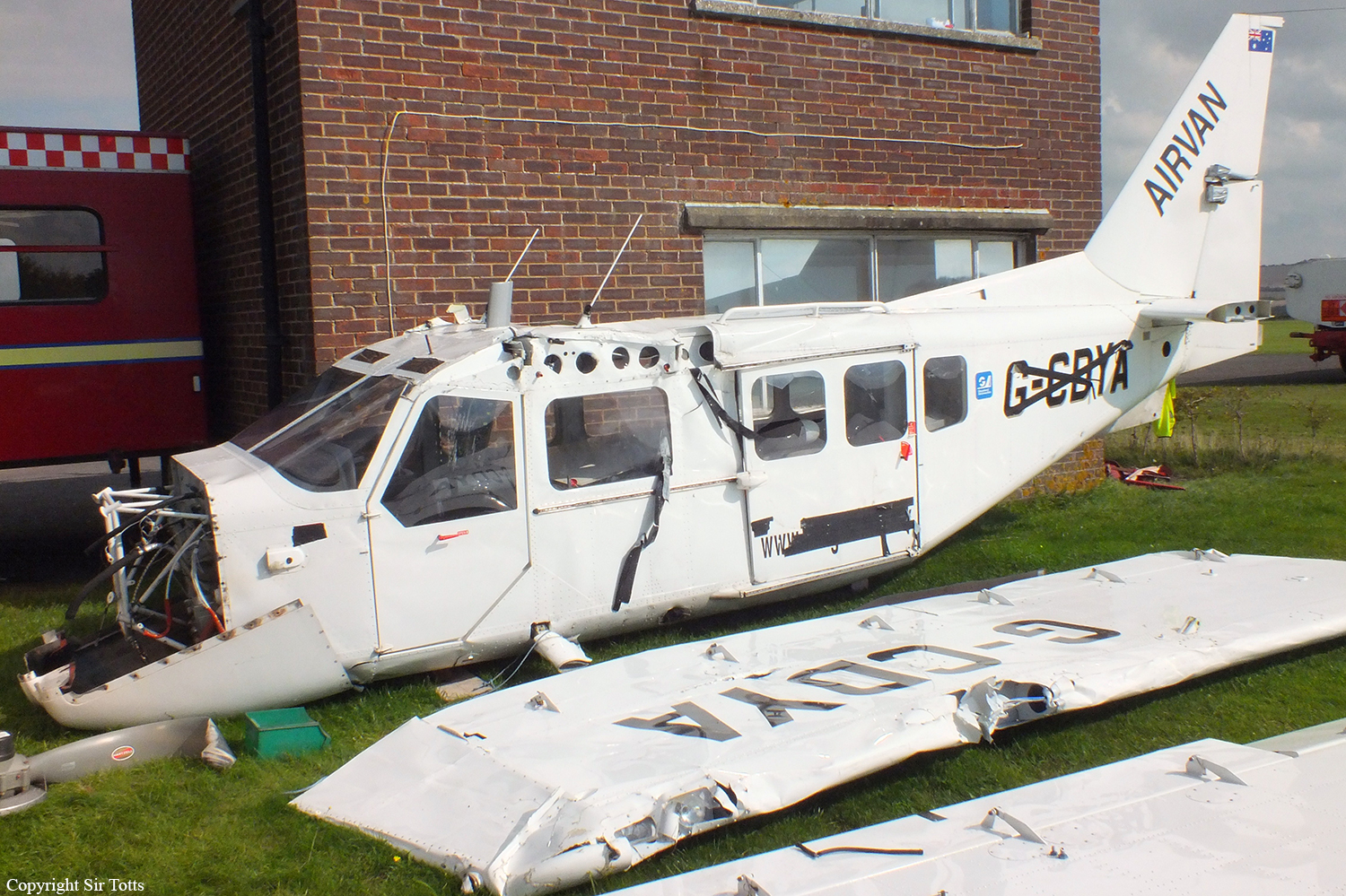
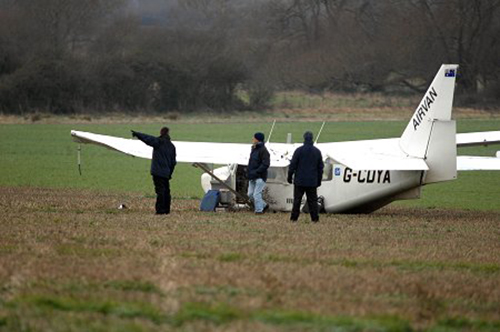
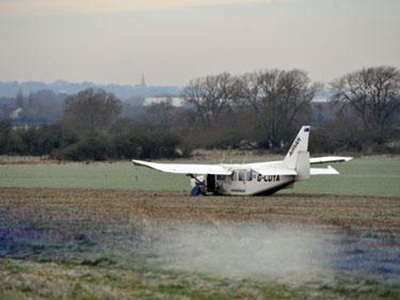
Crash of a Gippsland GA8 Airvan in Swindon

Date & Time: Nov 28, 2010 at 1015 LT
Type of aircraft:
Operator:
Registration:
G-CDYA
Flight Phase:
Survivors:
Yes
Schedule:
Swindon - Swindon
MSN:
GA8-05-090
YOM:
2005
Region:
Crew on board:
1
Crew fatalities:
Pax on board:
8
Pax fatalities:
Other fatalities:
Total fatalities:
0
Captain / Total flying hours:
2686
Captain / Total hours on type:
1057.00
Circumstances:
The pilot arrived at the aircraft at approximately 0900 hrs to prepare it for a flight to drop parachutists. The aircraft had been outside overnight and there had been a heavy frost. The pilot removed a cover from the windscreen and began his pre-flight check during which he noticed no ice or frost on the upper surface of the wings. He returned to the operations building to complete his pre-flight planning and went back to the aircraft in time to start the engine at 1000 hrs. There was a very light wind from the north-west across the grass Runway 06L, the temperature was -4°C and the QNH was 1004 mb. While the engine was warming up, eight parachutists boarded the aircraft and sat down in the cabin. There were three parachute instructors, who were connected to three students, and two other parachutists with video cameras, one of whom was the jump supervisor. After the pilot judged that the engine had warmed up, he carried out a power check and the before takeoff checks, during which he selected the flaps to TAKEOFF. All indications appeared normal to the pilot and he taxied onto the runway and selected takeoff power, which was 29 inches of Manifold Air Pressure (MAP)and 2,500 rpm. The acceleration seemed, to the pilot, to be normal but, although VR was 60 kt, he delayed the rotation until 65 kt. At about the time the aircraft rotated, the pilot selected the flaps to FULL. As the aircraft crossed the hedge at the upwind end of the runway, the pilot began a left turn, which was the usual noise abatement manoeuvre to avoid flying over buildings situated on the runway’s extended centreline. During the turn, he realised the aircraft was descending and checked the engine instruments, observing that the MAP, fuel pressure and rpm were indicating correctly. He called “BRACE, BRACE, BRACE” and the aircraft hit the ground immediately afterwards in a left wing low attitude. After crossing a ditch, during which the landing gear detached, the aircraft skidded to a halt in the next field. The pilot was able to exit the aircraft through the door on his left but found that he could not stand up because of an injury to his leg. The sliding door on the rear left side of the cabin was jammed and the parachutists were unable to use it to leave the aircraft and so they exited through the same door as the pilot. One parachutist received a whiplash injury but the rest were unhurt. The pilot was subsequently airlifted to hospital.
Probable cause:
The aircraft was parked outside overnight prior to the accident and the windscreen, which had been covered, was clear of ice and frost when the cover was removed. Four hours after the accident, the windscreen was still clear, which suggested that ice and frost were not actively forming during that period. However, since frost was found on the upper surface of the wing, it was concluded that the frost would have been present prior to and during the takeoff. The maximum engine power was found to be approximately 50 bhp less than the rated value. This was attributed to the state of wear expected of an engine approximately 75% through its normal overhaul life rather than as a result of a failure experienced on this particular takeoff. The distance to lift off, calculated using the manufacturer’s performance information, should have been between 340 m and approximately 368 m and yet the aircraft actually left the ground after approximately 560 m. The extra distance used by the aircraft was probably a combination of two factors: the engine was not producing the power assumed in the performance calculation and the aircraft was rotated approximately three to five knots above VR. It is possible that takeoff performance was reduced due to the effects of frost on the wings but it was not possible to quantify these effects. As the aircraft began its left turn, the flaps were at FULL and yet the flap selector handle and the flaps were found in the TAKEOFF position following the accident. At some point in the turn, therefore, the flaps were raised by one stage. This would have had the effect of increasing the stalling speed by approximately three knots (in the case of an uncontaminated wing). The groundspeed of the aircraft, recorded by the GPS approximately six seconds before impact, was 58 kt. The aircraft was turning into a light wind and so the IAS might have been slightly higher. The stalling speed of the aircraft during the turn, with the flaps in the TAKEOFF position and with an uncontaminated wing, would have been approximately 63 kt. The effect of the frost would have been to increase the stalling speed, in the worst case, to 75 kt. The CAA Safety Sense Leaflet 3 suggests that the maximum reduction of lift might occur with frost that has a surface roughness of course sandpaper, whereas the frost found on G-CDYA was similar to medium sandpaper. Nevertheless, it was clear that the lifting ability of the wing would have been compromised and the stalling speed would have been higher than 63 kt. It seemed probable, therefore, that the aircraft stalled in the turn as a result of frost on the wing. Furthermore, the angle of attack at the stall was probably lower than that required to activate the stall warning horn.
Final Report:


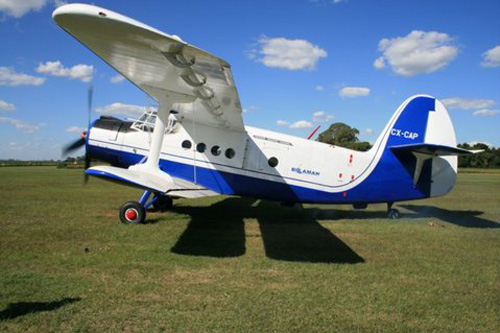
Crash of a PZL-Mielec AN-2T in Santa Isabel

Date & Time: Oct 24, 2010 at 1145 LT
Type of aircraft:
Operator:
Registration:
CX-CAP
Survivors:
Yes
Schedule:
Santa Isabel - Santa Isabel
MSN:
1G142-31
YOM:
1973
Country:
Crew on board:
1
Crew fatalities:
Pax on board:
9
Pax fatalities:
Other fatalities:
Total fatalities:
0
Captain / Total flying hours:
1200
Captain / Total hours on type:
100.00
Aircraft flight hours:
4339
Circumstances:
The single engine aircraft was engaged in a local skydiving mission in Santa Isabel, carrying nine skydivers and one pilot. Shortly after takeoff, while climbing to a height of about 150 metres, the engine lost power. The pilot decided to return immediately. Upon landing, the aircraft collided with bushes and came to rest, bursting into flames. All 10 occupants escaped unhurt while the aircraft was totally destroyed by fire.
Probable cause:
The exact cause of the accident could not be determined.
Final Report:
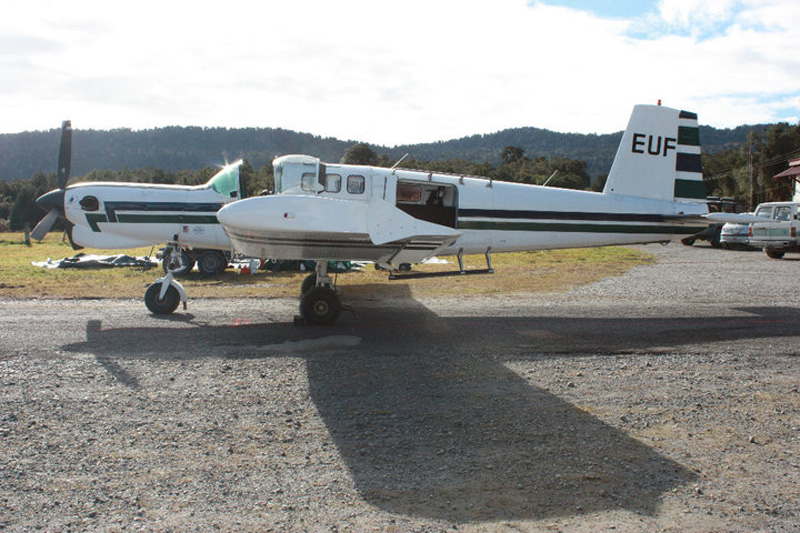
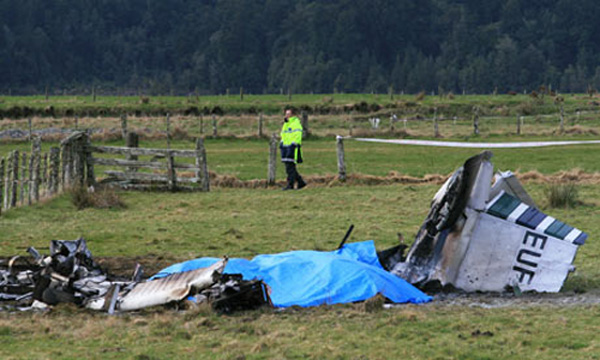
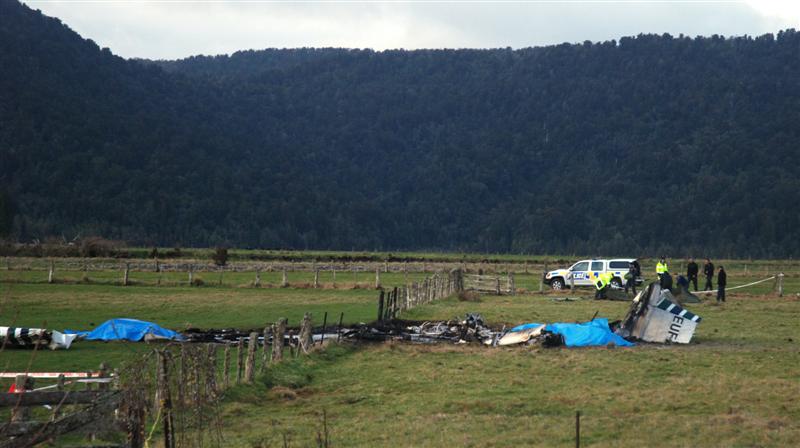
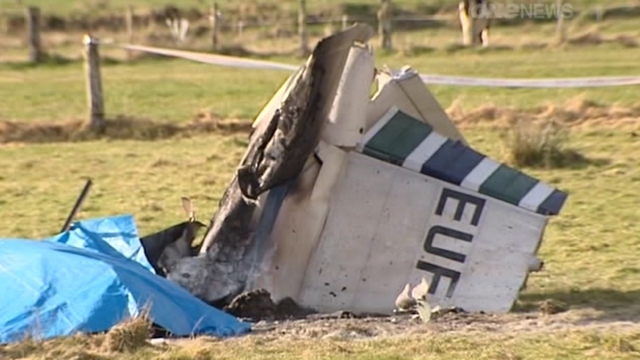
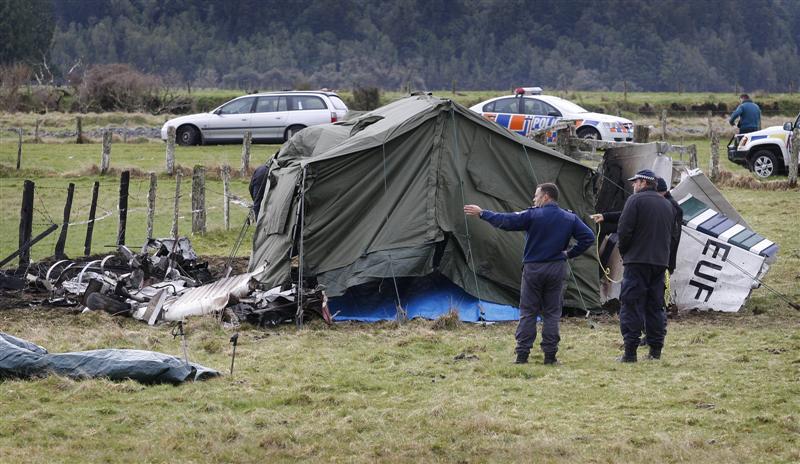
Crash of a Fletcher FU-24-954 in Fox Glacier: 9 killed

Date & Time: Sep 4, 2010 at 1327 LT
Type of aircraft:
Registration:
ZK-EUF
Flight Phase:
Survivors:
No
Schedule:
Fox Glacier - Fox Glacier
MSN:
281
YOM:
1981
Country:
Region:
Crew on board:
1
Crew fatalities:
Pax on board:
8
Pax fatalities:
Other fatalities:
Total fatalities:
9
Captain / Total flying hours:
4554
Captain / Total hours on type:
41.00
Circumstances:
Shortly after take off from Fox Glacier aerodrome, while climbing, aircraft stalled and crashed in flames in a paddock near the airfield. All nine occupants, the pilot and 8 skydivers, were killed. The new owner and operator of the aeroplane had not completed any weight and balance calculations on the aeroplane before it entered service, nor at any time before the accident. As a result the aeroplane was being flown outside its loading limits every time it carried a full load of 8 parachutists. On the accident flight the centre of gravity of the aeroplane was well rear of its aft limit and it became airborne at too low a speed to be controllable. The pilot was unable to regain control and the aeroplane continued to pitch up, then rolled left before striking the ground nearly vertically.
Probable cause:
Findings:
- There were no technical defects identified that may have contributed to the accident and the aeroplane was considered controllable during the take-off roll, with the engine able to deliver power during the short flight.
- The aeroplane’s centre of gravity was at least 0.122m rear of the maximum permissible limit, which created a tendency for the nose to pitch up. The most likely reason for the crash was the aeroplane being excessively out of balance. In addition, the aeroplane probably became airborne early and at too low an airspeed to prevent uncontrollable nose-up pitch.
- The aeroplane reached a pitch angle that would have made it highly improbable for the unrestrained parachutists to prevent themselves sliding back towards the tail. Any shift in weight rearward would have made the aeroplane more unstable.
- The engineering company that modified ZK-EUF for parachuting operations did not follow proper processes required by civil aviation rules and guidance. Two of the modifications had been approved for a different aircraft type, one modification belonged to another design holder and a fourth was not referred to in the aircraft maintenance logbook.
- The flight manual for ZK-EUF had not been updated to reflect the new role of the aeroplane and was limited in its usefulness to the aeroplane owner for calculating weight and balance.
- Regardless of the procedural issues with the project to modify ZK-EUF, the engineering work conducted on ZK-EUF to convert it from agricultural to parachuting operations in the standard category was by all accounts appropriately carried out.
- The weight and balance of the aeroplane, with its centre of gravity at least 0.122m outside the maximum aft limit, would have caused serious handling issues for the pilot and was the most significant factor contributing to the accident.
- ZK-EUF was 17 kg over its maximum permissible weight on the accident flight, but was still 242 kg lighter than the maximum all-up weight for which the aeroplane was certified in its previous agricultural role. Had the aeroplane not been out of balance it is considered the excess weight in itself would have been unlikely to cause the accident. Nevertheless, the pilots should have made a full weight and balance calculation before each flight.
- The aeroplane owner and their pilots did not comply with civil aviation rules and did not follow good, sound aviation practice by failing to conduct weight and balance calculations on the aeroplane. This resulted in the aeroplane being routinely flown overweight and outside the aft centre of gravity allowable limit whenever it carried 8 parachutists.
- The empty weight and balance for ZK-EUF was properly recorded in the flight manual, but the stability information in that manual had not been appropriately amended to reflect its new role of a parachute aeroplane. Nevertheless, it was still possible for the aeroplane operator to initially have calculated the weight and balance of the aeroplane for the predicted operational loads before entering the aeroplane into service.
- The aeroplane owner did not comply with civil aviation rules and did not follow good, sound aviation practice when they: used the incorrect amount of fuel reserves; removed the flight manual from the aeroplane; and did not formulate their own standard operating procedures before using the aeroplane for commercial parachuting operations.
- The Director of Civil Aviation delegated the task of assessing and overseeing major modifications to Rule Part 146 design organisations and individual holders of “inspection authorisations”. The delegations did not absolve the Director of his responsibility to monitor compliance with civil aviation rules and guidance.
Page 38 | Report 10-009
- The delegations increased the risk that unless properly managed the CAA could lose control of 2 safety-critical functions: design and inspection. The Director had not appropriately managed that risk with the current oversight programme.
- The CAA had adhered strictly to its normal practice and was acting in accordance with civil aviation rules when approving the change in airworthiness category from special to standard. However, knowing the scope, size and complexity of the modifications required to change ZK-EUF from an agricultural to a parachuting aeroplane, it should have had greater participation in the process to help ensure there were no safety implications.
- There was a flaw in the regulatory system that allowed an engineering company undertaking major modification work on an aircraft to have little or no CAA involvement by using an internal or contracted design delegation holder and a person with the inspection authorisation to oversee and sign off the work.
- The level of parachuting activity in New Zealand warranted a stronger level of regulatory oversight than had been applied in recent years.
- The CAA’s oversight and surveillance of commercial parachuting were not adequate to ensure that operators were functioning in a safe manner.
- The CAA had mechanisms through the Director’s powers under the Civil Aviation Act and his designated powers under the HSE Act to effectively regulate the parachuting industry pending the introduction of Rule Part 115.
- An alcohol and drug testing regime needs to be initiated for persons performing activities critical to flight safety, to detect and deter the use of performance-impairing substances.
- In this case the impact was not survivable and the passengers wearing safety restraints would not have prevented their deaths, but in other circumstances the wearing of safety restraints might reduce injuries and save lives.
- Safety harnesses or restraints would help to prevent passengers sliding rearward and altering the centre of gravity of the aircraft. It could not be established if this was a factor in this accident.
Final Report:
Crash of a PZL-Mielec AN-2T in Tuzla: 12 killed

Date & Time: Jul 5, 2010 at 1740 LT
Type of aircraft:
Operator:
Registration:
53
Flight Phase:
Survivors:
Yes
Schedule:
Tuzla - Tuzla
MSN:
1G194-53
YOM:
1982
Country:
Region:
Crew on board:
4
Crew fatalities:
Pax on board:
10
Pax fatalities:
Other fatalities:
Total fatalities:
12
Circumstances:
Shortly after takeoff from Tuzla Airport, the single engine aircraft stalled and crashed in an open field, bursting into flames. Two passengers survived while 12 other occupants were killed. The aircraft was carrying 4 crew and 10 members of the Romanian Navy engaged in a paratroopers mission.
Those killed were:
Cdr Nicolae Jianu,
Lt Cdr Cătălin Vicenţiu Antoche,
Lt Lavinia Guită,
Lt Răzvan Rîngheţ,
Lt Liviu Antim,
Florin Claudiu Cişmaşu,
Cătălin Rădoi,
Băduţ Papuc,
Vlăduţ Sărman,
Marius Cătălin Chioveanu,
Cosmin Furtună,
Cosmin Florescu.
The Captain Daniel Bâlsanu and the foreman Marius Nazare were injured.