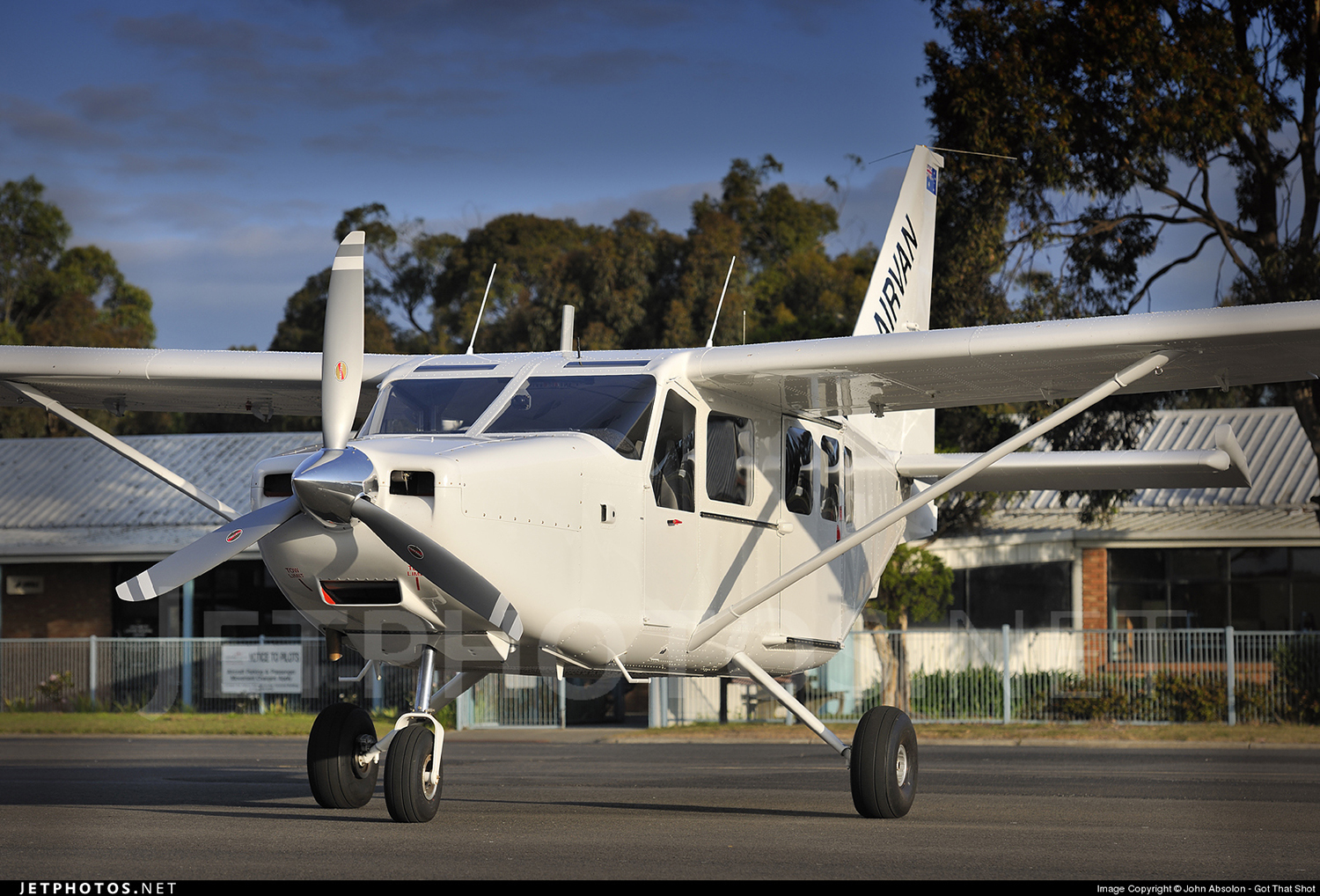
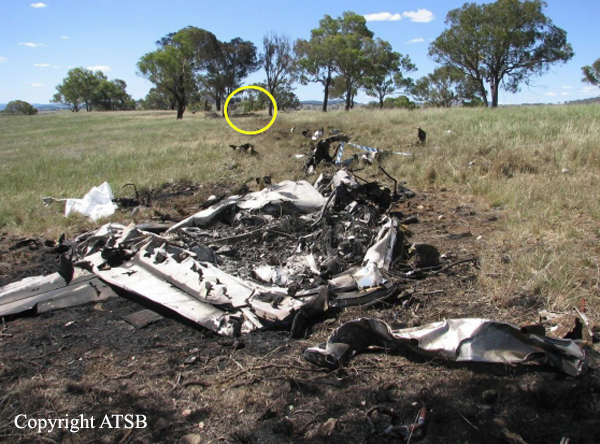
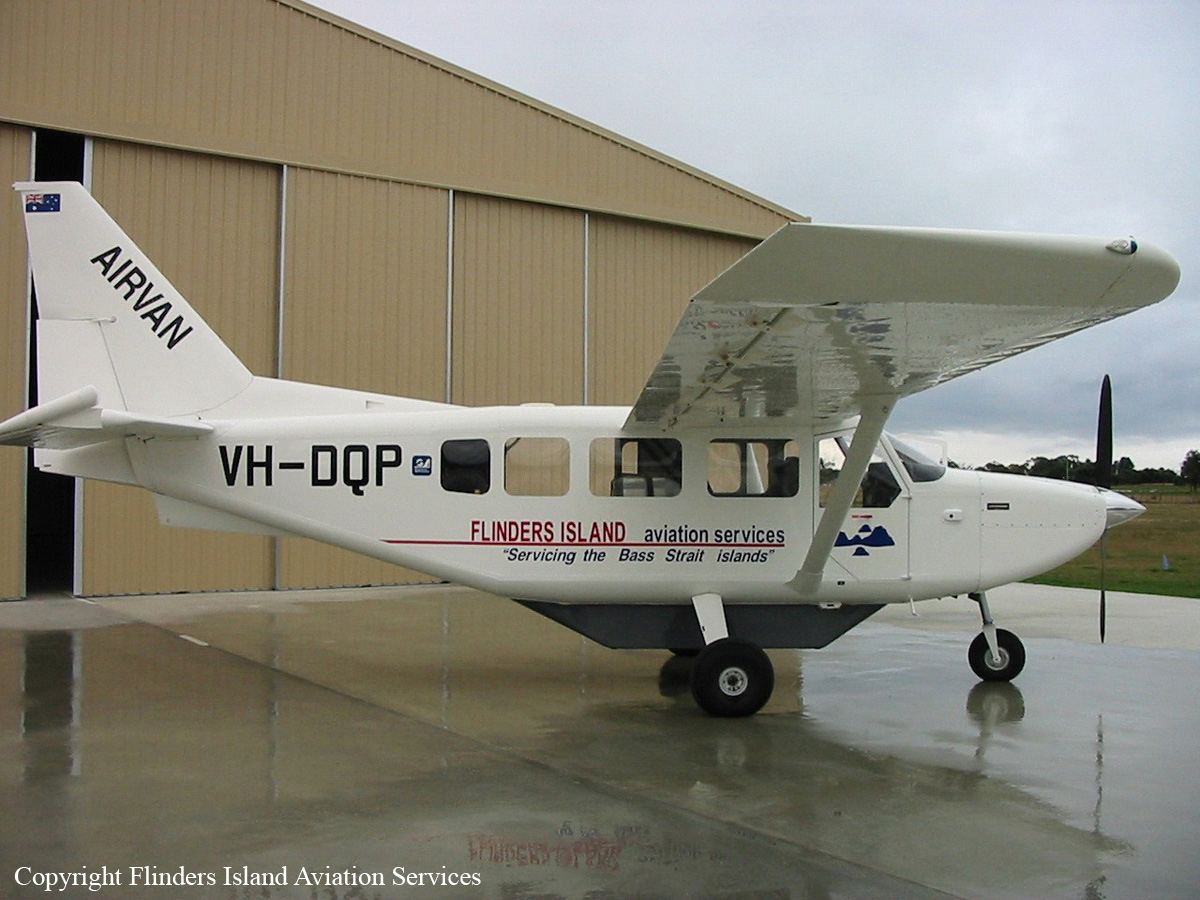
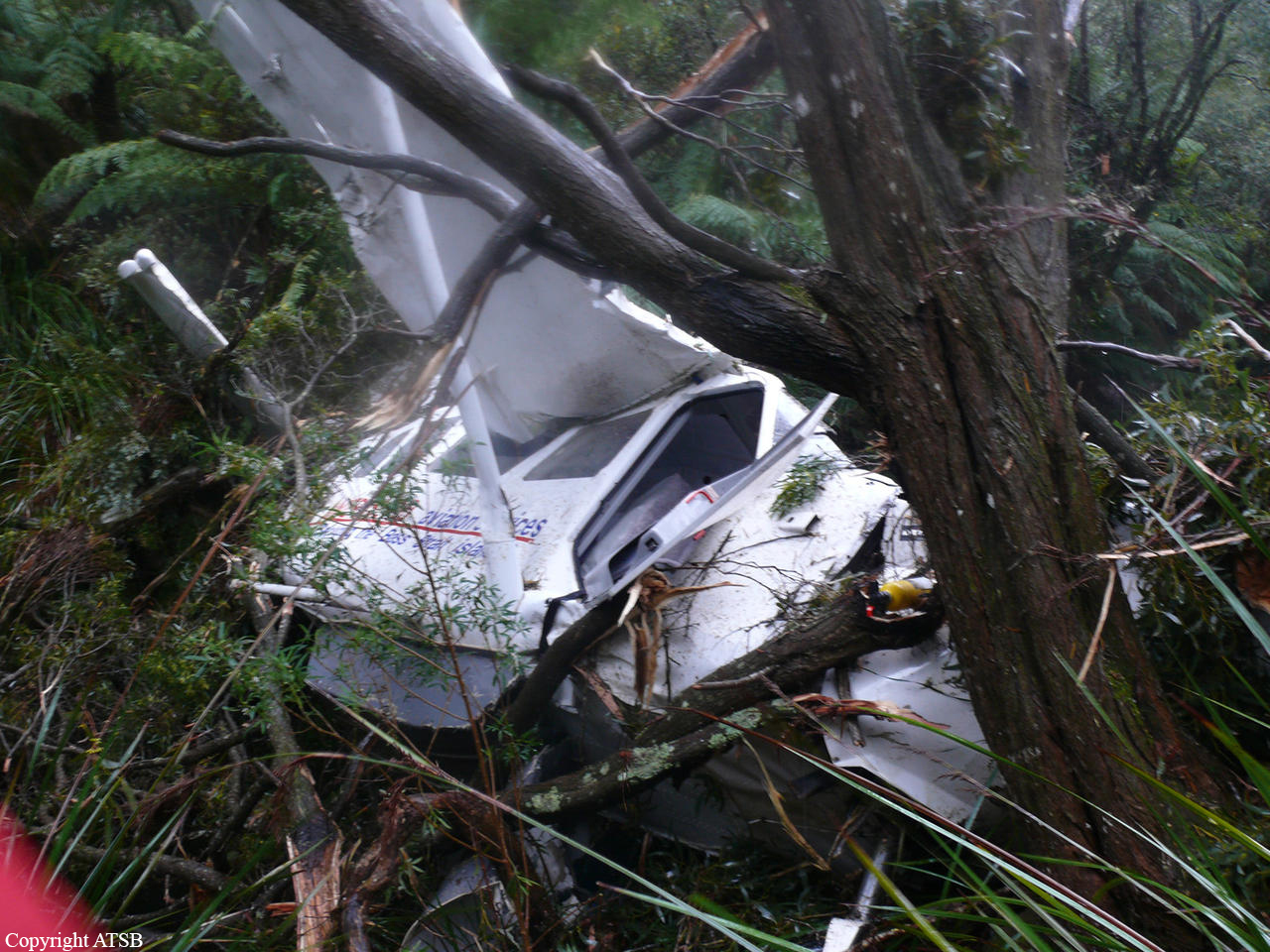
Crash of a Gippsland GA8 Airvan in Lady Barron

Date & Time: Oct 15, 2010 at 1715 LT
Type of aircraft:
Operator:
Registration:
VH-DQP
Survivors:
Yes
Site:
Schedule:
Lady Barron - Bridport
MSN:
GA8-05-075
YOM:
2005
Country:
Region:
Crew on board:
1
Crew fatalities:
Pax on board:
6
Pax fatalities:
Other fatalities:
Total fatalities:
0
Captain / Total flying hours:
2590
Captain / Total hours on type:
1355.00
Circumstances:
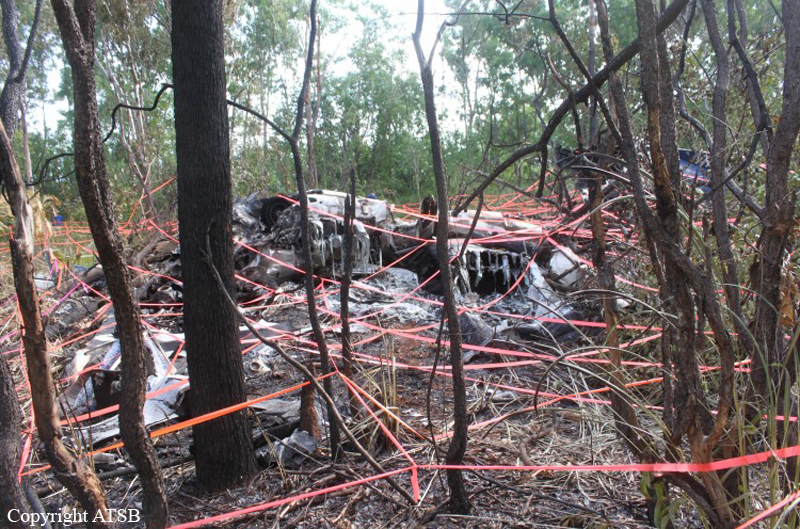
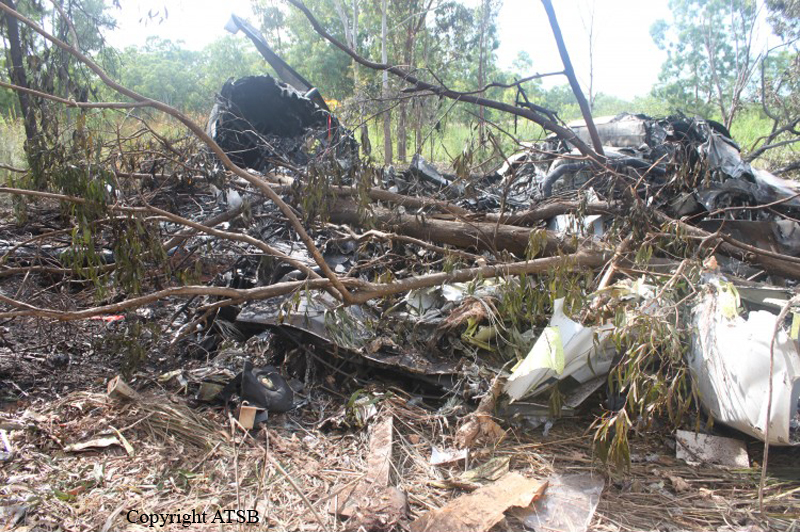
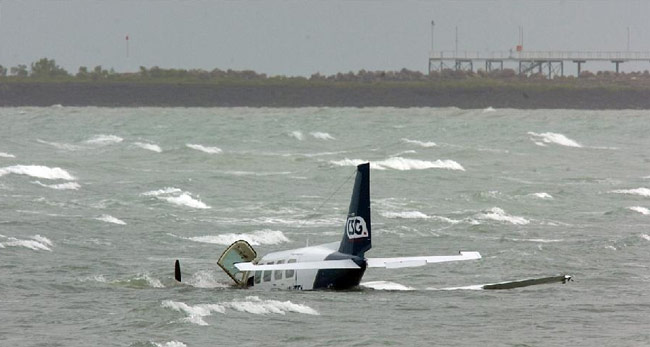
The pilot was conducting a charter flight from Lady Barron, Flinders Island to Bridport, Tasmania with six passengers on board. The aircraft departed Lady Barron Aerodrome at about 1700 Australian Eastern Daylight-saving Time and entered instrument meteorological conditions (IMC) several minutes afterwards while climbing to the intended cruising altitude of about 1,500 ft. The pilot did not hold a command instrument rating and the aircraft was not equipped for flight in IMC. He attempted to turn the aircraft to return to Lady Barron Aerodrome but became lost, steering instead towards high ground in the Strzelecki National Park in the south-east of Flinders Island. At about 1715, the aircraft exited cloud in the Strzelecki National Park, very close to the ground. The pilot turned to the left, entering a small valley in which he could neither turn the aircraft nor out climb the terrain. He elected to slow the aircraft to its stalling speed for a forced landing and, moments later, it impacted the tree tops and then the ground. The first passenger to exit the aircraft used the aircraft fire extinguisher to put out a small fire that had begun beneath the engine. The other passengers and the pilot then exited the aircraft safely. One passenger was slightly injured during the impact; the pilot and other passengers were uninjured. During the night, all of the occupants of the aircraft were rescued by helicopter and taken to the hospital in Whitemark, Flinders Island.
Probable cause:
Contributing safety factors:
• The weather was marginal for flight under the visual flight rules, with broken cloud forecast down to 500 ft above mean sea level in the area.
• The pilot, who did not hold a command instrument rating, entered instrument meteorological conditions because he was adhering to an un-written operator rule not to fly below 1,000 ft above ground level.
• The pilot became lost in cloud and flew the aircraft towards the Mt Strzelecki Range, exiting the cloud in very close proximity to the terrain.
• The aircraft exited the cloud in a small valley, within which the pilot could neither turn round nor out-climb the terrain.
Other key findings:
• The aircraft exited cloud before impacting terrain and with sufficient time for the pilot to execute a forced landing.
• The design of the aircraft’s seats, and the provision to passengers in the GA-8 Airvan of three-point automotive-type restraint harnesses with inertia reel shoulder straps contributed to the passengers’ survival, almost without injury.
Final Report:
Crash of a Gippsland GA-8 Airvan in Orange

Date & Time: Jul 6, 2010 at 1745 LT
Type of aircraft:
Operator:
Registration:
VH-YBH
Flight Type:
Survivors:
Yes
Schedule:
Parkes - Orange
MSN:
GA8-08-131
YOM:
2008
Country:
Region:
Crew on board:
1
Crew fatalities:
Pax on board:
0
Pax fatalities:
Other fatalities:
Total fatalities:
0
Circumstances:
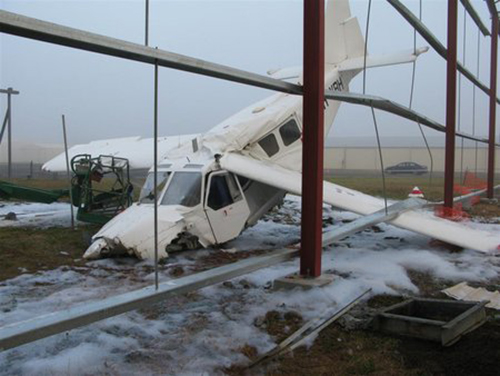
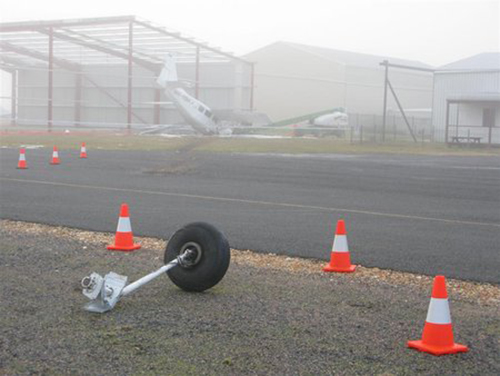
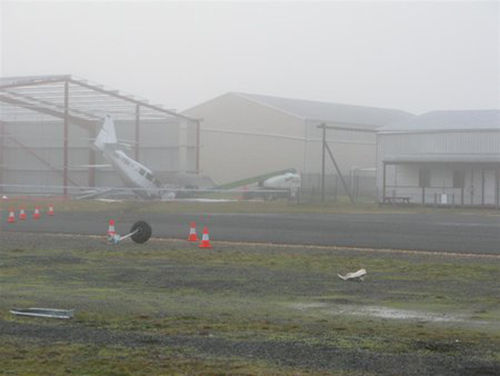
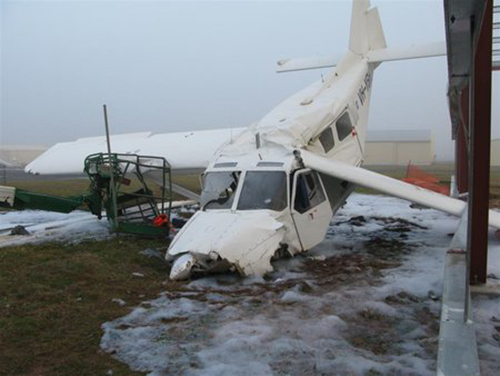
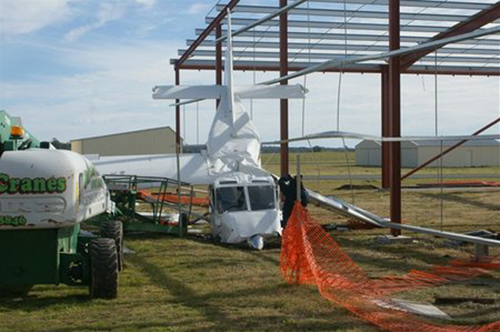
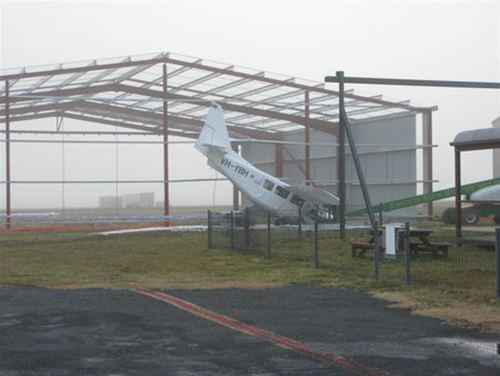
The pilot was performing a cargo flight from Parkes to Orange, New South Wales. On final approach, the single engine aircraft was too low and impacted the roof of a metal hangar located near the runway threshold. The aircraft stalled and struck the runway surface. Upon impact, the nose gear was torn off. Out of control, the aircraft veered off runway and eventually collided with a metal hangar under construction. While the pilot was injured, the aircraft was destroyed.

Crash of a Piper PA-31 Cheyenne in Bankstown: 2 killed

Date & Time: Jun 15, 2010 at 0805 LT
Type of aircraft:
Operator:
Registration:
VH-PGW
Flight Phase:
Flight Type:
Survivors:
No
Site:
Schedule:
Bankstown - Brisbane - Albury
MSN:
31-8414036
YOM:
1984
Country:
Region:
Crew on board:
1
Crew fatalities:
Pax on board:
1
Pax fatalities:
Other fatalities:
Total fatalities:
2
Captain / Total flying hours:
2435
Captain / Total hours on type:
779.00
Aircraft flight hours:
6266
Circumstances:
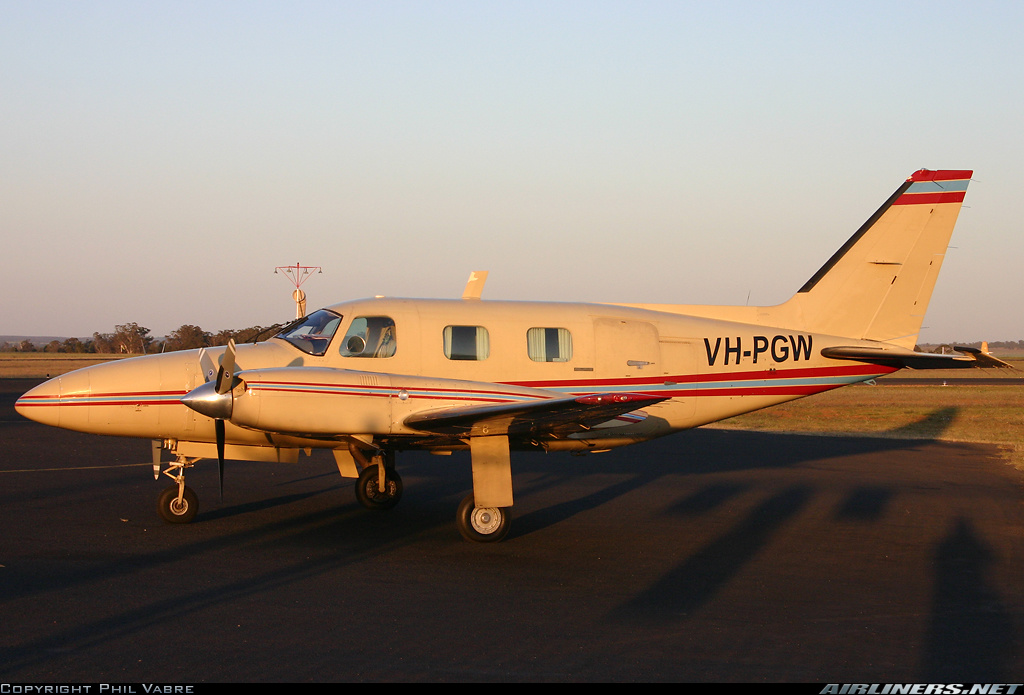
The twin engine aircraft, with a pilot and a flight nurse on board, was being operated by Skymaster Air Services under the instrument flight rules (IFR) on a flight from Bankstown Airport, New South Wales (NSW) to Archerfield Airport, Queensland. The aircraft was being positioned to Archerfield for a medical patient transfer flight from Archerfield to Albury, NSW. The aircraft departed Bankstown at 0740 Eastern Standard Time. At 0752, the pilot reported to air traffic control (ATC) that he was turning the aircraft around as he was having ‘a few problems. At about 0806, the aircraft collided with a powerline support pole located on the eastern side of the intersection of Sackville Street and Canley Vale Road, Canley Vale, NSW. The pilot and flight nurse sustained fatal injuries and the aircraft was destroyed by impact damage and a post-impact fire.
Probable cause:
Contributing safety factors:
• While the aircraft was climbing to 9,000 feet the right engine sustained a power problem and the pilot subsequently shut down that engine.
• Following the shutdown of the right engine, the aircraft's descent profile was not optimized for one engine inoperative flight.
• The pilot conducted a descent towards Bankstown Airport that was consistent with a normal arrival profile without first verifying that the aircraft was capable of achieving adequate performance with one engine inoperative.
• Following the engine problem, the aircraft's flightpath and the pilot’s communication with air traffic control indicated that the pilot's situation awareness was less than optimal.
• The aircraft collided with a powerline support pole on the eastern side of the intersection of Sackville Street and Canley Vale Road, Canley Vale, about 6 km north-west of Bankstown Airport.
Other safety factors:
• The pilot did not broadcast a PAN following the engine shutdown and did not provide air traffic control with further information about the nature of the problem in order for the controller to positively establish the severity of the situation.
• Section 4 of Civil Aviation Advisory Publication (CAAP) 5.23-2(0), Multi-engine Aeroplane Operations and Training of July 2007 did not contain sufficient guidance material to support the flight standard in Appendix A subsection 1.2 of the CAAP relating to Engine Failure in the Cruise. [Minor safety issue]
Other key finding:
• Given the pilot’s extensive experience and testing in the PA-31 aircraft type, and subsequent endorsement training on a high performance turboprop multi-engine aircraft since the issue by CASA in 2008 of a safety alert in respect of the pilot’s PA-31 endorsement, it was unlikely that any deficiencies in that endorsement training contributed to the accident.
Final Report:
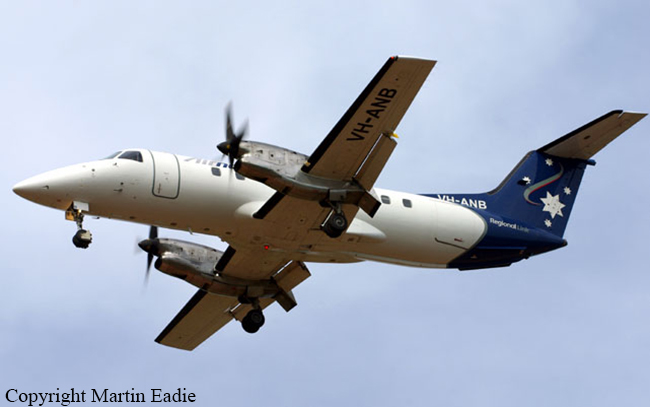
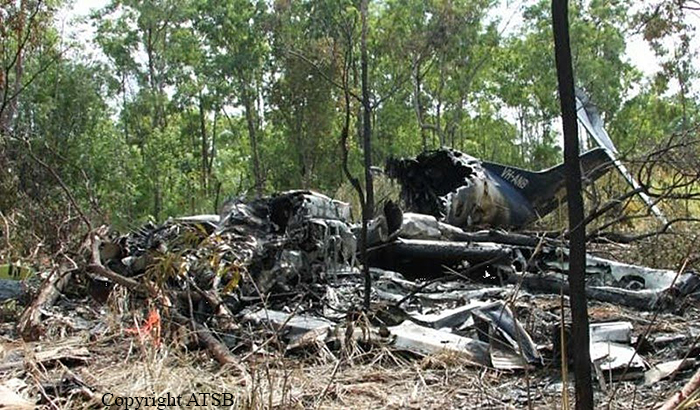
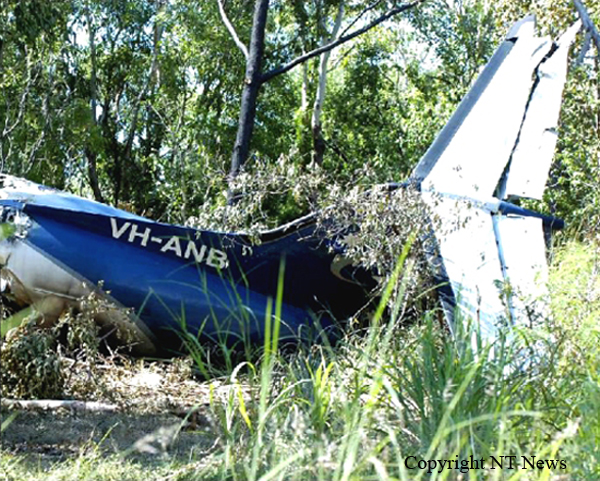
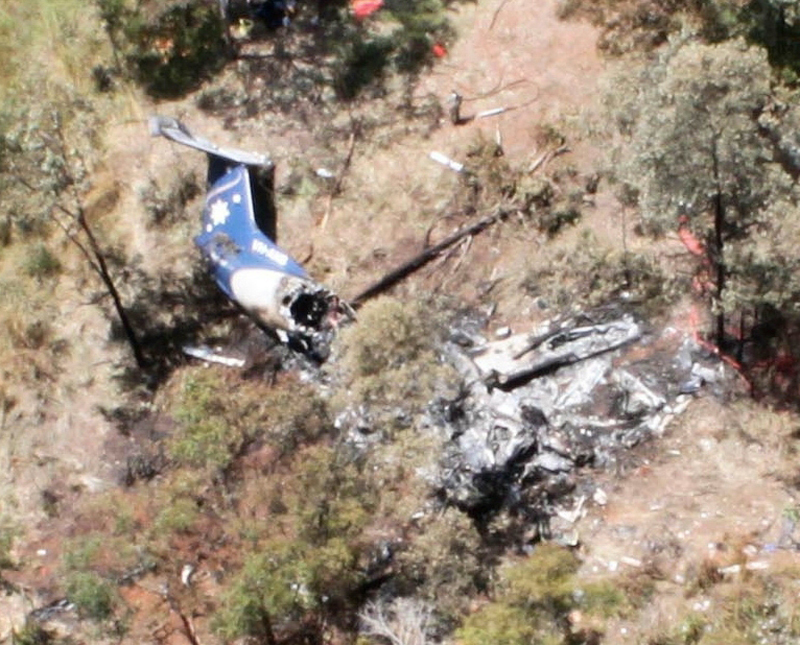
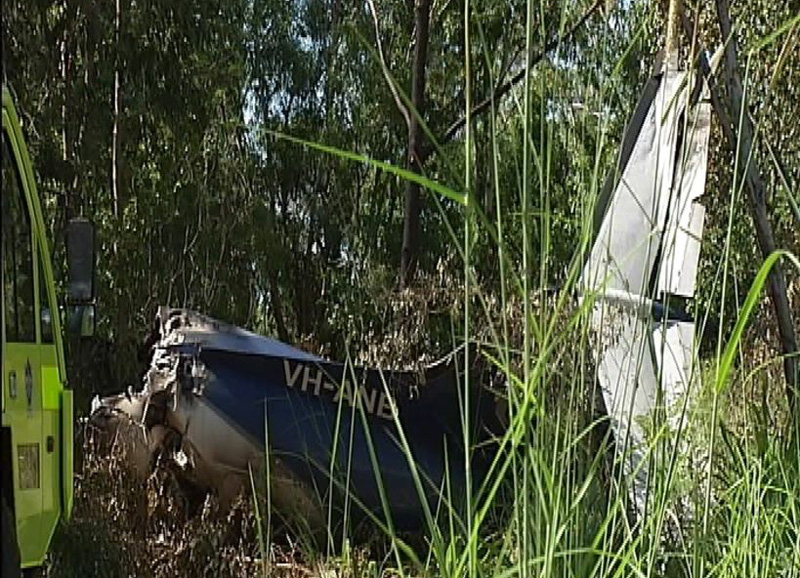
Crash of an Embraer EMB-120ER Brasília in Darwin: 2 killed

Date & Time: Mar 22, 2010 at 1009 LT
Type of aircraft:
Operator:
Registration:
VH-ANB
Flight Phase:
Flight Type:
Survivors:
No
Schedule:
Darwin - Darwin
MSN:
120-116
YOM:
1988
Country:
Region:
Crew on board:
2
Crew fatalities:
Pax on board:
0
Pax fatalities:
Other fatalities:
Total fatalities:
2
Captain / Total flying hours:
8217
Captain / Total hours on type:
3749.00
Copilot / Total flying hours:
5664
Copilot / Total hours on type:
3085
Aircraft flight hours:
32799
Aircraft flight cycles:
33700
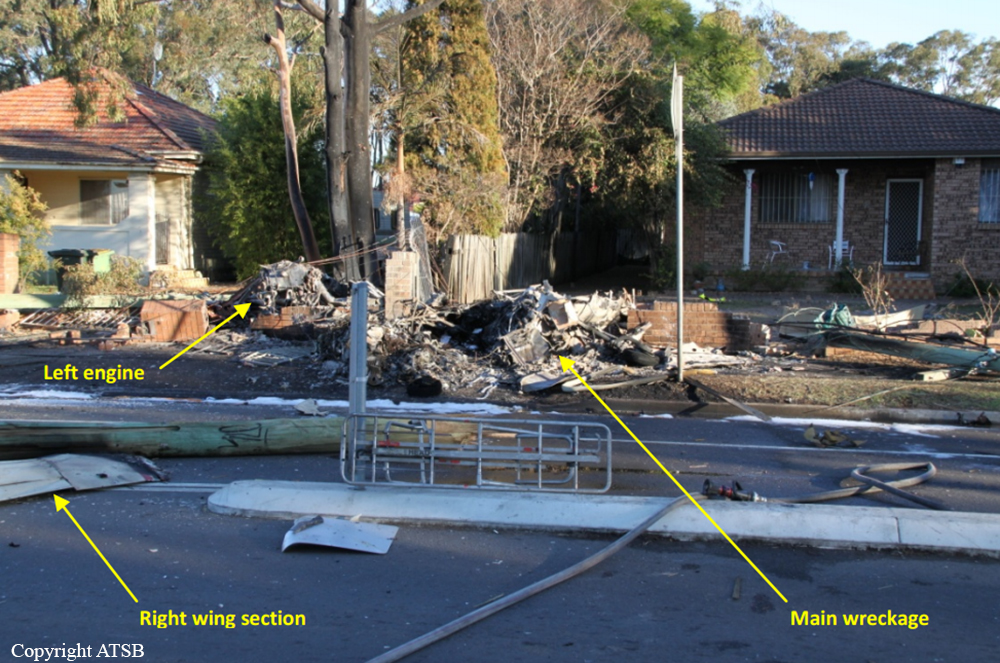
Circumstances:
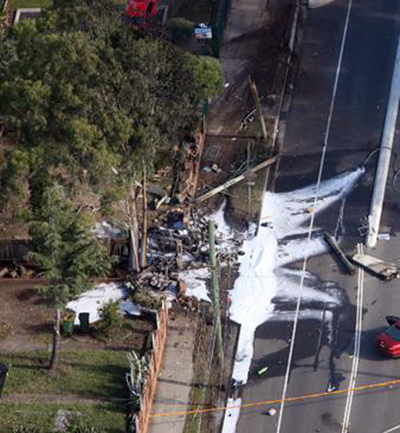
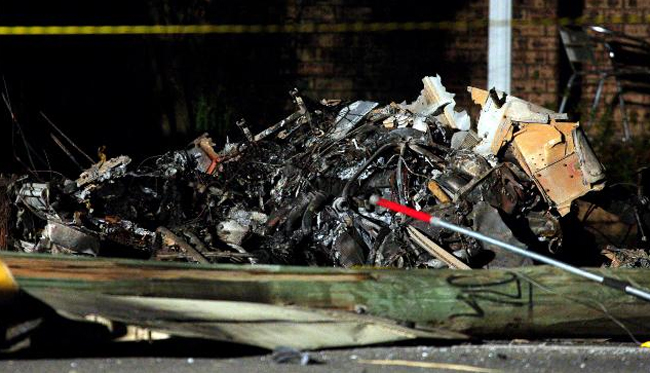
Aircraft crashed moments after takeoff from runway 29 at Darwin Airport, Northern Territory, fatally injuring both pilots. The flight was for the purpose of revalidating the command instrument rating of the pilot under check and was under the command of a training and checking captain, who occupied the copilot’s seat. The takeoff included a simulated engine failure. Data from the aircraft’s flight recorders was used to establish the circumstances leading to the accident and showed that the pilot in command (PIC) retarded the left power lever to flight idle to simulate an engine failure. That introduced a simulated failure of the left engine and propeller autofeathering system. The increased drag from the ‘windmilling’ propeller increased the control forces required to maintain the aircraft’s flightpath. The pilot under check allowed the speed to decrease and the aircraft to bank toward the inoperative engine. Additionally, he increased power on the right engine, and engaged the yaw damper in an attempt to stabilize the aircraft’s flight. Those actions increased his workload and made control of the aircraft more difficult. The PIC did not restore power to the left engine to discontinue the manoeuvre. The few seconds available before the aircraft became uncontrollable were insufficient to allow ‘trouble shooting’ and deliberation before resolving the situation.
Probable cause:
• The pilot in command initiated a simulated left engine failure just after becoming airborne and at a speed that did not allow adequate margin for error.
• The pilot in command simulated a failure of the left engine by selecting flight idle instead of zero thrust, thereby simulating a simultaneous failure of the left engine and its propeller autofeather system, instead of a failure of the engine alone.
• The pilot under check operated the aircraft at a speed and attitude (bank angle) that when uncorrected, resulted in a loss of control.
• The pilot under check increased his workload by increasing torque on the right engine and selecting the yaw damper.
• The pilot in command probably became preoccupied and did not abandon the simulated engine failure after the heading and speed tolerance for the manoeuvre were exceeded and before control of the aircraft was lost.
Final Report:
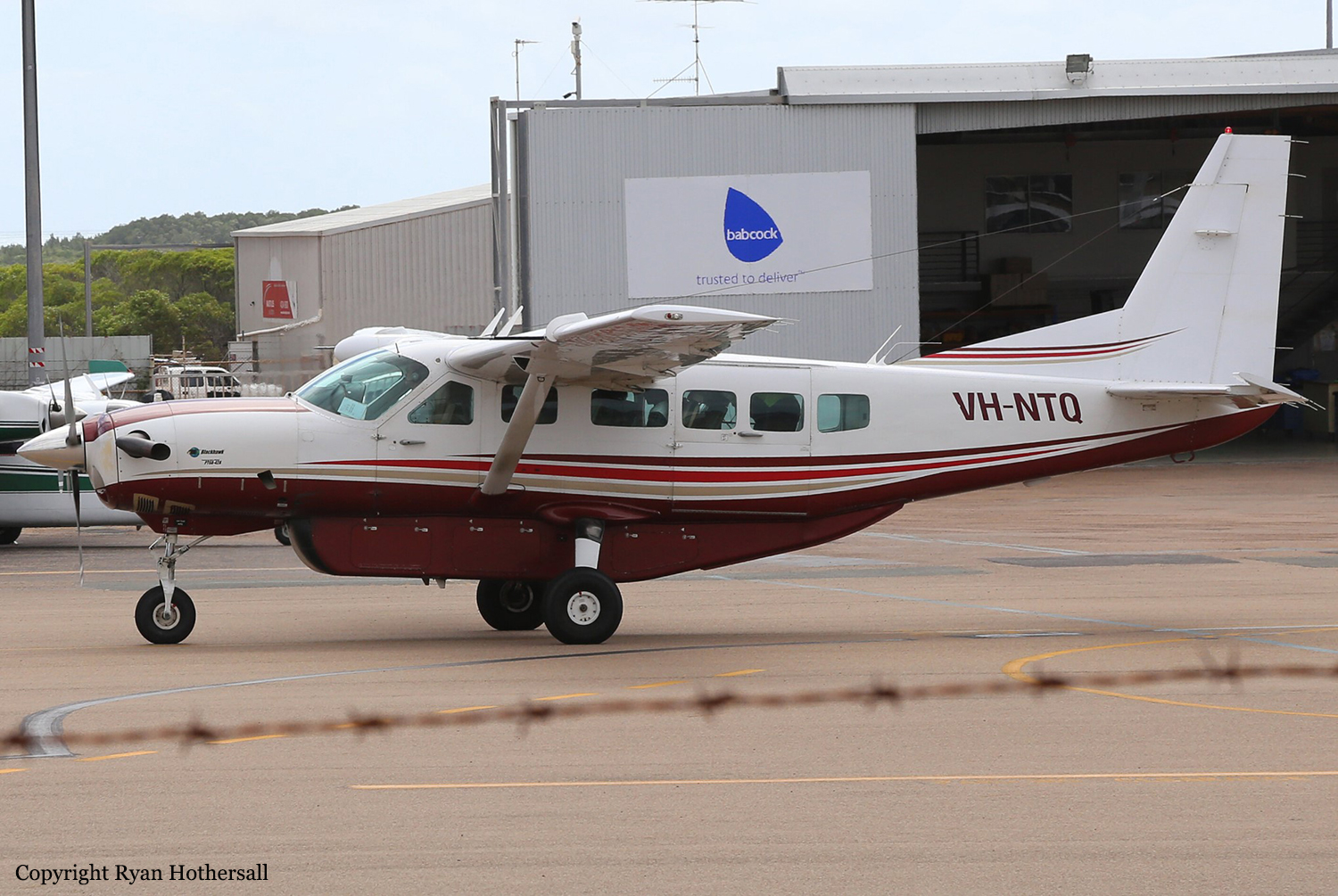
Crash of a Cessna 208B Grand Caravan in Beagle Bay

Date & Time: Jan 14, 2010 at 0645 LT
Type of aircraft:
Operator:
Registration:
VH-NTQ
Flight Type:
Survivors:
Yes
Schedule:
Broome - Koolan Island
MSN:
208B-0635
YOM:
1997
Country:
Region:
Crew on board:
1
Crew fatalities:
Pax on board:
0
Pax fatalities:
Other fatalities:
Total fatalities:
0
Circumstances:
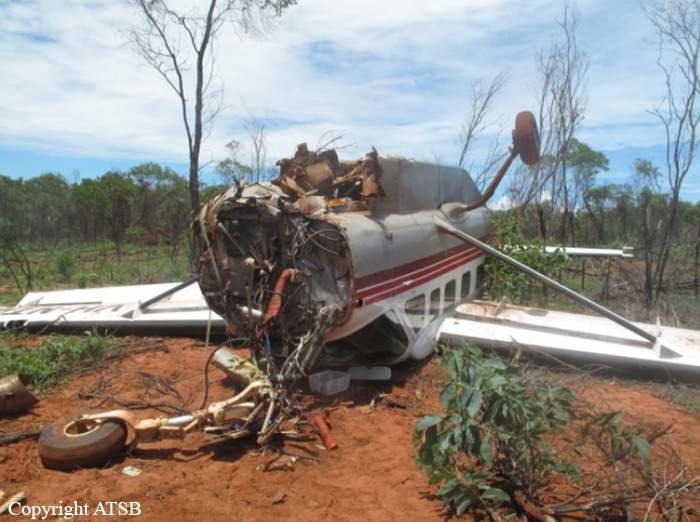
The aircraft departed Broome on a charter flight to Koolan Island, WA. At about 0645 Western Standard Time1, when the aircraft was at an altitude of about 9,500 feet, the pilot noticed a drop in the engine torque indication with a corresponding drop in the engine oil pressure indication. The pilot increased the power lever setting but the engine torque and oil indications continued to reduce, all other engine indications were normal. During an interview with the Australian Transport Safety Bureau (ATSB) the pilot stated that he felt a power loss associated with the drop in indicated engine torque. The pilot diverted to the nearest airstrip, which was Beagle Bay, WA. He stated that the low oil pressure warning light illuminated so he shut the engine down and prepared for an emergency landing. The pilot reported that on the final approach to the airstrip he realized that the aircraft was too high and its airspeed was too fast. The aircraft touched down about mid way along the runway and overran the end of the runway by about 200 metres. The aircraft impacted a mound of dirt, coming to rest upside down. The pilot, who was the only occupant sustained minor injuries. Examination of the aircraft by a third party and inspection of the photographs taken of the accident site, revealed that the engine, left main gear and nose gear had separated from the airframe during the accident sequence. There was a significant amount of oil present on the underside of the aircraft, indicating that the oil had leaked from the engine during operation. The
engine was removed from the accident site as an assembly by a third party. The propeller was removed and the engine was shipped to an engine overhaul facility where a disassembly and
examination was conducted under the supervision of the ATSB.
Probable cause:
From the evidence available it was evident that the engine had a substantial in-flight oil leak, which necessitated the in-flight shut down of the engine and a diversion to the nearest available airstrip. The accident damage to the engine in the area of the apparent oil leak precluded a conclusive finding as to the source of the leak. Although the detailed examination of the oil tube attachment lug fracture surfaces was inconclusive, the oil tube remained the most likely source of the oil leak. Evidence from other oil tube failures indicated that significant vibratory loading can cause the oil tube attachment lugs to fracture in the manner observed in the oil tube fitted to VH-NTQ. There was no evidence that the transfer tube was subjected to vibration from a compressor turbine or power turbine blade failure or of an incorrectly fitted engine mount. There was also no evidence of a pre-accident defect that would have caused a reduction in actual engine torque.
Final Report:
Crash of an IAI-1124A Westwind II off Norfolk Island

Date & Time: Nov 18, 2009 at 2156 LT
Type of aircraft:
Operator:
Registration:
VH-NGA
Flight Type:
Survivors:
Yes
Schedule:
Apia - Norfolk Island - Melbourne
MSN:
387
YOM:
1983
Country:
Region:
Crew on board:
2
Crew fatalities:
Pax on board:
4
Pax fatalities:
Other fatalities:
Total fatalities:
0
Captain / Total flying hours:
3596
Captain / Total hours on type:
923.00
Copilot / Total flying hours:
1954
Copilot / Total hours on type:
649
Aircraft flight hours:
21528
Aircraft flight cycles:
11867
Circumstances:
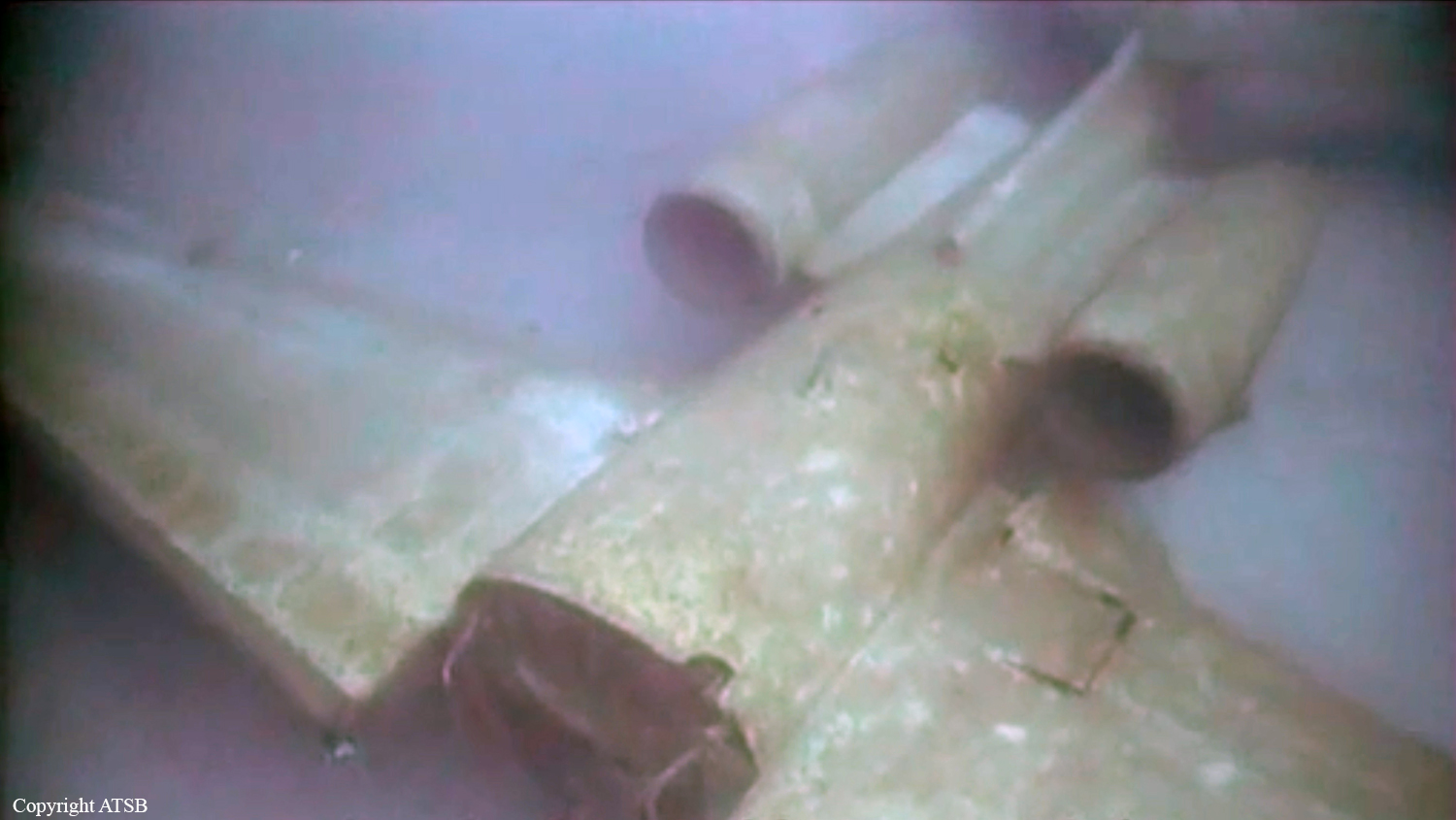
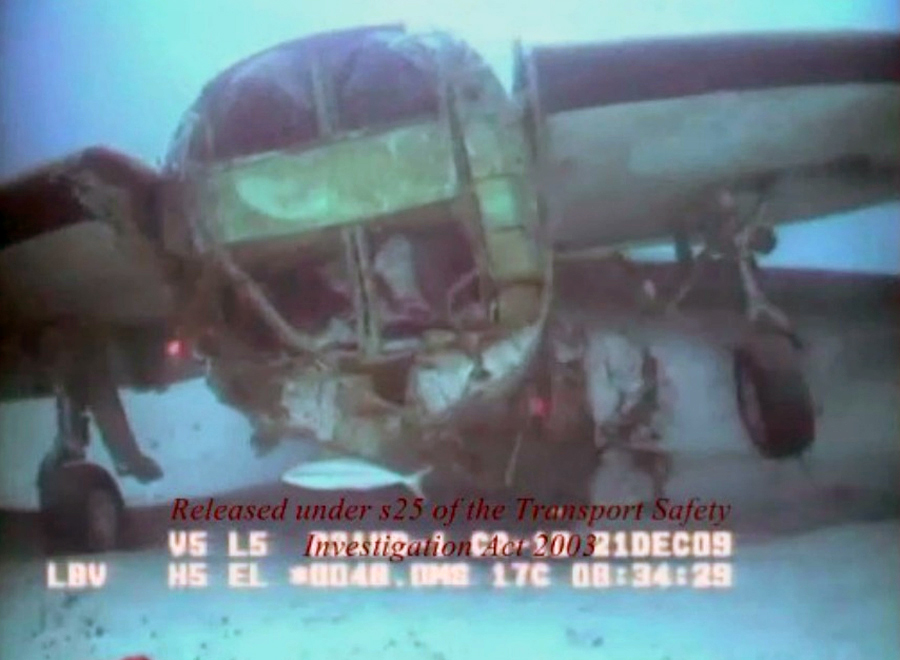
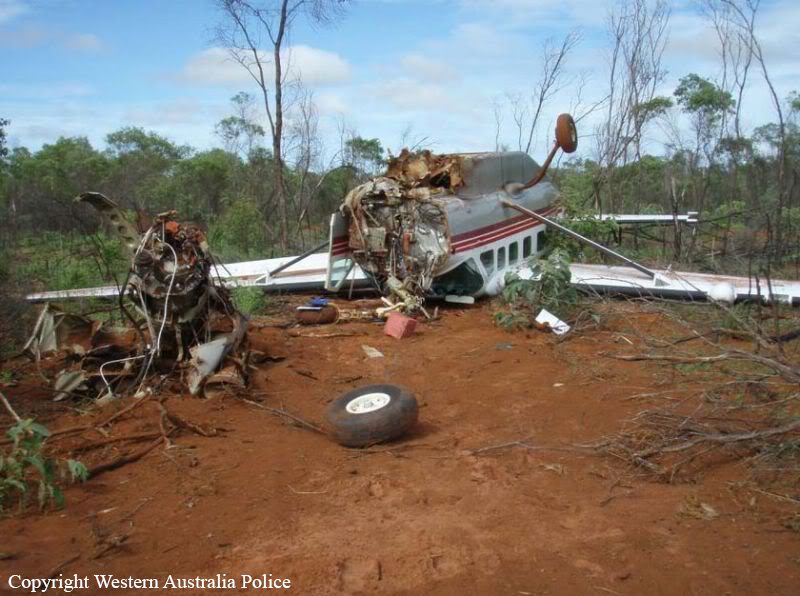
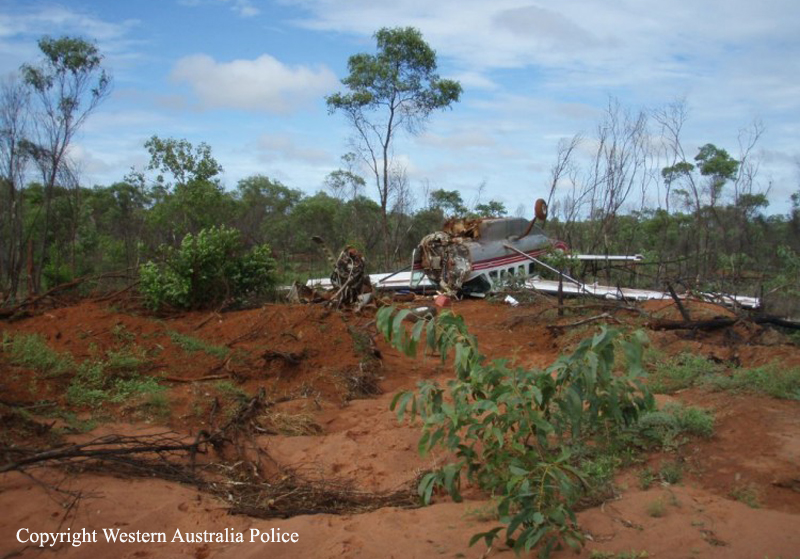
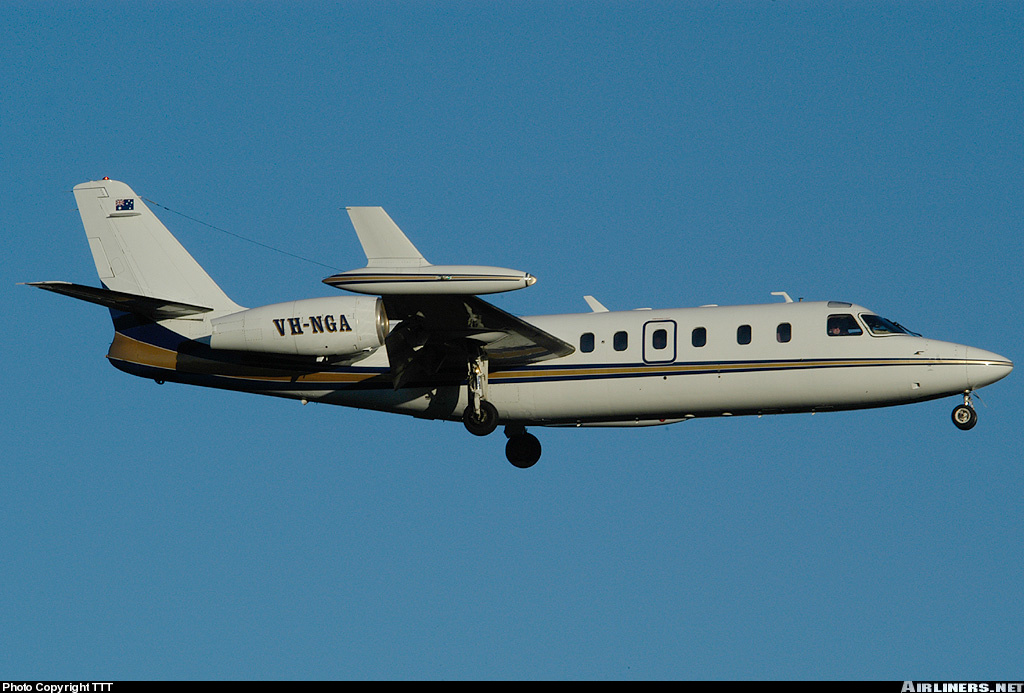
On 18 November 2009, the flight crew of an Israel Aircraft Industries Westwind 1124A aircraft, registered VH-NGA, was attempting a night approach and landing at Norfolk Island on an aeromedical flight from Apia, Samoa. On board were the pilot in command and copilot, and a doctor, nurse, patient and one passenger. On arrival, weather conditions prevented the crew from seeing the runway or its visual aids and therefore from landing. The pilot in command elected to ditch the aircraft in the sea before the aircraft’s fuel was exhausted. The aircraft broke in two after ditching. All the occupants escaped from the aircraft and were rescued by boat.
Probable cause:
The pilot in command did not plan the flight in accordance with the existing regulatory and operator requirements, precluding a full understanding and management of the potential hazards affecting the flight. The flight crew did not source the most recent Norfolk Island Airport forecast, or seek and apply other relevant weather and other information at the most relevant stage of the flight to fully inform their decision of whether to continue the flight to the island, or to divert to another destination. The flight crew’s delayed awareness of the deteriorating weather at Norfolk Island combined with incomplete flight planning to influence the decision to continue to the island, rather than divert to a suitable alternate.
Final Report:
Crash of a Piper PA-31 Navajo Chieftain in Darwin

Date & Time: Feb 6, 2009 at 0840 LT
Operator:
Registration:
VH-TFX
Flight Phase:
Survivors:
Yes
Schedule:
Darwin – Maningrida
MSN:
31-8152143
YOM:
1981
Country:
Region:
Crew on board:
1
Crew fatalities:
Pax on board:
5
Pax fatalities:
Other fatalities:
Total fatalities:
0
Circumstances:
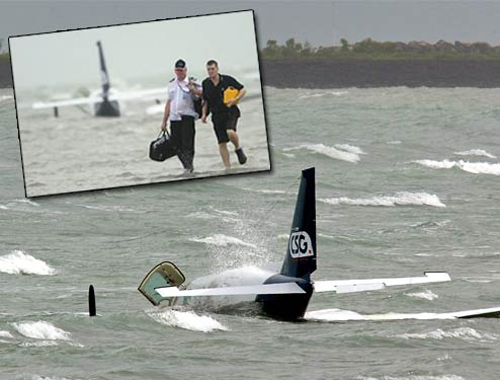
Shortly after takeoff from Darwin Airport, while in initial climb, one of the engine failed. The pilot declared an emergency and elected to return but eventually attempted to ditch the aircraft that came to rest in shallow water about 200 metres offshore. All six occupants escaped uninjured while the aircraft was damaged beyond repair.

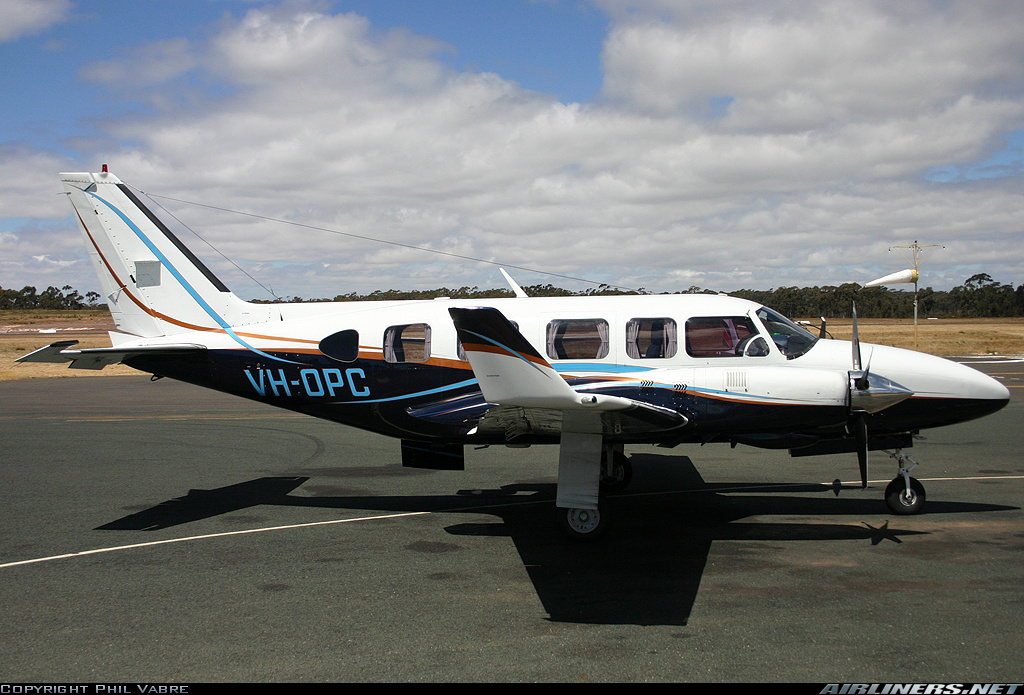
Crash of a Piper PA-31-350 Navajo Chieftain in Bathurst: 4 killed

Date & Time: Nov 7, 2008 at 2024 LT
Registration:
VH-OPC
Flight Phase:
Flight Type:
Survivors:
No
Schedule:
Melbourne – Bathurst – Port Macquarie
MSN:
31-7952082
YOM:
1979
Country:
Region:
Crew on board:
1
Crew fatalities:
Pax on board:
3
Pax fatalities:
Other fatalities:
Total fatalities:
4
Captain / Total flying hours:
2061
Aircraft flight hours:
11000
Circumstances:
On 7 November 2008, a Piper Aircraft Corp. PA-31-350 Chieftain, registered VH-OPC, was being operated on a private flight under the instrument flight rules (IFR) from Moorabbin Airport, Vic. to Port Macquarie via Bathurst, NSW. On board the aircraft were the owner-pilot and three passengers. The aircraft departed Moorabbin Airport at about 1725 Eastern Daylight-saving Time and arrived at Bathurst Airport at about 1930. The pilot added 355 L of aviation gasoline (Avgas) to the aircraft from a self-service bowser and spent some time with the passengers in the airport terminal. Recorded information at Bathurst Airport indicated that, at about 2012 (12 minutes after civil twilight), the engines were started and at 2016 the aircraft was taxied for the holding point of runway 35. The aircraft was at the holding point for about 3 minutes, reportedly at high engine power. At 2020, the pilot broadcast that he was entering and backtracking runway 35 and at 2022:08 the pilot broadcast on the common traffic advisory frequency that he was departing (airborne) runway 35. At 2023:30, the pilot transmitted to air traffic control that he was airborne at Bathurst and to standby for departure details. There was no record or reports of any further radio transmissions from the pilot. At about 2024, a number of residents of Forest Grove, a settlement to the north of Bathurst Airport, heard a sudden loud noise from an aircraft at a relatively low height overhead, followed shortly after by the sound of an explosion and the glow of a fire. A witness located about 550 m to the south-west of the accident site, reported seeing two bright lights that were shining in a constant direction and ‘wobbling’. There was engine noise that was described by one witness as getting very loud and ‘rattling’ or ‘grinding’ abnormally before the aircraft crashed. At 2024:51, the first 000 telephone call was received from witnesses and shortly after, emergency services were notified. The aircraft was seriously damaged by impact forces and fire, and the four occupants were fatally injured.
Probable cause:
From the evidence available, the following findings are made with respect to the collision with terrain involving Piper Aircraft Corp. PA-31-35 Chieftain, registered VH-OPC, 3 km north of Bathurst Airport on 7 November 2008 and should not be read as apportioning blame or liability to any particular organisation or individual.
Contributing safety factors:
• The aircraft descended at a steep angle before impacting the ground at high speed, consistent with uncontrolled flight into terrain.
Other key findings:
• Based on analysis of the available information, an airworthiness issue was considered unlikely to be a contributing factor to this accident.
• The investigation was unable to establish why the aircraft collided with terrain; however, pilot spatial disorientation or pilot incapacitation could not be discounted.
Final Report:

Crash of a Gippsland GA8 Airvan in the Buckingham Bay: 1 killed

Date & Time: Oct 16, 2008 at 0945 LT
Type of aircraft:
Registration:
VH-WRT
Flight Phase:
Flight Type:
Survivors:
No
Schedule:
Elcho Island – Mata Mata – Muthamul –Nyinyikay – Rurruwuy – Elcho Island
MSN:
GA8-01-005
YOM:
2001
Country:
Region:
Crew on board:
1
Crew fatalities:
Pax on board:
0
Pax fatalities:
Other fatalities:
Total fatalities:
1
Captain / Total flying hours:
1300
Captain / Total hours on type:
300.00
Aircraft flight hours:
4750
Circumstances:
On the morning of 16 October 2008, a Gippsland Aeronautics GA8 Airvan, registered VH-WRT, was being operated on a freight charter flight from Elcho Island and return, Northern Territory. At about 1230, it was realised that the aircraft was missing. A witness reported seeing the aircraft during the early stages of the flight and, shortly afterwards, a column of dark black smoke rising from the eastern side of the Napier Peninsula. On 17 October 2008, items of wreckage from the aircraft were found in the south-western part of Buckingham Bay. The pilot, who was the sole occupant of the aircraft, and the main wreckage of the aircraft have not been found. After consideration of the available evidence, the investigation was unable to identify any factor that contributed to the accident.
Probable cause:
Following a review of the available evidence covering:
• Witness information,
• The pilot's fatigue and health,
• The airworthiness of the aircraft,
• Aircraft fuel,
• The weather affecting the flight, and
• The aircraft’s loading and weight and balance,
The investigation was unable to identify any factors that may have contributed to the accident. From the evidence available, the following findings are made with respect to the missing aircraft at Buckingham Bay, Northern Territory on 16 October 2008 involving Gippsland Aeronautics GA8 Airvan aircraft, registered VH-WRT. They should not be read as apportioning blame or liability to any organisation or individual. No contributing safety factors were identified.
Other safety factors:
• The main vertical net and the throwover net were not used to restrain the cargo.
• The full jerry cans were not secured in the aircraft cabin.
• At the time of departure, the aircraft’s centre of gravity (c.g) was probably to the rear of the permitted c.g limit that was published in the Aircraft Flight Manual.
• There was no record that the pilot lodged a flight notification for the flight with Airservices Australia.
Final Report:
Crash of a Gippsland GA8 Airvan in Cooinda

Date & Time: Sep 9, 2008 at 1500 LT
Type of aircraft:
Operator:
Registration:
VH-KNE
Flight Phase:
Flight Type:
Survivors:
Yes
Schedule:
Cooinda - Cooinda
MSN:
GA8-08-128
YOM:
2008
Country:
Region:
Crew on board:
1
Crew fatalities:
Pax on board:
0
Pax fatalities:
Other fatalities:
Total fatalities:
0
Circumstances:
The pilot was completing a local post maintenance test flight at Cooinda Airport. Shortly after takeoff, while in initial climb, the engine failed. The pilot attempted an emergency landing in the bush but the aircraft collided with a telephone pole and came to rest. The pilot escaped with minor injuries and the aircraft was damaged beyond repair.
Probable cause:
Engine failure for unknown reasons.