Crash of a Cessna 421A Golden Eagle I in Cabazon: 1 killed
Date & Time:
Nov 1, 1988 at 1613 LT
Registration:
N3385Q
Survivors:
No
Schedule:
Torrance - Tucson
MSN:
421A-0115
YOM:
1968
Crew on board:
1
Crew fatalities:
Pax on board:
0
Pax fatalities:
Other fatalities:
Total fatalities:
1
Aircraft flight hours:
2293
Circumstances:
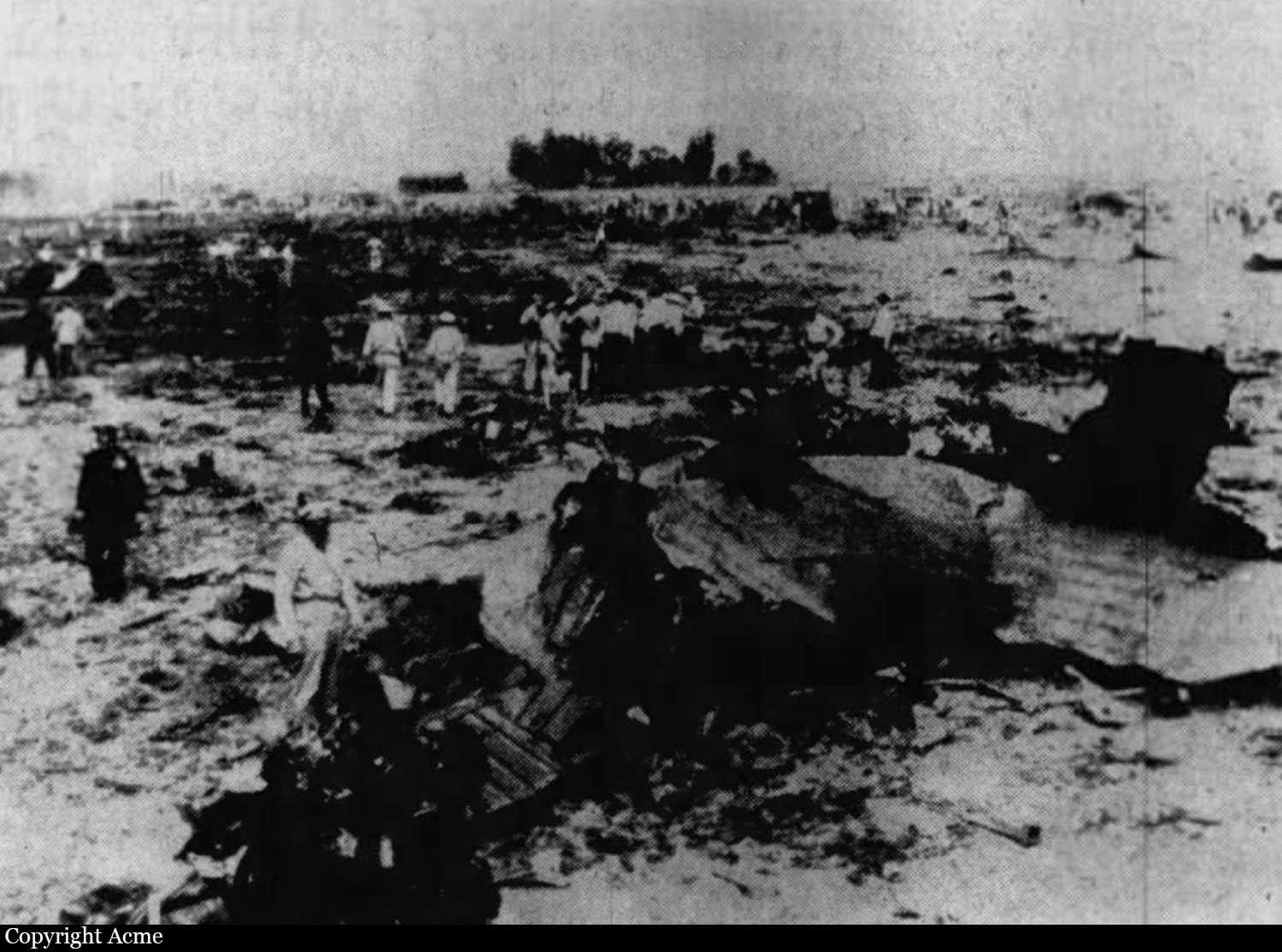
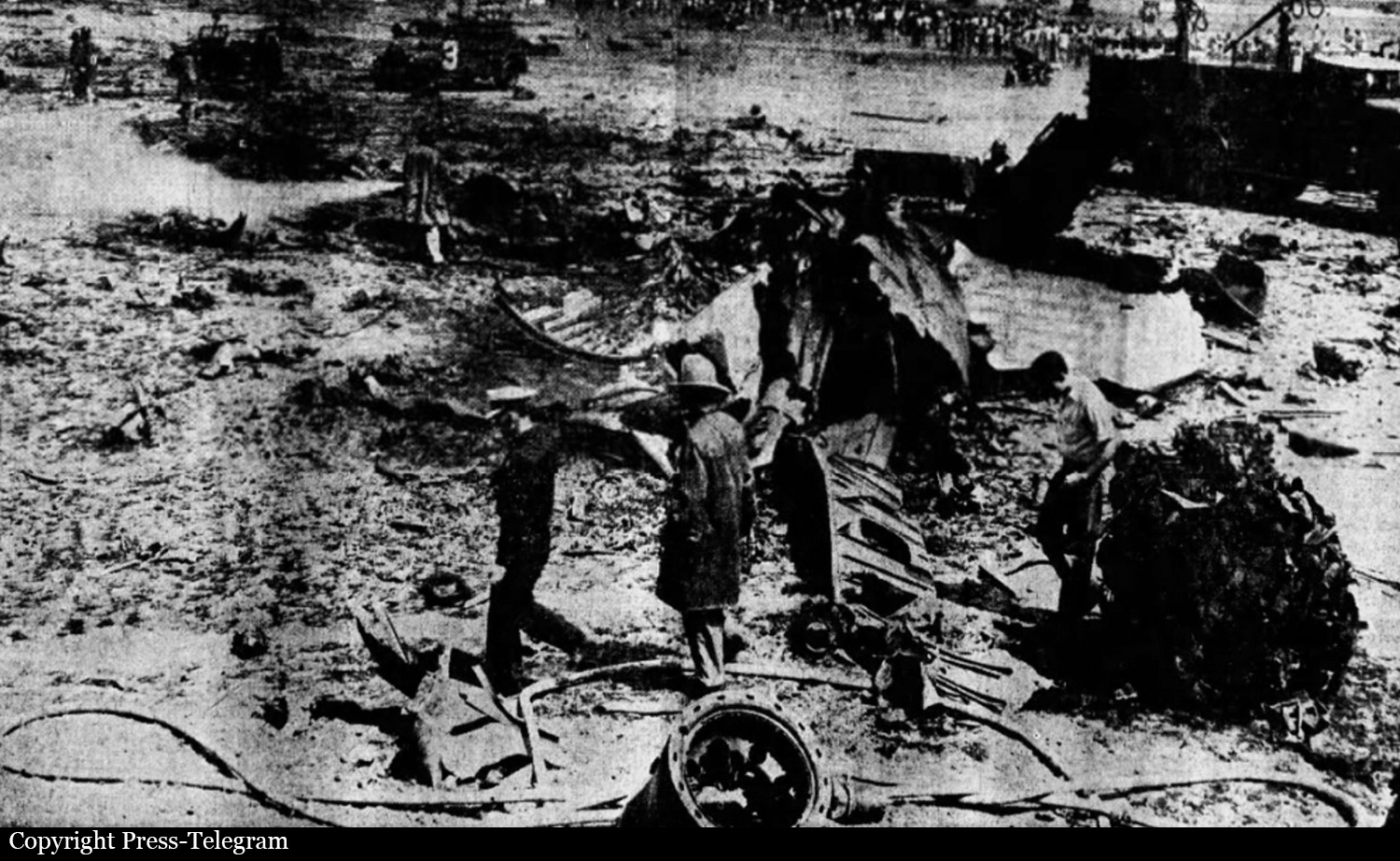
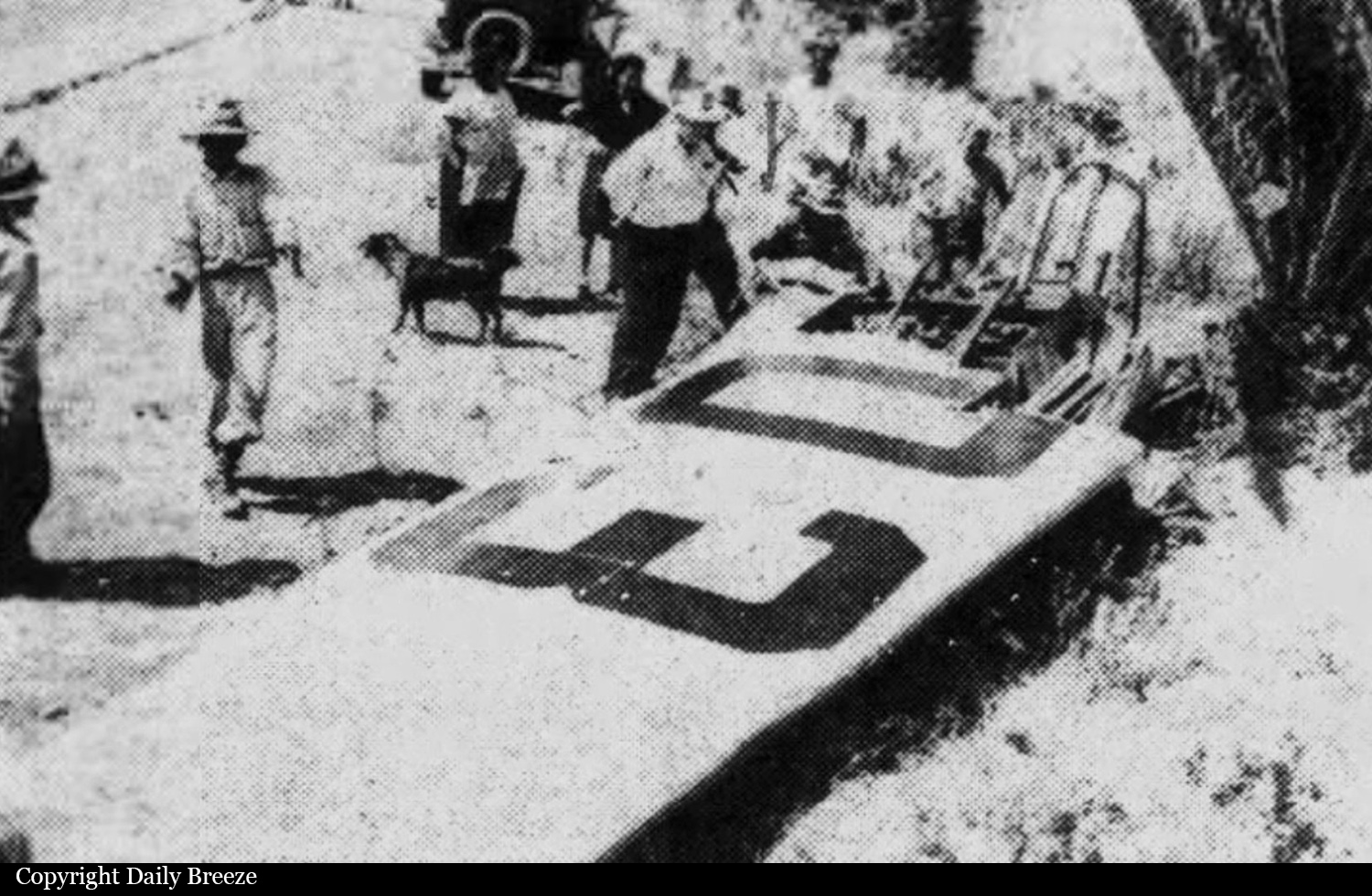
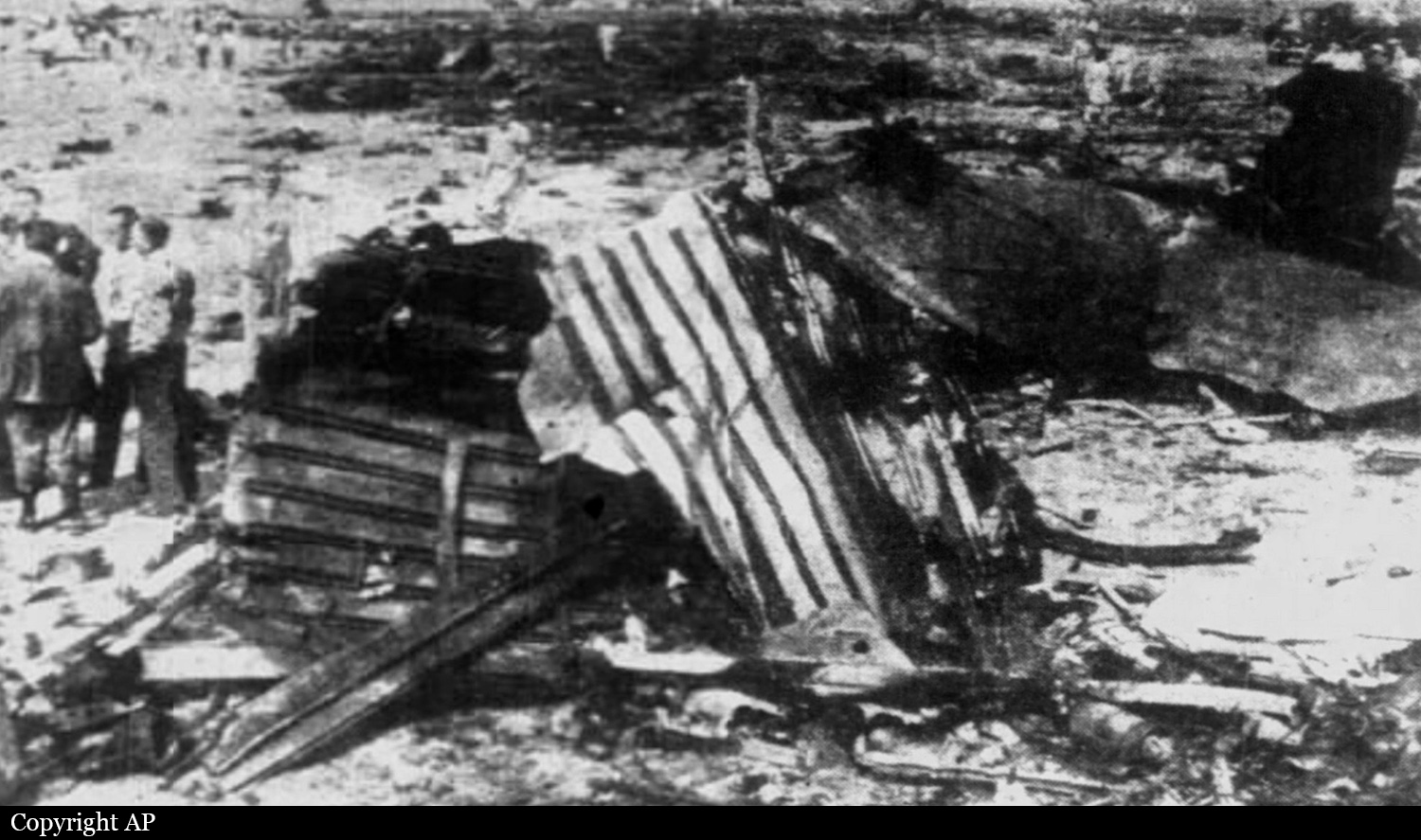
The pilot contacted the arsa controller for advisories after losing power on the right engine over an air force base. The controller advised the pilot that his position was near a civilian airport with limited maintenance facilities and an air force base. The pilot advised that he desired to continue to a larger civilian airport along his route where he could obtain service. The pilot then informed the controller that he could barley see the ground and that he was unable to maintain altitude due to the propeller not feathering. The aircraft overflew a small civilian airport and the pilot told the unicom operator that he would attempt to land on an interstate highway. The aircraft overflew the highway and impacted an electrical transmission line and collided with a residence. Post accident inspection revealed the right engine #3 cylinder head fractured allowing the head to displace outward 3/8 inch. Fracture resulted from fatigue at threaded area between head and cylinder. The propeller governor operated normally during functional testing after the accident. The pilot, sole on board, was killed.
Probable cause:
The pilot's poor decision and misjudgement of distance. The separation of the cylinder, failure of the propeller to feather, and impact with wires and a residence were factors in the accident.
Occurrence #1: loss of engine power (total) - nonmechanical
Phase of operation: cruise - normal
Findings
1. (c) engine assembly, cylinder - fatigue
2. (c) engine assembly, cylinder - separation
3. (f) propeller feathering - not possible - pilot in command
4. (f) reason for occurrence undetermined
----------
Occurrence #2: forced landing
Phase of operation: descent - emergency
Findings
5. (c) in-flight planning/decision - poor - pilot in command
6. (f) overconfidence in aircraft's ability - pilot in command
7. Distance - misjudged - pilot in command
----------
Occurrence #3: in flight collision with object
Phase of operation: descent - emergency
Findings
8. (f) object - wire, transmission
9. (f) object - residence
----------
Occurrence #4: in flight collision with object
Phase of operation: descent - emergency.
Occurrence #1: loss of engine power (total) - nonmechanical
Phase of operation: cruise - normal
Findings
1. (c) engine assembly, cylinder - fatigue
2. (c) engine assembly, cylinder - separation
3. (f) propeller feathering - not possible - pilot in command
4. (f) reason for occurrence undetermined
----------
Occurrence #2: forced landing
Phase of operation: descent - emergency
Findings
5. (c) in-flight planning/decision - poor - pilot in command
6. (f) overconfidence in aircraft's ability - pilot in command
7. Distance - misjudged - pilot in command
----------
Occurrence #3: in flight collision with object
Phase of operation: descent - emergency
Findings
8. (f) object - wire, transmission
9. (f) object - residence
----------
Occurrence #4: in flight collision with object
Phase of operation: descent - emergency.
Final Report: