Crash of a Fokker F27 Friendship 100 in Greenland: 2 killed

Date & Time: Apr 20, 1985 at 1932 LT
Type of aircraft:
Operator:
Registration:
YN-BZF
Flight Phase:
Flight Type:
Survivors:
Yes
Schedule:
Keflavik – Sondreströmfjord
MSN:
10118
YOM:
1959
Country:
Region:
Crew on board:
5
Crew fatalities:
Pax on board:
0
Pax fatalities:
Other fatalities:
Total fatalities:
2
Aircraft flight hours:
45111
Aircraft flight cycles:
58384
Circumstances:
The Fokker F-27, registration YN-BZF, was engaged on a delivery flight from North Yemen to Nicaragua. For the purpose of extended range two 200 US gal auxiliary ferry fuel tanks had been installed in the cabin of the aircraft. YN-BZF departed on 11 April 1985 from North Yemen (Sanaa) via Saudi Arabia (Jeddah), Egypt (Cairo) to Greece (Athens). The flight proceeded from Greece on 19 April 1985 via Italy (Genoa) to Scotland (Prestwick). On 20 April 1985 the flight proceeded from Prestwick via Stornoway to Reykjavik (Iceland) where it arrived at 15:48 hours. Since the crew had been unable to retrieve fuel from the auxiliary ferry fuel system during the preceding part of the flight, they checked the system during the stay at Reykjavik, and they found it to be in working order. An additional check was done by experienced Icelandic F-27 engineers. In the opinion of the ground engineers the auxiliary fuel system "was not very professionally looking" and they "got the feeling that the crew was not quite certain of how to operate it". They advised the crew on how to operate the fuel system and do a ground run to see if it worked. After having received weather information and ATC clearance, the crew took off at 17:21 hours, heading for Kangerlussuaq-Søndre Strømfjord Airport. At 18:32 the Pilot-in-Command transmitted a message to Iceland radio, whom he asked to extend his thanks to the Icelandic engineers with the message that the auxiliary ferry fuel system was working correctly. This message was transmitted prior to passage of Kulusuk at 19:35 hours. During the flight from Reykjavík, Iceland to Greenland the crew informed the air traffic control that problems had arisen with retrieving fuel from the auxiliary ferry fuel system. At 19:50, approximately 50 NM west of Kulusuk, the crew radioed to the radar station BIG GUN about fuel problems, as it had been discovered that the auxiliary ferry fuel system did not function after all. Thus encountering a reduction of fuel reserves by approximately 400 US gal together with a ground speed of only 180 knots the crew decided to return for landing at Kulusuk Airport. However, due to deteriorating weather conditions the aerodrome could not be located. The flight diverted hereafter westbound for an emergency landing at a radar station, "SOB STORY", on the icecap. During descent the aircraft collided with the icecap.
Probable cause:
The following findings were reported:
- The crew was properly certified for the flight,
- According to the crew the normal aircraft systems, except for the FDR and the cockpit right front window electrical deicing system, were functioning normally, which was also determined by the on site investigation,
- The auxiliary ferry fuel system was not functioning properly. The cause of this has not been conclusively established,
- The crew did not undertake a satisfactory functional airborne check of the auxiliary ferry fuel system to ensure that it worked prior to the essential appliance of the system for flight, (cause-factor),
- It is the opinion of this department from the evidence available that a deficiency in the procedures applied for operating the auxiliary ferry fuel system may have been a major factor,
- The assistance rendered to the flight of YN-BZF was active and generally professional. However, the AFIS operator erroneously stated the distance from the KK NDB of 3 NM to be 10 NM.,
- Furthermore the bearing from the KK NDB was not stated by the AFIS operator at BGKK on request from the crew of YN-BZF,
- In the opinion of this department the lack of this information does not seem to have had any important bearing on the possibility of locating the aerodrome,
- Weather conditions were a major factor in this accident, at the time of the approach into BGKK, as well as at the accident site, (cause-factor),
- The Search and Rescue operation was anticipated at an early stage and put into effect immediately after the aircraft was considered to have had an accident,
- The conditions offered on the accident site: low visibility approaching darkness, and consequently the inability to evaluate surface conditions, precluded successful rescue in the first attempt.


Crash of a Cessna 402A in the Atlantic Ocean: 2 killed

Date & Time: Jan 19, 1981
Type of aircraft:
Operator:
Registration:
C-GDTW
Flight Phase:
Flight Type:
Survivors:
No
Schedule:
Goose Bay - Keflavik
MSN:
402A-0037
YOM:
1979
Country:
Region:
Crew on board:
2
Crew fatalities:
Pax on board:
0
Pax fatalities:
Other fatalities:
Total fatalities:
2
Circumstances:
While on a ferry flight from Goose Bay to Keflavik, the twin engine airplane crashed in unknown circumstances in the North Atlantic Ocean. Both occupants were killed.

Crash of a Lockheed RC-121T Super Constellation in Keflavik

Date & Time: Mar 15, 1978 at 0900 LT
Operator:
Registration:
55-0121
Flight Phase:
Flight Type:
Survivors:
Yes
MSN:
4394
YOM:
1956
Country:
Region:
Crew on board:
17
Crew fatalities:
Pax on board:
0
Pax fatalities:
Other fatalities:
Total fatalities:
0
Circumstances:
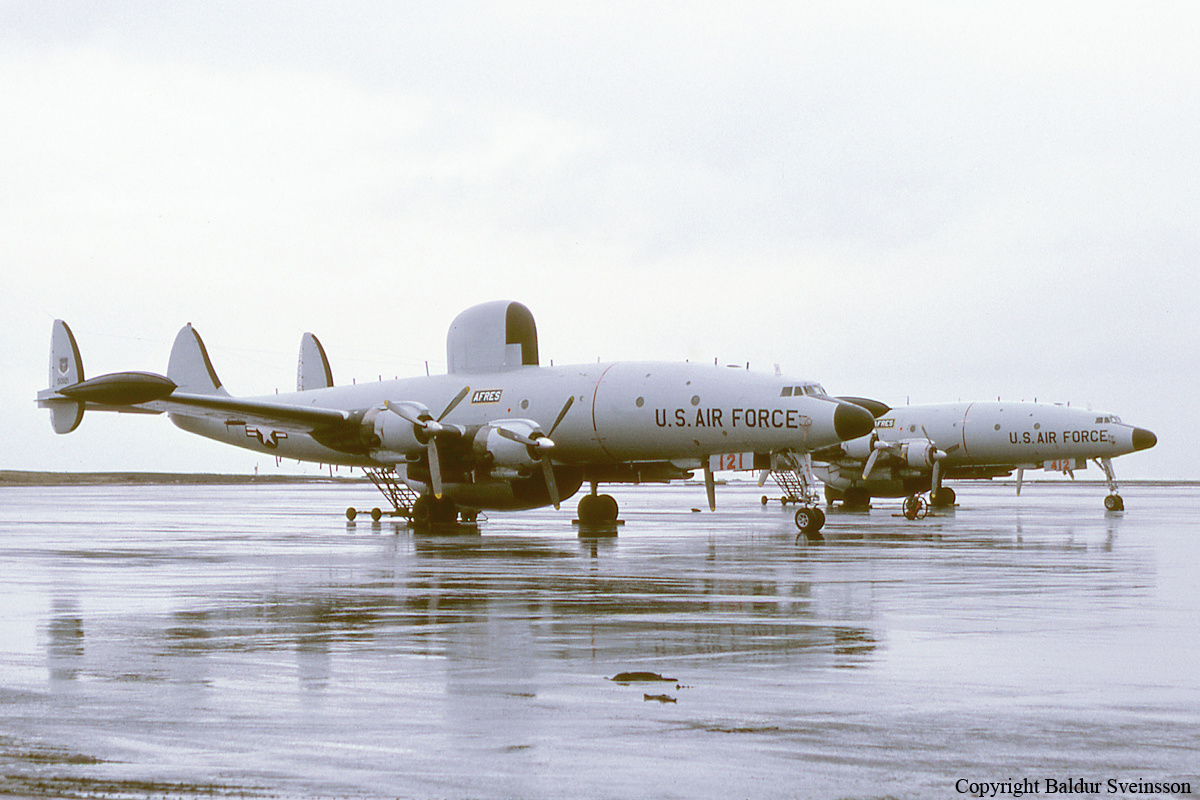
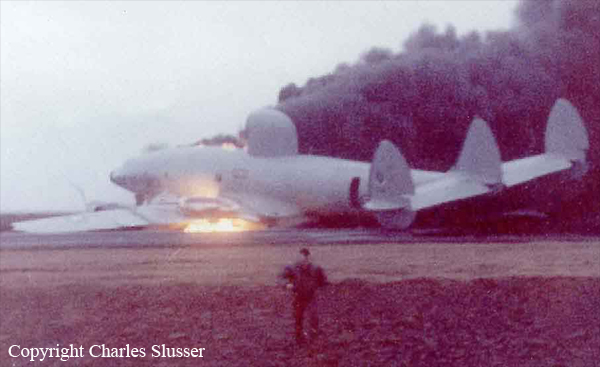
While taxiing at Keflavik Airport, the left main gear collapsed. The airplane sank on its belly, causing the propellers of both left engine to struck the ground as well. A fuel tank was punctured and a fire erupted. All 17 occupants were able to evacuate safely while the aircraft was destroyed by fire.
Probable cause:
Failure of the left main gear due to corrosion.

Crash of a Douglas C-117D Skytrain in Keflavik

Date & Time: Dec 20, 1975
Type of aircraft:
Operator:
Registration:
39096
Flight Type:
Survivors:
Yes
MSN:
43338
YOM:
1945
Country:
Region:
Crew on board:
0
Crew fatalities:
Pax on board:
0
Pax fatalities:
Other fatalities:
Total fatalities:
0
Circumstances:
After touchdown, the airplane went out of control, veered off runway and collided with a hangar. There were no casualties but the aircraft was damaged beyond repair.
Probable cause:
Loss of control caused by brakes systems' failure.

Crash of a Rockwell Sabreliner 40A near Frobisher Bay: 9 killed

Date & Time: Feb 27, 1974 at 2158 LT
Type of aircraft:
Operator:
Registration:
CF-BRL
Flight Phase:
Survivors:
No
Site:
Schedule:
Stuttgart - Shannon - Keflavik - Frobisher Bay - Toronto
MSN:
282-107
YOM:
1972
Country:
Crew on board:
2
Crew fatalities:
Pax on board:
7
Pax fatalities:
Other fatalities:
Total fatalities:
9
Captain / Total flying hours:
13500
Captain / Total hours on type:
346.00
Copilot / Total flying hours:
8700
Copilot / Total hours on type:
217
Aircraft flight hours:
675
Circumstances:
The aircraft, with two pilots and seven passengers on board was being flown from Stuttgart to Toronto via Shannon, Keflavik and Frobisher. The flight was routine as far as Keflavik. After startup at Keflavik the aircraft remained 18 minutes on the ground before takeoff. Departure was at 2131Z (27 February), and the flight was undertaken at FL390 against a 30 knot wind component, using a GNS-200 on-board navigation system. The aircraft navigation was satisfactory until 2352Z, 285 NM east of Frobisher (approximately 65° N 58° W). At this point the GNS-200 navigation system became unusable for 10 minutes due to a dropout of signals from the very low frequency ground stations on which it depended for operation. The aircraft has been tracked by a military radar network until it neared the Canadian coast. Near the coast the aircraft made a turn to the left of about 20°, but did not subsequently turn back to the right toward Frobisher, as might have been expected. Radar surveillance was not continued beyond that point. The Frobisher main, high power non-direction beacon (FY-206 Khz), went off the air at 0010Z and was restored to service at 0059Z. The standby transmitter failed to operate. At 0013Z, and ATC descent clearance was passed to the aircraft through Frobisher Aeradio; no information was included regarding the status of the radio navigation aids at Frobisher. At 0014Z, the clearance was acknowledged by the flight crew and a descent was commenced. At 0025Z, the flight radioed Frobisher that the radio beacons were not being received; then, that the DME (Distance Measuring Equipment) signals were not being received. The aircraft was at relatively low altitude by this time and lost radio contact with Frobisher. At approximately 0040Z, a small jet aircraft, believed to be CF-BRL, was observed to circle once at low altitude over the radio beacon at Brevoort Island, 120 NM east of Frobisher, and depart in the direction of Frobisher. At 0050Z, at the request of Frobisher Aeradio, an overflying airline jet contacted CF-BRL and learned it was at 4,500 feet (1,372 metres) asl. The pilots were 'lost' and asked whether Frobisher radio beacons were being received. Shortly thereafter, they reported receiving a Frobisher beacon (radio range station, FB 263 KHz, 400 watts) and altering course toward it. They sais they were low on fuel. At 0056Z, the pilot of CF-BRL announced 'both fuel lights are on and we are starting down from 4,500 feet'. The aircraft struck the side of a hill at 0058Z. The wreckage was found 120 km southeast of the destination airport. All nine occupants were killed.
Probable cause:
The following findings were identified:
- During an attempt to locate Frobisher Airport, the aircraft fuel was exhausted by 30 minutes of low altitude maneuvering.
- The descent from cruising altitude was made using navigation information from the on-board GNS system; the crew were unaware that this information was erroneous.
- The main non-directional radio beacon at Frobisher was off the air during a critical phase of the flight; the crew were not informed of this outage prior to commencement of descent.
- The radio beacon transmitter that failed had been fitted with a 40 ampere circuit breaker rather than a 45 ampere circuit breaker specified.
- The standby radio beacon transmitter failed to operate because of a faulty interlock switch system.
- The Frobisher radio range station was operating and suitable for use as a homing beacon; it was not approved for use as a radio range and was not listed on the appropriate Canadian flight navigation charts.
- A Notam issued in August 1973 stated that the Frobisher radio range would be decommissioned 'in approximately two months'; this Notam was still valid at the time of the accident.
- The flight as planned did not comply with the requirements for fuel reserves as expressed in Air Regulation 549.
Final Report:

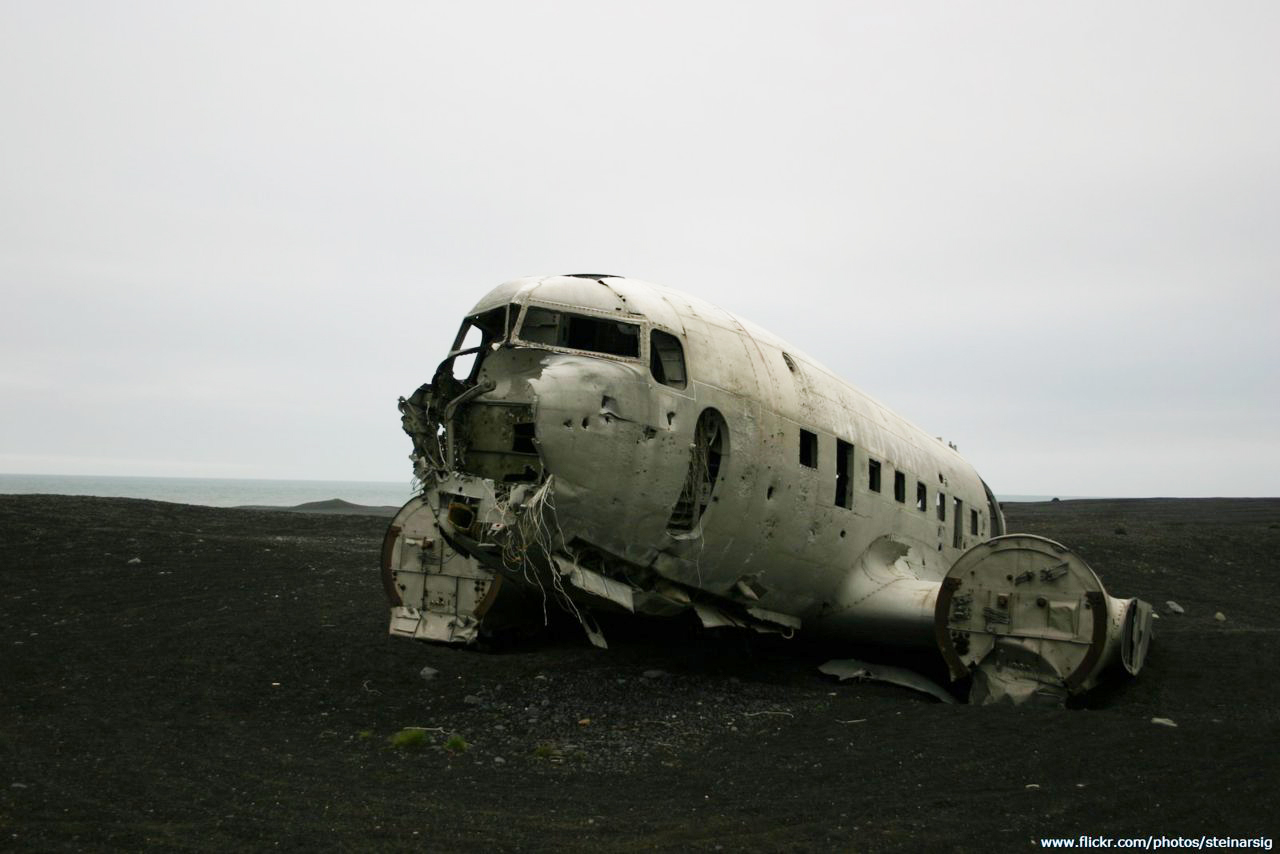
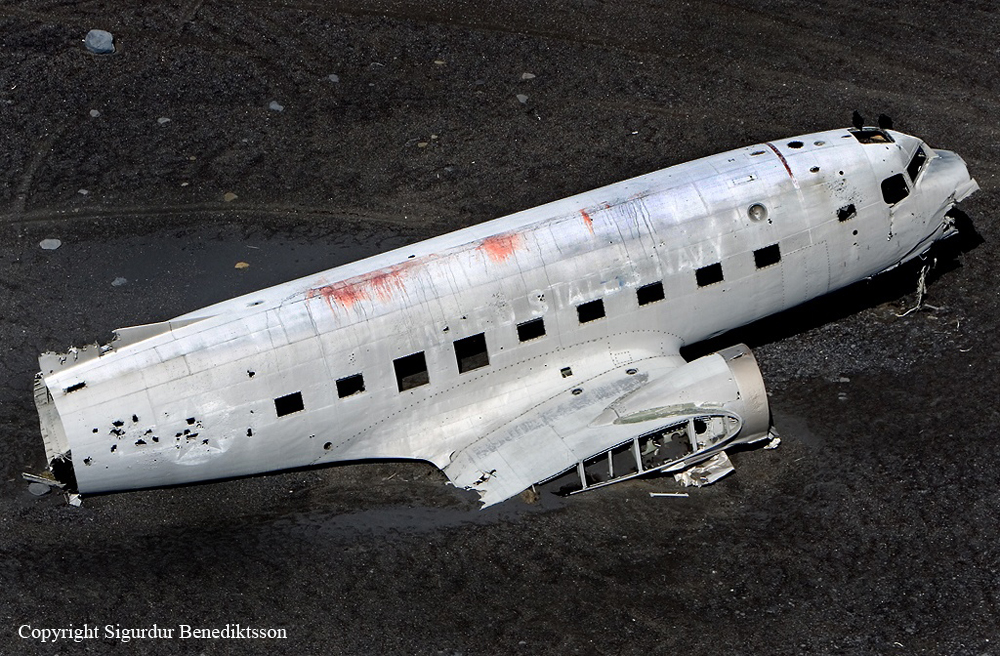
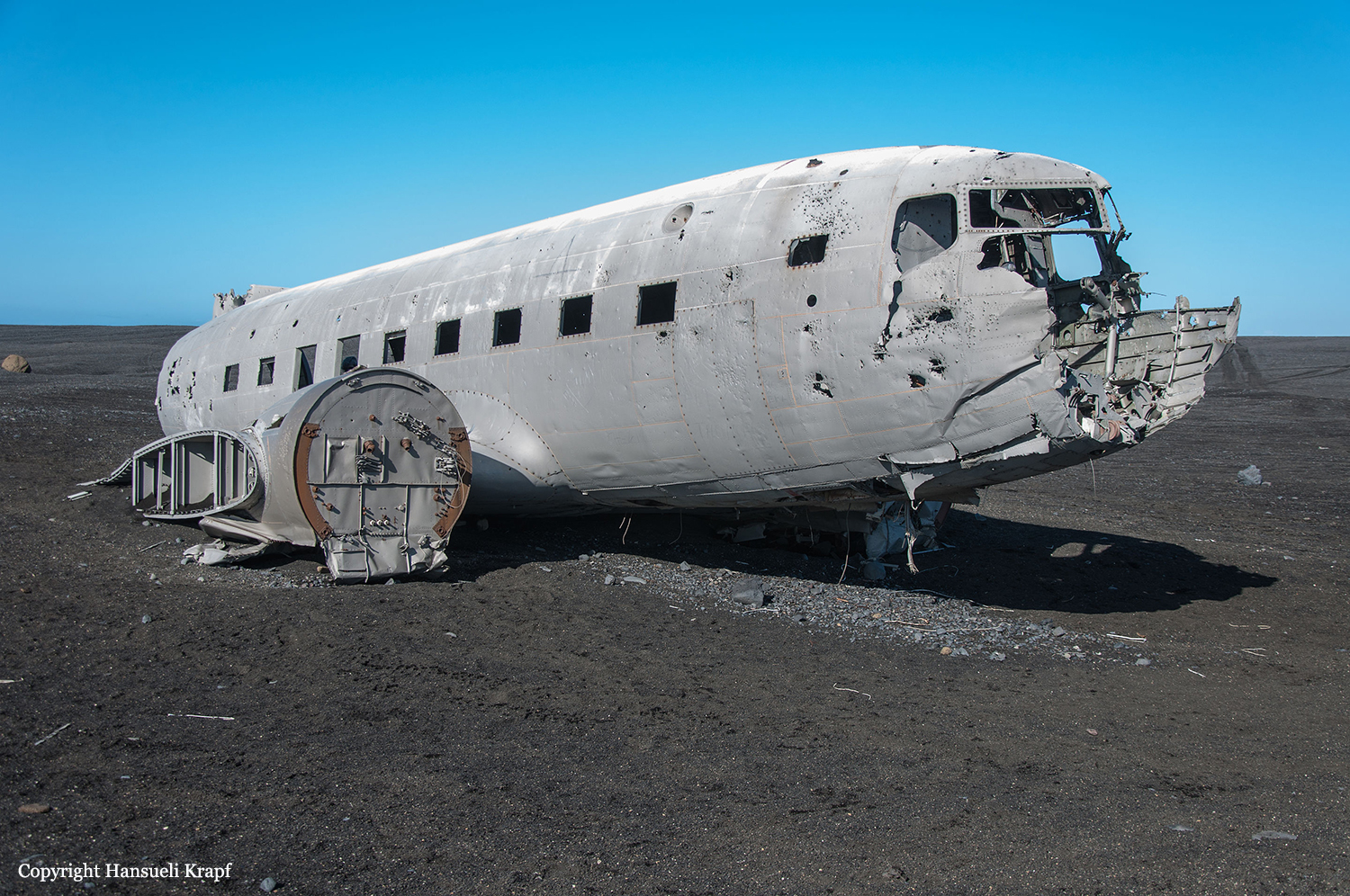
Crash of a Douglas R4D-8 in Sólheimasandur

Date & Time: Nov 21, 1973 at 1400 LT
Operator:
Registration:
17171
Flight Phase:
Flight Type:
Survivors:
Yes
Schedule:
Höfn - Keflavik
MSN:
43309
YOM:
1944
Country:
Region:
Crew on board:
7
Crew fatalities:
Pax on board:
0
Pax fatalities:
Other fatalities:
Total fatalities:
0
Circumstances:
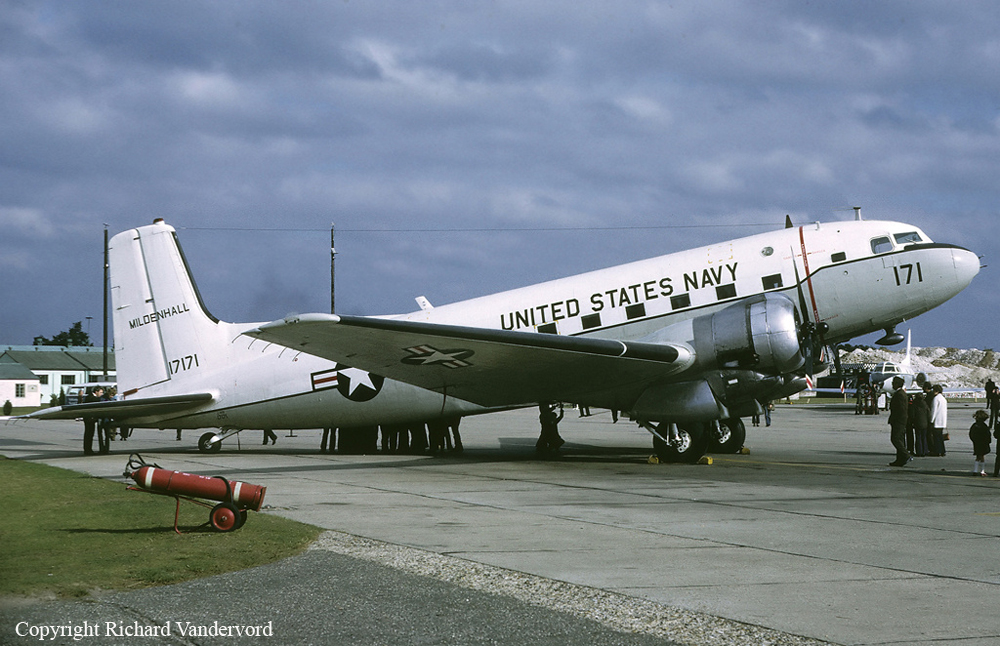
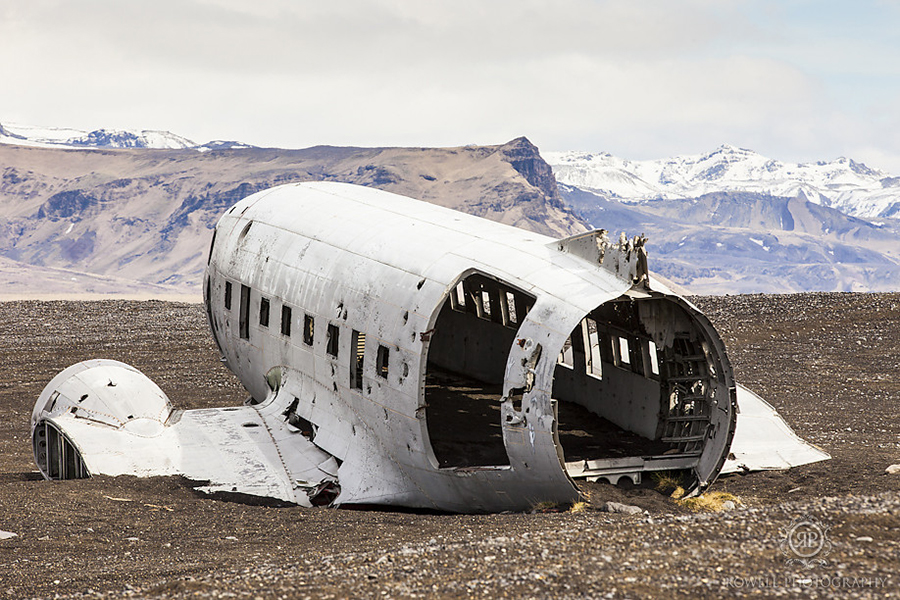
The crew was returning to Keflavik after having delivered various equipment at Höfn-Hornafjörður Airport. While flying along the south coast of the island, the crew encountered icing conditions and as the pilot was unable to maintain the prescribed altitude, he decided to attempt an emergency landing. The airplane belly landed in a snow and icy terrain located in the uninhabited area of Sólheimasandur. While all seven occupants were rescued, the aircraft was damaged beyond repair and abandoned on site.
Probable cause:
Icing conditions.

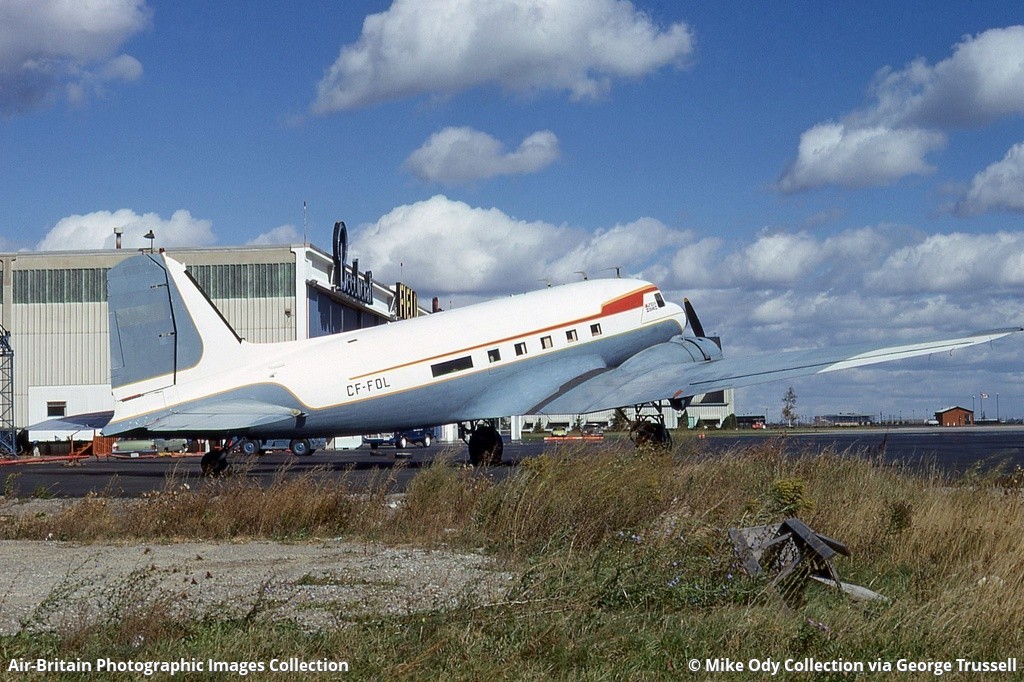
Crash of a Douglas C-47A-30-DK into the Atlantic Ocean: 3 killed

Date & Time: Nov 17, 1972
Operator:
Registration:
CF-FOL
Flight Phase:
Survivors:
No
Schedule:
Keflavik - Saint John's
MSN:
14038/25483
YOM:
1944
Country:
Region:
Crew on board:
2
Crew fatalities:
Pax on board:
1
Pax fatalities:
Other fatalities:
Total fatalities:
3
Circumstances:
The crew was completing a charter flight from Keflavik to Saint John's, Newfoundland. En route, both engines failed simultaneously due to fuel exhaustion. The crew elected to make an emergency landing when the airplane crashed into the Atlantic Ocean about 160 km east of Saint John's. All three occupants were killed in the accident.
Probable cause:
It was determined that the crew was inexperienced on this type of aircraft and that he never flew a transatlantic flight in the past. Investigations reported that the crew encountered strong headwinds all along the flight, causing the fuel consumption to be higher than expected with a lower speed than calculated. It was determined that the aircraft's speed was in fact 112 km/h instead of the expected 150 km/h.

Crash of a Dassault Falcon 20F in Montreal

Date & Time: Mar 1, 1972
Type of aircraft:
Operator:
Registration:
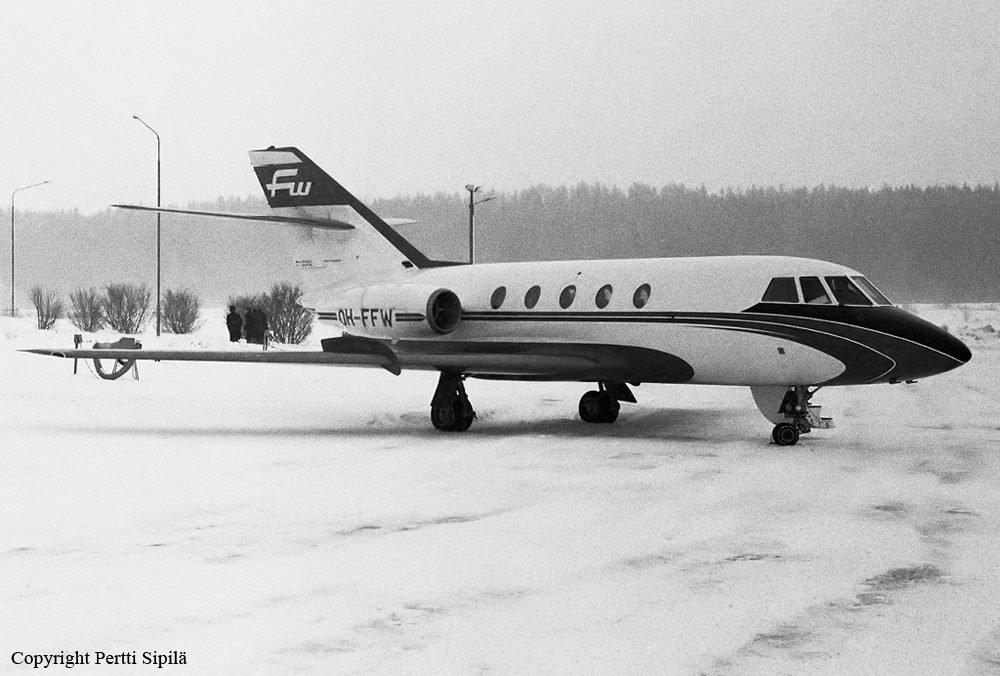
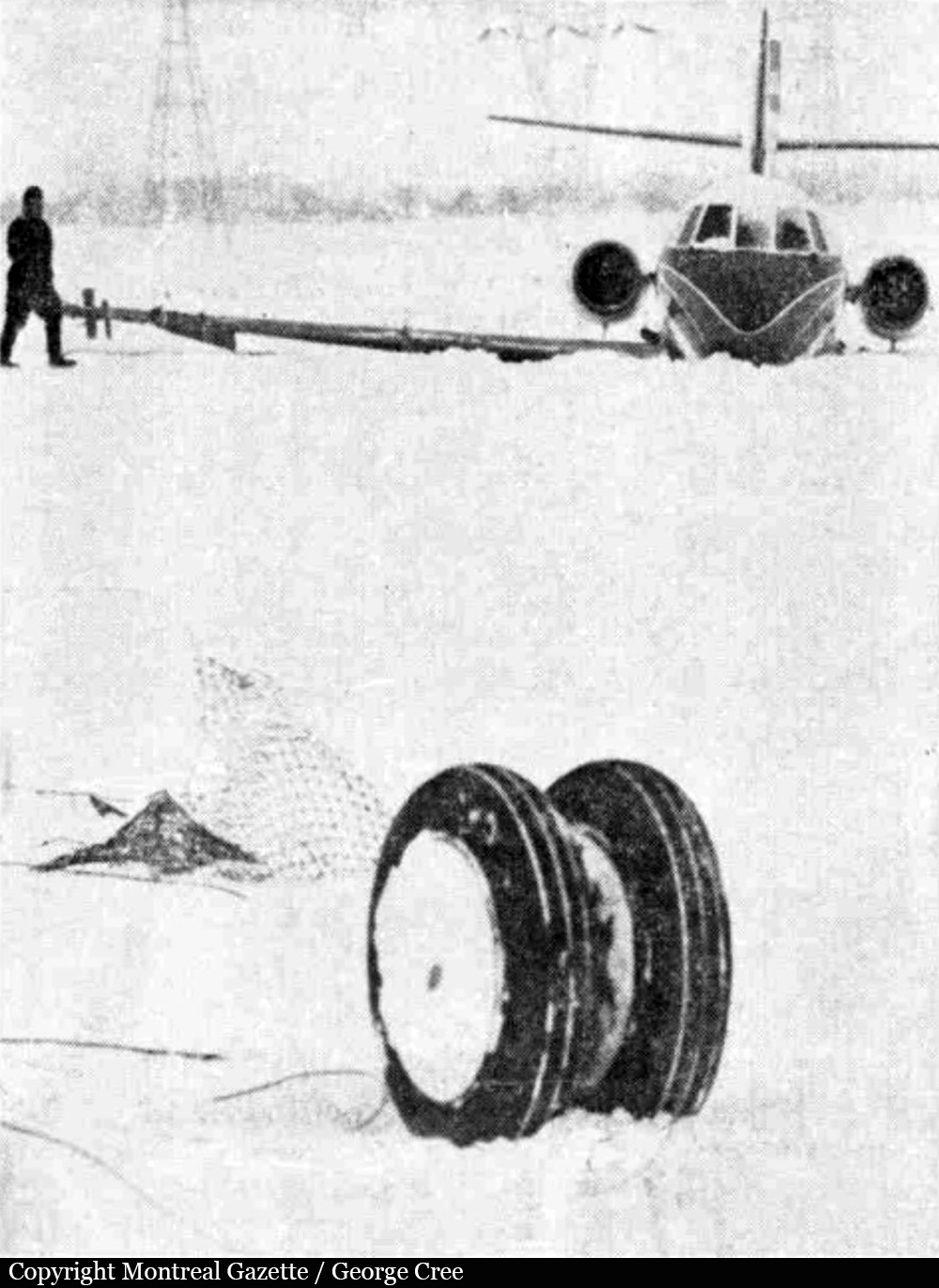
OH-FFW
Flight Phase:
Survivors:
Yes
Schedule:
Montreal - Keflavik - Helsinki
MSN:
243
YOM:
1970
Country:
Crew on board:
3
Crew fatalities:
Pax on board:
3
Pax fatalities:
Other fatalities:
Total fatalities:
0
Circumstances:
Shortly after takeoff from Mirabel Airport, while in initial climb, both engines stopped simultaneously. The pilot-in-command reduced his altitude and completed a safe belly landing in a snow covered field located near the airport. The airplane slid for several yards before coming to rest. All six occupants escaped uninjured while the aircraft was damaged beyond repair.
Probable cause:
Failure of both engines after takeoff due to both compressors icing.

Crash of an Antonov AN-22 into the North Atlantic Ocean: 23 killed

Date & Time: Jul 18, 1970 at 1700 LT
Type of aircraft:
Operator:
Registration:
CCCP-09303
Flight Phase:
Flight Type:
Survivors:
No
Schedule:
Moscow - Keflavik - Halifax - Lima
MSN:
9340207
YOM:
1970
Country:
Region:
Crew on board:
8
Crew fatalities:
Pax on board:
15
Pax fatalities:
Other fatalities:
Total fatalities:
23
Circumstances:
The aircraft was engaged in a humanitarian flight from Moscow to Lima, Peru, carrying 15 passengers, a crew of eight and various goods in favor of the victims of the recent earthquake. About 47 minutes after takeoff from Keflavik Airport, radio and radar contact were lost with the aircraft that crashed in unknown circumstances into the North Atlantic Ocean. SAR operations were conducted jointly by Canadian, American, Iceland and Soviet Authorities but not trace of the aircraft nor the 23 occupants was found. All SAR operations were suspended after a month.
Probable cause:
Due to lack of evidences, it was not possible to determine the exact cause of the accident.

Crash of a Dassault Falcon 20C in Goose Bay

Date & Time: Oct 1, 1967
Type of aircraft:
Registration:
HB-VAP
Survivors:
Yes
Schedule:
Geneva – Keflavik – Goose Bay
MSN:
37
YOM:
1966
Country:
Crew on board:
3
Crew fatalities:
Pax on board:
4
Pax fatalities:
Other fatalities:
Total fatalities:
0
Circumstances:
The aircraft was completing a transatlantic flight from Geneva to Goose Bay with an intermediate stop in Keflavik. On final approach to Goose Bay Airport, both engines failed simultaneously. The crew realized he could not reach the airport so the captain decided to attempt an emergency landing. The airplane belly landed, slid for several yards and came to rest 11 km short of runway. All seven occupants were rescued while the aircraft was damaged beyond repair.
Probable cause:
Double engine failure on approach caused by a fuel exhaustion.