Crash of a Lockheed C-121J Super Constellation at Patuxent River NAS

Date & Time: Nov 3, 1964
Operator:

Registration:
131625
Flight Type:
Survivors:
Yes
MSN:
4126
YOM:
1953
Crew on board:
0
Crew fatalities:
Pax on board:
0
Pax fatalities:
Other fatalities:
Total fatalities:
0
Circumstances:
The four engine aircraft crashed on landing for unknown reason. There were no casualties but the airplane was damaged beyond repair.

Crash of a Lockheed WC-121N Super Constellation at Roosevelt Roads NAS

Date & Time: Aug 23, 1964
Operator:
Registration:
137891
Flight Phase:
Survivors:
Yes
MSN:
4378
YOM:
1956
Country:
Crew on board:
4
Crew fatalities:
Pax on board:
19
Pax fatalities:
Other fatalities:
Total fatalities:
0
Aircraft flight hours:
4353
Circumstances:
Upon initial penetration of a storm eye (Hurricane Cleo) , the port wing tip fuel tank and portion of wing were torn away by extreme updraft turbulence. While trying to exit the storm, the starboard tip tank and larger portion of wing were torn away by extreme down draft turbulence. An emergency landing was made at NAS Roosevelt Roads located in Ceiba. All 23 occupants evacuated safely while the aircraft was damaged beyond repair.
Probable cause:
In-flight structural failure caused by severe turbulences.

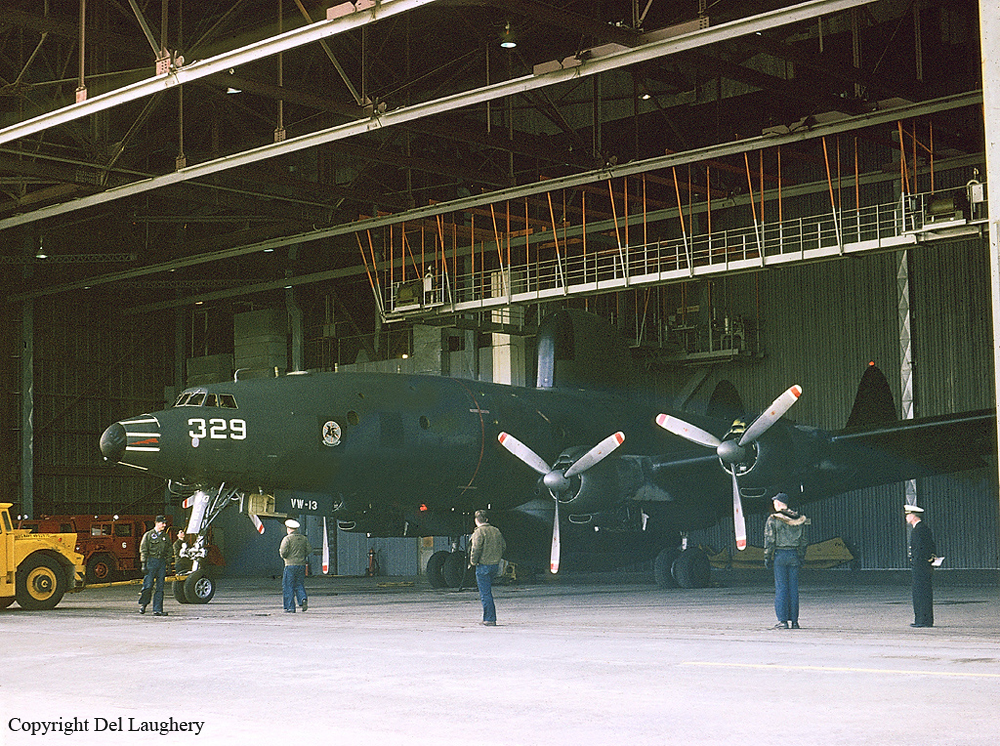
Crash of a Lockheed EC-121K Super Constellation in Gander

Date & Time: Jul 31, 1963
Operator:
Registration:
141329
Flight Type:
Survivors:
Yes
Schedule:
Gander - Gander
MSN:
4453
YOM:
1956
Country:
Crew on board:
7
Crew fatalities:
Pax on board:
0
Pax fatalities:
Other fatalities:
Total fatalities:
0
Aircraft flight hours:
8444
Circumstances:
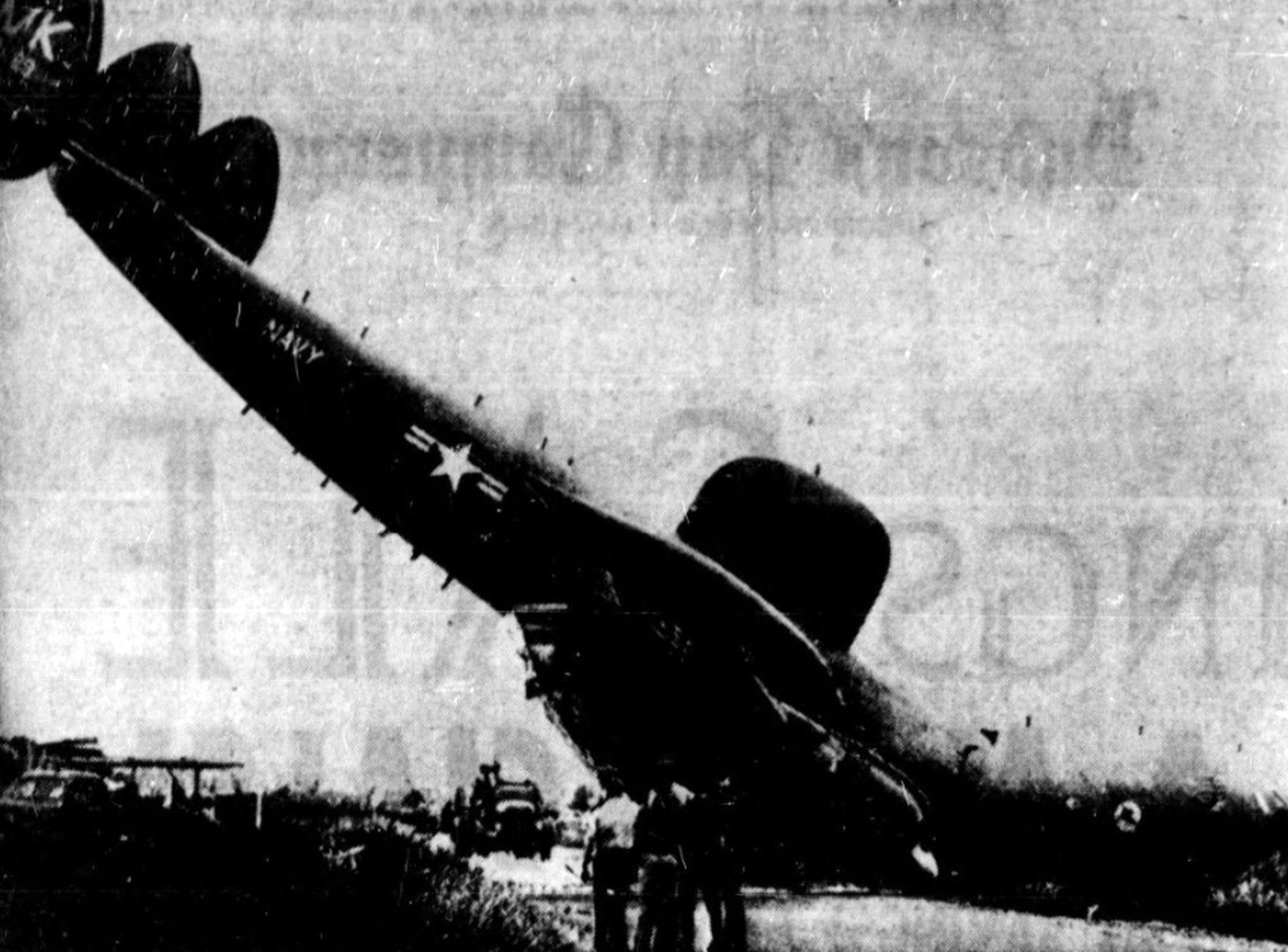
The crew was completing a local training flight consisting of touch and go manoeuvres. After touchdown, the four engine airplane went out of control, veered off runway and came to rest, broken in two and with its left wing sheared off. All seven crew members were evacuated safely.

Crash of a Lockheed C-121G Super Constellation in Agana: 3 killed

Date & Time: Dec 4, 1962
Operator:
Registration:
54-4066
Flight Type:
Survivors:
Yes
MSN:
4146
YOM:
1954
Country:
Region:
Crew on board:
8
Crew fatalities:
Pax on board:
0
Pax fatalities:
Other fatalities:
Total fatalities:
3
Circumstances:
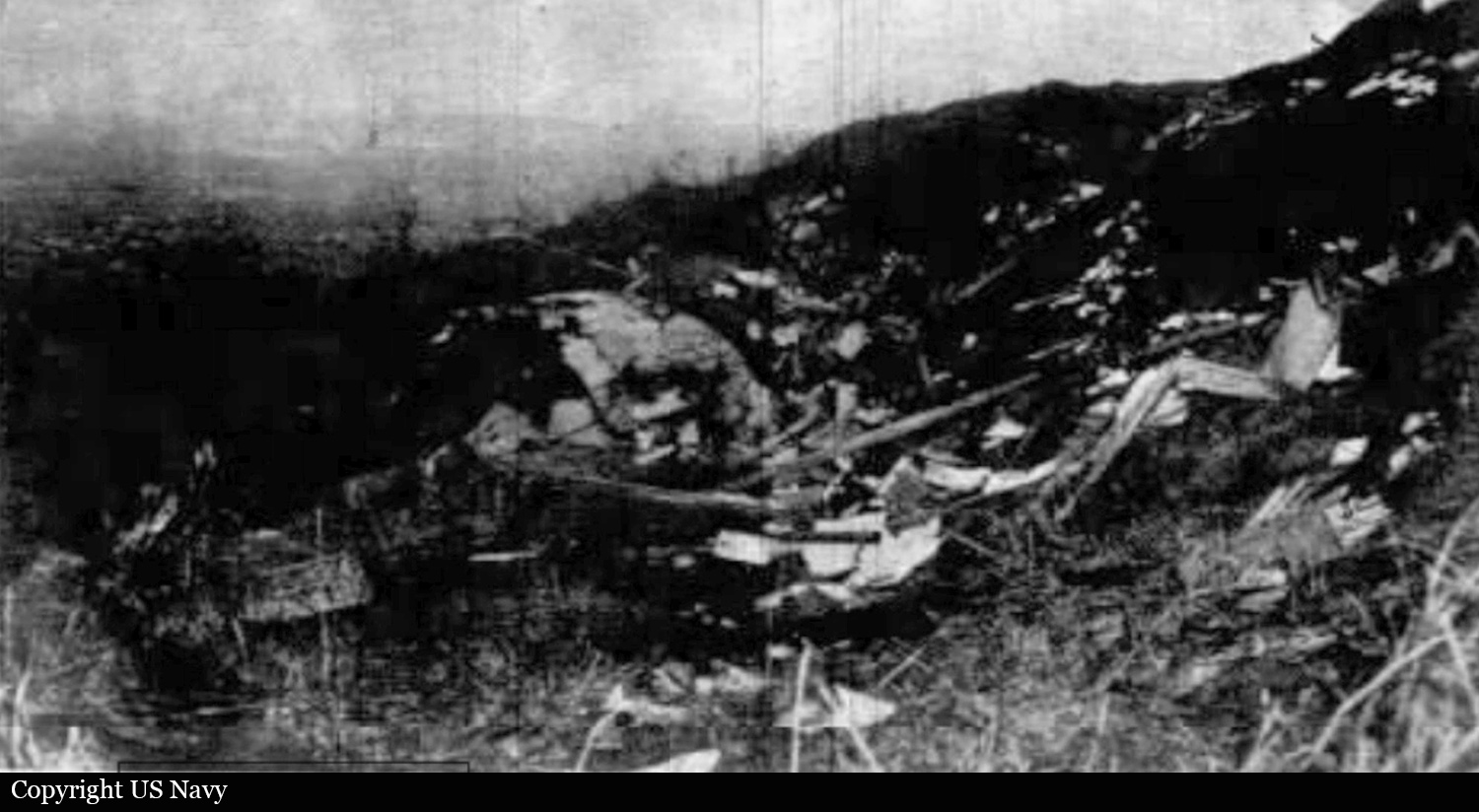
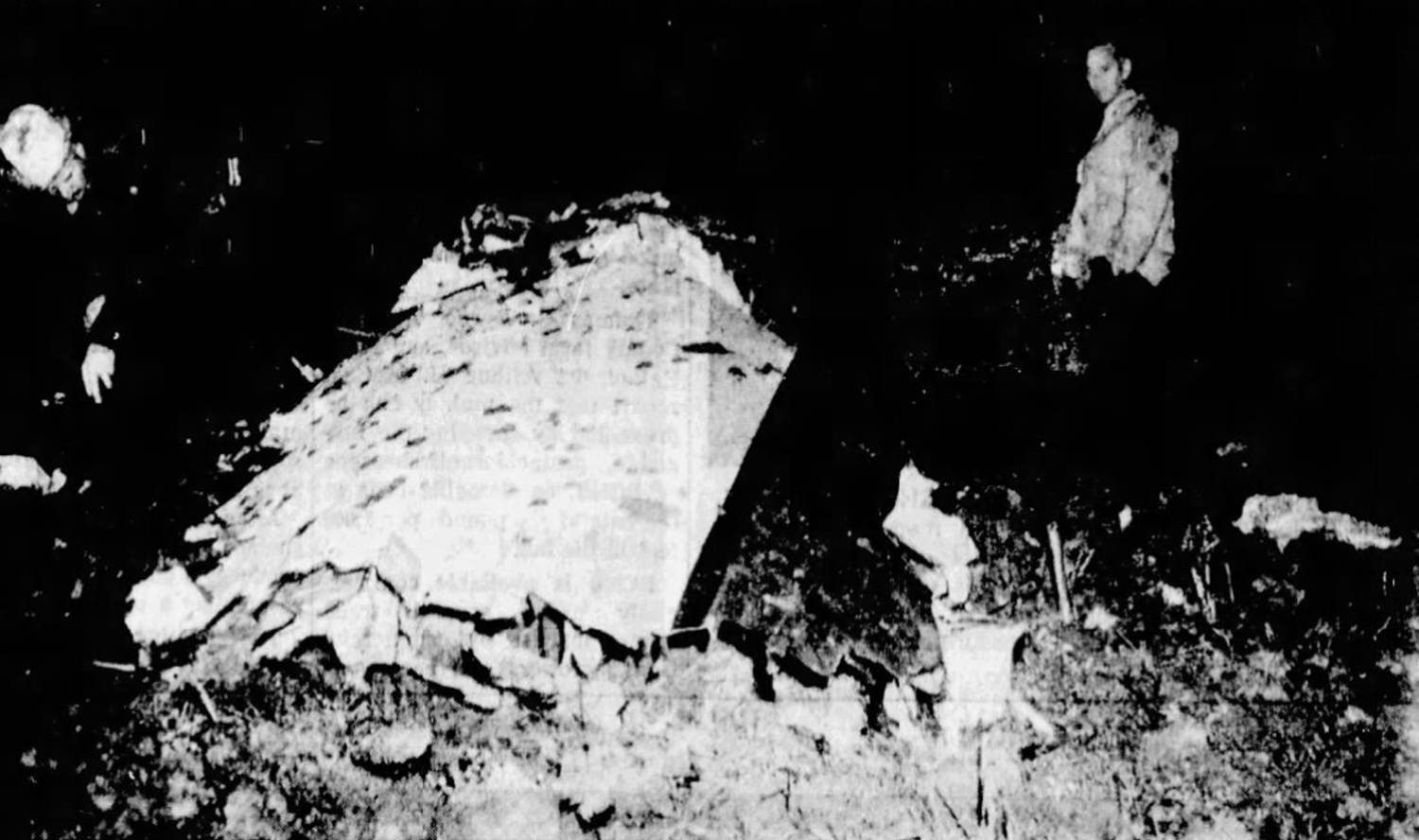
The crew was completing a humanitarian flight to Agana, carrying various goods and materials for the locals who suffered from the recent typhoon christened 'Karen'. On approach, the crew did not realize the aircraft was too low when it struck the top of a hill located 6,8 km short of runway threshold. The aircraft was destroyed, three crew were killed and five others were injured.

Crash of a Lockheed C-121G Super Constellation in Oakland

Date & Time: Aug 31, 1962
Operator:
Registration:
54-4057
Flight Type:
Survivors:
Yes
MSN:
4138
YOM:
1953
Crew on board:
0
Crew fatalities:
Pax on board:
0
Pax fatalities:
Other fatalities:
Total fatalities:
0
Circumstances:
Suffered a ground accident at Oakland Airport. There were no casualties but the aircraft was written off.

Crash of a Lockheed RC-121C Super Constellation near Marysville: 6 killed

Date & Time: Mar 22, 1961
Operator:
Registration:
51-3842
Flight Phase:
Flight Type:
Survivors:
No
Schedule:
McClellan - McClellan
MSN:
4118
YOM:
1953
Crew on board:
6
Crew fatalities:
Pax on board:
0
Pax fatalities:
Other fatalities:
Total fatalities:
6
Circumstances:
Crashed in unknown circumstances ten miles of Marysville while completing a test flight out from McClellan AFB. All six crew members were killed.

Crash of a Lockheed C-121G Super Constellation in Prescott: 5 killed

Date & Time: Feb 28, 1959
Operator:
Registration:
54-4069
Flight Phase:
Flight Type:
Survivors:
No
Schedule:
Litchfield Park - Prescott - Litchfield Park
MSN:
4149
YOM:
1954
Crew on board:
5
Crew fatalities:
Pax on board:
0
Pax fatalities:
Other fatalities:
Total fatalities:
5
Circumstances:
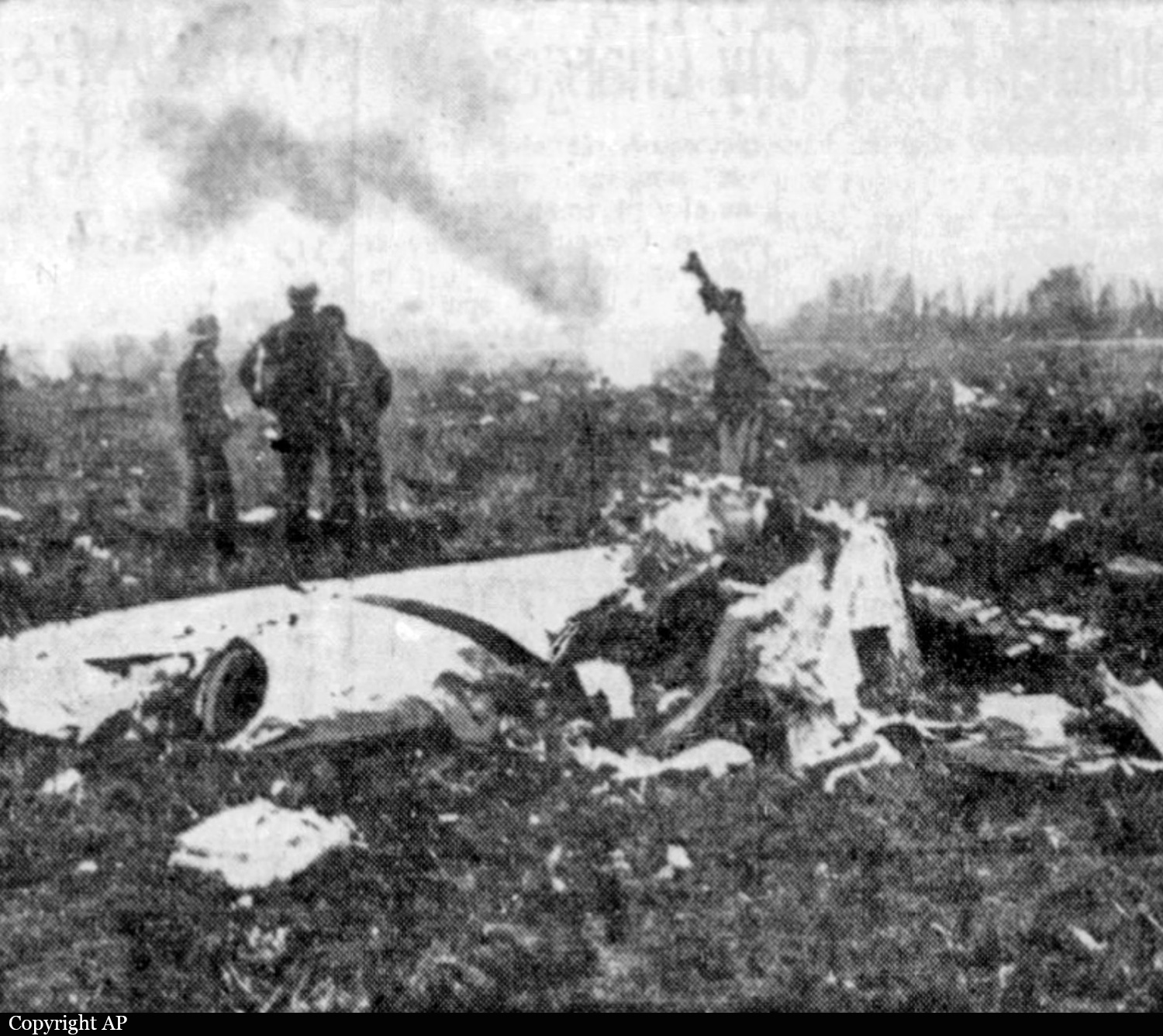
The crew left Litchfield Park NAS near Phoenix to conduct a local training mission at Prescott Airport. After completing several touch and go manoeuvres, the crew was flying at an altitude of about 300 feet east of the airfield when control was lost. The aircraft entered a dive and crashed in flames in a near vertical attitude in a wooded area located along Highway 89. The aircraft burst into flames and all five crew members were killed. It was reported that one of the propeller was feathered when control was lost.
Crew:
Cdr Lukas Victor Dachs, pilot,
Lt Theodore L. Rivenburg Jr.,
Lt Edward Francis Souza,
Calvin Coolodge Coon, flight engineer,
James Stephan Miller, engineer.

Ground explosion of a Lockheed RC-121D Super Constellation at Otis AFB

Date & Time: May 25, 1958 at 1633 LT
Operator:
Registration:
55-0123
Flight Phase:
Survivors:
Yes
Schedule:
Otis - Otis
MSN:
4396
YOM:
1956
Crew on board:
4
Crew fatalities:
Pax on board:
11
Pax fatalities:
Other fatalities:
Total fatalities:
0
Circumstances:
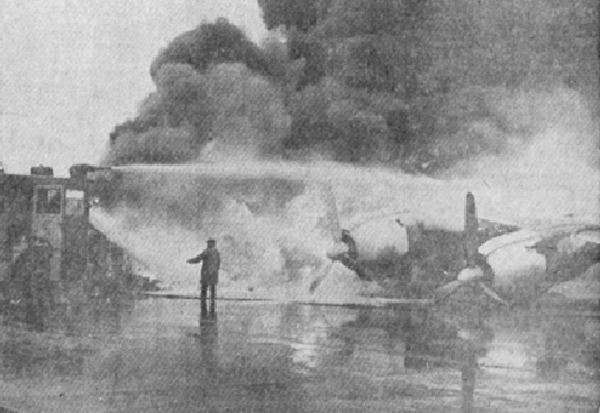
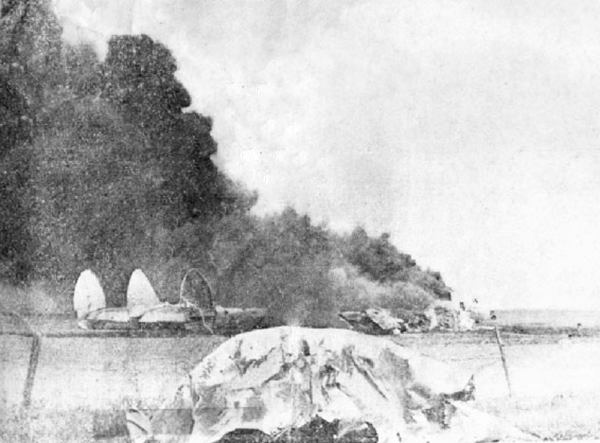
While parked at Otis AFB and prepared for a survey flight, the aircraft suffered an explosion of its central fuel tank. All fifteen occupants (11 passengers and a crew of four) were able to evacuate before the aircraft would be destroyed by fire. It appeared that the center fuel tank had been filled with fuel, despite the fact that it was not supposed to be filled. Through seepage or overflow from that tank the fuel vapors were ignited by electronic equipment being tested during the pre flight procedure.

Crash of a Lockheed RC-121D Super Constellation at McClellan AFB

Date & Time: Mar 22, 1958 at 1118 LT
Operator:
Registration:
54-2308
Flight Phase:
Flight Type:
Survivors:
Yes
Schedule:
McClellan - McClellan
MSN:
4390
YOM:
1956
Crew on board:
4
Crew fatalities:
Pax on board:
14
Pax fatalities:
Other fatalities:
Total fatalities:
0
Captain / Total flying hours:
5613
Captain / Total hours on type:
3583.00
Copilot / Total flying hours:
1664
Copilot / Total hours on type:
372
Circumstances:
The crew departed McClellan AFB on a topographic and geographical mission off the Californian coast. Shortly after takeoff from runway 16, while climbing to an altitude of 500 feet, the engine number two caught fire. The crew obtained the authorization to return for an emergency landing and the captain completed a 180 turn to intercept the glide. Doing so, the airplane lost 200 feet while flying over a populated area and the speed dropped to 120 knots. On final, the captain told his colleagues he was unable to reach the airport so he attempted an emergency landing in an open field located 1,5 mile short of runway 16. On touchdown, the airplane slid for several yards, lost its right wing and came to rest in flames. All 18 occupants were injured, five of them seriously, and the aircraft was destroyed by fire.
Probable cause:
The cause of the fire on engine number two could not be determined. At the time of the accident, ceiling was broken at 2,000 feet and overcast at 4,000 feet with light rain and a wind from the southeast at 10 knots, gusting 22 knots.

Crash of a Lockheed C-121C Super Constellation in Dhahran: 12 killed

Date & Time: Dec 31, 1956 at 0004 LT
Operator:
Registration:
54-0165
Flight Type:
Survivors:
Yes
Schedule:
Charleston – Hamilton – Horta – Lisbon – Tripoli – Dhahran
MSN:
4184
YOM:
1954
Country:
Region:
Crew on board:
7
Crew fatalities:
Pax on board:
31
Pax fatalities:
Other fatalities:
Total fatalities:
12
Captain / Total flying hours:
7297
Captain / Total hours on type:
282.00
Copilot / Total flying hours:
2191
Copilot / Total hours on type:
926
Circumstances:
The four engine aircraft was performing a flight from Charleston to Dhahran, carrying high ranking officers from the US, Pakistan and Iranian Army. The approach to Dhahran was completed by night and marginal weather conditions. Just past midnight, the aircraft struck the ground and crashed one km short of runway. Twelve occupants were killed while 26 others were injured. The aircraft was destroyed. At the time of the accident, there were scattered clouds with limited visibility. Six minutes prior to the accident, the visibility was estimated to three km with a northwest wind at 5 knots.
Probable cause:
The exact cause of the accident could not be determined with certainty. However, at the time of the accident, the Ground Controlled Approach (GCA) system was inoperative.