


Country
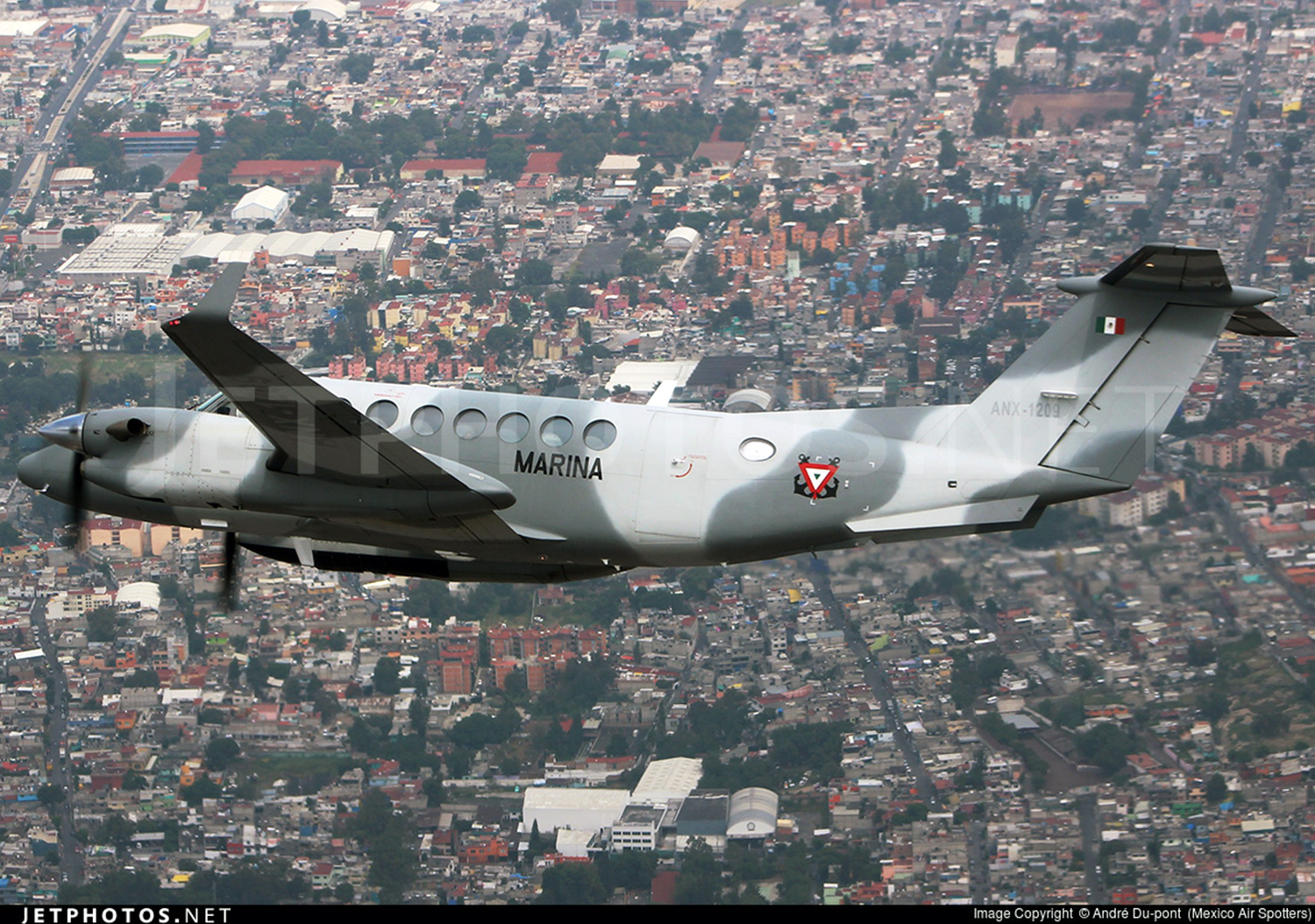
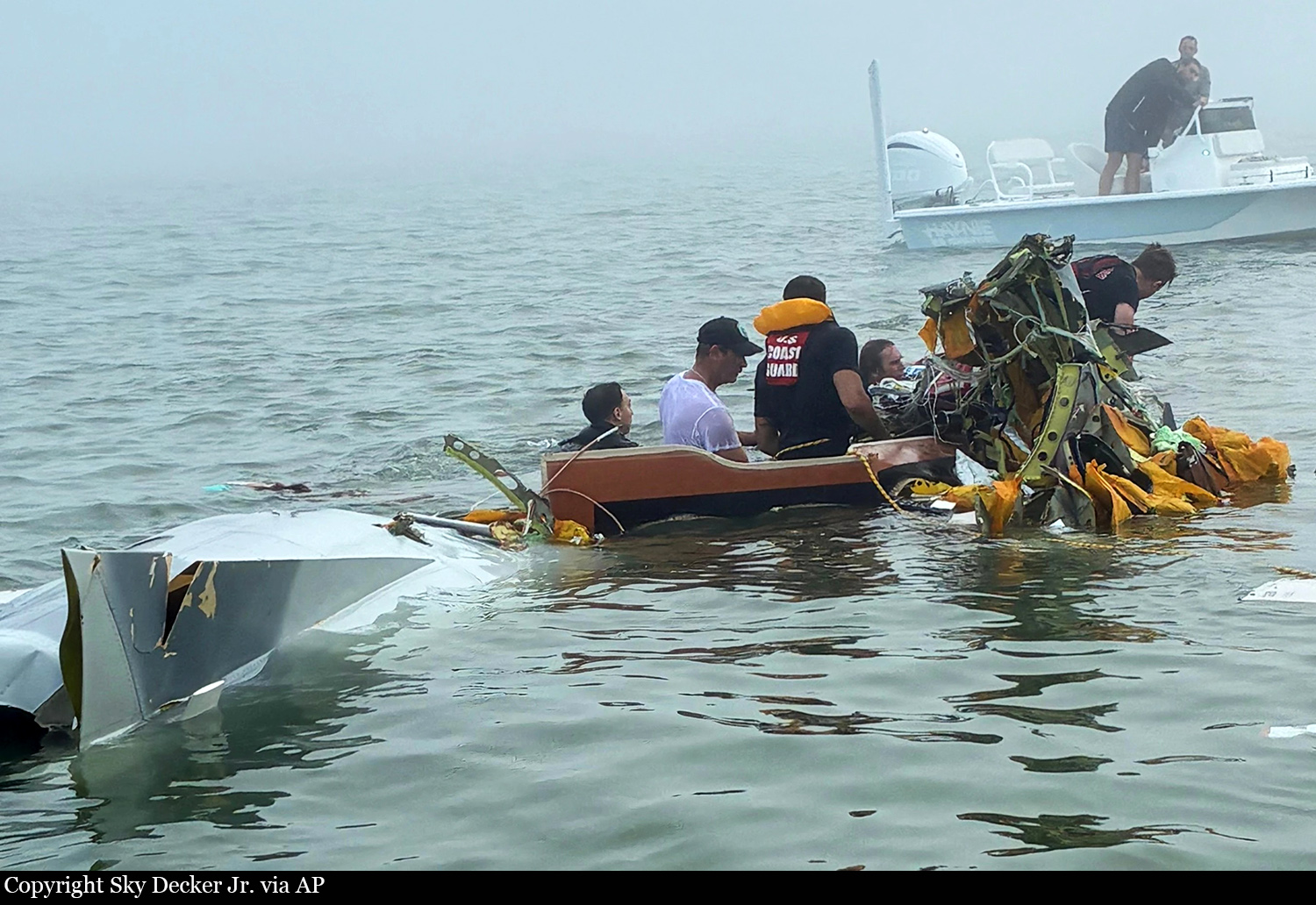
Crash of a Beechcraft 350 Super King Air off Galveston: 6 killed
Date & Time:
Dec 22, 2025 at 1515 LT
Operator:

Registration:
ANX-1209
Survivors:
Yes
Schedule:
Mérida - Galveston
MSN:
FL-936
YOM:
2015
Crew on board:
2
Crew fatalities:
Pax on board:
6
Pax fatalities:
Other fatalities:
Total fatalities:
6
Circumstances:
The twin engine airplane departed Mérida Airport on an ambulance flight to Galveston, carrying four Mexican Navy Officers and four civilians, among them a pediatric burn patient aged two and his mother. On approach to Galveston-Scholes Airport Runway 14, the crew encountered thick fog when the airplane went out of control and crashed into the Bay of Galveston, some 3 km north of the airfield. Two women, among them the patient's mother, were rescued. All six other occupants were killed.


Crash of a Beechcraft 350 Super King Air in Ampatuan: 4 killed
Date & Time:
Feb 6, 2025 at 1400 LT
Operator:

Registration:
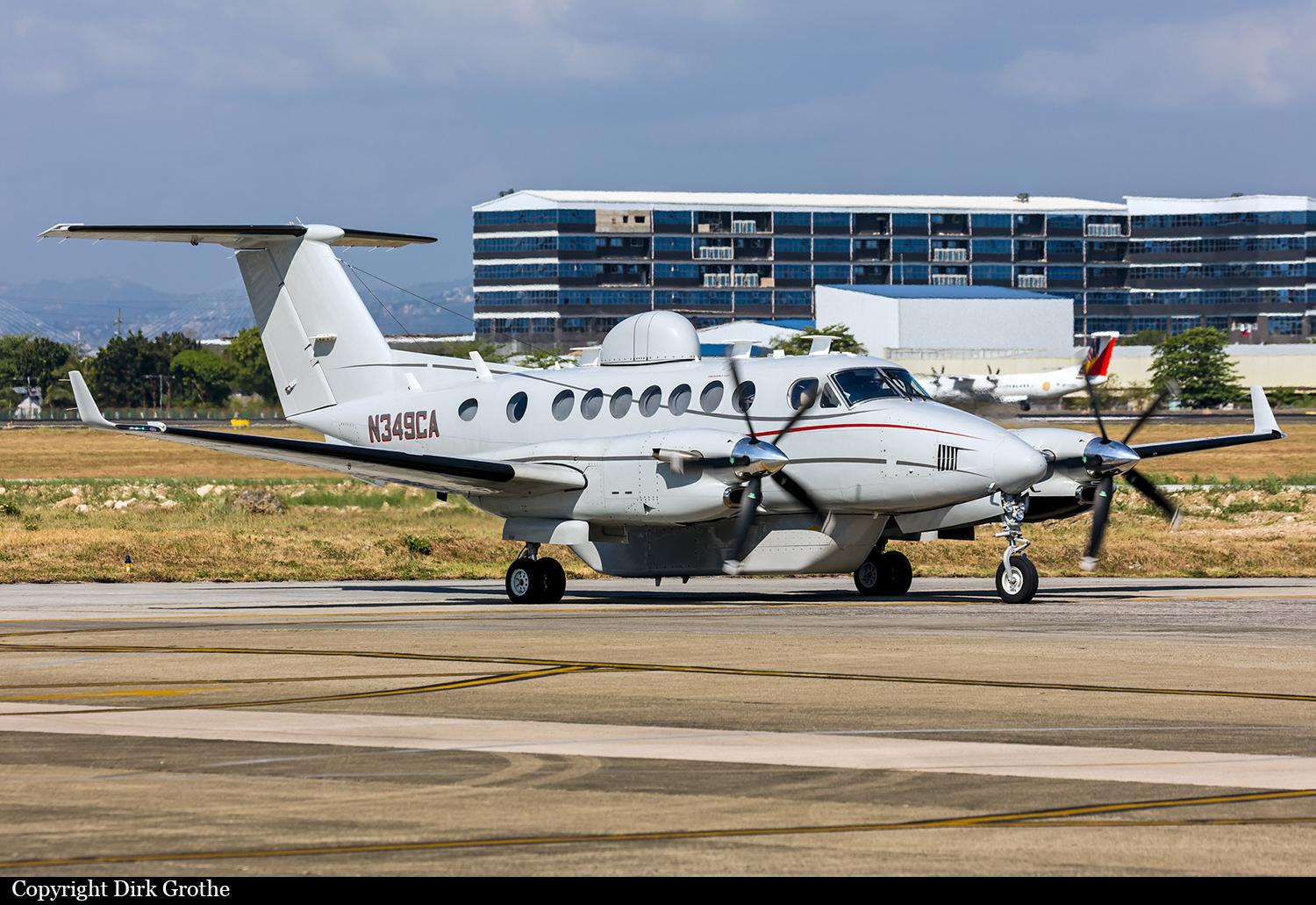
N349CA
Survivors:
No
MSN:
FL-349
YOM:
2002
Crew on board:
2
Crew fatalities:
Pax on board:
2
Pax fatalities:
Other fatalities:
Total fatalities:
4
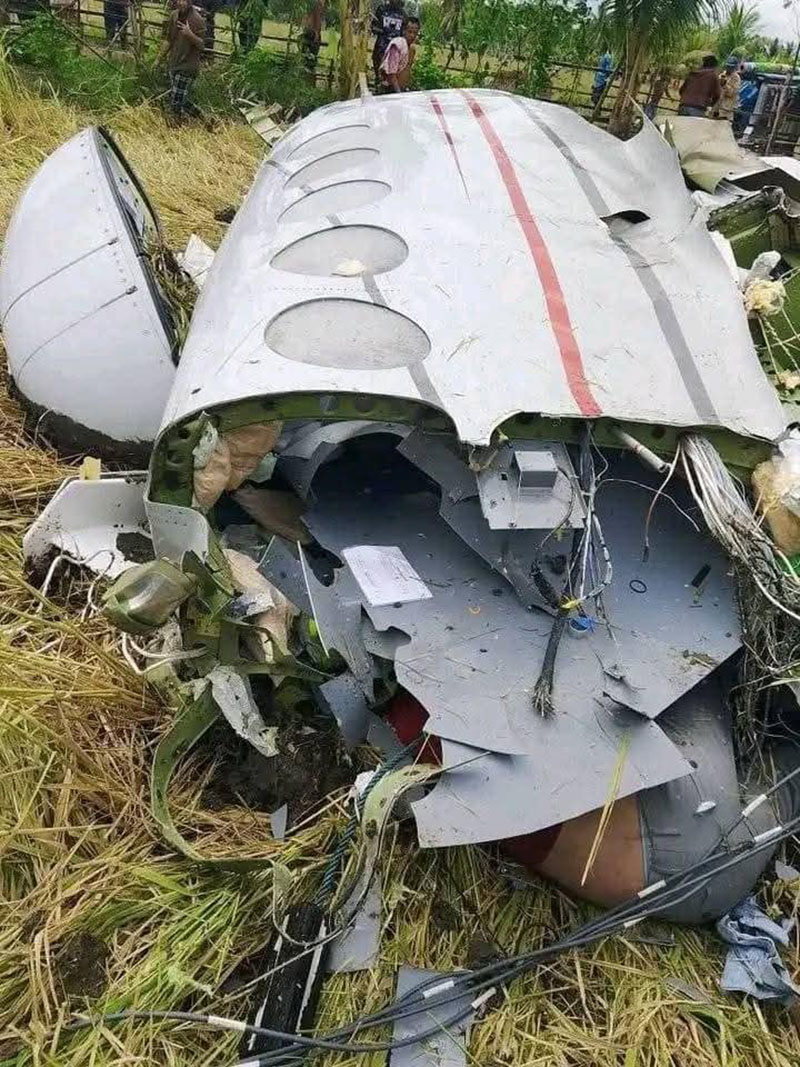
Circumstances:
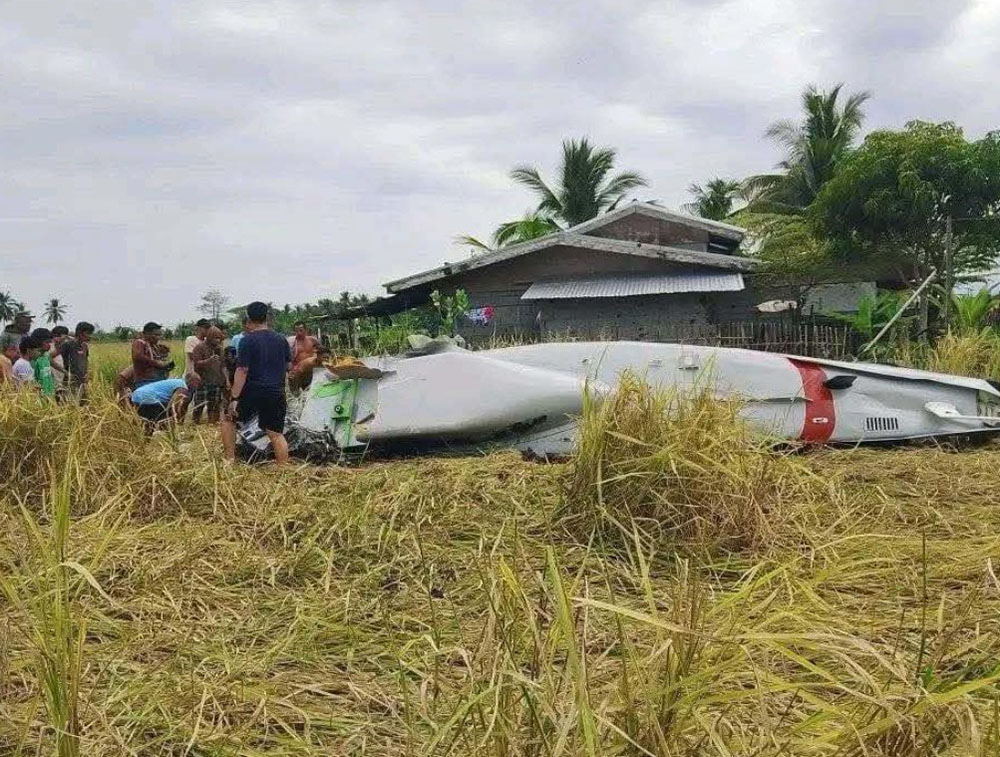
The twin engine airplane was engaged in a special mission on a subcontracting operation for the US Department of Defense. It crashed in unknown circumstances in a pasture in Ampatuan. All four occupants were killed.
Crash of a Beechcraft CT145D Super King Air in Thunder Bay
Date & Time:
Jan 31, 2022 at 1222 LT
Operator:

Registration:
C-GEAS
Survivors:
Yes
Schedule:
Trenton - Thunder Bay
MSN:
FL-17
YOM:
1990
Crew on board:
3
Crew fatalities:
Pax on board:
0
Pax fatalities:
Other fatalities:
Total fatalities:
0
Circumstances:
Owned by Air Tindi, the airplane (coded as CT145D by the RCAF) was operated by the 8 Wing Multi Engine Utility Flight (MEUF). The mission consisted of a multi-day cross country training and familiarization trip with three military aircrew members onboard. The accident happened on the first segment of the mission. The aircraft departed 8 Wing Trenton on an Instrument Flight Rule flight plan, with a destination of Thunder Bay Airport, ON. Following a routine climb out and cruise, the aircraft was cleared for the RNAV Z 25 instrument approach into Thunder Bay. The aircraft was configured for the approach and flown utilizing automation. Approximately two miles back from the runway and with the airport visual, the pilot elected to continue the remainder of the approach manually and disconnected the autopilot. As the aircraft crossed over the runway threshold with a height above ground of approximately 50 feet, the pilot flying moved both power levers to idle with the intent of landing. A left yaw quickly developed followed by a rapid drop of the left wing. The pilot monitoring the approach took control and initiated an overshoot, however the left wing tip contacted the runway surface and the aircraft progressed uncontrolled into the snow-covered infield. Once the aircraft came to rest, the three crew members egressed the aircraft. The aircraft sustained very serious damage and the pilot flying suffered a minor injury, while the other crew members were not injured.
Probable cause:
The investigation determined that the aircraft was documented serviceable prior to the flight and that no issues were evident to the crew before the power levers were brought to idle. Post-accident analysis of the recovered aircraft flight data and componentry determined that a part within the propeller speed governing system failed to function nominally, specifically the beta valve or the beta solenoid. This led to the left-hand propeller windmilling, which was the most likely cause of the accident. Since the beta valve was damaged and internal parts lost during the accident sequence, a definitive determination of its serviceability could not be conducted.
Final Report:



