Country

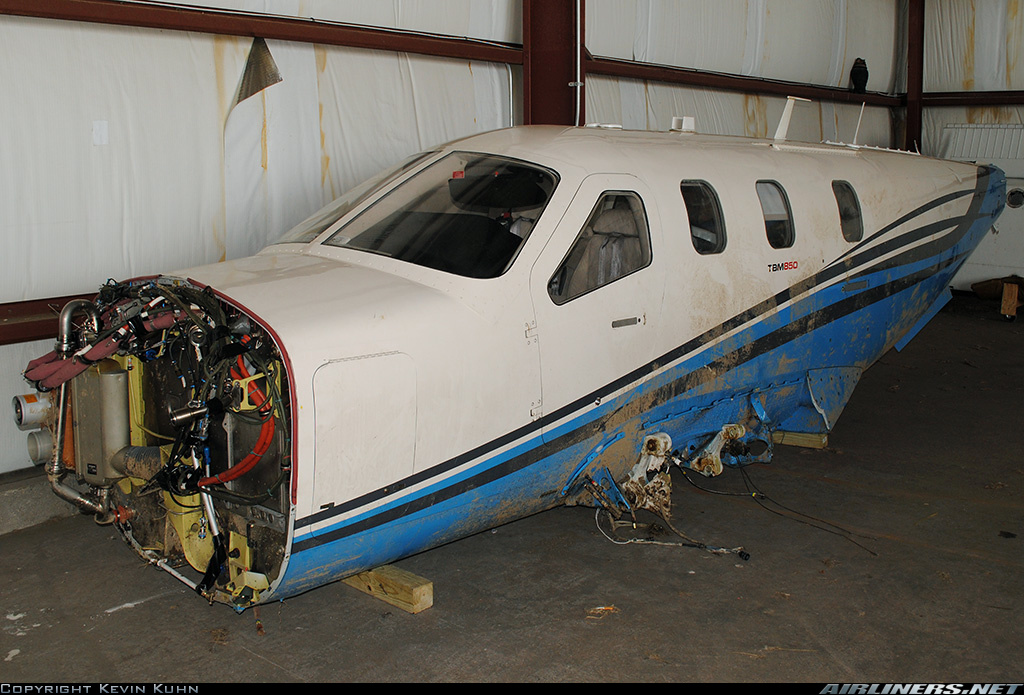
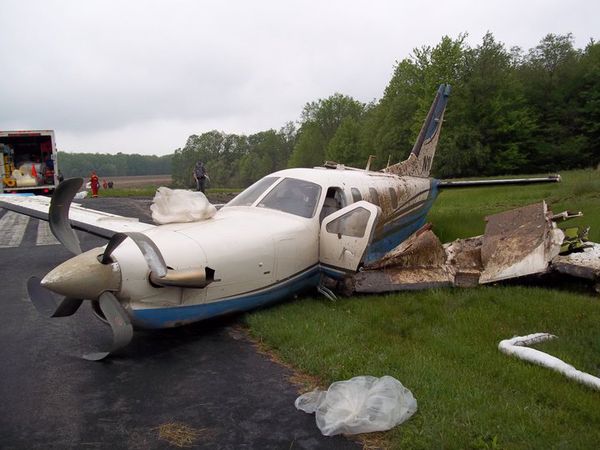
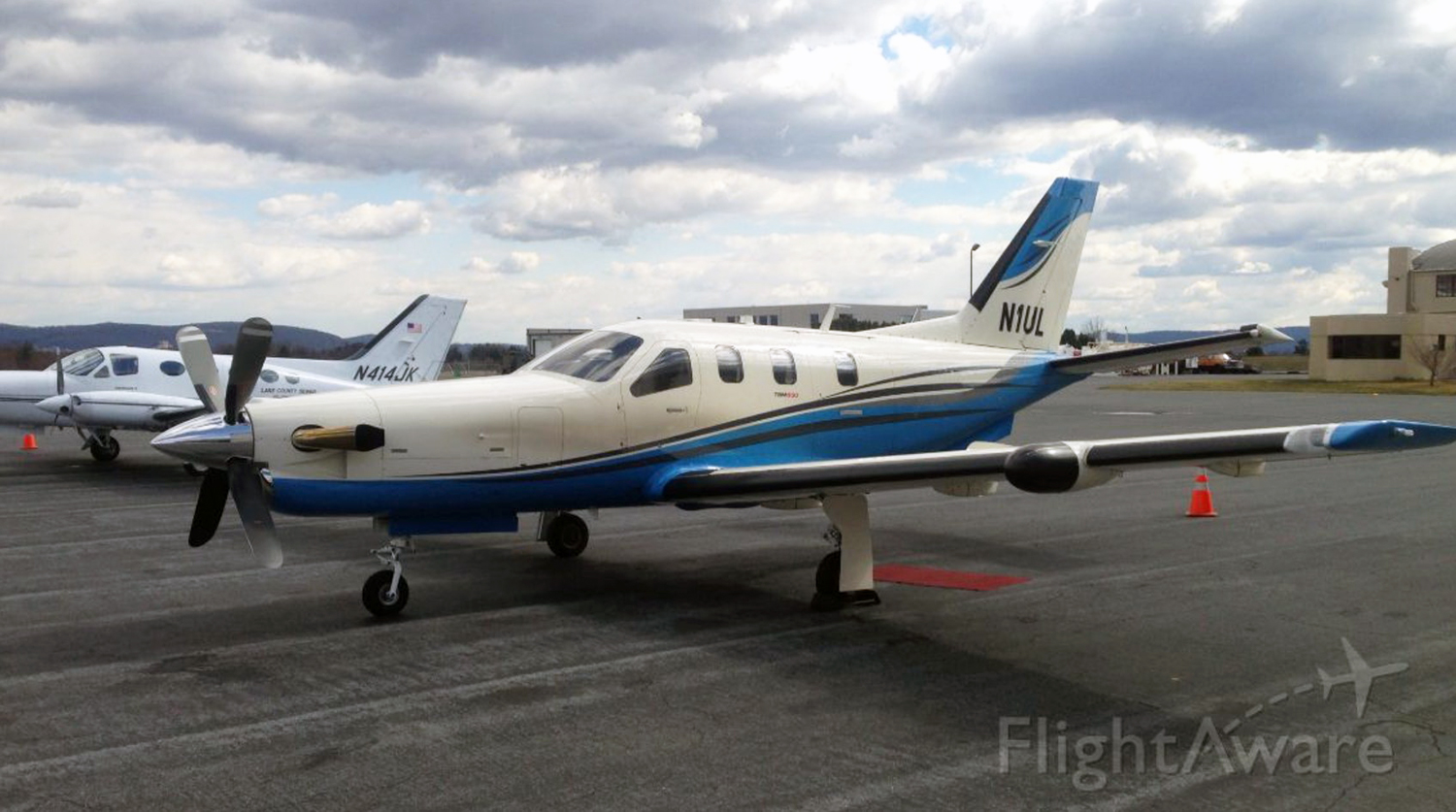
Crash of a Socata TBM-850 in Salem

Date & Time: May 19, 2011 at 0843 LT
Type of aircraft:
Operator:
Registration:
N1UL
Flight Type:
Survivors:
Yes
Schedule:
Valparaiso - Salem
MSN:
564
YOM:
2010
Crew on board:
1
Crew fatalities:
Pax on board:
3
Pax fatalities:
Other fatalities:
Total fatalities:
0
Captain / Total flying hours:
932
Captain / Total hours on type:
76.00
Aircraft flight hours:
187
Circumstances:
The pilot reported that he flew an instrument approach and was clear of clouds about 650 feet above ground level when he proceeded visually to the airport. About 1/2 mile from the runway, he thought the airplane was too high, but a few seconds later the airplane felt like it had an excessive rate of descent. His attempts to arrest the rate of descent were unsuccessful, and the left main landing gear struck the ground about 120 feet prior to the runway threshold. The recorded data downloaded from the airplane's non-volatile memory showed that the airplane's airspeed varied from about 71 - 81 knots indicated airspeed (IAS) during the 10 seconds prior to ground impact. The data also indicated that there was about a 3 - 5 knot tailwind during the final landing approach. The airplane's stall speed with the airplane in the landing configuration with landing flaps was 64 knots IAS at maximum gross weight. The pilot reported that there was no mechanical malfunction or system failure of the airplane.
Probable cause:
The pilot's failure to maintain a stabilized glide path which resulted in the airplane touching down short of the runway.
Final Report:
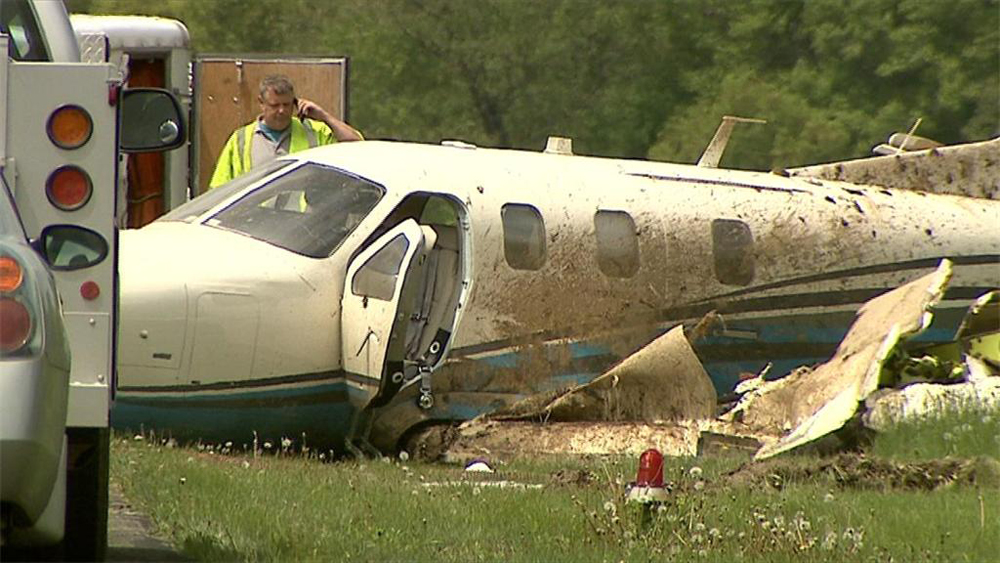
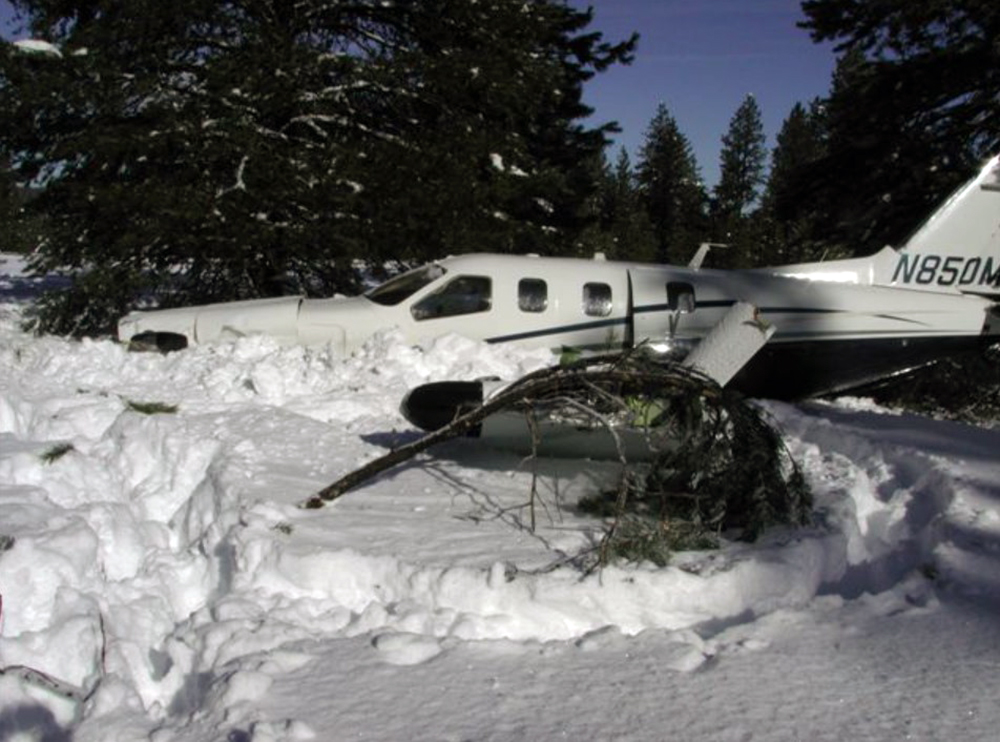
Crash of a Socata TBM-850 in Truckee

Date & Time: Dec 13, 2009 at 1738 LT
Type of aircraft:
Registration:
N850MT
Flight Type:
Survivors:
Yes
Schedule:
San Carlos – Truckee
MSN:
489
YOM:
2008
Crew on board:
1
Crew fatalities:
Pax on board:
1
Pax fatalities:
Other fatalities:
Total fatalities:
0
Captain / Total flying hours:
1738
Captain / Total hours on type:
1098.00
Aircraft flight hours:
196
Circumstances:
During the flight, the instrument-rated private pilot was monitoring the weather at his intended destination. He noted the weather and runway conditions and decided to conduct a global-positioning-system instrument approach to a known closed runway with the intention of circling to a different runway. As the airplane neared the missed approach point, the pilot established visual contact with the airport's runway environment and canceled his instrument flight rules clearance. As he entered the left downwind leg of the traffic pattern for his intended runway, the pilot noticed that the first part of the runway was covered in fog and that the visibility was 0.75 of a mile with light snow. With at least 5,000 feet of clear runway, he opted to land just beyond the fog. Prior to touchdown, the pilot concluded that there was not enough runway length left to make a landing and performed a go-around by applying power, pitching up, and retracting the landing gear. During the go-around, the pilot focused outside the airplane cockpit but had no horizon reference in the dark night conditions. He heard the stall warning and realized that the aircraft was not climbing. The pilot pitched the nose down and observed only snow and trees ahead. Not being able to climb over the trees, the airplane subsequently impacted trees and terrain, coming to rest upright in a wooded, snow-covered field. The pilot stated that there were no anomalies with the engine or airframe that would have precluded normal operation of the airplane.
Probable cause:
The pilot’s failure to maintain an adequate airspeed and clearance from terrain during an attempted go-around. Contributing to the accident was the pilot's decision to land on a partially obscured runway.
Final Report:

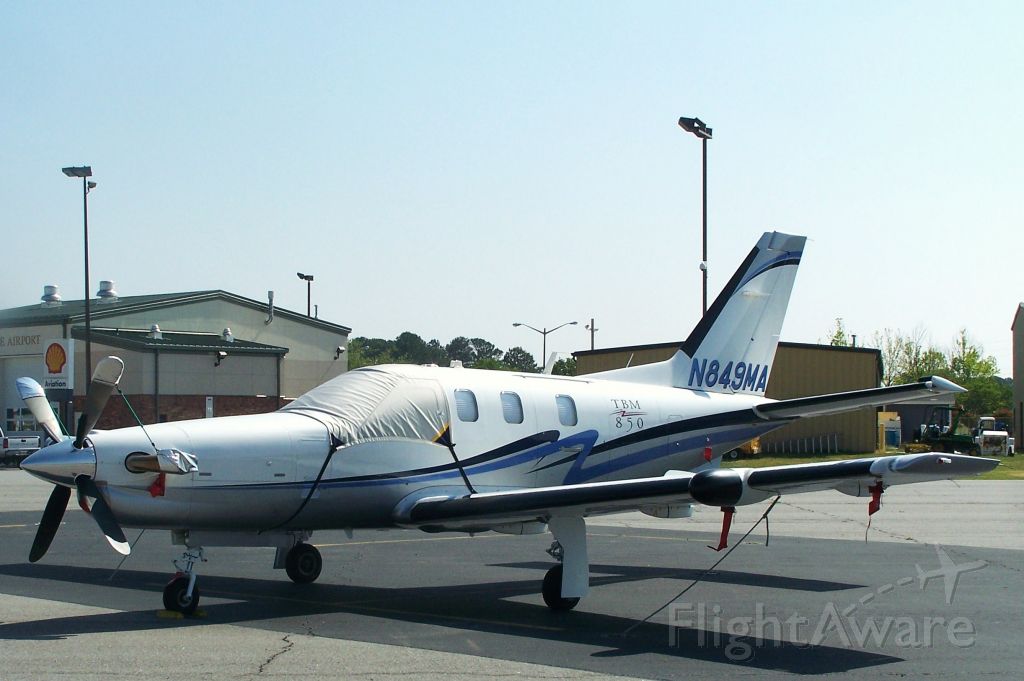
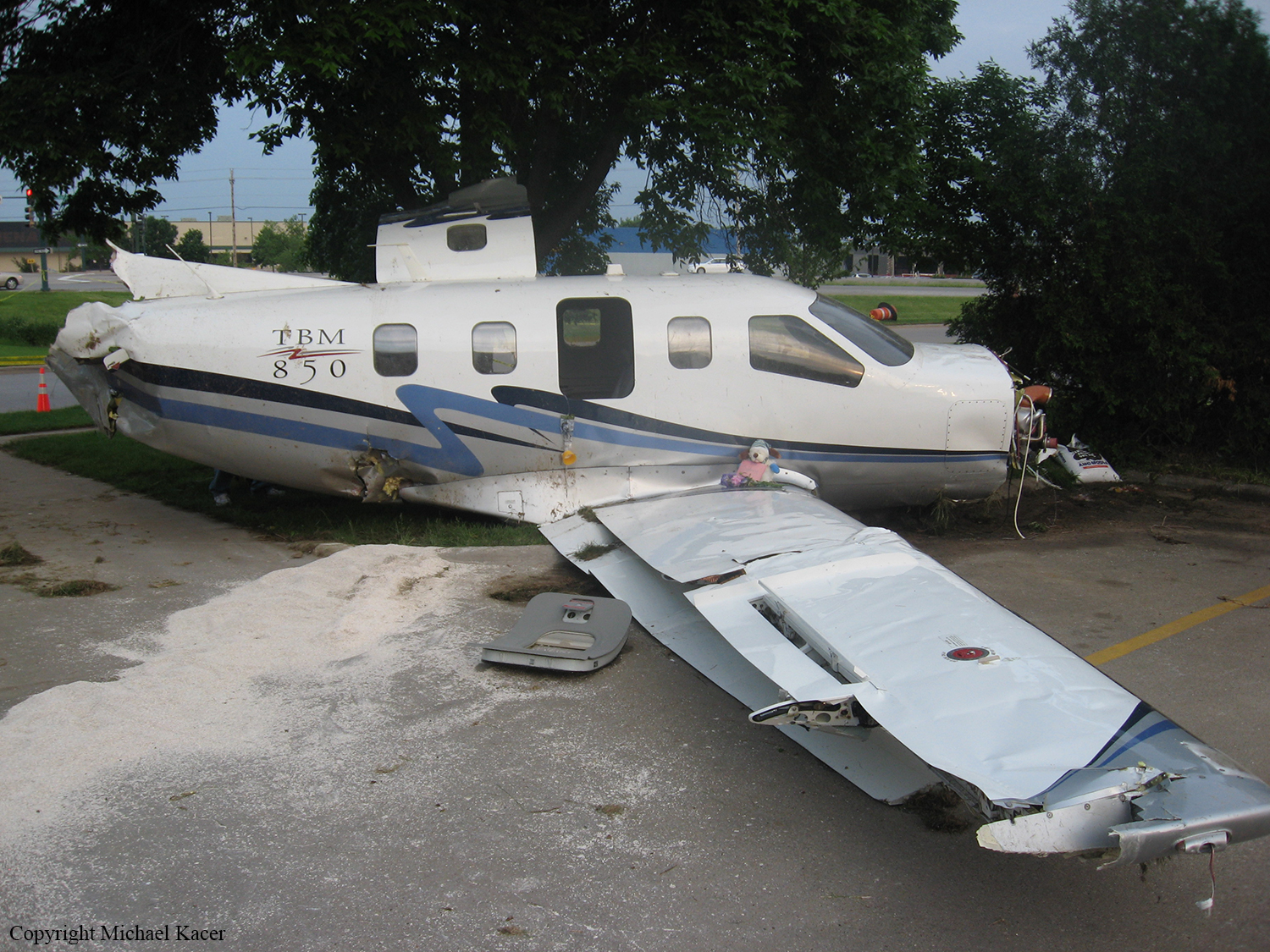
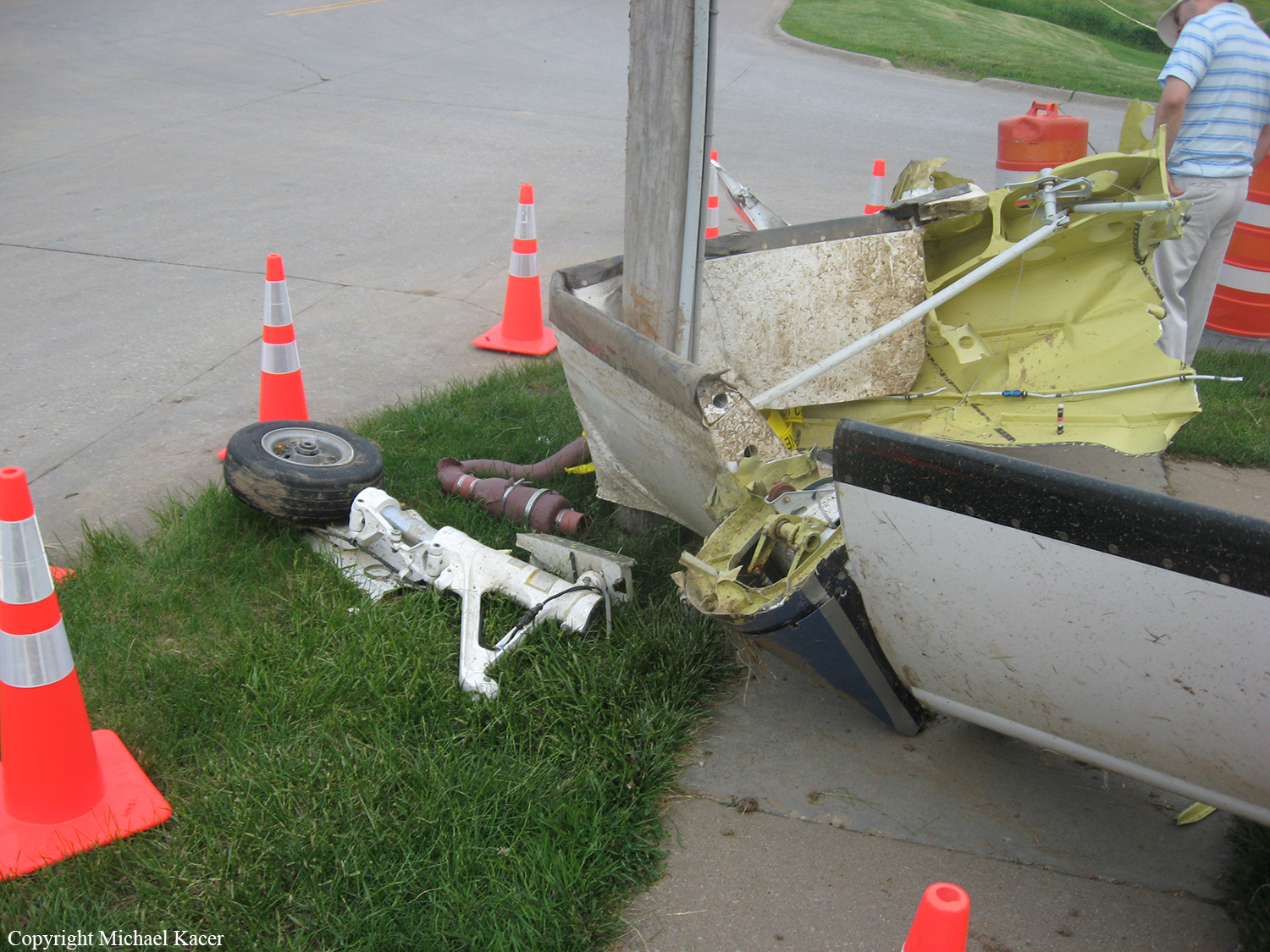
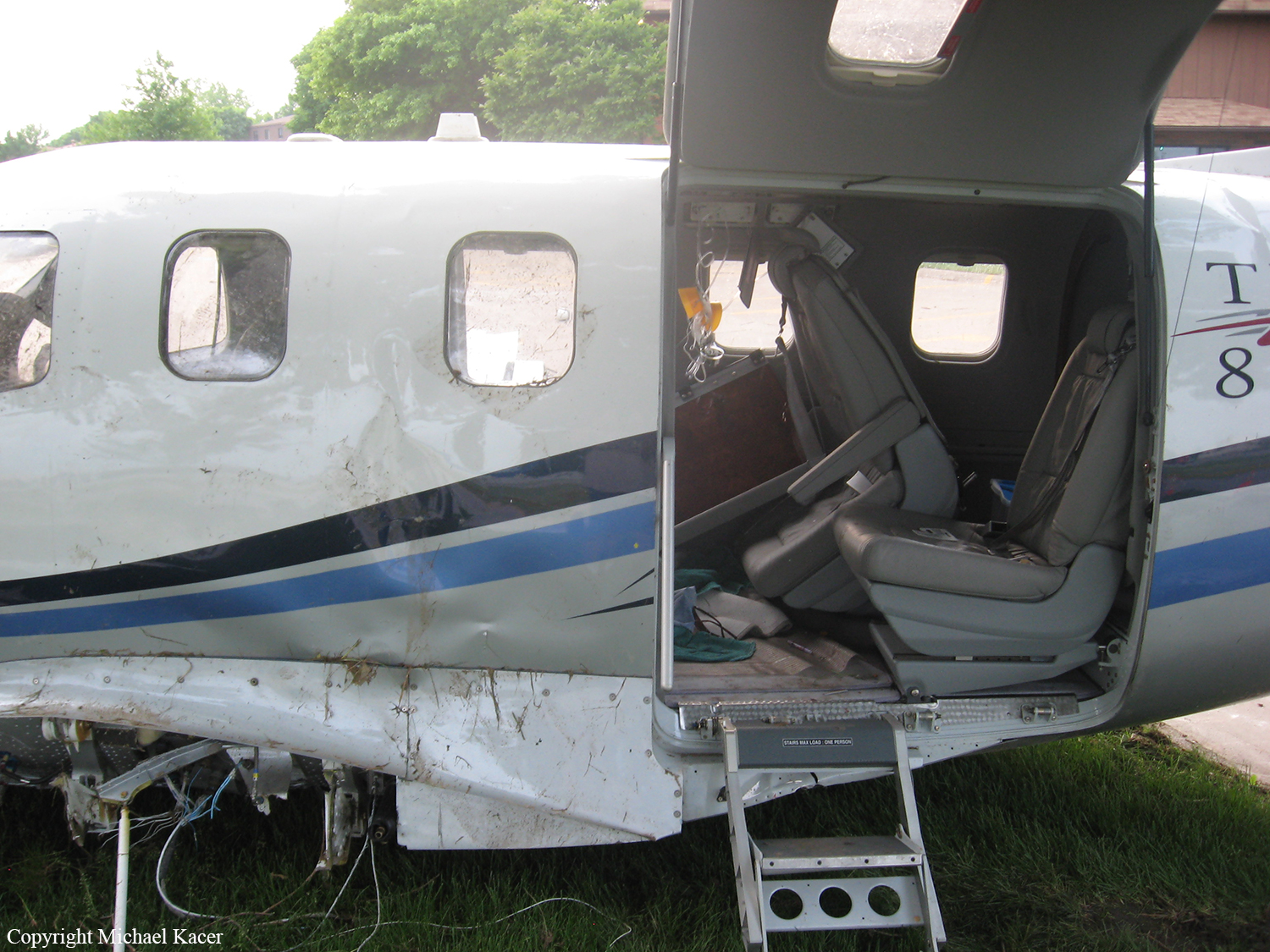
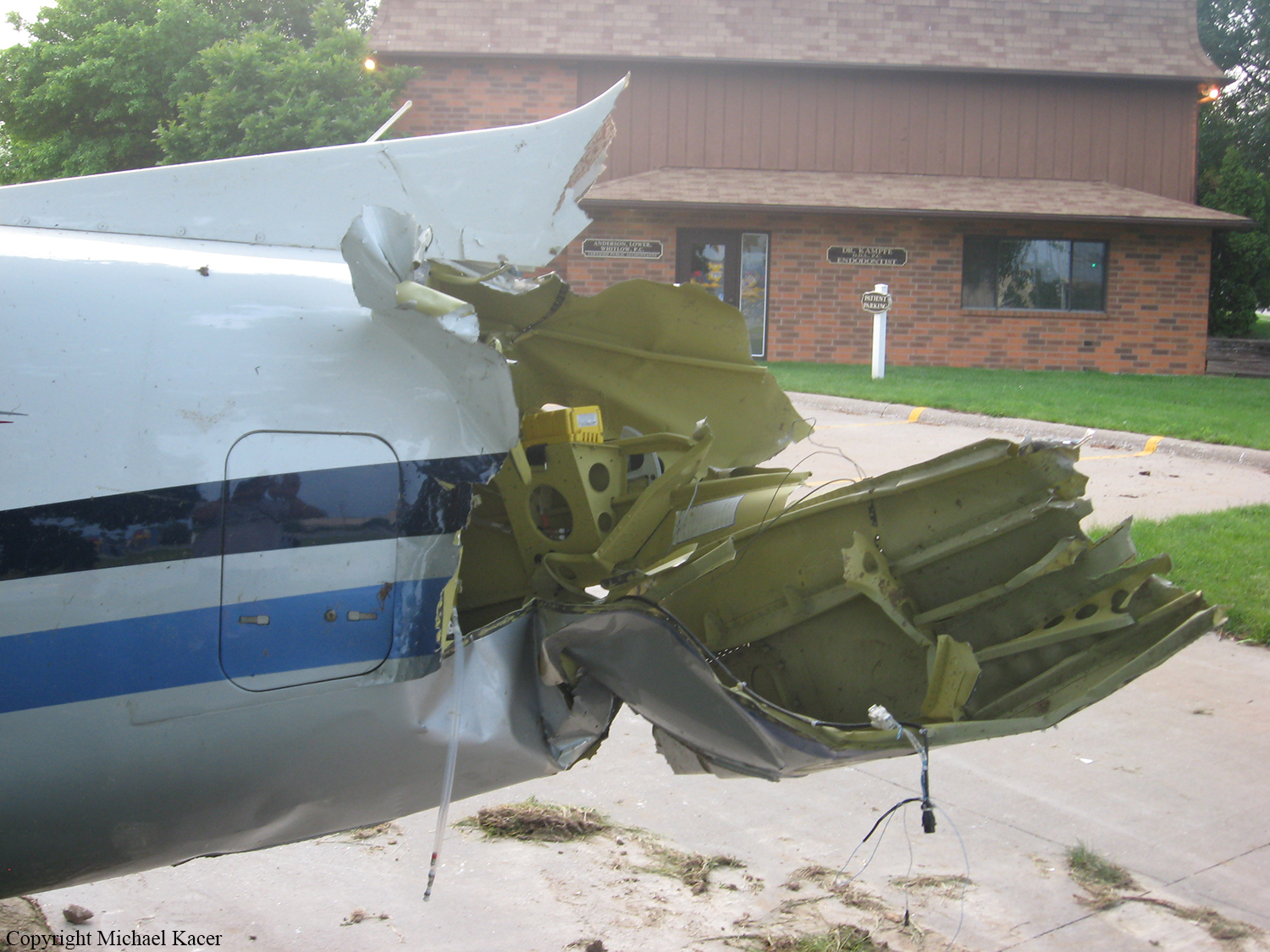
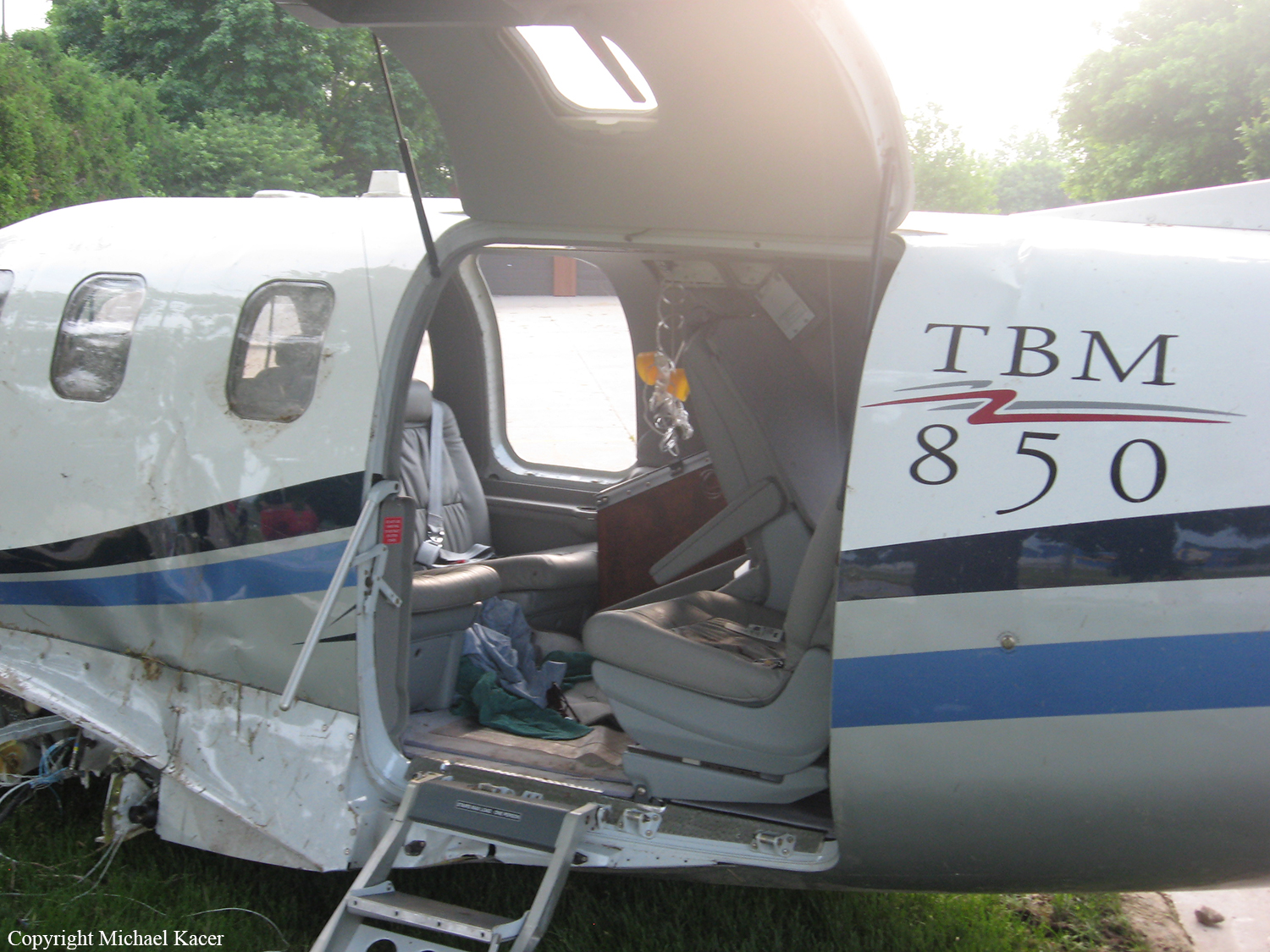
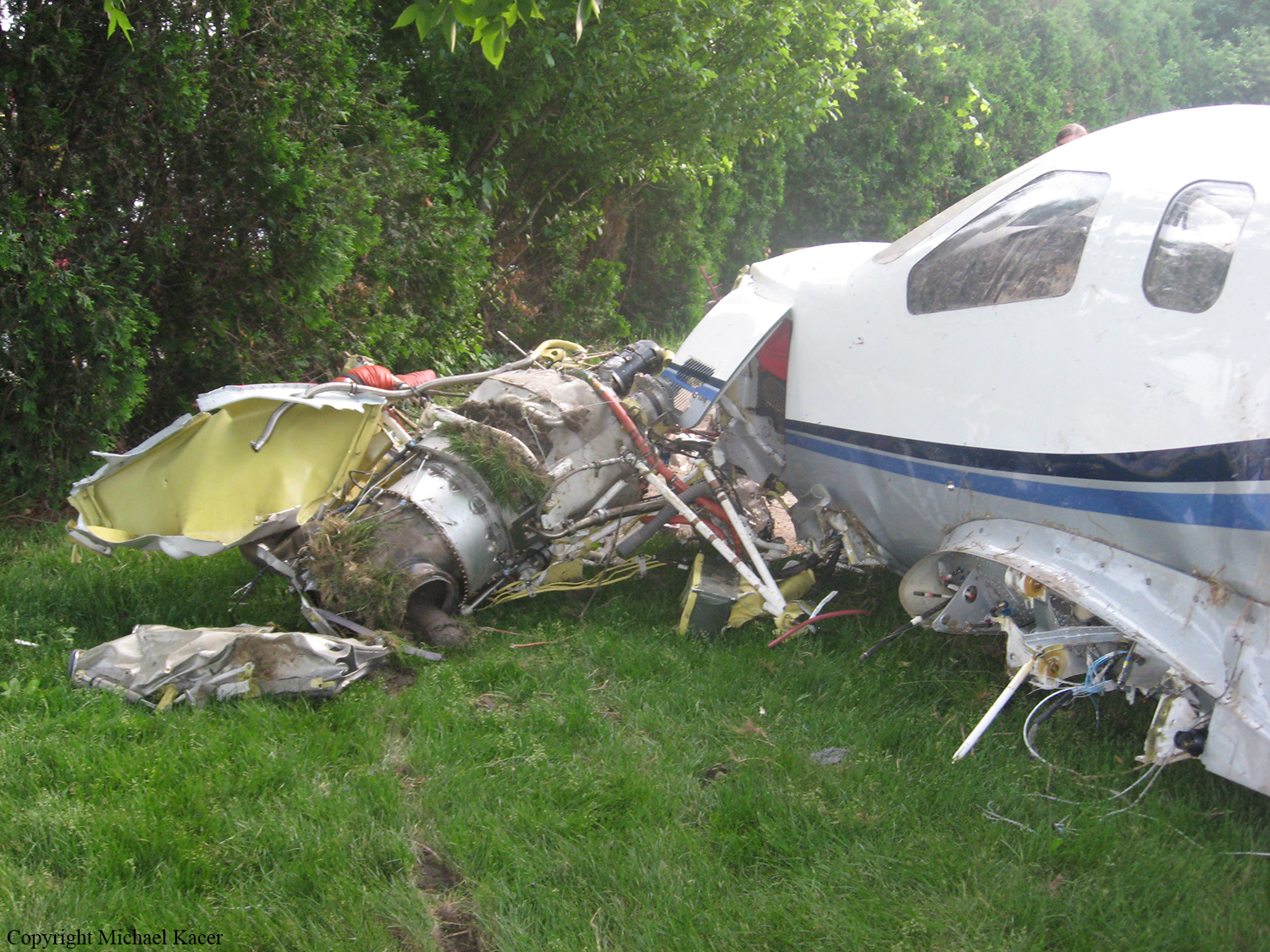
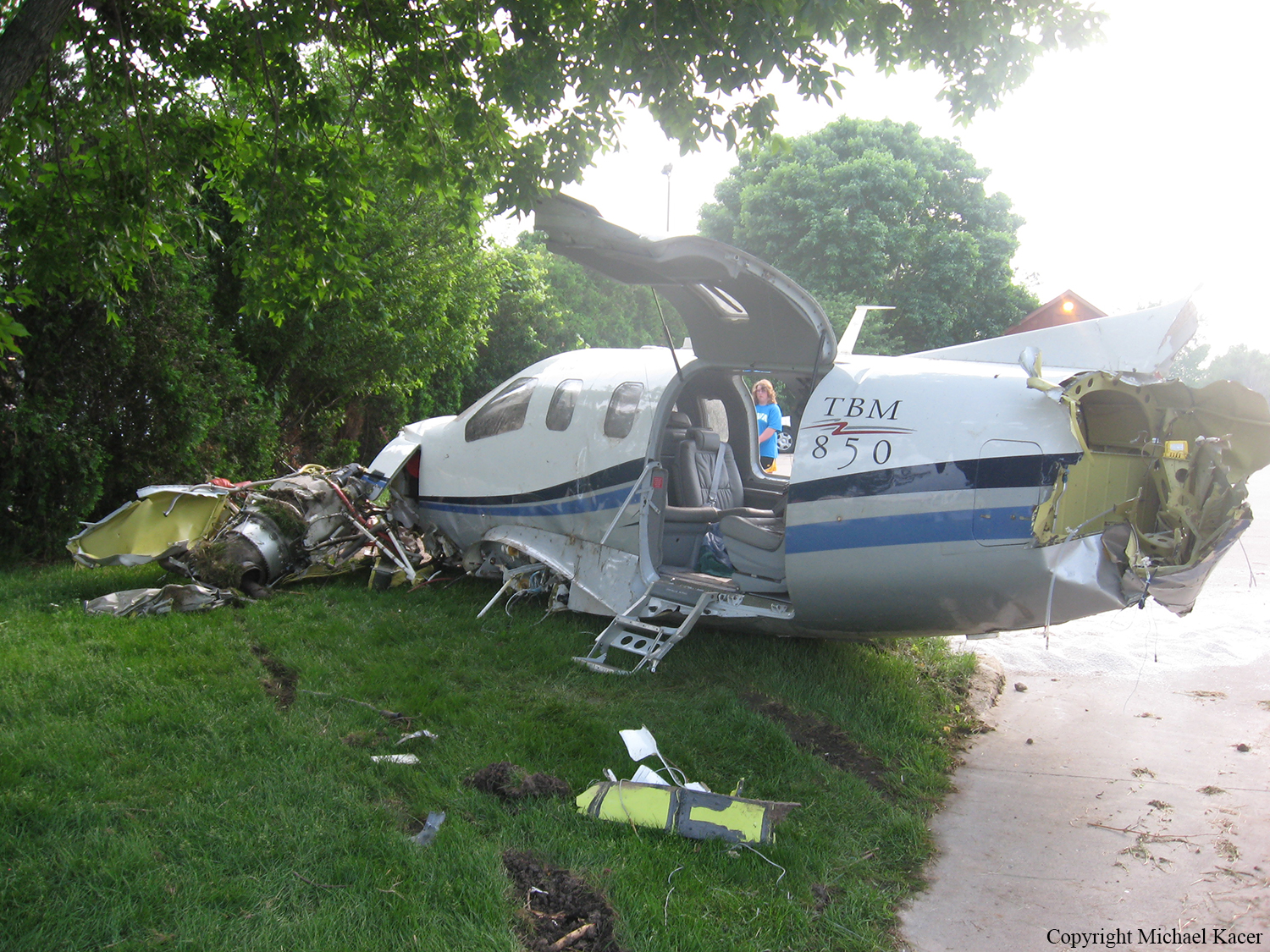
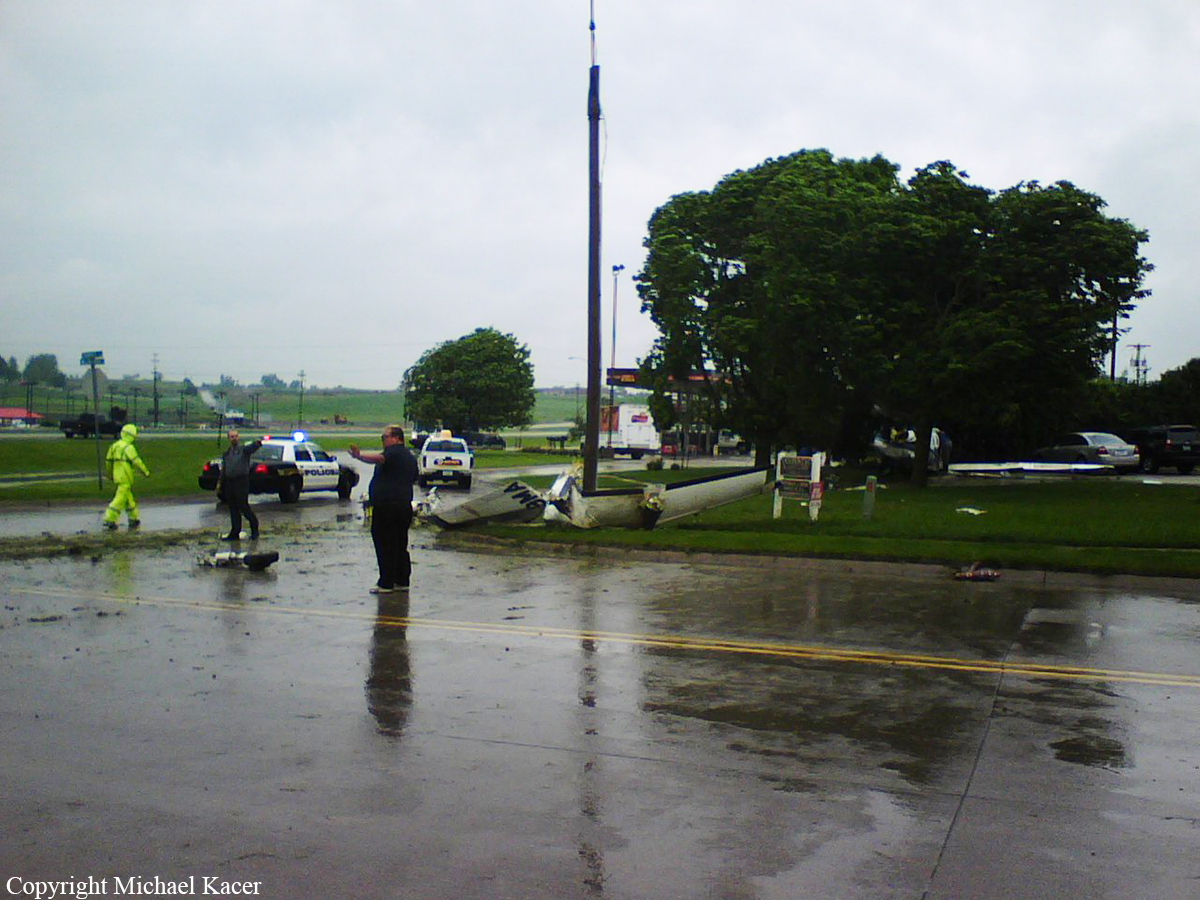
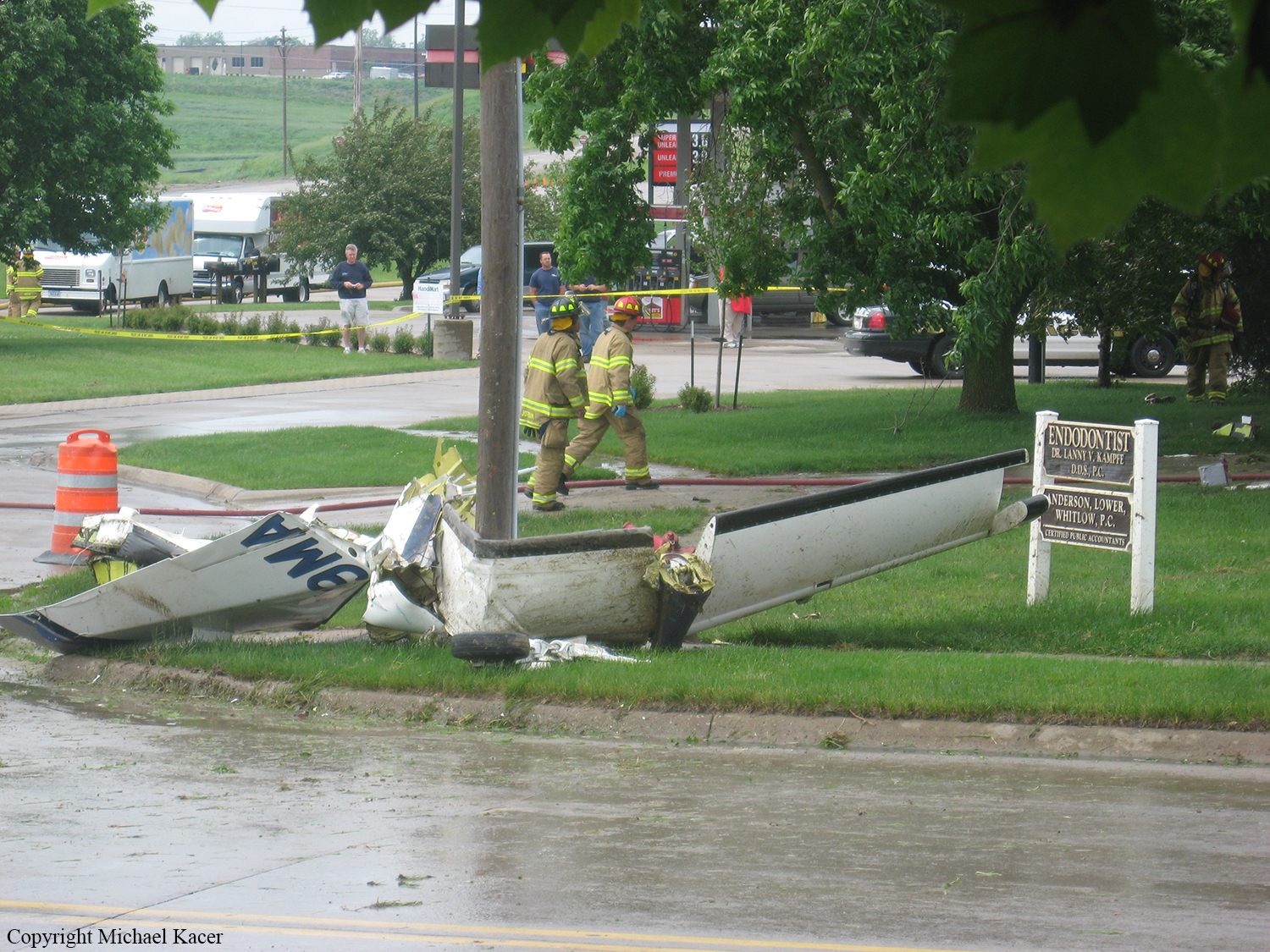
Crash of a Socata TBM-850 in Iowa City: 1 killed

Date & Time: Jun 3, 2008 at 1007 LT
Type of aircraft:
Registration:
N849MA
Flight Phase:
Flight Type:
Survivors:
Yes
Schedule:
Iowa City - Decatur
MSN:
412
YOM:
2007
Location:
Crew on board:
1
Crew fatalities:
Pax on board:
2
Pax fatalities:
Other fatalities:
Total fatalities:
1
Captain / Total flying hours:
5688
Captain / Total hours on type:
4138.00
Aircraft flight hours:
420
Circumstances:
The private pilot arrived at the accident airport as part of an Angel Flight volunteer program to provide transportation of a passenger who had undergone medical treatment at a local hospital. About 0937, the airplane landed on runway 30 (3,900 feet by 150 feet) with winds from 073-080 degrees and 5-6 knots, which continued to increase due to an atmospheric pressure gradient. The pilot met the passengers and departed the terminal about 1003, with winds at 101-103 degrees and 23-36 knots. About 1005 the airplane was near the approach end of runway 30 with wind from 089-096 degrees and 21-31 knots. The pilot stated that he began rotating the airplane about 3,000 feet down the runway. About 1006, the airplane was approximately 3,553 feet down the runway while flying about 30 feet above the runway. The airplane experienced an aerodynamic stall, and the left wing dropped before it impacted the ground. No mechanical anomalies that would have precluded normal operation of the airplane were noted during the investigation. The fatally injured passenger, who had received medical treatment, was 2 years and 10 months of age at the time of the accident. She was held by her mother during the flight, as she had been on previous Angel Flights, but was otherwise unrestrained. According to 14 CFR 91.107(3), each person on board a U.S.-registered civil aircraft must occupy an approved seat with a safety belt properly secured during takeoff, and only unrestrained children who are under the age of 2 may be held by a restrained adult. Although the accident was survivable (both the pilot and the adult passenger survived with non-life-threatening injuries), an autopsy performed on the child revealed that the cause of death was blunt force trauma of the head.
Probable cause:
The pilot's improper decision to depart with a preexisting tailwind and failure to abort takeoff. Contributing to the severity of the injuries was the failure to properly restrain (FAA-required) the child passenger.
Final Report: