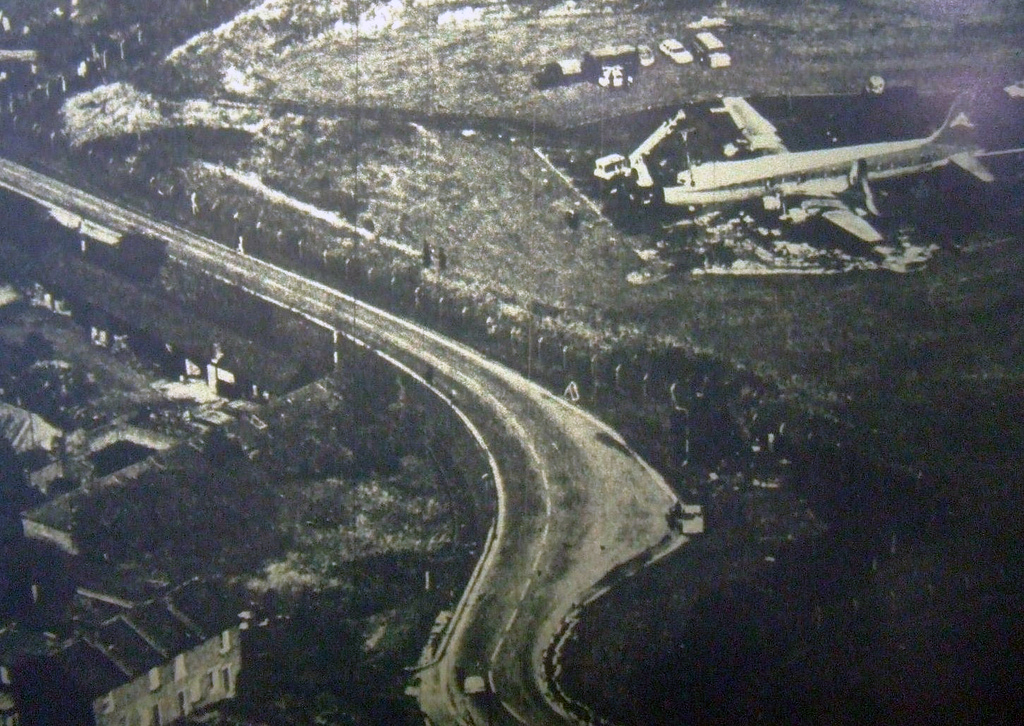
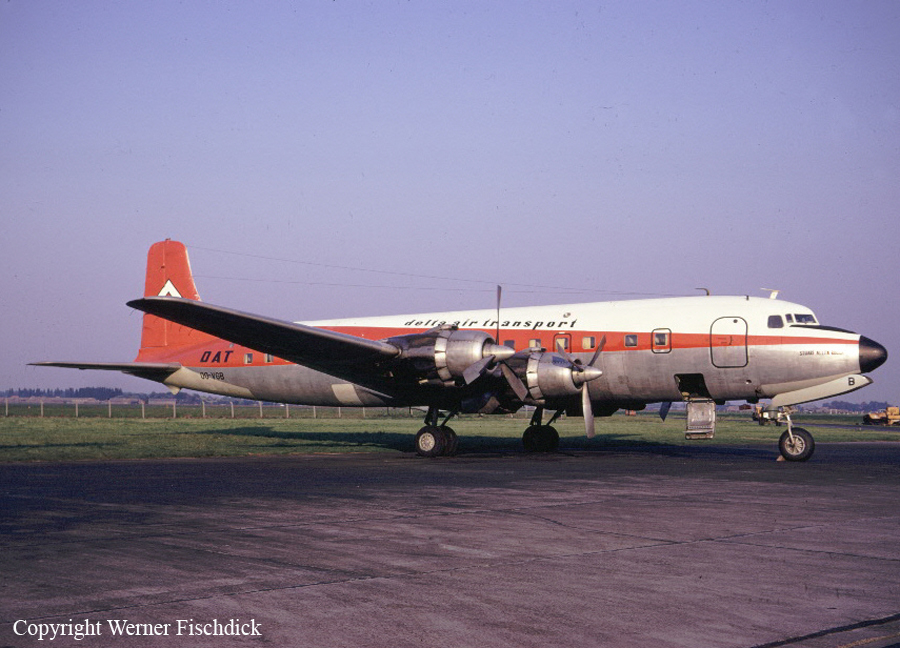
Crash of a Douglas DC-6B in Southend

Date & Time: Oct 4, 1974 at 2001 LT
Type of aircraft:
Operator:
Registration:
OO-VGB
Flight Phase:
Survivors:
Yes
Schedule:
Southend - Antwerp
MSN:
43830/352
YOM:
1953
Region:
Crew on board:
6
Crew fatalities:
Pax on board:
99
Pax fatalities:
Other fatalities:
Total fatalities:
0
Captain / Total flying hours:
21000
Captain / Total hours on type:
2000.00
Copilot / Total flying hours:
12000
Copilot / Total hours on type:
3000
Aircraft flight hours:
43017
Circumstances:
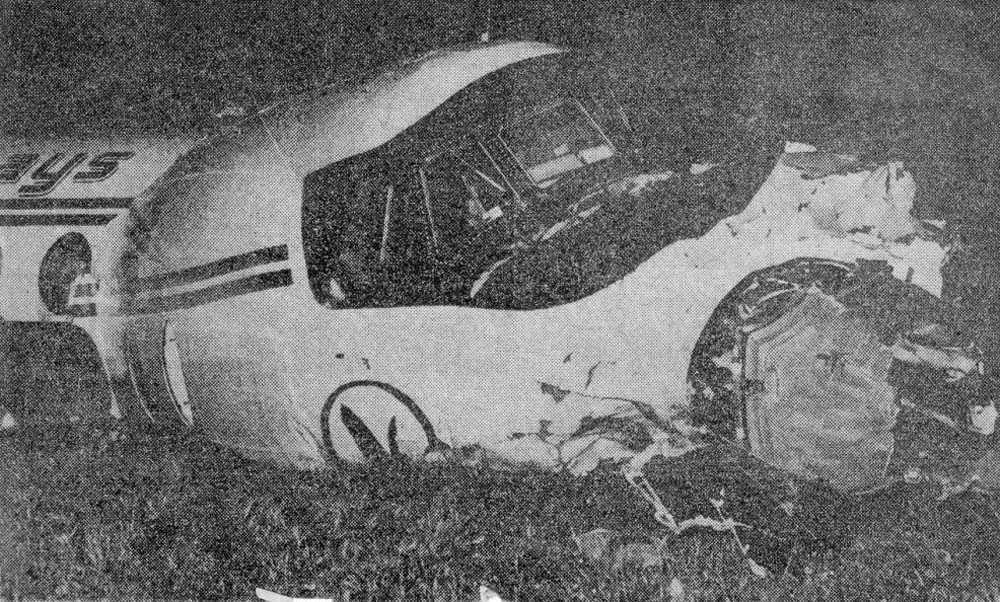
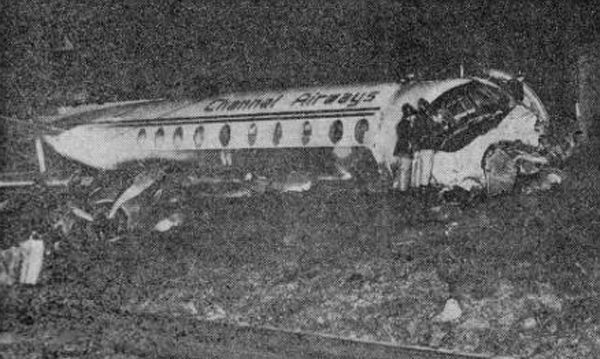
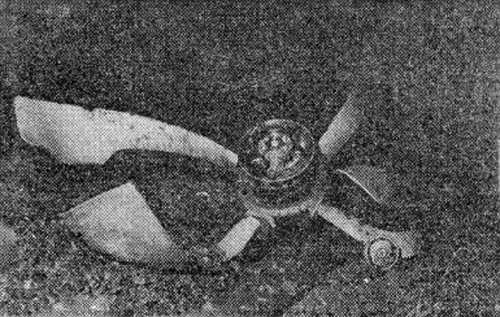
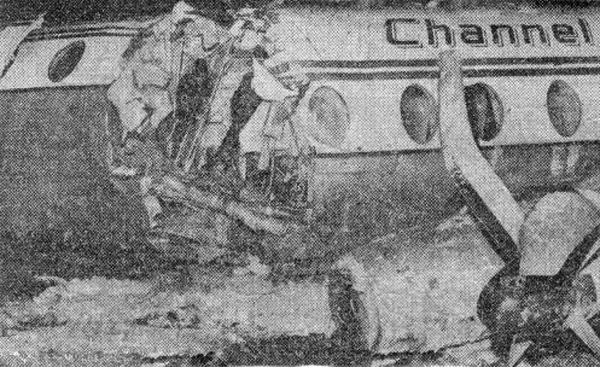
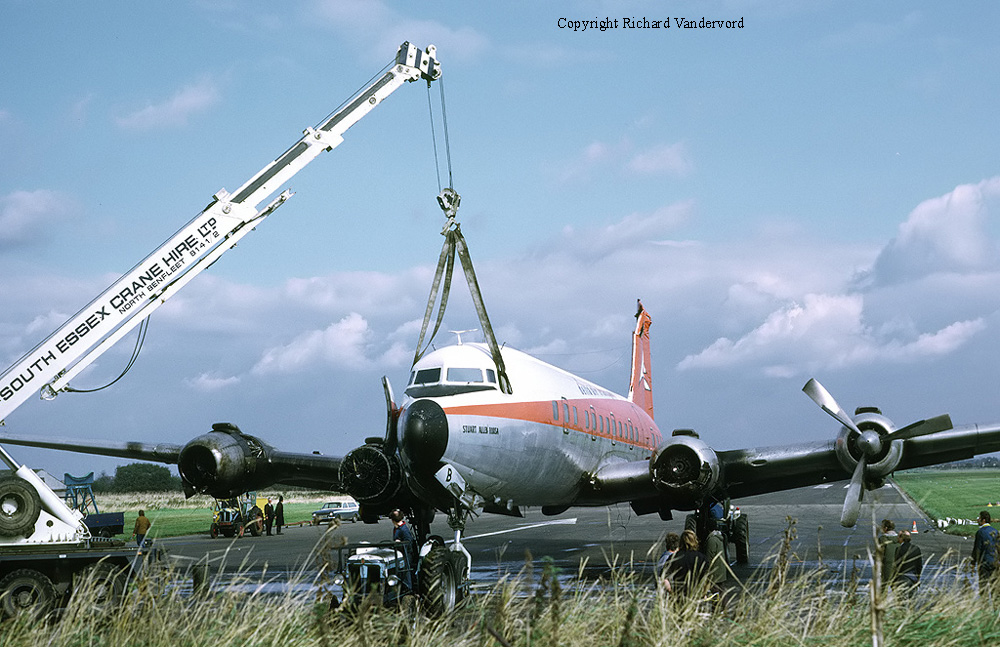
The aircraft landed at Southend (SEN) from Antwerp (ANR) at 07:50 hrs on a day excursion. Following a 9 hour rest period, the crew reported for duty at 18:30 to prepare for the return flight. Start up and taxiing out were normal, and a limited power check was completed before takeoff. The Captain, had given a full pre-takeoff briefing before the aircraft left Antwerp that morning, and on this occasion only called for a 'standard briefing', but emphasized that the full abort procedures would be as given during his previous instruction. The First Officer was handling the aircraft from the right hand seat, and gave a shortened takeoff briefing which included the actions required for engine failure before and after V1. Both pilots were wearing headsets, (not fitted with boom microphones) but were not using these for flight deck intercommunication purposes; the Flight Engineer was not wearing a headset. The Captain, who controlled the only source of nose-wheel steering, lined up the aircraft at the beginning of runway 24. Brakes were released and, after stabilizing all four engines at 30 inches of manifold pressure, the First Officer advanced all the right hand throttle levers to takeoff power. The Flight Engineer followed this movement with his left hand on the left-hand group of throttle levers and, when takeoff power was achieved, held the throttle friction lever with his right hand. The captain 's left hand was on the nose steering wheel. At about 75-80 knots, shortly before V1, the captain instructed the Flight Engineer to adjust the power on engines 1 and 2 which were overboosting slightly. The Flight Engineer made this adjustment coincident with the captain calling V1 at about 88 knots, and very shortly afterwards the captain saw the red 'gear unsafe' warning light illuminate. Unknown to the captain or the First Officer the Flight Engineer had made an UP selection of the landing gear selector lever. He stated subsequently that he thought the captain had instructed him to do so shortly after calling V1. The pilots maintain that no such order was given and that nothing additional to the normal procedural calls was said by either of them. The aircraft subsided on to its nose and its propellers struck the runway; throttles were closed and the captain attempted to maintain directional control by use of rudder. The aircraft came to rest 3 metres from the end of the runway with its nose on the ground and with the main landing gear still extended. As soon as the aircraft came to rest the Flight Engineer, having closed the mixture controls to idle cut off and pulled the 'ganged switches' bar, left the aircraft through the right front exit door. On seeing exhaust fires in Nos. 2 and 3 engines he returned to the flight deck and carried out the appropriate engine fire drills. However Nor 3 engine continued to burn, and he extinguished this fire with a portable CO2 appliance. During this period, evacuation drills were initiated, and the passengers left the aircraft in an expeditious and reasonably orderly manner, mostly through the front exit, but some by chute from the rear exit, and a few from an overwing emergency exit.
Probable cause:
The accident was caused by the Flight Engineer's action in selecting landing gear UP before the aircraft was airborne. He did this in the mistaken belief that the Captain had ordered him to do so.
Final Report:
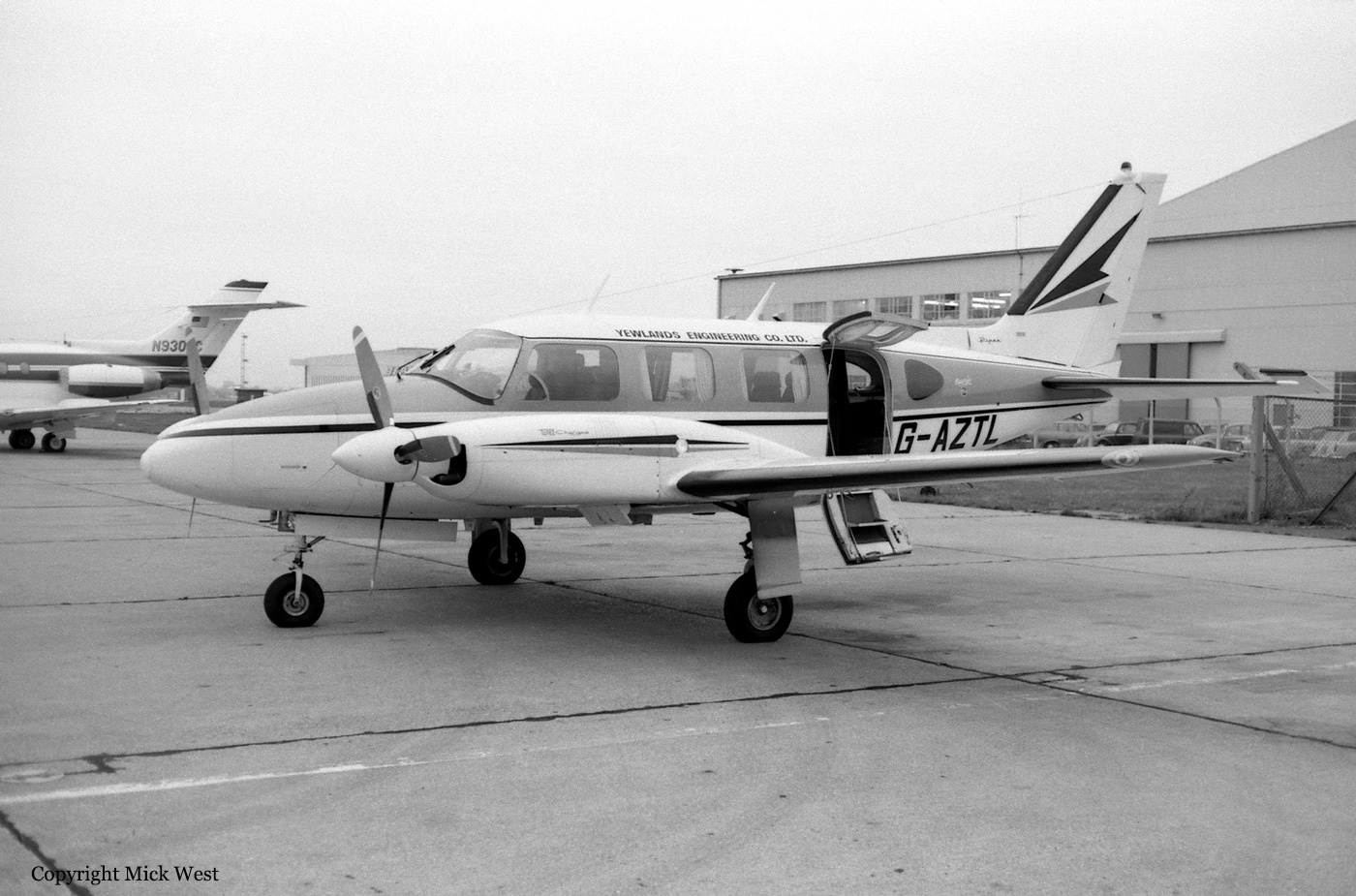
Crash of a Piper PA-31-300 Navajo in Stapleford

Date & Time: Jan 3, 1973
Type of aircraft:
Registration:
G-AZTL
Survivors:
Yes
MSN:
31-589
YOM:
1969
Region:
Crew on board:
1
Crew fatalities:
Pax on board:
1
Pax fatalities:
Other fatalities:
Total fatalities:
0
Circumstances:
On final approach to Stapleford Airfield in poor weather conditions, the pilot failed to realize his altitude was insufficient when the airplane struck trees located 2,400 meters short of runway threshold. The aircraft stalled and crashed in a field, injuring both occupants.

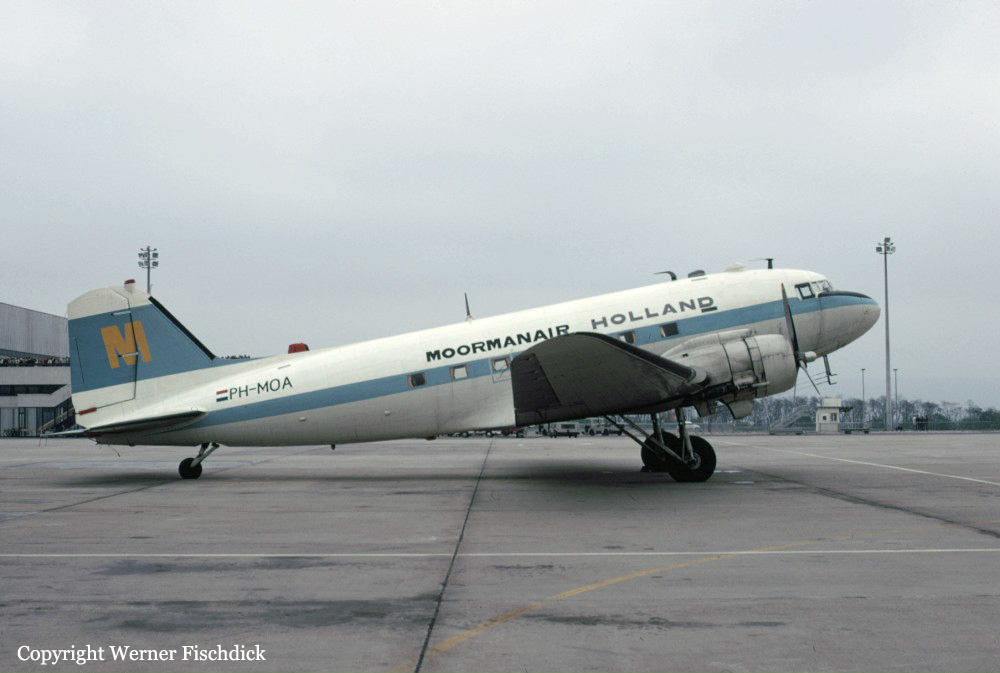
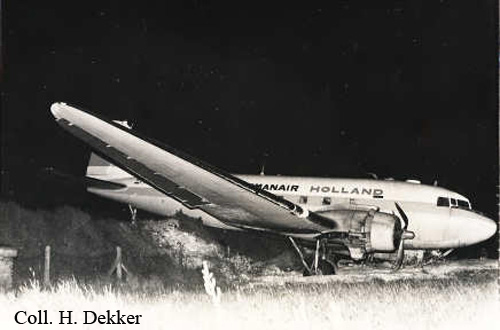
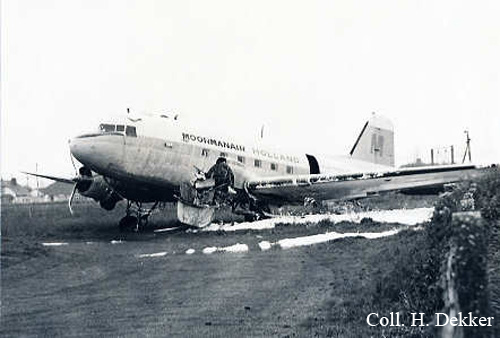
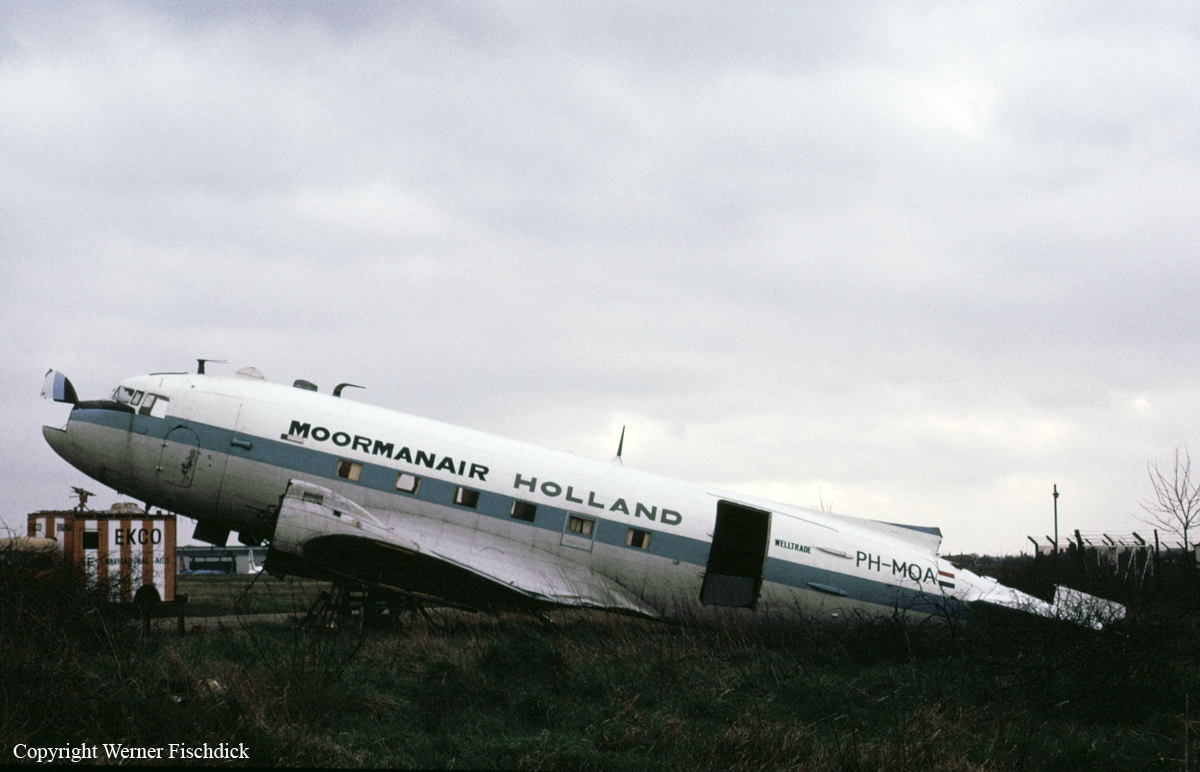
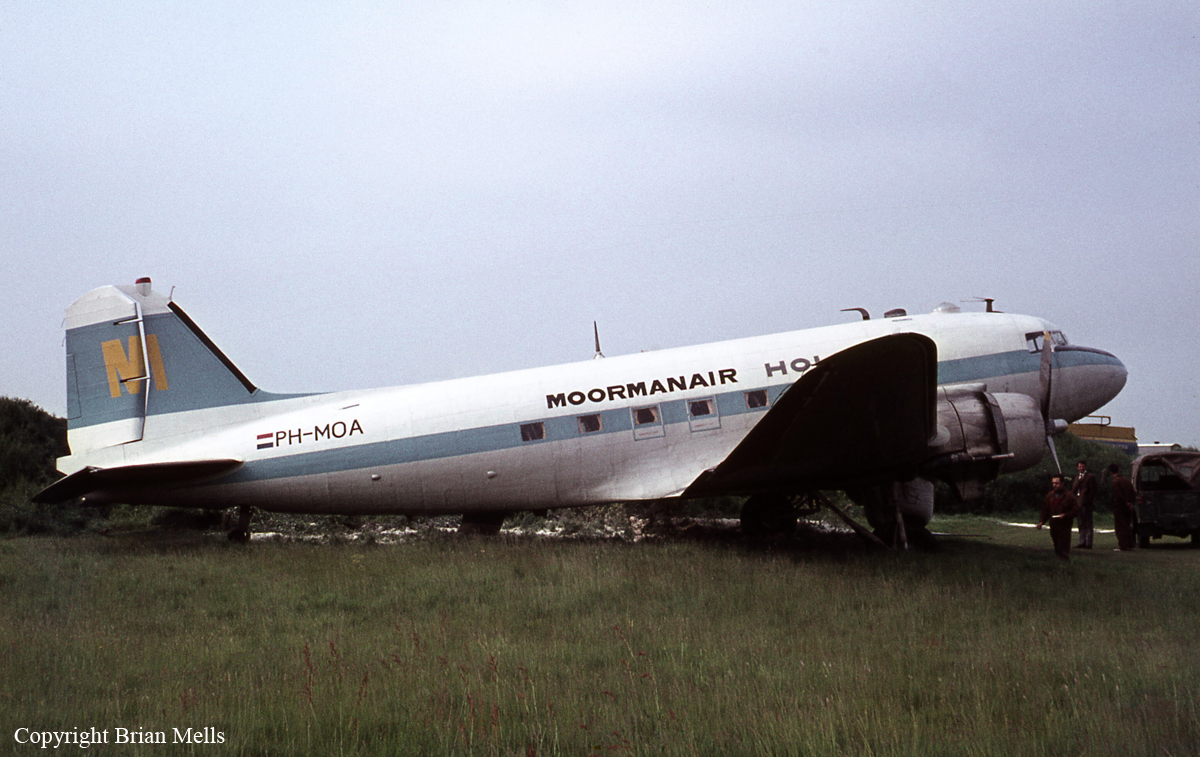
Crash of a Douglas C-47B-35-DK in Southend

Date & Time: Jun 3, 1971 at 1325 LT
Operator:
Registration:
PH-MOA
Survivors:
Yes
Schedule:
Southend – Amsterdam
MSN:
16605/33353
YOM:
1945
Region:
Crew on board:
4
Crew fatalities:
Pax on board:
32
Pax fatalities:
Other fatalities:
Total fatalities:
0
Captain / Total flying hours:
4663
Captain / Total hours on type:
1750.00
Copilot / Total flying hours:
3247
Copilot / Total hours on type:
230
Aircraft flight hours:
6372
Circumstances:
The aircraft was engaged in a charter flight from Southend to Amsterdam, carrying 32 supporters of the Ajax football team back to The Netherlands. Following a fall in manifold pressure and the discovery of an oil leak in the starboard engine soon after a night takeoff, the pilot decided to return to Southend Airport for an emergency landing. In order to avoid an overshoot, he positioned the flaps to a 15° angle for the landing which resulted in a higher than normal airspeed at touchdown. The aircraft touched down about half-way down the runway in use, overran the paved area and collided with an earth bank. Of the 32 passengers and four crew on board, two passengers were injured. The aircraft was damaged beyond repair.
Probable cause:
The accident was due to a late touchdown and inappropriate use of the flaps. Insufficient braking efficiency resulted in a higher speed of overrun than would have otherwise occurred. The following factors were reported:
- The documentation of the aircraft was not in order,
- The number of persons on board was in excess of the number for which seating capacity and safety belts were provided, and the aircraft weight at take-off was 335 kg in excess of the authorised maximum,
- Following an engine failure in the air, the aircraft made an emergency landing at Southend Airport at a weight 560 kg in excess of its regulated landing weight,
- The approach and landing was made with 15° of flap extended, full flap was not used,
- Touchdown occurred approximately half way down the runway,
- The aircraft wheels brakes were worn to the extent that their efficiency would have been impaired and oil may have reduced the grip of the starboard tyre,
- The aircraft overran the paved area and collided with an earth bank on the aerodrome boundary.
Final Report:
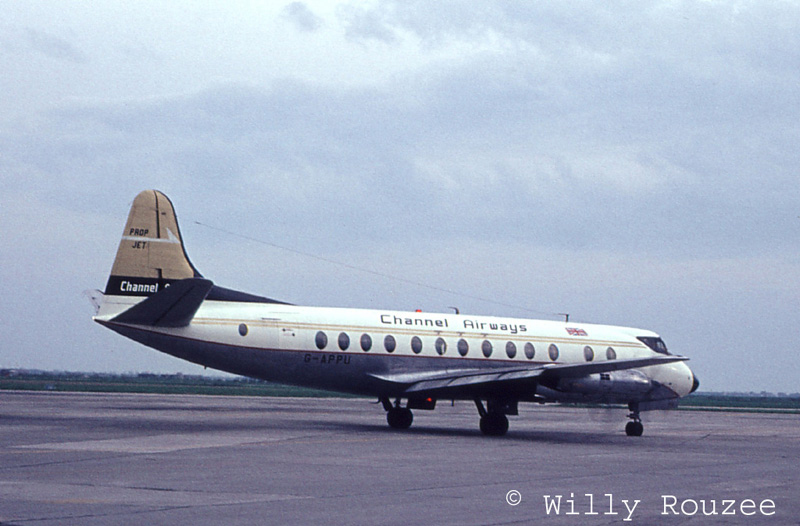
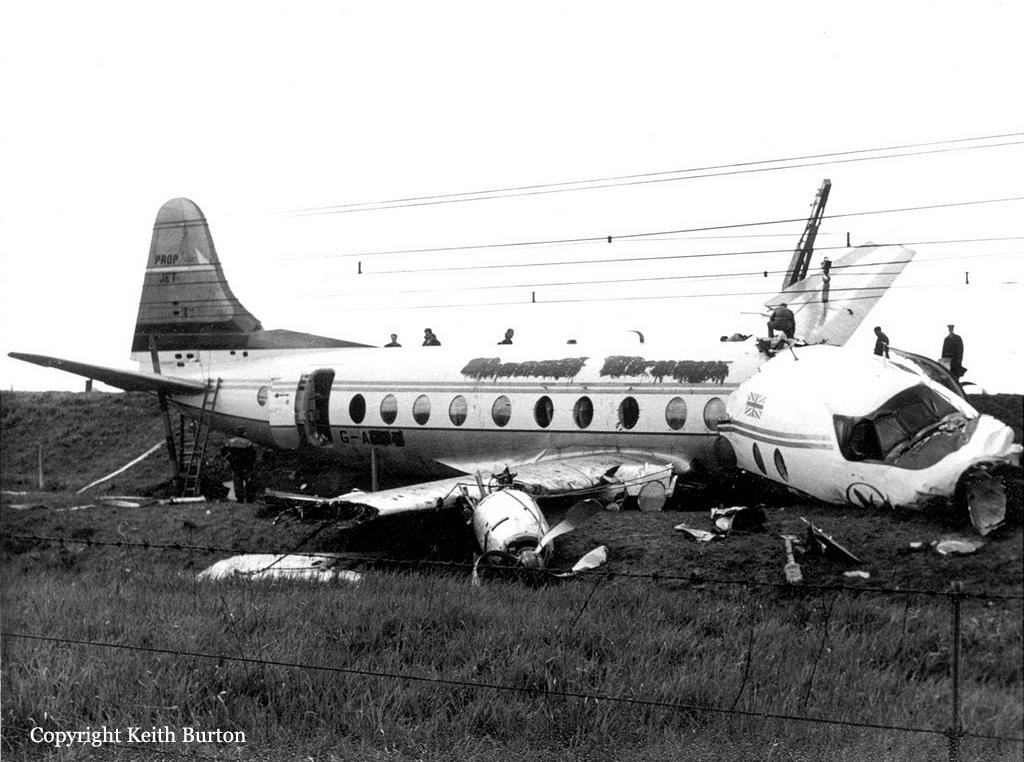
Crash of a Vickers 812 Viscount in Southend

Date & Time: May 4, 1968
Type of aircraft:
Operator:

Registration:
G-APPU
Survivors:
Yes
Schedule:
Rotterdam - Southend
MSN:
364
YOM:
1958
Region:
Crew on board:
4
Crew fatalities:
Pax on board:
79
Pax fatalities:
Other fatalities:
Total fatalities:
0
Circumstances:
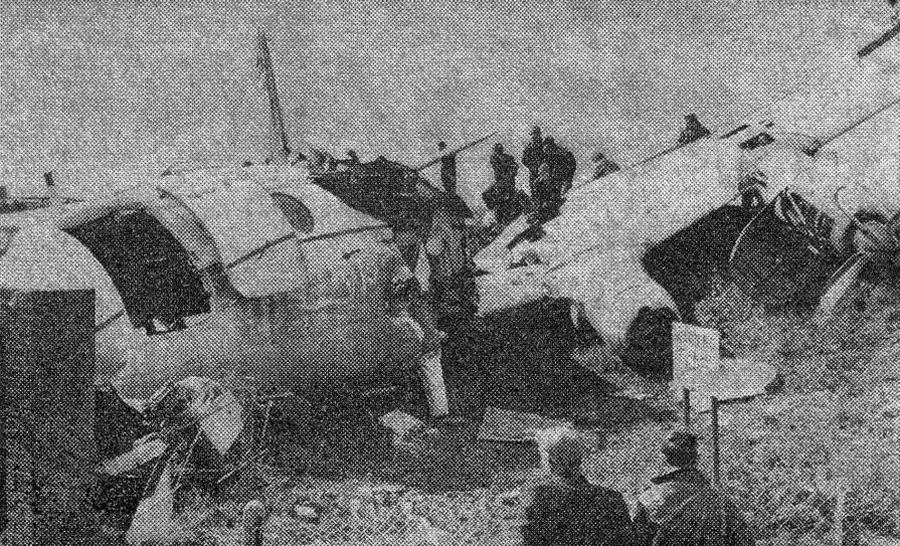
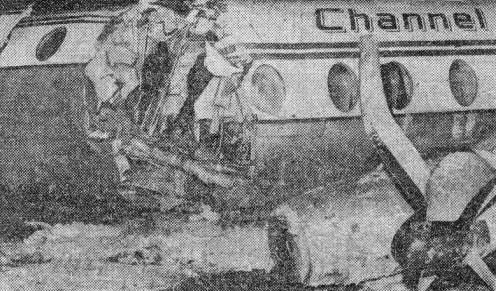
The crew completed the landing procedure on a wet runway 06 at a too high speed. After touchdown, the captain started the braking procedure but thought he was encountering aquaplaning situation when control was lost. The airplane veered to the right and went down an embankment before coming to rest, broken in several pieces. All 83 occupants were evacuated safely while the aircraft was destroyed.
Probable cause:
The accident was caused through landing at a too high speed for the landing distance available. A contributory factor was reduced braking effectiveness due to the main wheel being mechanically locked by the application of the hand-brake.

Crash of an Armstrong Whitworth AW.650 Argosy 222 in Stansted

Date & Time: Dec 4, 1967
Operator:
Registration:
G-ASXP
Flight Phase:
Flight Type:
Survivors:
Yes
Schedule:
Stansted - Stansted
MSN:
6804
YOM:
1965
Location:
Region:
Crew on board:
3
Crew fatalities:
Pax on board:
0
Pax fatalities:
Other fatalities:
Total fatalities:
0
Circumstances:
The crew was engaged in a local training flight at Stansted Airport. Shortly after takeoff, while in initial climb, the crew lost control of the airplane that stalled and crashed in flames in an open field. The aircraft was destroyed and all three crew members were injured. The crew was simulating an engine failure at takeoff when control was lost.
Probable cause:
The accident was due to a loss of control during a takeoff with a simulated failure of the engine. The loss of control was most probably the result of No.4 propeller going into ground fine pitch when the engine was throttled back.

Crash of a Vickers 812 Viscount in Southend: 2 killed

Date & Time: May 3, 1967
Type of aircraft:
Operator:
Registration:
G-AVJZ
Flight Phase:
Flight Type:
Survivors:
Yes
Schedule:
Southend - Southend
MSN:
360
YOM:
1958
Region:
Crew on board:
3
Crew fatalities:
Pax on board:
0
Pax fatalities:
Other fatalities:
Total fatalities:
2
Circumstances:
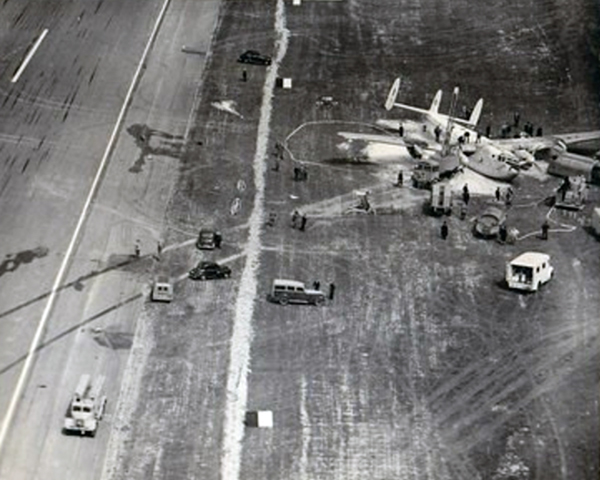
The crew was involved in a local test flight out from Southend Airport in the goal to renew the Airworthiness certificate. Shortly after takeoff, while in initial climb, a technical failure occurred on the engine number four. The crew was forced to shut down the engine and to feather its propeller when control was lost. The airplane lost height and crashed in an open field located near the airport, broke in two and came to rest. While all three crew members were injured, two people on the ground were killed.
Probable cause:
Loss of control during takeoff after feathering of No.4 propeller had been initiated.

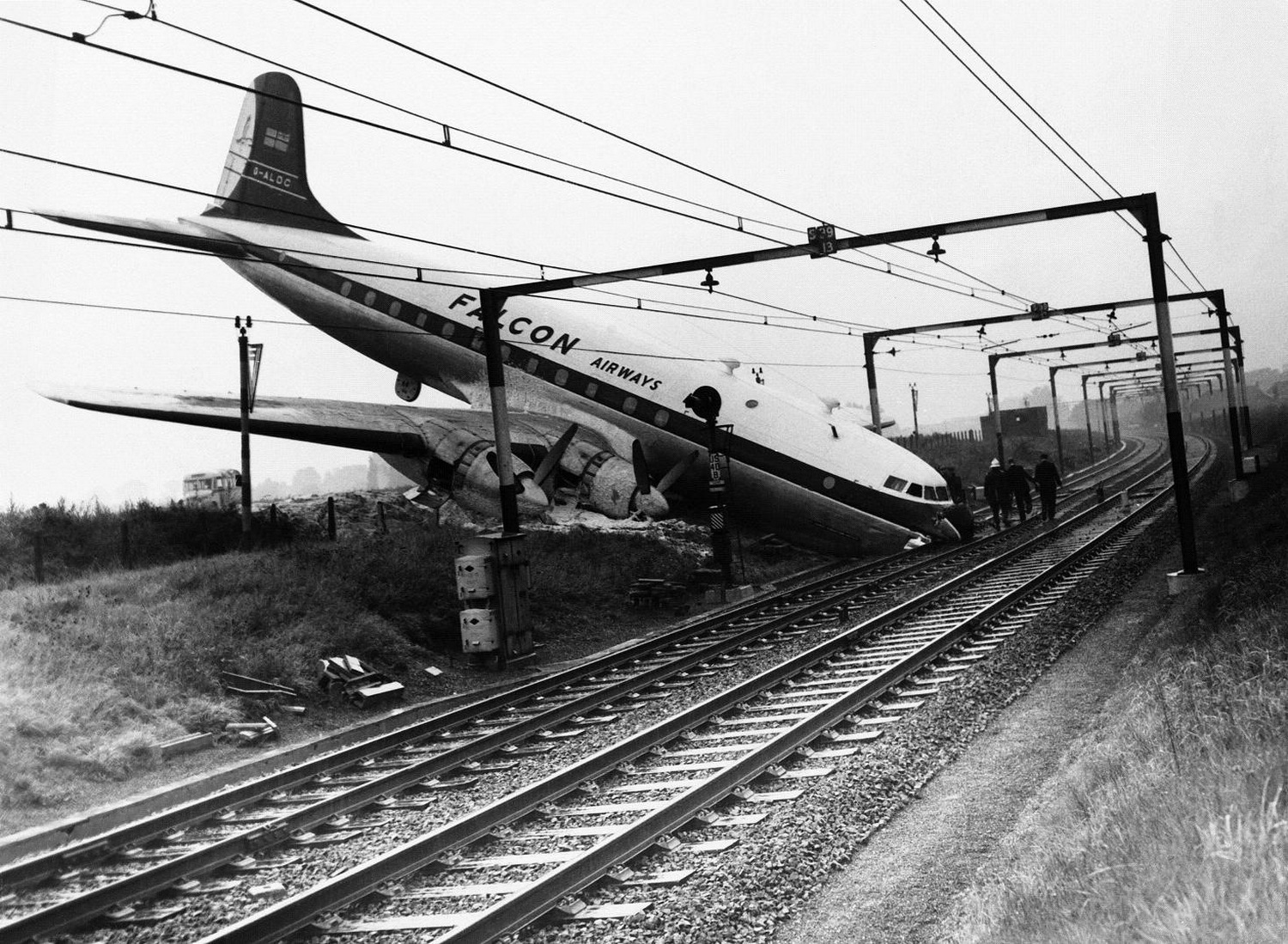
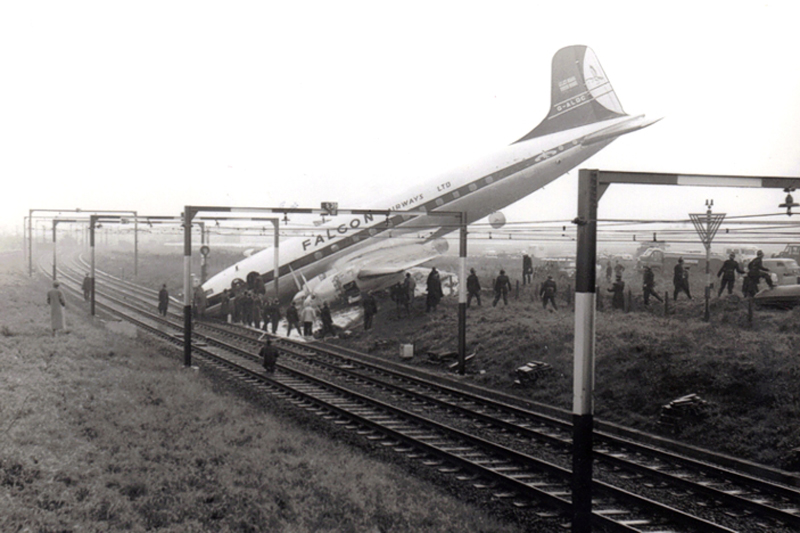
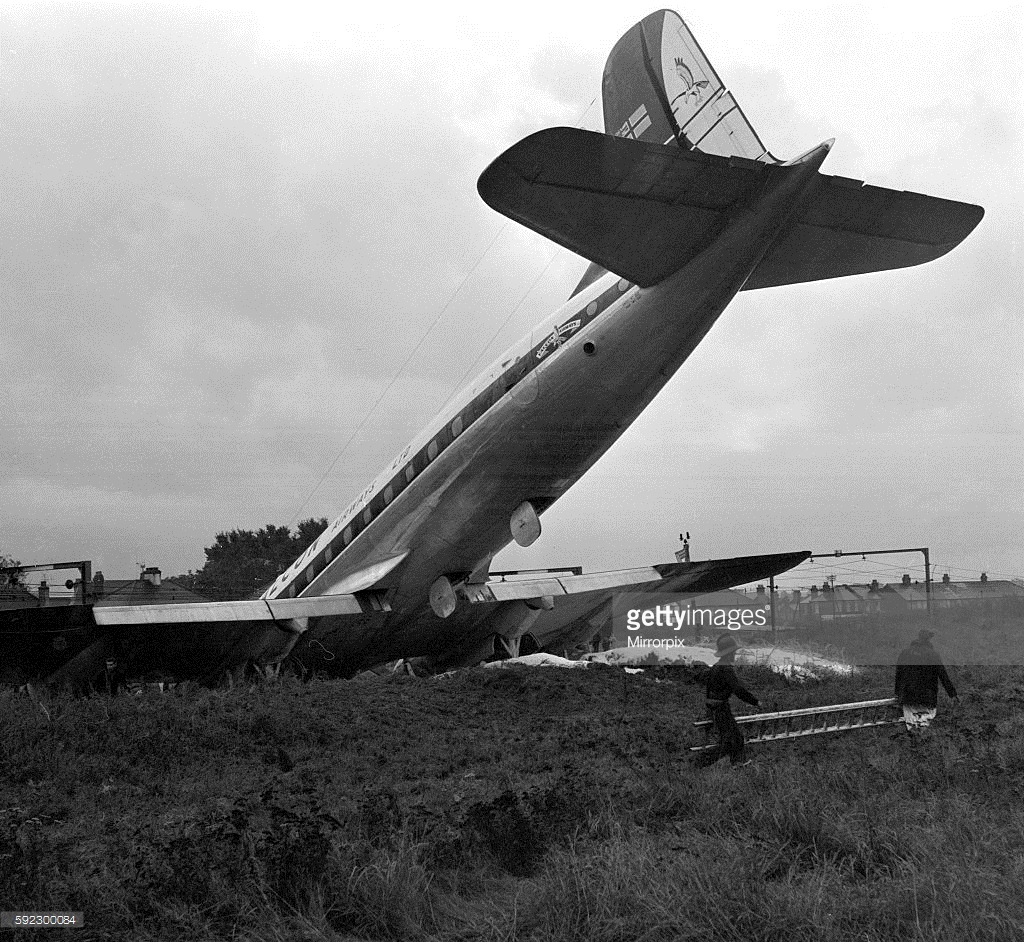
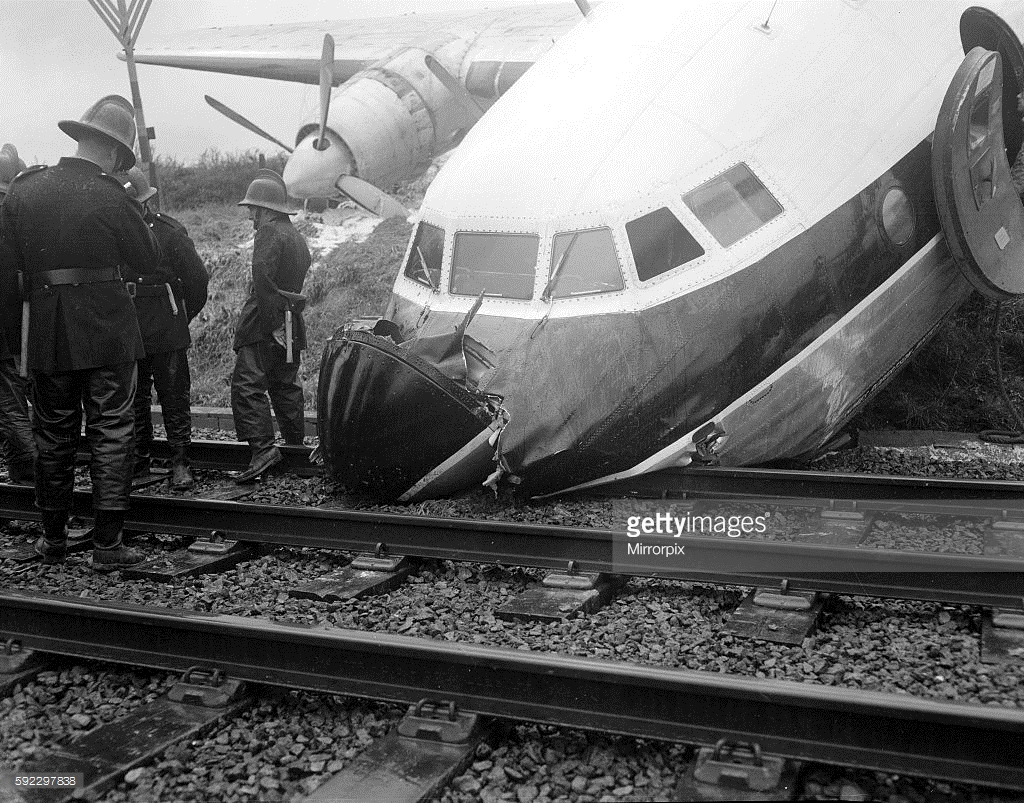
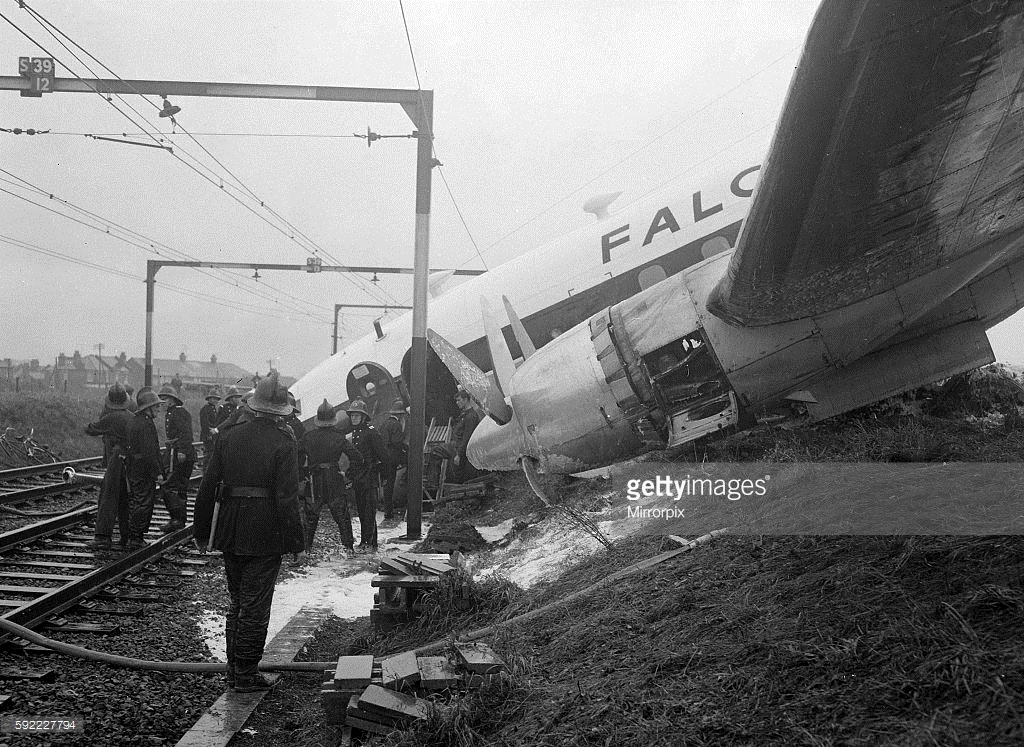
Crash of a Handley Page H.P.81 Hermes IV in Southend

Date & Time: Oct 9, 1960 at 1247 LT
Type of aircraft:
Registration:
G-ALDC
Survivors:
Yes
Schedule:
Barcelona – Southend
MSN:
81/4
YOM:
1949
Region:
Crew on board:
5
Crew fatalities:
Pax on board:
71
Pax fatalities:
Other fatalities:
Total fatalities:
0
Aircraft flight hours:
17183
Circumstances:
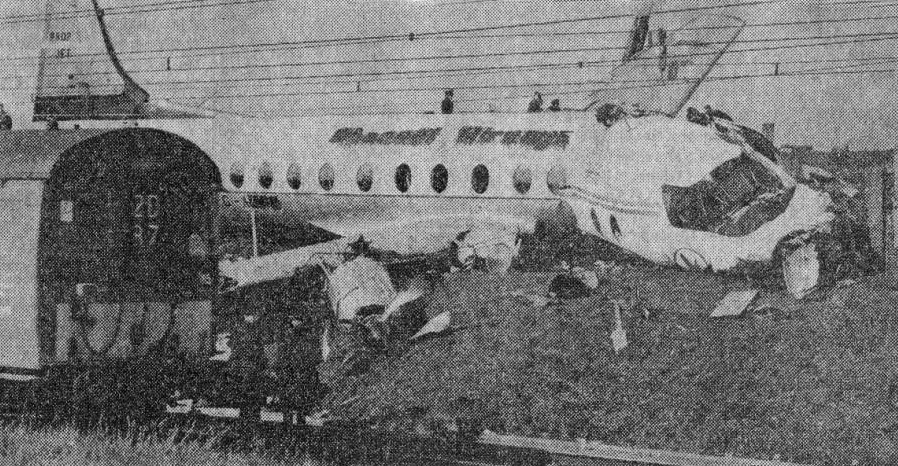
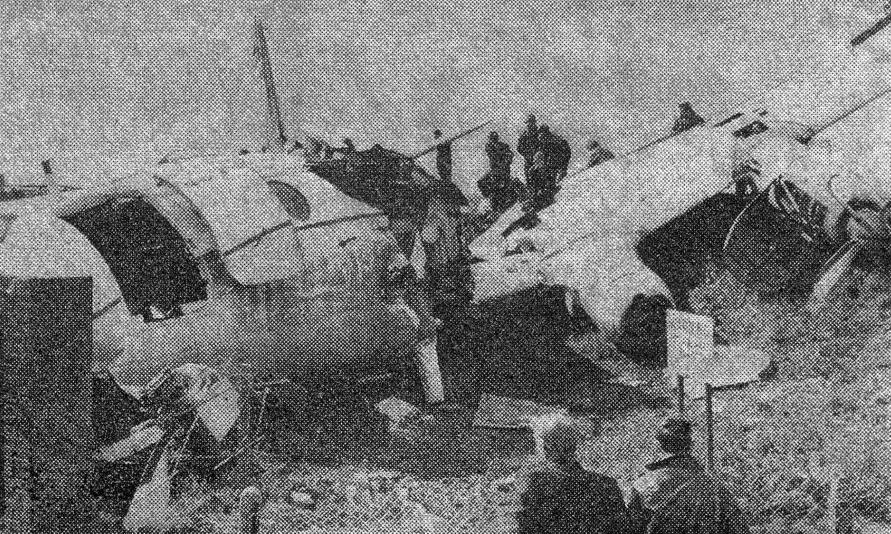
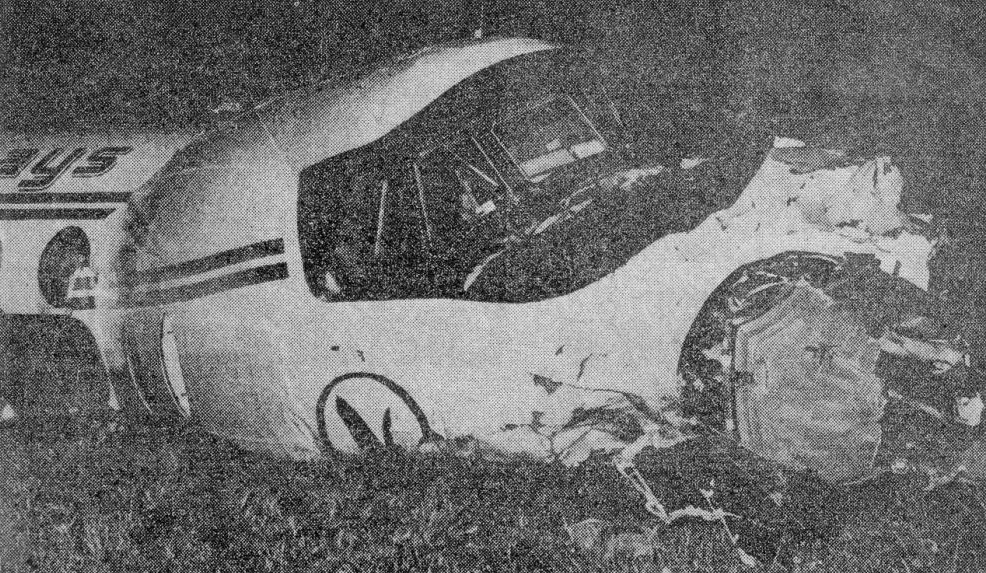
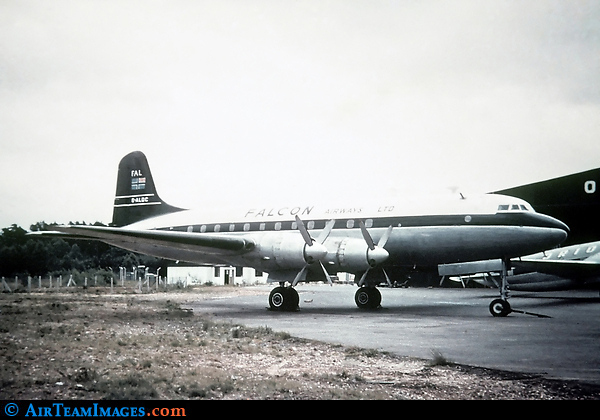
Following an uneventful flight from Barcelona, the crew completed the approach and the landing on a wet runway. After touchdown, the pilot applied brakes according to the procedures but the aircraft was unable to stop within the remaining distance, overran, struck an embankment and came to rest with its nose on a railway track. All 76 occupants were evacuated safely while the aircraft was considered as damaged beyond repair.
Probable cause:
The accident was due to the aircraft aquaplaning during part of the landing run. The low frictional values during this condition prevented the captain from obtaining effective braking.

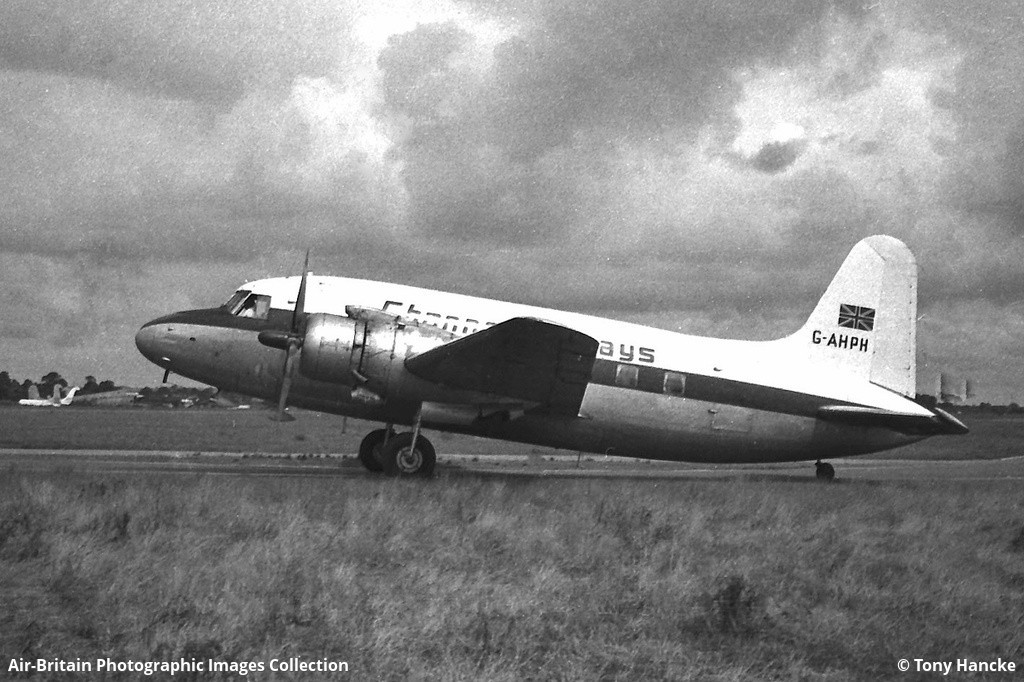
Crash of a Vickers 614 Viking 1 in Southend

Date & Time: Jul 28, 1959
Type of aircraft:
Operator:
Registration:
G-AHPH
Survivors:
Yes
MSN:
141
YOM:
1946
Region:
Crew on board:
3
Crew fatalities:
Pax on board:
36
Pax fatalities:
Other fatalities:
Total fatalities:
0
Circumstances:
On approach to Southend Airport while on a charter flight, the crew completed the approach check-list and noted that the green light connected to the right main gear was not ON. The crew elected to use the emergency gear extension system that failed so a landing was attempted on the grassy area parallel to the runway. On touchdown, the undercarriage collapsed and the airplane slid for several yards before coming to rest. All 39 occupants were evacuated safely while the aircraft was considered as damaged beyond repair.

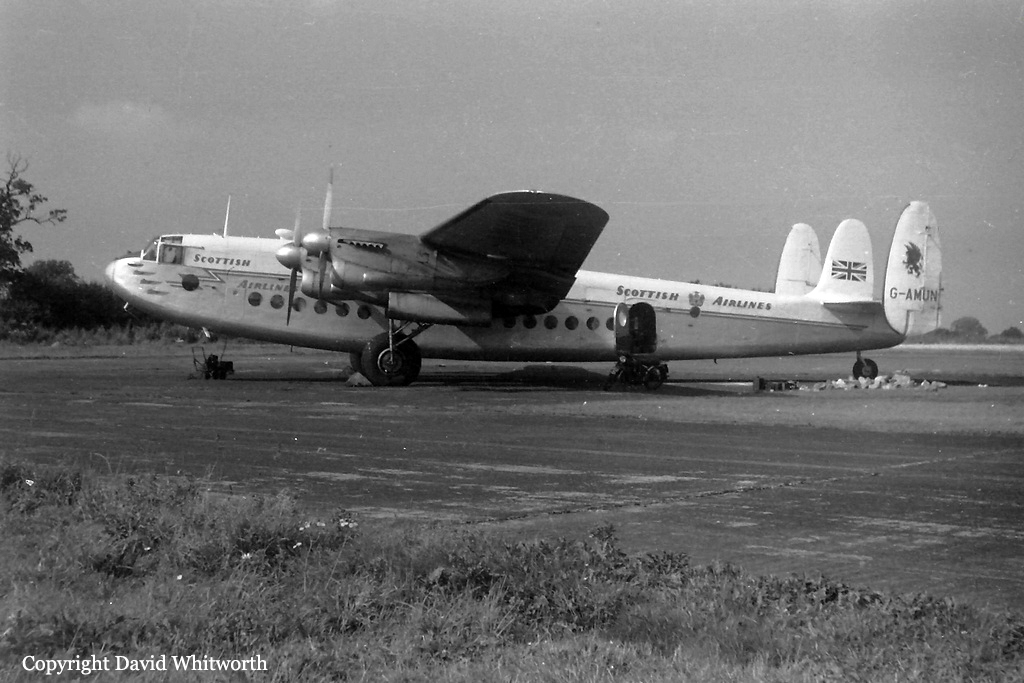
Crash of an Avro 685 York C.1 in Stansted: 4 killed

Date & Time: Dec 23, 1957
Type of aircraft:
Operator:
Registration:
G-AMUN
Flight Type:
Survivors:
No
Schedule:
Luqa – Stansted
MSN:
SET55
YOM:
1947
Location:
Region:
Crew on board:
4
Crew fatalities:
Pax on board:
0
Pax fatalities:
Other fatalities:
Total fatalities:
4
Circumstances:
The crew was completing a cargo flight from Malta-Luqa to Stansted. On approach, the visibility was limited due to poor weather conditions and the captain decided to make a go around. Few minutes later, a second attempt to land was also abandoned. During a third approach, the pilot-in-command descended below the glide, apparently to establish a visual contact with the ground, when the airplane struck trees and crashed in flames 0.75 mile short of runway threshold. The airplane was destroyed and all four crew members were killed.
Probable cause:
The accident was due to an error on the part of the captain in that whilst making an attempt to land he continued the approach below the critical height without sufficient visual reference to the ground.

Crash of an Avro 685 York C.1 in Stansted: 2 killed

Date & Time: Apr 30, 1956 at 0930 LT
Type of aircraft:
Operator:
Registration:
G-AMUL
Flight Phase:
Survivors:
Yes
Schedule:
Stansted – Luqa – Habbaniya
MSN:
MW308
YOM:
1946
Location:
Region:
Crew on board:
5
Crew fatalities:
Pax on board:
49
Pax fatalities:
Other fatalities:
Total fatalities:
2
Circumstances:
The flight was to be via Malta to Habbaniya, Iraq, and was being made on charter by the Air Ministry to carry RAF personnel and their families. On board were 5 crew members, 45 passengers and four babies. The take-off run was begun at approximately 0930 hours Greenwich Mean Time. After travelling some 300 yards along the temporary runway, the aircraft developed a swing to starboard with a consequential skidding movement of the tires so severe that within a further distance of less than 100 yards it left the runway on the starboard side still under the influence of the swing, skidding and travelling at about 45 knots. On reaching a 'French' drain some 25 feet from the runway the undercarriage collapsed, the starboard wheel fell clear and the aircraft settled on its belly and on the port wheel. The aircraft finally came to rest pointing back almost in the direction from which it had begun its run. One aircraftsman and a 4-year old girl were killed and 4 other passengers were seriously injured.
Probable cause:
An over-correction of the portward course of the aircraft possibly accompanied by some application of the starboard brake caused the aircraft to swing to starboard off the runway and to encounter the "French" drain with the resulting failure of the undercarriage. The over-correction by the pilot, whether or not accompanied by some application of the starboard brake, should be termed a grave error of judgment and skill rather than a wrongful act or default.
Final Report: