Country
Operator Image

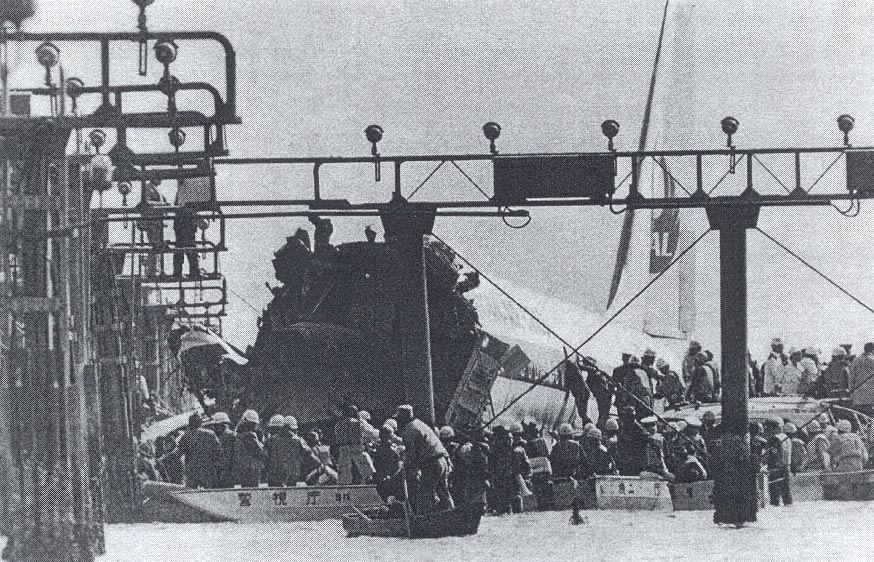
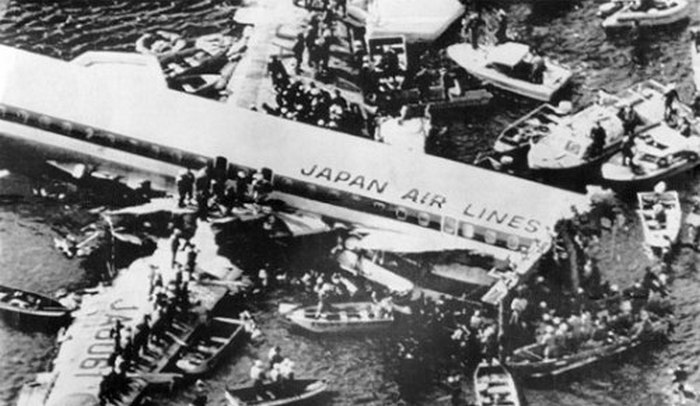
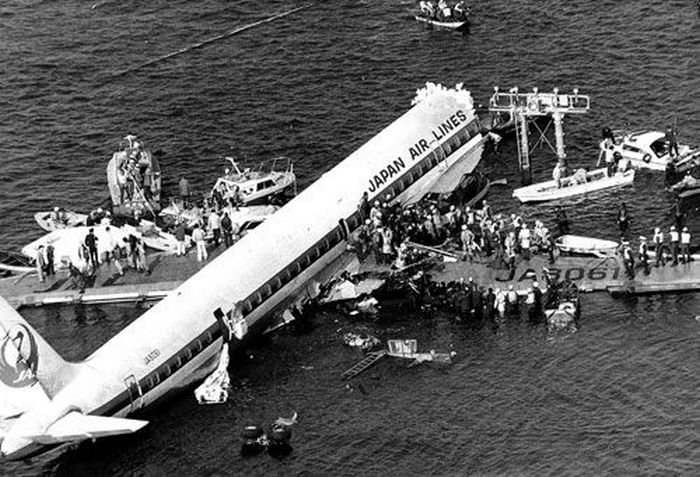
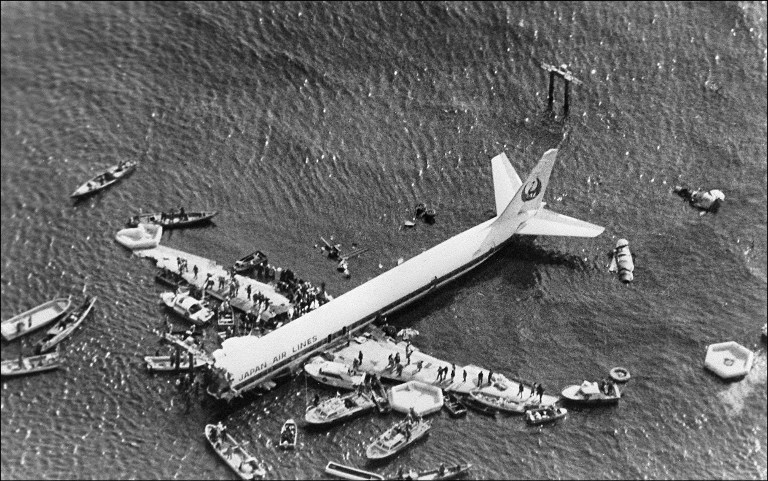
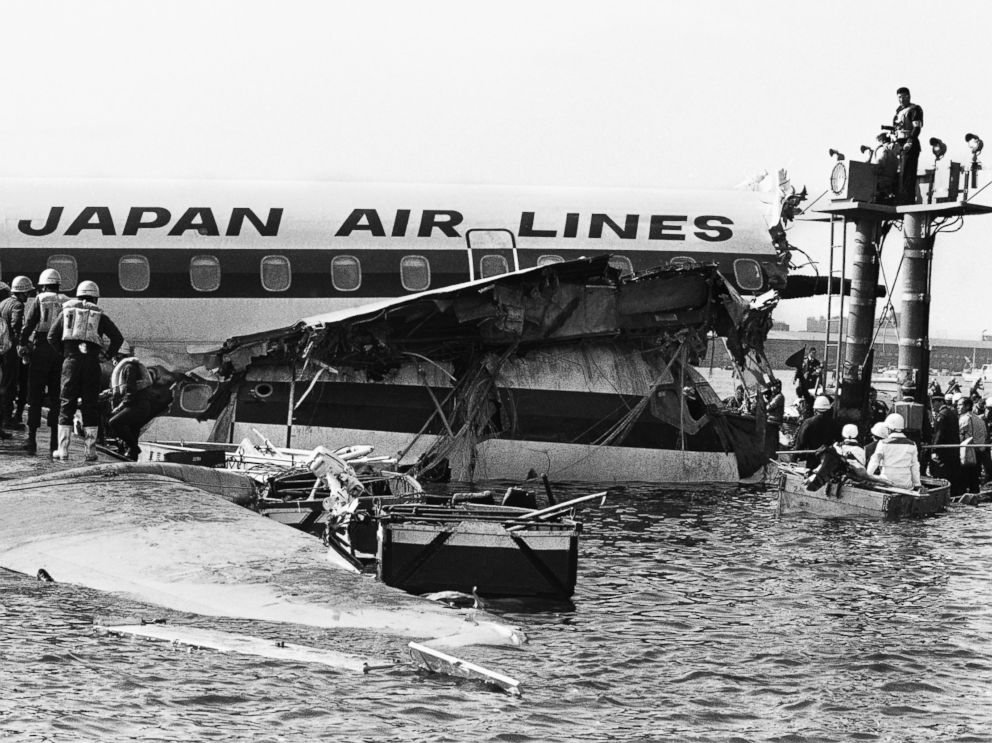
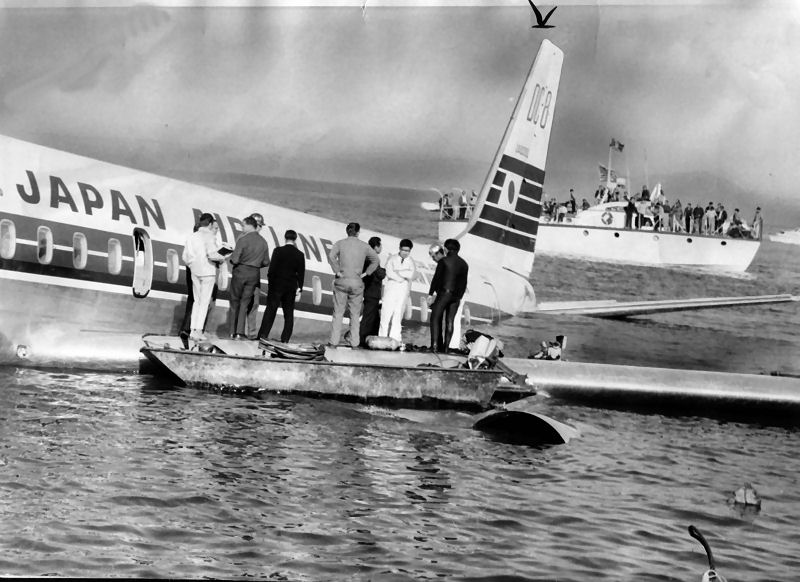
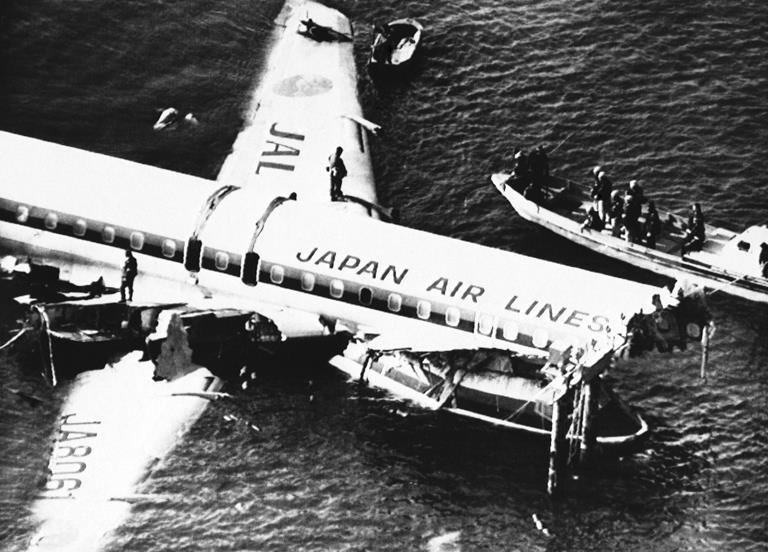
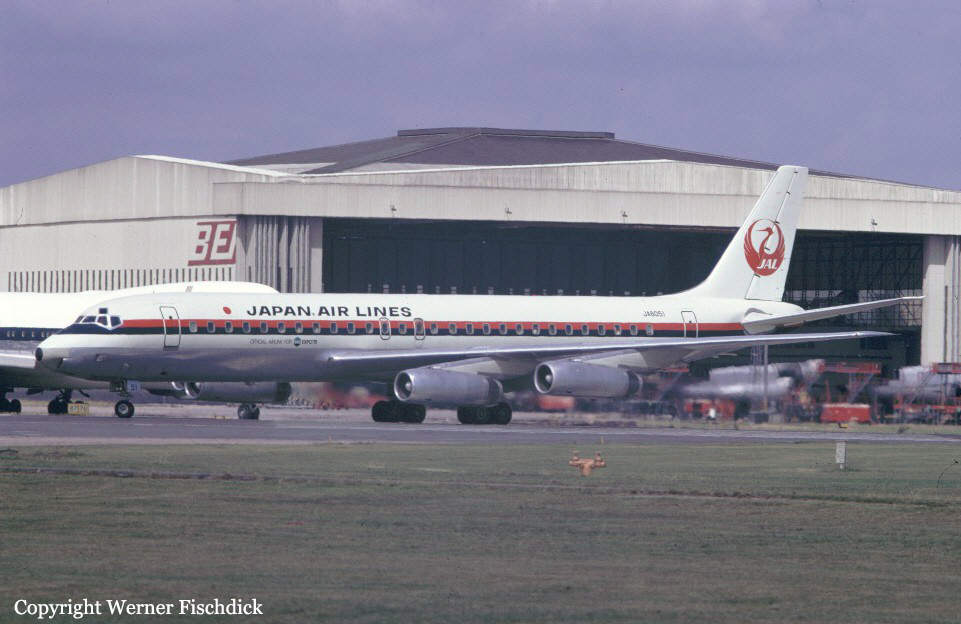
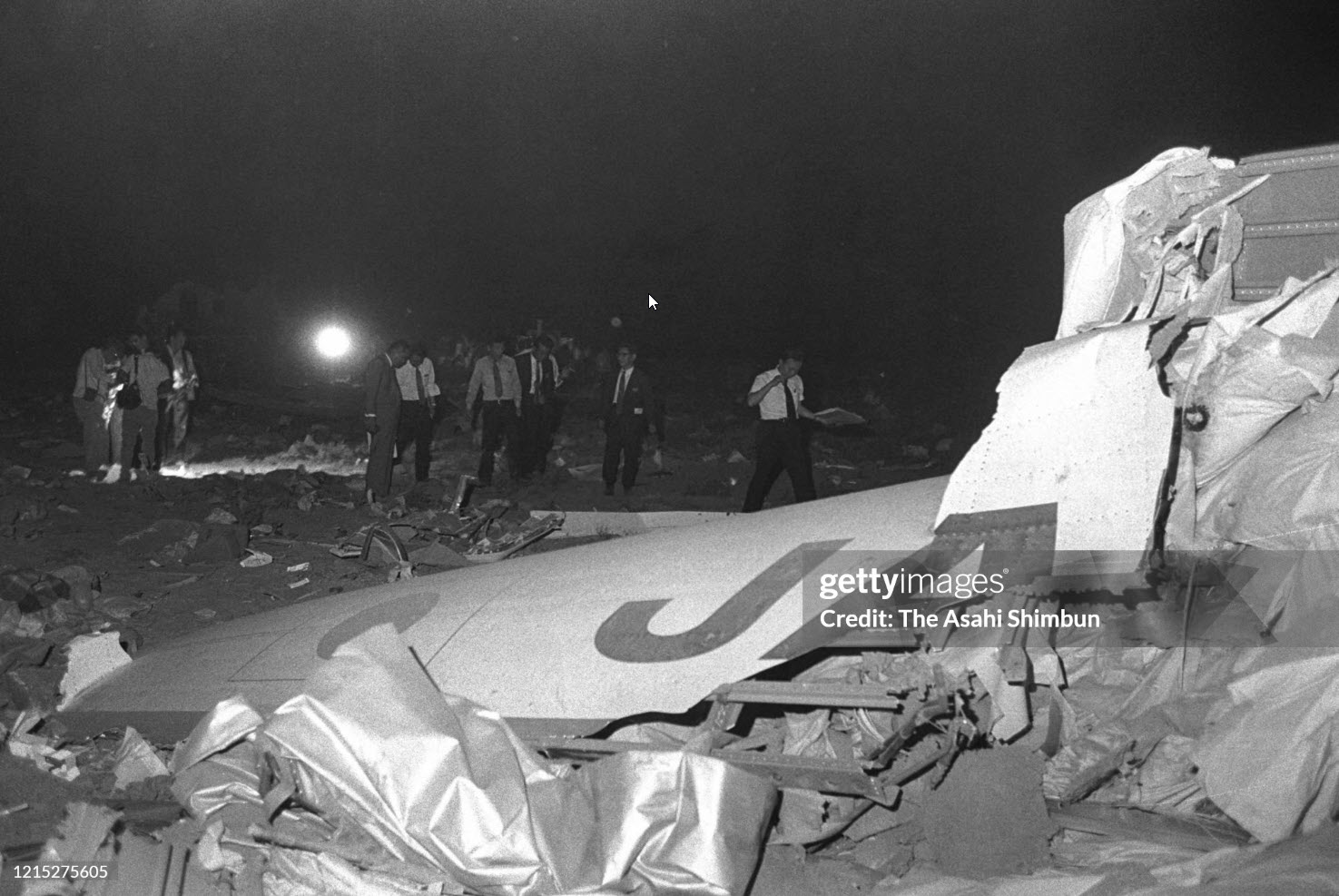
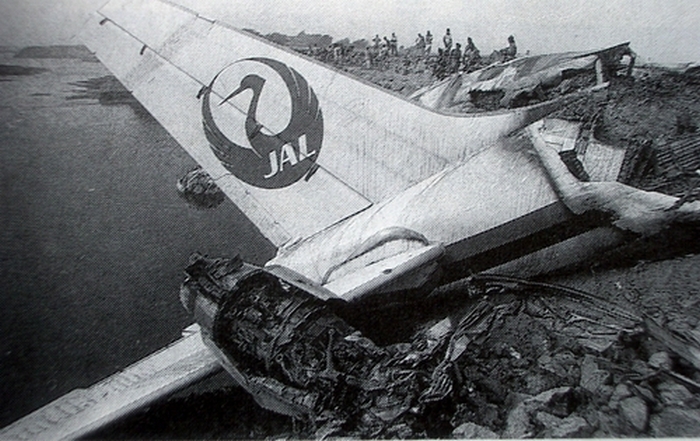
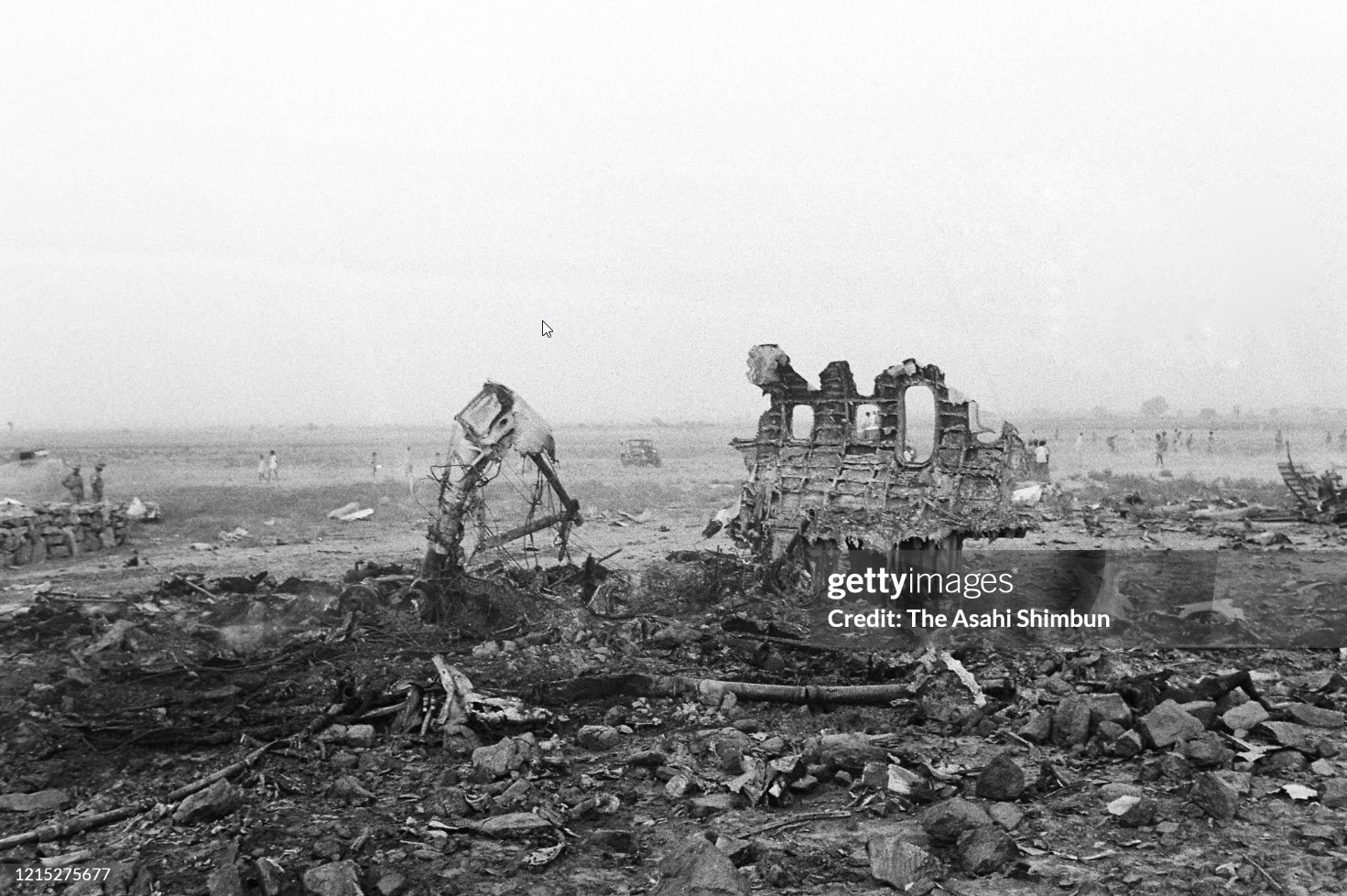
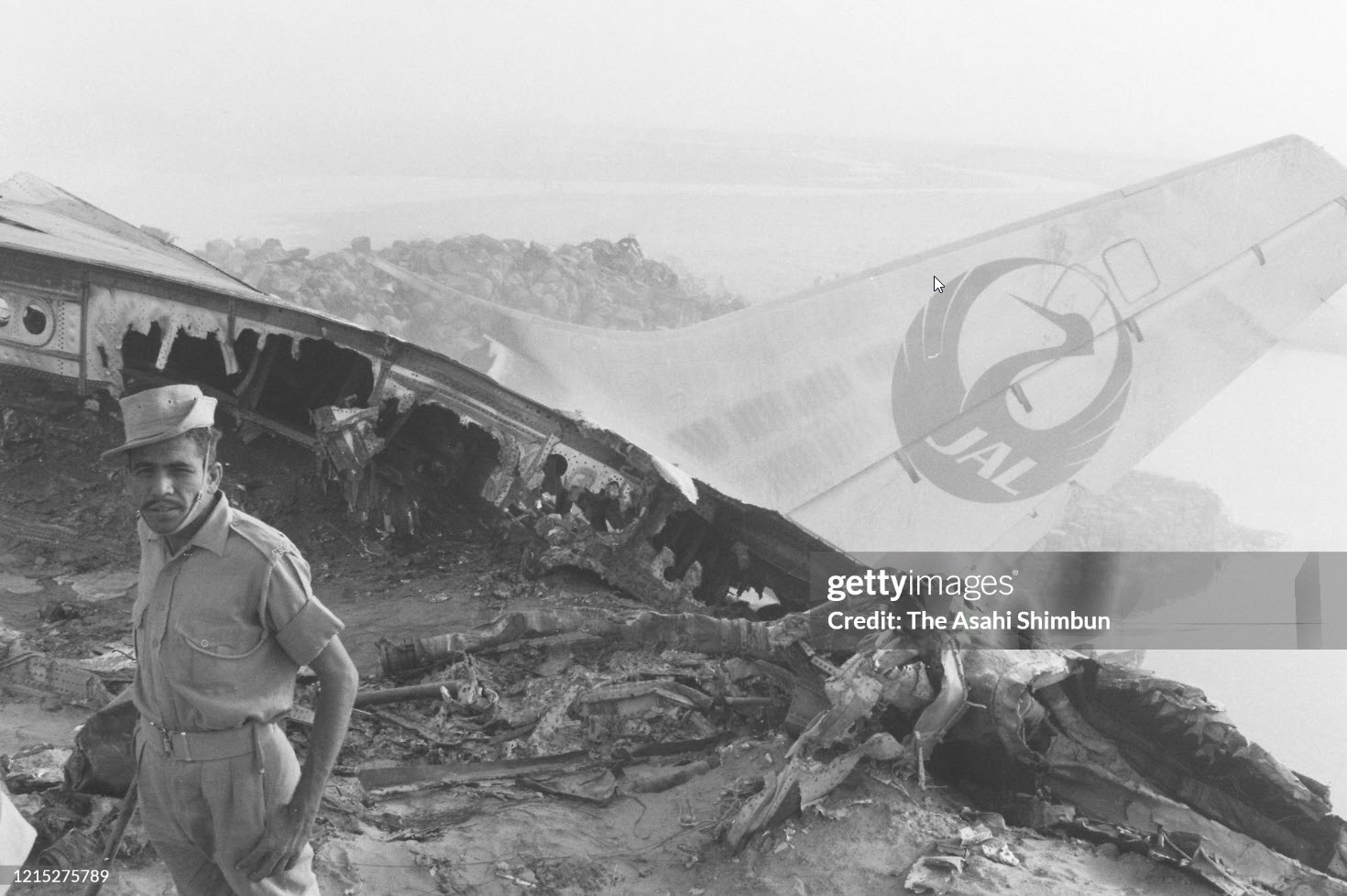
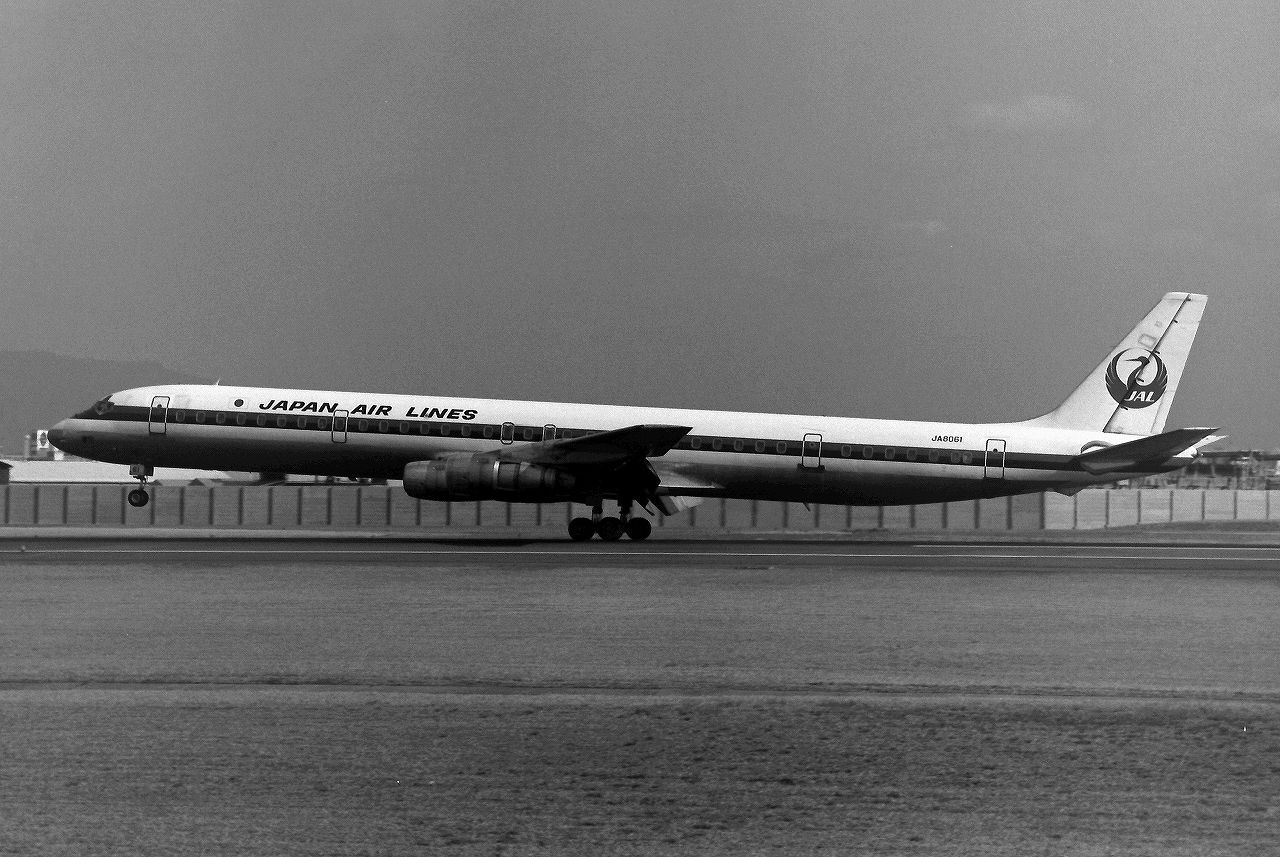
Crash of a Douglas DC-8-61 off Tokyo: 24 killed

Date & Time: Feb 9, 1982 at 0844 LT
Type of aircraft:
Operator:
Registration:
JA8061
Survivors:
Yes
Schedule:
Fukuoka - Tokyo
MSN:
45889/291
YOM:
1967
Flight number:
JL350
Country:
Region:
Crew on board:
11
Crew fatalities:
Pax on board:
166
Pax fatalities:
Other fatalities:
Total fatalities:
24
Aircraft flight hours:
36955
Circumstances:
JAL Flight 350 took off from Fukuoka (FUK) runway 16 at 07:34 for a regular flight to Tokyo-Haneda (HND). The aircraft climbed to the cruising altitude of FL290. At 08:22 the crew started their descend to FL160. After reaching that altitude, they were cleared to descend down to 3000 feet. The aircraft was cleared for a runway 33R ILS approach and 5° of flaps were selected at 08:35, followed by 25 degrees of flaps one minute later. The landing gear was lowered at 08:39 and 50 degrees of flaps were selected two minutes after that. At 08:42 the aircraft descended through 1000 feet at an airspeed of 135 knots with wind from a direction of 360deg at 20 knots. The co-pilot called out "500 feet" at 08:43:25 but the captain did not make the "stabilized" call-out as specified by JAL operational regulations. The airspeed decreased to 133 knots as the aircraft descended through 300 feet at 08:43:50 and the co-pilot warned the captain that the aircraft was approaching the decision height. At 08:43:56 the radio altimeter warning sounded, followed by the flight engineer calling out "200 feet", which was the decision height, three seconds later . At 08:44:01 the aircraft descended through 164 feet at 130 KIAS. At that moment the captain cancelled autopilot, pushed his controls forward and retarded the throttles to idle. The co-pilot tried to regain control but the aircraft crashed into the shallow water of Tokyo Bay, 510 m short of the runway 33R threshold. The nose and the right hand wing separated from the fuselage. The captain had recently suffered a psychosomatic disorder; preliminary reports suggested that the captain experienced some form of a mental aberration. He had been off duty from November 1980 to November 1981 for these reasons.
Probable cause:
Collision with approach lights during an unstabilized approach. Poor crew coordination and wrong approach configuration on part of the captain.
Final Report:
Crash of a Douglas DC-8-62H in Kuala Lumpur: 34 killed

Date & Time: Sep 27, 1977
Type of aircraft:
Operator:
Registration:
JA8051
Survivors:
Yes
Schedule:
Tokyo - Hong Kong - Kuala Lumpur
MSN:
46152
YOM:
1971
Flight number:
JL715
Country:
Region:
Crew on board:
10
Crew fatalities:
Pax on board:
69
Pax fatalities:
Other fatalities:
Total fatalities:
34
Circumstances:
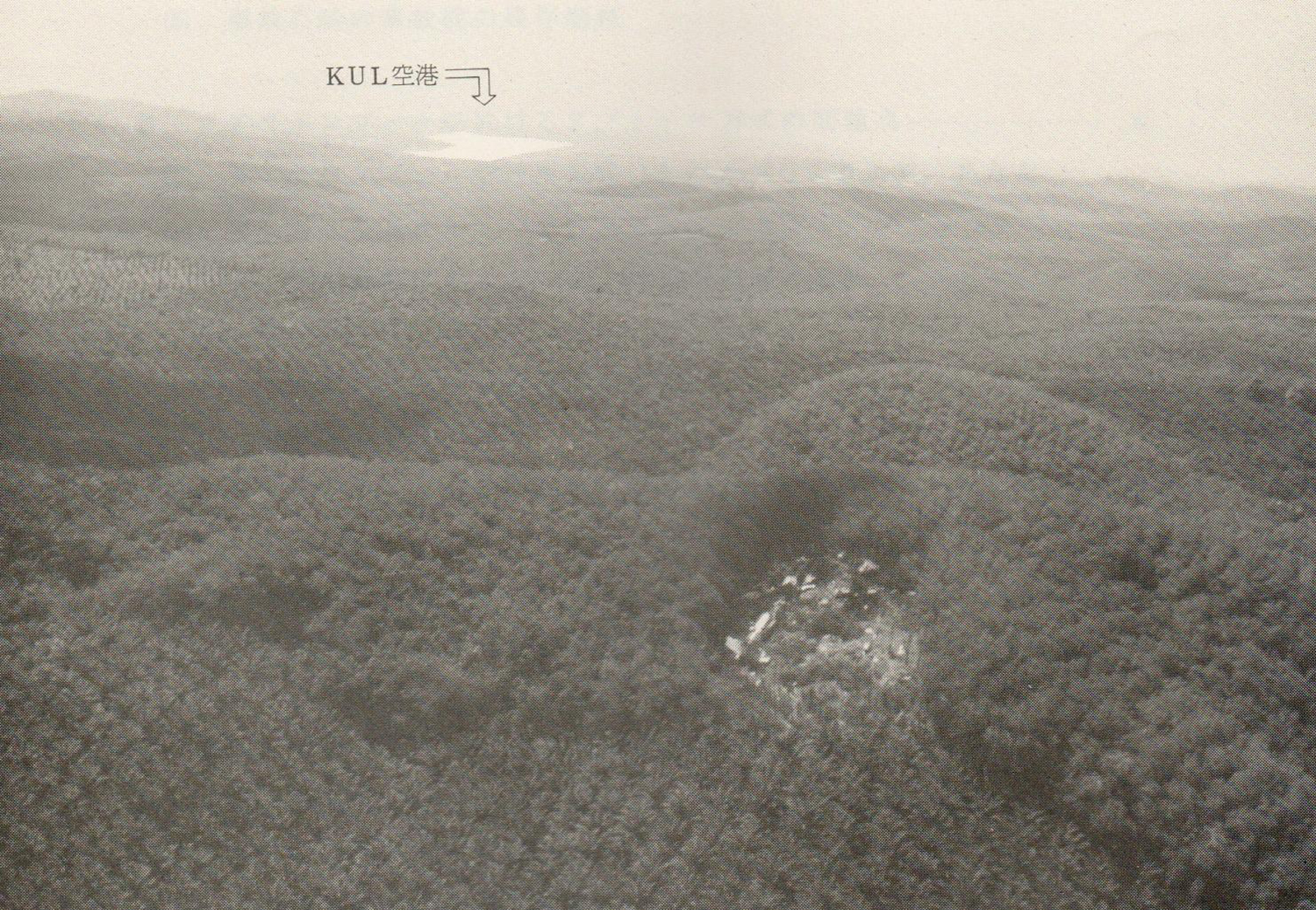
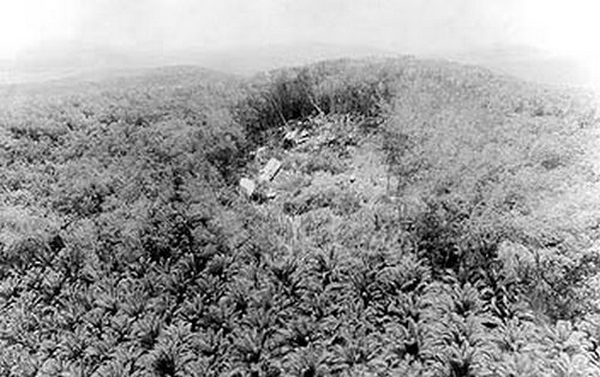
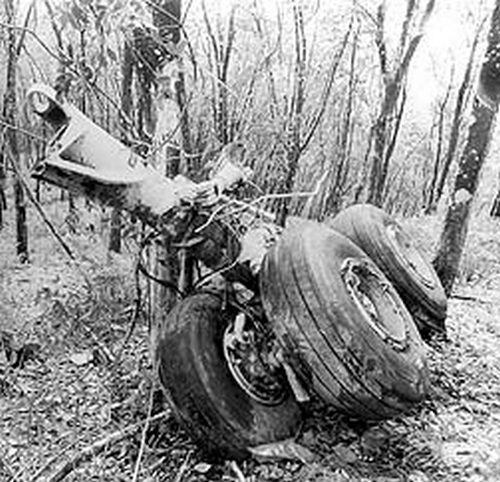
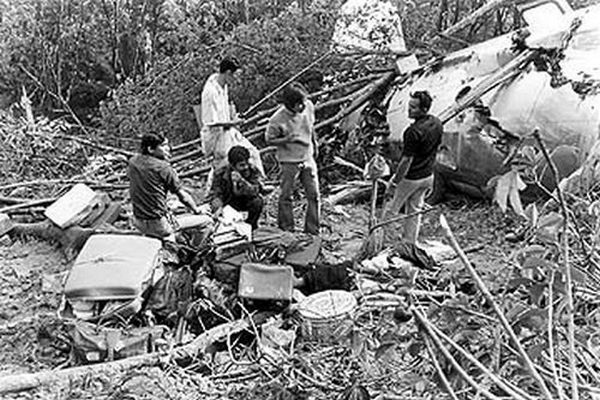
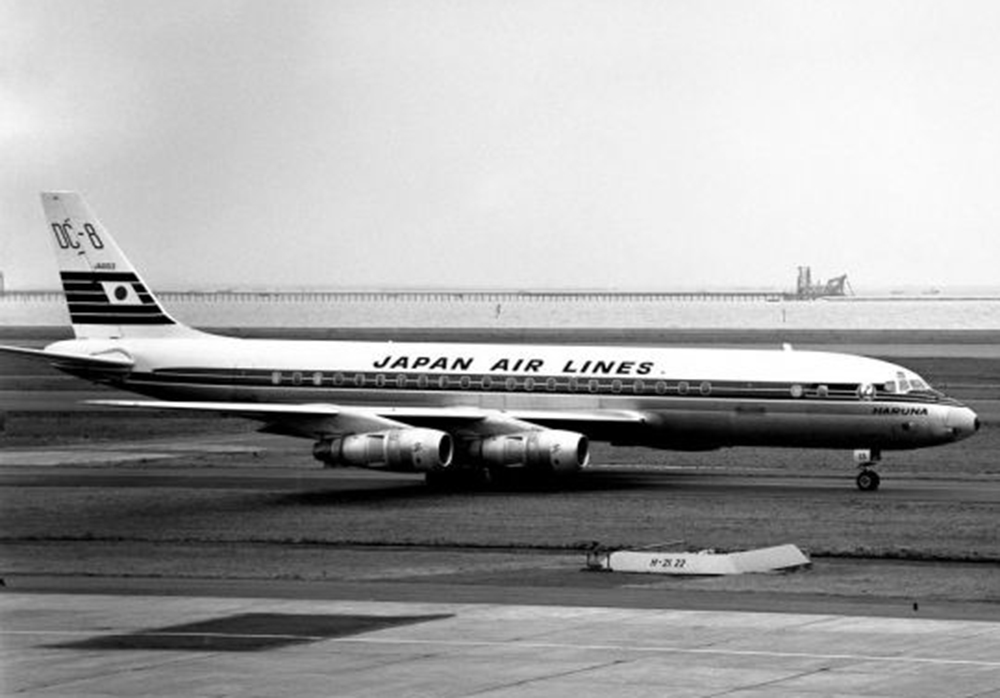
While descending to Kuala Lumpur-Subang Airport on a flight from Tokyo via Hong Kong, the crew encountered poor weather conditions with limited visibility. On final approach, the captain descended below the MDA when the four engine airplane struck tree tops and crashed in a rubber plantation located about 6 km from runway 15 threshold. The aircraft broke into several pieces and 34 occupants were killed, among them eight crew members. All 45 other people were injured.
Probable cause:
The accident was caused by the captain descending below minimum descent altitude without having the runway in sight, and continuing the descent until the aircraft struck terrain four nautical miles short of the runway threshold.
A subsidiary contributory factor was insufficient monitoring of the aircraft's flight path by the captain under the adverse weather conditions with several aircraft in the holding pattern awaiting their turn for approach and, more importantly, the co-pilot's failure to challenge the captain's breach of company regulations.

Crash of a Douglas DC-8-62AF in Anchorage: 5 killed

Date & Time: Jan 13, 1977 at 0635 LT
Type of aircraft:
Operator:
Registration:
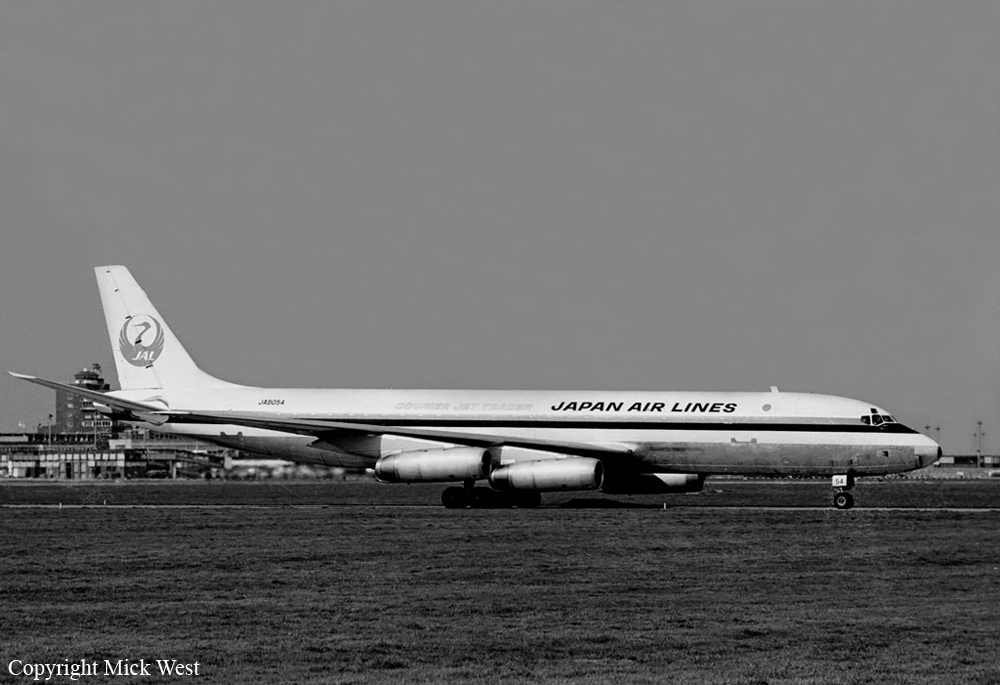
JA8054
Flight Phase:
Flight Type:
Survivors:
No
Schedule:
Moses Lake - Anchorage - Tokyo
MSN:
46148/553
YOM:
1971
Flight number:
JL8054
Crew on board:
5
Crew fatalities:
Pax on board:
0
Pax fatalities:
Other fatalities:
Total fatalities:
5
Captain / Total flying hours:
23252
Captain / Total hours on type:
4040.00
Copilot / Total flying hours:
1603
Copilot / Total hours on type:
1207
Aircraft flight hours:
19744
Circumstances:
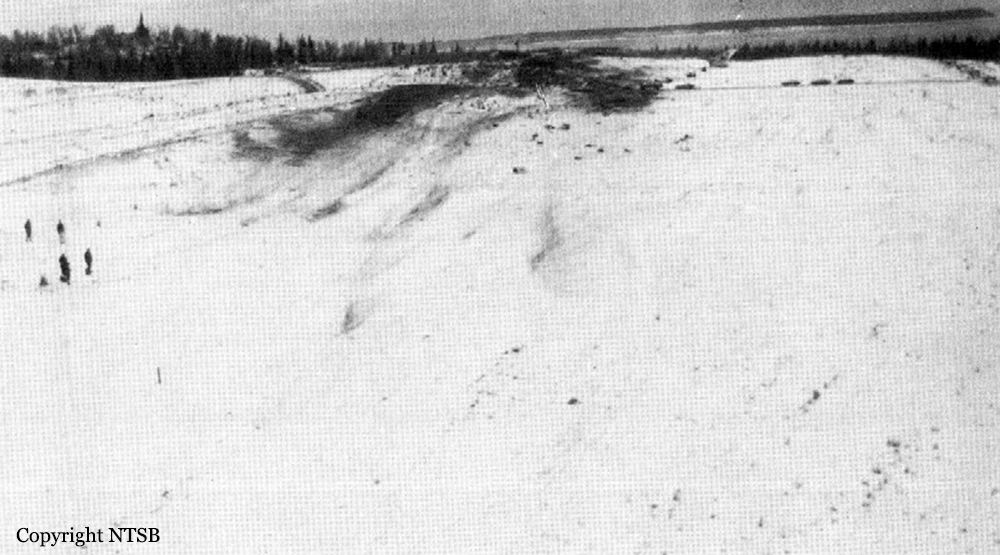
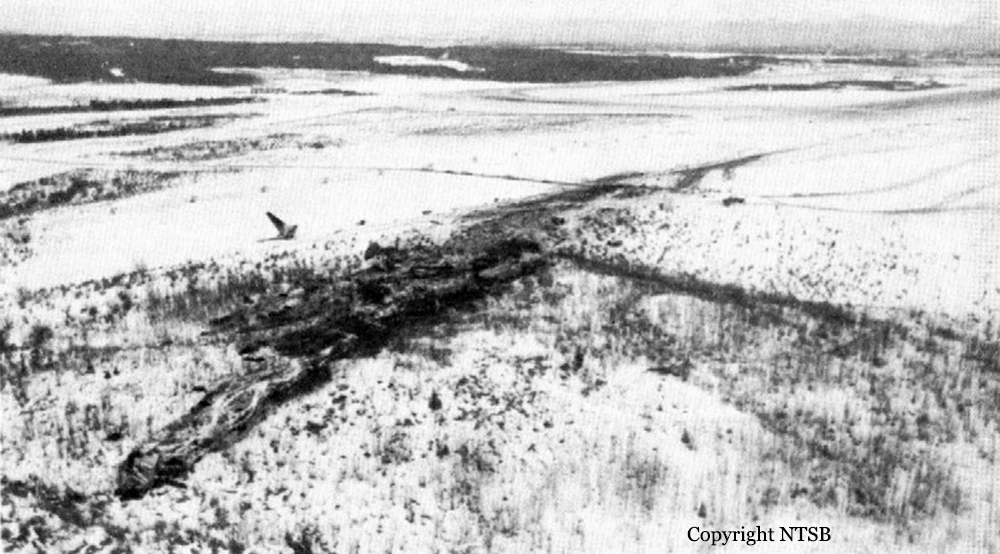
On January 13, 1977, a Japan Air Line (JAL) McDonnell-Douglas DC-8-62F, JA 8054, operated as an international charter cargo flight from Moses Lake, Washington, U.S.A., to Tokyo, Japan. An en route stop and crew change were scheduled at Anchorage, Alaska. The aircraft arrived at Anchorage at 0503. The incoming flightcrew reported that the only weather they encountered en route was a layer of fog on the final approach at 800 feet, and that they did not encounter any precipitation or icing. The aircraft was serviced and a walk-around inspection was performed by JAL maintenance personnel and contract mechanics. The two contract mechanics stated that there was ice on the inlet guide vanes, the engine cowlings, and the engine bullet noses, but no ice was reported on the airfoil surfaces. The JAL personnel stated that they did not see any ice on the aircraft. One contract mechanic advised the JAL representative that the engine anti-icing system should be used by the next crew to clear the ice in the engine inlets. No maintenance was performed on the aircraft. The outbound flightcrew was wakened about 0330, left the hotel by taxi about 0430, and arrived at the JAL dispatch office about 0 0500. The taxicab driver who brought the outbound crew to the airport stated that he became concerned by the captain's actions in the taxi and called his dispatcher to report his impressions. He stated that the captain's movements were uncoordinated; that his face was flushed and his eyes were glazed; that his conversation was garbled and incoherent; that his movements were jerky and unstable; and that he had trouble getting out of the cab and had to steady himself on the car door. About 0450 the taxi dispatcher called the operations agent for the contract maintenance company and reported that one of her drivers had taken an "intoxicated" JAL captain to the airport. The operations agent stated that "...it seemed logical that JAL would detect anything unusual and act accordingly." He further stated that a 0620, he notified his line manager of the conversation with the taxi dispatcher and that "I felt that if the captain was intoxicated JAL OPS...or his first officer would have stopped the flight immediately." The JAL dispatch personnel and the inbound JAL crew stated that they noted nothing unusual about the outbound crew. The dispatch briefing proceeded smoothly and no significant questions were asked by the outbound crew. The outbound crew consisted of an American captain and a Japanese first officer and flight engineer. They went to the aircraft about 0515 and boarded the aircraft with the two cattle handlers. The driver of the crew car, a friend of the captain, stated that "...he was in good condition as far as way's I've seen him sometimes and I made that statement before I ever heard any rumors that he was supposedly drunk or had been partying or whatever." A review of the cockpit voice recorder (CVR) indicated that about 0603 the captain and first officer were checking the inputs to the inertial navigation system. They also checked the Automatic Terminal Information Service (ATIS) for local visibility, received their clearance, and began their prestart checklists about 0609. The weather on the ATIS report was in part: "...sky partially obscured, visibility one-quarter mile, fog...". The checklists were completed and the takeoff data reviewed. About 0615 the engines were started and the stickshaker (stall warning system) was tested. The after-start checklist was completed and the aircraft was cleared to taxi to runway 24L. During the taxi, the flight engineer requested and received permission from the captain to turn the engine anti-ice system on because of the ice on the inlet guide vanes. The flight controls and spoilers were checked while taxiing and the flaps were extended to 23°. The taxi checklist was completed and the takeoff data, the flap settings, and the trim settings were again reviewed. The captain, in response to the challenge "anti-ice, de-ice, and rain removal," said, "Ok, we will use engine anti-ice." The de-ice system was reported "off'' by the flight engineer. The captain briefed the crew on the takeoff and abort procedures he would use. He commented that the runway was slippery and he didn't think they would abort. The captain taxied the aircraft southeast on the ramp, past the terminal toward runway 24L. He stopped on the ramp after being instructed to hold short of runway 24R. After several communications with the controller, the aircraft taxied onto runway 24R, and reported ''...ready for takeoff." The tower advised the captain that he was on runway 24R which the captain contradicted. The controller then issued taxi instructions to get the aircraft to runway 24L. The captain made a 180° turn on runway 24R before he finally taxied to the taxiway which leads to the approach end of runway 24L. The crew again reported that they were ready for takeoff at 0633:37. Takeoff was initiated and at 0634:32 the captain called "maximum power". At 0634:50 the captain announced, "I have" and at 0634:52, "80" (knots) was called by the copilot. At 0635:10, "Vee one" was called by the copilot and at 0635:16 rotation was called and acknowledged by the captain. At 0635:19.5 the captain called "Ten degrees" and at 0635:21.4 the first officer called V2. At 0635:26.2 a sound similar to aircraft buffet was recorded. This sound became more frequent and continued until the sounds of impact. At 0635:32 the first officer called "Gear up" and at 0635:33 the flight engineer said "Too much speed (steep)".' At 0635: 38 the engineer called "stall" simultaneously the stickshaker sounded and continued until 0635:39.3, when impact was recorded. A witness near the departure end of the runway saw the aircraft climb to an estimated altitude of about 100 feet above the ground, veer to the left, and then slide '... out of the air." The aircraft was totally destroyed upon impact and all five occupants were killed as well as the 56 cows.
Probable cause:
The probable cause of the accident was a stall that resulted from the pilot's control inputs aggravated by airframe icing while the pilot was under the influence of alcohol. Contributing to the cause of this accident was the failure of the other flightcrew members to prevent the captain from attempting the flight.
Final Report:
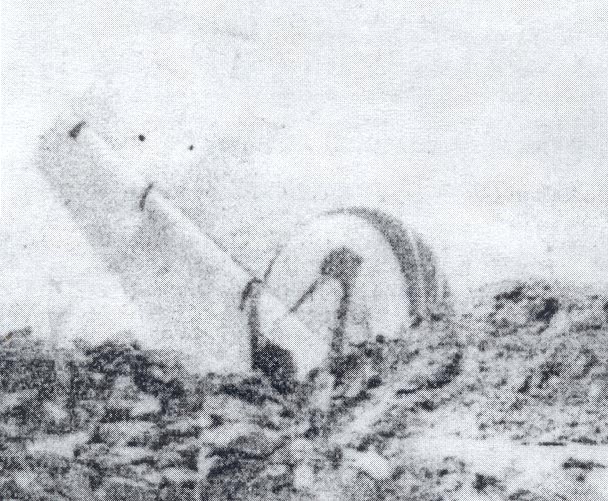
Crash of a Douglas DC-8-62 in Moscow: 61 killed

Date & Time: Nov 28, 1972 at 1951 LT
Type of aircraft:
Operator:
Registration:
JA8040
Flight Phase:
Survivors:
Yes
Schedule:
Copenhagen - Moscow - Tokyo
MSN:
46057
YOM:
1969
Flight number:
JL446
Country:
Region:
Crew on board:
14
Crew fatalities:
Pax on board:
62
Pax fatalities:
Other fatalities:
Total fatalities:
61
Circumstances:
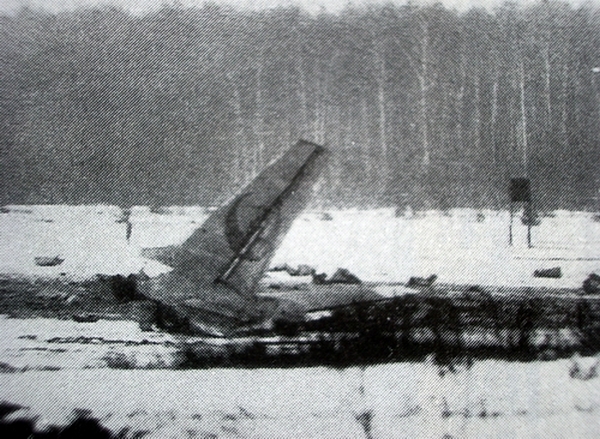
A McDonnell Douglas DC-8-62 passenger plane, JA8040, was destroyed when it crashed on takeoff from Moscow's -Sheremetyevo Airport (SVO), Russia. Five of the 14 crew members and ten of the 62 passengers survived the accident. JAL flight JL446 was a scheduled international flight from Copenhagen (CPH), Denmark to Tokyo-Haneda (HND), Japan with an en route stop in Moscow. The flight to Moscow was uneventful and the airplane landed at 18:17. After servicing of the aircraft startup and taxi clearance was received at 19:38. JL446 was cleared for takeoff from runway 25 at 19:49. On takeoff the DC-8 climbed to 100 m with a supercritical angle of attack and lost height abruptly. It hit the ground and burst into flames.
Probable cause:
The cause of the disaster to aircraft DC-8-62 JA-8040 resided in the fact that during take-off and following attainment of the safety speed V2, the crew put the aircraft into a supercritical angle of attack which resulted in loss of speed and altitude. The aircraft's assumption of supercritical angles of attack was the consequence of one of the following circumstances:
- Inadvertent extension of the spoilers in flight, leading to a fall in the maximum value of the lift ratio and an increase in drag;
- Loss of control of the aircraft by the crew in conditions associated with malfunctioning of the No. 1 or No. 2 engine consequent upon possible ice formation on the engine intake at a time when the de-icing system was switched off.
The anomalies in the functioning of the engines observed by the crew and other witnesses may have arisen after the aircraft had assumed a supercritical angle of attack with the spoilers extended.
Final Report:
Crash of a Douglas DC-8-53 in Bombay

Date & Time: Sep 24, 1972 at 0646 LT
Type of aircraft:
Operator:
Registration:
JA8013
Survivors:
Yes
Schedule:
Frankfurt – Rome – Beirut – Tehran – Bombay – Bangkok – Tokyo
MSN:
45681/214
YOM:
1964
Flight number:
JL472
Country:
Region:
Crew on board:
14
Crew fatalities:
Pax on board:
108
Pax fatalities:
Other fatalities:
Total fatalities:
0
Circumstances:
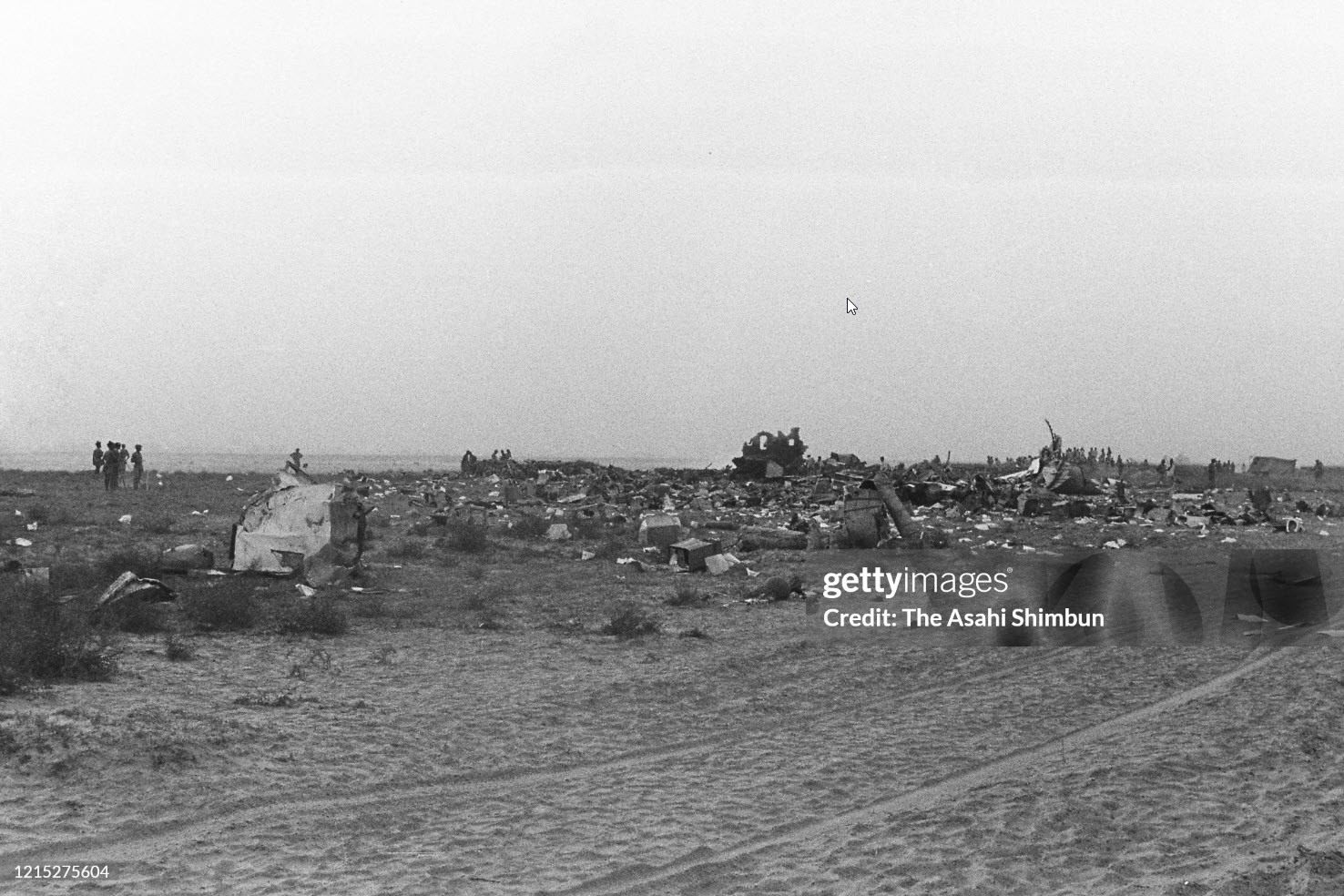
On approach to Bombay by night, the crew encountered poor weather conditions with rain falls and limited visibility to 1,500 meters. Following a succession of errors, the crew completed the approach to Bombay-Juhu Airport runway 08 (1,143 meters long) instead of Bombay-Santa Cruz International Airport runway 09. After touchdown, the airplane was unable to stop within the remaining distance, overran and came to rest in flames into a ravine. All 122 occupants were evacuated, 9 of them were injured. The aircraft was damaged beyond repair.

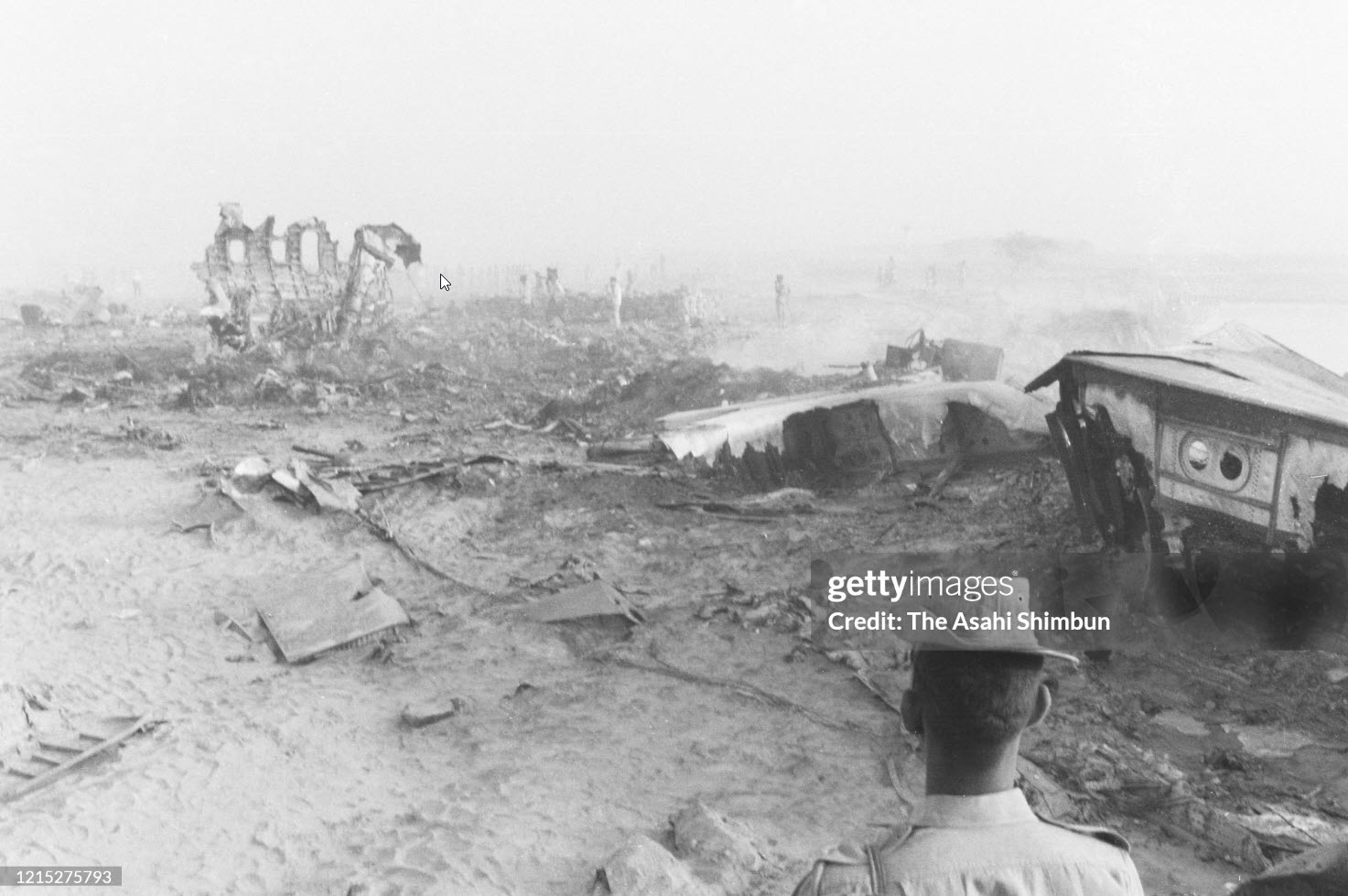
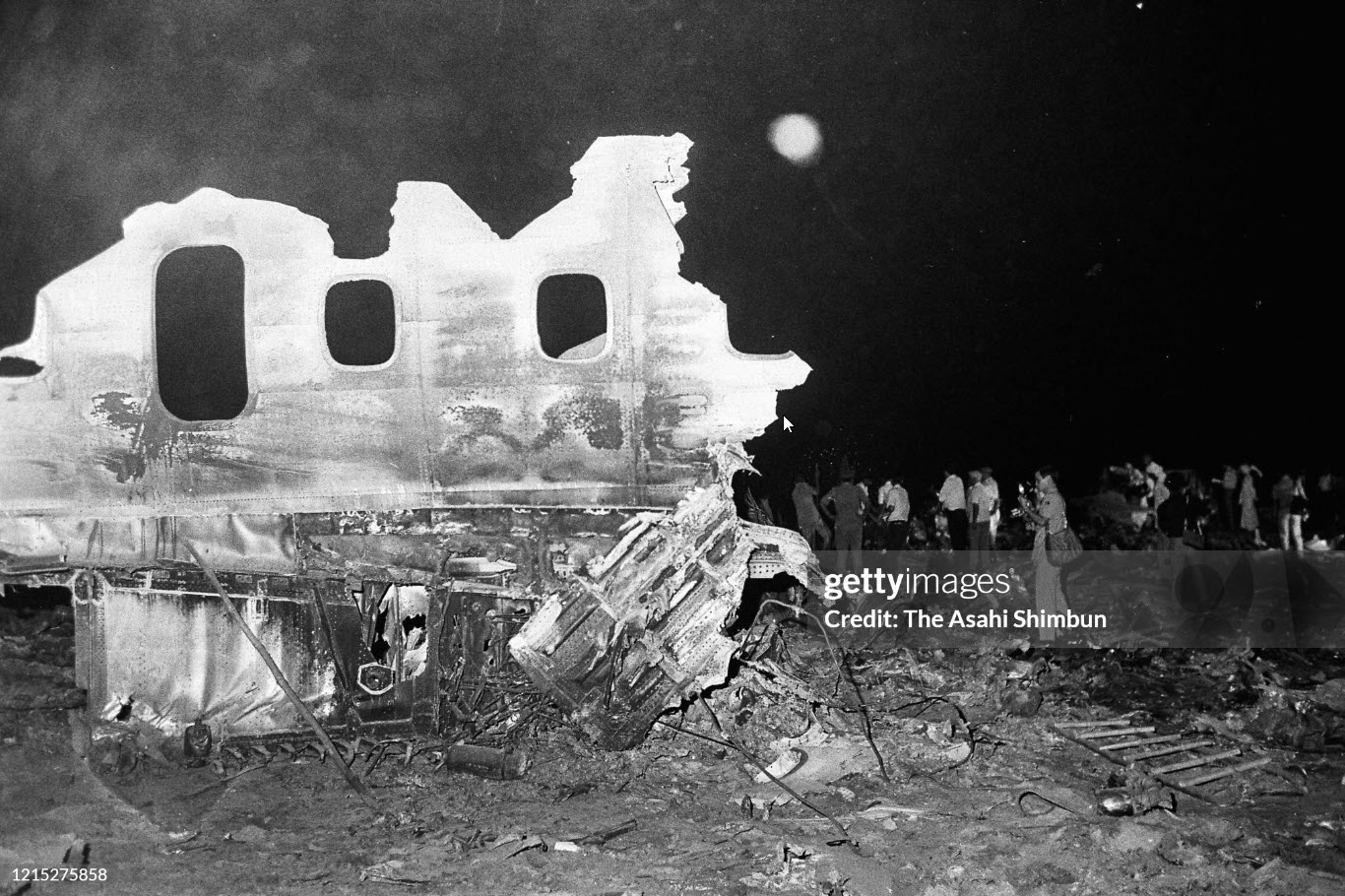
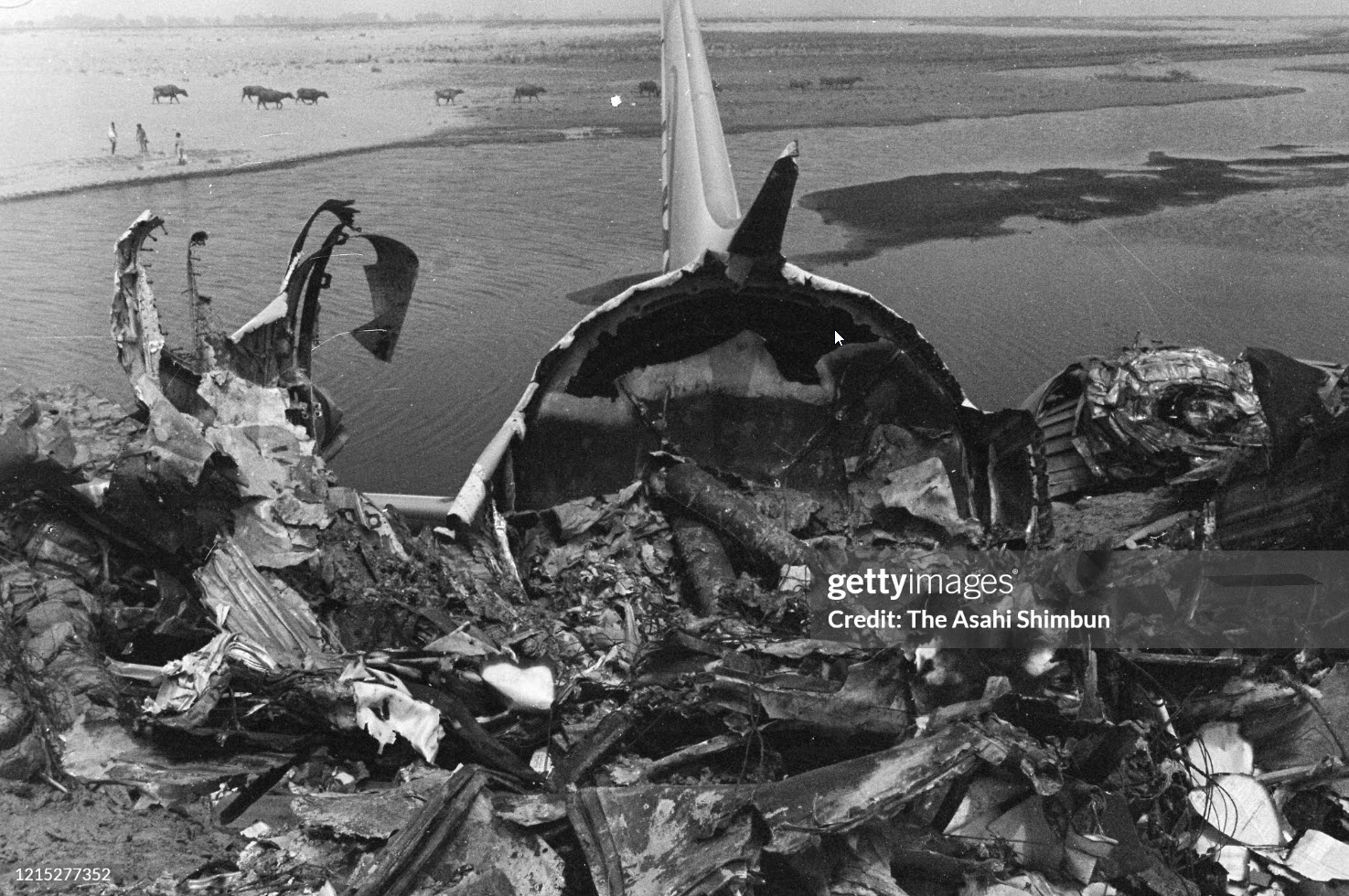
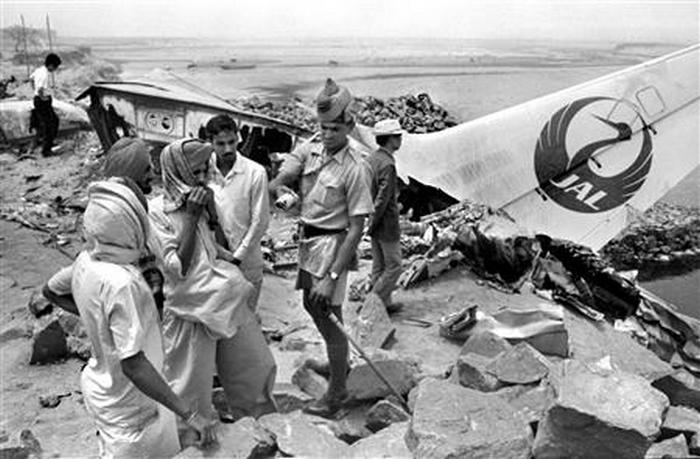
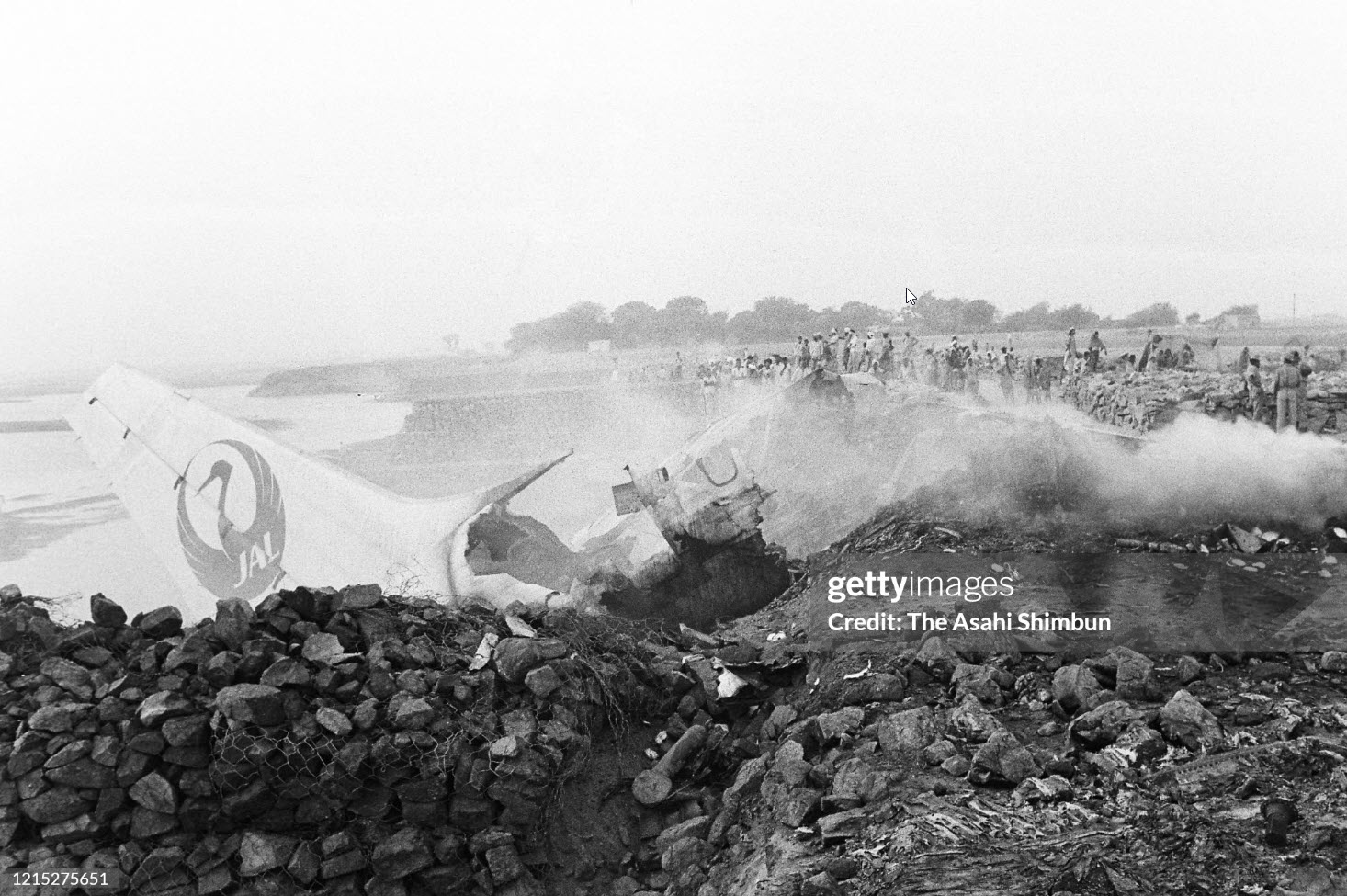
Crash of a Douglas DC-8-53 in New Delhi: 86 killed

Date & Time: Jun 14, 1972 at 2018 LT
Type of aircraft:
Operator:
Registration:
JA8012
Survivors:
Yes
Schedule:
Tokyo – Bangkok – New Delhi – Tehran – Cairo – Rome – Frankfurt – London
MSN:
45680/213
YOM:
1964
Flight number:
JL471
Country:
Region:
Crew on board:
11
Crew fatalities:
Pax on board:
76
Pax fatalities:
Other fatalities:
Total fatalities:
86
Circumstances:
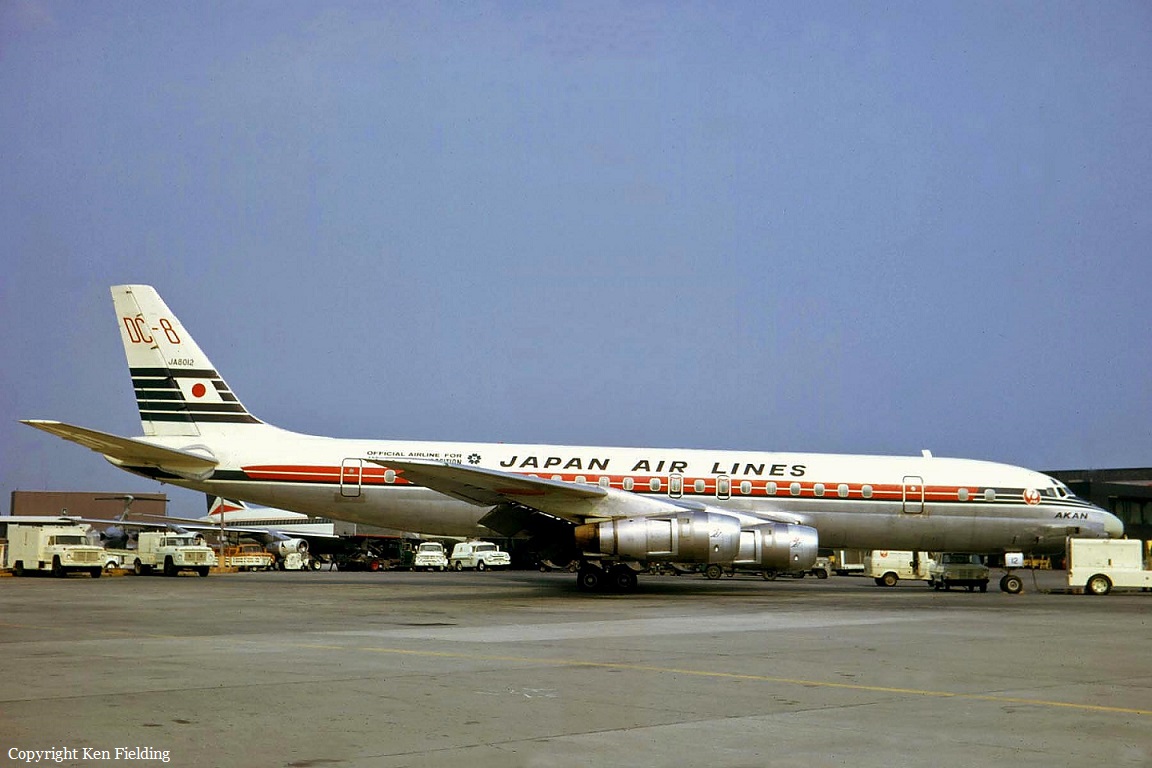
During a night approach to runway 28 at New Delhi-Palam Airport, the crew failed to realize his altitude was too low when the airplane struck several houses and crashed in flames on the west shore of the Yamuna River, some 22 km east of the airport. Ten crew members and 72 passengers as well as four people on the ground were killed. Five other occupants were injured. The aircraft was totally destroyed by impact forces and a post crash fire. At the time of the accident, the copilot was the pilot-in-command.
Probable cause:
Japanese investigators claimed a false glide path signal to be responsible for the descent into terrain. Indian investigators say the accident was caused by a total disregard of laid down procedures by the crew and abandoning all instrument indications without properly ensuring sighting of the runway.

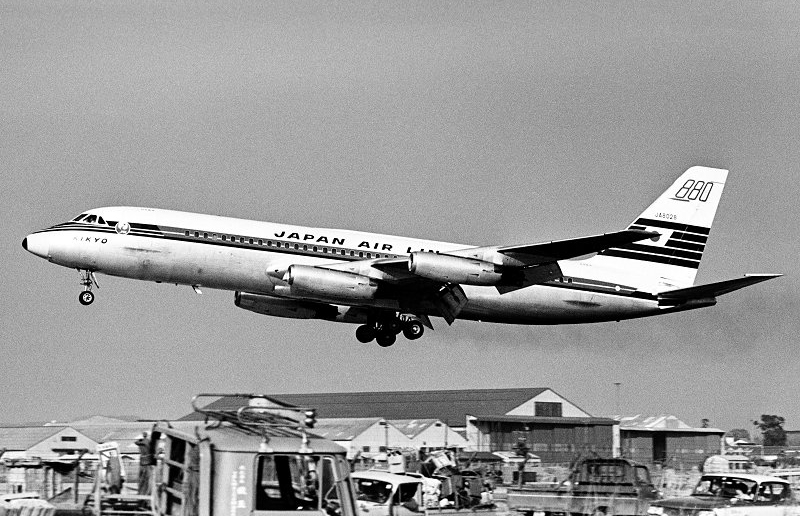
Crash of a Convair CV-880-22M-3 in Moses Lake: 3 killed

Date & Time: Jun 24, 1969 at 1603 LT
Type of aircraft:
Operator:
Registration:
JA8028
Flight Phase:
Flight Type:
Survivors:
Yes
Schedule:
Moses Lake - Moses Lake
MSN:
22-00-49M
YOM:
1963
Flight number:
JL090
Crew on board:
5
Crew fatalities:
Pax on board:
0
Pax fatalities:
Other fatalities:
Total fatalities:
3
Captain / Total flying hours:
7613
Captain / Total hours on type:
25.00
Copilot / Total flying hours:
2773
Copilot / Total hours on type:
32
Aircraft flight hours:
14278
Circumstances:
Shortly after liftoff, the flight instructor reduced power on engine n°4 to check the trainee’s emergency procedures, and the aircraft began to yaw to the right. This yaw-continued to increase until, at a point approximately 6,500 feet down the runway, the right wing went down and the No. 4 engine pod made contact with the runway. In a severe sideslip to the right, the aircraft slid off the runway and thence in a northerly direction through 2,600 feet of rough terrain, breaking up and bursting into flames before it came to rest on an easterly heading. Four crew members escaped from the burning aircraft through a break in the fuselage, but of these four, only two survived. The body of one trainee was later found in the burned cockpit area. Ground impact and fire after impact almost completely destroyed the airplane.
Probable cause:
Delayed corrective action during a simulated critical-engine-out takeoff maneuver resulting in an excessive sideslip from which full recovery could not be effected.
Final Report:
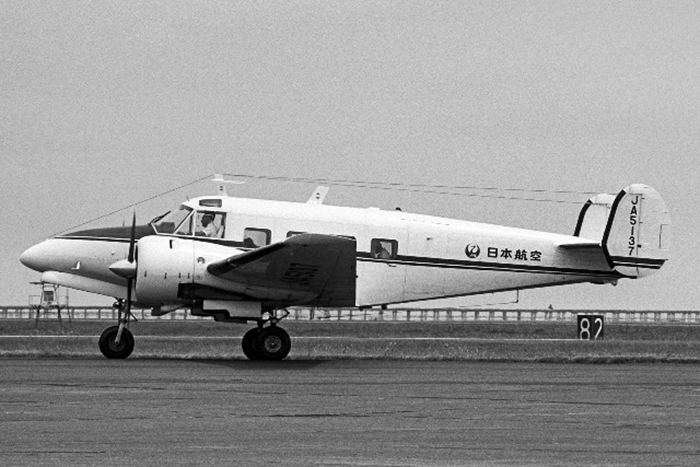
Crash of a Beechcraft H18 in Murayama

Date & Time: Oct 5, 1967 at 1115 LT
Type of aircraft:
Operator:
Registration:
JA5137
Flight Type:
Survivors:
Yes
Schedule:
Yamagata - Yamagata
MSN:
BA-745
YOM:
1967
Country:
Region:
Crew on board:
4
Crew fatalities:
Pax on board:
0
Pax fatalities:
Other fatalities:
Total fatalities:
0
Circumstances:
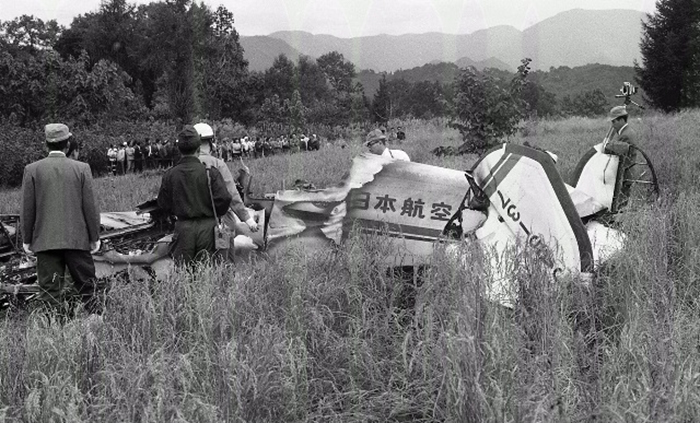
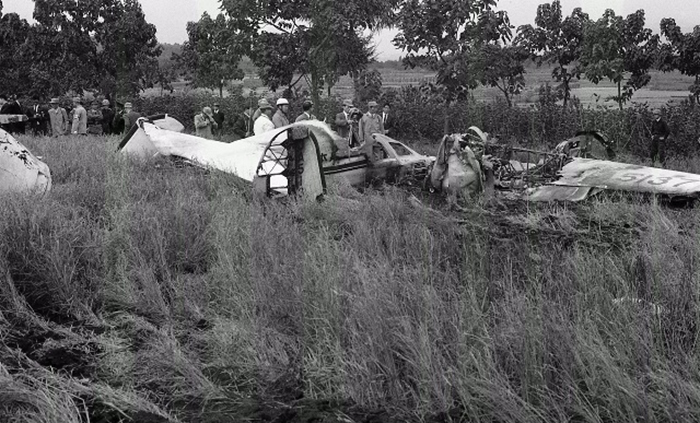
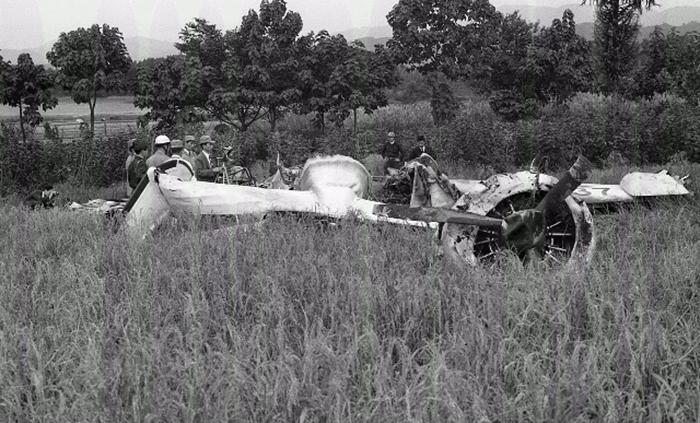
The crew (one instructor and three student pilots) was completing a local training flight at Yamagata Airport. While approaching the airfield from the north, the airplane suffered and engine failure. The instructor elected to make an emergency landing when the airplane crashed in flames in a field located in Murayama, about 11 km north of the airport. All four crew members were slightly injured while the aircraft was destroyed.
Probable cause:
Engine failure in flight.

Crash of a Convair CV-880-22M-22 in Oita

Date & Time: Feb 27, 1965
Type of aircraft:
Operator:
Registration:
JA8023
Flight Phase:
Flight Type:
Survivors:
Yes
Schedule:
Oita - Oita
MSN:
22-00-59
YOM:
1961
Location:
Country:
Region:
Crew on board:
6
Crew fatalities:
Pax on board:
0
Pax fatalities:
Other fatalities:
Total fatalities:
0
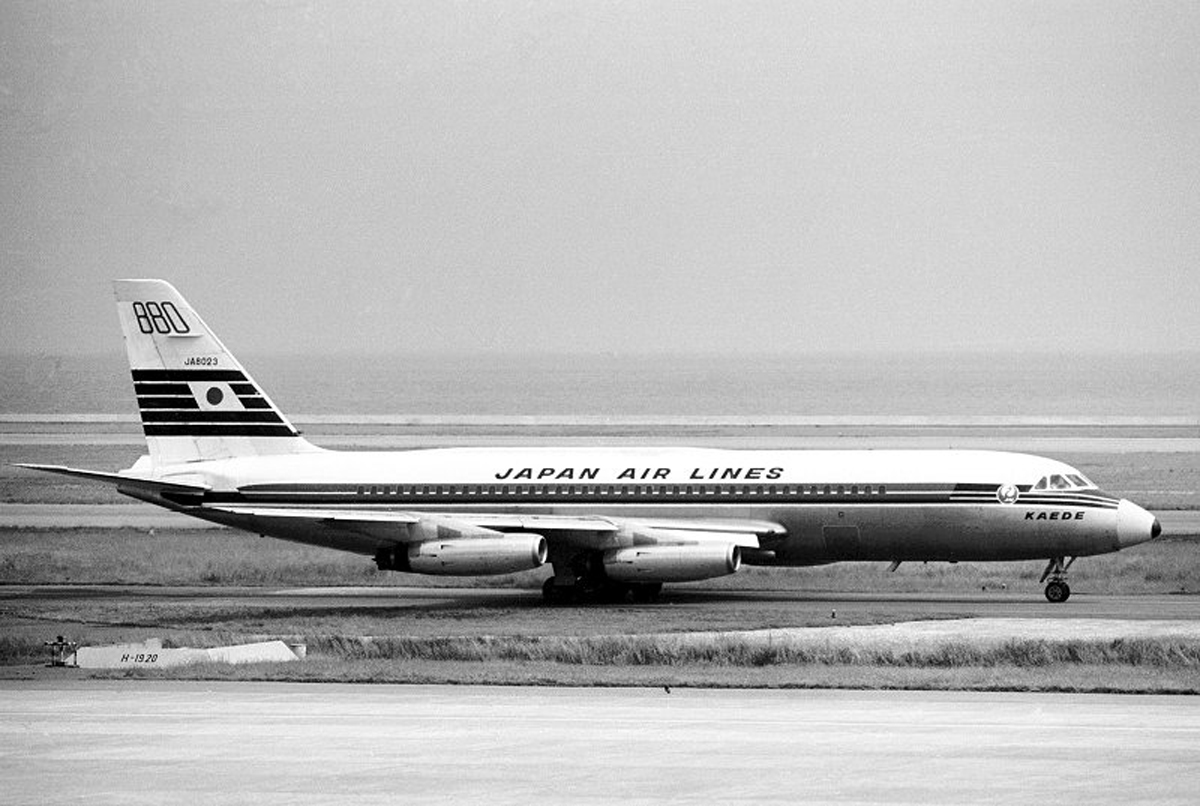
Circumstances:
Shortly after takeoff from Oita-Iki Airport, while in initial climb at a height of 150 feet, the airplane stalled and crashed. All six occupants were evacuated while the aircraft was destroyed. It appears the takeoff was attempted with one engine voluntarily inoperative. The crew apparently underestimated the aircraft performances and was overconfident.

Crash of a Douglas C-54-DO Skymaster in Osaka

Date & Time: Apr 10, 1962
Type of aircraft:
Operator:
Registration:
JA6003
Survivors:
Yes
Schedule:
Fukuoka – Tokyo
MSN:
3115
YOM:
1942
Country:
Region:
Crew on board:
4
Crew fatalities:
Pax on board:
60
Pax fatalities:
Other fatalities:
Total fatalities:
0
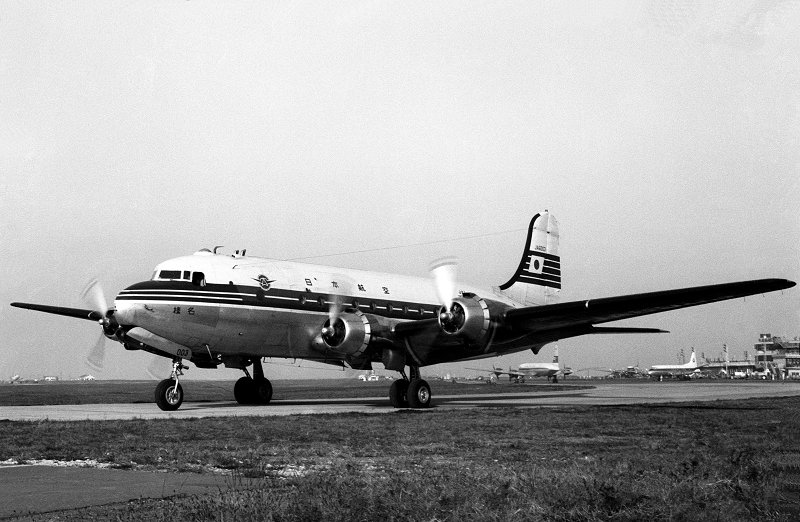
Circumstances:
En route from Fukuoka to Tokyo-Haneda Airport, the crew reported technical problems and decided to divert to Osaka-Itami Airport. The crew completed a wheels up landing and the airplane slid for several yards before coming to rest. All 64 occupants escaped uninjured while the aircraft was damaged beyond repair.