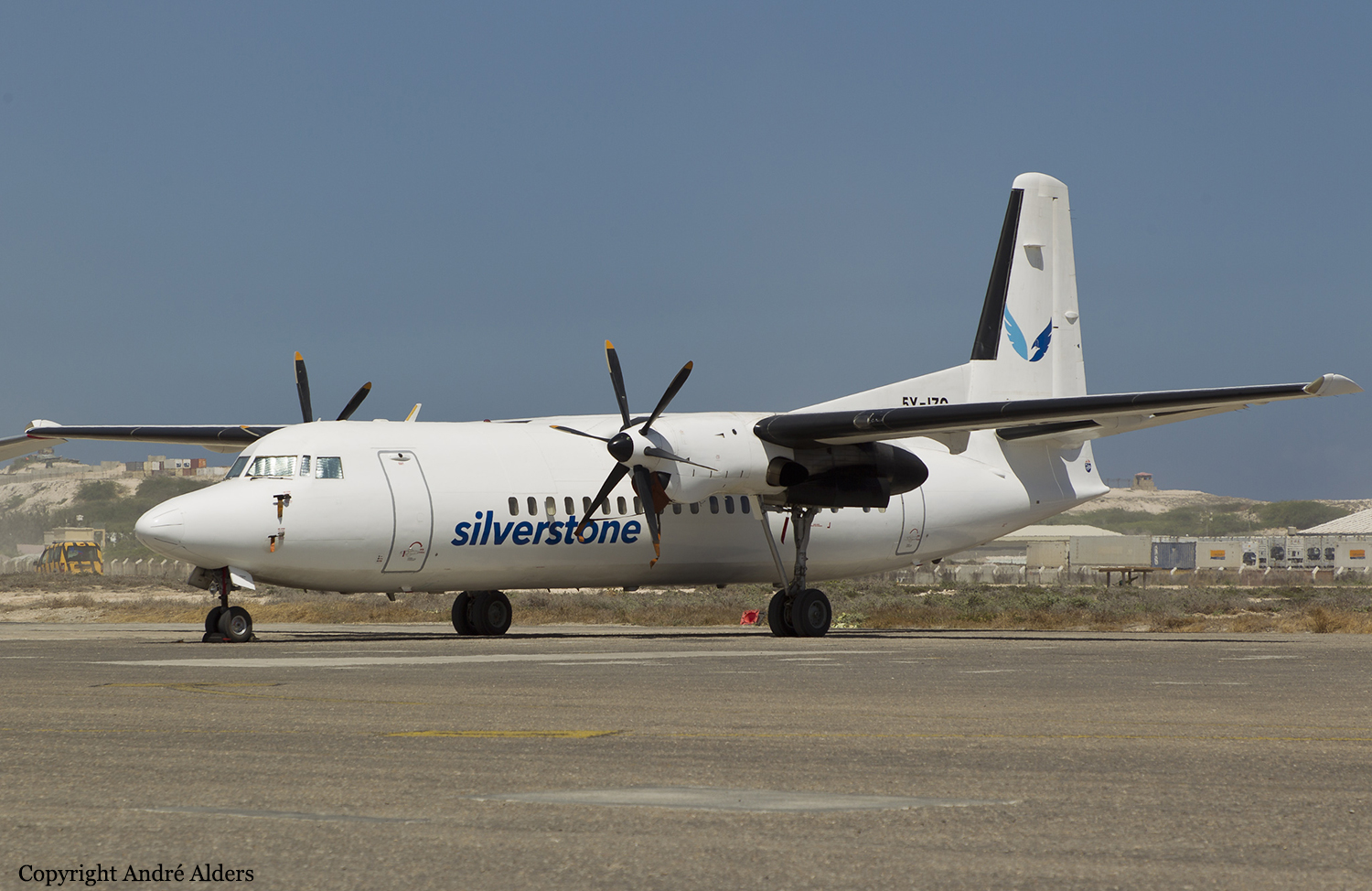
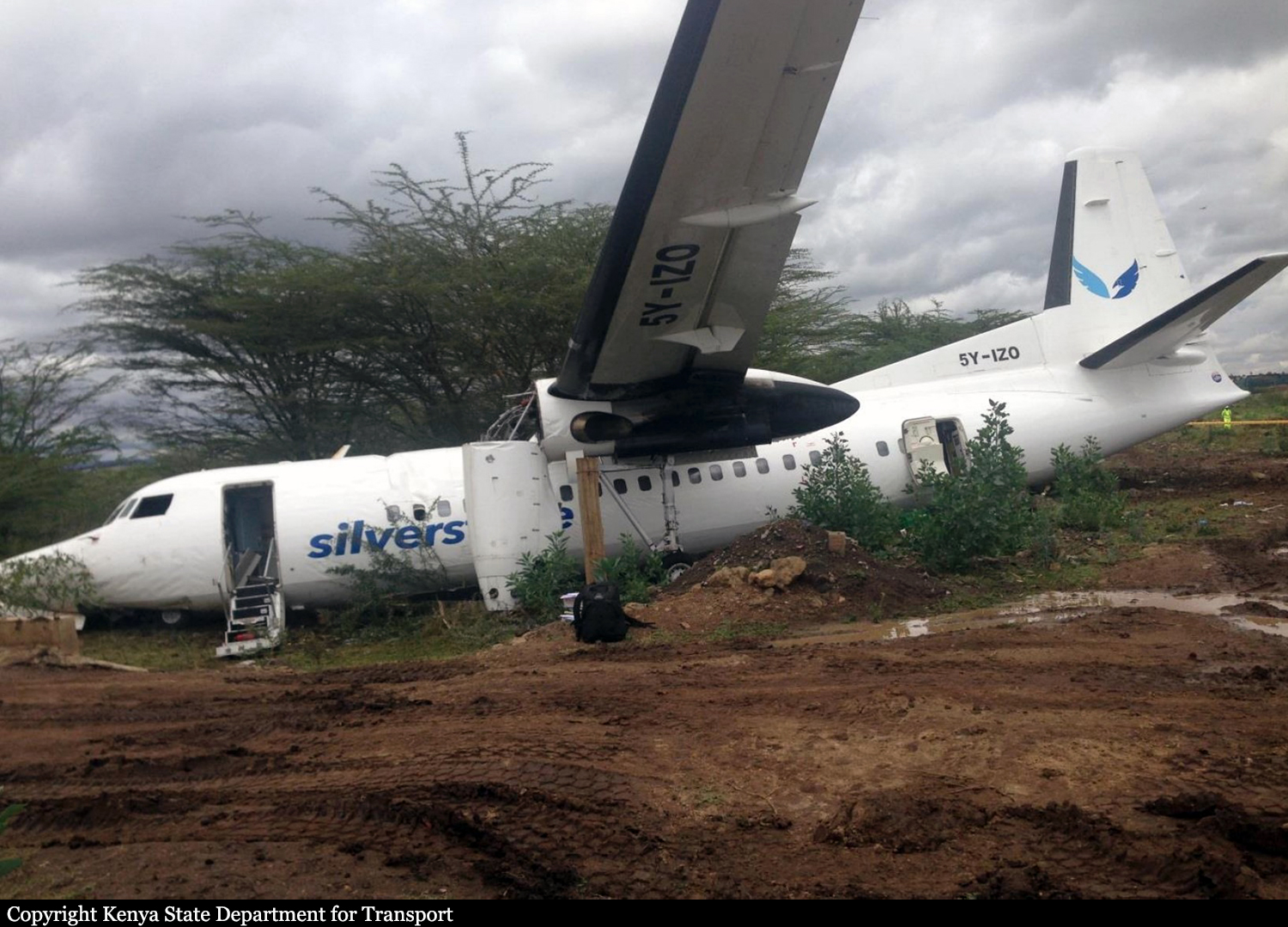
Crash of a Fokker 50 in Nairobi

Date & Time: Oct 11, 2019 at 0902 LT
Type of aircraft:
Operator:
Registration:
5Y-IZO
Flight Phase:
Survivors:
Yes
Schedule:
Nairobi - Mombasa - Lamu
MSN:
20244
YOM:
1992
Country:
Region:
Crew on board:
5
Crew fatalities:
Pax on board:
50
Pax fatalities:
Other fatalities:
Total fatalities:
0
Captain / Total flying hours:
7492
Captain / Total hours on type:
262.00
Copilot / Total flying hours:
4156
Circumstances:
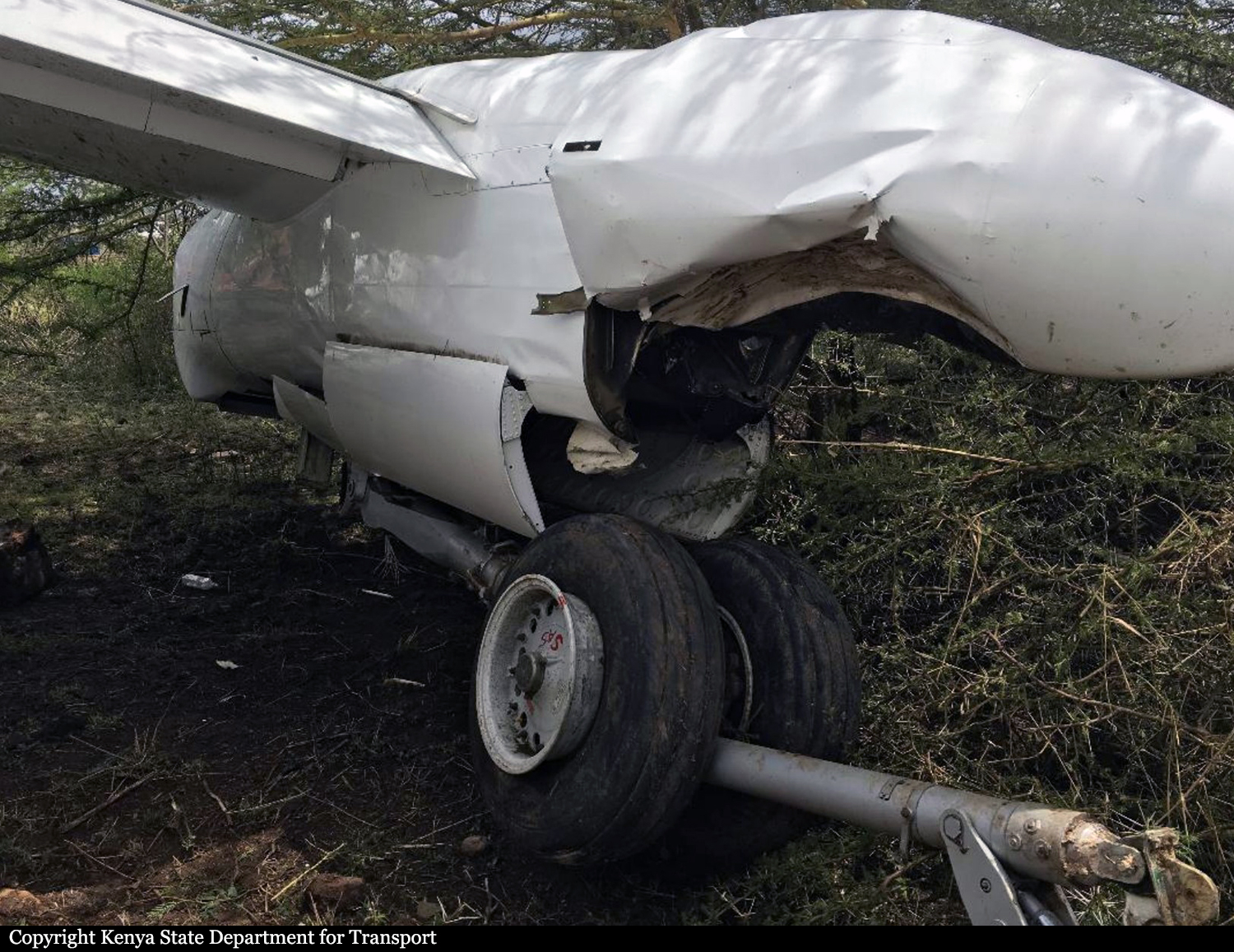
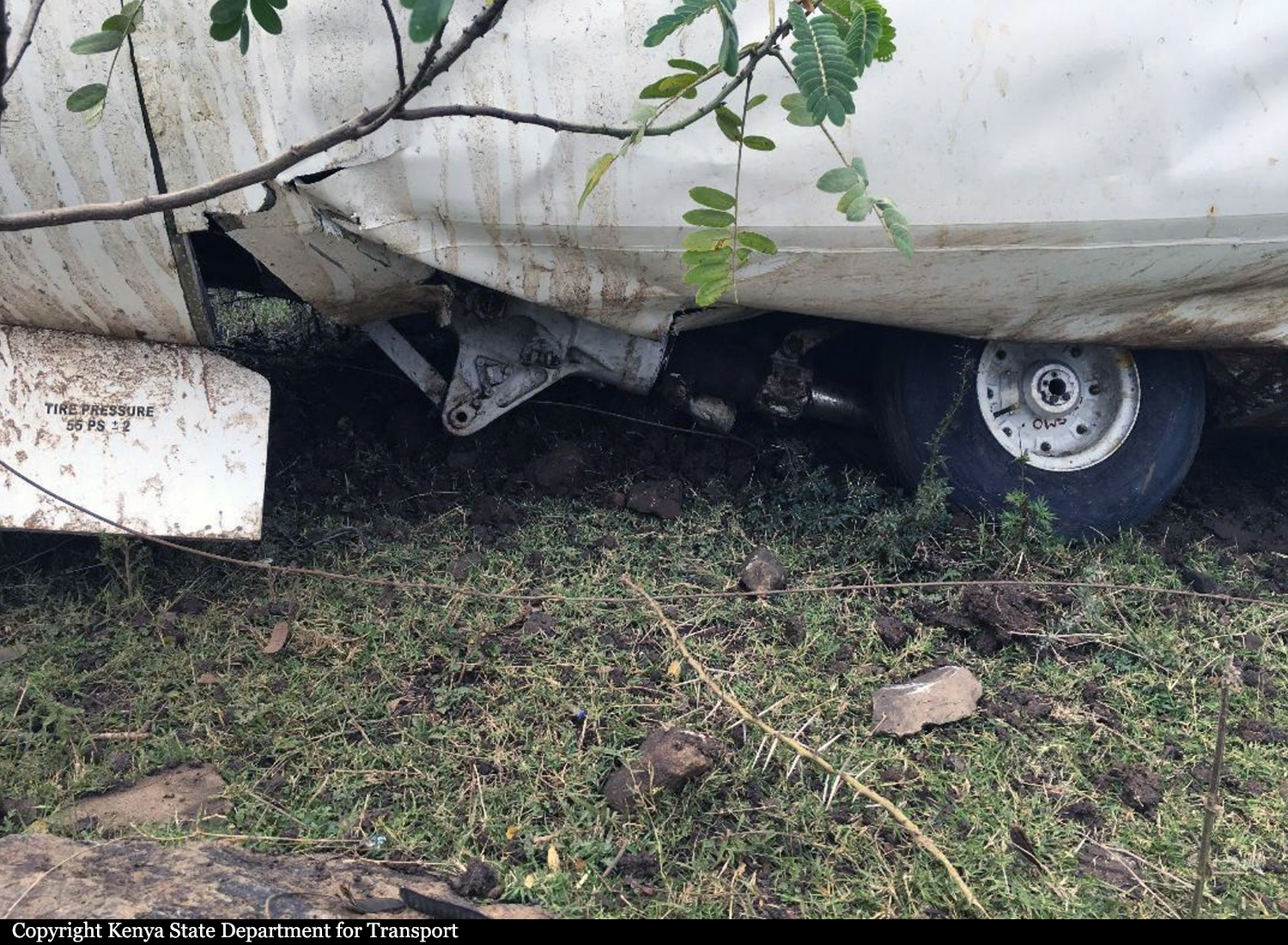
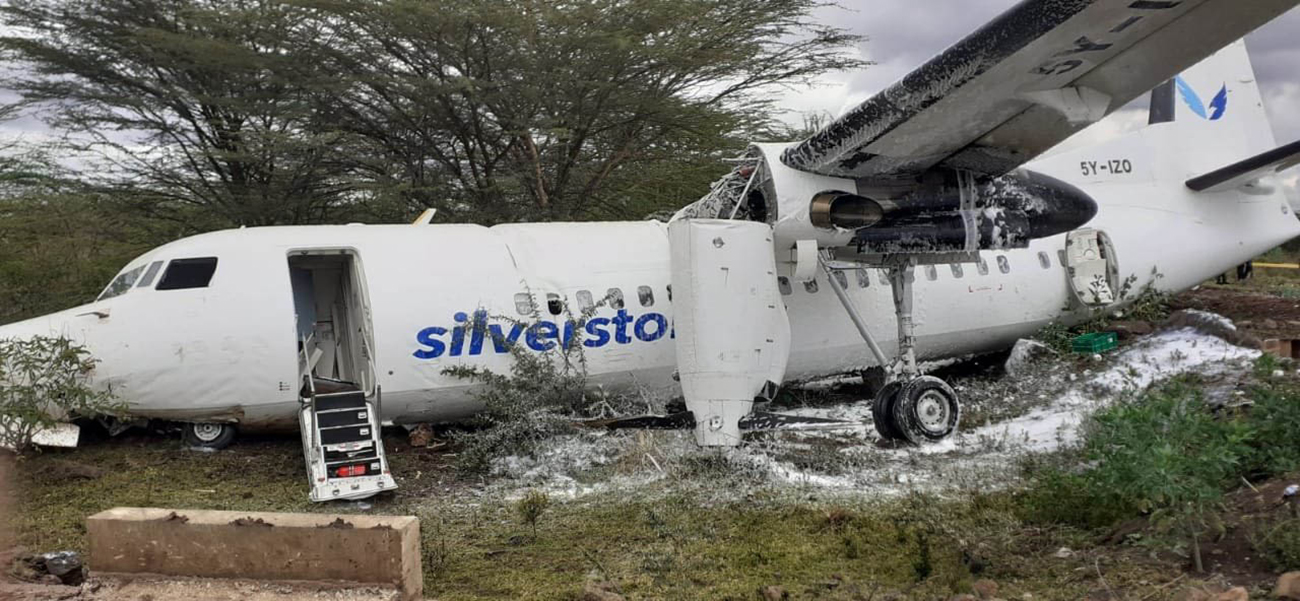
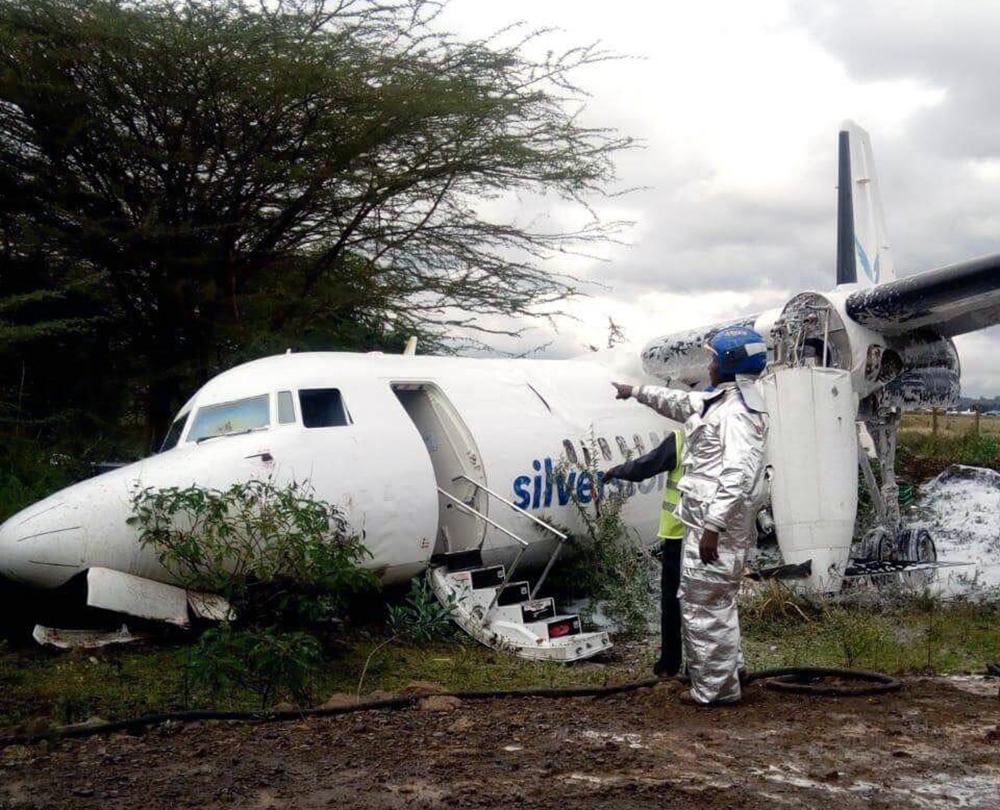
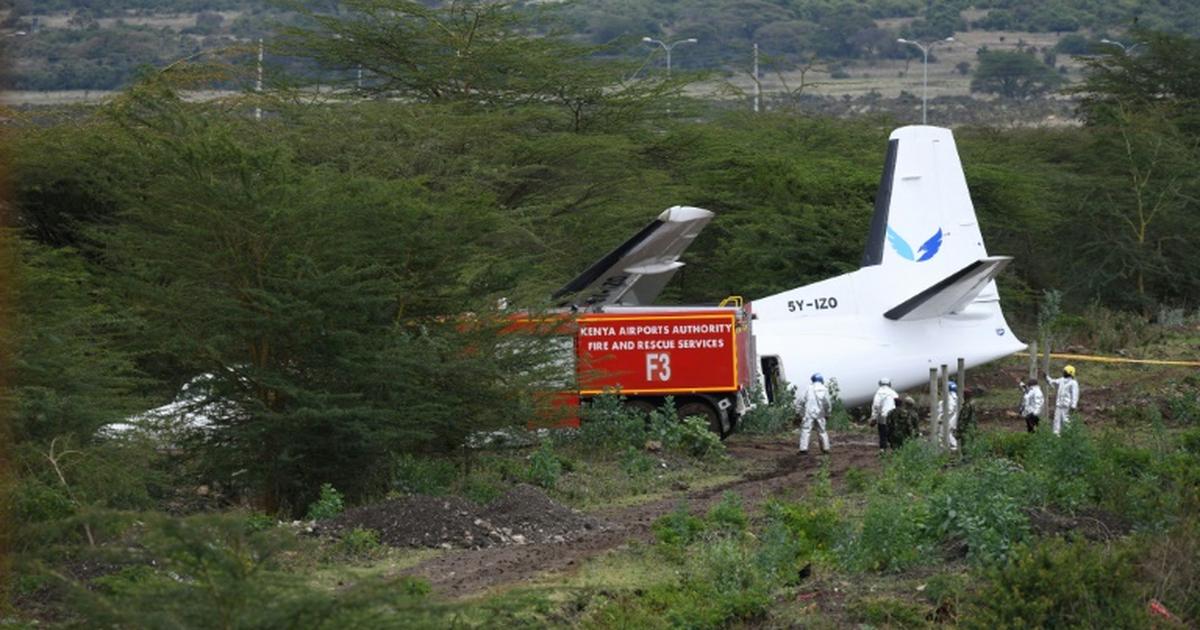
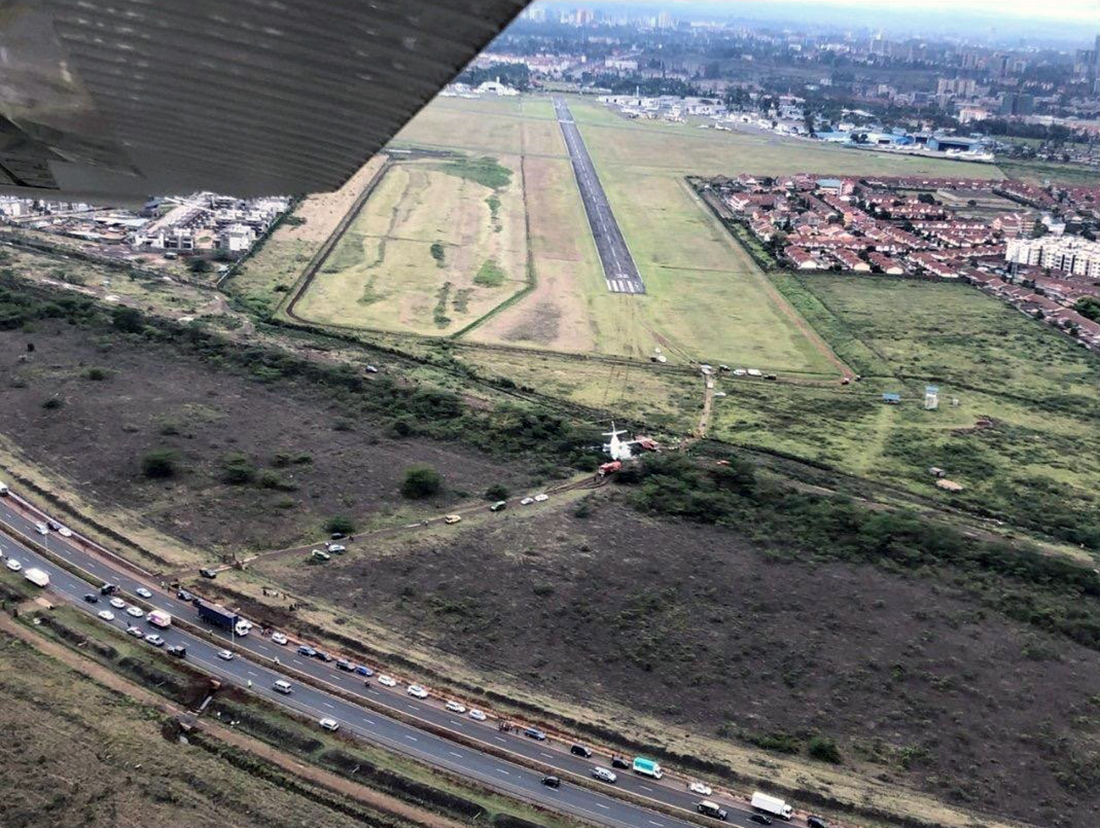
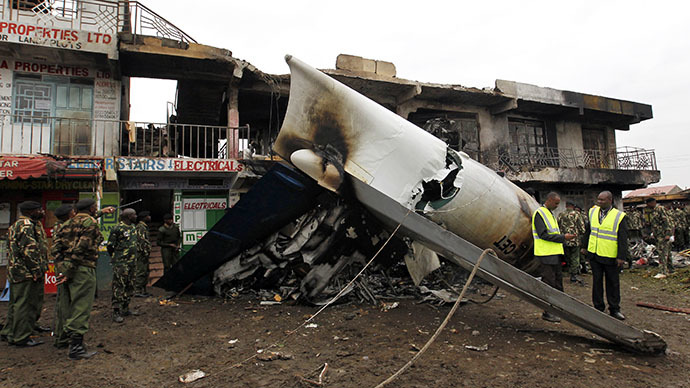
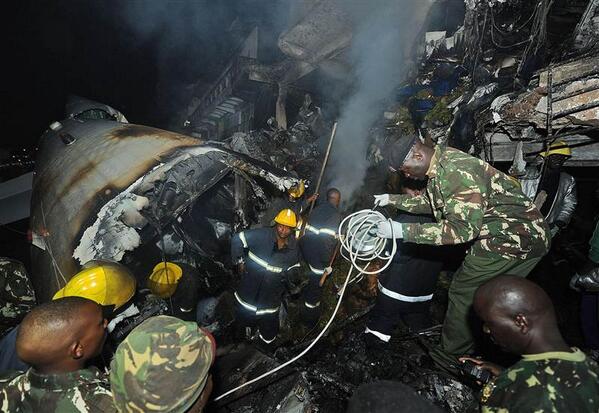
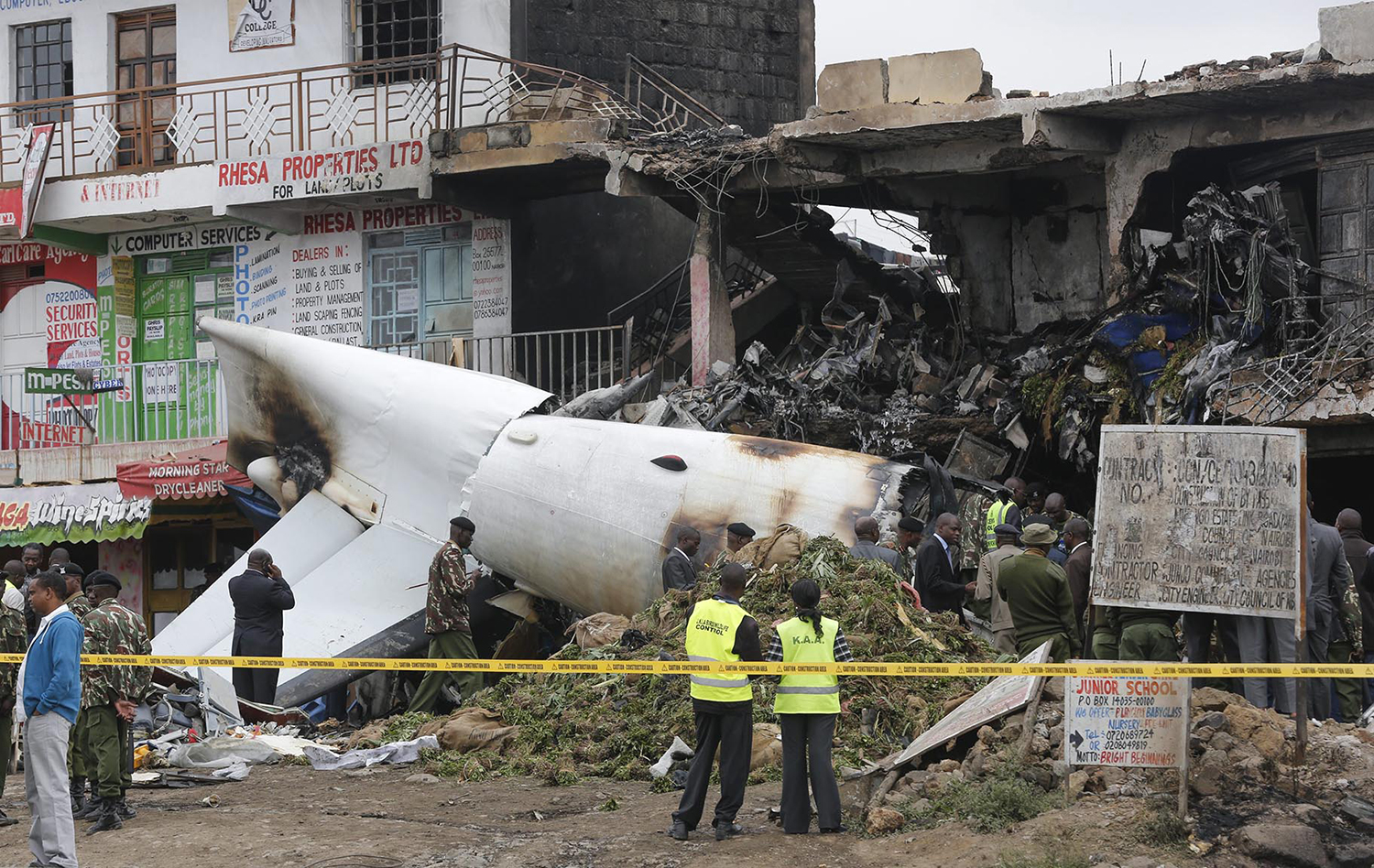
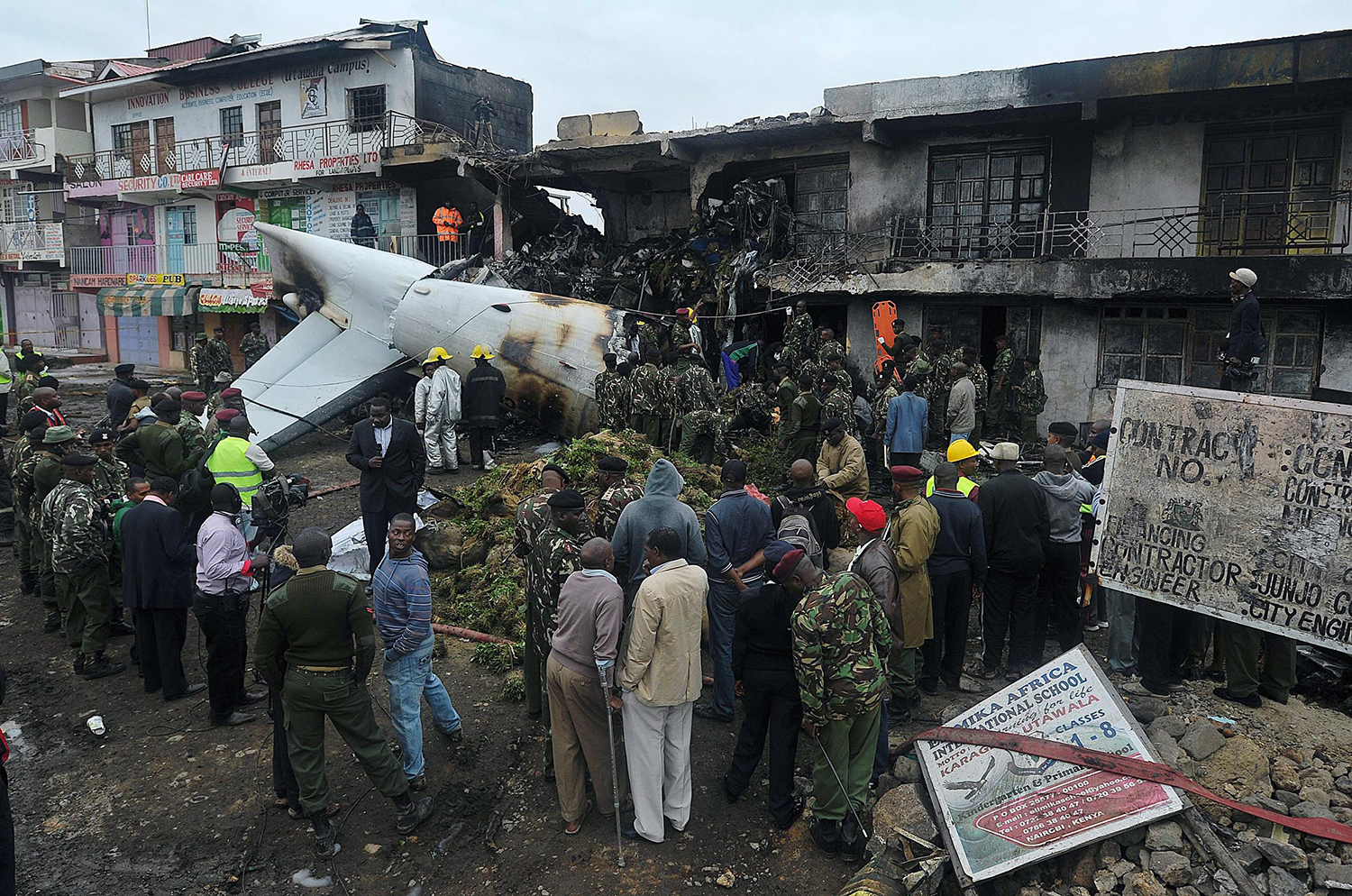
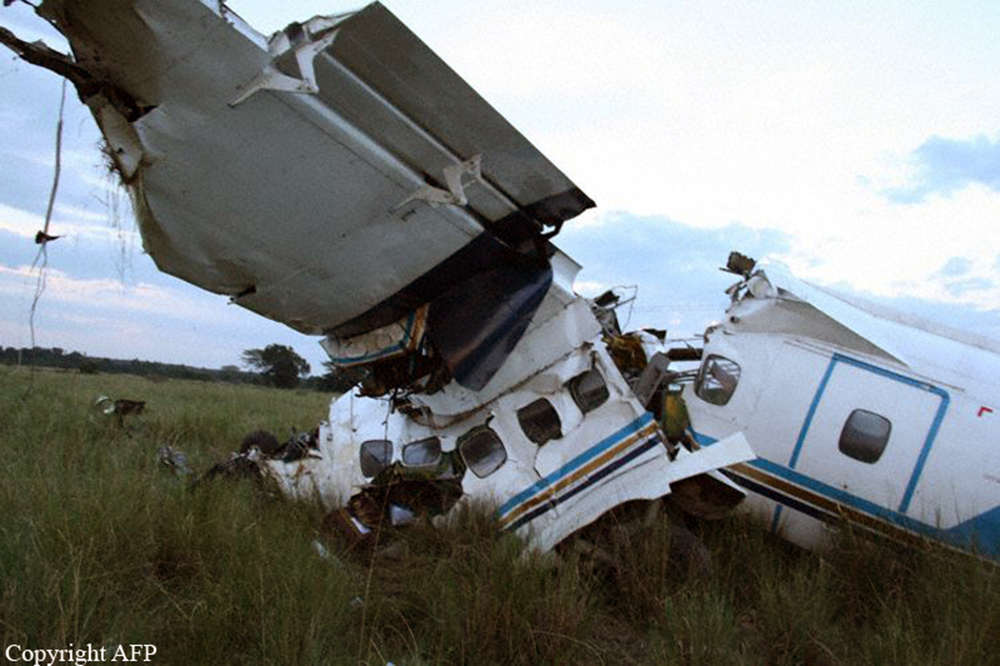
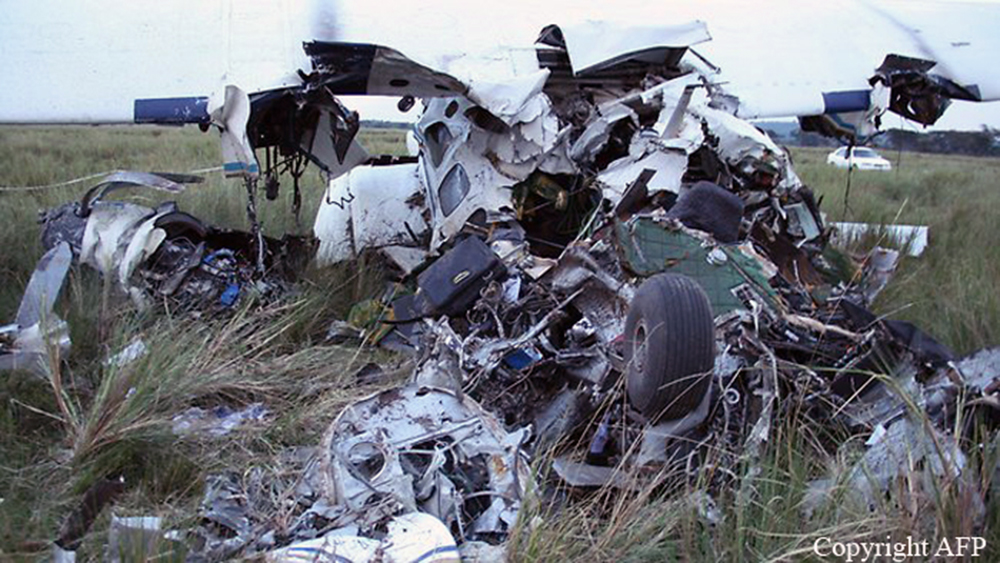
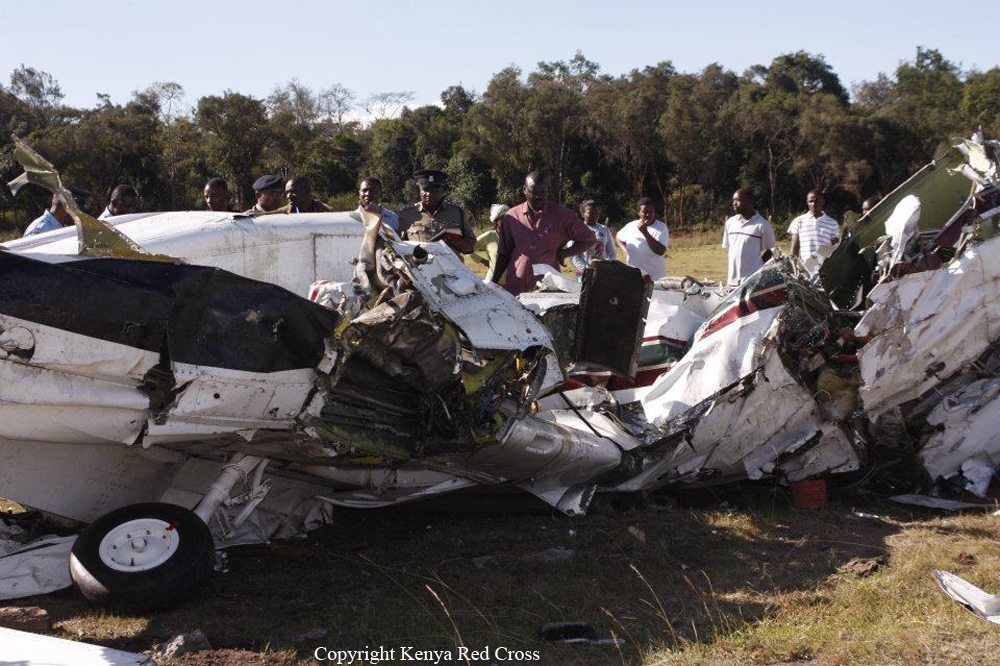
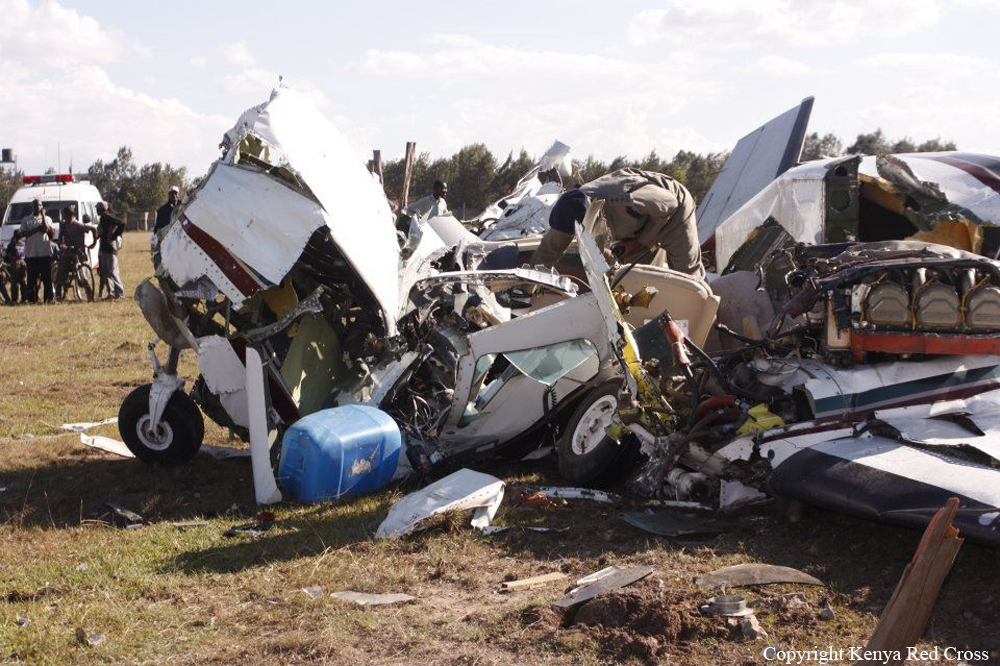
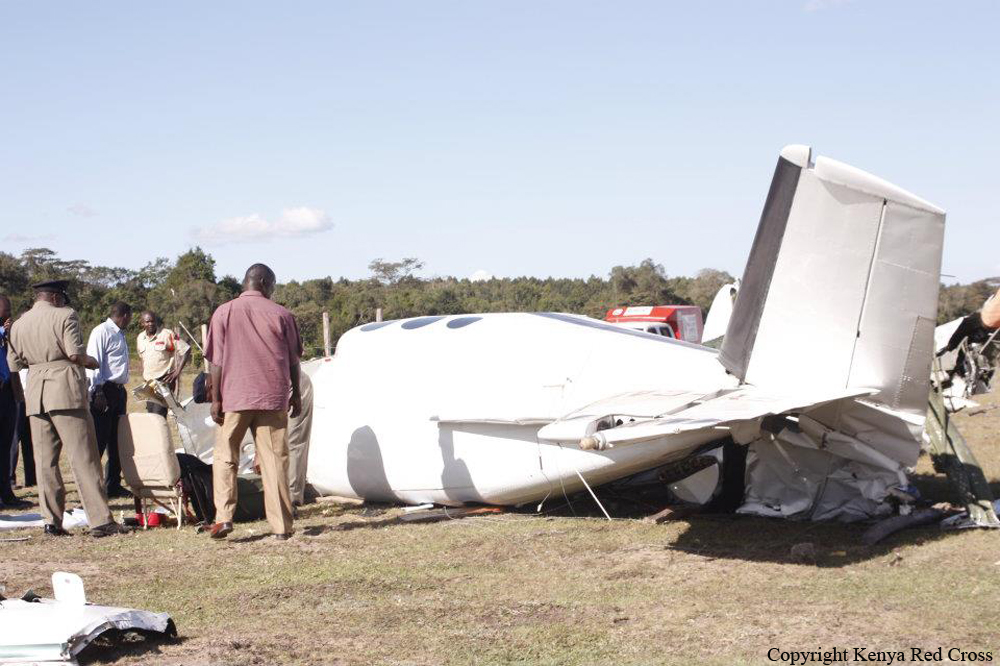
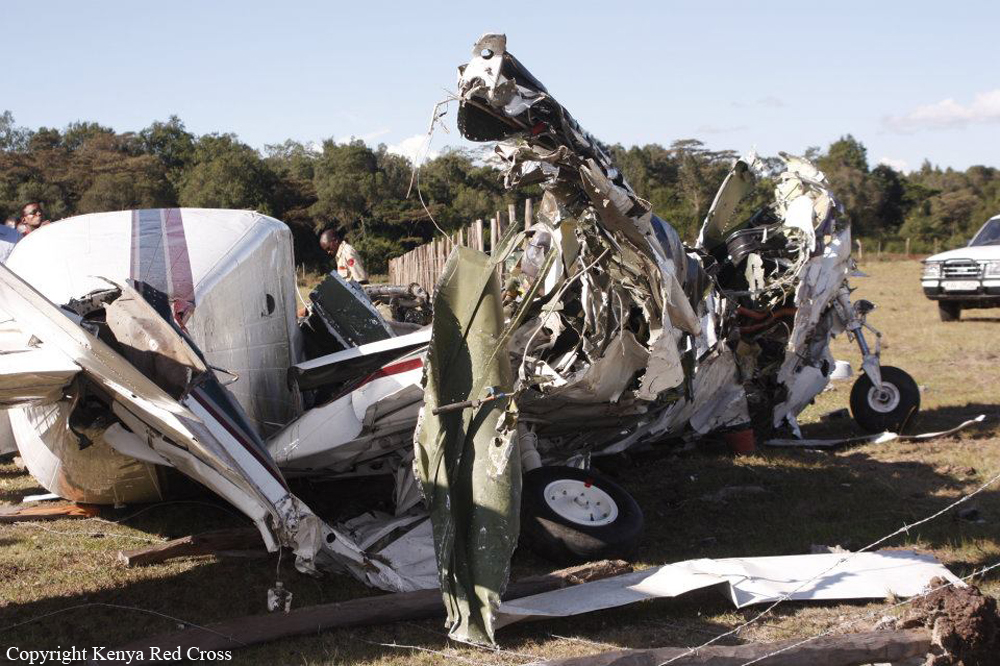
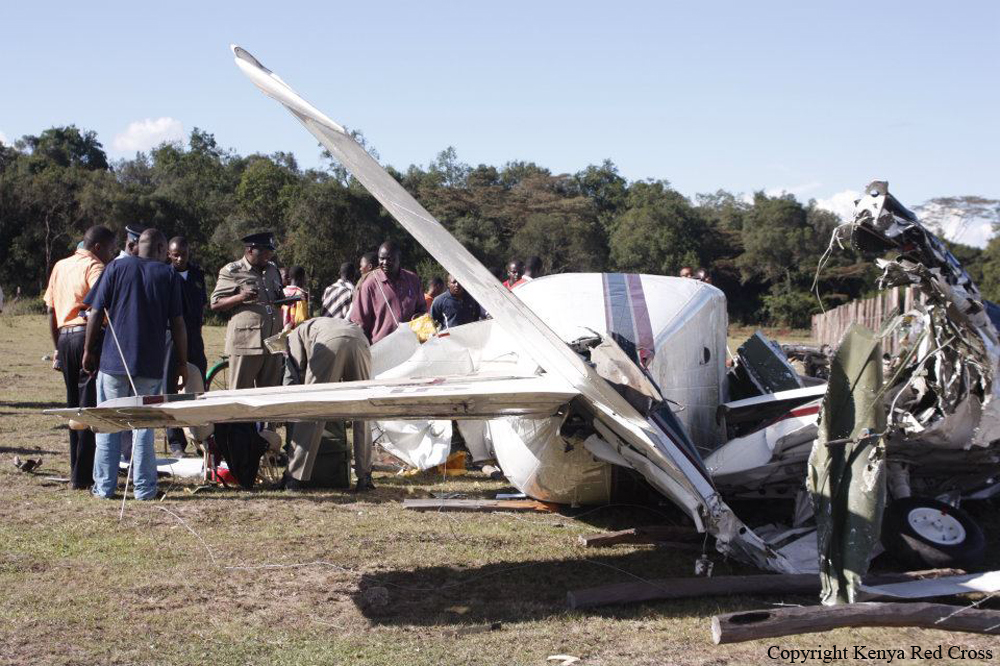
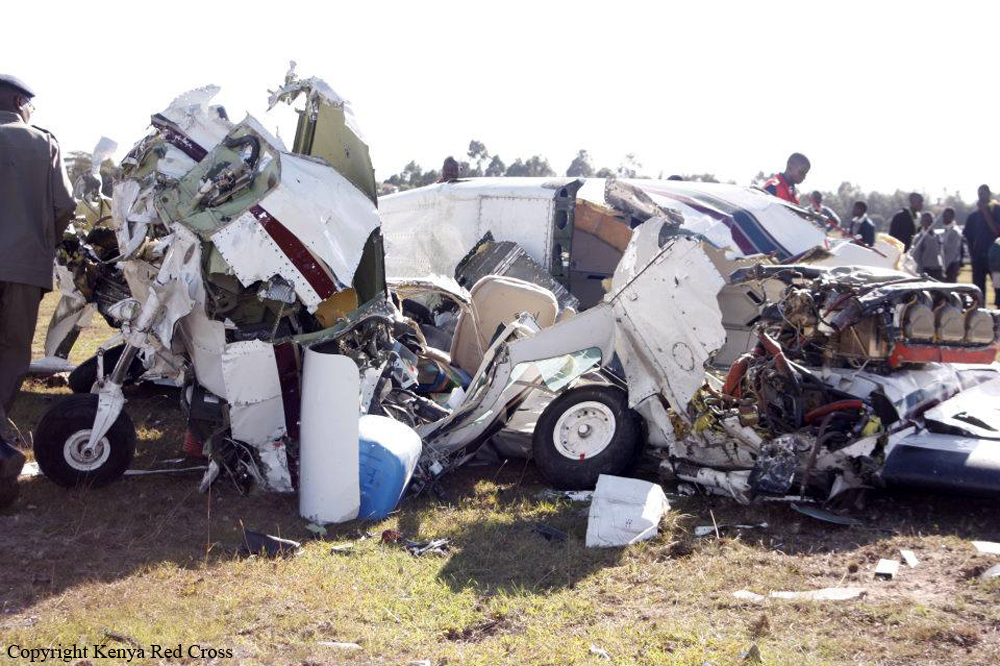
On October 11, 2019 at about 0902 Kenya daylight time, a Silverstone Air Services Fokker 27 Mark 050 registration 5Y-IZO experienced runway excursion on takeoff runway 14 at Wilson Airport with 55 occupants onboard (5 crew and 50 passengers). The aircraft was performing a scheduled flight from Wilson airport to Mombasa, Lamu and back to Wilson airport. The aircraft was fueled then the passengers boarded the plane before the normal pre take off procedures which were reported as uneventful as collaborated by the information from the FDR. The Right Hand engine receded the Left Hand engine in startup as depicted by the parameters from the recorders. From engine startup, taxi, lineup runway 14, power up and including the initial stages of ground roll were uneventful. At 06.02.50 GMT, while still on ground roll take off, the LH engine ITT began to fluctuate, dropped from 707.8 to 175.8. The RH ITT remained stable. The other parameters of both engines were stable. Subsequent power down ensued at 06.03.01, IAS dropped from 110.2Knots and the aircraft magnetic heading increased gradually to 144 consistent with the deviation of the aircraft to the right of the runway axis when it left the paved surface of the runway, before colliding with the airport perimeter fence, went through an embankment before coming to rest tilted to the right after the starboard wing made contact with a tree. The passengers were deplaned through the two left hand side front and rear exit doors. Immediately the event occurred, ATS Wilson airport issued a crash alert and Wilson Airport Fire Service (AFS) responded without delay, found the passengers already evacuated from the aircraft and applied foam to the sections of the aircraft with leaking fuel. Runway 14/32 was closed and all inbound and departure traffic made use of the remaining runway. Preliminary information retrieved from the Flight Data Recorder Radar regarding the engine ITT seems to correlate with the flight crew statements regarding the observed fluctuations on the LHS engine ITT.

Crash of a De Havilland DHC-8-202 in Kichwa Tembo

Date & Time: Aug 16, 2019 at 1100 LT
Operator:
Registration:
5Y-SLM
Survivors:
Yes
Schedule:
Nairobi – Kichwa Tembo
MSN:
506
YOM:
1997
Country:
Region:
Crew on board:
0
Crew fatalities:
Pax on board:
0
Pax fatalities:
Other fatalities:
Total fatalities:
0
Circumstances:
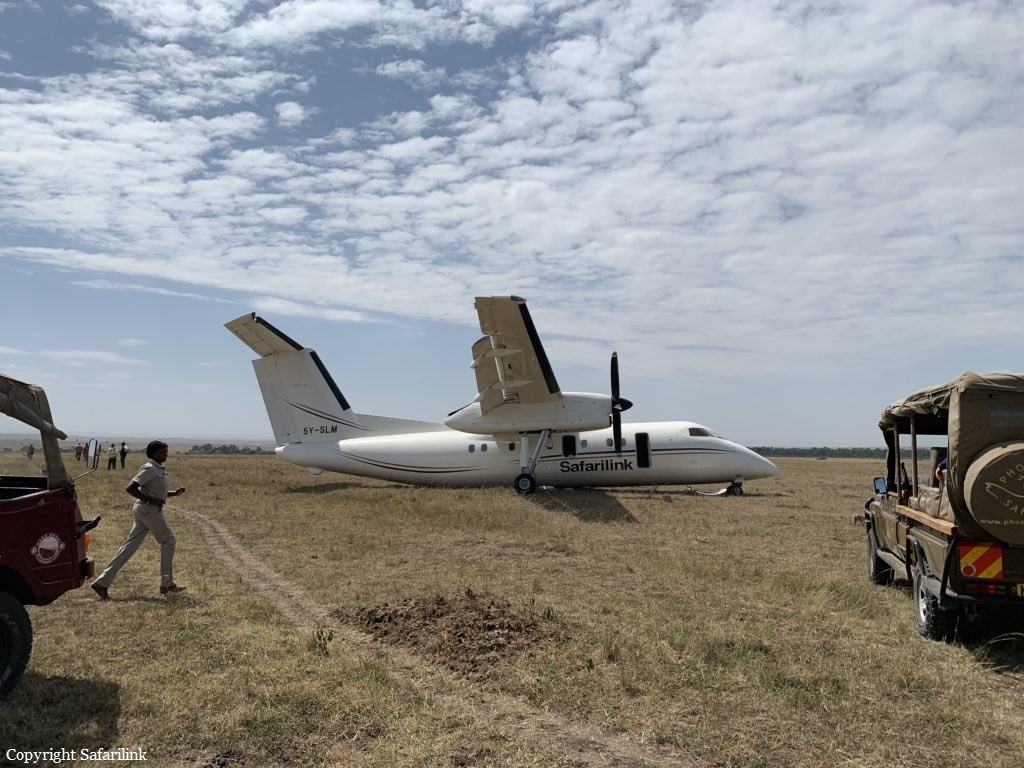
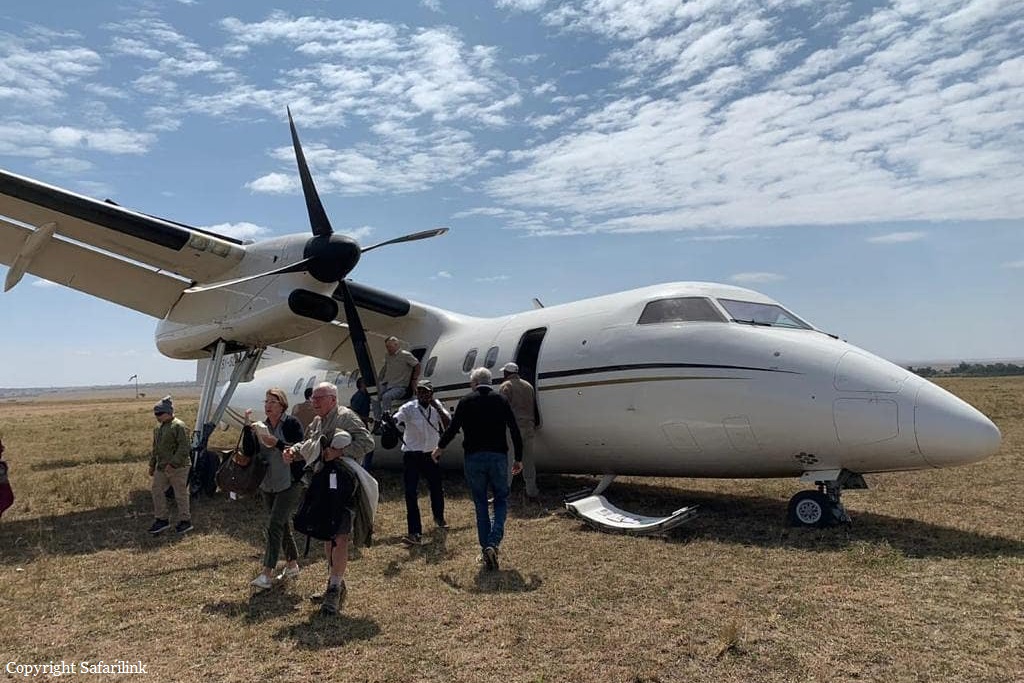
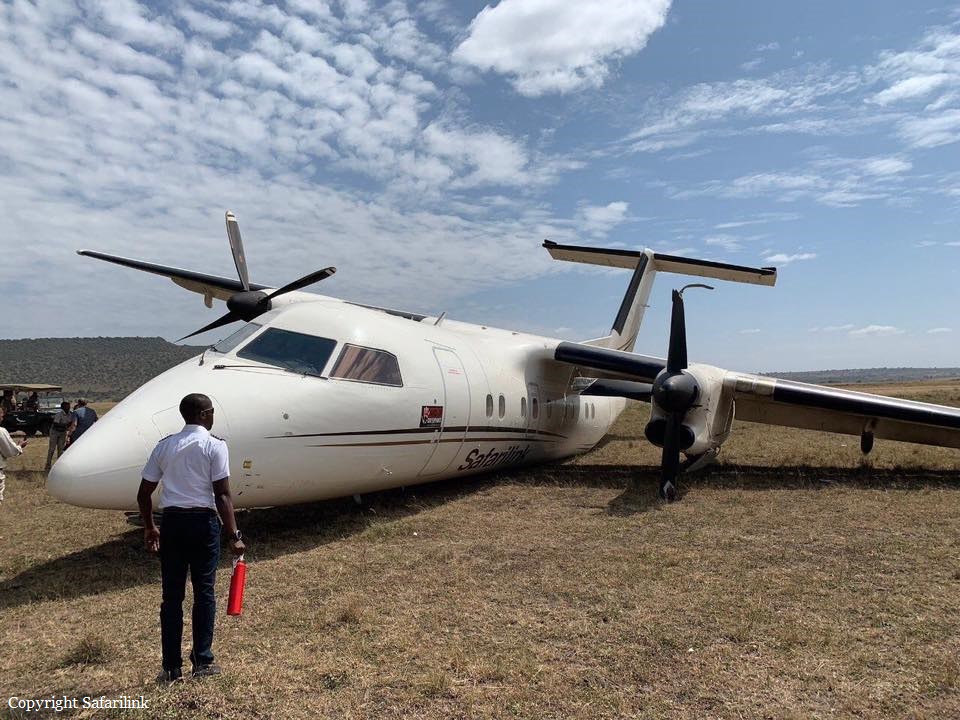
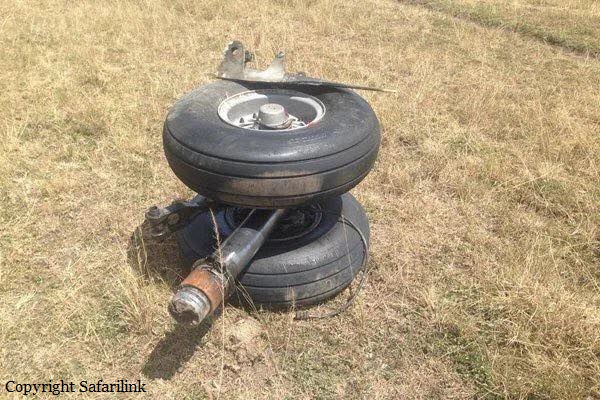
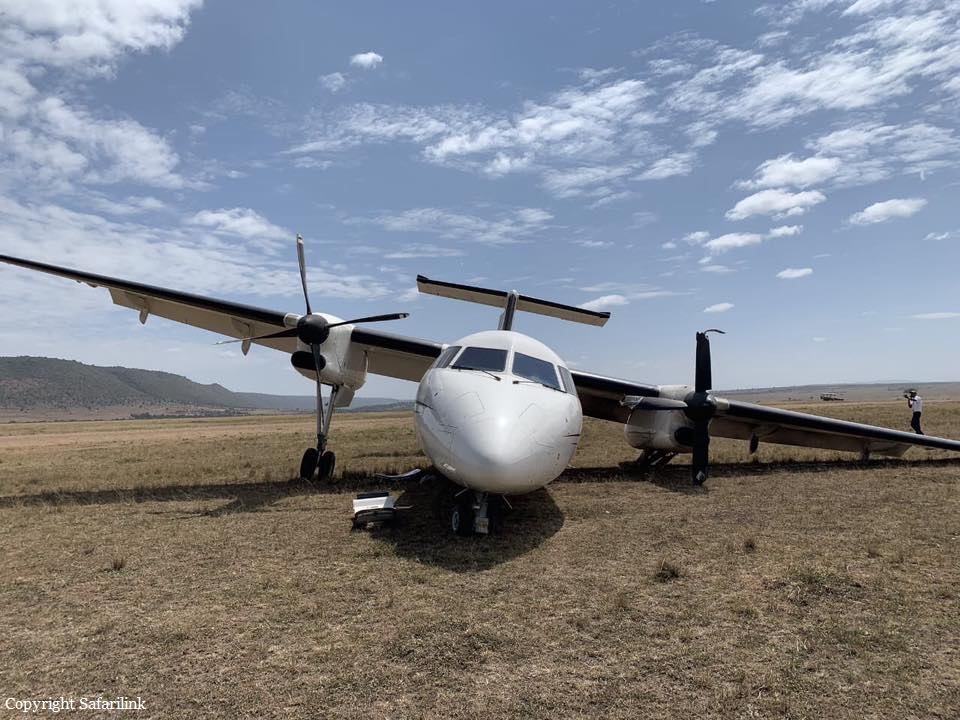
Following an uneventful flight from Nairobi-Wilson Airport, the crew landed on a gravel runway at Kichwa Tembo Airport. After touchdown, the aircraft collided with two wildebeests. Upon impact, the left main gear was torn off and the aircraft veered off runway to the left and came to rest. All occupants evacuated safely and the aircraft was damaged beyond repair. Both wildebeests were killed.
Probable cause:
Loss of control upon landing following a ground collision with two wildebeests.

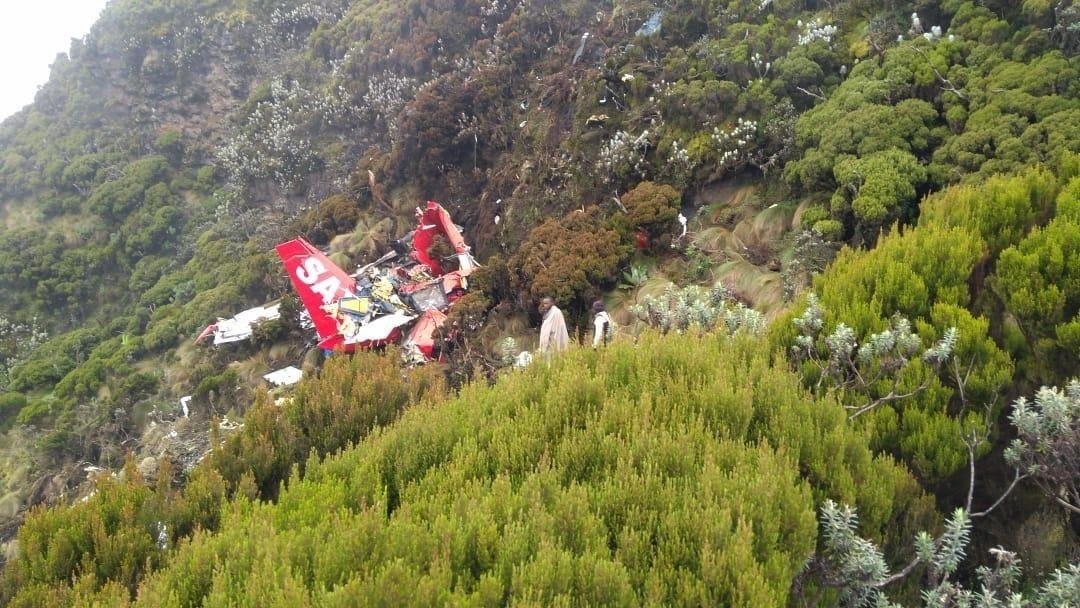
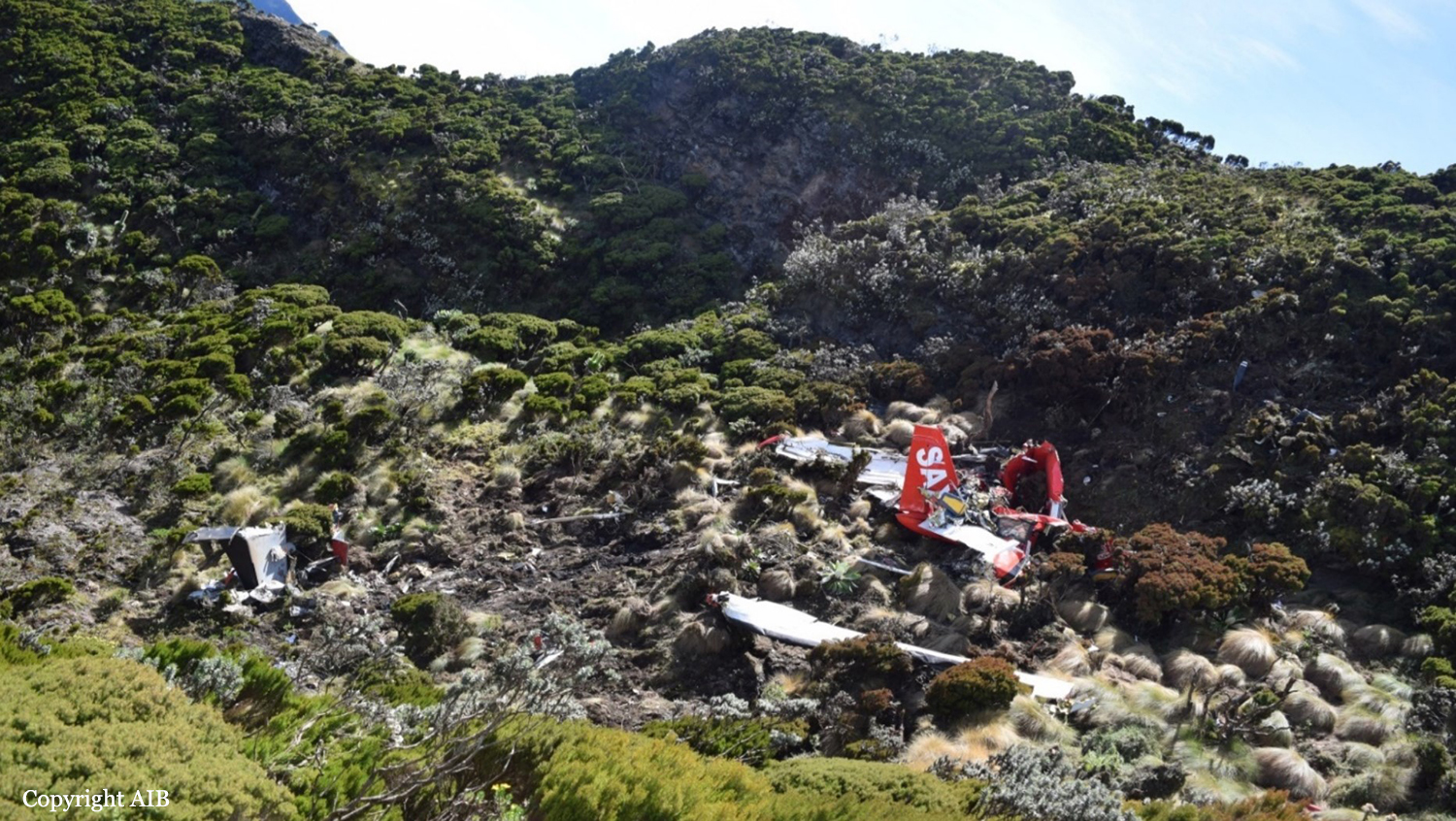
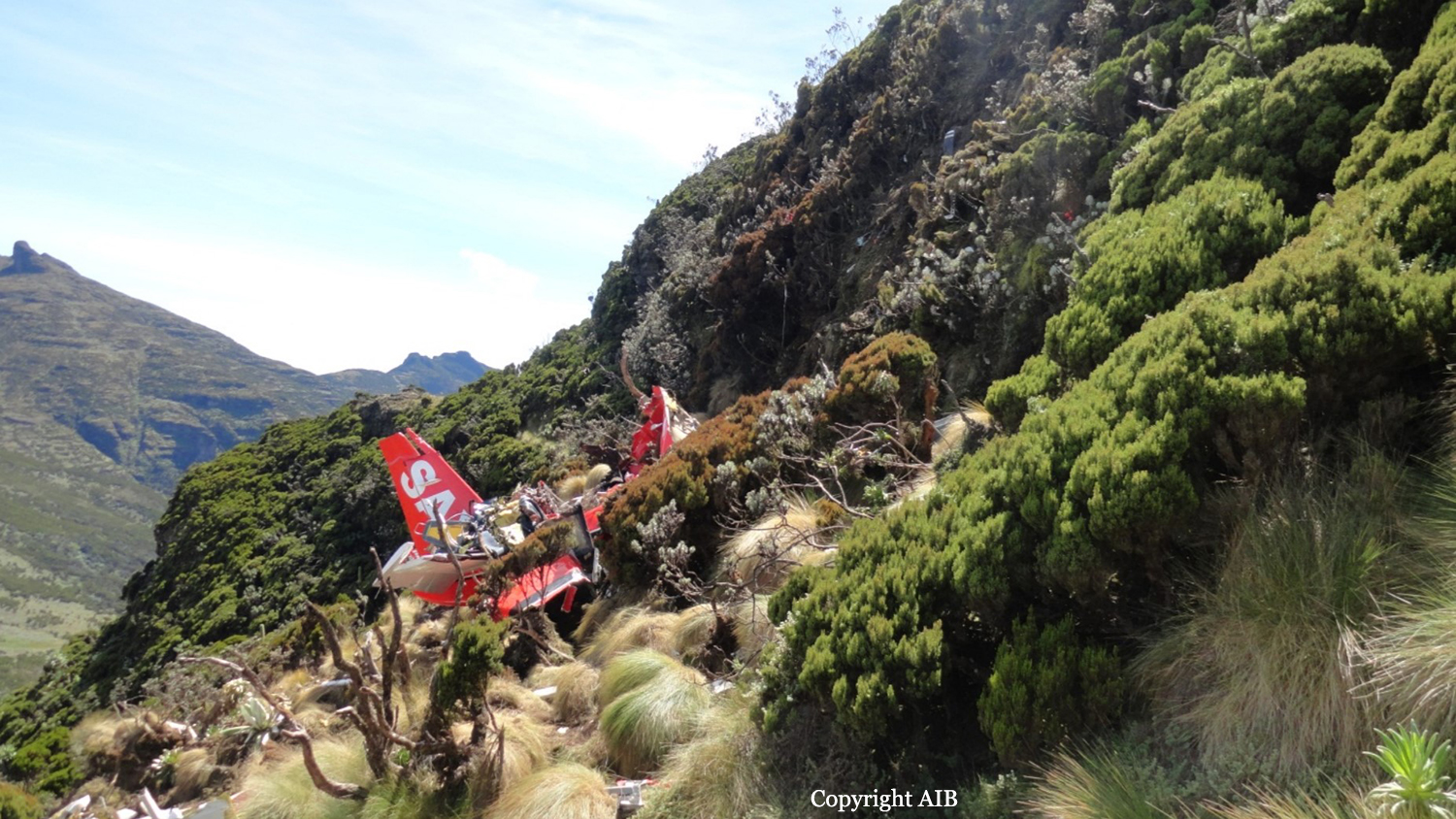
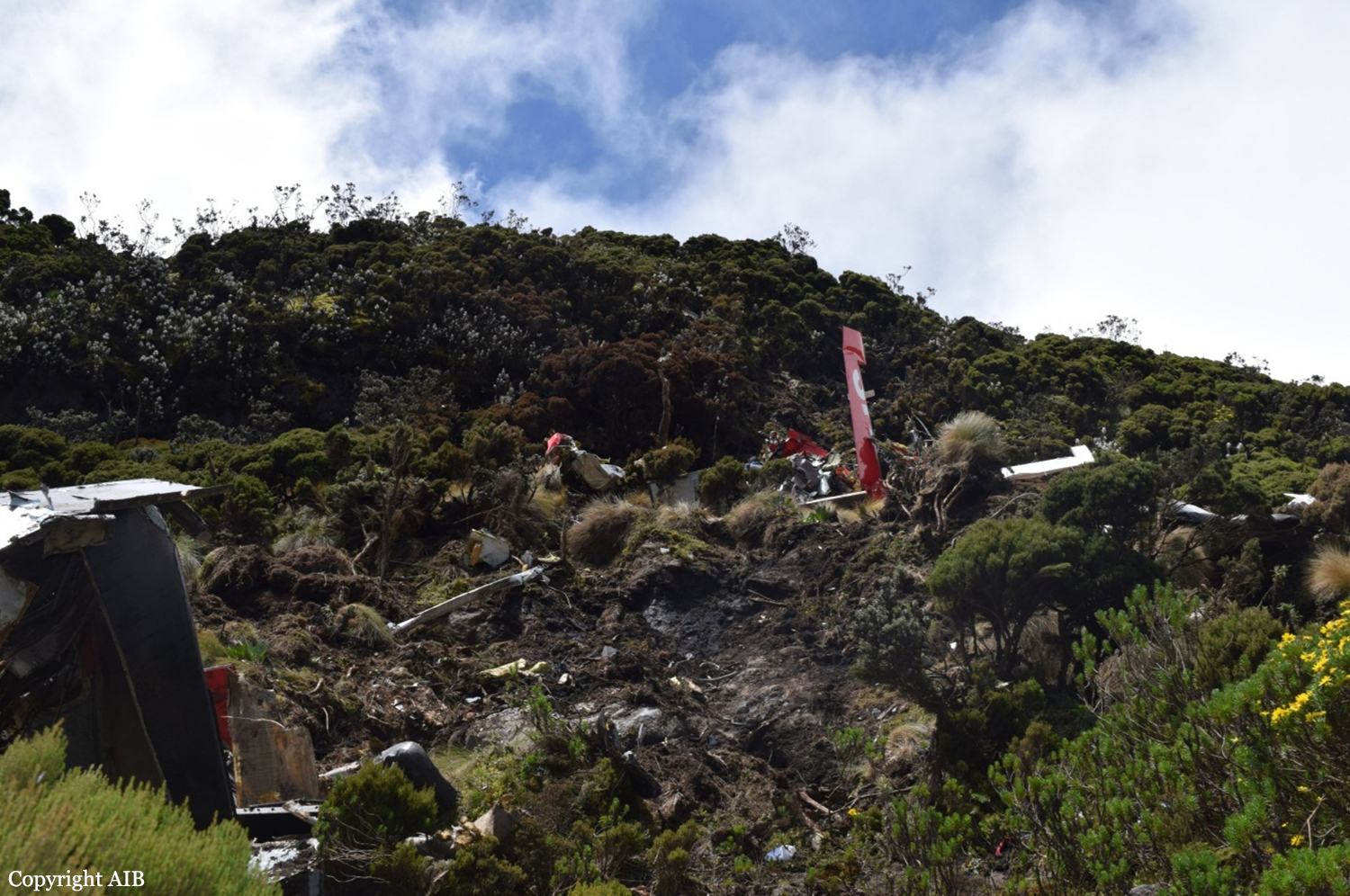
Crash of a Cessna 208B Grand Caravan in Mt Aberdare: 10 killed

Date & Time: Jun 5, 2018 at 1702 LT
Type of aircraft:
Operator:
Registration:
5Y-CAC
Flight Phase:
Survivors:
No
Site:
Schedule:
Kitale – Nairobi
MSN:
208B-0525
YOM:
1996
Flight number:
EXZ102
Country:
Region:
Crew on board:
2
Crew fatalities:
Pax on board:
8
Pax fatalities:
Other fatalities:
Total fatalities:
10
Captain / Total flying hours:
2352
Circumstances:
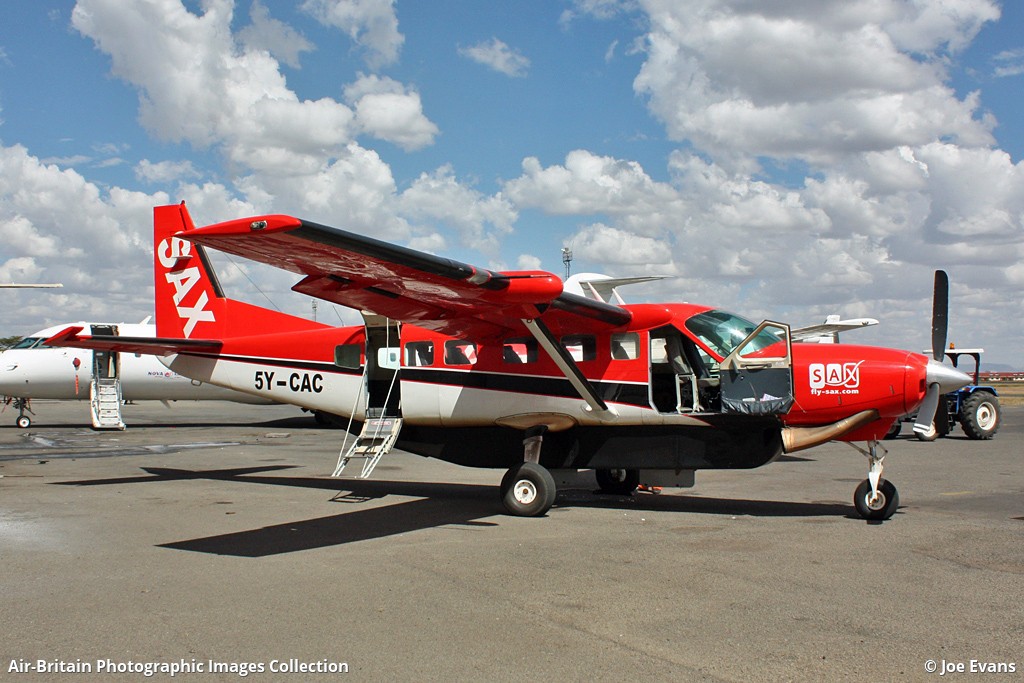
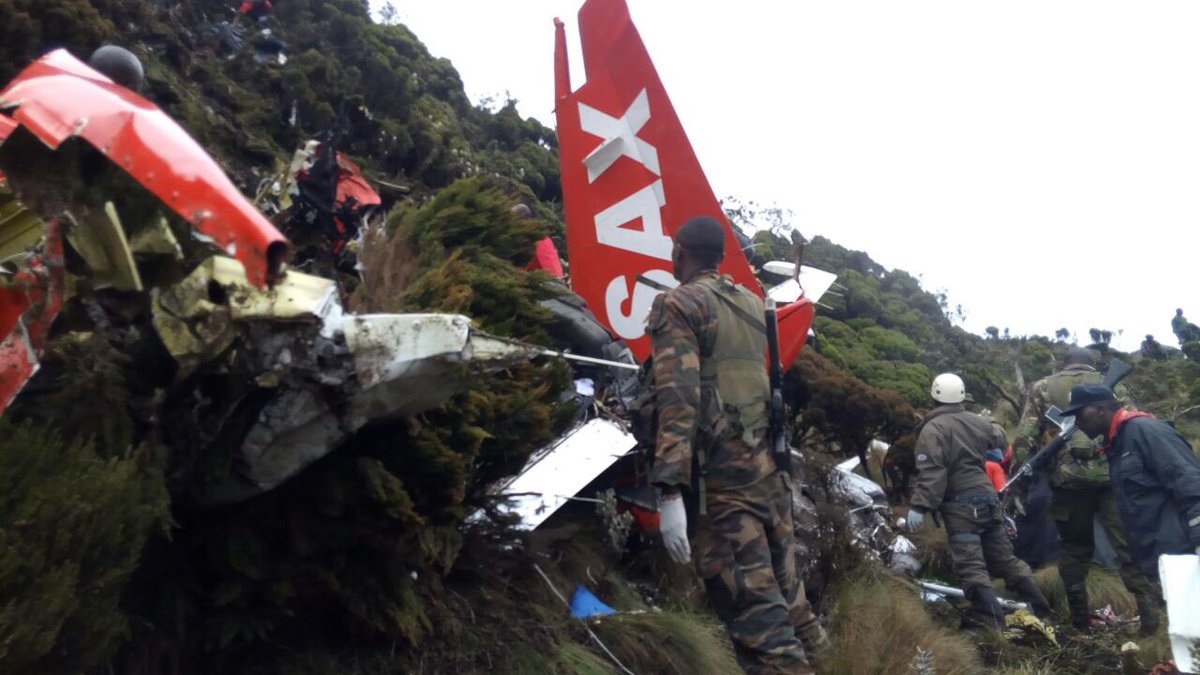
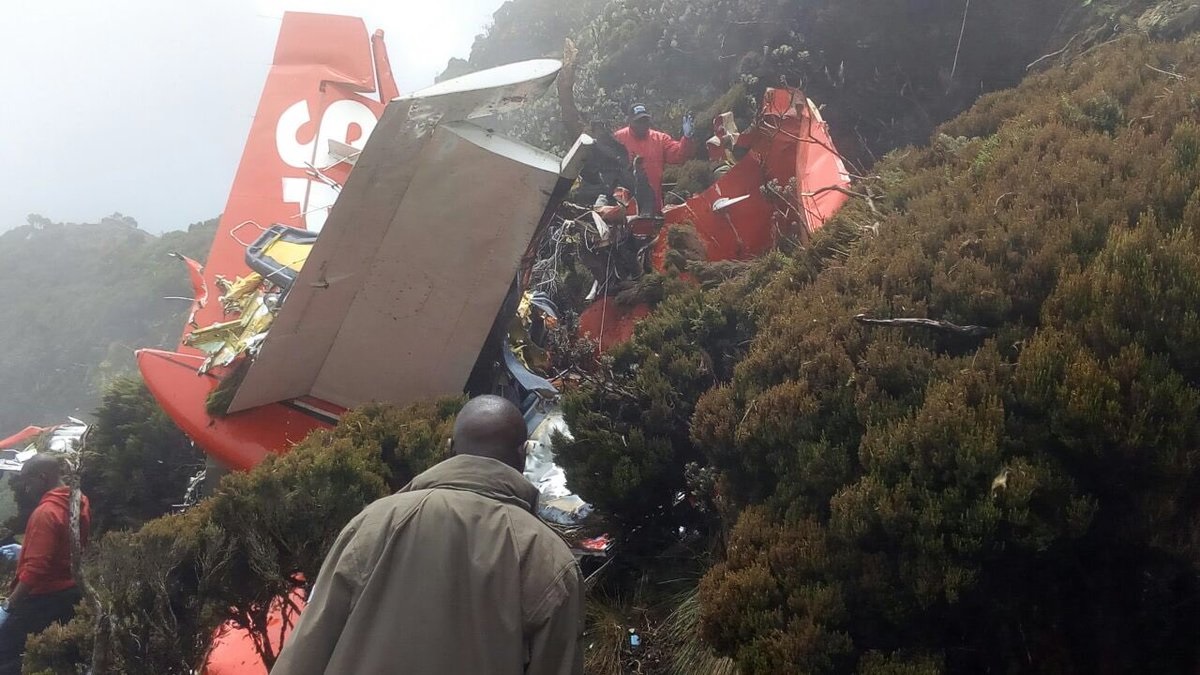
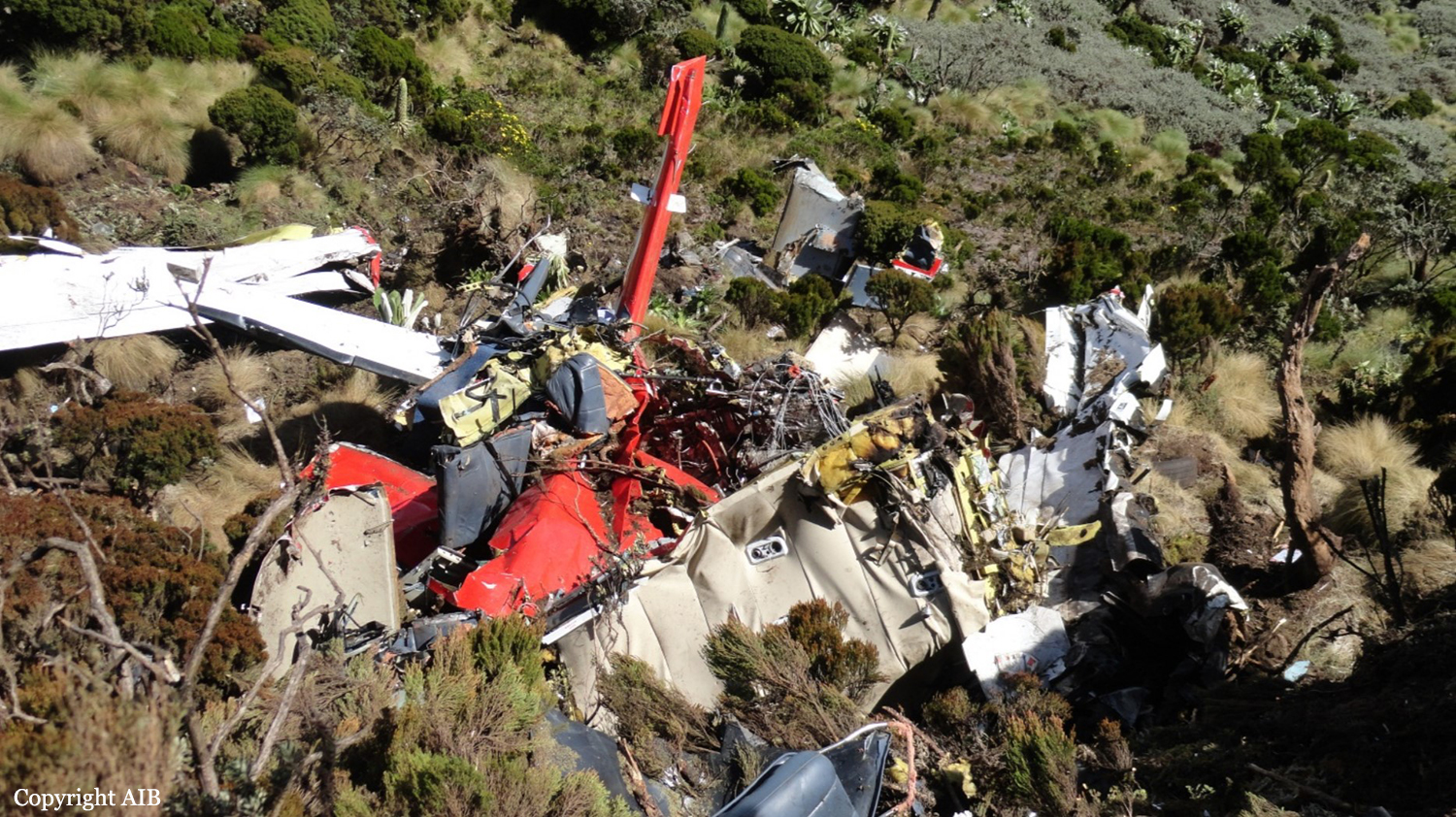
The aircraft took-off from Kitale Airstrip (HKKT) at 16.05 hours and set course to Jomo Kenyatta International Airport (HKJK) after climbing to FL 110 with ten onboard. Once established, there were slight peripheral variations in groundspeed and track. The aircraft Flight Level was sustained at 110 with some occasional deviations. Aircraft height above ground level (AGL) varied between 1,102 feet and 4,187 feet. One minute before its impact with the cliff, the aircraft was at 11,100 feet or 3,000 feet AGL, 159 knots ground speed, and tracking radial 338 NV. Immediately before radar signal was lost, the elevation of the highest ground level was 12,876 feet, the aircraft altitude was 11,200 feet, the ground speed was 156 knots, and track was radial 339 NV. Information retrieved from the Radar transcript recorded various parameters of the aircraft from 1605hrs up to 1702hrs, the time radar signal was lost. This information was consistent with information extracted from the on-board equipment the ST3400 and the aera GPS. The radar system transmits information including aircraft position in relation to NV VOR, Flight Level or altitude, ground speed, vertical speed and heading. Information retrieved from the GPS captured the last recorded time, date and location as 14:00:52, on 06/05/2018 and elevation 3,555.57 metres. The aircraft impacted the bamboo-covered terrain at an elevation of 3,645 metres at 0.36’56’’S 36 42’44’’ where the wreckage was sited. The aircraft was totally destroyed by impact forces and all 10 occupants were killed.
Probable cause:
The flight crew's inadequate flight planning and the decision to fly instrument flight rules (IFR) at an altitude below the published Minimum Sector Altitude in the Standard Instrument Arrival Chart under instrument meteorological conditions (IMC), and their failure to perform an immediate escape maneuver following TAWS alert, which resulted in controlled flight into terrain (CFIT).
Contributing Factors:
1. Contributing to the accident were the operator's inadequate crew resource management (CRM) training, inadequate procedures for operational control and flight release.
2. Also contributing to the accident was the Kenya Civil Aviation Authority's failure to hold the operator accountable for correcting known operational deficiencies and ensuring compliance with its operational control procedures.
3. There was no requirement for crew to be trained in CFIT avoidance ground training tailored to the company’s operations that need to address current CFIT-avoidance technologies.
4. Use of non-documented procedure and Clearance by the ATC to fly below the published minimum sector altitude.
5. Lack of situational awareness by the radar safety controller while monitoring flights within the radar service section.
Final Report:

Crash of a Fokker 50 in Nairobi

Date & Time: Jan 4, 2015 at 1102 LT
Type of aircraft:
Operator:
Registration:
5Y-SIB
Flight Type:
Survivors:
Yes
Schedule:
Wajir – Nairobi
MSN:
20167
YOM:
1989
Country:
Region:
Crew on board:
4
Crew fatalities:
Pax on board:
6
Pax fatalities:
Other fatalities:
Total fatalities:
0
Captain / Total flying hours:
17000
Captain / Total hours on type:
1200.00
Copilot / Total flying hours:
4143
Copilot / Total hours on type:
200
Circumstances:
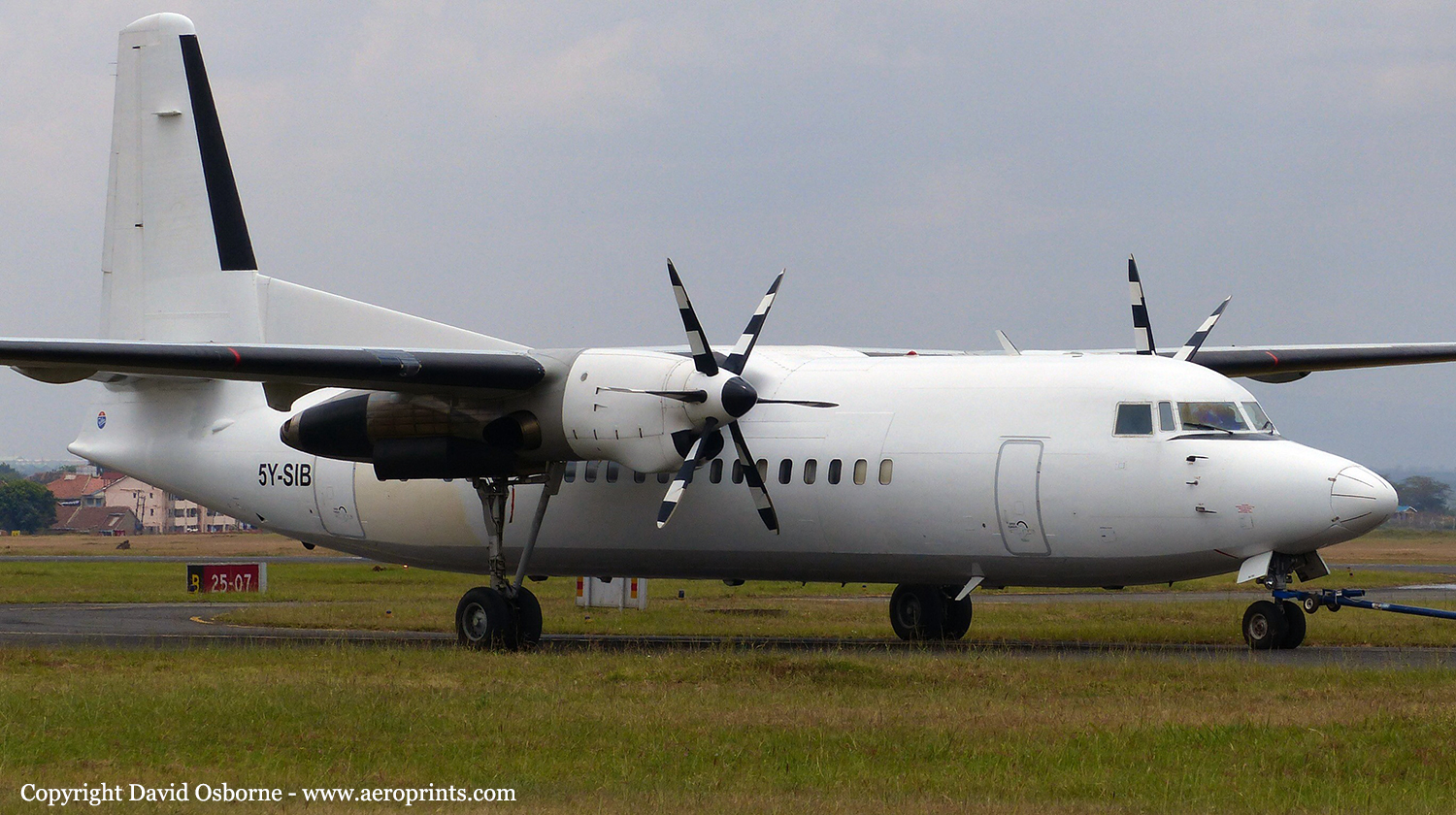
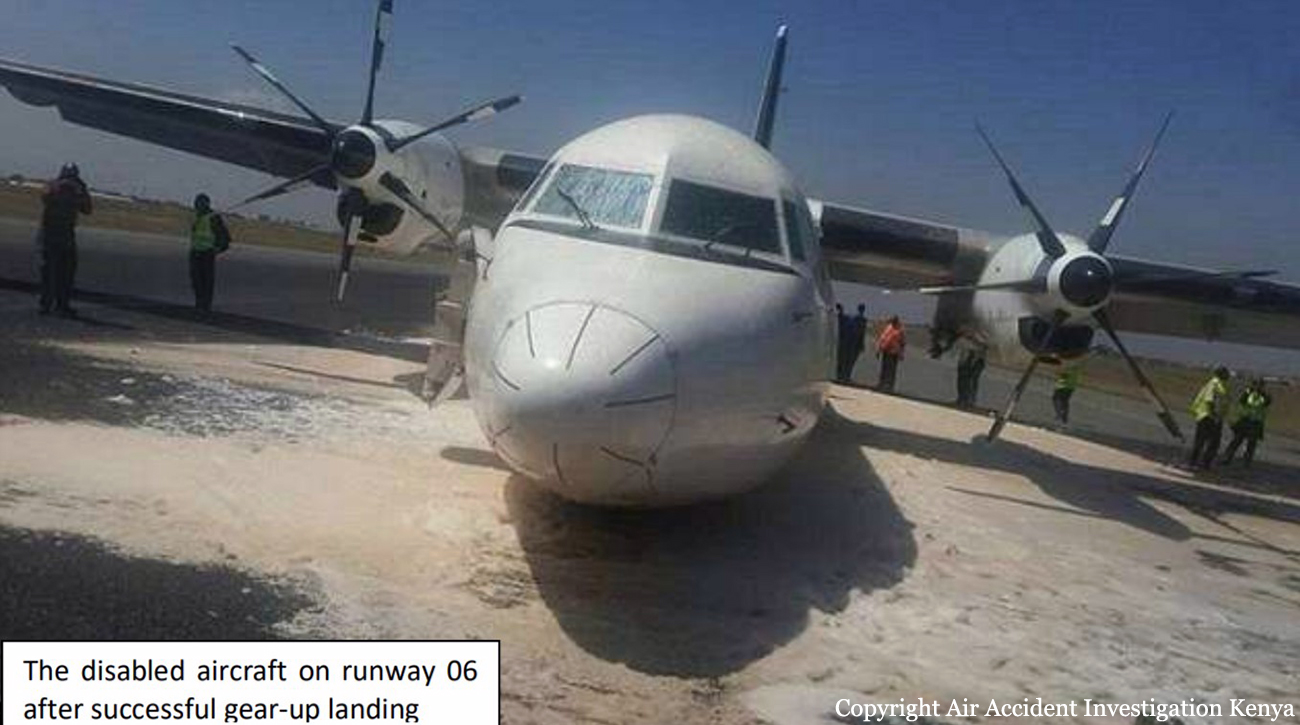
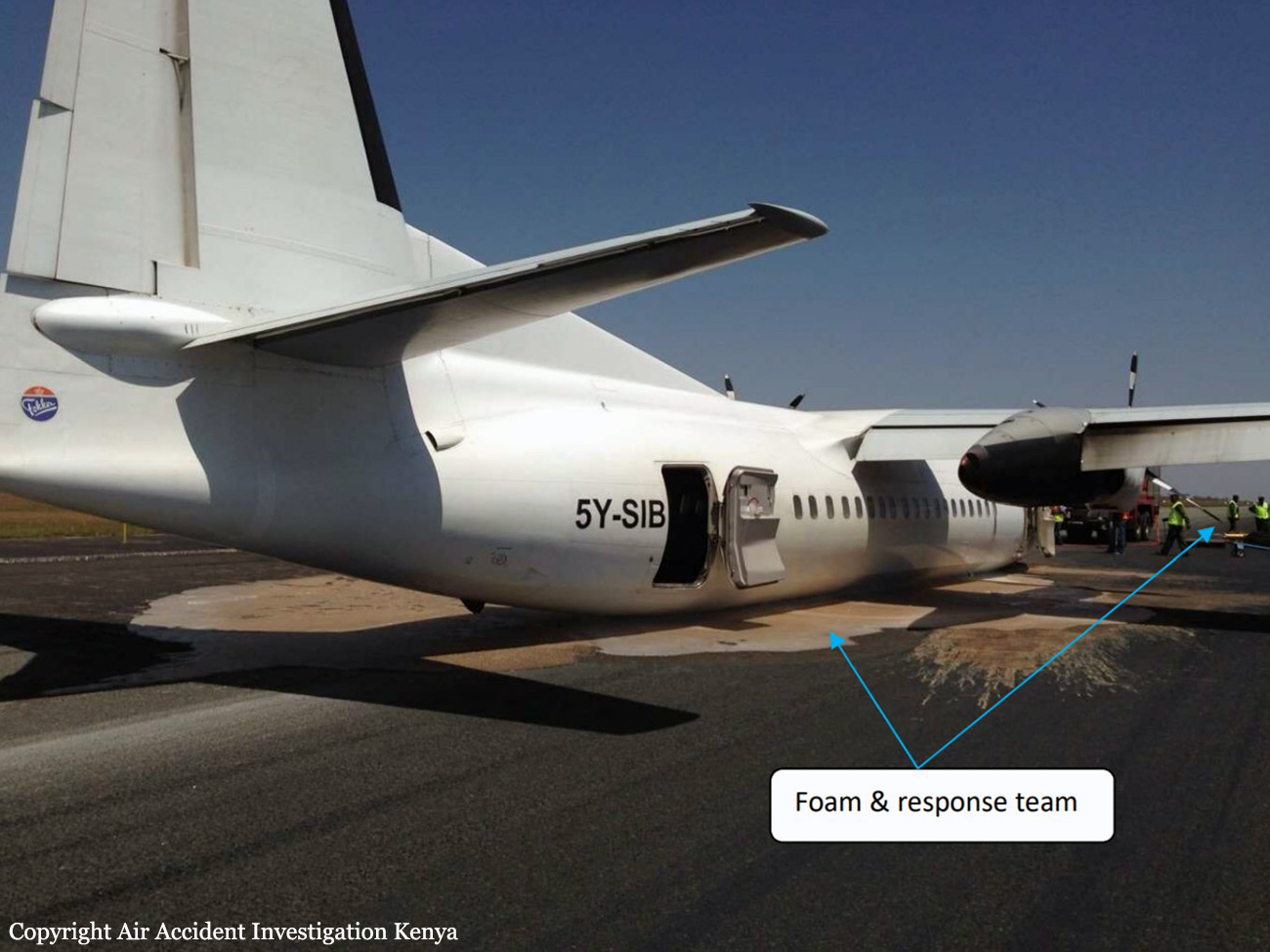
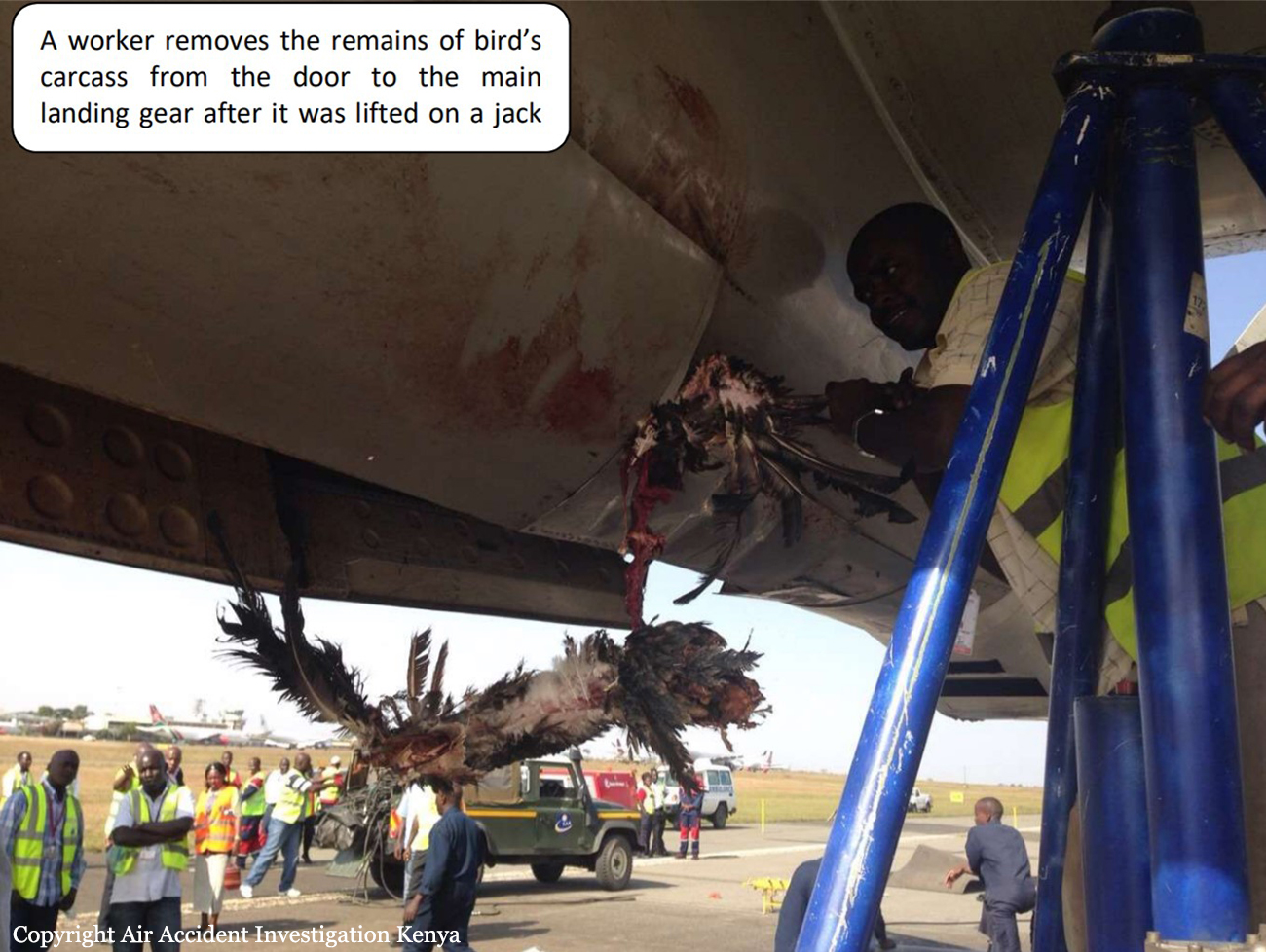
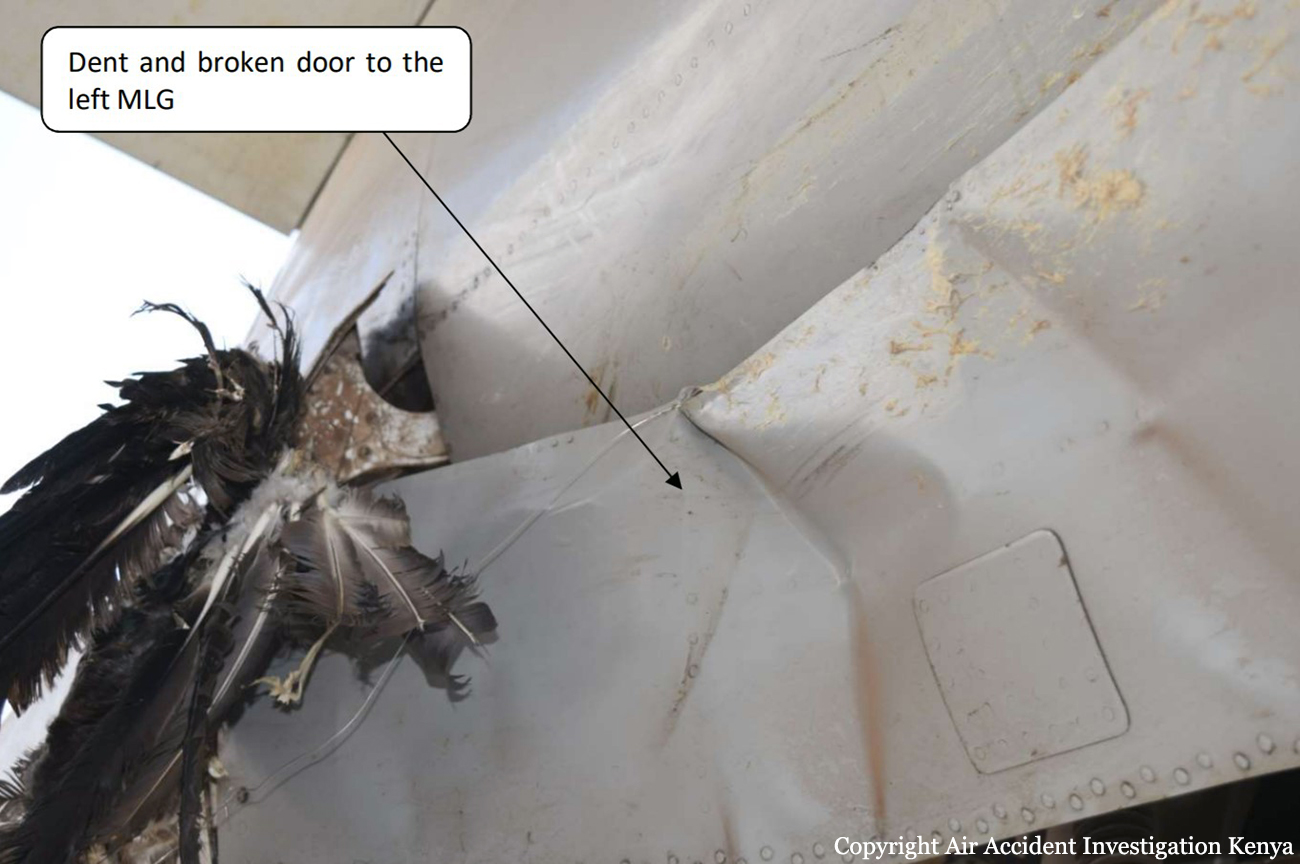
On 4 January 2015, about 0840 local time, a Fokker 27-50 a cargo flight, registration 5Y-SIB, operated by Skyward Express Ltd, experienced a gear-up landing at Jomo Kenyatta International Airport (HKJK). The flight had diverted to HKJK due to a mechanical malfunction of the landing gear. Visual meteorological conditions prevailed and the airplane was on an IFR flight plan. None of the ten persons on board were injured. The airplane was substantially damaged and there was no fire. The flight originated at Wajir (HKWJ) and the original destination was Nairobi-Wilson Airport (HKNW). During the departure from HKWJ, the flight sustained a bird-strike. After taking steps to confirm any aircraft system malfunction the aircraft systems were still operable and the flight crew elected to continue the flight. The flight en route was without any incident. While in the traffic pattern at Wilson, the landing gear was activated to extend and it resulted in an unsafe indication for the left main gear. During the period of about an hour while circling overhead the airport, the flight crew attempted to resolve the anomaly but they were unsuccessful. It prompted the crew to declare an emergency after they had confirmed that the left main landing gear was locked up in the air position and was not lowering. After declaring an emergency, the crew carried out an extensive consultation with the air traffic services and the company ground personnel and elected to divert the flight to Jomo Kenyatta International Airport (HKJK). The crew made a successful gear-up landing at Jomo Kenyatta International Airport (HKJK) runway 06 with no injury to those onboard the flight however the aircraft sustained substantial damage. The aircraft got disabled after landing and blocked both runways for more than four hours as the airport authorities struggled to remove it to pave way for other operations. According to the report obtained from post-accident interview with the flight crew at 0540 the aircraft took-off at Wajir (HKWJ) on runway 15 and immediately after take-off on passing 200ft at a speed of Vref +10 Knots the crew noticed a flock of birds and tried to evade them. While increasing the aircraft rate of climb they felt like a thud (hitting something). After clearing the flock they inspected the instruments and confirmed all aircraft systems were functioning satisfactorily. They then proceeded with their flight as intended. According to the air traffic control (ATC) transcript obtained from Wilson control tower upon entering Wilson aerodrome traffic circuit at 0641:41 the crew requested ATC to join downwind runway 07 and was immediately cleared. After five minutes (0646:50) the crew requested ATC to extend downwind and at 0648:03 the crew confirms to the ATC that they are checking the undercarriage. At 0654:08 the crew confirms to the ATC that they have an emergency on the left main landing gear and they have checked it is locked up in the air position. The crew requested for more time to trouble-shoot the problem and requested ATC to brief their company about the problem. At 0731:07 the crew confirmed to HKNW air traffic service unit that they are ready to do gear-up landing and they would prefer HKJK instead of HKNW. They are then cleared for HKJK to join left base runway 06. 30 seconds later the crew changes their intention to go to HKJK and confirms to HKNW ATC that they would do a gear-up landing at HKNW and requests for more time. At 0749:31 the crew consults with their company through HKNW ATC and agrees to carry out the gear-up landing at HKJK and the flight was cleared to proceed to HKJK. At 0802 the crew made a successful gear-up landing on runway 06 at HKJK.
Probable cause:
The cause of the accident was the failure of the left Main Landing Gear, MLG to extend during landing due to a bird strike which disabled proper functioning of the mechanical system that controls the opening and closing the door to the left MLG.
Final Report:

Crash of a Fokker 50 in Nairobi: 4 killed

Date & Time: Jul 2, 2014 at 0417 LT
Type of aircraft:
Operator:
Registration:
5Y-CET
Flight Phase:
Flight Type:
Survivors:
No
Site:
Schedule:
Nairobi - Mogadishu
MSN:
20262
YOM:
26
Country:
Region:
Crew on board:
2
Crew fatalities:
Pax on board:
2
Pax fatalities:
Other fatalities:
Total fatalities:
4
Captain / Total flying hours:
14531
Captain / Total hours on type:
6821.00
Copilot / Total flying hours:
823
Copilot / Total hours on type:
513
Aircraft flight hours:
27342
Aircraft flight cycles:
26358
Circumstances:
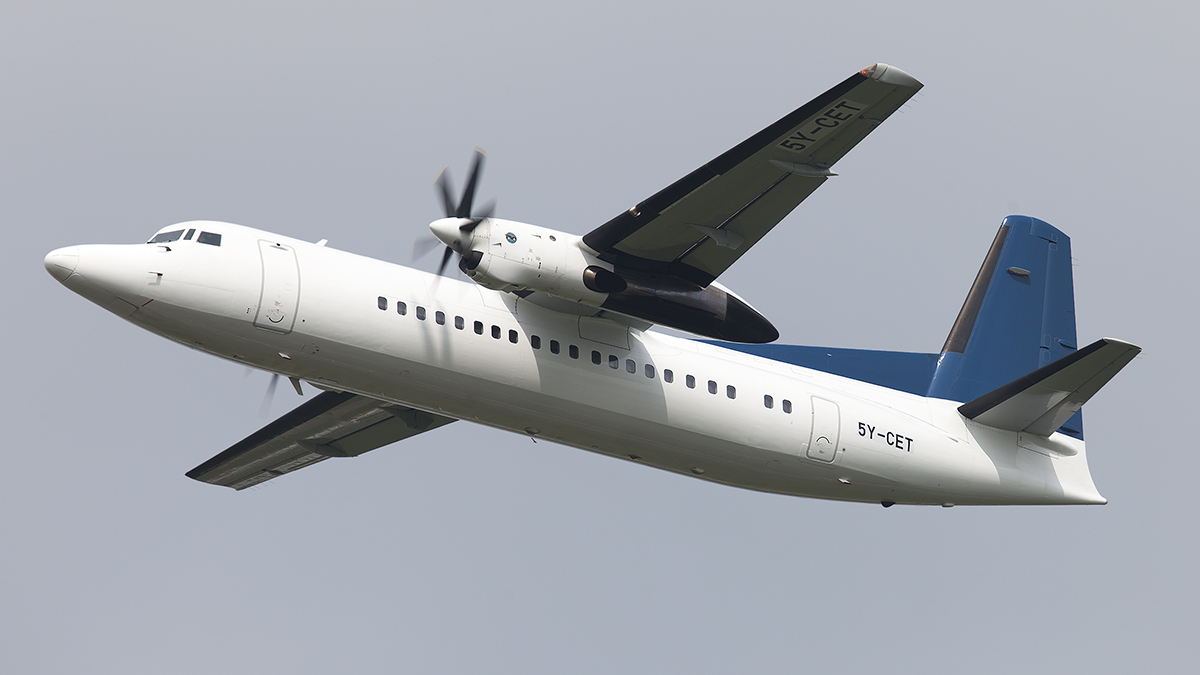
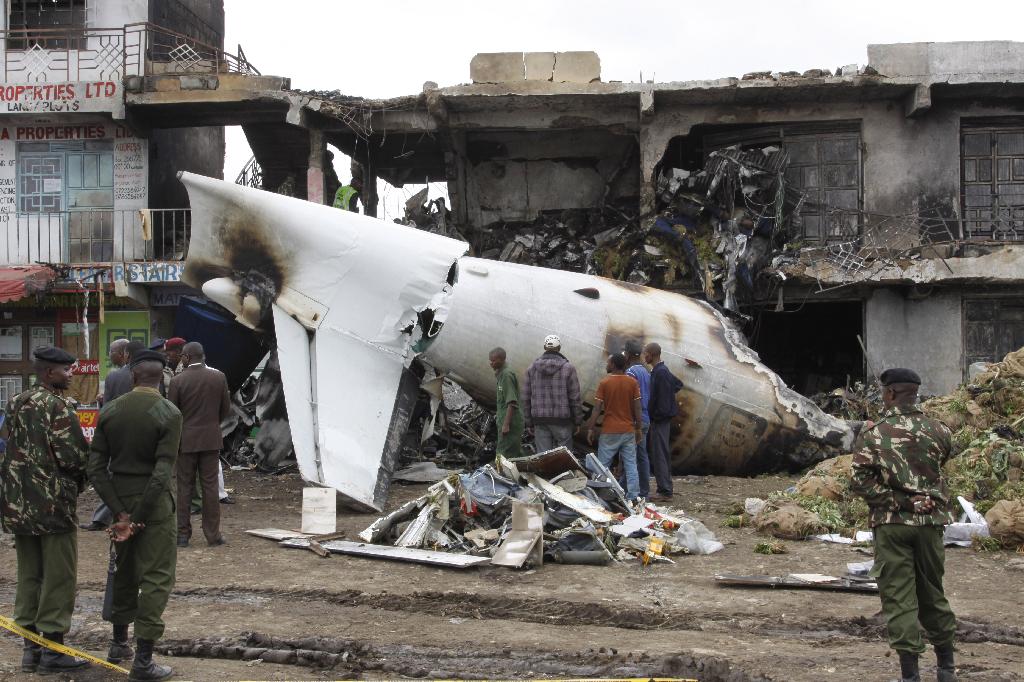
On 2 July 2014, about 01.14 UTC, 5Y-CET, a Fokker F50, an international cargo flight, operated by Skyward International, crashed shortly after takeoff from Jomo Kenyatta International Airport (JKIA), Nairobi, Kenya (JKIA). Instrument Meteorological Conditions prevailed at the time and the airplane was on an instrument flight plan. The four crewmembers were fatally injured. The airplane was destroyed and consumed by post-crash fire. The destination of the flight was Aden Adee International Airport, Mogadishu, Somalia. The airplane was repositioned from its home base at Wilson Airport in Nairobi, the day before. The accident captain (CAPT) and another first officer conducted the repositioning flight. (see Aircraft Information). At JKIA, the airplane was loaded with cargo in preparation for the accident flight. The accident crew consisted of the Capt and FO in addition to a maintenance engineer and loadmaster. According to air traffic control (ATC), the flight plan was filed for duration of 2.5 hours at an altitude of 19,000 feet along with 5 hours of fuel aboard. Based on flight recorder data, the Capt was the pilot-flying and the FO was the pilot-monitoring. The accident flight was reconstructed using data from air traffic control and flight recorder information. According to FDR data, engine start occurred at at 01.50.20. At about 01.10.59 the flight made initial contact with JKIA air traffic control tower and after routine communication, including the confirmation of the number of person and fuel endurance, the flight was cleared for takeoff at 0112.30. At 01.11.58, both engines accelerated to a high power setting with engine no. 1 stabilizing at 78% torque, 100% propeller speed and engine 2 stabilizing at 80% torque, 99% propeller speed. About six seconds later, the Capt indicates “power is set”. About 2 seconds afterwards the Capt indicated “the auto-feather is off, left” and then 5 seconds later, the FO calls out “seven eighty” (?). About 16 seconds after initial engine acceleration was applied, the first of a series of three chimes audio alerts occurred, and continued at 1 second interval throughout the CVR recording. Immediately after the initial chimes, the Capt said “you see” and “how much is that?”. The FO responded “okay niner”. The Capt then asked “it has gotten to?” The FO replied “thirty four thirty ninety two” and shortly afterward “the left one is thirty”. About 24 seconds after initial engine acceleration, engine 1 torque climbs over a period of 2 seconds to a recorded value of 119.9%, the maximum value the recorder is capable of recording. Simultaneously Engine 1 propeller speed falls from 100% to 57%. Other engine shaft speeds remain at approximately their original high power values. Airspeed at the point this change occurs was less than 30 knots. During this period, the FO called out “one twenty two now [pause] torque”. The Capt responded “it is rising eh? The FO then noted “torque one twenty six now”. About 31 seconds after initial engine acceleration, the FO called out “okay speed alive sixty”. About a second later the Capt asked “do we reduce or”? The FO responded “we can just cut”. The Capt inquired “do we abort or continue?” The FO responded, “okay one one twelve and nine four point three” and then “okay one sixteen [pause] ninety four.” The Capt acknowledged “yeah okay” About 47 seconds after initial engine acceleration, the Capt said twice “did I reduce it?”and the FO responded sequentially “yeah” and “okay”] About 52 seconds after initial engine acceleration, the Capt asked “how is it now?” and the FO replied “yeah one oh two [pause] ninety four”. About 7 seconds later the FO called out “okay, one sixteen ninety four”. About 1 minute after initial engine acceleration, the Capt inquired “Is it really going?” The FO replied “one oh one, ninety five”. The Capt acknowledged and shortly afterward he queried “is it going really, is the aircraft really moving”. The FO responded “okay, one oh one, ninety five”. About 4 seconds later, the Capt indicated “it is not giving power” About 1 minute 9 seconds after the initial engine acceleration the FO called out “okay speed has now reached about hundred”. The Capt responded “oh yeah” and immediately afterward the FO called out “okay one eleven, ninety five”. About 1 minute 18 seconds after the initial engine acceleration, the FO indicated “hundred now”. The Capt acknowledged. About 1 minute 26 seconds after the initial engine acceleration, the FO called out “V one V R rotate” About 1 minute 33 seconds after the initial engine acceleration a transition of the airplane from ground to air mode is recorded and the pressure altitude begins to climb along with the Capt immediately afterward expressing two exclamations. Following the transition to air mode there were 51 seconds of flight recorder data before the recording ended. During this time and over a period of about 3 seconds, the FO calls out “positive rate of climb” and the Capt responded “gear up”. About 3 second later, the Capt expressed “it doesn’t have power [pause] it’s on one side.” About 6 seconds afterward, the FO said “we can also turn back”. About 3 seconds later the first of seven “don’t sink” (GPWS aural warning alerts) begins over a period of 23 seconds. After the second GPWS alert the Capt queried “ok, we’re ok?” After the third GPWS alert, the FO said “we can turn back” and the Capt immediately responded “let’s just go”. The FO replied “okay”. After the fifth GPWS alert, the Capt indicated “and this one is showing one fourteen” and then queried? “we can turn back?”. About 2 seconds later, the FO called out “okay speed is one hundred” and the Capt responded “but this one has nothing” About 1 second later and about the time of the sixth GPW alert, JKIA control tower radioed “five yankee charlie echo tango contact radar one two three decimal three. Good morning.” After the seventh GPWS alert the recording ended about 13 seconds later. During this time, the controller called the aircraft again. The Capt expressed “tell him [pause] tell him we have no power”. The last CVR data indicates the FO radioed, “ah tower charlie echo” and the transmission abruptly ended along with simultaneous sounds of distress. According to FDR data, about 15 seconds after the airplane transitioned from ground to air mode the recorded altitude peaked about 5060 feet and accompanied by a maximum airspeed of 100 knots. Along with a variation of airspeed between 90 knots and 100 knots for the remainder of the recording, during the following 20 seconds the altitude decreased to about 5000 feet and then increased to 5050 feet over the next 10 seconds where it remained until the recording ended at 1.14.27. Witness Accounts (Air Traffic Controller Civilians). The aircraft crashed during the hours of darkness at geographical coordinates of 01° 17’16”S, 36° 57’5”E.
Probable cause:
The probable cause of the accident was the decision by the crew to conduct the flight with a known mechanical problem and their failure to abort or reject the takeoff after receiving twenty seven cautions.
The following findings were identified:
- A three chime alert occurred during the positioning flight from HKNW to HKJK,
- Crew continued with the flight with a known fault,
- No evidence that remedial maintenance action was taken after landing from that flight prior to the event flight,
- No evidence of the anomaly being captured in the aircraft technical log,
- At least one of the occupants during the event flight, possibly the PIC, had been present during the positioning flight and thus was aware of the three chime alert that had occurred then,
- Twenty seven sound of three chime alert event occurred during the take off roll on the accident flight,
- The aforementioned alert occurred well before V1,
- The left engine exhibited high torque values (in excess of 120%) while the left propeller speed was reduced to the range between 45% to 55% rpm for most of the flight,
- Crew continued with take of roll and subsequent rotation despite the twenty seven chime alert,
- When airborne, crew contemplated turning back but eventually elected to continue with the flight,
- Cargo weight exceeded what was indicated in the load sheet 36,
- There was no evidence of any maintenance having been conducted on the aircraft since its Certificate of Airworthiness issue two months previously (9th May 2014).
Final Report:

Crash of a Harbin Yunsunji Y-12-II in El Wak: 1 killed

Date & Time: May 12, 2014
Type of aircraft:
Operator:
Registration:
KAF124
Flight Phase:
Flight Type:
Survivors:
Yes
Schedule:
Mandera – El Wak – Garissa – Nairobi
MSN:
0095
YOM:
1997
Country:
Region:
Crew on board:
2
Crew fatalities:
Pax on board:
10
Pax fatalities:
Other fatalities:
Total fatalities:
1
Circumstances:
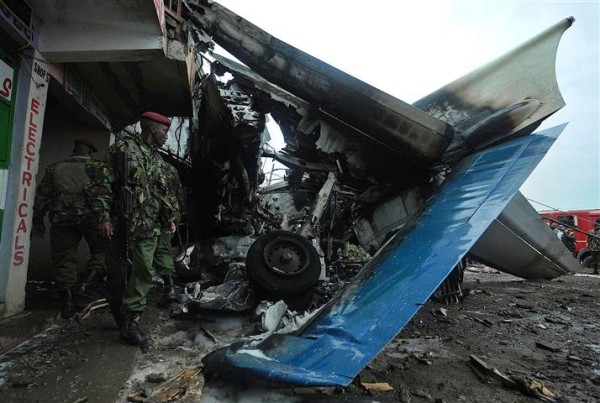
Shortly after takeoff from El Wak Airfield, bound for Garissa, the twin engine aircraft stalled and crashed. The copilot was killed while 11 other occupants were injured. The aircraft was destroyed.
Crash of a Let L-410UVP-E9 in Ngerende: 4 killed

Date & Time: Aug 22, 2012 at 1220 LT
Type of aircraft:
Operator:
Registration:
5Y-UVP
Flight Phase:
Survivors:
Yes
Schedule:
Amboseli – Ngerende – Mara North – Ukunda – Mombasa
MSN:
91 26 27
YOM:
1991
Country:
Region:
Crew on board:
2
Crew fatalities:
Pax on board:
11
Pax fatalities:
Other fatalities:
Total fatalities:
4
Captain / Total flying hours:
7480
Captain / Total hours on type:
1150.00
Copilot / Total flying hours:
312
Circumstances:
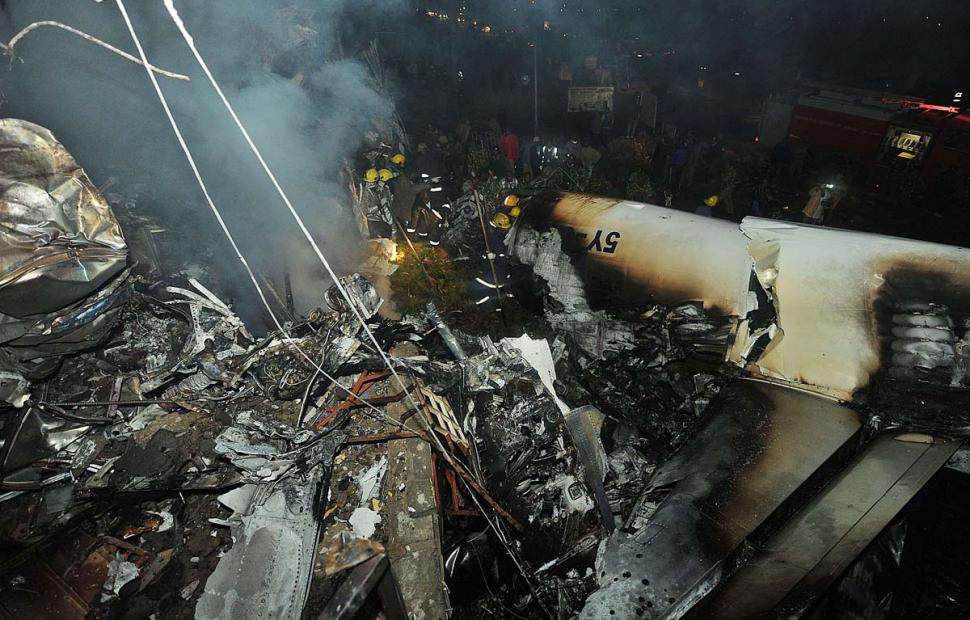
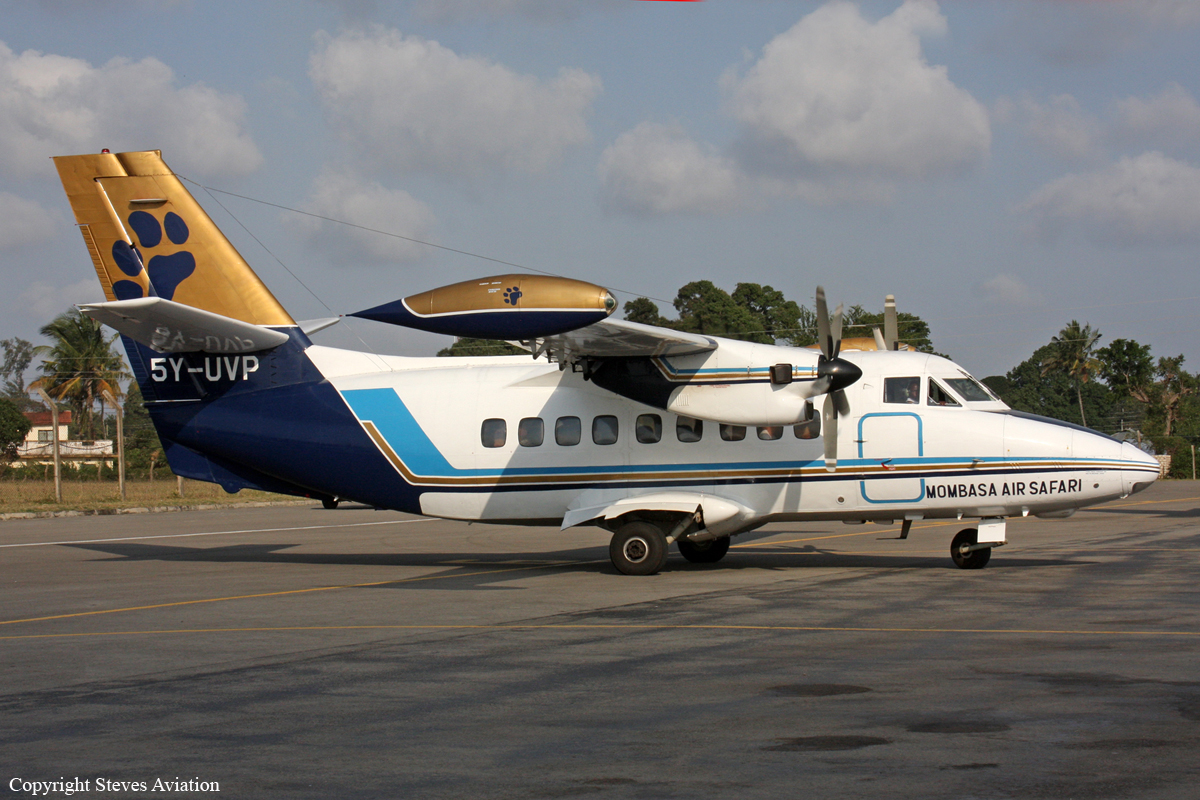
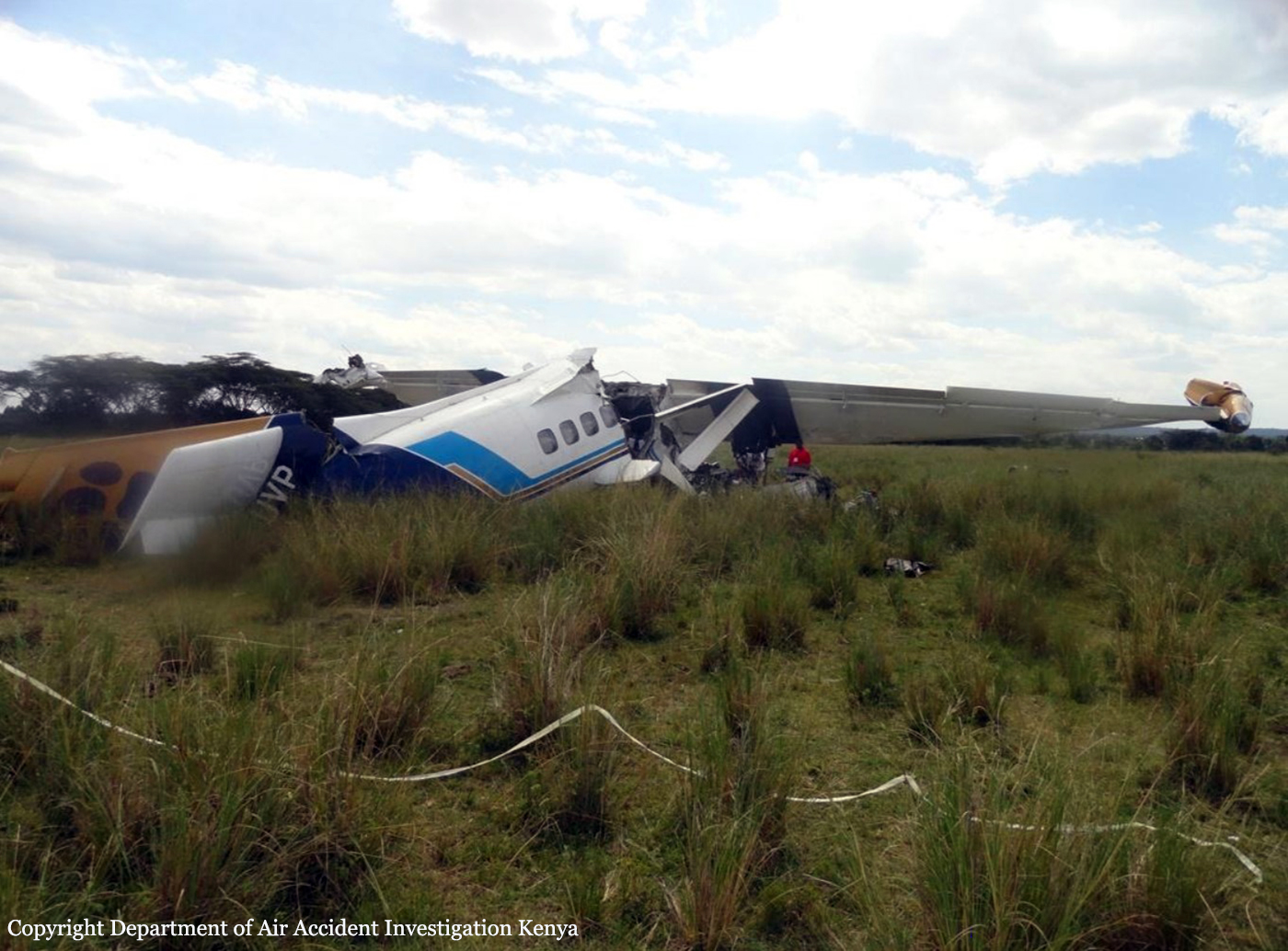
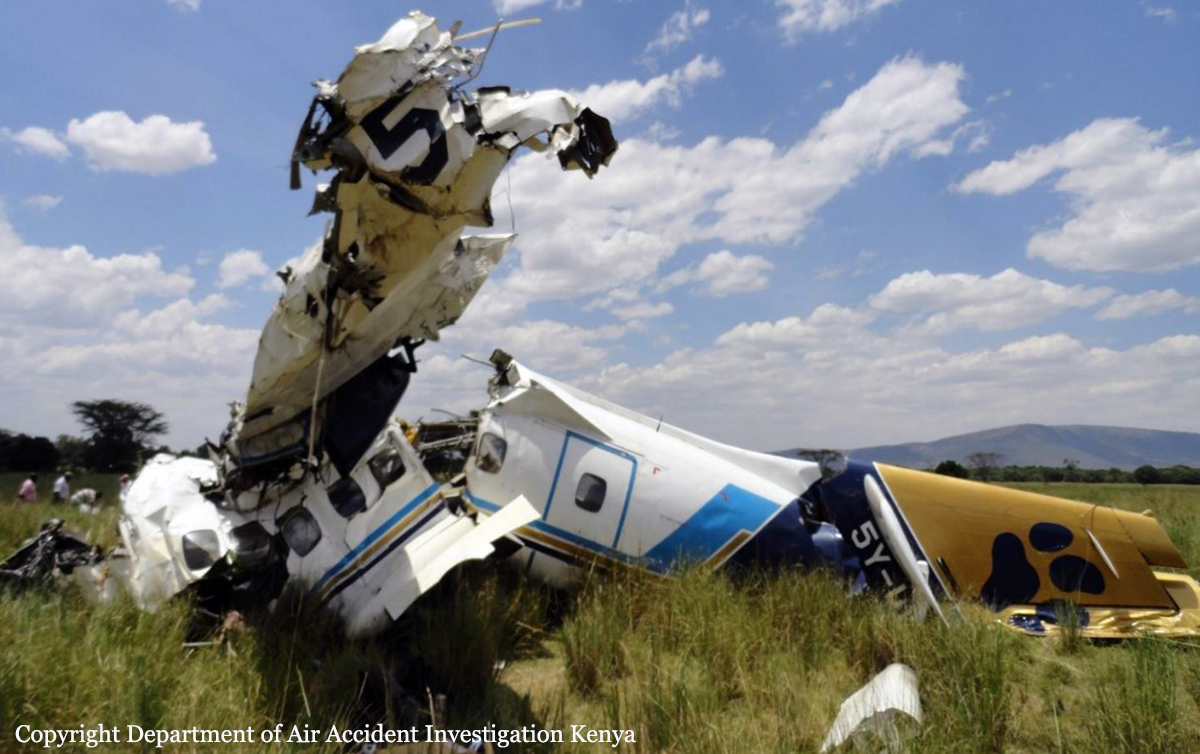
This was a commercial non scheduled flight which was being operated for air transport for local flights. The operator is based in Mombasa and mostly executes passenger flights to the Masai Mara and other game parks and reserves within the Republic of Kenya. On 22nd Aug 2012, the aircraft was scheduled to carry out a flight to the Masai Mara, do several sectors to pick and drop passengers and return to Moi international Airport via Ukunda Airport. The call sign was 5Y-UVP. The last point of departure was Ngerende Airstrip in the Masai Mara at 0917 with intention of onward flight to Mara North airstrip in the Masai Mara. The flight had earlier left Amboseli Airstrip with two crew, and 17 passengers for Ngerende Airstrip. 6 passengers had disembarked at Ngerende and the remaining 11 passengers were continuing to other destinations. No additional passengers or cargo was picked up from Ngerende airstrip. No refueling was done at the airstrip. The airfield is an unmanned airfield, with crew executing unmanned airfield communication procedures to execute approach and landings and also during takeoff. There is however a ground time keeper and a fueling bay at the airfield. Due to terrain and prevailing winds at the time of the flight, Runway 28 was in use. The crew was using unmanned airfield procedures and after the drop-off of 6 passengers, the aircraft lined up runway 28 and proceeded with the take off run. Ground staff at the airstrip reported a normal takeoff run and rotation. During the initial climb, the ground staff still had the aircraft in sight and reported to have seen the aircraft veer sharply to the left and then disappear behind terrain. Shortly afterwards, a loud sound was heard followed by dust in the air. Emergency SAR was initiated with the airport and hotel staff rushing to the accident site. The location of the accident was about 310 meters from the threshold of Runway 10, offset 30° to the left of the extended center line Runway 28. GPS coordinates (figure 1.2) 01.084189° S, 35.1781127° E, Ngerende airstrip. The accident occurred at 0917 UTC on 22nd Aug 2012, during daytime.
Probable cause:
The following findings were identified:
- The left engine was most probably not developing power at the time of impact,
- The left engine propeller was most probably in feather at the time of impact,
- Both CVR and FDR were unserviceable at the time of the accident,
- AAID was unable to determine origin of contaminant found in the left engine Fuel Control Unit,
- Sufficient oversight was not exercised over the Operator,
- High turnover of the Operator’s staff.
Final Report:

Crash of a Let L-410UVP-E9 in Kichwa Tembo

Date & Time: Jan 12, 2012 at 1955 LT
Type of aircraft:
Operator:
Registration:
5Y-BSA
Flight Phase:
Survivors:
Yes
Schedule:
Kichwa Tembo – Musiara
MSN:
89 23 23
YOM:
1989
Country:
Region:
Crew on board:
2
Crew fatalities:
Pax on board:
4
Pax fatalities:
Other fatalities:
Total fatalities:
0
Circumstances:
The twin engine aircraft was returning to Mombasa with a scheduled stop in Musiara to pickup 15 additional passengers. On departure from Kichwa Tembo, there were four passengers and two pilots on board. During the takeoff roll from runway 08, the aircraft hit a bump half way down the runway and bounced. The aircraft hit a second bump shortly later and as the crew heard the stall alarm, he decided to reject takeoff. Unable to stop within the remaining distance, the aircraft overran, lost its nose gear and came to rest 300 metres further. All six occupants escaped uninjured while the aircraft was damaged beyond repair.

Crash of a Cessna 401A near Nairobi: 2 killed

Date & Time: Oct 21, 2011 at 1523 LT
Type of aircraft:
Registration:
5Y-CAE
Survivors:
Yes
Schedule:
Nairobi - Marsabit - Lodwar - Nairobi
MSN:
401-0011
YOM:
1967
Country:
Region:
Crew on board:
1
Crew fatalities:
Pax on board:
2
Pax fatalities:
Other fatalities:
Total fatalities:
2
Circumstances:
The twin engine aircraft departed Nairobi-Wilson Airport in the morning for a flight to Marsabit and Lodwar, carrying exam documents. While returning to Wilson Airport in the afternoon, the airplane went out of control and crashed in an open field located about 15 km west of Wilson Airport. The pilot and a passenger were killed while the second passenger was seriously injured. The aircraft was destroyed.

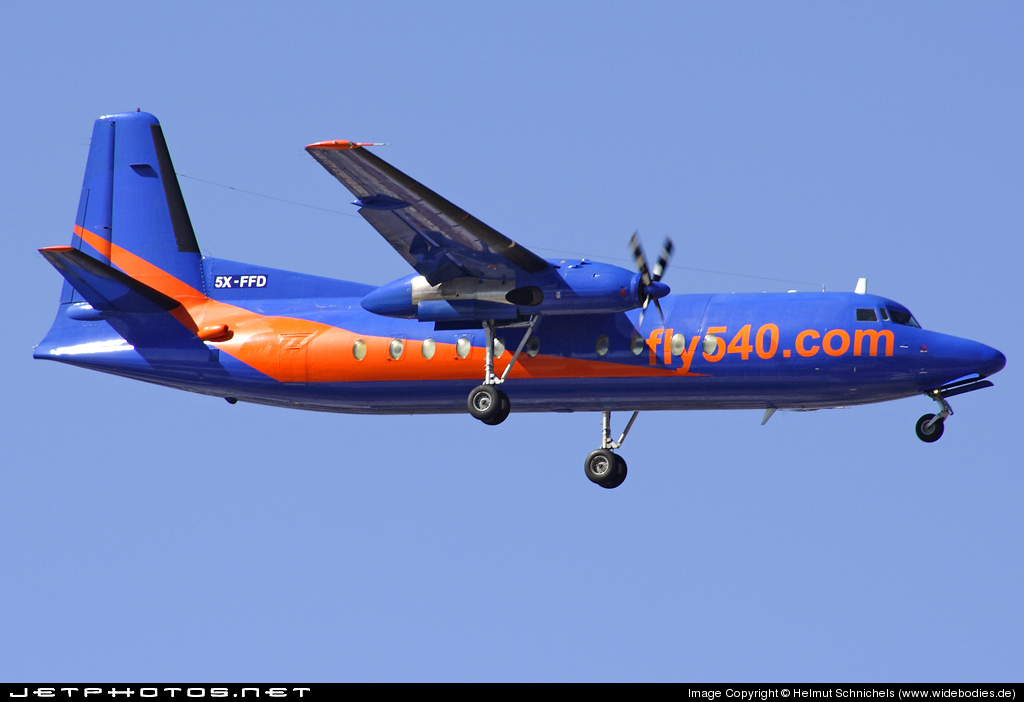
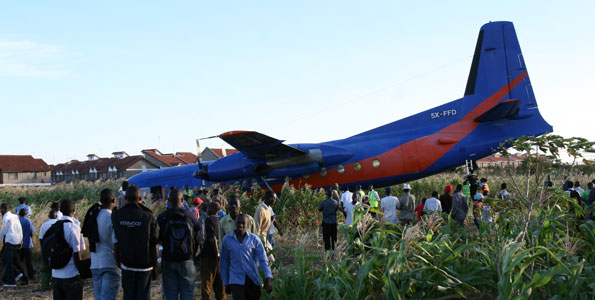
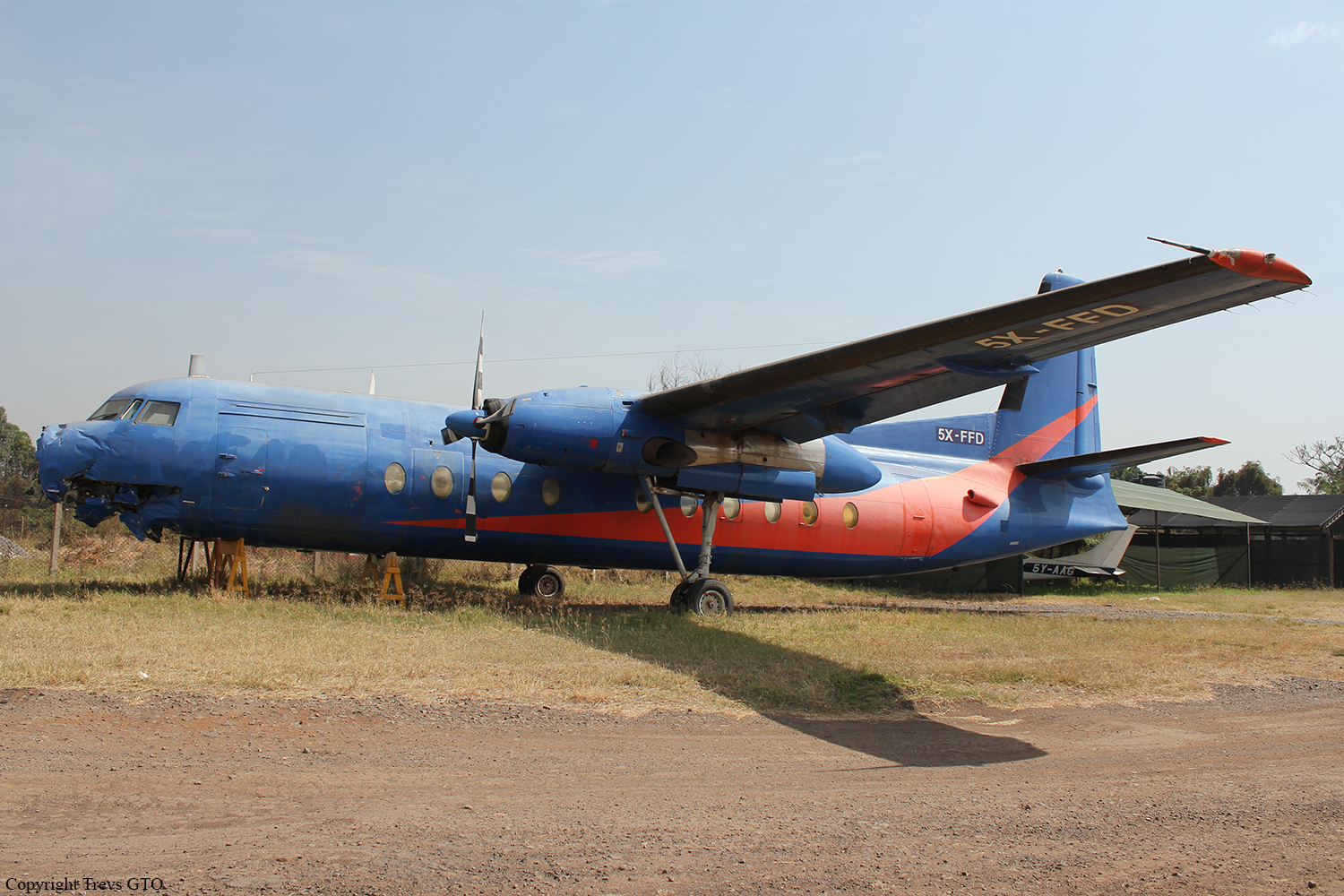
Crash of a Fokker F27 Friendship 500CRF in Nairobi

Date & Time: Jan 27, 2011 at 1335 LT
Type of aircraft:
Operator:
Registration:
5X-FFD
Flight Phase:
Flight Type:
Survivors:
Yes
Schedule:
Nairobi - Nairobi
MSN:
10530
YOM:
1976
Country:
Region:
Crew on board:
2
Crew fatalities:
Pax on board:
2
Pax fatalities:
Other fatalities:
Total fatalities:
0
Circumstances:
The twin engine aircraft was engaged in a local post maintenance test flight from Nairobi-Wilson Airport. The crew consisted of two pilots and two engineers. During the takeoff roll from runway 07, the captain decided to abort. Unable to stop within the remaining distance, the aircraft overran, went through a fence, lost its nose gear and came to rest in a field. All four occupants escaped with minor injuries while the aircraft was damaged beyond repair.