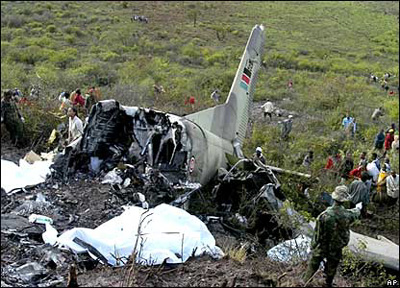
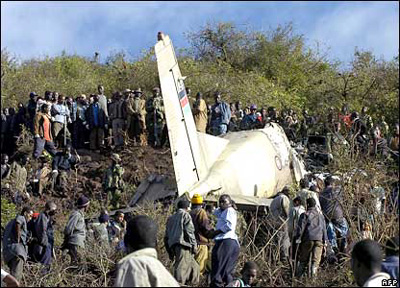
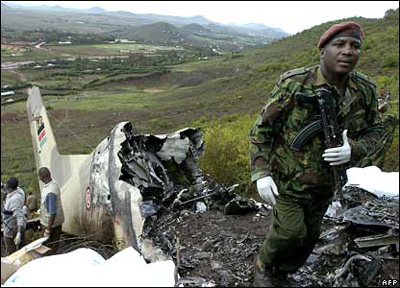
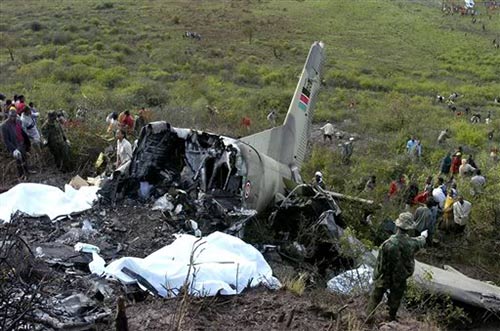
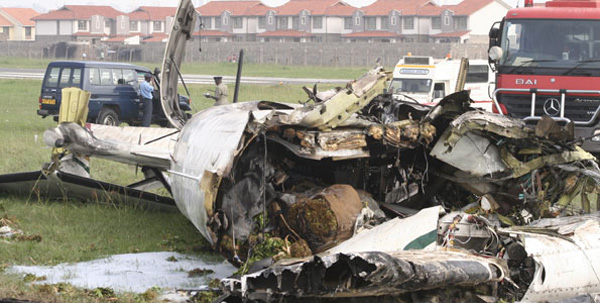
Crash of a Beechcraft 1900D in Nairobi: 2 killed

Date & Time: Nov 9, 2009 at 0517 LT
Type of aircraft:
Operator:
Registration:
5Y-VVQ
Flight Type:
Survivors:
No
Schedule:
Nairobi – Guriceel
MSN:
UE-250
YOM:
1996
Country:
Region:
Crew on board:
2
Crew fatalities:
Pax on board:
0
Pax fatalities:
Other fatalities:
Total fatalities:
2
Aircraft flight hours:
15866
Aircraft flight cycles:
15941
Circumstances:
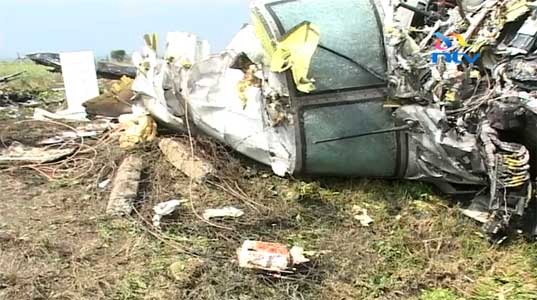
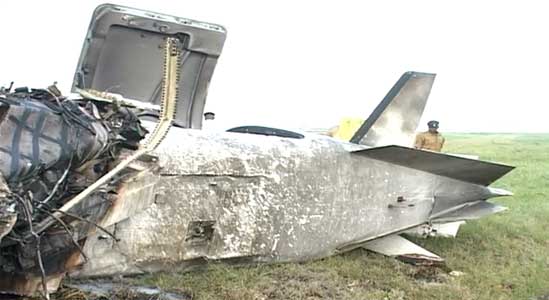
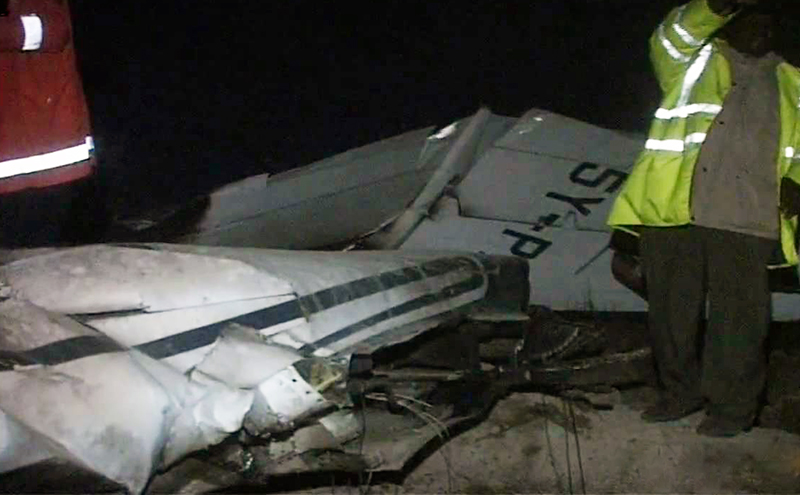
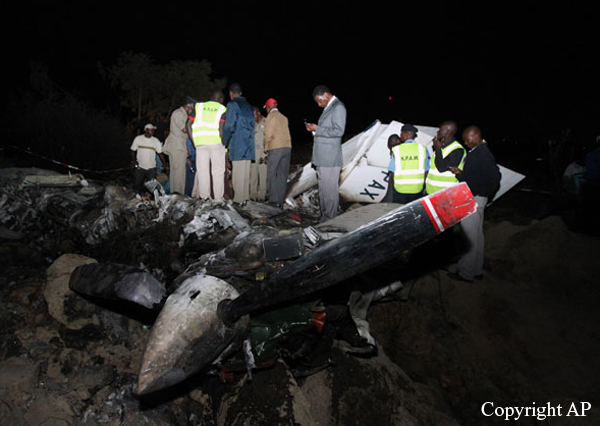
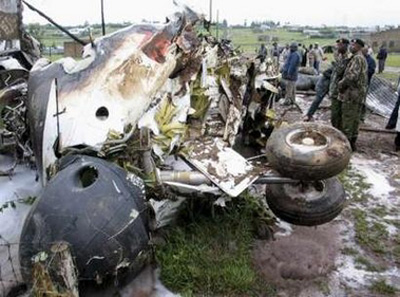
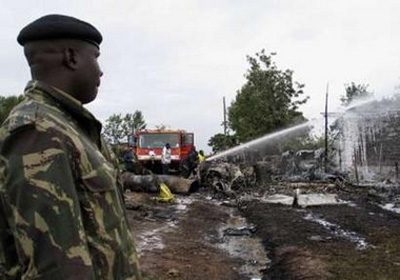
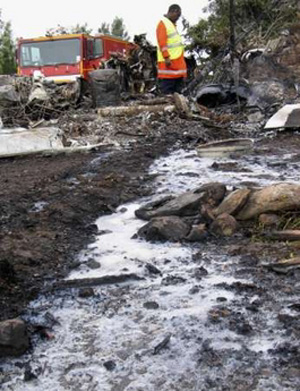
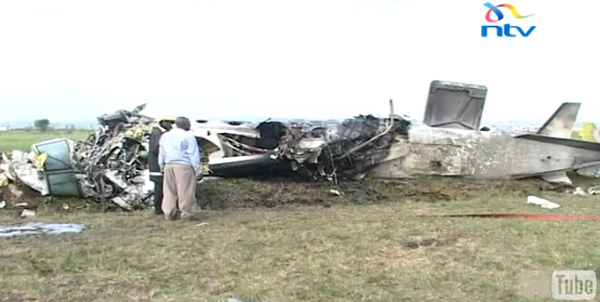
The airplane departed Wilson Airport at 03:39 hours, transporting a cargo of miraa to Guriceel Airstrip, Somalia. Taxi, take off and climb were uneventful. However, at 04:23 and flying at FL230 the crew contacted Nairobi Area Control Centre (ACC) and requested for a turn back to Wilson Airport due to a 'slight problem'. At about the same time, the aircraft made a right turn from a heading of 50° to 240° magnetic and commenced descent. The crew reported descending to FL220 and expressed intention to descend further to FL180. However, ACC informed the crew to initially maintain FL200 due to traffic moving in the opposite direction. At 04:28 the crew informed ACC that they were unable to maintain FL200 and requested to descend to FL180 having crossed the opposite traffic. At 04:29, the crew confirmed to Air Traffic Control (ATC) that they were heading to Wilson Airport and indicated that they did not require any assistance. The aircraft continued descending until FL120. The Nairobi Approach Radar established contact with the aircraft at 04:41 and indicated to the crew that they were 98 nautical miles North East of November Victor. The crew was then told to turn left to a heading of 225° and report when they were top of descent, which they did. The crew reported again that they had a 'slight problem' and as a safety measure they had to shut down one engine. They also expressed desire to route direct to Silos. At 04:42 5Y-VVQ aligned with the North East access lane via Ndula Marker. At 04:45, the crew confirmed to Nairobi Approach Radar that the malfunction was on the left engine and again acknowledged that they did not require any assistance. At 04:51, the crew requested for radar vectors for an ILS approach to runway 06 at Jomo Kenyatta International Airport with a long final to runway 32 of Wilson Airport. At 05:09, the aircraft descended to 8000ft heading 260°. At 05:14, the crew was given vectors for runway 32 Wilson Airport. At the same time, the aircraft turned right to a heading 310° as it continued to descend to 7000ft. The crew confirmed the vectors and at 05:15 stated that they were passing Visual Meteorological Conditions (VMC). They were also informed that the Wilson Airport runway 32 was 6.5 nautical miles away in the two o'clock direction. The aircraft continued to descend to 6000ft and at 05:16, the crew confirmed sight of runway 32. The crew was then transferred from the radar to the Wilson Tower frequency for landing. 5Y-VVQ was cleared for a straight-in approach to runway 32. Wilson Tower then communicated to the crew airfield QNH was 1022hPa and that winds were calm. The Tower controller had 5Y-VVQ visual and it was cleared to land on runway 32. At about the same time, the aircraft made a 5° right bank and again leveled off before making a steep left bank rising to 30° within 4 seconds. According to Tower and eyewitness information, the aircraft appeared high on approach and on short-final, it was observed to turn a bit to the right. This was followed by a steep left bank. The aircraft left wing hit the ground first approximately 100 meters outside the airport perimeter fence. The aircraft then flipped over, hitting and breaking the airport fence and coming to rest on the left of runway 32 approximately 100 meters from its threshold. The aircraft immediately caught fire upon the impact. Upon further investigations and interview of company personnel, it was established that the crew had made the decision to shut down the left engine following a low oil pressure warning. The flight crew did not declare an emergency.
Probable cause:
The investigation determined the probable cause of the accident as loss of aircraft control at low altitude occasioned by operation of the aircraft below VMCA during one engine inoperative approach.
Other significant contributory factors to this accident include:
- Inadequate pilot training on single engine operation and VMCA;
- inappropriate handling technique during one engine inoperative flight;
- inability of the pilot to monitor the degrading airspeed.
Crash of a Boeing 707-321C in Mombasa

Date & Time: Oct 13, 2009
Type of aircraft:
Registration:
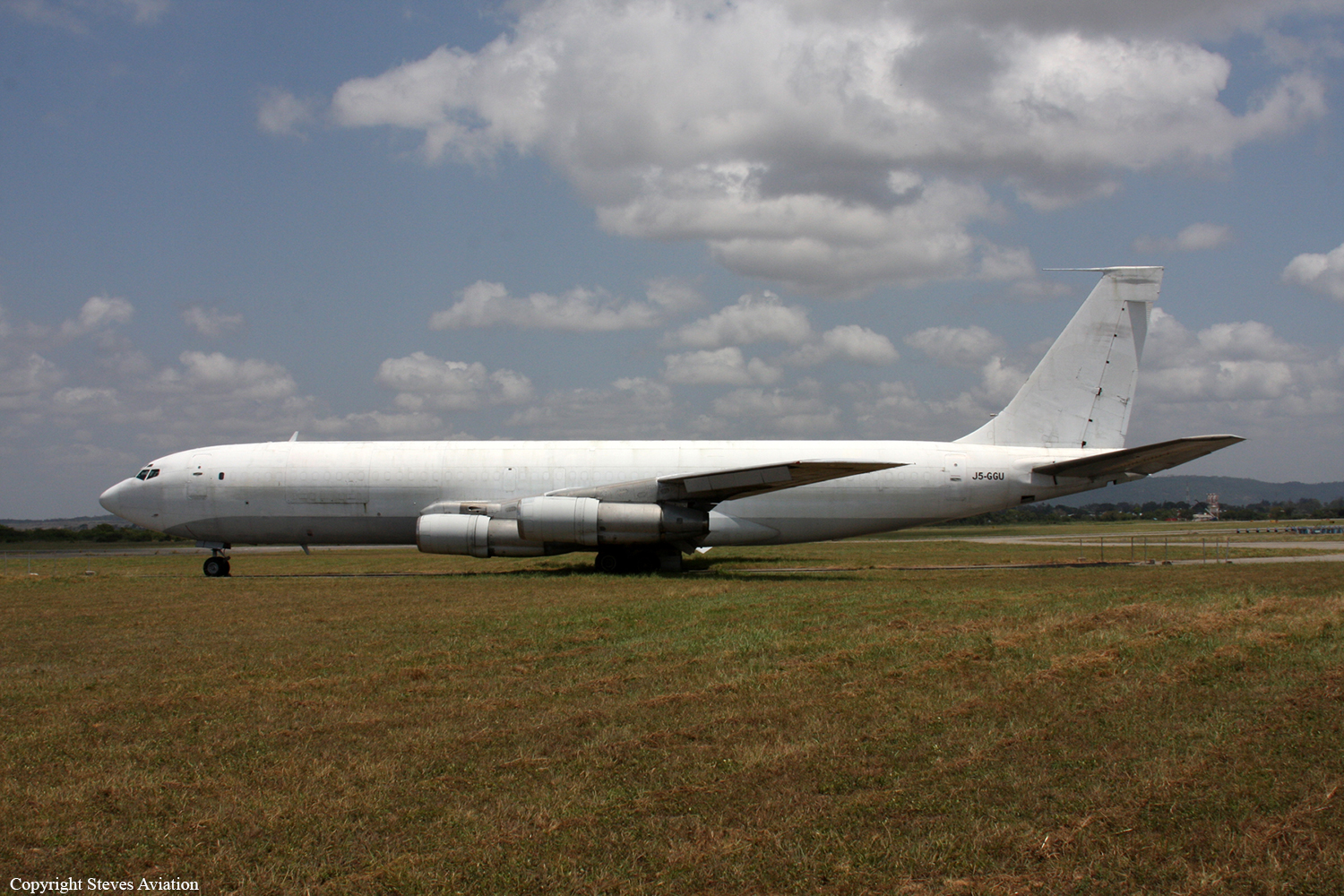
J5-GGU
Flight Type:
Survivors:
Yes
MSN:
19372/655
YOM:
1967
Location:
Country:
Region:
Crew on board:
3
Crew fatalities:
Pax on board:
0
Pax fatalities:
Other fatalities:
Total fatalities:
0
Circumstances:
On final approach to Mombasa-Moi Airport, the aircraft was too low and collided with approach lights. The crew continued the approach and the aircraft landed safely. Few seconds later, while evacuating the runway to the taxiway, the right main gear collapsed. All three crew members escaped uninjured while the aircraft was damaged beyond repair.

Crash of a Cessna 404 Titan in Nairobi: 1 killed

Date & Time: Sep 14, 2009 at 1920 LT
Type of aircraft:
Operator:
Registration:
5Y-PAX
Flight Phase:
Flight Type:
Survivors:
Yes
Schedule:
Nairobi - Nairobi
MSN:
404-0104
YOM:
1977
Country:
Region:
Crew on board:
2
Crew fatalities:
Pax on board:
0
Pax fatalities:
Other fatalities:
Total fatalities:
1
Circumstances:
The crew was completing a local training at Nairobi-Wilson Airport. Shortly after takeoff, while in initial climb, the twin engine aircraft stalled and crashed, bursting into flames. One pilot was killed while the second one was seriously injured. The aircraft was destroyed.

Crash of a De Havilland DHC-5D Buffalo in Lokichoggio

Date & Time: Sep 29, 2008
Type of aircraft:
Registration:
5Y-OPL
Flight Type:
Survivors:
Yes
MSN:
84
YOM:
1978
Country:
Region:
Crew on board:
3
Crew fatalities:
Pax on board:
0
Pax fatalities:
Other fatalities:
Total fatalities:
0
Circumstances:
Upon landing at Lokichoggio Airport, the airplane banked right, causing the right propeller and the right wing to struck the runway surface. The aircraft slid for few dozen metres before coming to rest. There were no injuries while the aircraft was damaged beyond repair.
Probable cause:
It is believed that the right main gear was stuck in its wheel well because the door was blocked.

Crash of a Let L-410UVP-E9 in Kichwa Tembo

Date & Time: Jul 10, 2008 at 0820 LT
Type of aircraft:
Operator:
Registration:
5Y-VVB
Flight Phase:
Survivors:
Yes
MSN:
96 27 04
YOM:
1996
Country:
Region:
Crew on board:
2
Crew fatalities:
Pax on board:
11
Pax fatalities:
Other fatalities:
Total fatalities:
0
Circumstances:
During the takeoff roll, the copilot noticed abnormal parameters on the right engine and a possible failure. The captain confirmed and rejected the take off procedure. The twin engine aircraft was unable to stop within the remaining runway 08, overran, collided with a termite mound and came to rest 140 metres further on. All 13 occupants escaped uninjured while the aircraft was damaged beyond economical repair.

Crash of a Beechcraft B200 Super King Air in Garissa

Date & Time: Aug 6, 2007
Operator:
Registration:
5Y-HHM
Flight Type:
Survivors:
Yes
Schedule:
Nairobi - Garissa
MSN:
BB-1152
YOM:
1983
Country:
Region:
Crew on board:
2
Crew fatalities:
Pax on board:
0
Pax fatalities:
Other fatalities:
Total fatalities:
0
Circumstances:
The crew was completing a positioning flight from Nairobi to Garissa. On final approach to Garissa, a donkey entered the runway. The crew initiated a go-around procedure but the aircraft stalled and landed very hard. Both pilots escaped uninjured while the aircraft was damaged beyond repair.

Crash of a De Havilland DHC-5 Buffalo in Nairobi

Date & Time: Dec 30, 2006 at 0632 LT
Type of aircraft:
Operator:
Registration:
5Y-SRK
Flight Phase:
Flight Type:
Survivors:
Yes
Schedule:
Nairobi - Baidoa
MSN:
003
YOM:
1965
Flight number:
UNO448A
Country:
Region:
Crew on board:
3
Crew fatalities:
Pax on board:
0
Pax fatalities:
Other fatalities:
Total fatalities:
0
Circumstances:
The aircraft departed Nairobi-Jomo Kenyatta Airport on a cargo flight to Baidoa, Somalia, carrying 3 crew members and a load consisting of 20 drums of fuel for the Somali interim Government in place in Baidoa, on behalf of the International Red Cross. Shortly after takeoff from runway 06, at a height of about 100 feet, the left engine lost power. The captain contacted ATC, declared an emergency and was cleared for an immediate return. After the engine was secured and the propeller was feathered, the crew initiated a turn when the aircraft lost height, collided with a power line and crashed onto a house, 3 minutes after takeoff. All three crew members were injured while no one was injured on ground.
Probable cause:
Failure of the left engine during initial climb for undetermined reasons. Marginal weather conditions were considered as a contributing factor.

Crash of an Antonov AN-12BP in Lokichoggio

Date & Time: Nov 1, 2006 at 1344 LT
Type of aircraft:
Operator:
Registration:
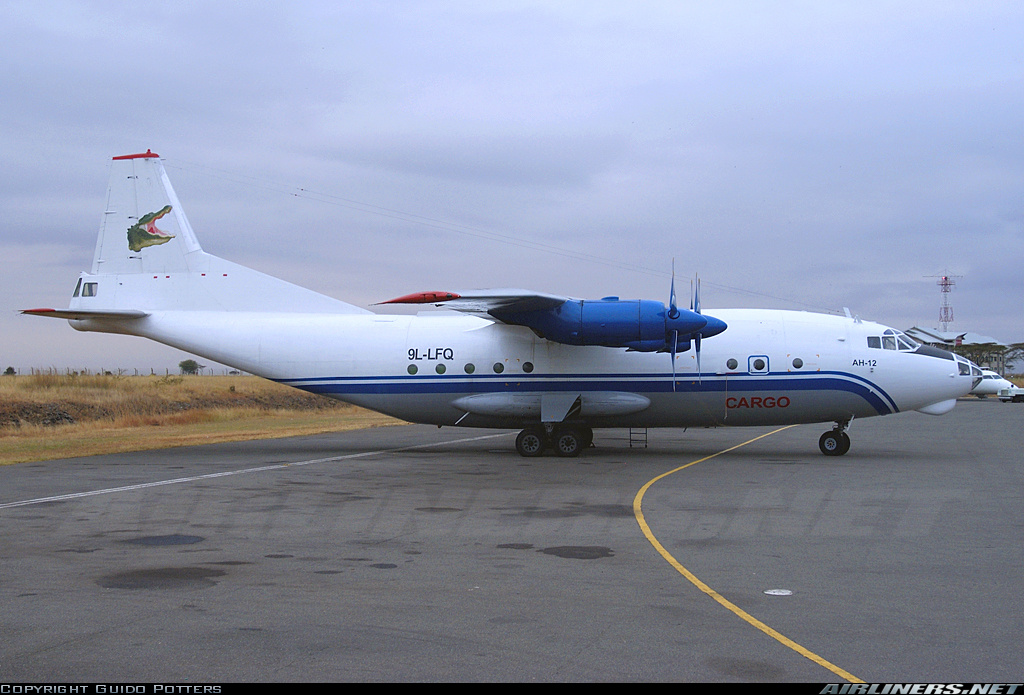
9L-LFQ
Flight Type:
Survivors:
Yes
Schedule:
Nairobi – Lokichogio
MSN:
2 4 005 02
YOM:
1962
Country:
Region:
Crew on board:
6
Crew fatalities:
Pax on board:
3
Pax fatalities:
Other fatalities:
Total fatalities:
0
Circumstances:
Upon landing on runway 27 at Lokichoggio Airport, the aircraft bounced three times then landed firmly. Upon impact, the nose gear collapsed and the aircraft slid on its nose before coming to rest about 100 metres before the runway end. All nine occupants escaped uninjured while the aircraft was damaged beyond repair.
Probable cause:
Wrong approach configuration on part of the crew who completed the approach with an excessive rate of descent, causing the aircraft to land hard and to bounce three times. The high g loads upon impact caused the nose gear to collapse.

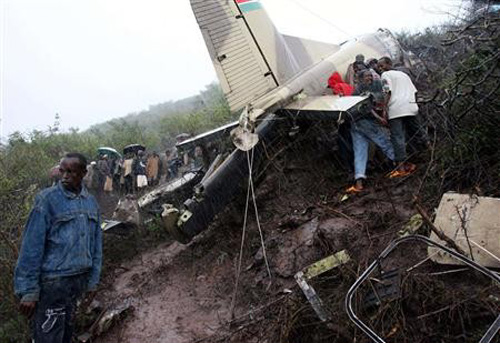
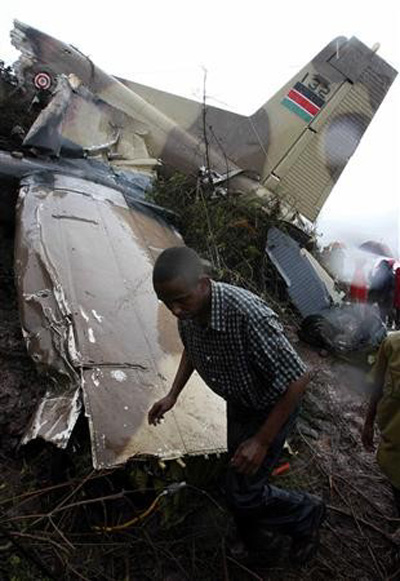
Crash of a Harbin Yunsunji Y-12 II in Marsabit: 14 killed

Date & Time: Apr 10, 2006 at 1000 LT
Type of aircraft:
Operator:
Registration:
KAF132
Flight Type:
Survivors:
Yes
Site:
Schedule:
Nairobi - Marsabit
MSN:
0098
YOM:
2000
Country:
Region:
Crew on board:
2
Crew fatalities:
Pax on board:
15
Pax fatalities:
Other fatalities:
Total fatalities:
14
Aircraft flight hours:
1032
Circumstances:
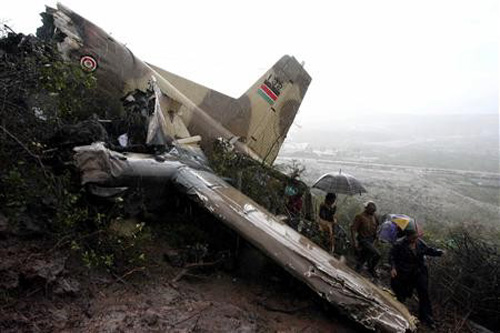
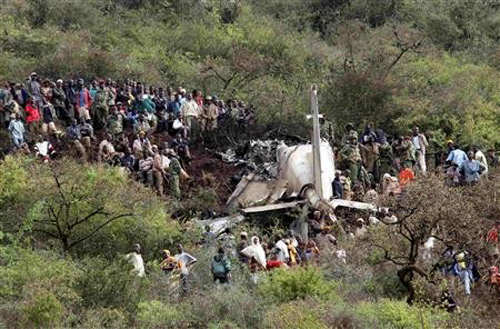
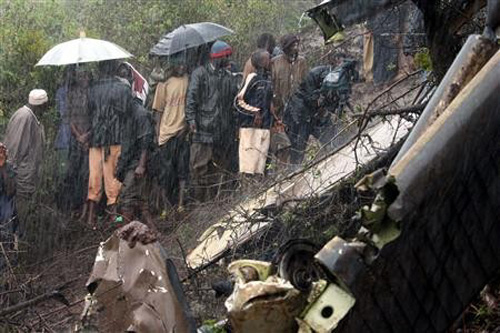
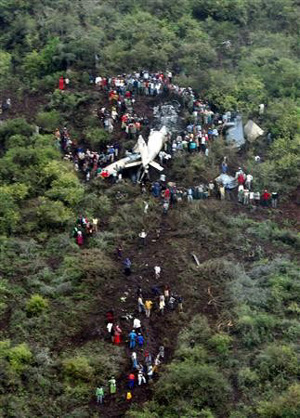
The twin engine aircraft departed Moi Air Base in Nairobi on a flight to Marsabit, carrying a delegation of the Kenyan Government including two ministers. They were flying to Marsabit as part of a mediation mission between communities in dispute, in particular over grazing rights and water points. On approach to Marsabit Airport, the crew encountered poor visibility due to low clouds when the aircraft crashed on the slope of a hill located few km from the airport. Three passengers were seriously injured while 14 other occupants were killed.
Probable cause:
Controlled flight into terrain after the crew continued the approach at an unsafe altitude in marginal weather conditions.

Crash of a Lockheed L-382G-32C Hercules in Lokichoggio

Date & Time: Jun 10, 2005 at 1459 LT
Type of aircraft:
Operator:
Registration:
S9-BAS
Flight Type:
Survivors:
Yes
Schedule:
El Obeid – Lokichoggio
MSN:
4472
YOM:
1972
Country:
Region:
Crew on board:
5
Crew fatalities:
Pax on board:
0
Pax fatalities:
Other fatalities:
Total fatalities:
0
Captain / Total flying hours:
19800
Captain / Total hours on type:
15000.00
Copilot / Total flying hours:
14225
Aircraft flight hours:
51888
Circumstances:
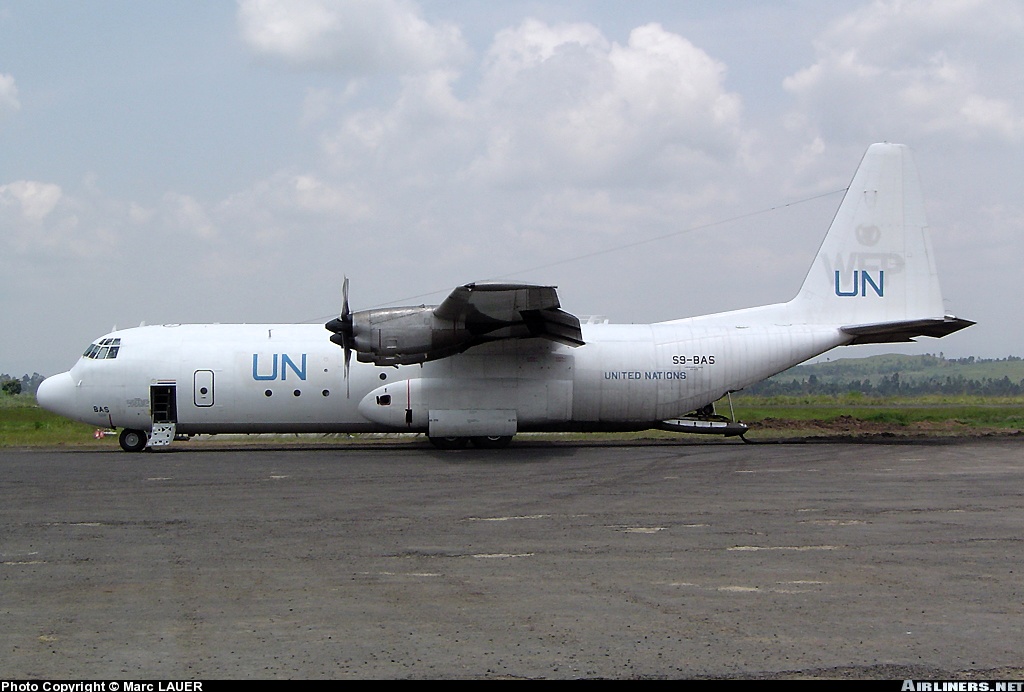
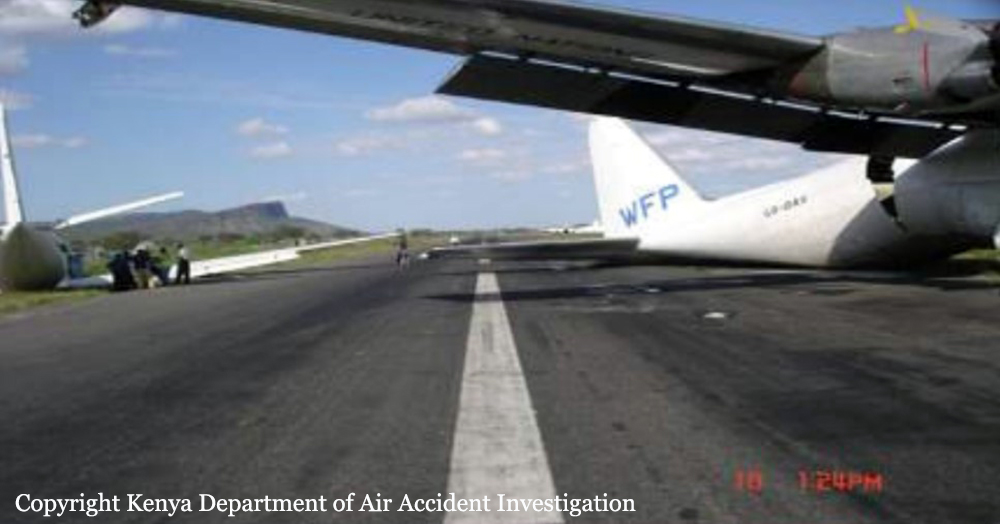
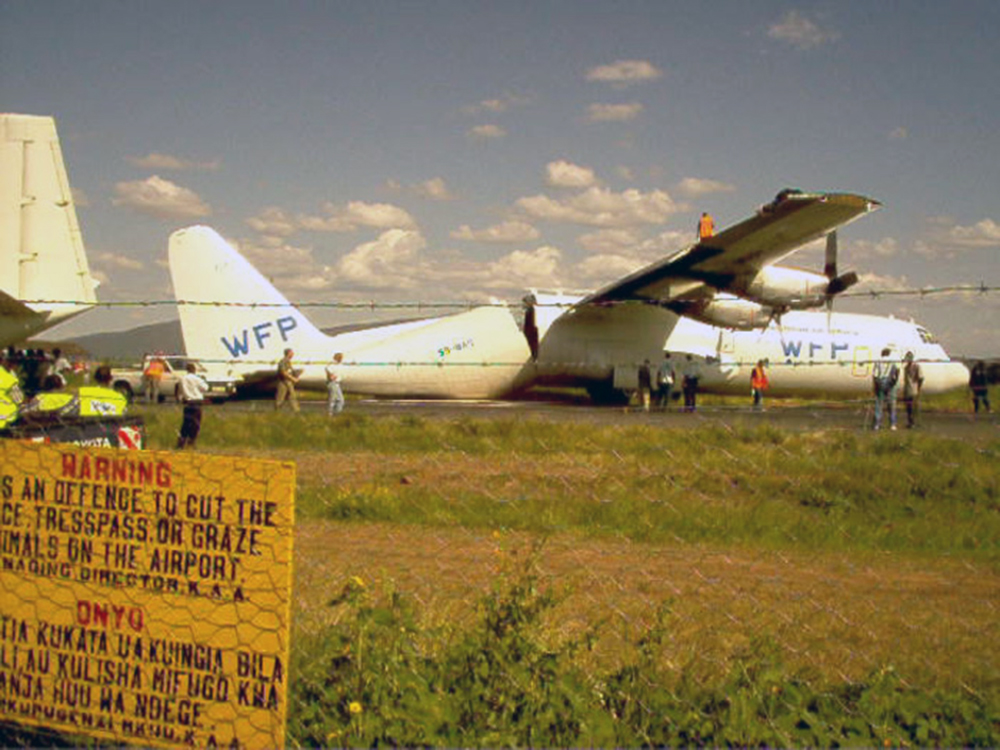
A HS-748 suffered landing gear problems, causing the airplane to end up on its belly, blocking Lokichoggio's single 1800-metre runway 09/27. Three other light aircraft, a Dornier 228, an Antonov 28 and a Cessna 208, landed safely at the airfield on runway 27 after the HS-748 accident. Two Antonov 12 aircraft inbound to Lokichoggio from Torit, Southern Sudan, diverted to Juba upon getting information of the runway obstruction. Transafrik Hercules S9-BAS, flying for the United Nations World Food Programme, contacted Lokichoggio Tower at 14:30 hours. The aircraft was returning from a food air drop at Motot, Southern Sudan. The pilot was advised to divert to Eldoret International Airport but he opted to land at Lokichoggio. The Tower cleared the Hercules to land on runway 27 at the pilot’s discretion. The aircraft made a very heavy landing short of the runway and the top centre fuselage broke. The aircraft came to a stop about one kilometre from the touchdown point. Shortly before coming to a halt, the aircraft impacted the HS 748 with its right wing tip. The captain, the first officer, the flight engineer and the two loadmasters evacuated themselves safely. A repair crew started to work on S9-BAS on site at Lokichoggio in May 2006. The fuselage was repaired but the contractor left before repairs were completed. The airplane was seen in November 2008 parked at Lokichoggio without landing gear, engines and vertical stabilizer.
Probable cause:
The probable cause of the Hercules accident was the captain’s improper decision to land on the blocked runway at Lokichoggio Airport.
Final Report: