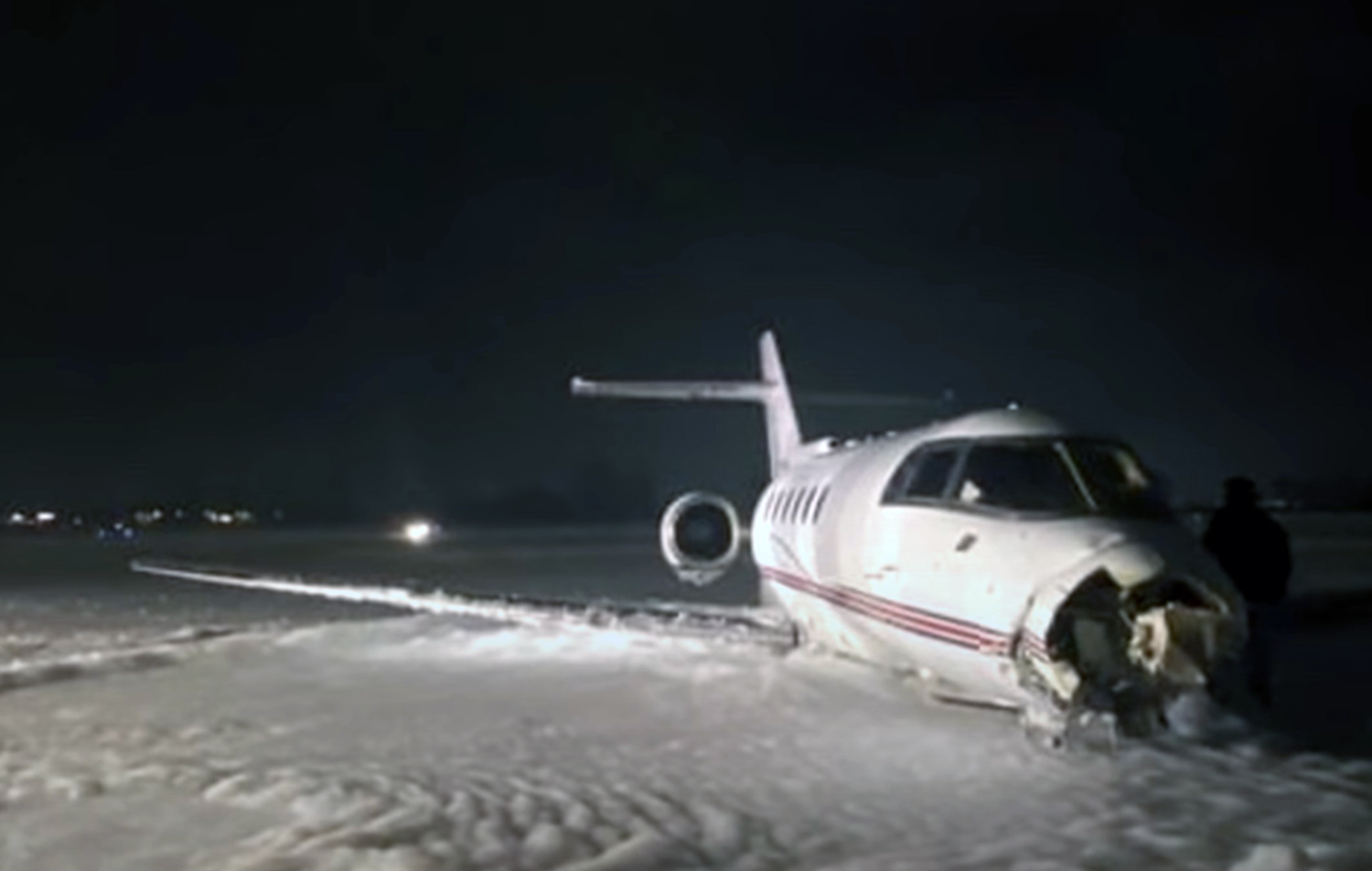
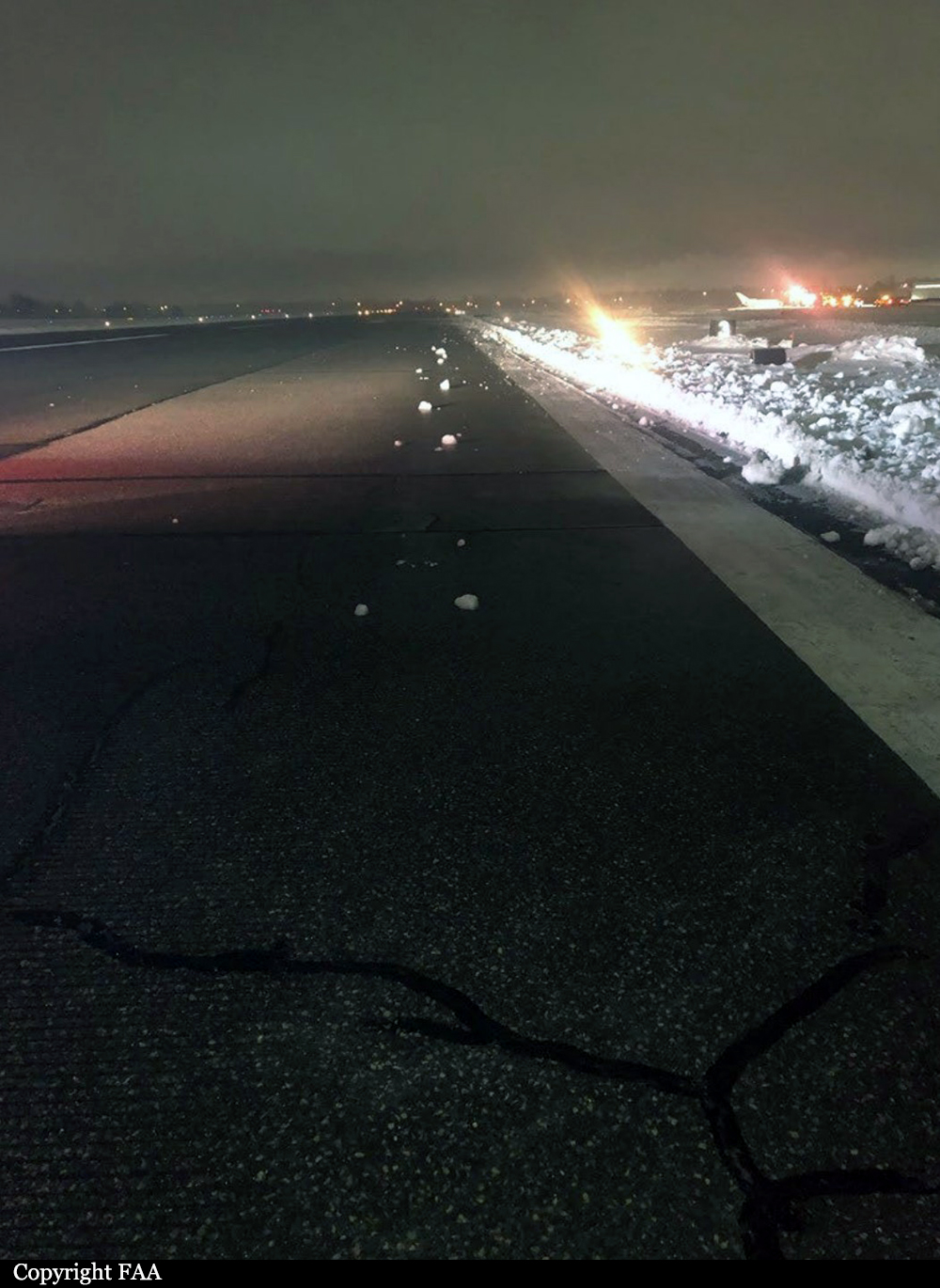
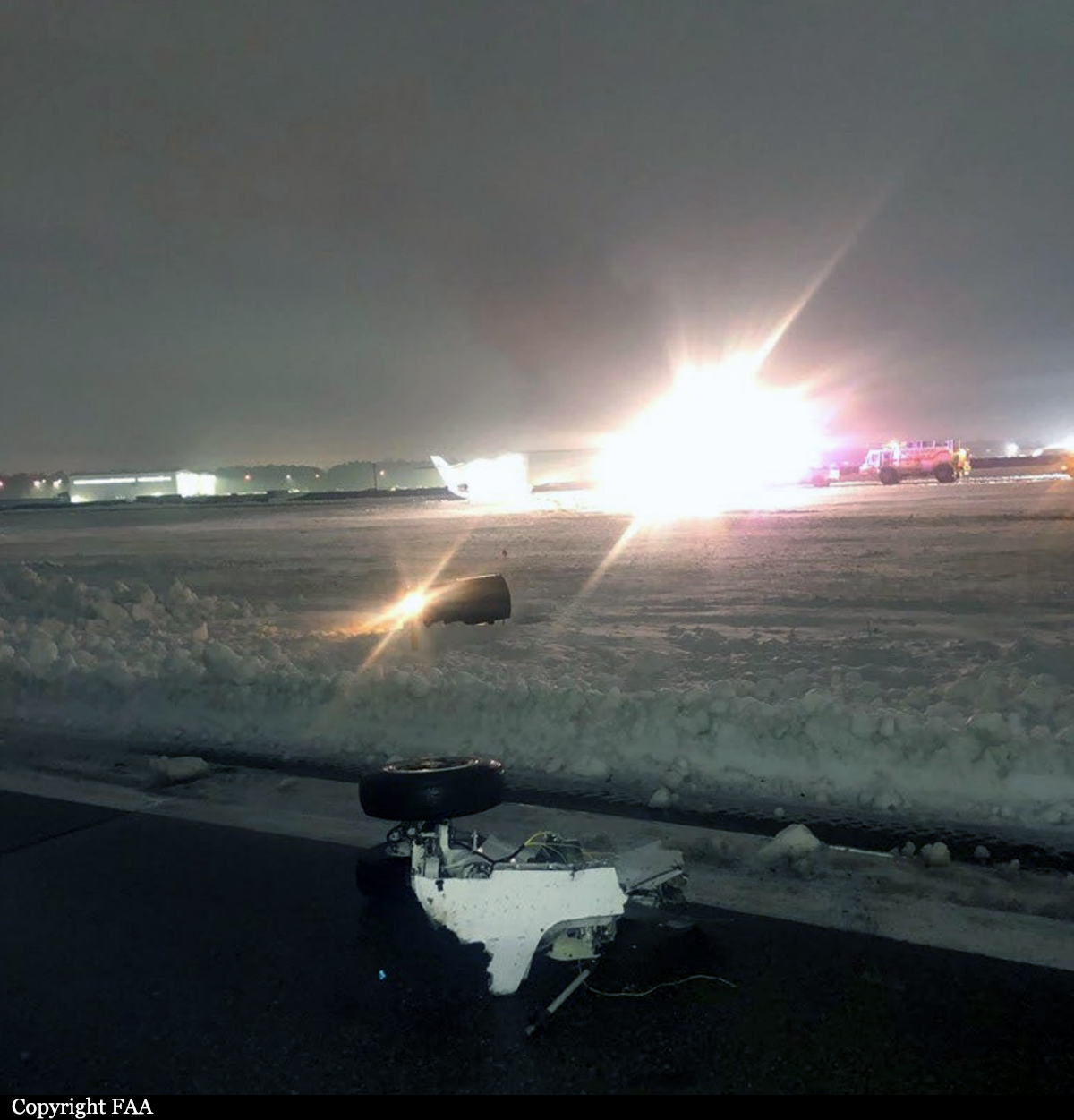
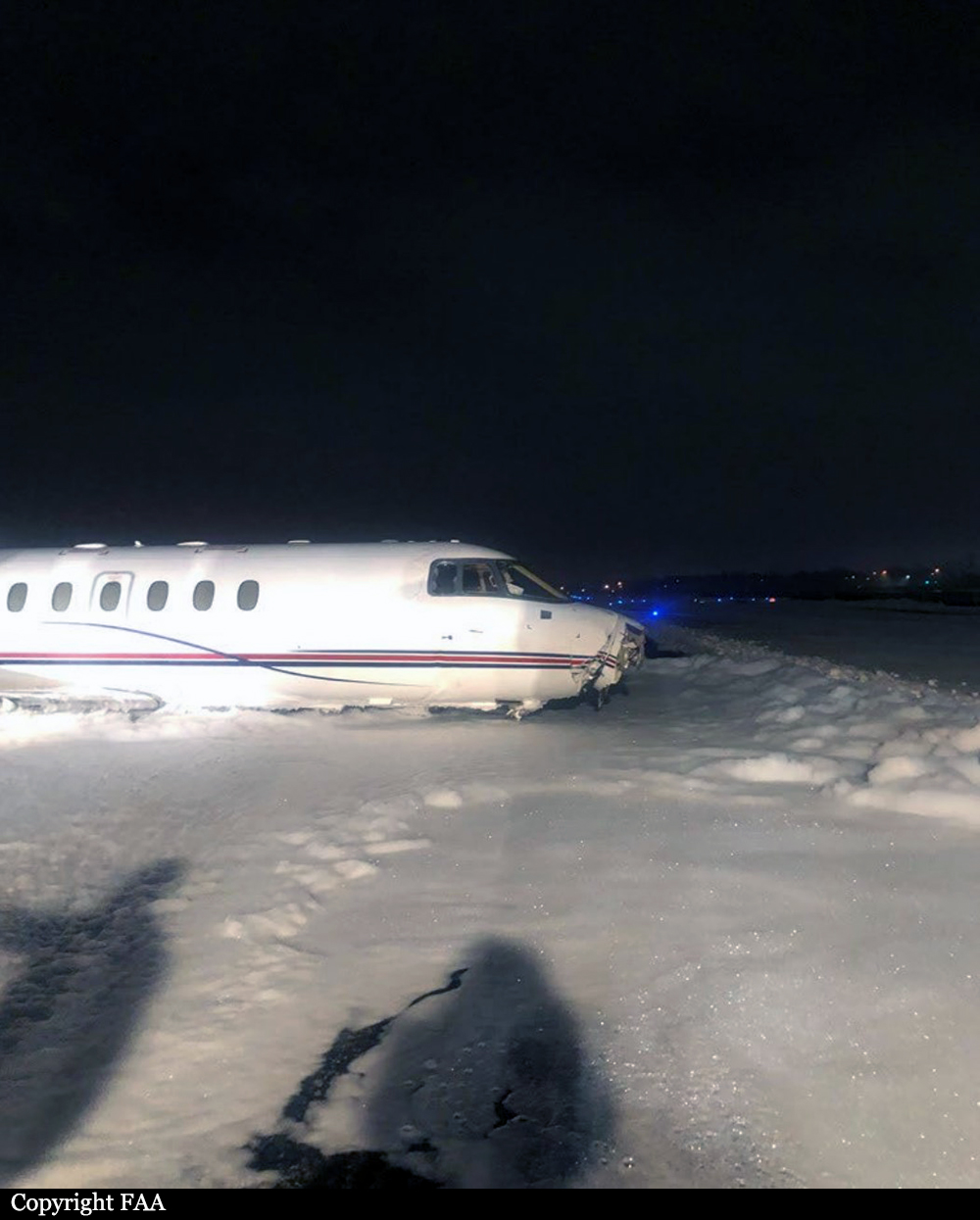
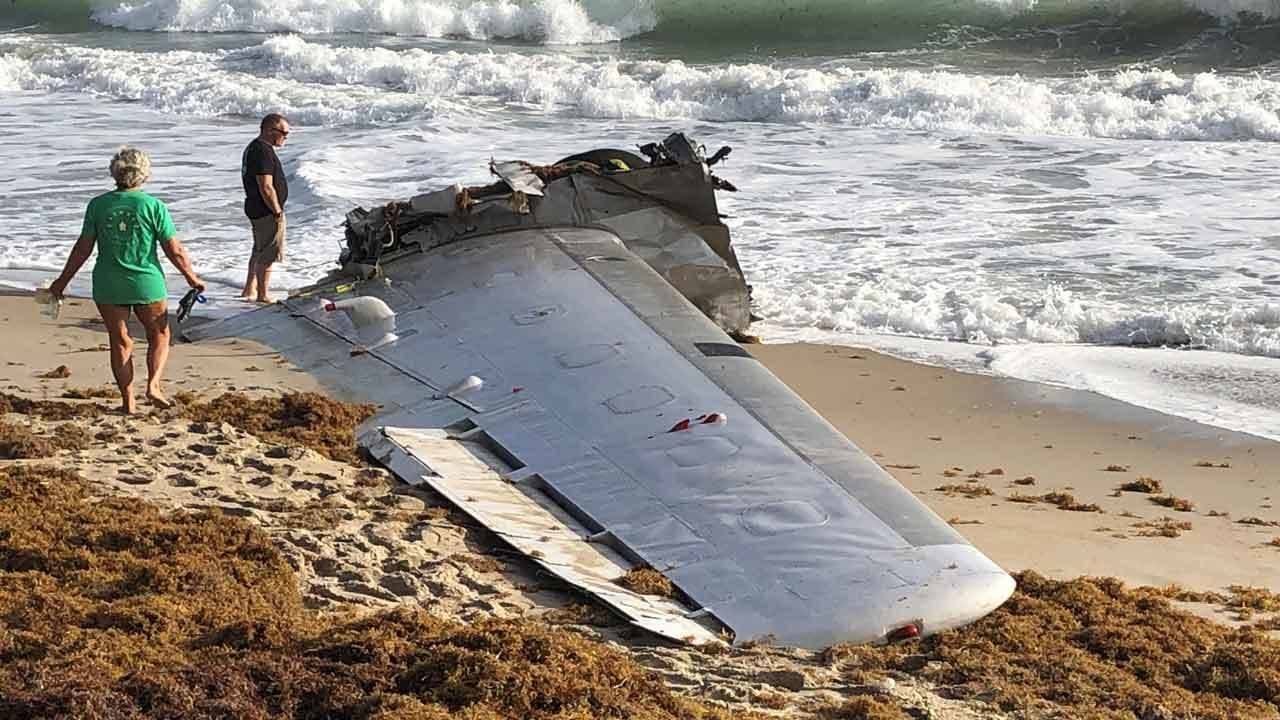
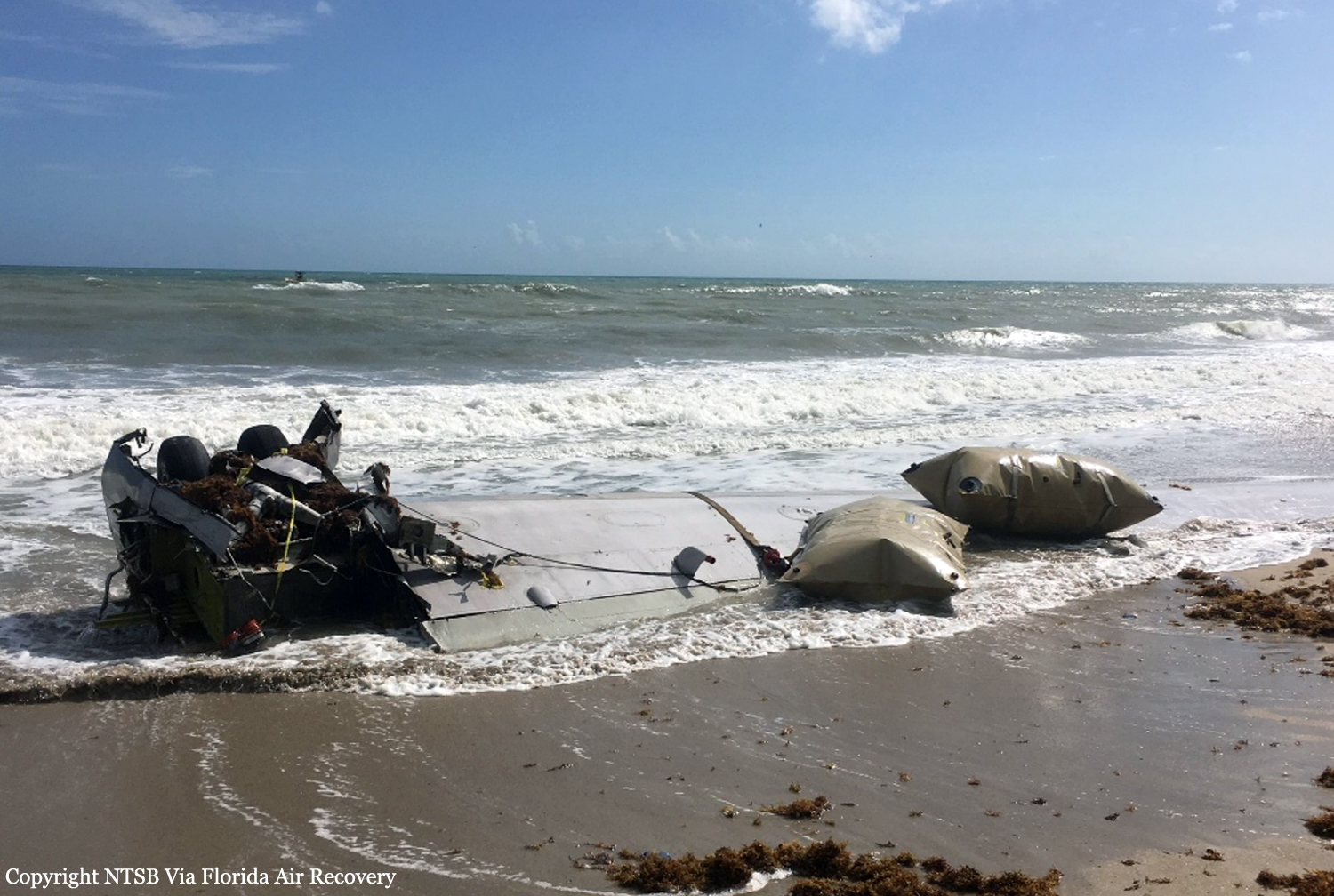
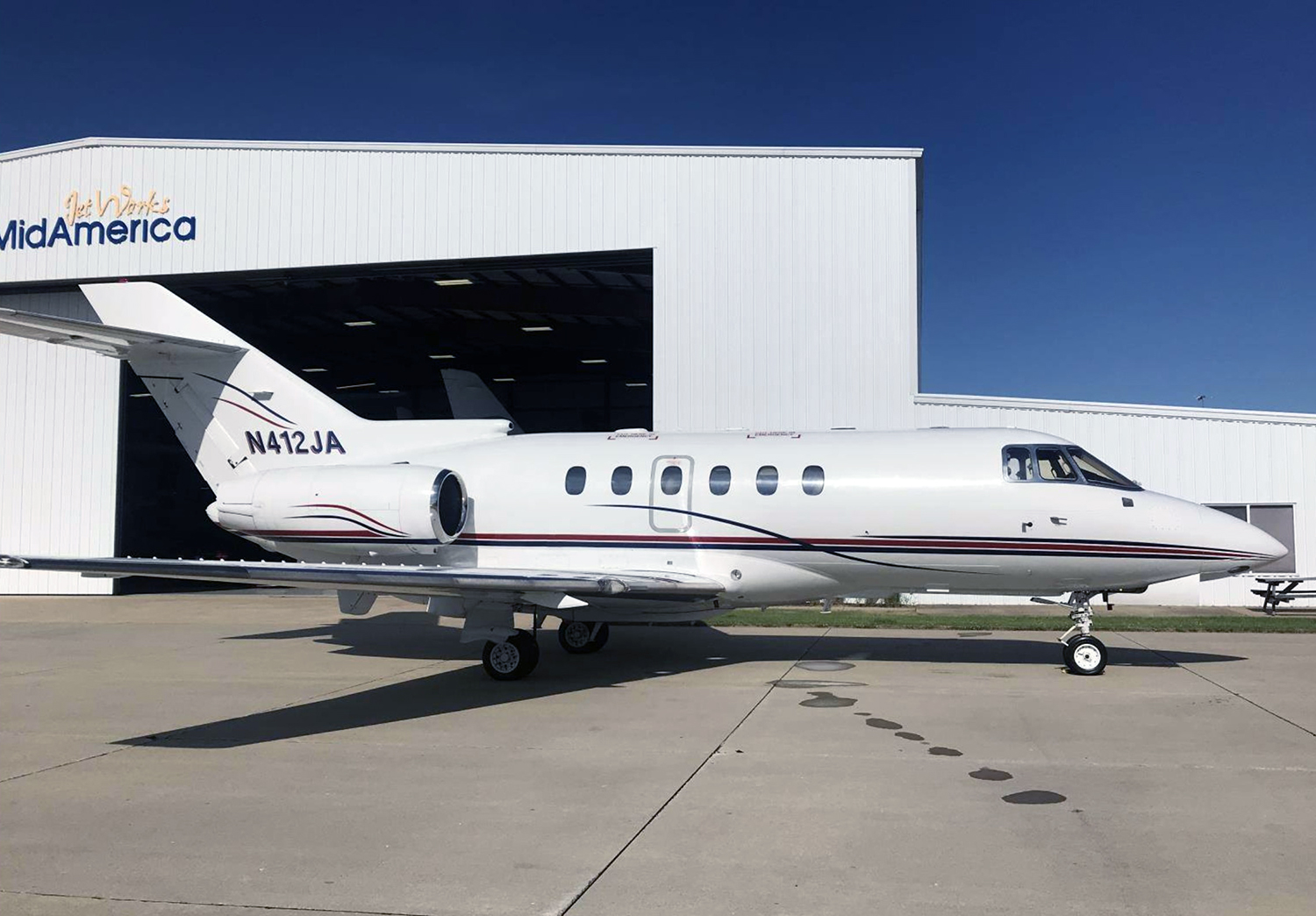
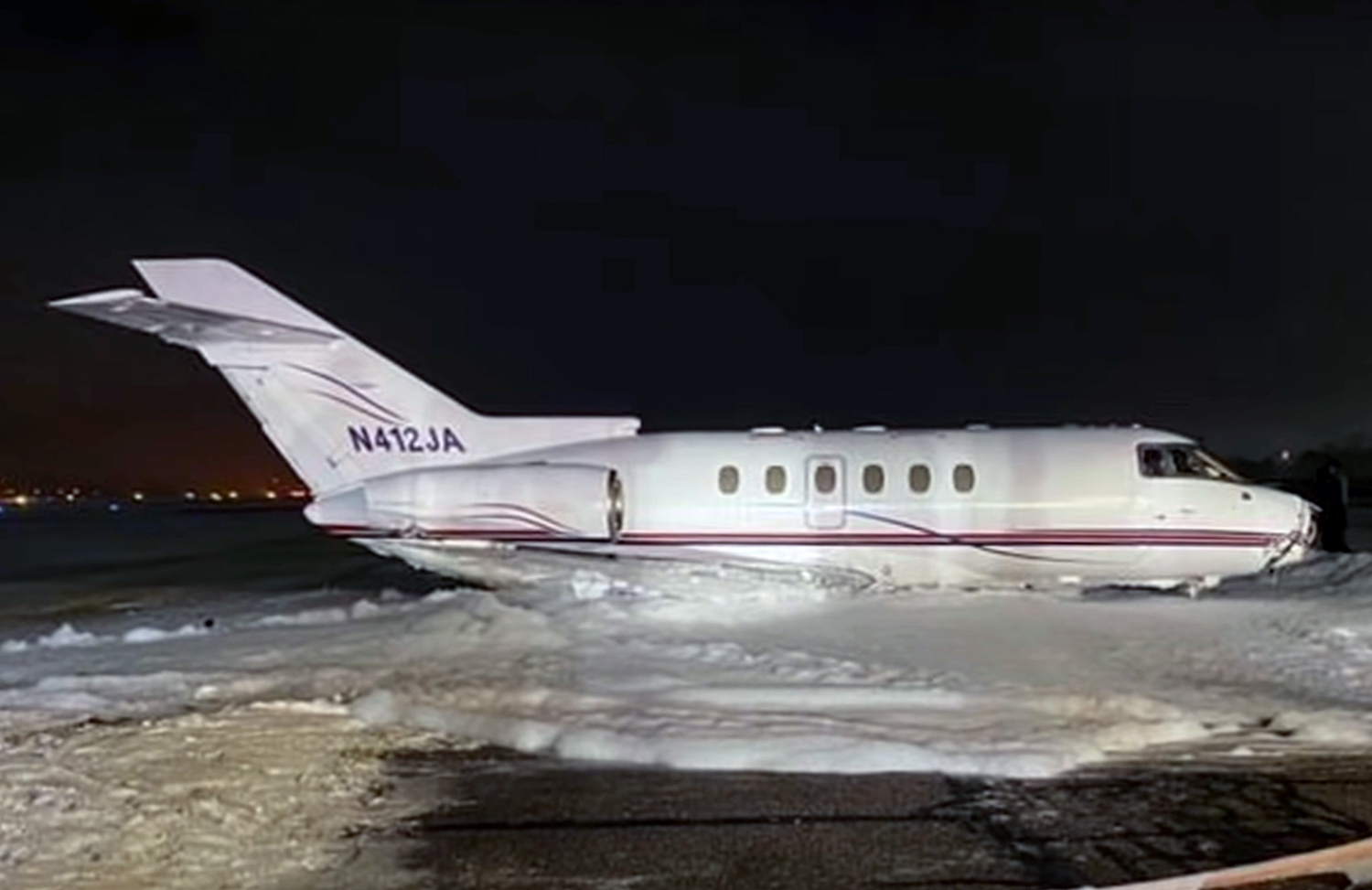
Crash of a Hawker 800XP in Farmingdale

Date & Time: Dec 20, 2020 at 2035 LT
Type of aircraft:
Operator:
Registration:
N412JA
Flight Type:
Survivors:
Yes
Schedule:
Miami - Farmingdale
MSN:
258516
YOM:
2001
Flight number:
TFF941
Crew on board:
2
Crew fatalities:
Pax on board:
0
Pax fatalities:
Other fatalities:
Total fatalities:
0
Captain / Total flying hours:
4188
Captain / Total hours on type:
2060.00
Copilot / Total flying hours:
10000
Copilot / Total hours on type:
4100
Aircraft flight hours:
12731
Circumstances:
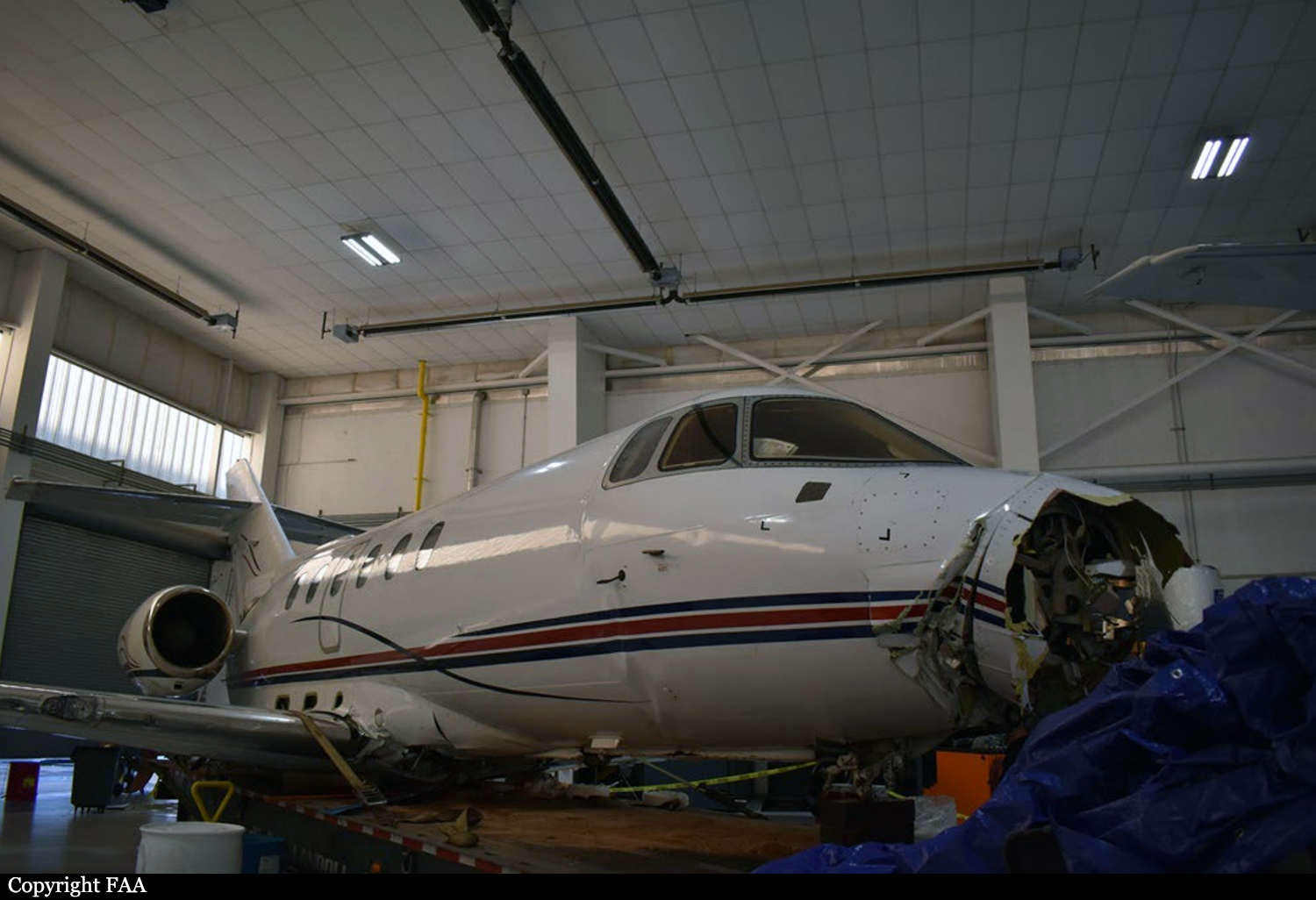
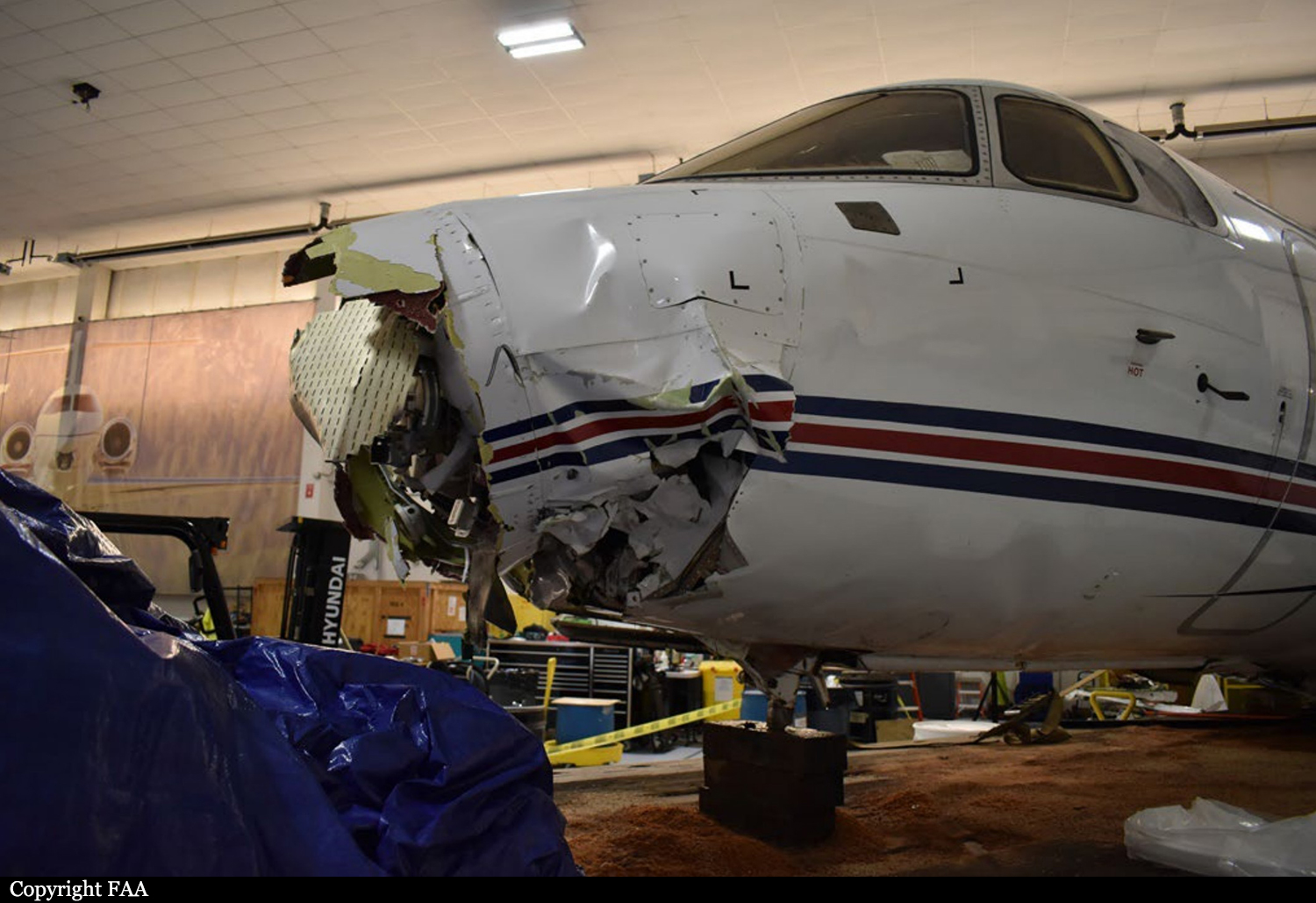
The flight crew were conducting an instrument landing system (ILS) approach in night instrument meteorological conditions when they were advised by the tower controller that the weather had deteriorated below minimums. The captain was the pilot monitoring, and the first officer was the pilot flying during the approach. Since the airplane was inside the final approach fix and stabilized, both pilots agreed to continue with the approach. Both pilots stated that they had visual contact with the runway approach lighting system at the 200 ft above ground level (agl) decision altitude, and they decided to continue the approach. The first officer said he then returned to flying the airplane via instruments. As the first officer continued the approach, the captain told him the airplane was drifting right of the runway centerline. The first officer said that he looked outside, saw that the weather had deteriorated, and was no longer comfortable with the approach. The first officer said he pressed the takeoff and go-around switch, while at the same time, the captain called for a go-around. The captain said that he called for the go-around because the airplane was not aligned with the runway. Although both pilots stated that the go-around was initiated when the airplane was about 50 to 100 ft agl, the cockpit voice recorder (CVR) recording revealed that the first officer flew an autopilot-coupled approach to 50 ft agl (per the approach procedure, a coupled approach was not authorized below 240 ft agl). As the airplane descended from 30 to 20 ft agl, the captain told the first officer three times to “flare” then informed him that the airplane was drifting to right and he needed to make a left correction to get realigned with the runway centerline. Three seconds passed before the first officer reacted by trying to initiate transfer control of the airplane to the captain. The captain did not take control of the airplane and called for a go-around. The first officer then added full power and called for the flaps to be retracted to 15º; however, the airplane impacted the ground about 5 seconds later, resulting in substantial damage to the fuselage. Data downloaded from both engines’ digital electronic engine control units revealed no anomalies. No mechanical issues with the airplane or engines were reported by either crew member or the operator. The sequence of events identified in the CVR recording revealed that the approach most likely became unstabilized after the autopilot was disconnected and when the first officer lost visual contact with the runway environment. The captain, who had the runway in sight, delayed calling for a go-around after the approach became unstabilized, and the airplane was too low to recover.
Probable cause:
The flight crew’s delayed decision to initiate a go-around after the approach had become unstabilized, which resulted in a hard landing.
Final Report:
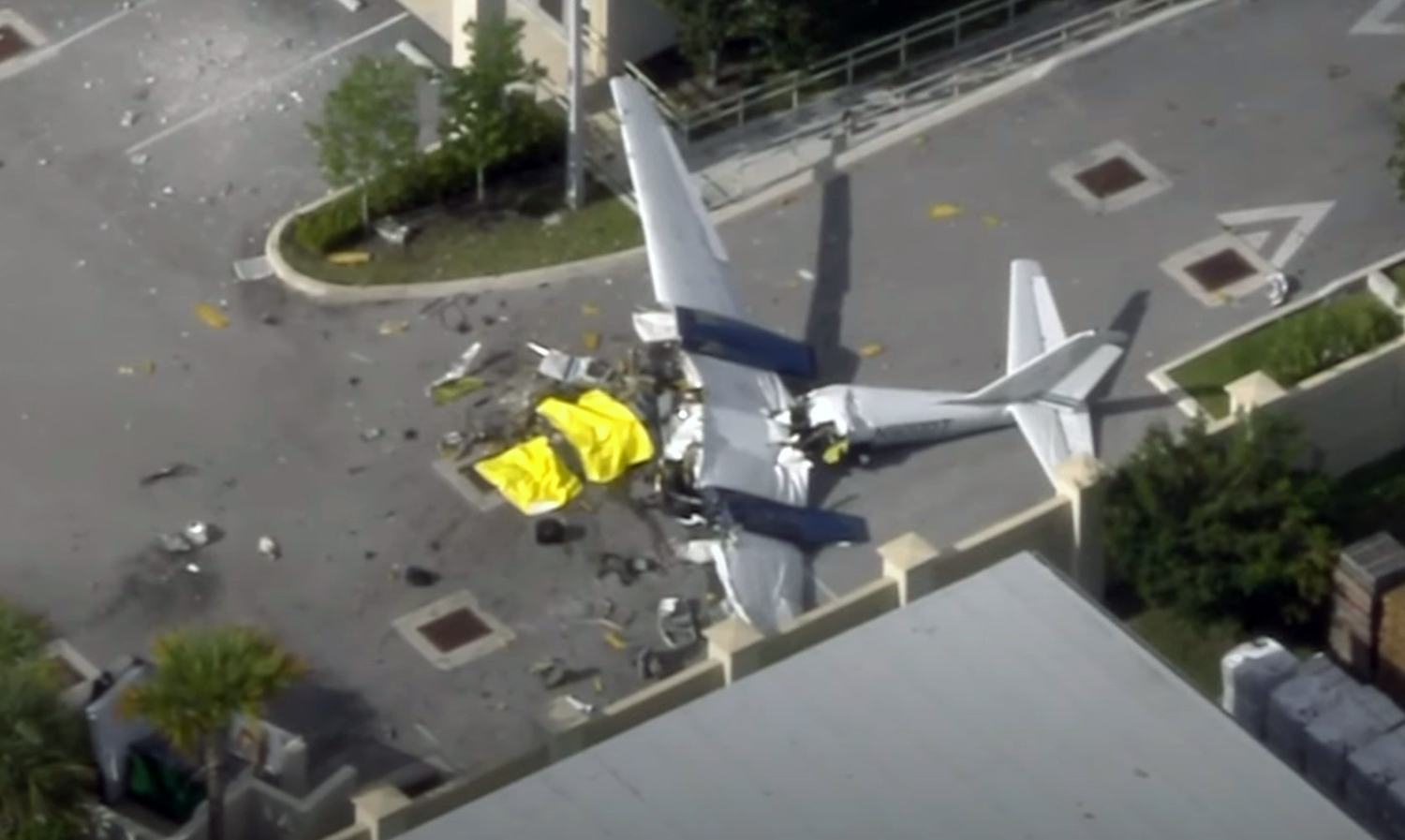
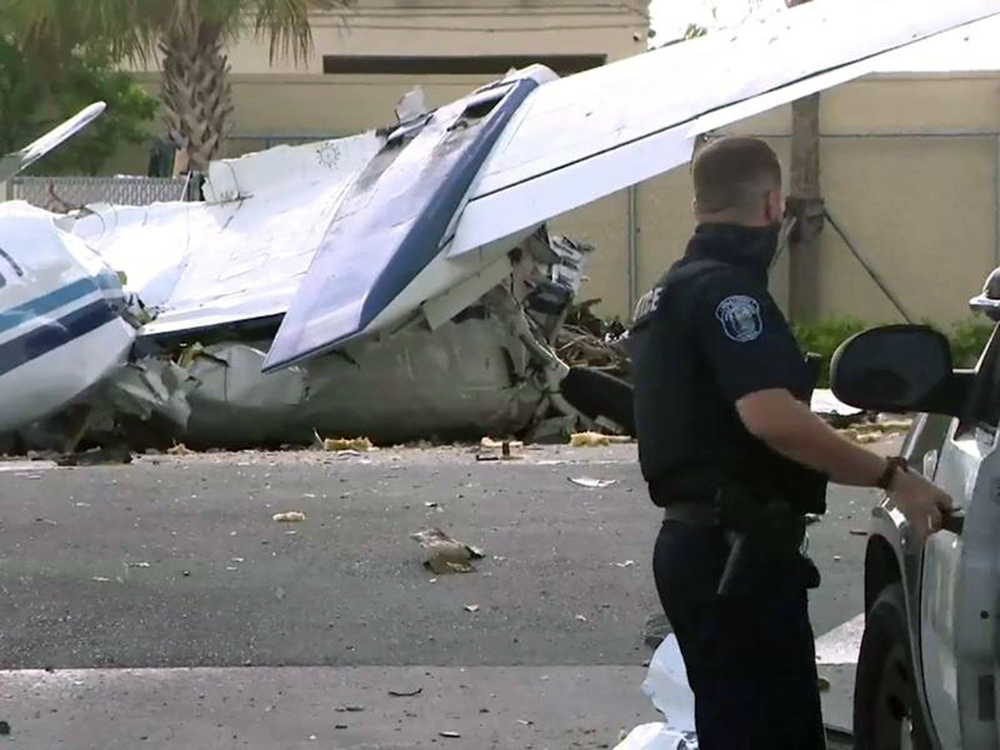
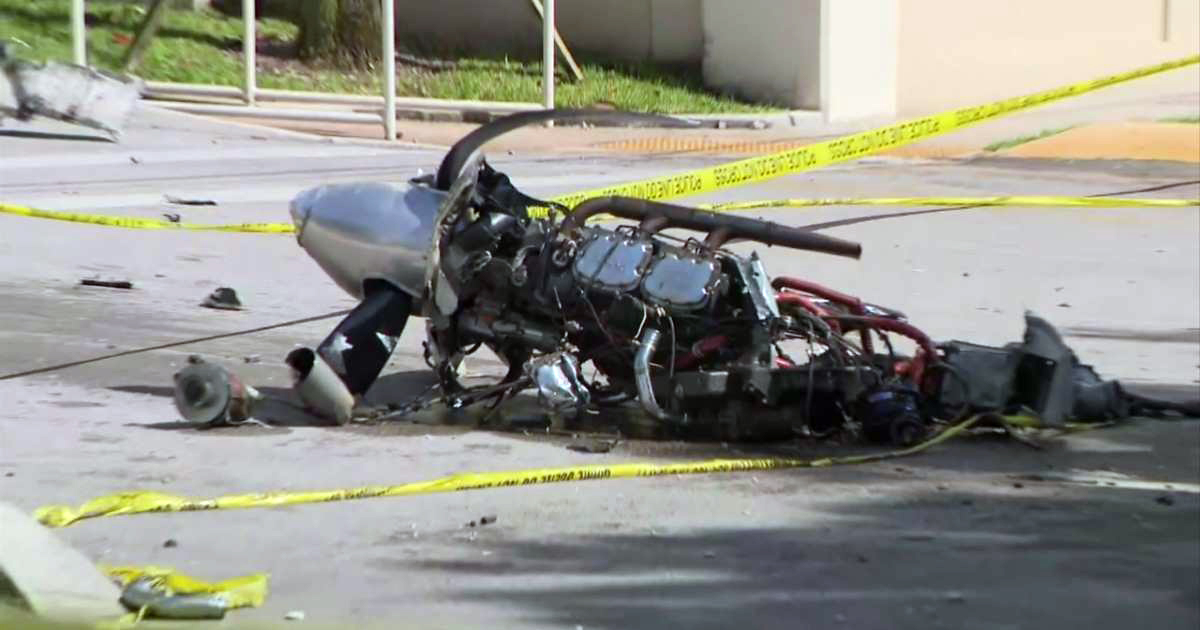
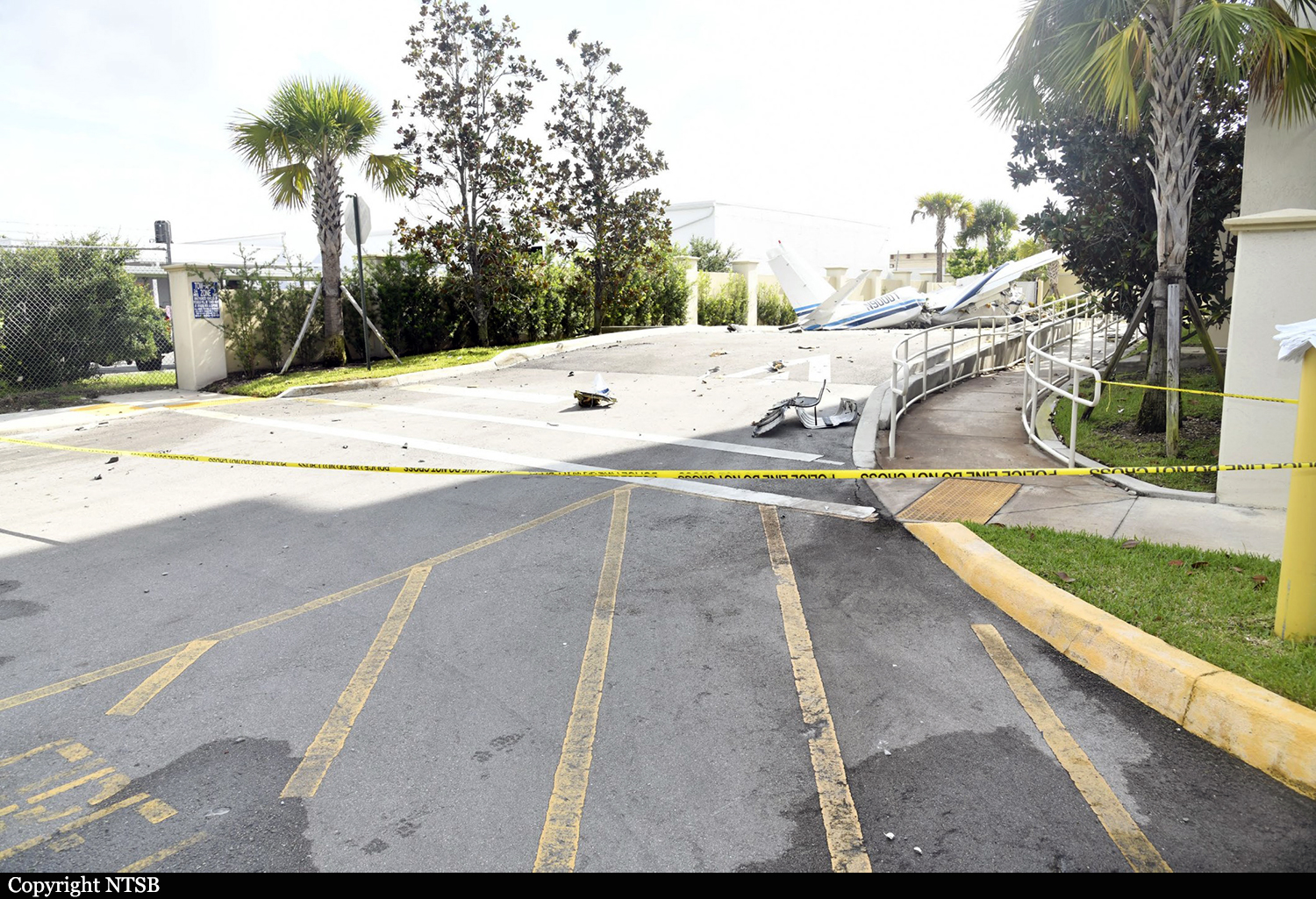
Crash of a Rockwell 500S Shrike Commander in Pembroke Park: 2 killed

Date & Time: Aug 28, 2020 at 0902 LT
Operator:
Registration:
N900DT
Flight Phase:
Flight Type:
Survivors:
No
Site:
Schedule:
Pompano Beach – Opa Locka
MSN:
500-3056
YOM:
1969
Crew on board:
2
Crew fatalities:
Pax on board:
0
Pax fatalities:
Other fatalities:
Total fatalities:
2
Captain / Total flying hours:
27780
Captain / Total hours on type:
300.00
Copilot / Total flying hours:
8029
Aircraft flight hours:
10300
Circumstances:
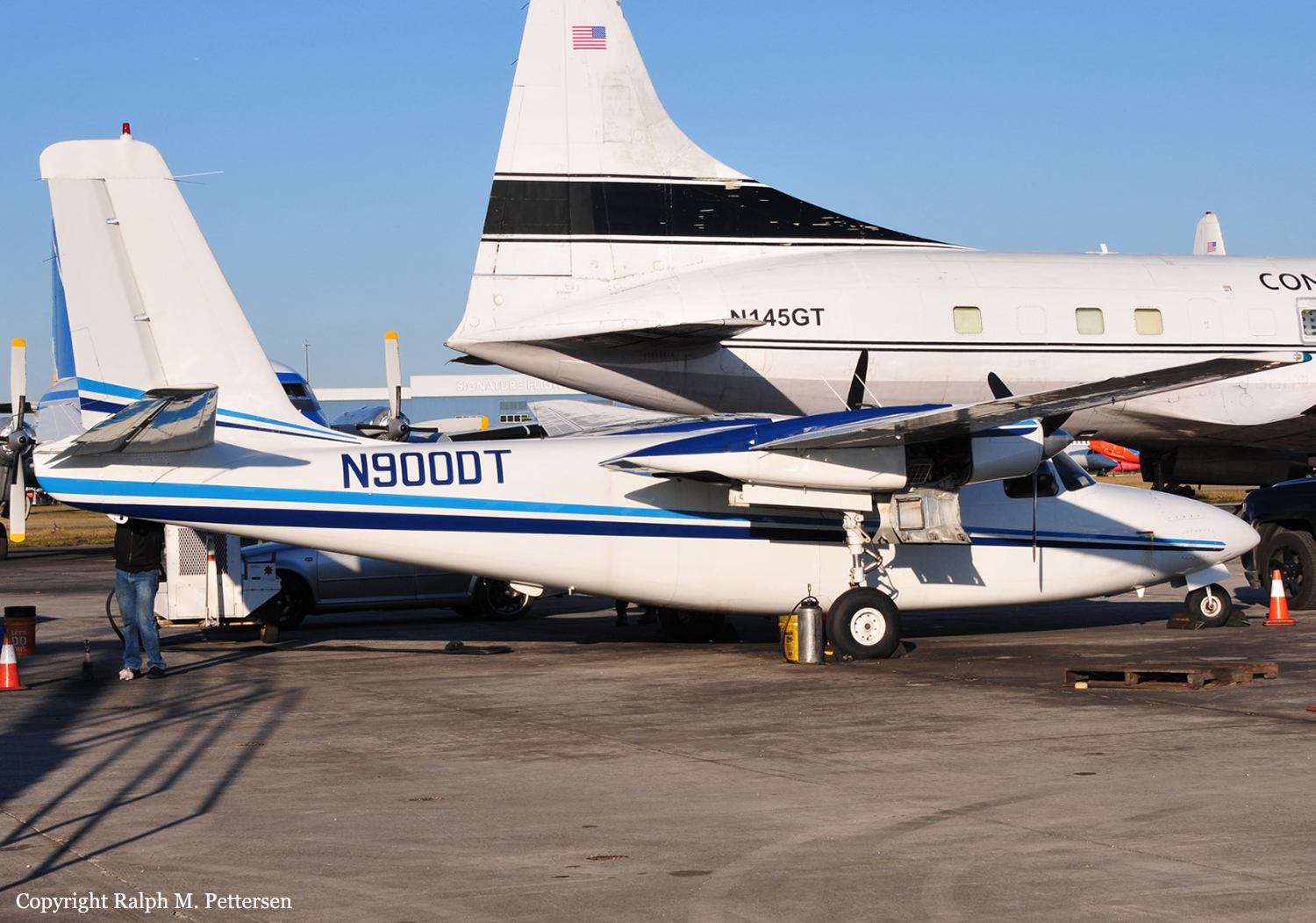
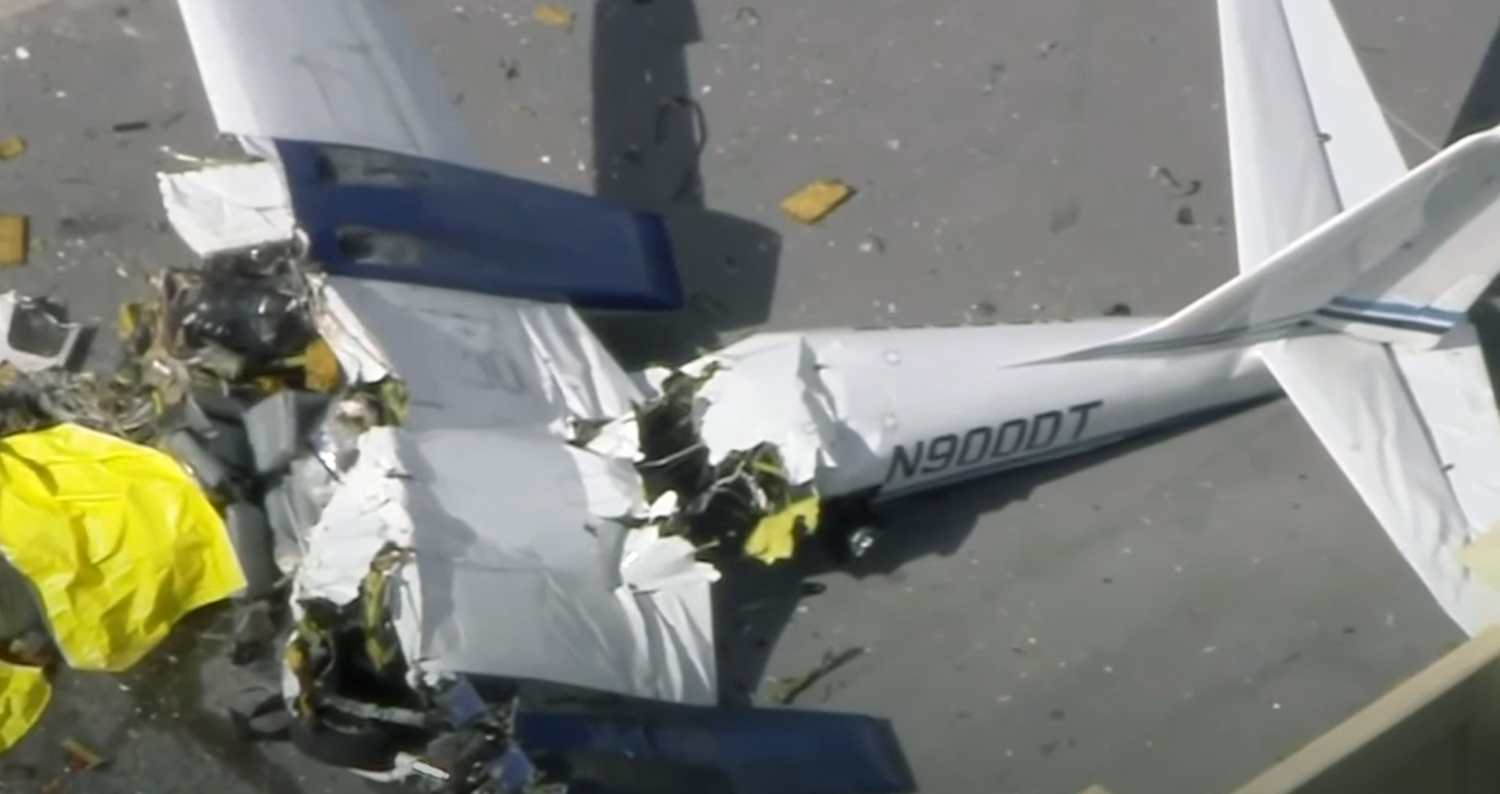
The pilot-in-command seated in the right seat was providing familiarization in the multiengine airplane to the left seat pilot during a flight to a nearby airport for fuel. Shortly after takeoff, one of the pilots reported an engine problem and advised that they were diverting to a nearby airport. A witness along the route of flight reported hearing the engines accelerating and decelerating and then popping sounds; several witnesses near the accident site reported hearing no engine sounds. The airplane impacted a building and terrain about 10 minutes after takeoff. Very minimal fuel leakage on the ground was noted and only 23 ounces of aviation fuel were collected from the airplane’s five fuel tanks. No evidence of preimpact failure or malfunction was noted for either engine or propeller; the damage to both propellers was consistent with low-to-no power at impact. Since the pilot could not have visually verified the fuel level in the center fuel tank because of the low quantity of fuel prior to the flight, he would have had to rely on fuel consumption calculations since fueling based on flight time and the airplane’s fuel quantity indicating system. Although the fuel quantity indications at engine start and impact could not be determined postaccident from the available evidence, if the fuel quantity reading at the start of the flight was accurate based on the amount of fuel required for engine start, taxi, run-up, takeoff, and then only to fly the accident flight duration of 10 minutes, it would have been reading between 8 and 10 gallons. It is unlikely that the pilot, who was a chief pilot of a cargo operation and tasked with familiarizing company pilots in the airplane, would have knowingly initiated the flight with an insufficient fuel load for the intended flight or with the fuel gauge accurately registering the actual fuel load that was on-board. Examination of the tank unit, or fuel quantity transmitter, revealed that the resistance between pins A and B, which were the ends of the resistor element inside the housing, fell within specification. When monitoring the potentiometer pin C, there was no resistance, indicating an open circuit between the wiper and the resistor element. X-ray imaging revealed that the conductor of electrical wire was fractured between the end of the lugs at the wiper and for pin C. Bypassing the fractured conductor, the resistive readings followed the position of the float arm consistent with normal operation. Visual examination of the wire insulation revealed no evidence of shorting, burning or damage. Examination of the fractured electrical conductor by the NTSB Materials Laboratory revealed that many of the individual wires exhibited intergranular fracture surface features with fatigue striations in various directions on some individual grains. It is likely that the many fatigue fractured conductor strands of the electrical wire inside the accident tank unit or fuel transmitter resulted in the fuel gauge indicating that the tanks contained more fuel than the amount that was actually on board, which resulted in inadequate fuel for the intended flight and a subsequent total loss of engine power due to fuel exhaustion. The inaccurate fuel indication would also be consistent with the pilot’s decision to decline additional fuel before departing on the accident flight. While the estimated fuel remaining since fueling (between 15 and 51 gallons) was substantially more than the actual amount on board at the start of the accident flight (between 8 and 10 gallons), the difference could have been caused by either not allowing the fuel to settle during fueling, and/or the operational use of the airplane. Ultimately, the fuel supply was likely completely exhausted during the flight, which resulted in the subsequent loss of power to both engines. Given the circumstances of the accident, the effects from the right seat pilot’s use of cetirizine and the identified ethanol in the left seat pilot, which was likely from sources other than ingestion, did not contribute to this accident.
Probable cause:
A total loss of engine power due to fuel exhaustion. Contributing to the fuel exhaustion was the fatigue fracture of an electrical wire in the tank unit or fuel transmitter, which likely resulted in an inaccurate fuel quantity indication.
Final Report:

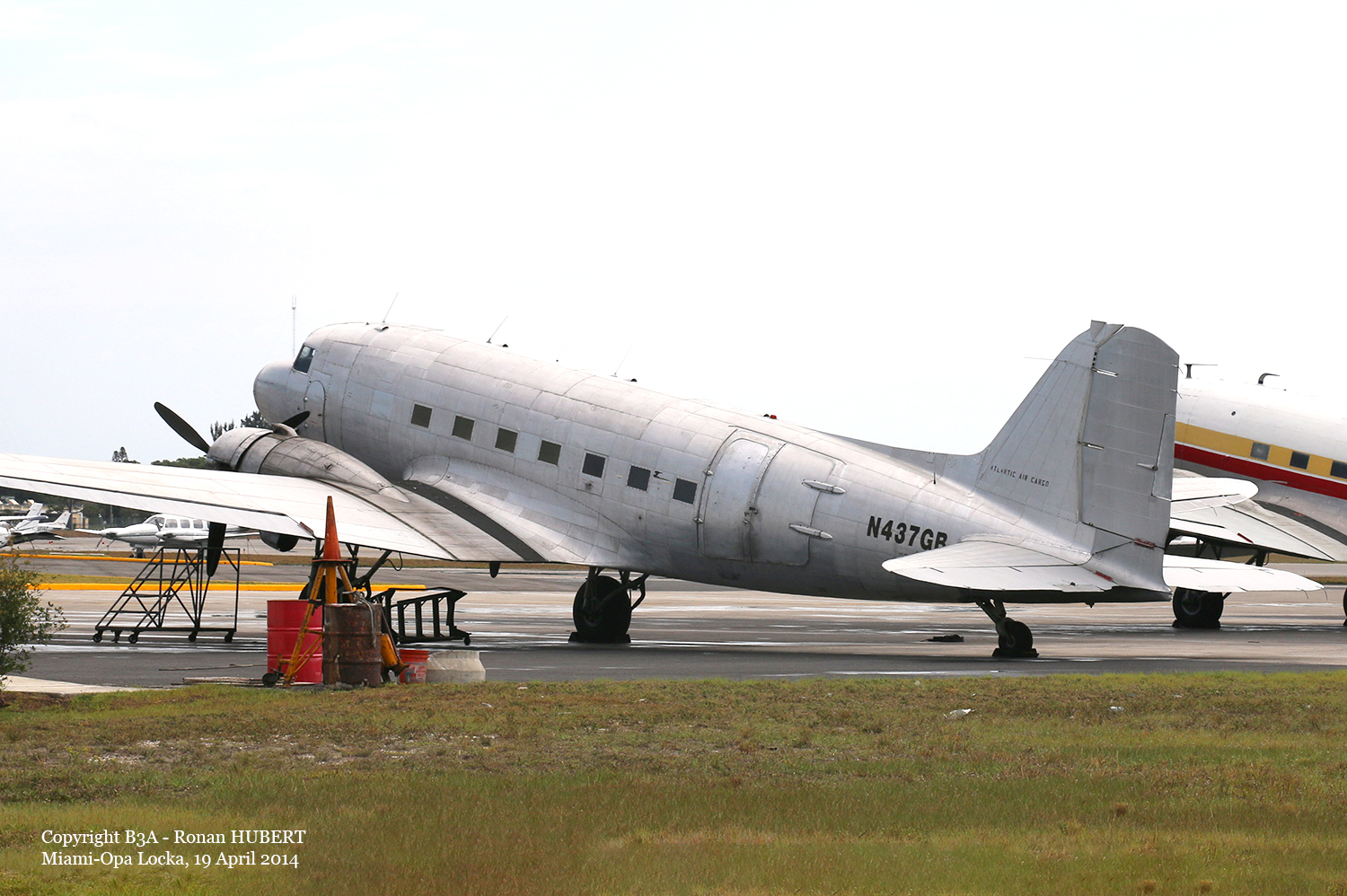
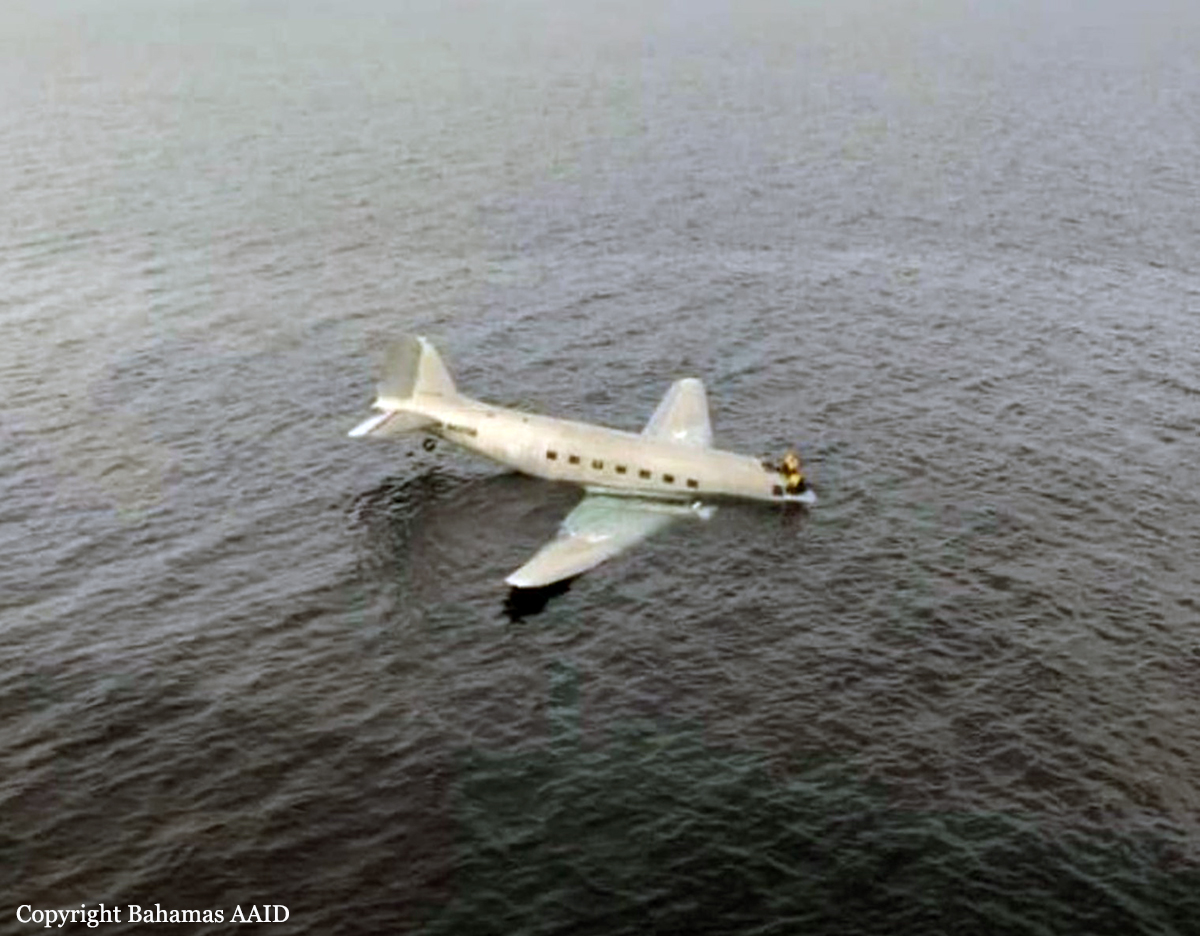
Crash of a Douglas DC-3C off Nassau

Date & Time: Oct 18, 2019 at 1630 LT
Type of aircraft:
Operator:
Registration:
N437GB
Flight Type:
Survivors:
Yes
Schedule:
Miami - Nassau
MSN:
19999
YOM:
1944
Country:
Crew on board:
2
Crew fatalities:
Pax on board:
0
Pax fatalities:
Other fatalities:
Total fatalities:
0
Circumstances:
On the 18th October 2019, at approximately 4:30 PM local time, a Douglas DC-3C aircraft, registration N437GB crashed in the ocean; at coordinates 25°05.55N 077°30.29W, approximately 2.87miles from Runway 14 at the Lynden Pindling International Airport (MYNN) Nassau, Bahamas. There were 2 souls on board. The pilot reported that the left engine failed approximately 25-30 nautical miles from MYNN. The pilot further stated that during single engine operation, the aircraft performance was not optimal so the decision was made to land the aircraft in the ocean. The Air Traffic Control tower was notified by the crew of N437GB, that they will be performing a control water landing. The Royal Bahamas Defense Force was notified. Rescue efforts were then put into place. No injuries were received by the occupants of the aircraft. Aircraft could not be located for physical analysis to be carried out. The weather at the time of the accident was visual meteorological conditions and not a factor in this accident. A limited scope investigation was conducted, no safety message or recommendations were issued.
Probable cause:
Failure of the left engine on approach for unknown reasons.
Final Report:

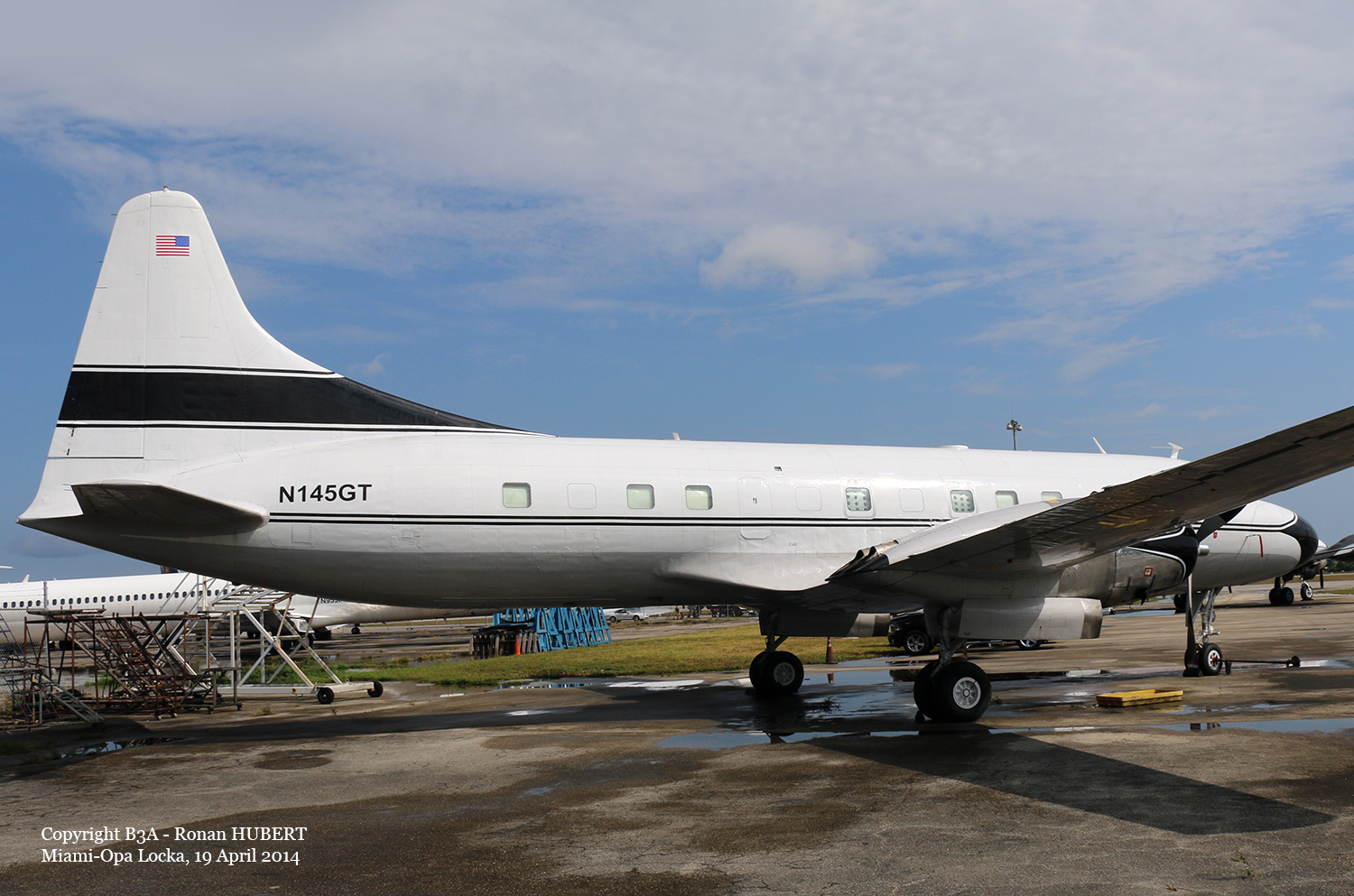
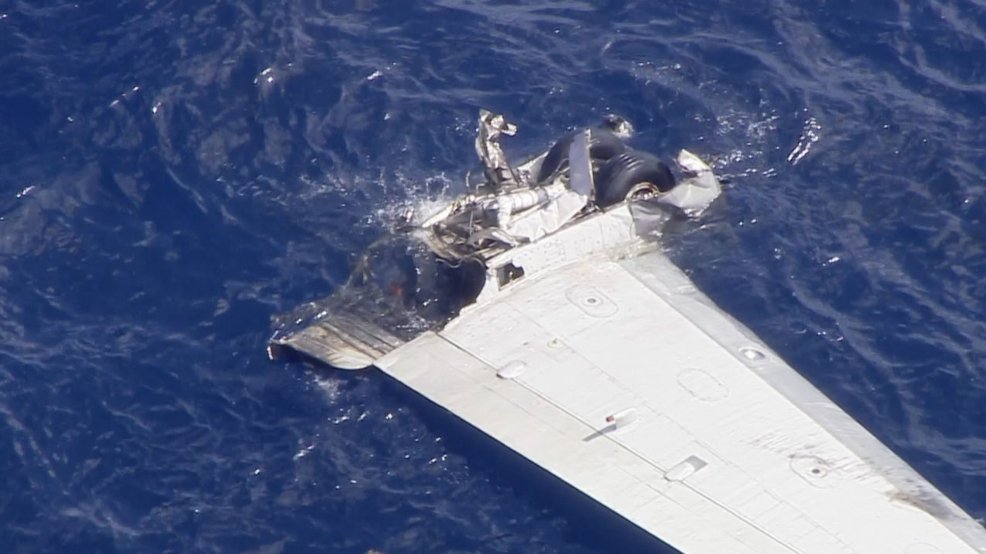
Crash of a Convair C-131B Samaritan off Miami: 1 killed

Date & Time: Feb 8, 2019 at 1216 LT
Type of aircraft:
Operator:
Registration:
N145GT
Flight Phase:
Flight Type:
Survivors:
Yes
Schedule:
Nassau - Miami
MSN:
256
YOM:
1955
Flight number:
QAI504
Location:
Crew on board:
2
Crew fatalities:
Pax on board:
0
Pax fatalities:
Other fatalities:
Total fatalities:
1
Captain / Total flying hours:
23000
Captain / Total hours on type:
725.00
Copilot / Total flying hours:
650
Copilot / Total hours on type:
305
Aircraft flight hours:
12701
Circumstances:
According to the first officer, during the first cargo flight of the day, the left engine propeller control was not working properly and the captain indicated that they would shut down the airplane and contact maintenance if the left engine propeller control could not be reset before the return flight. For the return flight, the engines started normally, and both propellers were cycled. The captain and the first officer were able to reset the left propeller control, so the airplane departed with the first officer as the pilot flying. The takeoff and initial climb were normal; however, as the airplane climbed through 4,000 ft, the left engine propeller control stopped working and the power was stuck at 2,400 rpm. The captain tried to adjust the propeller control and inadvertently increased power to 2,700 rpm. The captain then took control of the airplane and tried to stabilize the power on both engines. He leveled the airplane at 4,500 ft, canceled the instrument flight rules flight plan, and flew via visual flight rules direct toward the destination airport. The first officer suggested that they return to the departure airport, but the captain elected to continue as planned (The destination airport was located about 160 nautical miles from the departure airport). The first officer's postaccident statements indicated that he did not challenge the captain's decision. When the flight began the descent to 1,500 ft, the right engine began to surge and lose power. The captain and the first officer performed the engine failure checklist, and the captain feathered the propeller and shut down the engine. Shortly afterward, the left engine began to surge and lose power. The captain told the first officer to declare an emergency. The airplane continued to descend, and the airplane impacted the water "violently," about 32 miles east of the destination airport. The captain was unresponsive after the impact and the first officer was unable to lift the captain from his seat. Because the cockpit was filling rapidly with water, the first officer grabbed the life raft and exited the airplane from where the tail section had separated from the empennage. The first officer did not know what caused both engines to lose power. The airplane was not recovered from the ocean, so examination and testing to determine the cause of the engine failures could not be performed. According to the operator, the flight crew should have landed as soon as practical after the first sign of a mechanical issue. Thus, the crew should have diverted to the closest airport when the left engine propeller control stopped working and not continued the flight toward the destination airport.
Probable cause:
The captain's decision to continue with the flight with a malfunctioning left engine propeller control and the subsequent loss of engine power on both engines for undetermined reasons, which resulted in ditching into the ocean. Contributing to the accident was the first officer's failure to challenge the captain's decision to continue with the flight.
Final Report: