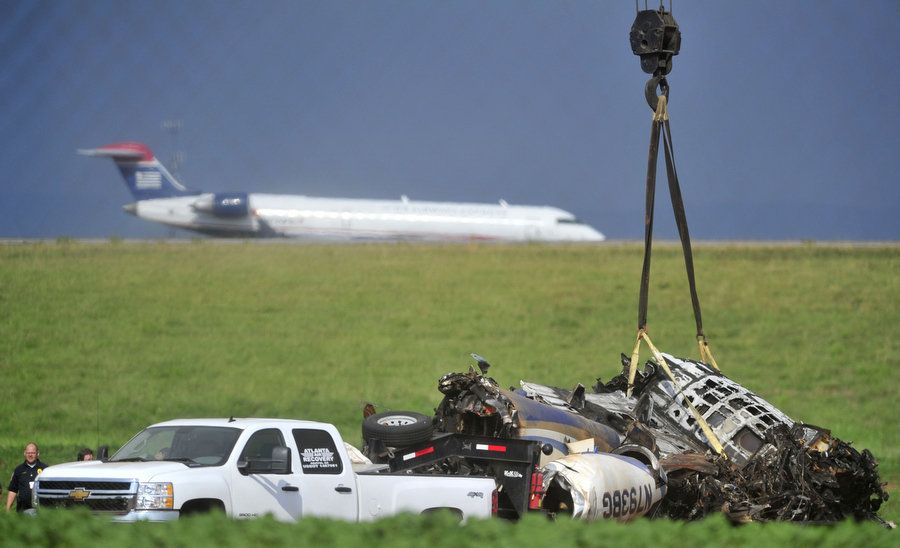
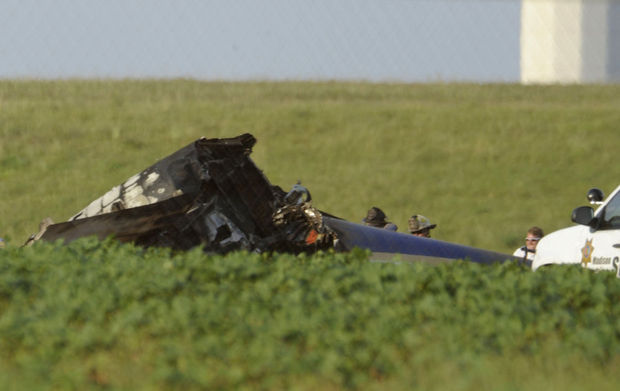
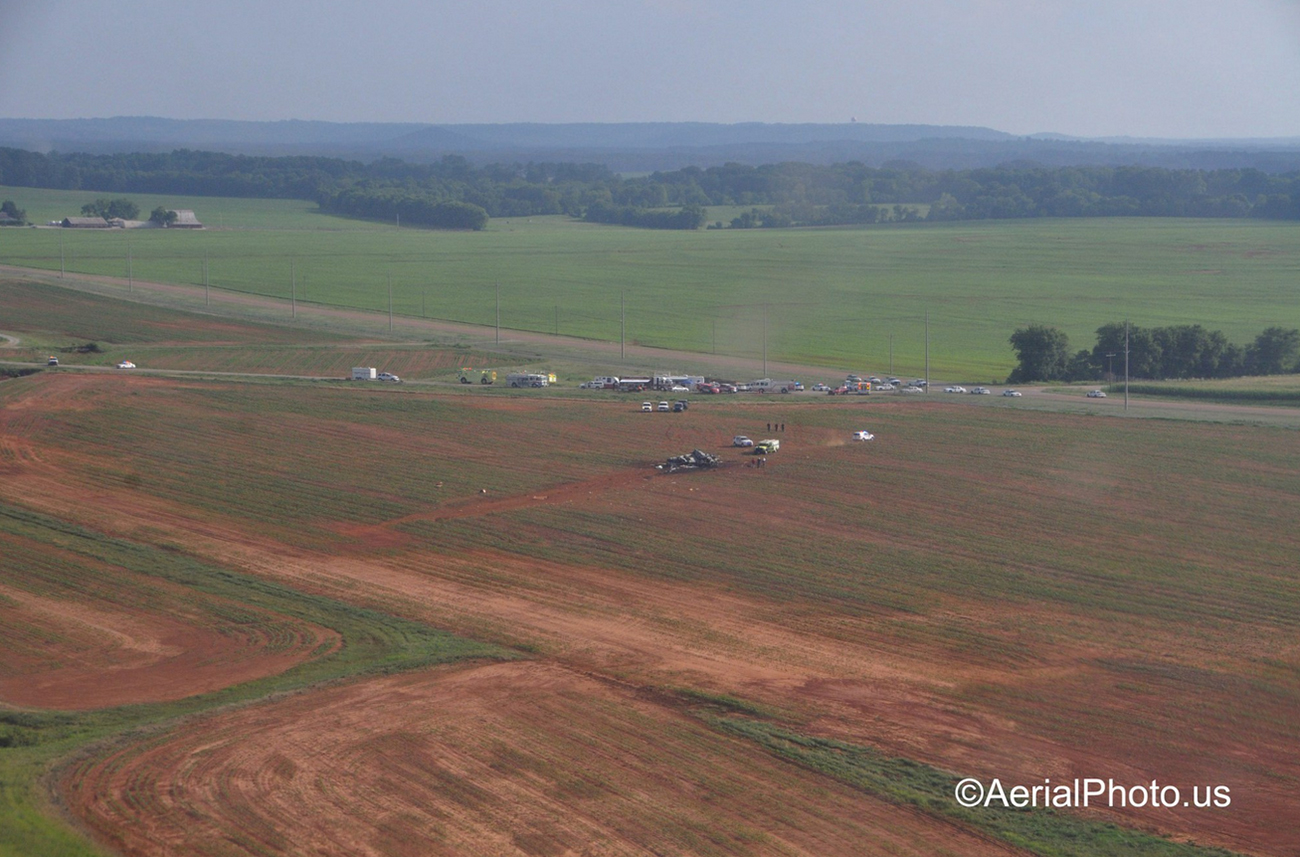
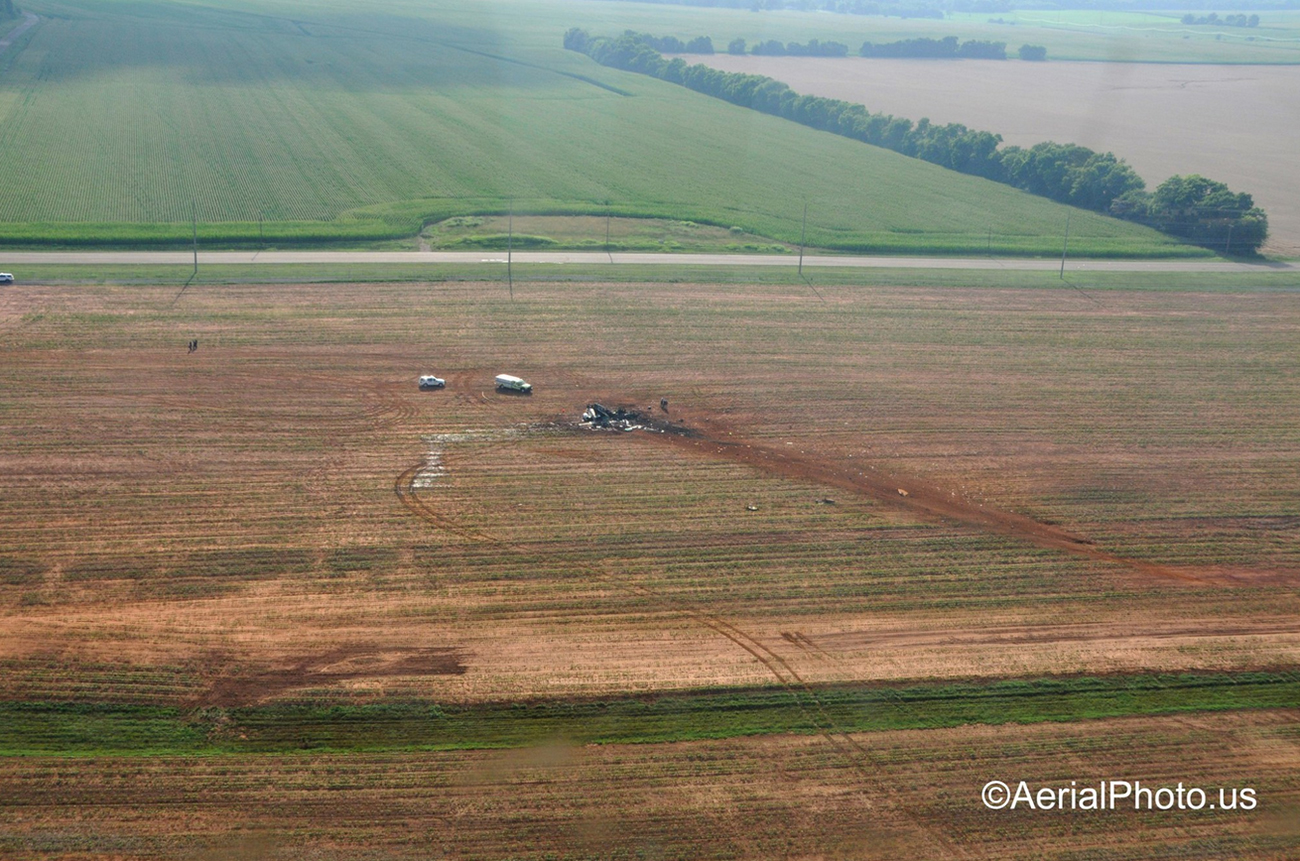
Crash of an IAI 1124A Westwind II in Huntsville: 3 killed

Date & Time: Jun 18, 2014 at 1424 LT
Type of aircraft:
Registration:
N793BG
Flight Phase:
Flight Type:
Survivors:
No
Schedule:
Huntsville - Huntsville
MSN:
392
YOM:
1983
Crew on board:
3
Crew fatalities:
Pax on board:
0
Pax fatalities:
Other fatalities:
Total fatalities:
3
Captain / Total flying hours:
20200
Captain / Total hours on type:
850.00
Copilot / Total flying hours:
28421
Copilot / Total hours on type:
1816
Aircraft flight hours:
7571
Circumstances:
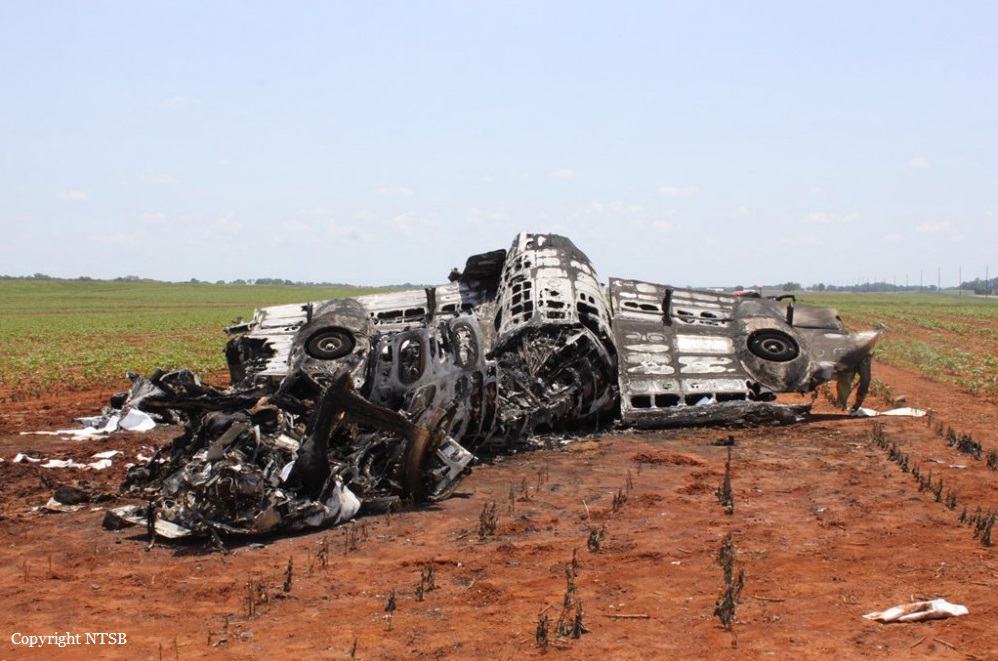
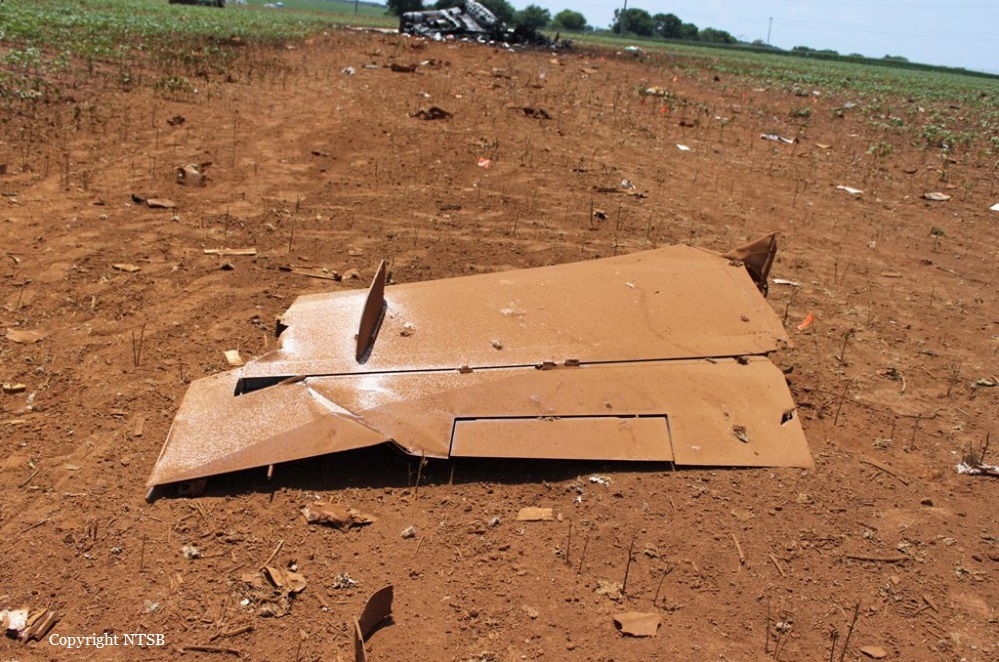
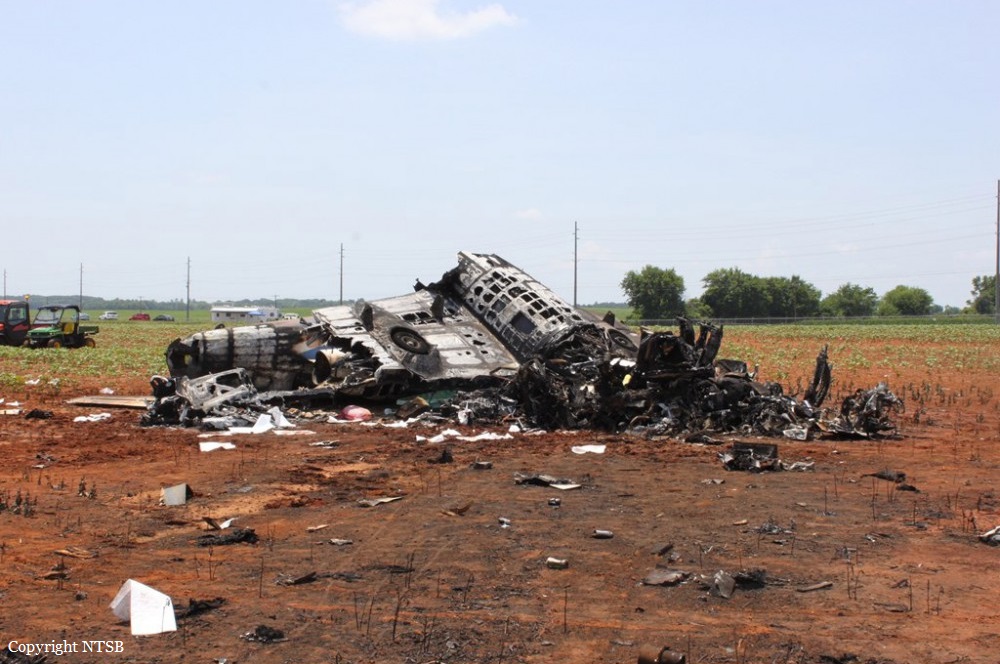
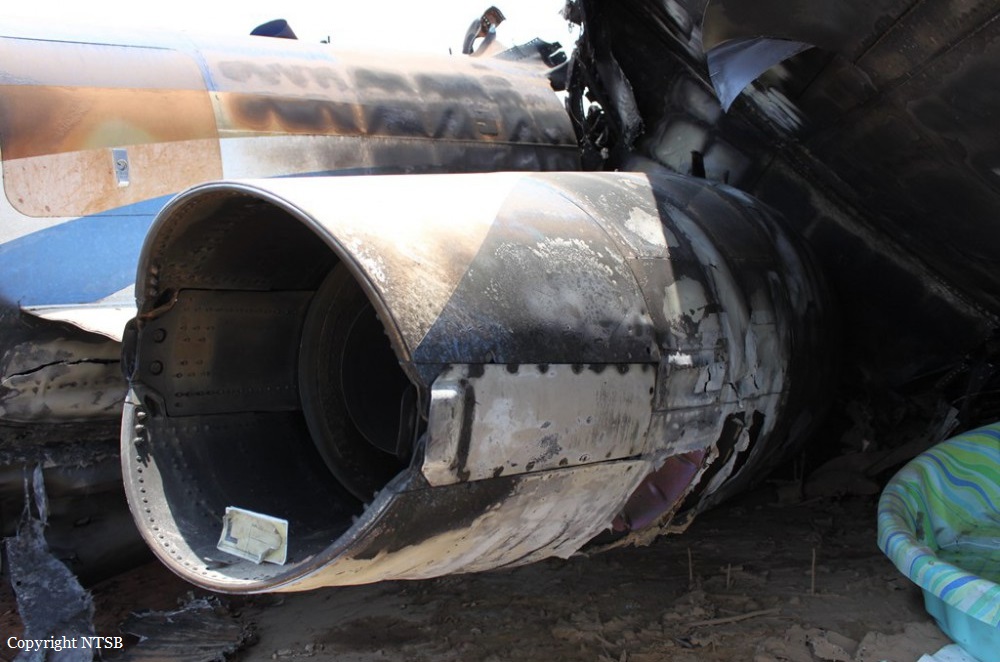
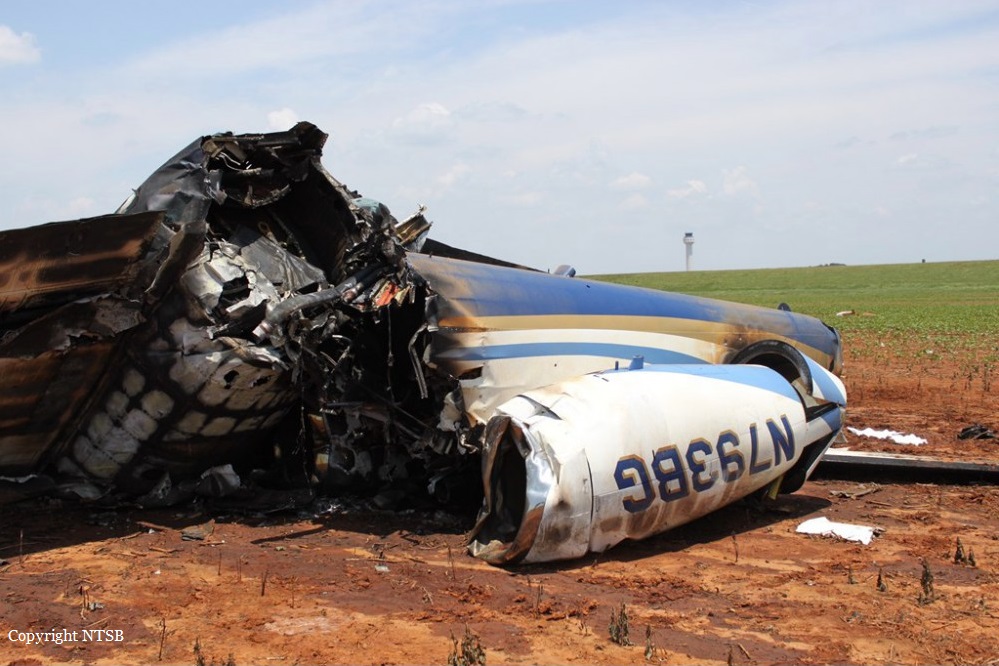
A pilot proficiency examiner (PPE) was using the airplane to conduct a pilot-in-command (PIC) proficiency check for two company pilots. Before the accident flight, one of the two company pilots on board received a PIC proficiency check, which terminated with a full-stop landing and reverse thrust application; no discrepancies with either thrust reverser were discussed by either flight crewmember. The pilot being examined then left the cockpit, and the accident pilot positioned himself in the left front seat while the PPE remained in the right front seat. The flight crew then taxied to the approach end of the runway to begin another flight. Data from the enhanced ground proximity system (EGPWS) revealed that, the flight began the takeoff roll with the flaps retracted, the thrust reversers armed, and both engines stabilized at 96 percent N2. About 2 seconds later, the cockpit voice recorder (CVR) recorded the "V1" call while on the airplane was on the runway; acoustic analysis indicated that the N2 speed of one engine, likely the right, decreased; the N2 speed of the other engine remained constant. This decrease in N2 speed was consistent with the PPE retarding right engine thrust to flight idle with the intent of simulating an engine failure. The takeoff continued, and, while the airplane was in a wings-level climb at an airspeed of 148 knots about 18 ft radar altitude, the CVR recorded the pilot command that the landing gear be retracted. The landing gear remained extended, and, about 1 second after the command to retract the landing gear, or about 3 seconds after becoming airborne, while about 33 ft above the runway and at the highest recorded airspeed of 149 knots, the CVR recorded the beginning of a rattling sound, which was consistent with the deployment of the right thrust reverser, and it continued to the end of the recording. About 1.5 seconds after the rattling sound began, the CVR recorded the PPE asking, "…what happened," which indicates that the deployment was likely not annunciated in the cockpit. The right engine N2 speed continued to gradually decrease, and the airplane rolled slightly left, back to a wings-level position. The airplane continued climbing with the landing gear extended as pitch changes continued to occur. During this time, the flight crew exchanged comments about their lack of understanding about what was occurring. While flying 10 knots above V2 speed with the left engine N2 speed remaining steady and the right engine N2 speed decreasing at a slightly greater rate than previously, the airplane began a right roll with a corresponding steady decrease in airspeed from about 144 knots. About 9 seconds after the original call to retract the landing gear, the CVR recorded the PPE requesting that the landing gear be retracted, which occurred 1 second later. The airplane then continued in the right turn with the airspeed steadily decreasing, and about 11 seconds after the PPE asked "…what happened", the EGPWS sounded a bank angle alert. At that time, the airplane was in a right roll of about 30 degrees, and the airspeed was about 132 knots. The right roll continued to a maximum value of about 39 degrees, which was the last valid bank angle value recorded. The airplane impacted the ground off the right side of the runway in a nose- and right-winglow attitude. The landing gear and flaps were retracted, and there was no evidence of preimpact failure or malfunction of the flight controls for roll, pitch, and yaw; nor was there any evidence of a mechanical failure or malfunction of either engine. A definitive reason for the deployment of the right thrust reverser could not be determined. No previous instances of inadvertent in-flight thrust reverser deployment were documented by the operator of the accident airplane or by the airframe manufacturer for the accident airplane make and model. Certification flight testing of an airplane with the same thrust reverser system determined that the airplane remained controllable with the right thrust reverser deployed and throttle retarder system functioning. The flight testing also included application of a momentary, peak burst of right engine thrust, again with no controllability issues noted. It was also noted that with the installed throttle retarder system, in the event of inadvertent thrust reverser deployment, that the engine's thrust should have been reduced to idle within 4 to 8 seconds. Acoustic analysis of the accident flight indicated that the lowest recorded N2 rpm value was about 84 percent and that the reduction in rpm occurred over a period of about 8.5 seconds, after the right thrust reverser deployed. No determination could be made as to why the throttle retarder system did not reduce the right engine thrust to flight idle as designed. Additionally, no determination could be made as to why the flight crew was not able to maintain directional control of the airplane following deployment of the right thrust reverser. Although the PPE had severe coronary artery disease, which placed him at risk for an acute coronary event that would cause symptoms like chest pain, shortness of breath, or sudden unconsciousness, the CVR recorded no evidence of impairment. Neither the heart disease nor the medications he was taking to treat it would have impaired his judgement or physical functioning. Therefore, it is unlikely any medical condition or substance contributed to the PPE's actions. Additionally, there was no evidence that any medical condition would have impaired judgement or physical functioning of the pilot being examined.
Probable cause:
The flight crew's inability to maintain airplane control during initial climb following deployment of the right thrust reverser for reasons that could not be determined because postaccident examination of the airframe and engine thrust reverser system did not reveal any anomalies. Contributing to the accident was the excessive thrust from the right engine with the thrust reverser deployed for reasons that could not be determined during postaccident examinations and testing.
Final Report:

Crash of an IAI-1124A Westwind II off Norfolk Island

Date & Time: Nov 18, 2009 at 2156 LT
Type of aircraft:
Operator:
Registration:
VH-NGA
Flight Type:
Survivors:
Yes
Schedule:
Apia - Norfolk Island - Melbourne
MSN:
387
YOM:
1983
Country:
Region:
Crew on board:
2
Crew fatalities:
Pax on board:
4
Pax fatalities:
Other fatalities:
Total fatalities:
0
Captain / Total flying hours:
3596
Captain / Total hours on type:
923.00
Copilot / Total flying hours:
1954
Copilot / Total hours on type:
649
Aircraft flight hours:
21528
Aircraft flight cycles:
11867
Circumstances:
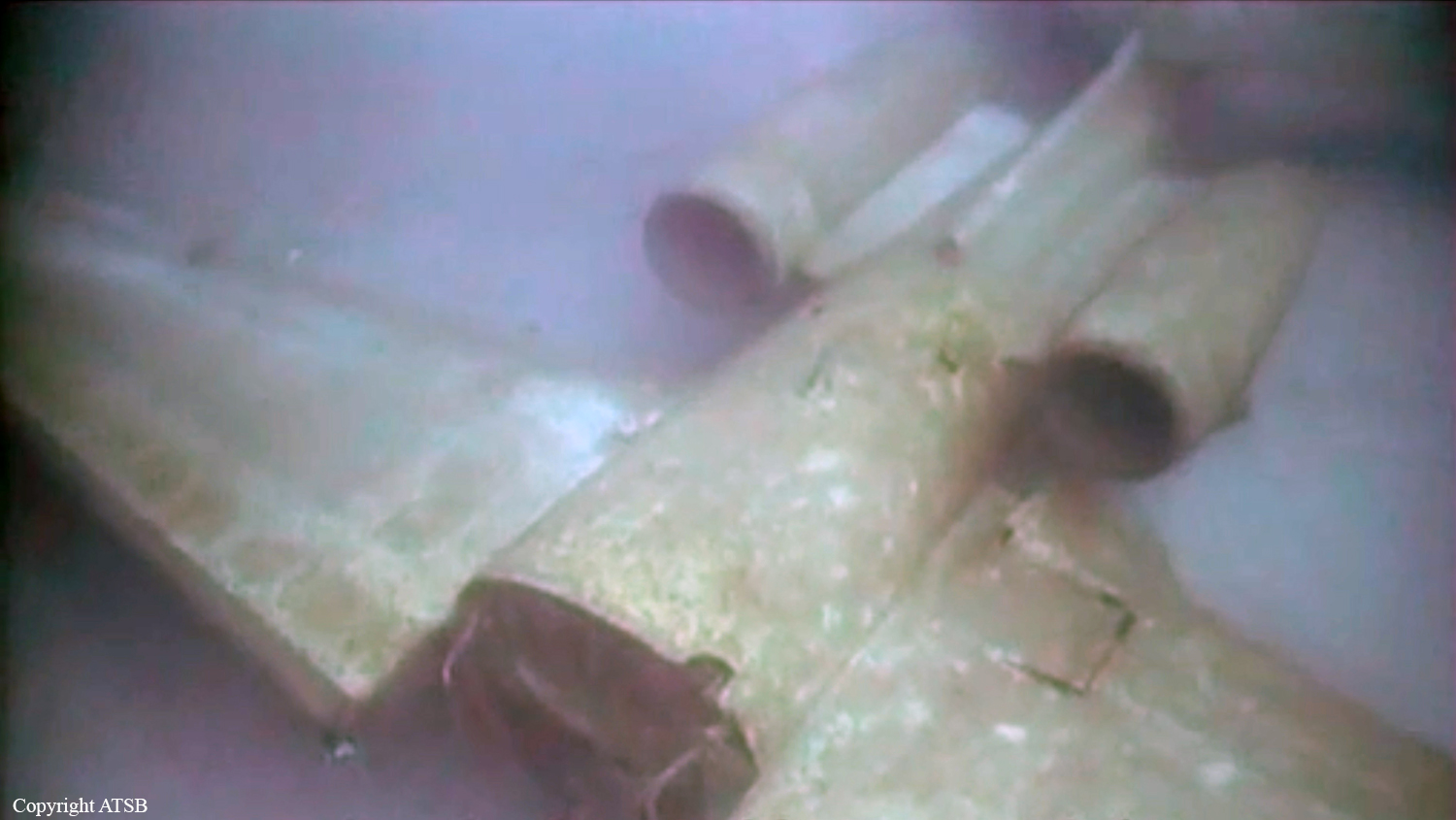
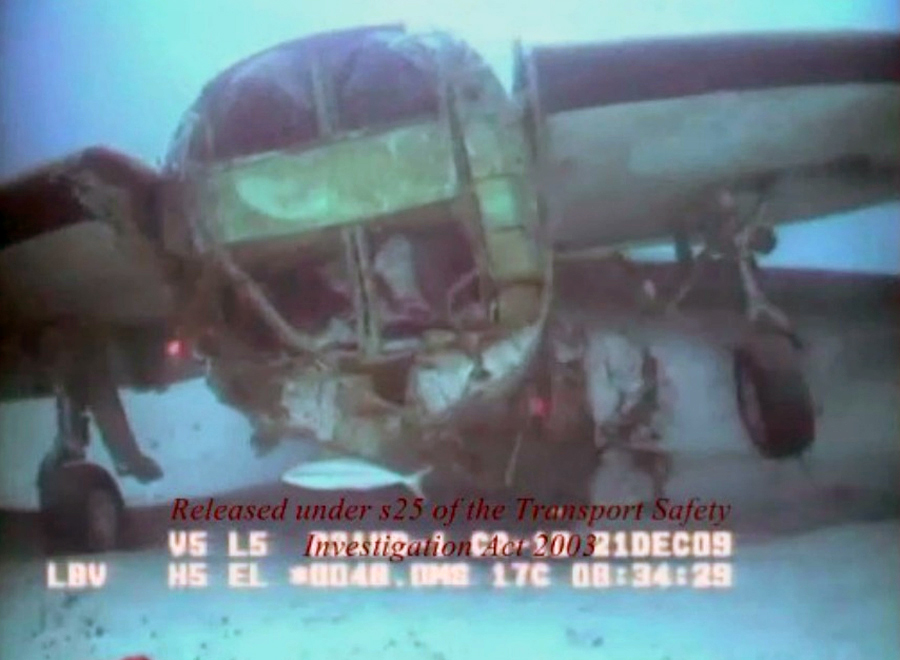
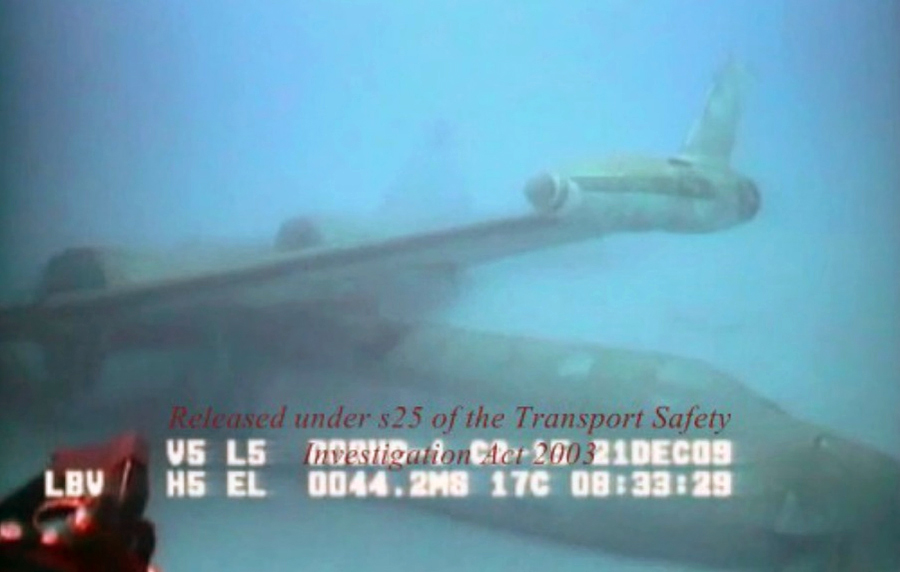
On 18 November 2009, the flight crew of an Israel Aircraft Industries Westwind 1124A aircraft, registered VH-NGA, was attempting a night approach and landing at Norfolk Island on an aeromedical flight from Apia, Samoa. On board were the pilot in command and copilot, and a doctor, nurse, patient and one passenger. On arrival, weather conditions prevented the crew from seeing the runway or its visual aids and therefore from landing. The pilot in command elected to ditch the aircraft in the sea before the aircraft’s fuel was exhausted. The aircraft broke in two after ditching. All the occupants escaped from the aircraft and were rescued by boat.
Probable cause:
The pilot in command did not plan the flight in accordance with the existing regulatory and operator requirements, precluding a full understanding and management of the potential hazards affecting the flight. The flight crew did not source the most recent Norfolk Island Airport forecast, or seek and apply other relevant weather and other information at the most relevant stage of the flight to fully inform their decision of whether to continue the flight to the island, or to divert to another destination. The flight crew’s delayed awareness of the deteriorating weather at Norfolk Island combined with incomplete flight planning to influence the decision to continue to the island, rather than divert to a suitable alternate.
Final Report:
Crash of an IAI-1124 Westwind in Moss Town

Date & Time: May 24, 2006 at 0055 LT
Type of aircraft:
Operator:
Registration:
N475AT
Flight Type:
Survivors:
Yes
Schedule:
San Juan – Norfolk
MSN:
270
YOM:
1979
Location:
Country:
Crew on board:
2
Crew fatalities:
Pax on board:
6
Pax fatalities:
Other fatalities:
Total fatalities:
0
Circumstances:
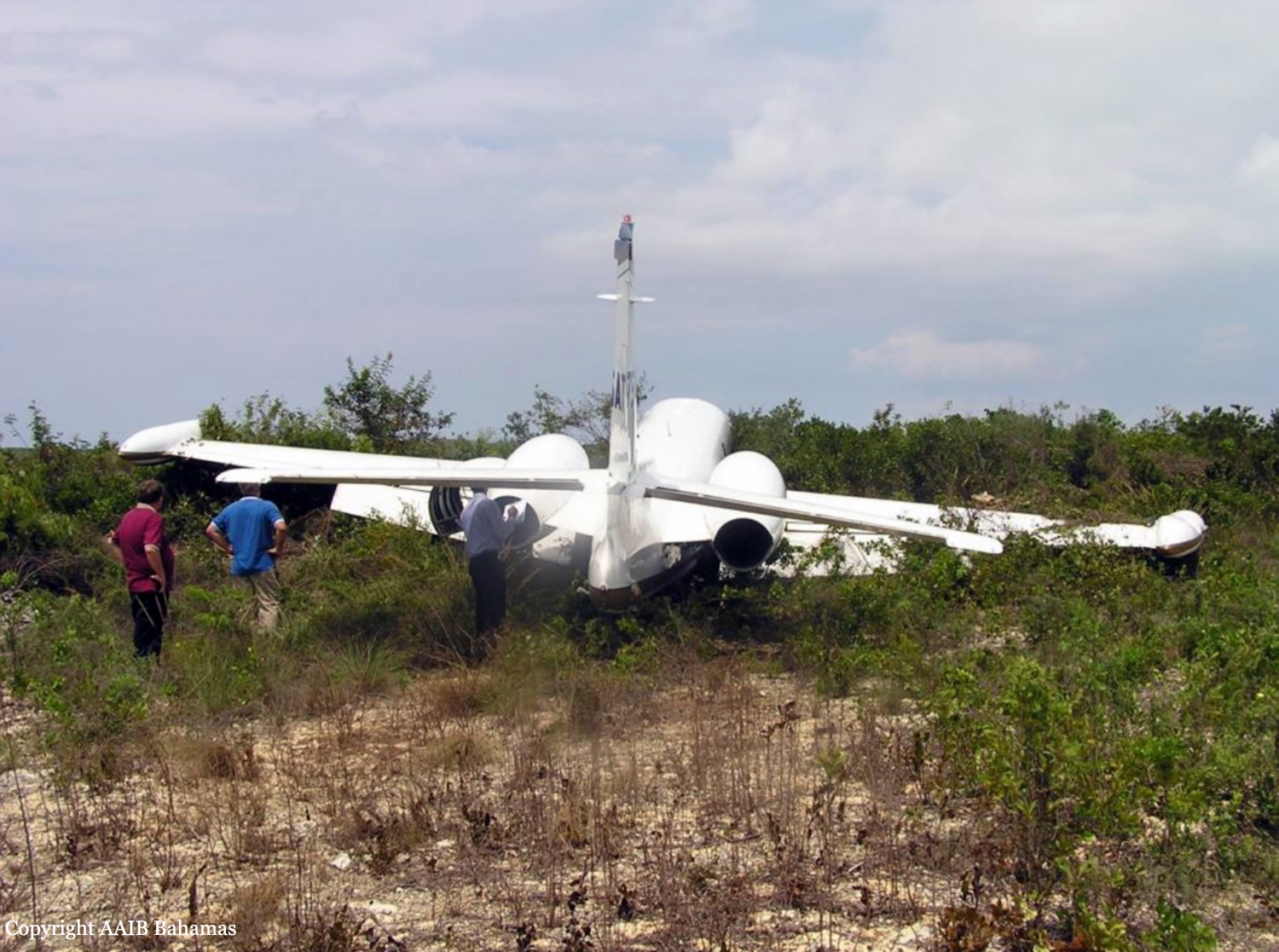
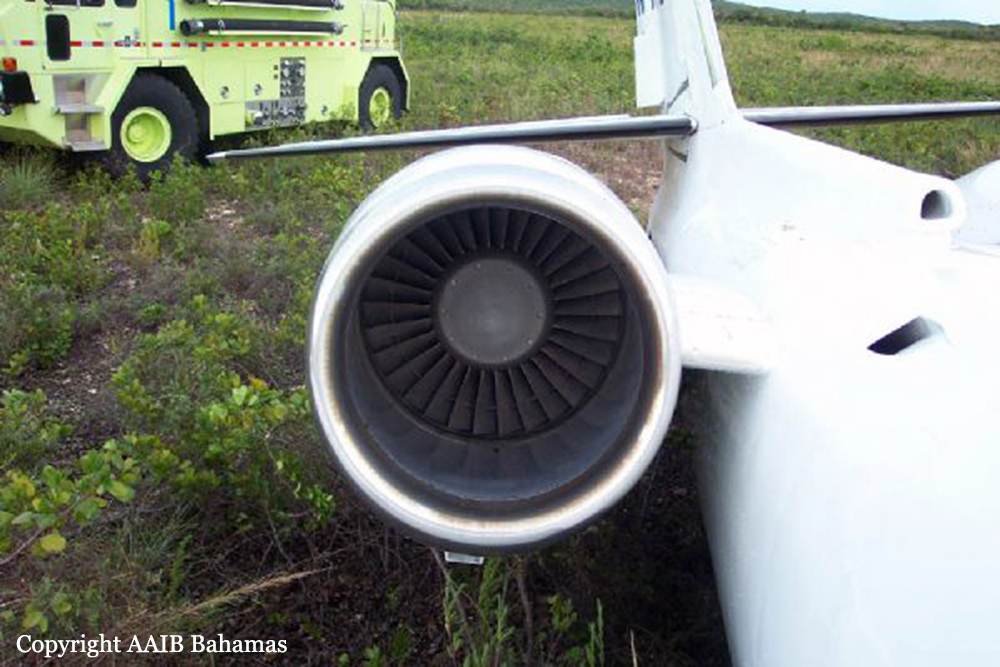
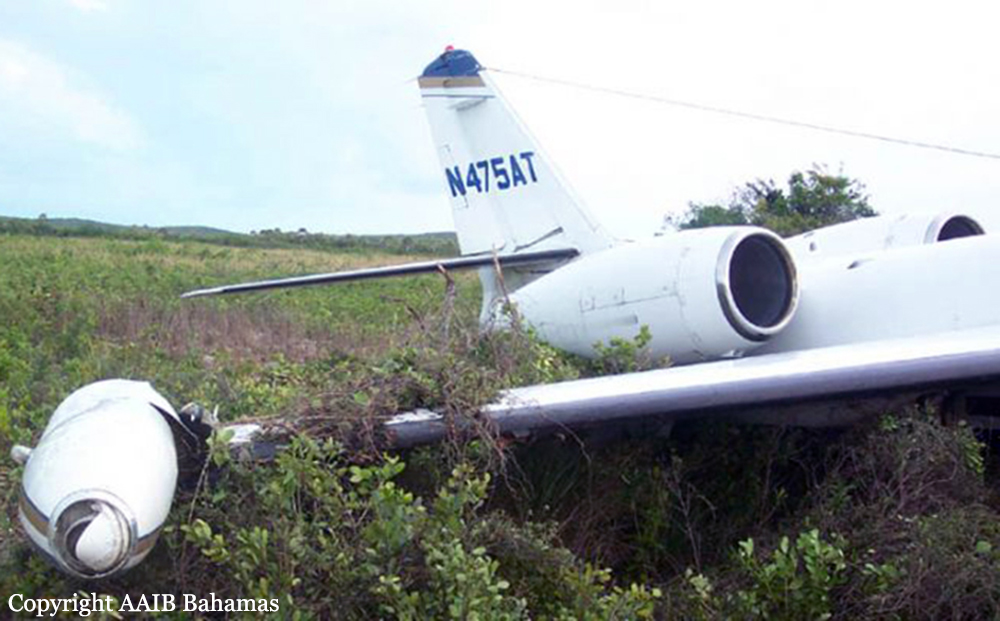
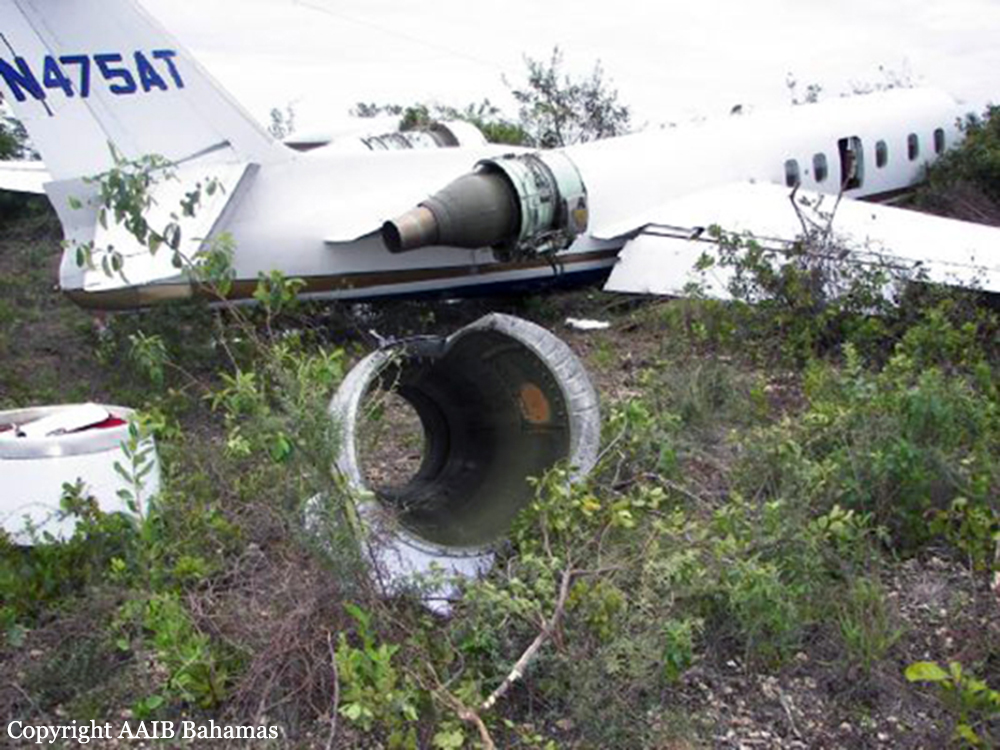
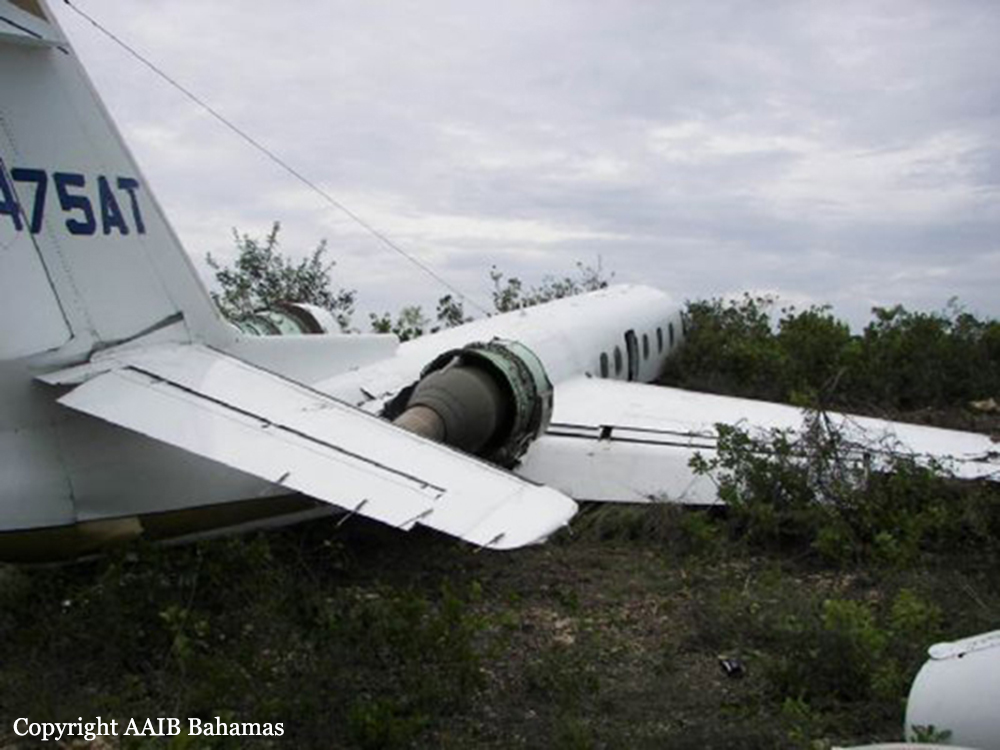
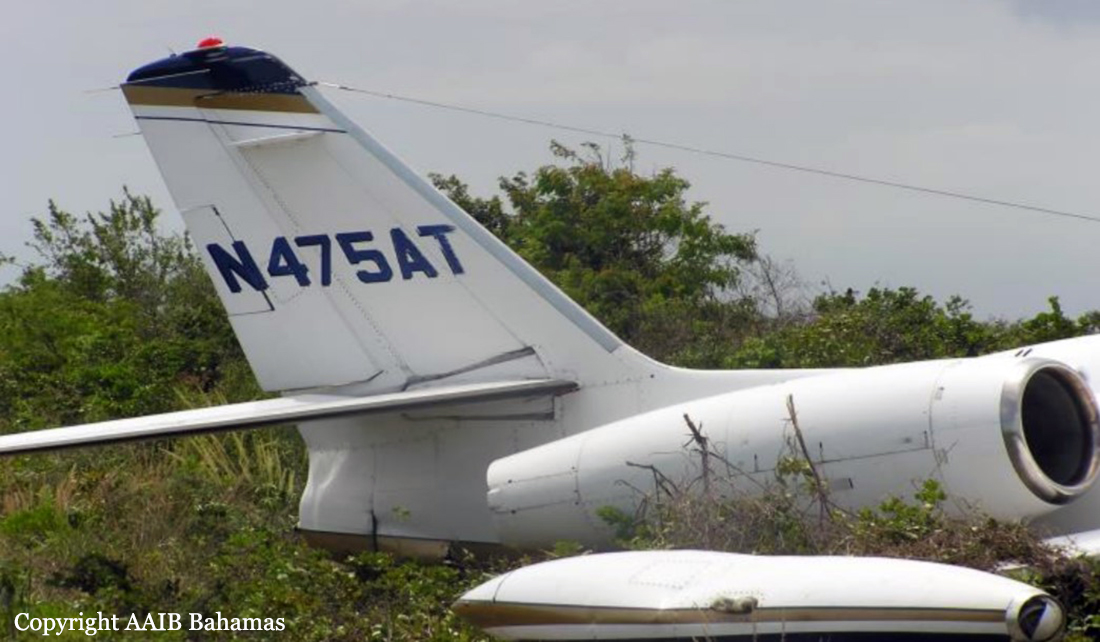
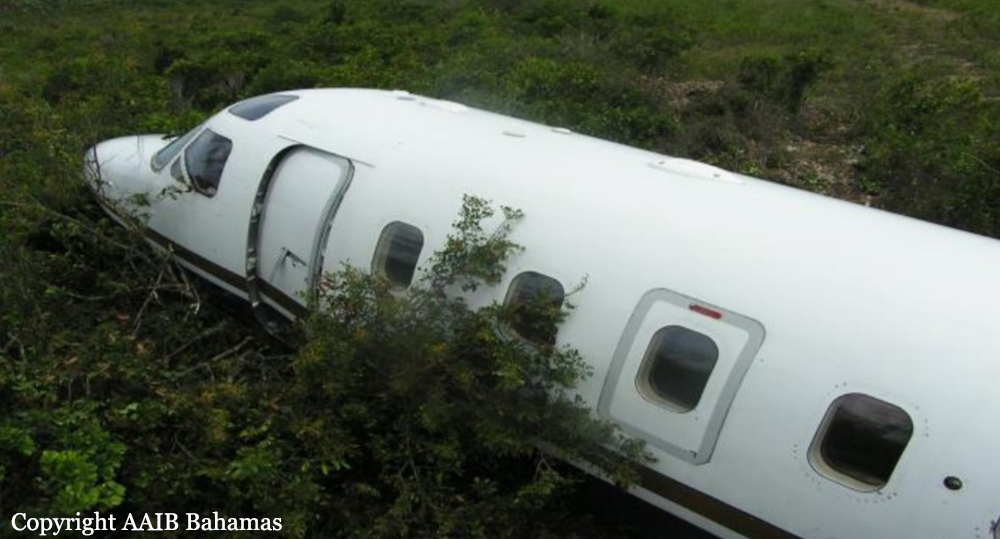
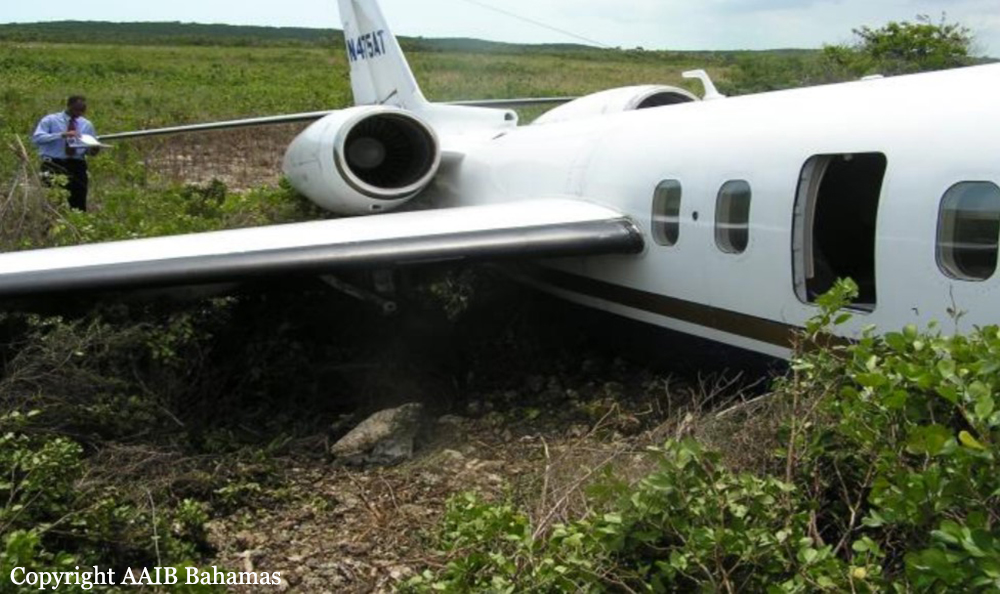
At 0444Z On May 24 2006, Miami Centre (George Town Sector) informed Nassau ATC That Lifeguard Flight N475AT, a Westwind Jet (WW-1124), en-route from San Juan, Puerto Rico to Norfolk, Virginia reported that it had developed generator problems and the aircraft was looking to land at the nearest airport to its position. Miami Air Traffic Center vectored the aircraft to Exuma International Airport at Great Exuma, Bahamas, as that was the nearest airport. Attempts were made by Nassau ATC to contact the authorities at Exuma International Airport to have the runway lights turned on. At 0454Z, Miami ATC reported loss of contact with the aircraft; therefore, N475AT proceeded with an emergency landing, before Miami ATC could give further instructions. The uncontrolled aircraft came to rest approximately 800 feet beyond the end of runway 30 and approximately 300 feet right of the extended centre line of the runway. The aircraft landing gears were sheered off when the aircraft exited the runway, hence traveling into the clearing and then eventually into the bushes on the right side of the runway. The right wing of the aircraft collided with a mound of dirt, causing it to spin uncontrollably, resulting in it coming to rest on an easterly heading at an approximate 30 degree incline. The occupants were evacuated from the wreckage and received minor injuries while making their way thru the thick brush and shrubbery while being led to safety. All Crew members were ATP rated and both proficiency checks found to be were valid and current neither of the pilots was available for an interview at the time of the field investigation at Exuma International Airport.
Probable cause:
Findings and Probable Cause could not be determined as the aircraft was stripped of its components, instrumentations, manuals and CVR by the owners of the aircraft, without permission or authorization from the Accident Investigation Personnel (Department of Civil Aviation). Documents and manuals requested of the owners were never obtained. The help of the NTSB as well as the FAA were enlisted in an effort to retrieve documents from the owners. All attempts were fruitless.
Final Report:
Crash of an IAI-1124 Westwind near El Devanador: 7 killed

Date & Time: Feb 24, 2005 at 1537 LT
Type of aircraft:
Operator:
Registration:
XC-COL
Flight Phase:
Flight Type:
Survivors:
No
Site:
Schedule:
Toluca - Colima
MSN:
279
YOM:
1979
Country:
Crew on board:
2
Crew fatalities:
Pax on board:
5
Pax fatalities:
Other fatalities:
Total fatalities:
7
Captain / Total flying hours:
4350
Copilot / Total flying hours:
6597
Aircraft flight hours:
8523
Circumstances:
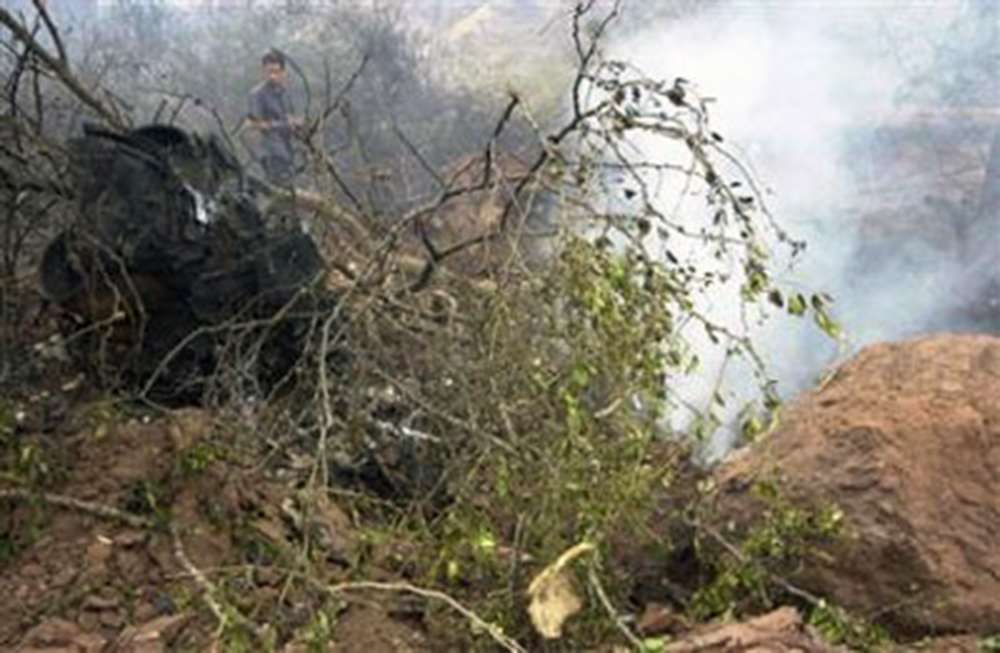
The aircraft departed Toluca Airport at 1516LT on a flight to Colima, carrying five members of the Colima Government and two pilots. Fifteen minutes into the flight, while cruising at an altitude of 16,000 feet, the crew informed ATC about control problems and was cleared to divert to Morelia Airport via radial 160. Shortly later, the aircraft entered an uncontrolled descent and crashed in a wooded and mountainous terrain located near El Devanador. The aircraft was totally destroyed and all seven occupants were killed.
Crew:
Mario Torres, pilot,
Germán Ascencio, copilot.
Passengers:
Gustavo Vázquez Montes, Governor of the State of Colima,
Roberto Preciado Cuevas, delegate secretary for Tourism,
Ignacio Peralta, delegate secretary for Economy,
Luis Barreda Cedillo, delegate secretary for Finances,
Guillermo Díaz, Director of Tourism.
Probable cause:
Sudden descent during cruise flight and loss of control of the aircraft due to flight control problems. The following findings were identified:
- A possible failure of the horizontal stabilizer actuator,
- A possible abrupt change in the attitude of the aircraft due to the position of the centre of gravity,
- Possible improper crew actions to resolve the emergency,
- A possible crew neglect of position and indication of flight controls.
Final Report:

Crash of an IAI-1124 Westwind in Panama City: 7 killed

Date & Time: Jul 2, 2004 at 1338 LT
Type of aircraft:
Operator:
Registration:
N280AT
Flight Phase:
Flight Type:
Survivors:
No
Schedule:
Quito – Panama City – Washington DC – Milan
MSN:
247
YOM:
1979
Country:
Crew on board:
2
Crew fatalities:
Pax on board:
4
Pax fatalities:
Other fatalities:
Total fatalities:
7
Captain / Total flying hours:
12262
Captain / Total hours on type:
869.00
Copilot / Total flying hours:
3818
Copilot / Total hours on type:
197
Aircraft flight hours:
9062
Aircraft flight cycles:
7743
Circumstances:
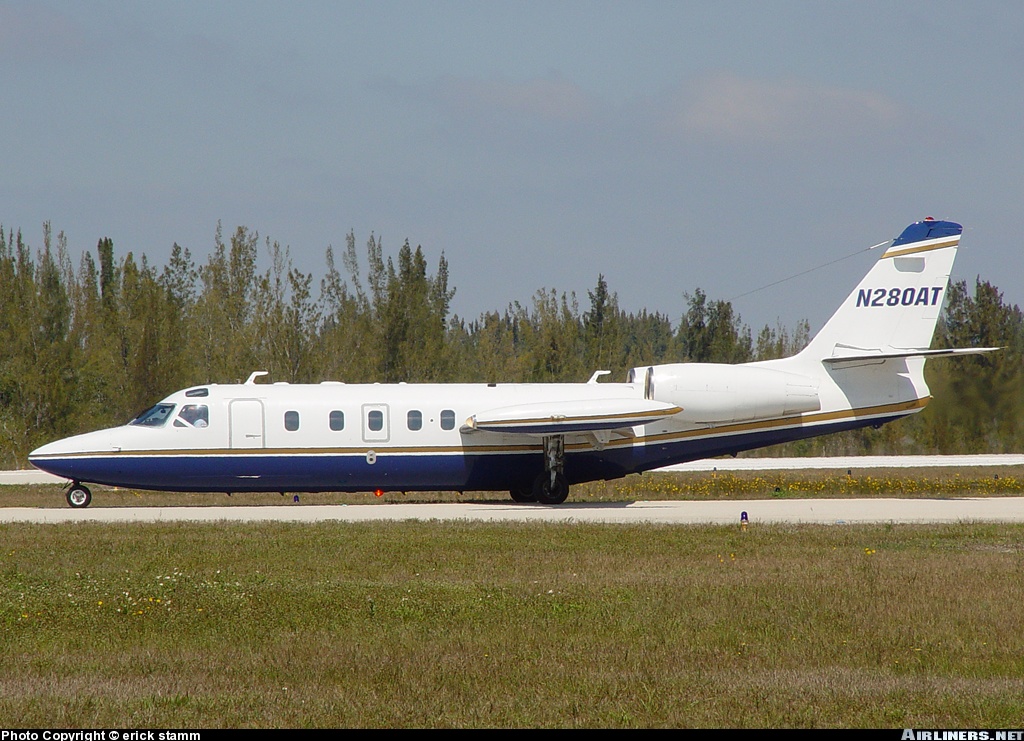
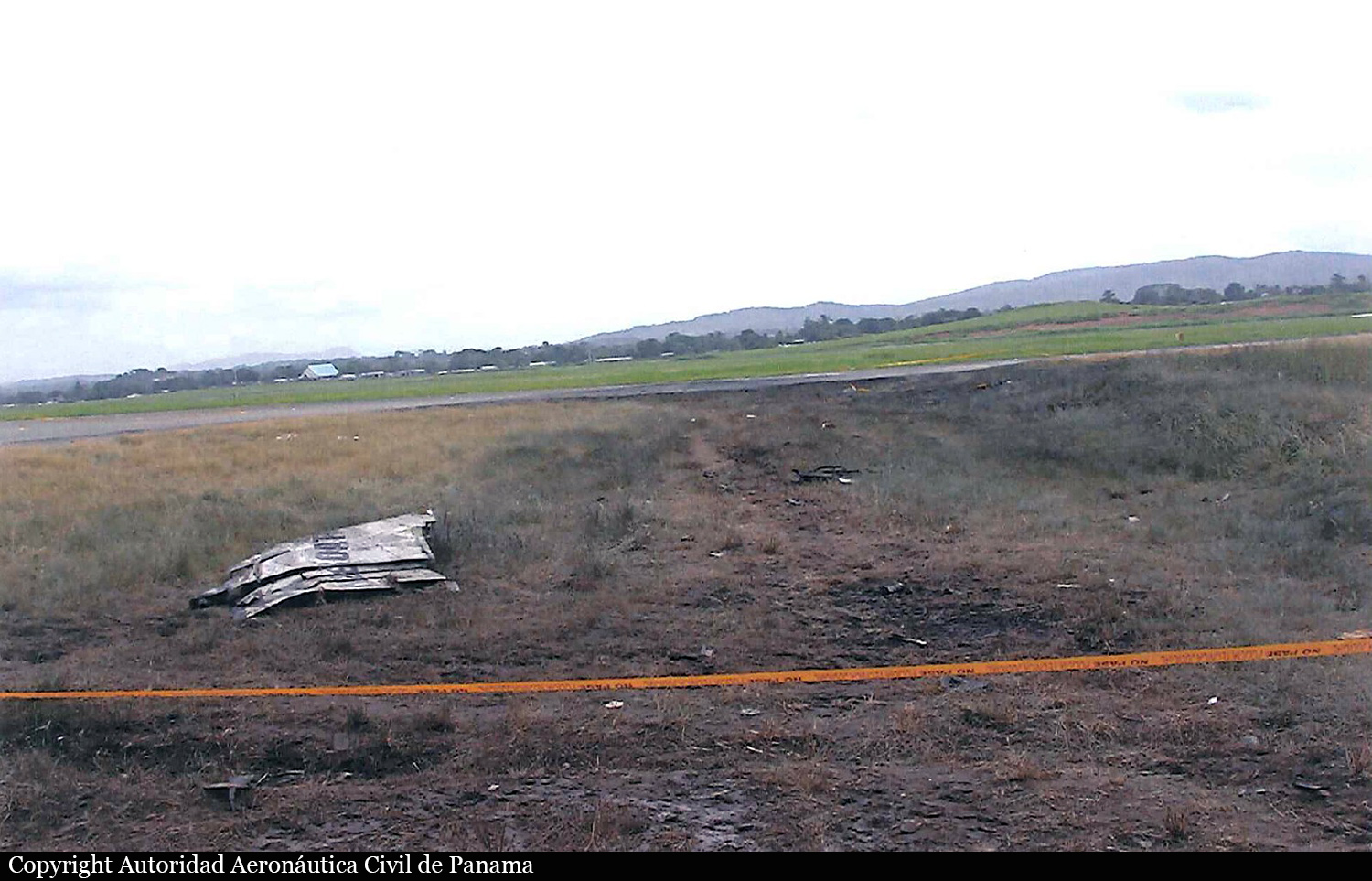
On July 2, 2004, at 1338 eastern standard time, a U.S. registered Westwind model 1124 corporate jet, N280AT, operated by Air Trek, Inc., as a Part 135 commercial air ambulance flight, impacted terrain and crashed into a building after departing from the Tocumen International Airport (MPTY), Tocumen, Panama. The airplane was destroyed by impact forces and post-crash fire. All six occupants on the airplane were fatally injured. A seventh person was also fatally injured on the ground. Visual meteorological conditions prevailed, and an instrument flight rules (IFR) flight plan was filed. The flight originated from Quito, Ecuador, and stopped in Tocumen for fuel. The flight was destined for Milan, Italy, via another fuel and crew-change stop at the Dulles International Airport, near Washington, DC. According to the operator, the airplane was flown with the two pilots and two flight nurses from Punta Gorda, Florida, to Guayaquil, Ecuador, on July 1, 2004. The airplane was refueled with 450 gallons of Jet A upon arrival, and remained overnight. On July 2, 2004, the airplane was fueled with an additional 150 gallons of Jet A, and subsequently departed for Quito, Ecuador. Upon arriving in Quito, two passengers were boarded, and the flight departed for Panama, where it would be refueled. The airplane was not fueled during the stop in Quito. According to the Panama Autoridad Aeronautica Civil, the flight landed in Panama uneventfully, and proceeded to the north ramp at the main terminal. The flight crew requested from ground service personnel that the airplane be refueled with 600 gallons of Jet A. The flight crew specifically requested that 500 gallons of fuel be added utilizing the pressure point fueling station, and 100 gallons be added to the auxiliary tank, utilizing a gravity filler port. After refueling, the airplane was started and taxied to runway 03L. An air traffic controller observed the airplane as it began to takeoff. He recalled that, "It pitched up vertically, the nose then lowered, and the wings rocked side to side. The airplane then veered to the right and descended out of view." A witness, who was located north of the accident site, observed the airplane veering to the right, before descending from his view. The airplane impacted the ground on taxiway Hotel, north of taxiway Bravo, and a fire ensued. The right wing and right engine separated from the fuselage and fragmented into multiple pieces. The vertical stabilizer impacted the ground, and separated from the fuselage. The main fuselage, left wing, and left engine continued across a grass field, where it struck an airport worker, and impacted a concrete wall. The airplane continued through the wall, and came to rest inverted inside a building. Airport crash fire and rescue responded to the accident, and contained the post crash fire within 3 minutes. The wreckage path was oriented on a heading of about 80 degrees. Ground scars on the taxiway were consistent with the right wing tip tank impacting the taxiway surface with the airplane in a nose high attitude, banked 90 degrees to the horizon. The scars continued forward, with the airplane rolling onto its back, collapsing the vertical stabilizer. About 35 feet beyond the vertical stabilizer impact point, scars were observed from the left tip tank. Debris from the cockpit and forward cabin area was observed in the grass area along the wreckage path.
Probable cause:
The probable cause of the accident was the loss of control during takeoff due to the lack of criteria and decision-making by the flight crew, not having followed the procedures established by the operator, aggravated by a center of gravity beyond the rear limit.
Final Report:

Crash of an IAI 1124A Westwind II in Taos: 2 killed

Date & Time: Nov 8, 2002 at 1457 LT
Type of aircraft:
Operator:
Registration:
N61RS
Flight Type:
Survivors:
No
Schedule:
Las Vegas - Taos
MSN:
384
YOM:
1983
Location:
Crew on board:
2
Crew fatalities:
Pax on board:
0
Pax fatalities:
Other fatalities:
Total fatalities:
2
Captain / Total flying hours:
5251
Captain / Total hours on type:
877.00
Copilot / Total flying hours:
14234
Copilot / Total hours on type:
682
Aircraft flight hours:
3428
Circumstances:
After passing the initial approach fix, during an instrument approach to the destination airport, radar and radio contact were lost with the business jet. One witness reported hearing "distressed engine noises overhead," and looked up and saw what appeared to be a small private jet flying overhead. The engine seemed to be "cutting in and out." The witness further reported observing the airplane in a left descending turn until his view was blocked by a ridge. The witness then heard an explosion and saw a big cloud of smoke rising over the ridge. A second witness heard a loud noise and looked up and saw a small white airplane with two engines. The witness stated that the airplane started to turn left with the nose of the airplane slightly pointing toward the ground. The airplane appeared to be trying to land on a road. A third witness heard the roar of the airplane's engines, and looked toward the noise and observed the airplane in a vertical descent (nose dive) impact the ground. The witness "heard the engines all the way to the ground." Examination of the airframe and engines did not disclose any structural or mechanical anomalies that would have prevented normal operation. The National Weather Service had issued a SIGMET for severe turbulence and mountain wave activity. Satellite images depicted bands of altocumulus undulates and/or rotor clouds over the accident site.
Probable cause:
The pilot's inadvertent flight into mountain wave weather conditions while IMC, resulting in a loss of aircraft control.
Final Report: