Crash of a Boeing B-29-90-BW Superfortress near Nagoya: 5 killed

Date & Time: Apr 8, 1954
Type of aircraft:
Operator:
Registration:
44-87742
Flight Phase:
Flight Type:
Survivors:
Yes
MSN:
12545
YOM:
1944
Location:
Country:
Region:
Crew on board:
11
Crew fatalities:
Pax on board:
0
Pax fatalities:
Other fatalities:
Total fatalities:
5
Circumstances:
Shortly after takeoff from Nagoya-Komaki Airport, while on a refueling mission, the aircraft suffered an engine failure. Six crew members were able to bail out before the airplane crashed in a huge explosion about 25 km southwest of the airport. The five crewmen who remained in the aircraft were killed.
Probable cause:
Engine failure.
Crash of a Boeing B-29-55-MO Superfortress in Ogden: 1 killed

Date & Time: Dec 18, 1953
Type of aircraft:
Operator:
Registration:
44-86382
Flight Type:
Survivors:
Yes
Schedule:
Sioux City - Ogden
Crew on board:
7
Crew fatalities:
Pax on board:
0
Pax fatalities:
Other fatalities:
Total fatalities:
1
Circumstances:
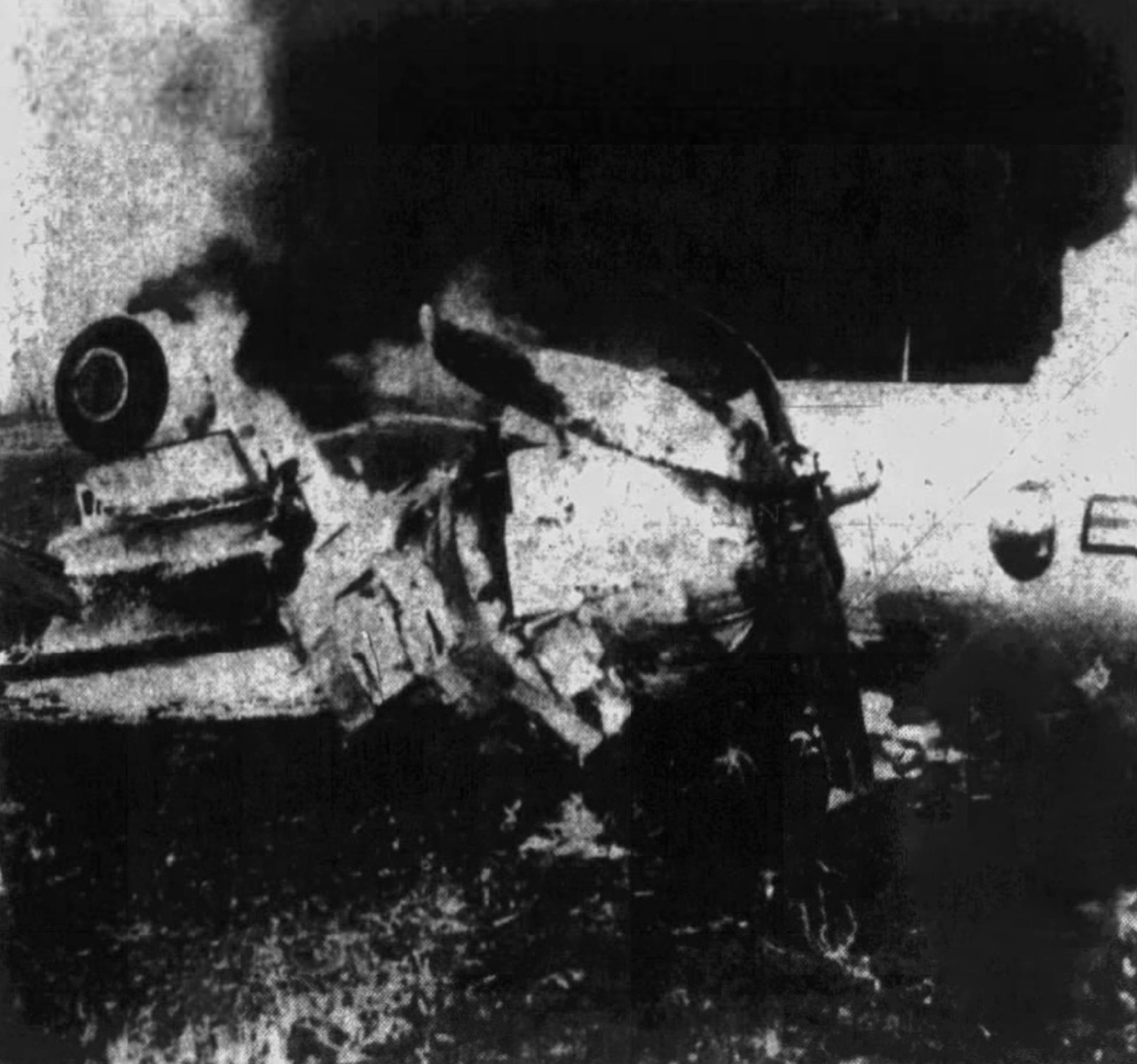
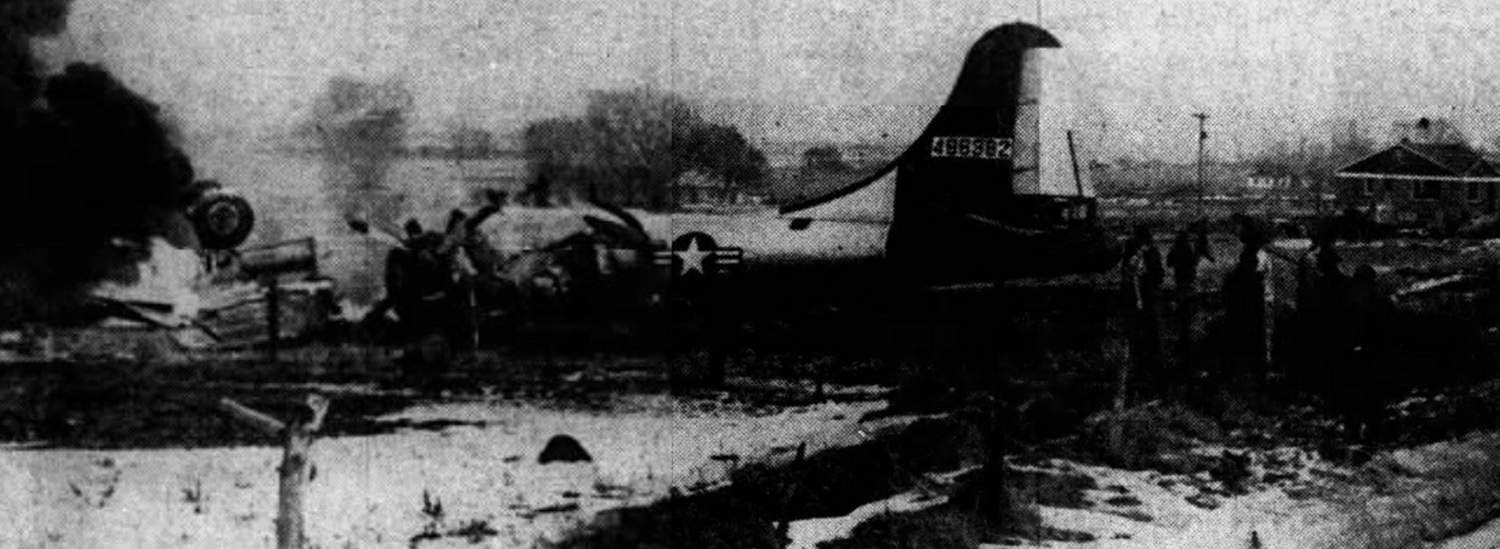
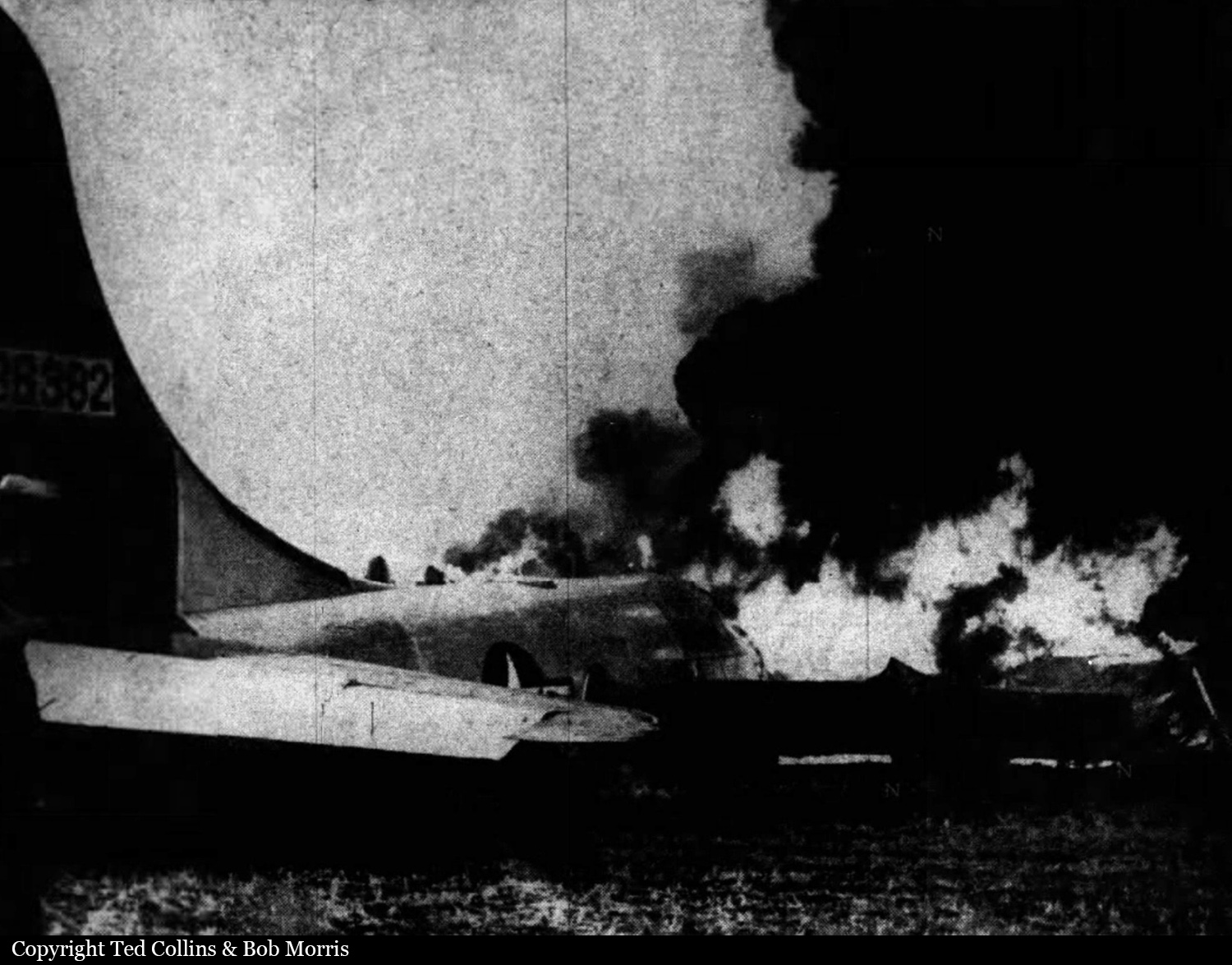
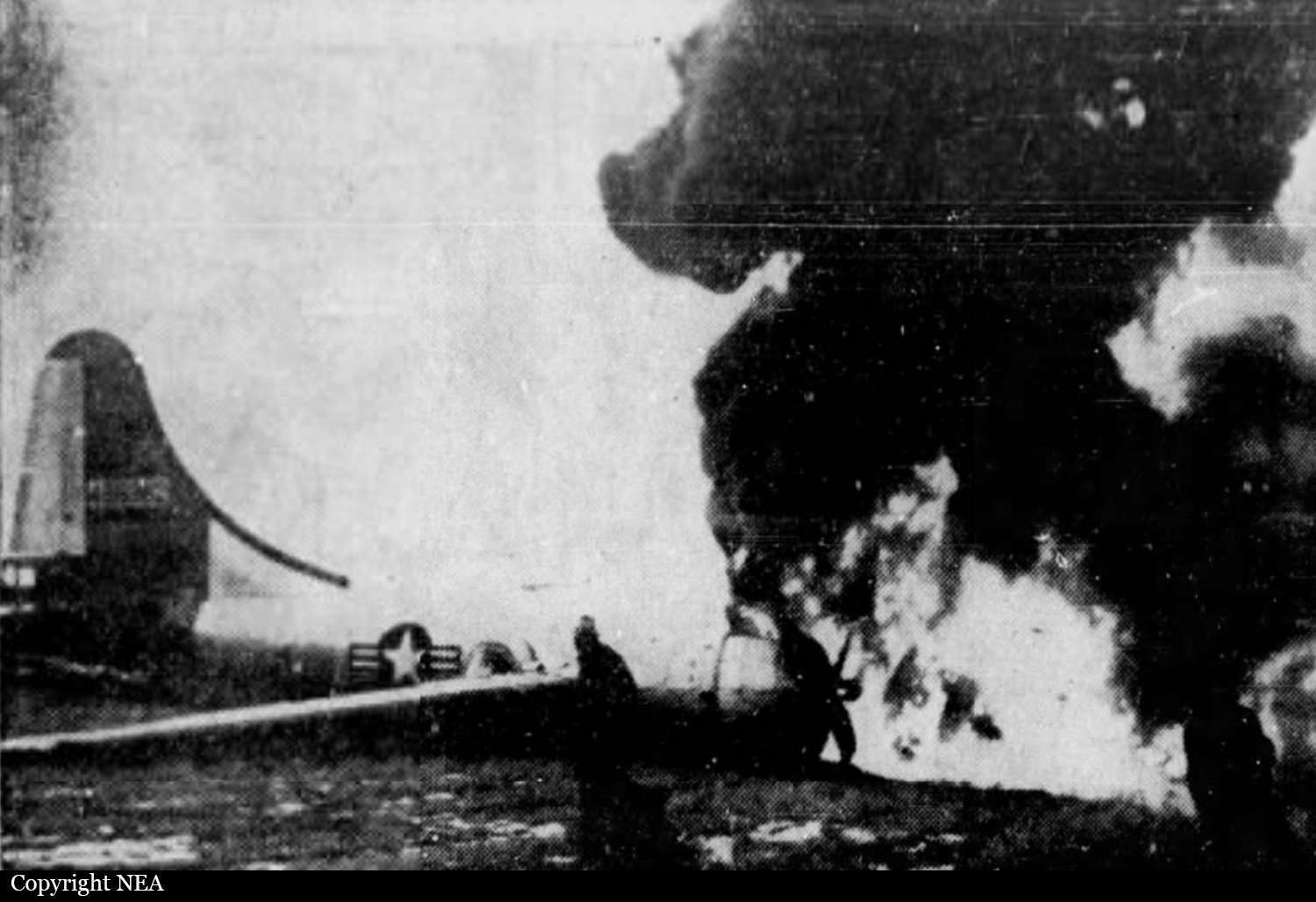
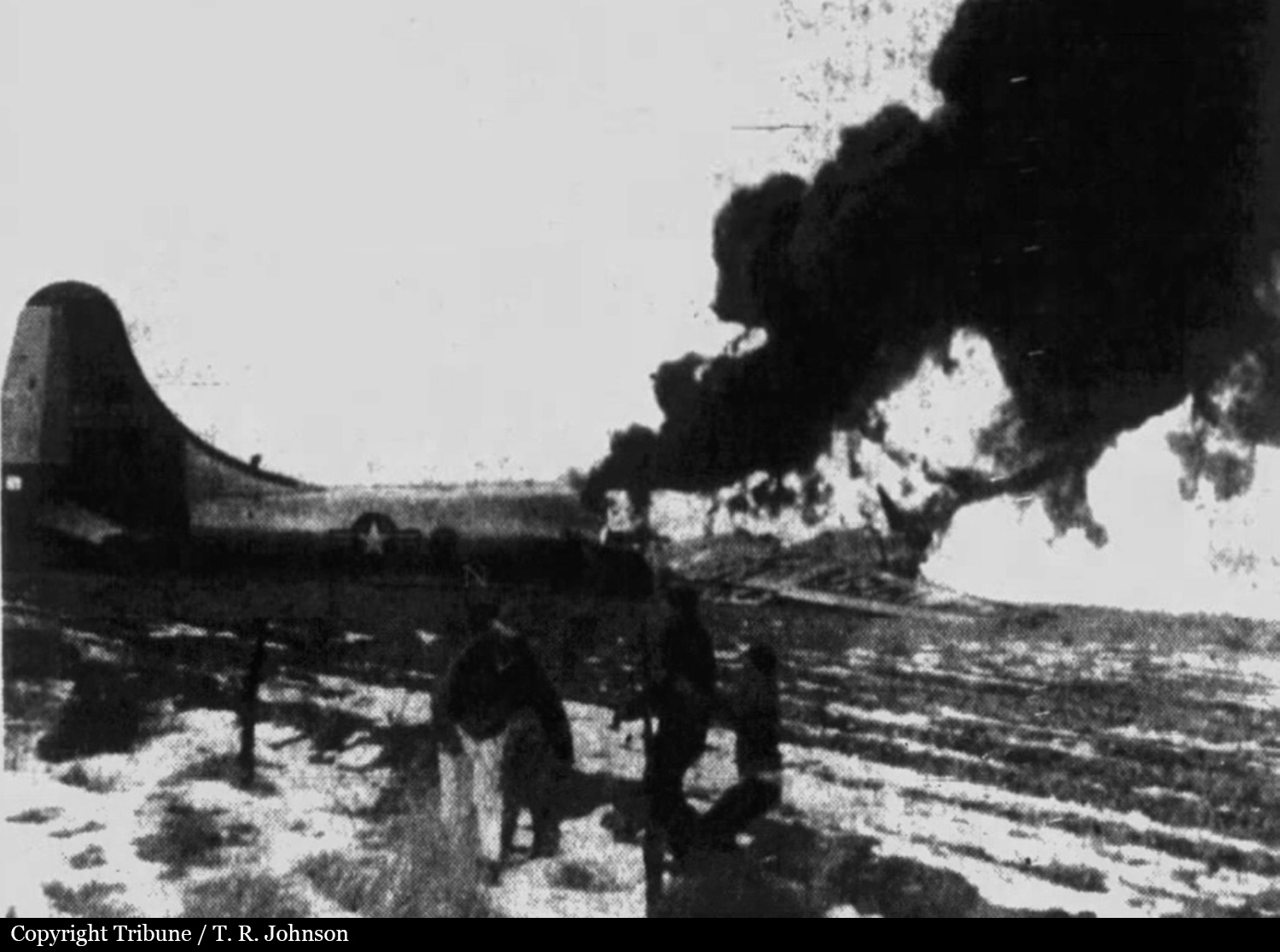
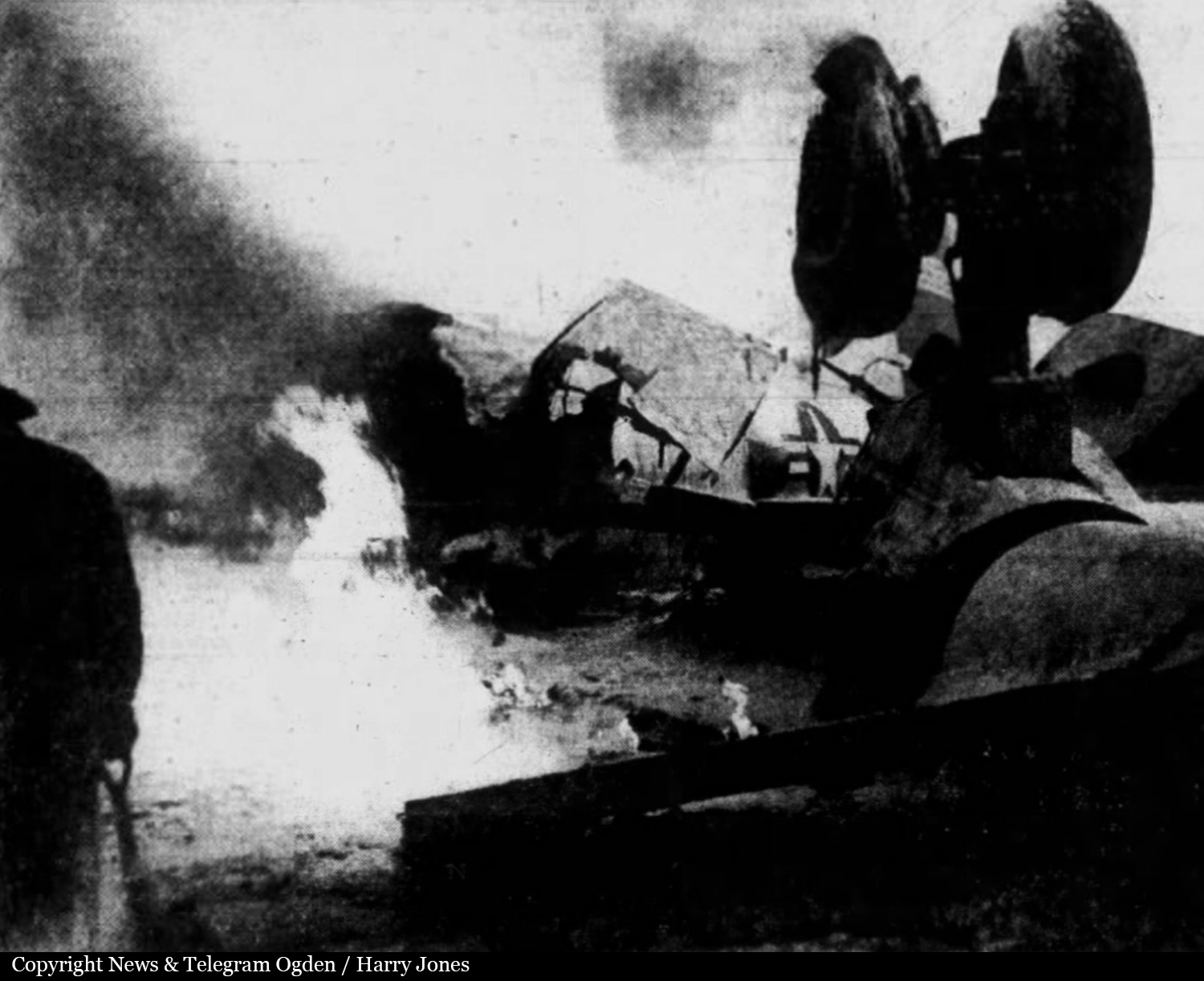
The crew was performing a flight from Sioux City to Ogden-Hill AFB, Utah. Upon arrival, the pilots mistook Ogden-Hinckley Municipal Airport for the nearly Ogden-Hill Airbase. After touchdown on a too short runway for this kind of aircraft, the heavy bomber overran, hit a 10-foot wide drainage ditch, crossed a highway and came to rest in flames. A crew member, James A. Gerwick, was killed, while six other occupants were injured. The aircraft was destroyed.
Probable cause:
Crew error while landing on the wrong airport.

Crash of a Boeing B-29MR-90-BW Superfortress at Andersen AFB: 19 killed

Date & Time: Dec 17, 1953 at 0648 LT
Type of aircraft:
Operator:
Registration:
44-87741
Flight Type:
Survivors:
Yes
Schedule:
Andersen – Kwajalein – Mountain Home
MSN:
12544
YOM:
1944
Country:
Region:
Crew on board:
4
Crew fatalities:
Pax on board:
12
Pax fatalities:
Other fatalities:
Total fatalities:
19
Circumstances:
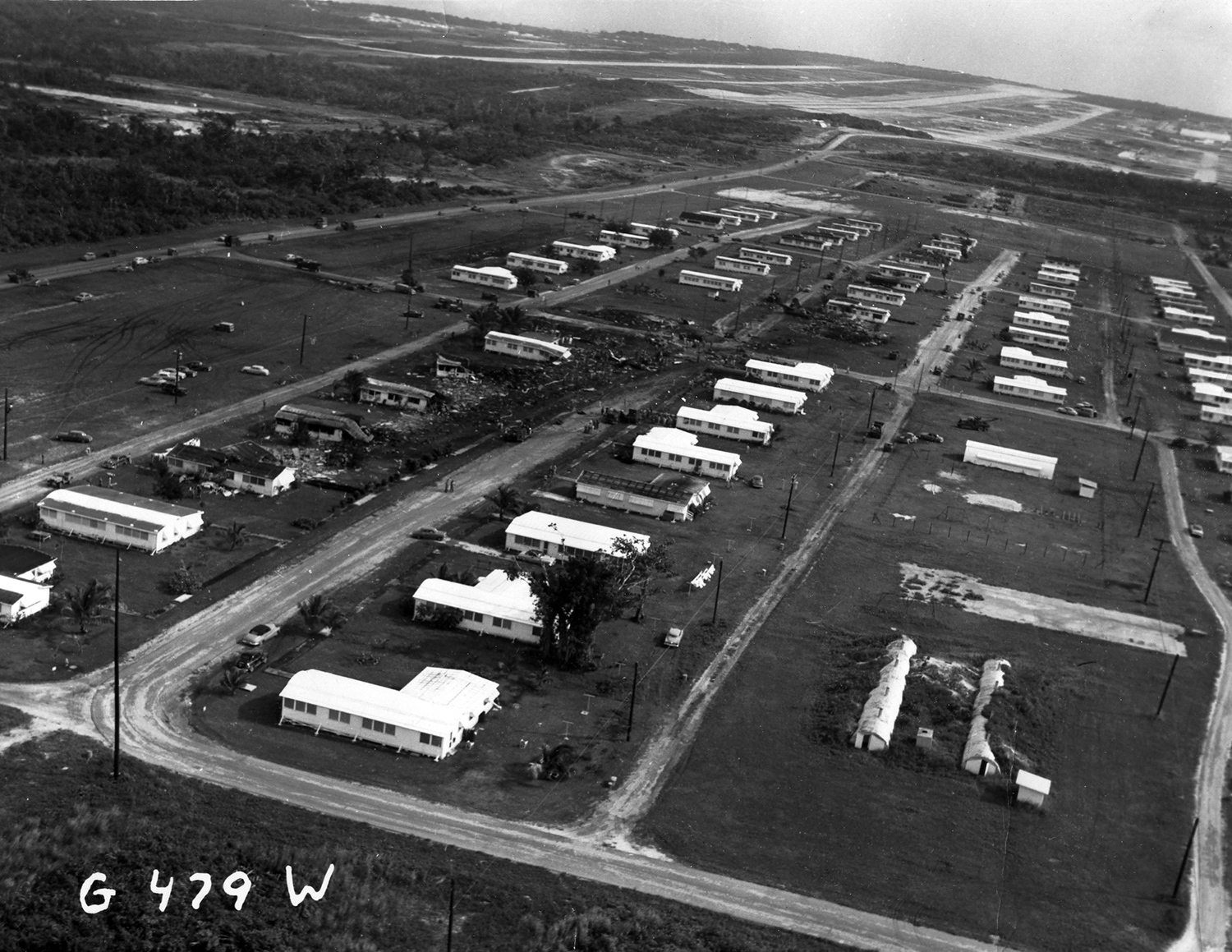
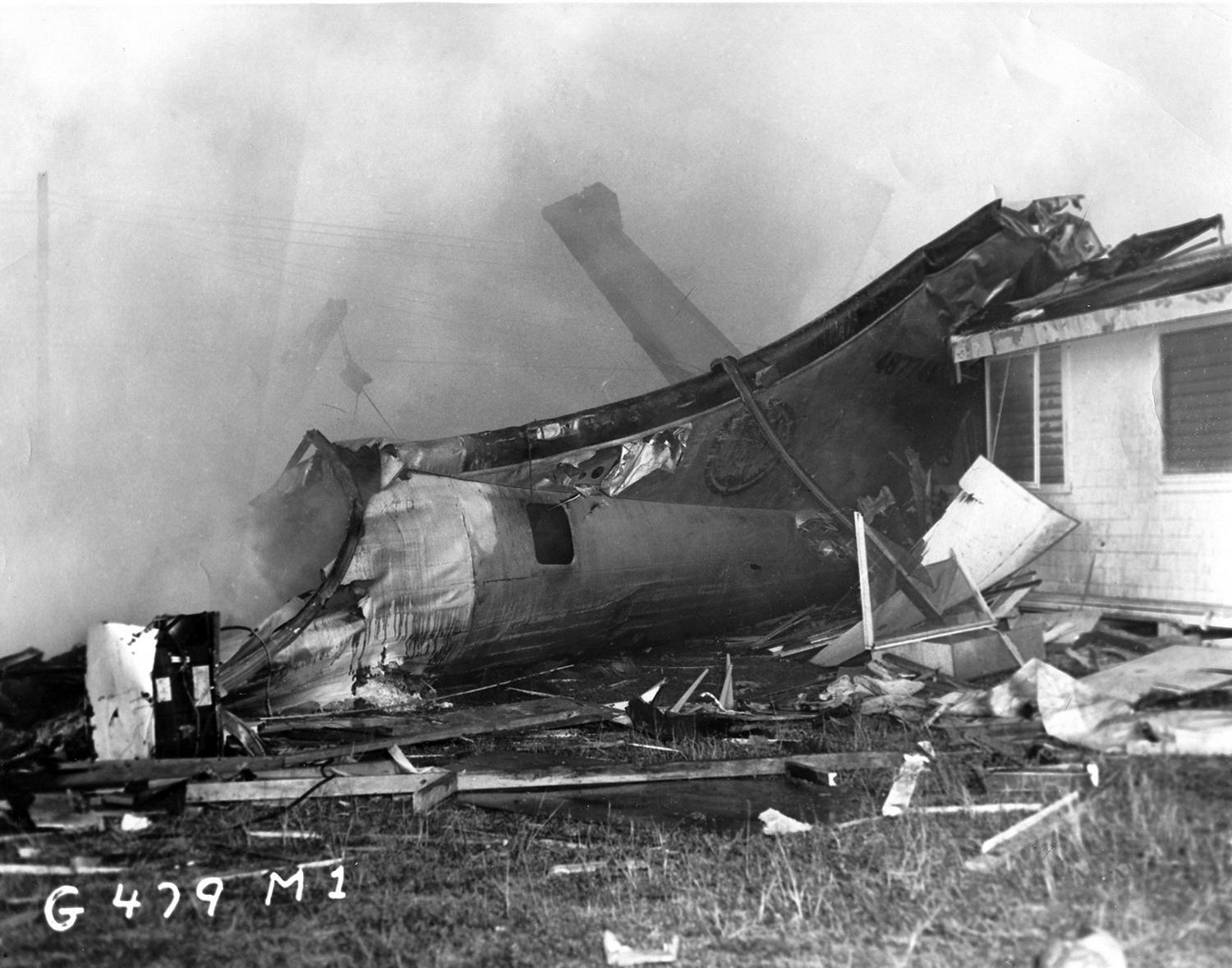
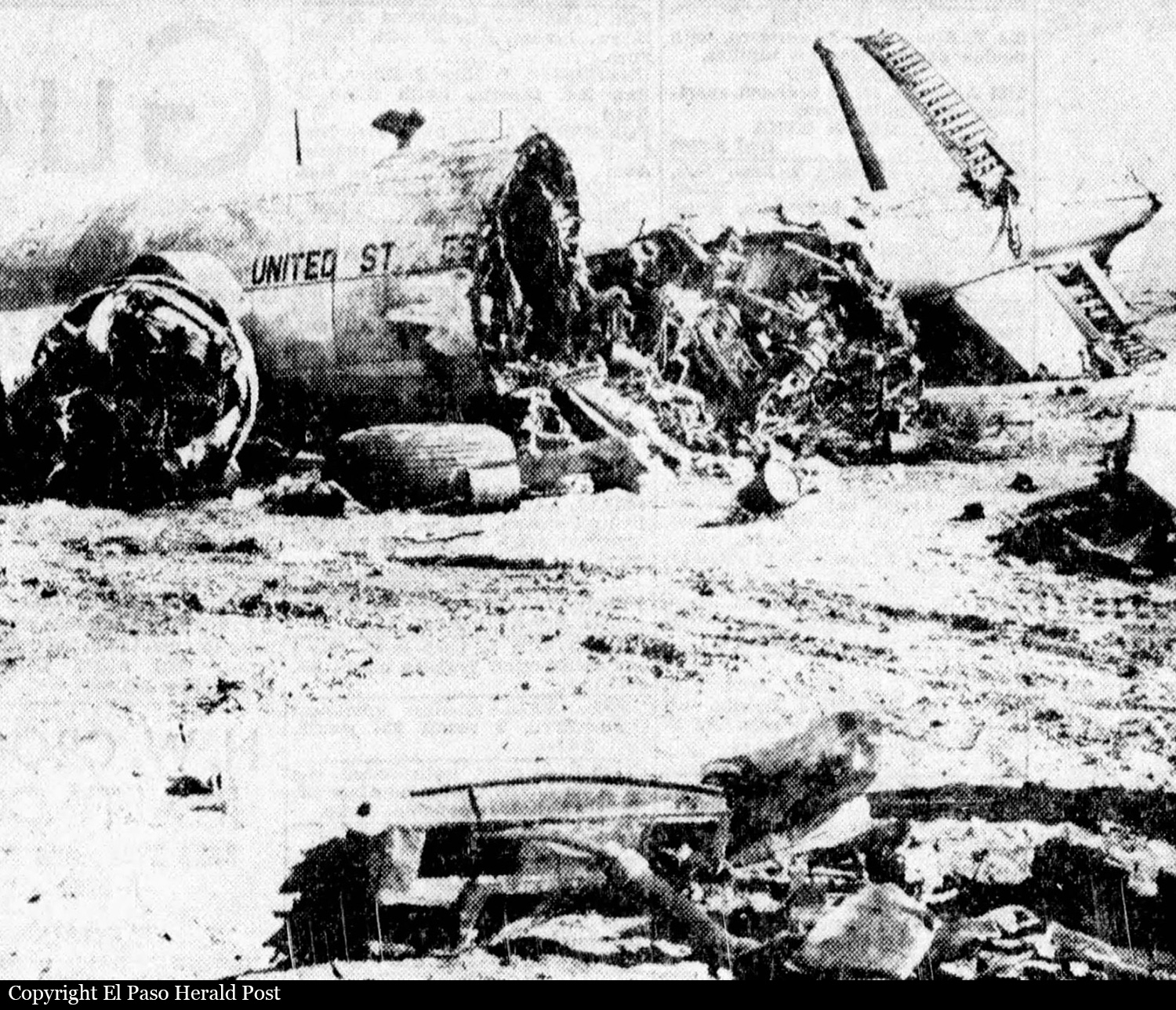
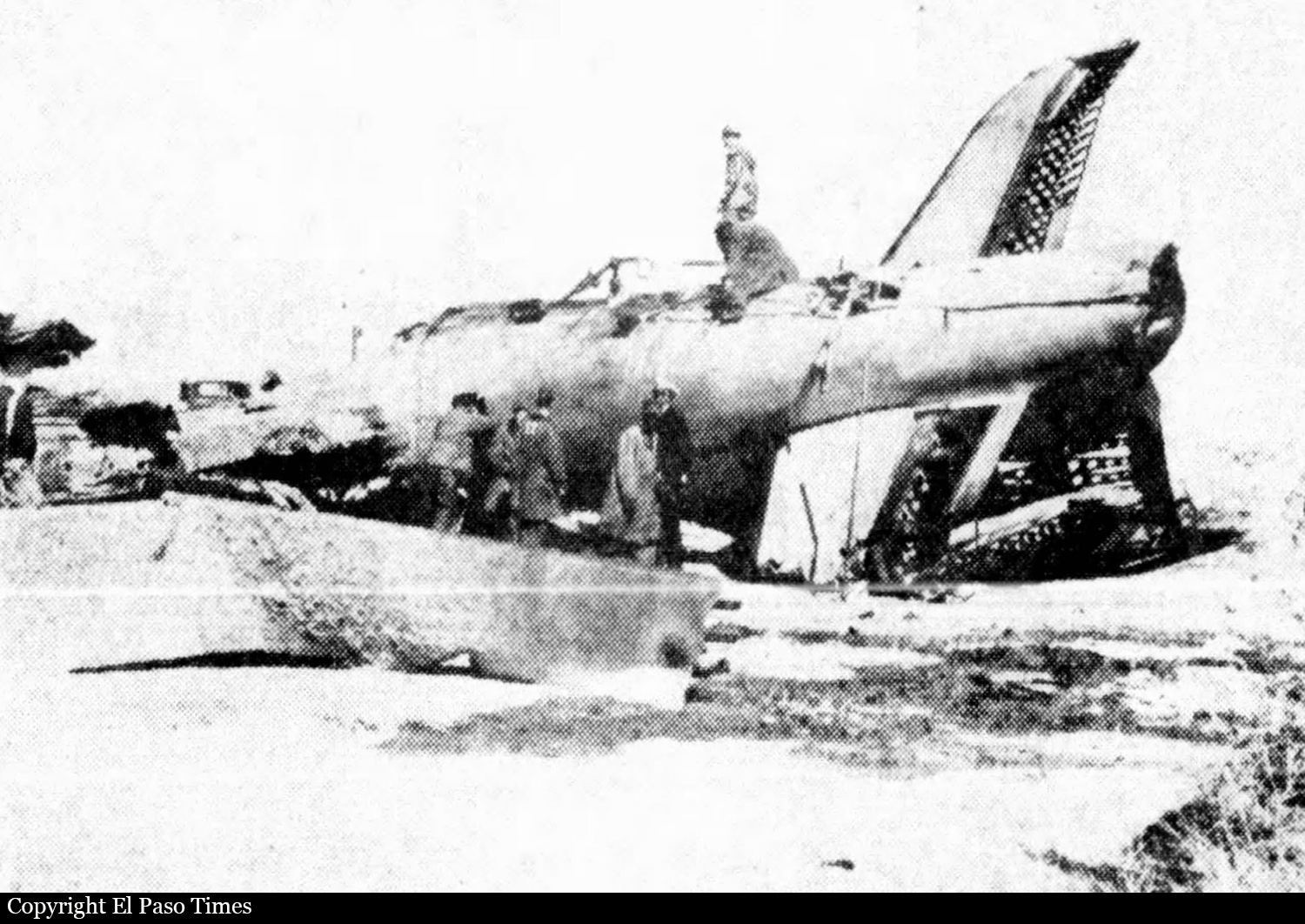
The heavy bomber left Andersen AFB at 0605LT on its way back to Mountain Home AFB, Idaho, via Kwajalein Island. Shortly after takeoff, the engine number two failed. The crew was able to shot it down and feathered the propeller. On final approach to runway 07R, after passing through the last cloud layer, the pilot-in-command decided to make a go around and following a circuit before starting a second approach few minutes later. While struggling to land the second time, he turned the B-29 into the feathered propeller at too steep of an angle, with the landing gear down, and flaps retracted which caused the bomber to lose lift and control. The aircraft banked 80° to the left and crashed in a near vertical position onto several houses located short of runway. Among the 16 occupants, all four crew members and five passengers were killed, seven others were injured. On the ground, ten people were killed, among them six kids and two entire families.
Crew:
1st Lt Henry G. Oetgen, pilot, †
1st Lt Sophus Eddie Larsen, copilot, †
1st Lt Dominick J. Christopher, navigator, †
T/Sgt John M. Reilly, flight engineer, †
1st Lt Howard L. DeBoer, bombardier, †
S/Sgt Homer A. Pickrell, gunner, †
T/Sgt Fred Leard, †
A3c Donald J. Wagner, †
A2c Francis L. Murray, †
1st Lt Jack Patton,
A2c Robert L. Jensen,
A1c Donald C. Van Doren,
A1c William J. Backman,
A2c Nelson H. Graham,
A2c Roberto Duran,
A2c Walter R. Newby.
Those killed on the ground were:
Lt Col Benjamin L. Mills, his wife Agnes, and his three daughters Margaret 9, Helen 5, and Martha 2,
Maj Gerald A. Orken, his wife Shirley, his daughter Vivian 5, and son Steven 3,
Bonnie Kimball, 11, daughter of Cpt Stanley J. Kimball.
Source:
http://www.andersen.af.mil/News/Article-Display/Article/638565/60th-anniversary-of-the-worst-peacetime-accident-at-andersen/
Probable cause:
The failure of the engine number two was caused by overheating of the hydraulic liquid and cylinders. Thick smoke came out when an exhaust pipe broke off. The crew was forced to shot the engine down and to feather the propeller. In such conditions, the control was difficult.

Crash of a Boeing B-29-96-BW Superfortress at Biggs AFB: 4 killed

Date & Time: Nov 20, 1953
Type of aircraft:
Operator:
Registration:
45-21794
Flight Type:
Survivors:
Yes
Schedule:
Biggs AFB - Biggs AFB
MSN:
13688
YOM:
1945
Crew on board:
9
Crew fatalities:
Pax on board:
0
Pax fatalities:
Other fatalities:
Total fatalities:
4
Circumstances:
The crew was performing a local training exercise at Biggs AFB. On short final, the airplane stalled and crashed, bursting into flames. Four crew members were killed and five others were injured.

Crash of a Boeing B-29-100-BW Superfortress at Eielson AFB: 1 killed

Date & Time: Sep 25, 1953
Type of aircraft:
Operator:
Registration:
45-21872
Flight Phase:
Survivors:
Yes
Schedule:
Eielson AFB - Eielson AFB
MSN:
13766
YOM:
1945
Crew on board:
11
Crew fatalities:
Pax on board:
0
Pax fatalities:
Other fatalities:
Total fatalities:
1
Circumstances:
The airplane departed Eielson AFB on a weather observation mission on behalf of the 58th Strategic Reconnaissance Squadron. Shortly after takeoff, while in initial climb, one of the engine failed. The airplane lost height and crash landed 5 km west of the airbase. Ten crew members were injured and one was killed.
Crew:
Cpt William A. Barrett, pilot,
Maj William H. Down, pilot,
Cpt Charles F. Baker, weather observer, †
1st Lt Jack M. Denardo, navigator,
2nd Lt Howell B. Smith, navigator,
M/Sgt Robert L. Callies, flight engineer,
A1c William R. Hatch, crew chief,
A1c Robert C. Newman, dropsound operator,
M/Sgt Alex J. Body, radio operator,
A1c Edward J. Proalncher, radio operator,
A2c Alan J. Mulsday, radio operator.
Probable cause:
Engine failure after takeoff.

Crash of a Boeing B-29-65-BW Superfortress in Pohang: 13 killed

Date & Time: Jul 7, 1953
Type of aircraft:
Operator:
Registration:
44-69818
Flight Type:
Survivors:
No
MSN:
10650
YOM:
1944
Country:
Region:
Crew on board:
13
Crew fatalities:
Pax on board:
0
Pax fatalities:
Other fatalities:
Total fatalities:
13
Circumstances:
While returning from a tactical mission, the airplane crashed on final approach to Pohang Airport, killing all 13 crew members. It was reported that the crew encountered poor weather conditions at recovery airfield and that the aircraft was low of fuel at the time of the accident.
Crew:
A2c Donald L. Abney,
Lt Col Edward E. Campbell,
A1c Earl A. Davis,
A2c John G. De Lancy,
A2c Edward J. Fleming,
1st Lt Ralph L. Harris,
A1c Percy J. Maples,
Cpt Charles F. McGuire,
1st Lt Robert L. Person,
A1c James C. Thomas,
1st Lt Clayton W. Vandarwarka,
Walker,
A2c Kenneth E. Wright.

Crash of a Boeing B-29-40-MO Superfortress near Randolph AFB: 10 killed

Date & Time: Apr 29, 1953 at 0835 LT
Type of aircraft:
Operator:
Registration:
44-27345
Flight Phase:
Flight Type:
Survivors:
Yes
Schedule:
Randolph AFB - Randolph AFB
Crew on board:
15
Crew fatalities:
Pax on board:
0
Pax fatalities:
Other fatalities:
Total fatalities:
10
Circumstances:
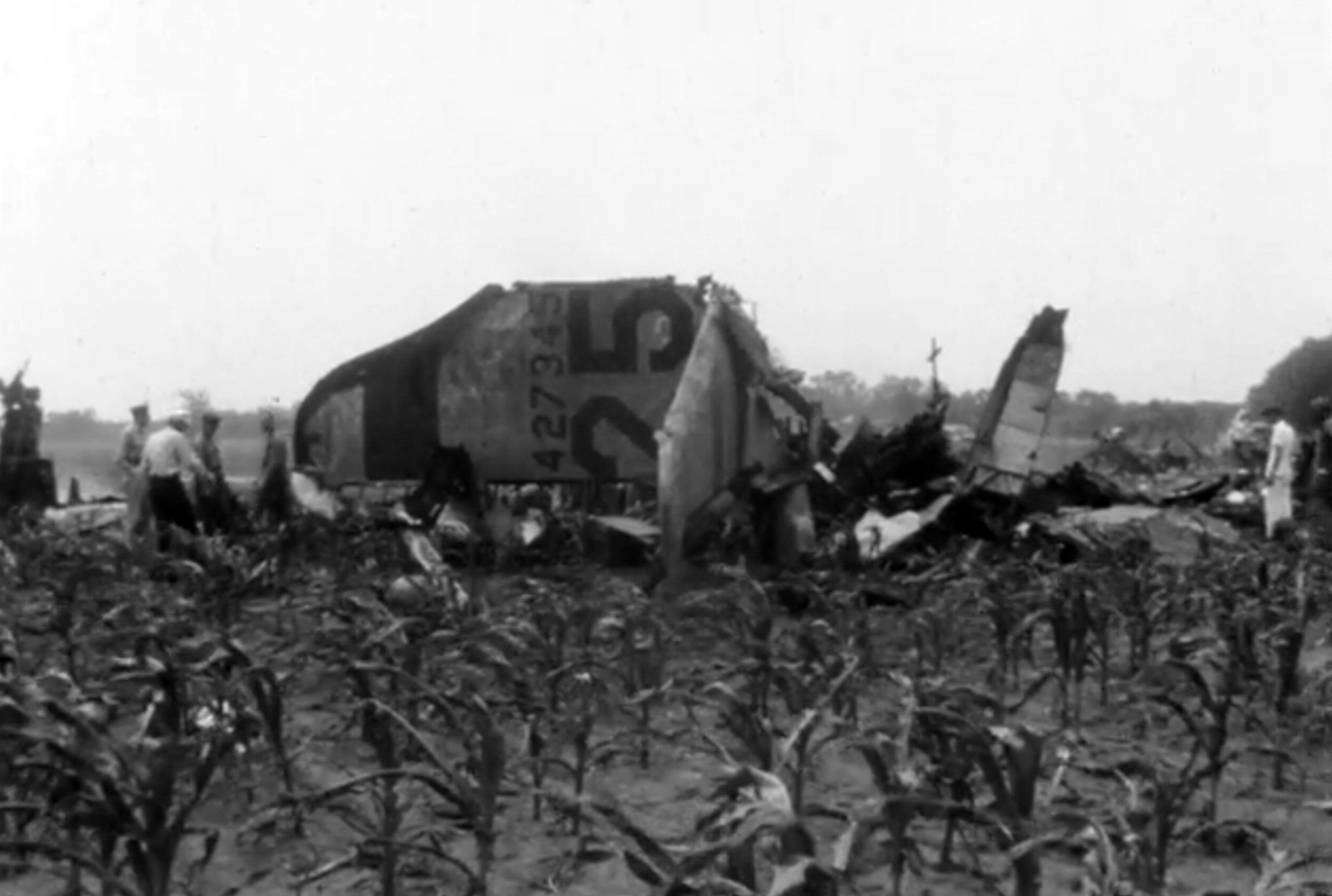
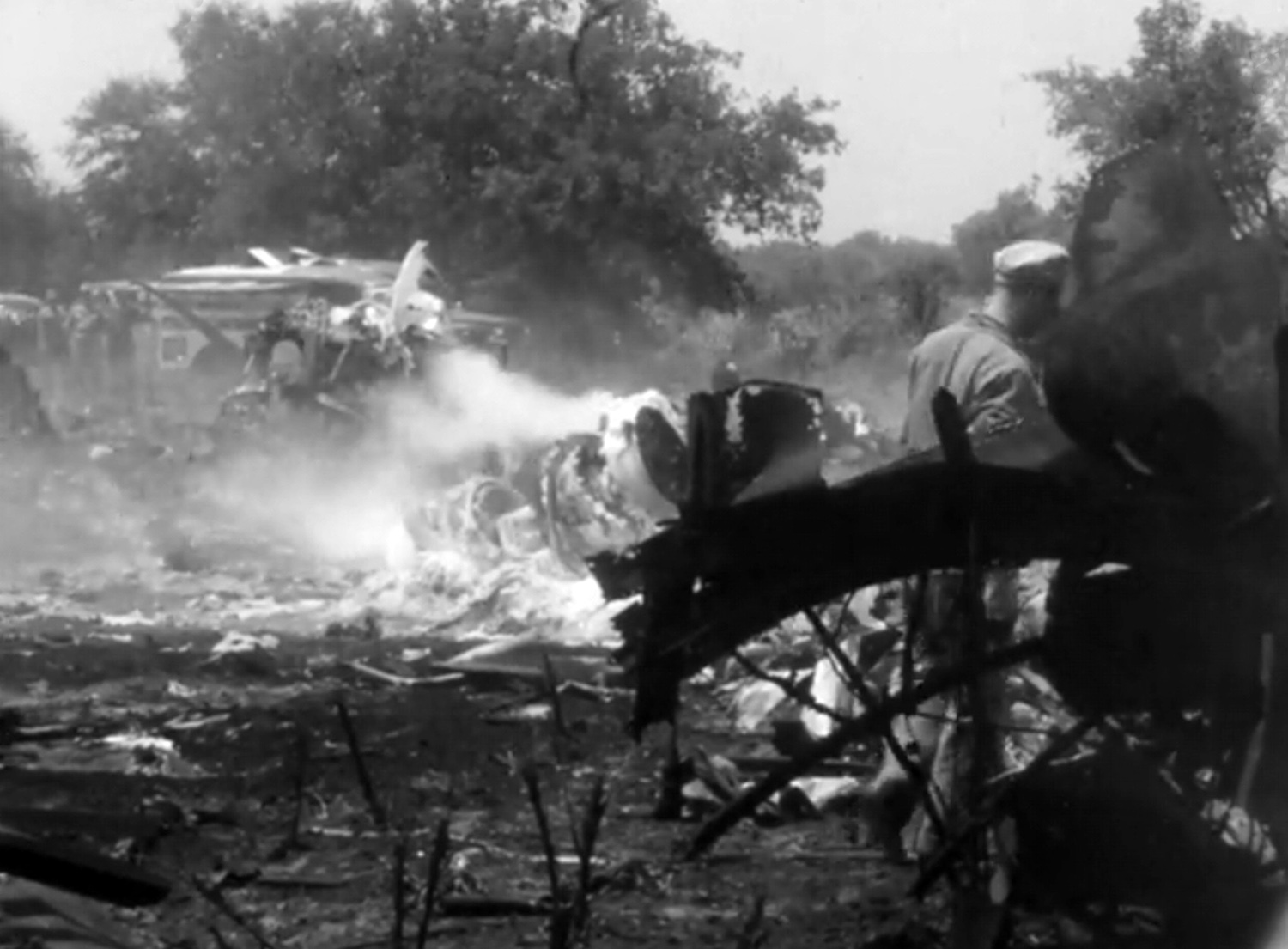
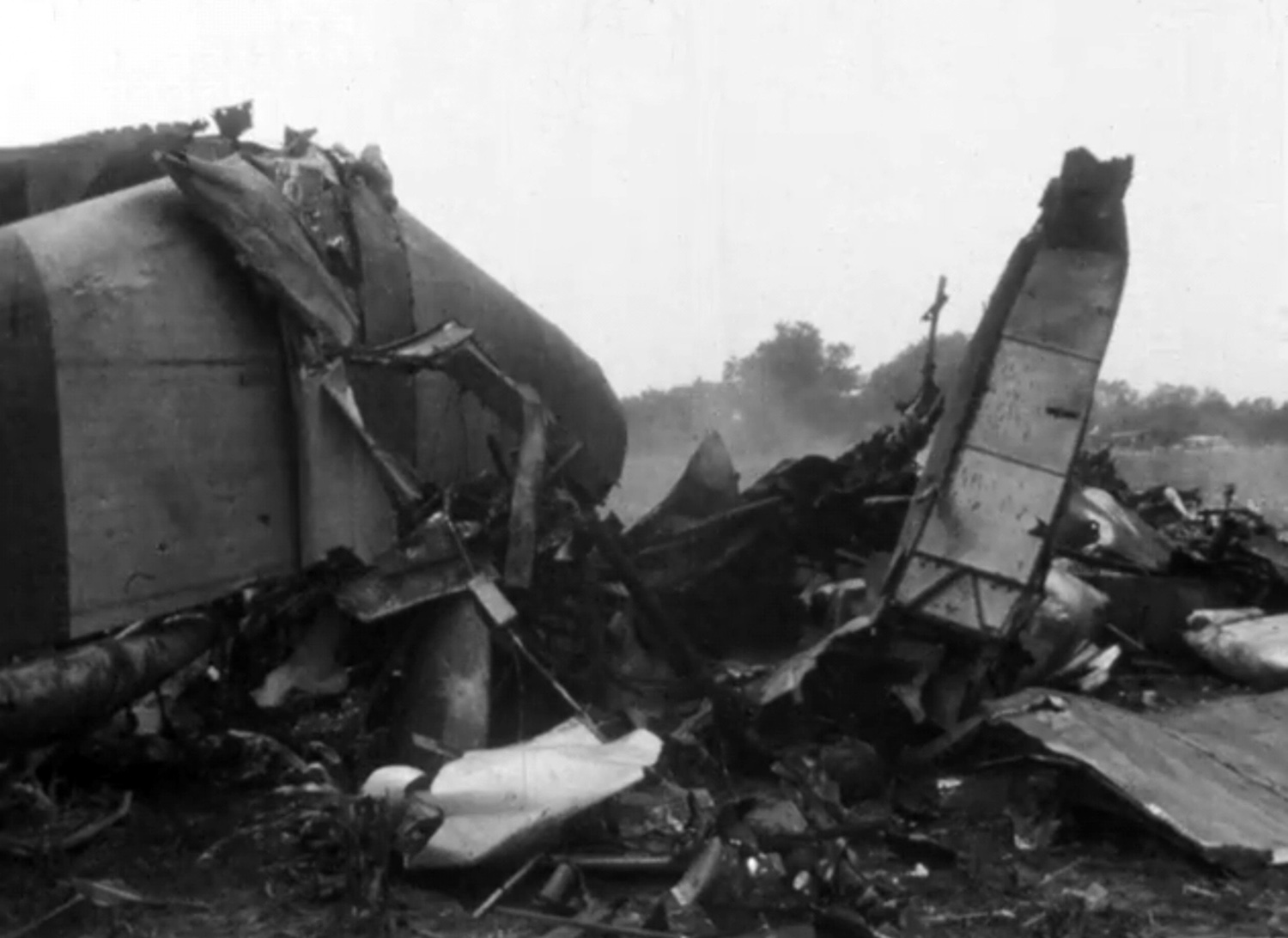
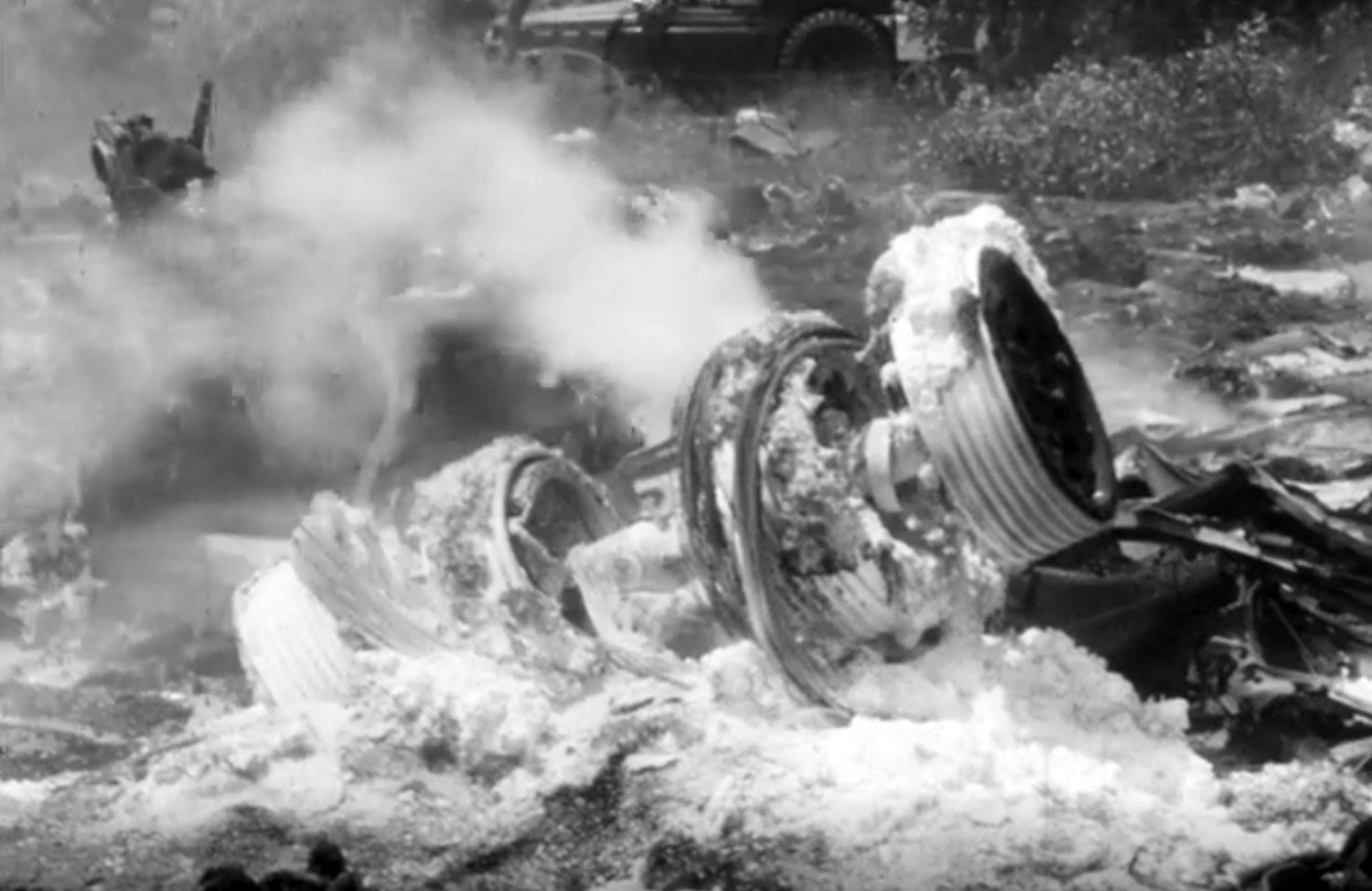
The airplane was engaged in a local training flight out from Randolph AFB. While in the circuit, one of the right engine caught fire. Five crew members were able to bail out and parachuted to safety. Out of control, the airplane dove into the ground and crashed in a cornfield, bursting into flames. Ten crew members were killed.
Crew:
Maj J. F. Klein, pilot, †
Cpt A. H. Thomas, pilot,
Cpt B. F. Elliott, pilot,
2nd Lt M. I. Silverman, radar observer, †
2nd Lt C. E. Brown, navigator, †
2nd Lt T. R. Olson,
T/Sgt R. D. Smith,
T/Sgt W. T. Looman,
A1c R. E. Johnson, instructor gunner, †
A1c J. W. Nienaber, flight engineer, †
A2c Ira R. Hubbert, radio operator, †
A2c C. E. Manley, tail gunner, †
A2c D. C. Patton, left gunner, †
A2c R. A. Sackhoff, central fire control gunner, †
A2c A. L. Stuckel, right gunner. †
Probable cause:
Engine fire in flight.

Crash of a Boeing B-29A-60-BN Superfortress into the Peconic Bay: 6 killed

Date & Time: Apr 24, 1953
Type of aircraft:
Operator:
Registration:
44-62093
Flight Phase:
Flight Type:
Survivors:
No
Schedule:
Wright-Patterson - Wright-Patterson
MSN:
11570
YOM:
1944
Crew on board:
6
Crew fatalities:
Pax on board:
0
Pax fatalities:
Other fatalities:
Total fatalities:
6
Circumstances:
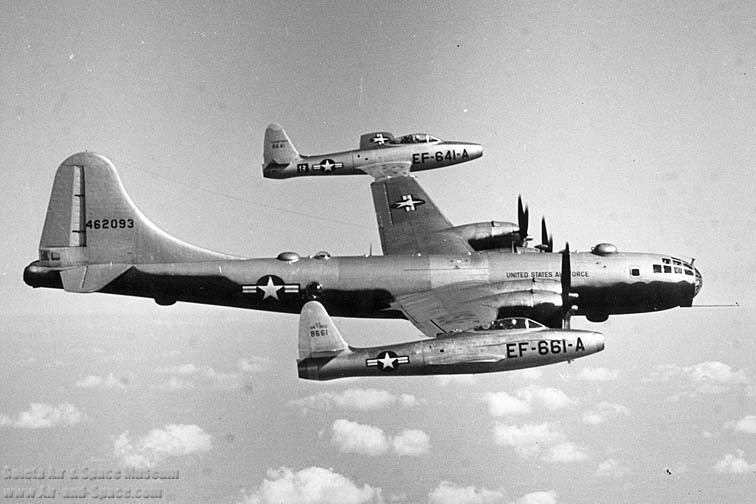
A coupling and fully-towed flight was accomplished using the right-handed EF-84B, but no electrical power was received from the B-29. The right hand fighter uncoupled and the left hand fighter coupled with the B-29 and was retracted in the fully-locked towing position. The cockpit panel light indicated that electrical power was available from the B-29, and as soon as everything was trimmed and stabilized and the automatic flight control system was activated momentarily from the fighter. This resulted in a violent pitching motion of the EF-84B causing it to flip up and inward into the B-29. The B-29 outer wing panel crumpled and struck the main B-29 wing spar, shearing off the F-84 nose section before the two aircraft separated. As Bud Anderson flew in formation on the right side of the Superfortress, John Davis brought the left-hand EF-84D into position and linked wingtips with the EB-29A. He transmitted, "Autopilot coming on" and then switched the autopilot on. It commanded hard nose-up elevator. Davis' Thunderjet rolled rapidly to the right onto the outer wing panel of the Superfortress. As the fighter rotated about the wing tip of the bomber, the explosive bolts fired to jettison the Thunderjet, but not in time to prevent the collision between the planes. The left wing of the EB-29A failed outboard of the engines. The nose of the EF-84D broke away from the rest of the airplane.
B-29 went into steep spiral and crashed into Peconic Bay, Long Island and the F-84 crashed shortly thereafter. John Davis and five crew members aboard the EB-29A were killed in the accident. The other fighter, having unhooked, presumably landed safely. The project 'Tip Tow' was immediately cancelled.
Source:
http://www.air-and-space.com/Wing Tip Coupling B-29 F-84.htm
http://www.joebaugher.com/usaf_serials/1944_4.html

Crash of a Boeing B-29A-45-BN Superfortress in Lajes: 6 killed

Date & Time: Mar 29, 1953
Type of aircraft:
Operator:
Registration:
44-61747
Flight Phase:
Flight Type:
Survivors:
Yes
Schedule:
Lajes - Hunter
MSN:
11224
YOM:
1944
Country:
Region:
Crew on board:
15
Crew fatalities:
Pax on board:
0
Pax fatalities:
Other fatalities:
Total fatalities:
6
Circumstances:
Shortly after takeoff from Lajes AFB, while in initial climb, the heavy bomber lost height and crashed one mile south of the airfield. Six crew members were killed while nine others were injured, some of them seriously.
Crew:
Maj Hugh S. Abcock Jr., †
Cpt Louis Carl Bowen, †
A1c Jimmy Dan Cherry, †
T/Sgt Issac M. Daniel, †
S/Sgt. Wilmer R. Devlin, †
1st Lt Roy Wesley Wallace, †
1st Lt William R. Sundermann,
1st Lt William J. Pederson,
A2c Fred W. Maschner,
A1c Charles M. Caillouett Jr.,
A2c Daniel L. Browder,
1st Lt Thomas W. Minter,
S/Sgt Yulee Mickler,
A2c Arthur L. Turk Jr.,
A2c James F. Locklin.
Probable cause:
Loss of control caused by an engine failure.

Crash of a Boeing SB-29-70-BW Superfortress off Stephenville: 10 killed

Date & Time: Mar 18, 1953 at 1951 LT
Type of aircraft:
Operator:
Registration:
44-69982
Survivors:
No
Schedule:
Stephenville - Stephenville
MSN:
10814
YOM:
1944
Country:
Crew on board:
10
Crew fatalities:
Pax on board:
0
Pax fatalities:
Other fatalities:
Total fatalities:
10
Circumstances:
Captain Francis Quinn and 1st Lt Robert Errico and a crew of eight took off in SB-29-70BW, 44-69982 from Ernest Harmon Air Force Base, Newfoundland at 12:10 on the morning of March 18, 1953 to search for Convair RB-36H-25, 51-13721. 44-69982 was assigned to the 52nd Air Rescue Squadron of the 6th Air Rescue Group. The SB-29 was modified for the search and rescue role. It carried a 40 ft.aluminum boat under the bomb bay. The boat could be dropped by parachute. It had a 4-cylinder engine and rations for a number of days. It had an inflatable shelter at each end, and a tarpaulin could be zipped into place between the shelters to completely cover any occupants. A search radar was installed in place of the lower forward gun turret. The SB-29 scouted the location of the RB-36H crash and determined that there were no survivors. It returned to Harmon AFB at 7:45 P.M. There were broken clouds at 2,700 feet and and a solid overcast at 5,000 feet. Harmon tower advised Captain Quinn to turn to a heading of 180 degrees and handed him over to GCA. T Sgt. Robert Burgoon was the GCA operator on duty that evening. Captain Quinn reported that he was reading the GCA radio "five-by-five". T Sgt. Burgoon instructed him to descend from 4,000 feet to 3,000 feet and maintain a heading of 180 degrees. T Sgt. Burgoon read off the emergency procedure and current weather to Captain Quinn. Quinn acknowledged those transmissions, but when Burgoon read off the standard rate of turn, a different SB-29 crew member responded over the radio. When the SB-29 appeared on the GCA radar scope about seven miles from Harmon AFB, it was flying on a heading of 220 degrees. T Sgt. Burgoon instructed Captain Quinn to turn right to a heading of 30 degrees to avoid losing the Superfortress' radar return in the ground clutter during a left-hand turn. Quinn read back the heading as 300 degrees. Burgoon repeated that the proper heading was 30 degrees. Quinn read back something that Burgoon was not able to understand, so he reiterated his command to turn right to a heading of 30 degrees yet again. Quinn stated that he was initiating a left turn to 30 degrees, and Burgoon repeated that the turn was to be made to the right. Captain Quinn started his right turn and the SB-29 disappeared into the blind spot of the GCA radar. When the Superfortress appeared on radar again about 11 miles from the base, it was inbound on the proper heading of 30 degrees. T Sgt. Burgoon read off the runway condition, landing runway, and braking action to Captain Quinn, but received no reply. He requested acknowledgement of his transmission twice with no response from Quinn. Burgoon commanded Quinn to turn to a heading of 300 degrees to determine whether he was still receiving the GCA transmissions. Burgoon repeated the command twice but received no response from the Superfortress, and it continued on a heading of 30 degrees. The SB-29 was over St. George's Bay about ten miles from the base on a bearing of 240 degrees when it disappeared from the radar scope at 7:51 P.M. It did not get lost in ground clutter. It just disappeared from a location where it should have continued to be visible. On one pass the blip was there, on the next pass it was gone. T Sgt. Burgoon made several calls to the SB-29 in the blind, but no further transmissions were received from it. Pilot Captain Francis Quinn, Co-pilot 1st Lt Robert Errico, Navigator Captain William Roy, Navigator 1st Lt Rodger Null, A/3c James Coggins, A/3c Sammy Jones, A/2c Michael Kerr, S/Sgt David Kimbrough, A/1c David Rash, A/1c Robert Montgomery were lost in the crash. At 8:15, an Air Force rescue vessel was dispatched to the area where the radar return had disappeared. De Havilland of Canada L-20 Beaver, 51-16490 took off at 8:44 to search for any signs of survivors at the crash site. Sikorsky H-5G Dragonfly helicopter, 48-553 took off to conduct a search at 8:46. It was going on midnight when three more vessels joined the search. An oxygen tank from the SB-29 was spotted floating in St. George's Bay at 5:09 the next morning. Search teams found fuel cells, the radio operator's table, air scoop dust covers, hydraulic fluid, an oxygen tank, the navigator's brief case, a partially inflated six-man life raft, and other small debris from the SB-29. The few pieces of structure that were recovered showed evidence that the SB-29 had suffered major damage when it impacted the water. A total of fifty-three pieces of debris were recovered during the first day of searching. A buoy was placed at the oil slick where the debris was found. Two L-20 Beavers searched the bay all day on March 19th. The local countryside was scoured for witnesses. The H-5 Dragonfly was used to visit residences along the shoreline of the bay that were otherwise inaccessible. Civilian John Walters of Kings Head reported that he heard a loud explosion and saw a bright flash, "kinda like a red flame" about two to three miles offshore about 7:45 that evening. His was considered to be the most reliable eyewitness account. The Dragonfly was flown to the location where the SB-29 had disappeared from radar. It made a series of descents and ascents. It was noted that it disappeared from the radar as it descended through about 800 feet. Dragging and diving operations began on March 20. Forty square miles of ocean floor were dragged. Divers made sixty-one dives with negative results. The divers and dragging gear were unable to search below a depth of 200 feet. The U.S.S. Salvager was dispatched from Norfolk, Virginia to search the bay with SONAR equipment. It arrived at the station on March 27, but it did not have suitable gear for locating the wreckage. UOL equipment and personnel arrived on April 5 and started searching for the SB-29 wreck on April 6. The UOL equipment was disabled by contact with rocks on the bottom of the bay on April 9. The main wreckage of SB-29, 44-69982 and the bodies of her crew were never found.
Source:
http://www.air-and-space.com/b-36 wrecks.htm#51-13721