Country
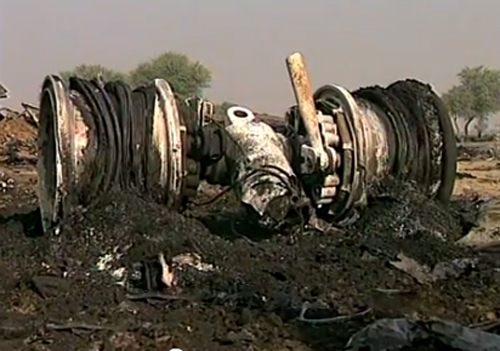
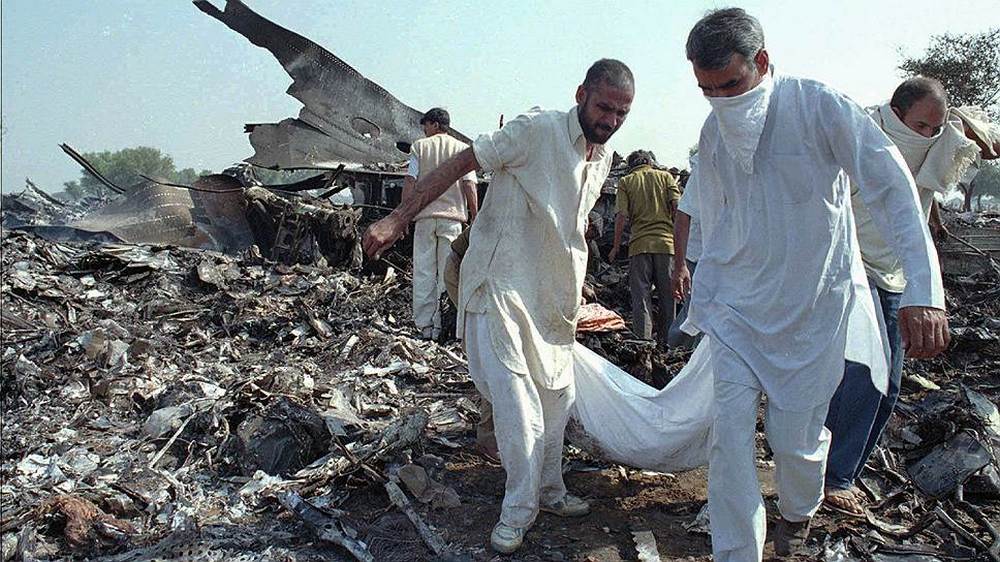
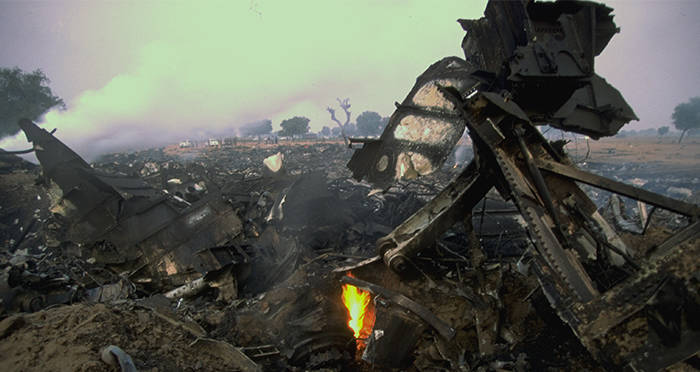
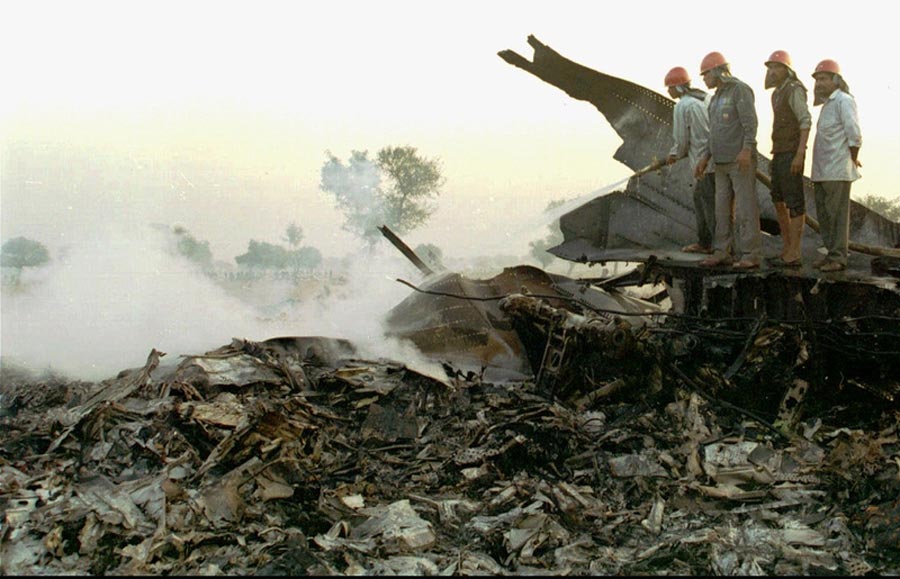
Crash of a Boeing 747-168B in Charkhi Dadri: 312 killed
Date & Time:
Nov 12, 1996 at 1840 LT
Operator:

Registration:
HZ-AIH
Survivors:
No
Schedule:
New Delhi - Dhahran - Jeddah
MSN:
22748
YOM:
1982
Flight number:
SV763
Crew on board:
23
Crew fatalities:
Pax on board:
289
Pax fatalities:
Other fatalities:
Total fatalities:
312
Captain / Total hours on type:
104.00
Copilot / Total hours on type:
1952
Aircraft flight hours:
40035
Aircraft flight cycles:
14927
Circumstances:
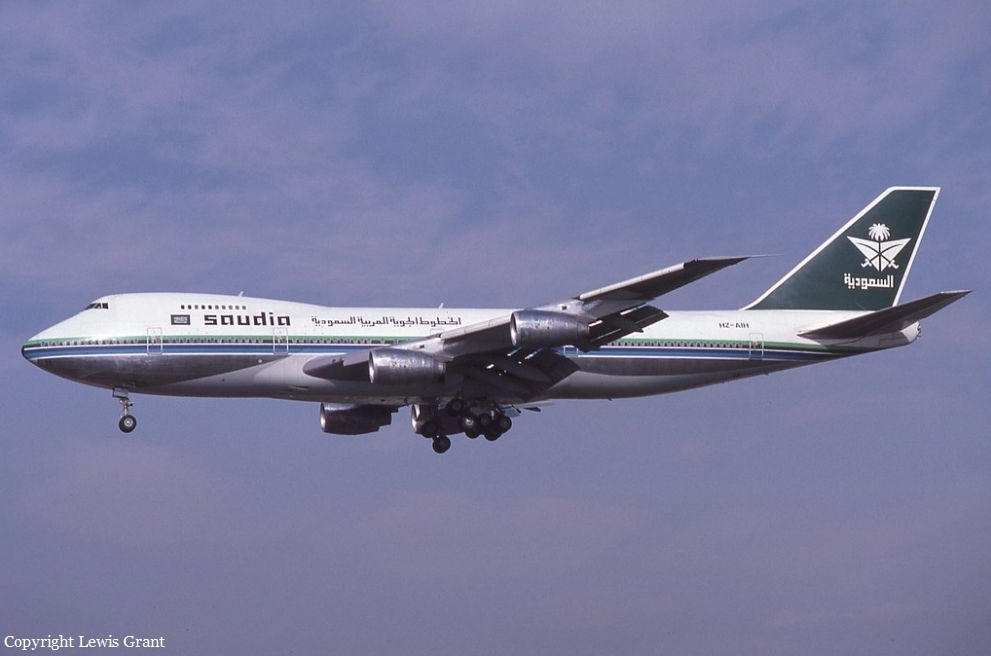
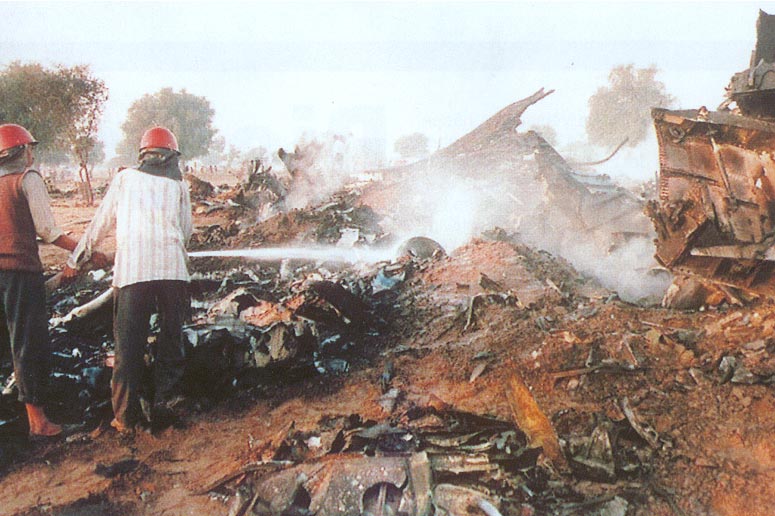
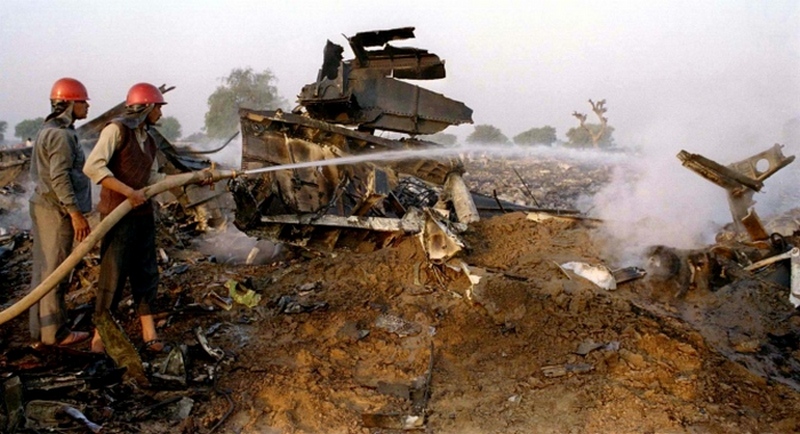
The aircraft departed New Delhi-Indira Gandhi Airport at 1833LT on a flight to Jeddah with an intermediate stop in Dhahran, carrying 289 passengers and 23 crew members. After takeoff, the crew was instructed to climb to FL140 via route G452. Seven minutes after takeoff, while cruising at an altitude of 14,000 feet, the aircraft collided with a Kazakhstan Airlines (Kazair) Ilyushin II-76TD that was descending to New Delhi Airport. Registered UN-76435, it was completing flight KZA1907 from Shymkent with 27 passengers and 10 crew members on board. After the collision, both aircraft entered an uncontrolled descent and crashed in an open field located about 3 km Charkhi Dadri, some 80 km west of New Delhi-Indira Gandhi Airport. Both aircraft were destroyed by impact forces and a post crash fire and all 349 occupants in both aircraft were killed.
Probable cause:
It was determined that the collision was the consequence of the failure of the Kazair crew to follow the assigned altitude of 15,000 feet while approaching New Delhi. The crew of the Kazair II-76 was instructed by ATC to continue the descent to Indira Gandhi Airport via the same route G452 but at an altitude of 15,000 feet (14,000 feet for the Saudia B747). For unknown reasons, the Kazair crew continued the descent below FL150 without clearance until both aircraft faced each other and collided. During the minutes preceding the accident, both Kazair and Saudia crew have been informed by ATC about other traffic.
Final Report:
Crash of a Boeing 747-131 off East Moriches: 230 killed
Date & Time:
Jul 17, 1996 at 2031 LT
Operator:

Registration:
N93119
Survivors:
No
Schedule:
New York – Paris
MSN:
20083
YOM:
1971
Flight number:
TW800
Crew on board:
18
Crew fatalities:
Pax on board:
212
Pax fatalities:
Other fatalities:
Total fatalities:
230
Captain / Total hours on type:
5490.00
Copilot / Total hours on type:
4700
Aircraft flight hours:
93303
Aircraft flight cycles:
16869
Circumstances:
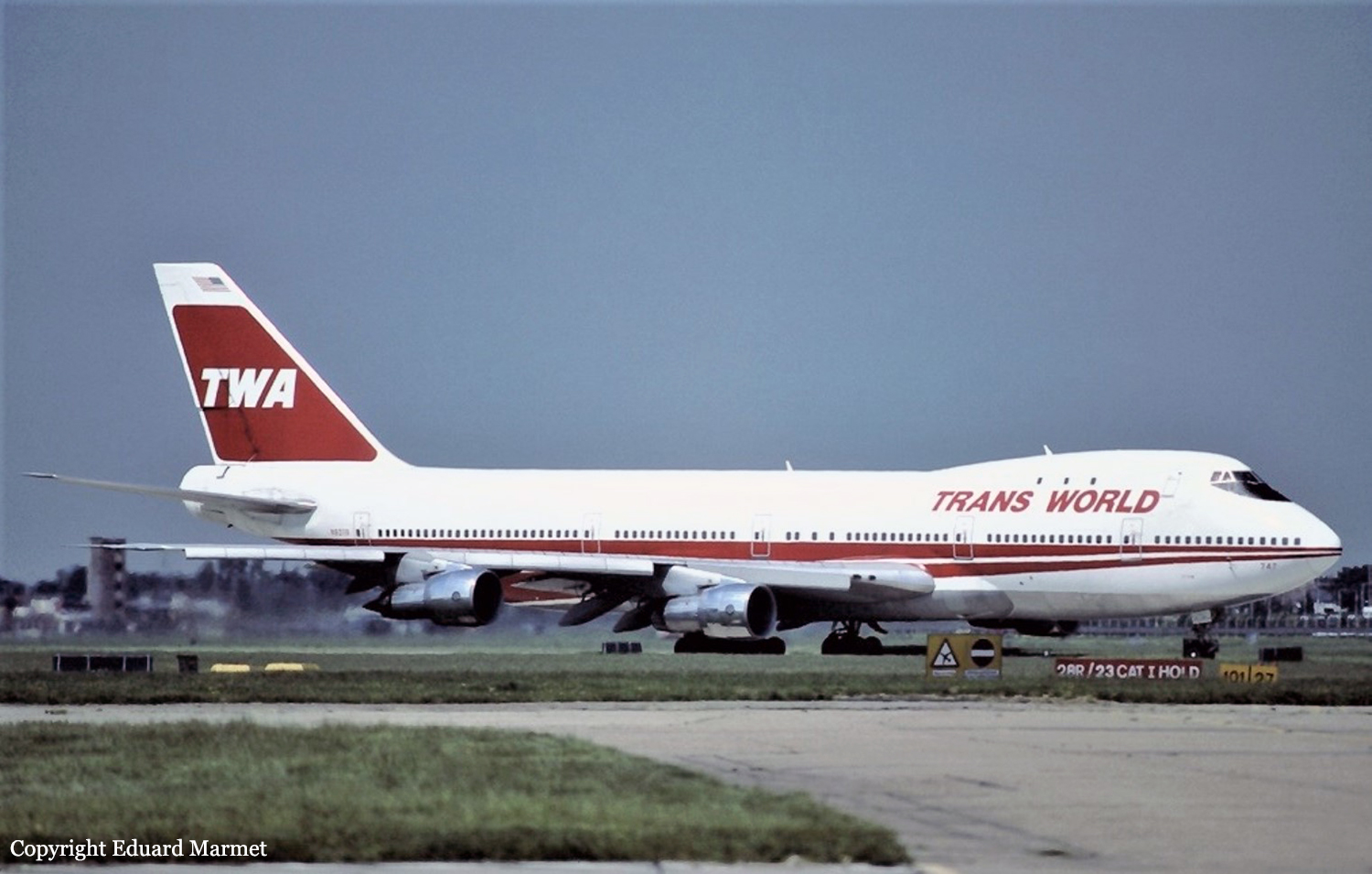
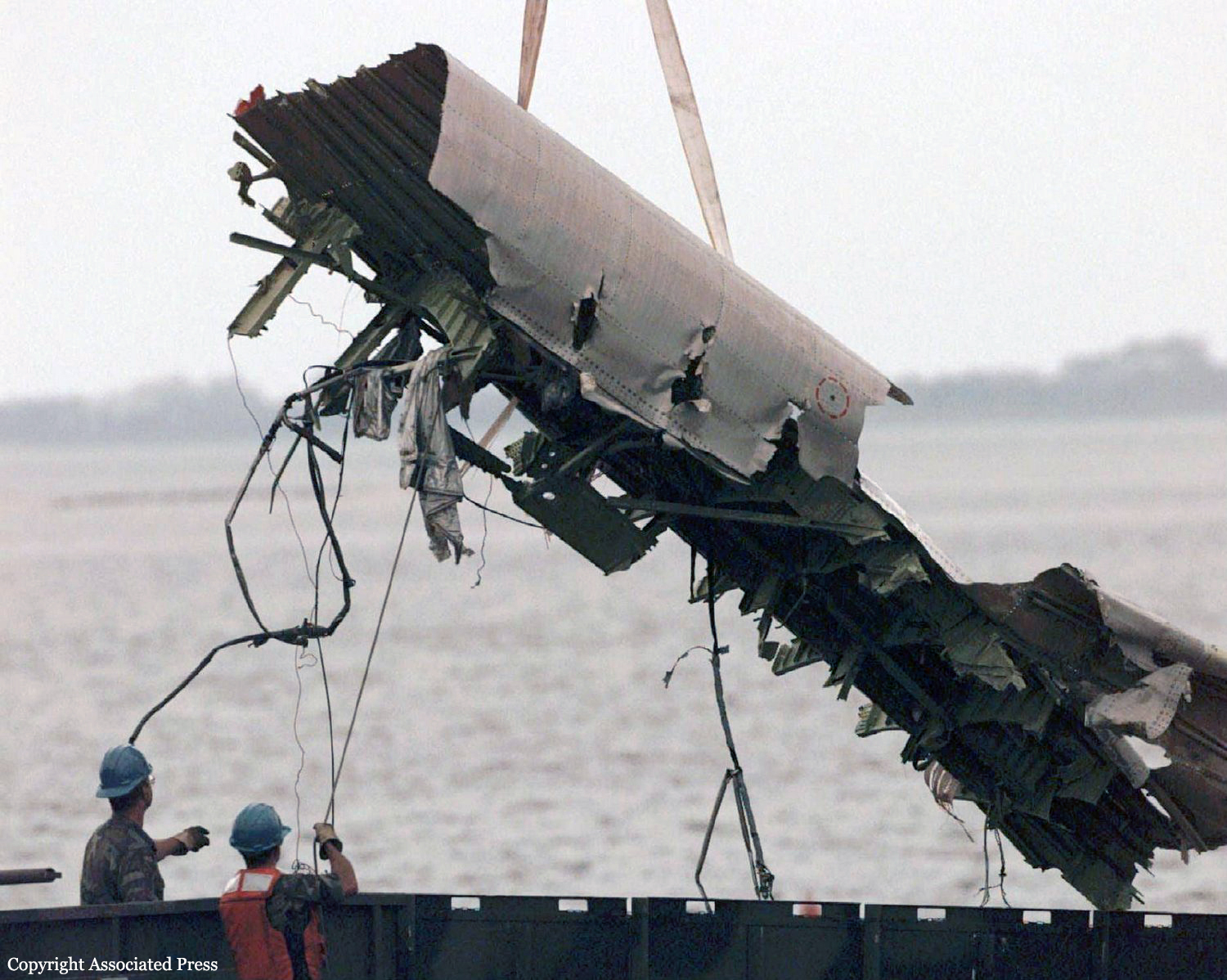
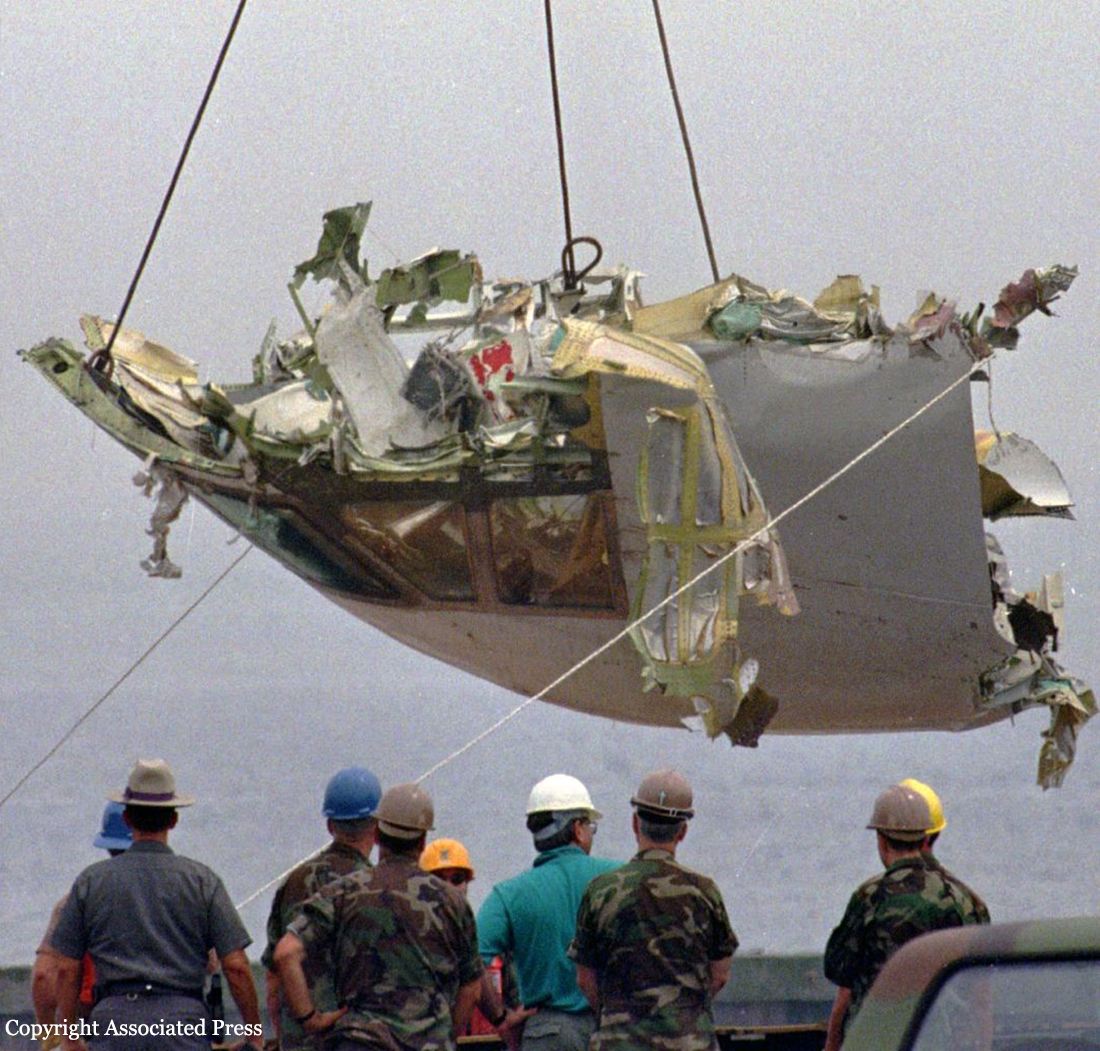
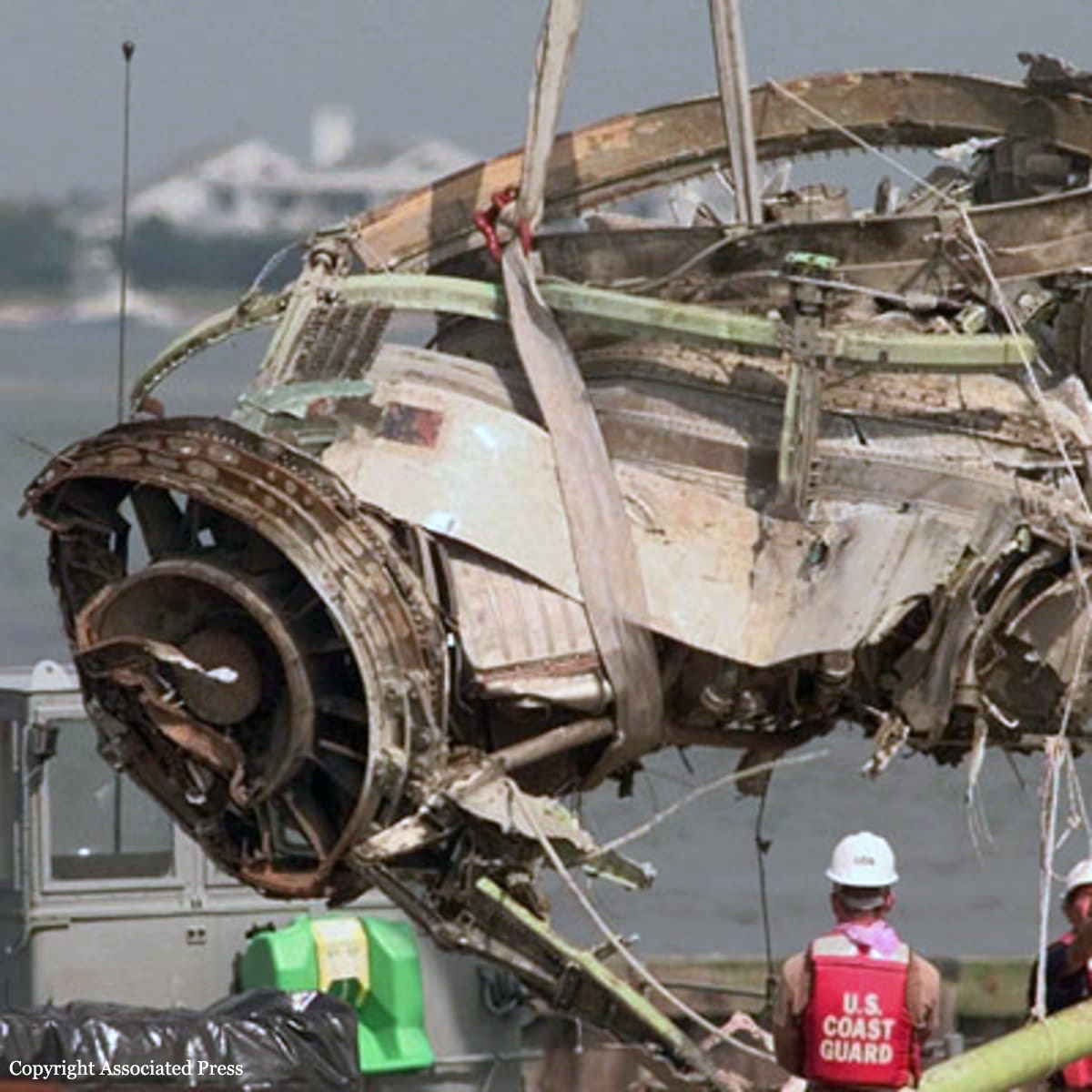
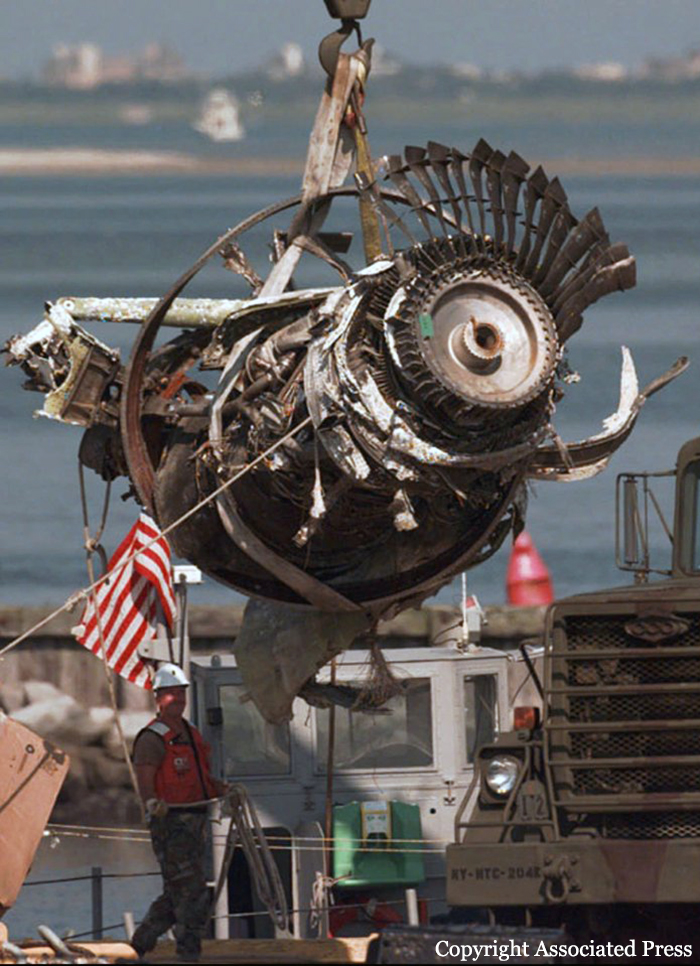
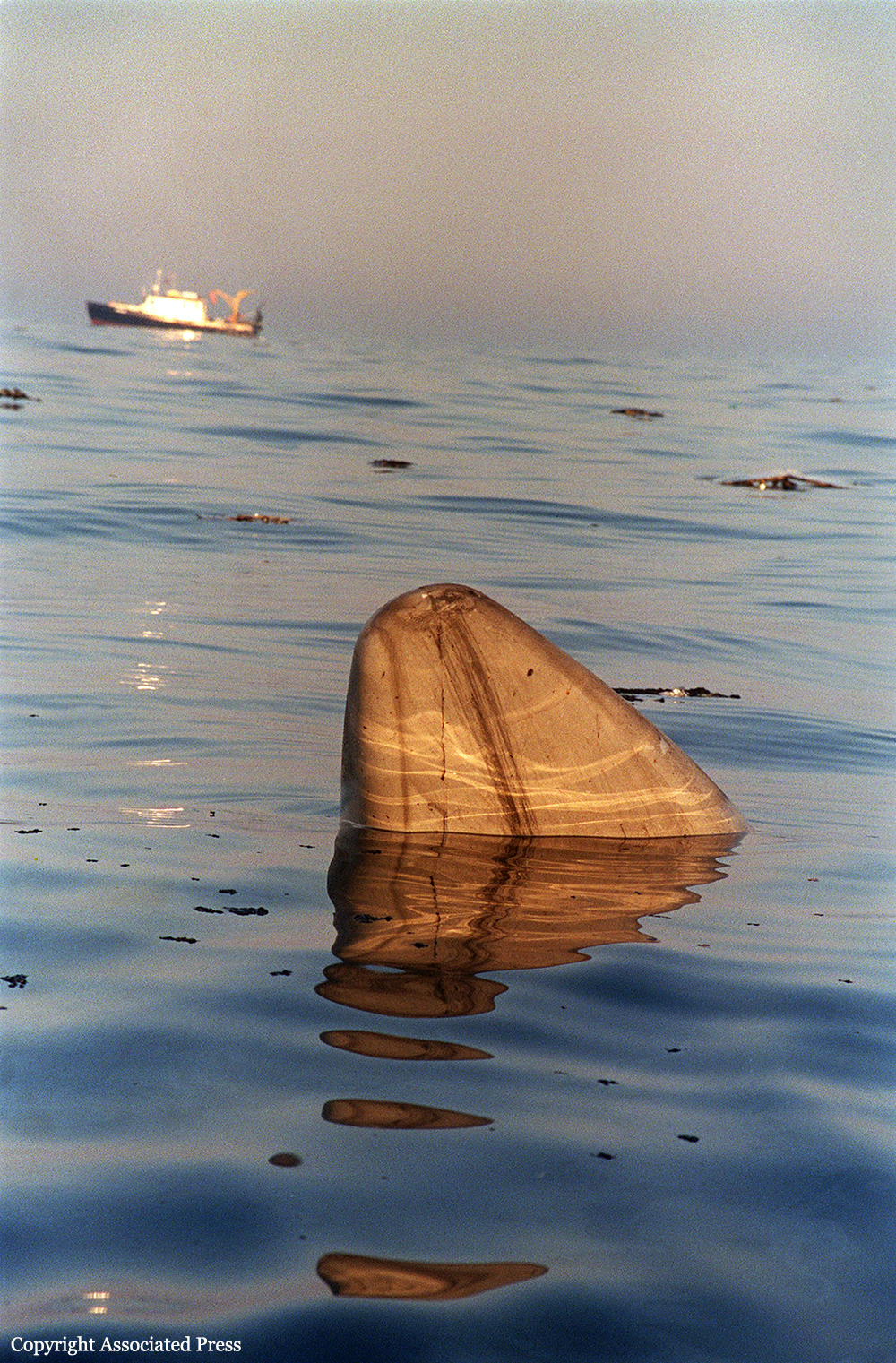
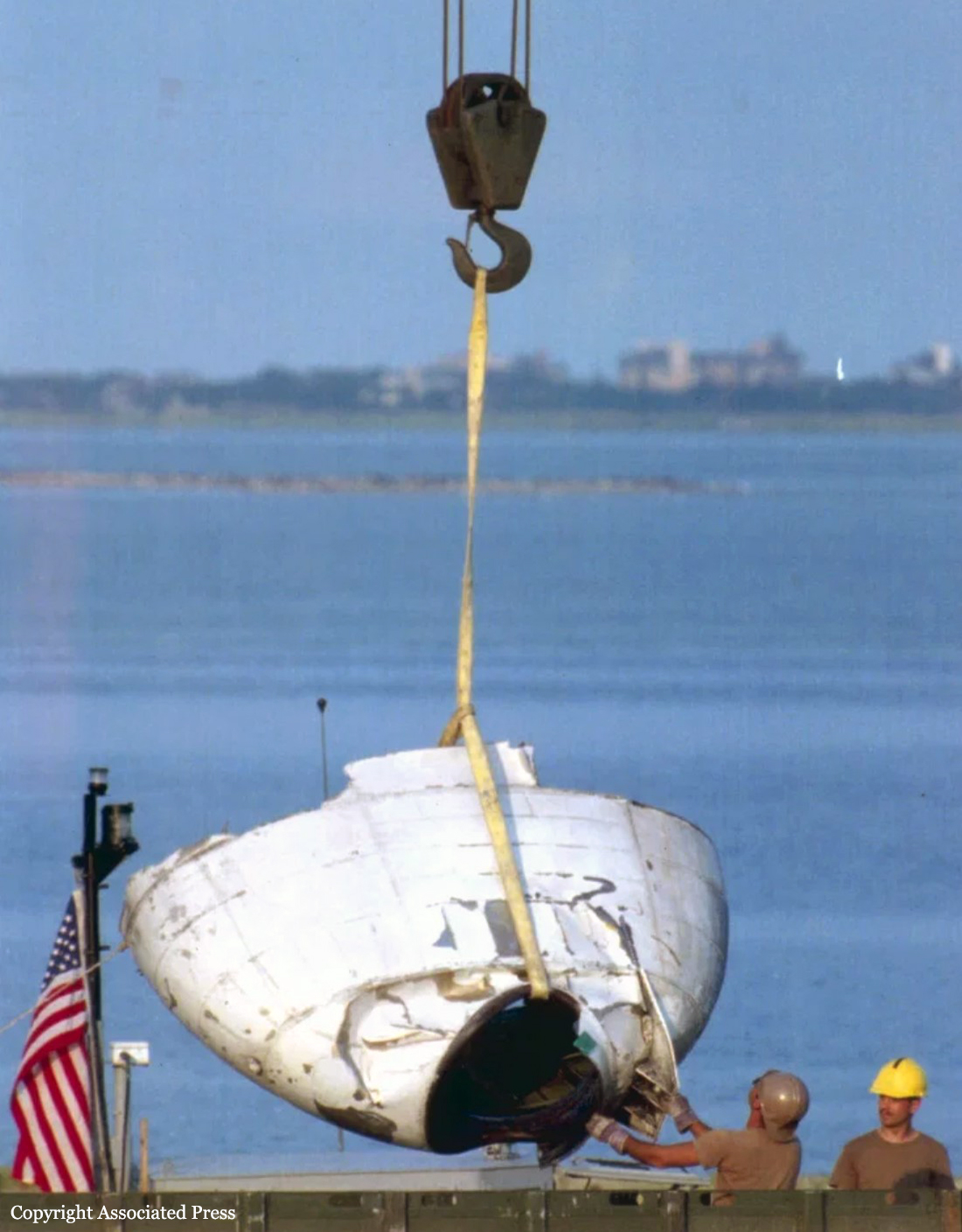
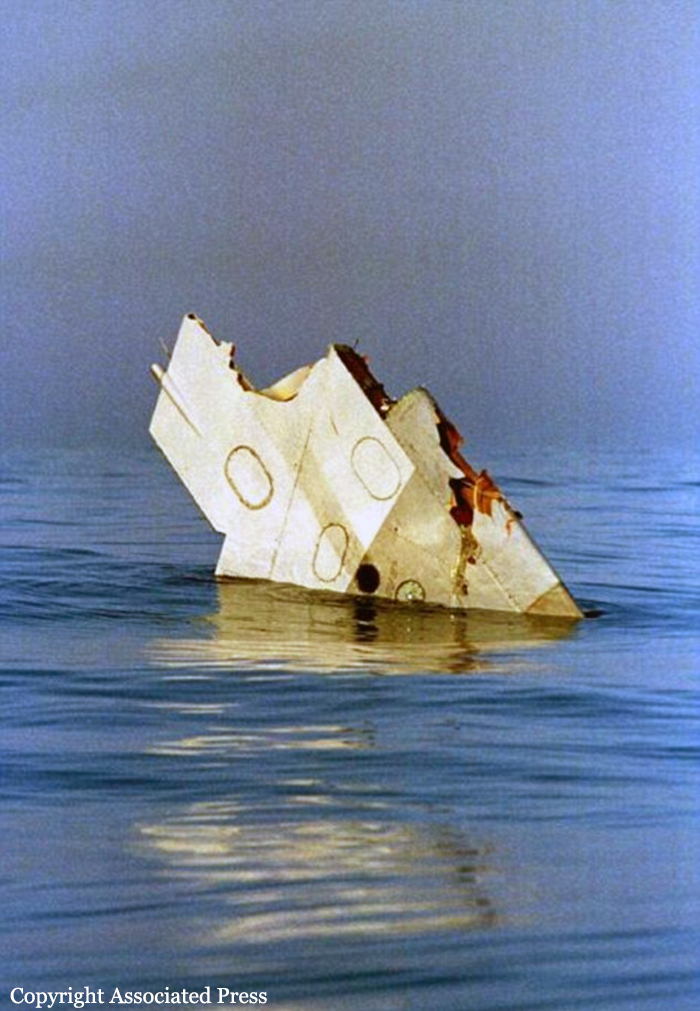
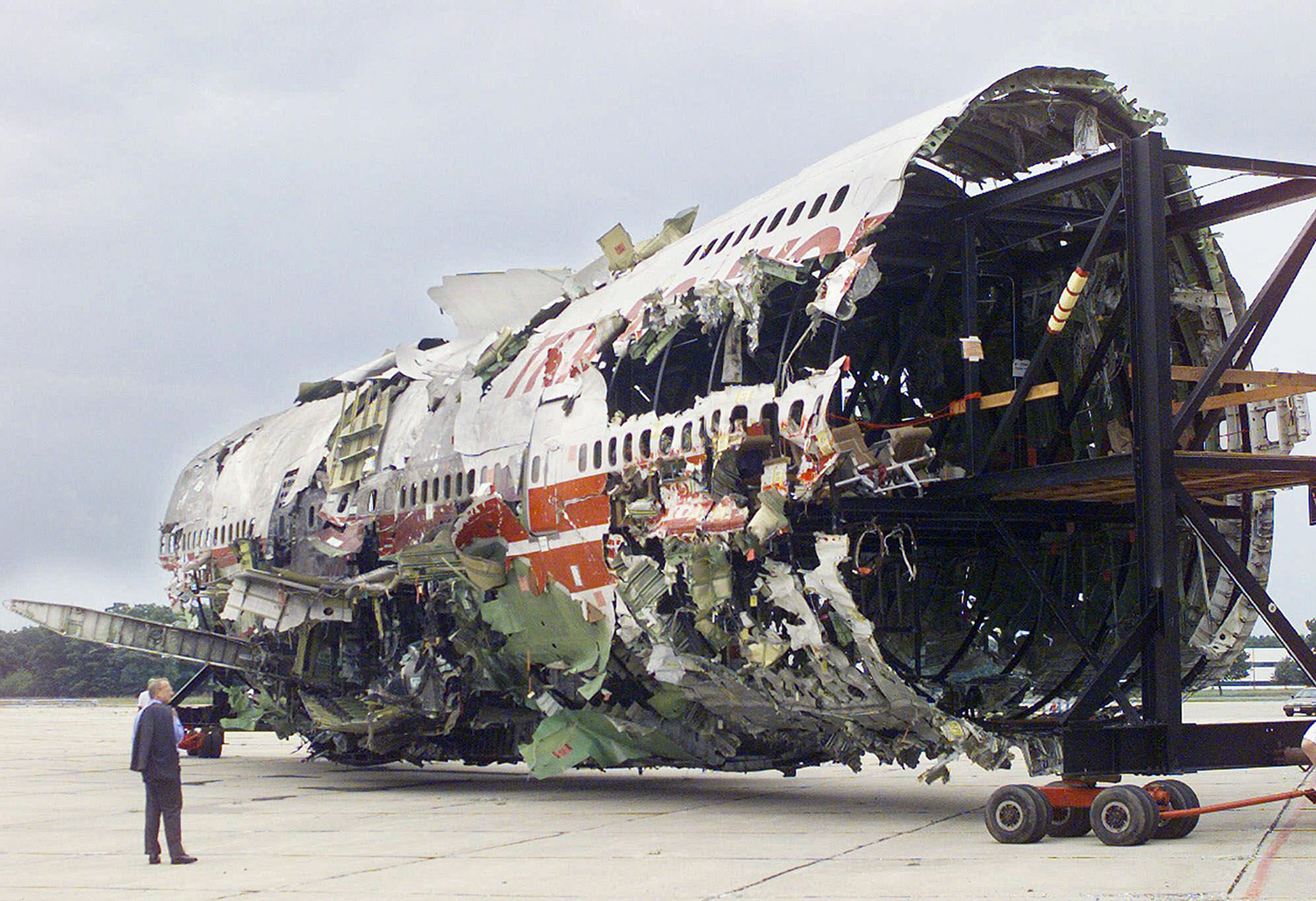
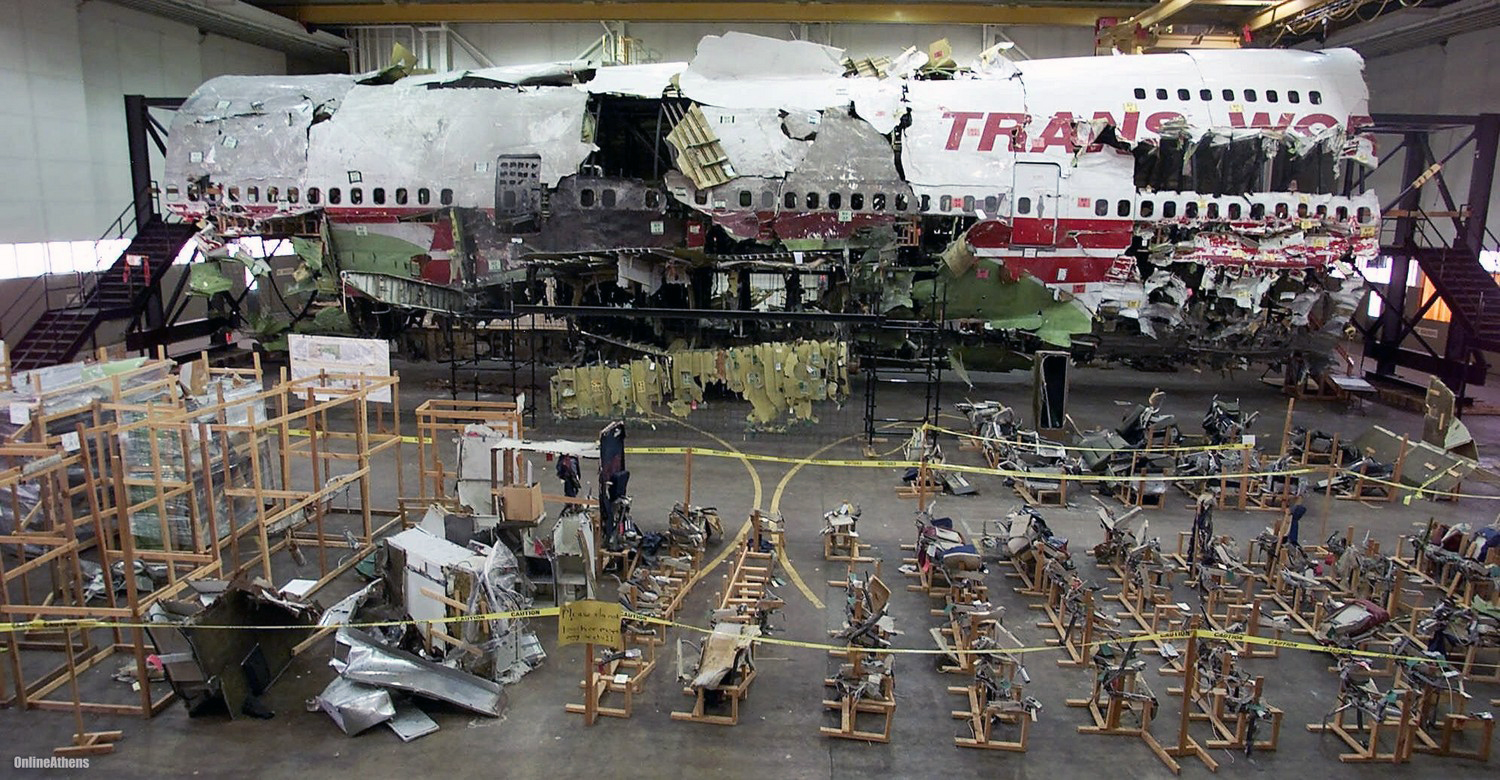
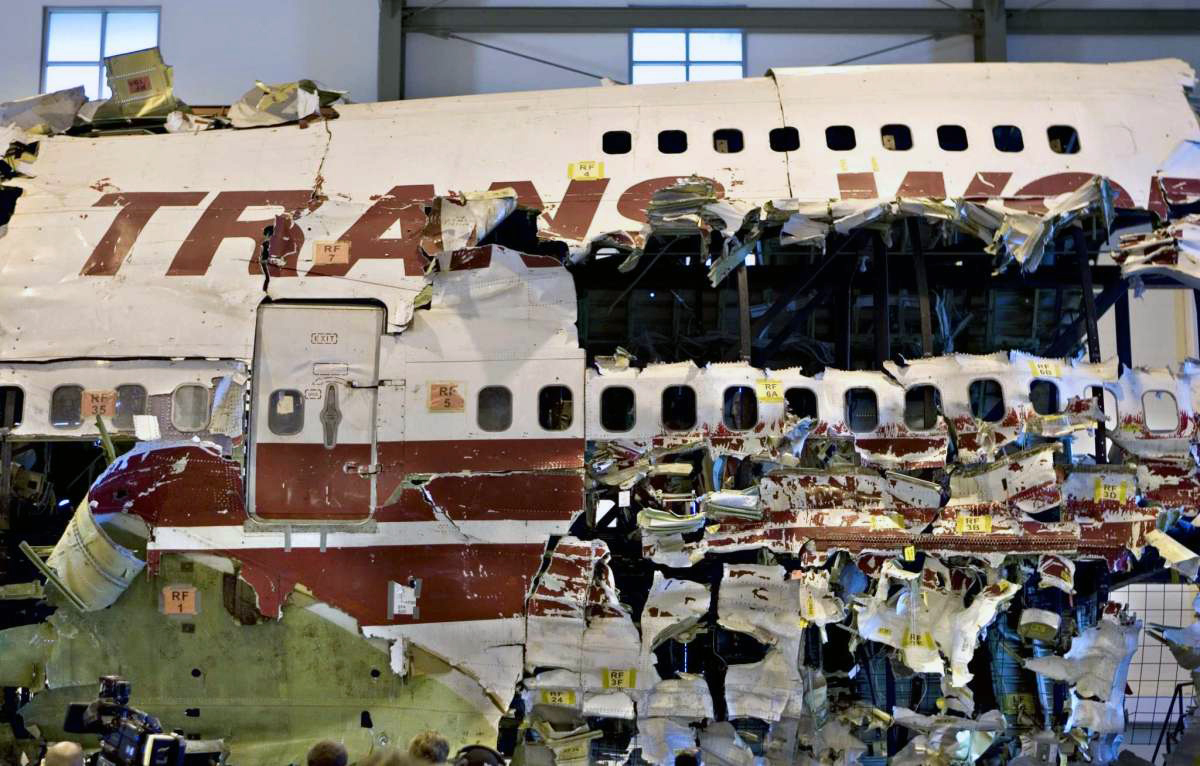
On July 17, 1996, about 2031 eastern daylight time, Trans World Airlines, Inc. (TWA) flight 800, a Boeing 747-131, N93119, crashed in the Atlantic Ocean near East Moriches, New York. TWA flight 800 was operating under the provisions of 14 Code of Federal Regulations Part 121 as a scheduled international passenger flight from John F. Kennedy International Airport (JFK), New York, New York, to Charles De Gaulle International Airport, Paris, France. The flight departed JFK about 2019, with 2 pilots, 2 flight engineers, 14 flight attendants, and 212 passengers on board. All 230 people on board were killed, and the airplane was destroyed. Visual meteorological conditions prevailed for the flight, which operated on an instrument flight rules flight plan. The investigation revealed that the crash occurred as the result of a fuel/air explosion in the airplane's center wing fuel tank (CWT) and the subsequent in-flight breakup of the airplane. The investigation further revealed that the ignition energy for the CWT explosion most likely entered the CWT through the fuel quantity indication system wiring; neither the ignition energy release mechanism nor the location of the ignition inside the CWT could be determined from the available evidence. There was no evidence of a missile or bomb detonation.
Probable cause:
An explosion of the center wing fuel tank (CWT), resulting from ignition of the flammable fuel/air mixture in the tank. The source of ignition energy for the explosion could not be determined with certainty, but, of the sources evaluated by the investigation, the most likely was a short circuit outside of the CWT that allowed excessive voltage to enter it through electrical wiring associated with the fuel quantity indication system. Contributing factors to the accident were the design and certification concept that fuel tank explosions could be prevented solely by precluding all ignition sources and the design and certification of the Boeing 747 with heat sources located beneath the CWT with no means to reduce the heat transferred into the CWT or to render the fuel vapor in the tank non flammable.
Final Report:
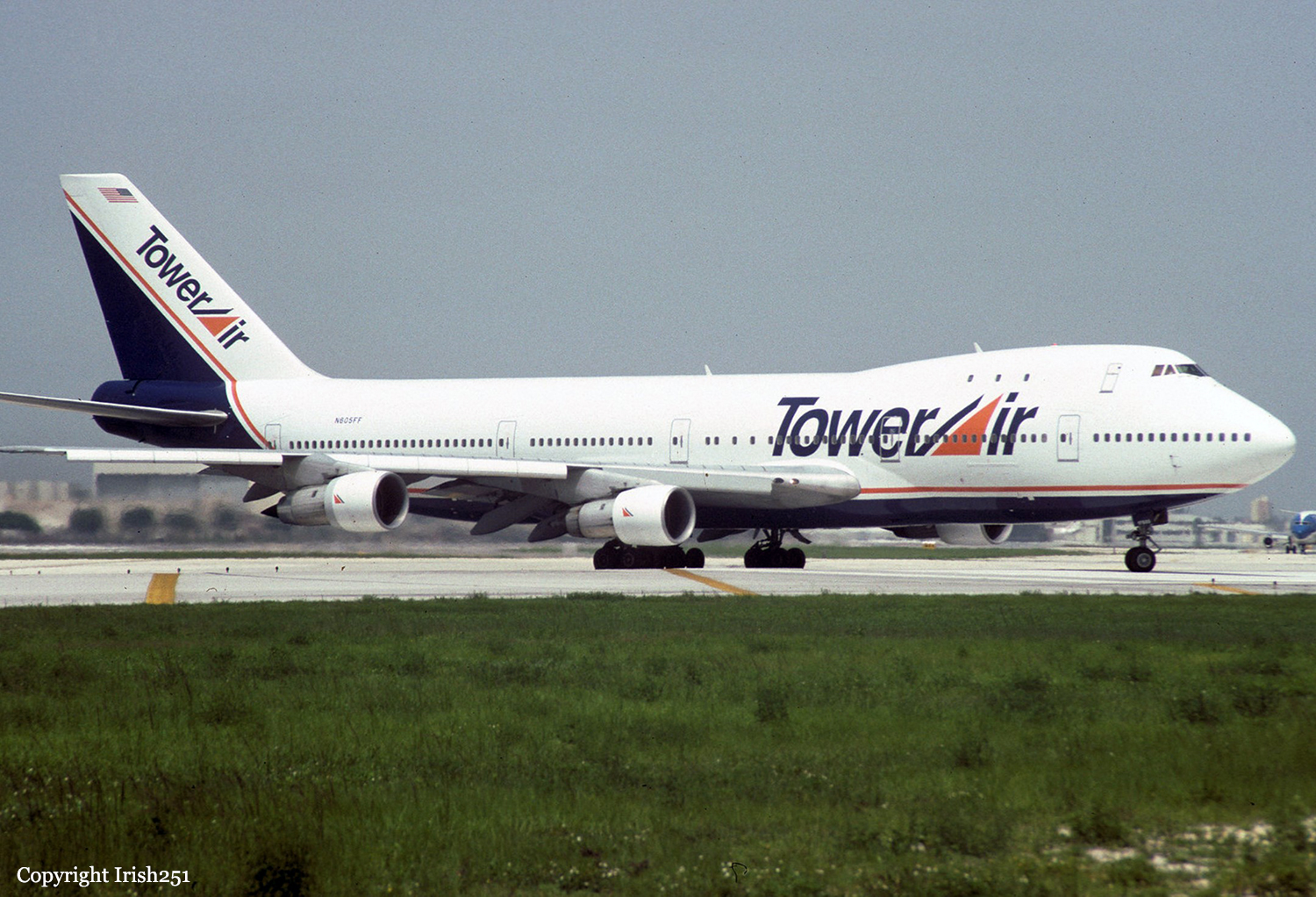
Crash of a Boeing 747-136 in New York
Date & Time:
Dec 20, 1995 at 1136 LT
Operator:

Registration:
N605FF
Survivors:
Yes
Schedule:
New York - Miami
MSN:
20271
YOM:
1971
Flight number:
FF041
Crew on board:
17
Crew fatalities:
Pax on board:
451
Pax fatalities:
Other fatalities:
Total fatalities:
0
Captain / Total hours on type:
2905.00
Copilot / Total hours on type:
4804
Aircraft flight hours:
90456
Aircraft flight cycles:
17726
Circumstances:
The captain initiated a takeoff on runway 04L, which was covered with patches of ice and snow. The wind was from 330 degrees at 11 knots. Before receiving an 80-knot call from the 1st officer, the airplane began to veer to the left. Subsequently, it went off the left side of the runway and collided with signs and an electric transformer. Investigation revealed evidence that the captain had overcontrolled the nosewheel steering through the tiller, then applied insufficient or untimely right rudder inputs to effect a recovery. The captain abandoned an attempt to reject the takeoff, at least temporarily, by restoring forward thrust before the airplane departed the runway. The current Boeing 747 operating procedures provide inadequate guidance to flightcrews regarding the potential for loss of directional control at low speeds on slippery runways with the use of the tiller. Current Boeing 747 flight manual guidance was inadequate about when a pilot should reject a takeoff following some indication of a lack of directional control response. Improvements in the slippery runway handling fidelity of flight simulators used for Boeing 747 pilot training were considered to be both needed and feasible.
Probable cause:
The captain's failure to reject the takeoff in a timely manner when excessive nosewheel steering tiller inputs resulted in a loss of directional control on a slippery runway. Inadequate Boeing 747 slippery runway operating procedures developed by Tower Air, Inc., and the Boeing Commercial Airplane Group and the inadequate fidelity of B-747 flight training simulators for slippery runway operations contributed to the cause of this accident. The captain's reapplication of forward thrust before the airplane departed the left side of the runway contributed to the severity of the runway excursion and damage to the airplane.
Final Report:
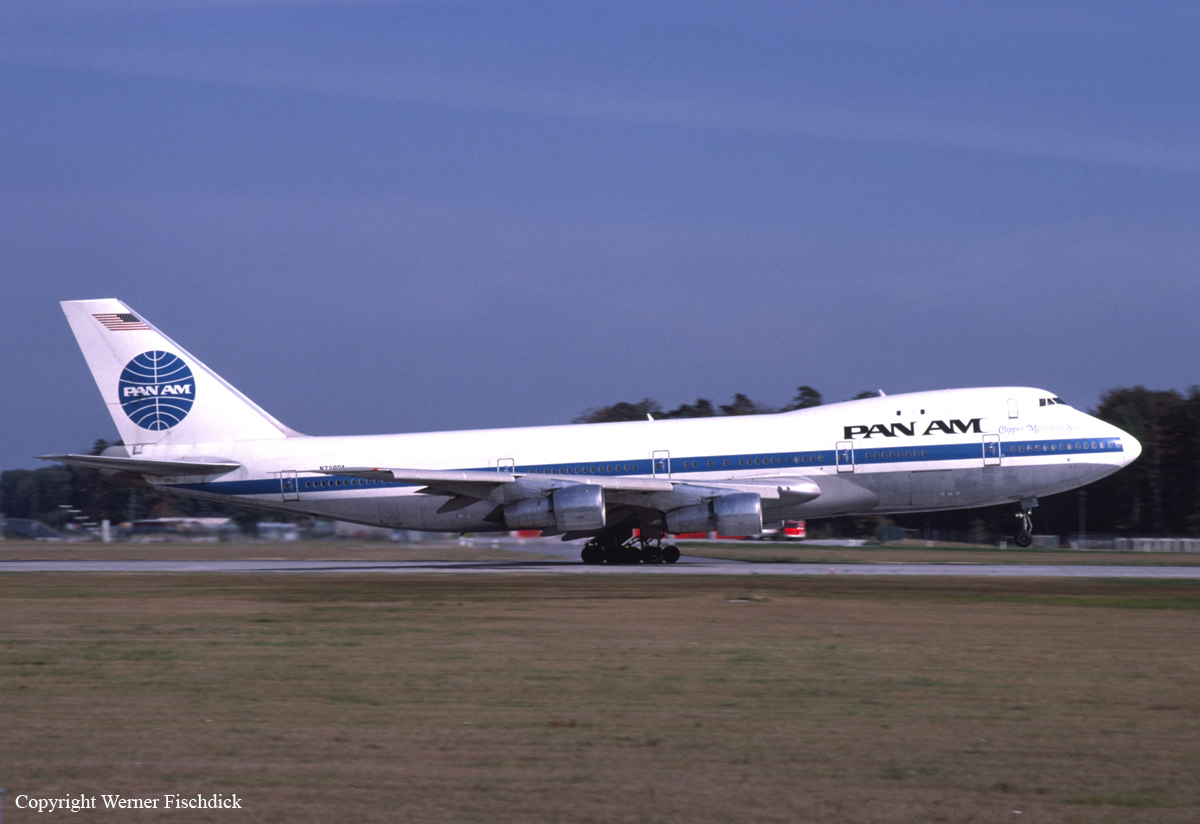
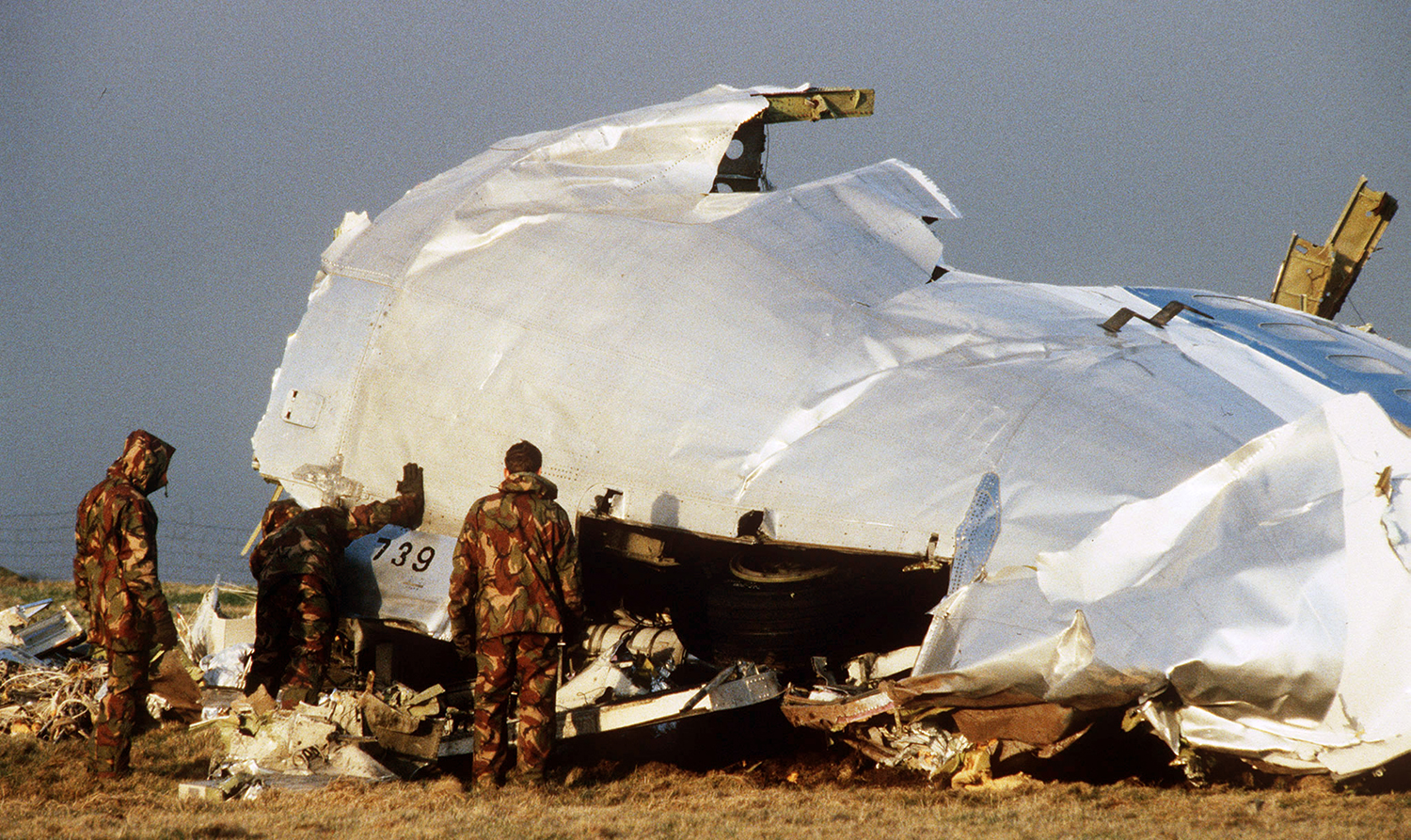
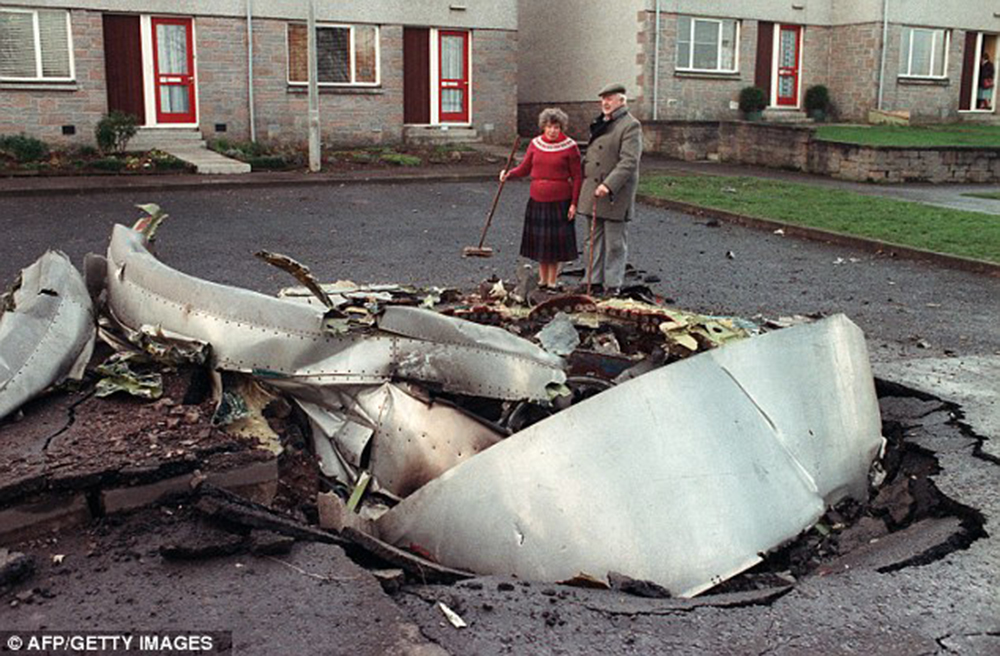
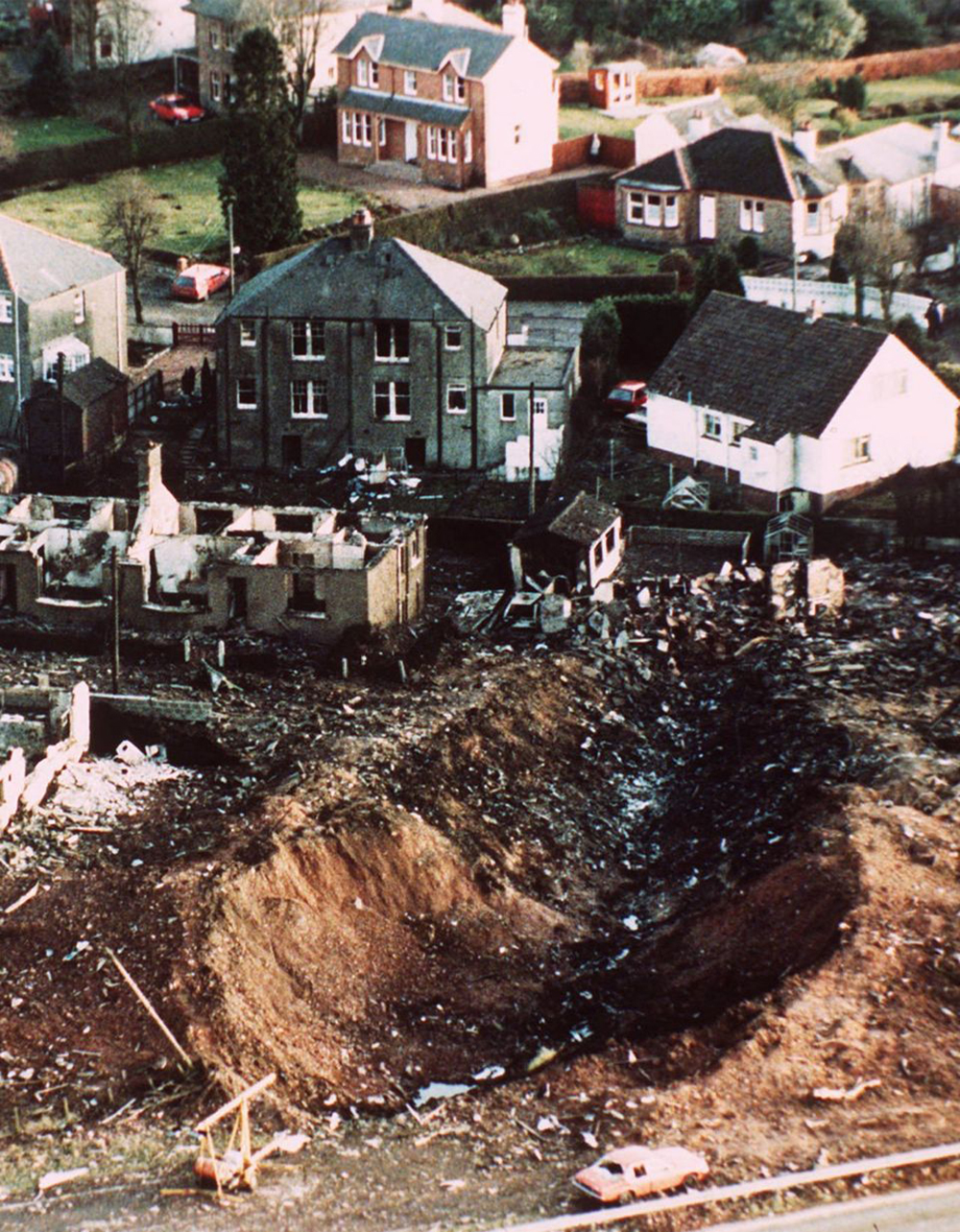
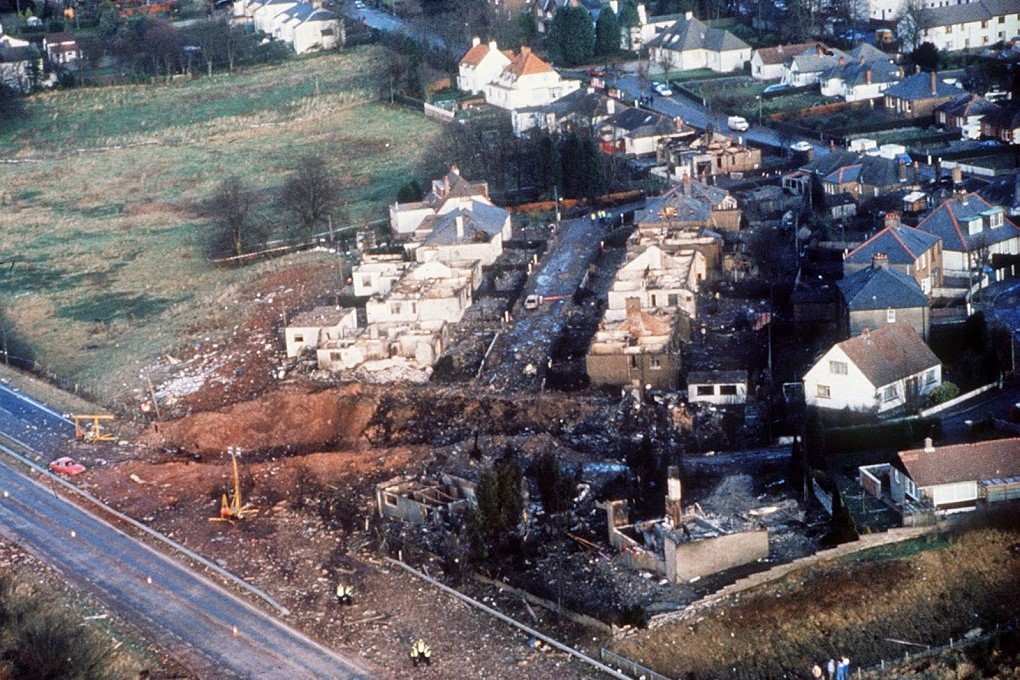
Crash of a Boeing 747-121A in Lockerbie: 270 killed
Date & Time:
Dec 21, 1988 at 1903 LT
Operator:

Registration:
N739PA
Survivors:
No
Schedule:
London - New York
MSN:
19646
YOM:
1970
Flight number:
PA103
Crew on board:
16
Crew fatalities:
Pax on board:
243
Pax fatalities:
Other fatalities:
Total fatalities:
270
Captain / Total hours on type:
4107.00
Copilot / Total hours on type:
5517
Aircraft flight hours:
72464
Aircraft flight cycles:
16497
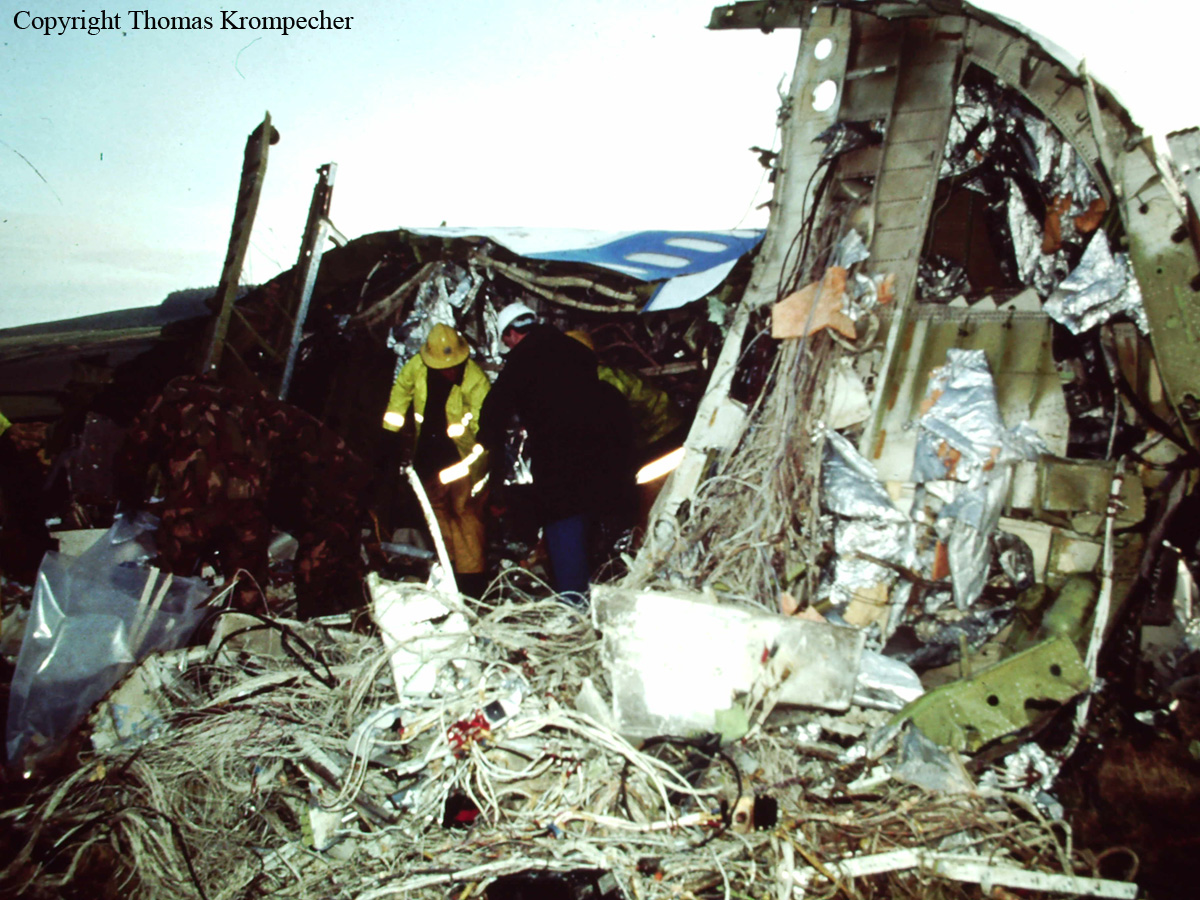
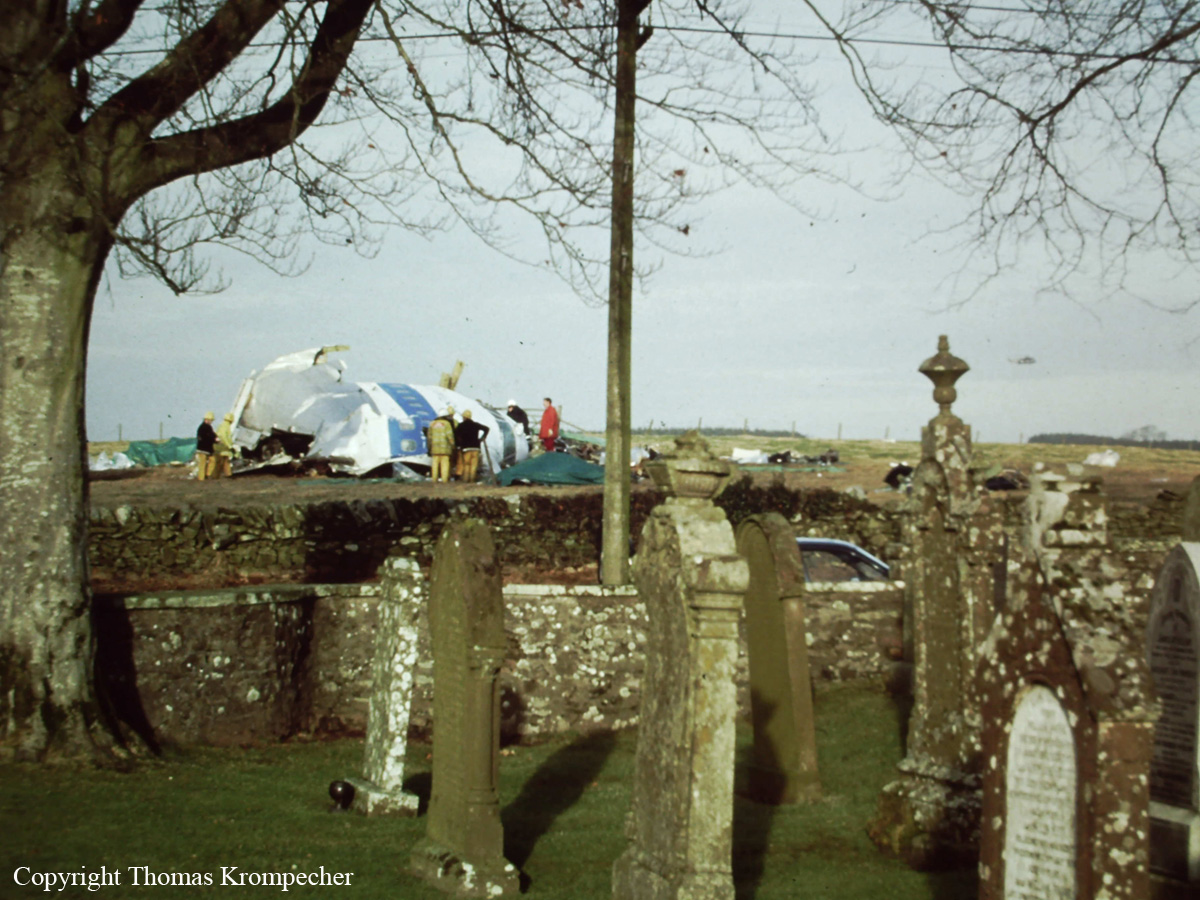
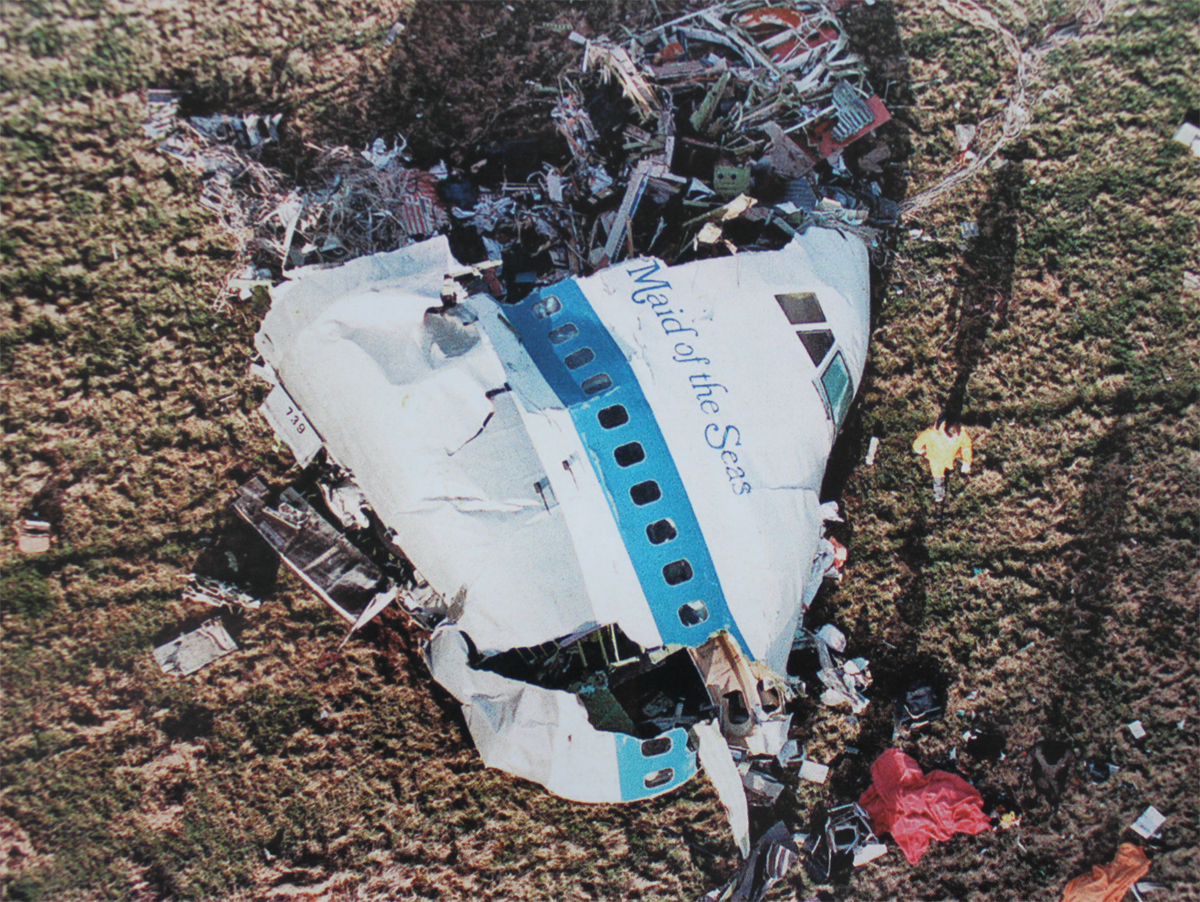
Circumstances:
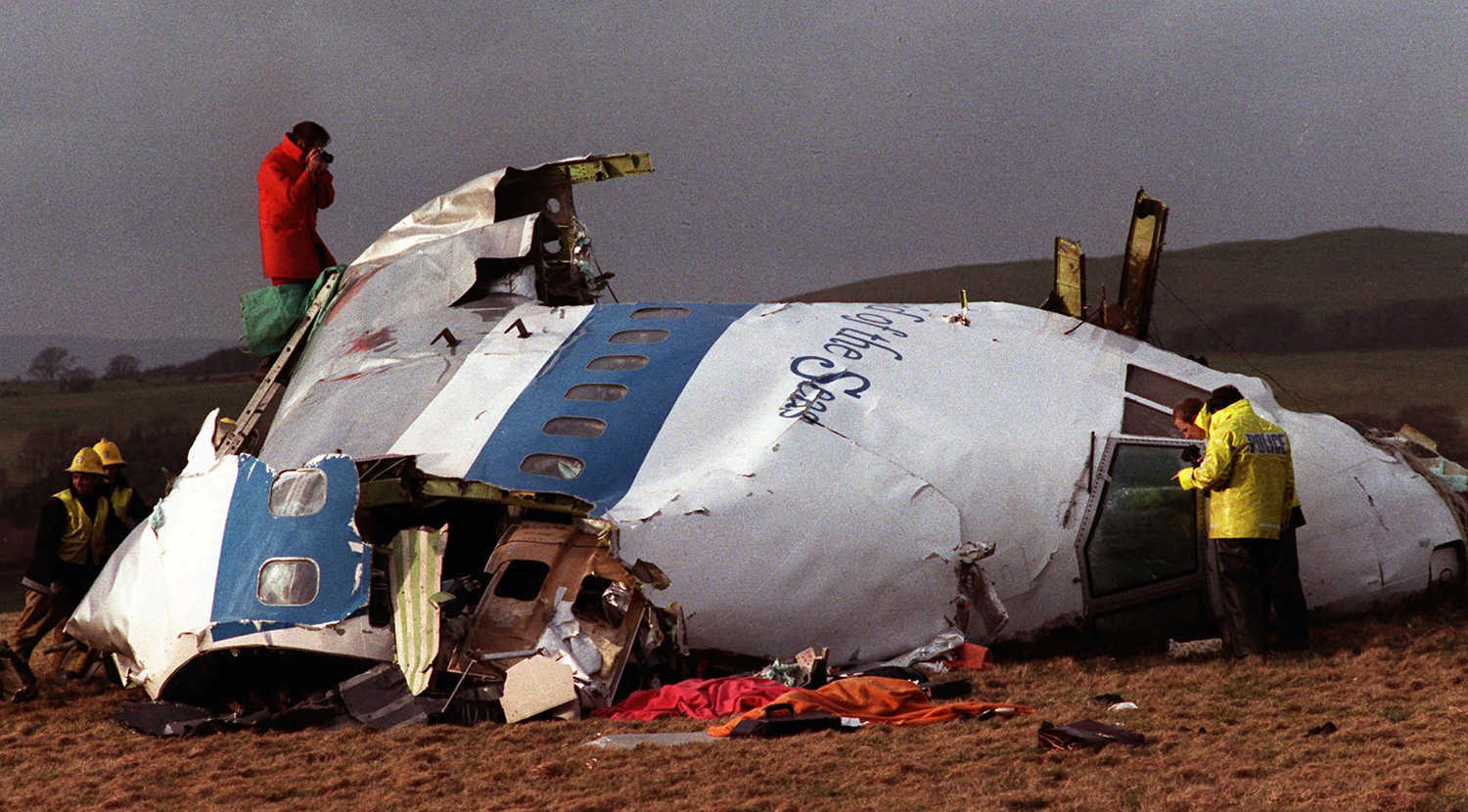
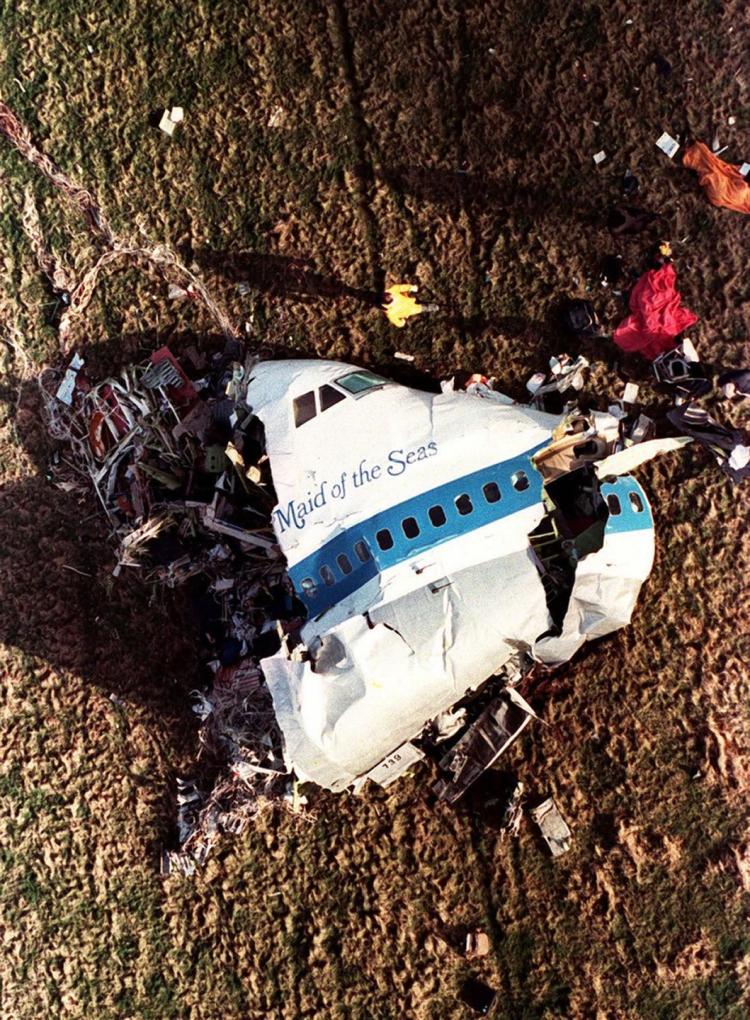
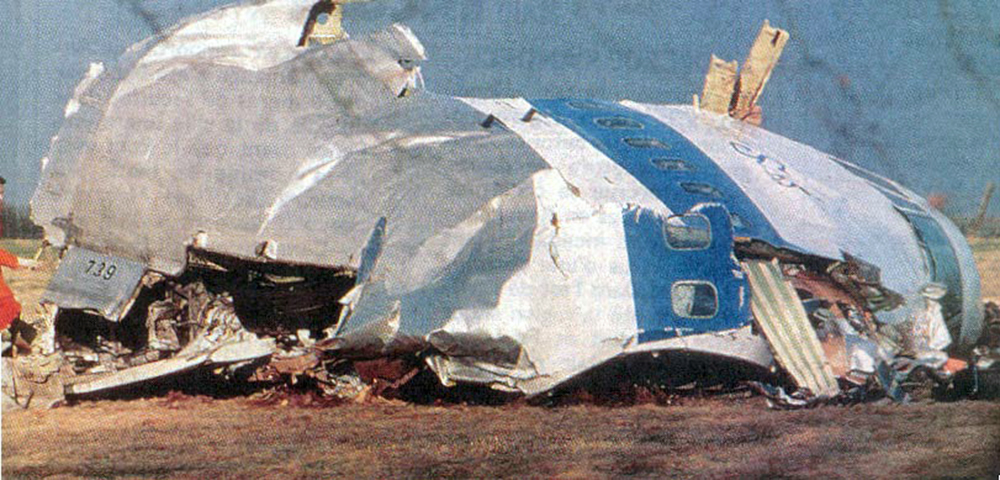
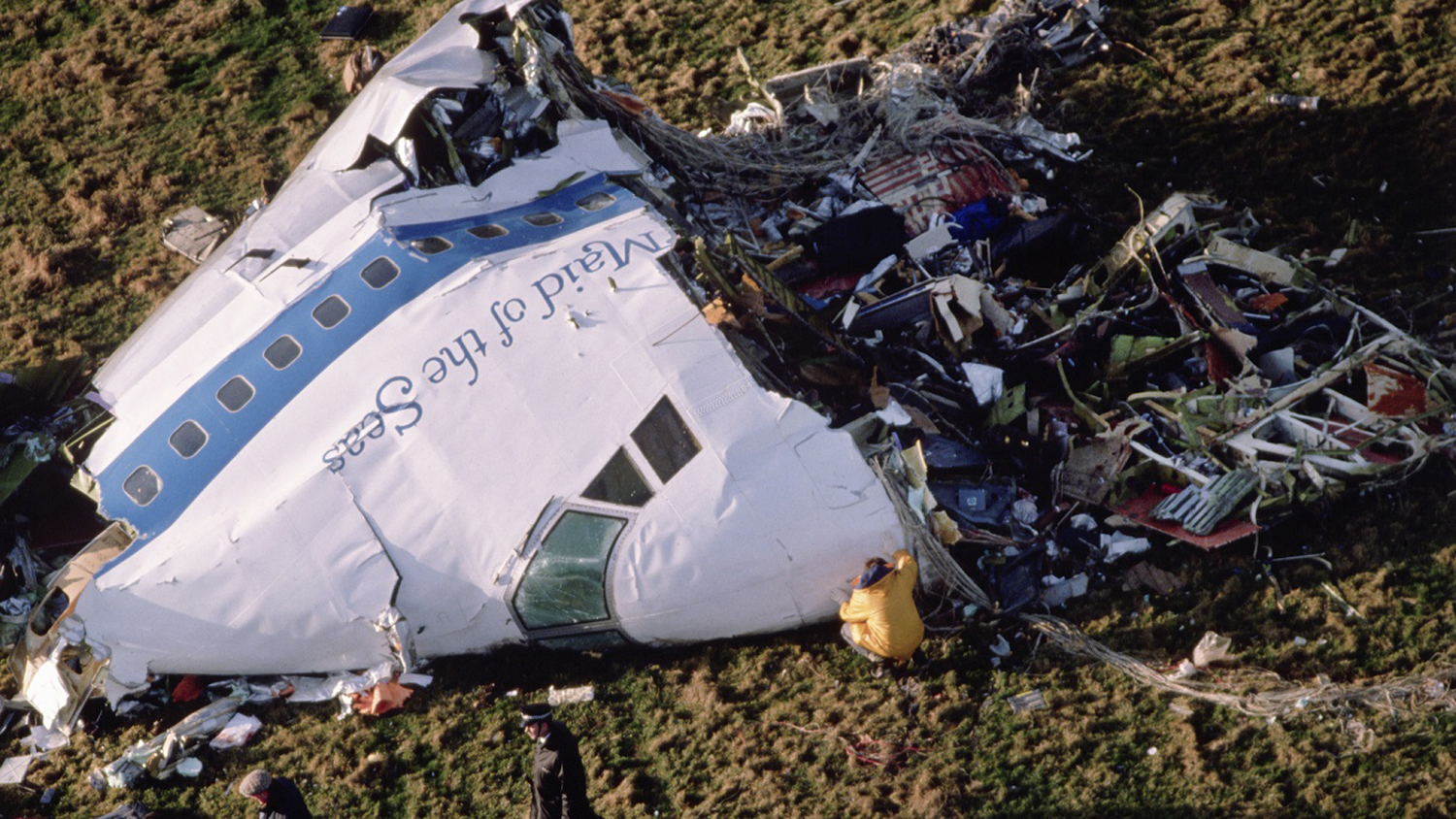
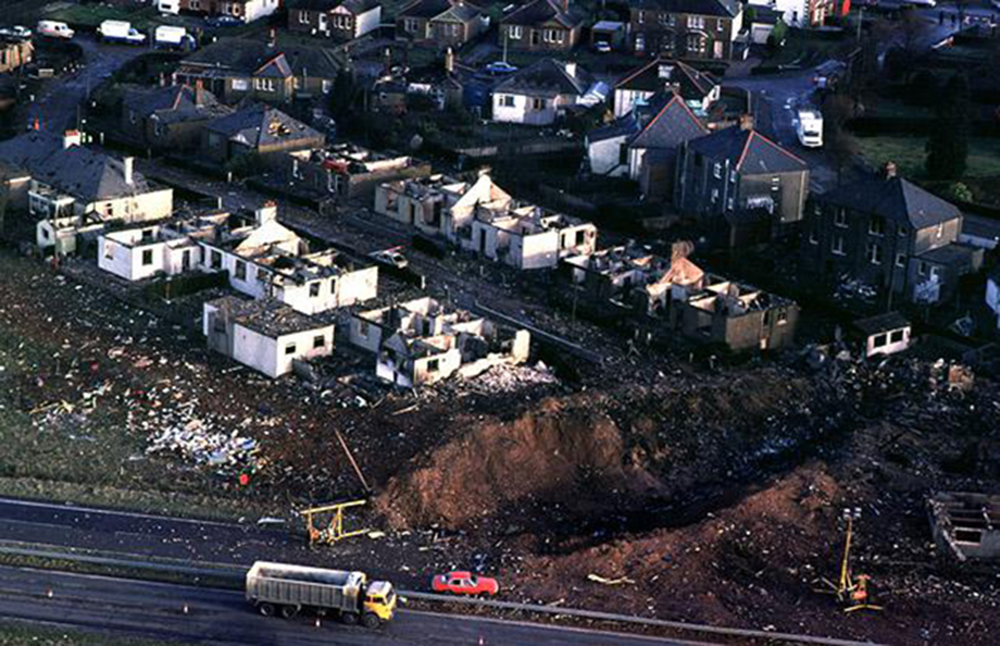
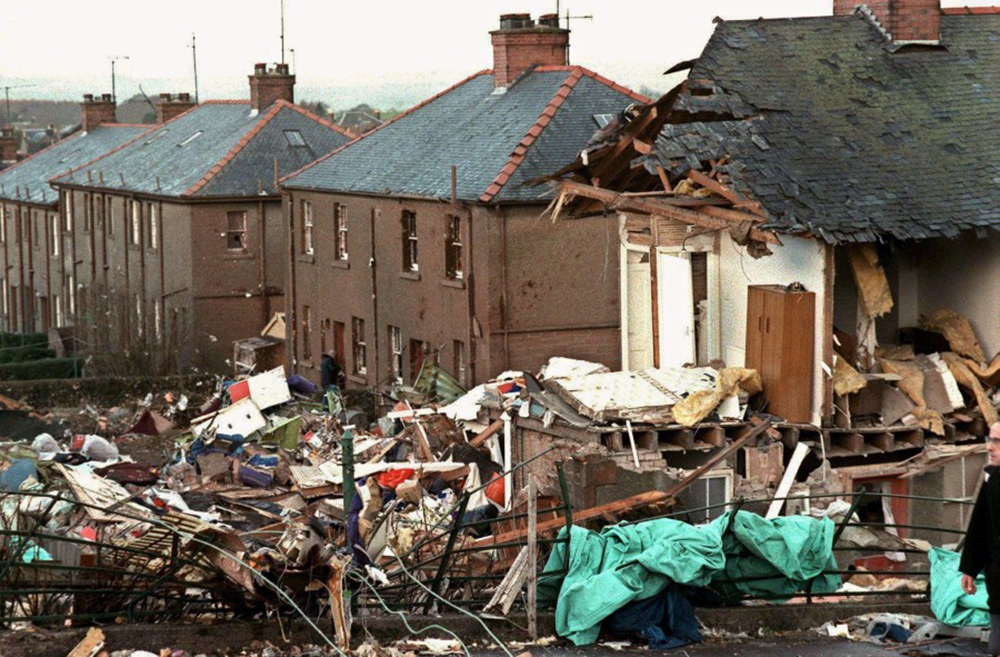
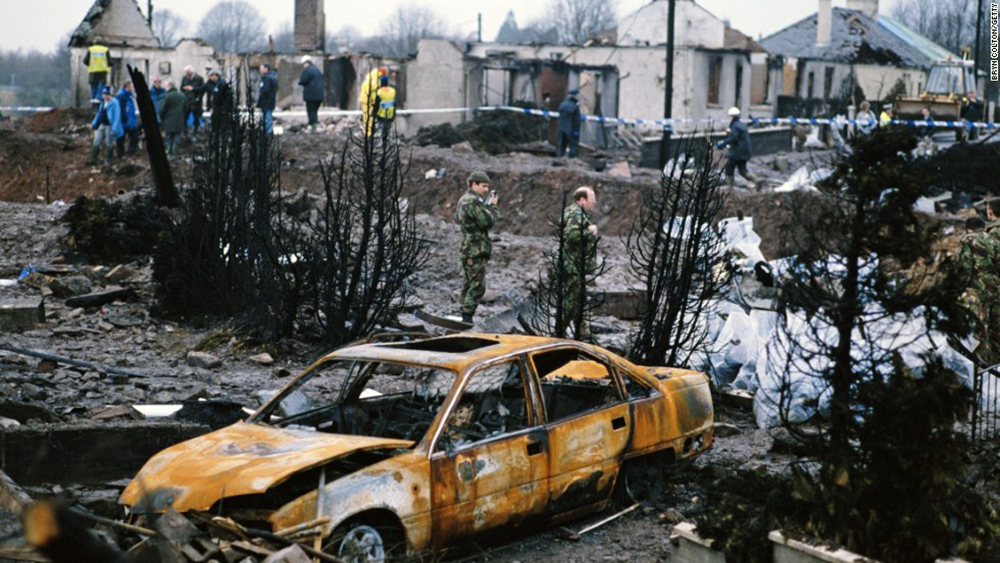
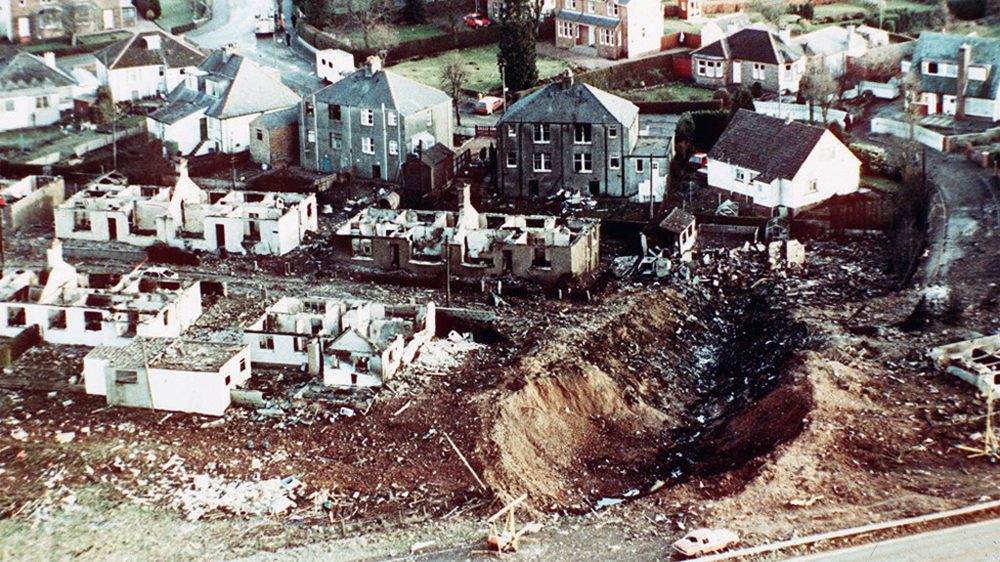
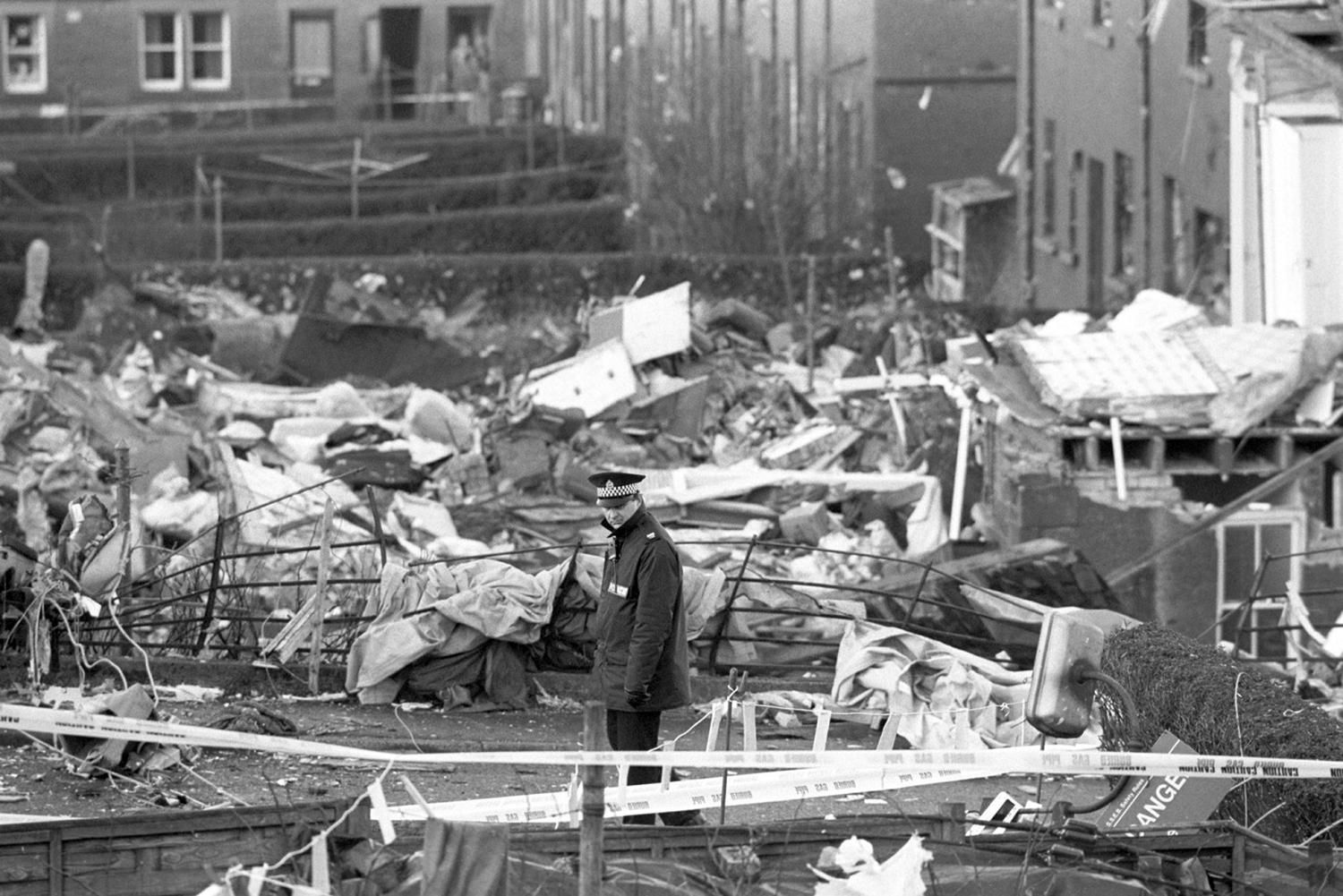
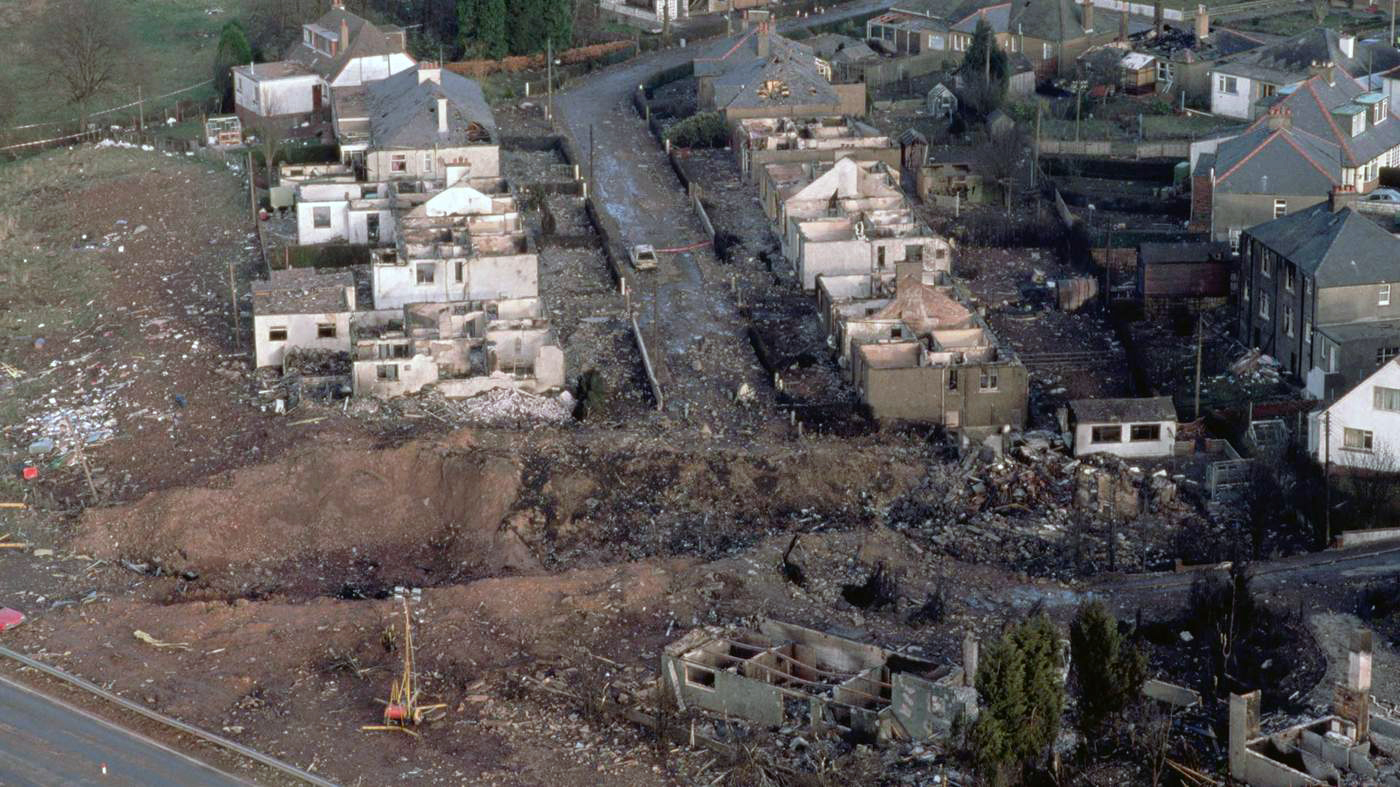
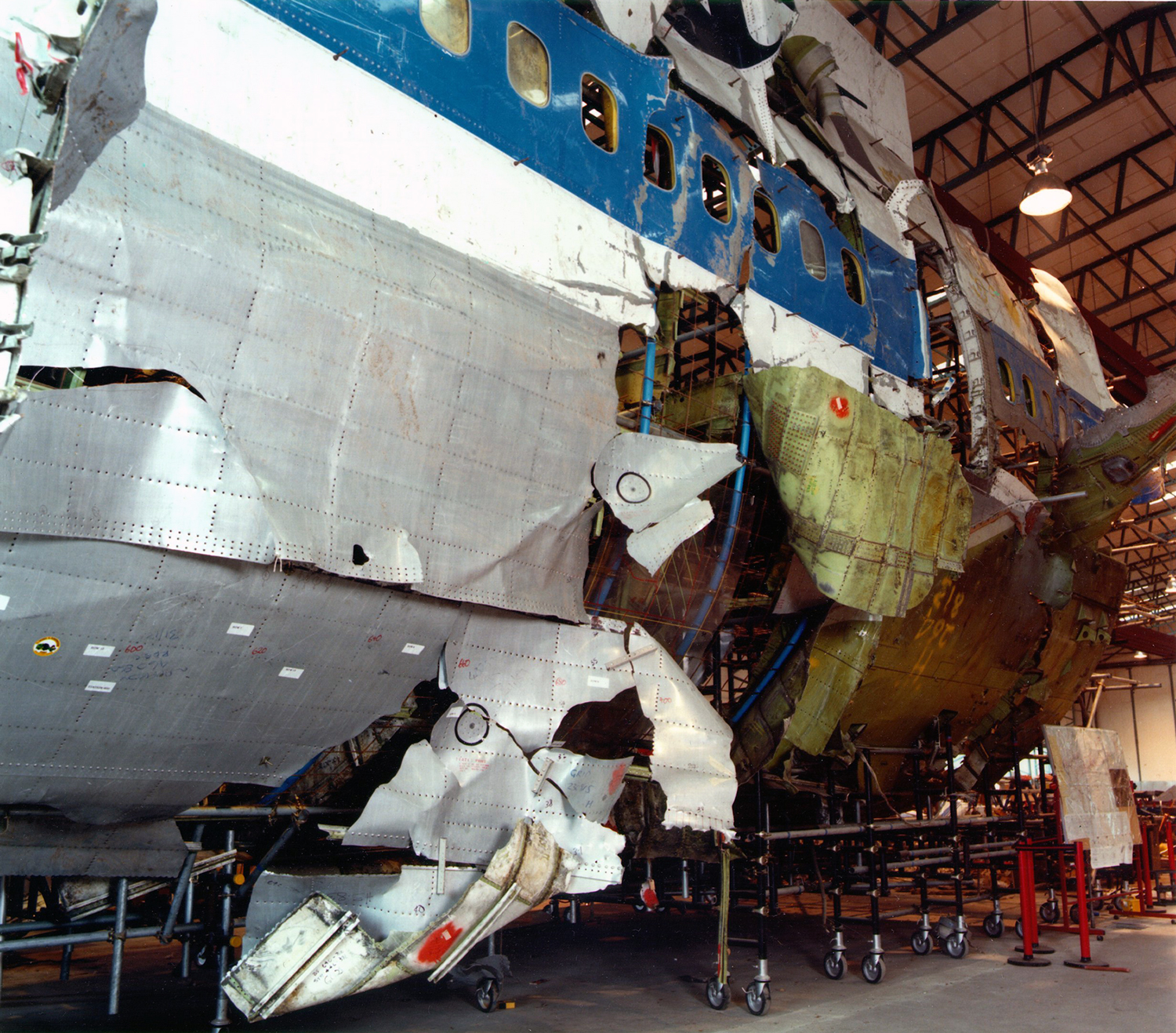
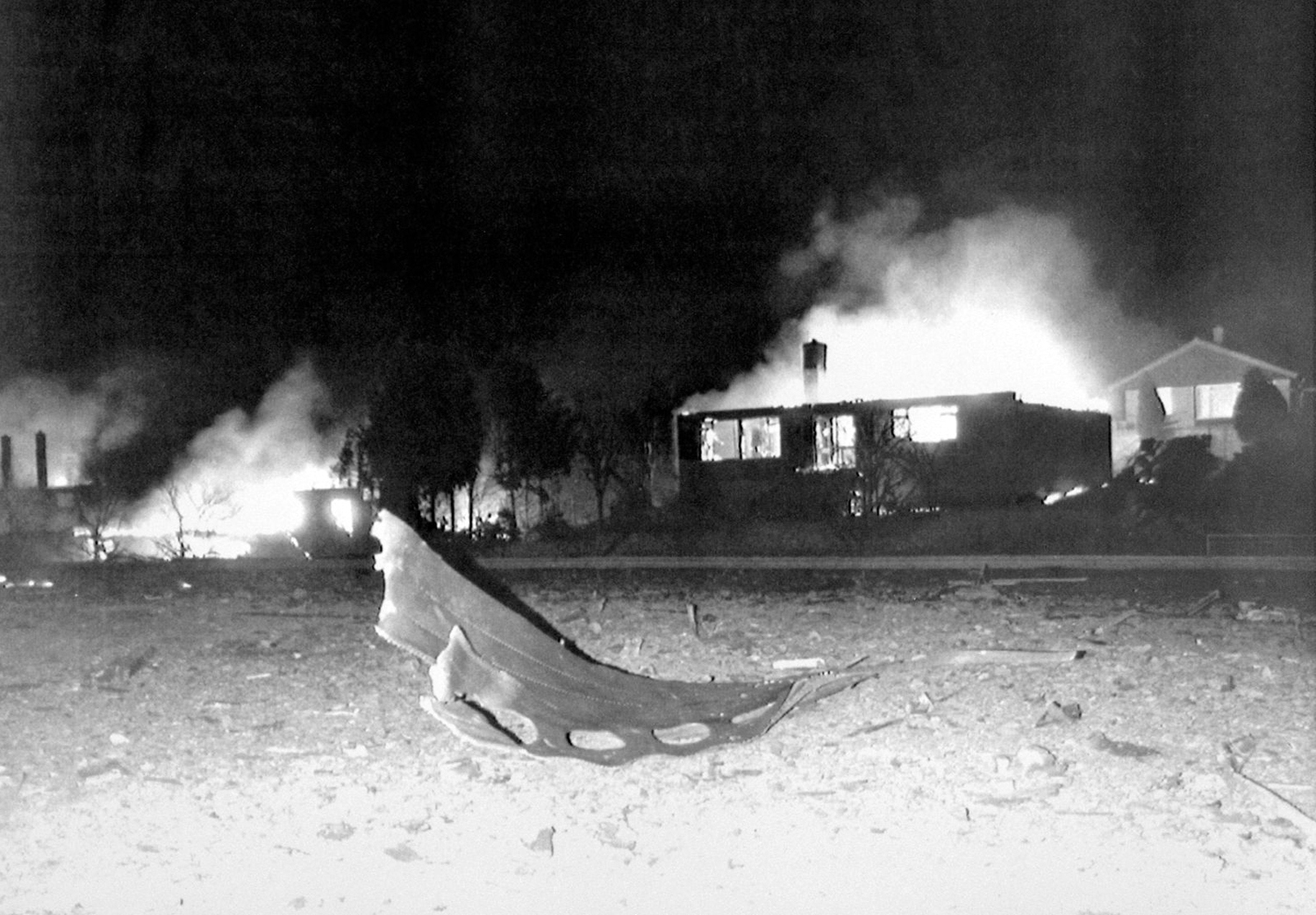
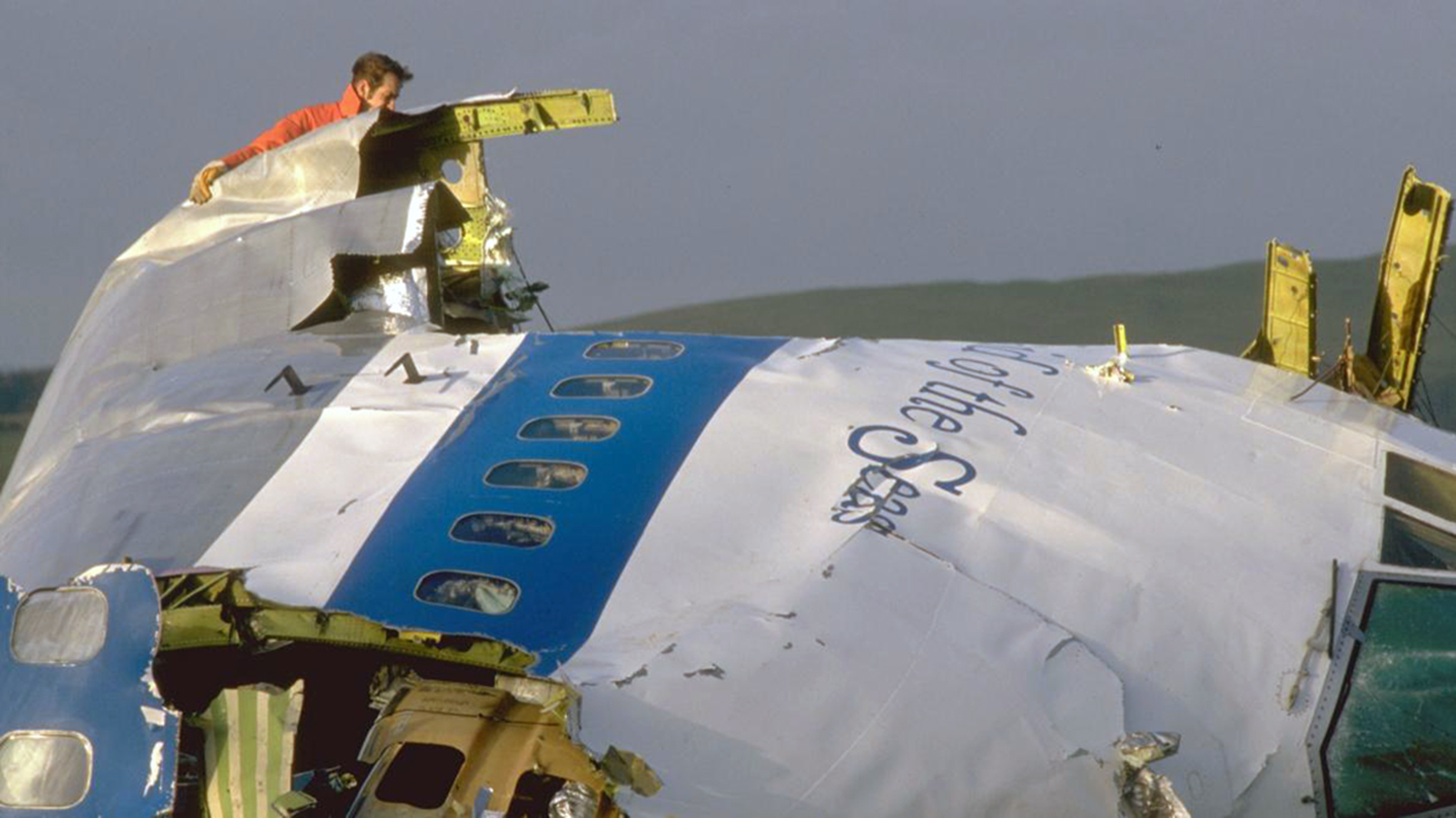
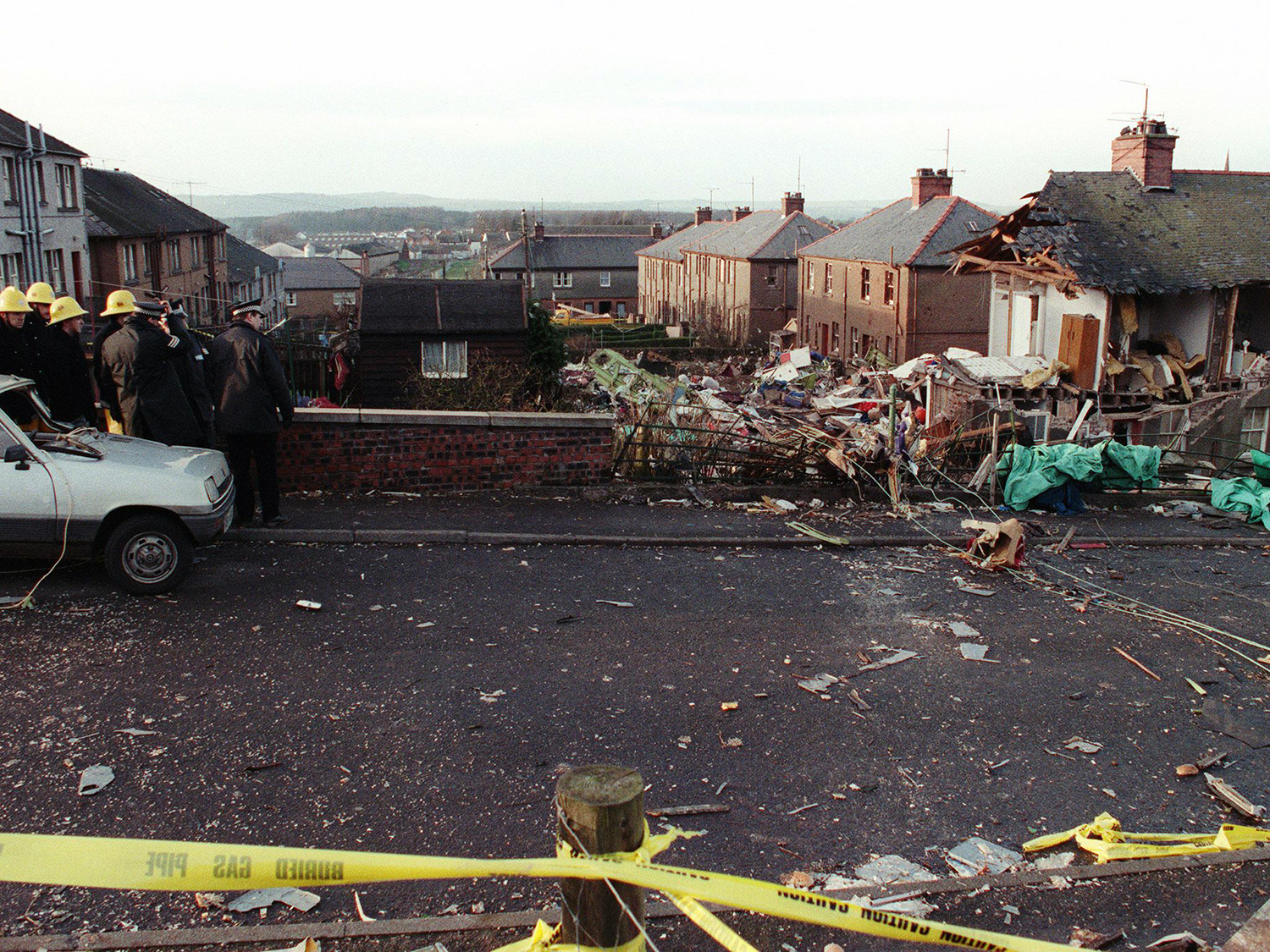
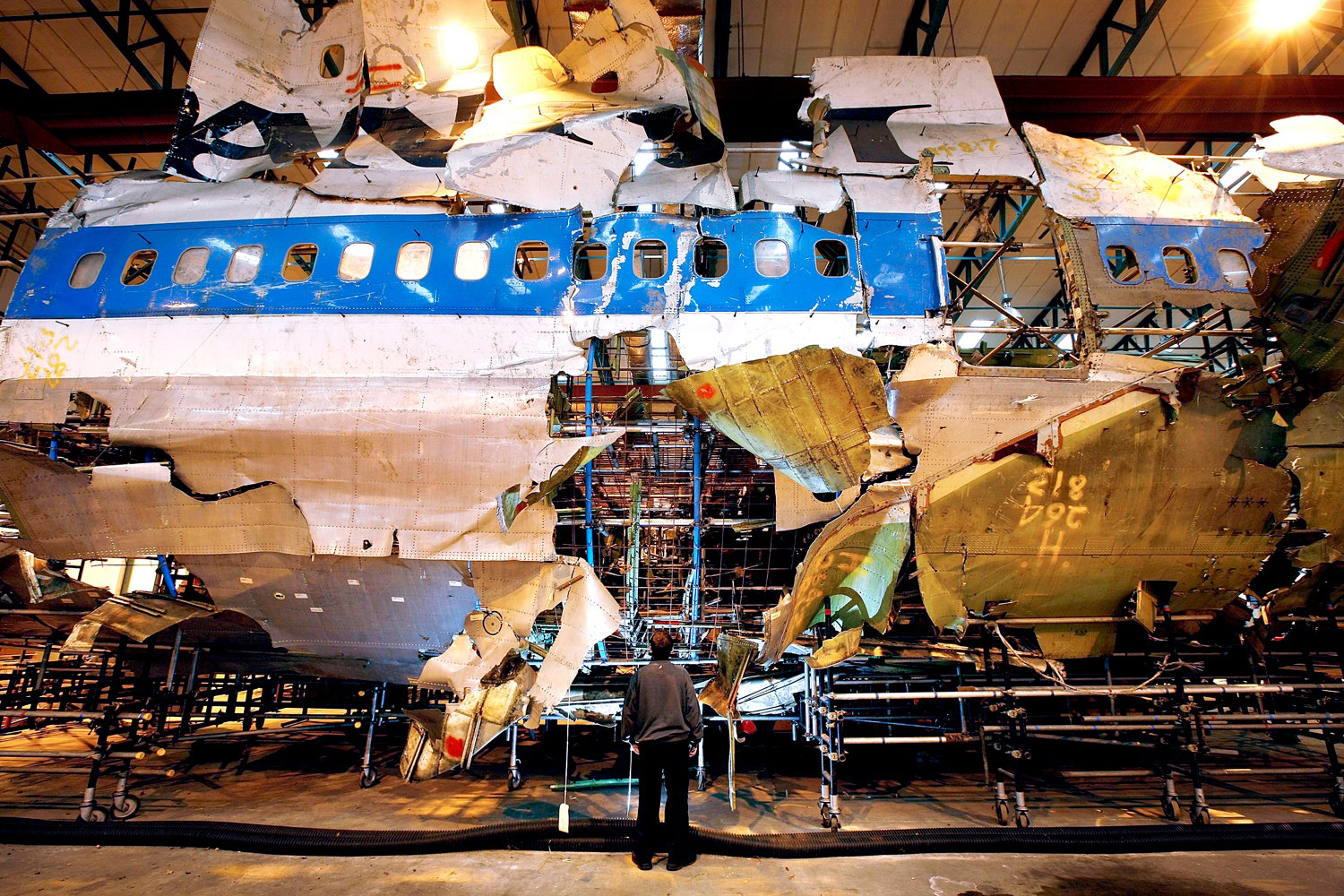
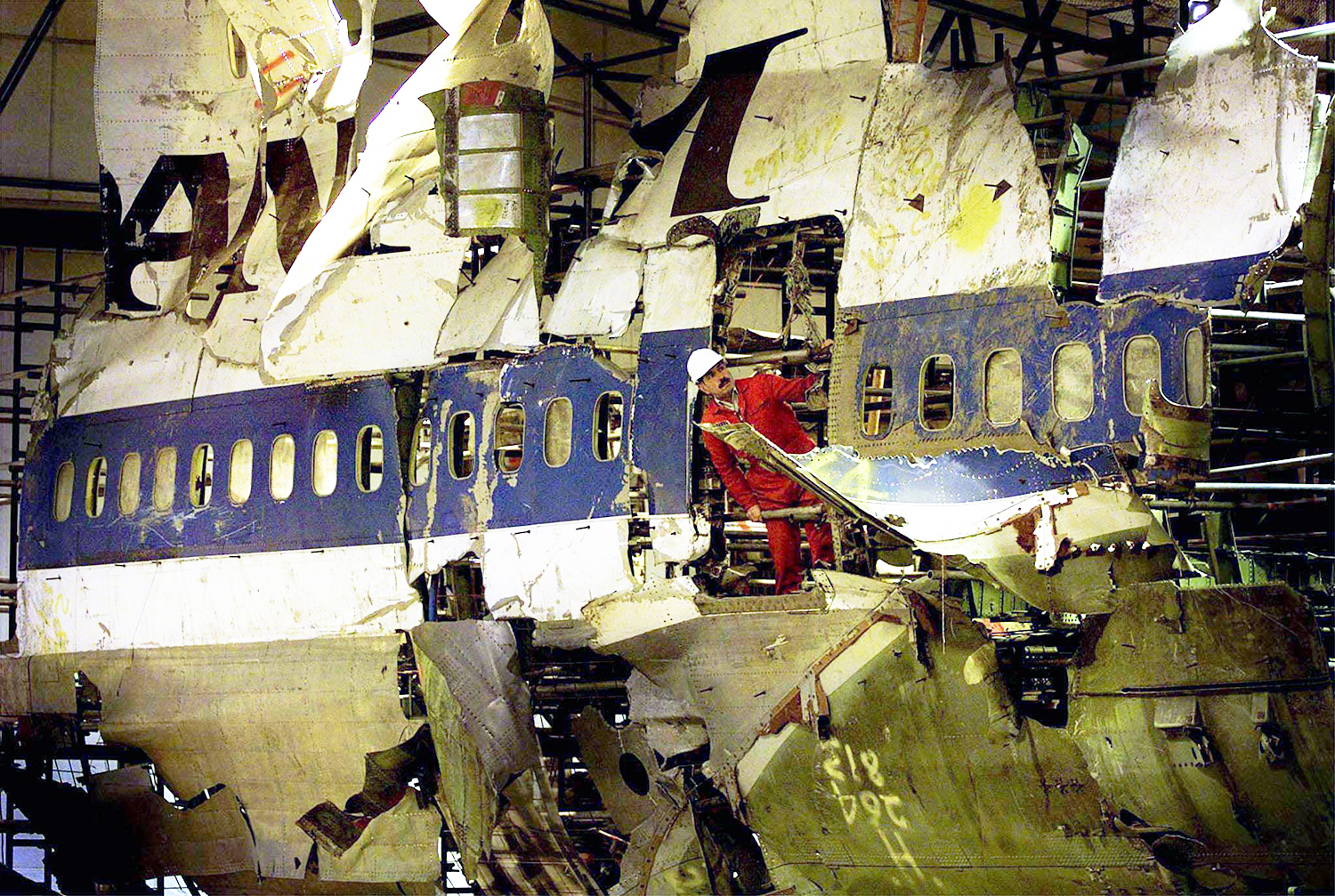
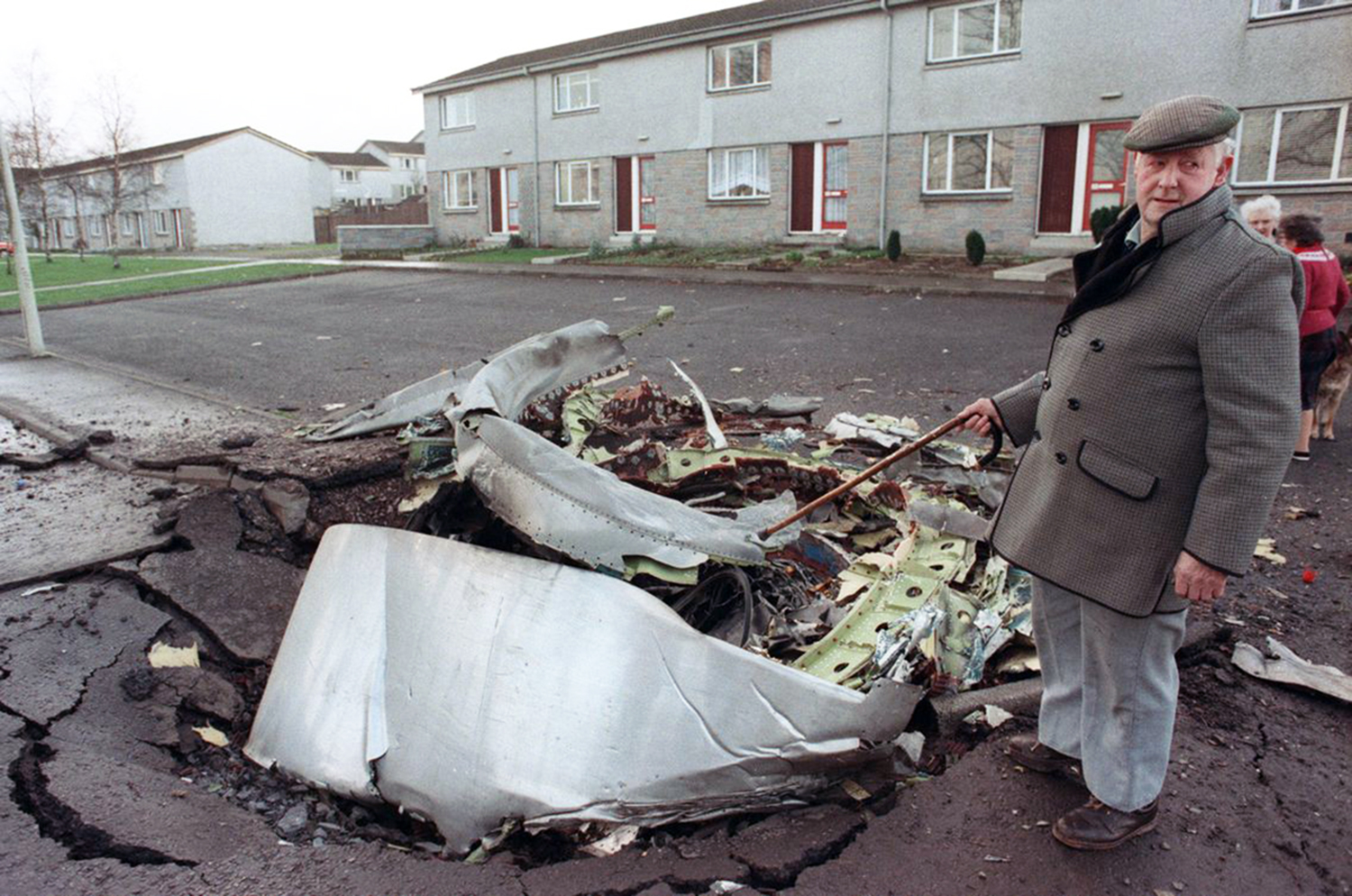
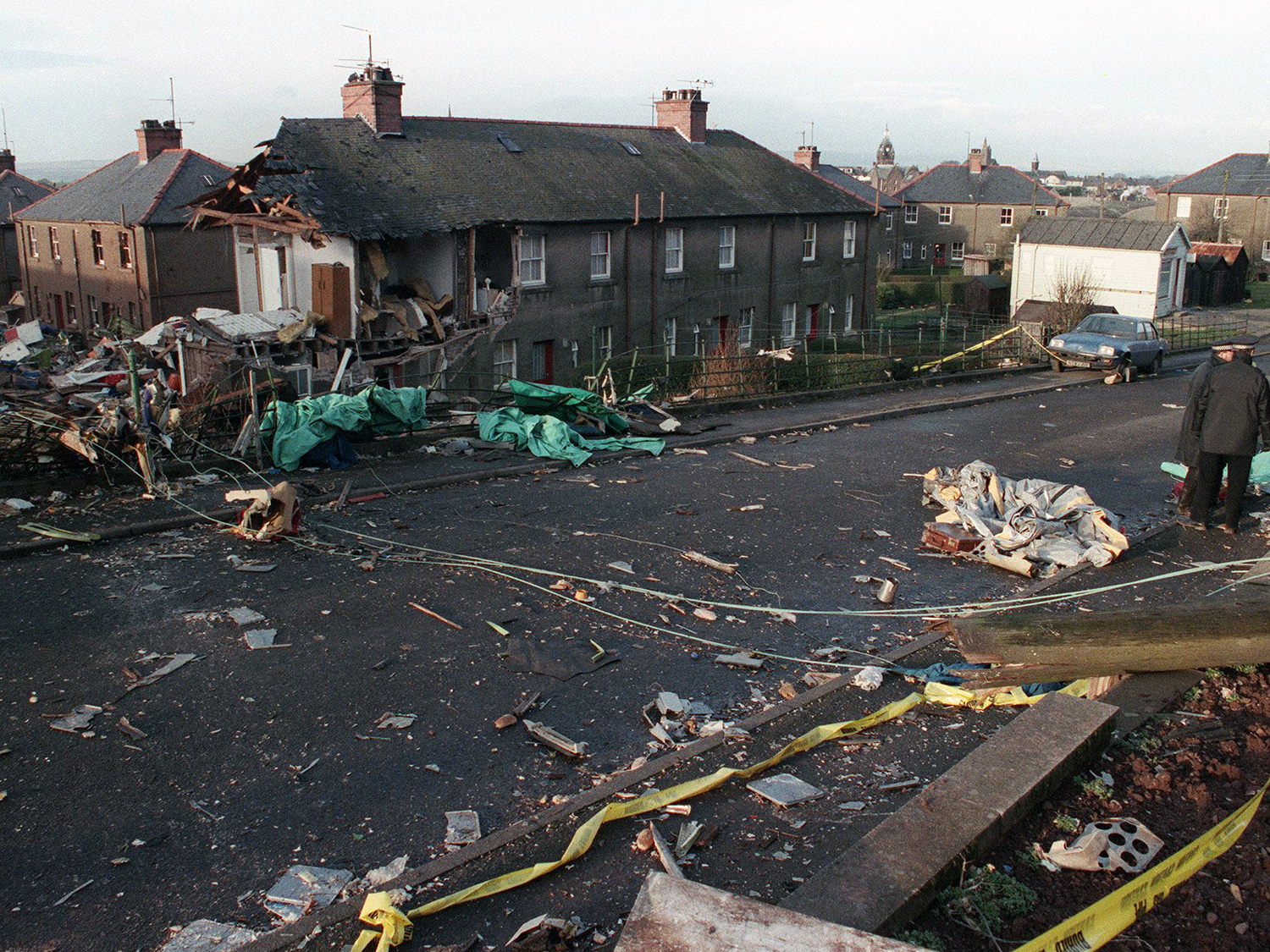
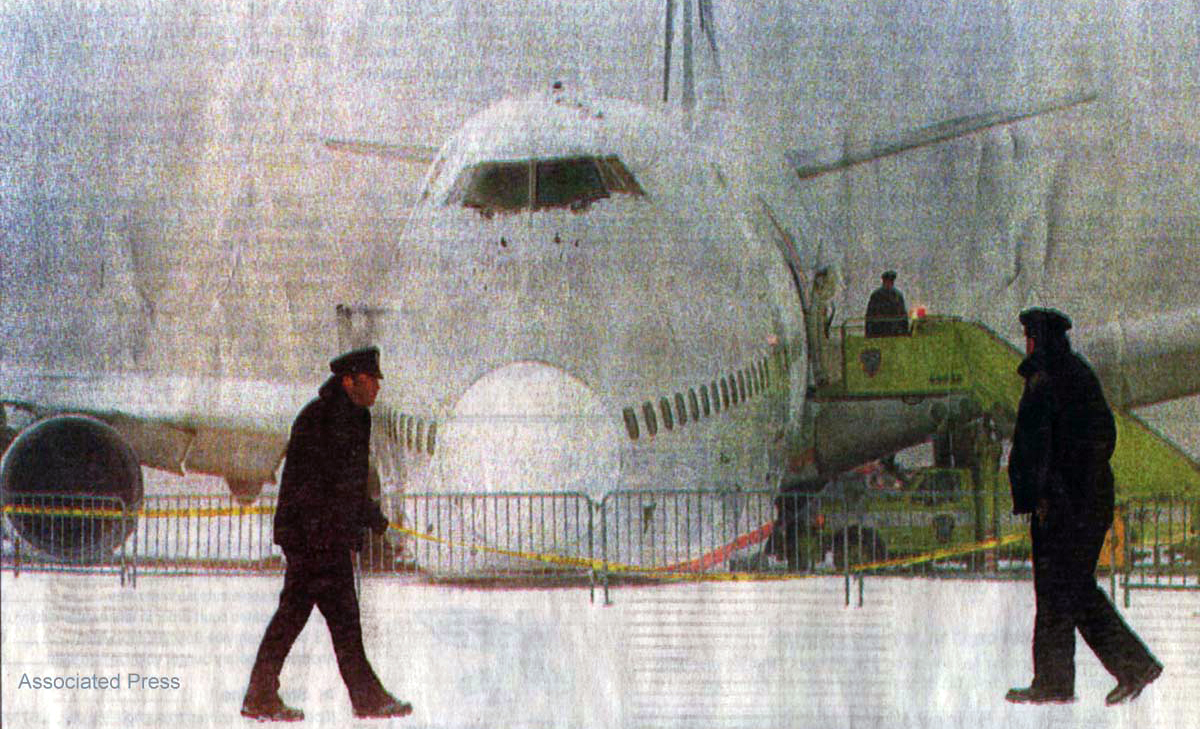
Flight PA103 departed London-Heathrow runway 27R for New York at 18:25. The aircraft levelled off at FL310, 31 minutes later. At 19:03 Shanwick Oceanic Control transmitted an oceanic clearance. At that time an explosion occurred in the aircraft's forward cargo hold at position 4L. The explosive forces produced a large hole in the fuselage structure and disrupted the main cabin floor. Major cracks continued to propagate from the large hole while containers and items of cargo ejected through the hole, striking the empennage, left- and right tail plane. The forward fuselage and flight deck area separated when the aircraft was in a nose down and left roll attitude, peeling away to the right at Station 800. The nose section then knocked the no. 3 engine off its pylon. The remaining aircraft disintegrated while it was descending nearly vertically from 19000 feet to 9000 feet. A section of cabin floor and baggage hold (from approx. Station 1241-1920) fell onto housing at Rosebank Terrace, Lockerbie. The main wing structure struck the ground with a high yaw angle at Sherwood Crescent, Lockerbie causing a massive fire. The Semtex bomb which caused the explosion had probably been hidden in a radio cassette player and was transferred to PA103 from a Pan Am Boeing 727 flight, arriving from Frankfurt. After a three-year joint investigation by the Dumfries and Galloway Constabulary and the U.S. Federal Bureau of Investigation indictments for murder were issued on November 13, 1991, against Abdel Basset Ali al-Megrahi, a Libyan intelligence officer and the head of security for Libyan Arab Airlines (LAA), and Lamin Khalifah Fhimah, the LAA station manager in Luqa Airport, Malta. United Nations sanctions against Libya and protracted negotiations with the Libyan leader Colonel Muammar al-Gaddafi secured the handover of the accused on April 5, 1999. On January 31, 2001, Megrahi was convicted of murder by a panel of three Scottish judges, and sentenced to 27 years in prison. Fhimah was acquitted.
Probable cause:
The in-flight disintegration of the aircraft was caused by the detonation of an improvised explosive device located in a baggage container positioned on the left side of the forward cargo hold at aircraft station 700.
Final Report: