Zone

Crash of a Cessna 414A chancellor in McKinney: 2 killed

Date & Time: Jun 27, 2024 at 1028 LT
Type of aircraft:
Operator:
Registration:
N414BS
Flight Phase:
Flight Type:
Survivors:
Yes
Schedule:
McKinney - McKinney
MSN:
414A-0504
YOM:
1980
Location:
Crew on board:
1
Crew fatalities:
Pax on board:
2
Pax fatalities:
Other fatalities:
Total fatalities:
2
Captain / Total flying hours:
1544
Aircraft flight hours:
7223
Circumstances:
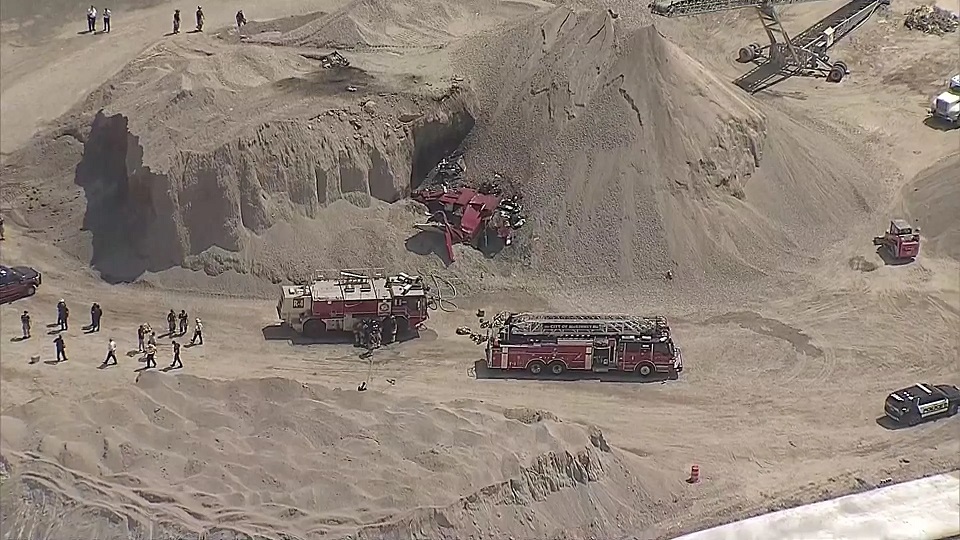
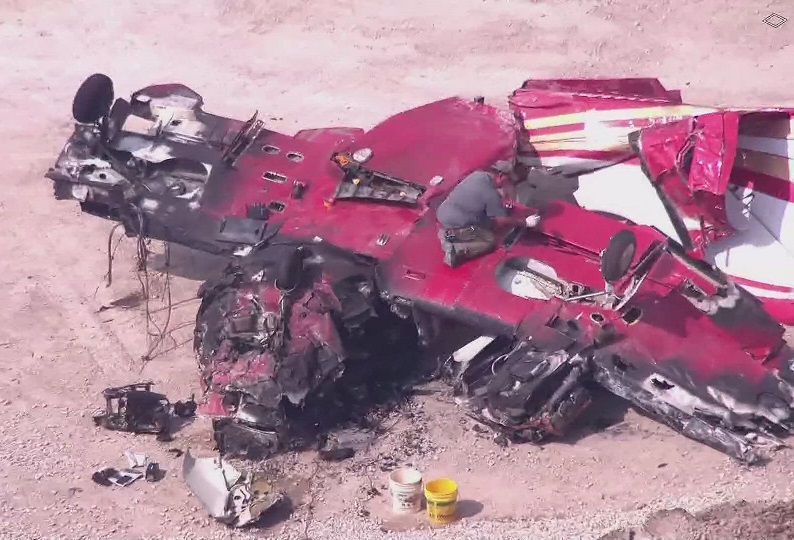
The pilot was departing on a local flight to check newly installed avionics on the airplane. During takeoff, the airplane lifted off within the performance specifications cited in the airplane flight manual. Shortly after liftoff, the pilot reported to air traffic control (ATC) that he had lost left engine power. The pilot continued the takeoff with the landing gear still extended. A witness stated that the airplane seemed to lose left engine power during the takeoff before reaching taxiway B4, and “yawed left quite a bit.” The remaining runway distance from the B4 taxiway to the departure end of the runway was about 2,600 to 2,700 ft. The witness stated that the airplane was not far past the departure end of runway when it began to turn left. As the pilot continued the takeoff and attempted the climb out, ATC instructed the pilot to turn right. The pilot responded that he was going to turn left, which was a turn into the inoperative engine and in the improper direction due to the greater left rolling tendency and increased likelihood of a loss of control. As the flight progressed, the airplane ground speed slowed to the airplane’s air minimum control speed (Vmc) when it rolled left and impacted terrain in an inverted attitude. The airplane was destroyed. A passenger was injured and two other occupants were killed.
Probable cause:
The pilot's improper decision to attempt continued flight after a loss of left engine power with usable runway remaining and his subsequent failure to follow the emergency procedures and maintain air minimum control speed, which resulted in a loss of control. Contributing to the accident was the pilot's improper fuel tank selection that resulted in a loss of left engine power due to fuel starvation.
Final Report:

Crash of a Cessna 421C Golden Eagle III off New Port Richey: 5 killed

Date & Time: Jul 8, 2009 at 1352 LT
Operator:
Registration:
N4467D
Flight Phase:
Survivors:
No
Schedule:
McKinney - Tampa
MSN:
421C-0634
YOM:
1979
Crew on board:
1
Crew fatalities:
Pax on board:
4
Pax fatalities:
Other fatalities:
Total fatalities:
5
Captain / Total flying hours:
1940
Aircraft flight hours:
4326
Circumstances:
Prior to the accident flight, the pilot indicated that he was aware of the thunderstorm activity along his route of flight and that he anticipated deviating around the weather as necessary. While enroute to his destination, the pilot requested and was provided both weather information and pilot reports from other aircraft by air traffic control (ATC). Upon encountering an area of thunderstorm activity that extended east-to-west across the route of flight, the pilot reported encountering significant turbulence, and then downdrafts of 2,000 feet per minute. He then requested a course reversal to exit the weather before he declared an emergency and advised ATC that the airplane was upside down. There were no further transmissions from the pilot and radar contact with the airplane was lost. Review of radar data revealed that the pilot had deviated south and then southwest when the airplane entered a strong and intense echo of extreme intensity. Visible imaging revealed that the echo was located in an area of a rapidly developing cumulonimbus cloud with a defined overshooting top, indicating the storm was in the mature stage or at its maximum intensity. Two debris fields were later discovered near the area where the cumulonimbus cloud had been observed. This was indicative that the airplane had penetrated the main core of the cumulonimbus cloud, which resulted in an inflight breakup of the airplane. Near the heavier echoes the airplane's airborne weather radar may have been unable to provide an accurate representation of the radar echoes along the aircraft's flight path; therefore the final penetration of the intense portion of the storm was likely unintentional.
Probable cause:
The pilot’s decision to operate into a known area of adverse weather, which resulted in the inadvertent penetration of a severe thunderstorm, a subsequent loss of control, and in-flight breakup of the airplane.
Final Report: