Country
Crash of a Beechcraft B200T Super King Air at Butterworth AFB: 1 killed
Date & Time:
Dec 21, 2016 at 1718 LT
Operator:

Registration:
M41-03
Survivors:
Yes
Schedule:
Kuala Lumpur – Butterworth
MSN:
BT-37
YOM:
1993
Crew on board:
4
Crew fatalities:
Pax on board:
0
Pax fatalities:
Other fatalities:
Total fatalities:
1
Circumstances:
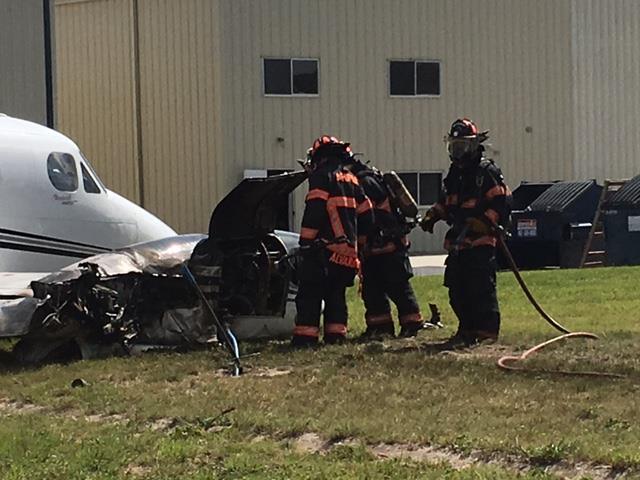
The crew was completing a training flight from Kuala Lumpur-Subang Airport when on final approach to Butterworth Airbase, the twin engine aircraft went out of control and crashed, coming to rest against the perimeter fence. The aircraft was partially destroyed by impact forces and one crew member was killed while three other occupants were injured. Weather conditions were considered as good at the time of the accident.
Crash of a Beechcraft B200 Super King Air in Moomba
Date & Time:
Dec 13, 2016 at 1251 LT
Operator:

Registration:
VH-MVL
Survivors:
Yes
Schedule:
Innamincka – Moomba
MSN:
BB-1333
YOM:
1989
Flight number:
FD209
Crew on board:
1
Crew fatalities:
Pax on board:
2
Pax fatalities:
Other fatalities:
Total fatalities:
0
Circumstances:
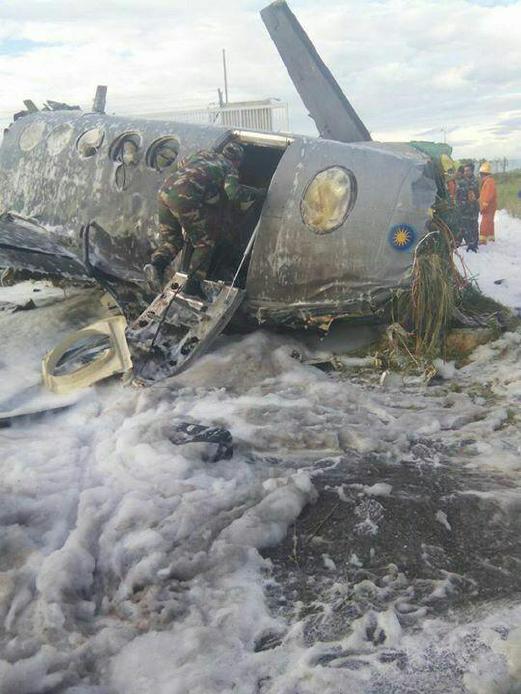
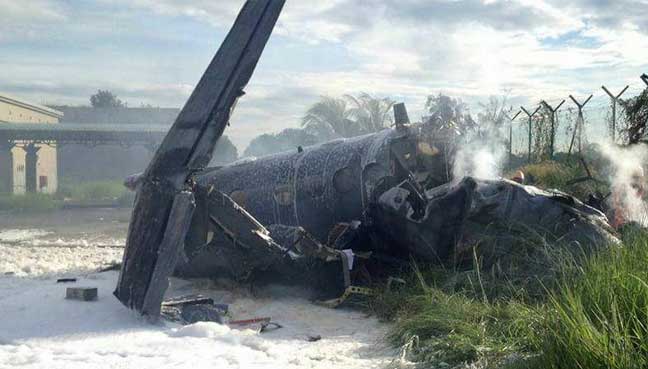
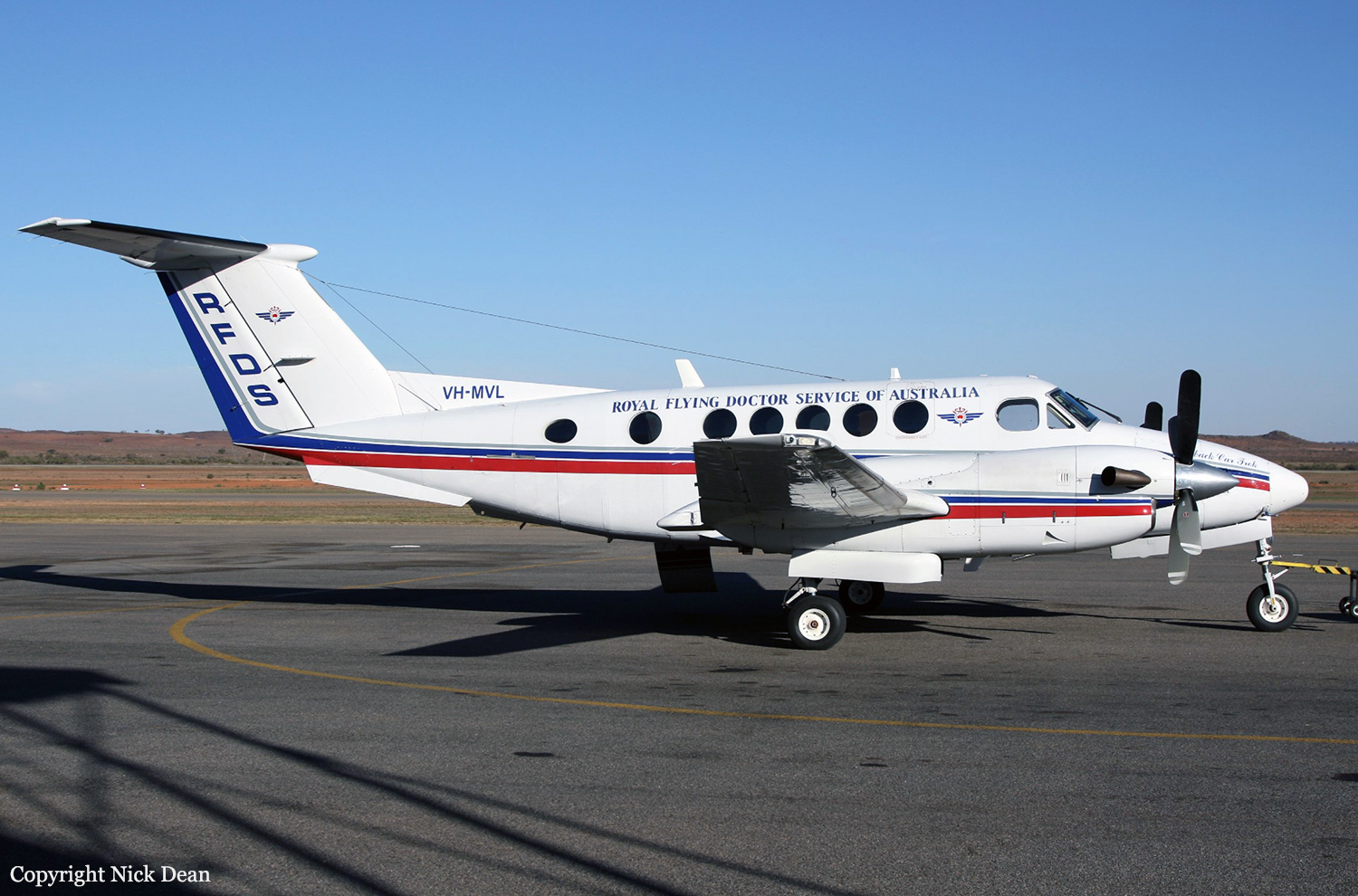
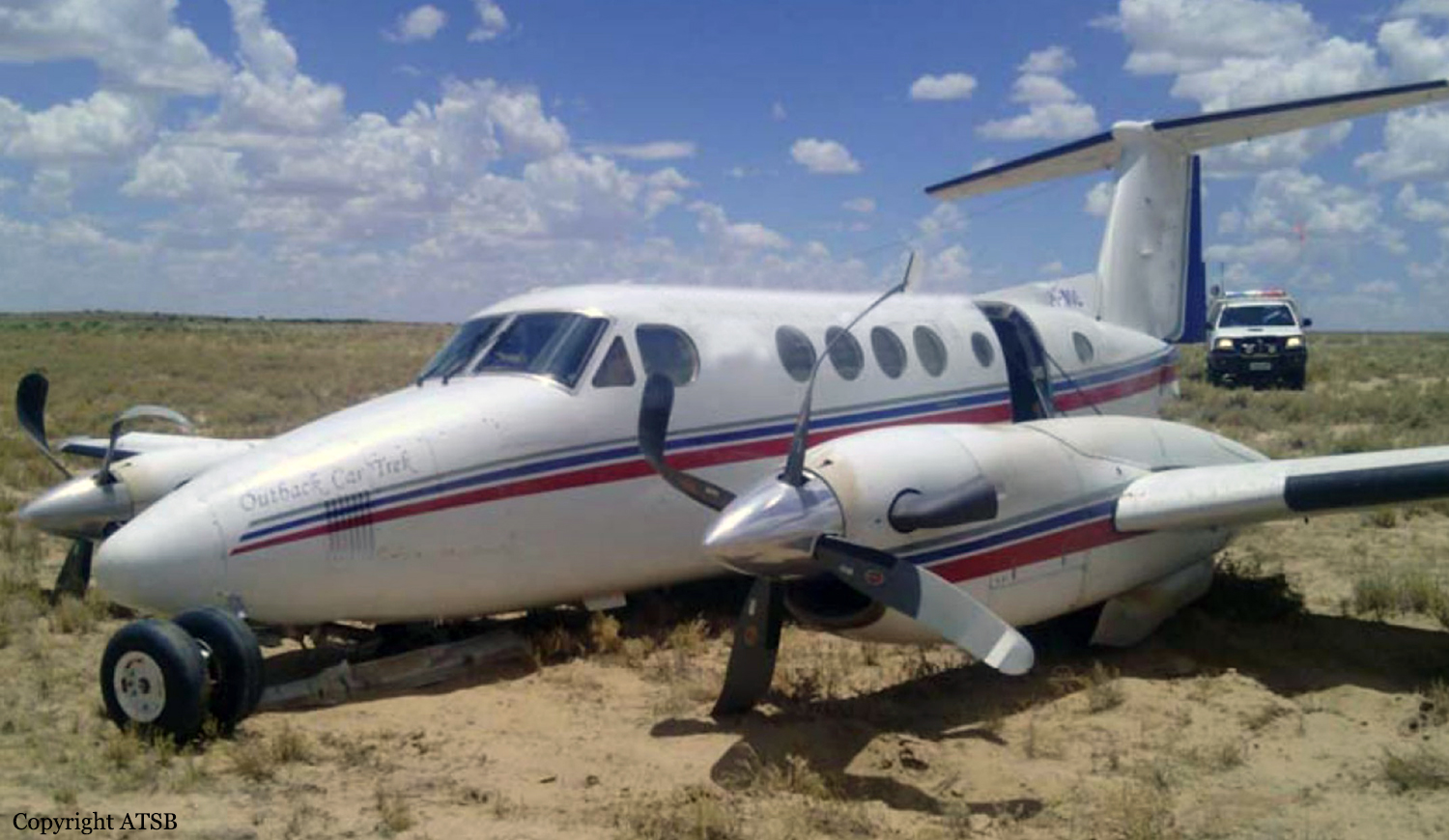
On 13 December 2016, a Beech Aircraft Corporation B200, registered VH-MVL, conducted a medical services flight from Innamincka, South Australia (SA) to Moomba, SA. On board the aircraft were the pilot and two passengers. On arrival at Moomba at about 1250 Central Daylight-saving Time (CDT), the pilot configured the aircraft to join the circuit with flaps set to the approach setting and the propeller speed set at 1900 RPM. They positioned the aircraft at 150–160 kt airspeed to join the downwind leg of the circuit for runway 30, which is a right circuit. The pilot lowered the landing gear on the downwind circuit leg. They reduced power (set 600-700 foot-pounds torque on both engines) to start the final descent on late downwind abeam the runway 30 threshold, in accordance with their standard operating procedures. At about the turn point for the base leg of the circuit, the pilot observed the left engine fire warning activate. The pilot held the aircraft in the right base turn, but paused before conducting the engine fire checklist immediate actions in consideration of the fact that they were only a few minutes from landing and there were no secondary indications of an engine fire. After a momentary pause, the pilot decided to conduct the immediate actions. They retarded the left engine condition lever to the fuel shut-off position, paused again to consider if there was any other evidence of fire, then closed the firewall shutoff valve, activated the fire extinguisher and doubled the right engine power (about 1,400 foot-pounds torque). The pilot continued to fly the aircraft in a continuous turn for the base leg towards the final approach path, but noticed it was getting increasingly difficult to maintain the right turn. They checked the engine instruments and confirmed the left engine was shut down. They adjusted the aileron and rudder trim to assist controlling the aircraft in the right turn. The aircraft became more difficult to control as the right turn and descent continued and the pilot focused on maintaining bank angle, airspeed (fluctuating 100–115 kt) and rate of descent. Due to the pilot’s position in the left seat, they were initially unable to sight the runway when they started the right turn. The aircraft had flown through the extended runway centreline when the pilot sighted the runway to the right of the aircraft. The aircraft was low on the approach and the pilot realised that a sand dune between the aircraft and the runway was a potential obstacle. They increased the right engine power to climb power (2,230 foot-pounds torque) raised the landing gear and retracted the flap to reduce the rate of descent. The aircraft cleared the sand dune and the pilot lowered the landing gear and continued the approach to the runway from a position to the left of the runway centreline. The aircraft landed in the sand to the left of the runway threshold and after a short ground roll spun to the left and came to rest. There were no injuries and the aircraft was substantially damaged.
Probable cause:
From the evidence available, the following findings are made with respect to the collision with terrain involving Beech Aircraft Corporation B200, registered VH-MVL that occurred at Moomba Airport, South Australia on 13 December 2016. These findings should not be read as apportioning blame or liability to any particular organisation or individual.
Contributing factors:
- The operator did not modify the aircraft to include a more reliable engine fire detection system in accordance with the manufacturer’s service bulletin, and as subsequently recommended by the Civil Aviation Safety Authority’s airworthiness bulletin. The incorporation of the manufacturer’s modification would have reduced the risk of a false engine fire warning.
- During the approach phase of flight, the pilot shutdown the left engine in response to observing a fire warning, but omitted to feather the propeller. The additional drag caused by the windmilling propeller, combined with the aircraft configuration set for landing while in a right turn, required more thrust than available for the approach.
Other factors that increased risk:
- The advice from the Civil Aviation Safety Authority to the operator, that differences training was acceptable, resulted in the pilot not receiving the operator’s published B200 syllabus of training. The omission of basic handling training on a new aircraft type could result in a pilot not developing the required skilled behaviour to handle the aircraft either near to or in a loss of control situation.
Other findings:
- The pilot met the standard required by the operator in their cyclic training and proficiency program and no knowledge deficiencies associated with handling engine fire warnings were identified.
Contributing factors:
- The operator did not modify the aircraft to include a more reliable engine fire detection system in accordance with the manufacturer’s service bulletin, and as subsequently recommended by the Civil Aviation Safety Authority’s airworthiness bulletin. The incorporation of the manufacturer’s modification would have reduced the risk of a false engine fire warning.
- During the approach phase of flight, the pilot shutdown the left engine in response to observing a fire warning, but omitted to feather the propeller. The additional drag caused by the windmilling propeller, combined with the aircraft configuration set for landing while in a right turn, required more thrust than available for the approach.
Other factors that increased risk:
- The advice from the Civil Aviation Safety Authority to the operator, that differences training was acceptable, resulted in the pilot not receiving the operator’s published B200 syllabus of training. The omission of basic handling training on a new aircraft type could result in a pilot not developing the required skilled behaviour to handle the aircraft either near to or in a loss of control situation.
Other findings:
- The pilot met the standard required by the operator in their cyclic training and proficiency program and no knowledge deficiencies associated with handling engine fire warnings were identified.
Final Report:
Crash of a Beechcraft 200 Super King Air in Moorhead
Date & Time:
Nov 23, 2016 at 1759 LT
Registration:
N80RT
Survivors:
Yes
Schedule:
Baudette - Moorhead
MSN:
BB-370
YOM:
1978
Crew on board:
1
Crew fatalities:
Pax on board:
6
Pax fatalities:
Other fatalities:
Total fatalities:
0
Captain / Total hours on type:
89.00
Circumstances:
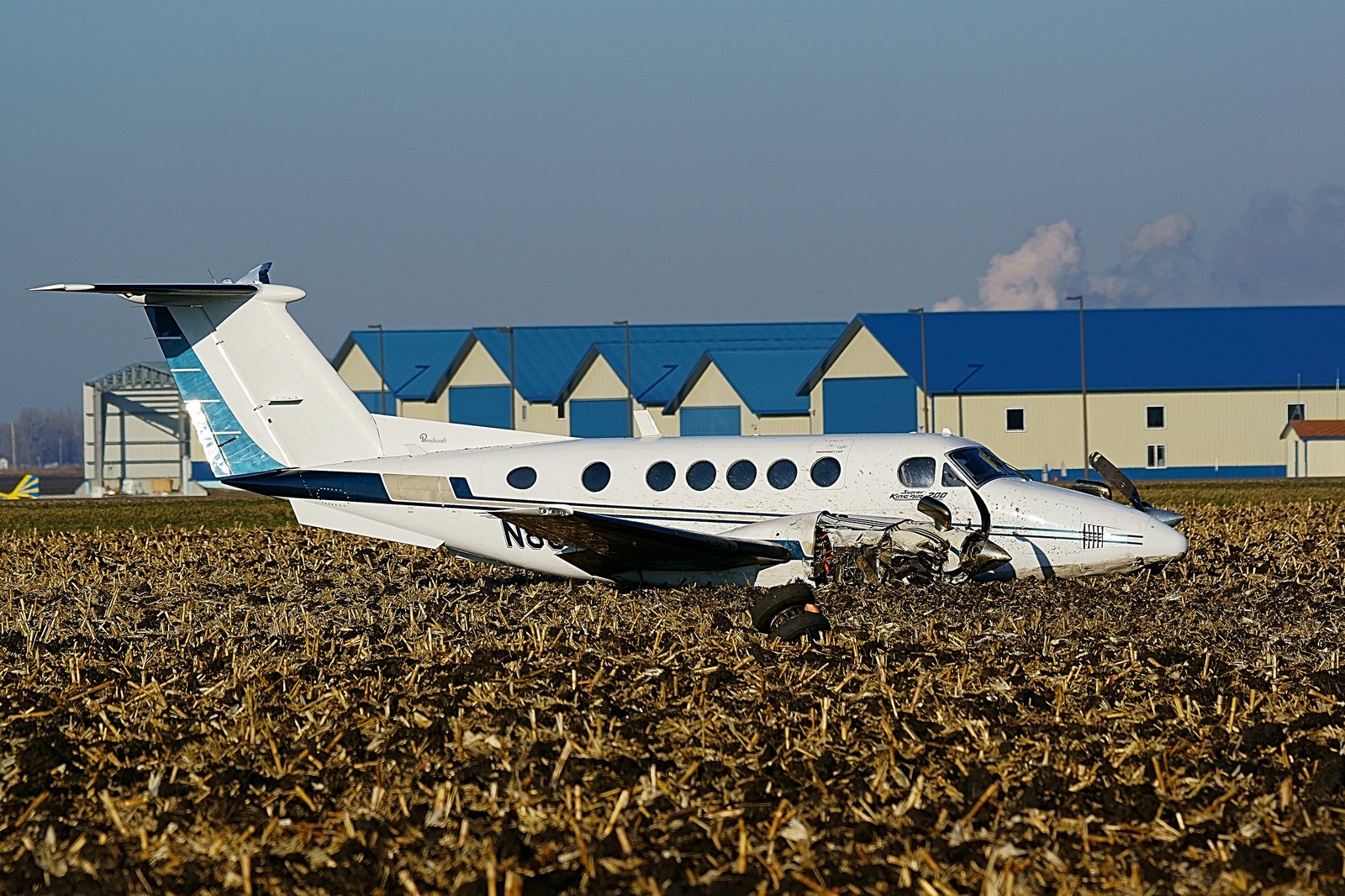
The commercial pilot was conducting an on-demand passenger flight at night in instrument meteorological conditions that were at/near straight-in approach minimums for the runway. The pilot flew the approach as a non precision LNAV approach, and he reported that the approach was stabilized and that he did not notice anything unusual. A few seconds after leveling the airplane at the missed approach altitude, he saw the runway end lights, the strobe lights, and the precision approach path indicator. He then disconnected the autopilot and took his hand off the throttles to turn on the landing lights. However, before he could turn on the landing lights, the runway became obscured by clouds. The pilot immediately decided to conduct a missed approach and applied engine power, but the airplane subsequently impacted terrain short of the runway in a nose-up level attitude. The pilot reported that there were no mechanical anomalies with the airplane that would have precluded normal operation. It is likely the pilot lost sight of the runway due to the visibility being at/near the straight-in approach minimums and that the airplane got too low for a missed approach, which resulted in controlled flight into terrain. A passenger stated that he and the pilot were not wearing available shoulder harnesses. The passenger said that he was not informed that the airplane was equipped with shoulder harnesses or told how to adjust the seats. The pilot sustained injuries to his face in the accident.
Probable cause:
The pilot's failure to attain a positive climb rate during an attempted missed approach in night instrument meteorological conditions that were at/near approach minimums, which resulted in controlled flight into terrain.
Final Report:
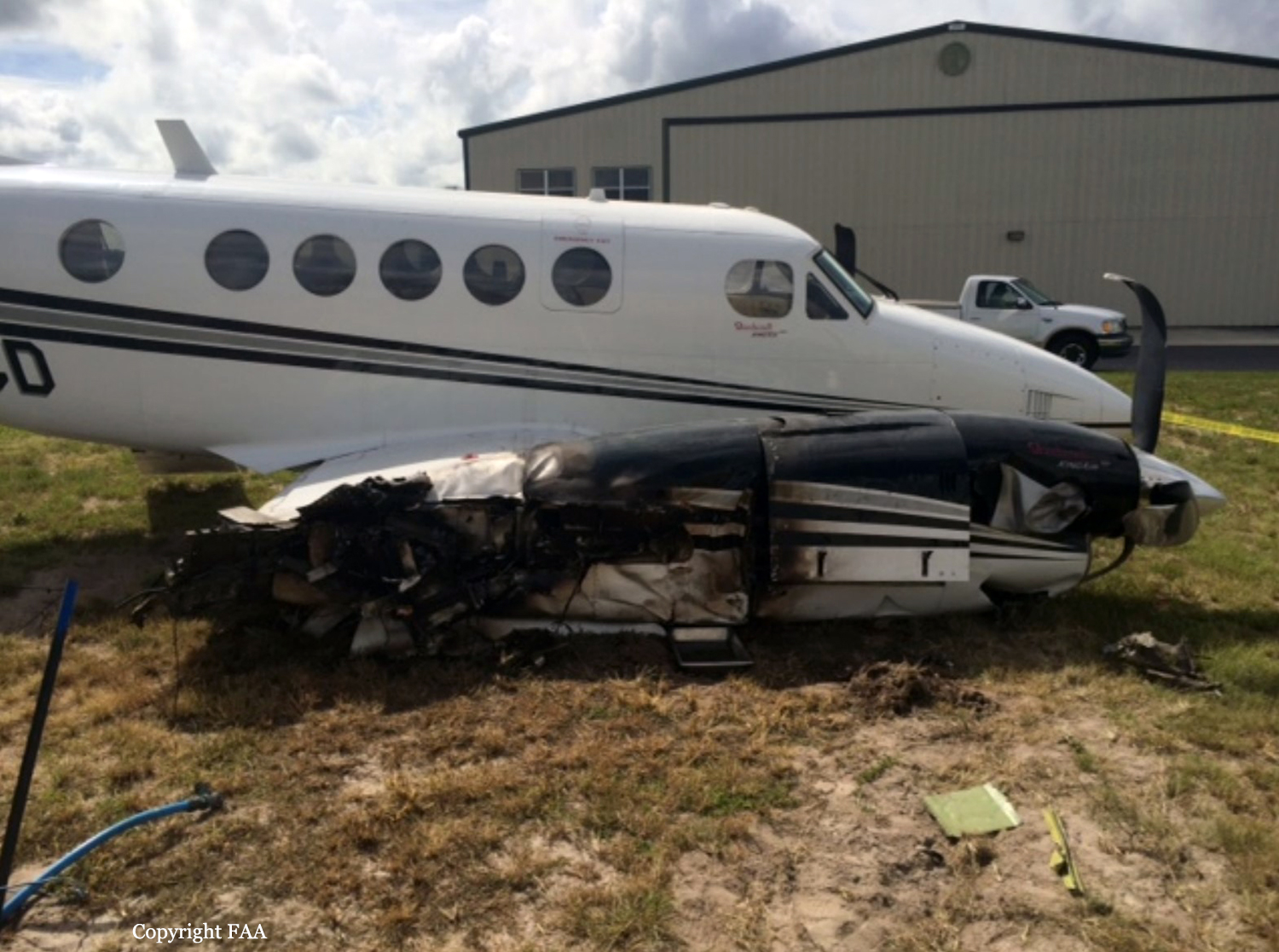
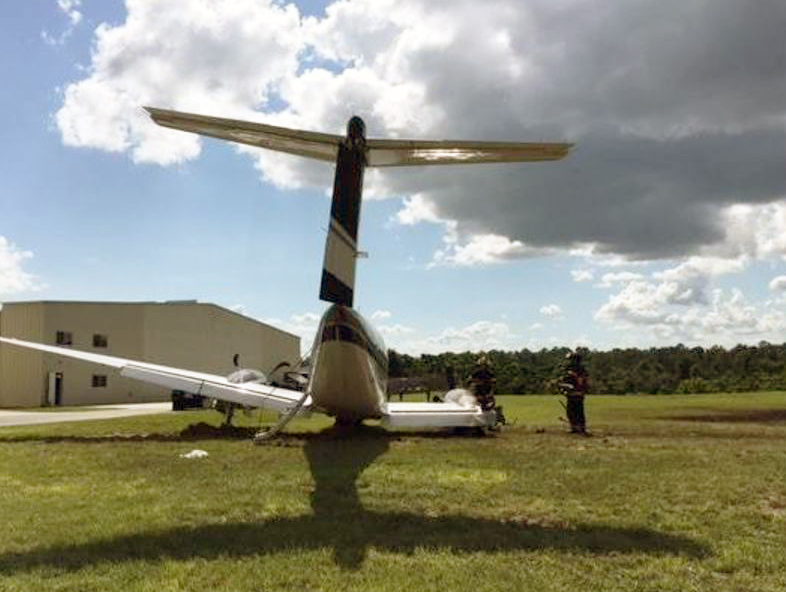
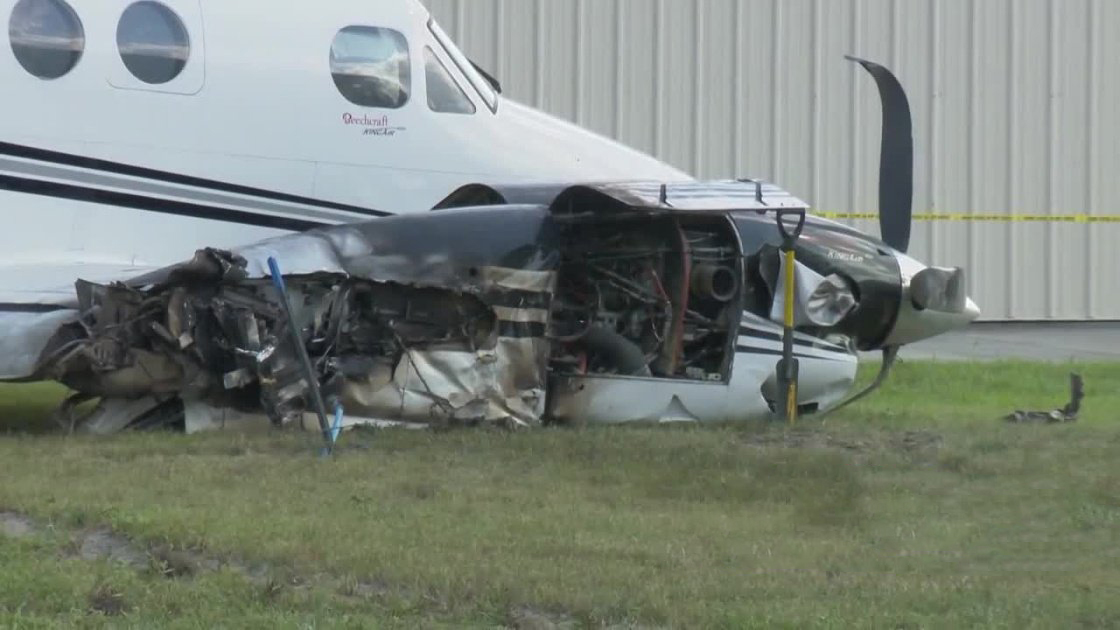
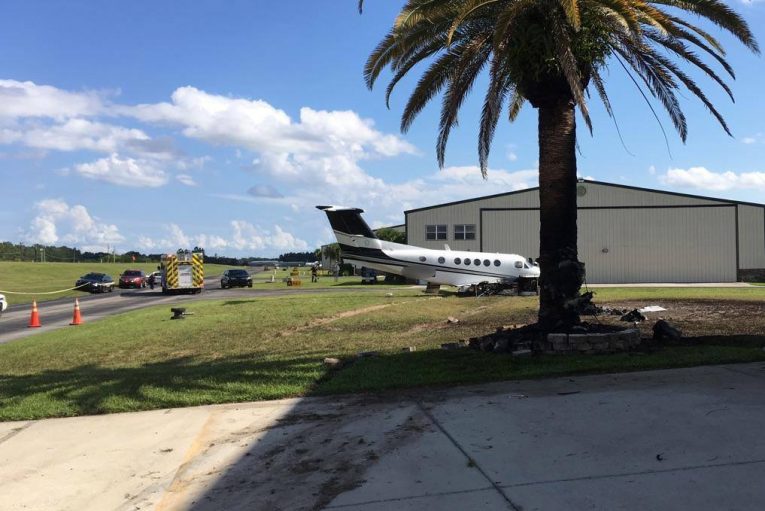
Crash of a Beechcraft 200 Super King Air in Orlando
Date & Time:
Sep 10, 2016 at 1530 LT
Registration:
N369CD
Survivors:
Yes
Schedule:
Marathon – Orlando
MSN:
BB-110
YOM:
1976
Crew on board:
1
Crew fatalities:
Pax on board:
0
Pax fatalities:
Other fatalities:
Total fatalities:
0
Captain / Total hours on type:
50.00
Aircraft flight hours:
10321
Circumstances:
The pilot of a multi-engine turboprop airplane reported that during the landing flare he encountered a crosswind gust, which pushed the airplane to the right of the runway centerline. The pilot further reported that he applied power to abort the landing, but the airplane touched down in the grass to the right of the runway. After the wheels touched down in the grass, he reported that the power added "caught up with the aircraft," but the airplane was rolling toward trees and hangars. Subsequently, the pilot pulled the power to idle, but the right wing impacted a tree and the right main landing gear and nose wheel collapsed. A post-crash fire ensued after the collision and the right wing sustained substantial damage. The pilot reported no preaccident mechanical malfunctions or failures with the airplane that would have precluded normal operation. There was no record of the observed weather at the airport during the accident. An automated weather observing system about 14 nautical miles from the accident airport, near the time of the accident, recorded the wind variable at 5 knots.
Probable cause:
The pilot's failure to maintain directional control during an attempted aborted landing in gusty crosswind conditions, which resulted in a runway excursion and an impact with a tree.
Final Report: