


Country
Operator Image

Crash of a Bae 4101 Jetstream 41 in Columbus: 5 killed
Date & Time:
Jan 7, 1994 at 2321 LT
Operator:
Registration:
N304UE
Survivors:
Yes
Schedule:
Washington DC - Columbus
MSN:
41016
YOM:
1993
Flight number:
UA6291
Crew on board:
3
Crew fatalities:
Pax on board:
5
Pax fatalities:
Other fatalities:
Total fatalities:
5
Captain / Total hours on type:
192.00
Copilot / Total hours on type:
31
Aircraft flight hours:
1069
Aircraft flight cycles:
1000
Circumstances:
The airplane stalled and crashed 1.2 nautical miles east of runway 28L during an ILS approach. The captain initiated the approach at high speed & crossed the FAF at a high speed without first having the airplane properly configured for a stabilized approach. The airspeed was not monitored nor maintained by the flightcrew. The airline had no specified callouts for airspeed deviations during instrument approaches. The captain failed to apply full power & configure the airplane in a timely manner. Both pilots had low flight time and experience in in the airplane and in any EFIS-equipped airplane. Additionally, the captain had low time and experience as a captain. Inadequate consideration was given to the possible consequences of pairing a newly upgraded captain, on a new airplane, with a first officer who had no airline experience in air carrier operations, nor do current FAA regulations address this issue.
Probable cause:
The accident was the consequence of the following factors:
(1) An aerodynamic stall that occurred when the flightcrew allowed the airspeed to decay to stall speed following a very poorly planned and executed approach characterized by an absence
of procedural discipline;
(2) Improper pilot response to the stall warning, including failure to advance the power levers to maximum, and inappropriately raising the flaps;
(3) Flightcrew inexperience in 'glass cockpit' automatic aircraft, aircraft type, and in seat position, a situation exacerbated by a side letter of agreement between the company and its pilots;
(4) The company's failure to provide adequate crew resource management training, and the FAA's failure to require such training;
(5) The company's failure to provide adequate stabilized approach criteria, and the FAA's failure to require such criteria; and
(6) The unavailability of suitable training simulators that precluded fully effective flightcrew training.
Note: Items 1, 2, and 3 were approved by a Board vote of 4-0. Item 5 was adopted 3-1, with the dissenting Member believing the item was a contributory cause. The Board was divided 2-2 on items 4 and 6, two Members believing them causal and two Members, contributory.
(1) An aerodynamic stall that occurred when the flightcrew allowed the airspeed to decay to stall speed following a very poorly planned and executed approach characterized by an absence
of procedural discipline;
(2) Improper pilot response to the stall warning, including failure to advance the power levers to maximum, and inappropriately raising the flaps;
(3) Flightcrew inexperience in 'glass cockpit' automatic aircraft, aircraft type, and in seat position, a situation exacerbated by a side letter of agreement between the company and its pilots;
(4) The company's failure to provide adequate crew resource management training, and the FAA's failure to require such training;
(5) The company's failure to provide adequate stabilized approach criteria, and the FAA's failure to require such criteria; and
(6) The unavailability of suitable training simulators that precluded fully effective flightcrew training.
Note: Items 1, 2, and 3 were approved by a Board vote of 4-0. Item 5 was adopted 3-1, with the dissenting Member believing the item was a contributory cause. The Board was divided 2-2 on items 4 and 6, two Members believing them causal and two Members, contributory.
Final Report:
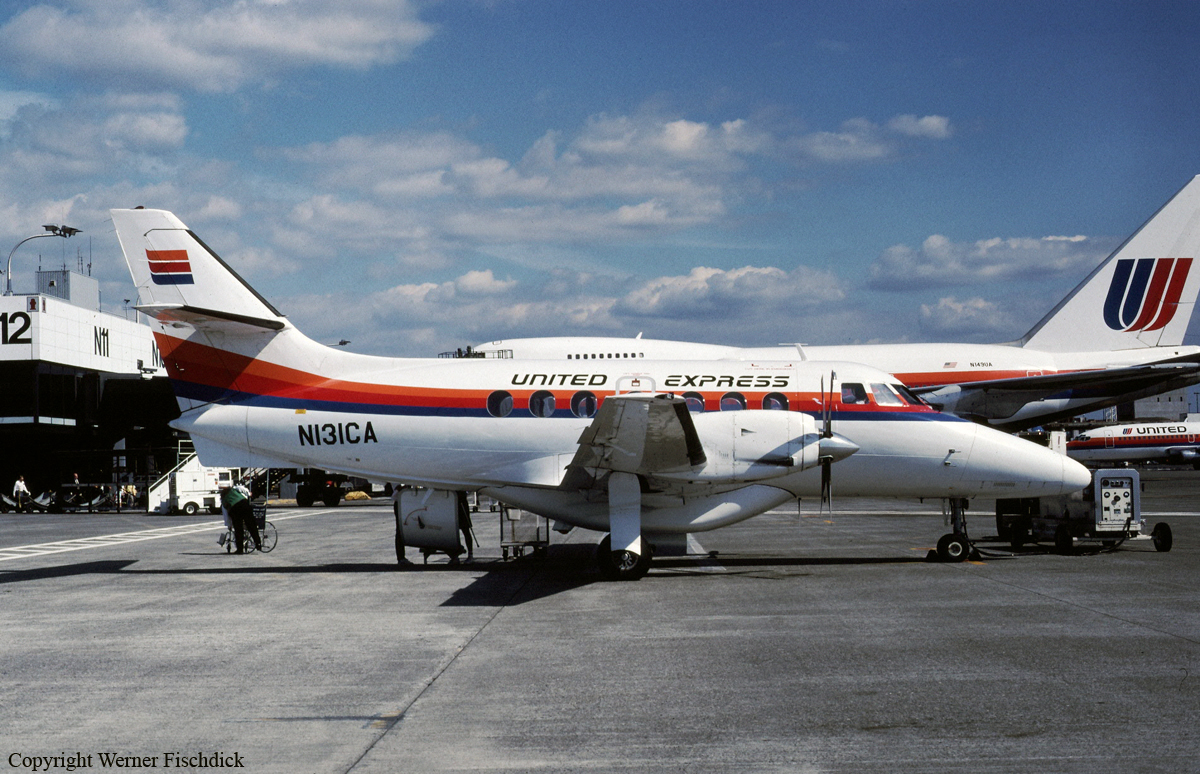
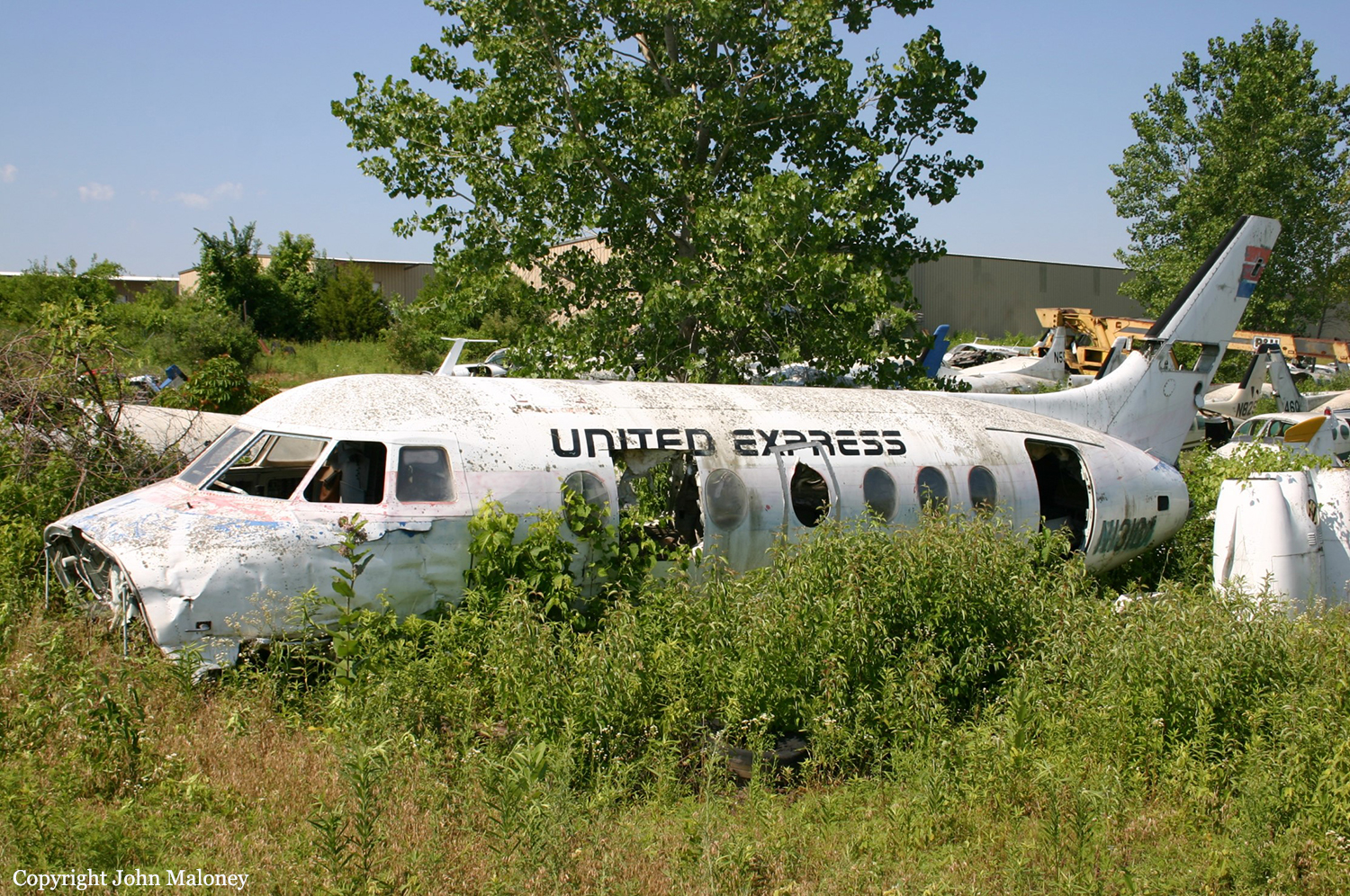
Crash of a BAe 3101 Jetstream 31 in Merced
Date & Time:
Apr 19, 1993 at 2320 LT
Operator:
Registration:
N131CA
Survivors:
Yes
Schedule:
Merced - Merced
MSN:
787
YOM:
1987
Crew on board:
3
Crew fatalities:
Pax on board:
0
Pax fatalities:
Other fatalities:
Total fatalities:
0
Captain / Total hours on type:
600.00
Copilot / Total hours on type:
3925
Aircraft flight hours:
8873
Circumstances:
The company chief pilot/check pilot was giving a check flight to a company first officer (f/o). An FAA inspector was aboard to observe the check pilot's ability to give proficiency check flights. Soon after liftoff on the 2nd takeoff, the check pilot simulated an engine failure. The f/o, who was wearing a vision limiting device, allowed the airplane to drift to the left, but the FAA inspector noted that the f/o successfully regained directional control. The inspector then looked away from the cockpit, and when he looked back, the airplane was descending. Moments later, it collided with the ground. The FAA inspector reported that the check pilot was looking to the left, outside of the aircraft, and did not have his hand near the power quadrant. Review of the CVR tape revealed that, from the time the f/o was given the simulated left engine failure until impact, the check pilot did not say anything to the f/o. No maintenance discrepancy or material deficiency was noted during the investigation. The f/o had 3925 hours in this make/model of aircraft.
Probable cause:
The first officer's failure to maintain an adequate rate of climb after a single-engine loss of power was simulated, and the company check pilot's inadequate supervision and failure to note the descent. Darkness was a related factor.
Final Report:
Crash of a BAe 3101 Jetstream 31 in Pasco: 6 killed
Date & Time:
Dec 26, 1989 at 2230 LT
Operator:
Registration:
N410UE
Survivors:
No
Schedule:
Spokane – Yakima – Pasco
MSN:
776
YOM:
1987
Flight number:
UA2415
Crew on board:
2
Crew fatalities:
Pax on board:
4
Pax fatalities:
Other fatalities:
Total fatalities:
6
Captain / Total hours on type:
670.00
Copilot / Total hours on type:
213
Aircraft flight hours:
4972
Aircraft flight cycles:
7168
Circumstances:
During arrival for an ILS runway 21R approach, the aircraft encountered icing conditions for about 9-1/2 minutes. As the aircraft was vectored for the approach, the Seattle ARTCC controller used an expanded radar range and did not provide precise positioning of the aircraft to the final approach course. The flight crew attempted to continue on a steep, unstabilized approach for a landing. Recorded radar data showed that the aircraft was well to the right of the ILS course line and well above the glide slope as it passed the outer marker/final approach fix (faf). It did not intercept the localizer course until it was about 1.5 mile inside the faf. Also, it was still well above the ILS glide slope were recorded altitude data was lost when the aircraft was abt 2.5 miles from the airport. The tower had closed, but the controller saw the aircraft in a higher than normal rate of descent in a wings level attitude. Before reaching the runway, the aircraft nosed over and crashed in a steep descent. There was evidence that ice had accumulated on the airframe, including the horizontal stabilizers, which may have resulted in a tail plane stall. All six occupants were killed.
Probable cause:
The flightcrew's decision to continue an unstabilized instrument landing system (ILS) approach that led to a stall, most likely of the horizontal stabilizer, and loss of control at low altitude. Contributing to the accident was the air traffic controller's improper vectors that positioned the airplane inside the outer marker while it was still well above the glideslope. Contributing to the stall and loss of control was the accumulation of airframe ice that degraded the aerodynamic performance of the airplane.
Final Report:

