Country
code

Special Region of Papua

Crash of a Cessna 208 Caravan I near Oksibil: 1 killed

Date & Time: Apr 12, 2017 at 1240 LT
Type of aircraft:
Operator:
Registration:
PK-FSO
Flight Phase:
Flight Type:
Survivors:
No
Site:
Schedule:
Tanah Merah – Oksibil
MSN:
208-0313
YOM:
1999
Country:
Region:
Crew on board:
1
Crew fatalities:
Pax on board:
0
Pax fatalities:
Other fatalities:
Total fatalities:
1
Captain / Total flying hours:
4236
Captain / Total hours on type:
2552.00
Aircraft flight hours:
6226
Aircraft flight cycles:
9371
Circumstances:
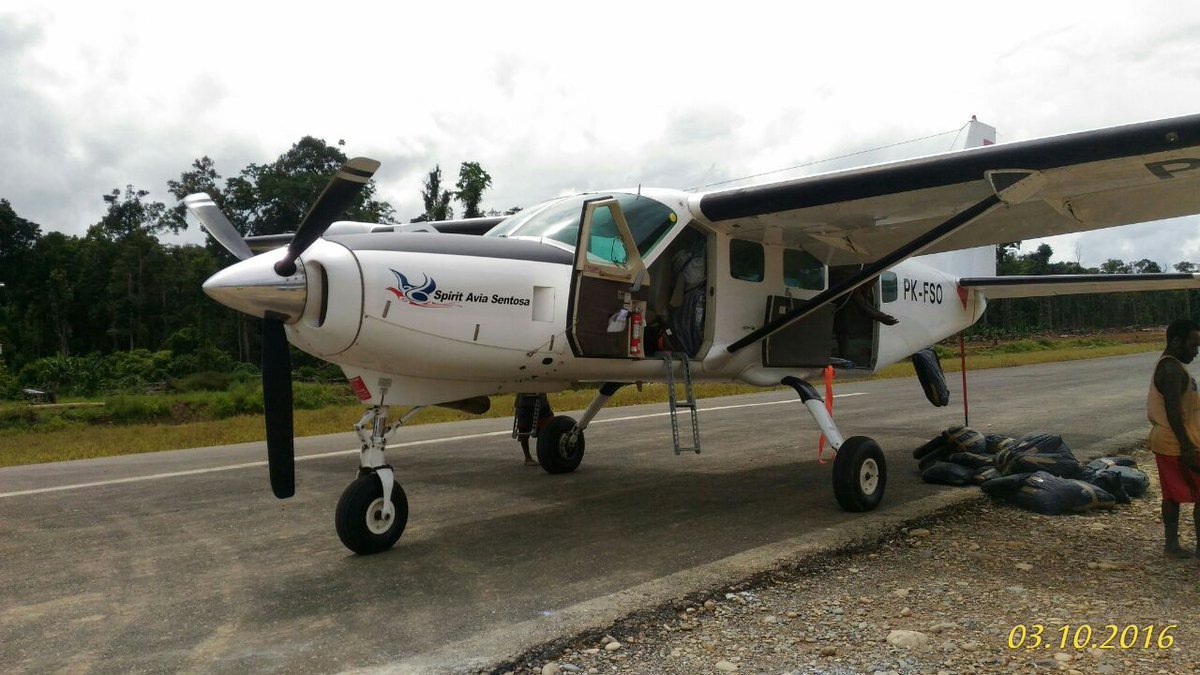
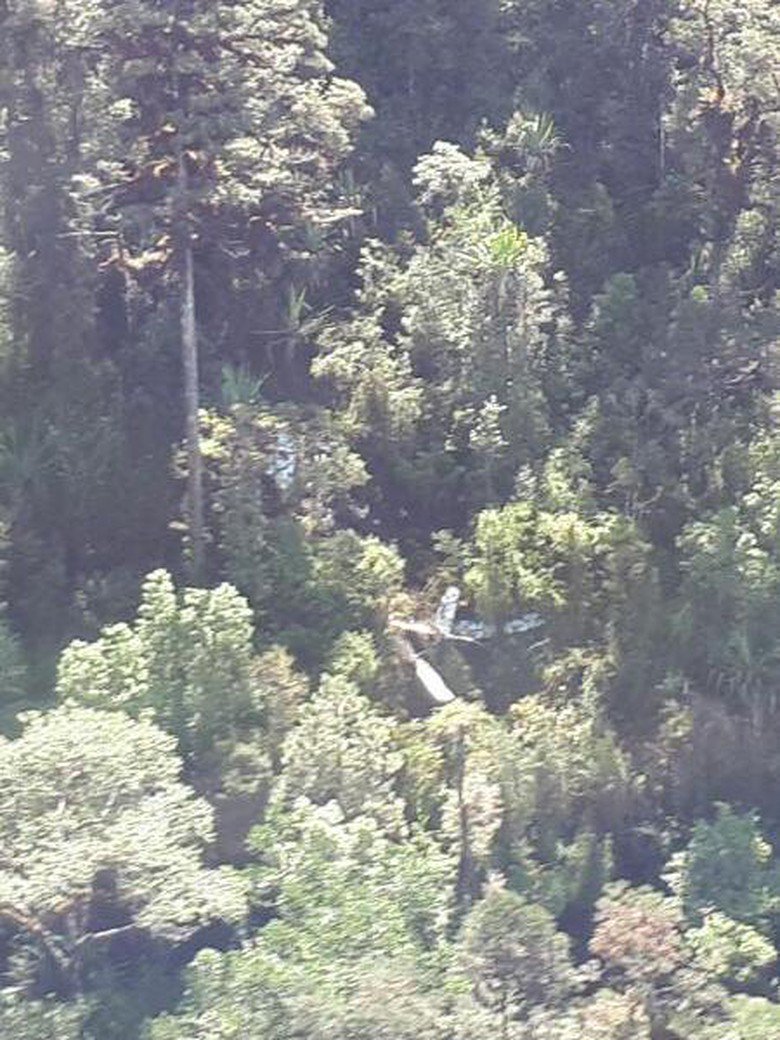
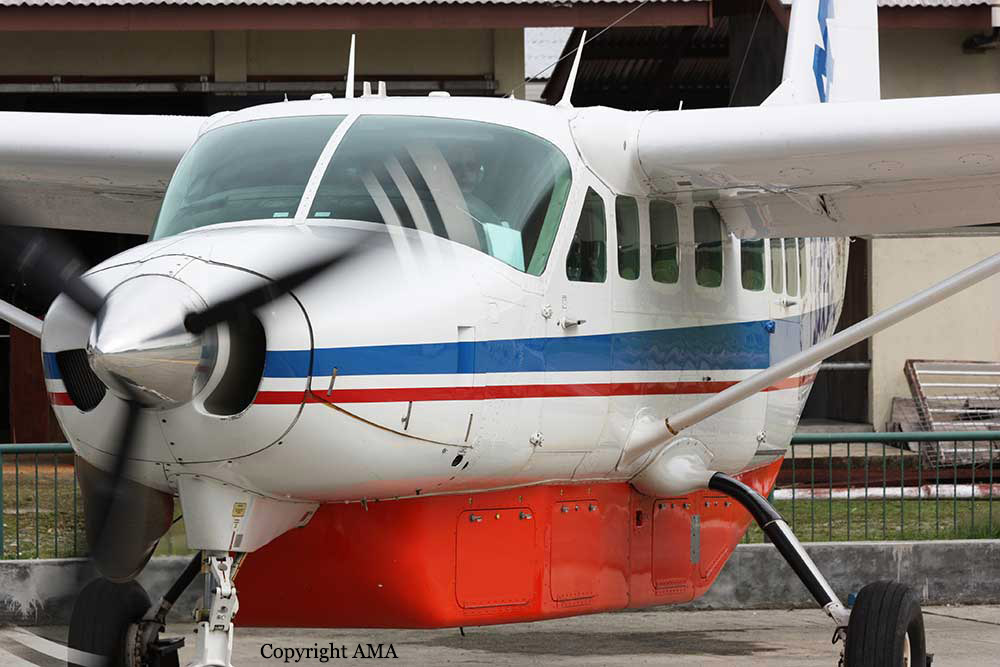
On 12 April 2017, a Cessna C208 aircraft registered PK-FSO was being operated by PT. Spirit Avia Sentosa (FlyingSAS) for unscheduled cargo flight. The flights of the day scheduled for the aircraft were Mopah Airport (WAKK) – Tanah Merah Airport (WAKT) – Oksibil Airport (WAJO) – Tanah Merah – Oksibil – Tanah Merah. The estimated time departure of first flight from Mopah Airport to Tanah Merah was 0800 LT and the flight departed at 0848 LT, on board the aircraft were two pilots and seven passengers. The aircraft arrived in Tanah Merah at about 0943 LT. At 1012 LT, the flight departed from Tanah Merah to Oksibil. About 10 Nm from Oksibil the pilot contacted the Oksibil tower controller to get air traffic services and landed at 1044 LT. The flight then departed from Oksibil to Tanah Merah at 1058 LT and arrived about 1126 LT. These flights were single pilot operation. At 1144 LT on daylight condition, the aircraft departed Tanah Merah with intended cruising altitude of 7,000 feet. Prior to departure, there was no report or record of aircraft system malfunction. On board the aircraft was one pilot, 1,225 kg of general cargo and 800 pounds of fuel which was sufficient for about 3 hours of flight time. After departure, the pilot advised Tanah Merah tower controller of the estimate time arrival at Oksibil would be 1224 LT. At 1149 LT, the pilot advised Tanah Merah tower controller that the aircraft position was about 10 Nm from Tanah Merah and passing altitude of 3,500 feet. The Tanah Merah tower controller acknowledged the message and advised the pilot to monitor radio communication on frequency 122.7 MHz for traffic monitoring. At about 29 Nm from Oksibil, the PK-FSO aircraft passed a Cessna 208B aircraft which was flying on opposite direction from Oksibil to Tanah Merah at altitude 6,000 feet. At this time, the aircraft ground speed recorded on the flight following system was about 164 knots. The Cessna 208B pilot advised to the pilot on radio frequency 122.7 MHz that the PK-FSO aircraft was in sight. The pilot responded that the aircraft was maintaining 7,000 feet on direct route to Oksibil. At 1230 LT, the Oksibil tower controller received phone call from the FlyingSAS officer at Jakarta which confirming whether the PK-FSO aircraft has landed on Oksibil. The Oksibil tower controller responded that there was no communication with the PK-FSO pilot. The Oksibil tower controller did not receive the flight plan for the second flight of the PK-FSO flight. Afterwards, the Oksibil tower controller called Tanah Merah tower controller confirming the PK-FSO flight and was informed that PK-FSO departed Tanah Merah to Oksibil at 1144 LT and the reported estimate time of arrival Oksibil was 1224 LT. At 1240 LT, the Oksibil tower controller received another phone call from the FlyingSAS officer at Jakarta which informed that the FlyingSAS flight following system received SOS signal (emergency signal) from PK-FSO aircraft and the last position recorded was on coordinate 04°48’47.7” S; 140°39’31.7” E which located approximately 6 Nm north of Oksibil. Afterwards, the Oksibil air traffic controller advised the occurrence to the Search and Rescue Agency. On 13 April 2017, at 0711 LT, the PK-FSO aircraft was found on ridge of Anem Mountain which located about 7 Nm north of Oksibil. The following figure showed the illustration of the aircraft track plotted on the Google earth refer to the known coordinates of Tanah Merah, Oksibil and the crash site.
Probable cause:
The possibility of the pilot being fatigue, physical and environment condition increased pilot sleepiness which might have made the pilot inadvertently falling asleep indicated by no pilot activity. The absence of GA-EGPWS aural alert and warning was unable to wake up the pilot.
Final Report:
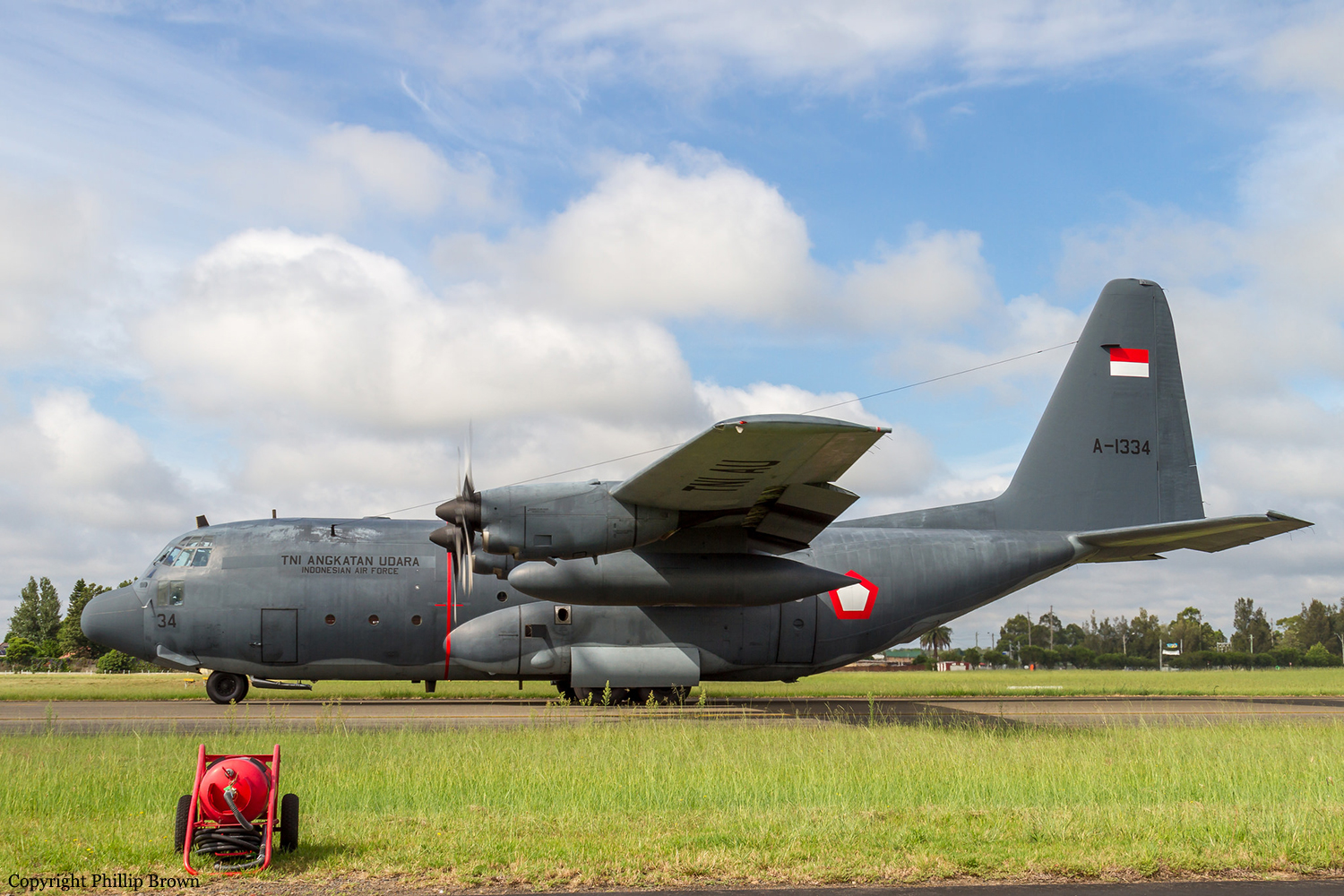
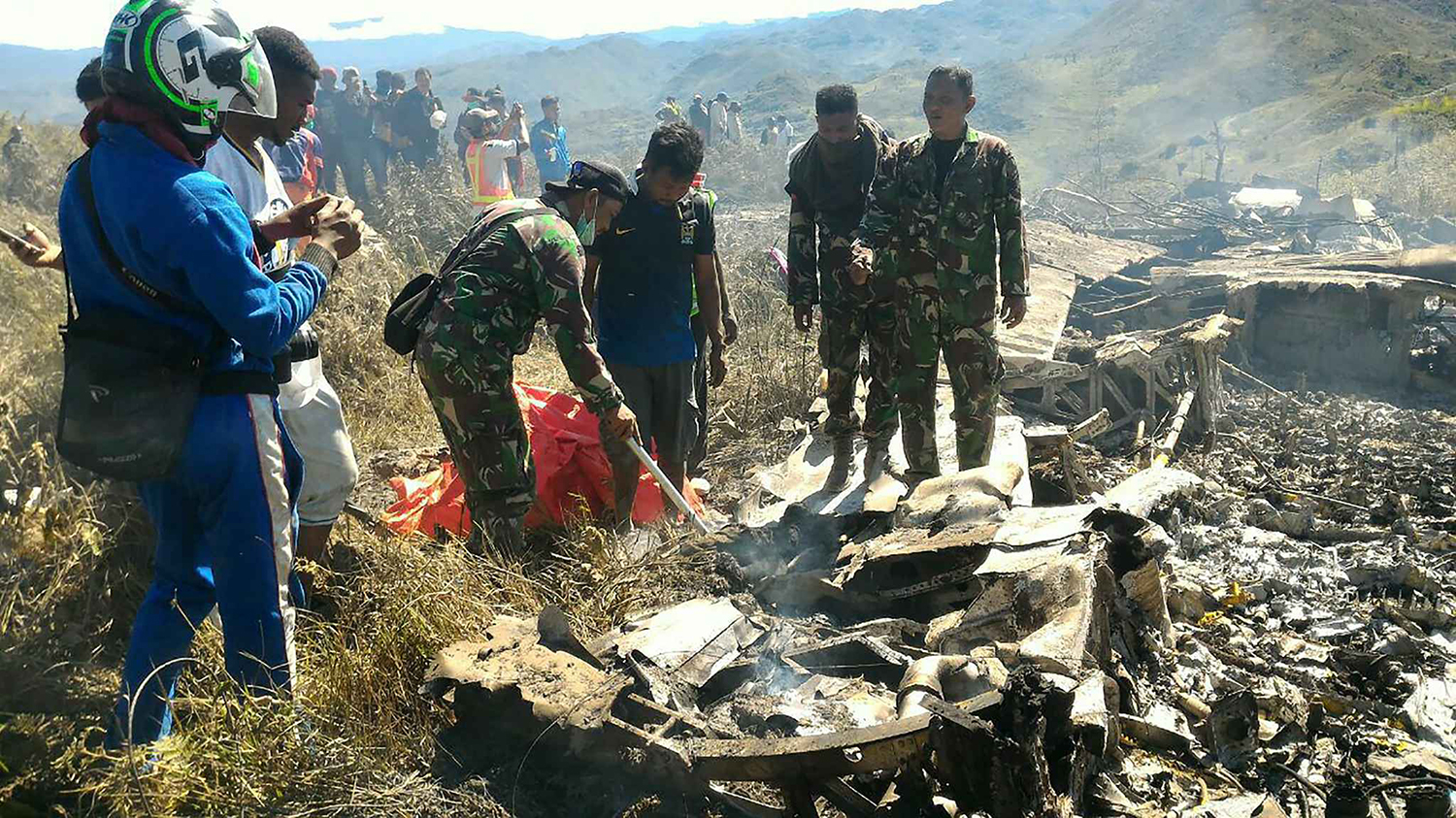
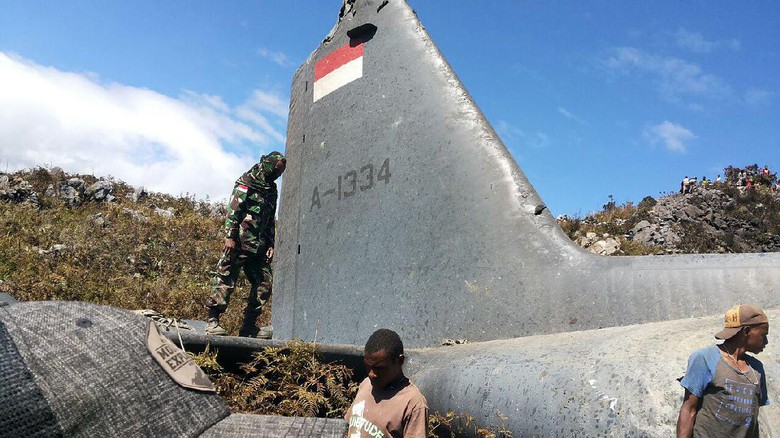
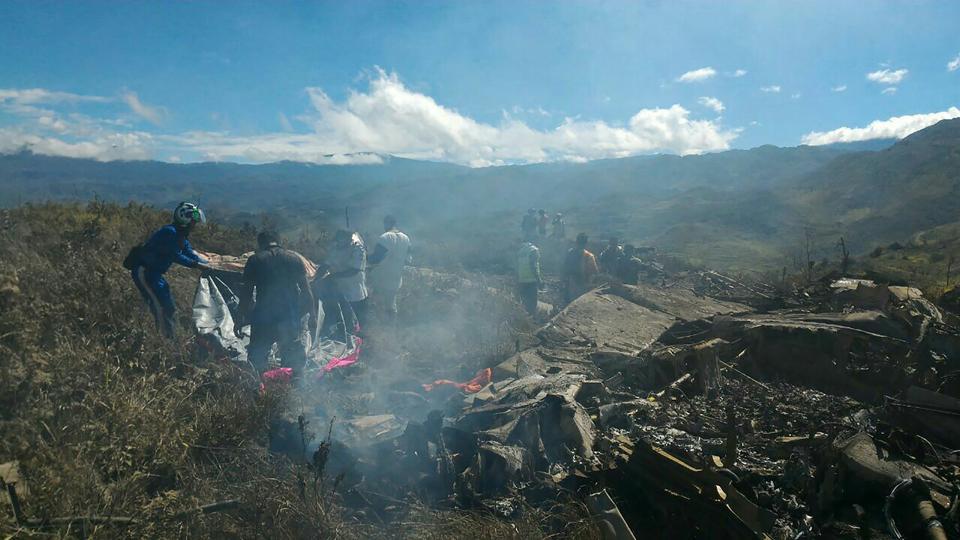
Crash of a Lockheed C-130H Hercules in Wamena: 13 killed

Date & Time: Dec 18, 2016 at 0609 LT
Type of aircraft:
Operator:
Registration:
A-1334
Flight Type:
Survivors:
No
Site:
Schedule:
Timika – Wamena
MSN:
4785
YOM:
1978
Country:
Region:
Crew on board:
12
Crew fatalities:
Pax on board:
1
Pax fatalities:
Other fatalities:
Total fatalities:
13
Circumstances:
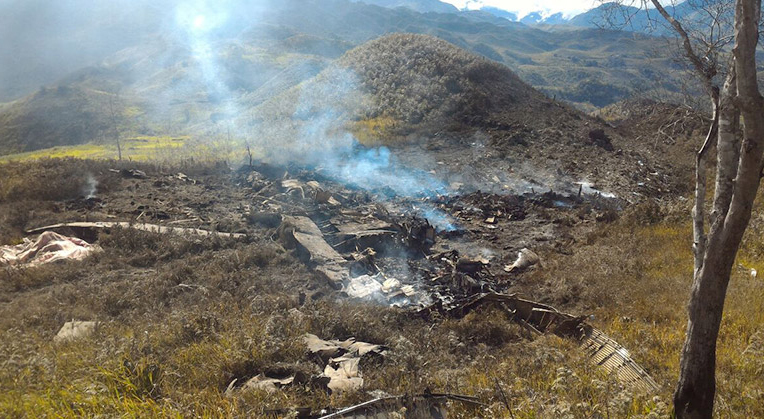
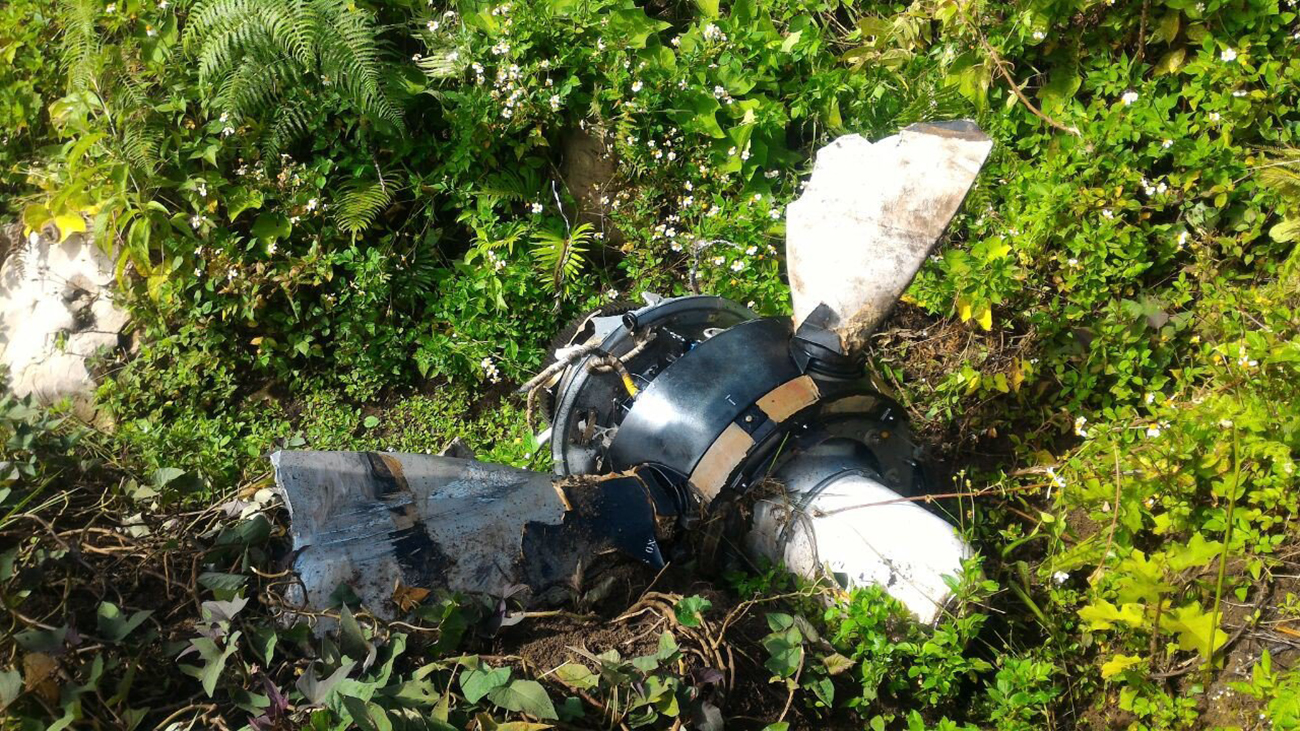
The four engine aircraft departed Timika-Moses Kilangin Airport at 0535LT bound for Wamena. While approaching Wamena, the crew encountered marginal weather conditions and the aircraft descended through several cloud layers when it impaxted a hilly terrain about four minutes before ETA at 0613LT. The aircraft was destroyed by impact forces and a post crash fire and all 13 occupants were killed. The wreckage was found less than 2 km southeast from runway 33 threshold.

Crash of a Boeing 737-347 in Wamena

Date & Time: Sep 13, 2016 at 0733 LT
Type of aircraft:
Operator:
Registration:
PK-YSY
Flight Type:
Survivors:
Yes
Schedule:
Jayapura – Wamena
MSN:
23597/1287
YOM:
1986
Flight number:
TGN7321
Country:
Region:
Crew on board:
3
Crew fatalities:
Pax on board:
0
Pax fatalities:
Other fatalities:
Total fatalities:
0
Captain / Total flying hours:
23823
Captain / Total hours on type:
9627.00
Copilot / Total flying hours:
650
Copilot / Total hours on type:
480
Aircraft flight hours:
59420
Aircraft flight cycles:
48637
Circumstances:
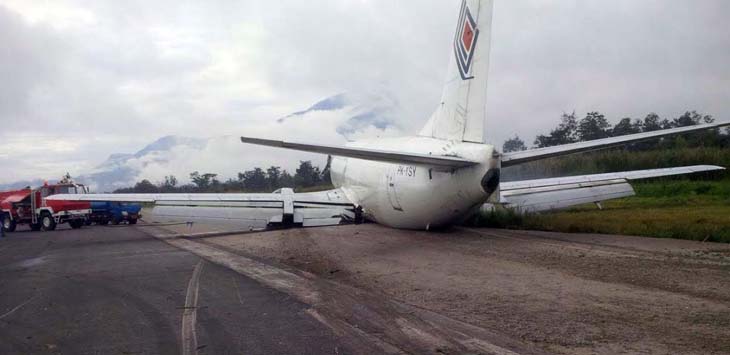
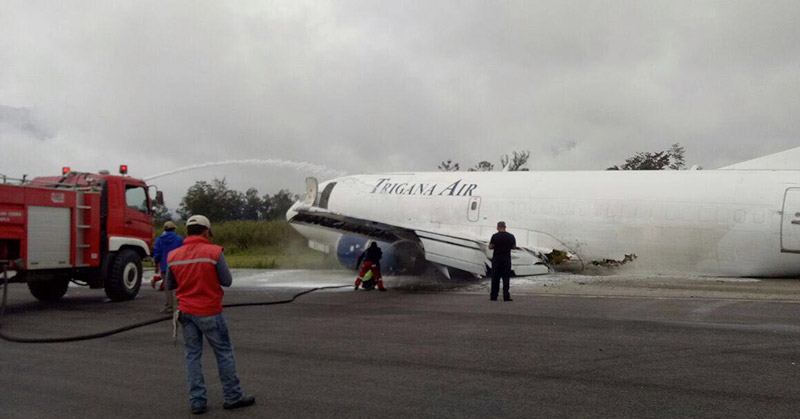
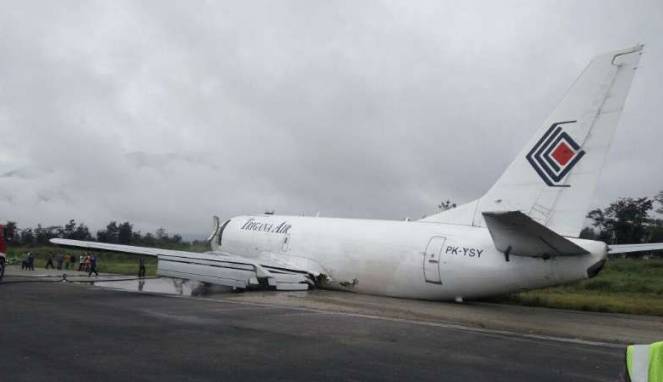
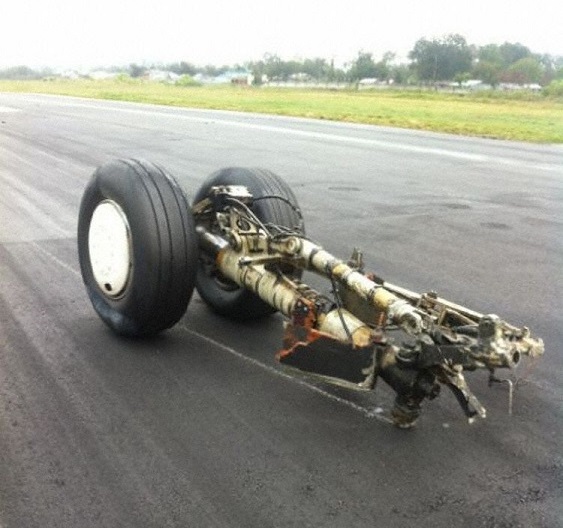
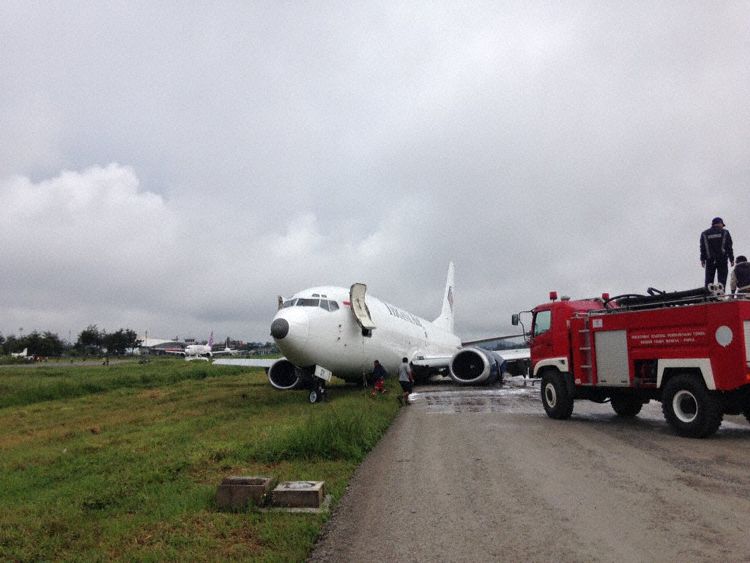
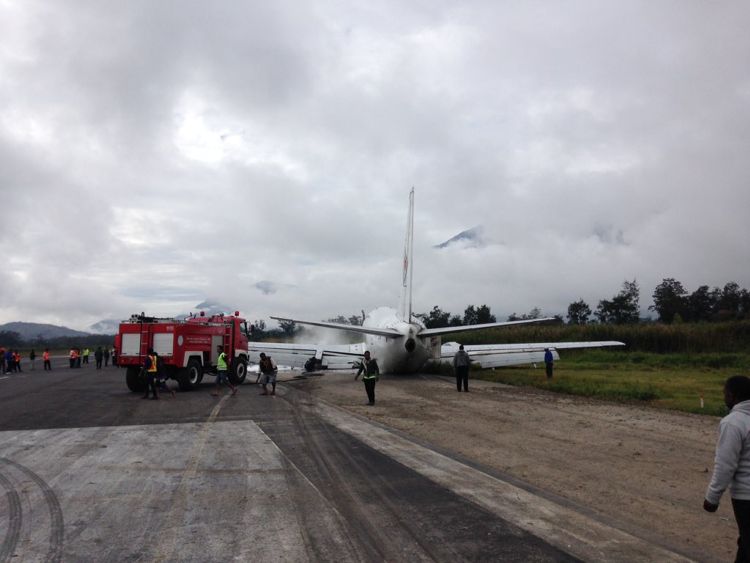
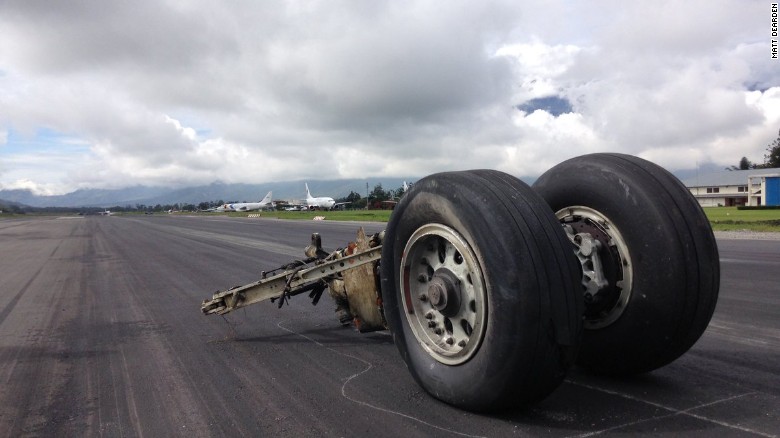
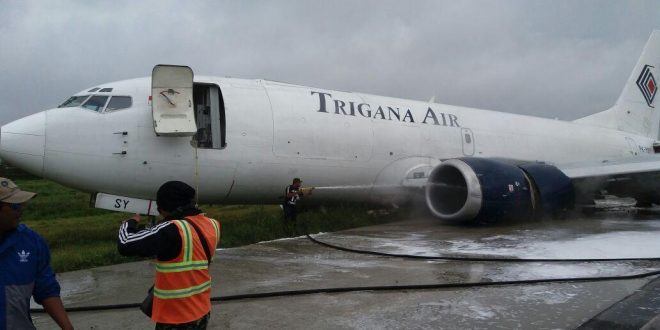
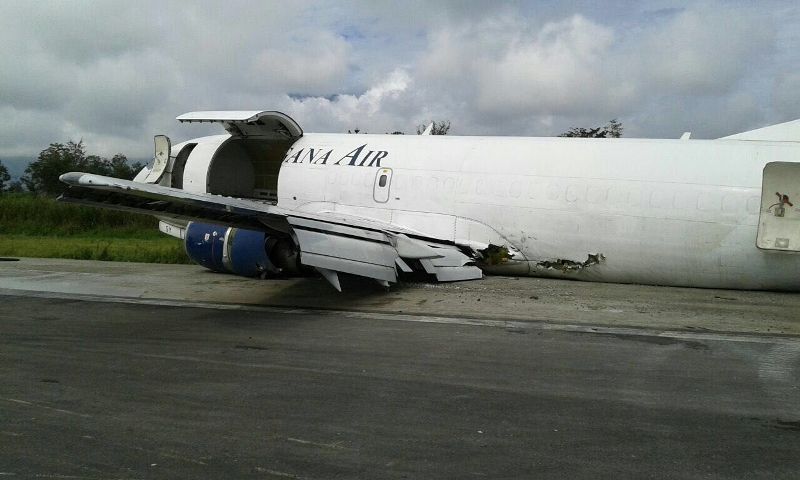
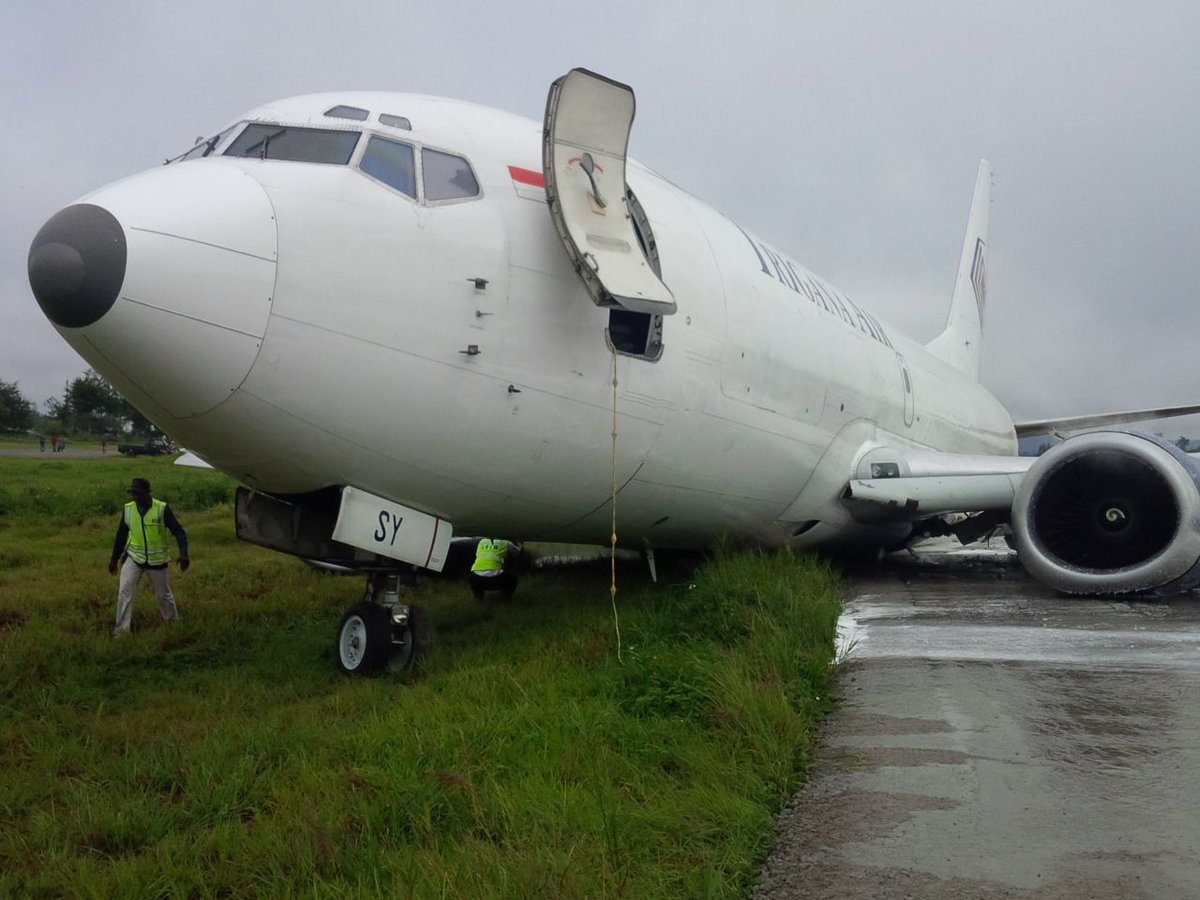
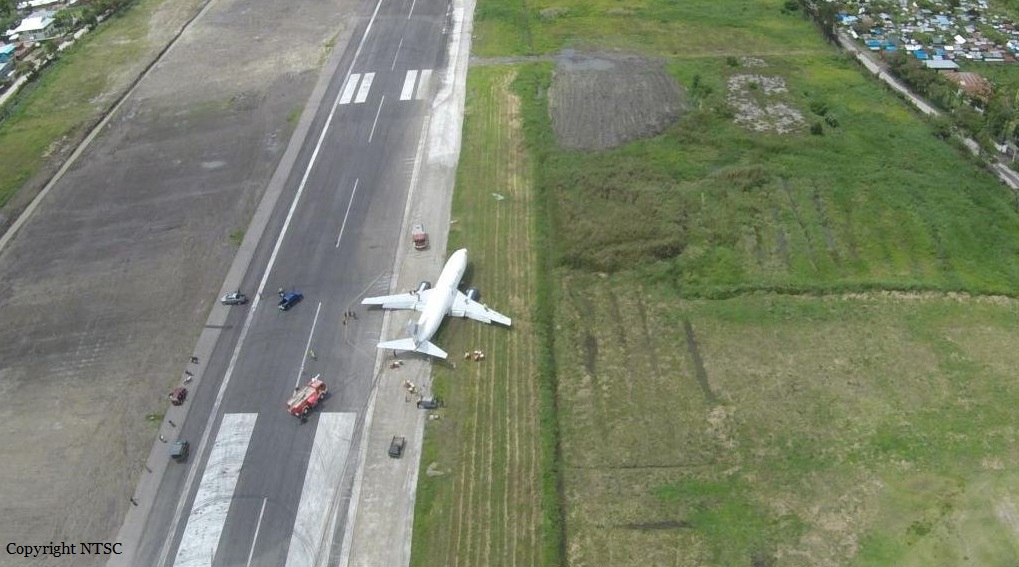
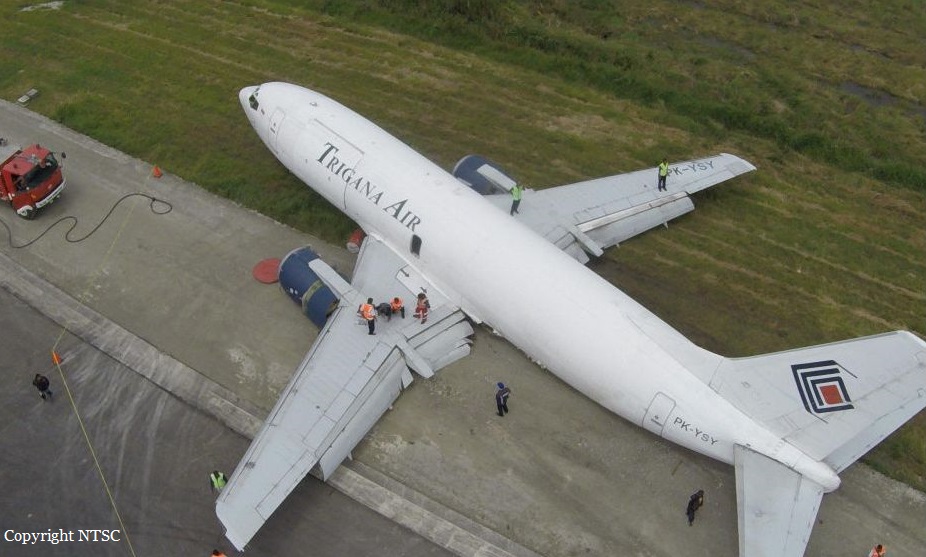
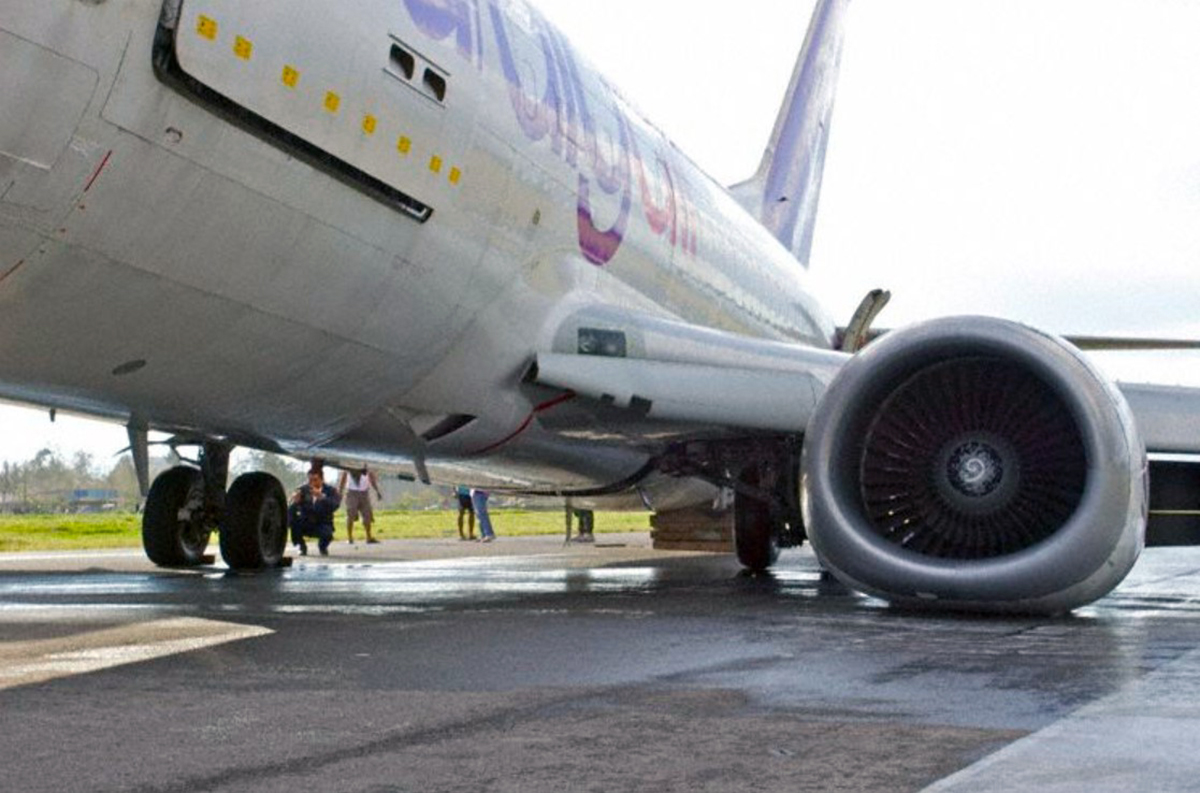
On 13 September 2016, a Boeing 737-300 Freighter, registered PK-YSY was being operated by PT. Trigana Air Service on a scheduled cargo flight from Sentani Airport, Jayapura (WAJJ) to Wamena Airport, Wamena (WAVV), Papua, Indonesia. Approximately 2130 UTC, during the flight preparation, the pilot received weather information which stated that on the right base runway 15 of Wamena Airport, on the area of Mount Pikei, low cloud was observed with the cloud base was increasing from 200 to 1000 feet and the visibility was 3 km. At 2145 UTC, the aircraft departed Sentani Airport with flight number IL 7321 and cruised at altitude 18,000 feet. On board the aircraft was two pilots and one Flight Operation Officer (FOO) acted as loadmaster. The aircraft carried 14,913 kg of cargo. The Pilot in Command (PIC) acted as Pilot Flying (PF) while the Second in Command (SIC) acted as Pilot Monitoring (PM). There was no reported or recorded aircraft system abnormality during the flight until the time of occurrence. After passing point MALIO, the aircraft started to descend. The pilot observed the weather met the criteria of Visual Meteorological Condition (VMC). The pilots able to identify another Trigana flight from Sentani to Wamena in front of them. While passing altitude 13,500 feet, approximately over PASS VALLEY, the Wamena Tower controller instructed the pilot to report position over JIWIKA. When the aircraft position was over point JIWIKA, the Wamena Tower controller informed to the pilot that the flight was on sequence number three for landing and instructed the pilot to make orbit over point X, which located at 8 Nm from runway 15. The pilot made two orbits over Point X to make adequate separation with the aircraft ahead prior to received approach clearance. About 7,000 feet (about 2,000 feet above airport elevation), the pilot could not identify visual checkpoint mount PIKEI and attempted to identify a church which was a check point of right base runway 15. The pilot felt that the aircraft position was on right side of runway centerline. About 6,200 feet (about 1,000 feet above airport elevation), the PF reduced the rate of descend and continued the approach. The PM informed to the PF that runway was not in sight and advised to go around. The PF was confident that the aircraft could be landed safely as the aircraft ahead had landed. Approximately 5,600 feet altitude (about 500 feet above airport elevation) and about 2 Nm from runway threshold the PF was able to see the runway and increased the rate of descend. The pilot noticed that the Enhanced Ground Proximity Warning System (EGPWS) aural warning “SINK RATE” active and the PF reduced the rate of descend. While the aircraft passing threshold, the pilot felt the aircraft sunk and touched down at approximately 125 meters from the beginning runway 15. The Flight Data Recorder recorded the vertical acceleration was 3.25 g on touchdown at 2230 UTC. Both of main landings gear collapsed. The left main landing gear detached and found on runway. The engine and lower fuselage contacted to the runway surface. The aircraft veer to the right and stopped approximately 1,890 meters from the beginning of the runway 15. No one was injured on this occurrence and the aircraft had substantially damage. Both pilots and the load master evacuated the aircraft via the forward left main cargo door used a rope.
Probable cause:
Refer to the previous aircraft that was landed safely, the pilot confidence that a safe landing could be made and disregarding several conditions required for go around.
Final Report:
Crash of a Cessna 208B Grand Caravan EX in Lolat

Date & Time: Jun 14, 2016 at 0758 LT
Type of aircraft:
Operator:
Registration:
PK-RCK
Flight Type:
Survivors:
Yes
Schedule:
Wamena – Lolat
MSN:
208B-5149
YOM:
2014
Country:
Region:
Crew on board:
1
Crew fatalities:
Pax on board:
2
Pax fatalities:
Other fatalities:
Total fatalities:
0
Aircraft flight hours:
53
Circumstances:
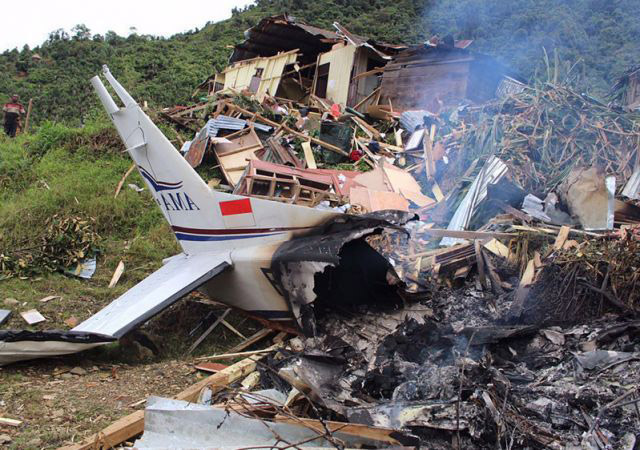
The single engine airplane departed Wamena Airport at 0739LT on a cargo flight to Lolat, carrying two passengers, one pilot and a load of building materials for a total weight of 1,190 kilos. On short final to Lolat Airfield, the aircraft impacted the roof of a wooded house and crashed, bursting into flames. All three occupants of the airplane evacuated safely while three people in the house were injured. The aircraft was totally destroyed by a post crash fire.

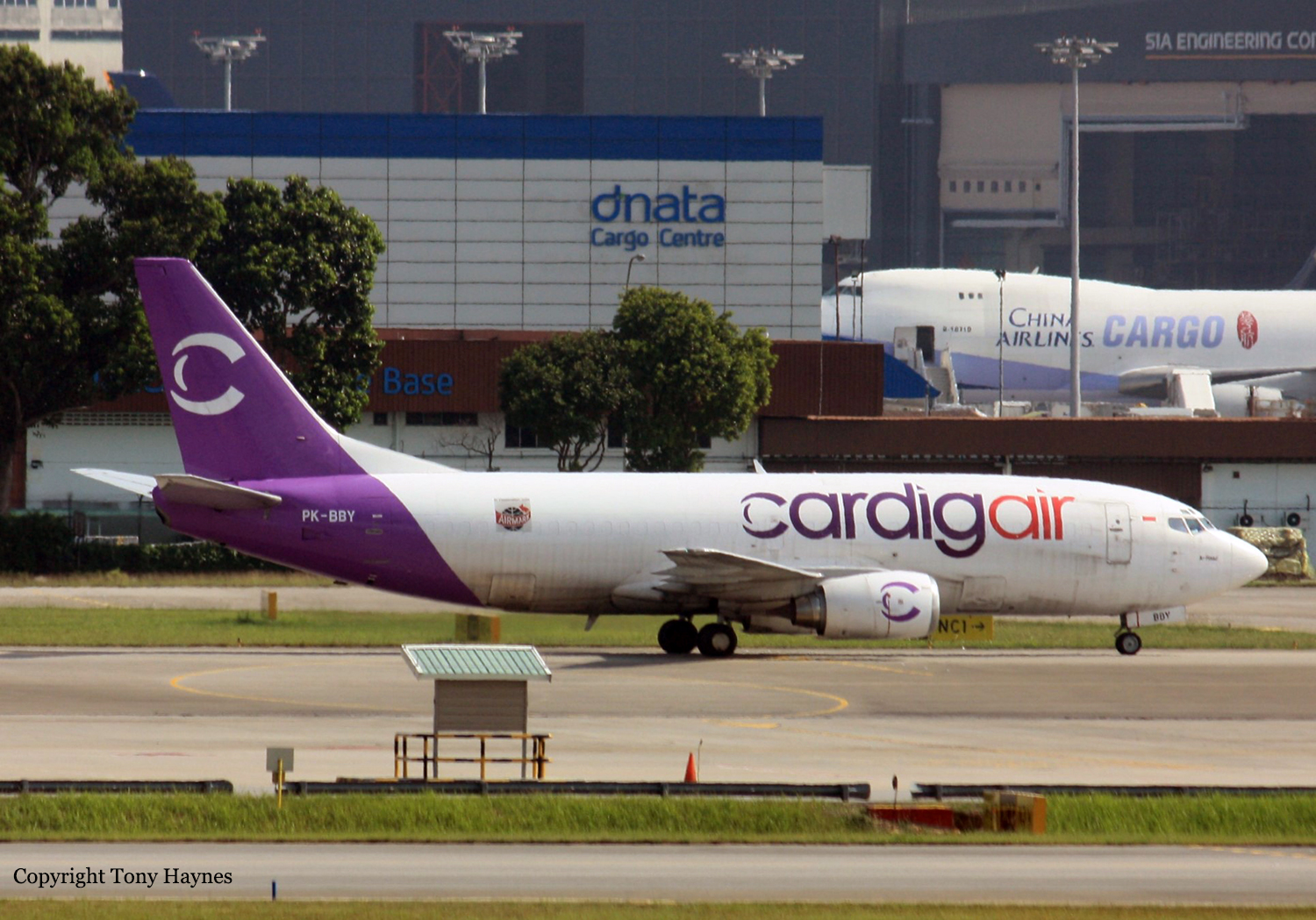
Crash of a Boeing 737-3Q8 in Wamena

Date & Time: Aug 28, 2015 at 1547 LT
Type of aircraft:
Operator:
Registration:
PK-BBY
Flight Type:
Survivors:
Yes
Schedule:
Jayapura – Wamena
MSN:
23535/1301
YOM:
1986
Flight number:
8F189
Country:
Region:
Crew on board:
2
Crew fatalities:
Pax on board:
0
Pax fatalities:
Other fatalities:
Total fatalities:
0
Captain / Total flying hours:
13880
Captain / Total hours on type:
4877.00
Copilot / Total flying hours:
608
Copilot / Total hours on type:
342
Aircraft flight hours:
54254
Aircraft flight cycles:
38422
Circumstances:
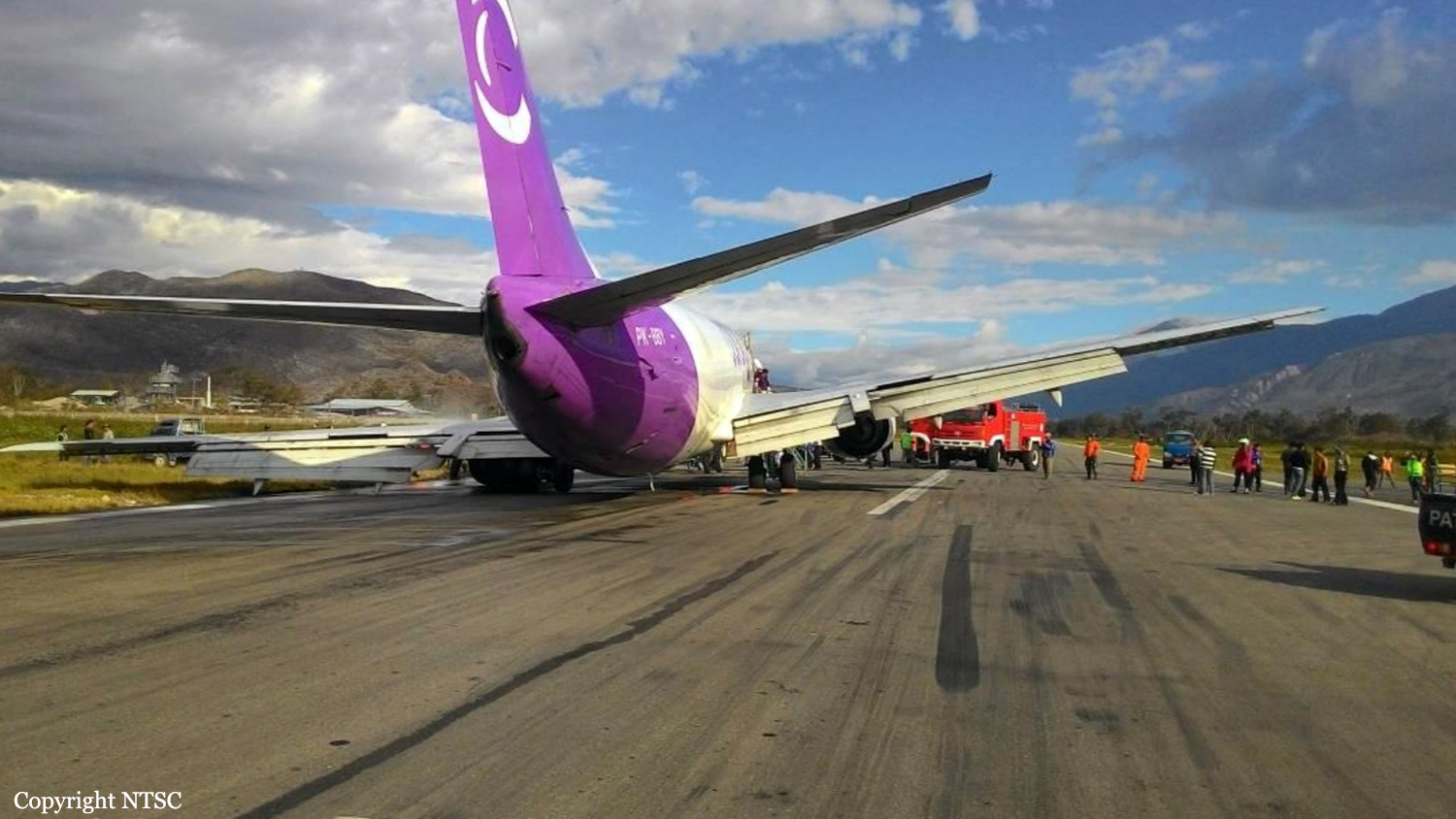
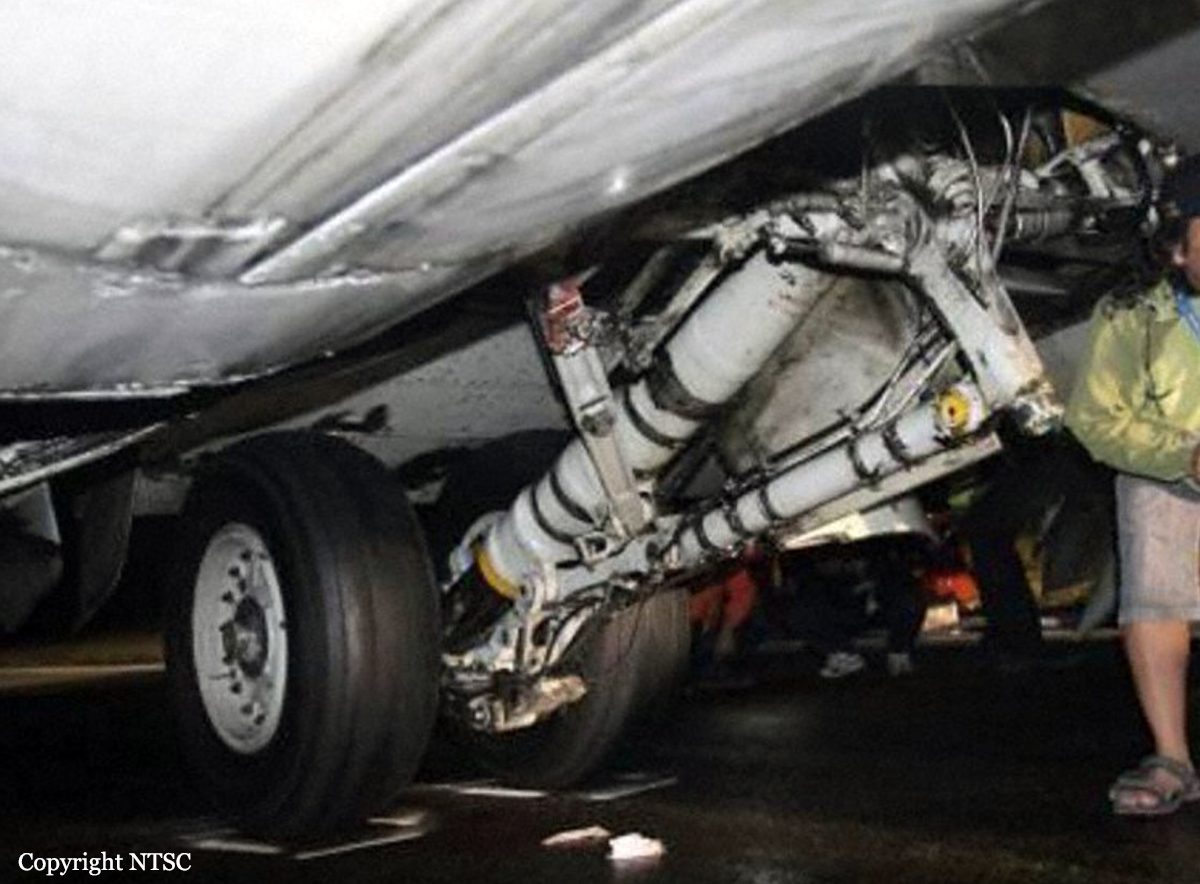
On 28 August 2015 a Boeing 737-300 Freighter, registered PK-BBY was being operated by PT. Cardig Air on a scheduled cargo flight from Sentani Airport (WAJJ) Jayapura to Wamena Airport (WAVV) Papua, Indonesia. At 1234 LT (0334 UTC), the aircraft departed to Wamena and on board the aircraft were two pilots, and 14,610 kg of cargo. The Pilot in Command (PIC) acted as Pilot Flying (PF) while the Second in Command (SIC) who was under line training acted as Pilot Monitoring (PM). There was no reported or recorded aircraft system abnormality during the flight until the time of occurrence. At 0637 UTC, when the aircraft approaching PASS VALLEY, the Wamena Tower controller provided information that the runway in use was runway 15 and the wind was 150°/18 knots, QNH was 1,003 mbs and temperature was 23 °C. At 0639 UTC, the pilot reported position over PASS VALLEY, descended passing FL135. The Wamena Tower controller instructed the pilot to report position over JIWIKA. At 0645 UTC, the pilot reported position over JIWIKA and continued to final runway 15. At 0646 UTC, the pilot reported position on final runway 15 and Wamena Tower controller provided landing clearance with additional information of wind 150°/15 knots and QNH 1,003 mbs. At 0647 UTC, the aircraft touched down about 35 meter before the beginning runway 15 with vertical acceleration of 3.68 G. The left main landing gear collapsed and the left engine contacted to the runway surface. The aircraft stopped at about 1,500 meters from runway threshold. No one was injured on this occurrence.
Probable cause:
According to factual information during the investigation, the Komite Nasional Keselamatan Transportasi determines the findings of the investigation are listed as follows:
1. The pilots held valid licenses and medical certificates.
2. The aircraft had a valid Certificate of Airworthiness (C of A) and Certificate of Registration (C of R), and was operated within the weight and balance envelope.
3. There were no reports of aircraft system abnormalities during the flight.
4. After passed JIWIKA on altitude 10,000 feet, the FDR recorded the engines were on idle, the average rate of descend was approximately 2,000 feet per minute.
5. At altitude approximately 8,000 feet, the flap selected to 40 position and moved to 39.9° one minute 25 seconds later.
6. The BMKG weather report was wind 150°/14-19 knots and the Wamena Tower controller reported to the pilot that the wind was 150°/15 knots. The information of gust wind, which indicated the possibility of windshear, was not reported to the pilot.
7. The EGPWS “CAUTION WINDSHEAR” active on altitude of 5,520 feet.
8. 06:45:43 UTC, the engine power increased when the aircraft altitude was on 5,920 feet prior the EGPWS altitude call “ONE HUNDRED” heard.
9. Started from 06:45:45 UTC, the FDR recorded the CAS increased from 148 knots to 154 knots followed by N1 decreased gradually from 73% to 38%. Three seconds before touched down, the rate of descend was constant on value 1,320 feet per minute followed by EGPWS warning “SINK RATE”.
10. The aircraft touched down at about 35 meters before the beginning runway 15 with the vertical acceleration recorded of 3.68 G.
11. The trunnion link of the left Main Landing Gear (MLG) assembly was found broken and the left main landing gear collapsed.
12. The FDR data contained of 107 flight hours consisted of 170 flight sectors which recorded five times of the vertical acceleration more than 2 G during landing at Wamena. The accumulation of such value of vertical acceleration might lead to landing gear strength degradation.
13. The Visual Approach Slope Indicator (VASI) of runway 15 was not operated after the runway extension.
14. The investigation found several touchdown marks on the pavement before the runway 15.
15. Excessive rubber deposit was found on the surface of runway 15 at about 600 meter started from the runway threshold.
16. The absence of speed correction following the information of headwind of 15 knots and pilot crew briefing after activation of EGPWS caution windshear indicated that the pilot did not aware of the existing windshear, that might be contributed by the absence of gust wind information.
17. The large thrust reduction was not in accordance with the FCOM for windshear precaution and resulted in rapid descend.
18. The accident flight collapsed the landing gear, the FDR recorded the vertical acceleration was 3.683 G which was within the landing gear design limit. This indicated the degradation of landing gear strength.

Contributing Factor:
The large thrust reduction during the windshear resulted in rapid descend and the aircraft touched down with 3.683 G then collapsed the landing gear that had strength degradation.
Final Report:
Crash of an ATR42-300 near Oksibil: 54 killed

Date & Time: Aug 16, 2015 at 1455 LT
Type of aircraft:
Operator:
Registration:
PK-YRN
Flight Phase:
Survivors:
No
Site:
Schedule:
Jayapura - Oksibil
MSN:
102
YOM:
1988
Flight number:
TGN267
Country:
Region:
Crew on board:
4
Crew fatalities:
Pax on board:
50
Pax fatalities:
Other fatalities:
Total fatalities:
54
Captain / Total flying hours:
25287
Captain / Total hours on type:
7340.00
Copilot / Total flying hours:
3818
Copilot / Total hours on type:
2640
Aircraft flight hours:
50133
Aircraft flight cycles:
55663
Circumstances:
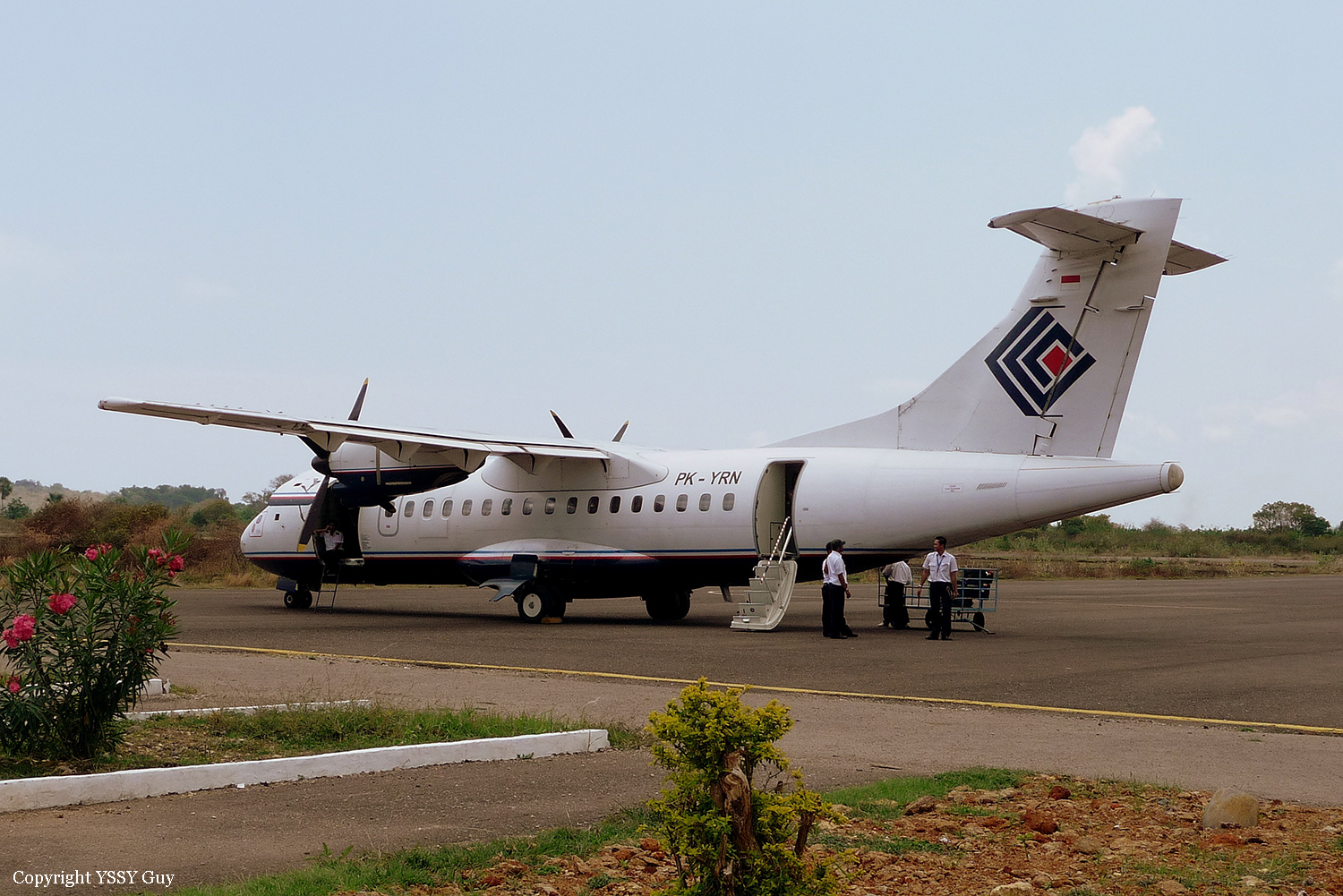
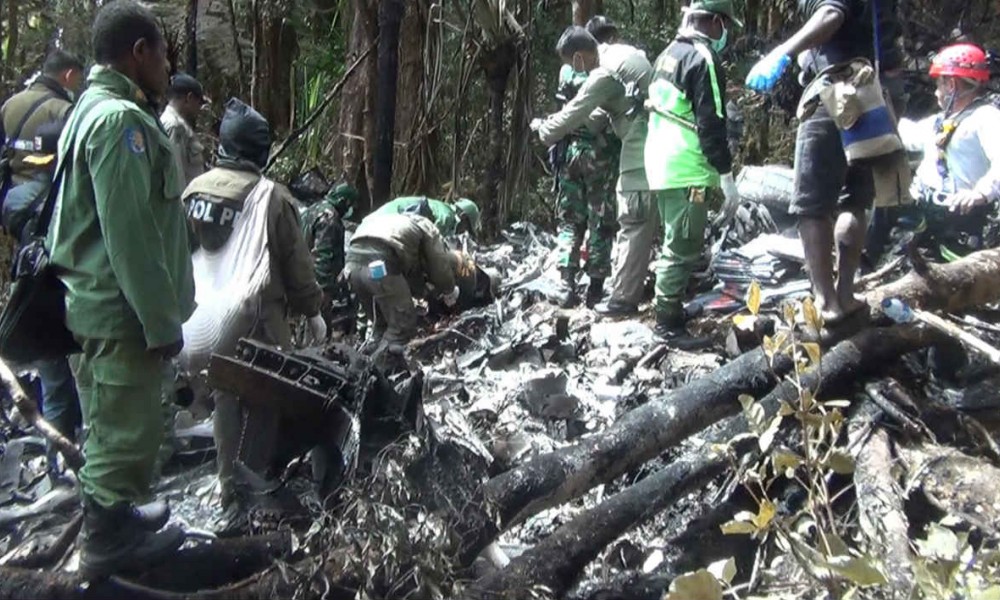
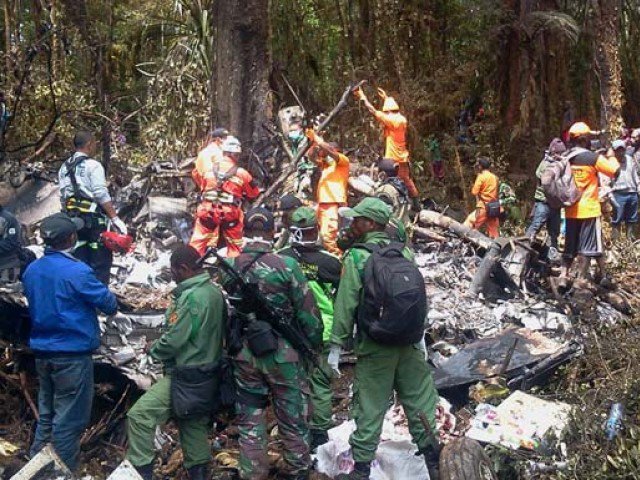
An ATR 42-300 aircraft registered PK-YRN was being operated by PT Trigana Air Service on 16 August 2015 as scheduled passenger flight with flight number IL267 from Sentani to Oksibil. On board of this flight were 54 persons. This flight was the fifth flight of the day and the second flight from Sentani to Oksibil. The aircraft departed Sentani at 0522 UTC and estimated time of arrival Oksibil was at 0604 UTC. The Second in Command (SIC) acted as Pilot Flying while the Pilot in Command (PIC) acted as Pilot Monitoring. The weather at Oksibil reported that the cloud was broken (more than half area of the sky covered by cloud) and the cloud base was 8,000 feet (4,000 feet above airport elevation) and the visibility was 4 up to 5 km. The area of final approach path was covered by clouds. The flight cruising at 11,500 feet and at 0555 UTC, the pilot made first contact with Oksibil Aerodrome Flight Information Services (AFIS) officer, reported on descent at position Abmisibil and intended to direct left base leg runway 11. At 0600 UTC, Oksibil AFIS officer expected the aircraft would have been on final but the pilot had not reported, the AFIS officer contacted the pilot but did not reply. The AFIS officer informed Trigana in Sentani that they had lost contact with IL267. The aircraft wreckage was found on a ridge of Tanggo Mountain, Okbape District, Oksibil at approximately 8,300 feet AMSL at coordinates of 04°49’17.34” S, 140°29’51.18” E, approximately 10 NM from Oksibil Aerodrome on bearing of 306°. All occupants were fatally injured and the aircraft was destroyed by impact force and post impact fire. The Flight Data Recorder (FDR) and Cockpit Voice Recorder were recovered and transported to KNKT recorder facility. The recovery of FDR data was unsuccessful while the recovery of CVR data successfully retrieved accident flight data. The CVR did not record any crew briefing, checklist reading not EGPWS warning prior to impact. The CVR also did not record EGPWS altitude call out on two previous flights. The investigation concluded that the EGPWS was probably not functioning.
Probable cause:
The following findings were identified:
1. The aircraft had valid Certificate of Airworthiness and was operated within the weight and balance envelope.
2. All crew had valid licenses and medical certificates.
3. The flight plan form was filed with intention to fly under Instrument Flight Rule (IFR), at flight level 155, with route from Sentani to MELAM via airways W66 then to Oksibil. The MORA of W66 between Sentani to MELAM was 18,500 feet.
4. The flight was the 5th flight of the day for the crew with the same aircraft and the second flight on the same route of Sentani to Oksibil.
5. The CVR data revealed that the previous flight from Sentani to Oksibil the flight cruised at altitude of 11,500 feet and the approach was conducted by direct to left base runway 11.
6. The CVR data also revealed that on the accident flight, the flight cruised at altitude 11,500 feet and intended to direct left base leg runway 11 which was deviate from the operator visual guidance approach that described the procedure to fly overhead the airport prior to approach to runway 11.
7. The witness stated that most of the time, the flight crew deviated from the operator visual approach guidance. The deviation did not identify by the aircraft operator.
8. The downloading process to retrieve data from the FDR was unsuccessful due to the damage of the FDR unit that most likely did not record data during the accident flight. The repetition problems of the FDR unit showed that the aircraft operator surveillance to the repair station was not effective.
9. The CVR did not record any crew briefing, checklist reading and EGPWS altitude callout prior to land on two previous flights nor the EGPWS caution and warning prior to impact.
10. The spectrum analysis of the CVR determined that both engines were operating prior to the impact.
11. Several pilots, had behavior of pulling the EGPWS CB to eliminate the nuisance of EGPWS warning. The pilots stated that the reason for pulling the EGPWS CB was due to the pilots considered this warning activation was not appropriate for the flight conditions. The correction to this behavior was not performed prior to the accident.
12. The investigation could not determine the actual EGPWS CB position during the accident flight.
13. The installation of EGPWS by the aircraft operator was not conducted according to the Service Bulletin issued by the aircraft manufacturer.
14. The terrain data base installed in the EGPWS of PK-YRN was the version MK_VIII_Worldwide_Ver_471 that was released in 2014. The Oksibil Airport was not included in the high-resolution update in this version of terrain database.
15. The information for Oksibil published in AIP volume IV (Aerodrome for Light Aircraft/ALA) did not include approach guidance. The operator issued visual guidance of circling approach runway 11 for internal use.
16. The visual approach guidance chart stated that the minimum safe altitude was 8,000 feet while the aircraft impacted with terrain at approximately 8,300 feet. This indicated an incorrect information in the chart. The investigation considered that the pattern on the approach guidance chart was not easy to fly, as many altitudes and heading changes.
17. Several maintenance records such as component status installed on the aircraft and installation of EGPWS was not well documented. This indicated that the maintenance management was not well performed.
18. The investigation could not find any regulation that describes the pilot training requirement for any addition or modification of aircraft system which affect to the aircraft operation.
19. There was no information related to the status of ZX NDB published on NOTAM prior to the accident.
20. Several safety issues indicated that the organization oversight of the aircraft operator by the regulator was not well implemented.
Contributing Factors:
1. The deviation from the visual approach guidance in visual flight rules without considering the weather and terrain condition, with no or limited visual reference to the terrain resulted in the aircraft flew to terrain.
2. The absence of EGPWS warning to alert the crew of the immediate hazardous situation led to the crew did not aware of the situation.
Final Report:
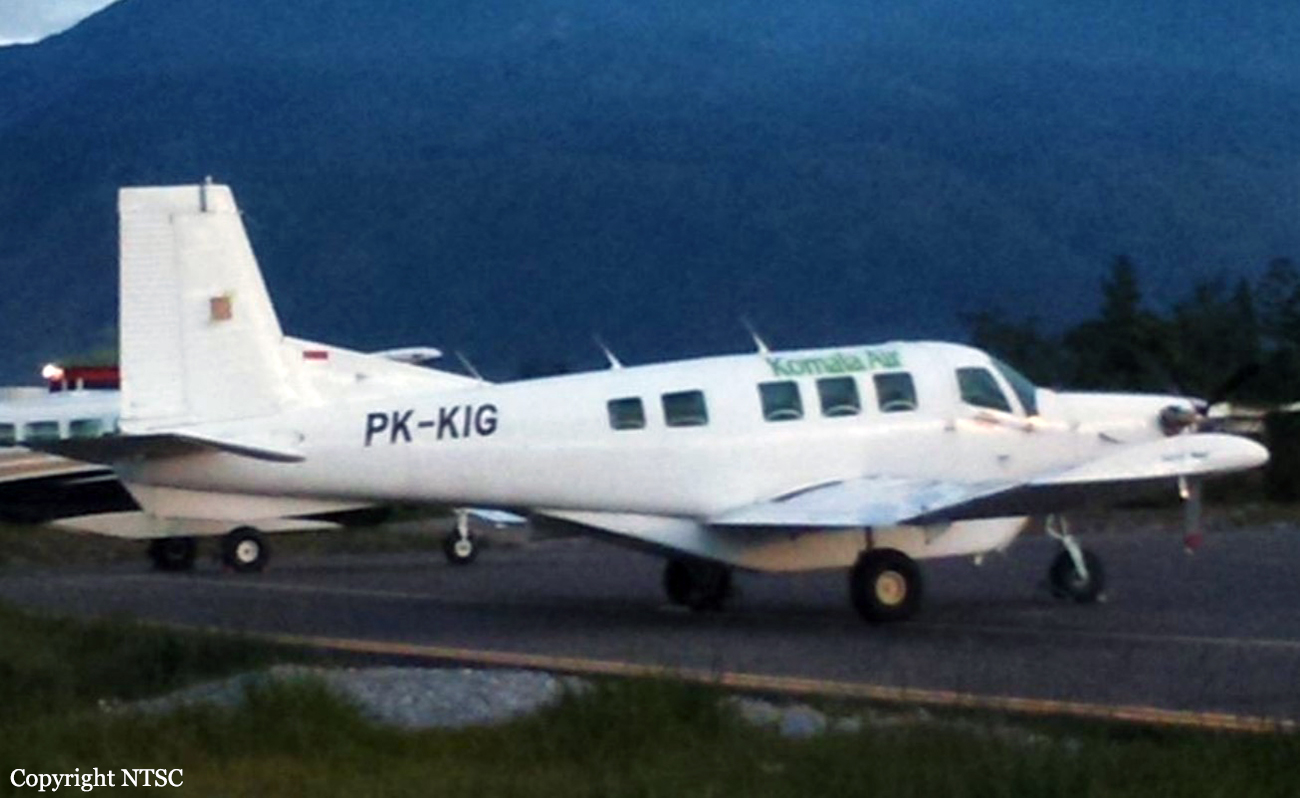
Crash of a Pacific Aerospace PAC750XL in Ninia: 1 killed

Date & Time: Aug 12, 2015 at 0748 LT
Operator:
Registration:
PK-KIG
Survivors:
Yes
Schedule:
Wamena – Ninia
MSN:
170
YOM:
2010
Country:
Region:
Crew on board:
1
Crew fatalities:
Pax on board:
5
Pax fatalities:
Other fatalities:
Total fatalities:
1
Captain / Total flying hours:
1537
Captain / Total hours on type:
395.00
Aircraft flight hours:
757
Aircraft flight cycles:
1315
Circumstances:
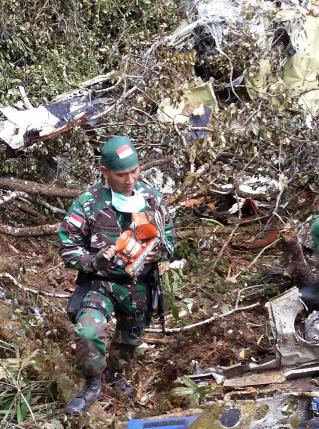
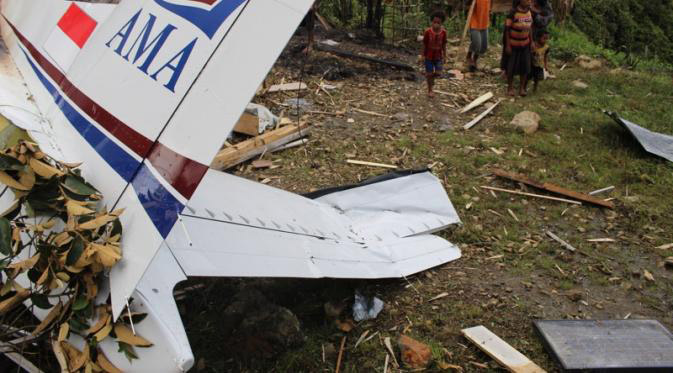
On 12 August 2015, a PAC-750XL aircraft, registered PK-KIG, was being operated by PT. Komala Indonesia on an unscheduled passenger flight from Wamena Airport (WAJW) Papua to Ninia Airstrip , Yahukimo, Papua that was located on radial 127° from Wamena with a distance of approximately 26 Nm. At 0733 LT (2233 UTC), the aircraft departed from Wamena Airport with an estimated time of arrival at Ninia of 2248 UTC. The flight was uneventful until approaching Ninia. On board the aircraft were one pilot, one engineer and 4 passengers. According to the pilot statement, an airspeed indicator malfunction occurred during flight. Video footage taken by a passenger showed that, during the approach at an altitude of approximately 6,500 feet, the airspeed indicators indicated zero and the aural stall warning activated. The aircraft then flew on the left side and parallel to the runway. Thereafter the aircraft climbed, turned left and impacted the ground about 200 meters south-west of the runway. The engineer on board was fatally injured, one passenger had minor injuries and the other occupants, including the pilot, were seriously injured. Two occupants were evacuated to a hospital in Jayapura Airport and four others, including the fatally injured, were evacuated to a hospital in Wamena.
Probable cause:
The following findings were identified:
1. Continuing the flight with both airspeed indicators unserviceable increased the complexity of the flight combined with high-risk aerodrome increased the pilot workload.
2. The improper corrective action at the time of the aural stall warning activating on the final approach, and the aircraft flew to insufficient area for a safe maneuver.
3. The unfamiliarity to the airstrip resulted in inappropriate subsequent escape maneuver and resulted in the aircraft stalling.
4. The pilot was not provided with appropriate training and familiarization to fly into a high-risk airstrip
Final Report:

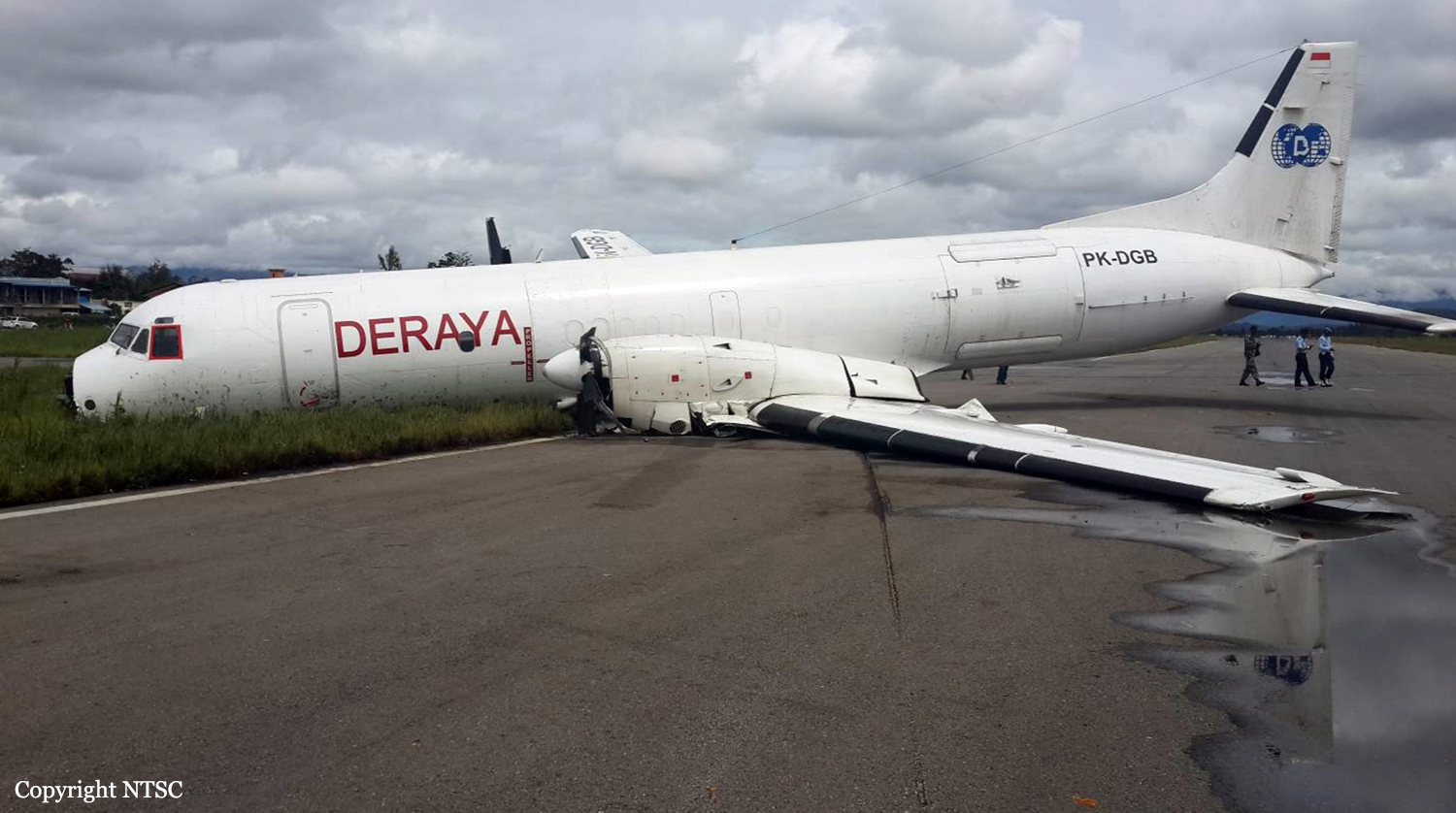
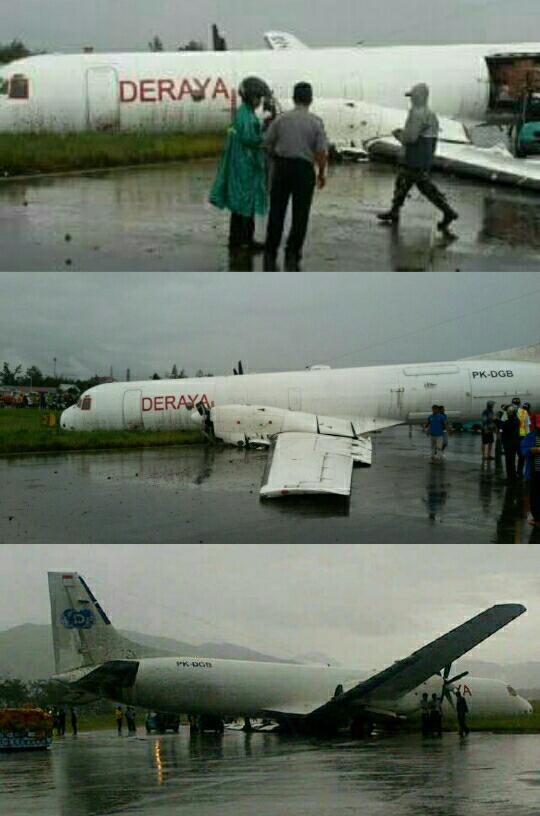
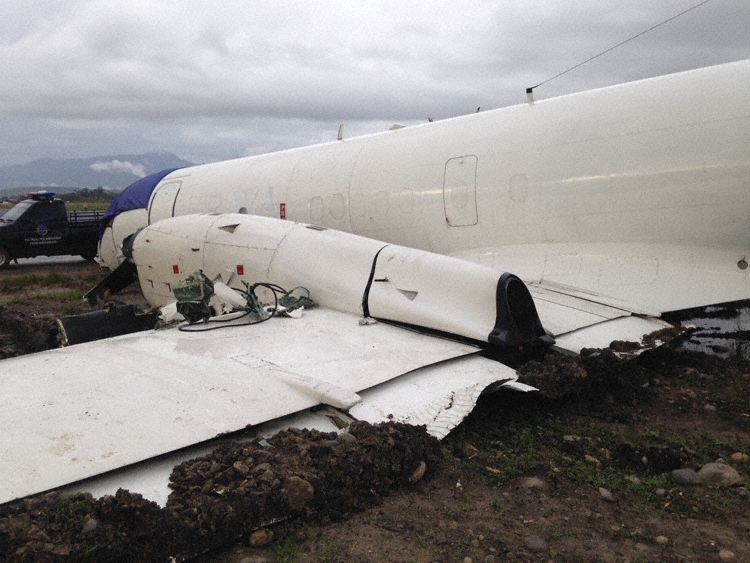
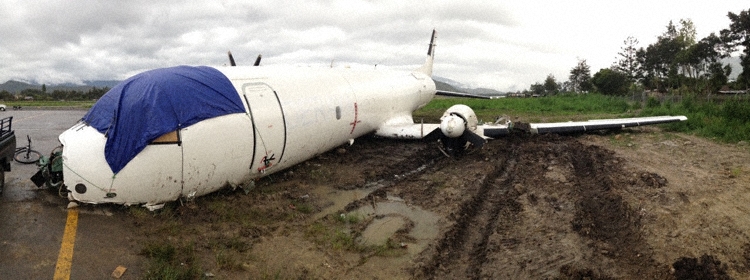
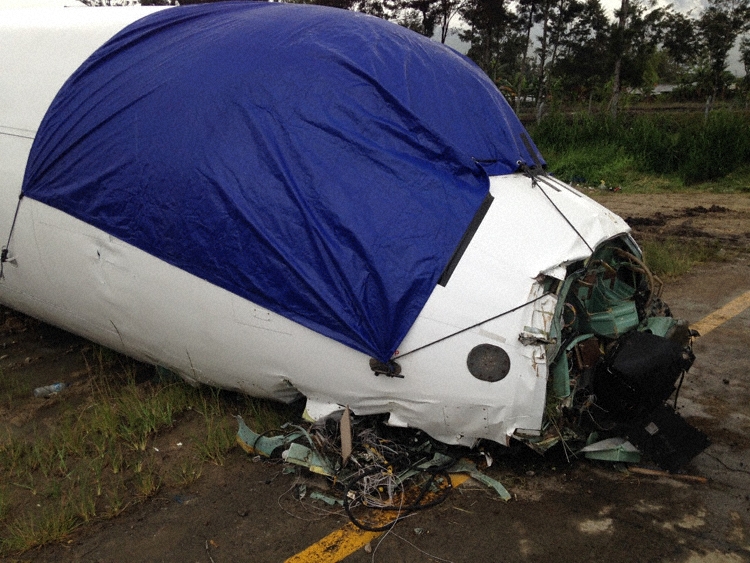
Crash of a BAe ATP-F in Wamena

Date & Time: Mar 4, 2015 at 1515 LT
Type of aircraft:
Operator:
Registration:
PK-DGB
Flight Type:
Survivors:
Yes
Schedule:
Jayapura – Wamena
MSN:
2029
YOM:
1990
Country:
Region:
Crew on board:
2
Crew fatalities:
Pax on board:
0
Pax fatalities:
Other fatalities:
Total fatalities:
0
Captain / Total flying hours:
3912
Captain / Total hours on type:
833.00
Copilot / Total flying hours:
415
Copilot / Total hours on type:
45
Aircraft flight hours:
200845
Aircraft flight cycles:
27921
Circumstances:
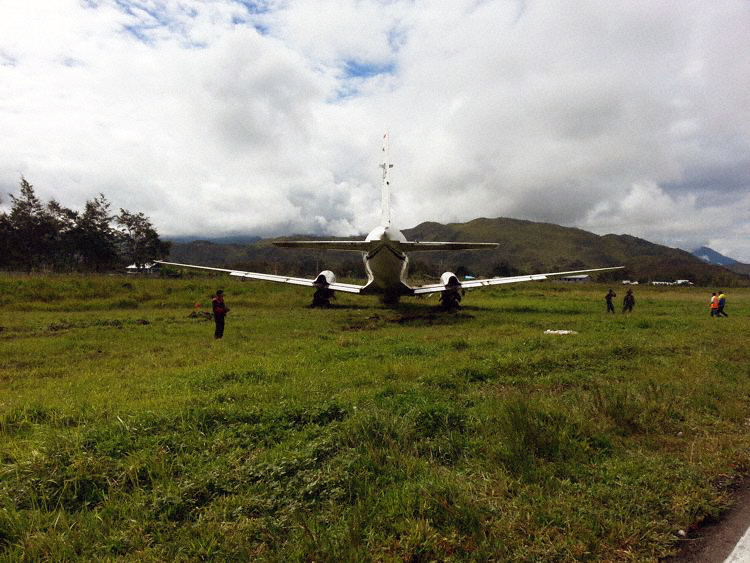
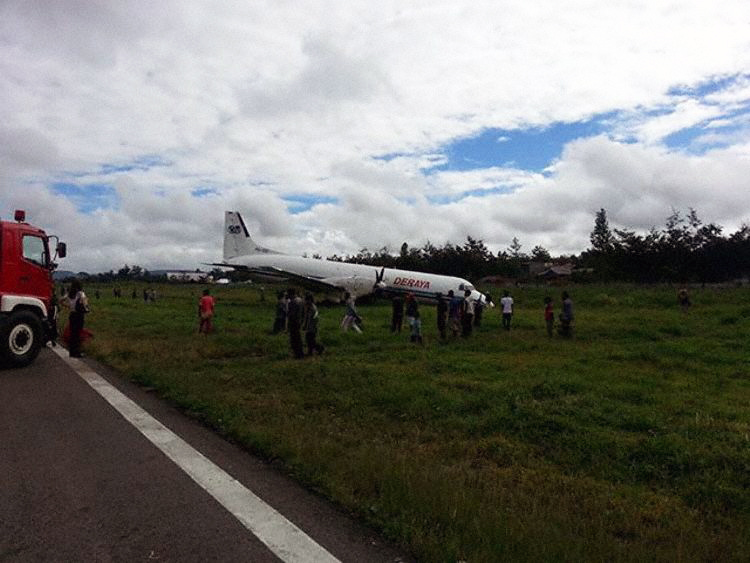
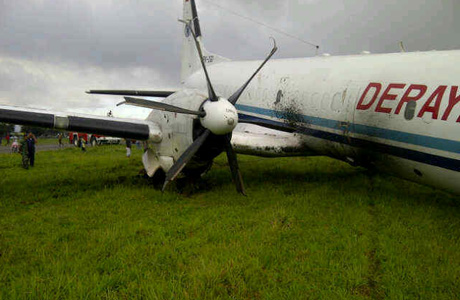
On 4 March 2015 a BAe-ATP registration PK-DGB operated by PT. Deraya Air as scheduled cargo flight from Sentani to Wamena Airport. On board of this flight was two pilots while the Pilot in Command (PIC) acted as pilot flying and First Officer (FO) acted as pilot monitoring. The aircraft departed Sentani at 0524 UTC to Wamena airport. The pilot contacted Wamena Tower controller while position on Jiwika way point at altitude 10,000 feet. Wamena Tower controller instructed to use runway 33 and to proceed to left runway 33. At 0602 UTC the pilot requested to proceed to Pyramid waypoint and to descend to 8,000 feet and made holding due to weather. At 0613, a C-130 pilot that was on approach reported making go around runway 33 and ATC instructed to C-130 pilot to proceed to Pyramid waypoint and hold. At 0619 UTC, Wamena Tower controller informed that the weather reported continuous heavy rain, visibility was reported 2 up to 3 km and wind was from 060° with velocity of 6 knots. The PK-DGB aircraft left Pyramid waypoint for approach runway 33. The aircraft proceed to left downwind and descent to 6,500 feet. During turning base leg, the pilot observed runway insight and continued the approach. At 0620 UTC, the aircraft touched down, thereafter veered off to the right of the runway and skid. The aircraft re-entered the runway at approximately 400 meters from beginning runway 33 and stopped near taxiway Delta at approximately 800 meters from beginning runway 33.

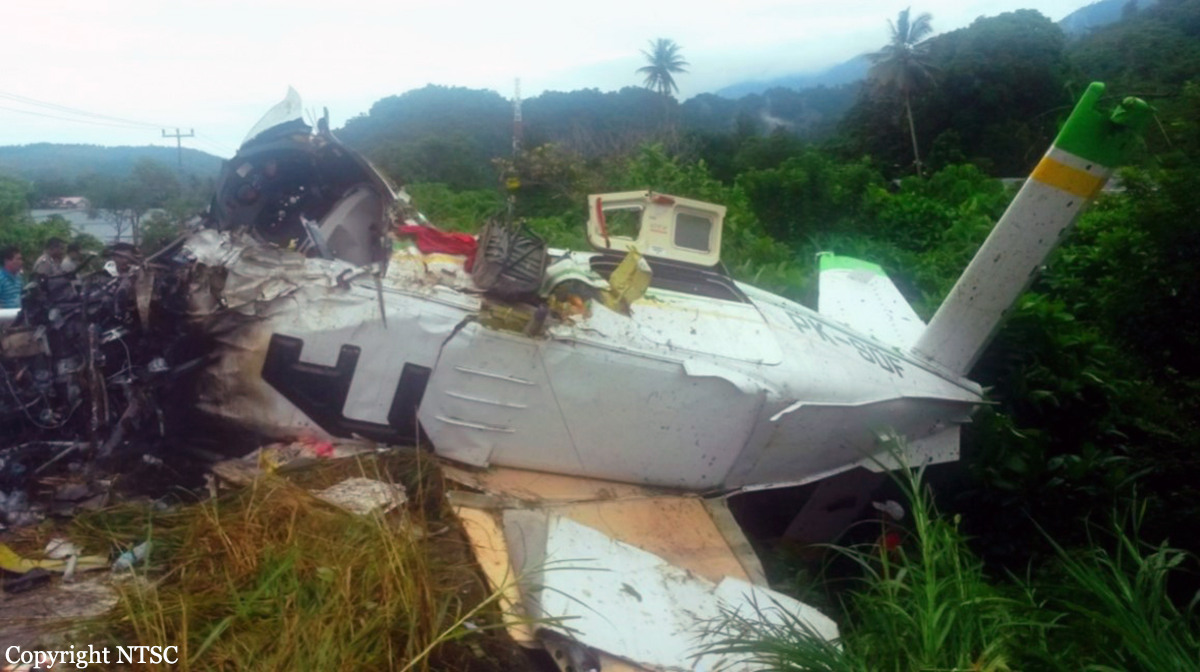
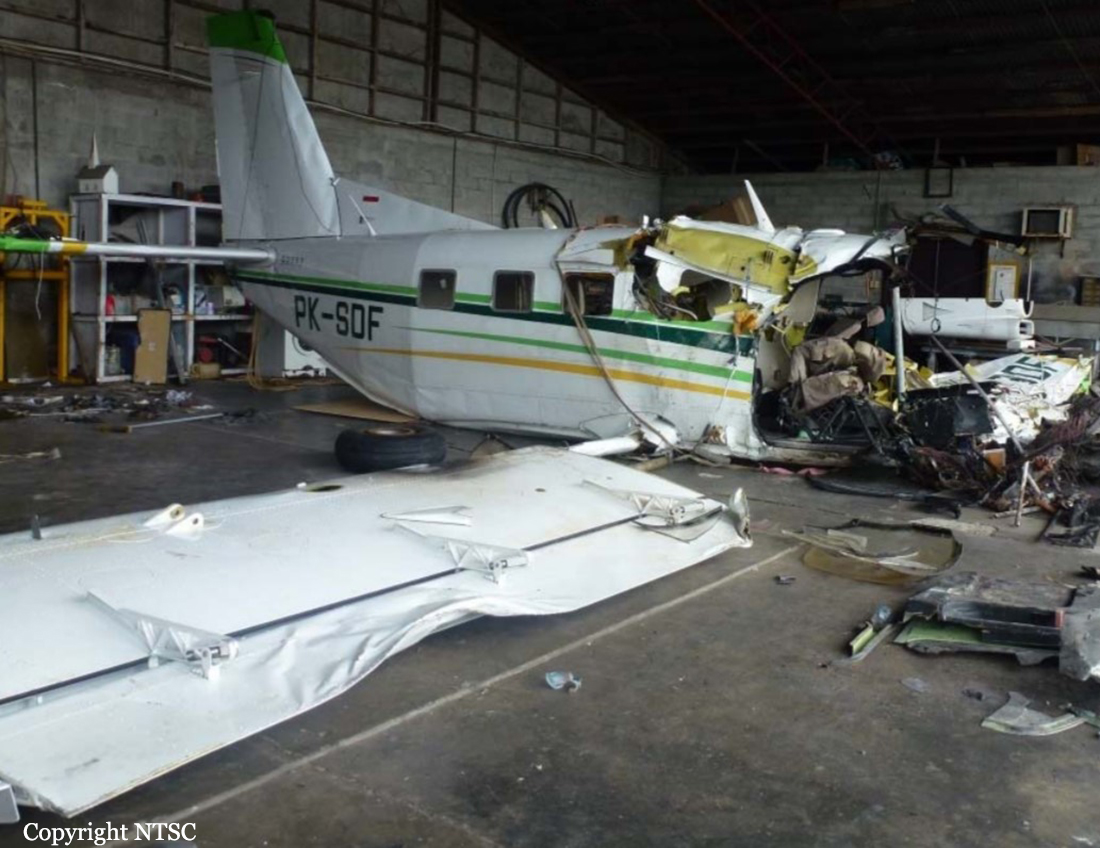
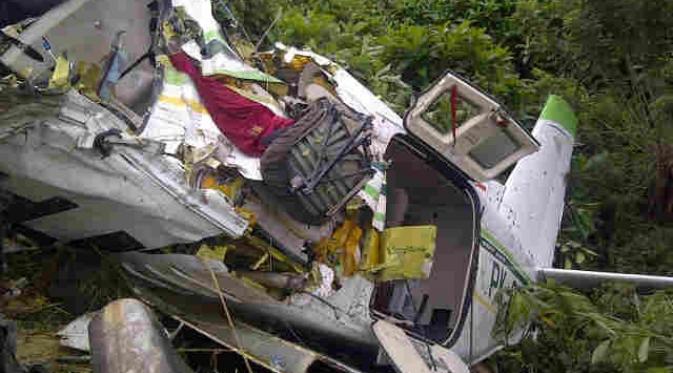
Crash of a Quest Kodiak 100 in Doyo Baru: 2 killed

Date & Time: Apr 9, 2014 at 0940 LT
Type of aircraft:
Operator:
Registration:
PK-SDF
Flight Phase:
Survivors:
Yes
Schedule:
Doyo Baru – Ninia
MSN:
100-0049
YOM:
2011
Country:
Region:
Crew on board:
1
Crew fatalities:
Pax on board:
6
Pax fatalities:
Other fatalities:
Total fatalities:
2
Captain / Total flying hours:
25530
Captain / Total hours on type:
1752.00
Aircraft flight hours:
1752
Aircraft flight cycles:
2211
Circumstances:
A Kodiak-100 aircraft, registered PK-SDF, on 9 April 2014 was being operated by PT. Adventist Aviation Indonesia as non-schedule flight from Doyo Baru Airstrip with intended destination of Ninia Airstrip, Papua. On board in this flight were 7 persons consist of one pilot and six passengers. This flight was the fourth flights for the pilot who has performed flights from Doyo Baru (DOB) – Puldamat (PUL) at 2138-2228 UTC; Puldamat (PUL) –Soya (SOY) at 2243-2247 UTC; Soya (SOY) – Doyo Baru (DOB) at 2256-2344 UTC. The flight time to destination was estimated of 1 hour with cruising altitude of 10,000 feet and the fuel on board were sufficient for 4 hours flight time. Doyo Baru Airstrip located at approximately 10 NM North West of Sentani Airport (WAJJ). Air traffic movement to and from Doyo Baru Airstrip was controlled by Sentani Tower controller. At 0015 UTC, the pilot contacted to Sentani Tower controller, requested for start engine and clearance to fly to Ninia. The requests were approved and to report when ready for departure. At 0021 UTC, the pilot reported to the Sentani Tower controller ready for departure from Doyo Baru Airstrip. The Sentani Tower Controller instructed the pilot to hold to wait an aircraft took off from Sentani Airport. At 0024 UTC, the pilot received clearance for takeoff with additional traffic information and to report after airborne. At 0027 UTC, Sentani Tower controller has not received reports from the PK-SDF pilot and tried to call but was not responded. After several observations toward Doyo Baru area and did not see PK-SDF aircraft, The Sentani Tower controller reported to the Chief Section of Sentani Tower Air Navigation. At 0030 UTC, The Chief Section of Sentani Tower Air Navigation clarified the condition of PK-SDF aircraft to one of Indonesian Adventist Aviation pilot in Doyo Baru and obtained information that the aircraft had experienced in accident during takeoff at Doyo Baru. An engineer after received the information went to the accident site and saw appearance of white smoke came out from the side of the river which was known as the accident aircraft located. After arrived at the accident site the engineer saw the Adventist’s staffs and local people tried to extinguish the fire on the aircraft engine by throwing some water and used two fire extinguishers while some people moved the passengers from the wreckage. Two occupants including the pilot were fatally injured and five other passengers were seriously injured. All occupants were taken to Yowari Hospital (Rumah Sakit Umum Daerah – RSUD Yowari).
Probable cause:
Contributing Factors:
- The failure to airborne was due to the aircraft was not in correct takeoff configuration which required wing flap 20° while the flap was found at approximately 6° position during impact.
- The actions to recover the situation by selection of emergency power and flap were not proper for particular condition.
Final Report:
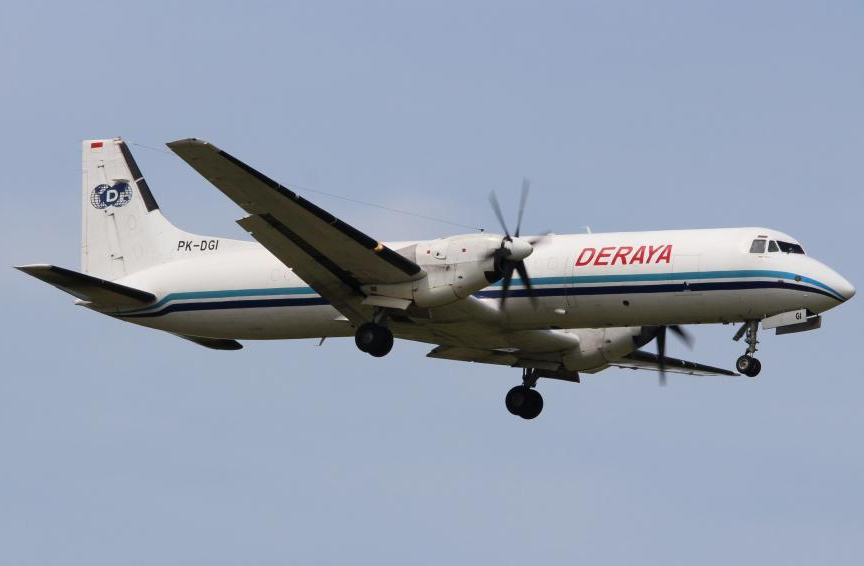
Crash of a BAe ATP in Wamena

Date & Time: May 31, 2013 at 0709 LT
Type of aircraft:

Operator:

Registration:
PK-DGI
Flight Type:
Survivors:
Yes
Schedule:
Jayapura - Wamena
MSN:
2027
YOM:
1990
Country:
Region:
Crew on board:
3
Crew fatalities:
Pax on board:
0
Pax fatalities:
Other fatalities:
Total fatalities:
0
Captain / Total flying hours:
3108
Captain / Total hours on type:
1366.00
Copilot / Total flying hours:
5648
Copilot / Total hours on type:
689
Aircraft flight hours:
15755
Aircraft flight cycles:
25431
Circumstances:
On 31 May 2013 aircraft BAe ATP freighter registered PK-DGI operated by PT. Deraya as scheduled cargo/ freight flight from Sentani Airport (WAJJ) to Wamena Airport (WAJW), Papua. On board in this flight were the Pilot in Command (PIC) acted as Pilot Flying (PF) and the Second in Command (SIC) acted as Pilot Monitoring (PM). At 2127 UTC (0627 LT) the aircraft departed from Sentani Airport. The aircraft cruised at 12,000 feet (FL 120)and estimated time of arrival Wamena Airport was 2207 UTC (0707 LT). The first pilot contact with Wamena Tower controller was at 2201 UTC, the aircraft position was approaching Pass Valley point, the controller informed that runway 15 expect to be used and the weather condition was wind calm, visibility 4 Km, low cloud at final area and QNH 1008 mbs. There was no specific of approach and landing briefing by pilot flying to the pilot non flying considering to such weather condition. At 2207 UTC, the pilot reported the position was on final runway 15. The controller requested the information of the flight condition and the pilot reported that the runway has not insight. At 2209 UTC, the pilot reported that the runway was insight and the controller provided the clearance to land and 25 seconds later the aircraft touched down on the centerline. During the landing roll at about 750 meters from the beginning of runway 15 the aircraft veered to the left of the runway shoulder, the pilot recovered by applying the right rudder and asymmetry reverses thrust but the aircraft continued veer to the left and stopped at about 10 meters on the left shoulder of the runway 15. On the landing roll, the FDR recorded that the left engine torque greater then right engine torque. The pilot shutdown both engines normally and evacuated the aircraft safely. The nose landing gear detached and found on the shoulder at about 250 meter from the aircraft final position. The main landing gears broken and all the propellers bent. No injured in this occurrence.
Probable cause:
The following contributing factors were identified:
- The flight did not meet the criteria according to the recommended elements of stabilized approach which required go around.
- The aircraft touched down with 2° misalignment with the runway direction then the aircraft veered off to the left.
- The recovery action was not in accordance to the correct technique according to the ALAR Tool Kit.
Final Report: