Country
code

Leningrad oblast

Crash of a Tupolev TU-104B in Leningrad

Date & Time: May 18, 1963
Type of aircraft:
Operator:
Registration:
CCCP-42483
Survivors:
Yes
MSN:
0 2 15 01
YOM:
1960
Country:
Region:
Crew on board:
0
Crew fatalities:
Pax on board:
0
Pax fatalities:
Other fatalities:
Total fatalities:
0
Circumstances:
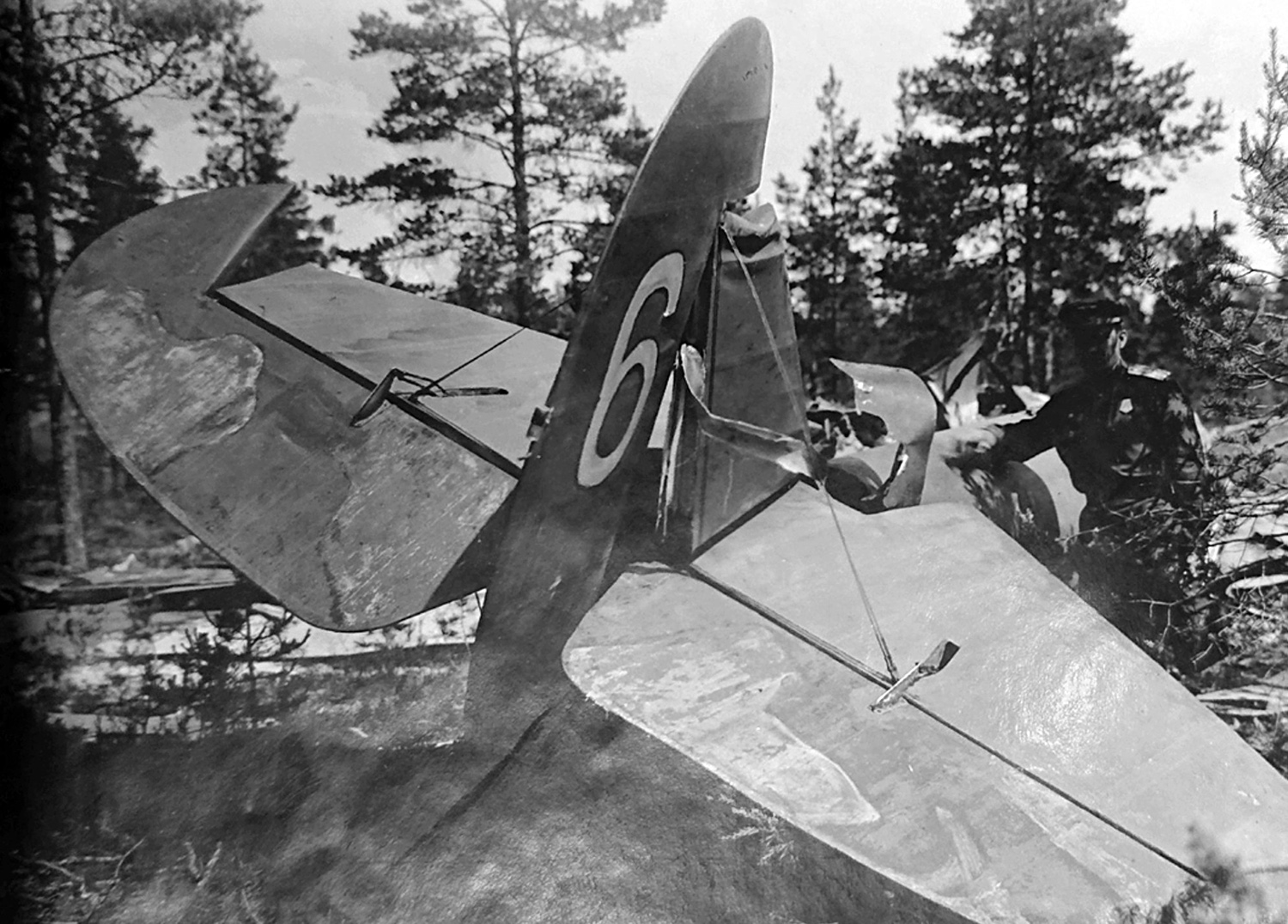
On final approach, the aircraft stalled and crashed 1,5 km short of runway threshold. There were no casualties but the aircraft was written off.
Probable cause:
It was determined that the stall was caused by an insufficient approach speed due to poor interaction on part of the flying crew.
Crash of an Ilyushin II-14FK in Leningrad: 9 killed

Date & Time: Nov 25, 1960 at 1435 LT
Type of aircraft:
Operator:
Registration:
CCCP-91610
Flight Phase:
Flight Type:
Survivors:
No
Schedule:
Leningrad - Leningrad
MSN:
1480 019 43
YOM:
27
Country:
Region:
Crew on board:
7
Crew fatalities:
Pax on board:
2
Pax fatalities:
Other fatalities:
Total fatalities:
9
Aircraft flight hours:
1709
Circumstances:
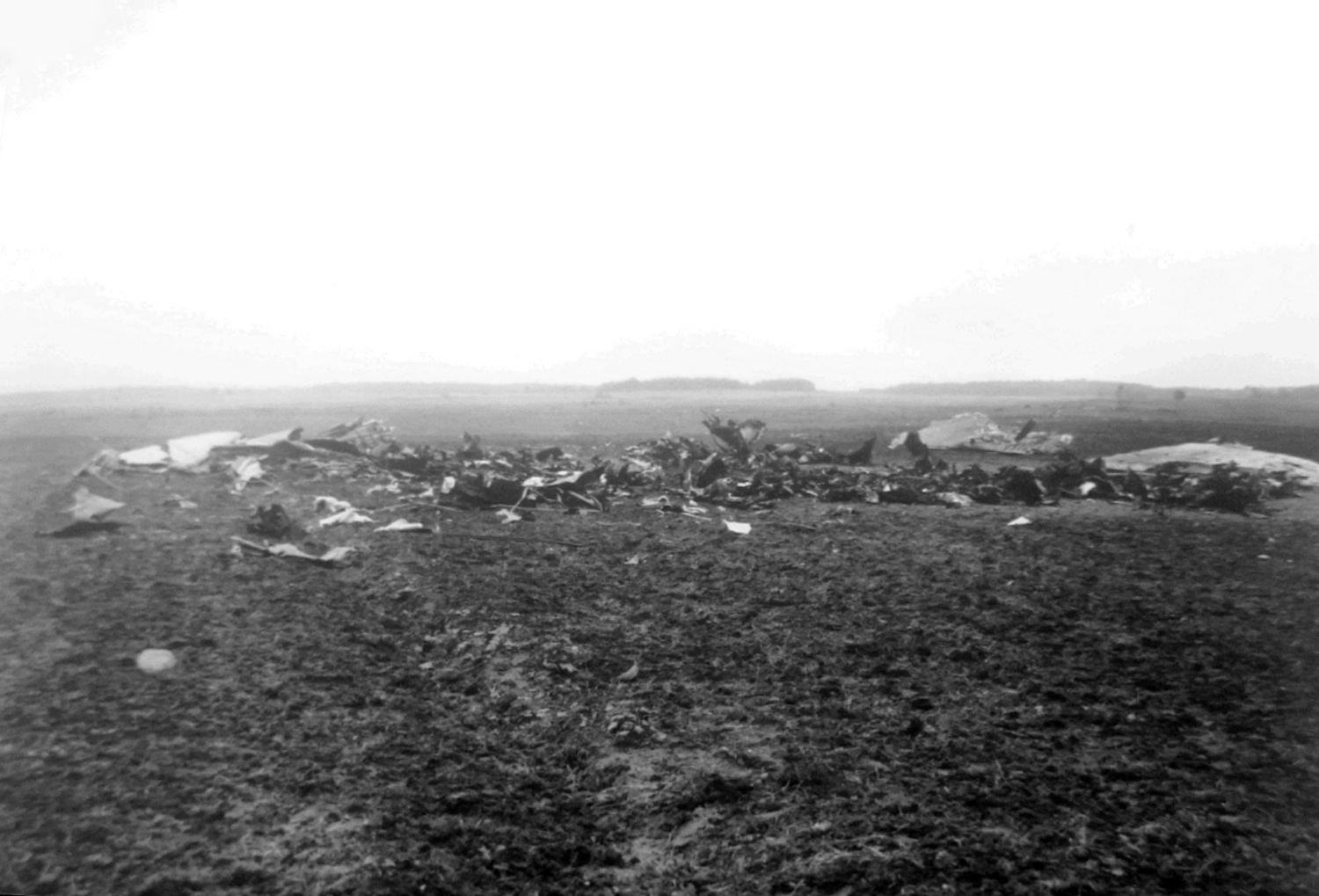
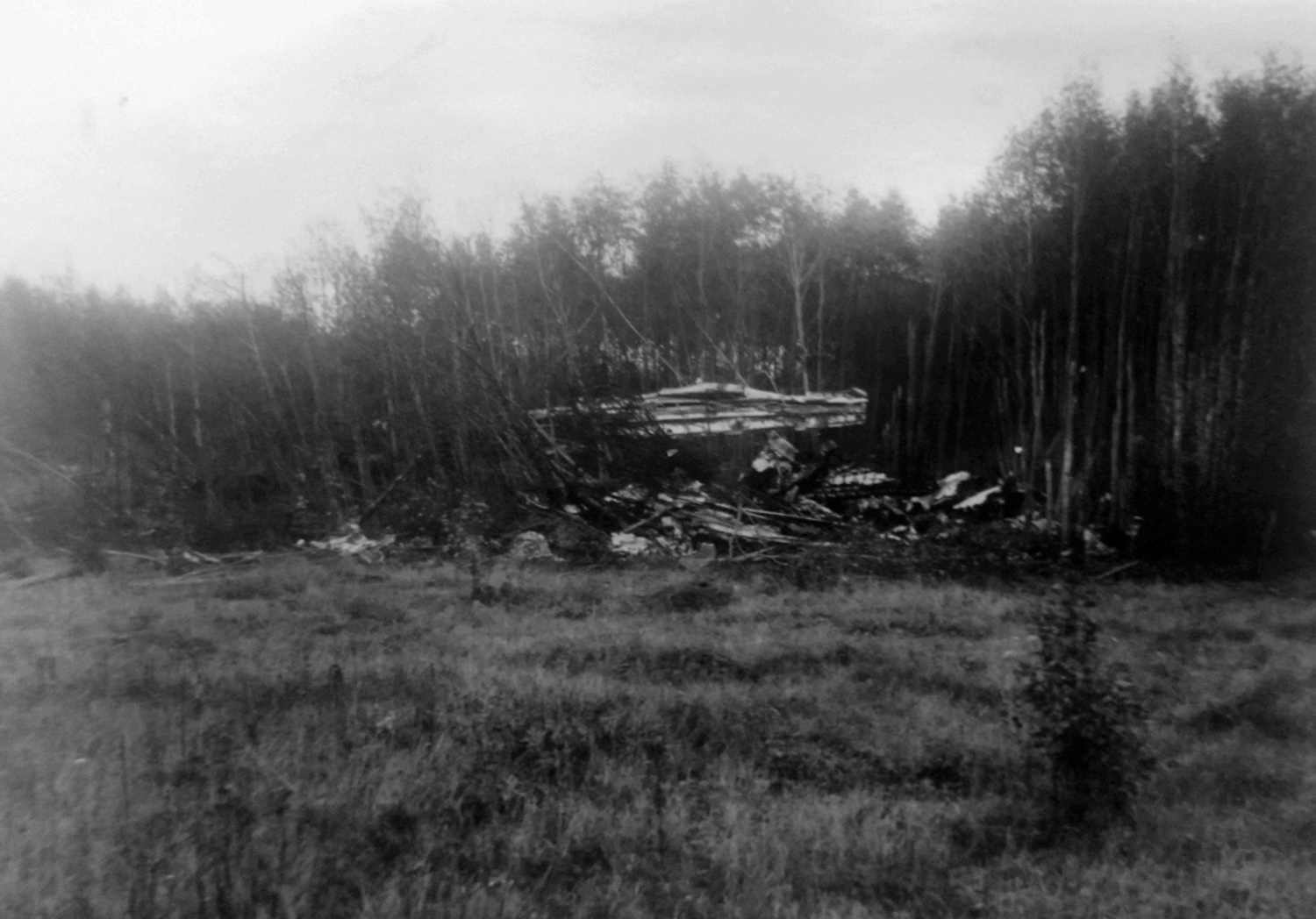
The crew departed Leningrad-Shosseynaya Airport at 0947LT for a local training mission. At this time, weather conditions were poor with low clouds down to 200 meters, mist and a visibility less than 5 km. Thus, the crew was instructed to complete the training mission in the vicinity of the airfield. At the beginning of the afternoon, ATC authorized the crew to continue the mission and while cruising at an altitude of 2,100 meters, the pilot-in-command lost control of the airplane that went into a dive. After crossing the last cloud layer, the pilot elected to regain control but it was too late. The airplane crashed and exploded in a field located in Dachnoe, less than a km north of the airfield. The aircraft was totally destroyed and all nine occupants were killed, among them three pilots, four instructors and two passengers.
Probable cause:
The loss of control occurred while the crew was simulating the failure of the right engine in cloudy conditions. Most probably due to successive errors, or maybe due to a spatial disorientation that affected the pilot-in-command, the airplane went out of control and entered a dive. The pilot elected to regain control after passing the last cloud layer (200 meters from the ground) but the distance between the aircraft and the ground was insufficient. The presence of two civilians on board was against the published regulation.

Crash of a Douglas TS-62 in Skvoritsy: 7 killed

Date & Time: Oct 5, 1952 at 1602 LT
Type of aircraft:
Operator:
Registration:
CCCP-L1055
Flight Phase:
Survivors:
No
Schedule:
Leningrad – Minsk
MSN:
16973/34233
YOM:
1945
Flight number:
SU381
Country:
Region:
Crew on board:
4
Crew fatalities:
Pax on board:
3
Pax fatalities:
Other fatalities:
Total fatalities:
7
Aircraft flight hours:
4042
Circumstances:
The TS-62 took off from Leningrad-Shosseynaya Airport and its crew received the permission to climb to the altitude of 2,700 meters via the corridor number two. While climbing into clouds, the airplane collided with an Aeroflot Ilyushin II-12 that was approaching the same Airport. Inbound from Minsk, the II-12 was registered CCCP-L1328 and was carrying 19 passengers and a crew of five. Its pilot obtained the permission from ATC to descend to the altitude of 1,200 meters via the same corridor number two. At the altitude of 1,200 meters, both aircraft collided, dove into the ground and crashed in a field located near the village of Skvoritsy, about 23 km southwest of Leningrad-Shosseynaya Airport. Both wreckage were found 1,200 meters from each other and all 31 occupants were killed.
Probable cause:
It was determined that the collision was caused by an error on part of the ATC services. Despite the fact that both aircraft were tracked on radar screens, ATC based at Leningrad-Shosseïnaya Airport failed to take appropriate actions to ensure a minimum safe separation between both airplanes and failed to realize that they were flying in the same corridor in an opposite direction and at the same altitude. Investigations revealed that the collision was the result of successive errors on part of the ATC who failed to ensure an efficient radar surveillance and transmitted to both crews inappropriate instructions that led both aircraft on the same track.

Crash of an Ilyushin II-12 in Skvoritsy: 24 killed

Date & Time: Oct 5, 1952 at 1602 LT
Type of aircraft:
Operator:
Registration:
CCCP-L1328
Survivors:
No
Schedule:
Minsk – Leningrad
MSN:
30 054
YOM:
30
Flight number:
SU376
Country:
Region:
Crew on board:
5
Crew fatalities:
Pax on board:
19
Pax fatalities:
Other fatalities:
Total fatalities:
24
Aircraft flight hours:
2283
Circumstances:
The crew was approaching Leningrad-Shosseynaya Airport and obtained the permission by ATC to descend to the altitude of 1,200 meters via corridor number two. While flying into clouds, the airplane collided with an Aeroflot Douglas TS-62 registered CCCP-L1055 that was performing flight SU381 to Minsk with seven people on board. It just took off from the same airport and its crew received the permission to climb to the altitude of 2,700 meters via the same corridor number two. At the altitude of 1,200 meters, both aircraft collided, dove into the ground and crashed in a field located near the village of Skvoritsy, about 23 km southwest of Leningrad-Shosseynaya Airport. Both wreckage were found 1,200 meters from each other and all 31 occupants were killed.
Probable cause:
It was determined that the collision was caused by an error on part of the ATC services. Despite the fact that both aircraft were tracked on radar screens, ATC based at Leningrad-Shosseïnaya Airport failed to take appropriate actions to ensure a minimum safe separation between both airplanes and failed to realize that they were flying in the same corridor in an opposite direction and at the same altitude. Investigations revealed that the collision was the result of successive errors on part of the ATC who failed to ensure an efficient radar surveillance and transmitted to both crews inappropriate instructions that led both aircraft on the same track.

Crash of a Polikarpov PR-5 at Lodeynoye Pole AFB: 4 killed

Date & Time: Jun 28, 1944 at 1000 LT
Type of aircraft:
Operator:
Registration:
CCCP-L3385
Flight Type:
Survivors:
No
Schedule:
Leningrad – Lodeynoye Pole AFB
MSN:
279
YOM:
1940
Country:
Region:
Crew on board:
2
Crew fatalities:
Pax on board:
2
Pax fatalities:
Total fatalities:
4
Aircraft flight hours:
3817
Circumstances:
On final approach to Lodeynoye Pole AFB, the pilot was completing a last turn to join the T when the airplane rolled to the right and descended to the ground, crashing in a wooded area near the airbase. The airplane was destroyed and all four occupants were killed.
Probable cause:
The accident was caused by the failure of the rear stabilizer mounting at the vertical stabilizer strut, resulting in the failure and displacement of the horizontal tailplane, followed by the failure of the lower left reinforcement straps and the front stabilizer mounting bolts at the safety hoop. This failure caused the aircraft to nose down at low altitude. The fin broke due to the high stresses exerted on it after all its fasteners had failed. This structural failure was the result of inadequate maintenance of the airplane, which was cleared for flight even though the stabilizer fasteners were in poor condition and had undoubtedly been cracked for some time.
The following contributing factors were identified:
- The mechanic responsible for inspecting the aircraft failed to detect cracks in the stabilizer mounting.
- The maintenance manager failed to supervise the work performed by the mechanic responsible for inspecting the aircraft.
- Lack of supervision by various parties involved in the maintenance procedures.

Crash of a Heinkel He.111H-6 near Ladoga: 4 killed

Date & Time: May 25, 1943
Type of aircraft:
Operator:
Flight Phase:
Flight Type:
Survivors:
Yes
MSN:
7531
YOM:
1942
Country:
Region:
Crew on board:
5
Crew fatalities:
Pax on board:
0
Pax fatalities:
Other fatalities:
Total fatalities:
4
Circumstances:
Shot down by a Finnish fighter and crashed northwest of Ladoga. Four crew members were killed and one was injured.
Crew:
Lt Bernhard Edler von Gräve, pilot, †
Lt Dietrich Decker, observer, †
Uffz August Schwarz, mechanic, †
Obfw Georg Stadler, mechanic,
Ogefr Günter Berz, air gunner. †
Probable cause:
Shot down by a Finnish fighter.

Crash of a Polikarpov S-3 near Lake Malgozero: 2 killed

Date & Time: Feb 11, 1943 at 1150 LT
Type of aircraft:
Operator:
Registration:
CCCP-L2742
Flight Phase:
Flight Type:
Survivors:
Yes
MSN:
13059
YOM:
1938
Country:
Region:
Crew on board:
1
Crew fatalities:
Pax on board:
2
Pax fatalities:
Other fatalities:
Total fatalities:
2
Aircraft flight hours:
2368
Circumstances:
The airplane departed Pechenitsy at 1135LT to evacuate two wounded soldiers. About 15 minutes into the flight, it was attacked by a German fighter. The pilot initiated a turn to the right when control was lost. The airplane crashed in a dense wooded area located nearby Malgozero Lake. The pilot was injured and both passengers were killed.
Probable cause:
While being attacked by enemy fire, the pilot became confused, which led to a technical error, causing the plane to lose speed and crash into the forest.

Crash of a Polikarpov SP in Ostrovskaya: 1 killed

Date & Time: Dec 3, 1942 at 1300 LT
Type of aircraft:
Operator:
Registration:
CCCP-L7991
Flight Phase:
Flight Type:
Survivors:
No
Schedule:
Burluk - Olkhovka
Country:
Region:
Crew on board:
1
Crew fatalities:
Pax on board:
0
Pax fatalities:
Other fatalities:
Total fatalities:
1
Circumstances:
The pilot departed Burluk on a communication flight to Olkhovka. En route, weather conditions worsened and his decision to return to Burluk was taken too late. In heavy snow falls, he lost control of the airplane that dove into the ground and crashed in Ostrovskaya. The pilot was killed. At the time of the accident, the visibility was less than 15 metres with strong winds and heavy snow falls.
Probable cause:
The accident was the consequence of the combination of the following factors:
- Deterioration of the weather conditions in flight with heavy snow falls and low visibility.
- The late decision of the pilot to return to his departure point after the weather deteriorated.
- The Squadron Leader cleared the pilot to takeoff based on the actual weather conditions at the departure and arrival points, without analyzing the situation as a whole.

Crash of a Polikarpov S-3 near Leningrad: 3 killed

Date & Time: Aug 15, 1942
Type of aircraft:
Operator:
Registration:
CCCP-A1096
Flight Phase:
Flight Type:
Survivors:
No
MSN:
14269
YOM:
1939
Country:
Region:
Crew on board:
1
Crew fatalities:
Pax on board:
2
Pax fatalities:
Other fatalities:
Total fatalities:
3
Circumstances:
The airplane was engaged in an ambulance flight from Glazhevo to Syasskie Ryadki, carrying one pilot and two wounded soldiers. It crashed in unknown circumstances, killing all three occupants.

Crash of a GVF PS-84 in Ivantsevo: 4 killed

Date & Time: Jun 26, 1942 at 0230 LT
Type of aircraft:
Operator:
Registration:
CCCP-L3948
Flight Phase:
Flight Type:
Survivors:
No
Schedule:
Stockholm – Kalinin
MSN:
184 20 07
YOM:
1941
Country:
Region:
Crew on board:
4
Crew fatalities:
Pax on board:
0
Pax fatalities:
Other fatalities:
Total fatalities:
4
Circumstances:
The airplane departed Stockholm-Bromma at 2215LT on a cargo flight to Kalinin-Migalovo Airport (now Tver), carrying various goods for the Commissariat of the Foreign Trade. At 0032LT, the crew informed ground about his position over the region of Riga then continued to the east and reduced his altitude to the minimum to avoid enemy aircraft. While cruising at low height, the aircraft was hit by gunfire and the left engine caught fire. The captain elected to make an emergency landing, made a turn to the right when the aircraft hit tree tops and crashed in a wooded area located one km east of Ivantsevo, bursting into flames. The airplane was destroyed by a post crash fire and all four crew members were killed.
Probable cause:
It was determined that gunfire hit the left engine that caught fire in flight, necessitating an emergency landing. Soviet Authorities reported that the decision of the captain to fly at low height was a good decision to avoid any enemy aircraft. Unfortunately, investigations were unable to determine the origin of the gunfire, German or Soviet.