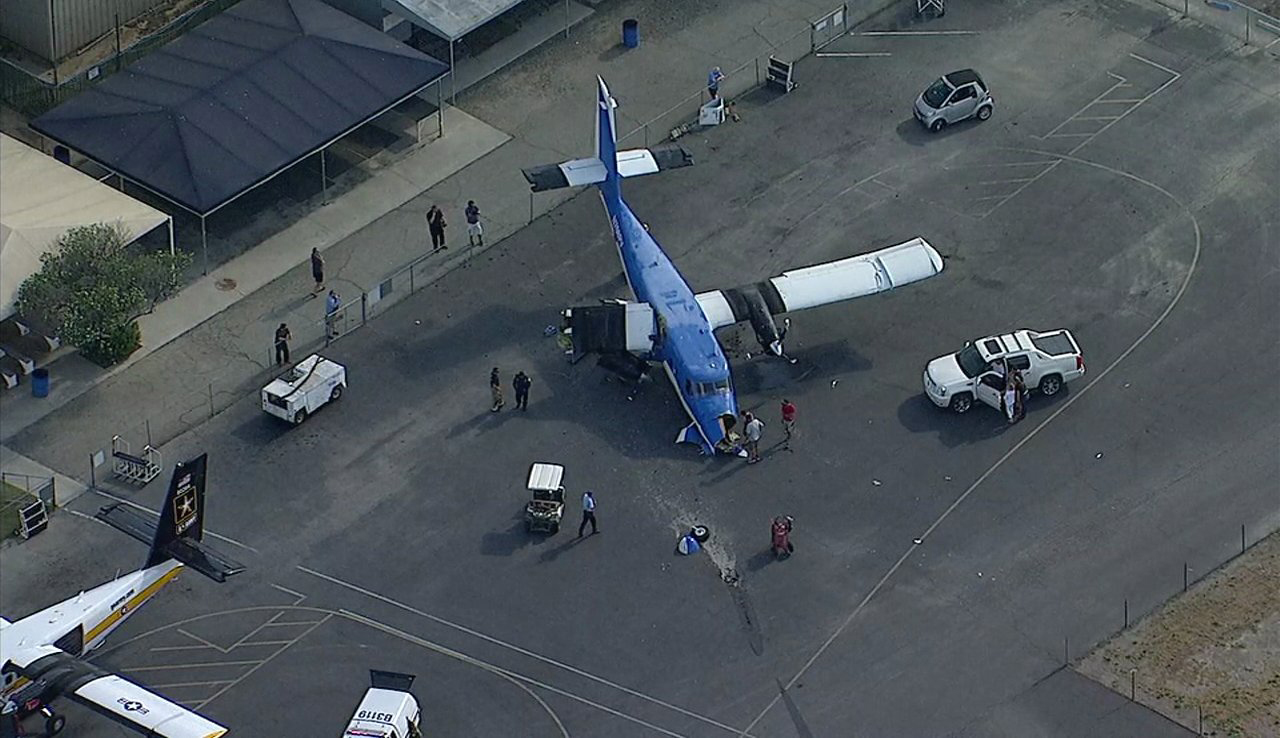
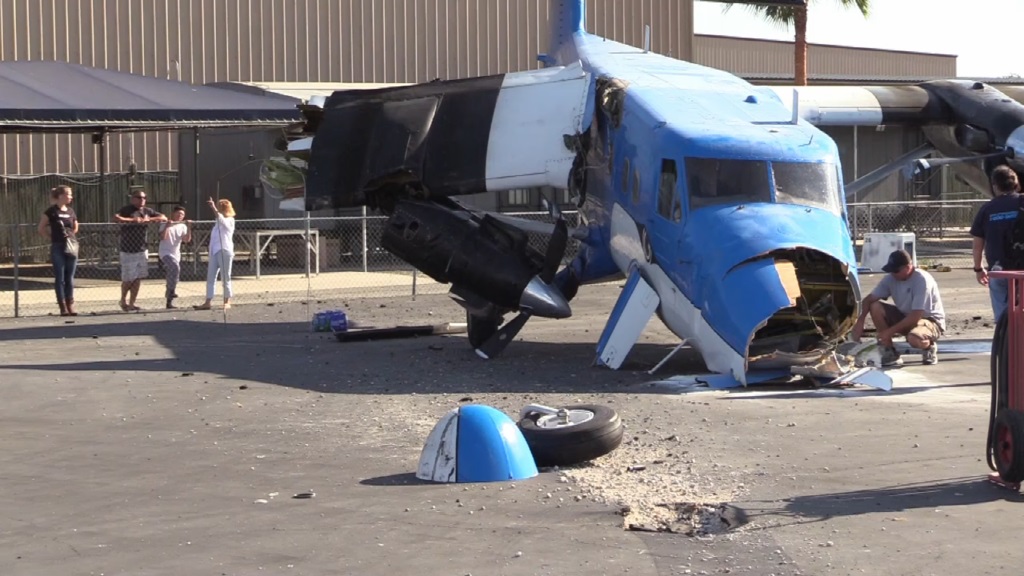
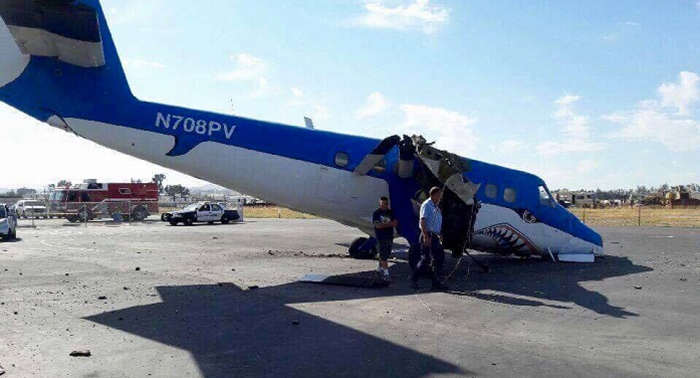
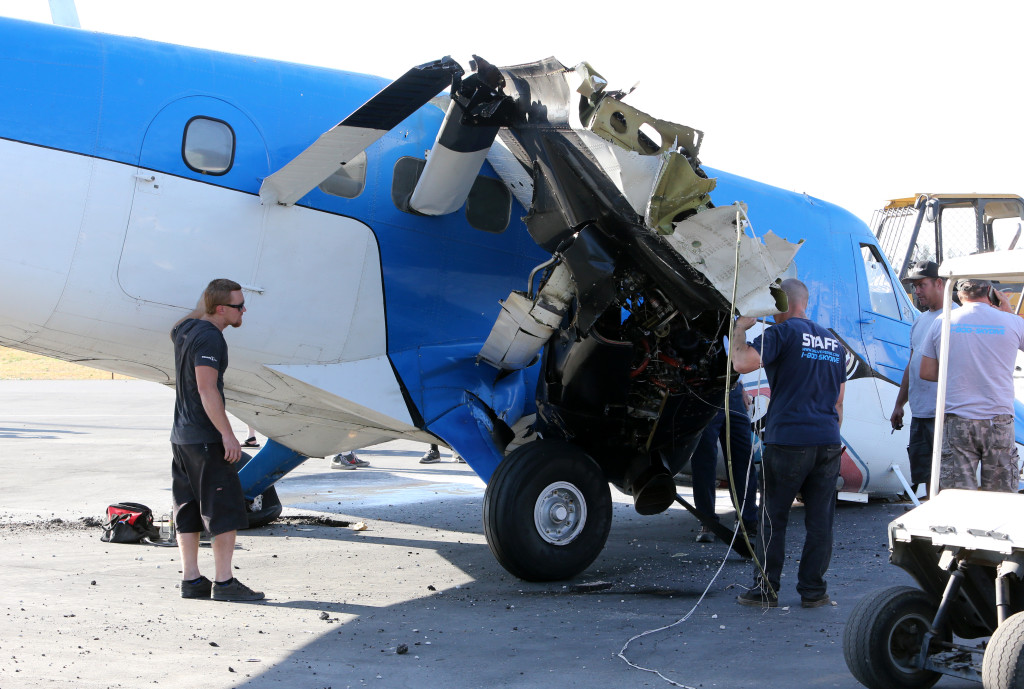
Crash of a GippsAero GA10 Airvan near Mojave
Date & Time:
Jun 4, 2018 at 1152 LT
Operator:

Registration:
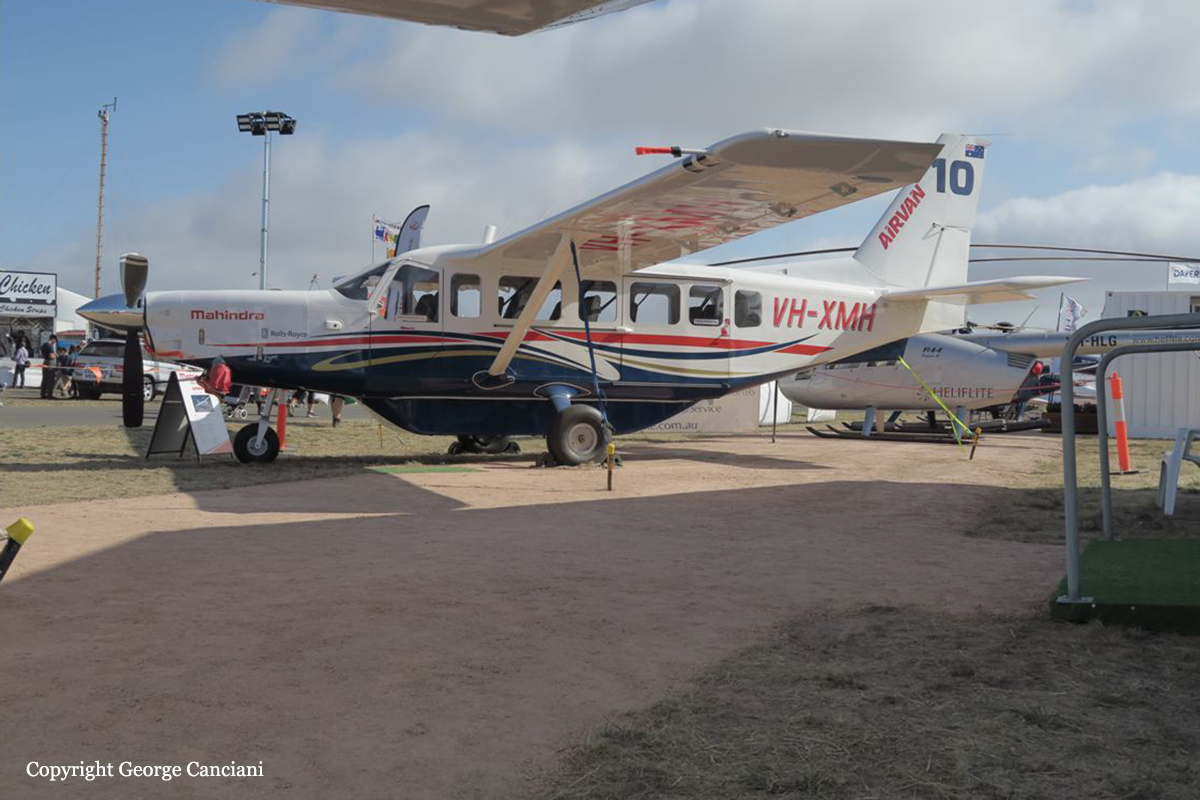
VH-XMH
Survivors:
Yes
Schedule:
Mojave - Mojave
MSN:
GA10-TP450-16-101
YOM:
2016
Crew on board:
2
Crew fatalities:
Pax on board:
0
Pax fatalities:
Other fatalities:
Total fatalities:
0
Captain / Total hours on type:
46.00
Copilot / Total hours on type:
287
Aircraft flight hours:
113
Circumstances:
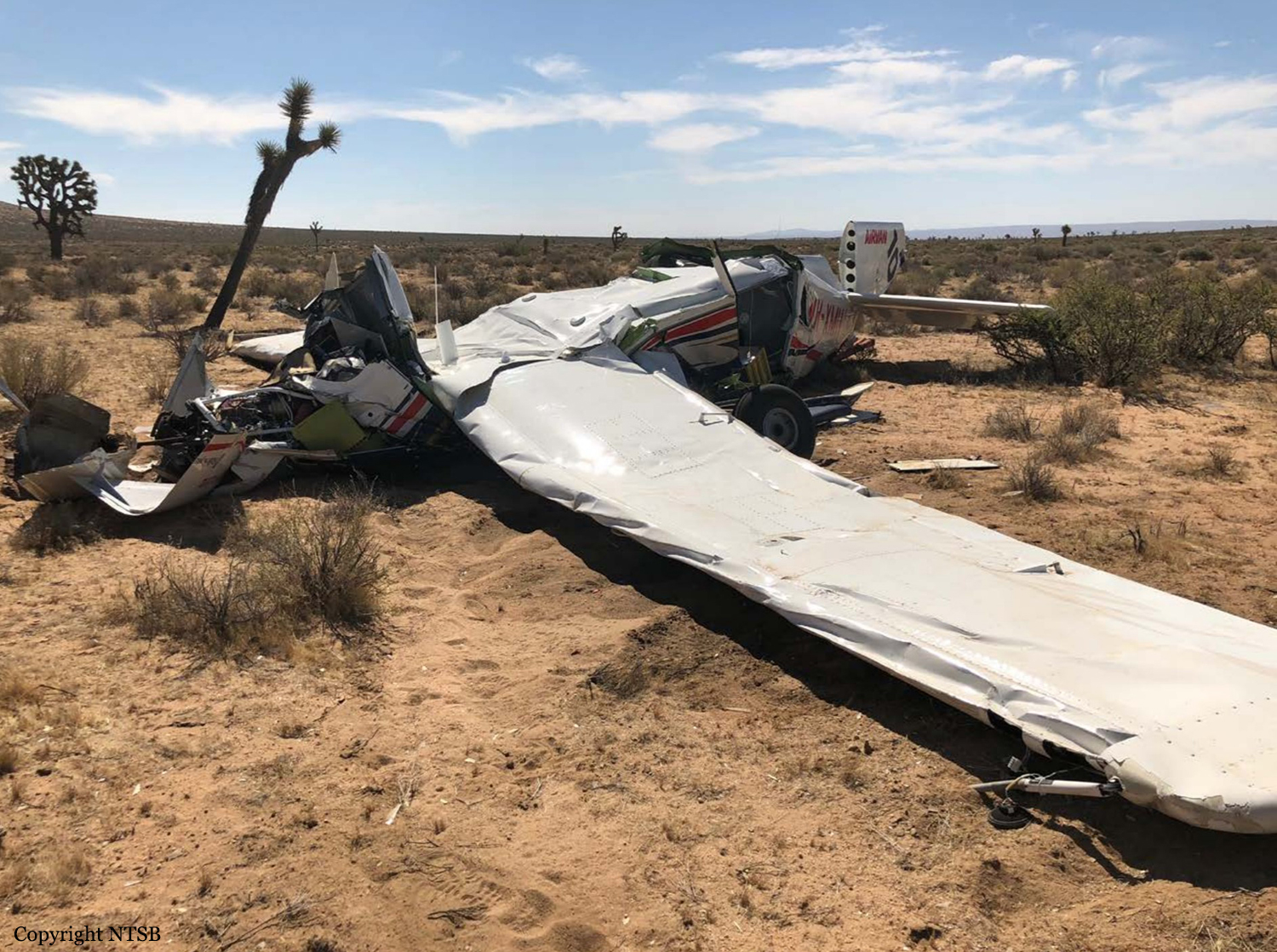
The airplane manufacturer was conducting spin flight testing for the installation of a cargo pod when the airplane exhibited aberrant behavior and the testing was halted. The chief design engineer (CDE) was consulted, and, to provide a margin of safety for further flights, a forward center of gravity position was authorized for flaps up and flaps takeoff entries to gain more insight into the airplane's behavior on the previous flight. At the final briefing, before the next flight, the flight crew added spins with flaps in the landing configuration (flaps landing) into the test plan without the CDE's consultation or authorization. According to the pilot flying, after two wings-level, power on, flaps landing spins with left rudder and right aileron, a third spin entry was flown in the same configuration except that the entry was from a 30° left-bank turn. The airplane entered a normal spin, and, at one turn, flight controls were inputted for a normal recovery; however, the airplane settled into a fully developed spin. When recovery attempts failed, the decision was made to deploy the anti-spin parachute. After repeated unsuccessful attempts to deploy the anti-spin parachute, and when the airplane's altitude reached about 500 ft above the briefed minimum bailout altitude, both pilots called for and executed a bailout. The airplane impacted the ground and was destroyed. A postaccident examination of the anti-spin parachute system revealed that half of the connector hook had opened, which allowed the activation pin lanyard for the anti-spin parachute to become disengaged. Based on the airplane's previous aberrant behavior and the conservative parameters that the CDE had previously set, it is not likely that the CDE would have authorized abused spin entries without a prior testing buildup to those entries. Thus, the flight crew made an inappropriate decision to introduce flaps landing entry spin testing, and the failure of the anti-spin parachute contributed to the accident.
Probable cause:
The flight crew's inappropriate decision, without authorization or consultation from the manufacturer's chief design engineer, to introduce flaps in the landing configuration into the entry spin testing, which resulted in an unrecoverable spin and impact with the ground. Contributing to the accident was the failure of the anti-spin parachute.
Final Report: