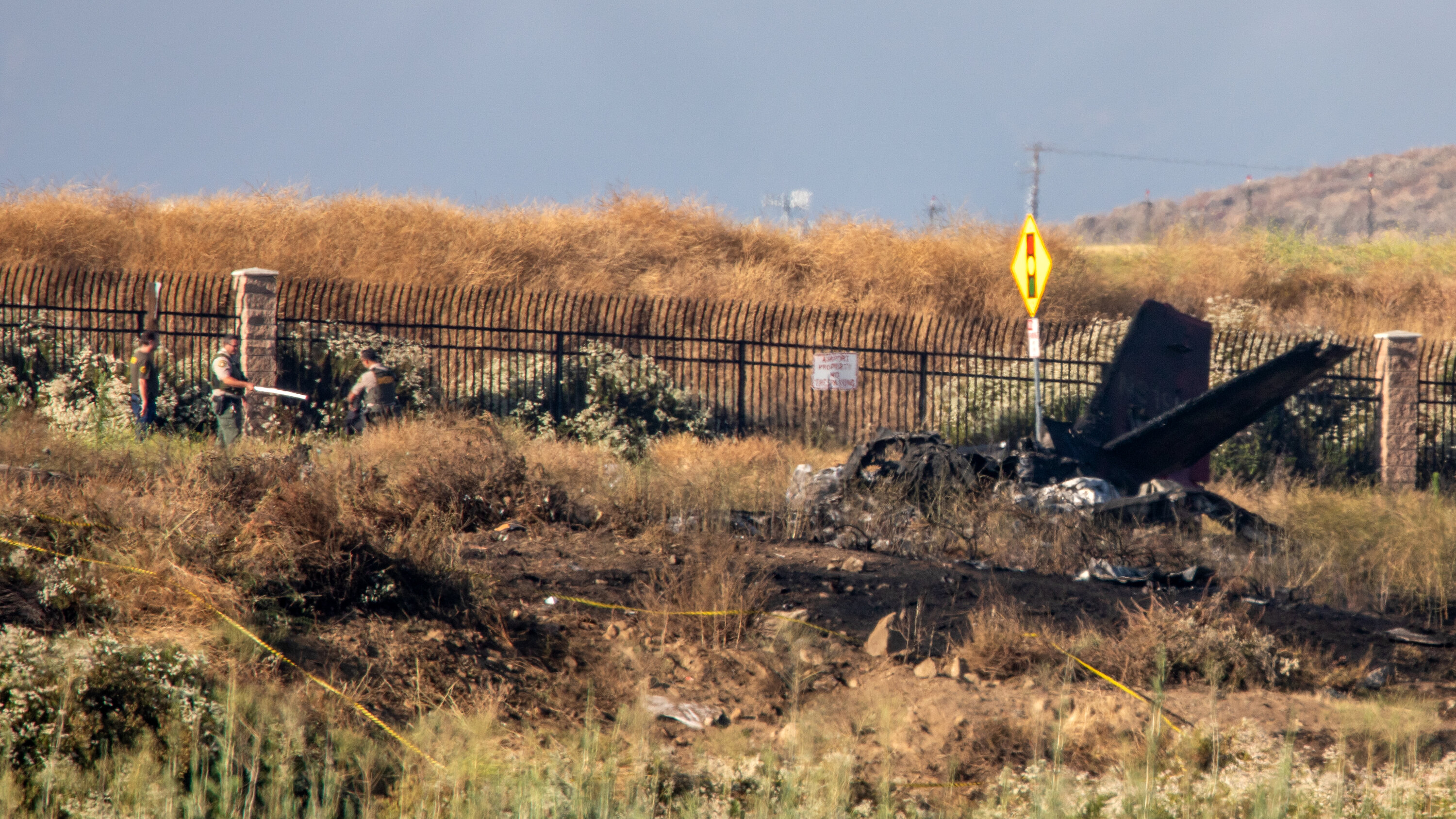
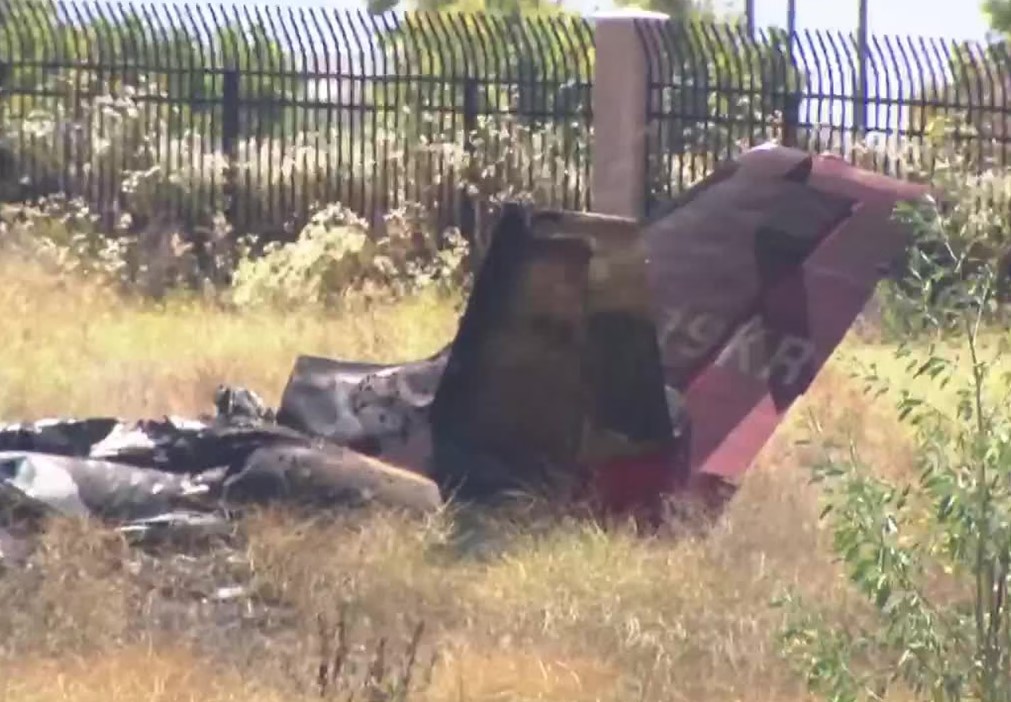
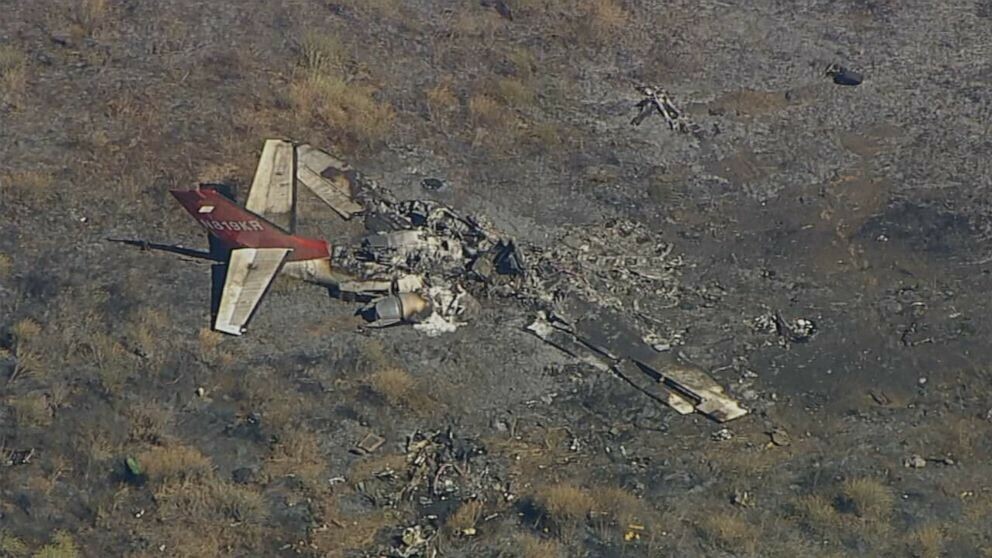
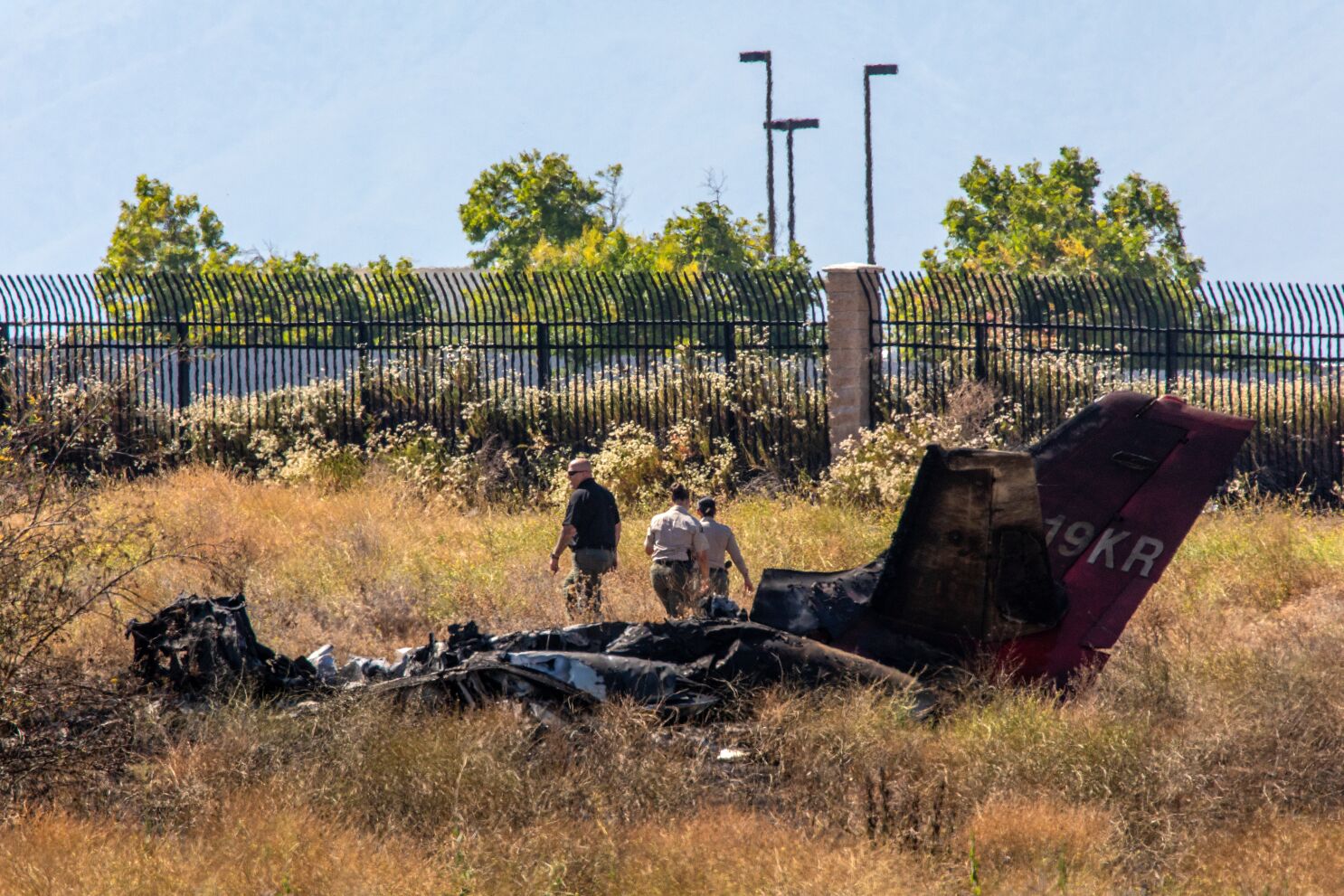
Crash of a Cessna 550 Citation II in Temecula: 6 killed
Date & Time:
Jul 8, 2023 at 0414 LT
Registration:
N819KR
Survivors:
No
Schedule:
Las Vegas - Temecula
MSN:
550-0114
YOM:
1979
Crew on board:
2
Crew fatalities:
Pax on board:
4
Pax fatalities:
Other fatalities:
Total fatalities:
6
Aircraft flight hours:
14569
Circumstances:
During an early morning night flight, the flight encountered deteriorating weather conditions with a low overcast ceiling and rapidly decreasing visibility at the destination due to fog. A few minutes before the flight’s arrival time at the destination airport, the weather had changed from being clear with 10 statute miles (sm) visibility to 300 ft overcast with 3/4 sm visibility. Additionally, in the next 20 minutes, the visibility further decreased to about 1/2 sm with fog. The airplane was cleared for the RNAV (GPS) Runway 18 instrument approach to the airport. The lowest visibility requirement on the approach was 7/8 of a mile. During the final approach, the pilot executed a missed approach and asked to try another instrument approach. During the second instrument approach, while on final approach, the pilot failed to fly a stabilized approach as the airplane’s descent rate and airspeed were excessive. Subsequently, the airplane descended below the decision altitude of the approach without appropriate visual references and impacted terrain about 810 ft short of the runway threshold. The circumstances of the accident flight were consistent with controlled flight into terrain (CFIT). The postaccident examination of the airplane and engines revealed no evidence of mechanical failures or malfunctions that would have precluded normal operation of the airplane. The pilot had very low levels of ethanol detected in postmortem vitreous fluid and cavity blood. Some or all of this small amount of ethanol may have been from sources other than alcohol consumption. Although it is uncertain whether the pilot had consumed alcohol overnight, the toxicology results indicate that it is unlikely that the pilot’s performance would be significantly affected by ethanol. The copilot’s ethanol levels were high in all tested postmortem specimens. Based on the toxicology results and the circumstances of the event, it is likely that the copilot had consumed alcohol. However, based on the extent of his injuries, the presence of indicators of microbial decomposition, and the relative differences in ethanol levels across specimens, it also is likely that some of the detected ethanol was from sources other than alcohol consumption. The copilot’s blood alcohol level at the time of the crash cannot be reliably determined from available evidence. Overall, alcohol-related impairment may have limited the copilot’s ability to make a positive contribution to flight safety (such as by helping to monitor the approach); however, whether the effects of alcohol use by the copilot contributed to the accident outcome could not be determined.
Probable cause:
The flight crew’s decision to descend below the decision altitude of an instrument approach without having the appropriate runway visual reference(s) distinctively identified and with the visibility below the minimum that was prescribed for the approach, which resulted in controlled flight into terrain.
Final Report: