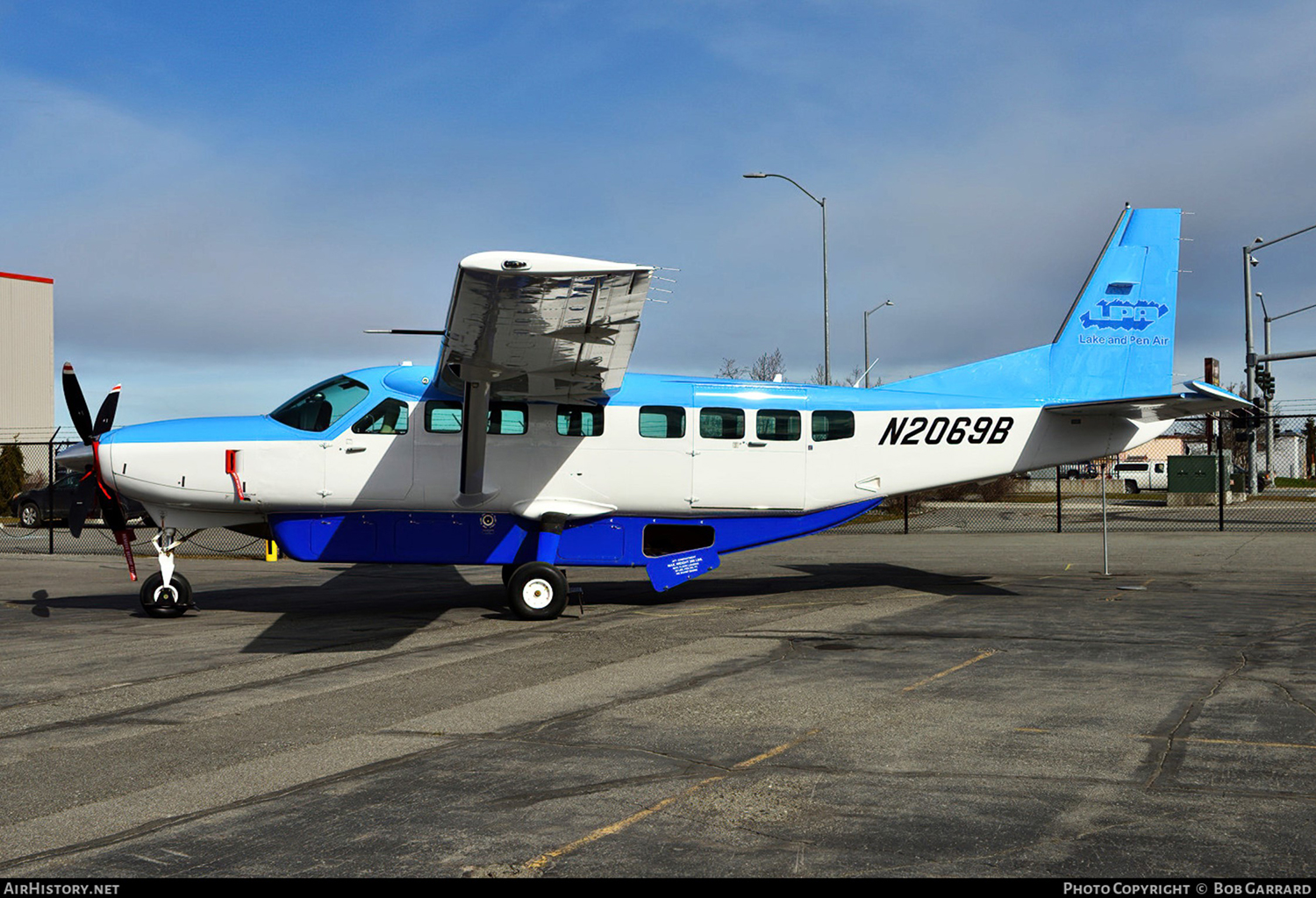
Crash of a Cessna 208B Grand Caravan EX in Snohomish: 4 killed
Date & Time:
Nov 18, 2022 at 1019 LT
Registration:
N2069B
Survivors:
No
Schedule:
Renton - Renton
MSN:
208B-5657
YOM:
2021
Crew on board:
4
Crew fatalities:
Pax on board:
0
Pax fatalities:
Other fatalities:
Total fatalities:
4
Circumstances:
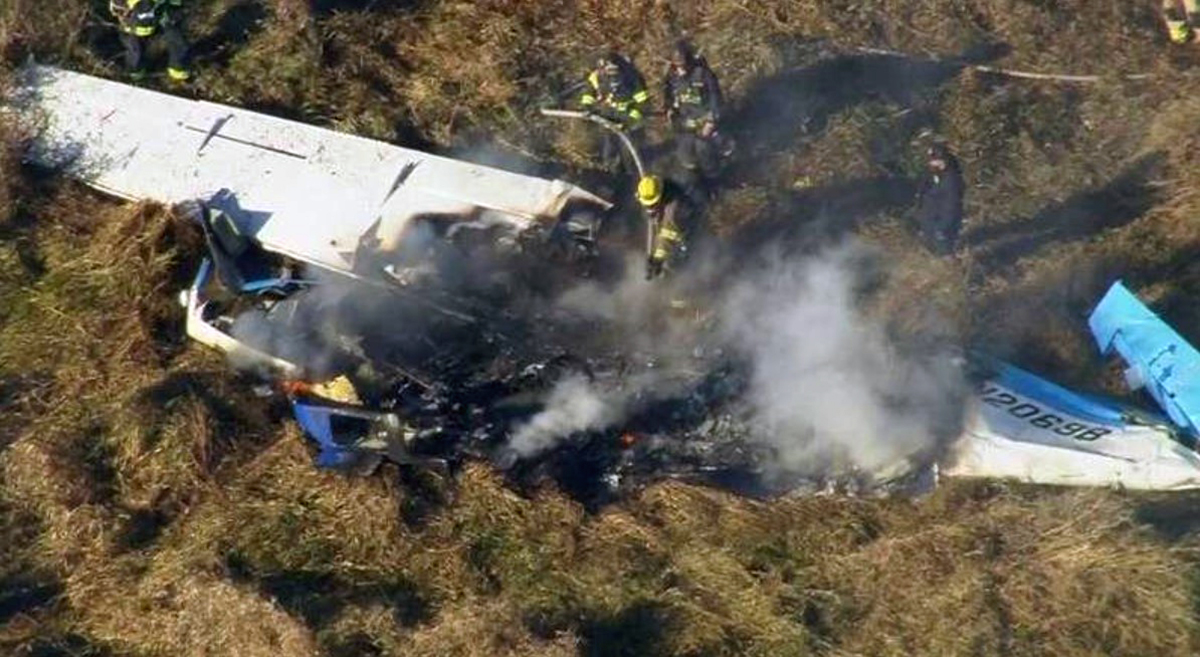
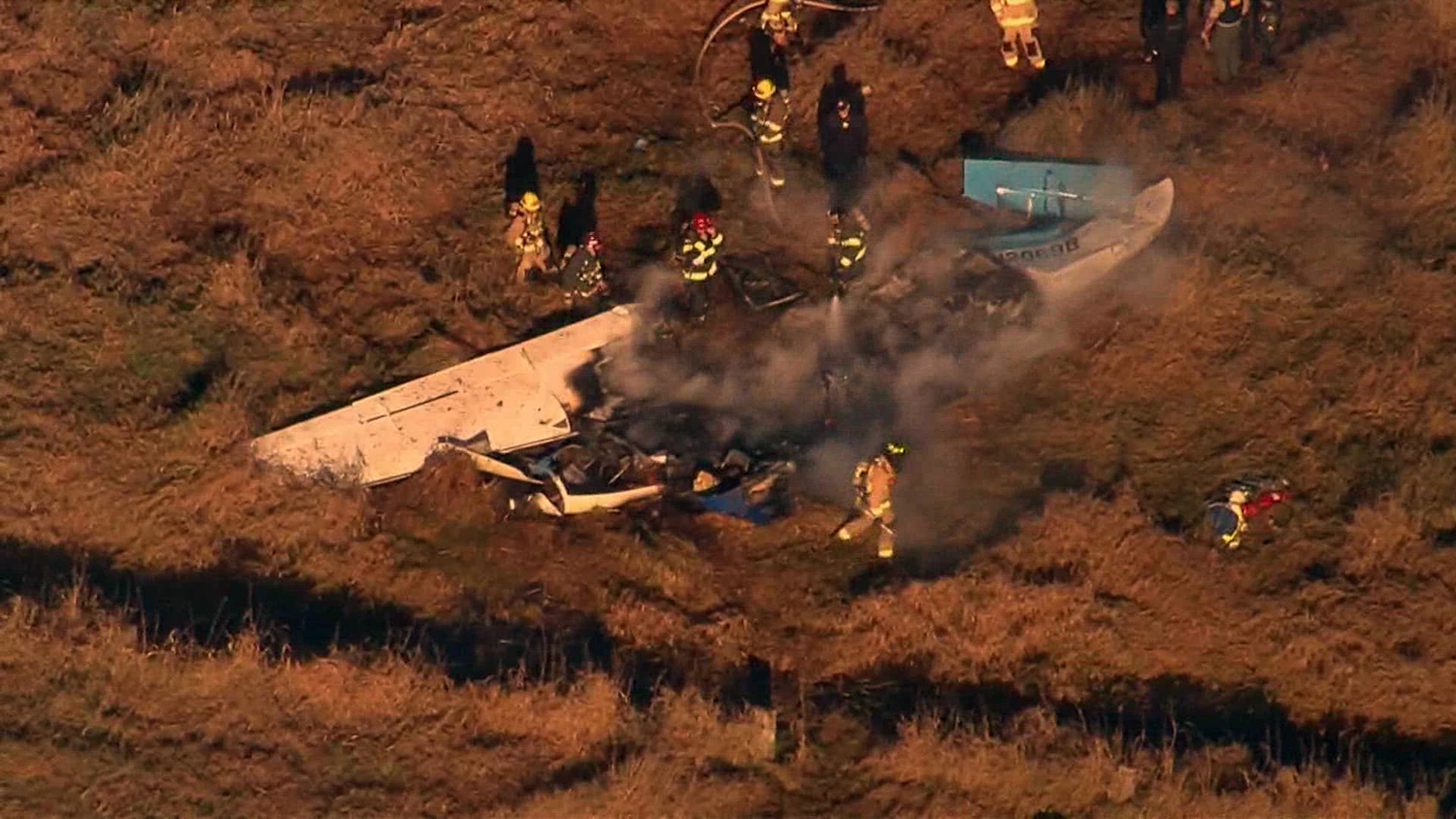
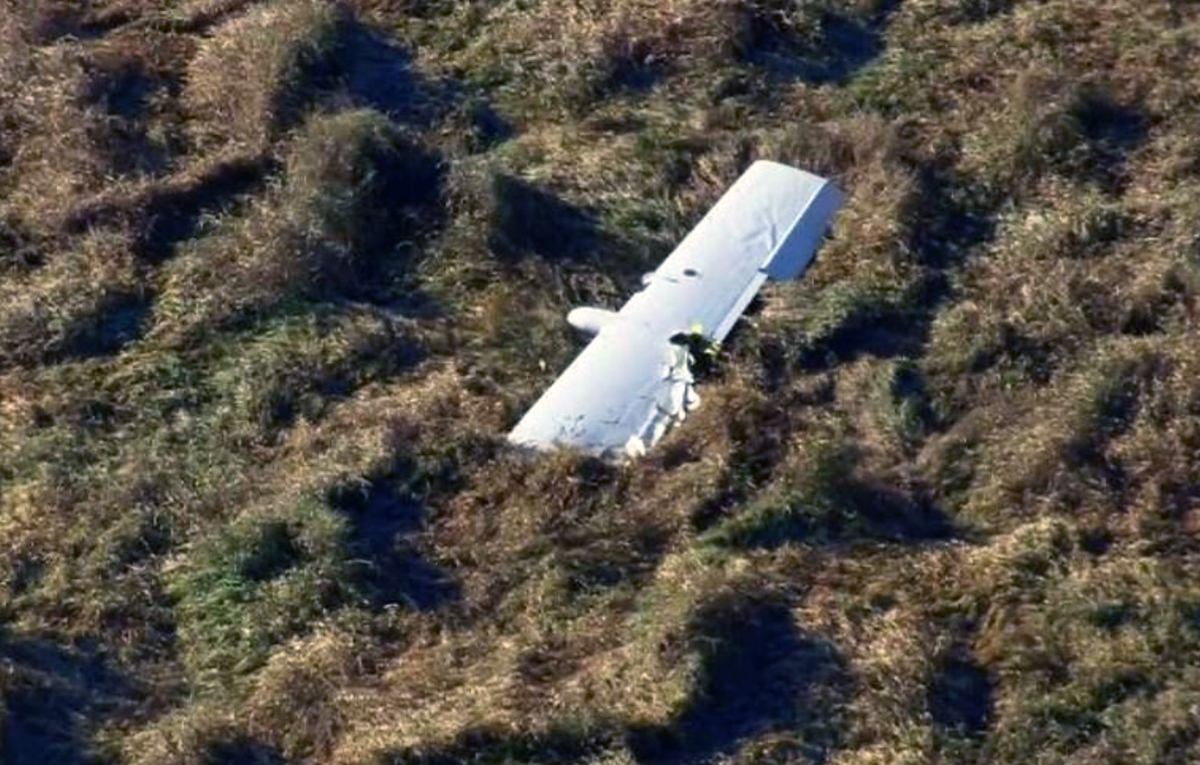
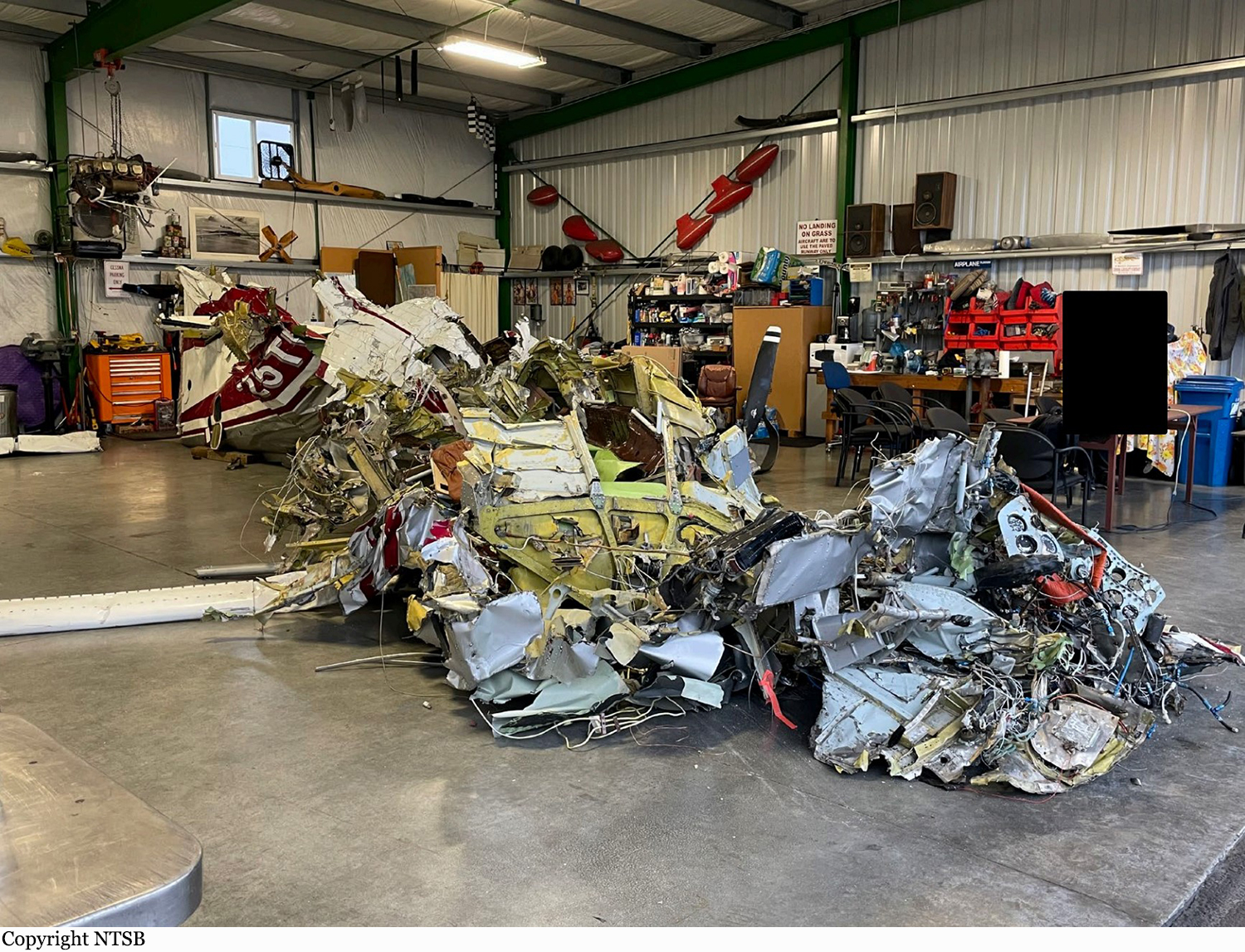
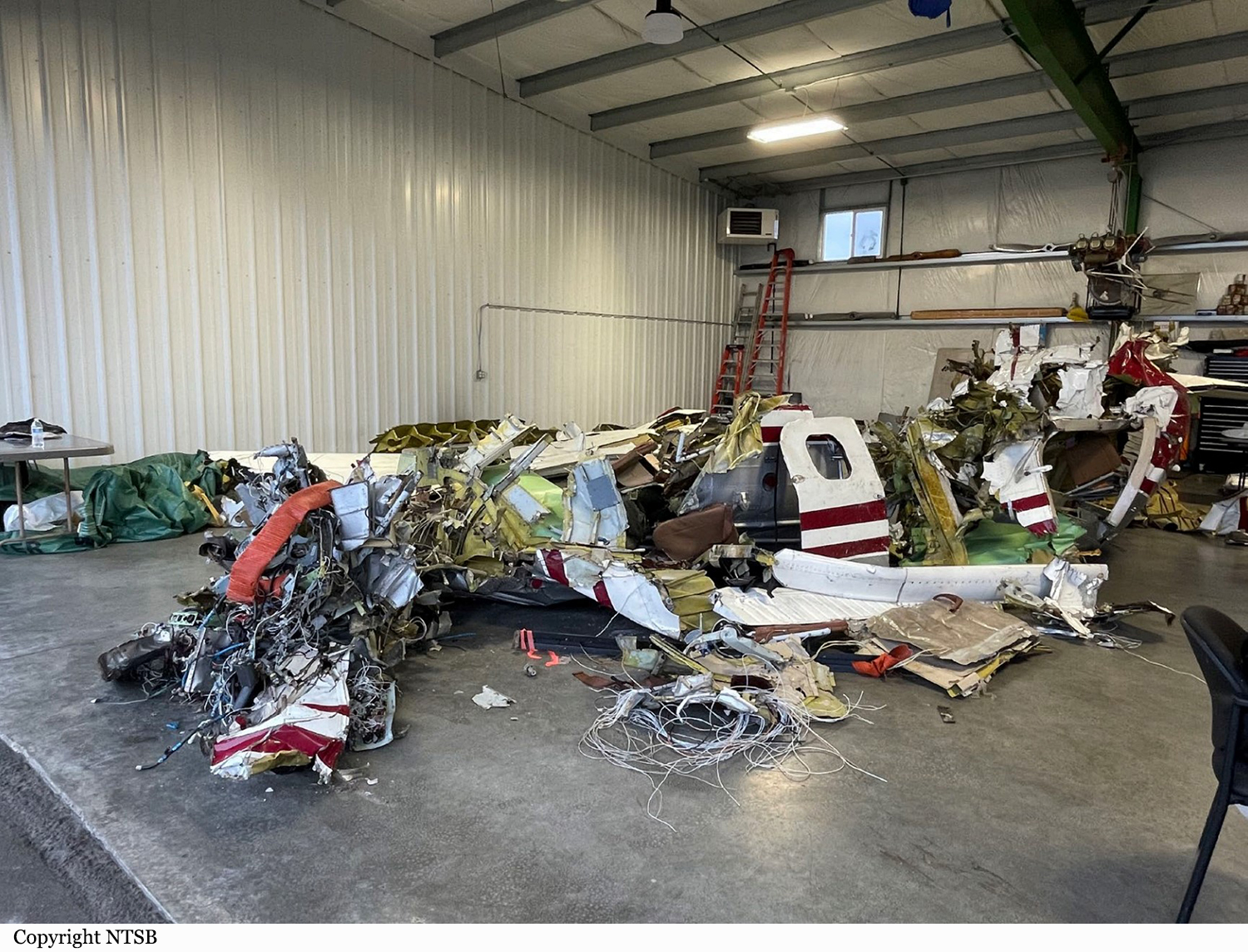
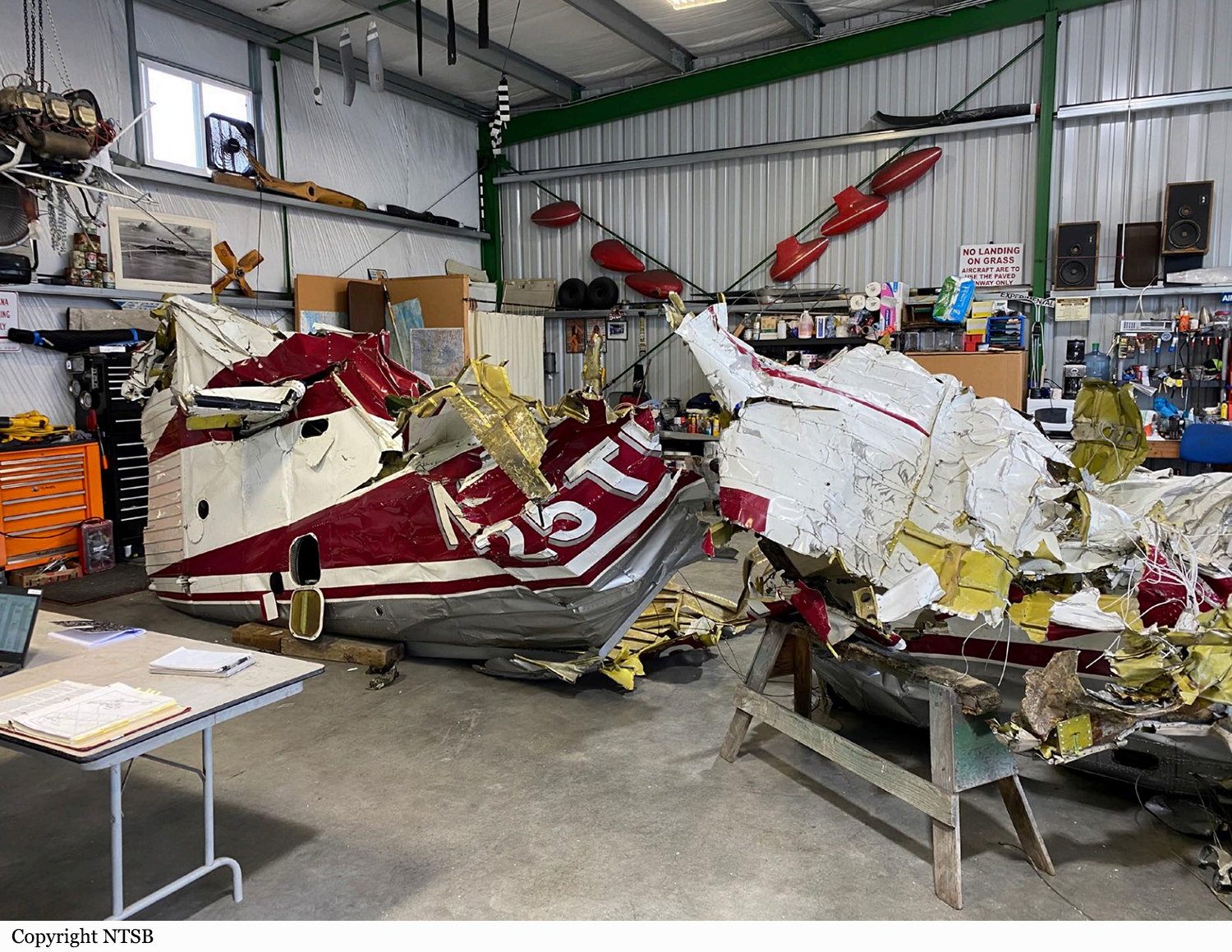
The pilot and three other crew members were performing flight testing for a new Supplemental Type Certificate (STC) for the single-engine turboprop-powered airplane. After departure, the pilot performed several maneuvers from the test card, then configured the airplane with the flaps extended for an intentional accelerated stall in a 30° left bank with the engine torque set to 930 ft-lb. Analysis of ADS-B data combined with a simulation matching the recorded trajectory of the accident maneuver revealed that, after the stall, the airplane rapidly rolled to the left, reaching a roll angle of 120° while the pitch angle decreased to 60° nose down. The airspeed rapidly increased, exceeding both the maximum flaps-extended speed (Vfe) and the airplane’s maximum operating speed (Vmo). Recorded engine data indicated that, after the stall, the engine torque increased. ADS-B data was lost at an altitude about 7,000 ft above ground level; the final track data indicated an approximate 8,700 ft/min rate of descent. Witnesses observed the airplane break up in flight and subsequently spiral to the ground. The wreckage was found in a rural field distributed over a distance of about 1,800 ft. Analysis of the aerodynamic loads in an overspeed condition showed that the wing design stress limit loads would be exceeded at high speeds with full flaps. The simulation of the stall maneuver indicated that reducing engine power to idle after the nose dropped could have reduced the rate at which the airspeed and associated aerodynamic loads increased, and would have likely given the pilot more time to recover. The airplane was equipped with an Electronic Stability and Protection (ESP) system, which was designed to deter attitude and airspeed exceedances during hand-flying and maintain stable flight by applying an opposite force to the direction of predetermined travel. It was designed to provide a light force that can be overcome by the pilot. To deactivate the ESP, the pilot needed to navigate to a specific page in the primary function display (PFD). Although the accident pilot was an experienced test pilot and qualified to operate the airplane, his experience with the accident airplane’s avionics system could not be determined. Videos of his previous flights in the airplane suggested that he was unfamiliar with the ESP system, as he did not deactivate it before the flight nor discuss the forces it was applying during the flight. Onboard video recording from a test flight the day before the accident indicated that, while performing a turning stall at idle power and 30° of left bank with the wing flaps extended, the airplane rapidly entered a left roll to a maximum of 83° before the pilot recovered to a wingslevel attitude. After recovery, the pilot pitched the airplane’s nose down about 25° in order to “get some airspeed back,” during which the ESP activated the autopilot to effect recovery to a level attitude. The airplane continued to gain airspeed, exceeding the Vmo of 175 knots and reaching 183 knots indicated airspeed, before pilot arrested the airplane’s acceleration and disconnected the autopilot. These two exceedances illustrated shortcomings in the test execution. First, although the 83° roll exceeded the allowable roll limit during this maneuver, the crew failed to identify this exceedance even though they discussed what angle had been reached and had a data acquisition system on board, which they could have consulted to determine the maximum roll angle reached during the maneuver. Correctly identifying the roll exceedance would have resulted in a “failed” test. In accordance with risk mitigation procedures for the test plan, the test buildup should have been stopped after roll limits were exceeded in order to determine the reasons for the exceedance and to implement corrective actions before proceeding with higher-risk conditions in the test plan. Secondly, after exceeding Vmo, the crew did not remark upon the exceedance, and even though the exceedance met the requirements for an overspeed inspection as described in the airplane’s maintenance manual, there was no indication that this inspection was completed. The accident flight simulation indicated that, during the stall immediately preceding the accident, it is likely that the ESP activated as the airplane pitched in excess of 19° nose-up. This would have required the pilot to apply more aft force on the control column in order to induce the stall. After the stall, the ESP would have activated at 45° bank, then deactivated as the airplane quickly exceeded 75°. The extent to which the control forces from the ESP, or the potential distraction due to the system’s engagement and disengagement, may have contributed to the pilot’s failure to recover from the nose-low attitude following the stall could not be determined. FAA guidance warns of the risks associated with upset events during stall maneuvers and advises against performing accelerated stalls with flaps deployed due to the increased risk of exceeding the airplane’s limitations in this configuration. Following a nose-low departure from controlled flight, reducing the power to idle immediately is crucial to avoid exceeding airspeed limitations and overstressing the airplane. The circumstances of the accident flight are consistent with the pilot’s improper recovery from a nose-low attitude following an intentional aerodynamic stall. Whether the increase in torque following the stall was the result of intentional application of power by the pilot could not be determined; however, the pilot’s failure to reduce engine power to idle following the airplane’s departure from controlled flight was contrary to published guidance as well as test flight hazard mitigation procedures. It is likely that this resulted in the airplane’s rapid exceedance of its airspeed limitations, and subsequently, a structural failure and inflight breakup.
Probable cause:
The pilot’s improper recovery following a departure from controlled flight after an intentional aerodynamic stall, which resulted in an exceedance of airspeed limitations, airframe overstress, and a subsequent inflight breakup.
Final Report: