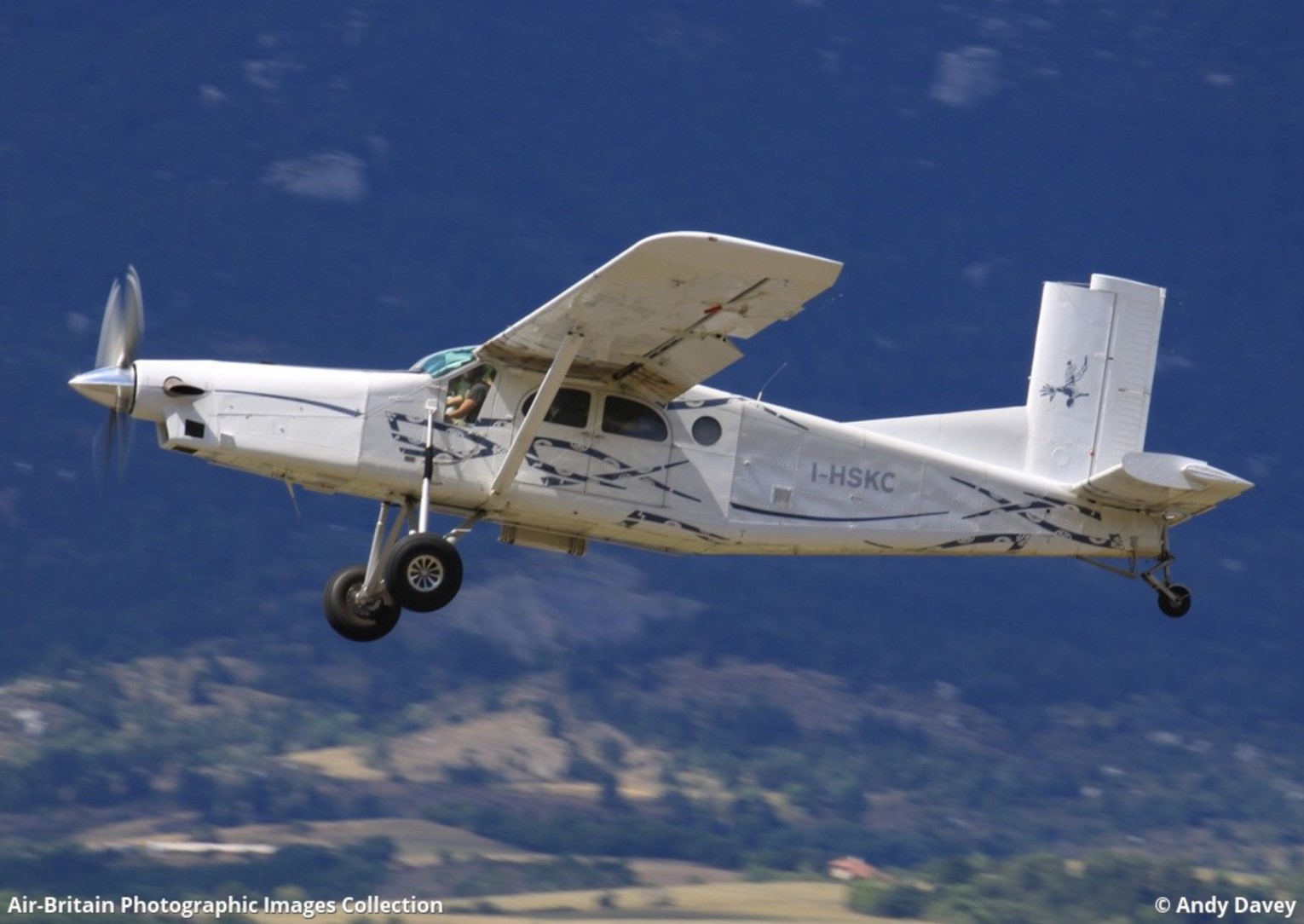
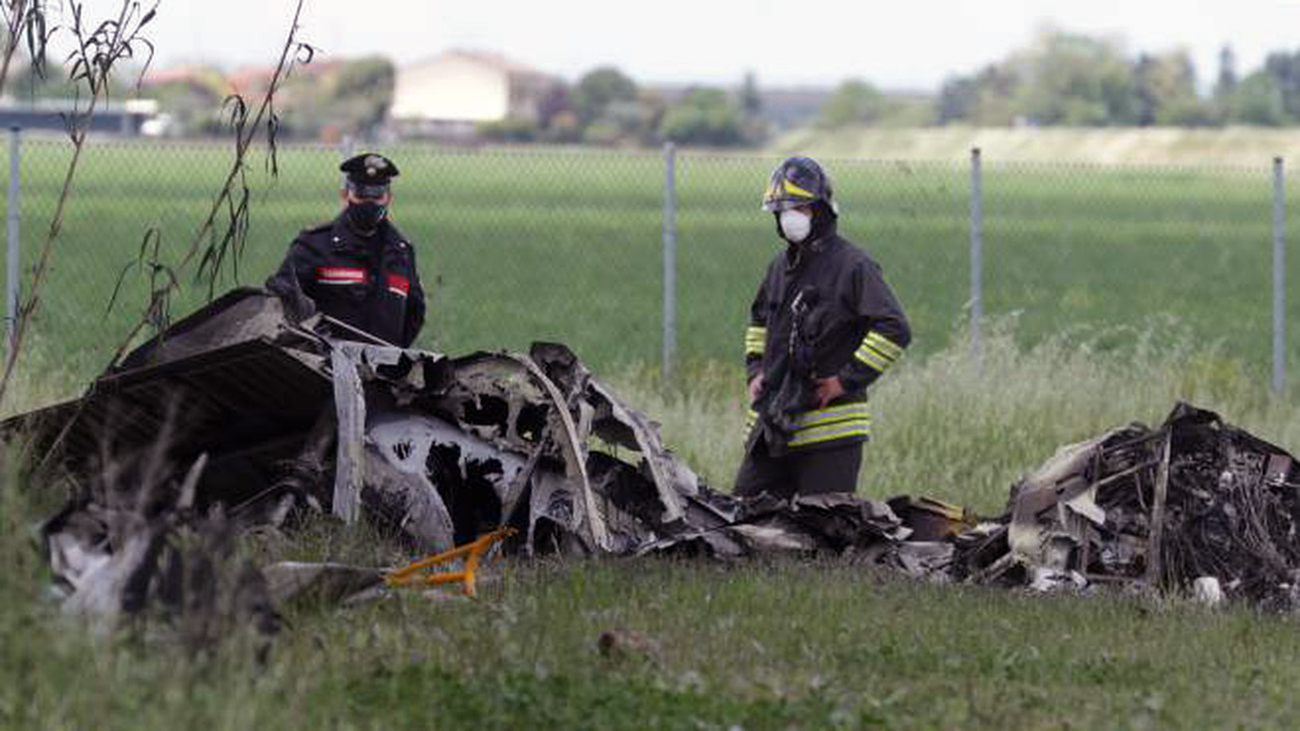
Crash of a Pilatus PC-6/B2-H4 Turbo Porter in Ravenna: 2 killed

Date & Time: May 14, 2021 at 1140 LT
Operator:

Registration:
I-HSKC
Flight Phase:
Flight Type:
Survivors:
No
Schedule:
Ravenna - Ravenna
MSN:
779
YOM:
1977
Country:
Region:
Crew on board:
2
Crew fatalities:
Pax on board:
0
Pax fatalities:
Other fatalities:
Total fatalities:
2
Circumstances:
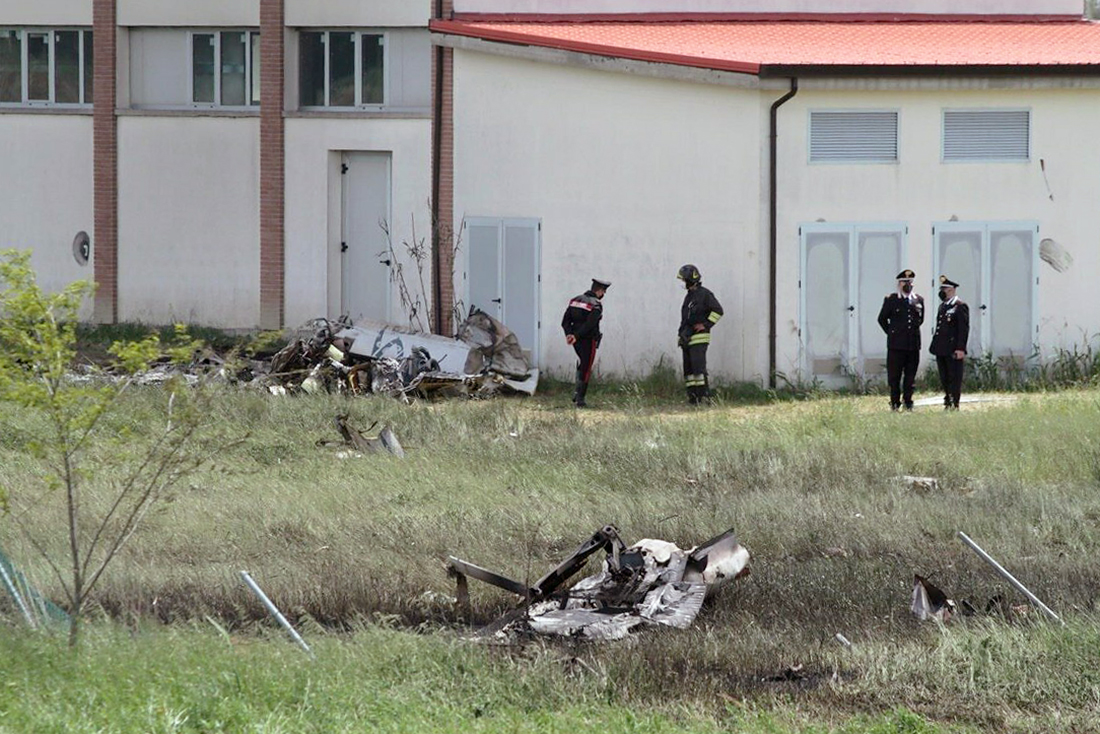
The crew departed Ravenna-La Spreta Airport in the morning on a local training flight consisting of a licence renewal for one of the pilots. En route, in unclear circumstances, the single engine aircraft went out of control and crashed at the bottom of a building located about 1,400 metres south of the airfield. The aircraft was totally destroyed by impact forces and a post crash fire and both occupants were killed.
Crash of a Pilatus PC-6/B2-H4 Turbo Porter in Livrasco: 2 killed

Date & Time: Sep 20, 2020 at 0949 LT
Operator:
Registration:
T7-SKY
Survivors:
Yes
Schedule:
Cremona - Cremona
MSN:
902
YOM:
1993
Country:
Region:
Crew on board:
1
Crew fatalities:
Pax on board:
8
Pax fatalities:
Other fatalities:
Total fatalities:
2
Captain / Total flying hours:
4400
Captain / Total hours on type:
2500.00
Aircraft flight hours:
4920
Circumstances:
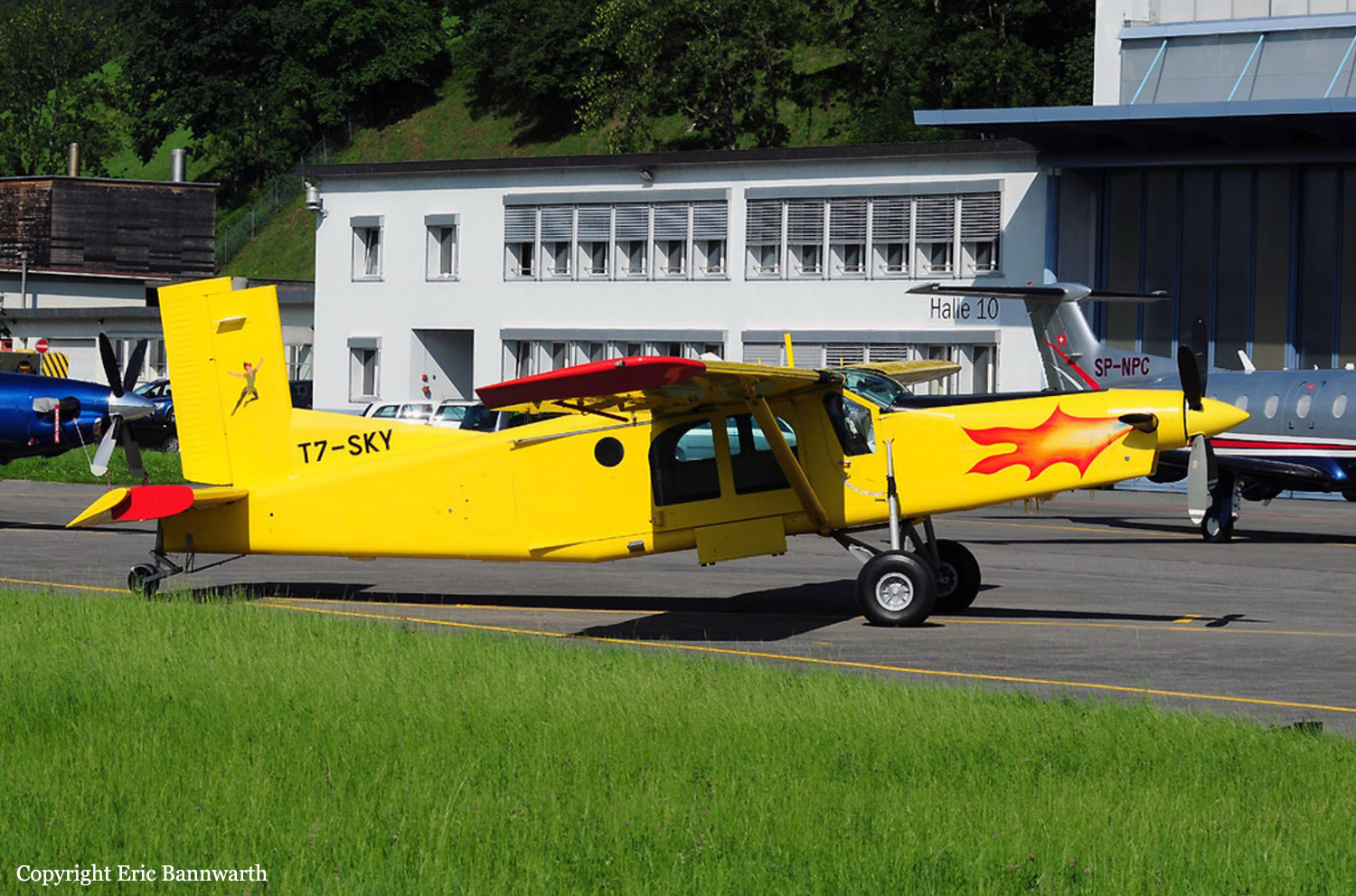
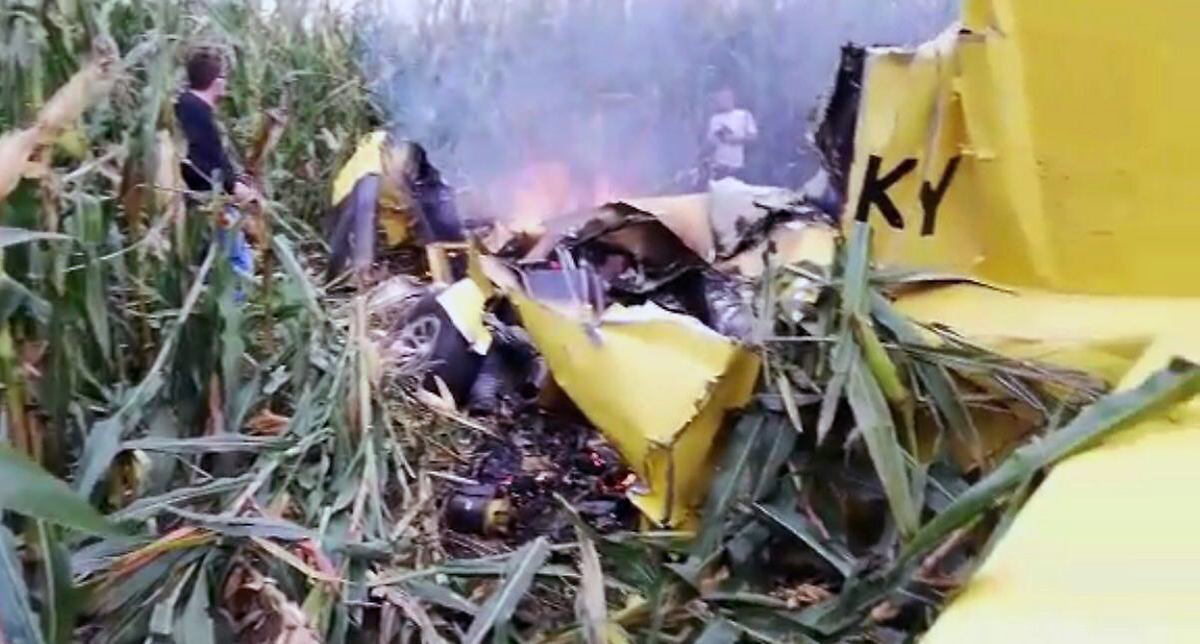
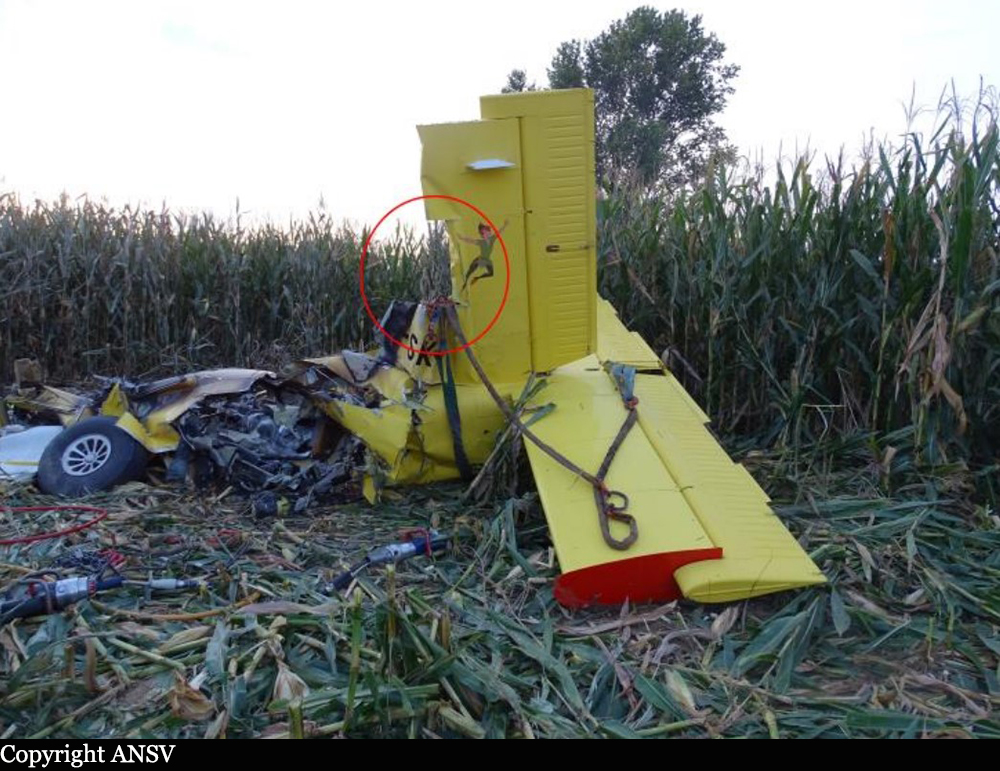
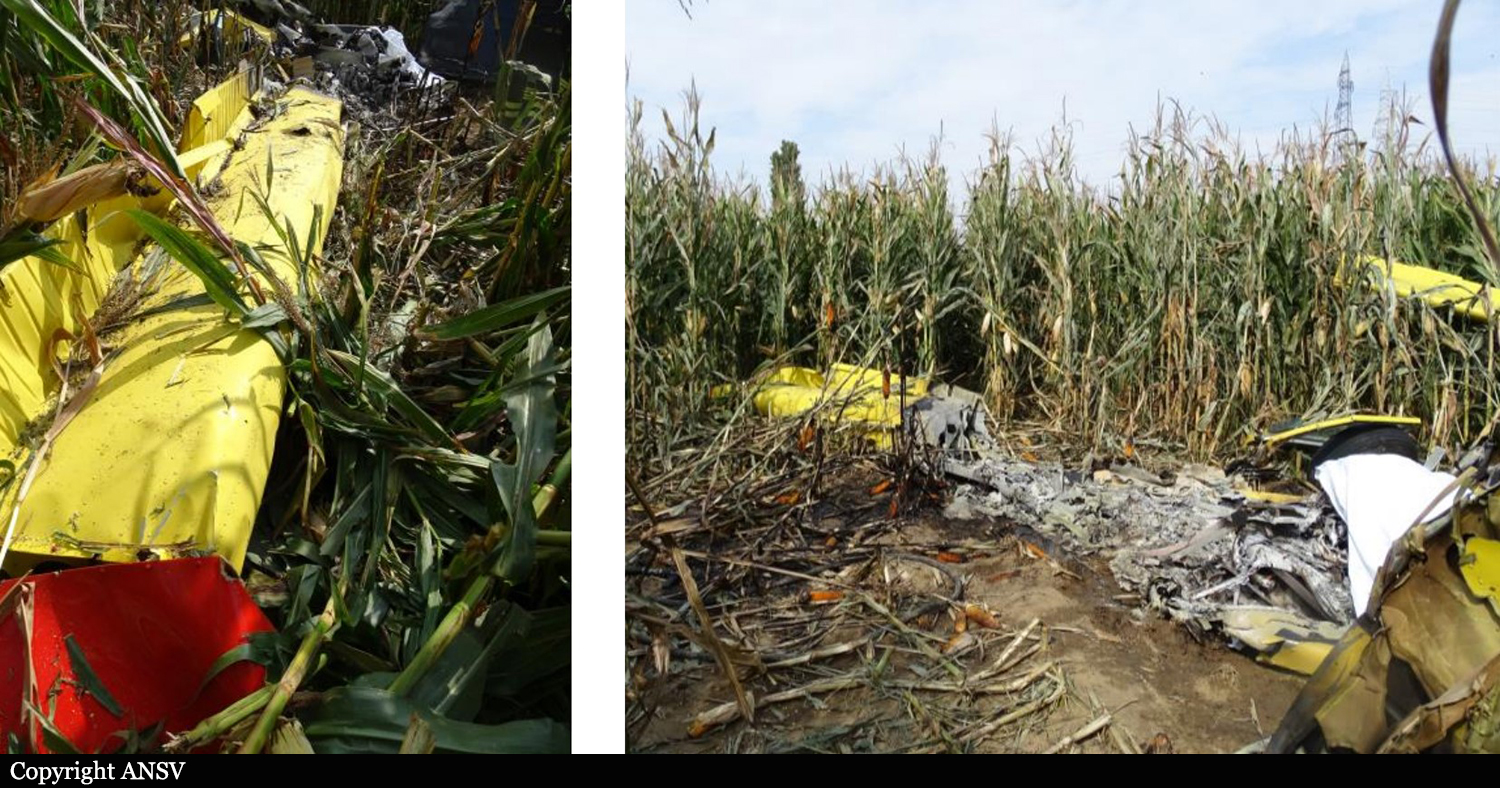
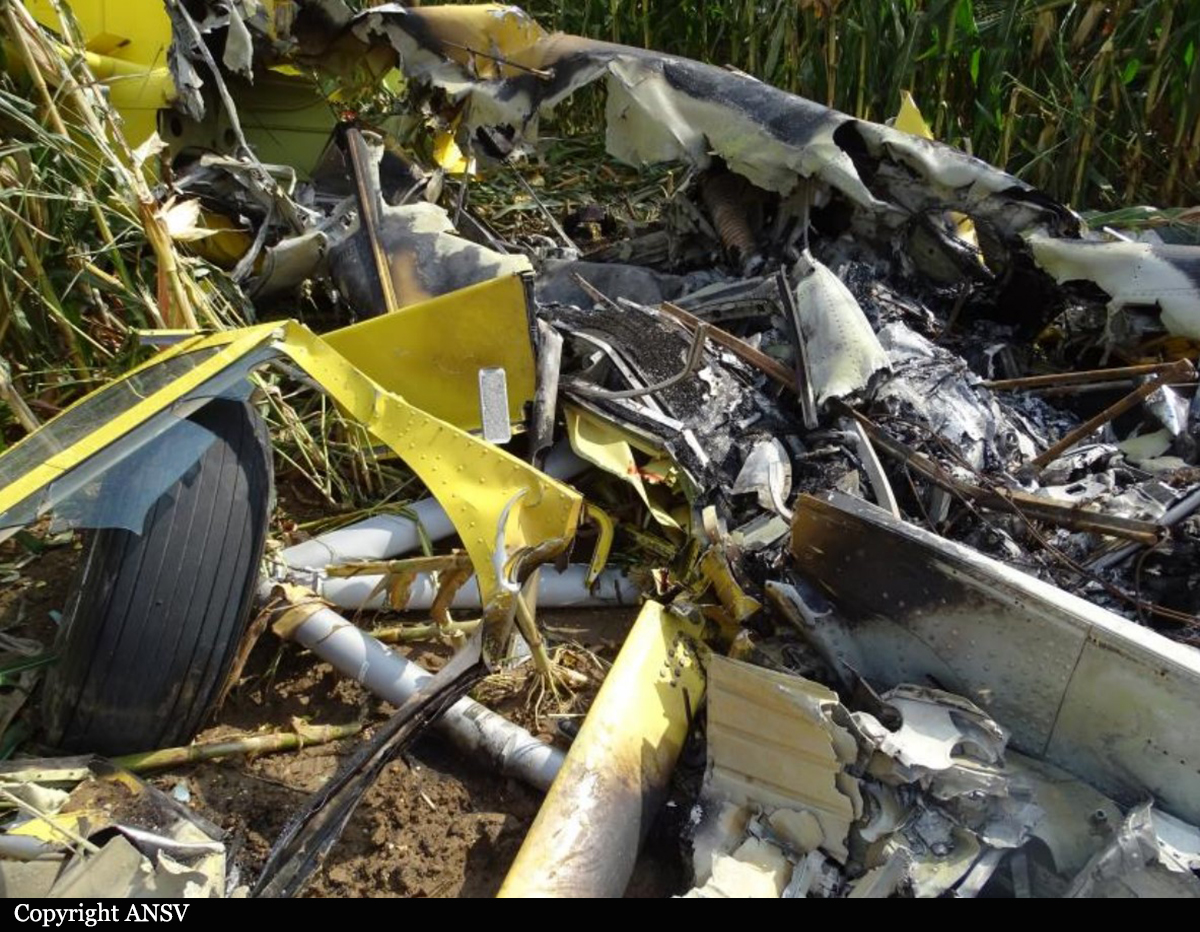
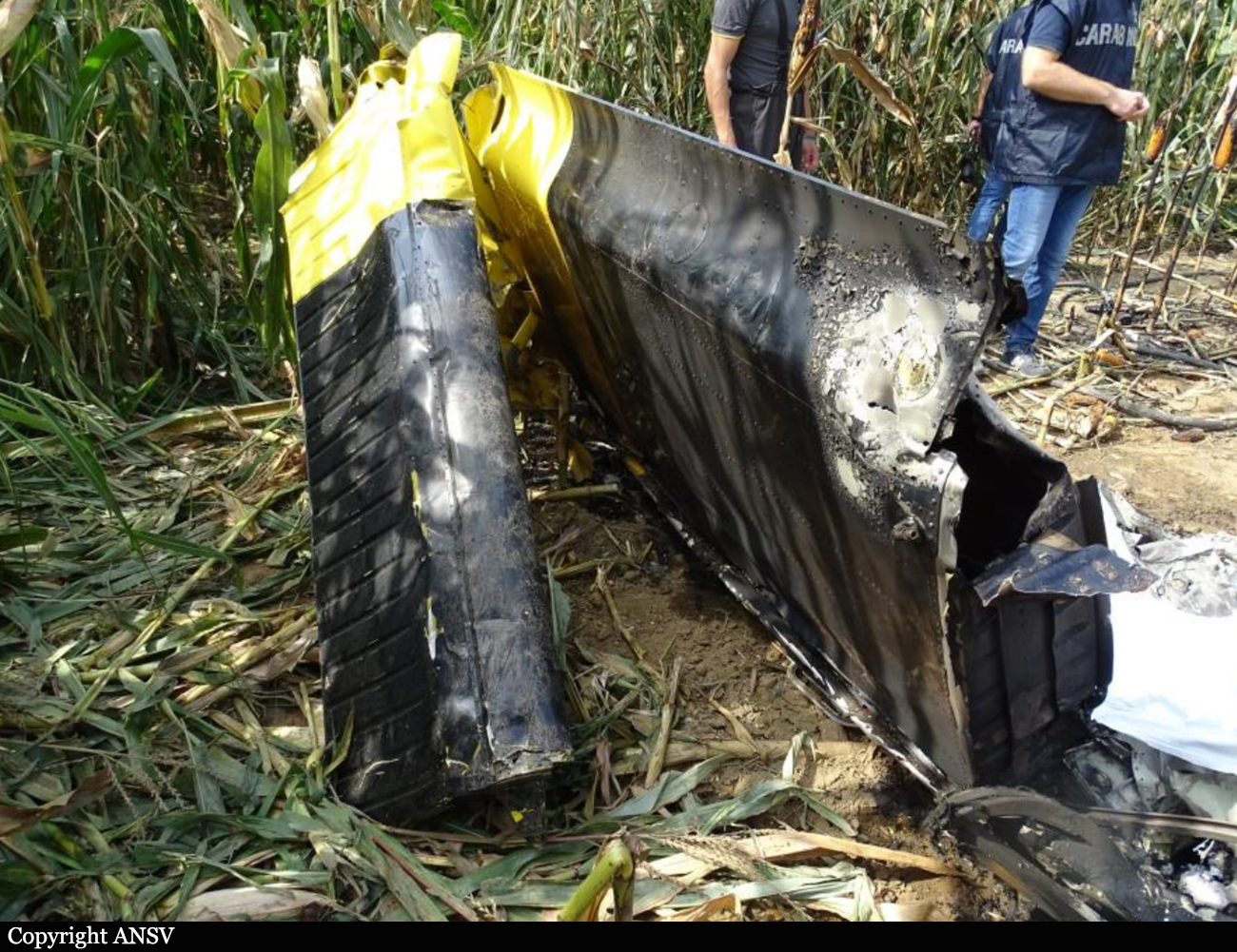
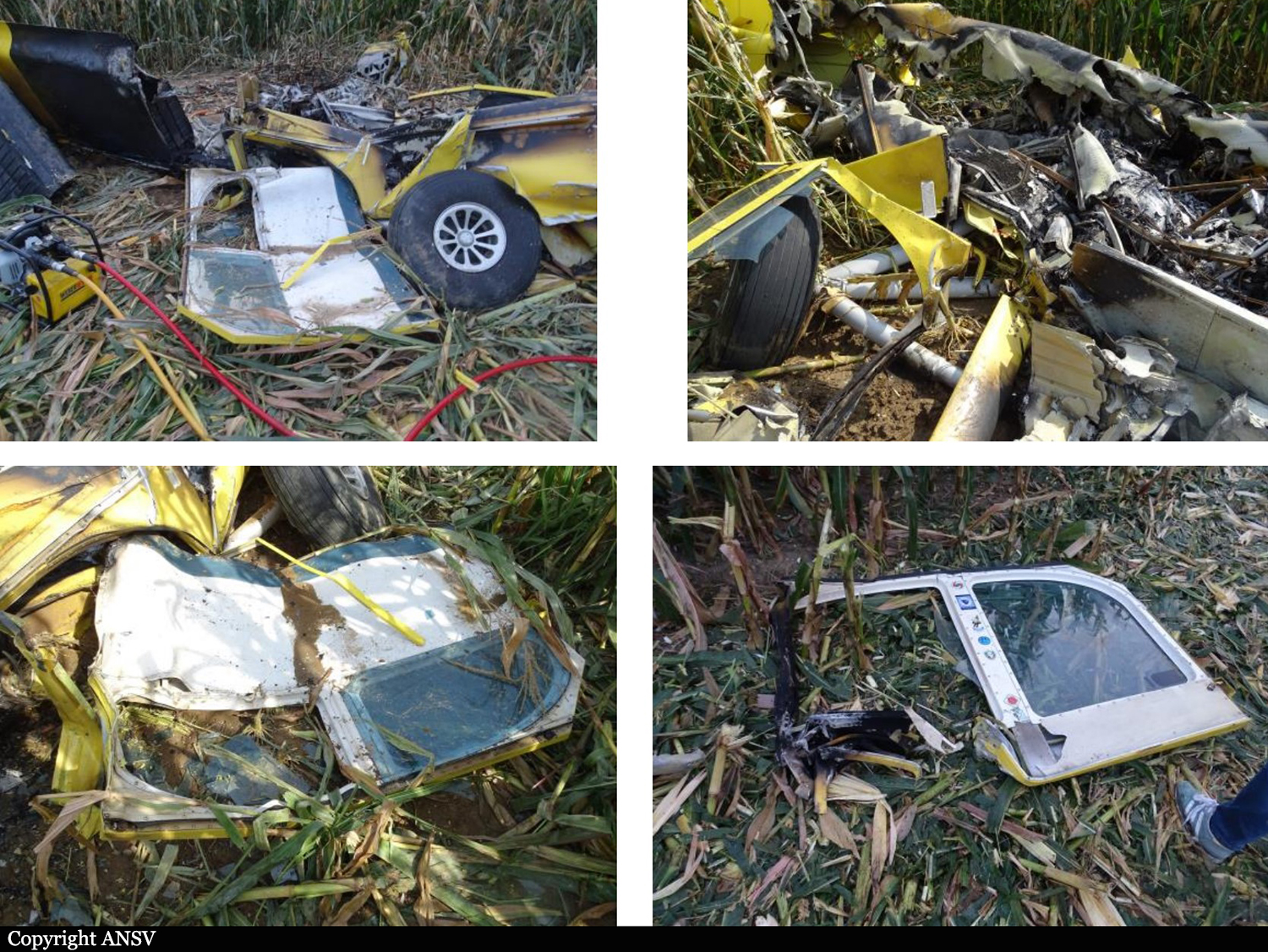
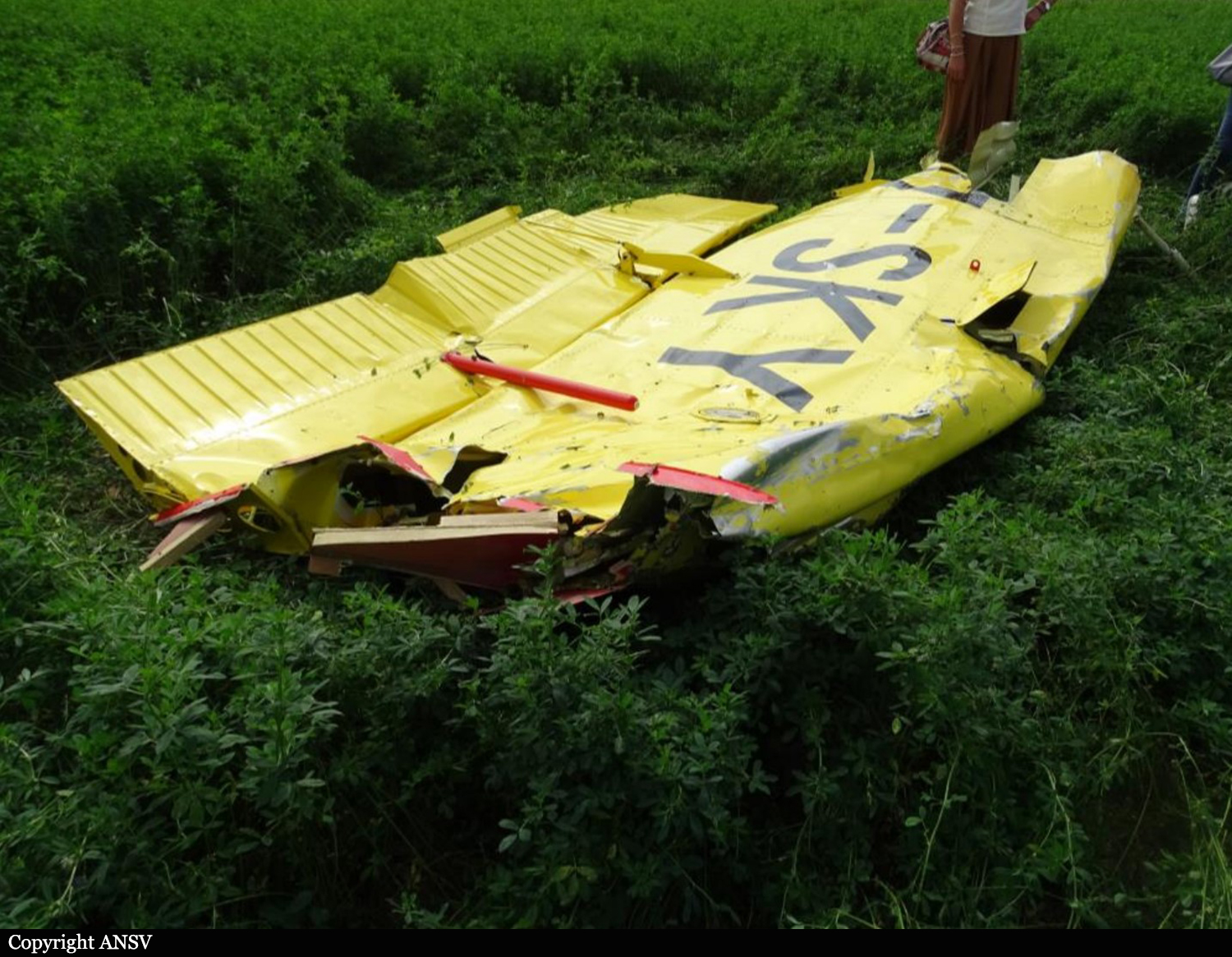
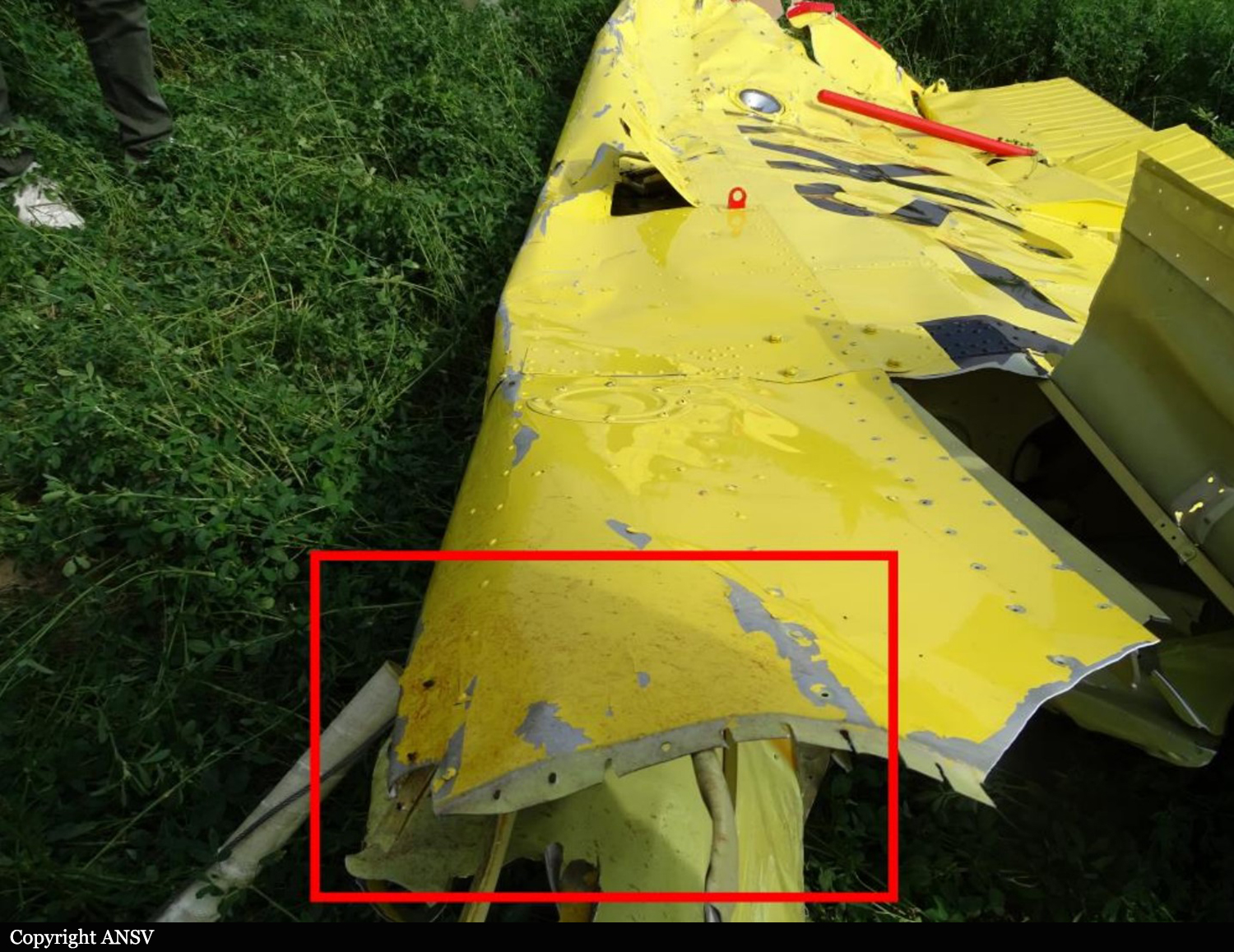
The single engine airplane departed Cremona-Migliaro Airport in the morning on a local skydiving flight, carrying eight skydivers and one pilot. This was the second sortie of the day. Once the altitude of 4,000 metres was reached, all eight skydivers successfully jumped out and the pilot started the descent to return to the airport. While descending to runway 11, the airplane collided with the eighth skydivers that hit the left wing and the vertical stabilizer. A large section of the left wing separated, causing the airplane to enter an uncontrolled descent and to crash in a cornfield located in Livrasco, about two km north of the airport. The pilot and the skydiver were killed. The airplane was totally destroyed.
Probable cause:
The cause of the accident was an in-flight collision between the Pilatus PC-6 descending and a free-falling track-suit parachutist. This collision resulted in a loss of control of the aircraft in flight and the destruction of the left wing of the aircraft, which fell to the ground uncontrolled.
The following factors contributed to the accident:
- Inadequate coordination between pilot and parachutist in relation to their respective descent and drift paths,
- The meteorological conditions at the time of the parachutist's exit from the aircraft, which took place in cloud and in the absence of visual contact with the ground, in a situation, therefore, incompatible with VFR flight rules and ENAC regulations for parachuting,
- The absence of codified procedures at the Italian level, integrating the procedures for jumps with those of aircraft operators used for parachute jumps, including deconfliction between descending aircraft and parachutists performing drift or wingsuit jumps.
The inadequate coordination between the pilot and parachutist in relation to their respective descent and drift paths could also be attributable to the absence of a responsible person to ensure that the above mentioned coordination was in place. In addition to the above mentioned criticalities, the ANSV investigation activity revealed, also in the present case, a general lack of rules and controls regarding parachuting activities carried out outside of training activities, which reasonably contributed to the occurrence of the investigated aircraft accidents.
Final Report:

Crash of a Pilatus AU-23A Turbo Porter in Wat Bang Sala

Date & Time: Mar 5, 2019 at 1300 LT
Operator:
Registration:
74-2079
Flight Phase:
Flight Type:
Survivors:
Yes
Schedule:
Pattani - Hat Yai
MSN:
2079
YOM:
1974
Country:
Region:
Crew on board:
3
Crew fatalities:
Pax on board:
0
Pax fatalities:
Other fatalities:
Total fatalities:
0
Circumstances:
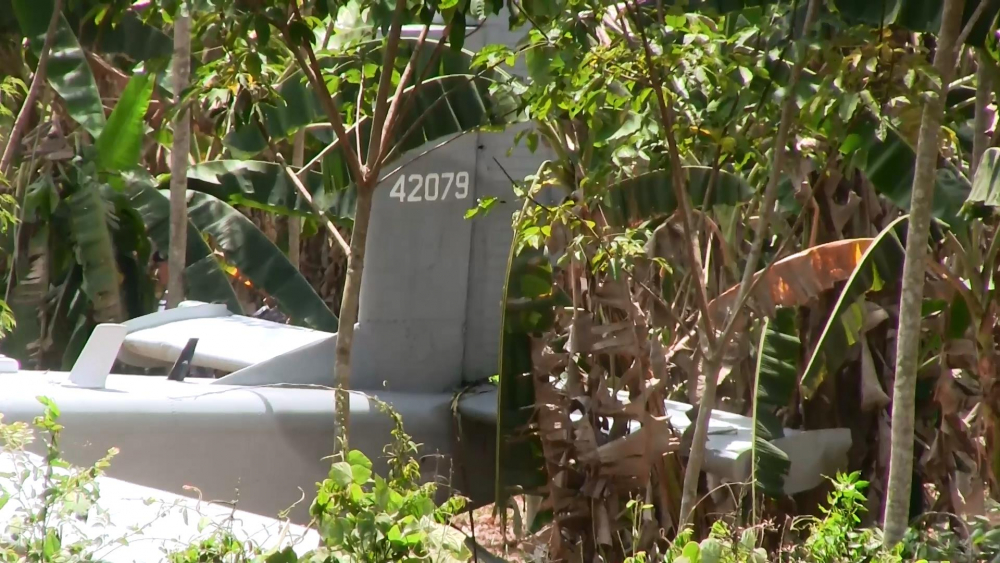
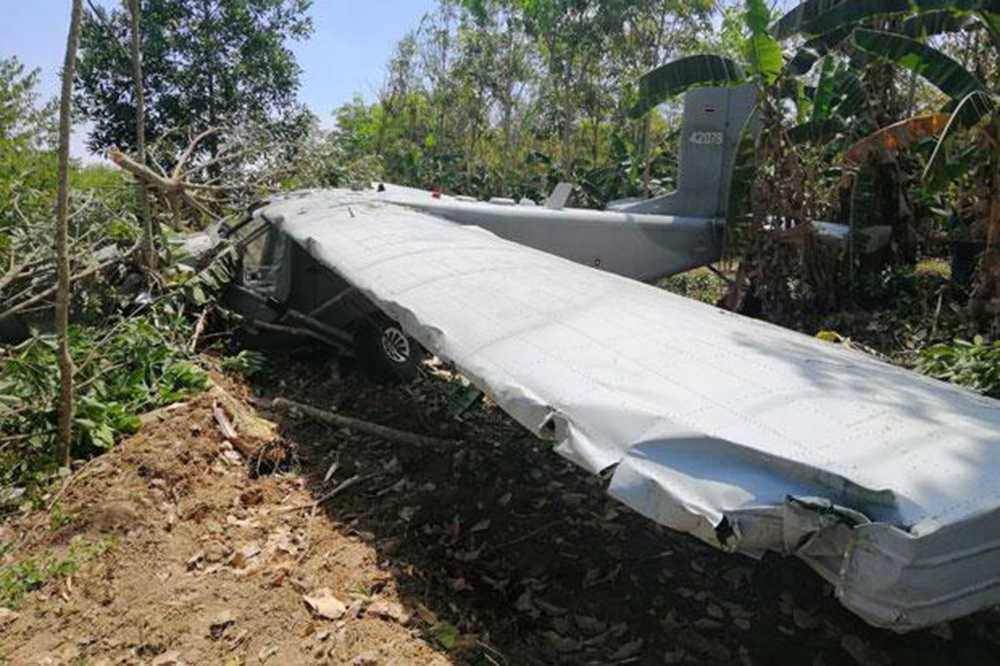
The single engine airplane departed Pattani (9th AF Command) at 1156LT bound for the Wing 56 Air Division 4 located at Hat Yai Airport. En route, the crew encountered technical problems with the engine and attempted an emergency landing when the airplane crashed in a banana plantation located in the region of Wat Bang Sala. All three occupants were injured and the aircraft was damaged beyond repair.

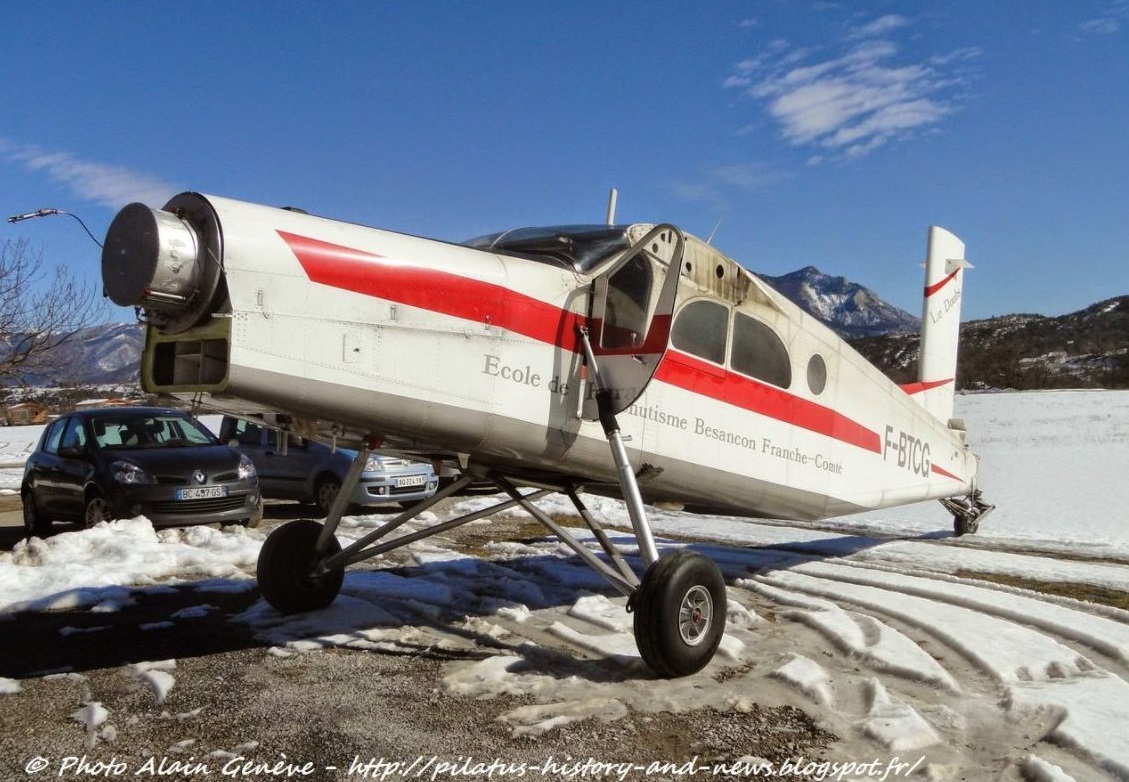
Crash of a Pilatus PC-6/B2-H2 Turbo Porter in Grenoble

Date & Time: Mar 15, 2018 at 1215 LT
Registration:
F-BTCG
Flight Type:
Survivors:
Yes
Schedule:
Grenoble - Grenoble
MSN:
551
YOM:
1963
Location:
Country:
Region:
Crew on board:
1
Crew fatalities:
Pax on board:
1
Pax fatalities:
Other fatalities:
Total fatalities:
0
Captain / Total flying hours:
2000
Captain / Total hours on type:
500.00
Aircraft flight hours:
12260
Circumstances:
The pilot, accompanied by an aircraft mechanic, departed Grenoble-Aples-Isère Airport (saint-Geoirs) to carry out a check flight following a maintenance operation on the airplane. Once in an open area south of the aerodrome, the pilot began the maneuvers provided for in the test program. At the end of a stall maneuver, he found that his actions on the rudder pedals have no effect. However, it maintained control of the ailerons and elevators. He informed the aerodrome controller of the problem and indicated that he was coming back to to land to the paved runway 09. Unable to determined the exact nature of the damage, the pilot chose to land with the flaps retracted. He managed with difficulty to aligne the airplane witn the runway 09 centerline. On final, at an altitude of 300 feet, the pilot changed his mind and decided to land on the unpaved right-hand runway 09 which adjoins the paved runway. On very short final, at flare, while reducing power, at a height of about 1-2 metres, the airplane rolled to the right then to the left, causing the wing tips and the propeller to struck the ground. The aircraft exited the unpaved runway to the left and came to rest on the right edge of the paved runway. Both occupants evacuated safely and the aircraft was damaged beyond repair.
Probable cause:
The rudder control broke in flight, causing a significant alteration of the aircraft yaw controllability. This failure considerably increased the pilot's workload and stress. In these conditions, it became difficult for him to keep the airplane aligned with the runway centreline upon landing. Monitoring the alignment of the aircraft was done to the detriment of the speed. It is very likely that the oscillations during the final step resulted from a stall of the aircraft at low speed.
Final Report:

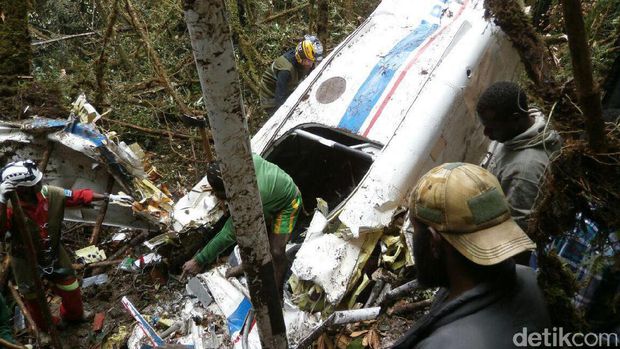
Crash of a Pilatus PC-6/B2-H4 Turbo Porter near Wamena: 5 killed

Date & Time: Jul 5, 2017 at 1110 LT
Operator:
Registration:
PK-RCX
Flight Phase:
Survivors:
No
Site:
Schedule:
Wamena – Derakma
MSN:
922
YOM:
1998
Country:
Region:
Crew on board:
2
Crew fatalities:
Pax on board:
3
Pax fatalities:
Other fatalities:
Total fatalities:
5
Circumstances:
The single engine aircraft departed Wamena Airport at 1100LT with three passengers, two pilots and 508 kg of various goods. About 10 minutes later, the airplane struck the slope of a mountain at an altitude of 2,300 metres. It was scheduled to arrive at Derakma at 1125LT. The wreckage was found a day later by the crew of a helicopter. All five occupants were killed. At the time of the accident, VMC conditions prevailed.
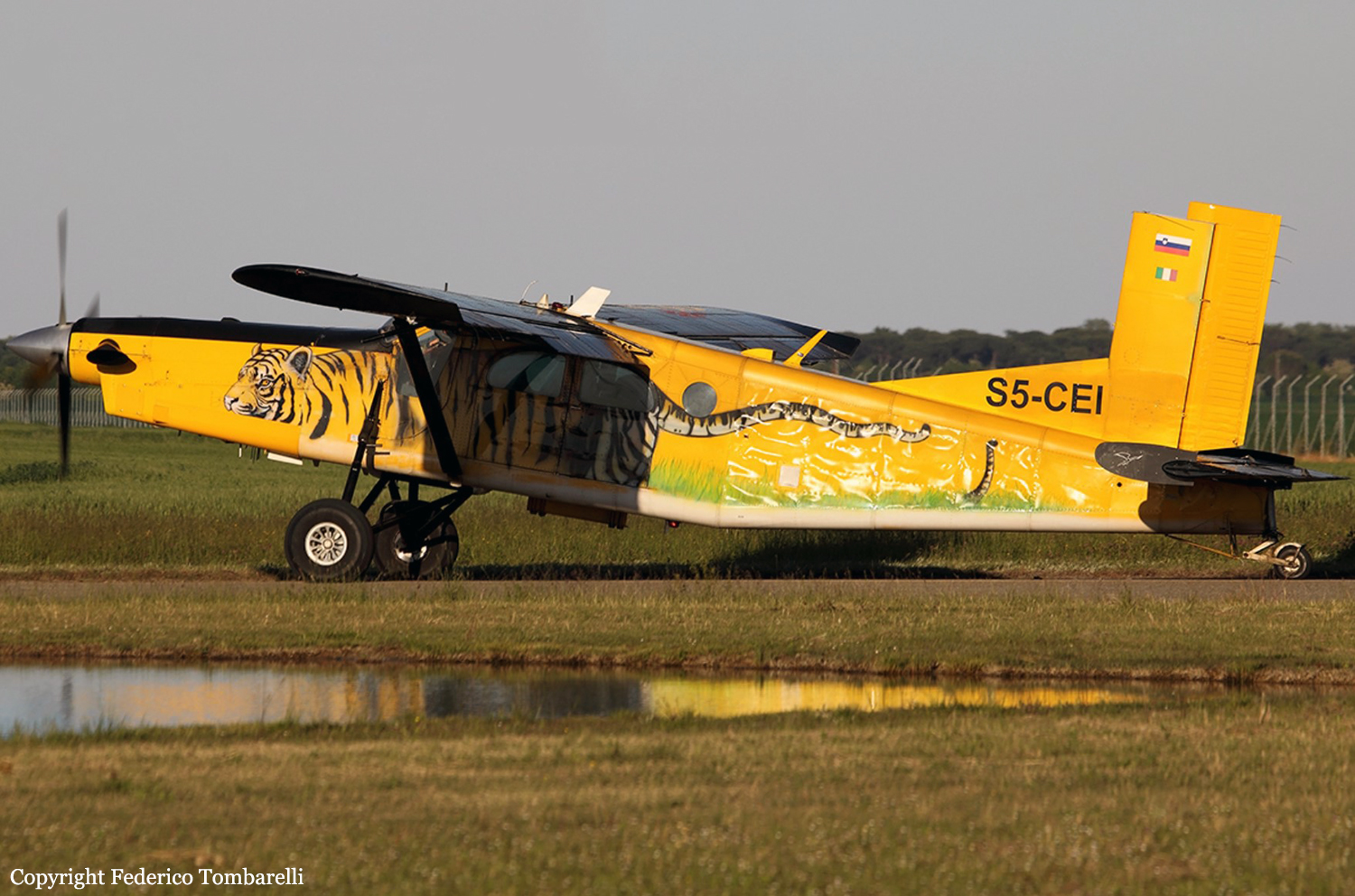
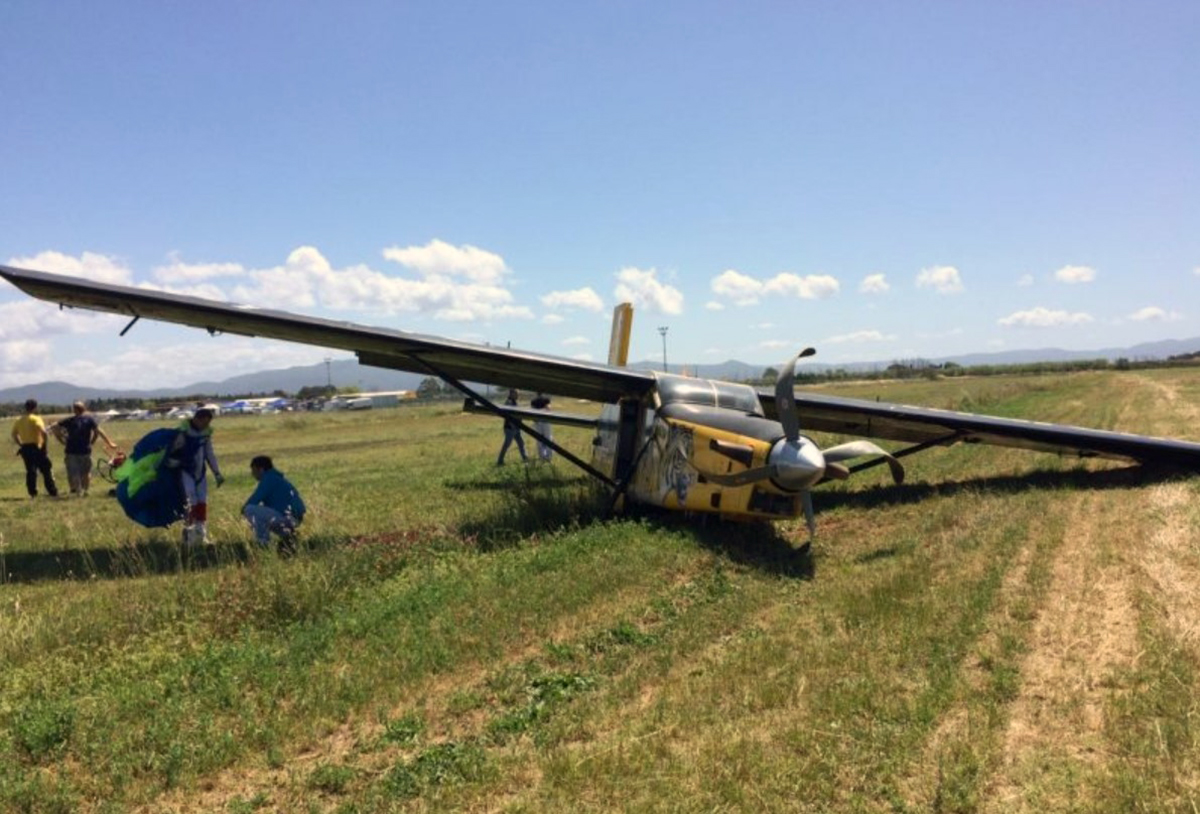
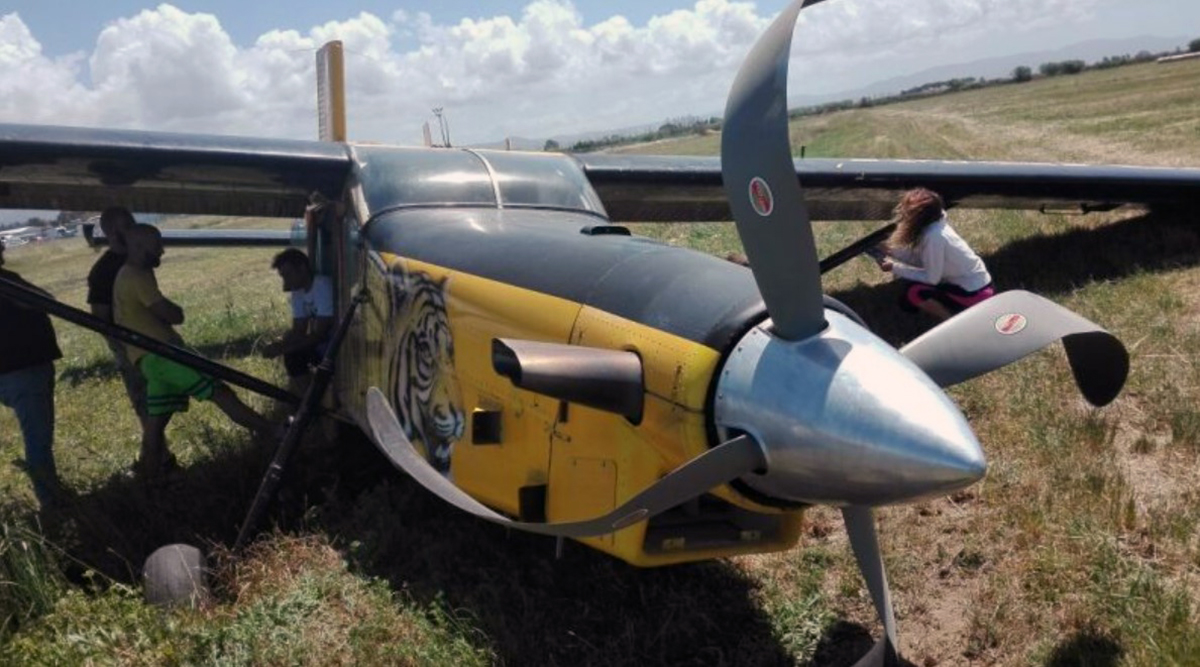
Crash of a Pilatus PC-6/B2-H4 Turbo Porter in Cecina

Date & Time: May 20, 2017 at 1200 LT
Operator:
Registration:
S5-CEI
Survivors:
Yes
Schedule:
Cecina - Cecina
MSN:
778
YOM:
1977
Location:
Country:
Region:
Crew on board:
1
Crew fatalities:
Pax on board:
0
Pax fatalities:
Other fatalities:
Total fatalities:
0
Circumstances:
The pilot, sole on board, was returning to Cecina Airfield following a skydiving flight in the area. After touchdown on a grassy area, the single engine aircraft veered to the left, impacted a drainage ditch and came to rest. The pilot escaped uninjured and the aircraft was damaged beyond repair.