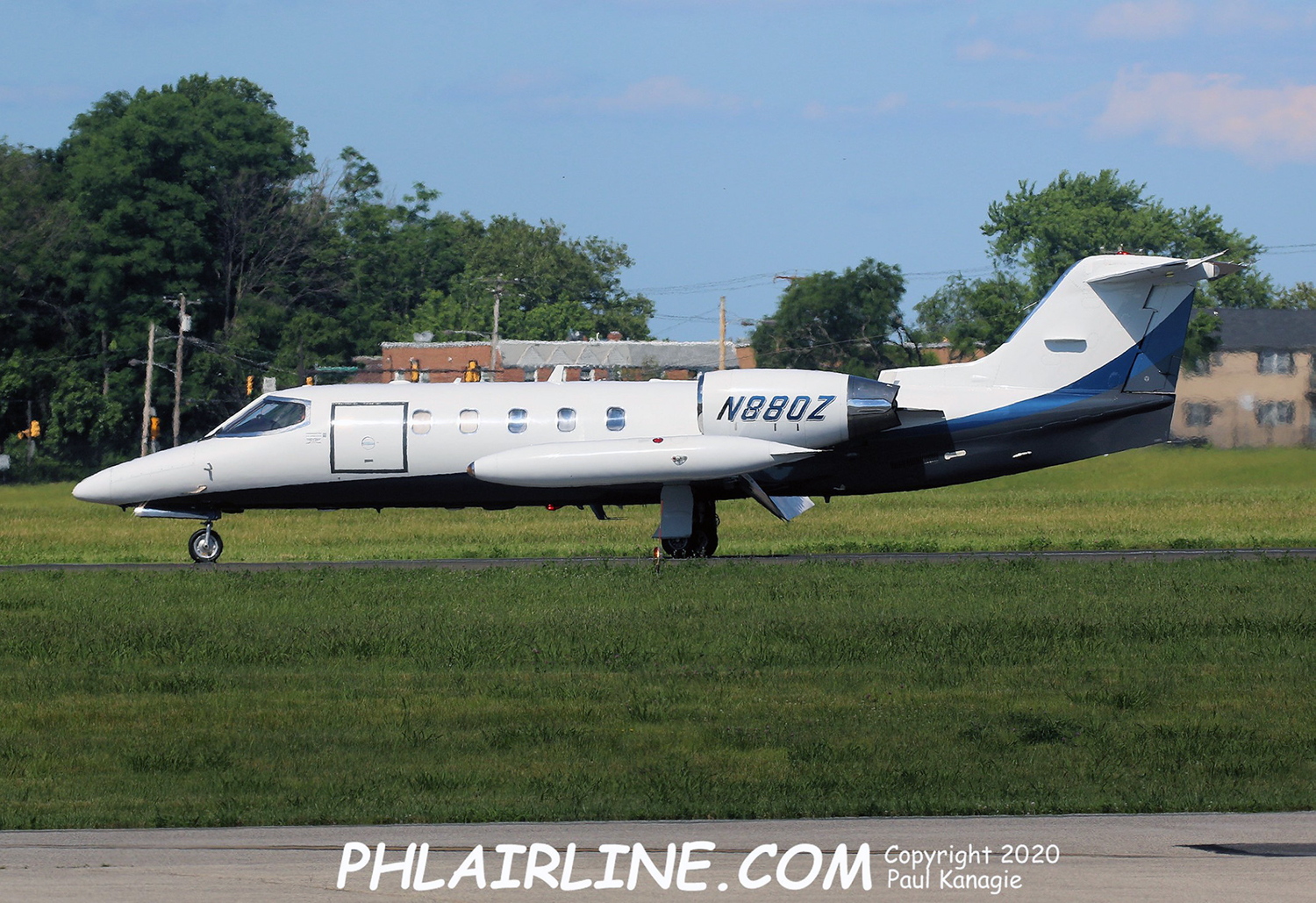
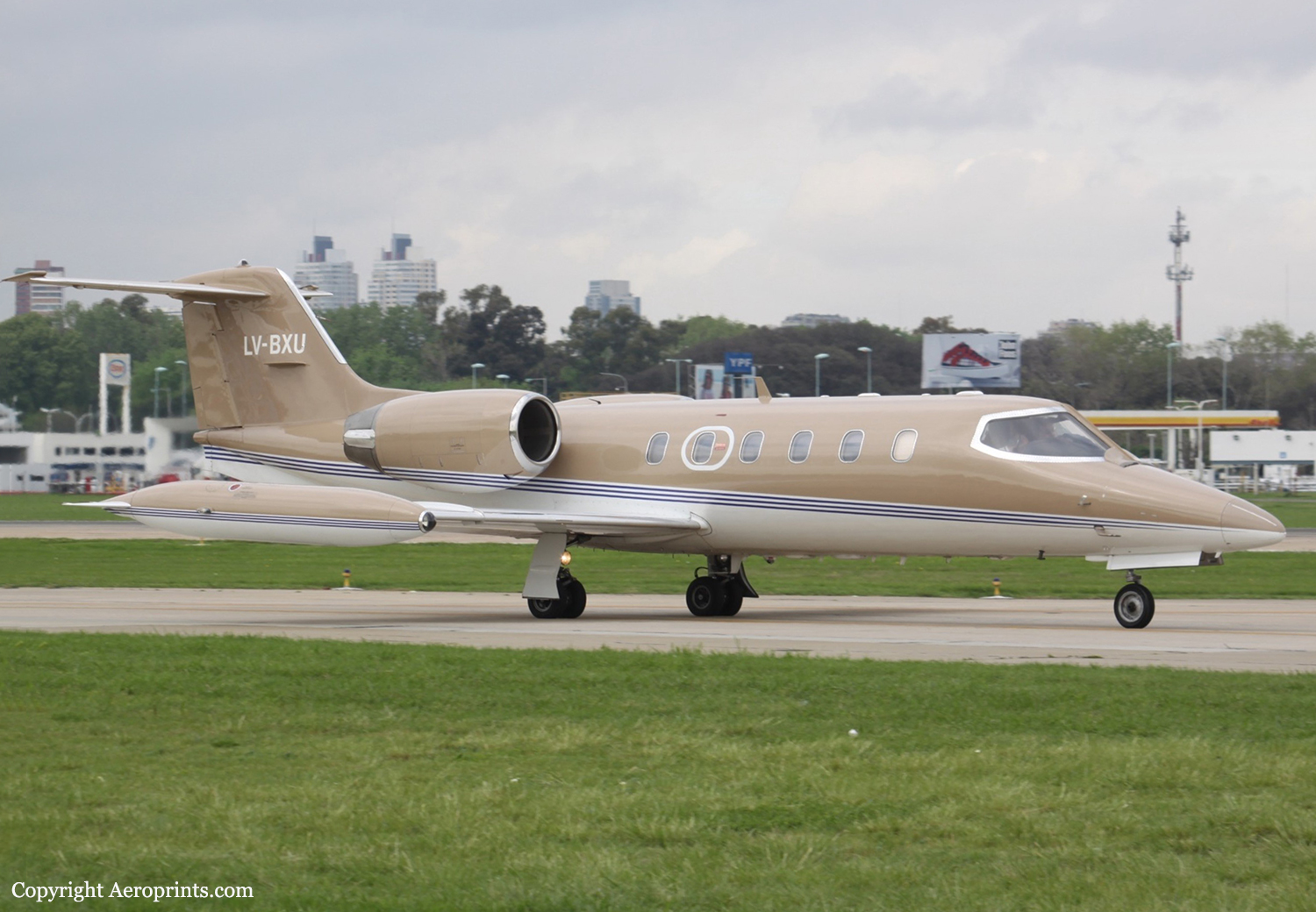
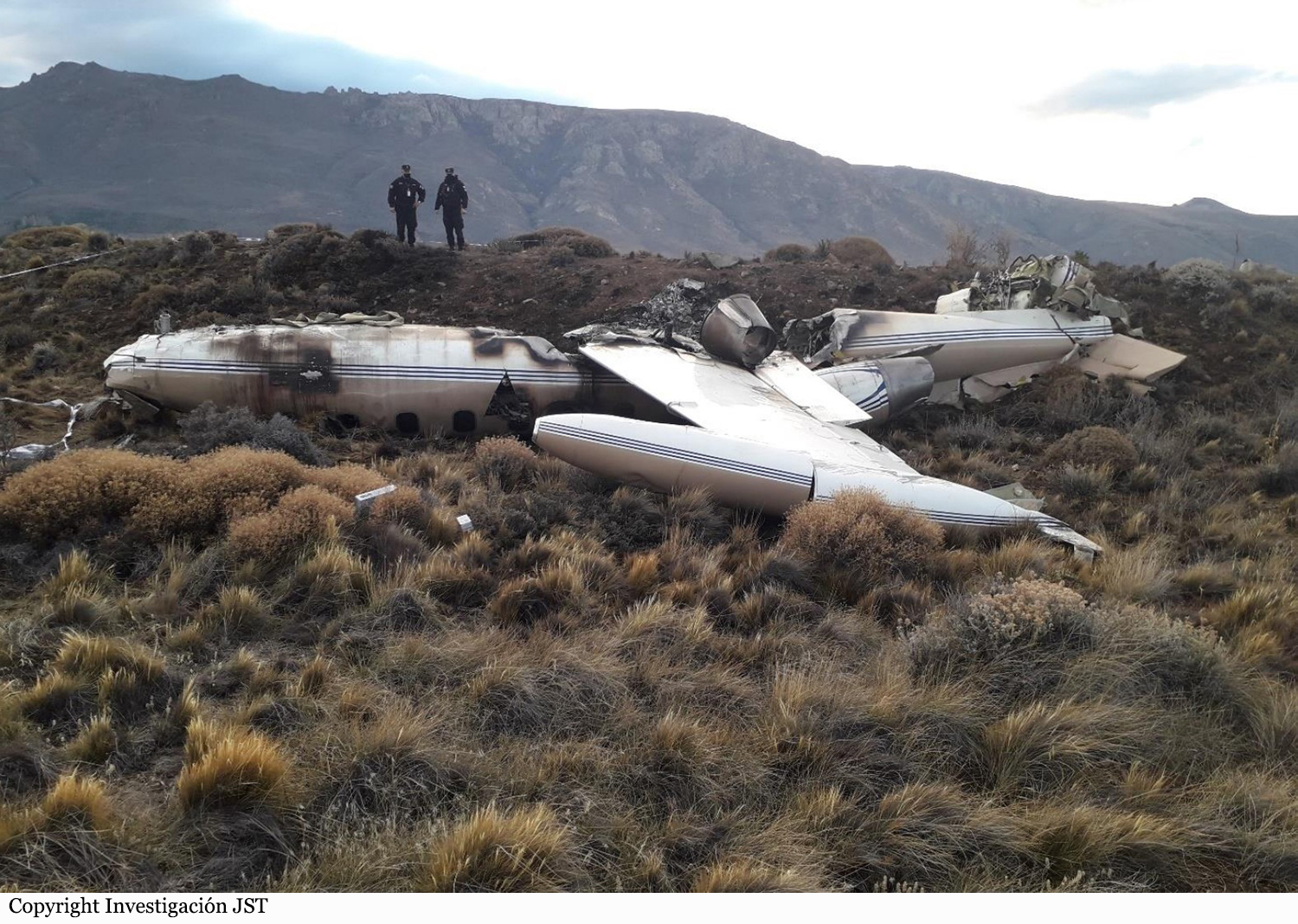
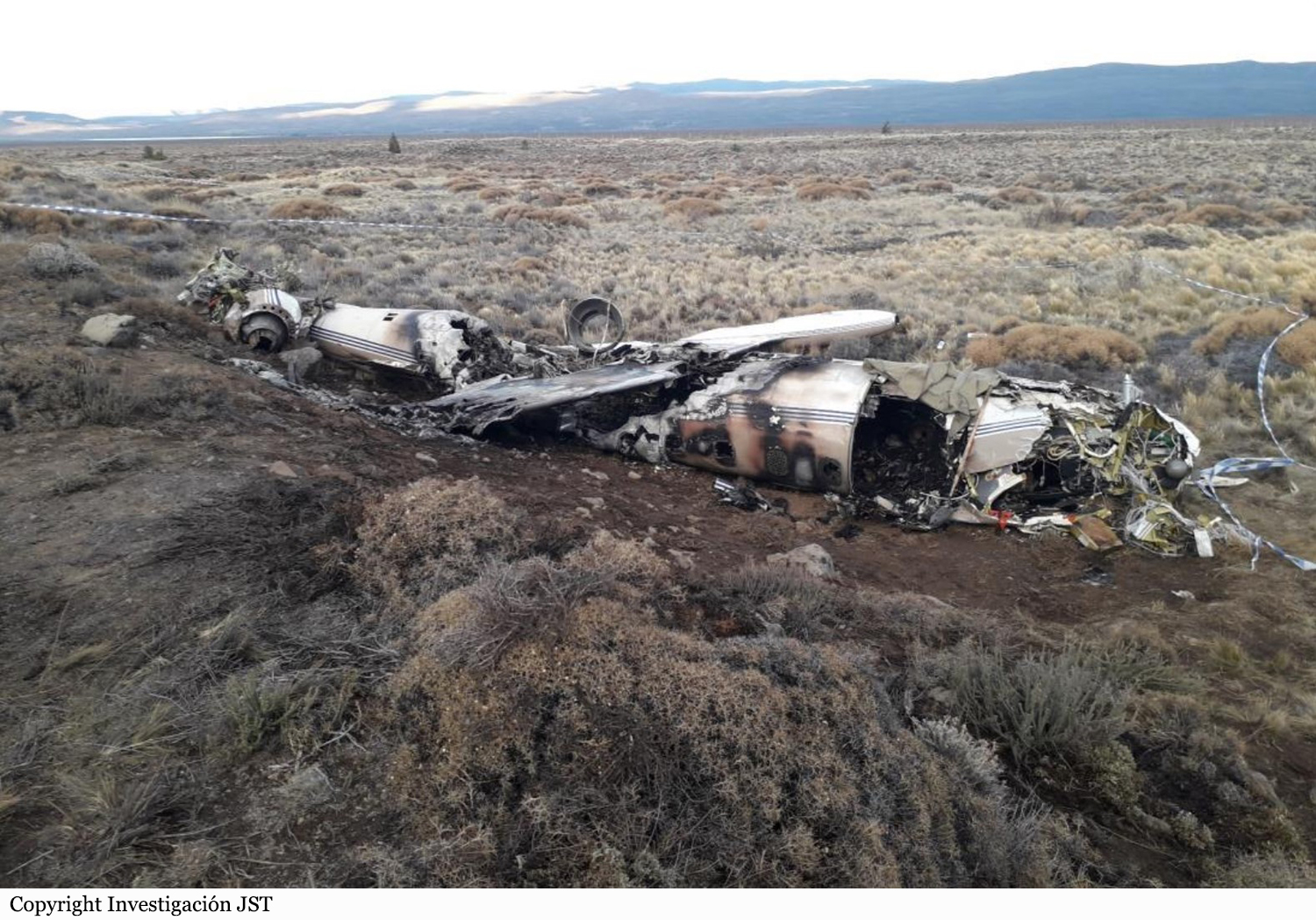
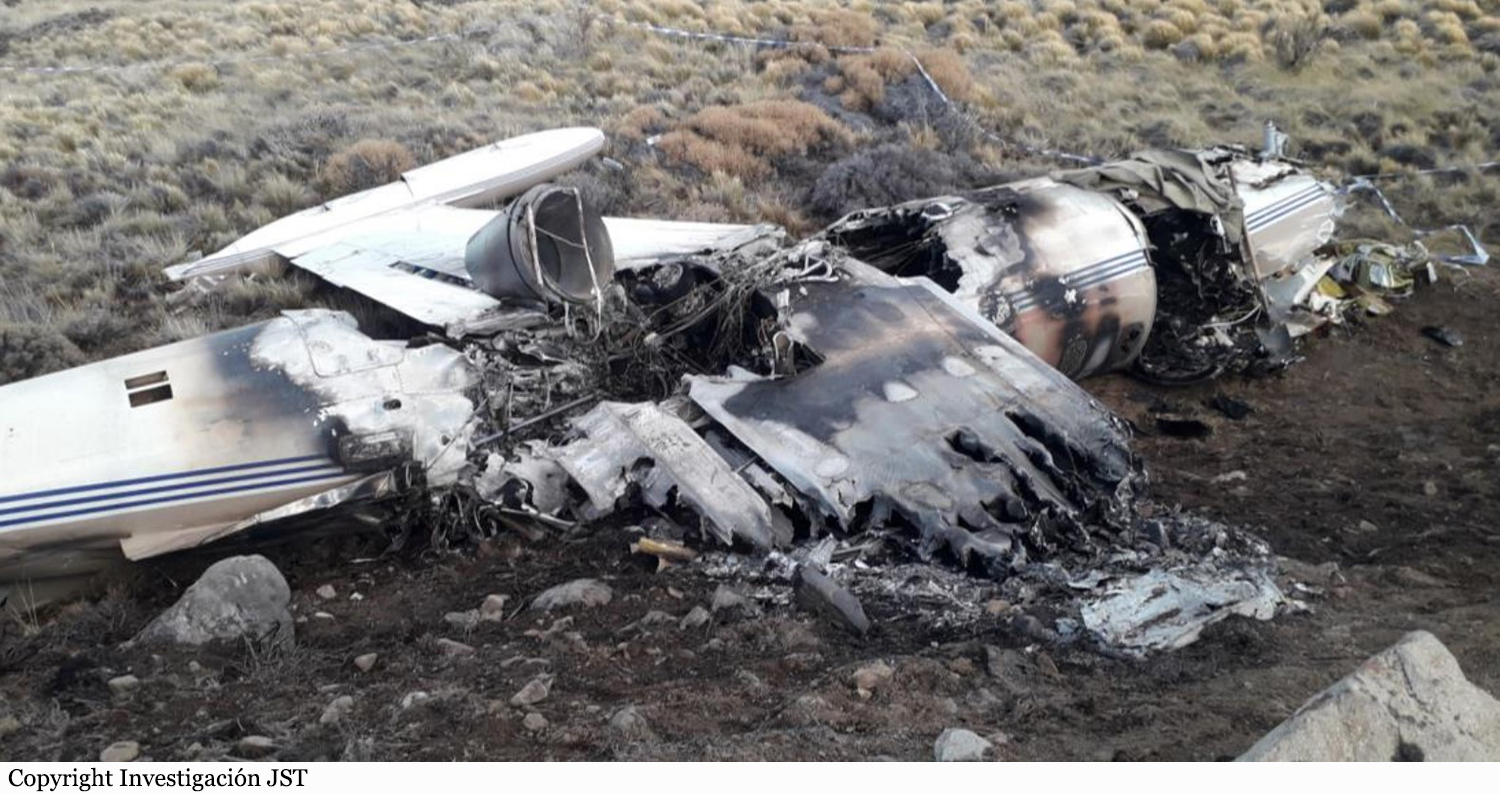
Crash of a Learjet 35A in Río Grande: 4 killed
Date & Time:
Jul 1, 2022 at 1410 LT
Operator:

Registration:
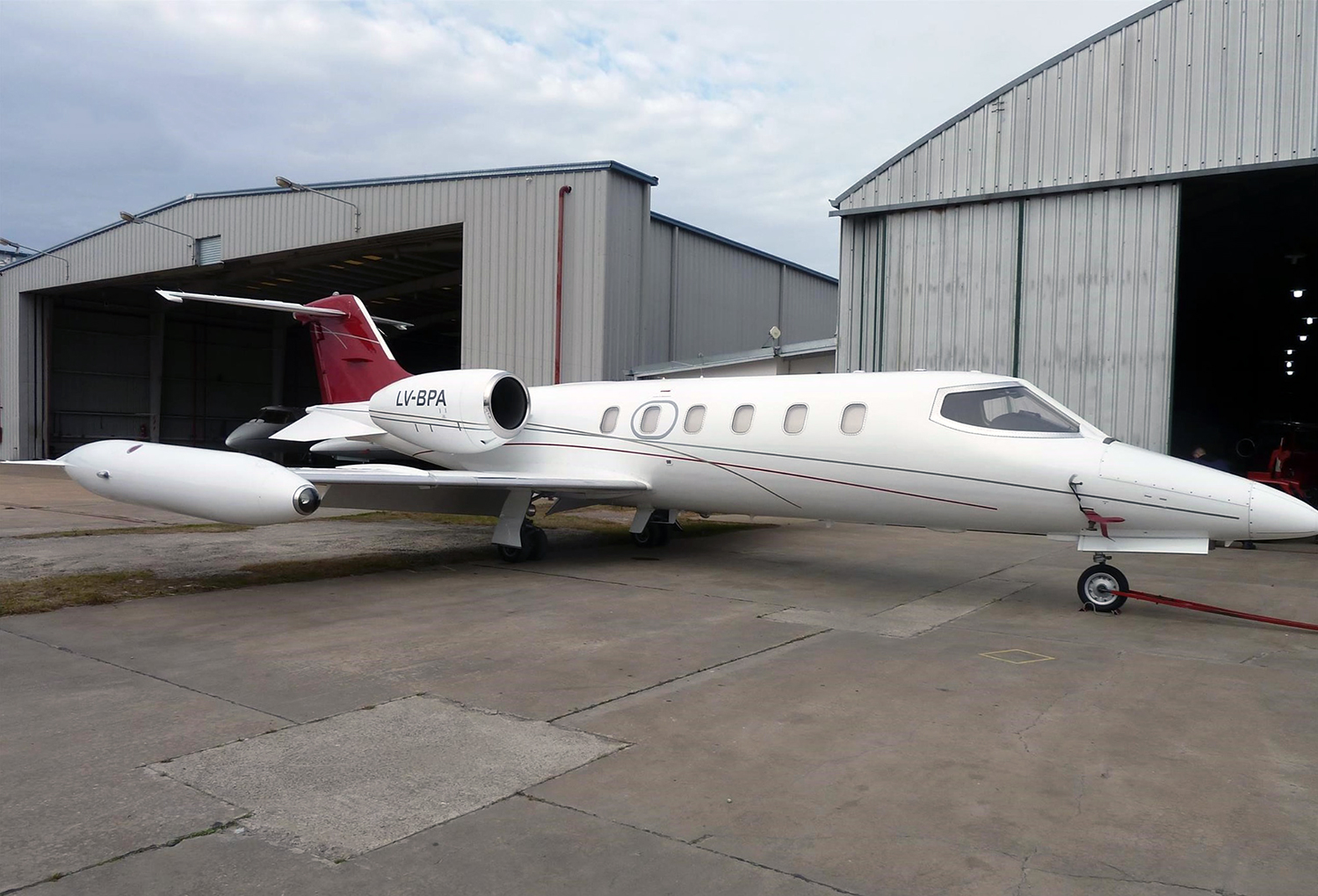
LV-BPA
Survivors:
No
Schedule:
Río Grande – San Fernando
MSN:
35-143
YOM:
1978
Crew on board:
2
Crew fatalities:
Pax on board:
2
Pax fatalities:
Other fatalities:
Total fatalities:
4
Captain / Total hours on type:
2122.00
Copilot / Total hours on type:
717
Aircraft flight hours:
13917
Aircraft flight cycles:
13170
Circumstances:
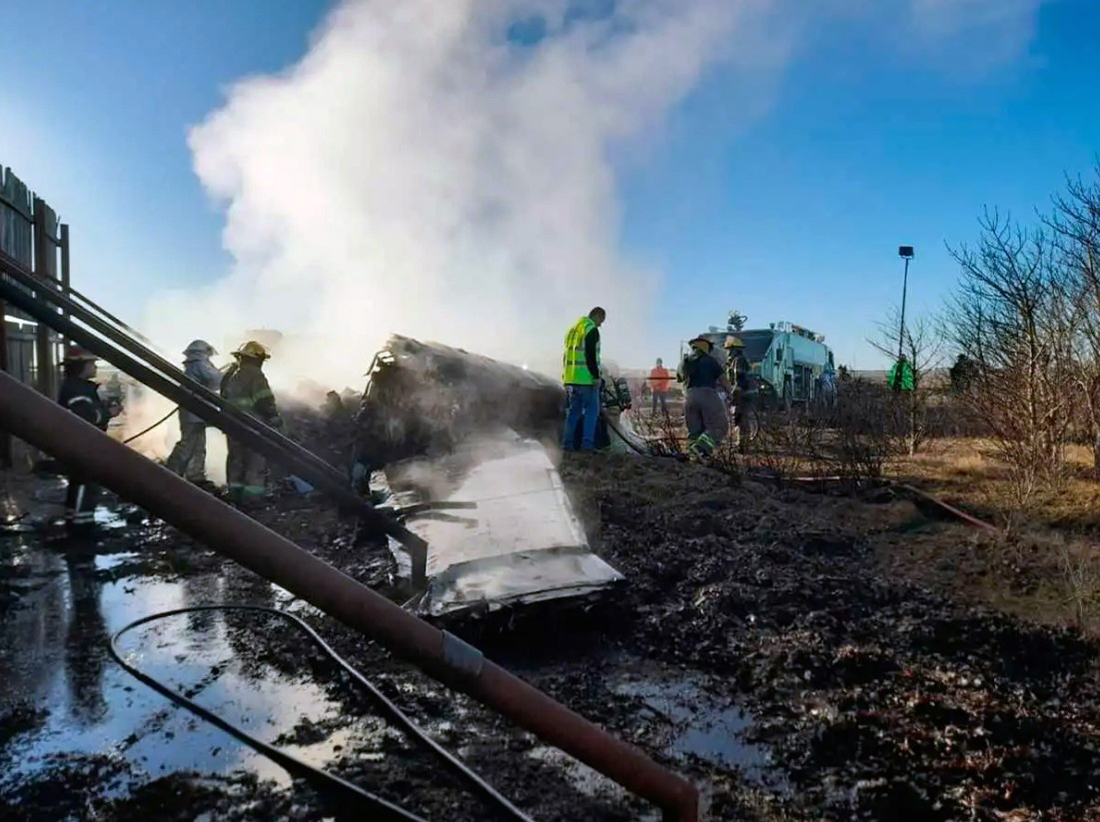
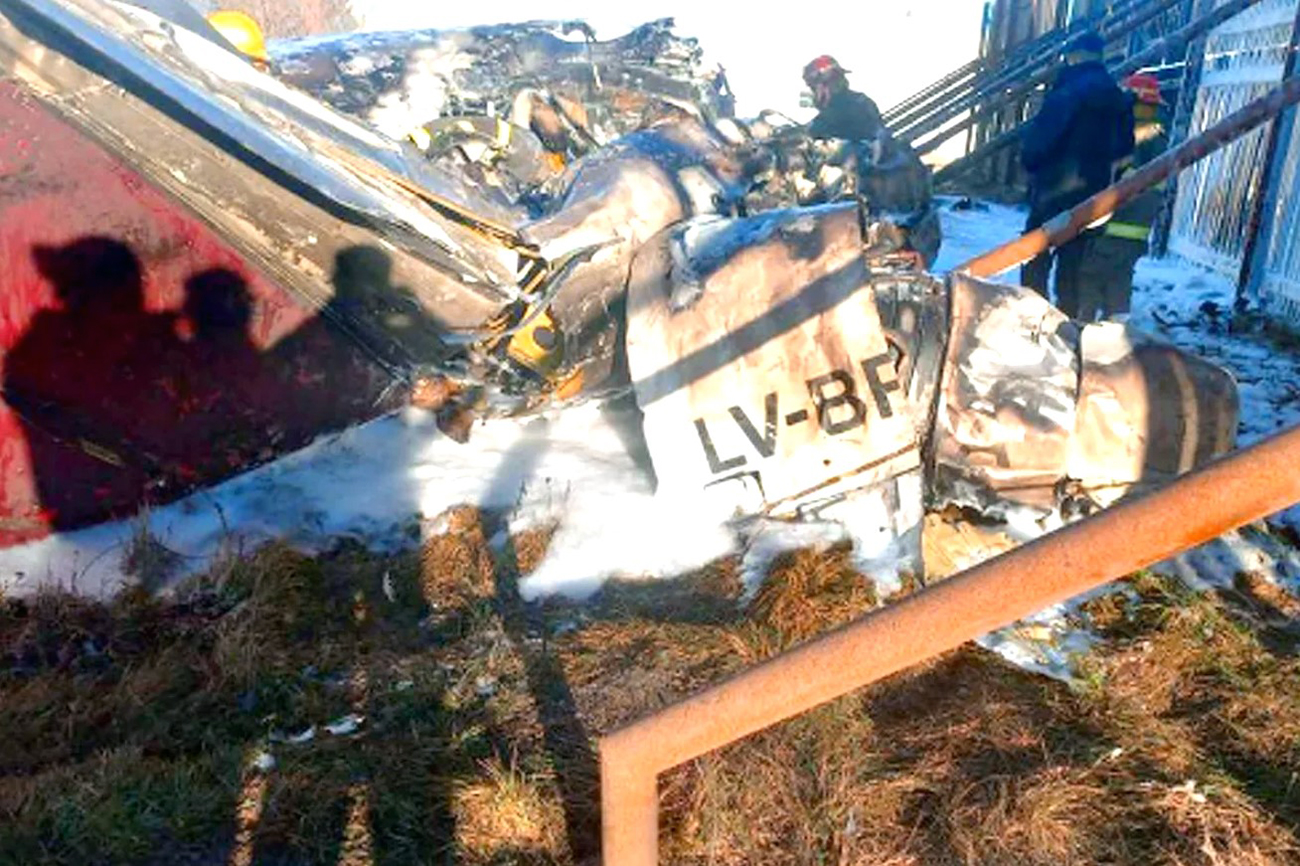
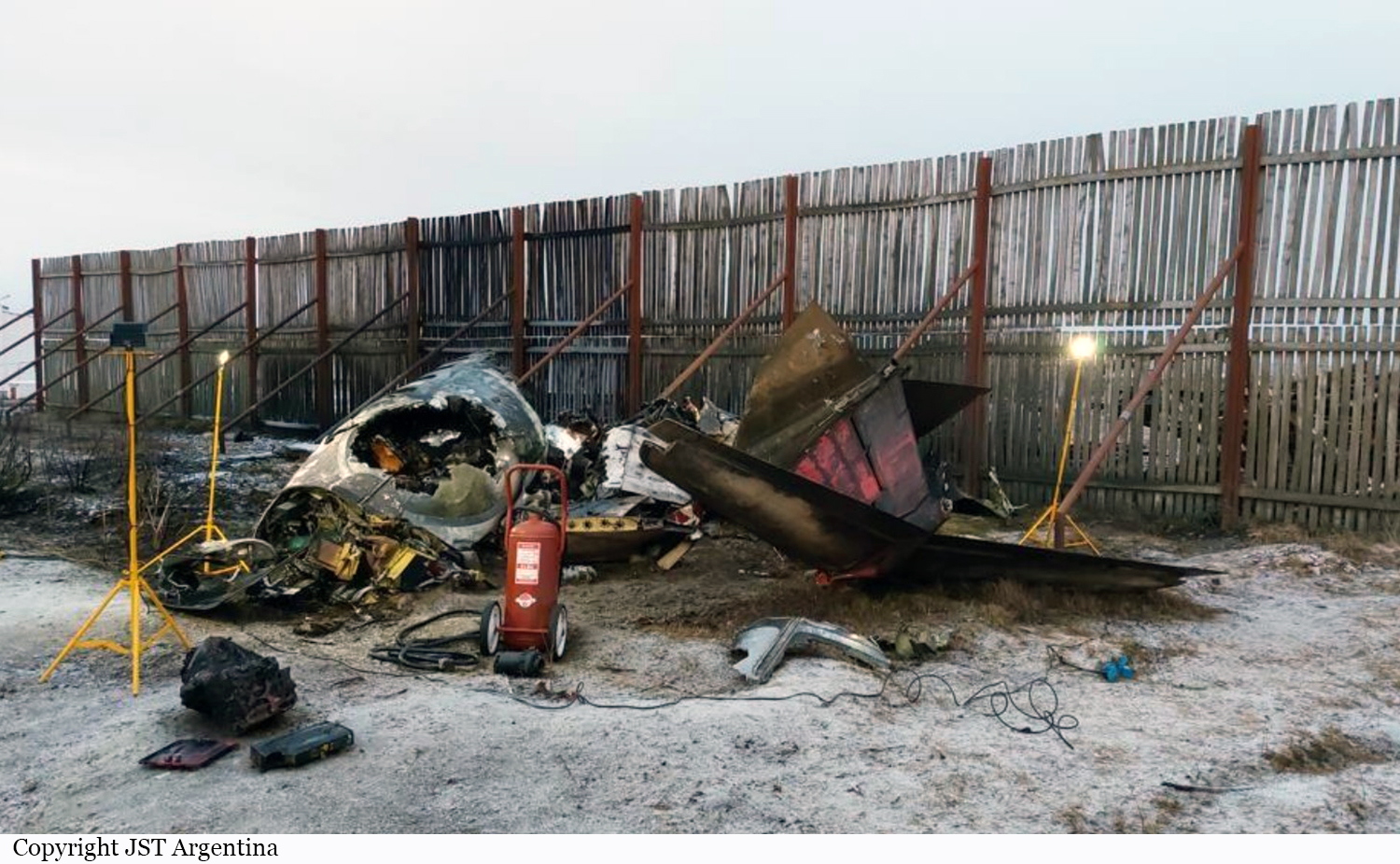
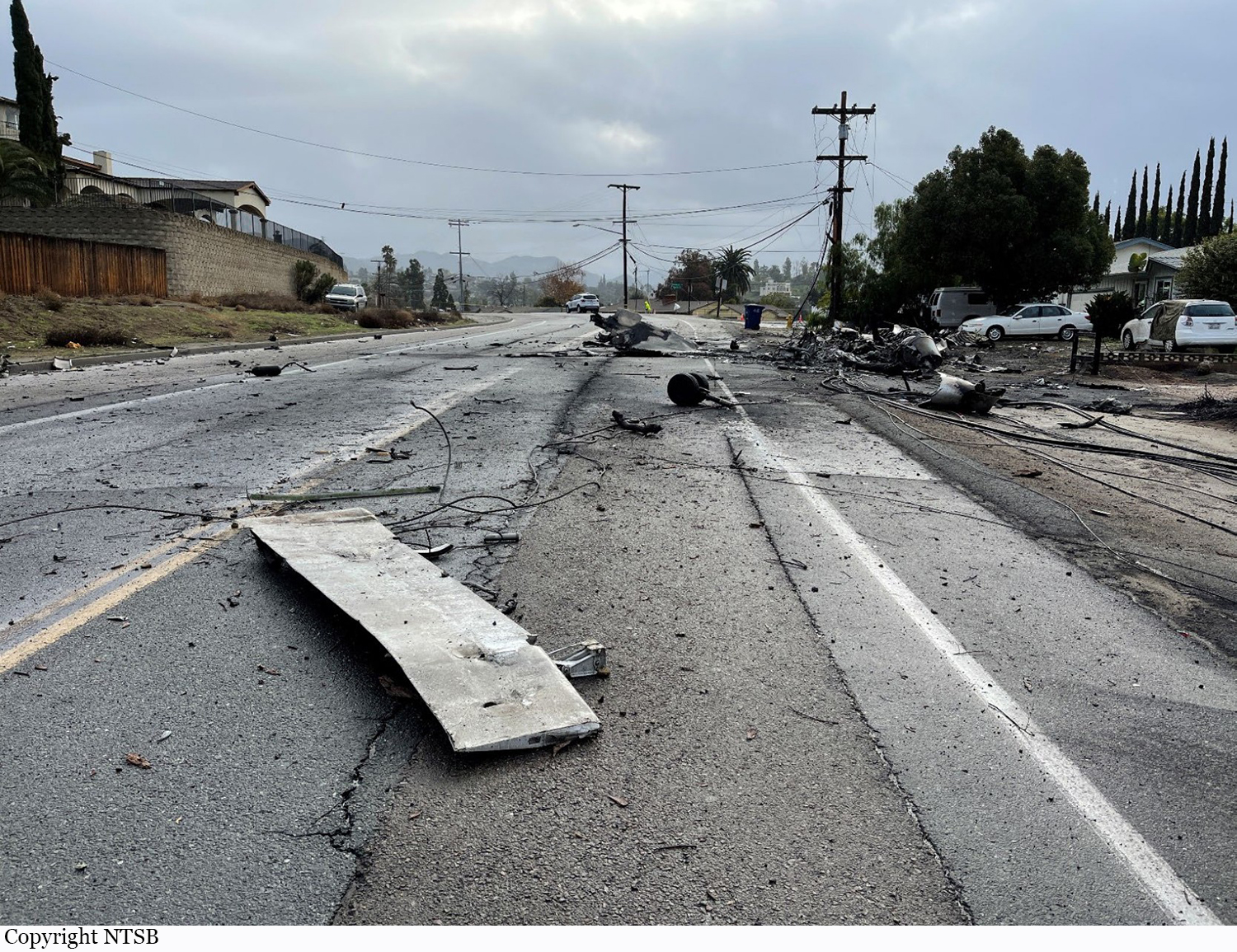
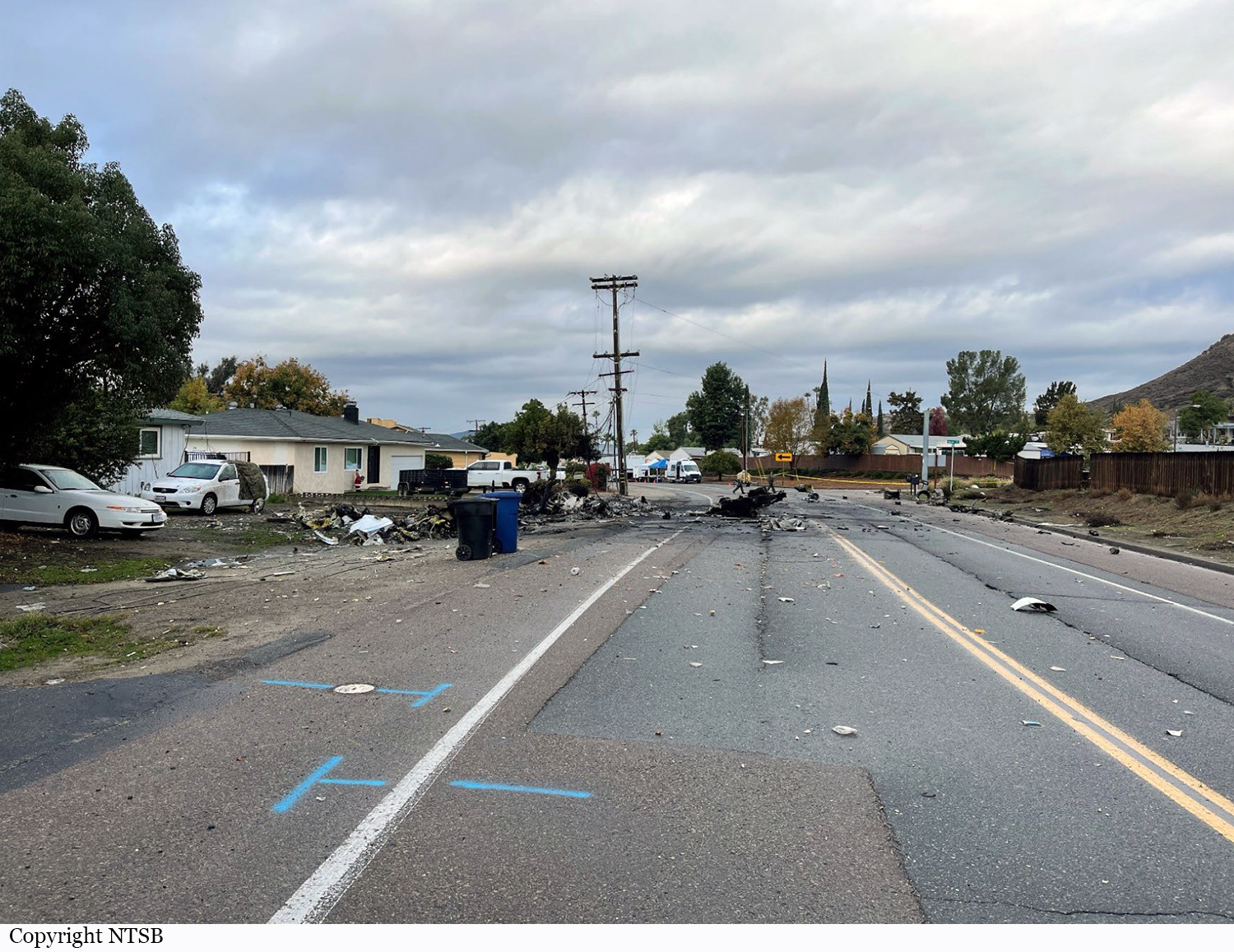
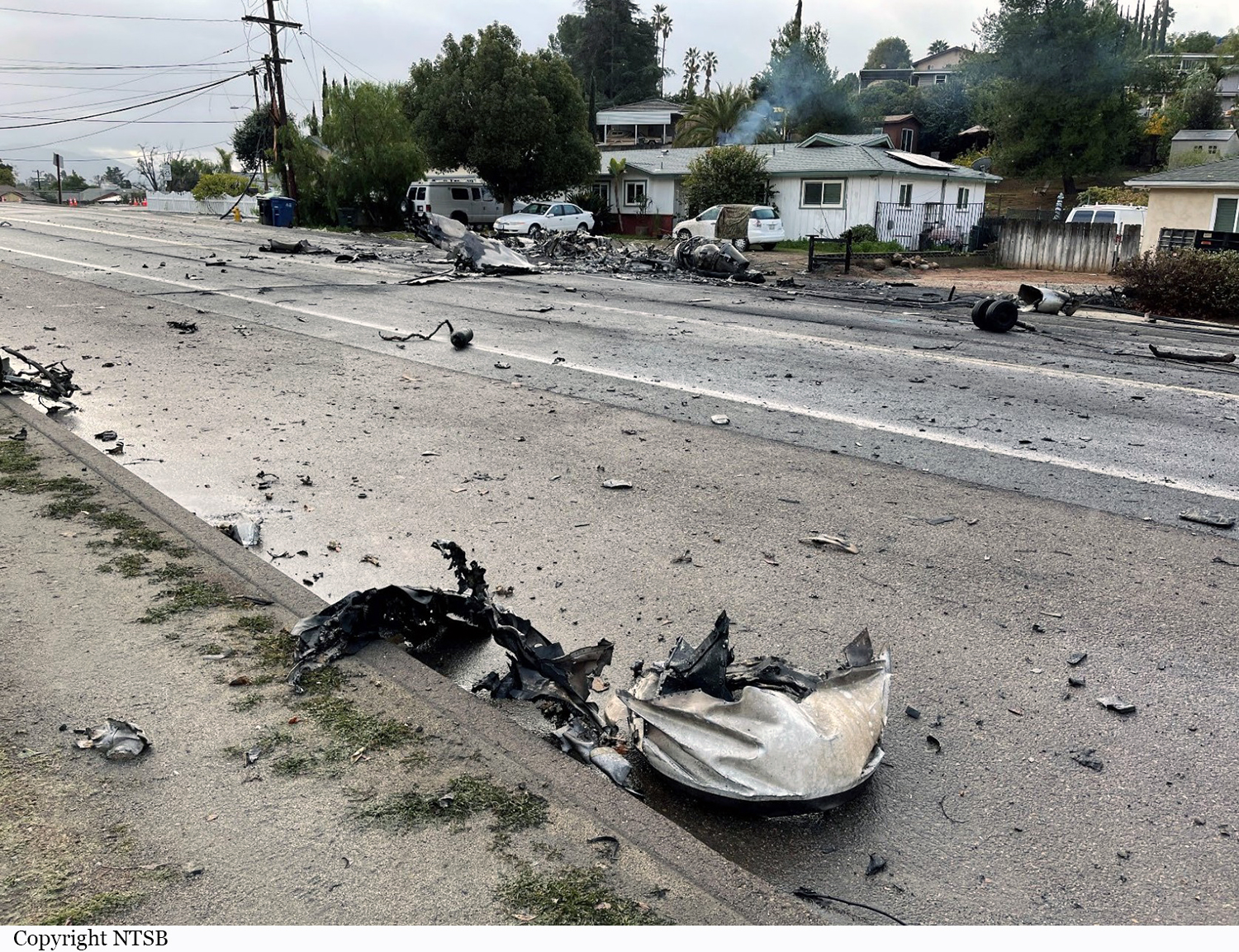
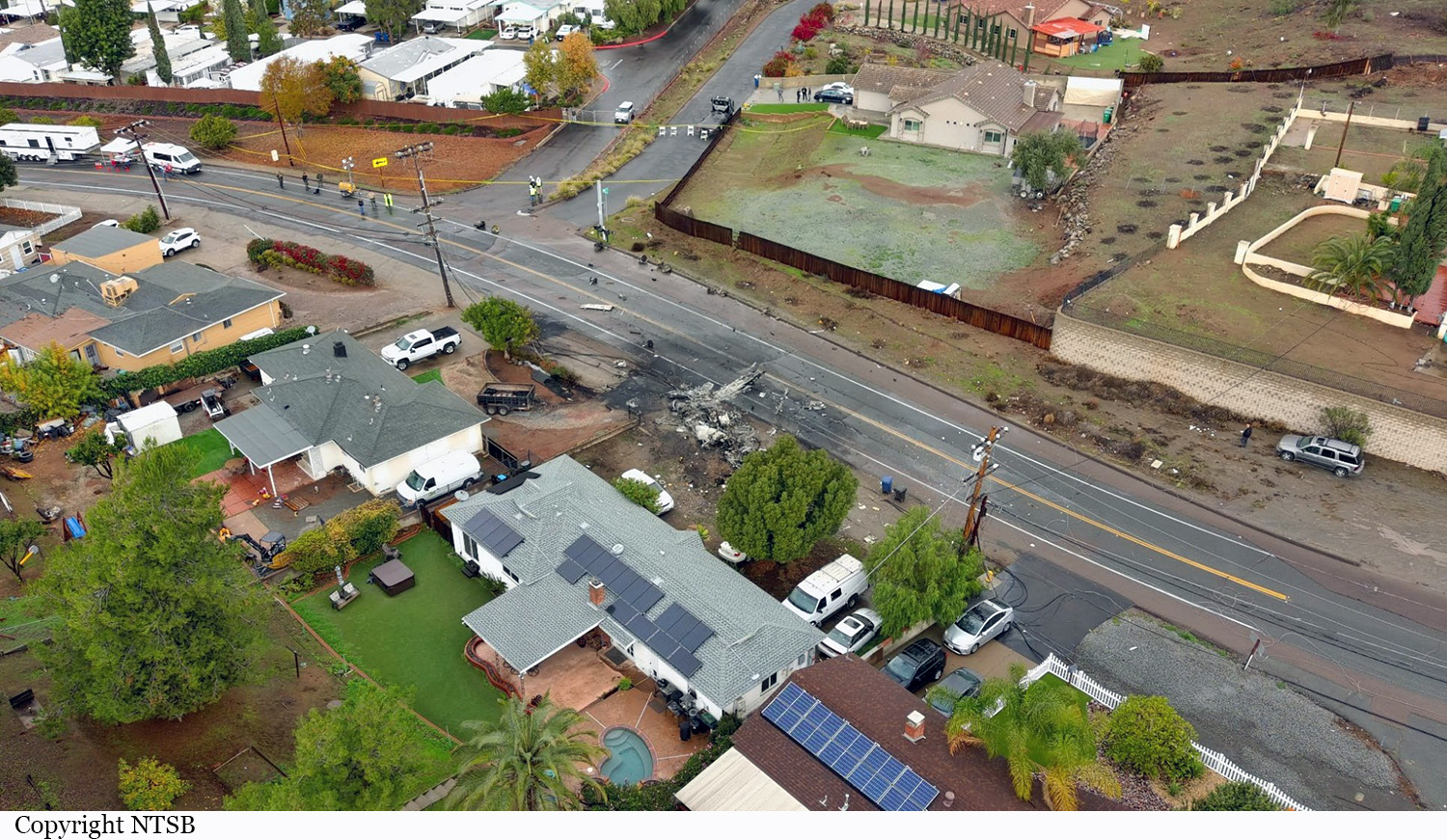
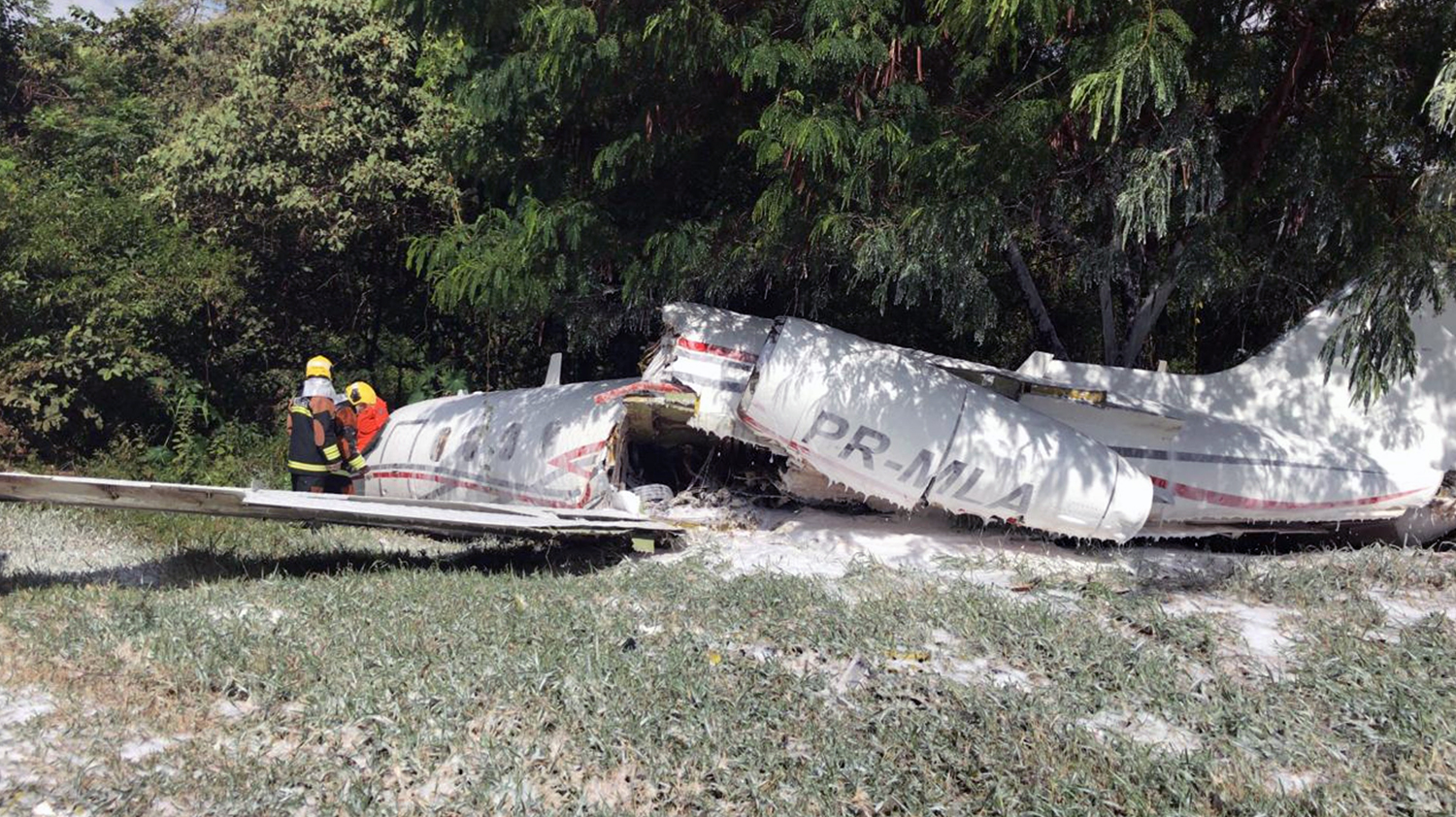
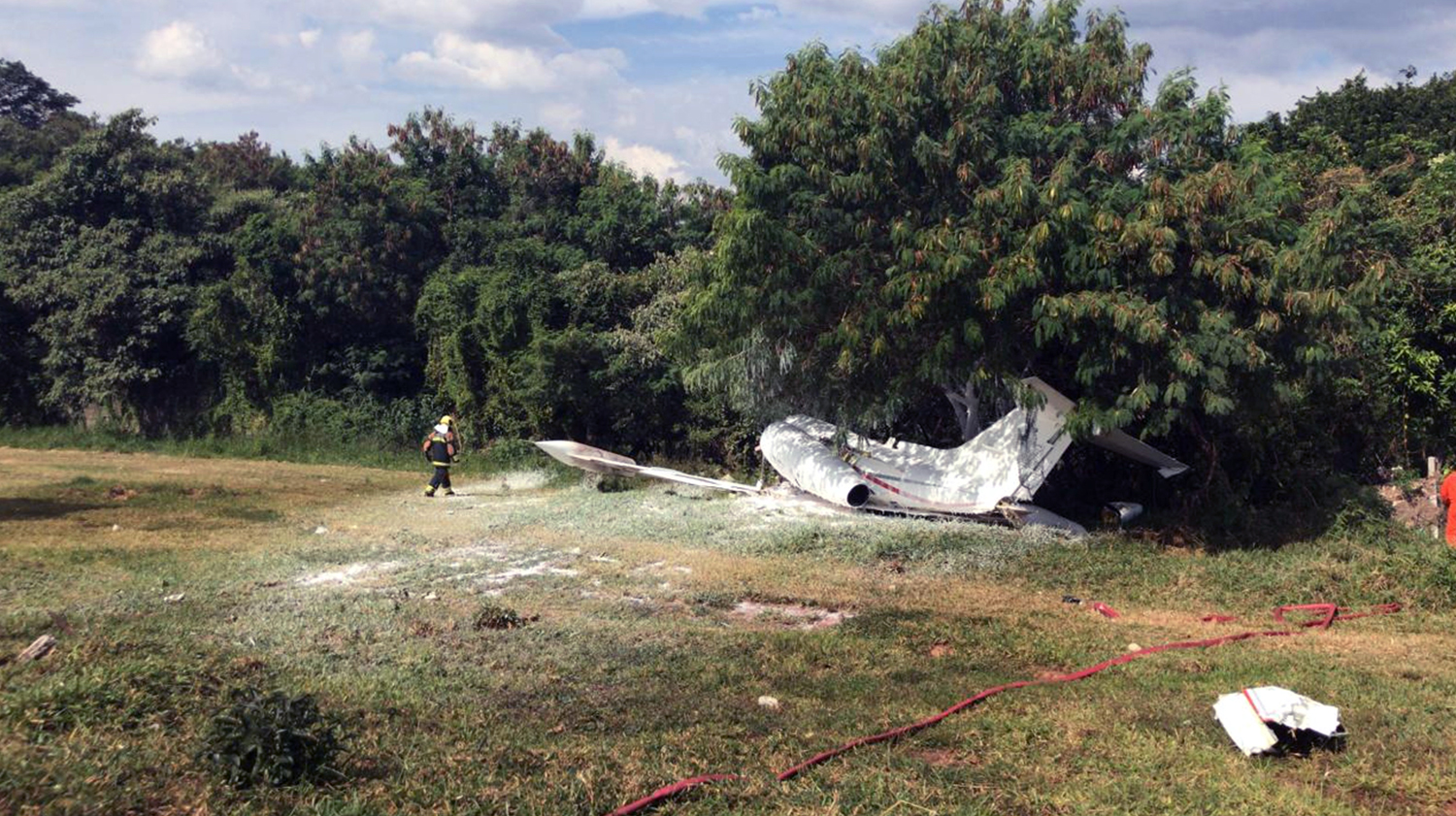
The airplane was returning to its base in San Fernando following an ambulance flight from Comodoro Rivadavia to Río Grande. Shortly after takeoff from Río Grande-Gobernador Ramón Trejo Noel Airport Runway 26, while in initial climb, the airplane rolled to the left, stabilized momentarily then rolled again to the left, lost lift and crashed in a huge explosion 1,870 metres pas the runway end and 300 metres to its left. The airplane was destroyed by impact forces and a post crash fire and all four occupants were killed.
Crew:
Claudio Canelo, pilot,
Héctor Vittore, copilot.
Passengers:
Diego Ciolfi, doctor,
Denise Torres Garcá, nurse.
Crew:
Claudio Canelo, pilot,
Héctor Vittore, copilot.
Passengers:
Diego Ciolfi, doctor,
Denise Torres Garcá, nurse.
Probable cause:
During the climb, immediately after takeoff, the aircraft rolled to the left, stabilized momentarily, and then rolled again to the same side. The second roll caused excessive bank, resulting in localized lift loss on the left wing, which led to a loss of altitude until impact with the ground. Information obtained during the investigation suggests that the aileron interconnection cable was disconnected at the time of the accident. Disconnection of the aileron interconnection cable causes a loss of synchronization between the left (pilot) and right (copilot) controls, allowing only right turns from the left control and left turns from the right control. This disconnection likely generated asymmetrical responses in the control inputs, making it difficult to control the aircraft and contributing to the loss of control. Cockpit conversations suggest that the copilot, seated on the right, began the takeoff run and, after the second left bank, transferred control to the pilot, seated on the left. At low altitude, the attempt to correct the left wing tilt, once in a stall situation, proved ineffective. According to the aircraft's maintenance records, the last replacement of the aileron interconnection cable was performed at 13,217.5 total flight hours July 18, 2016. The procedure for replacing the aileron interconnection cable did not clearly establish the removal and installation of the locking clips. The procedure for checking the tension of the aileron system cables, carried out on February 28, 2020, at 13,695.7 flight hours, did not clearly establish the installation of the locking clips. It is reasonable to conclude that the cable became disconnected due to the absence of the locking clips, which would have allowed the tensioner to gradually unscrew under the dynamic loads resulting from successive flights. The conclusion that the cable detachment was due to the absence of the locking clip suggests shortcomings in the training of the personnel responsible for inspecting the aircraft, as well as in the supervision of maintenance tasks by the maintenance manager. No evidence of failure of other flight control components that could have contributed to the accident was found.
Final Report: