


Country
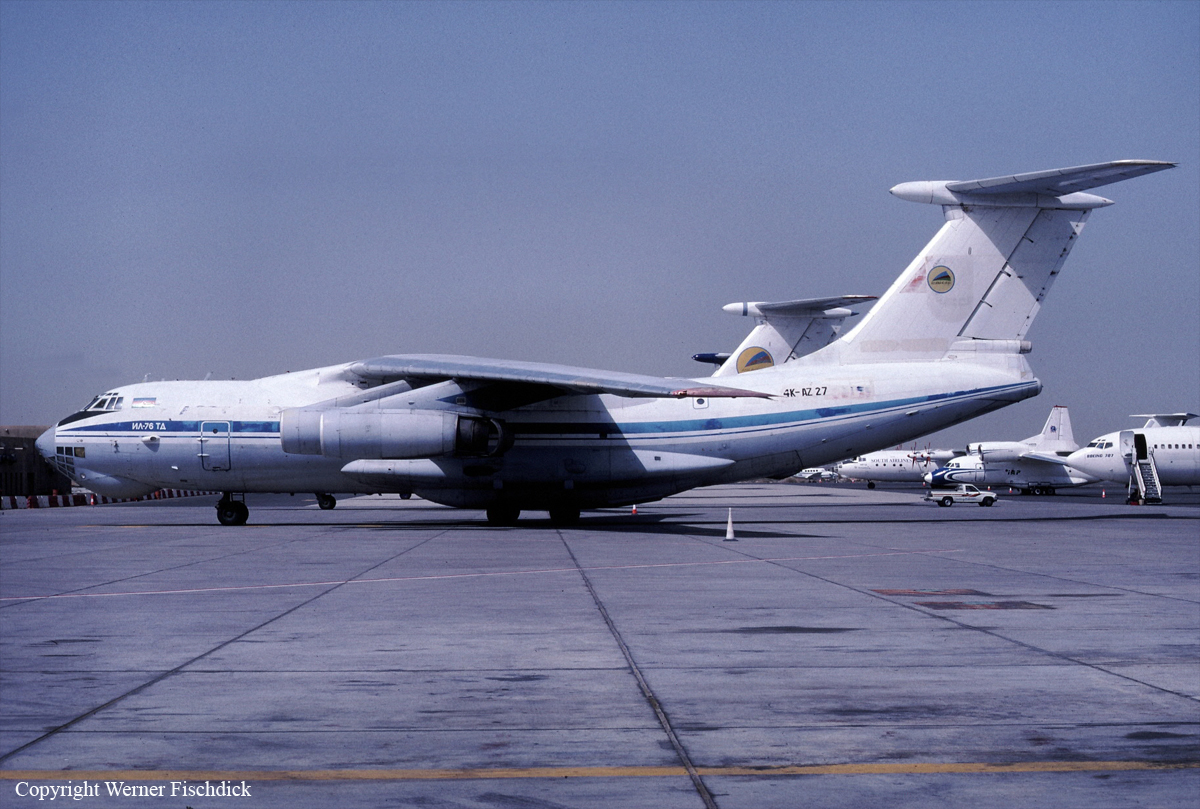
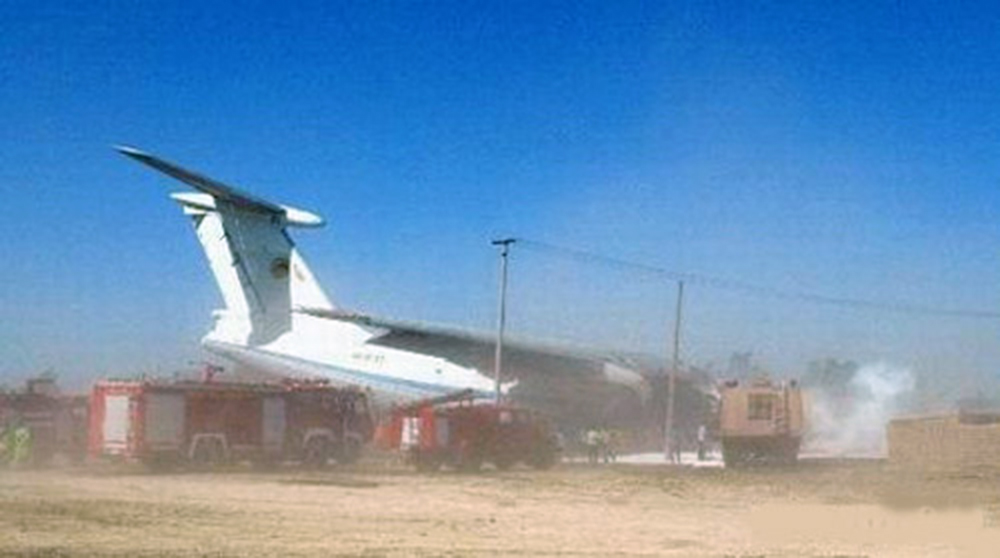
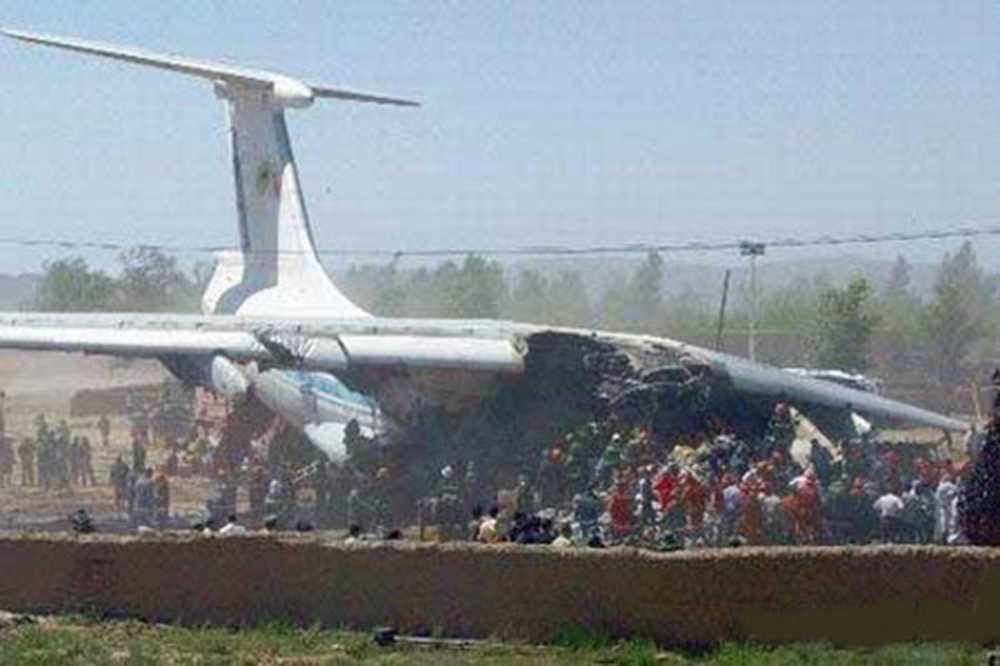
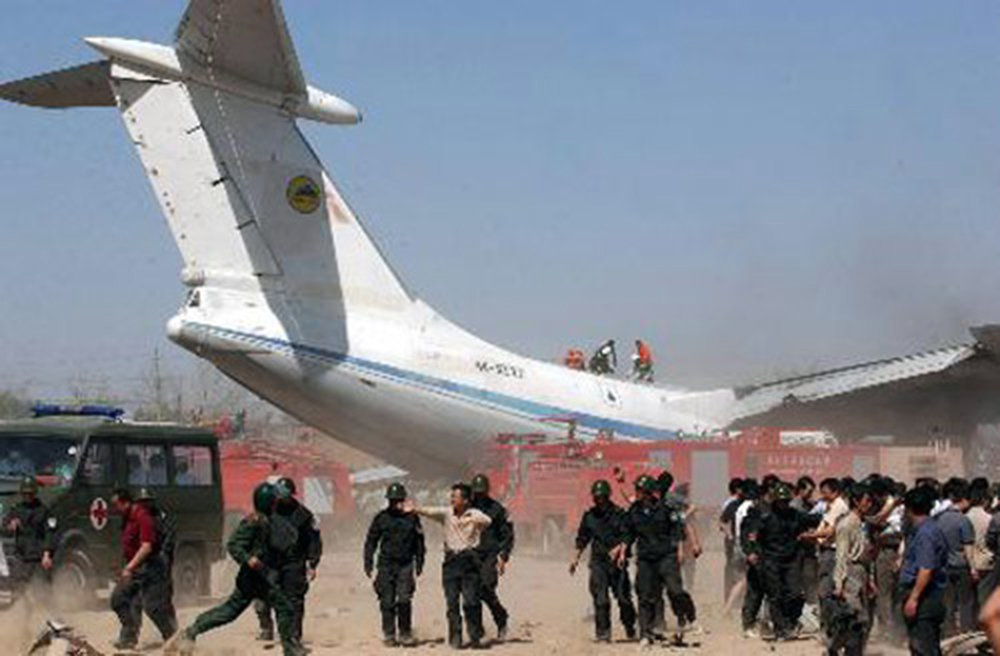
Crash of an Ilyushin II-76TD in Ürümqi: 7 killed
Date & Time:
May 18, 2004 at 1050 LT
Registration:
4K-AZ27
Survivors:
No
Schedule:
Taiyuan – Ürümqi – Baku – Riga
MSN:
00534 60827
YOM:
1985
Crew on board:
7
Crew fatalities:
Pax on board:
0
Pax fatalities:
Other fatalities:
Total fatalities:
7
Circumstances:
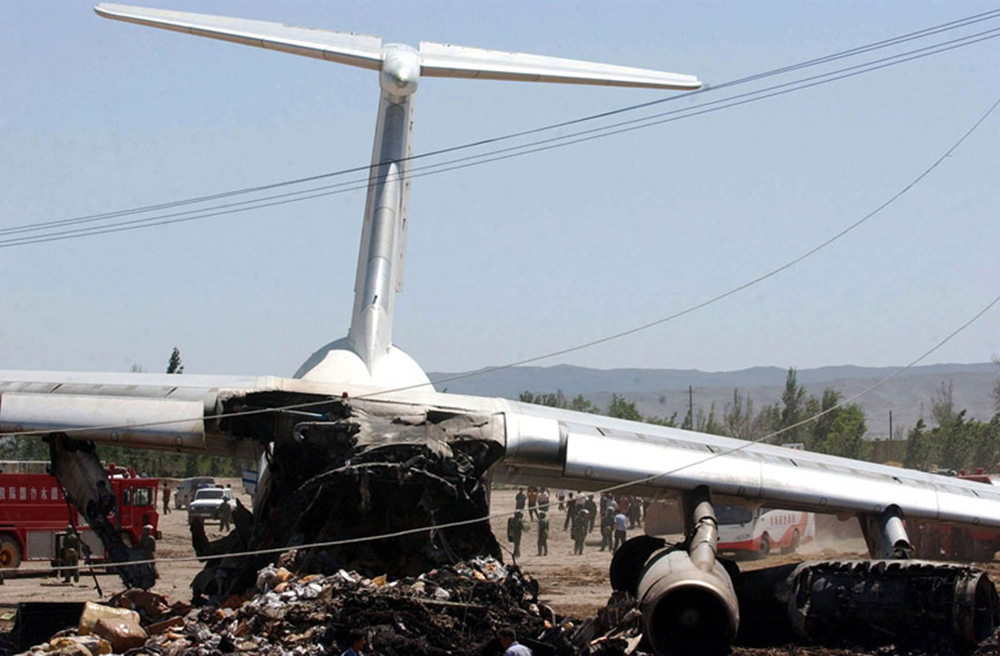
The aircraft was completing a cargo flight from Taiyuan to Riga with intermediate stops in Ürümqi and Baku, carrying seven crew members and a load of clothes. Two minutes after takeoff, while climbing, the aircraft stalled and crashed near a farm located 10 km from the airport. The aircraft was partially destroyed by impact forces and a post crash fire and all seven occupants were killed. Weather conditions were good at the time of the accident with a wind from 170 at 36 km/h.

Crash of an Ilyushin II-76MD in Baku: 3 killed
Date & Time:
Mar 4, 2004 at 0940 LT
Operator:

Registration:
UR-ZVA
Survivors:
Yes
Schedule:
Ankara – Bakou – Kabul
MSN:
00634 68036
YOM:
1986
Crew on board:
7
Crew fatalities:
Pax on board:
0
Pax fatalities:
Other fatalities:
Total fatalities:
3
Circumstances:
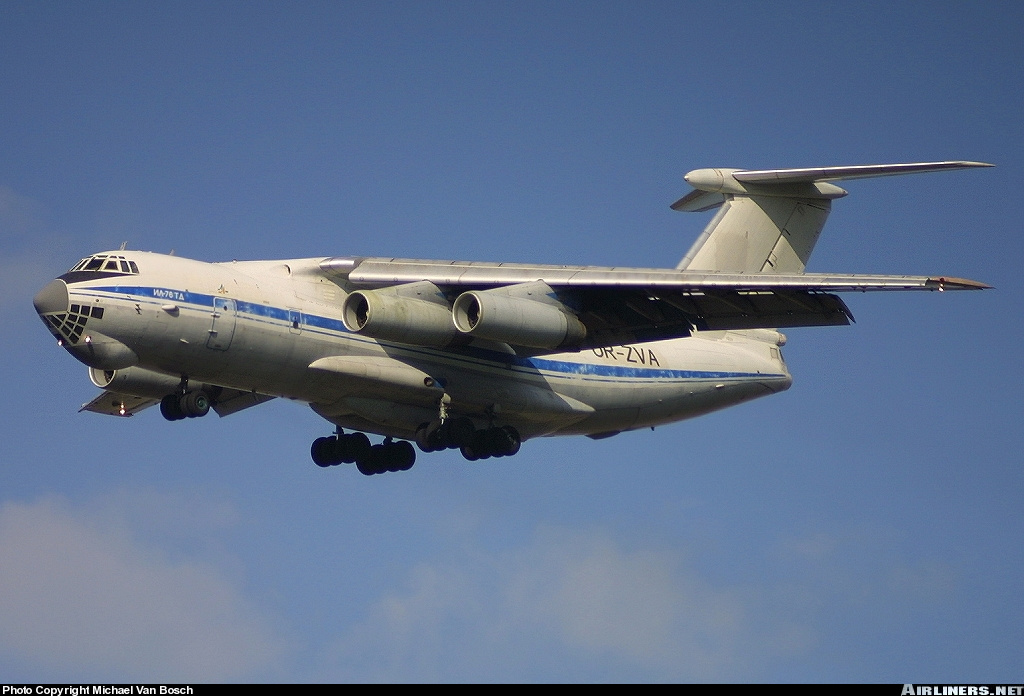
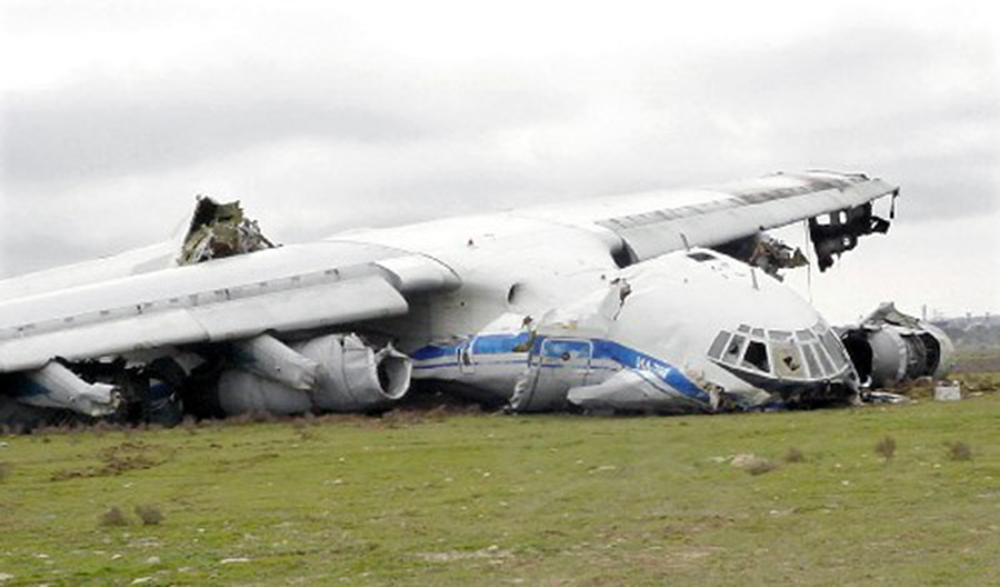
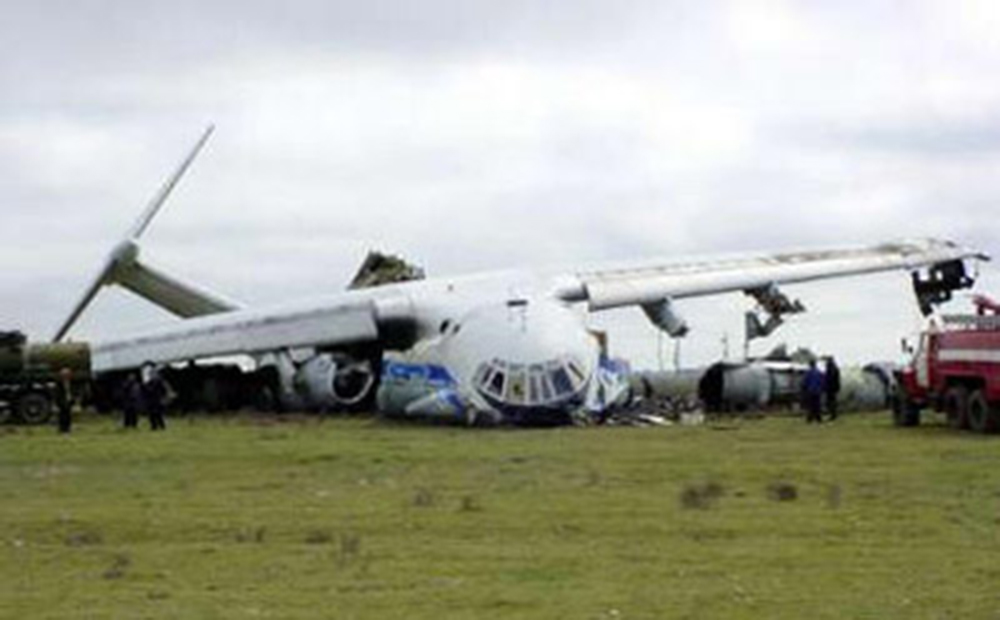
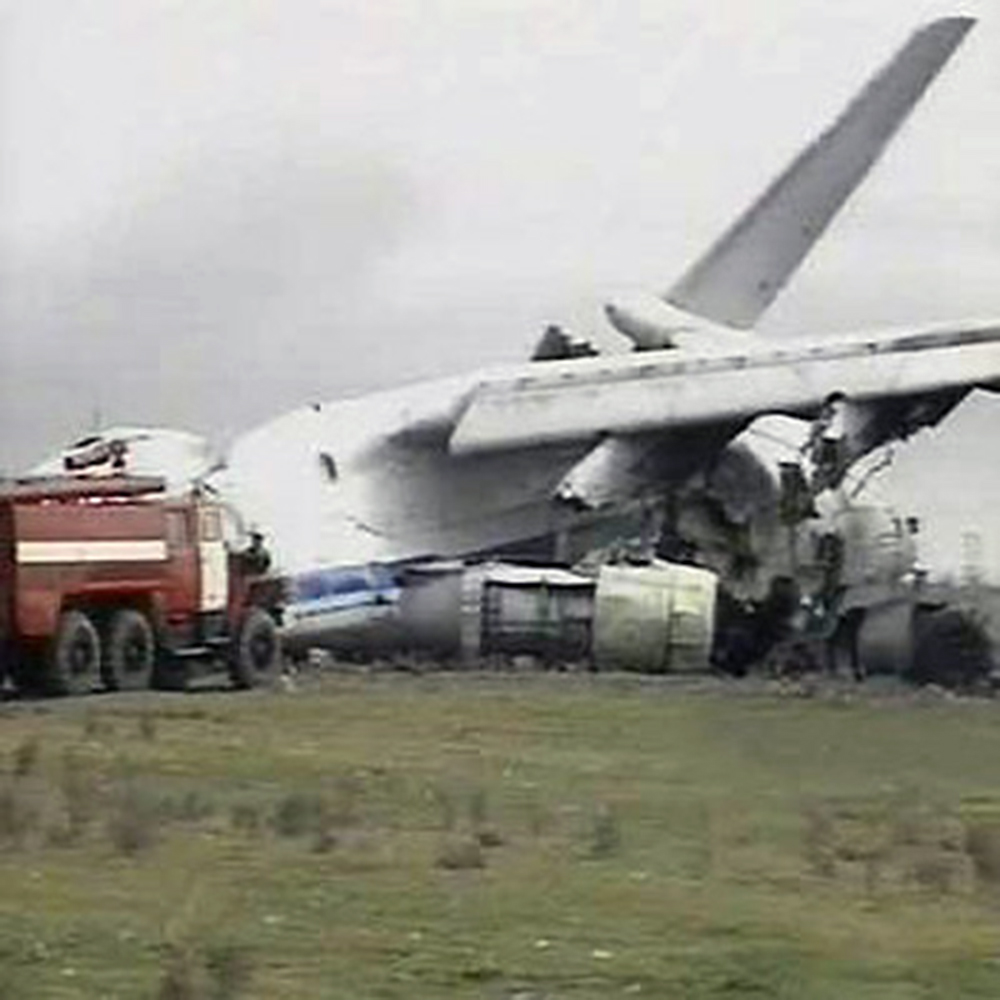
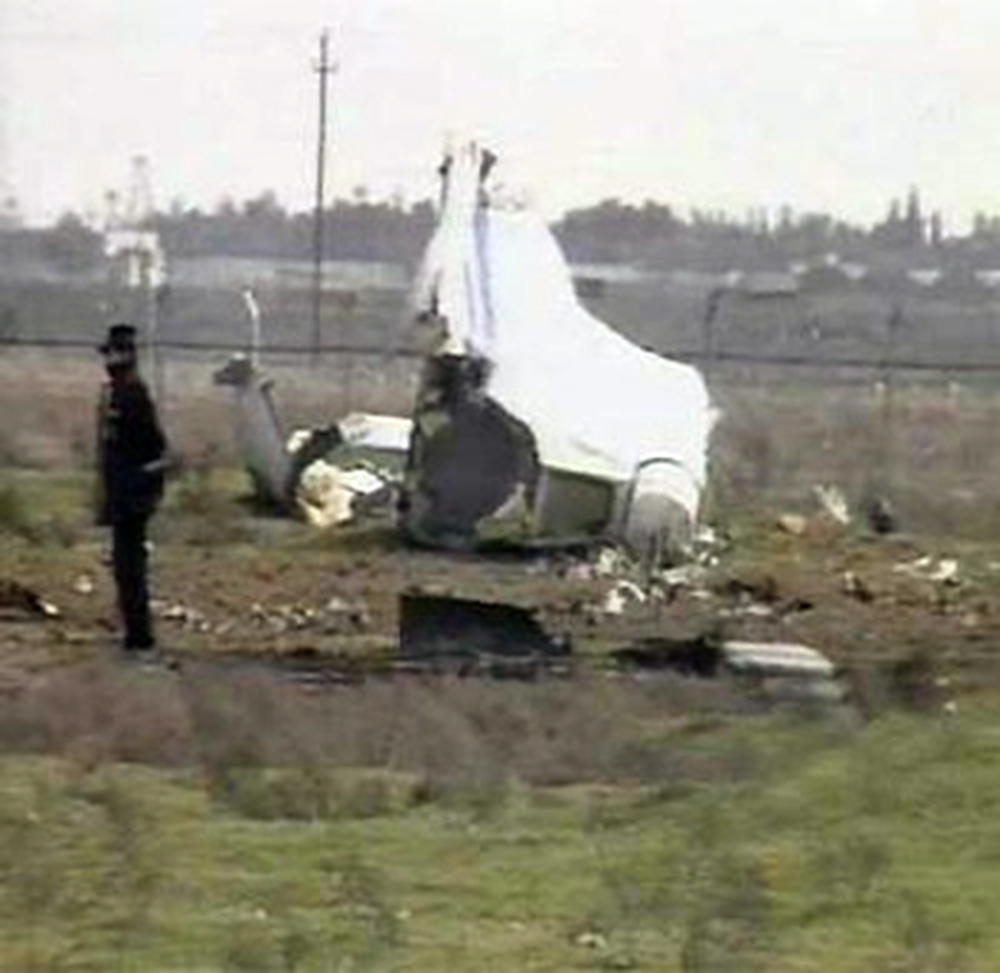
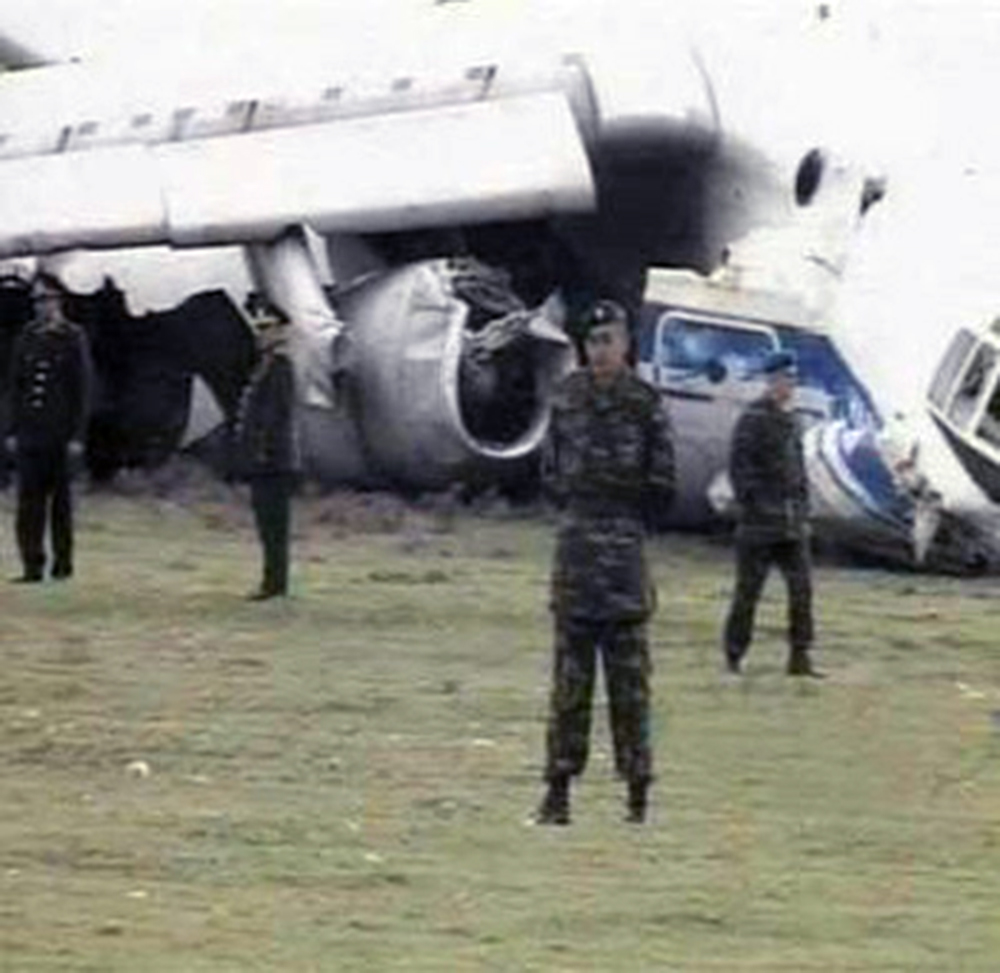
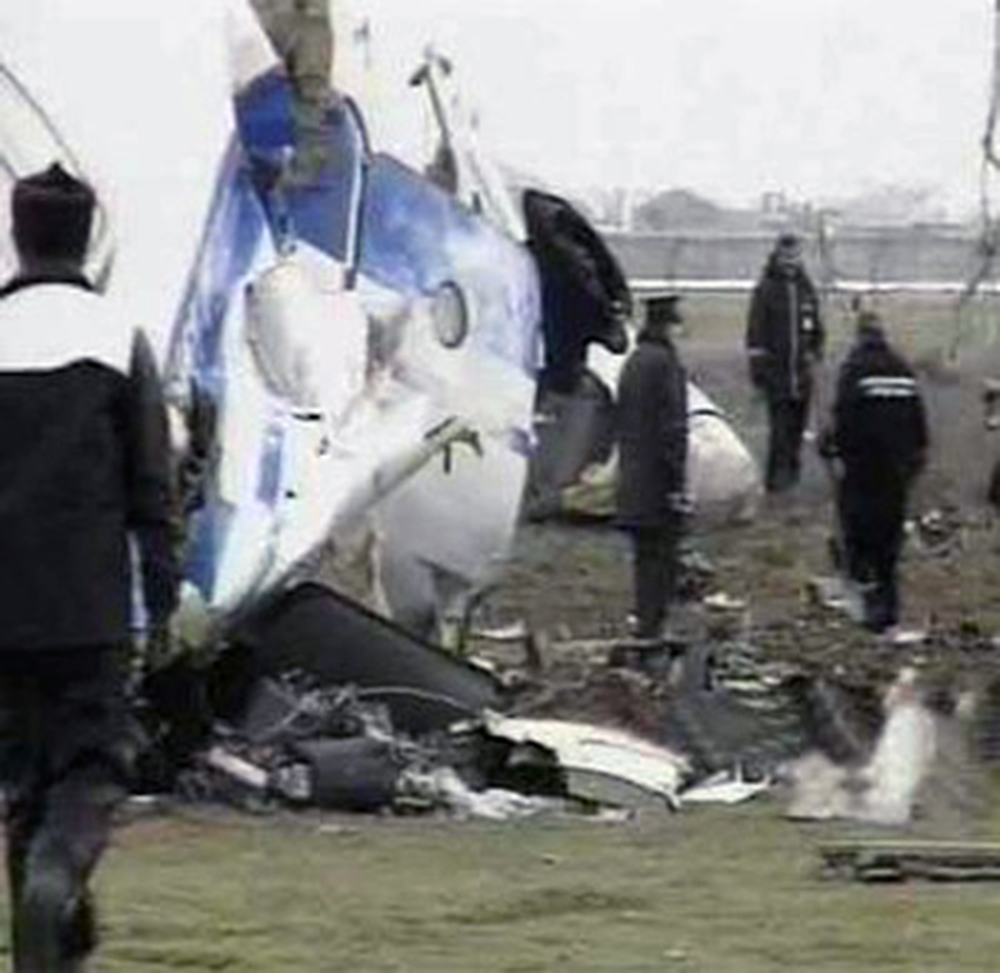
The aircraft departed Ankara, Turkey, on a cargo flight to Kabul, Afghanistan, with an intermediate stop in Baku, Azerbaijan. In Ankara, the airplane was loaded with 39,980 kg of cargo. At Baku Airport, 47 tons of fuel were added, bringing the takeoff weight to 189 tons, and the centre of gravity to 29,3% MAC, which was within the prescribed limits. During the eight-hour stopover the crew decided to rest in the aircraft instead of a hotel. As the aircraft started taxiing to the runway the flight engineer was heard saying that he would select the flaps at 30 degrees and slats at 14 degrees for takeoff. This however was not done. Prior to takeoff the position of the flaps was not verified by any of the crew members. Takeoff was thus commenced with flaps and slats retracted and the stabilizer trimmed at the takeoff position -4 degrees (corresponding to actual takeoff weight, CofG and flaps at 30°). At a speed of 210 km/h the pilot pulled on the control column to lift off the nose gear. At a calculated unstick speed of 265 km/h the angle of attack reached 9 degrees but the plane did not lift off the runway. Accelerating through 290 km/h the angle of attack of the aircraft reached 14,5 degrees, setting off the angle of attack warning on the flight deck. Some 1750 meters down the runway, the aft fuselage struck the runway. Seventy meters further on, at a speed of 300 km/h and an angle of attack of 19,4°, the Ilyushin lifted off the runway. The air traffic controller who witnessed the departure advised the crew to abort the takeoff, but the captain apparently continued. The airplane rolled to the left until the wing contacted the runway. Then the flight engineer noted his error and, without informing the captain, began extending the flaps and slats. Again without informing the captain, the flight engineer brought back the power levers of the four engines to idle. After three seconds he moved them from idle to the 'engine shutdown' position. The captain three times yelled "takeoff" but the engines were already shut down. After flying for 490 meters the aircraft struck the ground and crashed.
Probable cause:
Failure of the flight engineer to extend flaps and slats prior to takeoff. The following contributing factors were identified:
- Poor crew coordination,
- Poor flight preparation,
- Crew fatigue.
- Poor crew coordination,
- Poor flight preparation,
- Crew fatigue.
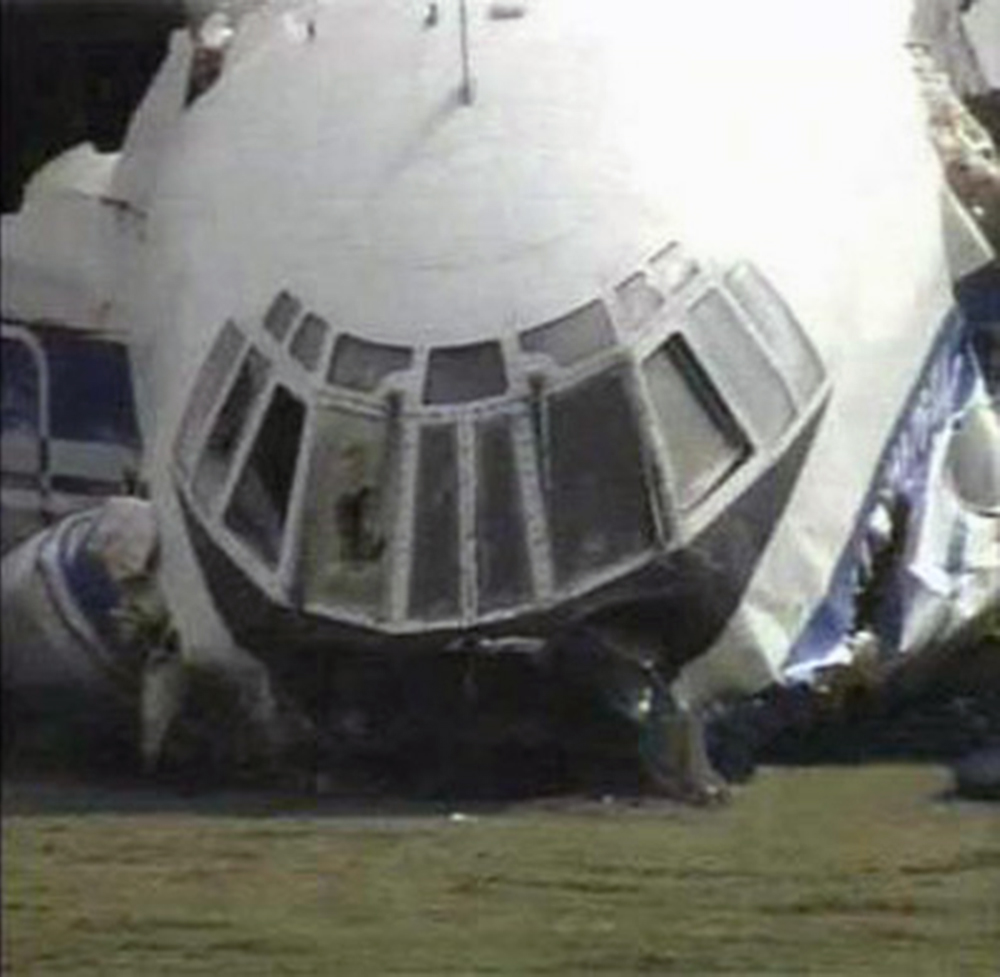
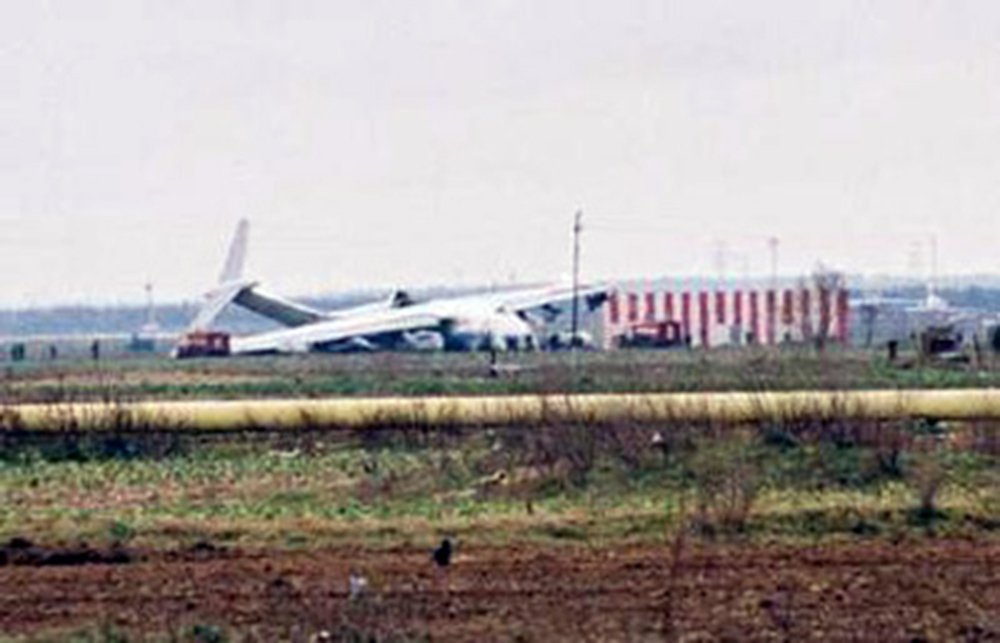
Crash of an Ilyushin II-76MD near Kerman: 275 killed
Date & Time:
Feb 19, 2003 at 1724 LT
Registration:
15-2280
Survivors:
No
Schedule:
Zahedan - Kerman
MSN:
00634 71155
YOM:
1986
Crew on board:
18
Crew fatalities:
Pax on board:
257
Pax fatalities:
Other fatalities:
Total fatalities:
275
Circumstances:
The four engine aircraft departed Zahedan on a flight to Kerman, carrying 257 passengers and a crew of 18, most of them members of the Revolutionary Guards. On board were also several high ranking officers who just conducted a visit of the province of Zahedan, taking part to a narcotic control program. While descending to Kerman Airport by night, the crew encountered poor weather conditions with heavy snow falls and strong winds. On approach, the aircraft struck the slope of Mt Sirach located 32 km from the airport. First rescuers arrived on the scene the next morning. The wreckage was found about 100 metres below the summit and all 275 occupants have been killed.
Probable cause:
Controlled flight into terrain after the crew continued the descent below the MDA in poor visibility due to the night and bad weather conditions. For unknown reasons, the crew started the descent prematurely.
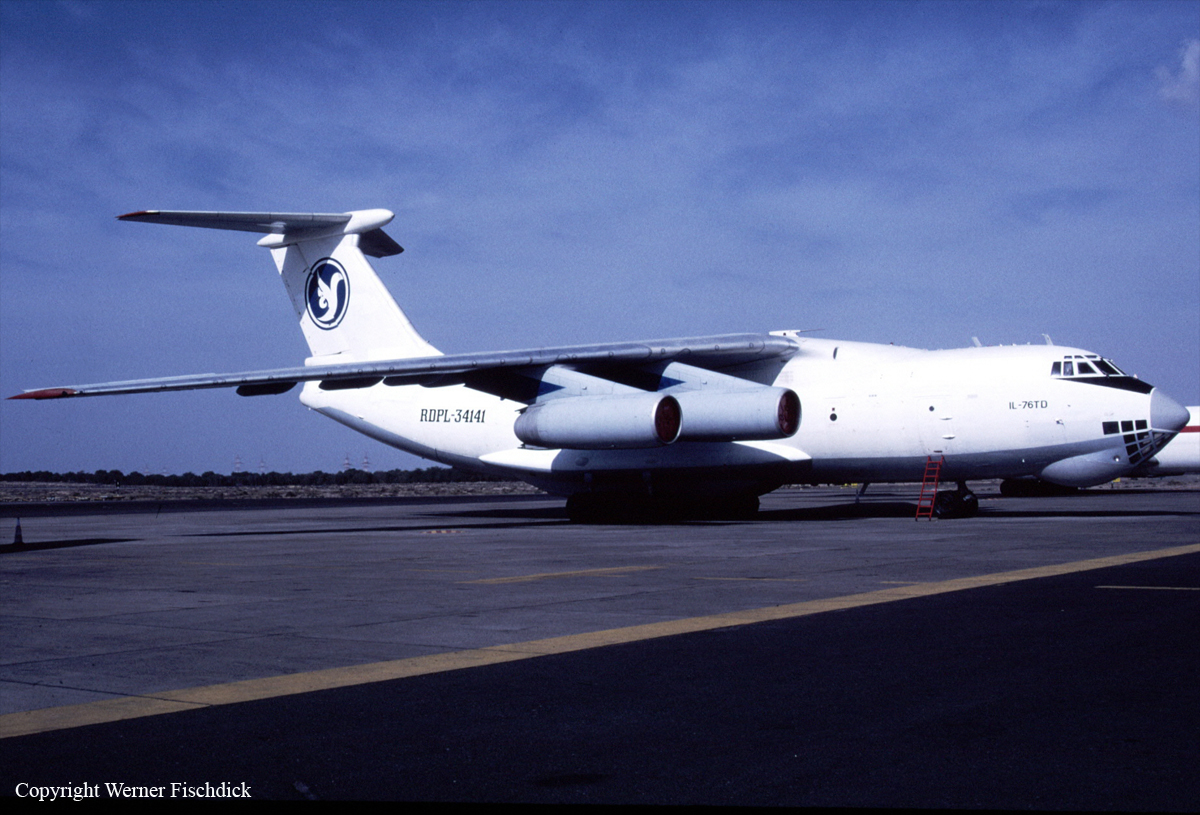
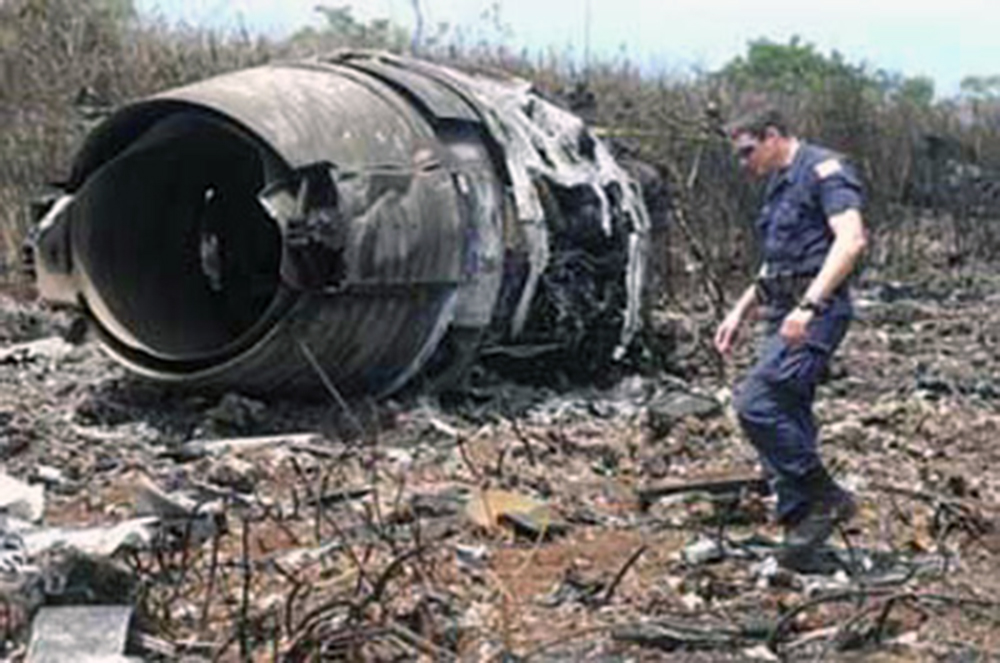
Crash of an Ilyushin II-76TD in Baucau: 6 killed
Date & Time:
Jan 31, 2003 at 1521 LT
Registration:
RDPL-34141
Survivors:
No
Schedule:
Macau - Baucau
MSN:
00534 65941
YOM:
1985
Crew on board:
4
Crew fatalities:
Pax on board:
2
Pax fatalities:
Other fatalities:
Total fatalities:
6
Aircraft flight hours:
2349
Aircraft flight cycles:
1400
Circumstances:
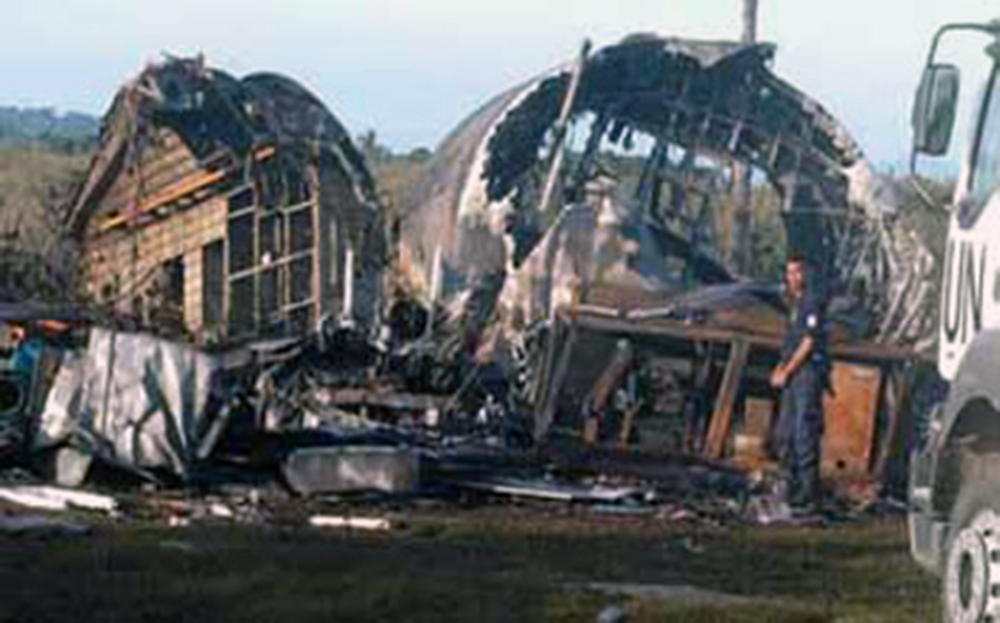
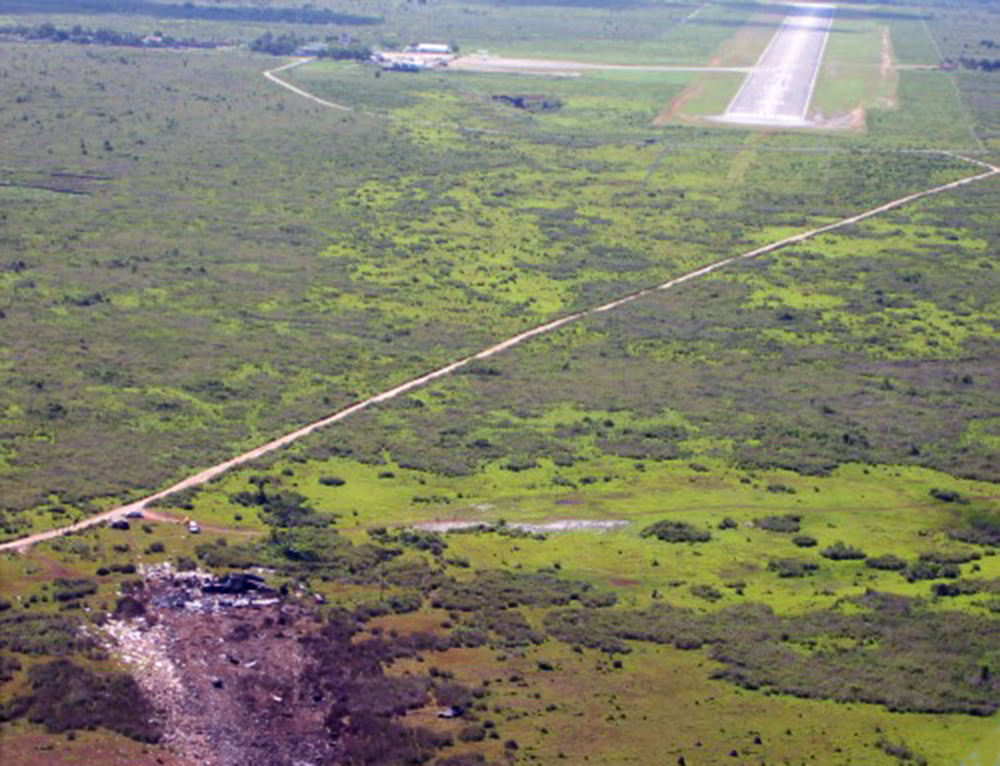
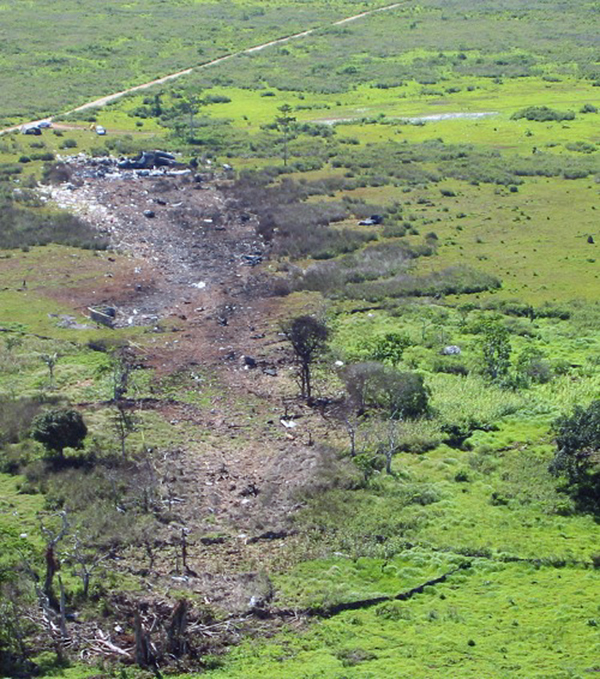
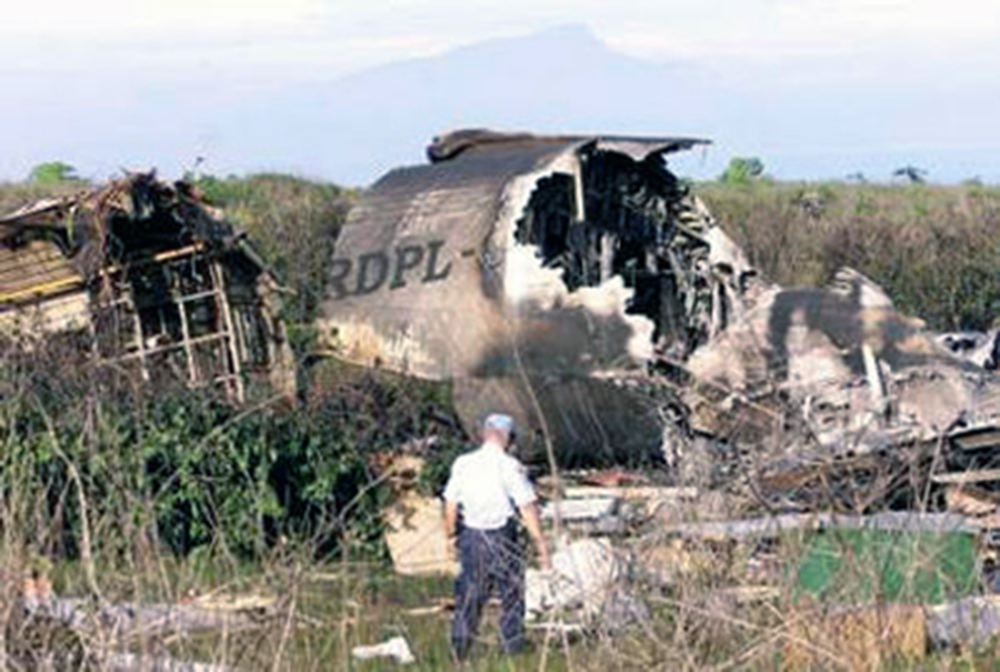
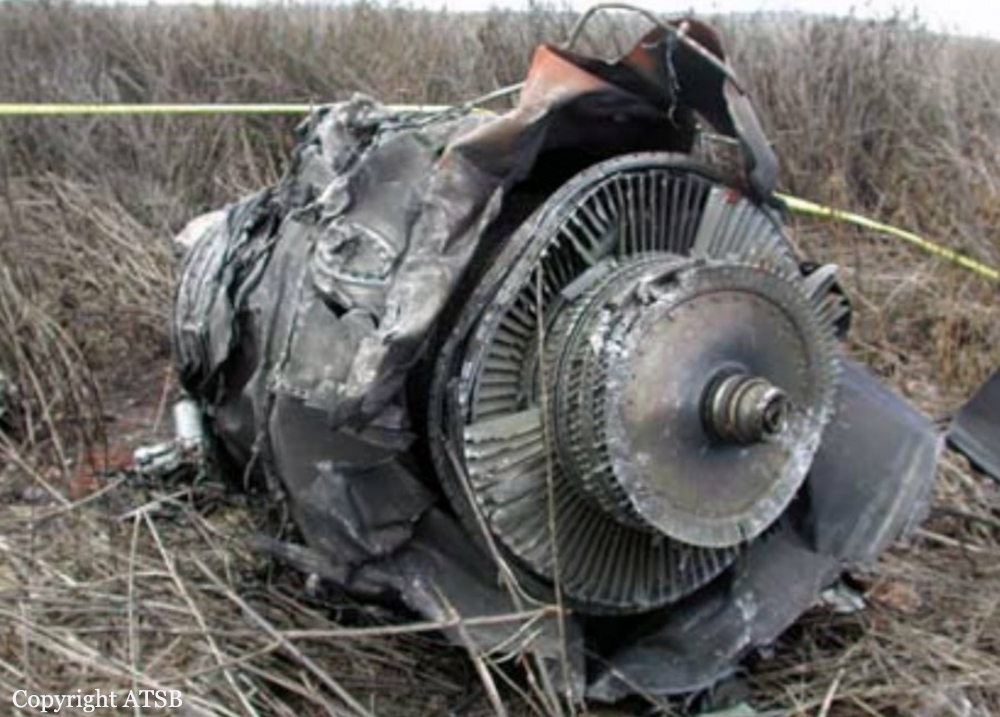
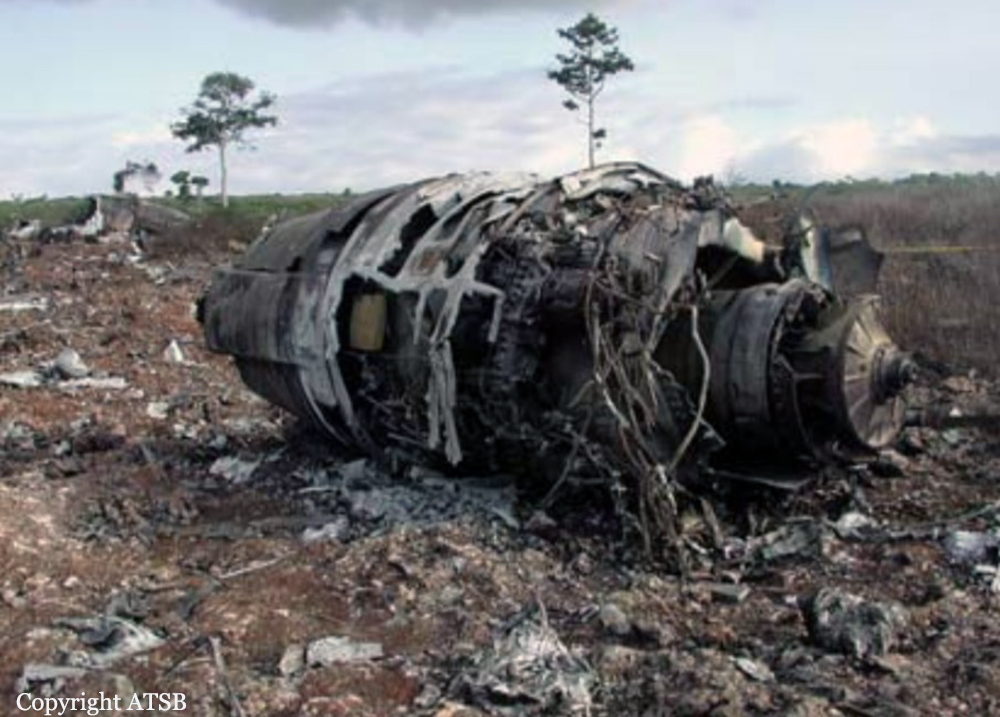
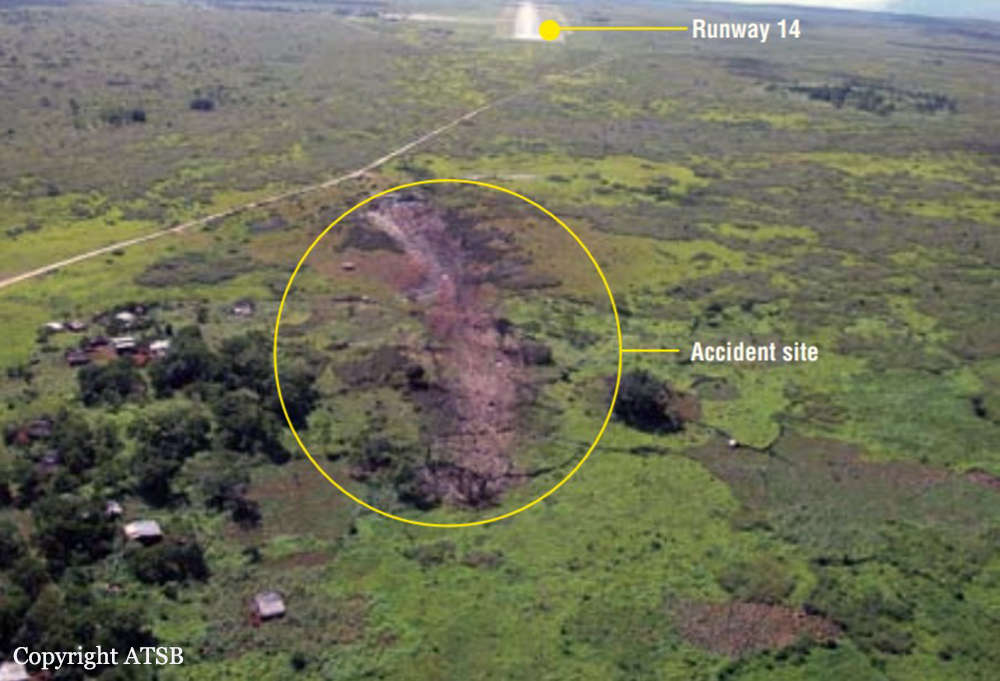
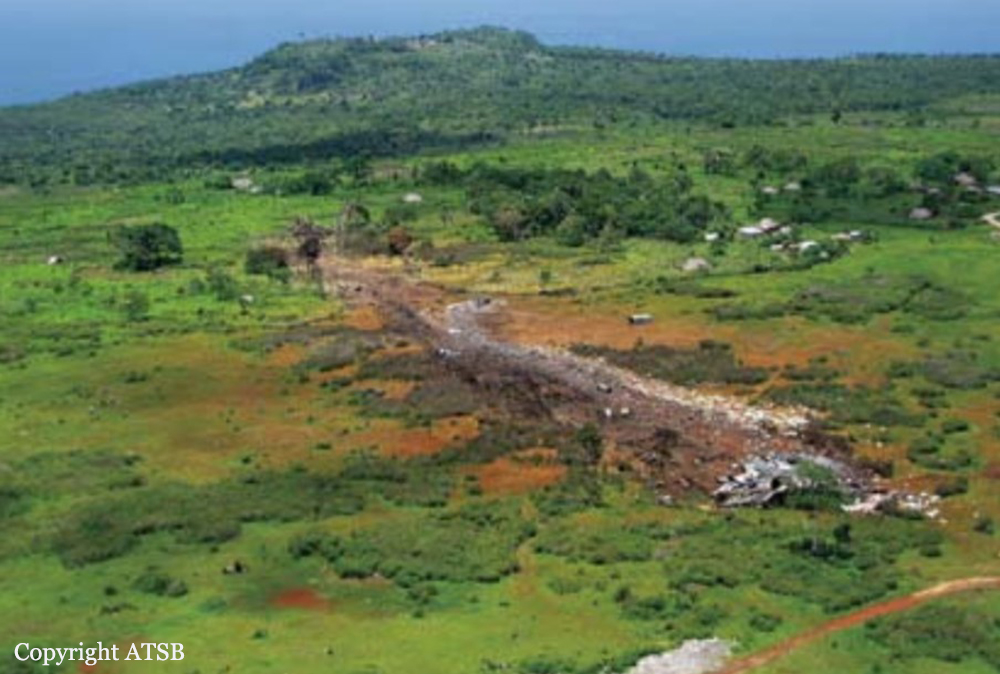
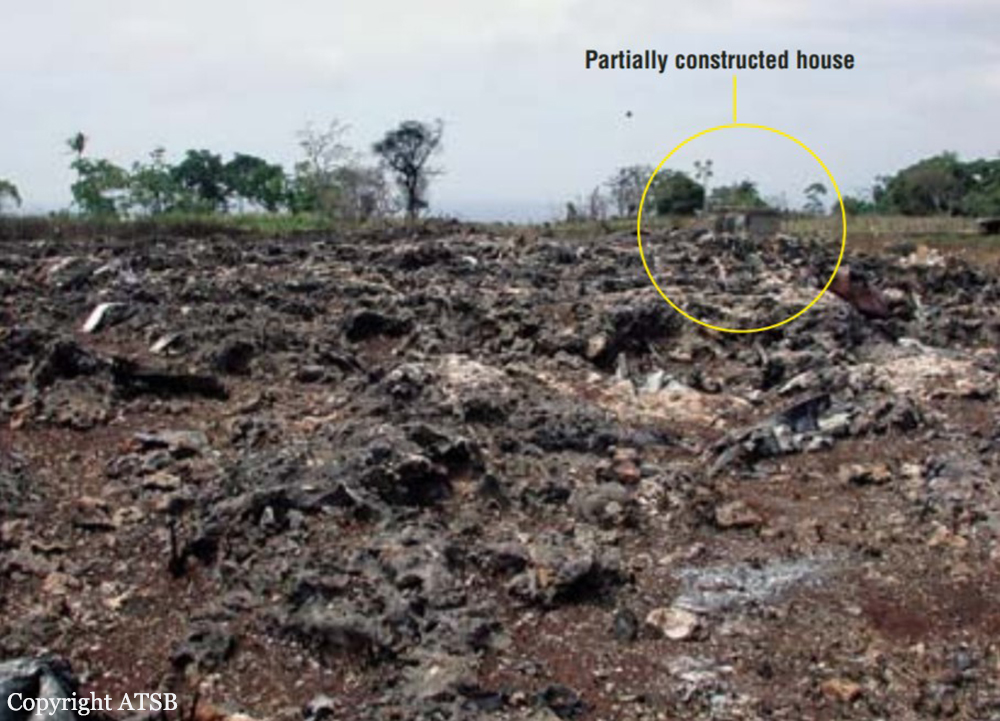
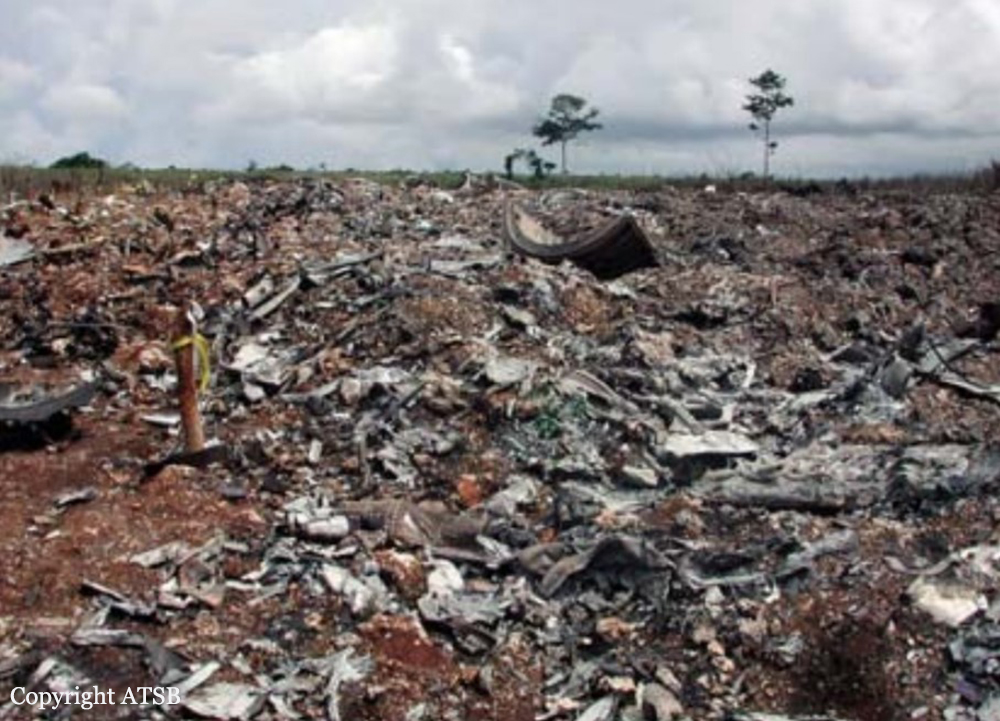
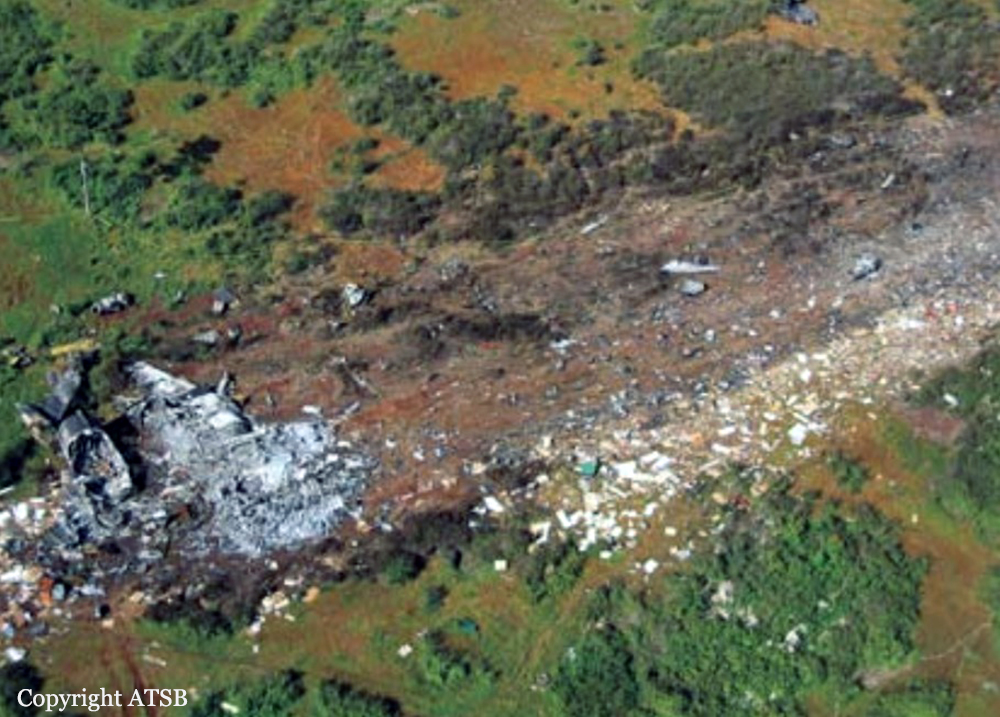
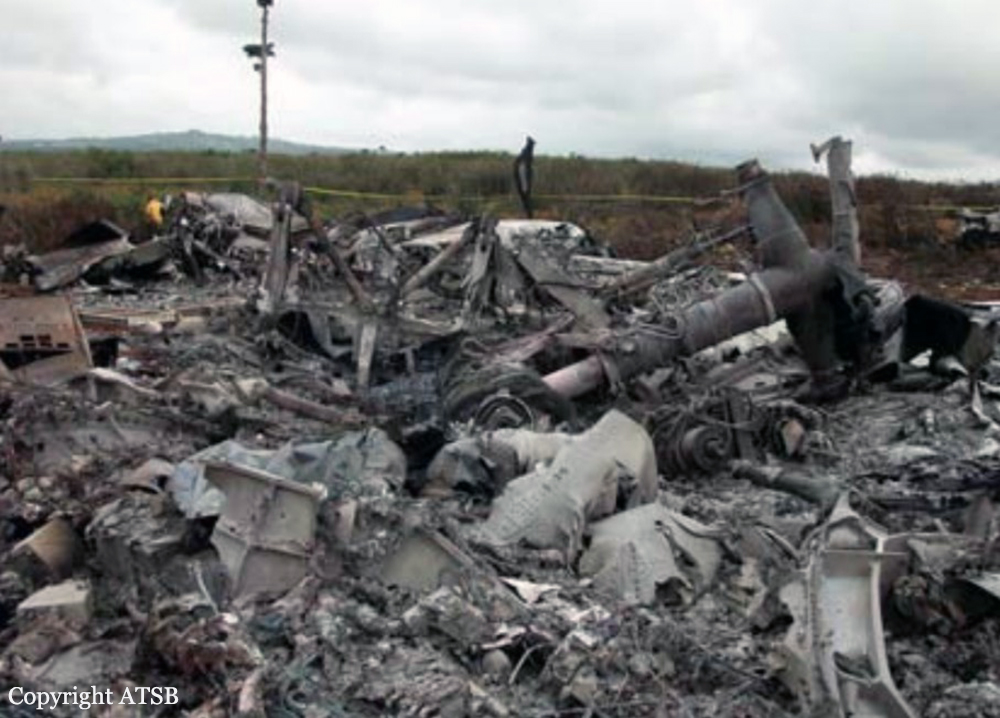
Carrying 31 tons of telecommunications equipments for a Portuguese telephone company, the aircraft departed Macau to Baucau with two passengers and four crew members. On approach, the aircraft impacted terrain near Caicido village during a landing approach, about 1 NM (1.87 km) to the northwest of Cakung Airport, Baucau, Timor-Leste. The pilot in command was the handling pilot during the descent and approaches at Baucau. The aircraft was destroyed by impact forces and a severe post-impact fire, and the six occupants were fatally injured. The occupants included the flight crew, which comprised the pilot in command, the copilot, the flight navigator and the flight engineer, and two loadmasters who did not form part of the flight crew. At the time of the occurrence, there was low cloud near the aerodrome.2 Witnesses at the aerodrome estimated the cloud base to be about 1,000 ft (305 m) above ground level, and visibility to be about 1,500 m (0.8 NM). Before the aircraft’s departure from Macau, the flight crew was provided with notices to airmen (NOTAMs) and weather forecast information for the planned flight. The weather information provided to the flight crew did not include a terminal aerodrome forecast (TAF), or an aviation routine weather report (METAR) for Baucau. Those weather forecasts were not produced for Baucau.
Probable cause:
The following findings were identified:
Air Traffic Services:
1. ATS was not available at Baucau at the time of the occurrence.
2. There was no procedure in place to provide flight crews of aircraft engaged in non-UN operations with an altimeter subscale setting for Baucau at the time of the occurrence.
Organisational factors:
1. Neither the Lao-based company, nor the Cambodian-based company, sought the consent for the proposed sublease, dated 18 November 2002, and accordingly the inferred sublease had not been finalised.
2. The Cambodian-based company was not the operator of the aircraft for the occurrence flight.
3. The Lao PDR was the State of Registry and State of the Operator.
4. The Lao DCA was responsible for the continued surveillance of the operator to ensure that the required standards of operation were maintained.
5. The operator provided flight crews with inflight CFIT avoidance procedures in its operations manual.
CFIT risk exposure:
1. The planned flight from Macau to Baucau was exposed to moderate risk of a CFIT event, based on historical CFIT data and the Transport Canada simple method of risk analysis.
2. The destination risk factors, type of operation, area of operation, weather conditions, and flight crew non-compliance with published procedures increased the CFIT risk exposure of the planned flight to an above-average level.
3. The consequences of the accident were catastrophic and resulted in loss of human life and damage to property and the environment.
4. Those catastrophic consequences resulted from the flight crew’s disregard of established procedures; that disregard bypassed all the safety criteria and inbuilt risk treatments in the design of those procedures and steadily increased the CFIT risk exposure to an extreme level during the latter stages of the flight.
Significant factors:
1. The flight crew did not comply the published non-precision instrument approach and/or missed approach procedures at Baucau during flight in instrument meteorological conditions.
2. The flight crew conducted user-defined non-precision instrument approaches to runway 14 at Baucau during flight in instrument meteorological conditions.
3. The pilot in command permitted the aircraft to descend below the MDA(H) published on both the Jeppesen and CAD runway 14 instrument approach charts during flight in instrument meteorological conditions.
4. The flight crew did not recognise the increased likelihood and therefore risk of CFIT.
5. The flight crew did not recognise or treat that risk in a timely manner.
Air Traffic Services:
1. ATS was not available at Baucau at the time of the occurrence.
2. There was no procedure in place to provide flight crews of aircraft engaged in non-UN operations with an altimeter subscale setting for Baucau at the time of the occurrence.
Organisational factors:
1. Neither the Lao-based company, nor the Cambodian-based company, sought the consent for the proposed sublease, dated 18 November 2002, and accordingly the inferred sublease had not been finalised.
2. The Cambodian-based company was not the operator of the aircraft for the occurrence flight.
3. The Lao PDR was the State of Registry and State of the Operator.
4. The Lao DCA was responsible for the continued surveillance of the operator to ensure that the required standards of operation were maintained.
5. The operator provided flight crews with inflight CFIT avoidance procedures in its operations manual.
CFIT risk exposure:
1. The planned flight from Macau to Baucau was exposed to moderate risk of a CFIT event, based on historical CFIT data and the Transport Canada simple method of risk analysis.
2. The destination risk factors, type of operation, area of operation, weather conditions, and flight crew non-compliance with published procedures increased the CFIT risk exposure of the planned flight to an above-average level.
3. The consequences of the accident were catastrophic and resulted in loss of human life and damage to property and the environment.
4. Those catastrophic consequences resulted from the flight crew’s disregard of established procedures; that disregard bypassed all the safety criteria and inbuilt risk treatments in the design of those procedures and steadily increased the CFIT risk exposure to an extreme level during the latter stages of the flight.
Significant factors:
1. The flight crew did not comply the published non-precision instrument approach and/or missed approach procedures at Baucau during flight in instrument meteorological conditions.
2. The flight crew conducted user-defined non-precision instrument approaches to runway 14 at Baucau during flight in instrument meteorological conditions.
3. The pilot in command permitted the aircraft to descend below the MDA(H) published on both the Jeppesen and CAD runway 14 instrument approach charts during flight in instrument meteorological conditions.
4. The flight crew did not recognise the increased likelihood and therefore risk of CFIT.
5. The flight crew did not recognise or treat that risk in a timely manner.
Final Report:
Crash of an Ilyushin II-76MD in Mashhad
Date & Time:
Feb 24, 2002
Registration:
15-2281
Survivors:
Yes
Schedule:
Mashhad - Tehran
MSN:
0073475236
YOM:
1987
Crew on board:
8
Crew fatalities:
Pax on board:
222
Pax fatalities:
Other fatalities:
Total fatalities:
0
Circumstances:
Few minutes after takeoff from Mashhad Airport, while flying at FL230 about 80 km from his departure point, the crew encountered technical problems when the autopilot system disengaged and the engine n°4 caught fire. The crew elected to extinguish the fire but without success and was cleared to return to Mashhad for an emergency landing. The fire spread to the right wing and the engine n°4 detached. Nevertheless, the crew was able to land safely at Mashhad Airport 24 minutes later and stopped the airplane on the runway. All 230 occupants escaped uninjured while the aircraft was partially destroyed after the right wing broke off and fell on the ground.
Probable cause:
Fire on engine n°4 for unknown reasons.

