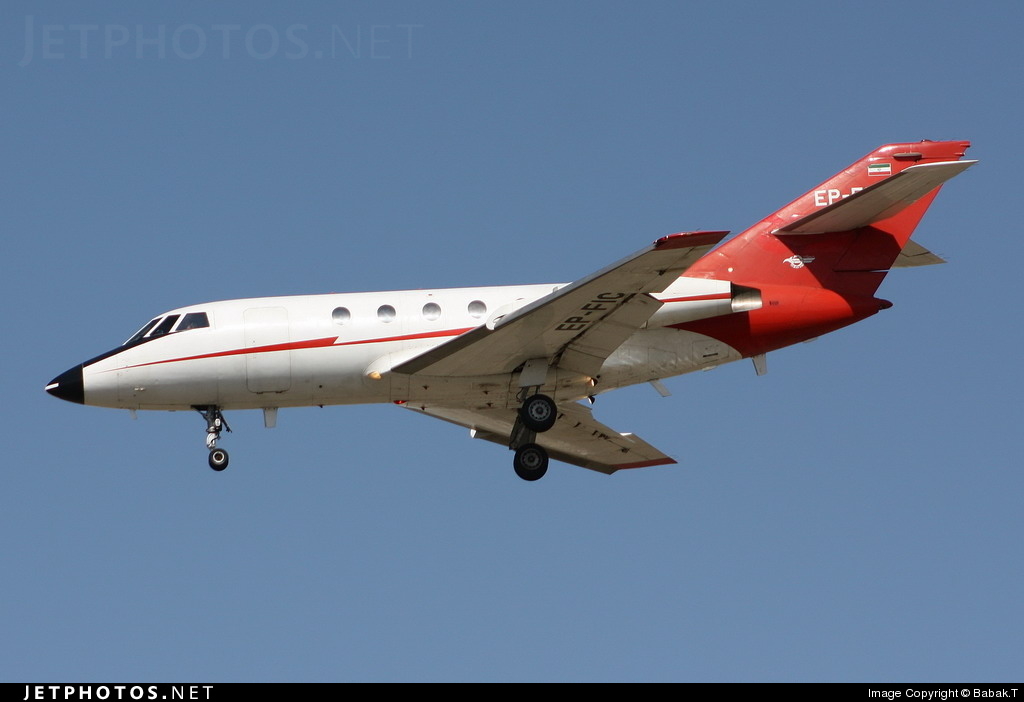
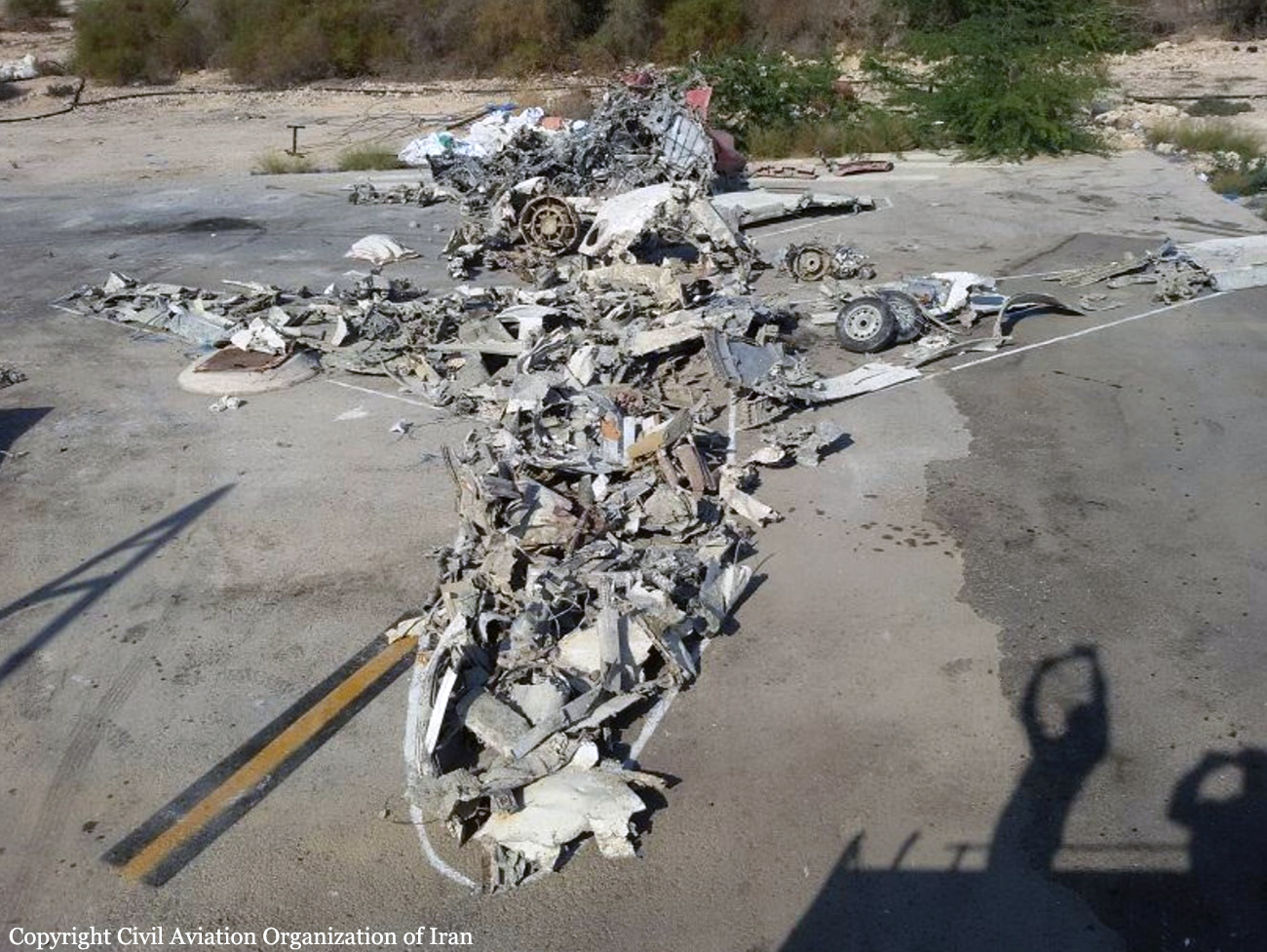
Crash of a BAe 146-300 in Khark
Date & Time:
Jun 19, 2016 at 1335 LT
Operator:

Registration:
EP-MOF
Survivors:
Yes
Schedule:
Ahwaz – Khark
MSN:
E3149
YOM:
1989
Flight number:
IRM4525
Crew on board:
10
Crew fatalities:
Pax on board:
79
Pax fatalities:
Other fatalities:
Total fatalities:
0
Captain / Total hours on type:
1270.00
Copilot / Total hours on type:
110
Circumstances:
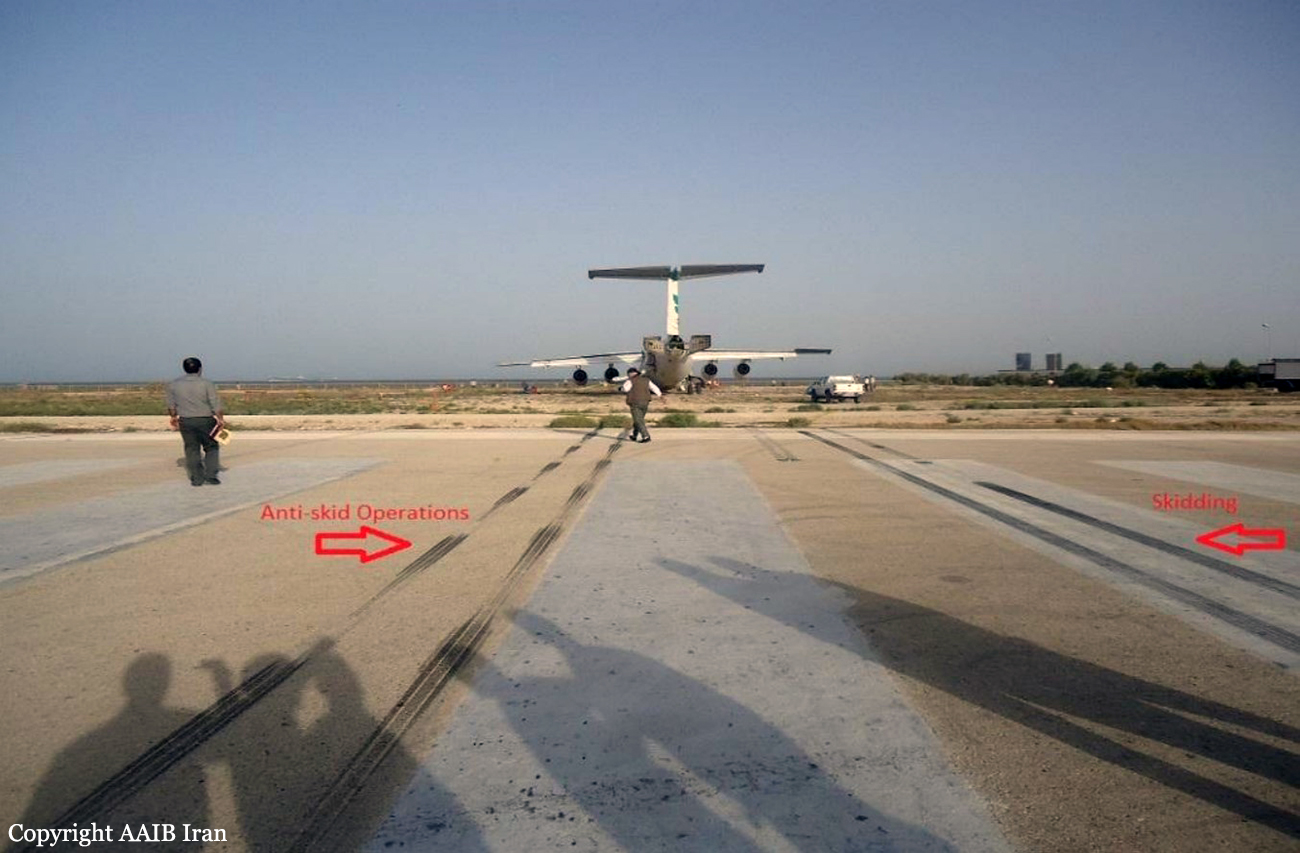
On June 19, 2016, Mahan Air flight IRM 4525 was a scheduled passenger flight which took off from Ahwaz Airport at 1257 LMT (0827 UTC) to destination and landed at Khark Island Airport at 1335 LMT (0905 UTC). After delivery of the flight from BUZ approach to Khark tower, the flight was cleared to land on RWY 31 via visual approach. At 10 NM on final the pilot has asked weather information of the destination so, the captain requested to perform a visual approach for RWY 13. Finally the pilot in command accomplished an un-stabilized approach and landed on the runway after passing long distance of the Runway. Regarding to the length of the runway (7,657 feet) the aircraft overran the end of runway and made runway excursion on runway 13 and came to rest on the unpaved surface after 54 meters past the runway end. The nose landing gear strut has broken and collapsed. The captain instructed the cabin crew to evacuate the aircraft. No unusual occurrences were noticed during departure, en-route and descent.
Probable cause:
The main cause of this accident is wrong behavior of the pilot which descripted as:
- Decision to make a landing on short field RWY 13 with tailwind.
- Un stabilized landing against on normal flight profile
- Weak, obviously, CRM in cockpit.
- Poor judgment and not accomplishing a go around while performing a unstabilized approach.
- Improper calculating of landing speed without focusing on the tailwind component
Contributing factors:
- Anti-skid failures of RH landing gear causing prolong landing distance.
- Instantaneous variable wind condition on aerodrome traffic pattern.
- Late activating of airbrakes and spoilers (especially airbrakes) with tailwind cause to increase the landing roll distance.
- Decision to make a landing on short field RWY 13 with tailwind.
- Un stabilized landing against on normal flight profile
- Weak, obviously, CRM in cockpit.
- Poor judgment and not accomplishing a go around while performing a unstabilized approach.
- Improper calculating of landing speed without focusing on the tailwind component
Contributing factors:
- Anti-skid failures of RH landing gear causing prolong landing distance.
- Instantaneous variable wind condition on aerodrome traffic pattern.
- Late activating of airbrakes and spoilers (especially airbrakes) with tailwind cause to increase the landing roll distance.
Final Report:
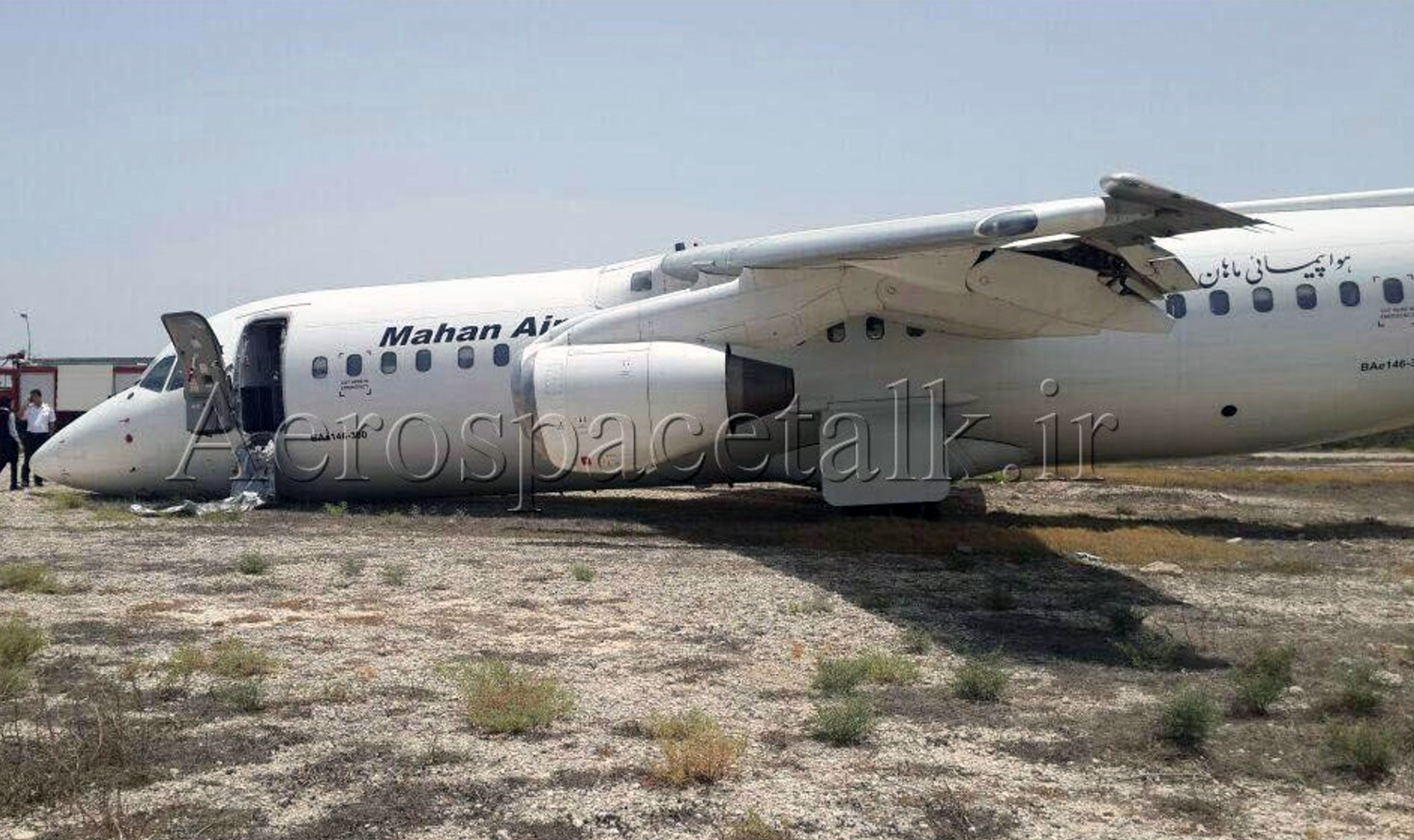
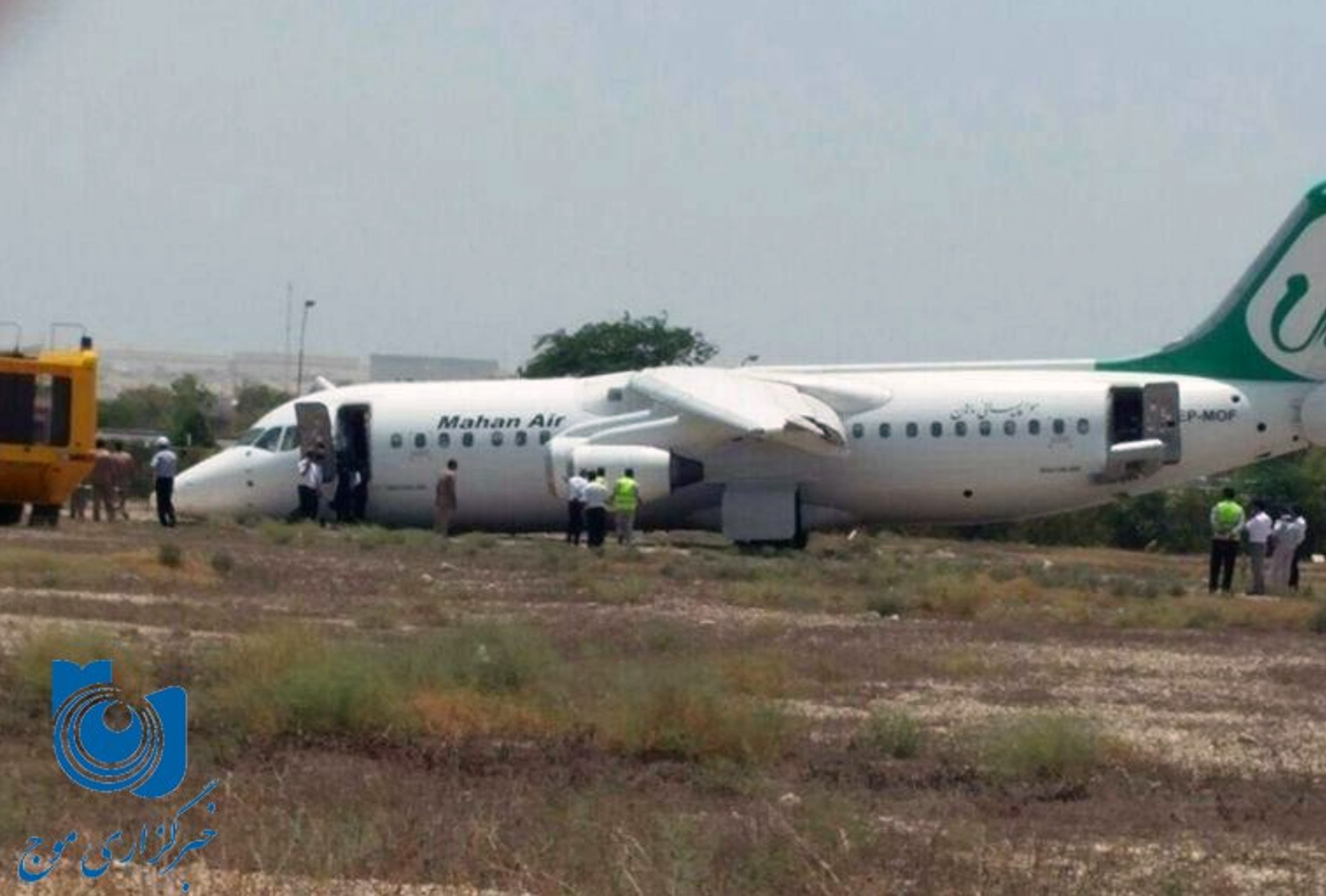
Crash of a McDonnell Douglas MD-83 in Mashhad
Date & Time:
Jan 28, 2016 at 1937 LT
Operator:

Registration:
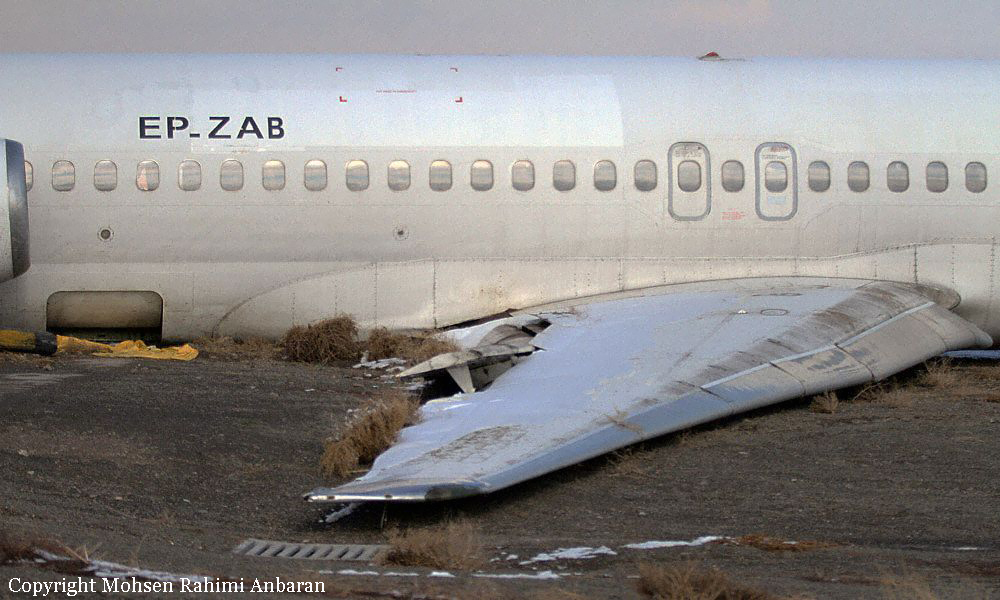
EP-ZAB
Survivors:
Yes
Schedule:
Isfahan – Mashhad
MSN:
49930/1720
YOM:
1990
Flight number:
ZV4010
Crew on board:
8
Crew fatalities:
Pax on board:
154
Pax fatalities:
Other fatalities:
Total fatalities:
0
Captain / Total hours on type:
4341.00
Copilot / Total hours on type:
471
Aircraft flight hours:
51446
Aircraft flight cycles:
30255
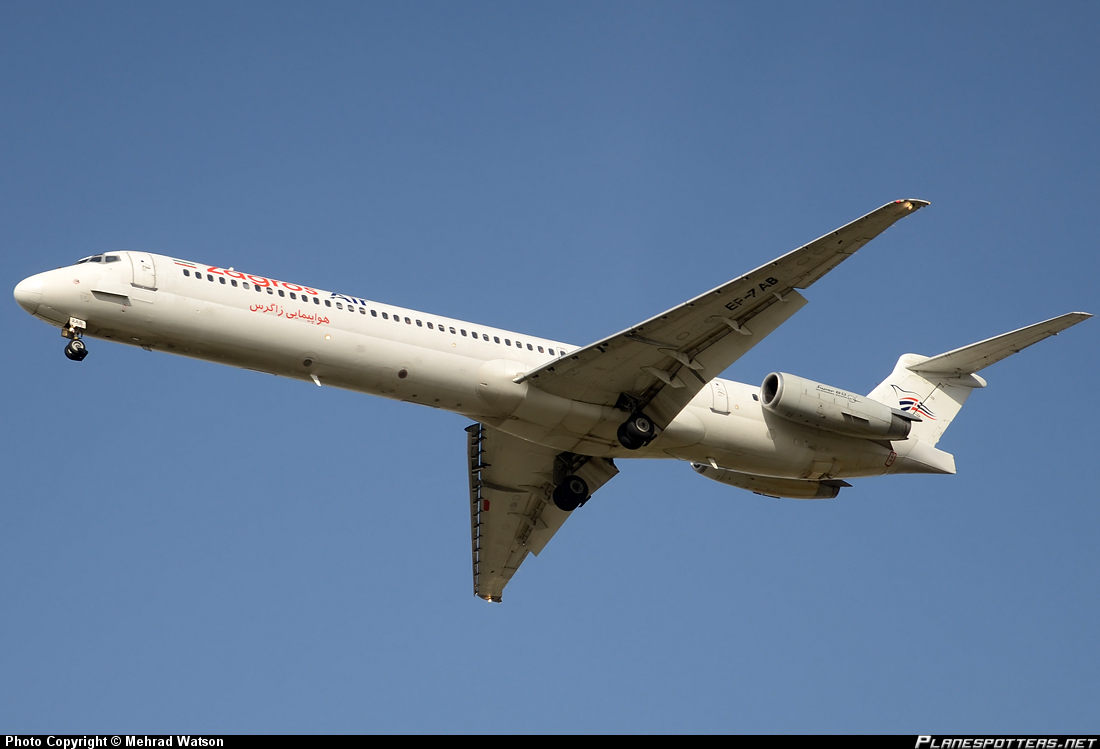
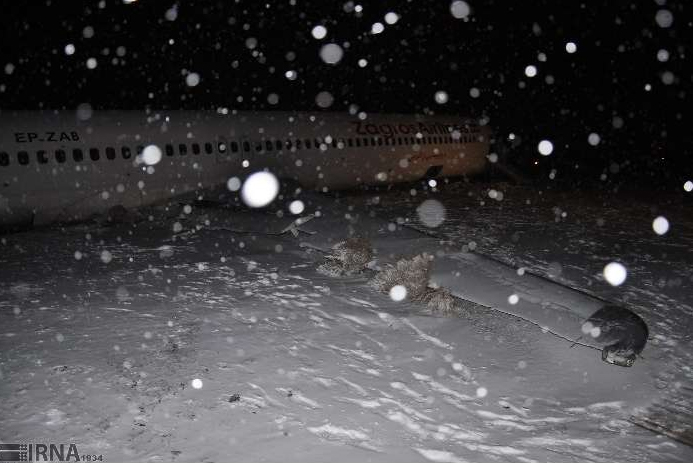
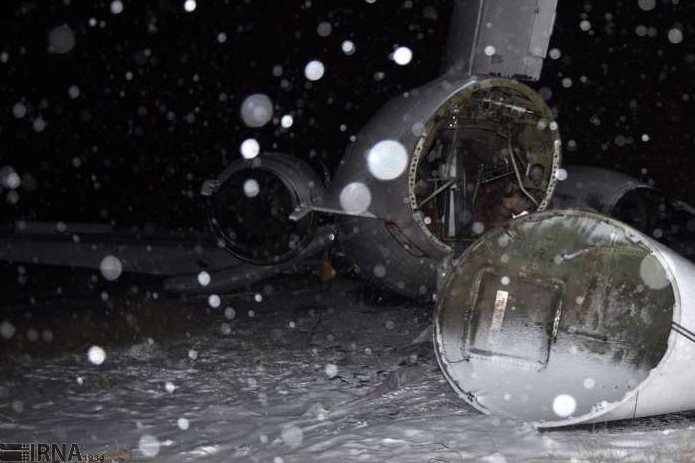
Circumstances:
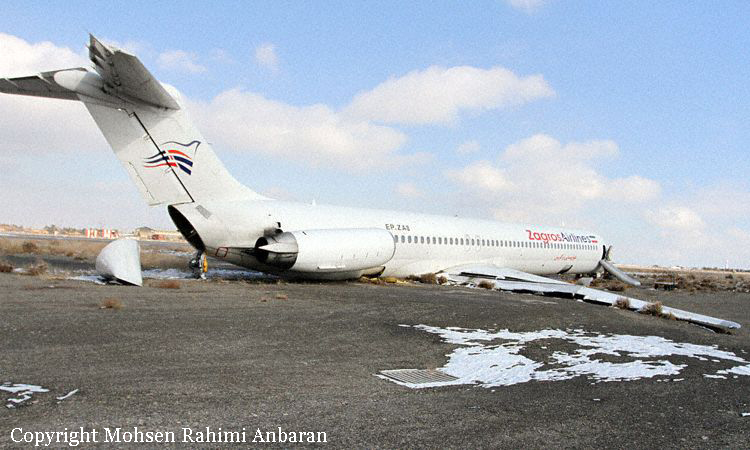
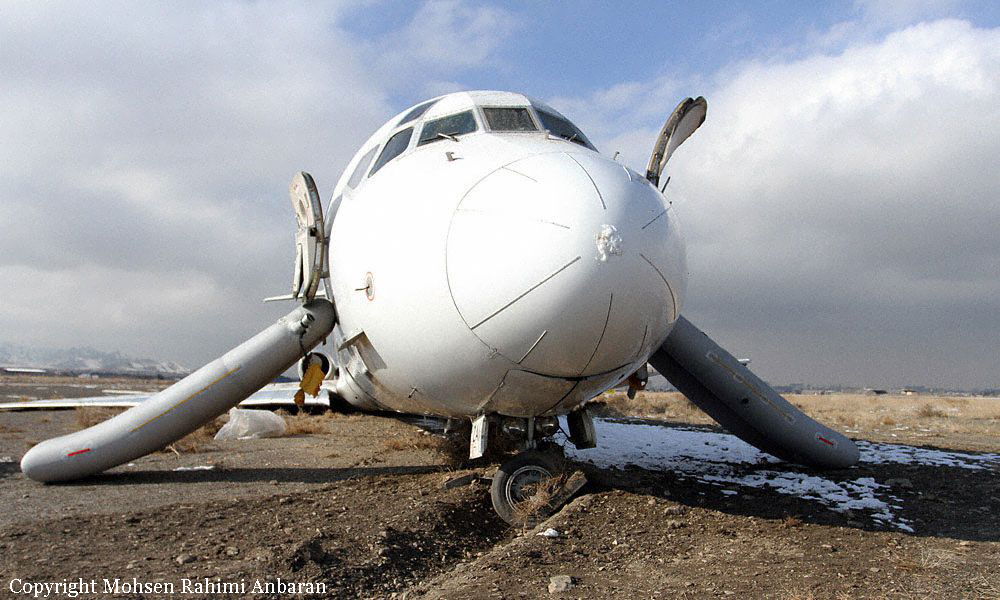
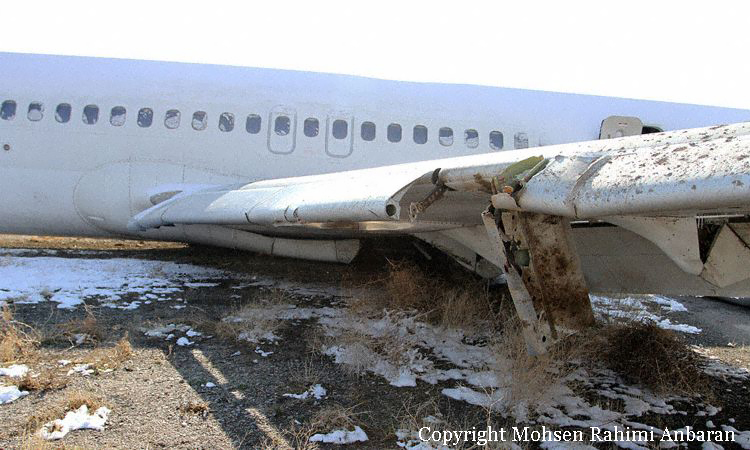
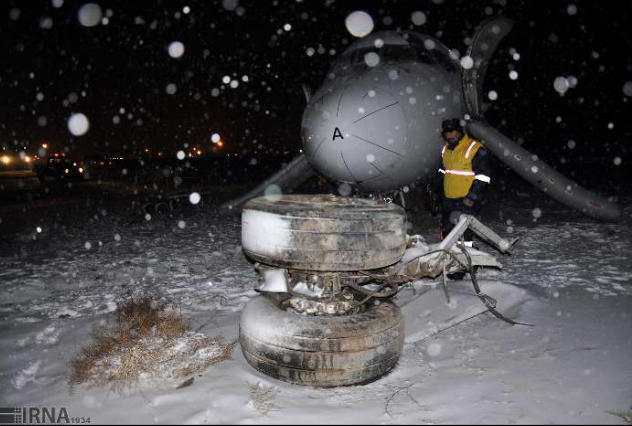
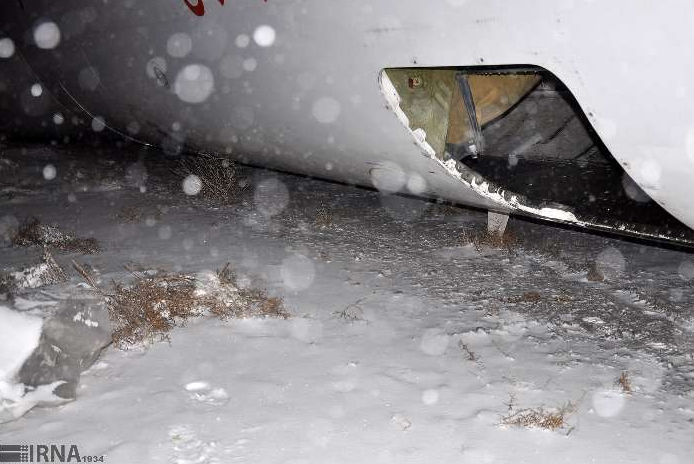
Following an uneventful flight from Isfahan, the crew initiated the approach to Mashhad Airport by night and poor weather conditions with low visibility due to snow falls. After touchdown on runway 31R, the crew started the braking procedure and activated the reverse thrust systems. The aircraft skidded then veered off runway to th left, lost its both main undercarriage and came to rest 55 metres to the left of the runway, some 1,311 metres from the runway threshold. All 162 occupants evacuated safely while the aircraft was damaged beyond repair.
Probable cause:
The following findings were identified:
- Loss of control after touchdown due to an abnormal use by the captain of the reverse thrust systems, which caused the aircraft to slid and to become out of control,
- Weather conditions deteriorated with a sudden drop in temperature and a reduced visibility,
- Limited RVR to 811 metres,
- The crew failed to initiate a go-around procedure,
- Overconfidence on part of the captain due to his high experience,
- Poor crew resource management,
- The braking coefficient was low due to an excessive deposit of rubber on the runway surface, combined with a layer of snow that the airport authorities did not consider necessary to clear in due time.
- Loss of control after touchdown due to an abnormal use by the captain of the reverse thrust systems, which caused the aircraft to slid and to become out of control,
- Weather conditions deteriorated with a sudden drop in temperature and a reduced visibility,
- Limited RVR to 811 metres,
- The crew failed to initiate a go-around procedure,
- Overconfidence on part of the captain due to his high experience,
- Poor crew resource management,
- The braking coefficient was low due to an excessive deposit of rubber on the runway surface, combined with a layer of snow that the airport authorities did not consider necessary to clear in due time.
Final Report:

Crash of a Rockwell Grand Commander 690 near Zāhedān: 7 killed
Date & Time:
Oct 12, 2014 at 1920 LT
Registration:
1405
Survivors:
No
Schedule:
Tehran - Zahedan
MSN:
690-11075
YOM:
1972
Crew on board:
3
Crew fatalities:
Pax on board:
4
Pax fatalities:
Other fatalities:
Total fatalities:
7
Circumstances:
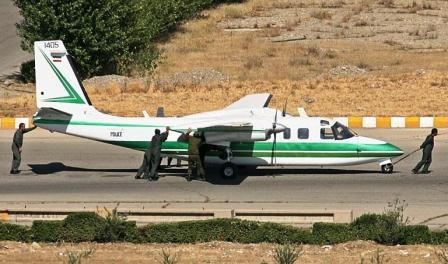
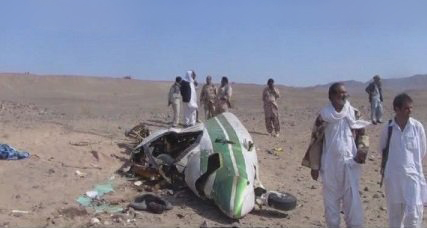
The twin engine aircraft was flying to Zahedan with a crew of three (two pilots and a flight attendant) and four passengers, among them General Mahmoud Sadeqi, a senior police officer who was travelling to Zahedan to investigate the circumstances of a recent attack that killed four police officers. While approaching Zahedan by night, the crew failed to realize his altitude was too low when the airplane struck the slope of a mountain located in the Sabzpushan Heights, north of the airport. The wreckage was found the following morning. All seven occupants were killed. A day later, Iranian Authorities said the accident was caused by technical flaws, darkness and the pilot’s unfamiliarity with the region.

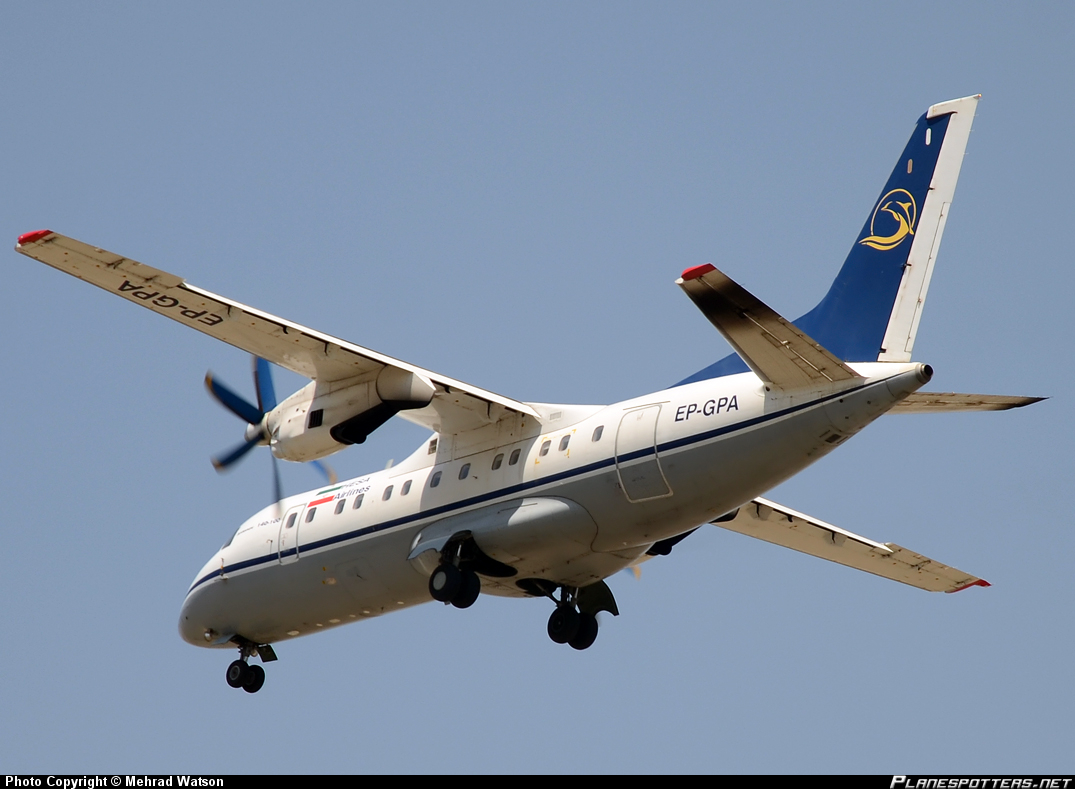
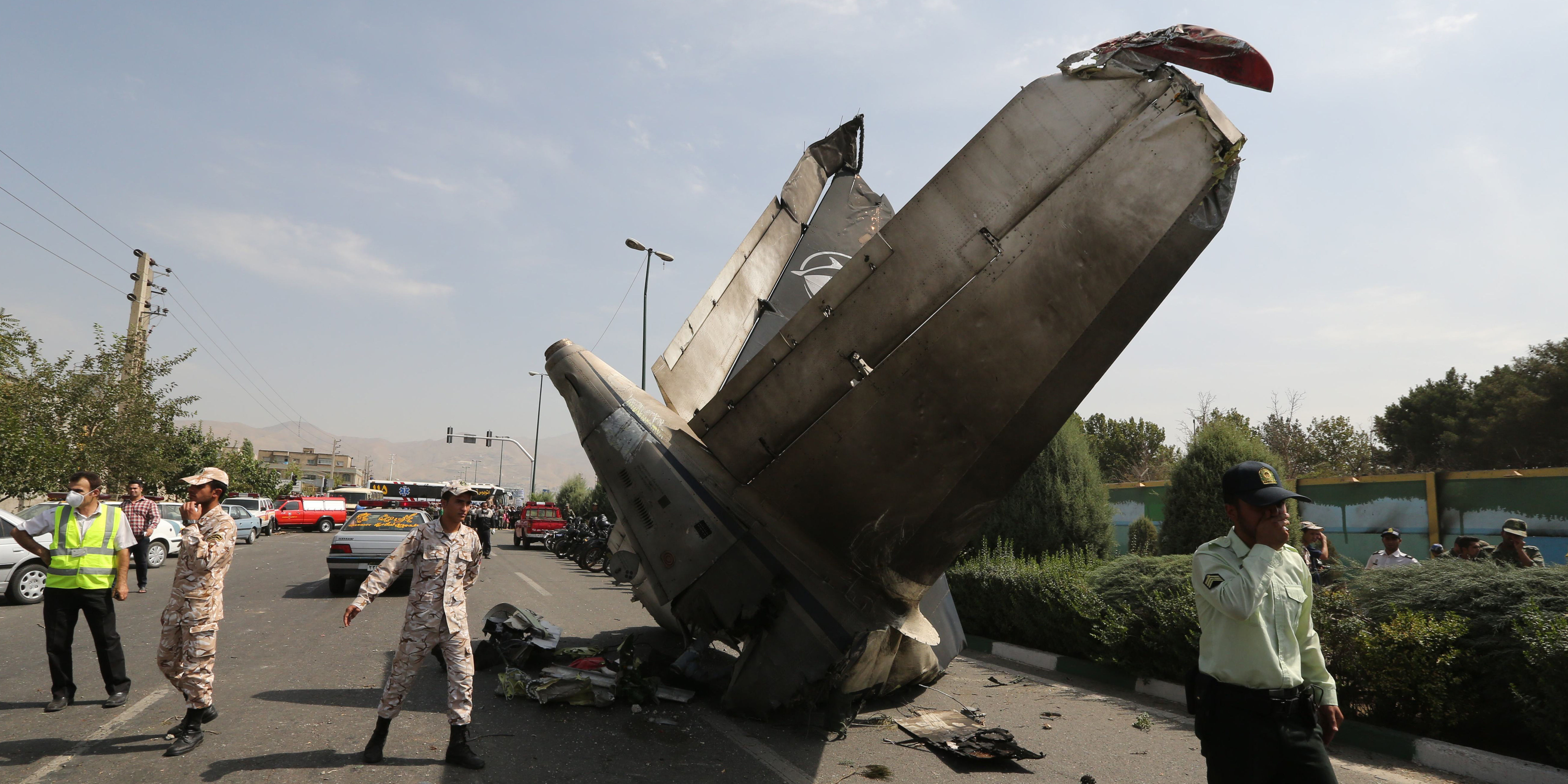
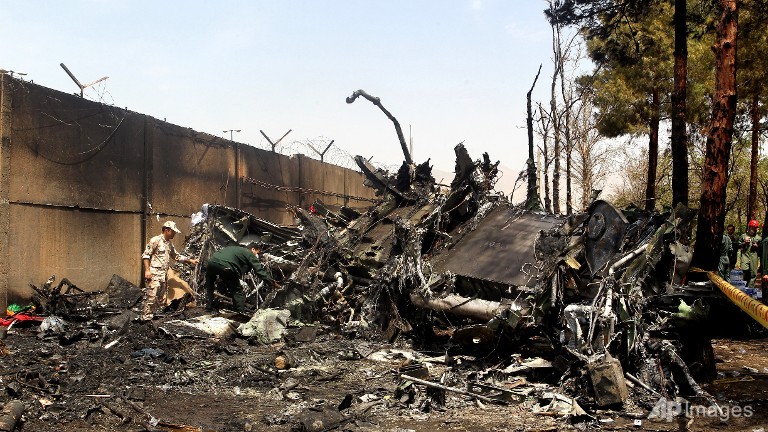
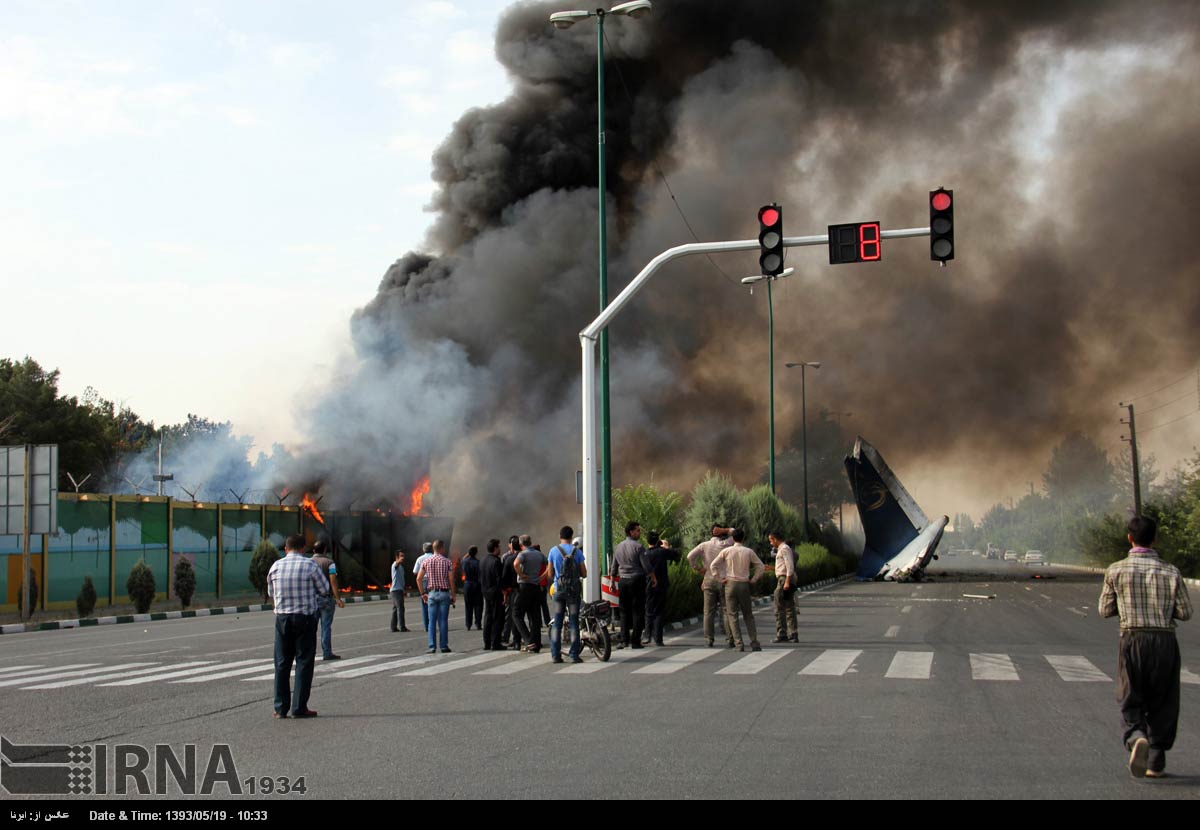
Crash of a HESA IrAn-140-100 in Tehran: 40 killed
Date & Time:
Aug 10, 2014 at 0921 LT
Operator:

Registration:
EP-GPA
Survivors:
No
Schedule:
Tehran – Tabas
MSN:
90-05
YOM:
2008
Flight number:
SPN5915
Crew on board:
6
Crew fatalities:
Pax on board:
42
Pax fatalities:
Other fatalities:
Total fatalities:
40
Captain / Total hours on type:
2000.00
Copilot / Total hours on type:
400
Aircraft flight hours:
1405
Aircraft flight cycles:
1058
Circumstances:
On August 10,2014, at 04:52 UTC daylight time, an AN-140-100 aircraft , Iranian registration EP-GPA ( MSN 90-05), operated by Sepahan Airlines flight # 5915, experienced engine number 2 shutdown just about 2 seconds before lift-off and crashed shortly after take-off nearby Mehrabad International Airport (THR), TEHRAN; IR. Of IRAN; the aircraft was on lift off from runway 29L. The airplane was completely destroyed by impact forces and post-crash fire. Fatality incorporates 34 of the 40 passengers; 4 of the 4 flight attendants, and 2 of the 2 flight crewmembers. The 11 passengers received serious injuries, which finally as a result of that accident there are 40 fatalities and 8 passengers recovered from injury. Sepahan Airline was operating under the provisions of CAO.IRI operational requirement for commercial air transport. Before the accident flight the airplane dispatch from Isfahan and arrived at Tehran about 03:30. The dispatcher and PIC perform the load calculation using the aircraft FM performance charts. Because of load limitation for 15° flap position, load sheet change and re-write with 10° flap position and re-calculated MTOM. The aircraft was enrouted to Airport Tabbas Visual meteorological conditions (VMC) prevailed, and an instrument flight rules (IFR) flight plan was filed. Figure 1 below is a map showing the location of the accident and the aircraft flight path. Figure 2 shows THR runway 29L SID and figure 3 show timeline of event in the flight path. According to overview of flight crew performance, it is indicated that the crewmembers were provided with the flight release paperwork, which included weather information, notices to airmen (NOTAM), and the flight plan.
Probable cause:
The accident investigation team determined that the main cause of this accident was combination of:
1. Electronic engine control (SAY-2000) failure simultaneously with engine No: 2 shutdown, just about 2 seconds before aircraft lift-off.
2. AFM Confusing performance chart resulted the pilots relying on performance calculation that, significantly over-estimate the aircraft MTOM.
Contributing Factors to the accident were:
1. Aircraft flight manual unclear procedure, including the procedure for calculating maximum allowable take-off weight, VR and V2 and ambiguity in the climb segment definition and applications.
2. Crew performance, including:
- PIC rotated the aircraft at the speed of about 219 km/h (whereas 224 km/h is the speed recommended by the AFM table 4.2.3),
- The crew failed to perform the manual propeller feathering procedure for the failed engine,
- The PIC's decision to fly with the aircraft, notwithstanding, had about 190 kgf overweight,
- Aircraft fuel was about 500 kg more than required fuel for the accident flight.
3. The appearance of negative thrust from the unfeathered propeller blades at takeoff were not considered during the aircraft certification tests, as it was considered improbable. However, in
the accident flight the negative thrust did appear and affected the flight performance.
1. Electronic engine control (SAY-2000) failure simultaneously with engine No: 2 shutdown, just about 2 seconds before aircraft lift-off.
2. AFM Confusing performance chart resulted the pilots relying on performance calculation that, significantly over-estimate the aircraft MTOM.
Contributing Factors to the accident were:
1. Aircraft flight manual unclear procedure, including the procedure for calculating maximum allowable take-off weight, VR and V2 and ambiguity in the climb segment definition and applications.
2. Crew performance, including:
- PIC rotated the aircraft at the speed of about 219 km/h (whereas 224 km/h is the speed recommended by the AFM table 4.2.3),
- The crew failed to perform the manual propeller feathering procedure for the failed engine,
- The PIC's decision to fly with the aircraft, notwithstanding, had about 190 kgf overweight,
- Aircraft fuel was about 500 kg more than required fuel for the accident flight.
3. The appearance of negative thrust from the unfeathered propeller blades at takeoff were not considered during the aircraft certification tests, as it was considered improbable. However, in
the accident flight the negative thrust did appear and affected the flight performance.
Final Report:

Crash of a Fokker 100 in Zahedan
Date & Time:
May 10, 2014 at 1300 LT
Operator:

Registration:
EP-ASZ
Survivors:
Yes
Schedule:
Mashhad - Zahedan
MSN:
11421
YOM:
1992
Flight number:
EP853
Crew on board:
5
Crew fatalities:
Pax on board:
98
Pax fatalities:
Other fatalities:
Total fatalities:
0
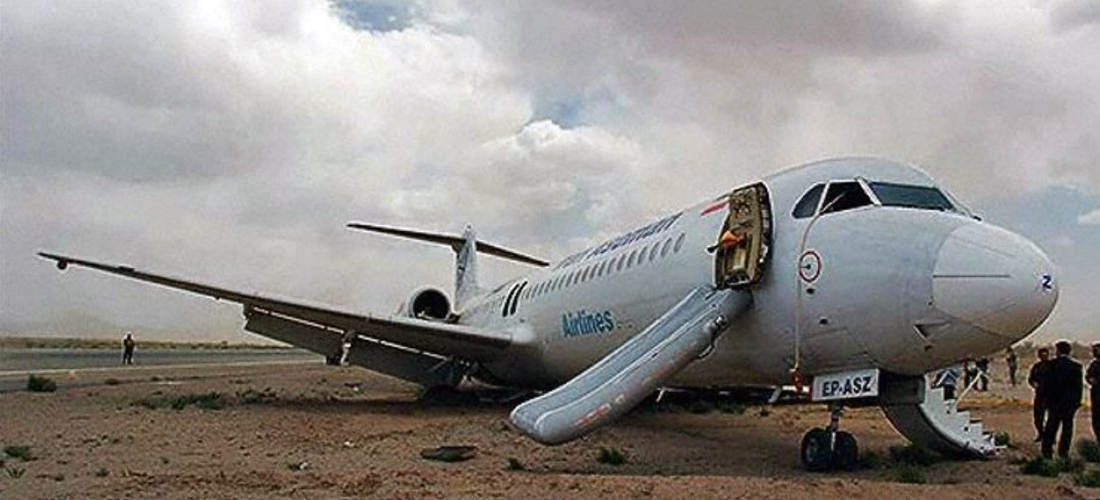
Circumstances:
On approach to Zahedan Airport, the crew followed the checklist and configured the aircraft for landing when he realized that the left main gear remained stuck in its wheel well. The crew abandoned the landing manoeuvre and initiated a go-around procedure. During an hour, the crew followed a holding circuit to burn fuel and also to try to lower the left main landing gear but without success. Eventually, the crew was cleared to land on runway 35. After touchdown, the aircraft rolled for about 1,500 metres then veered off runway to the left before coming to rest in a sandy area. All 103 occupants evacuated safely and the aircraft was damaged beyond repair.
Crash of a Dassault Falcon 20E off Kish Island: 4 killed
Date & Time:
Mar 3, 2014 at 1845 LT
Operator:
Registration:
EP-FIC
Survivors:
No
Schedule:
Kish Island - Kish Island
MSN:
334
YOM:
1975
Crew on board:
2
Crew fatalities:
Pax on board:
2
Pax fatalities:
Other fatalities:
Total fatalities:
4
Circumstances:
The Aircraft mission was Calibration flight. The flight was planned for departure from Mehrabad airport, Tehran to Kish Island airport. Eight persons were onboard of the aircraft (3 Pilots, 4 Ground technicians, a Security guard member). The flight was under operation of Iran Aseman Airline with valid Air Operation Certificate (AOC No; FS-102). The aircraft has taken off from RWY 29L from THR airport at 15:03 Local time and reached to cruise level FL270.The aircraft has landed on RWY 09 L Kish island airports at 16:44 local time. Four ground technicians have got off from the aircraft and refueling was done. At time 17:44 LMT , the aircraft has taken off RWY 27R and requested to join Right downwind up to 1000 ft. and 8 miles from the airport. After successful performing 7 complete flight (approach & climbing) for Navigation – Aids inspection purposes; at the 8th cycle, just at turning to the final stage of approach before runway threshold the aircraft crashed into the sea and was destroyed at time 18:45 local time. All four occupants were killed.
Probable cause:
Regarding aforementioned analyses it seems that the fatigues of pilots have caused incapability to adopt themselves with flight conditions and their interactions are due to spatial disorientation
(illusion). This type of error prevented pilots to avoid from crash in to the sea.
Contributing Factors:
- Malfunction of aircraft radio altimeter.
- Flight crew fatigue.
- Lack of enough supervision on flight calibration operations.
(illusion). This type of error prevented pilots to avoid from crash in to the sea.
Contributing Factors:
- Malfunction of aircraft radio altimeter.
- Flight crew fatigue.
- Lack of enough supervision on flight calibration operations.
Final Report: