Country
Operator Image

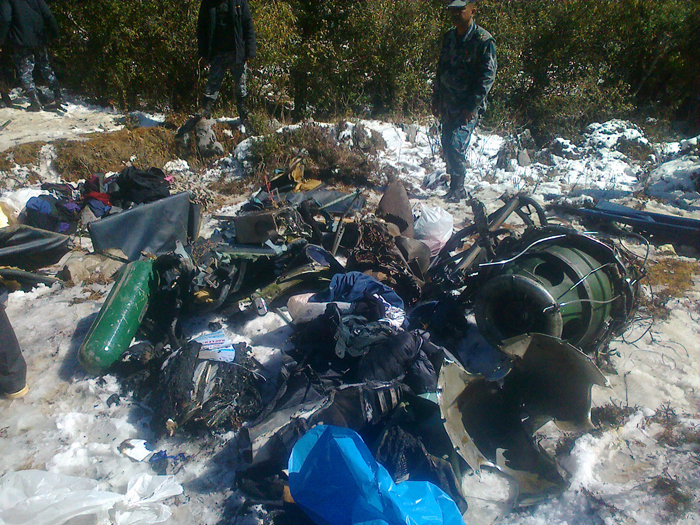
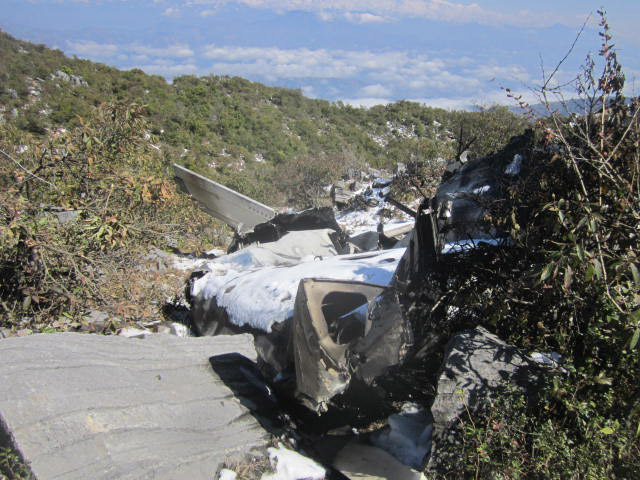
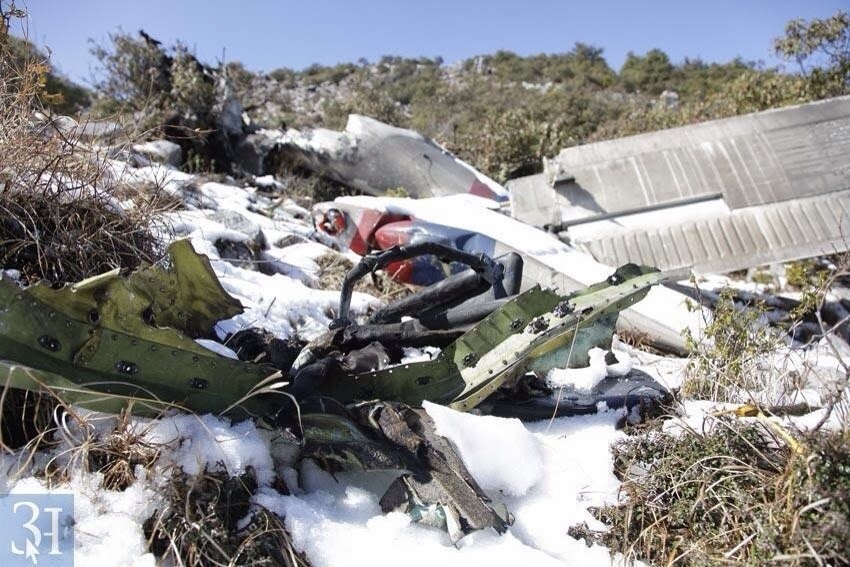
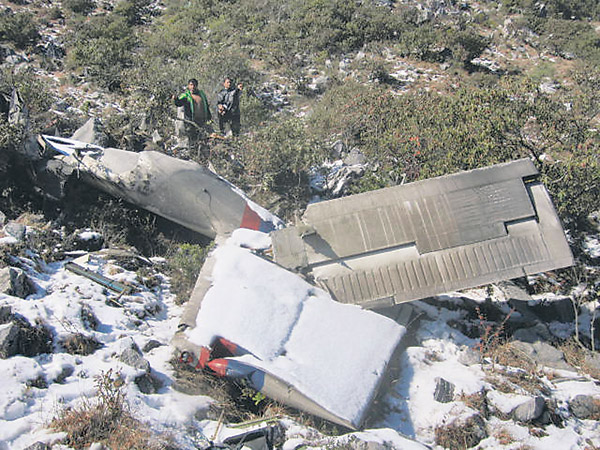
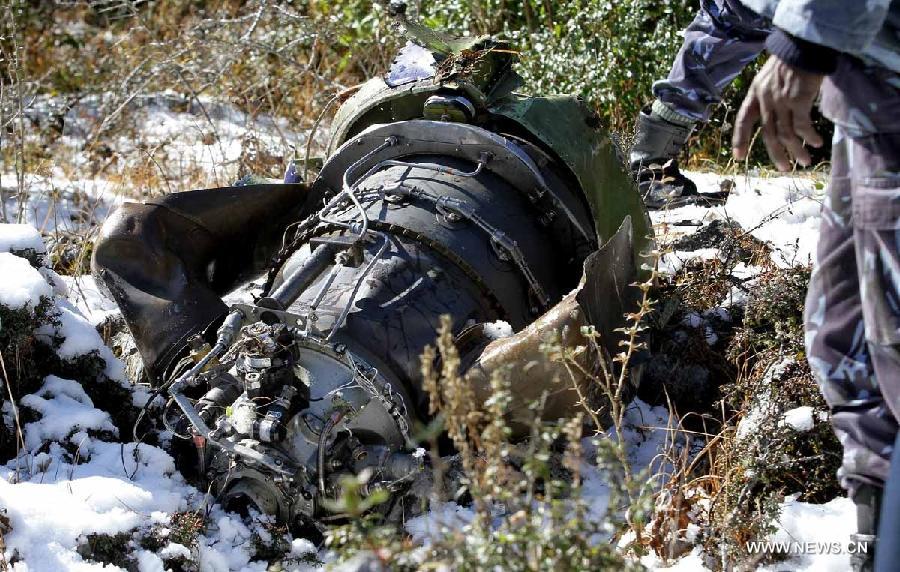
Crash of a De Havilland DHC-6 Twin Otter 300 near Dihidanda: 18 killed

Date & Time: Feb 16, 2014 at 1330 LT
Operator:

Registration:
9N-ABB
Flight Phase:
Survivors:
No
Site:
Schedule:
Pokhara – Jumla
MSN:
302
YOM:
1971
Flight number:
RNA183
Country:
Region:
Crew on board:
3
Crew fatalities:
Pax on board:
15
Pax fatalities:
Other fatalities:
Total fatalities:
18
Captain / Total flying hours:
8373
Captain / Total hours on type:
8131.00
Copilot / Total flying hours:
365
Aircraft flight hours:
43947
Aircraft flight cycles:
74217
Circumstances:
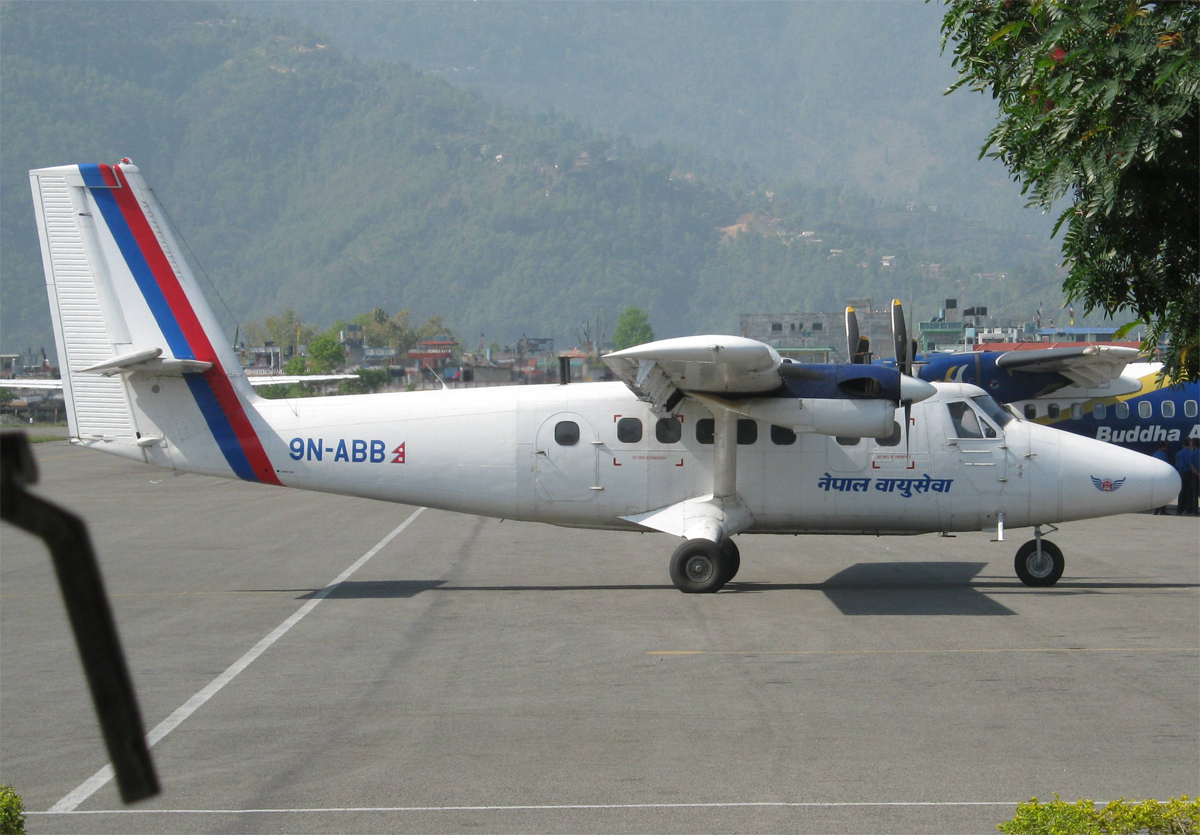
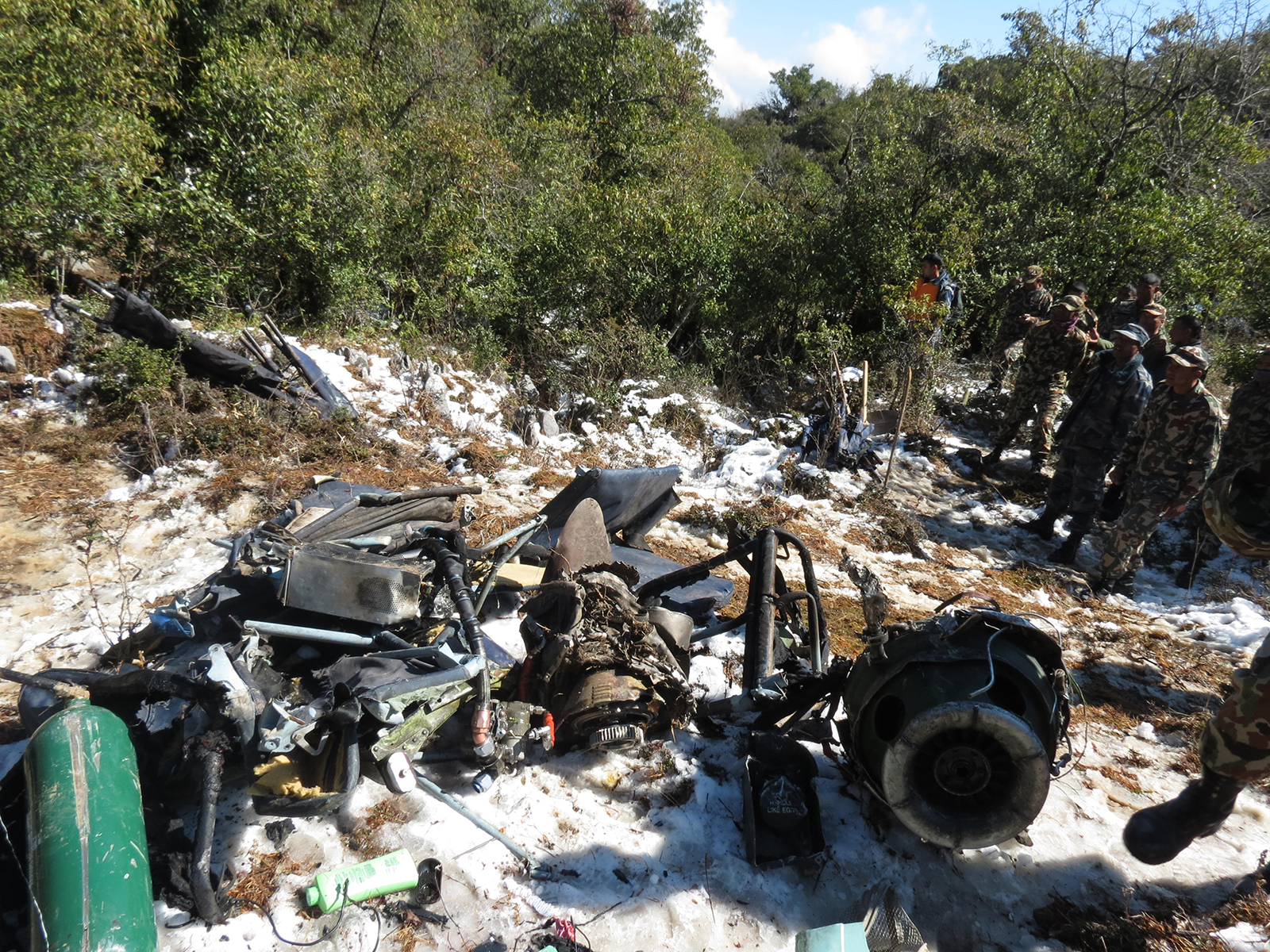
On 16 February 2014, the Twin Otter (DHC6/300) aircraft with registration number 9N-ABB, owned and operated by Nepal Airlines Corporation (NAC), departed Kathmandu at 0610 UTC (1155 LT) on its schedule flight to Jumla carrying 18 persons on board including 3 crews. Detailed sectors to be covered by the flight No. RA 183/718 was Kathmandu–Pokhara–Jumla-Nepālganj (Night stop). Flight from Kathmandu to Pokhara completed in normal condition. After 17 minutes on ground at Pokhara airport and refueling 9N-ABB departed Pokhara at 0658 for Jumla. After Jumla flight, the aircraft was scheduled to Night stop at Nepālganj. Next day it was to do a series of shuttle flights from Nepālganj. Prevailing westerly weather had a severe impact on most of the domestic flights since last two days. A.M.E. of Engineering Department of NAC who had performed D.I. of 9N ABB had mentioned in his written report to the Commission that he had reminded the diversion of Bhojpur flight of NAC due weather and asked the Captain whether he had weather briefing of the Western Nepal or not. In response to the AME's query the Captain had replied casually that- "weather is moving from west to east and now west is improving". Pilots behavior was reported normal by the ground staffs of Kathmandu and Pokhara airports prior to the commencement of flight on that day. All the pre and post departure procedure of the flight were completed in normal manner. Before departure to Jumla from Pokhara, Pilots obtained Jumla and Bhairahawa weather and seems to be encouraged with VFR Weather at both stations. However, they were unable to make proper assessment of en route weather. PIC decided to remain south of track to avoid the terrain and weather. CVR read out revealed that pilots were aware and concerned about the icing conditions due to low outside air temperature. After around 25 minutes, probably maneuvering to avoid weather, the PIC instructed the co-pilot to plan a route further south of their position, to fly through the Dang valley. The copilot selected Dang in the GPS, on a bearing of 283°, and determined the required altitude was 8500ft. He then raised concerns that the aircraft may not have enough fuel to reach the planned destination. Approximately two and a half minutes before the accident, the PIC initiated a descent, and the copilot advised against this. As per CVR read out, last heading recorded by copilot, approximately one minute before the crash, was 280. The last one minute was a very critical phase of the flight during which PIC said I am entering (perhaps inside the cloud). At that time copilot called Bhairahawa Tower on his own and got latest Bhairahawa weather. While copilot was transmitting its last position report to Bhairahawa Control Tower (approximately 25 miles from Bhairahawa), PIC interrupted and declared to divert Bhairahawa. Bhairahawa Control Tower wanted the pilots to confirm their present position. But crews were very much occupied and copilot said STANDBY. Just few seconds before crash copilot had told PIC not to descend. Copilot also suggested PIC in two occasions - sir don't turn. Very unfortunately aircraft was crashed. The aircraft disintegrated on impact and all 18 occupants were killed.
Probable cause:
Controlled flight into terrain after the pilot-in-command lost situation awareness while cruising in IMC.
The following factors were considered as contributory:
- Deteriorated weather associated with western disturbance, unstable in nature and embedded CB,
- Inappropriate and insufficient crew coordination while changing course of action.
Final Report:
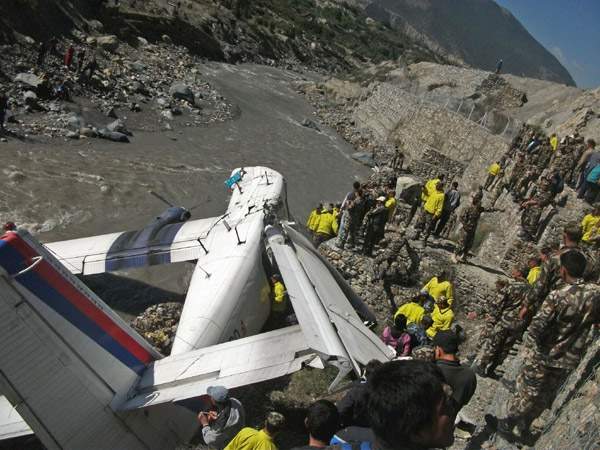
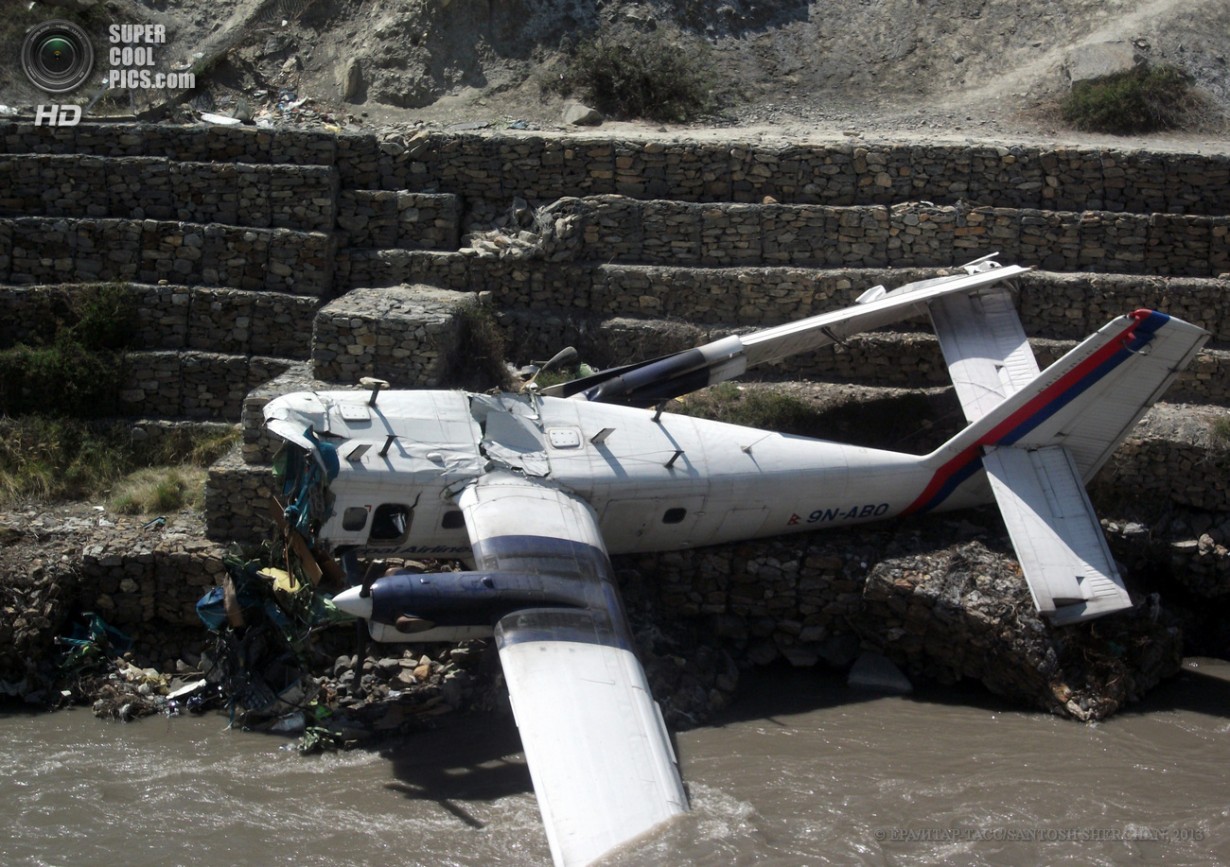
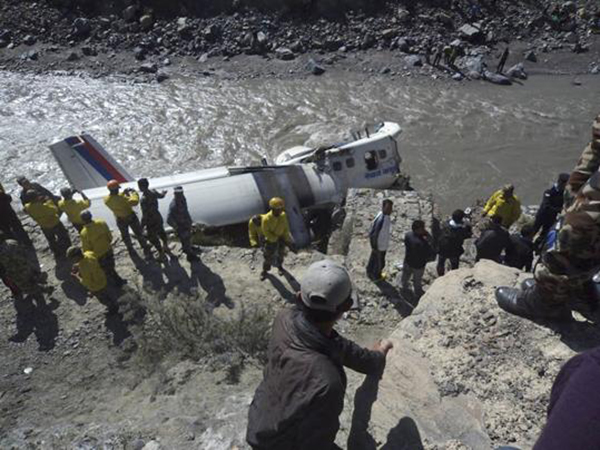
Crash of a De Havilland DHC-6 Twin 300 Otter in Jomsom

Date & Time: May 16, 2013 at 0833 LT
Operator:
Registration:
9N-ABO
Survivors:
Yes
Schedule:
Pokhara - Jomsom
MSN:
638
YOM:
1979
Flight number:
RNA555
Country:
Region:
Crew on board:
3
Crew fatalities:
Pax on board:
18
Pax fatalities:
Other fatalities:
Total fatalities:
0
Captain / Total flying hours:
8451
Captain / Total hours on type:
8131.00
Copilot / Total flying hours:
1396
Copilot / Total hours on type:
1202
Aircraft flight hours:
32291
Aircraft flight cycles:
54267
Circumstances:
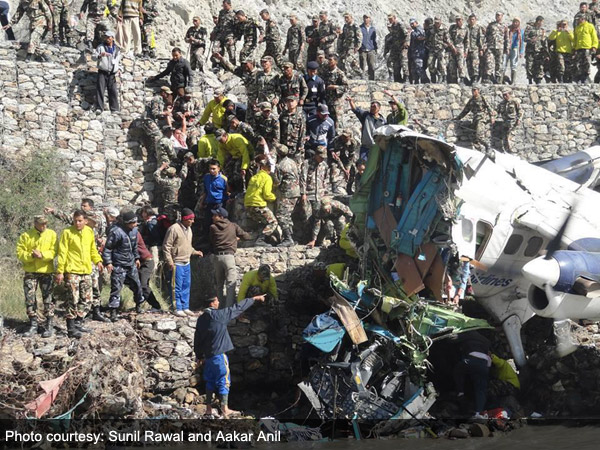
The Twin Otter (DHC6/300) aircraft with registration number 9N-ABO, owned and operated by Nepal Airlines Corporation (NAC), departed Kathmandu to Pokhara for night stop on 15 May 2013 in order to accomplish up to 5 (five) Pokhara-Jomsom-Pokhara charter flights planned for the subsequent day on 16 May 2013. As per the programme, the aircraft completed first charter flight from Pokhara to Jomsom sector on 16 May 2013 morning after one and half hour waiting on ground due weather. For this second flight, the aircraft departed at 0225 UTC (08:10LT) from Pokhara to Jomsom in the command of Capt. Dipendra Pradhan and Mr. Suresh K.C. as co-pilot. There were 19 passengers including one infant and 3 crew members on board. The aircraft was operating under Visual Flight Rules (VFR). As per the CVR readout there was no reported difficulties and all the pre and post departure procedure and en-route portion of the flight were completed in normal manner. There was no indication of lacking of information and advice from Jomsom Tower. At first contact the co-pilot called Jomsom Tower and reported its position at PLATO (a compulsory reporting point) at 9 miles from Jomsom airport at 12500ft. AMSL. The Jomsom Tower advised runway 24 wind south westerly 08-12 KTS, QNH 1020, Temp 13 degree and advised to report downwind for runway 24.The co-pilot accepted by replying to join downwind for runway 24. There was no briefing and discussion between the two pilots regarding the tail wind at the airport. The PIC, then, took over the communication function from co-pilot and called Jomsom Tower, requesting to use runway 06 instead of runway 24, despite the advice of tower to use runway 24 to avoid tail wind effect in runway 06. Jomsom Tower repeated the wind speed to be 08-12 KTS for the runway 06, to which the PIC read back the wind and answered to have ”no problem”. As per the PIC request the Jomsom Tower designated runway 06 for landing and advised to report on final runway 06. The PIC did read back the same. The pre landing checklist was used, flaps with full fine in propeller rpm were taken and full flaps was also taken before touchdown. In the briefing of “missed approach” the PIC had answered to be “standard”. The aircraft touched down runway of Jomsom airport at 0245 UTC (08:30LT) at a distance of approximately 776 ft, far from the threshold of runway 06. After rolling 194 ft. in the runway, the aircraft left runway and entered grass area in the right side. The aircraft rolled around 705 ft in the grass area and entered the runway again. The maximum deviation from the runway edge was 19 ft. The Commission has observed that when aircraft touched down the runway, it was not heading in parallel to the runway centreline. After touchdown the aircraft rolled around 194ft on the runway, left the paved area and started rolling in the grass area in the right side. During the landing roll, when the aircraft was decelerating, the co-pilot had raised the flaps as per the existing practice of carrying out “after the landing “checks". As per the observation of passenger seated just behind the cockpit, after touchdown of the aircraft there was no communication between pilot and co-pilot. It seemed that pilot was busy in cockpit and facing problem. It was obvious that PIC was in dilemma in controlling aircraft. He added power to bring aircraft into the runway with an intention to lift up the aircraft. He did not brief anything to copilot about his intention and action. He started adding power with the intention of lifting up, but the aircraft was already losing its speed, due to extension of flaps by co-pilot without briefing to PIC and use of brakes (light or heavy, knowingly and unknowingly) simultaneously by the PIC. The accelerating aircraft with insufficient speed and lift to take off ran out of the runway 24 end, continued towards the river, hit the barbed fence and gabion wall with an initial impact and finally fell down into the edge of river. The left wing was rested in the mid of the river preventing the aircraft submerged into the river.
Probable cause:
The Accident Investigation Commission has determined the most probable cause of the accident as the inappropriate conduct of STOL procedure and landing technique carried out by the PIC, during landing phase and an endeavor to carry out take off again with no sufficient airspeed, no required lifting force and non availability of required runway length to roll. Contributory factors to the occurrence is the absence of proper CRM in terms of communication, coordination and briefing in between crew members on intention and action being taken by PIC, during pre and post landing phase.
Final Report: