Country
Operator Image

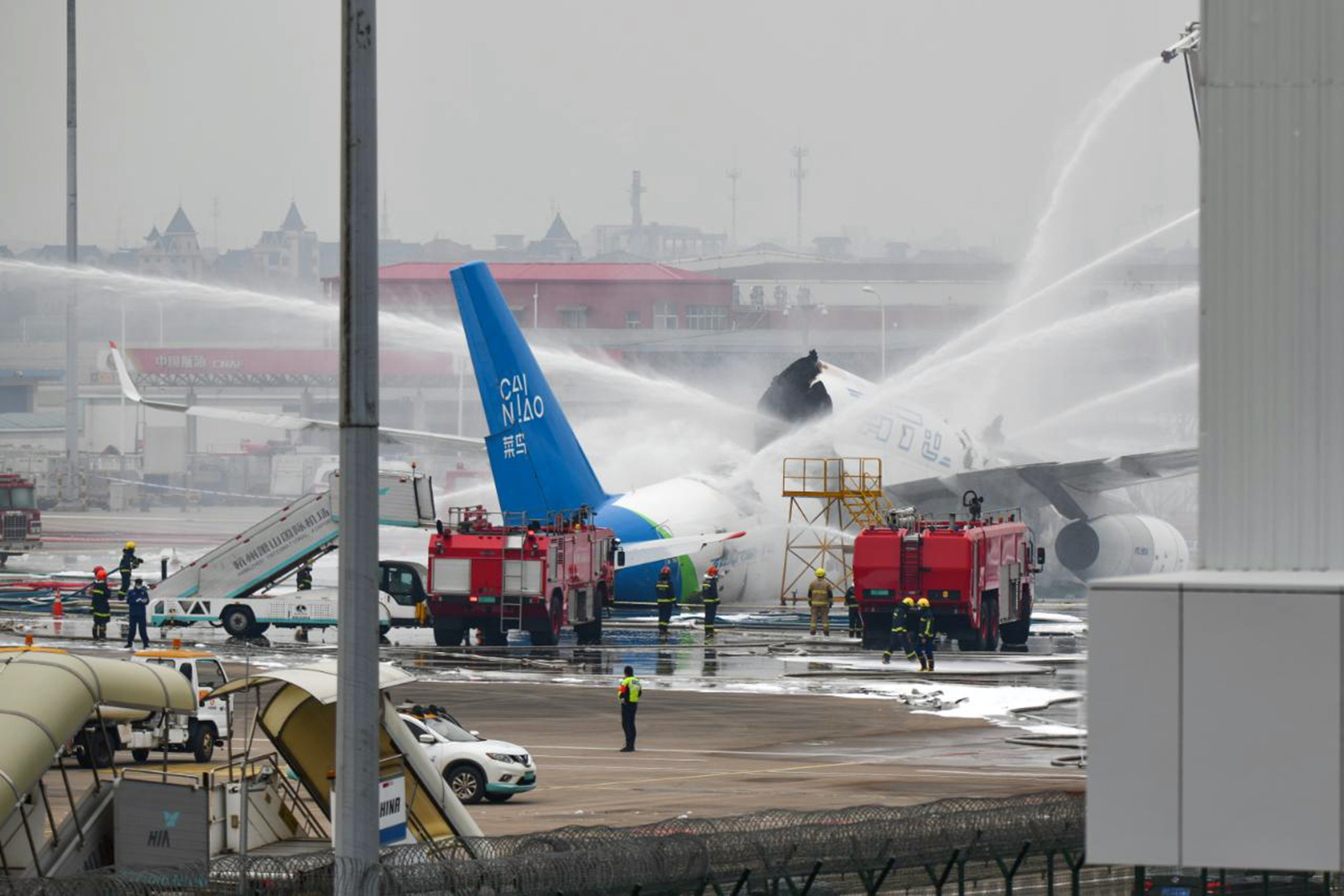
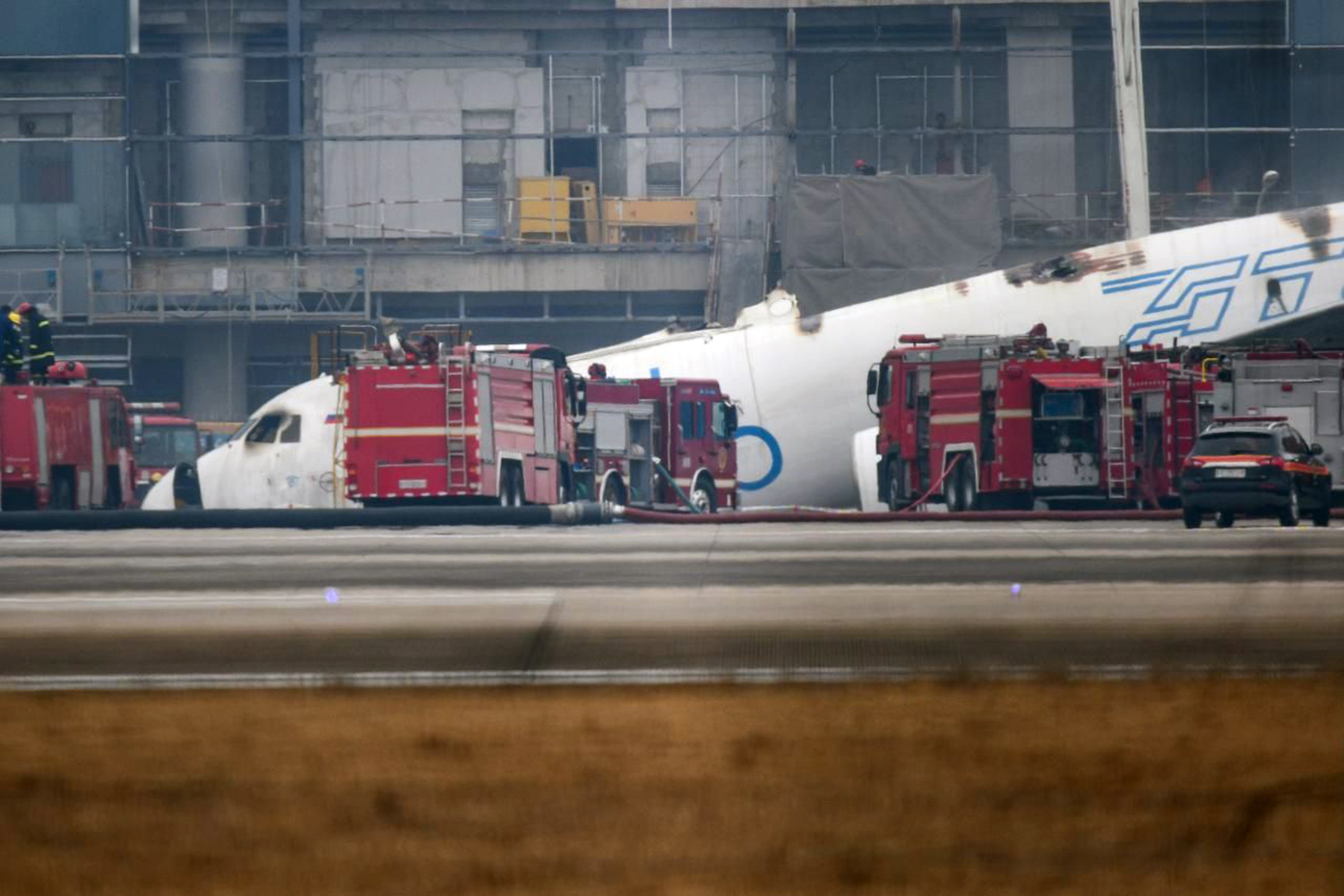
Ground fire of a Tupolev TU-204-100C in Hangzhou

Date & Time: Jan 8, 2022 at 0438 LT
Type of aircraft:
Operator:
Registration:
RA-64032
Flight Phase:
Flight Type:
Survivors:
Yes
Schedule:
Hangzhou - Novosibirsk
MSN:
145074 2 2 64032
YOM:
2002
Flight number:
4B6534
Country:
Region:
Crew on board:
8
Crew fatalities:
Pax on board:
0
Pax fatalities:
Other fatalities:
Total fatalities:
0
Captain / Total flying hours:
12587
Captain / Total hours on type:
3950.00
Copilot / Total flying hours:
3876
Copilot / Total hours on type:
3631
Aircraft flight hours:
35376
Aircraft flight cycles:
10470
Circumstances:
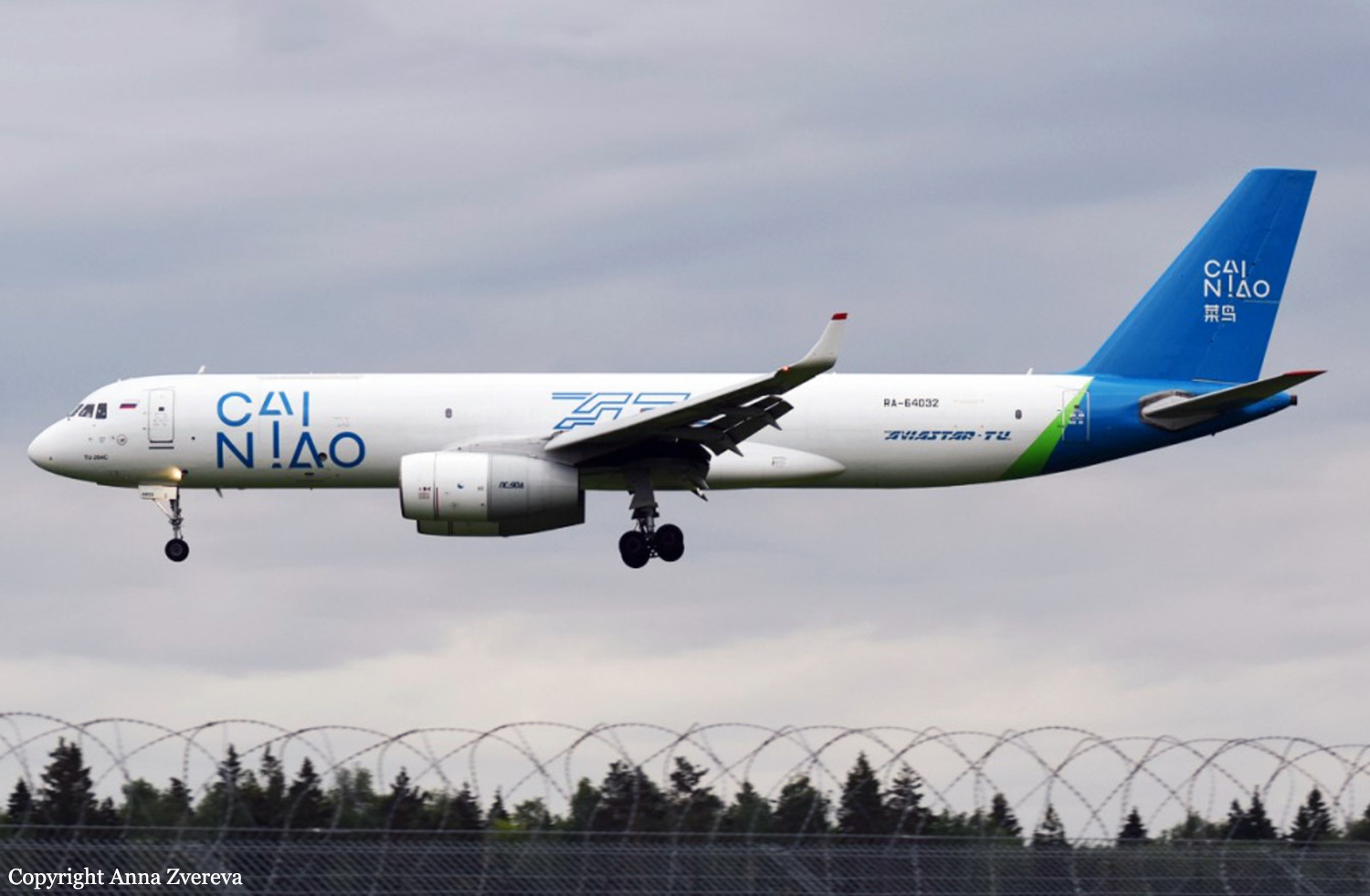
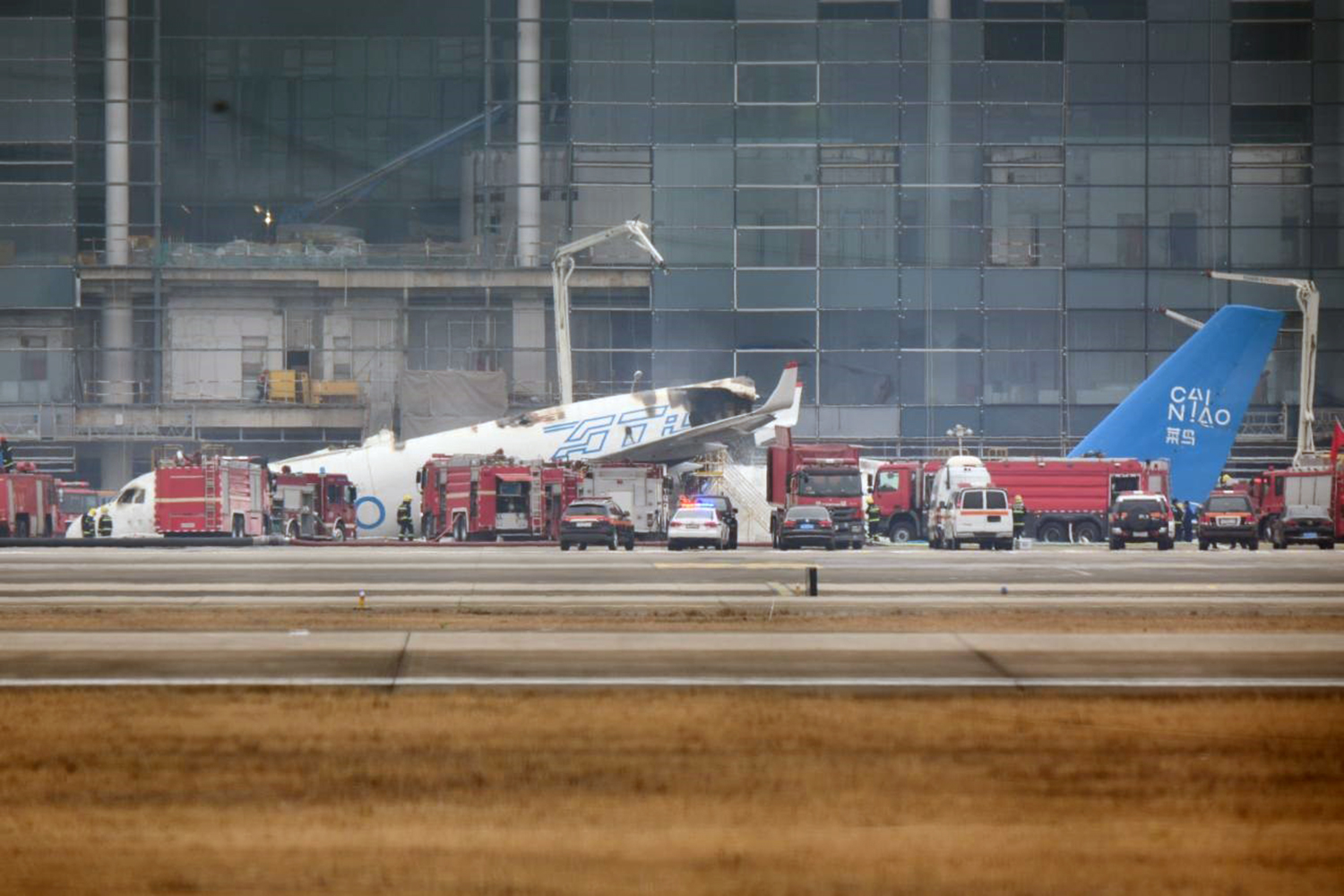
The airplane was ready for a cargo flight from Hangzhou to Novosibirsk-Tolmachevo Airport (flight 4B6534). On board were eight crew members (2 captains, 2 copilots, 2 flight engineers and 2 maintenance technicians) and a load of 20 tons of various goods. After the push back was completed from stand 204, the copilot was processing with a test of his oxygen mask when a leak occurred, later followed by three flashes coming from the right side of the cockpit. As black smoke was spreading in the cockpit and while taxiing, the captain stopped the airplane and all eight crew members evacuated from the left front door. Almost five hours were needed for the fire bombers to extinguish the fire and the airplane was almost destroyed. All eight crew members escaped uninjured.
Probable cause:
The investigation team believes that, the initial fire area was inside the console on the right side of the cockpit, and the origin of fire was located behind the audio control panel, in front of the oxygen shut-off and reducing device, and above the regulator control units. The most probable cause of fire is that the crew oxygen system components inside the right-hand console malfunctioned and resulted in oxygen leakage, and then the leaking oxygen formed an ephemeral oxygen-rich environment in the confined space. The considerable heat generated or emitted from the aircraft components and systems in this space ignited the combustible materials in the oxygen-rich environment. The leaking oxygen exacerbated the development and spread of the fire resulting in the substantial damage to the aircraft.
Final Report:
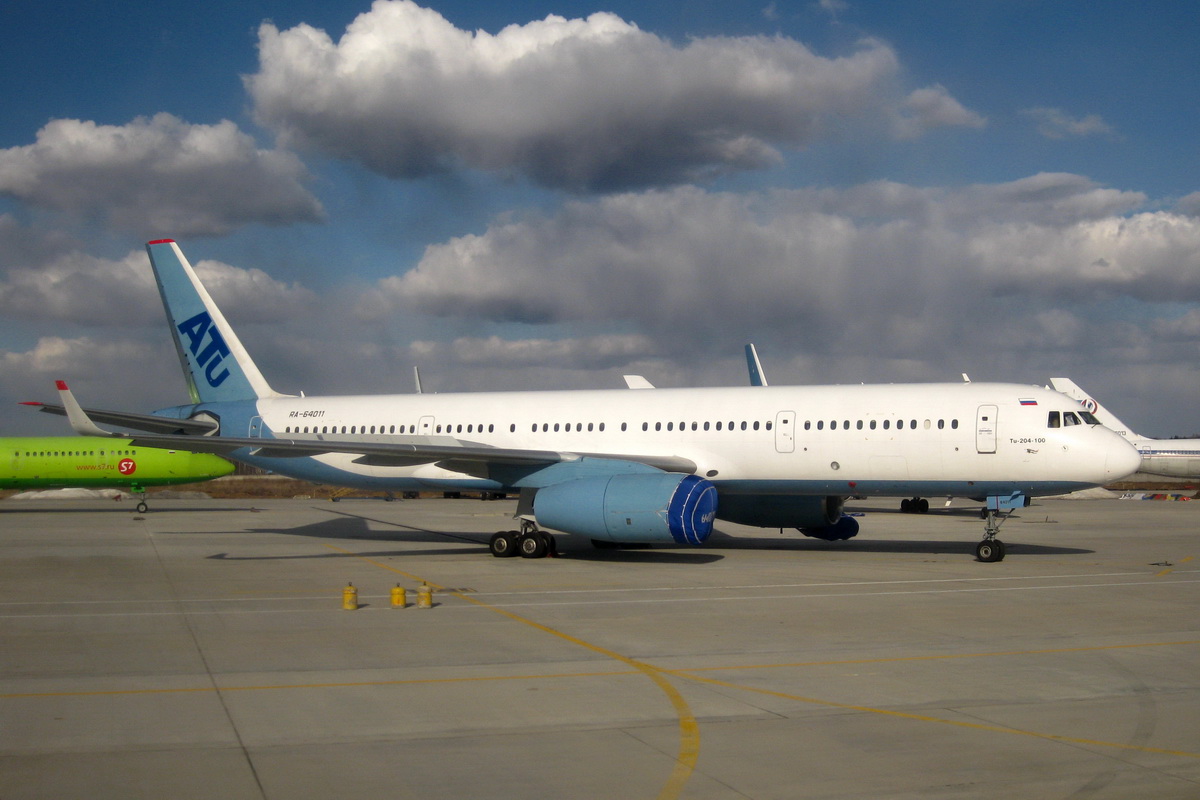
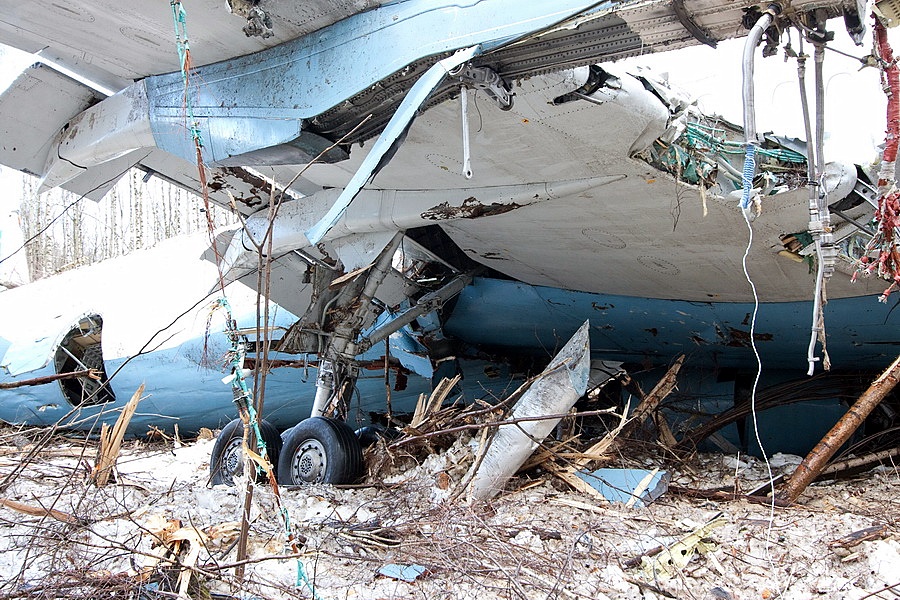
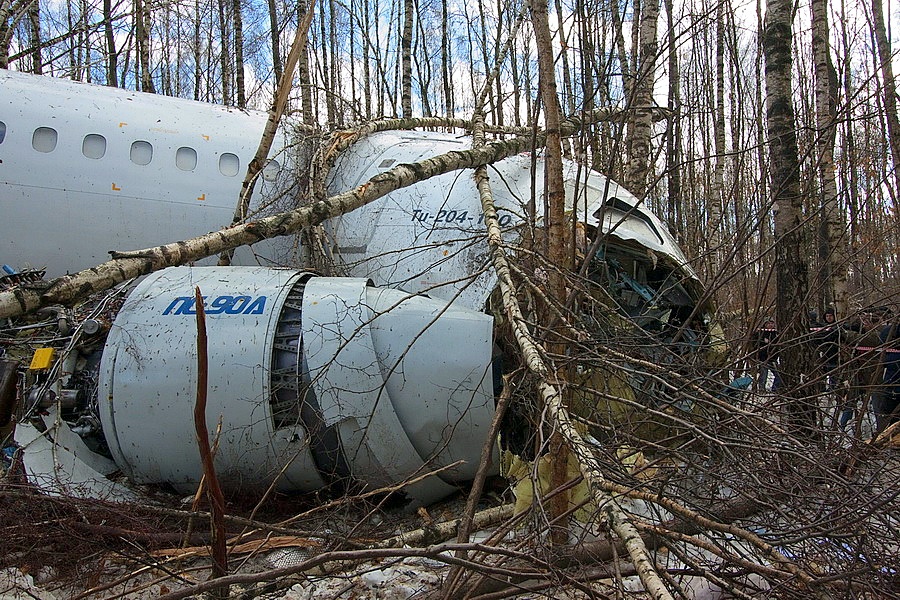
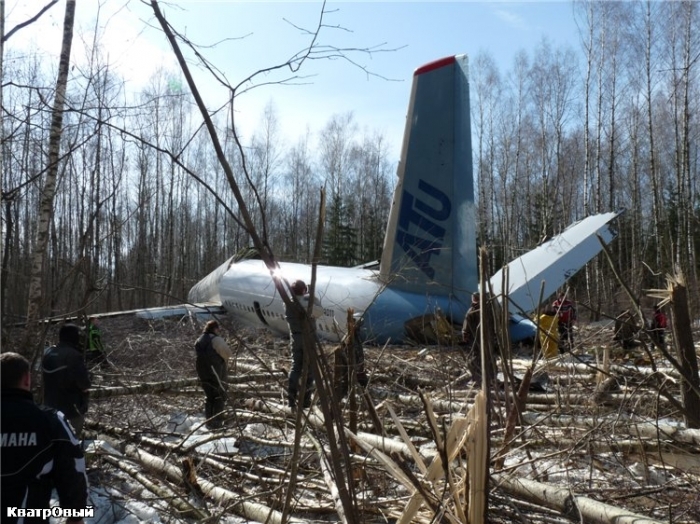
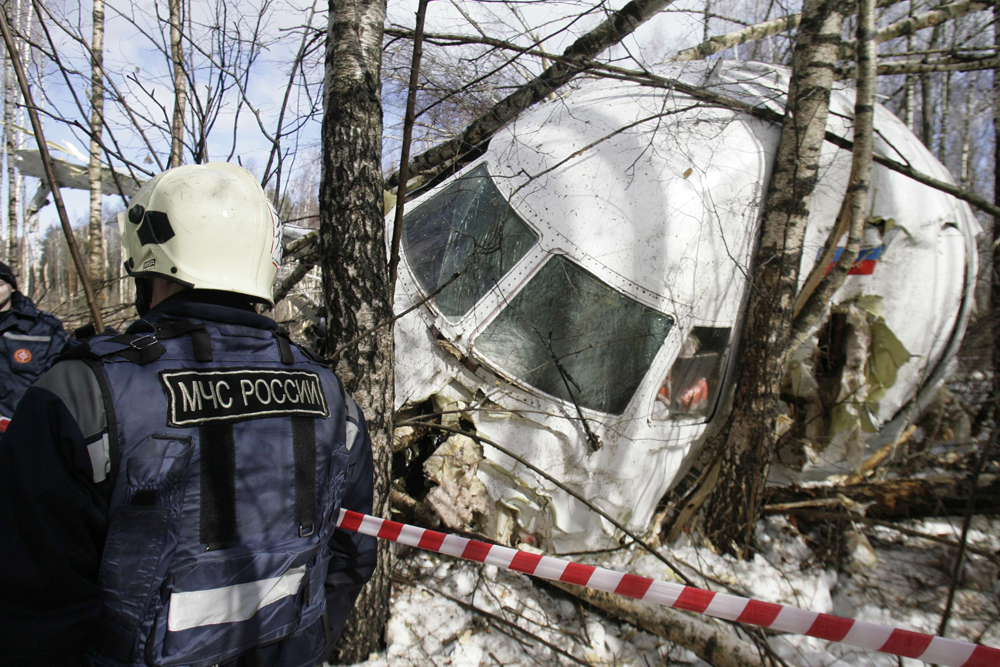
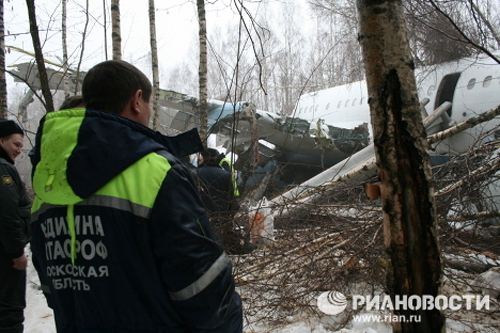
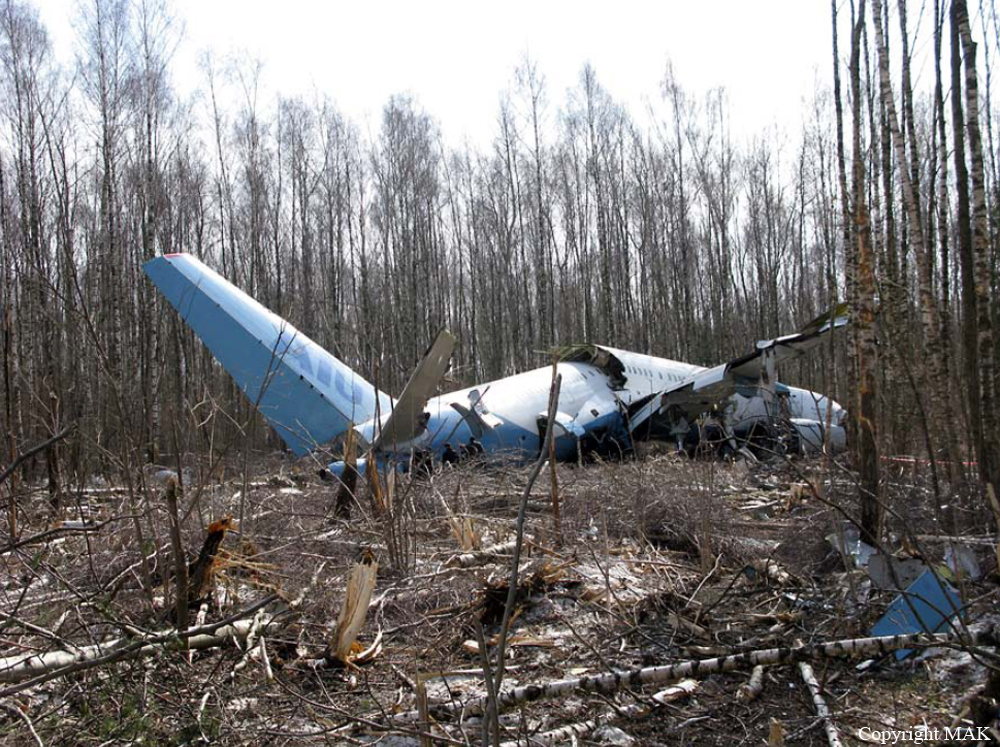
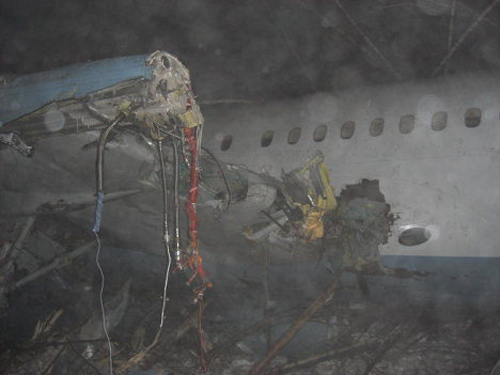
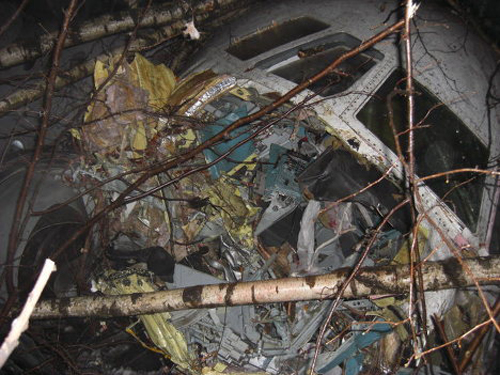
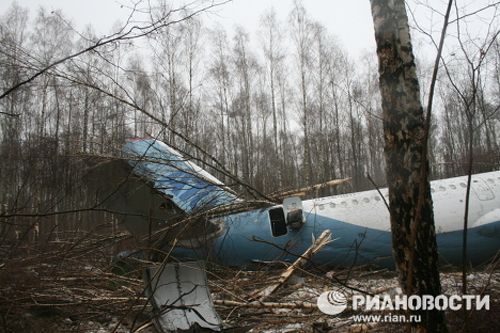
Crash of a Tupolev TU-204-100 in Moscow

Date & Time: Mar 22, 2010 at 0235 LT
Type of aircraft:
Operator:
Registration:
RA-64011
Flight Type:
Survivors:
Yes
Schedule:
Hurghada - Moscow
MSN:
14507413640
YOM:
1993
Flight number:
TUP1906
Country:
Region:
Crew on board:
8
Crew fatalities:
Pax on board:
0
Pax fatalities:
Other fatalities:
Total fatalities:
0
Captain / Total flying hours:
5388
Captain / Total hours on type:
1868.00
Copilot / Total flying hours:
1973
Copilot / Total hours on type:
979
Aircraft flight hours:
18335
Aircraft flight cycles:
4795
Circumstances:
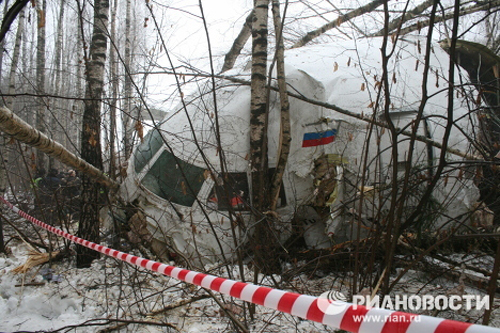
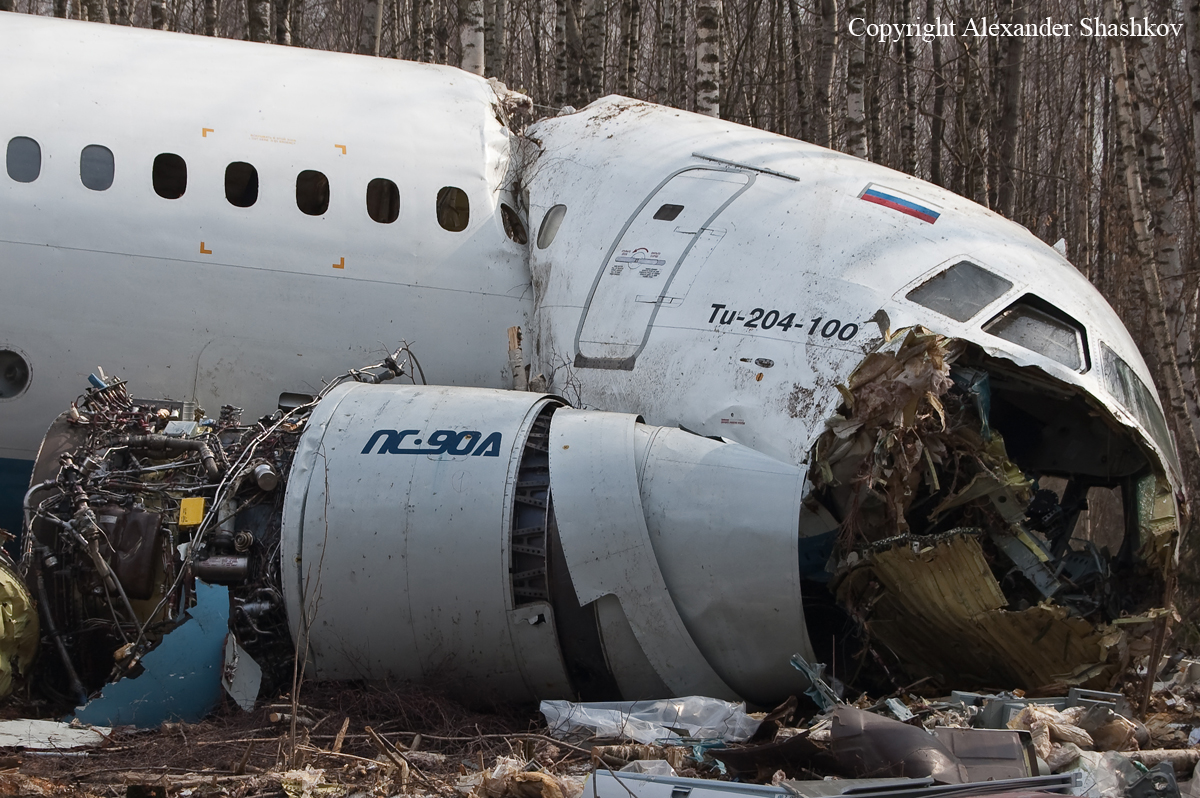
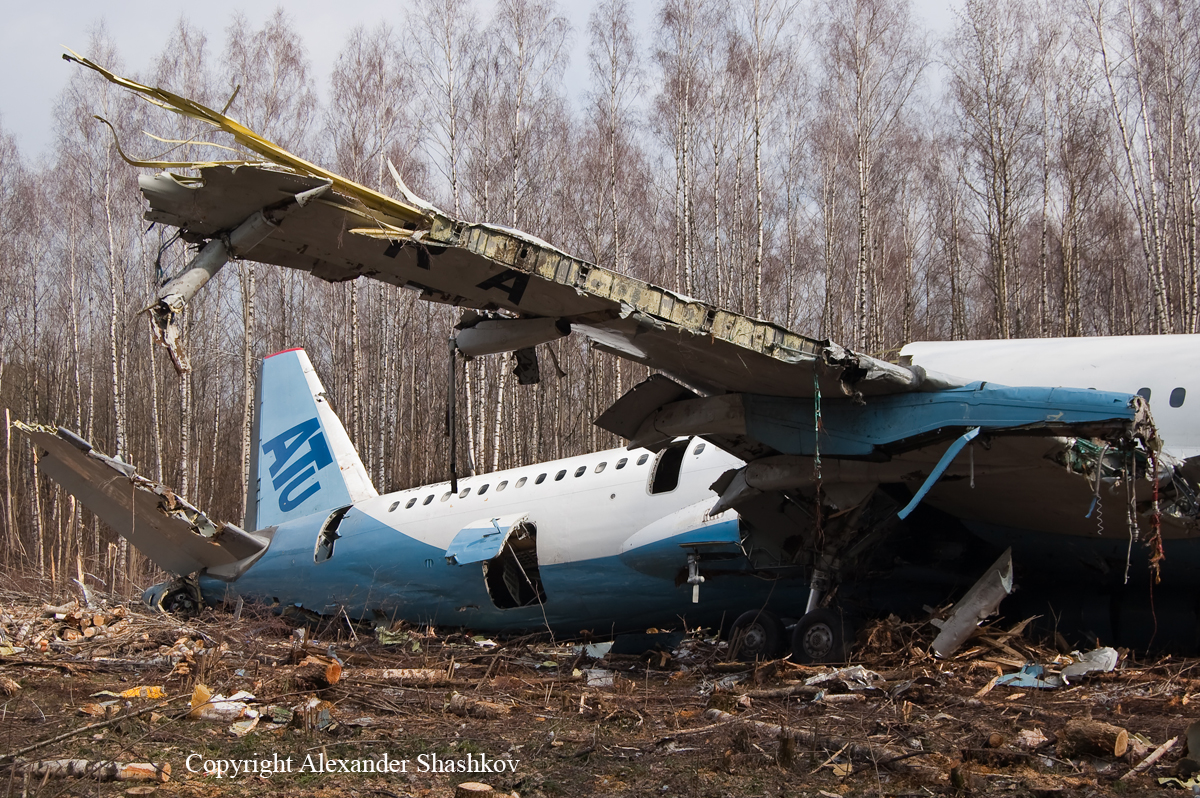
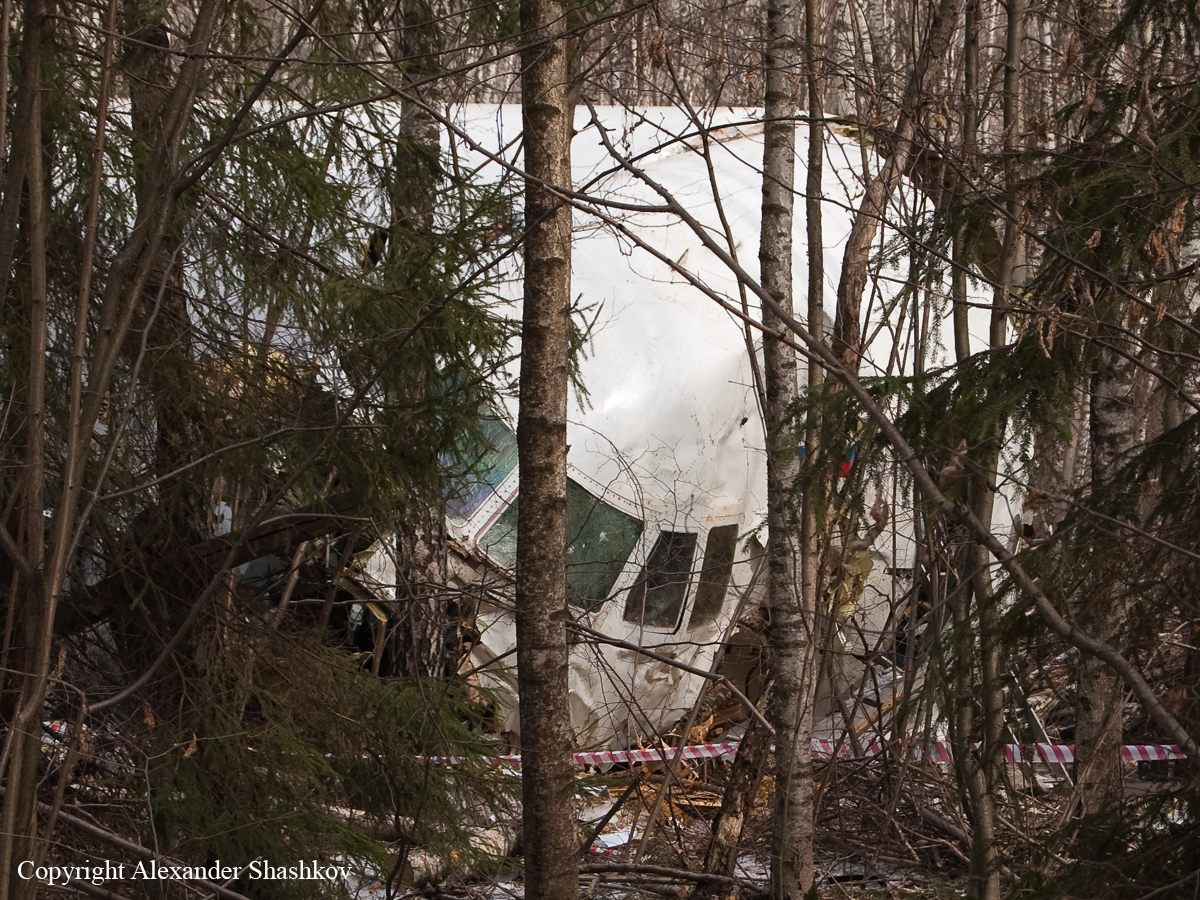
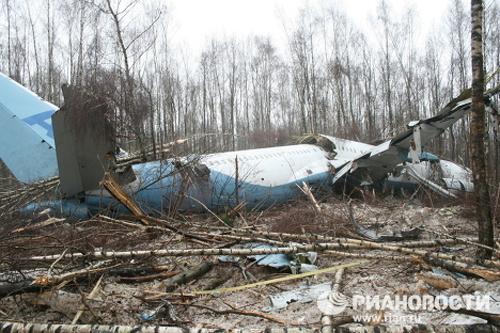
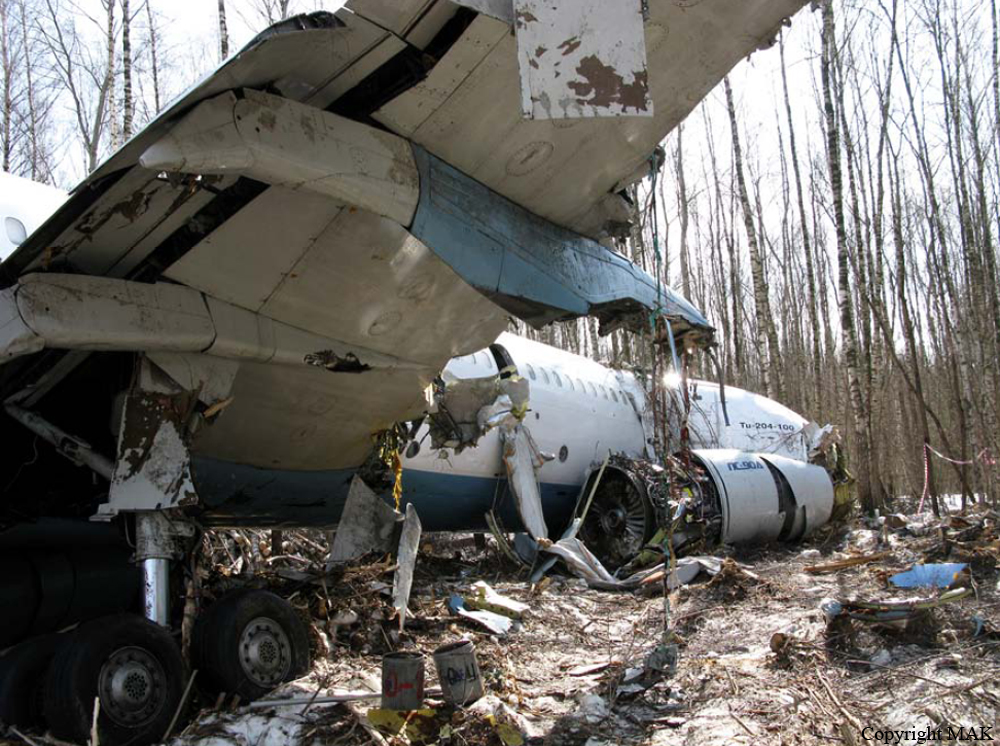
The aircraft was returning to Moscow on a ferry flight after passengers have been dropped off in Hurghada. On approach to Moscow-Domodedovo Airport, the visibility was low due to foggy conditions. Horizontal visibility on runway 14L threshold was 1,300 meters and vertical visibility was 200 feet. In flight, the flight computer failed and the crew continued the approach below minimums. Despite he was not able to establish a visual contact with the runway, the captain continued the approach and failed to initiate a go-around procedure. The aircraft descended below the glide, impacted trees and crashed in a dense wooded area located 1,450 metres short of runway. All eight occupants were injured, three seriously. The aircraft was destroyed.
Probable cause:
The crew performed an approach in below-minima weather conditions for an airplane with a defective flight computer. The crew failed to initiate a go-around procedure while unable to establish a visual contact with the runway.
Contributing factors were:
- Insufficient training of the crew to perform approaches at or near weather minimums,
- Lack of control over the activities of the crew, which led to poor resource management (CRM) of the captain,
- Failure of the flight control computer system, which led to an increase in the allowed weather minima of the aircraft,
- Failure of captain to divert to another airport,
- Failure of captain to decide about a missed approach when there was visual contact with the approach lights,
- Failure of the co-pilot to call for a missed approach,
- Unsatisfactory interaction in the crew, resulting in a descent below safe altitude.
Final Report: