Zone

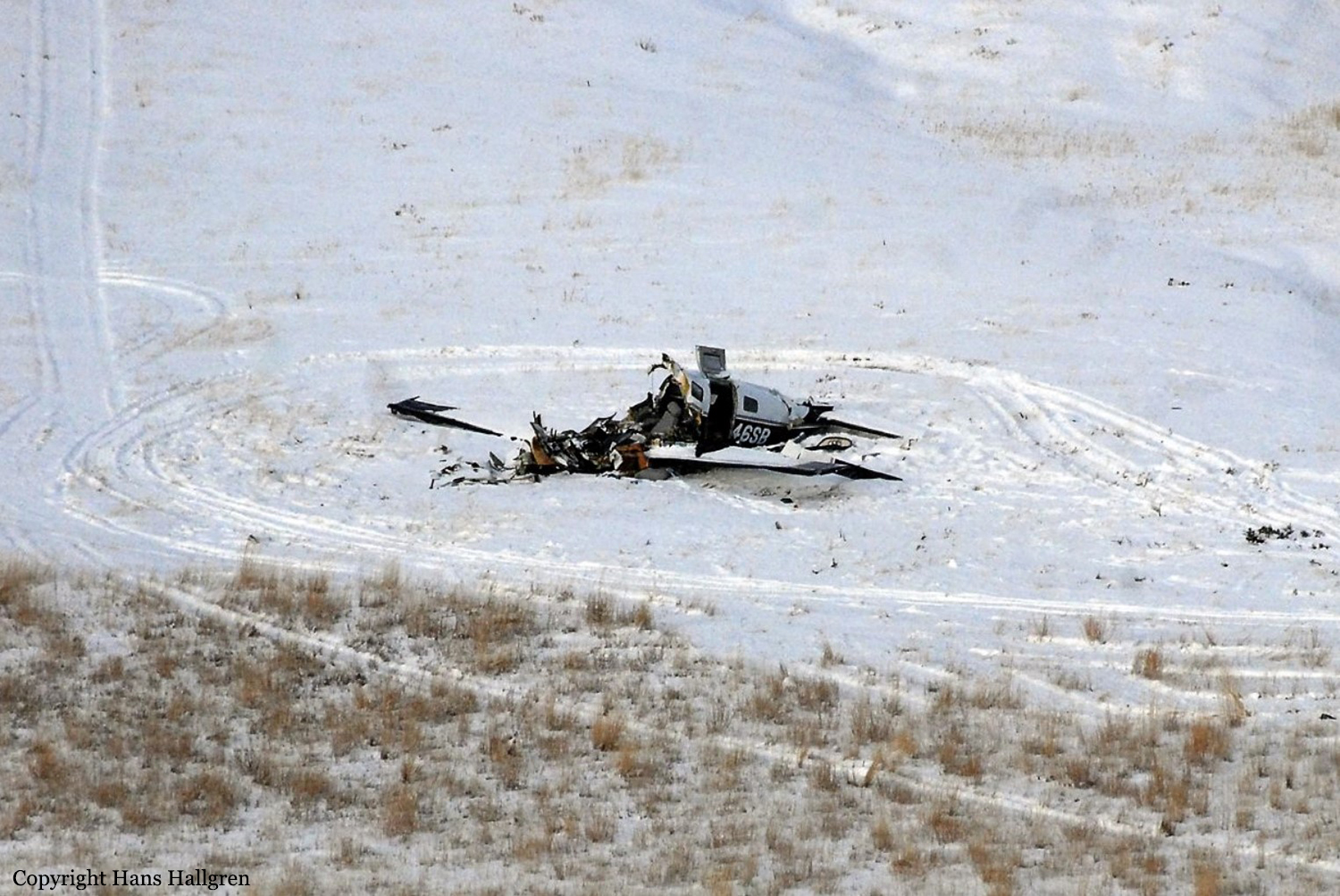
Crash of a Piper PA-46-310P Malibu in Hayden: 2 killed

Date & Time: Dec 22, 2008 at 1218 LT
Registration:
N46SB
Flight Type:
Survivors:
No
Schedule:
Hutchinson – Hayden
MSN:
46-8608039
YOM:
1986
Crew on board:
2
Crew fatalities:
Pax on board:
0
Pax fatalities:
Other fatalities:
Total fatalities:
2
Captain / Total flying hours:
1967
Captain / Total hours on type:
823.00
Copilot / Total flying hours:
2067
Copilot / Total hours on type:
798
Aircraft flight hours:
3302
Circumstances:
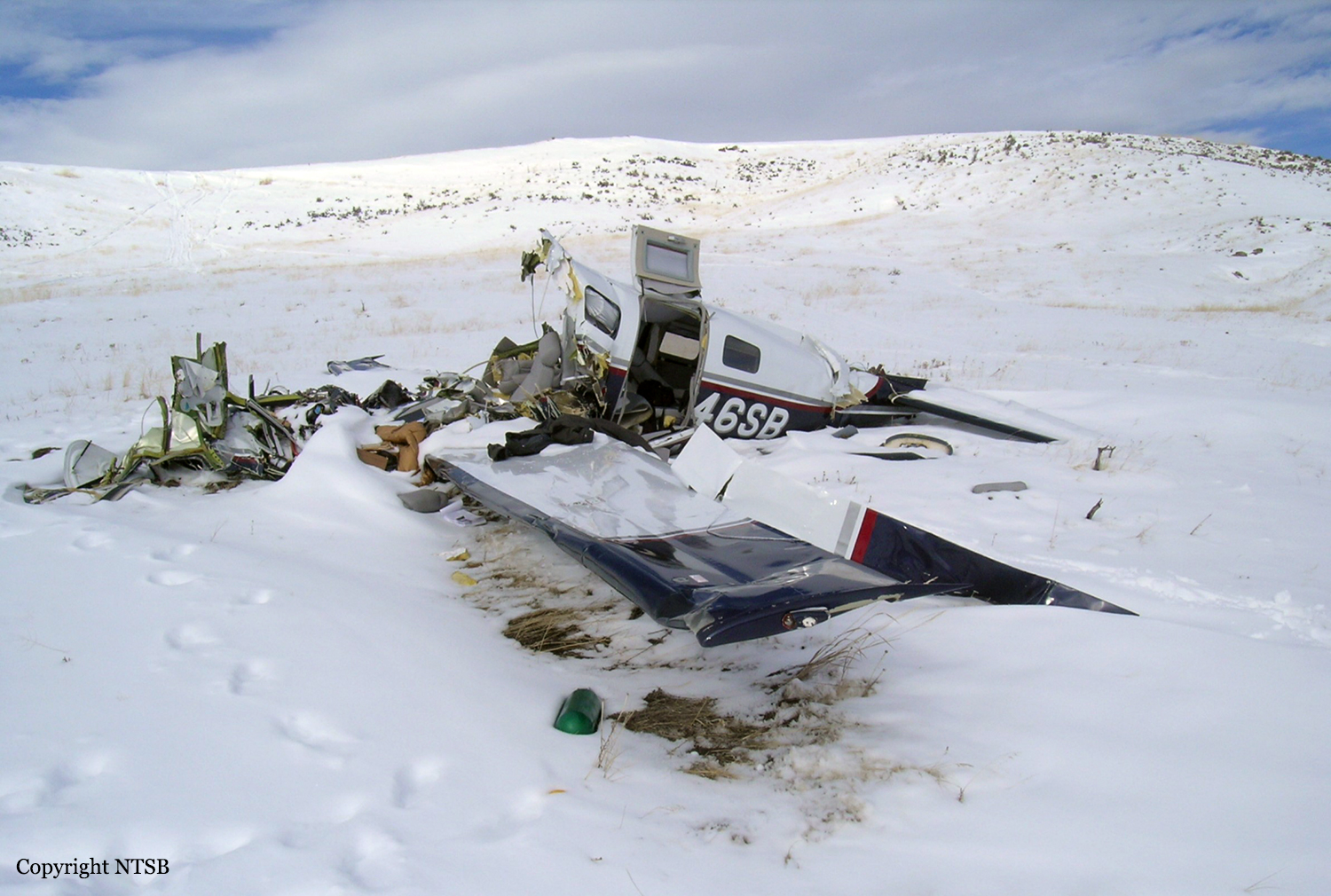
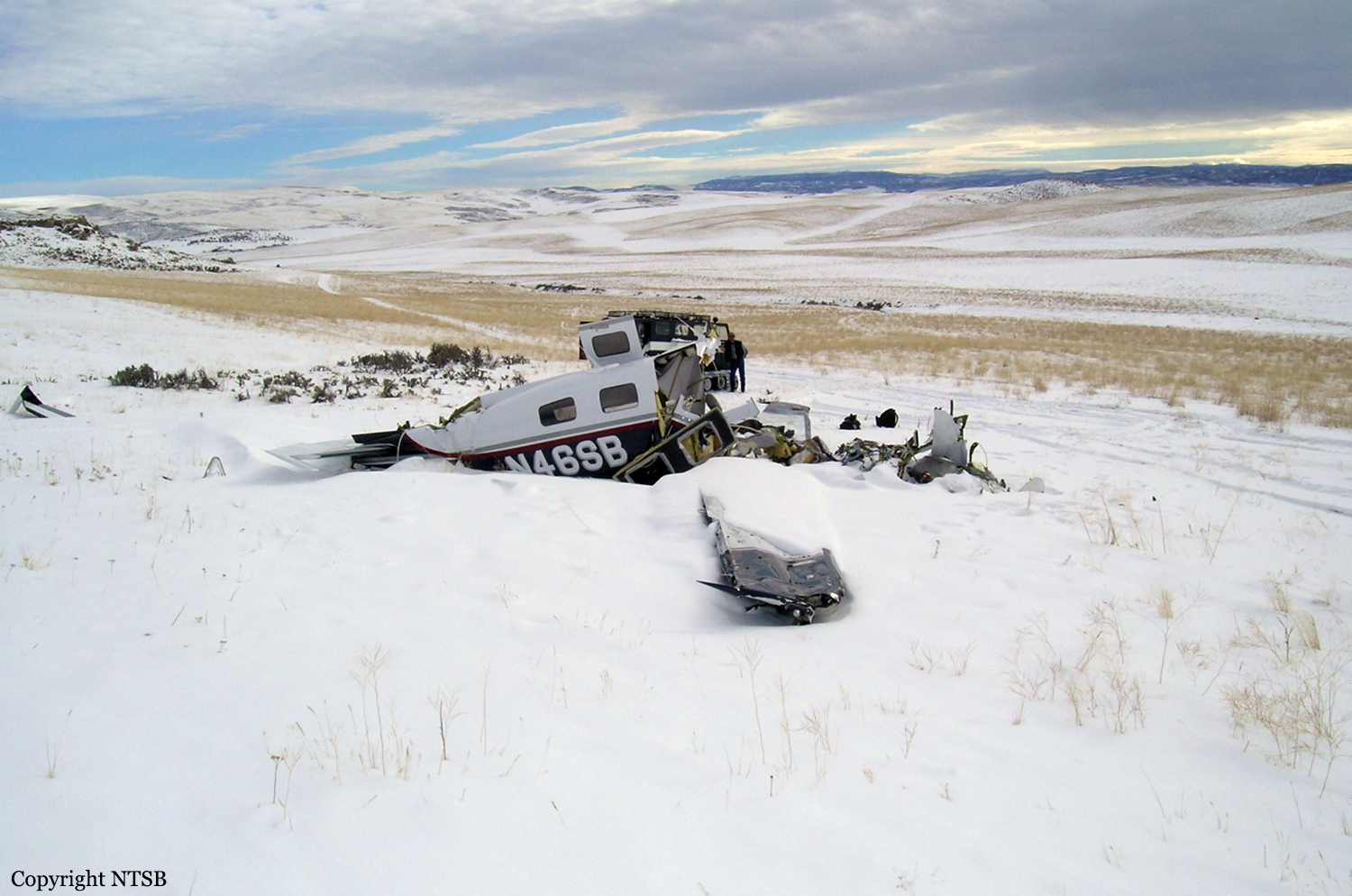
Radar data showed the airplane proceeding outbound for the procedure turn. The pilot reported that they were having trouble extending the landing gear and stated, " ... we’re trying to turn back in and do our gear here all at the same time." Shortly thereafter, the other pilot reported that they had extended the gear and had "three good, three green lights, so we’re hoping the gear is down." The pilot also said, "we are now turned inbound." She was told to contact Unicom. This was the last recorded radio transmission from the flight. The Unicom operator said that she heard the pilot say that they were "coming in." Radar data indicated the airplane crossed the localizer at almost a 90-degree angle and continued turning right until it started to intercept the localizer. The data then indicated that the airplane made a left turn away from the localizer that continued and terminated near the accident site. The turn was captured by six plots. The first plot showed the airplane had descended from 9,400 feet to 9,200 feet and its ground speed had increased from 85 knots to 152 knots. The second plot showed the altitude had increased to 9,700 feet and ground speed had decreased to 132 knots. The third plot showed the altitude had increased further to 10,200 feet and ground speed had dropped to 76 knots. The fourth plot showed the airplane had made almost a 180-degree turn and was at 8,900 feet and at a ground speed of 120 knots. The fifth plot showed the airplane was at 8,700 feet and 20 knots. The sixth and final plot showed the airplane at 8,400 feet and 38 knots. An examination of the airplane showed both wing flap jackscrews retracted and the landing gear actuators extended. The landing gear control switch was in the down position and the emergency gear extension knob was pulled out to full travel. Reduced visibility and clouds were in the vicinity of the airport at the time of the accident.
Probable cause:
The pilot's loss of situational awareness while maneuvering in adverse weather conditions, resulting in spatial disorientation.
Final Report:
Crash of a Cessna 425 Conquest in Granby: 5 killed

Date & Time: Jan 11, 1986 at 1045 LT
Type of aircraft:
Registration:
N425SC
Survivors:
Yes
Schedule:
Hutchison - Granby
MSN:
425-0126
YOM:
1982
Location:
Crew on board:
1
Crew fatalities:
Pax on board:
5
Pax fatalities:
Other fatalities:
Total fatalities:
5
Captain / Total flying hours:
3085
Captain / Total hours on type:
156.00
Aircraft flight hours:
935
Circumstances:
During arrival, the pilot advised ARTCC that the destination airport appeared to be covered with fog. She then canceled her IFR flight plan. According to ground witnesses, the aircraft made several passes over the airport. Witnesses also reported that the horizontal visibility was nil, but they could see blue sky directly above. During the last pass, the aircraft crossed over the approach end of the runway with the gear and flaps extended, angling to the left of the runway heading. Moments later, witnesses heard the engines go to full power, then silence followed. The aircraft was found where it impacted rising snow covered terrain approximately 1/8 mile south of the midpoint of the airport. There was evidence that the aircraft was in a steep descending, right wing low attitude when it crashed. No preimpact part failure/malfunction was found. A passenger was seriously injured while five other occupants were killed.
Probable cause:
Occurrence #1: in flight encounter with weather
Phase of operation: approach - vfr pattern - final approach
Findings
1. (c) in-flight planning/decision - improper - pilot in command
2. (f) terrain condition - snow covered
3. (f) weather condition - fog
4. (c) vfr flight into imc - continued - pilot in command
5. (f) visual/aural perception - pilot in command
----------
Occurrence #2: loss of control - in flight
Phase of operation: go-around (vfr)
Findings
6. Go-around - initiated - pilot in command
7. (c) aircraft handling - not maintained - pilot in command
----------
Occurrence #3: in flight collision with terrain/water
Phase of operation: approach
Findings
8. (f) terrain condition - rising
9. Descent - uncontrolled
Final Report:

Crash of a Boeing B-17F-60-BO Flying Fortress in Hutchinson: 9 killed

Date & Time: Feb 19, 1943 at 0435 LT
Operator:
Registration:
42-29568
Flight Type:
Survivors:
No
Schedule:
Orlando - Kearney
MSN:
4682
YOM:
1942
Crew on board:
9
Crew fatalities:
Pax on board:
0
Pax fatalities:
Other fatalities:
Total fatalities:
9
Circumstances:
Following a navigational training exercise, the airplane departed Orlando in the evening of February 18 to return to base at Kearney, Nebraska. En route, weather conditions were poor and over Kansas, while low on fuel, the crew decided to divert to Smoky Hill AFB, Salina. Due to limited visibility, the crew failed to realize he was approaching Hutchinson Airport which is located 90 km south southwest of Salina. In a zero visibility approach, the airplane impacted the ground and crashed, killing the entire crew.
Crew:
1st Lt Ned D. Knaphus , pilot,
2nd Lt Bruce S. Upson, copilot,
T/Sgt Earl C. Woollenweber, flight engineer,
2nd Lt Carl T. Miller, navigator,
T/Sgt Bernard Budimirovich, radio operator,
2nd Lt Raymond L. Zeiter Jr., bombardier,
S/Sgt Walter E. Bybee, air gunner,
S/Sgt Max W. McArthur, air gunner,
Pvt James A. Farrell, air gunner.
Probable cause:
Controlled flight into terrain.