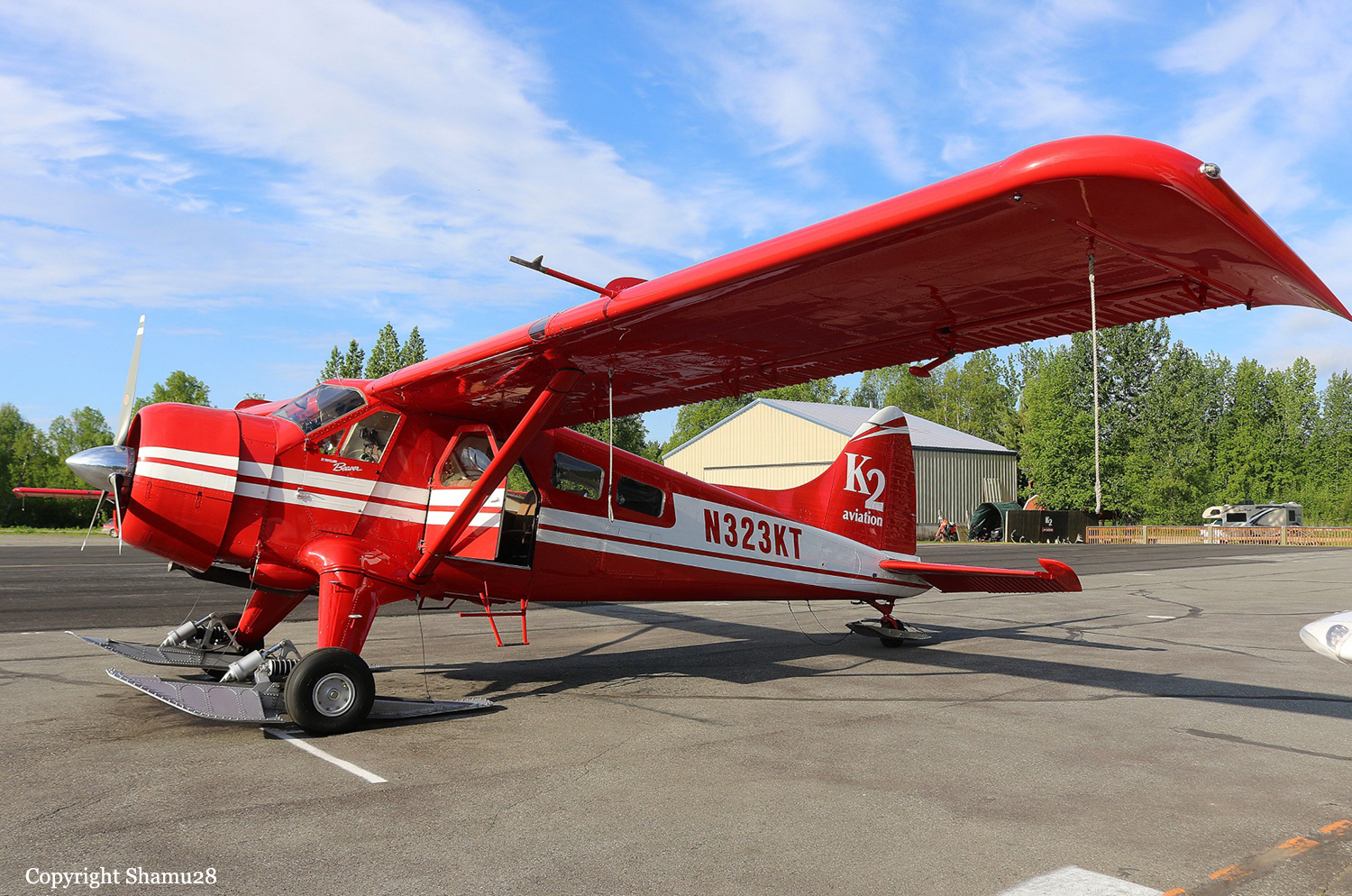
Crash of a De Havilland DHC-2 Beaver I on Mt Kahiltna: 5 killed

Date & Time: Aug 4, 2018 at 1753 LT
Type of aircraft:
Operator:
Registration:
N323KT
Flight Phase:
Survivors:
No
Site:
Schedule:
Talkeetna - Talkeetna
MSN:
1022
YOM:
1957
Crew on board:
1
Crew fatalities:
Pax on board:
4
Pax fatalities:
Other fatalities:
Total fatalities:
5
Captain / Total flying hours:
2550
Captain / Total hours on type:
346.00
Aircraft flight hours:
15495
Circumstances:
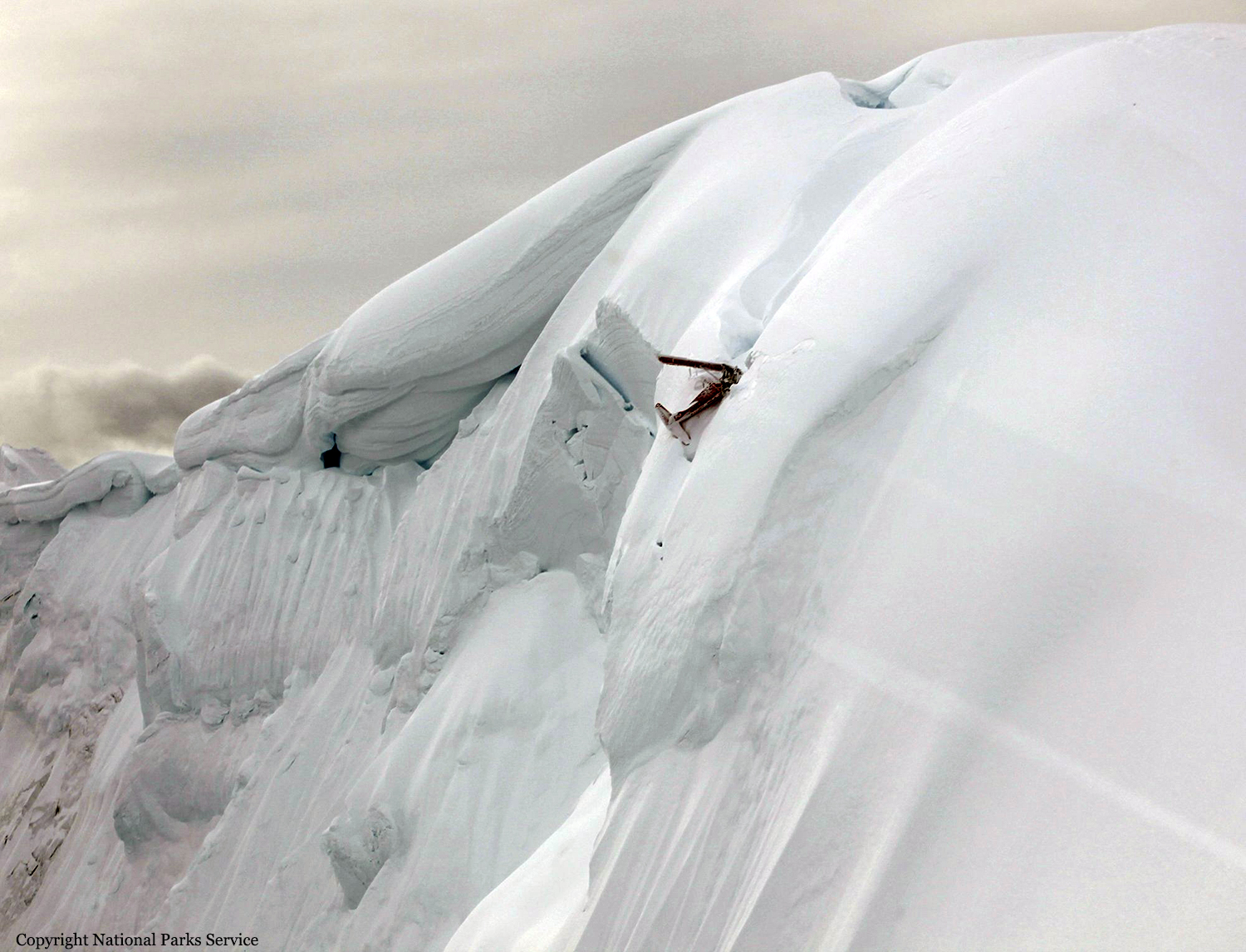
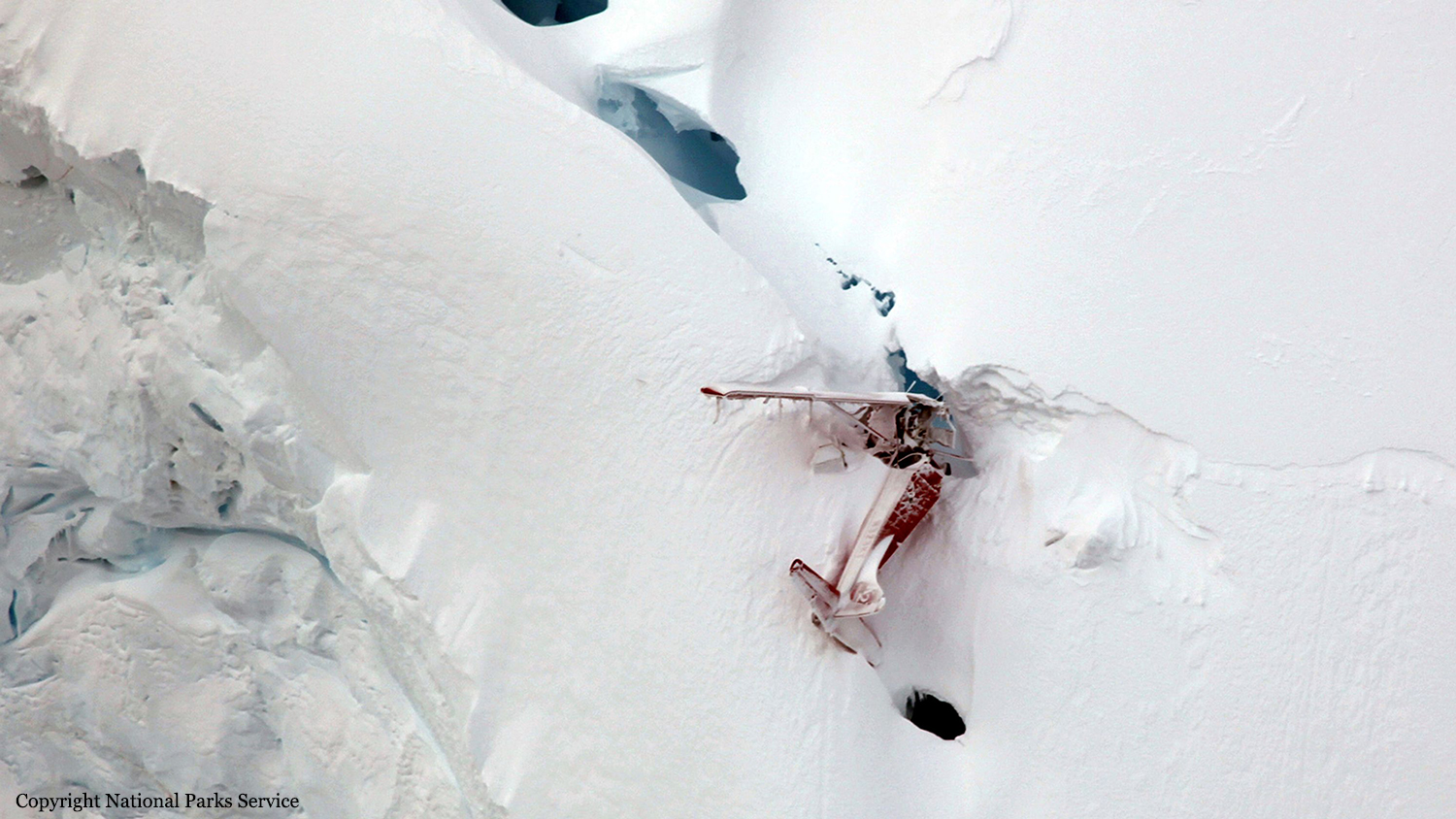
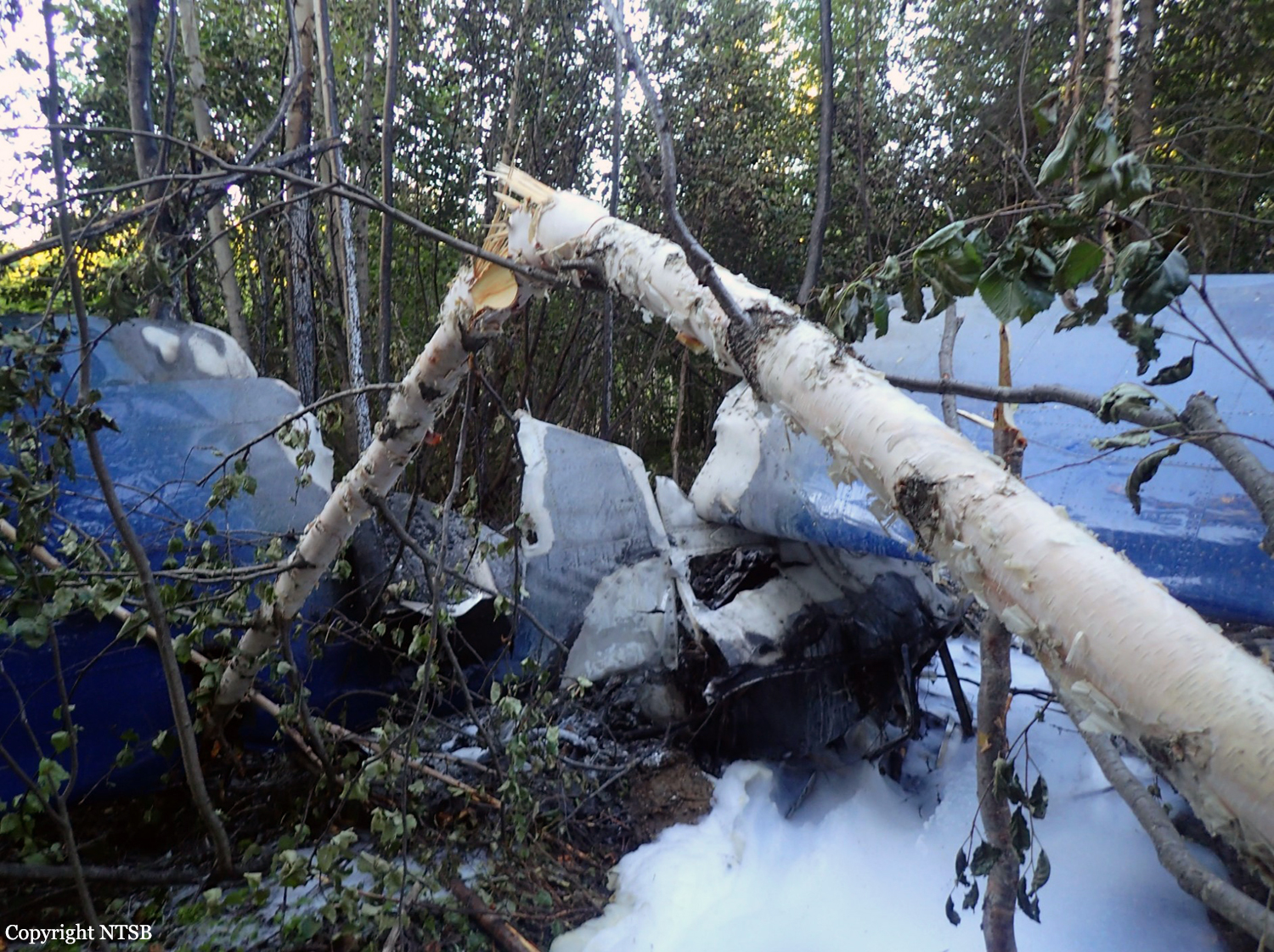
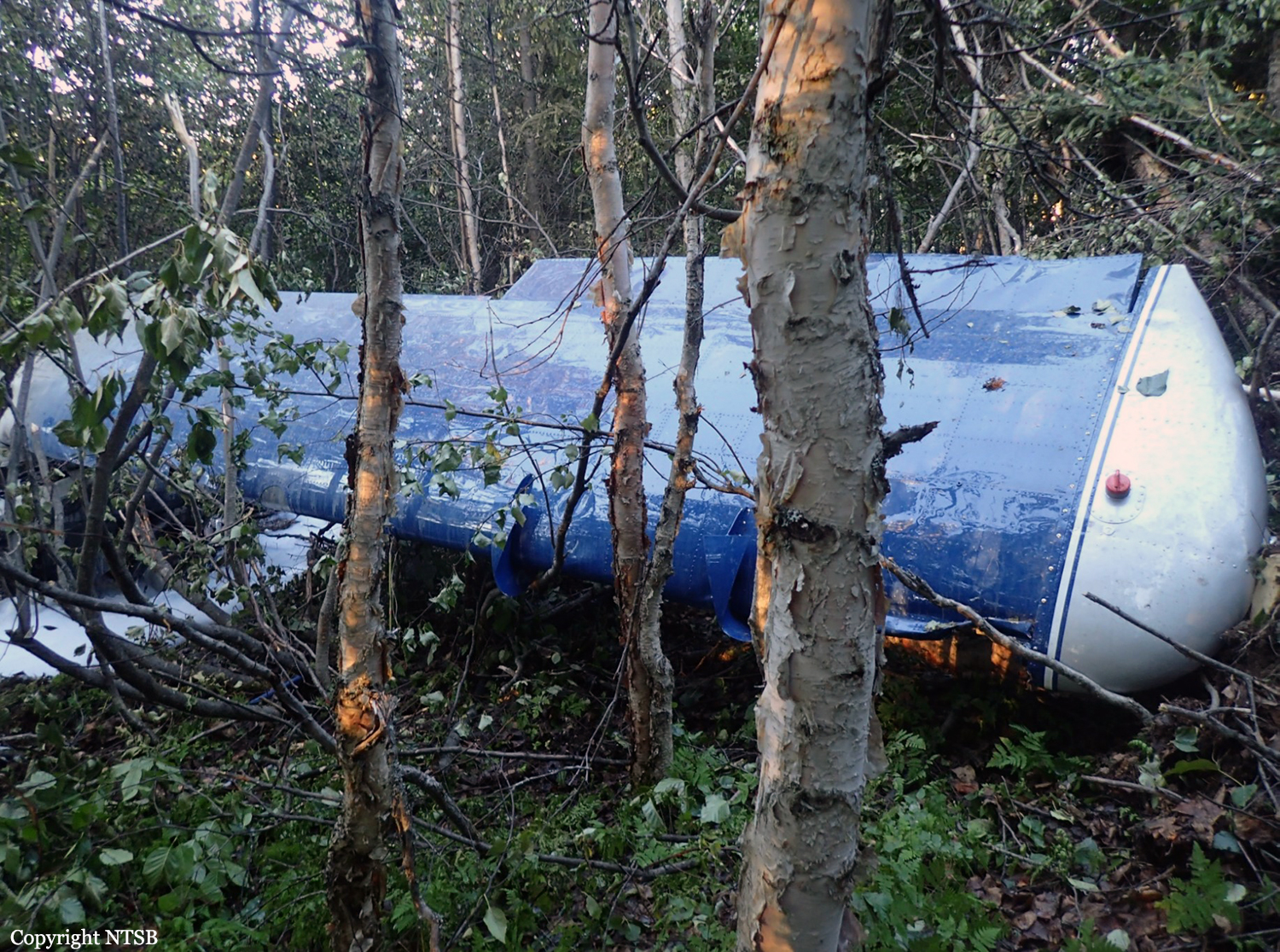
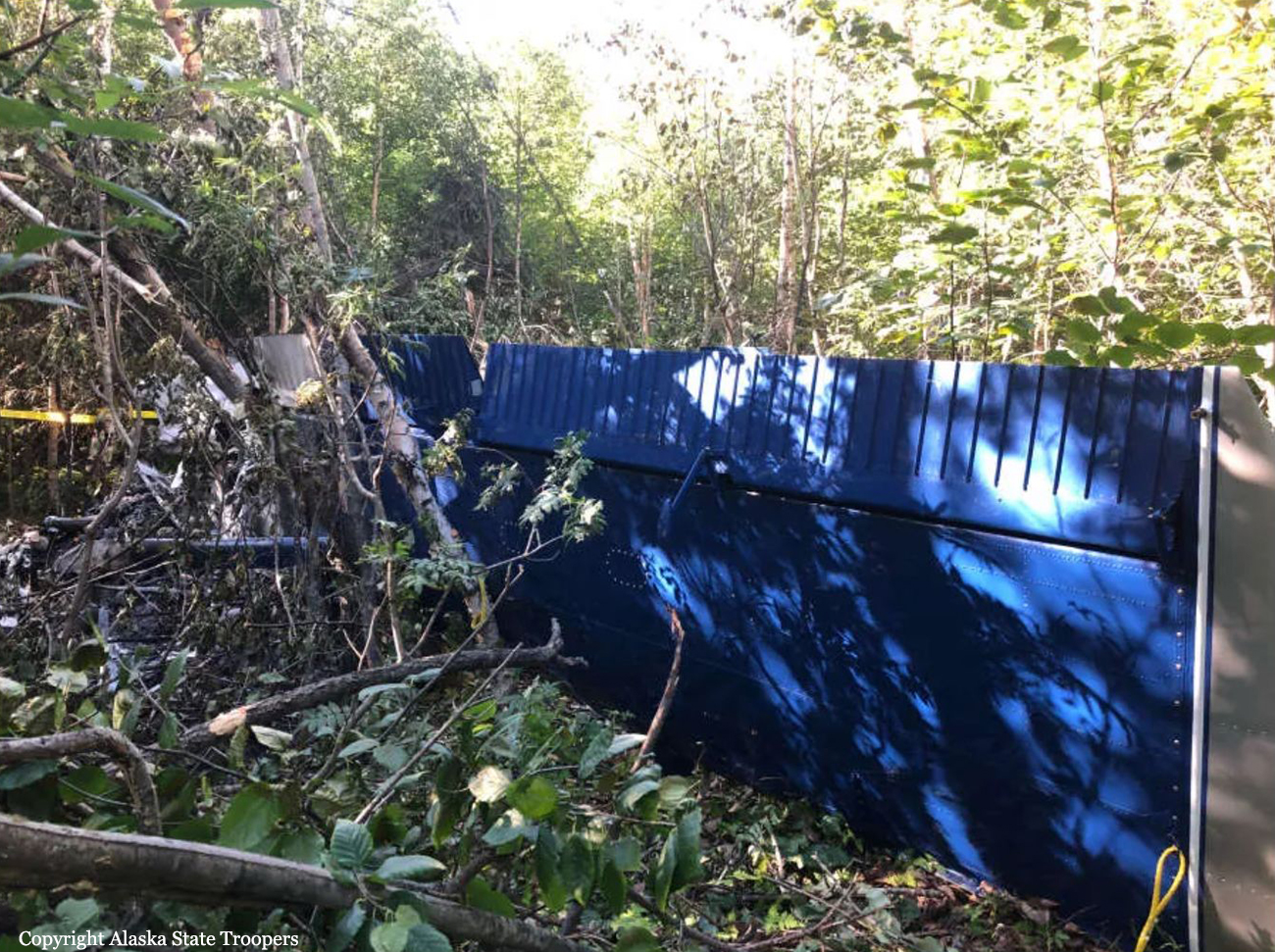
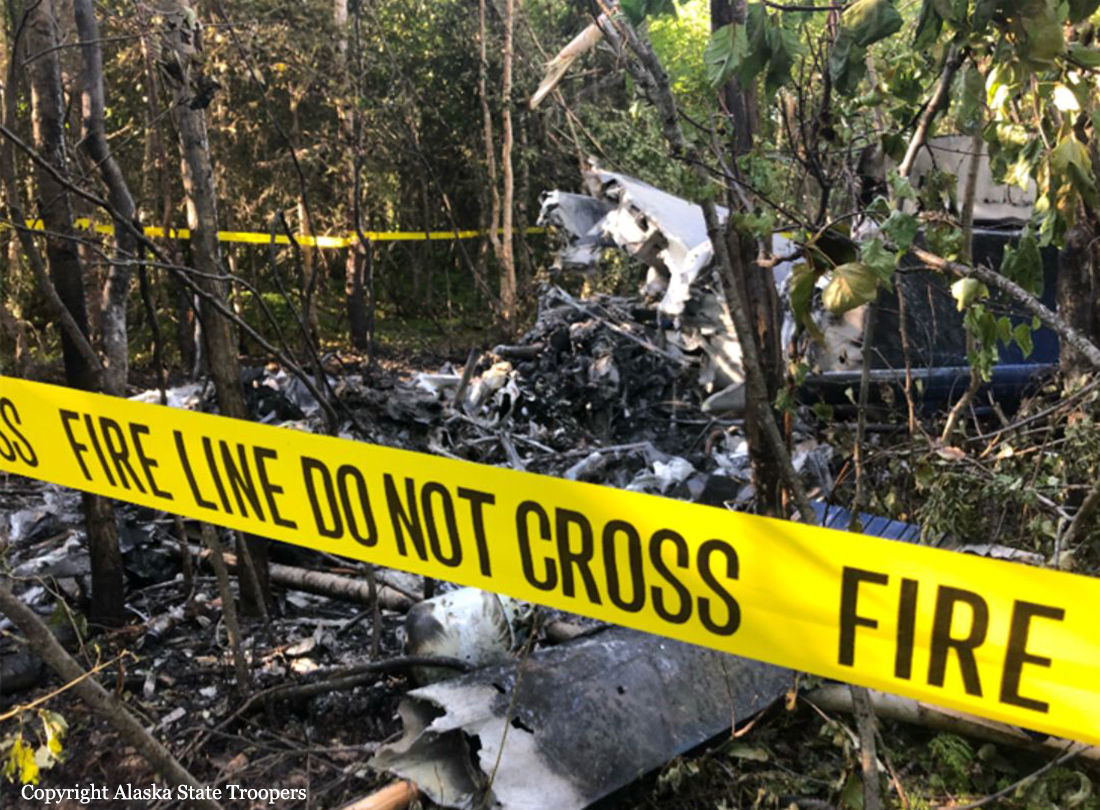
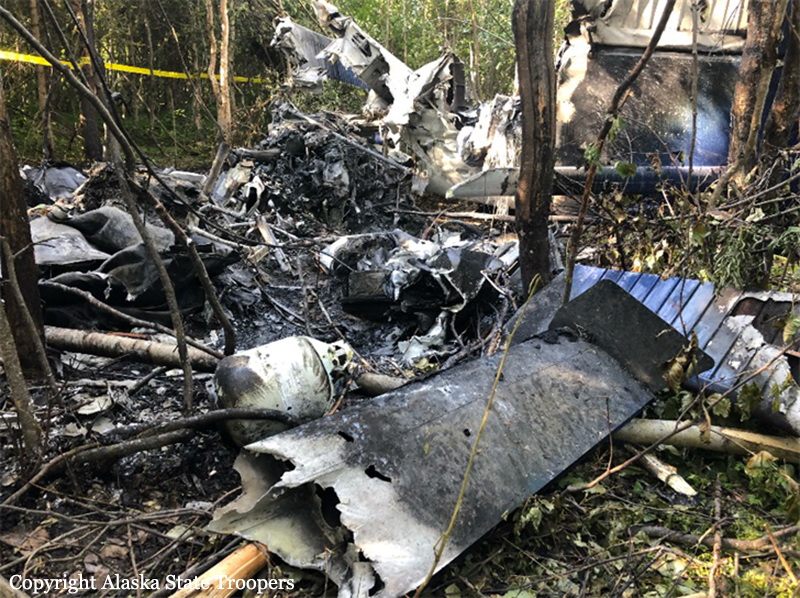
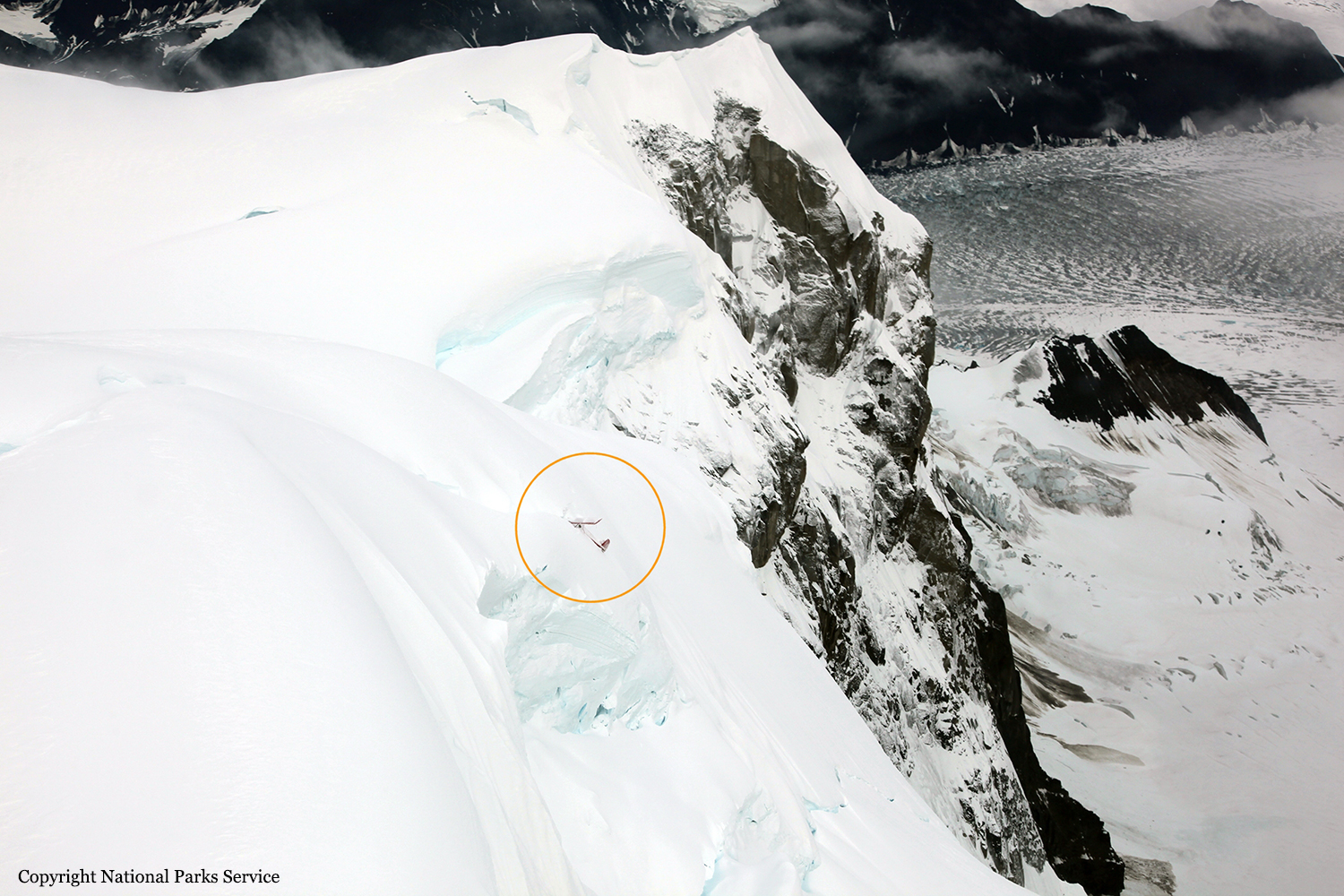
The commercial pilot was conducting a 1-hour commercial air tour flight over Denali National Park and Preserve with four passengers on board. About 48 minutes after departure, the Alaska Rescue Coordination Center received an alert from the airplane's emergency locator transmitter. About 7 minutes later, company personnel received a call from the pilot, who reported that the airplane had run "into the side of a mountain." Although a search was initiated almost immediately, due to poor weather conditions in the area, the wreckage was not located until almost 36 hours later in a crevasse on a glacier about 10,920 ft mean sea level. Due to the unique challenges posed by the steepness of terrain, the crevasse, avalanche hazard, and the condition of the airplane, neither the occupants nor the wreckage were recovered from the accident site. A weather model sounding for the area of the accident site estimated broken cloud bases at 700 ft above ground level (agl) with overcast clouds at 1,000 ft agl and cloud tops to 21,000 ft agl and higher clouds above. The freezing level was at 9,866 ft and supported light-to-moderate rime type icing in clouds and precipitation. The on-scene assessment indicated that the right wing impacted snow while the airplane was flying in a wings-level attitude; the right wing had separated from the remainder of the wreckage. Based upon available weather data and forecast models and the impact evidence, it is likely that the pilot entered an area of reduced visibility and was unable to see the terrain before the airplane's right wing impacted the snow. The company's organizational structure was such that one group of management personnel oversaw operations in both Anchorage and Talkeetna. Interviews with company management revealed that they were not always aware of the exact routing a pilot would take for a tour; the route was pilot's discretion based upon the weather at the time of the flight to provide the best tour experience. Regarding risk mitigation, the company did not utilize a formal risk assessment process, but rather relied on conversations between pilots and flight followers. This could lead to an oversight of actual risk associated with a particular flight route and weather conditions. About 8 months after the accident, an assessment flight conducted by the National Park Service determined that during the winter, the hazardous hanging glacier at the accident site calved, releasing an estimated 4,000 to 6,000 tons of ice and debris. There was no evidence of the airplane wreckage near the crash site, in the steep fall line, or on the glacier surface over 3,600 ft below. Although the known circumstances of the accident are consistent with a controlled flight into terrain event, the factual information available was limited because the wreckage was not recovered and no autopsy or toxicology of the pilot could be performed; therefore, whether other circumstances may have contributed to the accident could not be determined.
Probable cause:
Impact with terrain for reasons that could not be determined because the airplane was not recovered due to the inaccessible nature of the accident site.
Final Report:
Crash of a De Havilland DHC-2 Beaver in Willow Lake: 1 killed

Date & Time: Jul 18, 2018 at 1900 LT
Type of aircraft:
Operator:
Registration:
N9878R
Flight Phase:
Survivors:
Yes
Schedule:
Willow Lake - FBI Lake
MSN:
1135
YOM:
1958
Crew on board:
1
Crew fatalities:
Pax on board:
2
Pax fatalities:
Other fatalities:
Total fatalities:
1
Captain / Total flying hours:
2685
Captain / Total hours on type:
345.00
Aircraft flight hours:
22605
Circumstances:
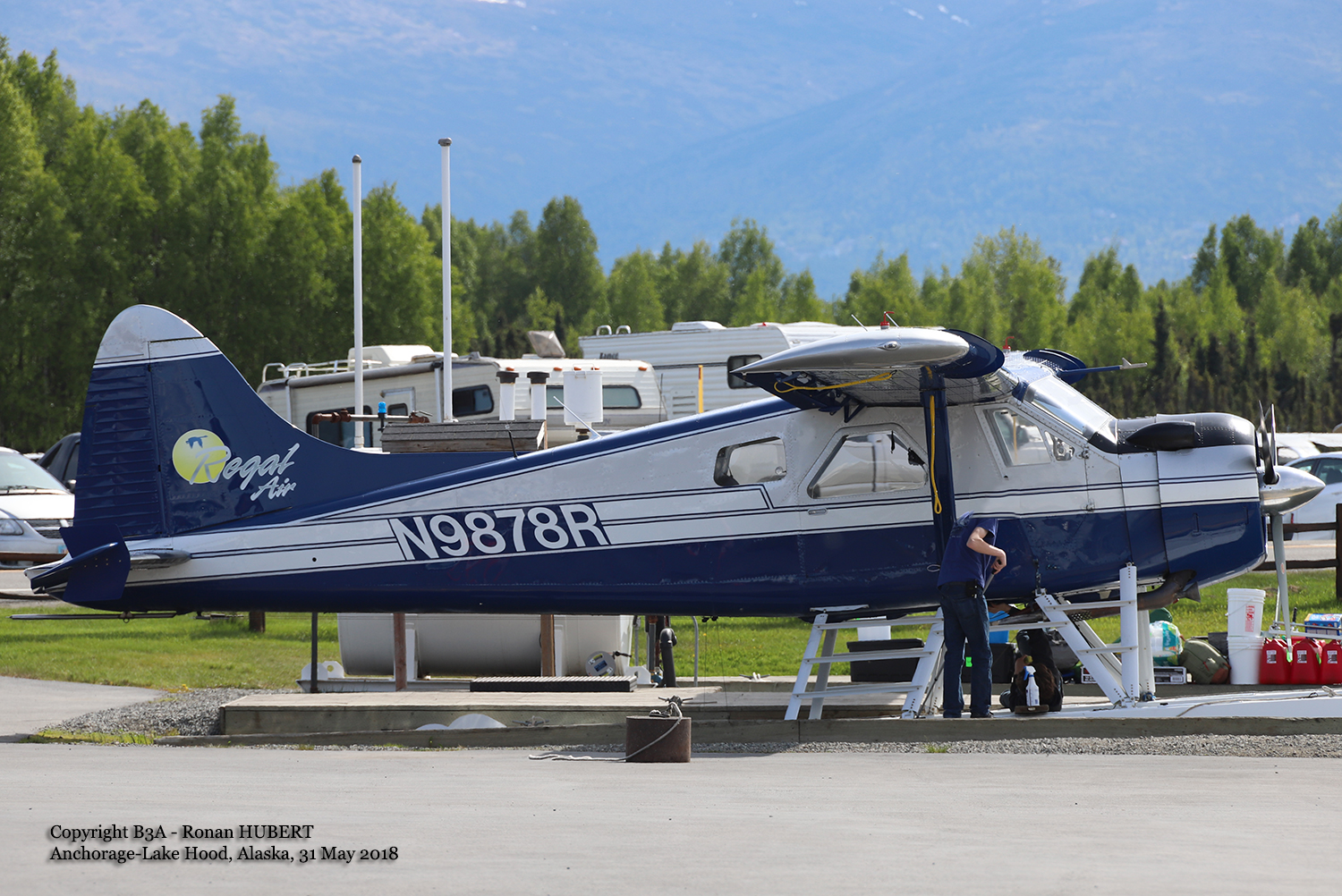
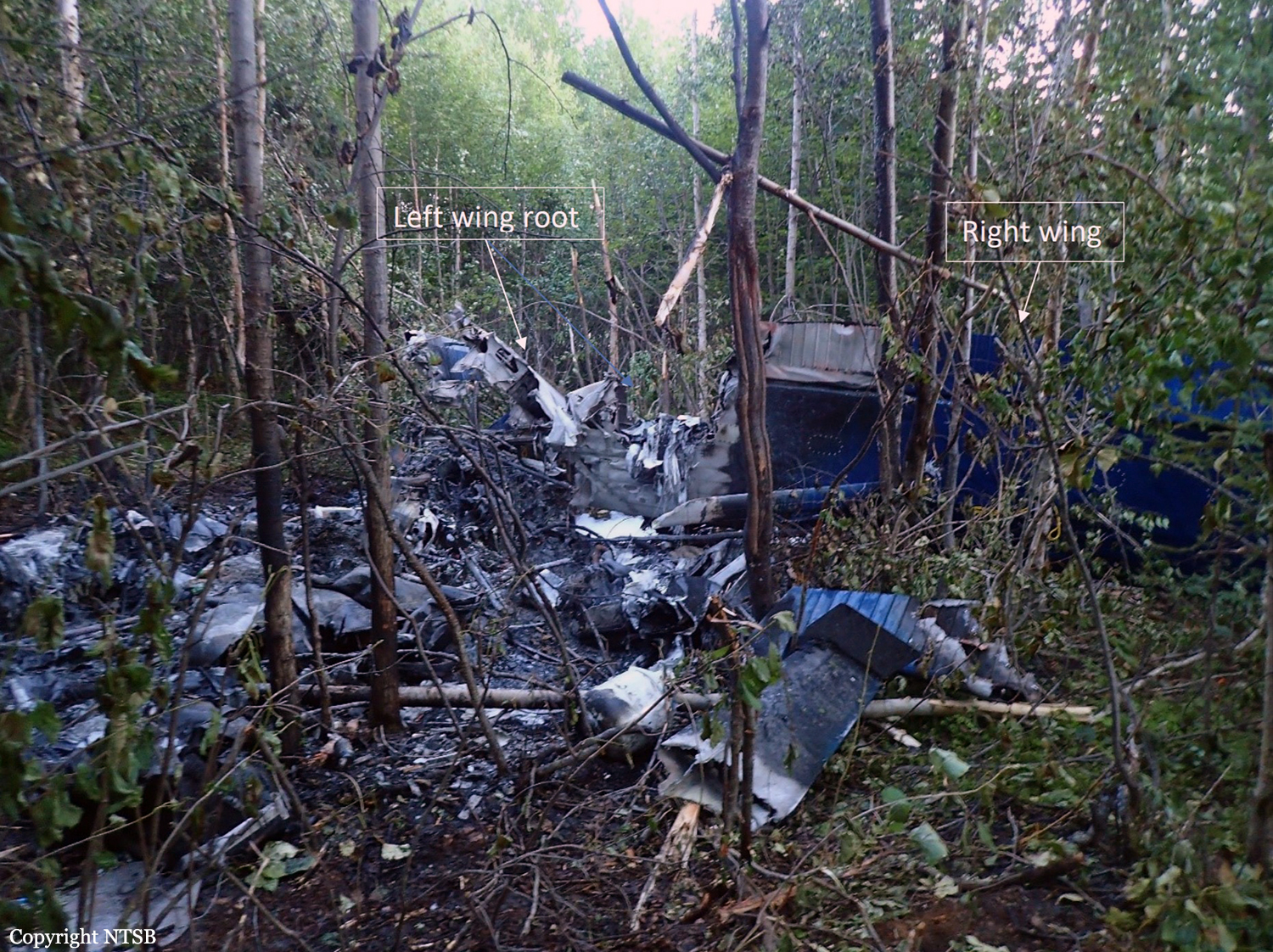
The pilot was conducting an on-demand air taxi flight in a float-equipped airplane from a seaplane base on a public lake to a remote lakeside home, with a passenger and her young son. The passenger brought cargo to transport as well, including an unexpected 800 lbs of mortar bags. Witnesses who labored to push the airplane out after loading reported that the airplane appeared very aft heavy and the pilot said he would offload "cement blocks" if he could not take off. A review of witness videos revealed that the pilot attempted one takeoff using only 3/4 of the available waterway, then step taxied around the lake and performed a step-taxi takeoff, again not using the full length of the lake. The airplane eventually lifted off, and barely climbed over trees on the south end of the lake, before descending and impacting terrain. A home surveillance video that captured the airplane seconds before the crash revealed that 3 seconds before ground impact, the estimated altitude of the airplane was 115 ft above ground level (agl) and the groundspeed was about 64 miles per hour (mph), which was low and much slower than normal climb speed (80 mph). As the airplane banked to the left to turn on course, it rolled through 90° likely experiencing an aerodynamic stall. Analysis of the engine rpm sound revealed that the engine was operating near maximum continuous power up until impact, and a postaccident examination of the airframe and engine revealed no evidence of mechanical malfunctions or failures that would have precluded normal operation. A calculation performed by investigators postaccident revealed the airplane's estimated gross weight at the time of the accident was 75 lbs over the approved maximum gross takeoff weight, and the airplane's estimated center of gravity was 1.76 inches aft of the rear limit. The pilot had been recently hired by the operator and he flew his first commercial flight in the same make and model, float-equipped airplane the week before the accident. He had accumulated 12.9 flight hours, and 13 sea landings/takeoffs in the accident model airplane since being hired as a part-time pilot. Although the airplane was able to takeoff, the aircraft's out-of-limit weight-and-balance condition increased its stall speed and degraded its climb performance, stability, and slow-flight characteristics. When the pilot turned the airplane left, the critical angle of attack was exceeded resulting in an aerodynamic stall at low altitude. If the pilot had performed a proper weight and balance calculation, he may have recognized the airplane was overweight and out of balance and should not have attempted the flight without making a load adjustment.
Probable cause:
The pilot's exceedance of the airplane's critical angle of attack during departure climb, which resulted in an aerodynamic stall. Contributing to the accident was the pilot's improper decision to load the airplane beyond its allowable gross weight and center of gravity limits, coupled with his lack of operational experience in the airplane make, model, and configuration.
Final Report: