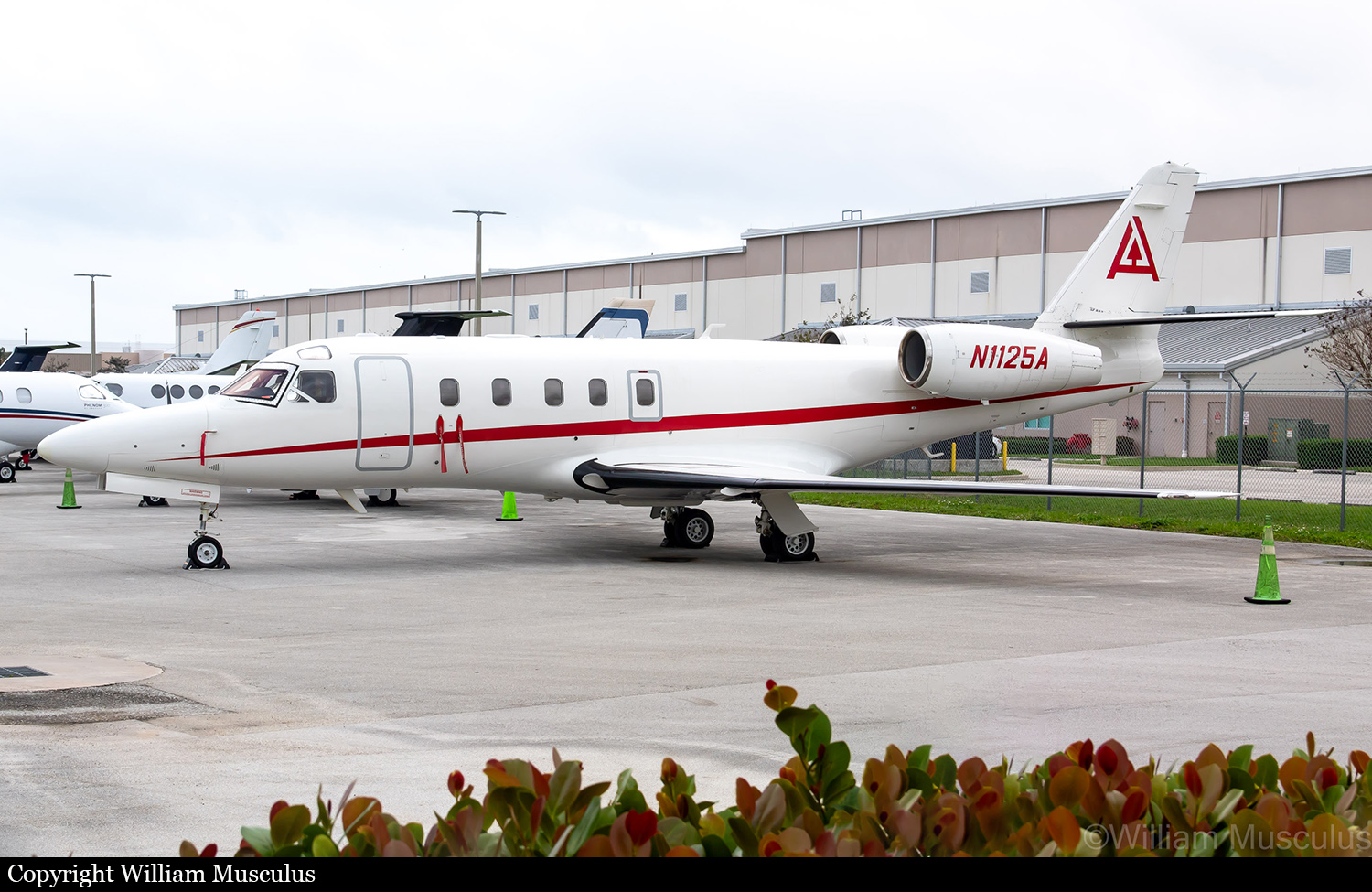
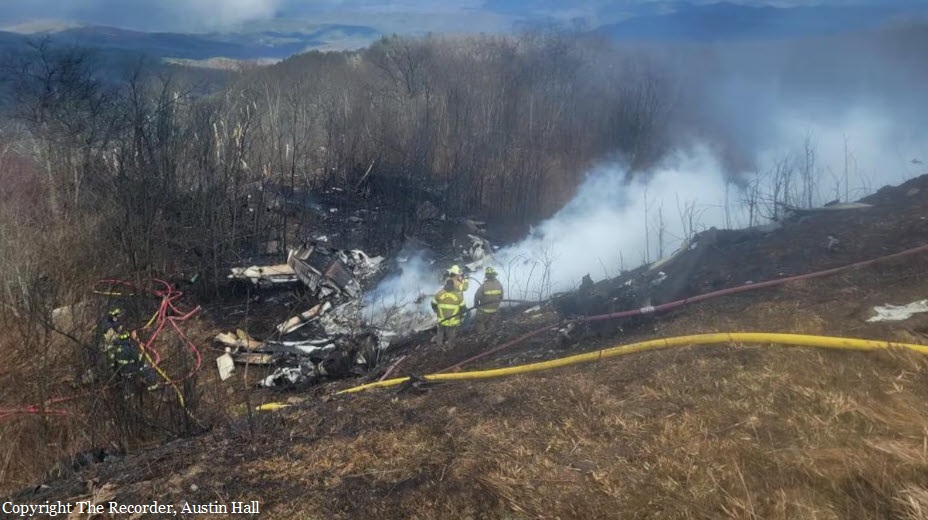
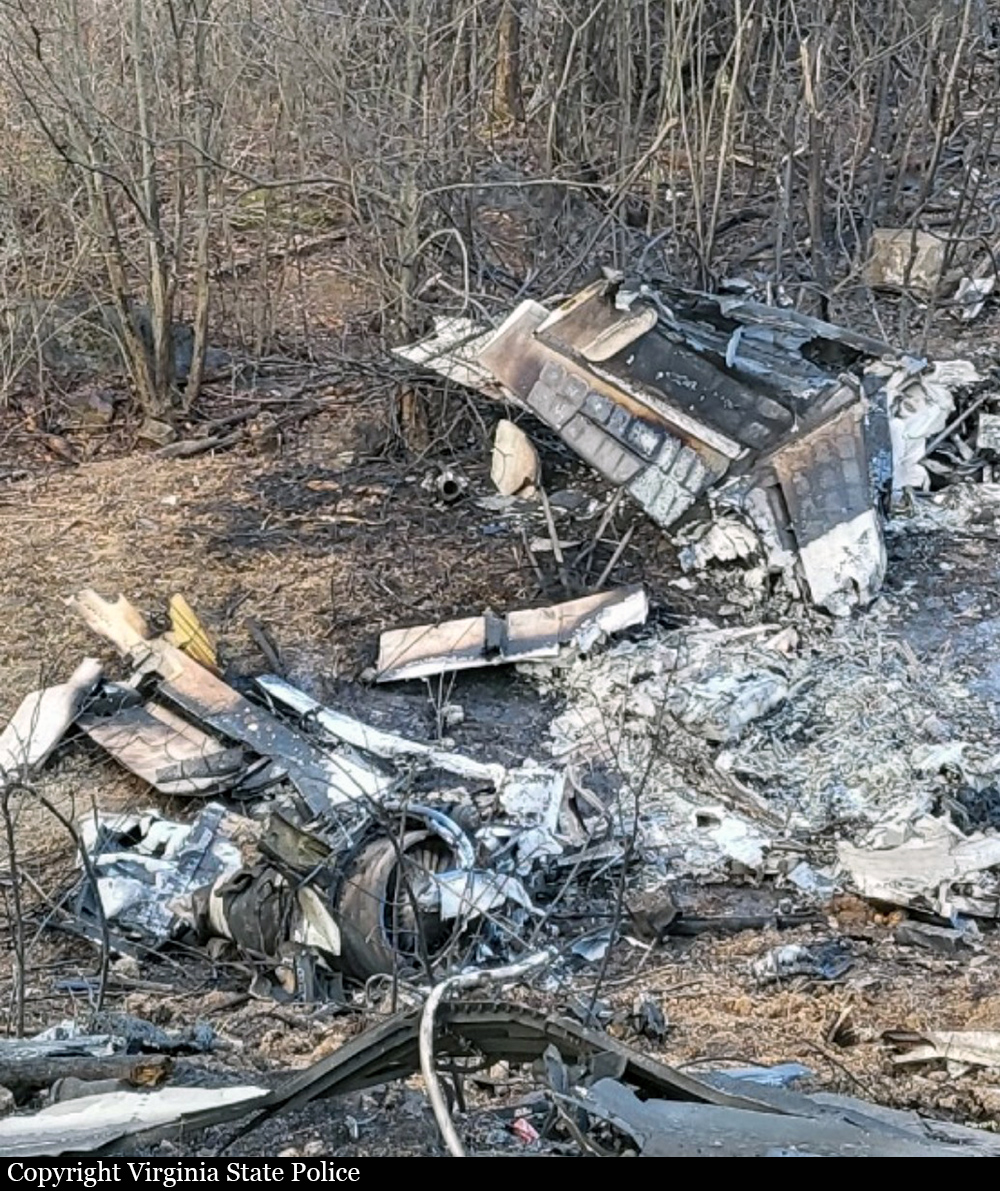
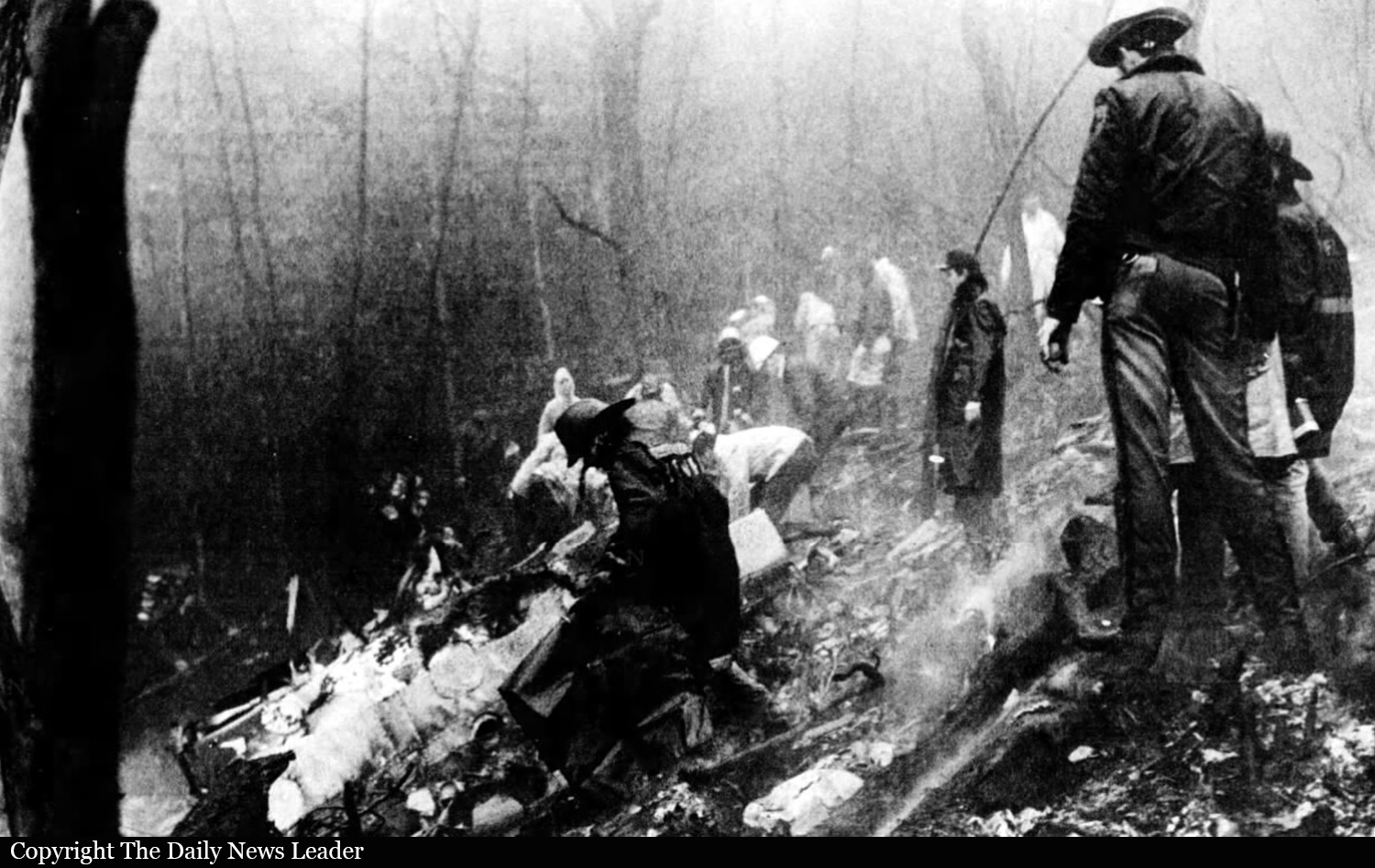
Crash of an IAI-1125 Astra in Hot Springs: 5 killed
Date & Time:
Mar 10, 2024 at 1452 LT
Operator:

Registration:
N1125A
Survivors:
No
Schedule:
Fort Lauderdale – Hot Springs
MSN:
51
YOM:
1990
Crew on board:
2
Crew fatalities:
Pax on board:
3
Pax fatalities:
Other fatalities:
Total fatalities:
5
Captain / Total hours on type:
63.00
Copilot / Total hours on type:
136
Aircraft flight hours:
8145
Circumstances:
Following an uneventful flight, the flight crew was descending the twin-engine business jet for landing at the destination airport, which was equipped with a 5,600-ft-long runway and located on a mountain ridge. Cockpit voice recorder (CVR) audio indicated that the pilot-in-command (PIC) was the pilot flying and the second-in-command (SIC) was the pilot monitoring. Air traffic control provided the crew with the local altimeter setting as they began their descent from cruise altitude about 24 minutes before the accident. About 12 minutes later, the crew informed the controller that they had obtained the weather information at the destination. Shortly thereafter, the controller cleared the crew direct to an intermediate fix on the intended instrument landing system (ILS) approach, instructing them to cross the fix at or above 6,100 ft mean sea level (msl). The crew acknowledged and began turning toward the final approach course. About two minutes later, the controller queried the crew about their altitude, stating that he observed the airplane at 5,900 ft msl. The crew responded that they were at the assigned altitude and continued the approach. Given that the CVR did not record the crew performing any crosscheck or verification of the altimeter settings as they descended, nor did it capture the crew conducting an approach briefing, the controller’s observation that the airplane 200 ft lower than its assigned altitude suggests that the crew did not reset the airplane’s altimeter setting during the descent. As the crew descended toward the final approach fix, the SIC asked the PIC if he would like the airplane’s flight guidance system (FGS) set to vertical speed (VS) mode, which the PIC confirmed. In this mode, the airplane’s autopilot would maintain a specified descent rate set by the crew, and would continue to descend to the set altitude at the specified rate of descent regardless of the airplane’s position on the glideslope. As the airplane neared the final approach course, the SIC stated that FLOC was captured on both sides. This likely referenced a flight management system (FMS)-generated final approach course based on the waypoints that had been programmed into the system, rather than the localizer signal broadcast by the ILS. If the ILS frequency had been tuned and selected as the navigation source, the display should have indicated LOC, not FLOC. About 7 miles from the runway threshold (about 3 minutes before the accident), the crew began to configure the airplane for landing. The PIC stated that he had the airport in sight, and shortly thereafter, the SIC confirmed that he also had the airport in sight. Upon crossing the final approach fix, the PIC began a descent and the SIC extended the landing gear. There was no mention of a change in autopilot mode, and it is likely that this descent was also performed in VS mode. The PIC called for the before landing checklist, which the SIC completed, concluding the checklist by reporting to the PIC that the airplane was below glideslope. About 1.5 nautical miles (nm) from the runway, the SIC reported full deflection below glideslope. Shortly thereafter, the SIC announced that the airplane was 15 knots above reference speed. About 30 seconds before the accident, the PIC turned the autopilot off. Shortly after the automated Enhanced Ground Proximity Warning System (EGPWS) 1,000-ft annunciation, the SIC suggested a go-around; the PIC did not respond. The SIC again called for a go-around just before the EGPWS 500-ft annunciation; again, the PIC did not respond. About 3 seconds later, the airplane impacted rising terrain about 300 ft before the runway threshold. The airplane was destroyed by impact forces and a post crash fire and all five occupants were killed. Passengers were SkyJet Elite’s CEO with wife and child.
Crew:
Claudio Colmenares, pilot,
Gagan Reddy, copilot.
Passengers:
Alfredo Diez,
Kseniia Shanina,
Nicholas Diez.
Crew:
Claudio Colmenares, pilot,
Gagan Reddy, copilot.
Passengers:
Alfredo Diez,
Kseniia Shanina,
Nicholas Diez.
Probable cause:
The PIC’s continuation of an unstabilized approach in gusting wind conditions and his failure to monitor the airplane’s altitude during the approach, which led to a descent into terrain short of the runway. Contributing was the flight crew’s failure to set the appropriate altimeter setting and failure to properly configure the avionics for the ILS approach.
Final Report: