Crash of a Learjet 35A in Nevis

Date & Time: Jul 13, 2004 at 1920 LT
Type of aircraft:
Registration:
N829CA
Flight Type:
Survivors:
Yes
Schedule:
Sint Maarten - Nevis
MSN:
35-459
YOM:
1981
Crew on board:
2
Crew fatalities:
Pax on board:
2
Pax fatalities:
Other fatalities:
Total fatalities:
0
Captain / Total flying hours:
6500
Captain / Total hours on type:
539.00
Copilot / Total flying hours:
10000
Copilot / Total hours on type:
539
Aircraft flight hours:
9899
Circumstances:
The flightcrew stated that approximately 8 miles out on a visual approach for runway 10 they requested winds and altimeter setting from the control tower. They received altimeter setting 29.95 inches Hg., and winds from 090 degrees at 20 knots. About 5 miles out, in full landing configuration, they checked wind conditions again, and were told 090 at 16 knots. They were holding Vref of 125 knots plus 10 knots on final. The approach was normal until they got a downdraft on short final. The airplane sank and they reacted by immediately adding engine power and increasing pitch, but the airplane continued to sink. The airplane's main landing gear came in contact with the top of the barbwire fencing at the approach end of the runway. The airplane landed short of the threshold. The airplane was under control during the roll out and they taxied to the ramp. A special weather observation was taken at the Vance W. Amory International Airport at 1930, 10 minutes after the accident. The special weather observation was winds 090 at 15 knots, visibility 10 statute miles, scattered clouds at 2,000, temperature 27 degrees centigrade, dewpoint temperature 23 degrees centigrade, altimeter setting 29.95 inches hg.
Probable cause:
The pilot's encounter with a downdraft.
Final Report:
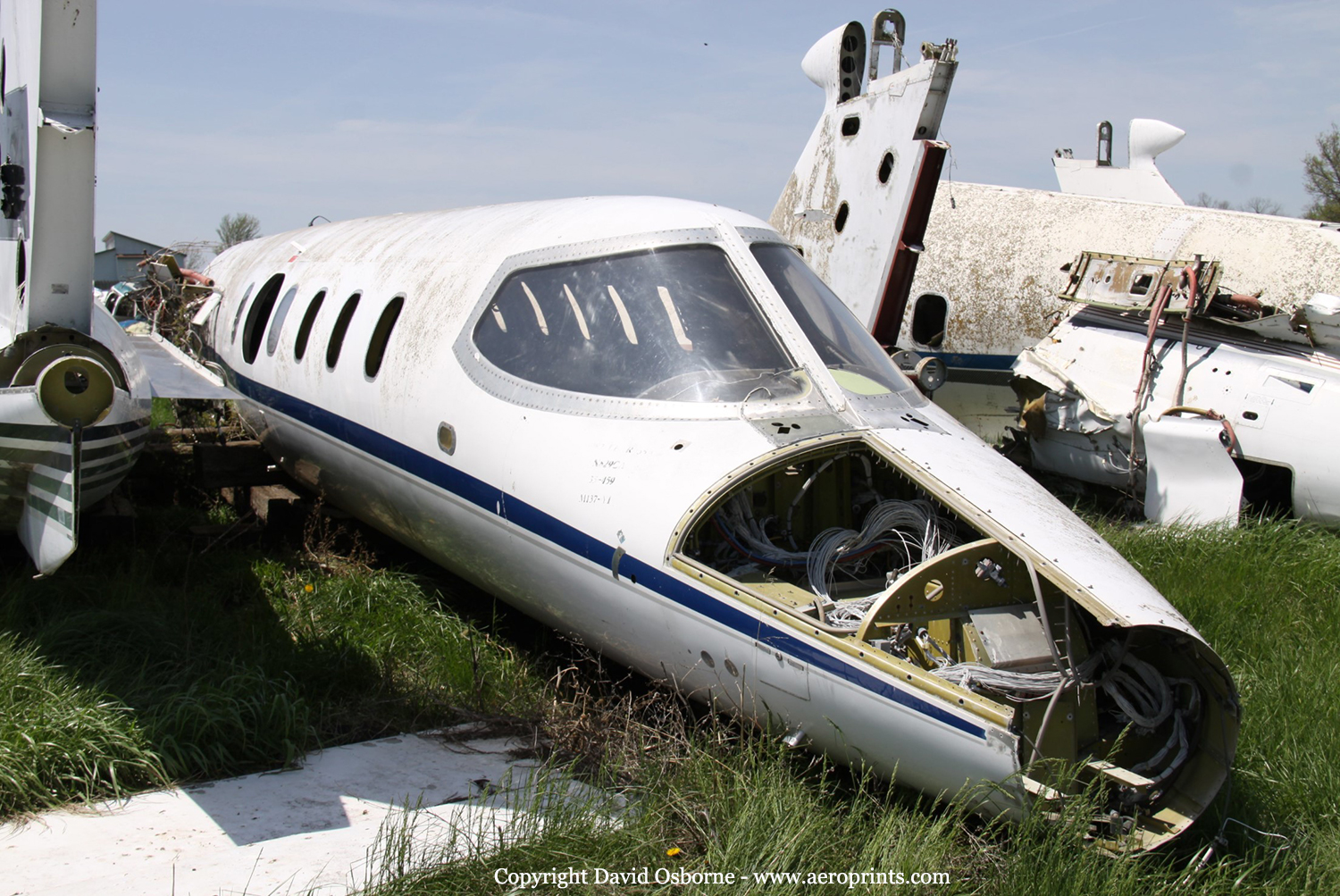

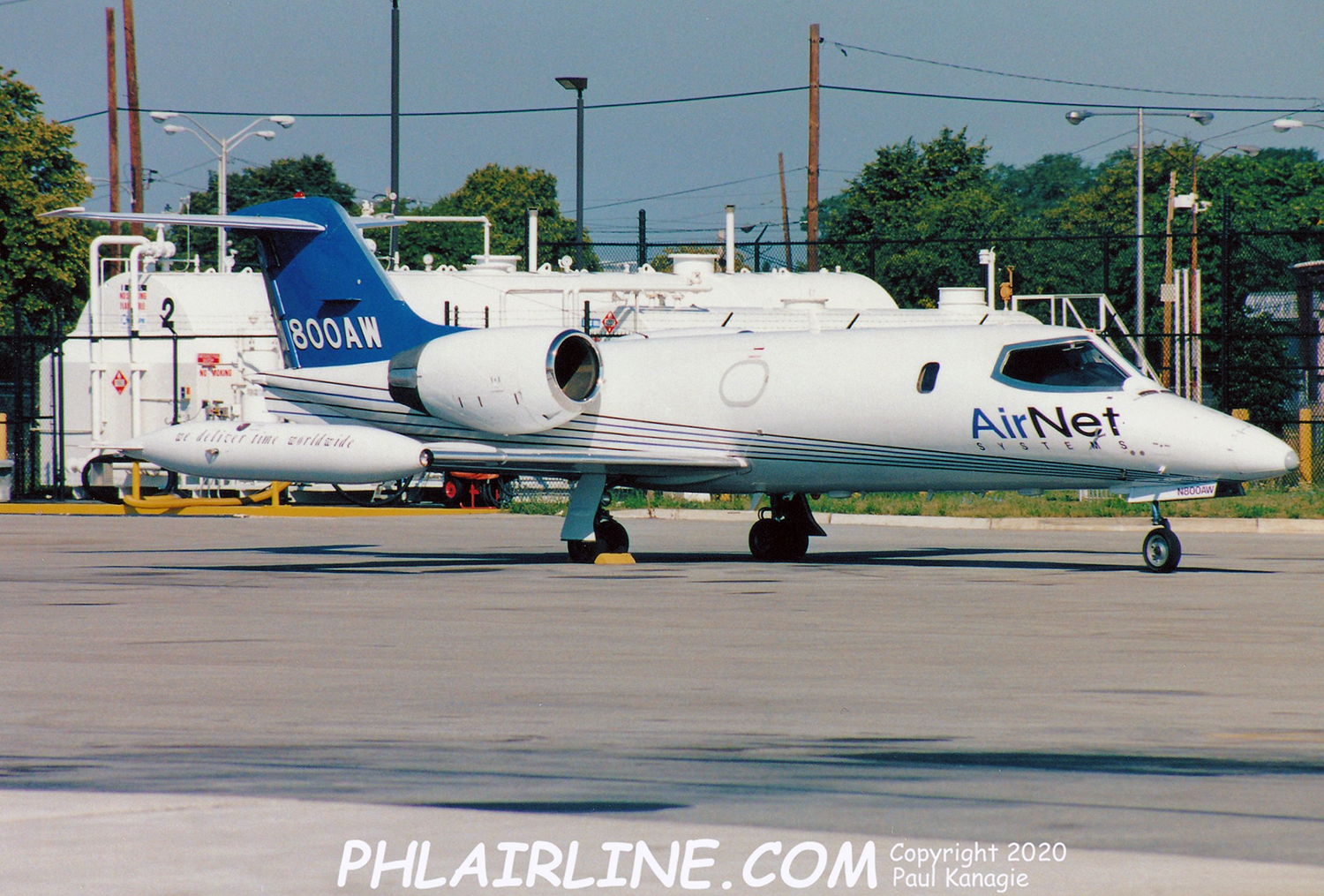
Crash of a Learjet 35A in Utica

Date & Time: Mar 19, 2004 at 0645 LT
Type of aircraft:
Operator:
Registration:
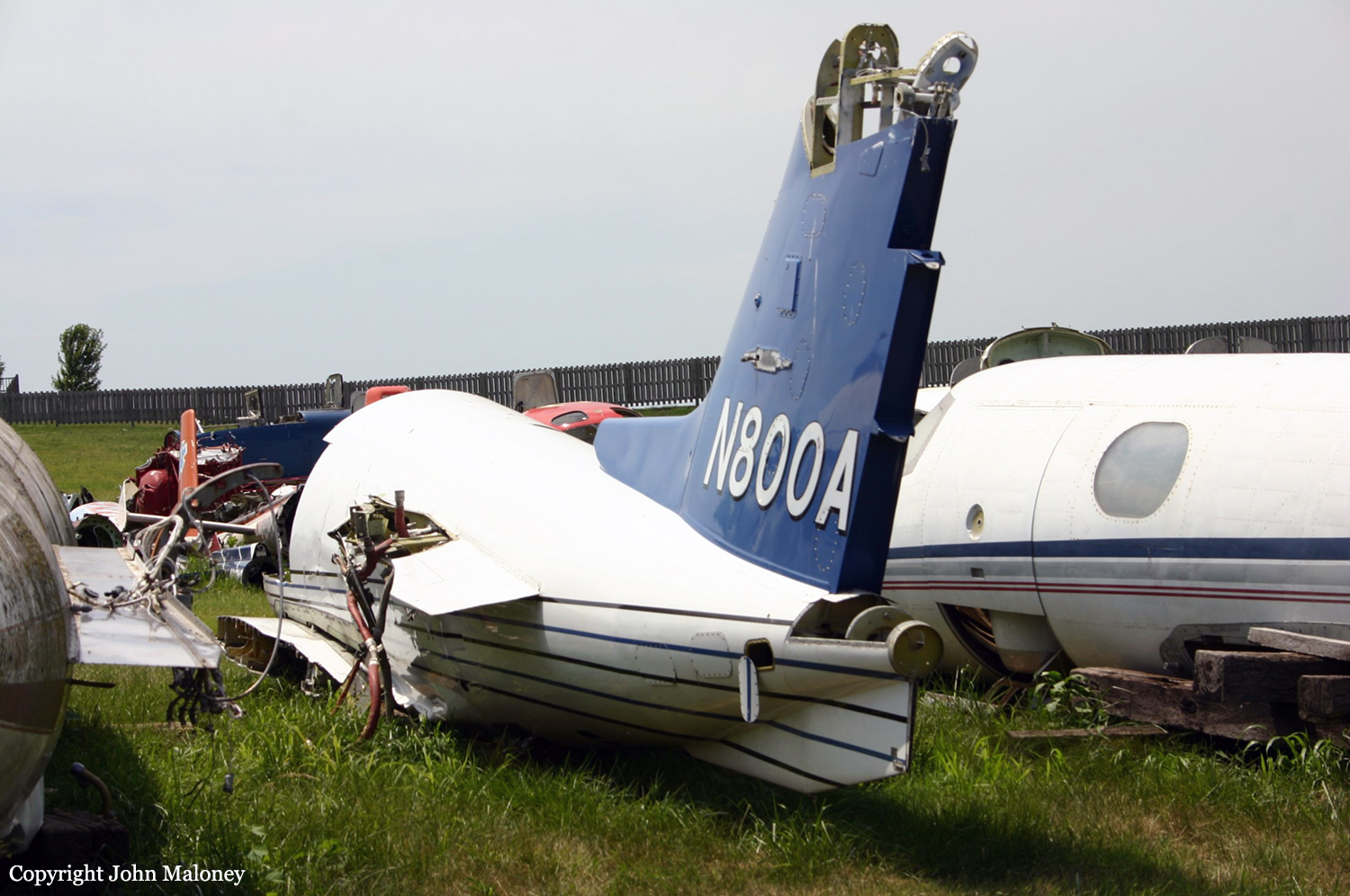
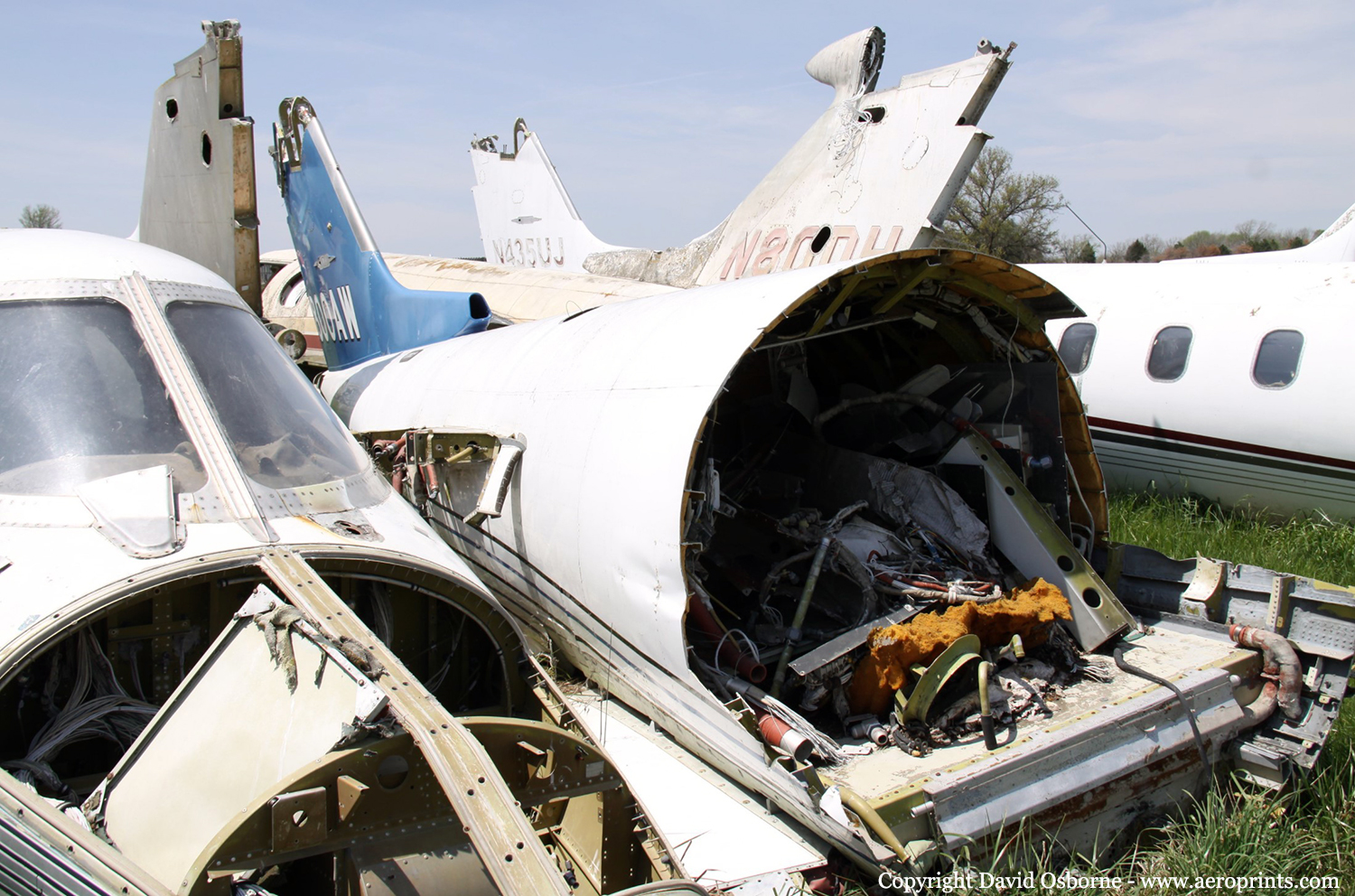
N800AW
Flight Type:
Survivors:
Yes
Schedule:
Columbus - Utica
MSN:
35-149
YOM:
1977
Location:
Crew on board:
2
Crew fatalities:
Pax on board:
0
Pax fatalities:
Other fatalities:
Total fatalities:
0
Captain / Total flying hours:
5903
Captain / Total hours on type:
2036.00
Copilot / Total flying hours:
3956
Copilot / Total hours on type:
504
Aircraft flight hours:
15331
Circumstances:
The copilot was flying an ILS approach at an airspeed of Vref plus 10 knots, and the captain made visual contact with the runway about 350 feet agl. The airplane then drifted high on the glideslope, and the copilot decreased engine power. The sink rate subsequently became too great. By the time the captain called for a go-around, the airspeed had deteriorated, and the stick shaker activated. Although power was applied for the go-around, the airplane impacted the runway in a level attitude before the engines spooled up. The airplane came to rest in snow, about 20 feet off the left side of the runway, near mid-field.
Probable cause:
The copilot's failure to maintain airspeed, and the captain's delayed remedial action, which resulted in an inadvertent stall and the subsequent hard landing.
Final Report:

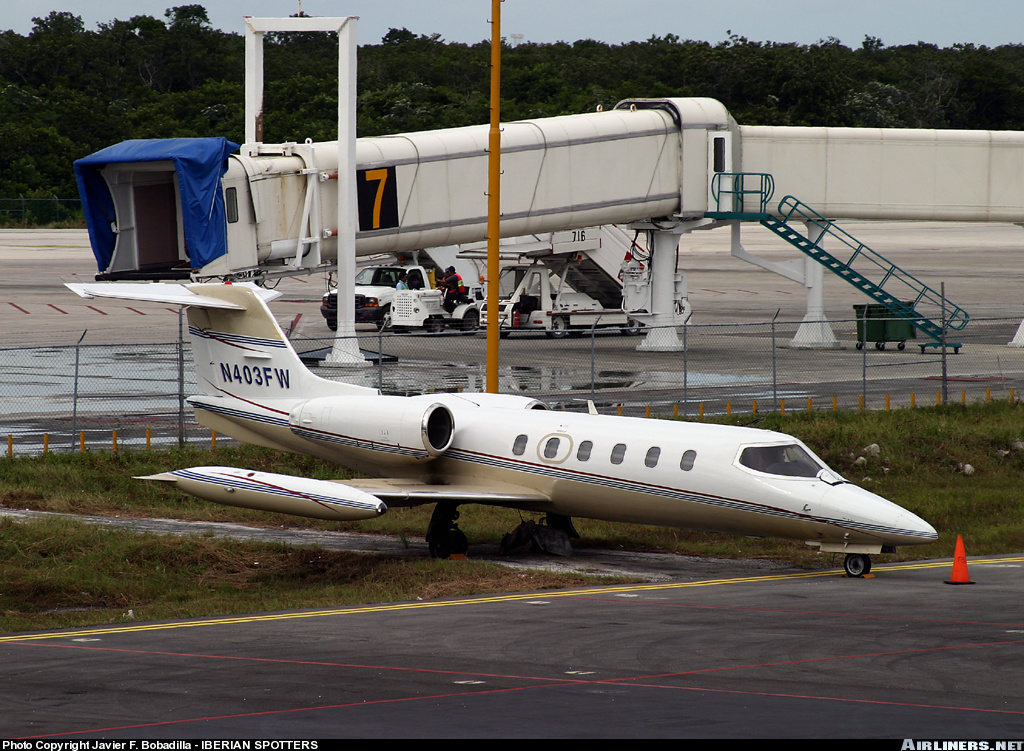
Crash of a Learjet 35A in Cancún

Date & Time: Aug 14, 2003 at 2222 LT
Type of aircraft:
Registration:
N403FW
Flight Type:
Survivors:
Yes
Schedule:
Fort Lauderdale - Cancún
MSN:
35-403
YOM:
1981
Country:
Crew on board:
2
Crew fatalities:
Pax on board:
3
Pax fatalities:
Other fatalities:
Total fatalities:
0
Aircraft flight hours:
7950
Circumstances:
On August 14, 2003, about 2222 central daylight time, a Gates LearJet Corporation 35A, N403FW, registered to Aircraft Holdings LLC, operated by Air America Flight Services, Inc., was landed with the landing gear retracted at the Cancun International Airport, Cancun, Mexico. Visual meteorological conditions prevailed at the time and an instrument flight rules flight plan was filed for the 14 CFR Part 91 positioning flight. The airplane was substantially damaged and there were no injuries to the airline transport rated pilot and copilot, nor to the three medical personnel on board the airplane. The flight originated about 2145 eastern daylight time from the Fort Lauderdale Executive Airport, Fort Lauderdale, Florida. According to the director of operations for the operator, the airplane was cleared for a visual approach to runway 12, and the flightcrew advised him they did read the landing checklist. The landing gear was down and locked as indicated by the three green lights; though they didn't recall if the landing gear was extended as evidenced by the landing lights. They also advised him of feeling fuselage to runway surface contact; the airplane slid approximately 4,000 feet before coming to rest upright. Following the occurrence, the nose of the airplane was raised and the nose landing gear was observed to be inside the wheel well. Emergency extension of the landing gear was initiated and the nose landing gear extended and locked; the main landing gear did not extend as fuselage to runway contact prevented extension of the main landing gears. The airplane was dragged from the runway where approximately 2 days later, a crane raised the airplane. At that time, the main landing gears which were in the wheel wells, extended and locked into position.

Crash of a Learjet 35A in Groton: 2 killed

Date & Time: Aug 4, 2003 at 0639 LT
Type of aircraft:
Registration:
N135PT
Flight Type:
Survivors:
No
Schedule:
Farmingdale - Groton
MSN:
35-509
YOM:
1983
Crew on board:
2
Crew fatalities:
Pax on board:
0
Pax fatalities:
Other fatalities:
Total fatalities:
2
Captain / Total flying hours:
4300
Copilot / Total flying hours:
9000
Aircraft flight hours:
9287
Circumstances:
About 5 miles west of the airport, the flightcrew advised the approach controller that they had visual contact with the airport, canceled their IFR clearance, and proceeded under visual flight rules. A witness heard the airplane approach from the east, and observed the airplane at a height consistent with the approach minimums for the VOR approach. The airplane continued over the runway, and entered a "tight" downwind. The witness lost visual contact with the airplane due to it "skimming" into or behind clouds. The airplane reappeared from the clouds at an altitude of about 200 feet above the ground on a base leg. As it overshot the extended centerline for the runway, the bank angle increased to about 90-degrees. The airplane then descended out of view. The witness described the weather to the north and northeast of the airport, as poor visibility with "scuddy" clouds. According to CVR and FDR data, about 1.5 miles from the runway with the first officer at the controls, and south of the extended runway centerline, the airplane turned left, and then back toward the right. During that portion of the flight, the first officer stated, "what happens if we break out, pray tell." The captain replied, "uh, I don't see it on the left side it's gonna be a problem." When the airplane was about 1/8- mile south of the runway threshold, the first officer relinquished the controls to the captain. The captain then made an approximate 60-degree heading change to the right back toward the runway. The airplane crossed over the runway at an altitude of 200 feet, and began a left turn towards the center of the airport. During the turn, the first officer set the flaps to 20 degrees. The airplane reentered a left downwind, about 1,100 feet south of the runway, at an altitude of 400 feet. As the airplane turned onto the base leg, the captain called for "flaps twenty," and the first officer replied, "flaps twenty coming in." The CVR recorded the sound of a click, followed by the sound of a trim-in-motion clicker. The trim-in-motion audio clicker system would not sound if the flaps were positioned beyond 3 degrees. About 31 seconds later, the CVR recorded a sound similar to a stick pusher stall warning tone. The airplane impacted a rooftop of a residential home about 1/4-mile northeast of the approach end of the runway, struck trees, a second residential home, a second line of trees, a third residential home, and came to rest in a river. Examination of the wreckage revealed the captain's airspeed indicator reference bug was set to 144 knots, and the first officer's was set to 124 knots. The flap selector switch was observed in the "UP" position. A review of the Airplane Flight Manual revealed the stall speeds for flap positions of 0 and 8 degrees, and a bank angle of 60 degrees, were 164 and 148 knots respectfully. There were no charts available to calculate stall speeds for level coordinated turns in excess of 60 degrees. The flightcrew was trained to apply procedures set forth by the airplane's Technical Manual, which stated, "…The PF (Pilot Flying) will call for flap and gear extension and retraction. The PNF (Pilot not flying) will normally actuate the landing gear. The PNF will respond by checking appropriate airspeed, repeating the flap or gear setting called for, and placing the lever in the requested position... The PNF should always verify that the requested setting is reasonable and appropriate for the phase of flighty and speed/weight combination."
Probable cause:
The first officer's inadvertent retraction of the flaps during the low altitude maneuvering, which resulted in the inadvertent stall and subsequent in-flight collision with a residential home. Factors in the accident were the captain's decision to perform a low altitude maneuver using excessive bank angle, the flight crews inadequate coordination, and low clouds surrounding the airport.
Final Report: