Country
Operator Image

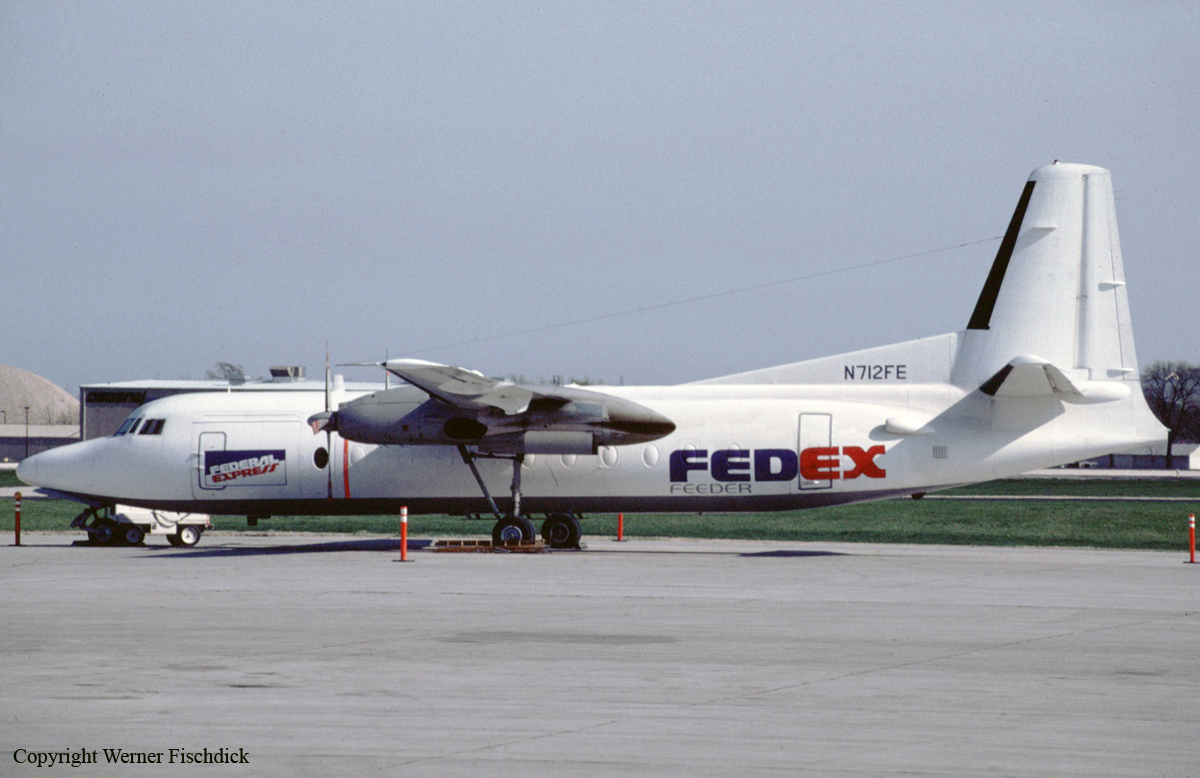
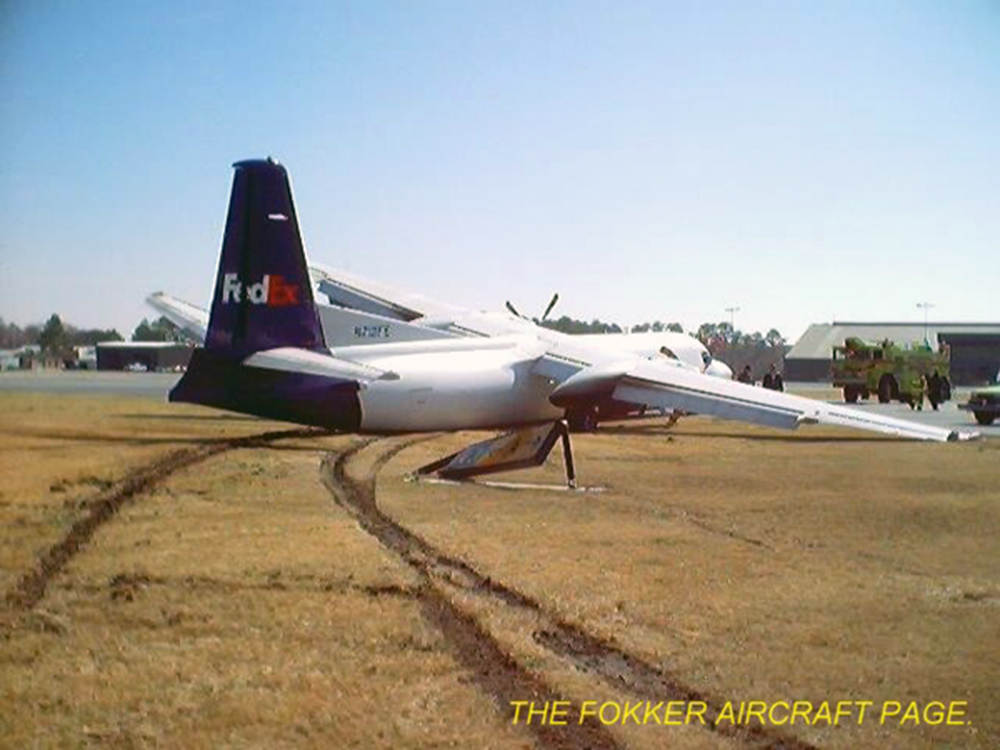
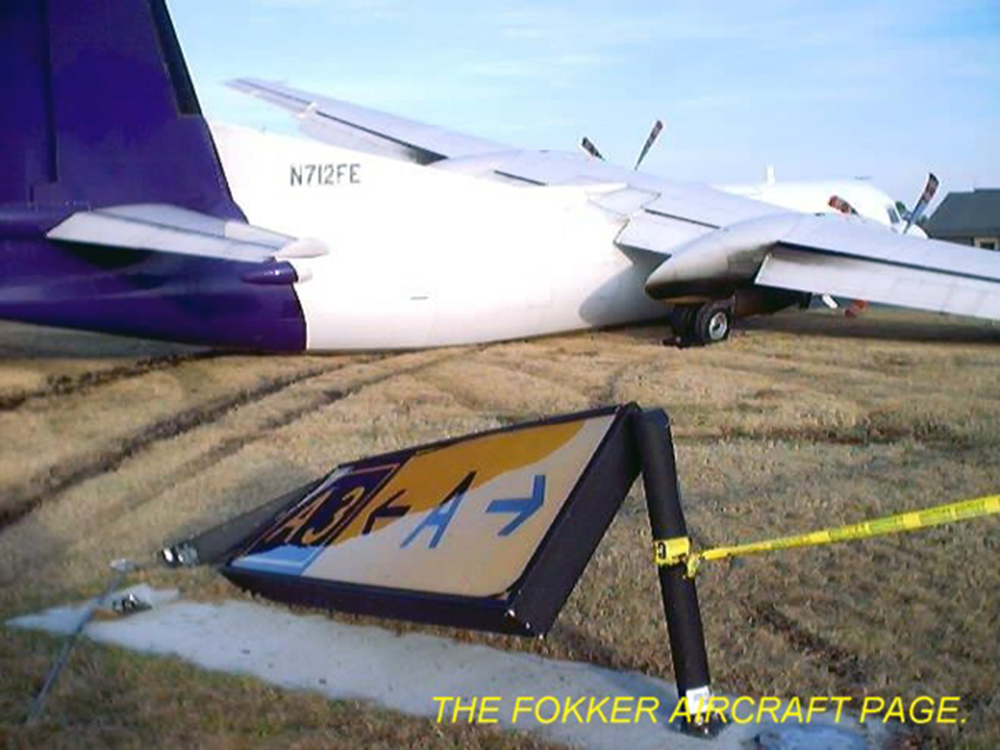
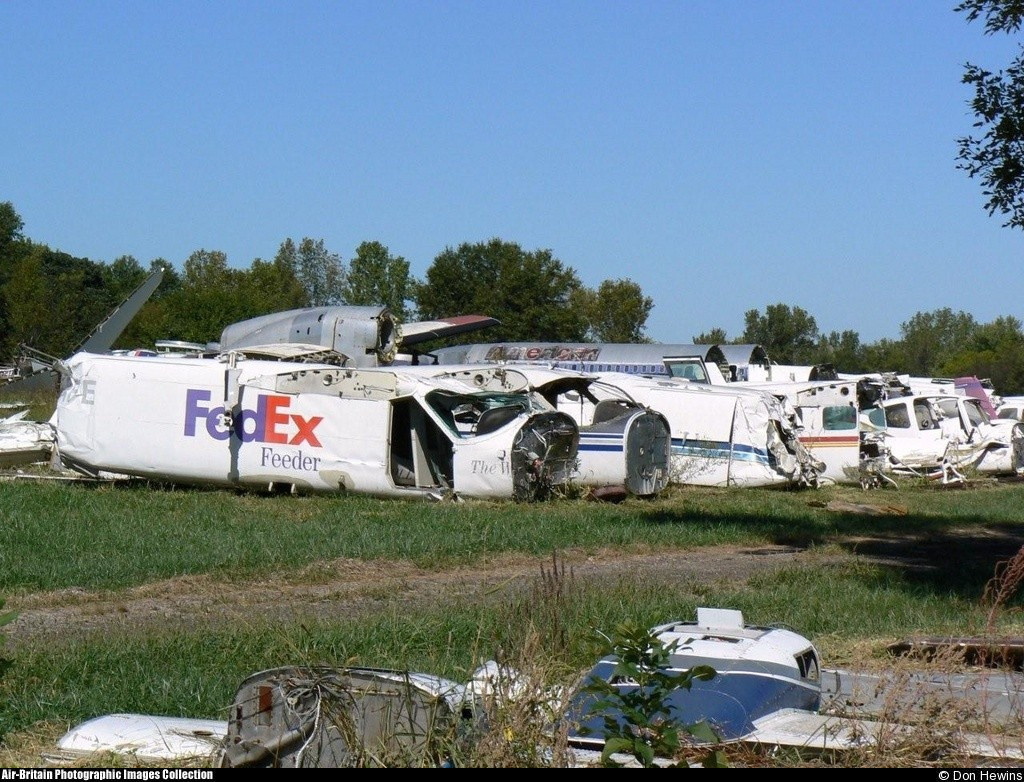
Crash of a Fokker F27 Friendship 500RF in Kinston
Date & Time:
Mar 8, 2003 at 1027 LT
Operator:
Registration:
N712FE
Survivors:
Yes
Schedule:
Greensboro - New Bern
MSN:
10613
YOM:
1981
Crew on board:
2
Crew fatalities:
Pax on board:
0
Pax fatalities:
Other fatalities:
Total fatalities:
0
Captain / Total hours on type:
1450.00
Copilot / Total hours on type:
955
Aircraft flight hours:
26665
Aircraft flight cycles:
28285
Circumstances:
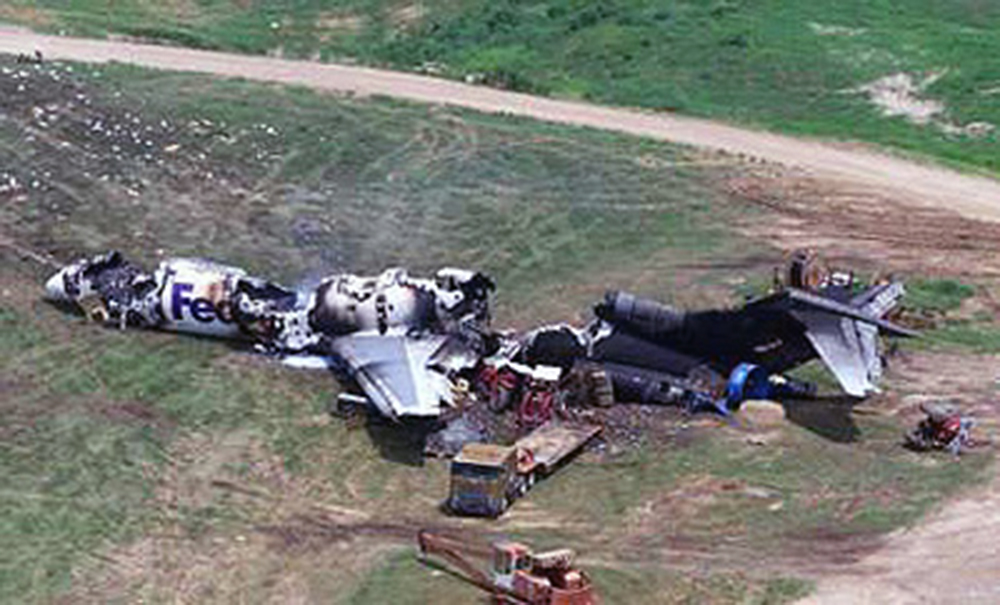
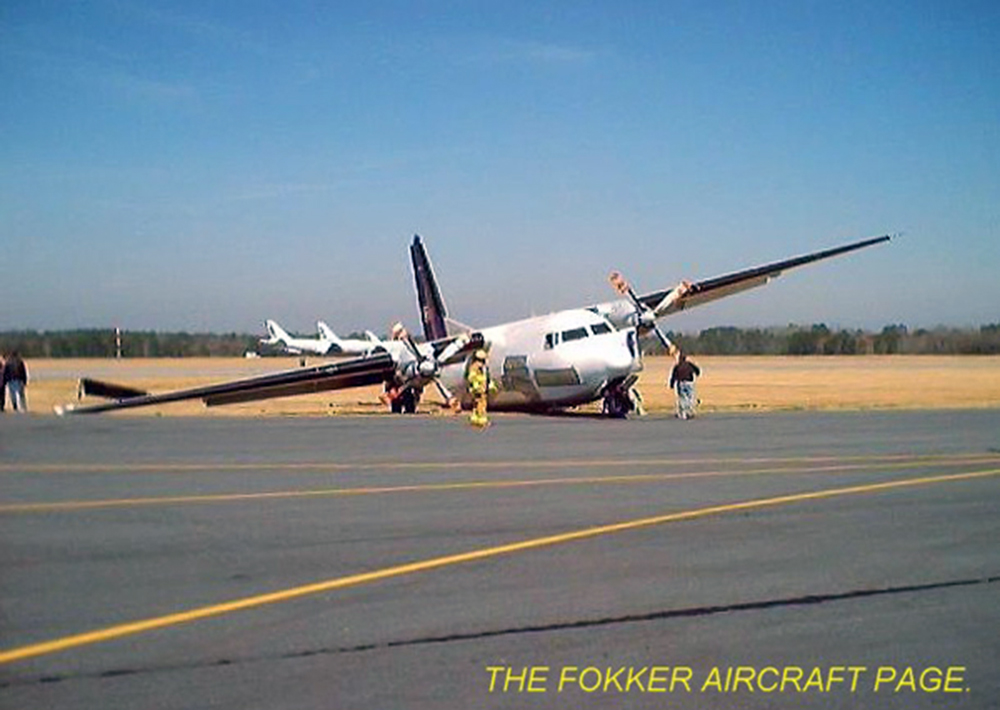
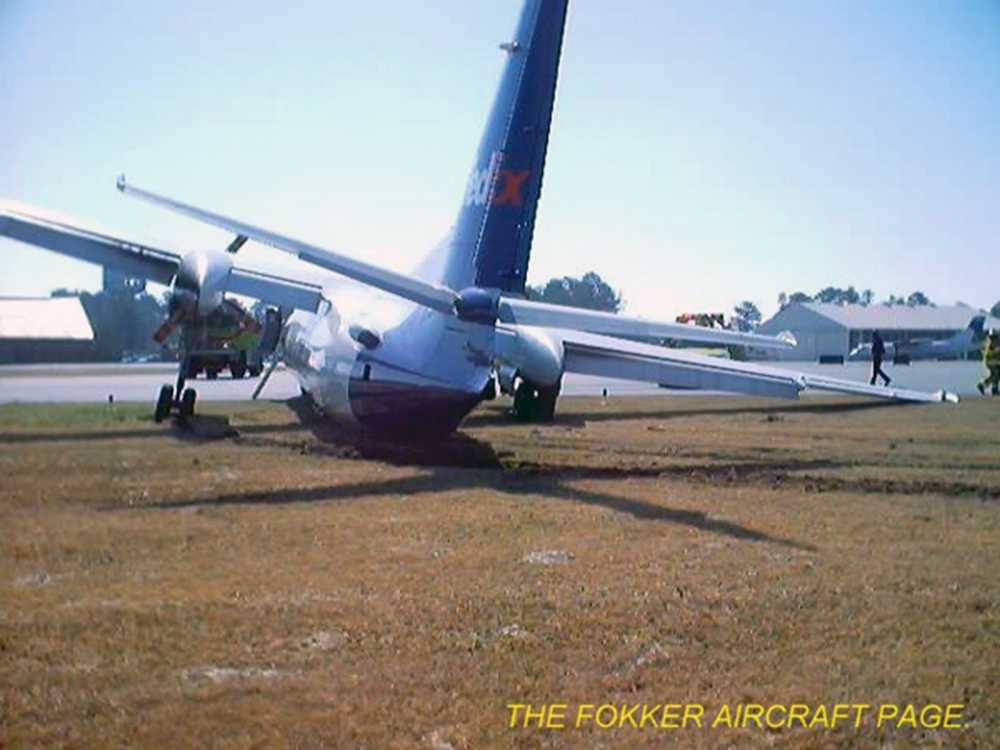
According to the pilot, an unsafe right gear indication was received during the approach, and the control tower controller confirmed the right gear was not fully extended. On landing roll the right main landing gear collapsed and the airplane slid off of the runway. Examination of the right main landing gear revealed the drag brace was fractured. The fracture was located at the lower side of a transition from a smaller internal diameter on the upper piece to a larger internal diameter on the lower piece. The region of the fracture surface was flat and perpendicular to the tube longitudinal axis. The region had a smooth, curving boundary, also consistent with fatigue. The fatigue features emanated from multiple origins at the inner surface of the tube. The Federal Aviation Administration (FAA) issued an Airworthiness Directive (AD) requiring an inspections of main landing gear drag stay units. The AD was prompted by the fracture of a drag stay tube from fatigue cracking that initiated from an improperly machined transition radius at the inner surface of the tube. According to Fokker ,the Fokker F27 Mark 500 airplanes (such as the incident airplane) were not equipped with drag stay units having part number 200261001, 200485001, or 200684001. One tube, part number 200259300, had a change in internal diameter (stepped bore), and the other tube, part number 200485300, had a straight internal bore. AD 97-04-08 required an ultrasonic inspection to determine if the installed tube had a straight or stepped bore. A review of maintenance records revealed that the failed drag stay tube had accumulated 28, 285 total cycles.
Probable cause:
The fatigue failure of the main drag stay tube. A factor is no inspection procedure required.
Final Report:
Crash of a Cessna 208B Super Cargomaster in San Angelo
Date & Time:
Jan 24, 2003 at 1015 LT
Operator:
Registration:
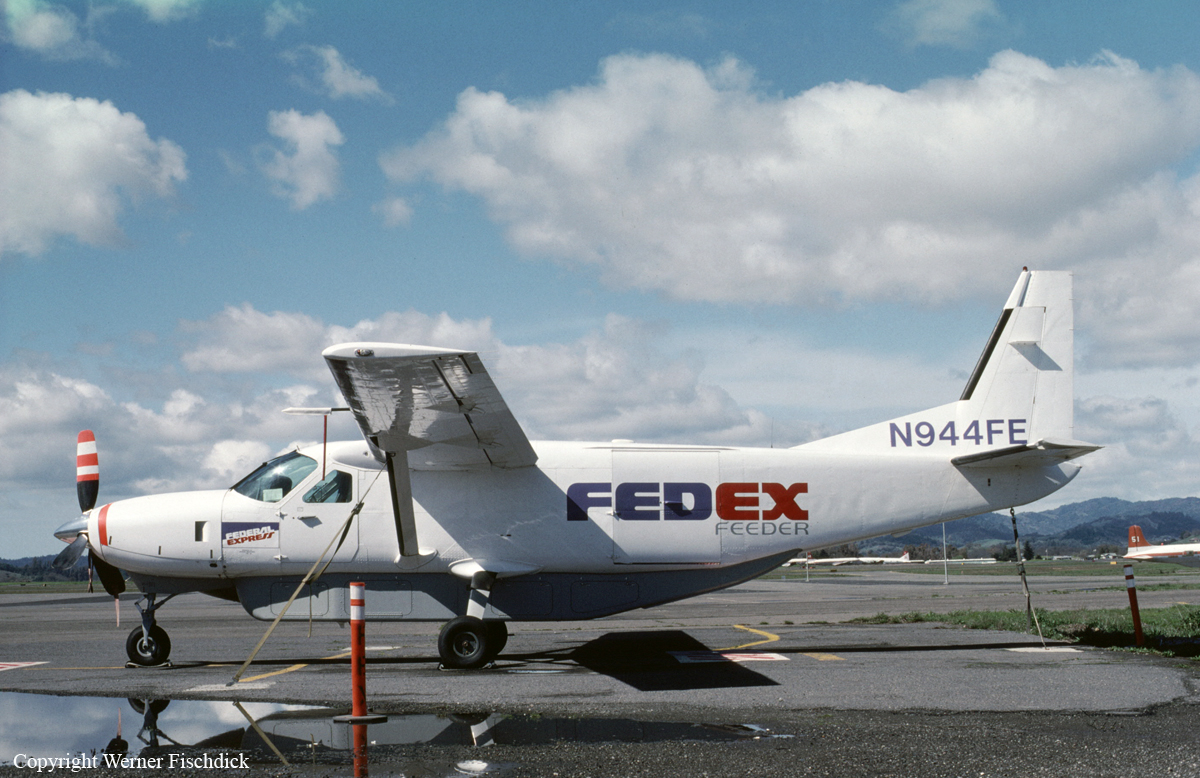
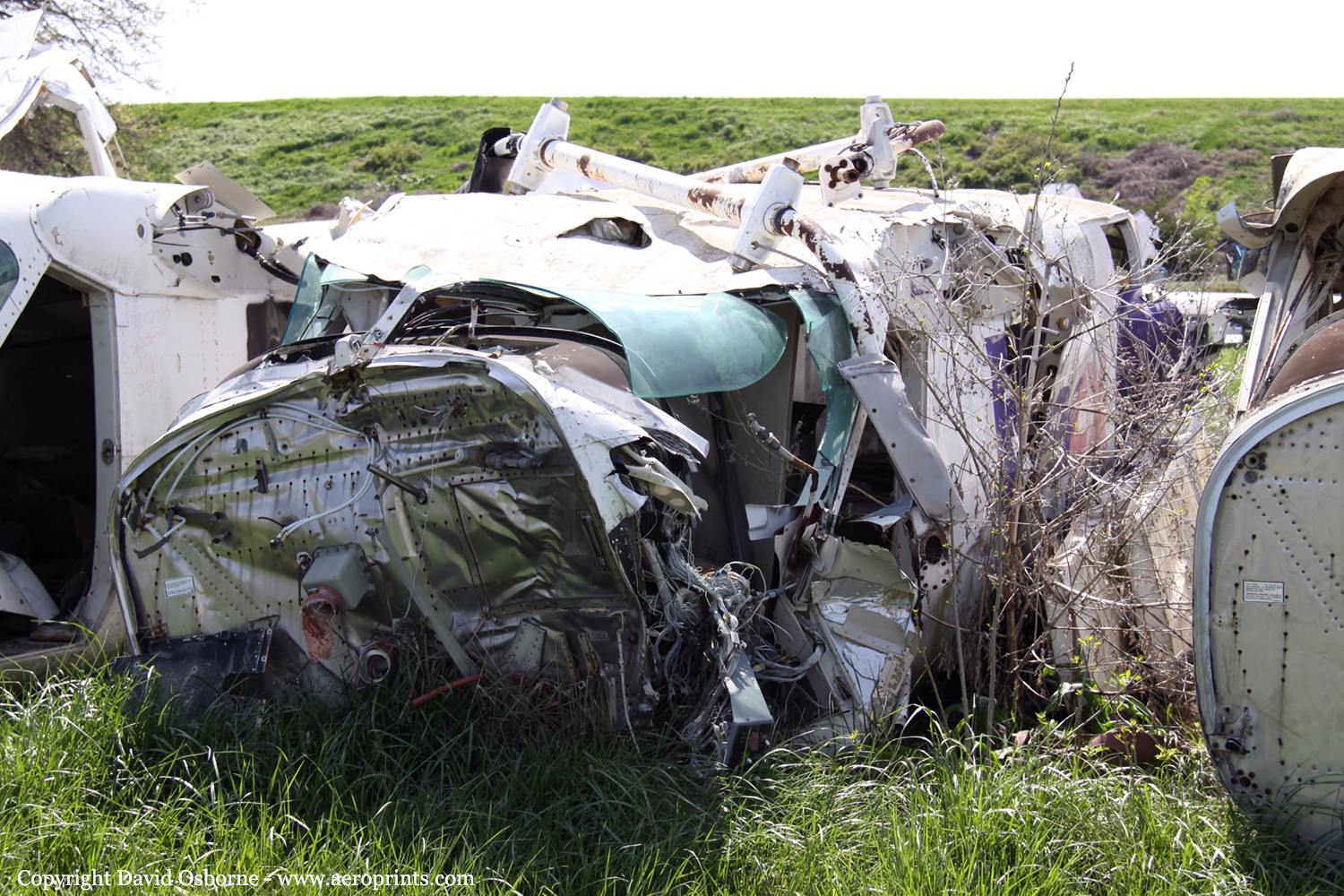
N944FE
Survivors:
Yes
Schedule:
San Angelo - San Angelo
MSN:
208B-0044
YOM:
1987
Crew on board:
2
Crew fatalities:
Pax on board:
0
Pax fatalities:
Other fatalities:
Total fatalities:
0
Aircraft flight hours:
7503
Circumstances:
The airplane impacted a dirt field and a power line following a loss of control during a simulated engine failure while on a Part 135 proficiency check flight. Both pilots were seriously injured and could not recall any details of the flight after the simulated engine failure. Witnesses observed the airplane flying on a westerly heading at an altitude of 100 to 200 feet, and descending. They heard the sound of an engine “surging” and observed the airplane’s wings bank left and right. The airplane continued to descend and impacted the ground and power lines before becoming inverted. A pilot-rated witness reported that he observed about ¼ inch of clear and rime ice on the airplane’s protected surfaces (deice boots) and about ½ inch of ice on the airplane’s unprotected surfaces. An NTSB performance study of the accident flight based on radar data indicated that the airplane entered a descent rate of 1,300 feet per minute (fpm) about 1,100 feet above the ground. This rate of descent was associated with a decrease in airspeed from 130 knots to 92 knots over a span of 30 seconds. The airplane’s rate of descent leveled off at the 1,300 fpm rate for 45 seconds before increasing to a 2,000 fpm descent rate. The true airspeed fluctuated between a low of 88 knots to 102 knots during the last 45 seconds of flight. According to the aircraft manufacturer, the clean, wing flaps up stall speed was 78 knots. However, after a light rime encounter, the Pilot’s Operating Handbook (POH) instructed pilots to maintain additional airspeed (10 to 20 KIAS) on approach “to compensate for the increased pre-stall buffet associated with ice on the unprotected areas and the increased weight.” With flaps up, a minimum approach speed of 105 KIAS was recommended. The POH also stated that a significantly higher airspeed should be maintained if ½ inch of clear ice had accumulated on the wings.
Probable cause:
The flight crew's failure to cycle the deice boots prior to conducting a simulated forced landing and their failure to maintain adequate airspeed during the maneuver, which resulted in an inadvertent stall and subsequent loss of control. A contributing factor was the ice accumulation on the leading edges of the airfoils.
Final Report:
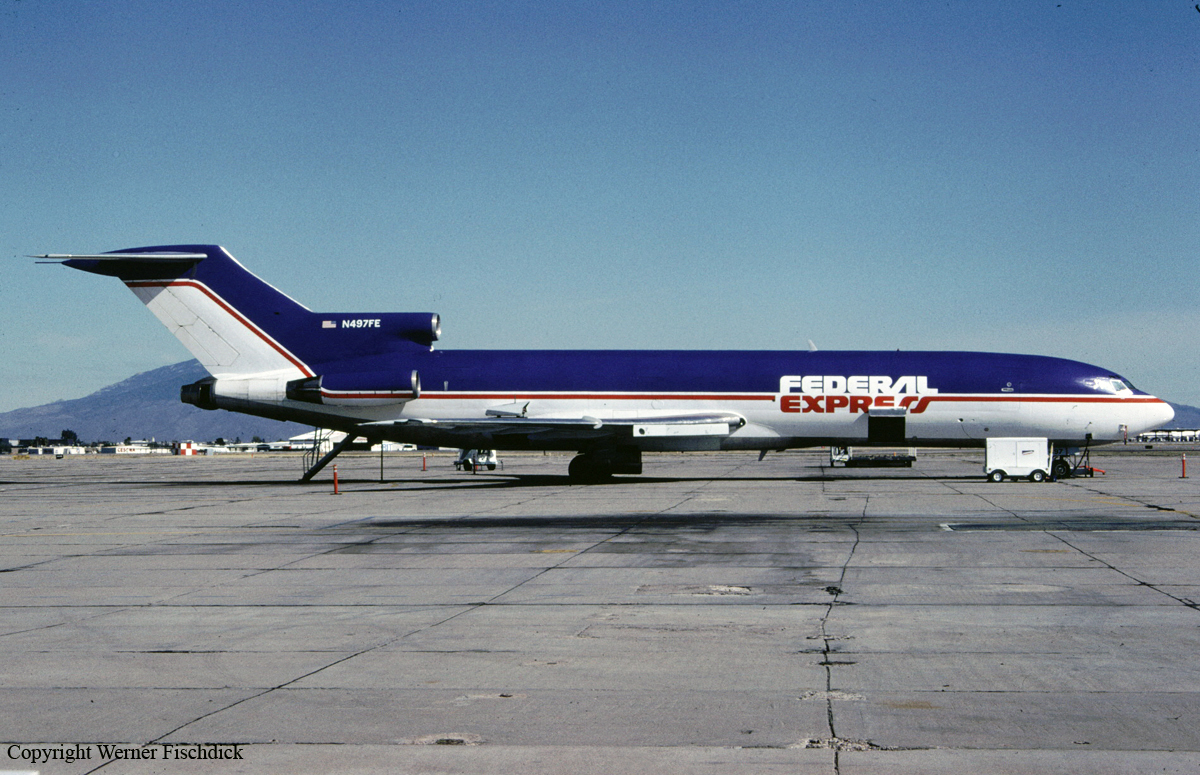
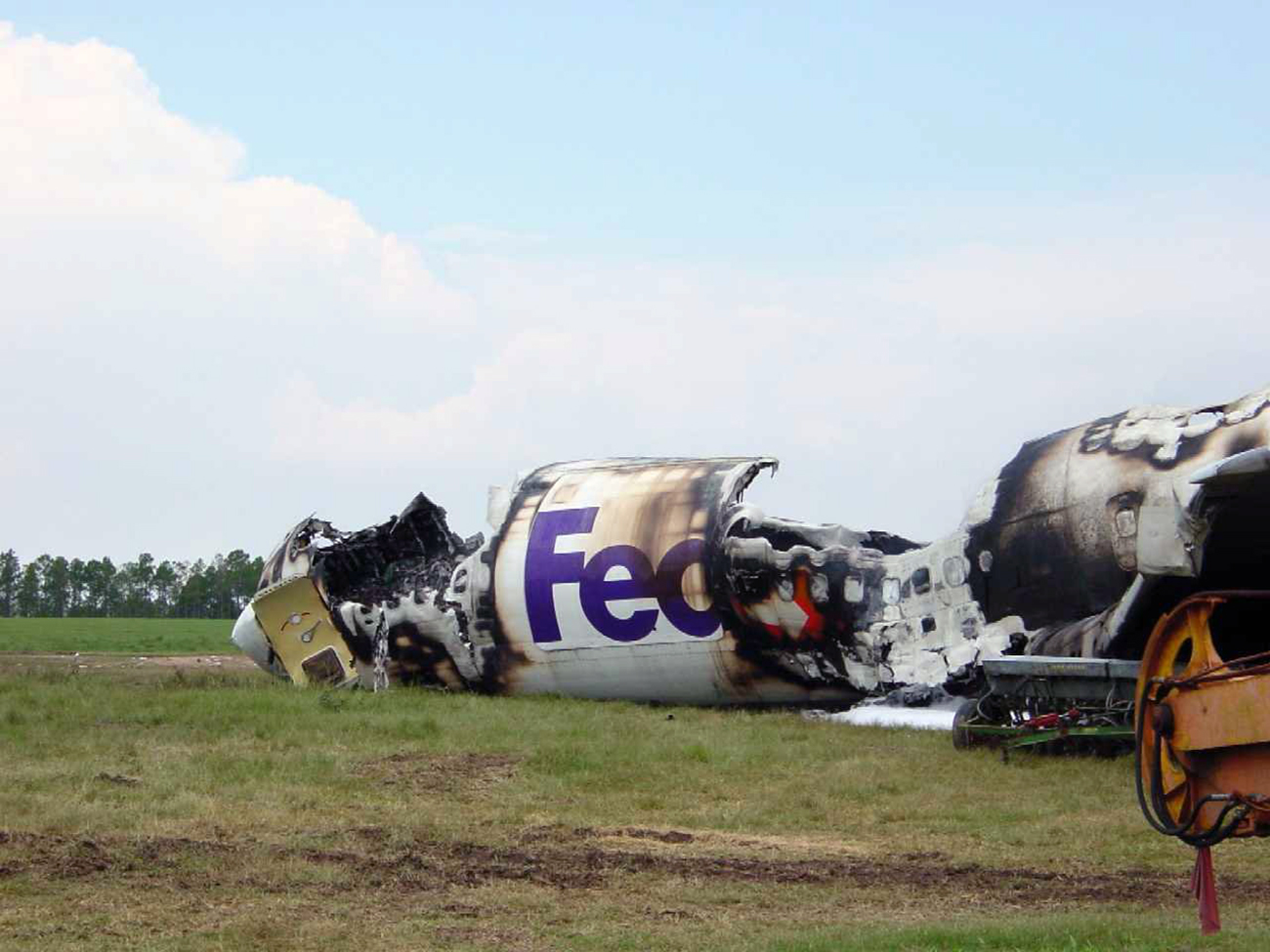
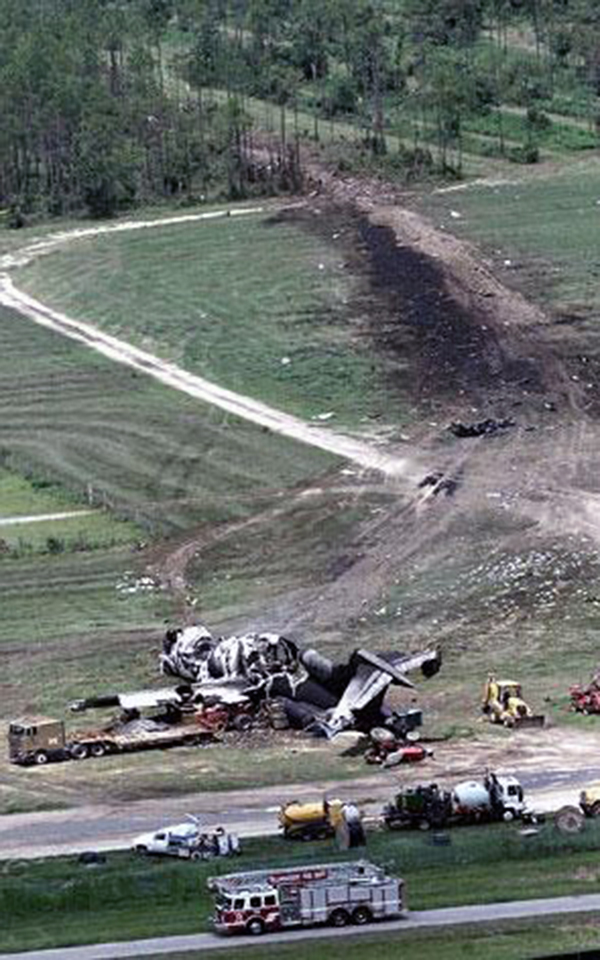
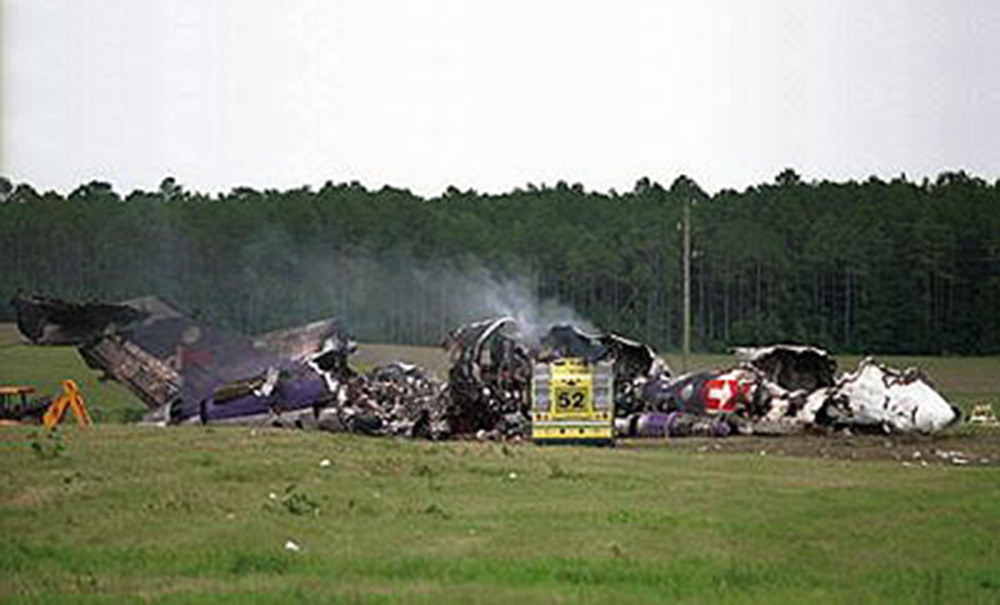
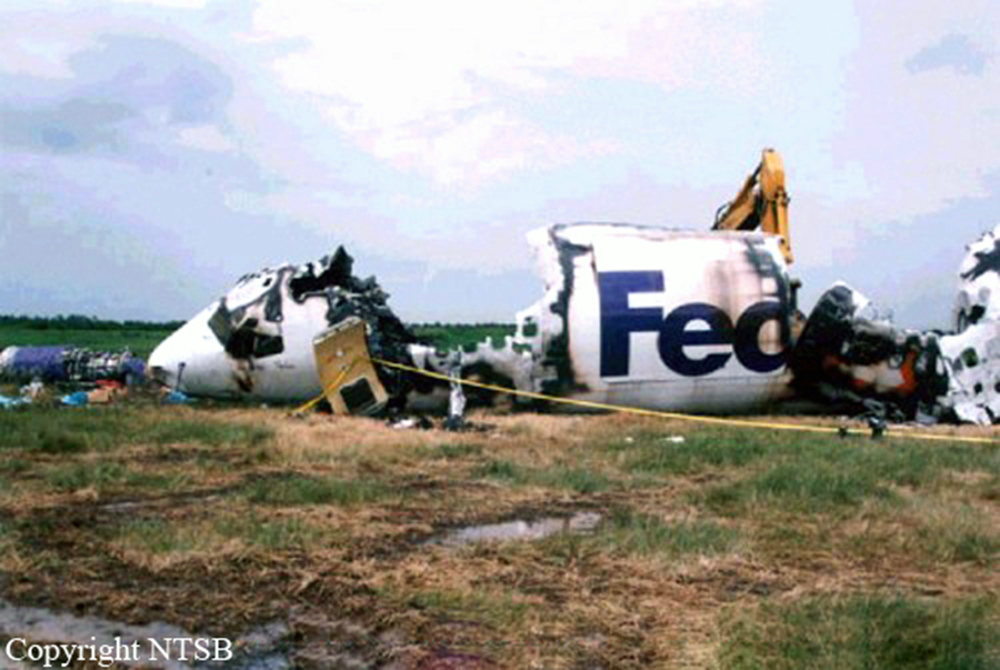
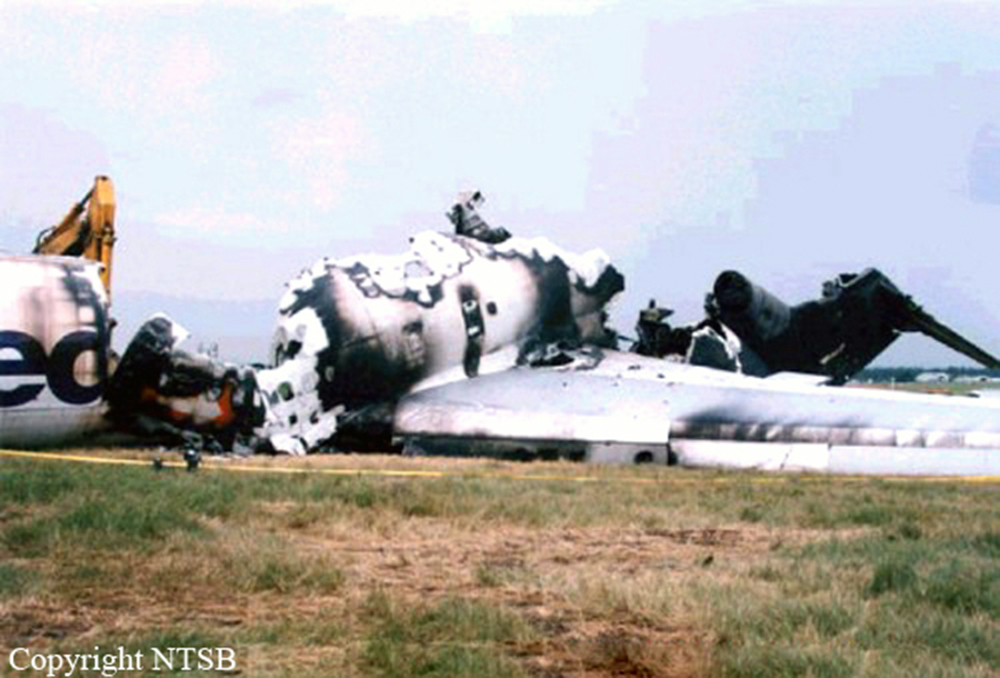
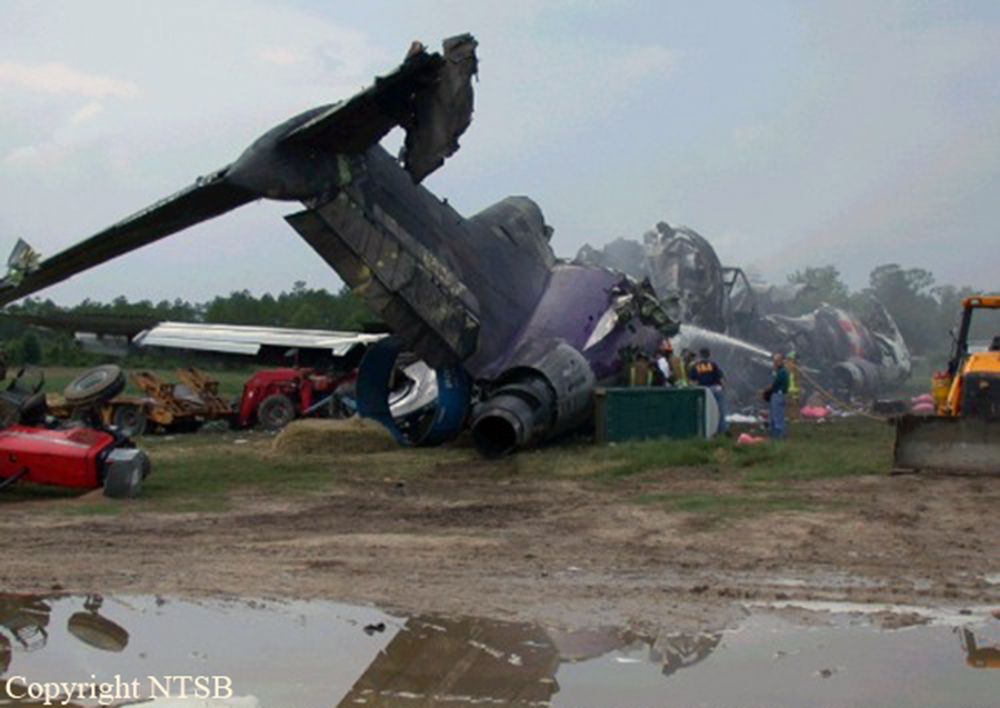
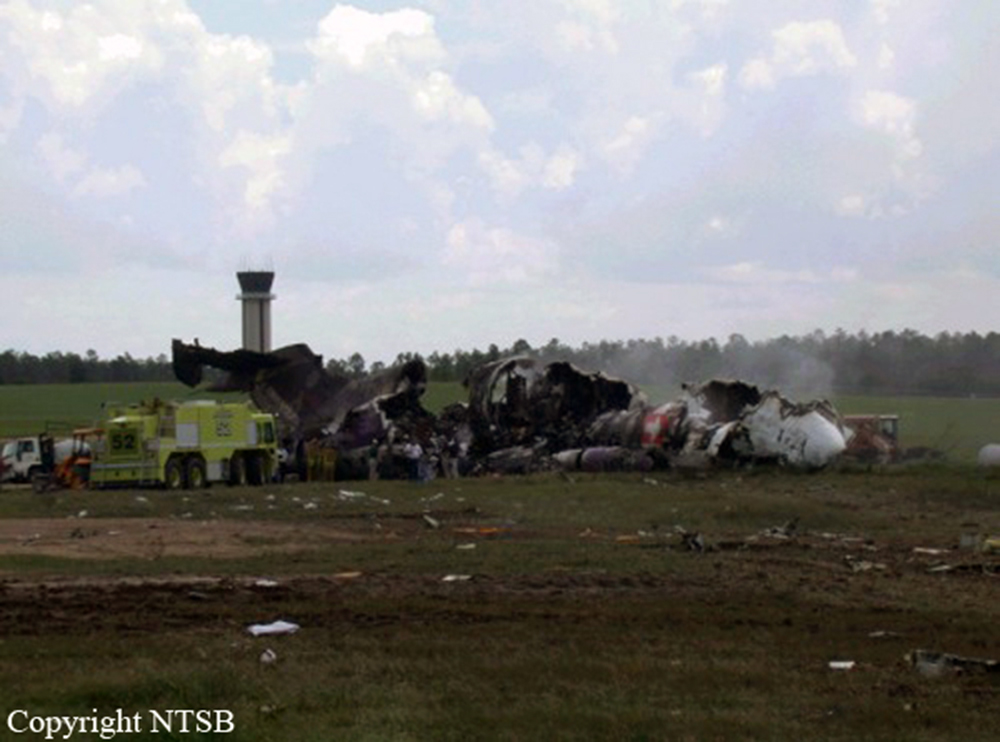
Crash of a Boeing 727-232AF in Tallahassee
Date & Time:
Jul 26, 2002 at 0537 LT
Operator:
Registration:
N497FE
Survivors:
Yes
Schedule:
Memphis - Tallahassee
MSN:
20866
YOM:
1974
Flight number:
FDX1478
Crew on board:
3
Crew fatalities:
Pax on board:
0
Pax fatalities:
Other fatalities:
Total fatalities:
0
Captain / Total hours on type:
2754.00
Copilot / Total hours on type:
1983
Aircraft flight hours:
37980
Aircraft flight cycles:
23195
Circumstances:
On July 26, 2002, about 0537 eastern daylight time, Federal Express flight 1478, a Boeing 727-232F, N497FE, struck trees on short final approach and crashed short of runway 9 at the Tallahassee Regional Airport (TLH), Tallahassee, Florida. The flight was operating under the provisions of 14 Code of Federal Regulations Part 121 as a scheduled cargo flight from Memphis International Airport, in Memphis, Tennessee, to TLH. The captain, first officer, and flight engineer were seriously injured, and the airplane was destroyed by impact and resulting fire. Night visual meteorological conditions prevailed for the flight, which operated on an instrument flight rules flight plan.
Probable cause:
The captain’s and first officer’s failure to establish and maintain a proper glidepath during the night visual approach to landing. Contributing to the accident was a combination of the captain’s and first officer’s fatigue, the captain’s and first officer’s failure to adhere to company flight procedures, the captain’s and flight engineer’s failure to monitor the approach, and the first officer’s color vision deficiency.
Final Report: