Crash of a BAe Nimrod MR.2 off RAF Lossiemouth

Date & Time: May 16, 1995
Type of aircraft:
Operator:
Registration:
XW666
Flight Phase:
Flight Type:
Survivors:
Yes
Schedule:
Kinloss - Kinloss
MSN:
8041
YOM:
1970
Region:
Crew on board:
7
Crew fatalities:
Pax on board:
0
Pax fatalities:
Other fatalities:
Total fatalities:
0
Circumstances:
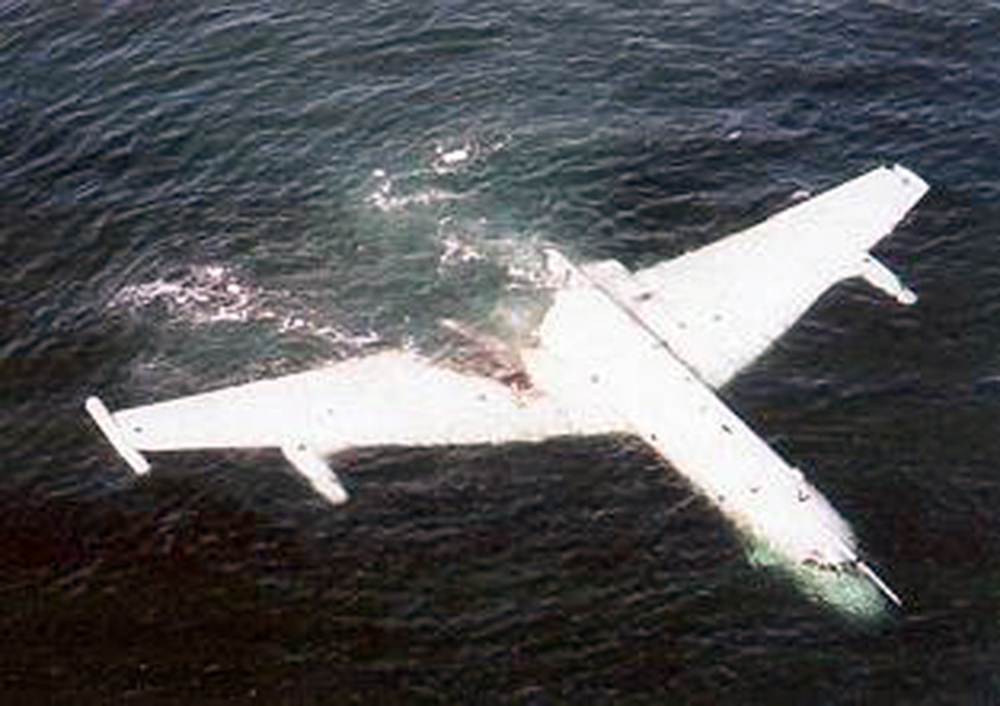
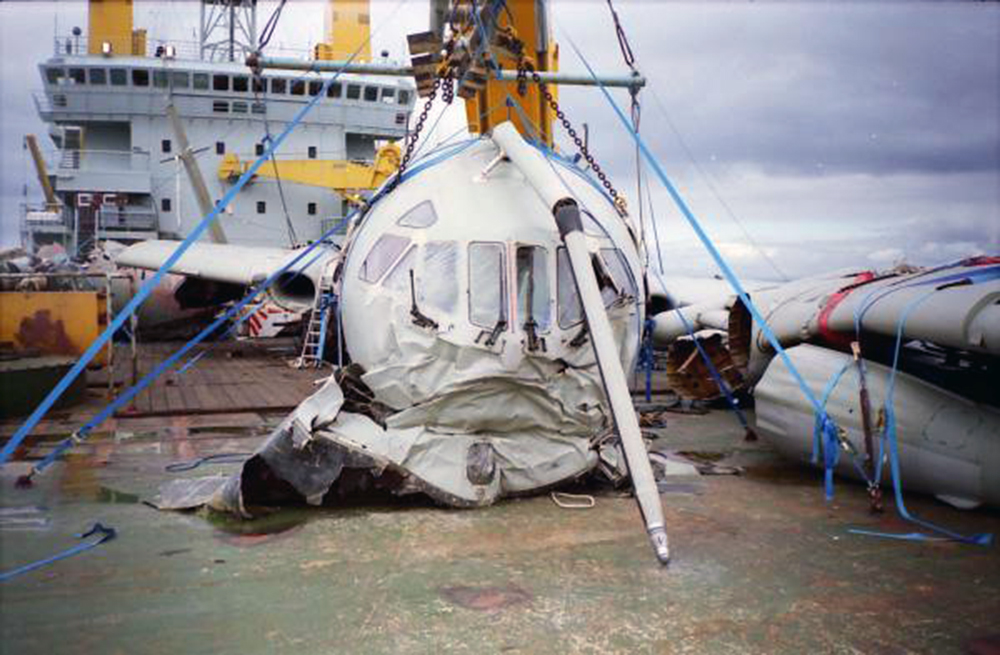
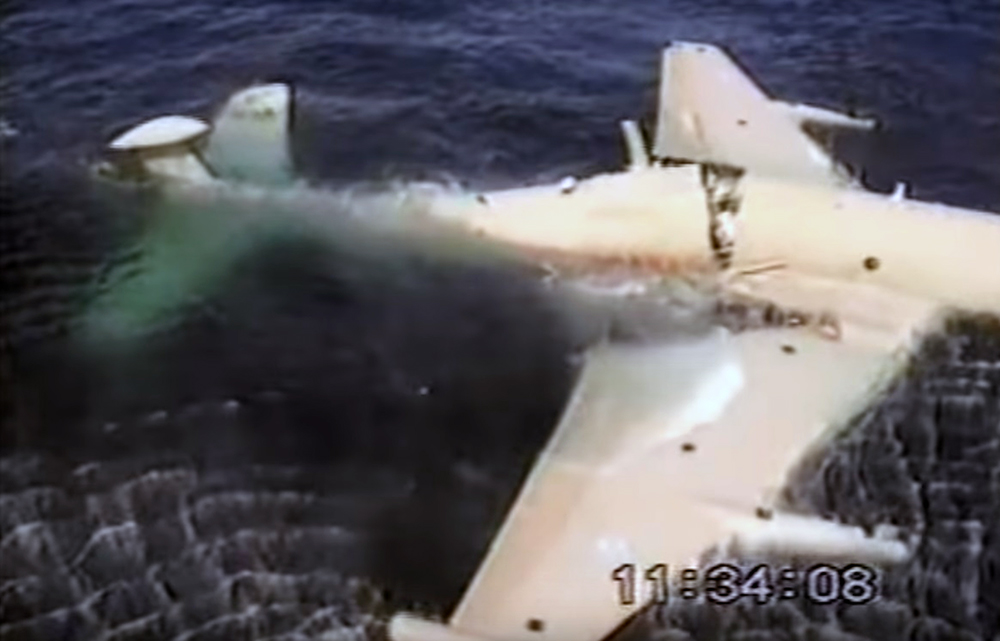
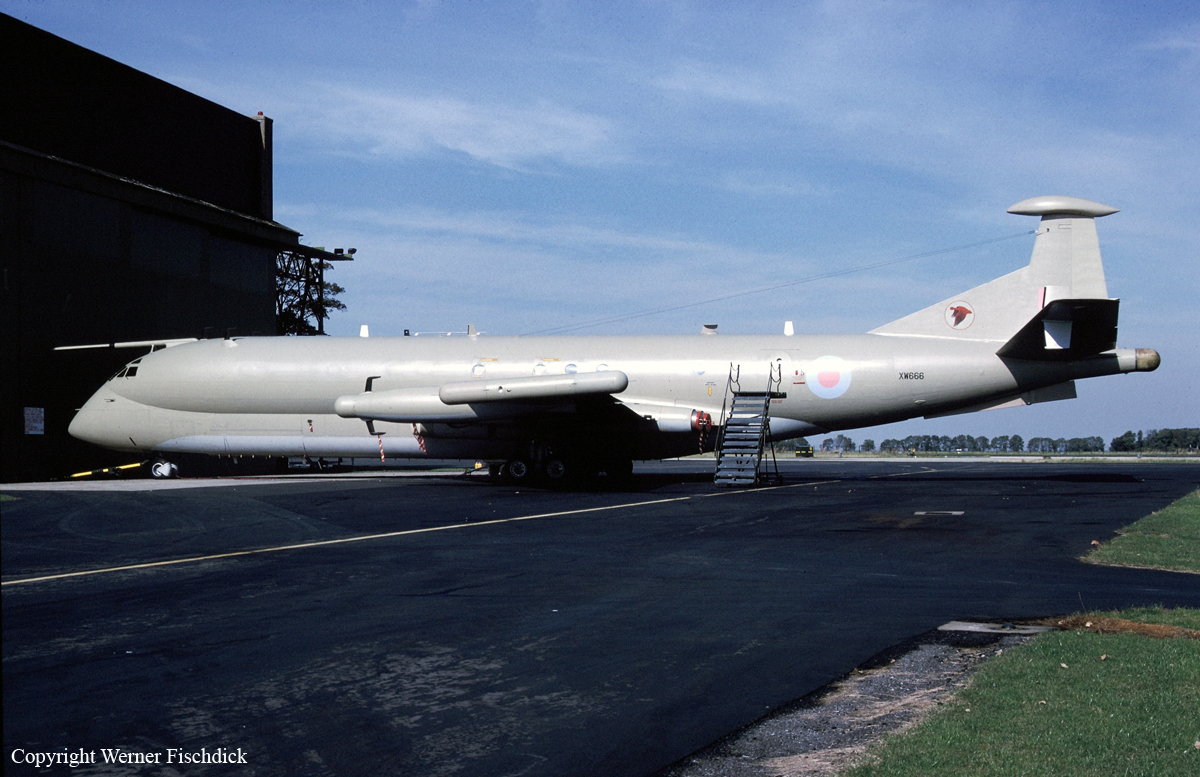
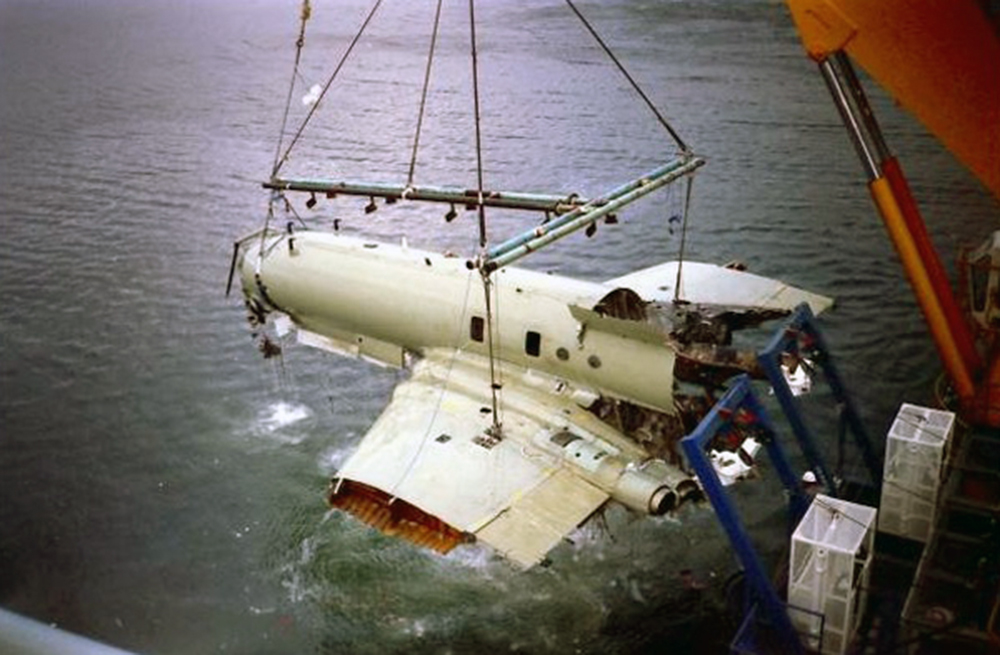
The aircraft was one of three Nimrod reconnaissance variants and had just undergone a major servicing at the Nimrod Major Servicing Unit (NMSU), RAF Kinloss by RAF maintenance personnel. Nimrod XW666 departed on a routine post-servicing airtest. After approximately 35 minutes of flight, following a test of the aircraft's anti-icing system, the No 4 engine fire warning illuminated. Whilst the crew were carrying out the fire drill, the No 3 engine fire warning also illuminated. A rear crew member confirmed that the aircraft was on fire and advised the captain that panels were falling away from the starboard wing. After two explosions, the captain feared for the structural integrity of the aircraft and decided to ditch before he lost control authority. Without the aid of flaps, which failed to operate because of a fire/associated hydraulic failure, he completed a controlled ditching into the Moray Firth. The aircraft bounced twice onto the sea before settling. The fuselage broke into two and the aircraft subsequently sank. Parts were salvaged and the cockpit section is now on display at AeroVenture South Yorkshire Aircraft Museum in Doncaster.
Probable cause:
With the assistance of the Department of Transport's Air Accident Investigation Branch, the Inquiry established that despite the correct application of maintenance procedures, the DC electrical loom attached to No 4 engine had sustained mechanical damage, although it could not be positively determined how or when. Arcing occurred when the engine anti-icing system was switched on and this led to initiation of the air starter system. With the No 4 engine already running at idle as part of the overall airtest there was no load on the starter turbine, which quickly ran up to high speed. The nut holding the turbine disk in place failed, allowing the disk to move back on its shaft and out of its protective housing. It then struck the engine bypass casing and the No 2 fuel tank, puncturing both. The resultant fuel leak was ignited either by electrical arcing within the faulty DC loom or by the heat of the engine. The fire spread rapidly to the wing area and forward to the engine intake area. The Inquiry concluded that a sequence of technical difficulties led to the uncontained fire.
Crash of an Avro 696 Shackleton near Tarbert: 10 killed

Date & Time: Apr 30, 1990 at 1137 LT
Type of aircraft:
Operator:
Registration:
WR965
Flight Phase:
Flight Type:
Survivors:
No
Site:
Schedule:
Lossiemouth - Benbecula
YOM:
1954
Region:
Crew on board:
10
Crew fatalities:
Pax on board:
0
Pax fatalities:
Other fatalities:
Total fatalities:
10
Circumstances:
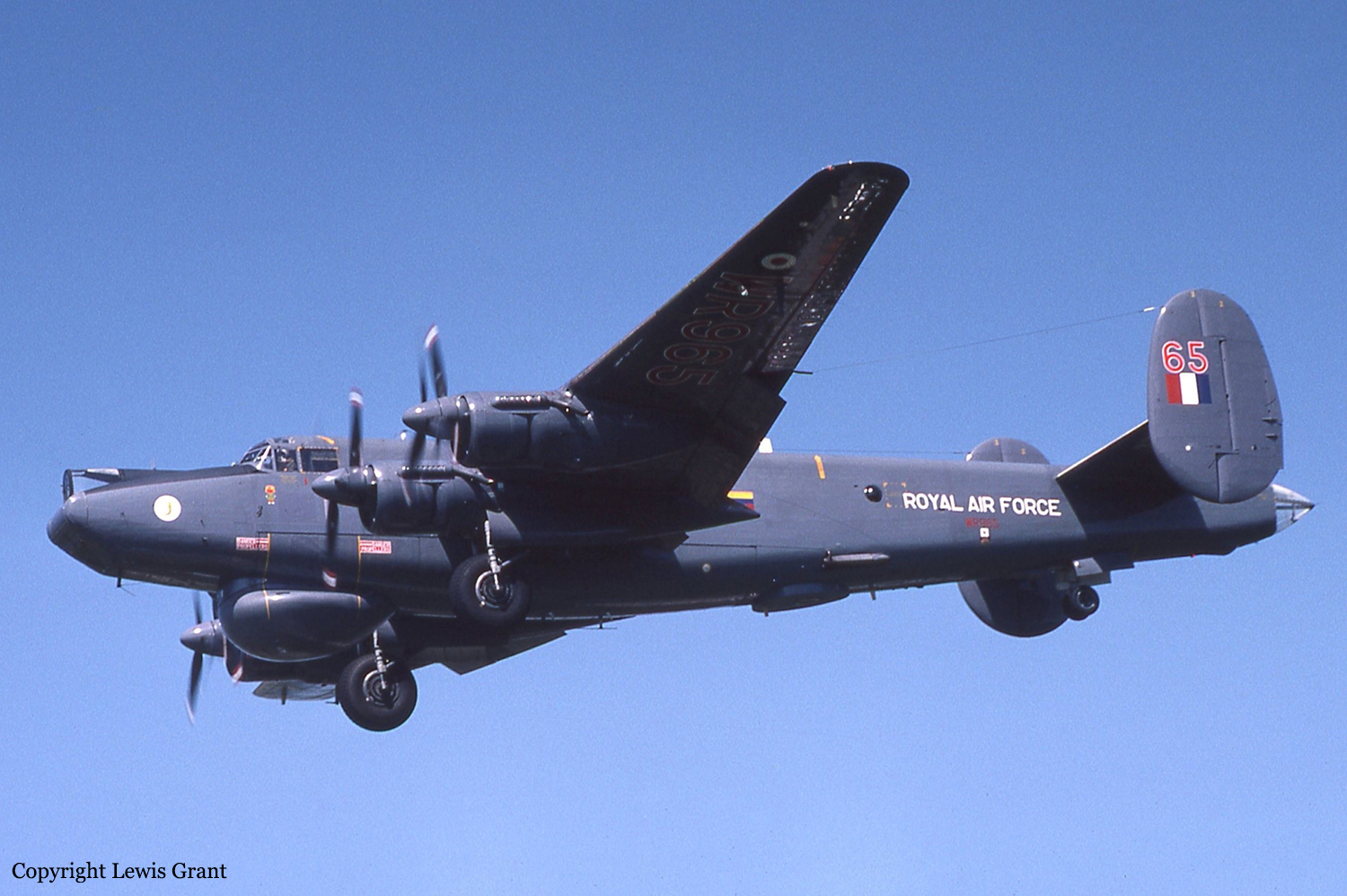
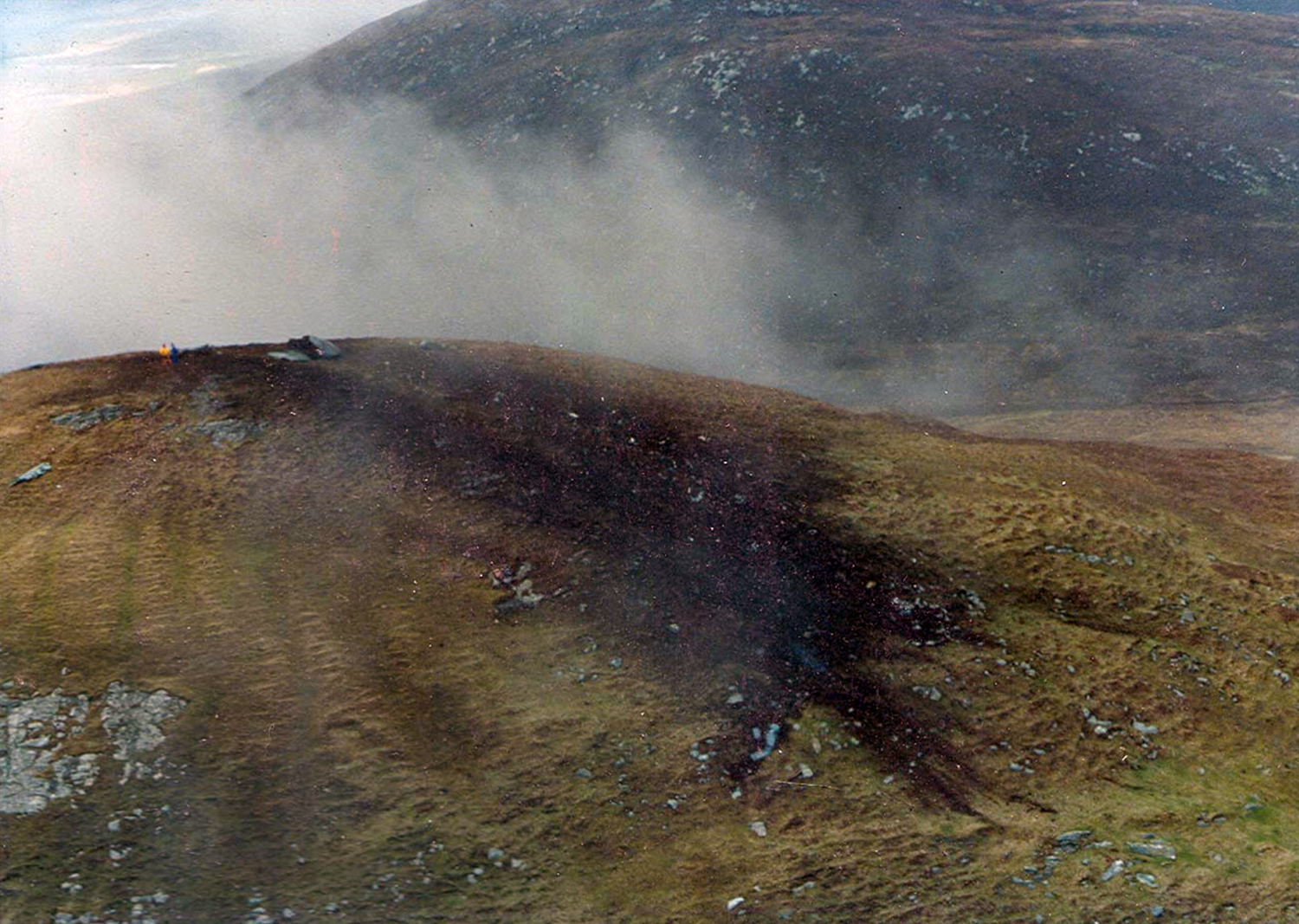
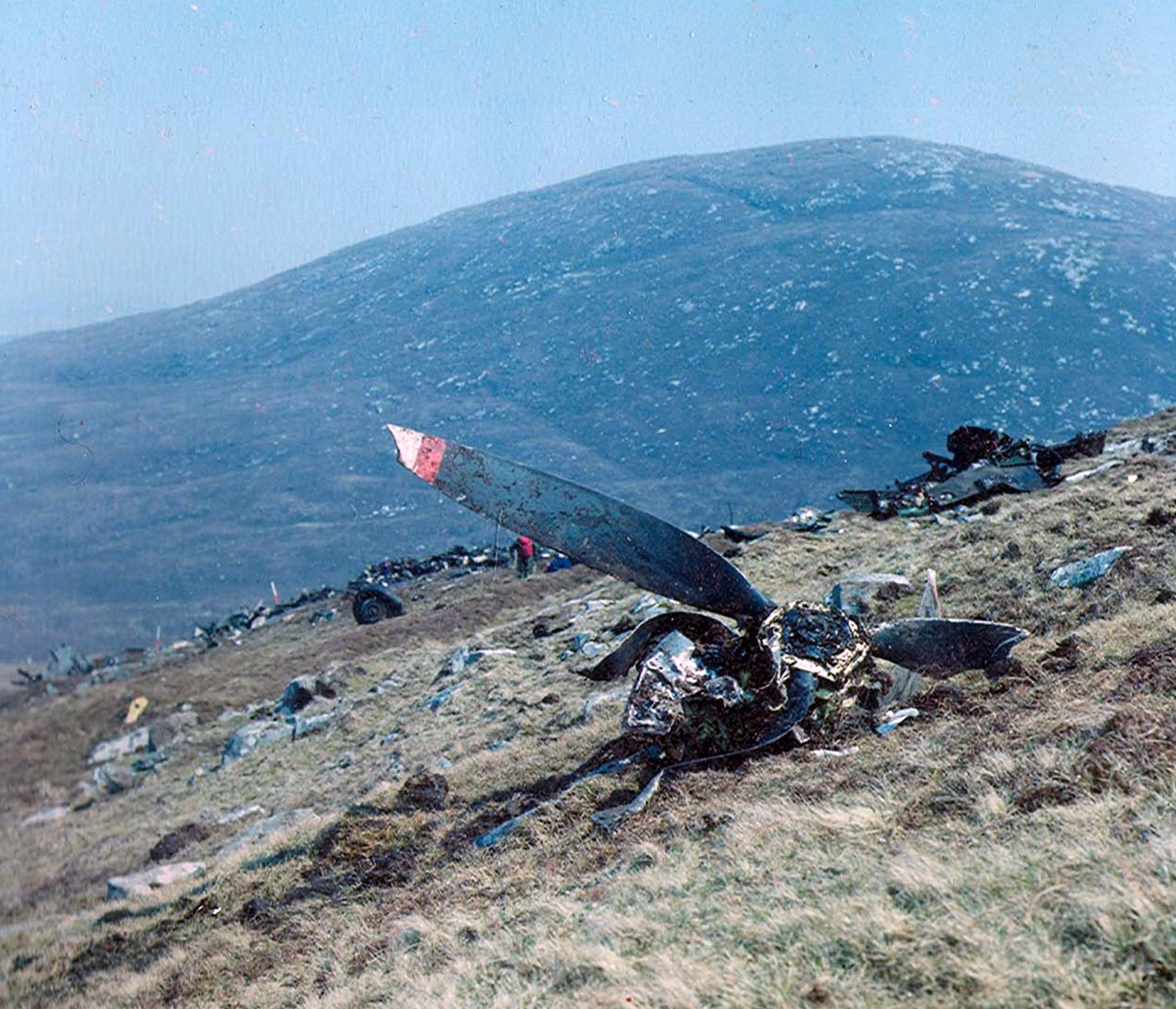
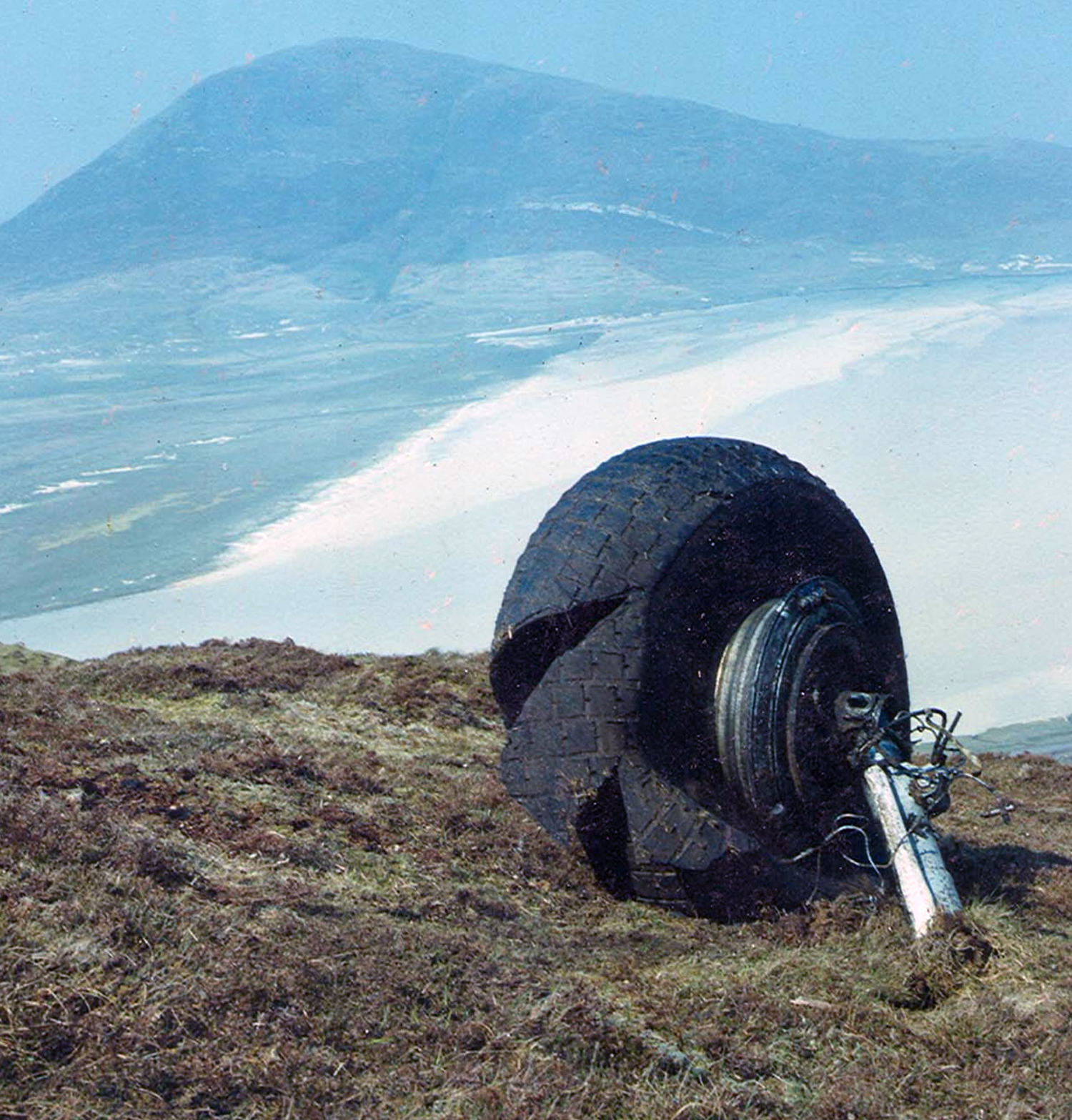
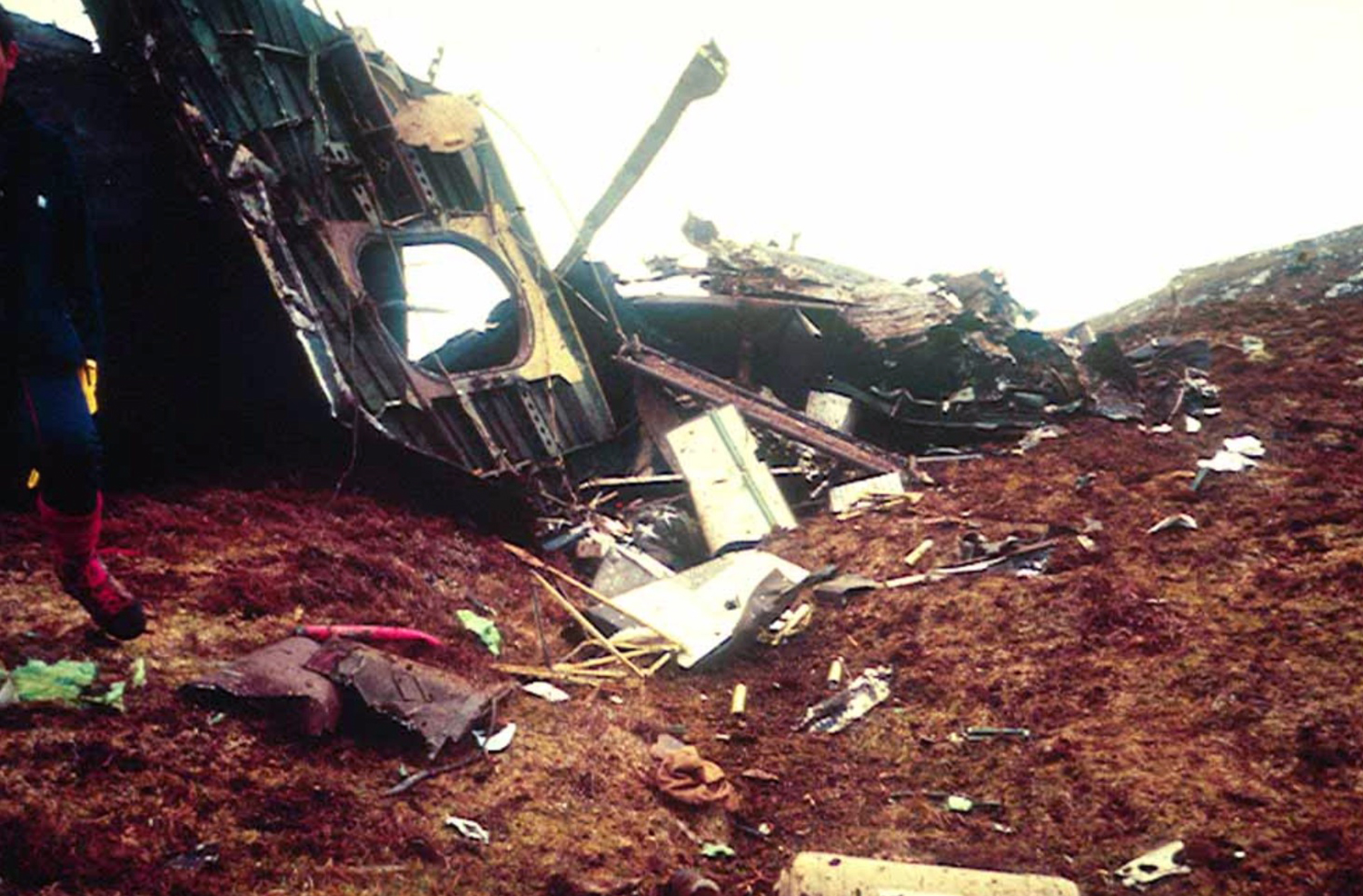
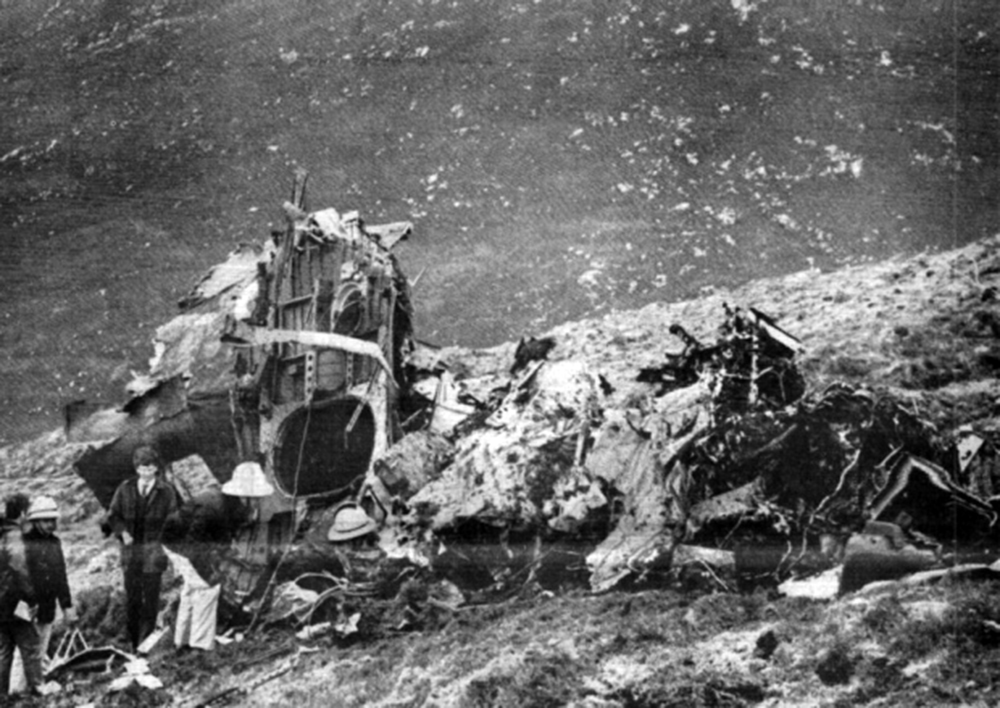
On the morning of 30 April 1990, the crew of Shackleton AEW2 WR965 took off from RAF Lossiemouth to participate in a maritime exercise in the Benbecula area to the west of mainland Scotland. The exercise was to be in two parts with a time interval between. To make most economical use of the Shackleton's flying time it was intended to utilise the time interval to undertake some continuation training for which the crew had appropriate authorisation. Although the weather was forecast to be generally clear in the aircraft's operating area there were areas of low cloud and poor visibility over Scottish coastal areas. The first part of the sortie was completed without incident and at 09:45 UTC the crew took the opportunity to participate with a Tornado F3 in mutual training which required the Shackleton's radar to be set to standby/off. After completing this training, the crew commenced their own continuation training which was to include a visual approach to Benbecula airfield. The crew contacted Benbecula Air Traffic Control (ATC) at 10:25 UTC requesting permission for an approach, stating that they were about 20 miles west of the airfield; permission was given and Benbecula ATC passed their actual weather to the crew. Subsequent investigation determined, however, that the aircraft was actually 15 miles north of the position which it had reported at this time. At 10:30 two RAF personnel saw the Shackleton orbiting an island some 12 miles to the north of Benbecula airfield, and at 10:34 the Shackleton crew called Benbecula ATC stating that the weather was not sufficiently good for an approach and that they were turning right and climbing. At around 10:37 it struck the ground about 30 ft below the summit of an 823 ft hill on the Isle of Harris. Reliable evidence indicates that at that time and in that vicinity the cloudbase was 200 ft above mean sea level, with cloud tops at 3000 ft. At impact, the aircraft was in controlled flight with all four engines developing cruise power.
Crew (28th Squadron):
W/Cdr Stephen Roncoroni,
W/Cdr Chas Wrighton,
F/O Colin Burns,
S/L Jerry Lane,
F/Lt Al Campbell,
F/Lt Keith Forbes,
M/O Roger Scutt,
F/Sgt Rick Ricketts,
Sgt Graham Miller,
Cpl Stuart Bolton.
Probable cause:
The Board of Inquiry concluded that the accident was caused because the aircraft was flown below a safe altitude in unsuitable weather conditions; the Board were unable to determine the reason for this.

Crash of a Piper PA-31-350 Navajo Chieftain in Dounreay

Date & Time: May 12, 1987 at 1546 LT
Operator:
Registration:
G-BASU
Flight Phase:
Survivors:
Yes
Schedule:
East Midlands – Dounreay – Lossiemouth
MSN:
31-7305023
YOM:
1973
Region:
Crew on board:
2
Crew fatalities:
Pax on board:
7
Pax fatalities:
Other fatalities:
Total fatalities:
0
Captain / Total flying hours:
5950
Captain / Total hours on type:
150.00
Circumstances:
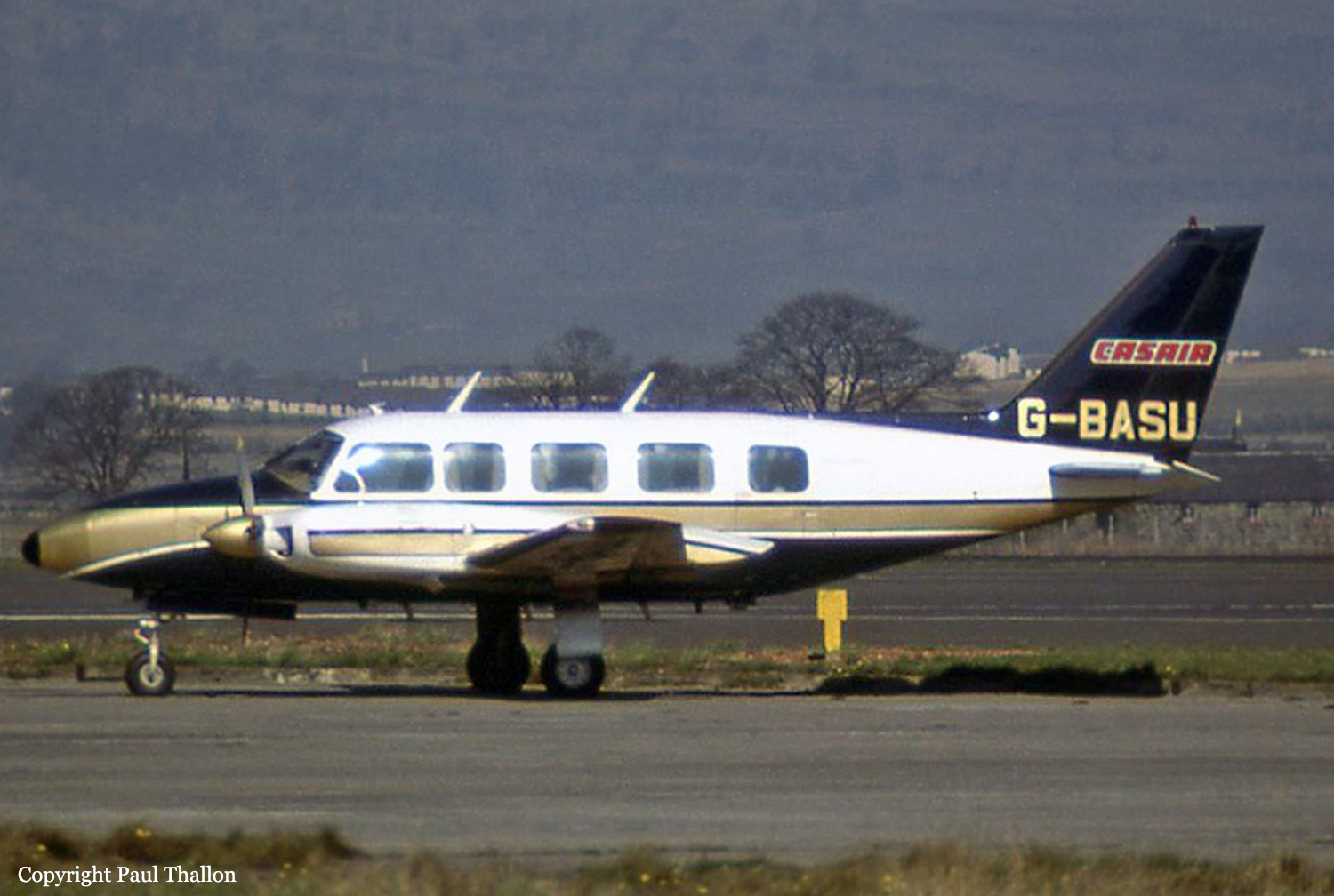
The twin engine airplane was completing a charter flight from East Midlands to Dounreay in the morning and from Dounreay to Lossiemouth in the afternoon, carrying seven passengers and a crew of two. During the takeoff roll, the airplane deviated twice to the right but the crew was able to correct. At a speed just below minimum rotate speed (101 mph), the aircraft yawed to the right, the right engine power fluctuated and a 'bang' was heard from the right side. The commander decided to abort the takeoff procedure but the remaining distance was insufficient. He veered off runway then the aircraft struck a fence, lost its undercarriage and came to rest. There was no fire. All nine occupants escaped uninjured.
Probable cause:
Examination and testing of the Fuel Boost system showed the following caused for the Fuel Boost Inoperative light illuminating:
- Failure of the fuel boost pump,
- Failure of the fuel boost pressure warning switch,
- Failure of the fuel boost inoperative warning light electrical circuit,
- Lack of fuel at the input to the fuel boost pump.
Final Report:

Crash of an Avro 696 Shackleton at RAF Lossiemouth

Date & Time: Apr 7, 1972
Type of aircraft:
Operator:
Registration:
WR967
Flight Type:
Survivors:
Yes
Schedule:
Lossiemouth - Lossiemouth
YOM:
1954
Region:
Crew on board:
7
Crew fatalities:
Pax on board:
0
Pax fatalities:
Other fatalities:
Total fatalities:
0
Circumstances:
For unknown reason, the airplane landed hard and was considered as damaged beyond repair and retired from service. All seven crew airman were uninjured.

Crash of a Consolidated LB-30 Liberator VIII in Lunde: 8 killed

Date & Time: Jan 4, 1946
Operator:
Registration:
KK331
Flight Phase:
Flight Type:
Survivors:
No
Site:
Schedule:
Lossiemouth - Lossiemouth
Country:
Region:
Crew on board:
8
Crew fatalities:
Pax on board:
0
Pax fatalities:
Other fatalities:
Total fatalities:
8
Circumstances:
The four engine airplane departed RAF Lossiemouth at 1330LT on a training mission over the North Sea. While cruising in bad weather conditions at a height of some 850 metres, the airplane impacted the slope of a mountain and crashed. All 8 crew members were killed.
Crew (111th OTU):
W/O Frank Brindle,
W/O Ernest Francis Sadler,
W/O Clifford Sydney Brain,
F/Sgt Hedley Edwards,
F/Sgt Stephenson Churchill Wells,
F/Sgt John Reginald Page,
F/Sgt Raymond George Tattingham,
Sgt Eric Needham.

Crash of a Handley Page H.P.54 Harrow I into the North Sea: 18 killed

Date & Time: Feb 15, 1943
Type of aircraft:
Operator:
Registration:
K6946
Flight Phase:
Flight Type:
Survivors:
No
Schedule:
Wick - Lossiemouth
Location:
Country:
Region:
Crew on board:
4
Crew fatalities:
Pax on board:
14
Pax fatalities:
Other fatalities:
Total fatalities:
18
Circumstances:
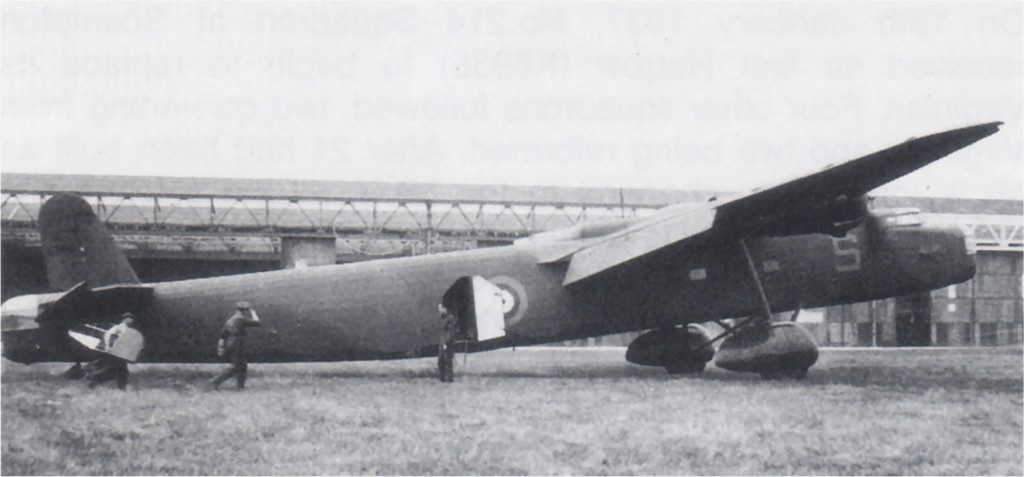
The airplane departed Wick Airport on a short flight to RAF Lossiemouth, carrying 14 passengers and a crew of four. It failed to arrive at destination and is believed to have crashed somewhere into the North Sea. Despite significant SAR operations, no trace of the airplane nor the 18 occupants was found. Last known position 3 km east of Scarlets Head, some 8 km south southeast of Wick Airport.
Crew (782nd Squadron):
F/Lt Walter H. Nicholson,
Lt Anthony J. E. Howey,
F/Sgt Frank S. Barnes,
Sgt Eric J. M. Riordan,
Cpl Edward Francis John William Hoare,
Lac Cyril A. Tilbury,
Lac Frederick J. Burton,
Lac John Graham,
Lac William Thompson,
Lac John Garden,
Lac Leslie Bool,
Ac1 Kenneth Reginald Morse,
Ac1 Kenneth Douglas Drage,
Ac1 James Stewart Stevenson,
Ac2 Sidney John William Clark +3.

Crash of a Vickers 416 Wellington IC on Mt Geal-Chàrn: 5 killed

Date & Time: Dec 10, 1942 at 1500 LT
Type of aircraft:
Operator:
Registration:
L7867
Flight Phase:
Flight Type:
Survivors:
Yes
Site:
Schedule:
Lossiemouth - Lossiemouth
Region:
Crew on board:
6
Crew fatalities:
Pax on board:
0
Pax fatalities:
Other fatalities:
Total fatalities:
5
Circumstances:
While on a training exercise out from RAF Lossiemouth, the crew encountered poor weather conditions. In limited visibility, the bomber went off course by 60 km when it impacted the slope of Mt Geal-Chàrn located 7,5 km northeast of Corrour. Five crew members were killed and one was badly injured.
Crew (20th OTU):
F/O James William Heck, pilot, †
Sgt Maurice Hutt, bomb aimer, †
Sgt William Ernest Riley, navigator, †
Sgt Joseph Towers, navigator, †
Sgt James Hemmings, wireless operator and air gunner, †
Sgt Philip Edward Underwood, air gunner.
Probable cause:
Controlled flight into terrain.

Crash of a Vickers 416 Wellington IC off RAF Lossiemouth: 7 killed

Date & Time: Nov 27, 1942 at 0200 LT
Type of aircraft:
Operator:
Registration:
T2722
Flight Phase:
Flight Type:
Survivors:
No
Schedule:
Lossiemouth - Lossiemouth
Region:
Crew on board:
7
Crew fatalities:
Pax on board:
0
Pax fatalities:
Other fatalities:
Total fatalities:
7
Circumstances:
The airplane departed RAF Lossiemouth in the evening of November 26 on a night navigation exercise. The following night, in unknown circumstances, it crashed into the sea east of the airbase. All seven crew members were killed.
Crew:
F/Sgt John Christopher Binge, pilot,
Sgt Philip Stanley Sutton, pilot,
Sgt Bernard Lowery, navigator,
P/O John Bluck, bomb aimer,
Sgt Laurence Elgar Harrison, wireless operator,
Sgt Thomas Francis Blythe, air gunner,
Sgt Henry Clasper Ballinger, air gunner.
Probable cause:
Engine failure is suspected.

Crash of a Vickers 290 Wellington I at RAF Lossiemouth

Date & Time: Sep 24, 1942
Type of aircraft:
Operator:
Registration:
L4296
Flight Type:
Survivors:
Yes
Schedule:
Lossiemouth - Lossiemouth
Region:
Crew on board:
5
Crew fatalities:
Pax on board:
0
Pax fatalities:
Other fatalities:
Total fatalities:
0
Circumstances:
The crew was performing approaches and landings at RAF Lossiemouth. For unknown reasons, the airplane landed hard. Upon touchdown, the undercarriage were sheared off and the airplane skidded on runway before coming to rest. While all crew members escaped uninjured, the airplane was damaged beyond repair.
Crew (20th OTU):
F/Sgt H. Jackson,
Sgt E. J. Roberts.

Crash of a Vickers 416 Wellington IC near Loch Lee: 3 killed

Date & Time: Aug 9, 1942
Type of aircraft:
Operator:
Registration:
L7845
Flight Phase:
Flight Type:
Survivors:
Yes
Site:
Schedule:
Lossiemouth - Lossiemouth
Region:
Crew on board:
4
Crew fatalities:
Pax on board:
0
Pax fatalities:
Other fatalities:
Total fatalities:
3
Circumstances:
The crew was engaged in a training sortie out from RAF Lossiemouth. In flight, a cowling detached and hit propeller blades, causing the engine to stop. The pilot reduced his altitude in an attempt to make an emergency landing when the airplane hit the slope of a hill and crashed 5 km southwest of Loch Lee. Three crew members were killed while the rear gunner was injured.
Crew (20th OTU):
F/Sgt Arthur George Wilson Keene, pilot, †
Sgt Alfred Kirby, observer, †
Sgt Joseph Weatherson, observer, †
Sgt Oscar Knud Lerche Jensen, wireless operator and air gunner.
Probable cause:
Loss of a cowling in flight and a subsequent engine failure.