Country
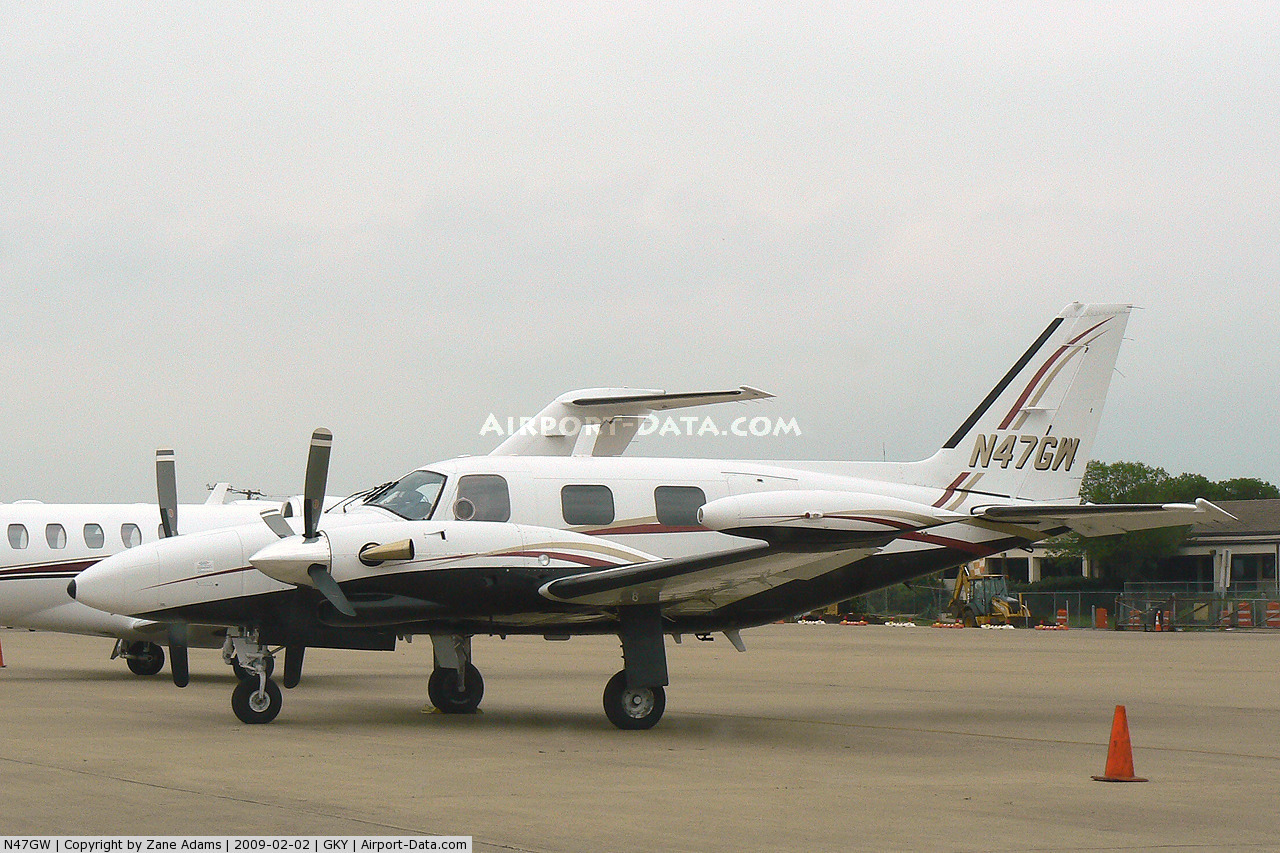
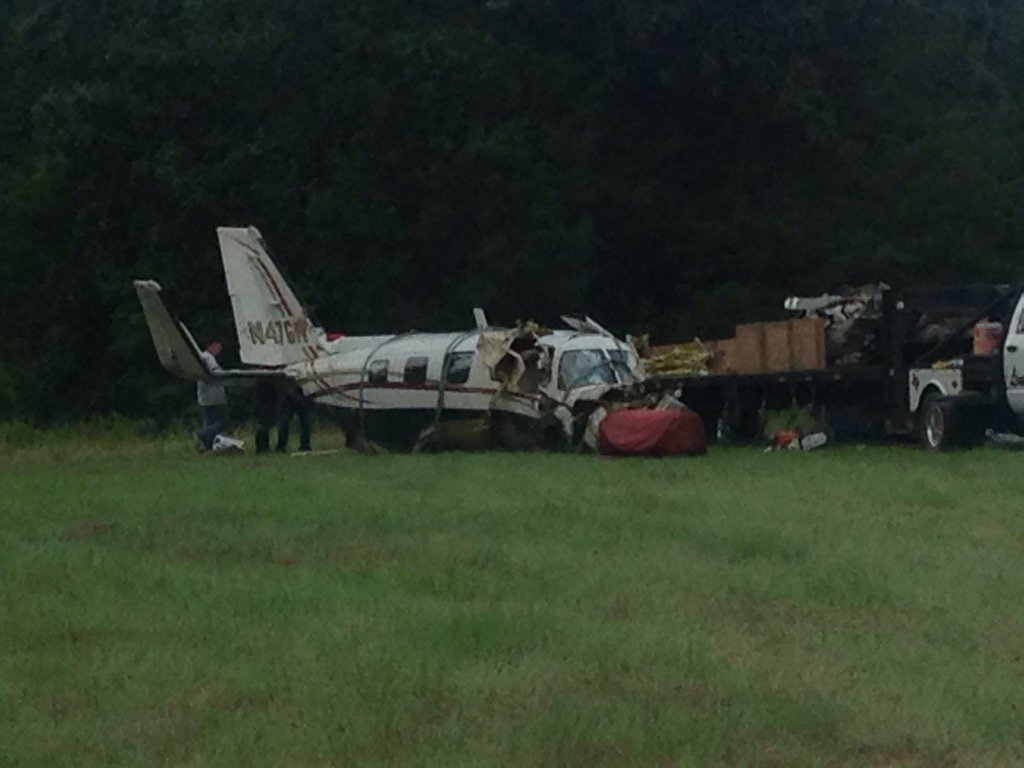
Crash of a Piper PA-31T1 Cheyenne in Tyler: 2 killed
Date & Time:
Jul 13, 2017 at 0810 LT
Registration:
N47GW
Survivors:
No
Schedule:
Tyler - Midland
MSN:
31T-8104030
YOM:
1981
Crew on board:
1
Crew fatalities:
Pax on board:
1
Pax fatalities:
Other fatalities:
Total fatalities:
2
Aircraft flight hours:
5685
Circumstances:
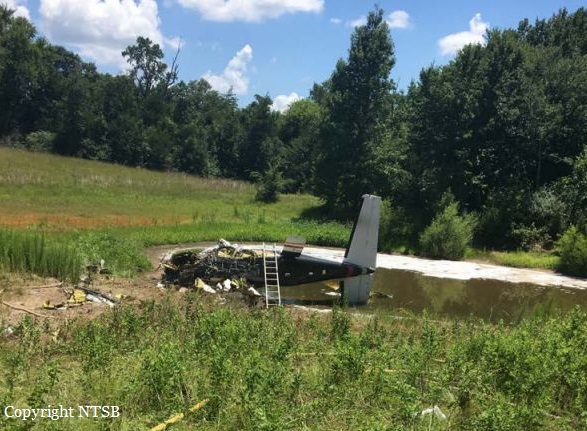
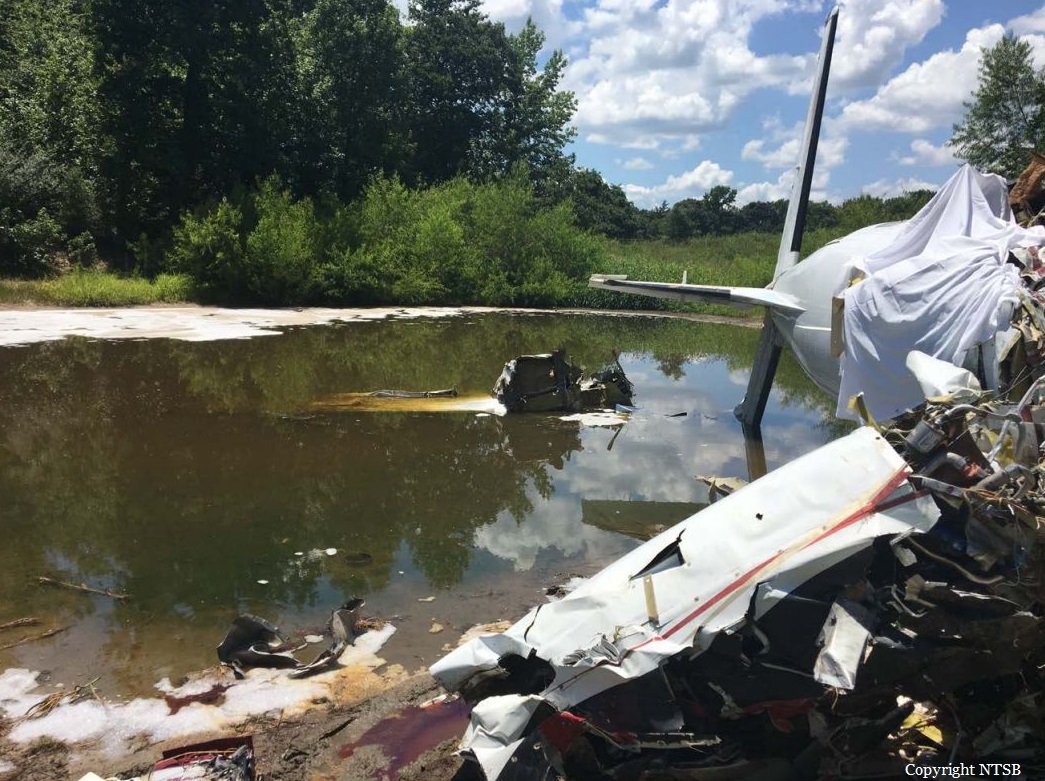
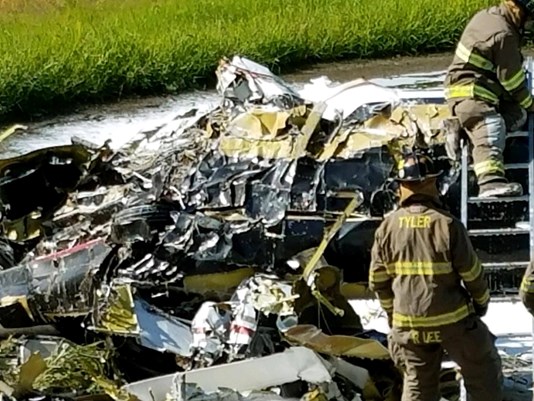
The airline transport rated pilot and passenger departed on a cross-country business flight in a twin-engine, turbo-propeller-equipped airplane in day, visual meteorological conditions. Shortly after takeoff, the airplane banked left, descended, and impacted terrain about 1/2 mile from the end of the runway. There was not a post-crash fire and fuel was present on site. A postaccident airframe examination did not reveal any anomalies that would have precluded normal operation. Examination of the left engine found signatures consistent with the engine producing power at impact. Examination of the right engine revealed rotational scoring on the compressor turbine disc/blades, and rotational scoring on the upstream side of the power vane and baffle, which indicated that the compressor section was rotating at impact; however, the lack of rotational scoring on the power turbine disc assembly, indicated the engine was not producing power at impact. Testing of the right engine's fuel control unit, fuel pump, propeller governor, and overspeed governor did not reveal any abnormities that would have accounted for the loss of power. The reason for the loss of right engine power could not be determined based on the available information.
Probable cause:
The loss of engine power and the subsequent pilot's loss of control for reasons that could not be determined because post-accident engine examination revealed no anomalies.
Final Report:

Crash of a Piper PA-31T-620 Cheyenne II in Cascais: 5 killed
Date & Time:
Apr 17, 2017 at 1204 LT
Operator:

Registration:
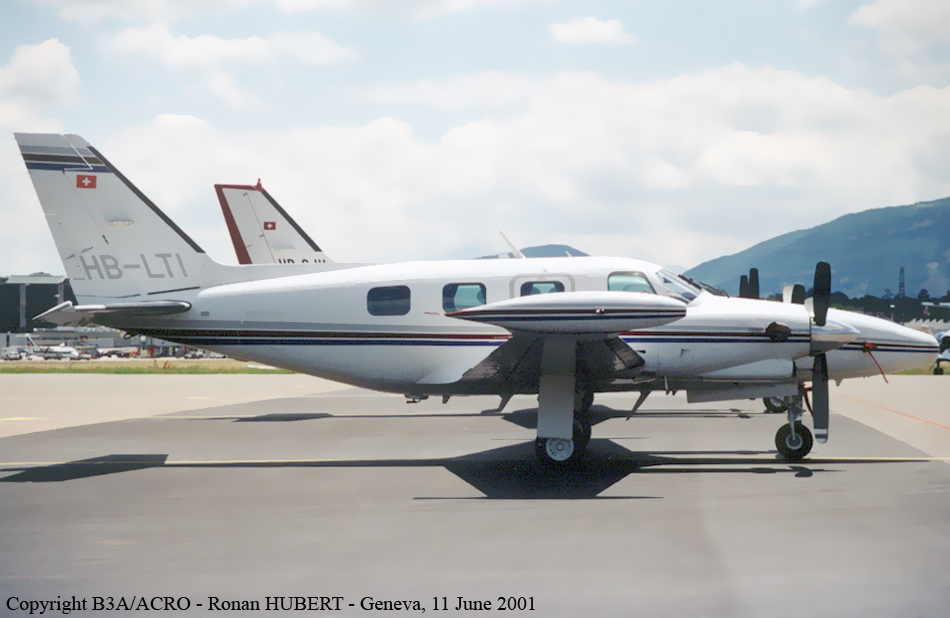
HB-LTI
Survivors:
No
Schedule:
Cascais – Marseille
MSN:
31T-8020091
YOM:
1980
Crew on board:
1
Crew fatalities:
Pax on board:
3
Pax fatalities:
Other fatalities:
Total fatalities:
5
Aircraft flight hours:
8323
Circumstances:
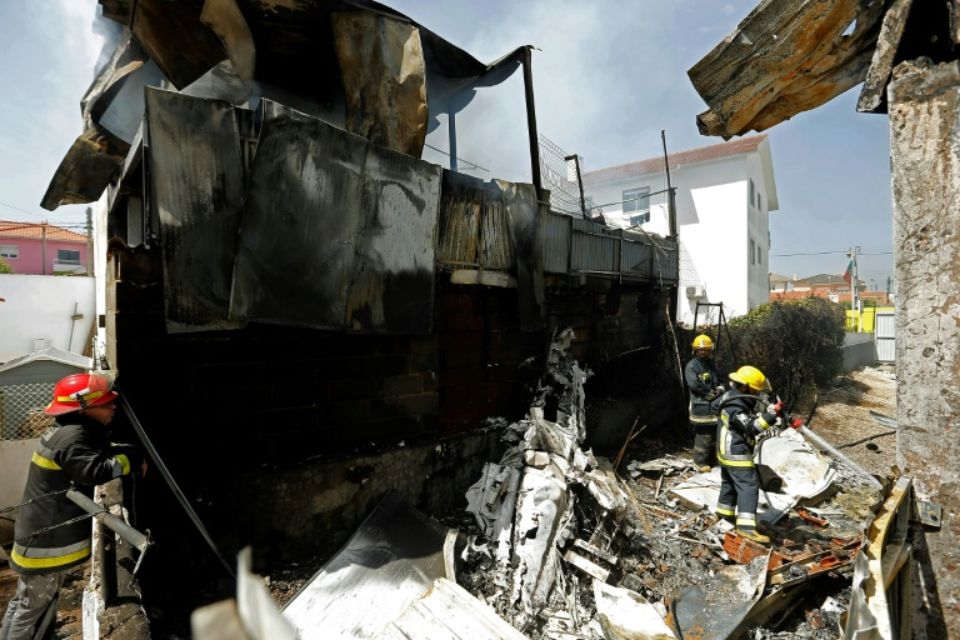
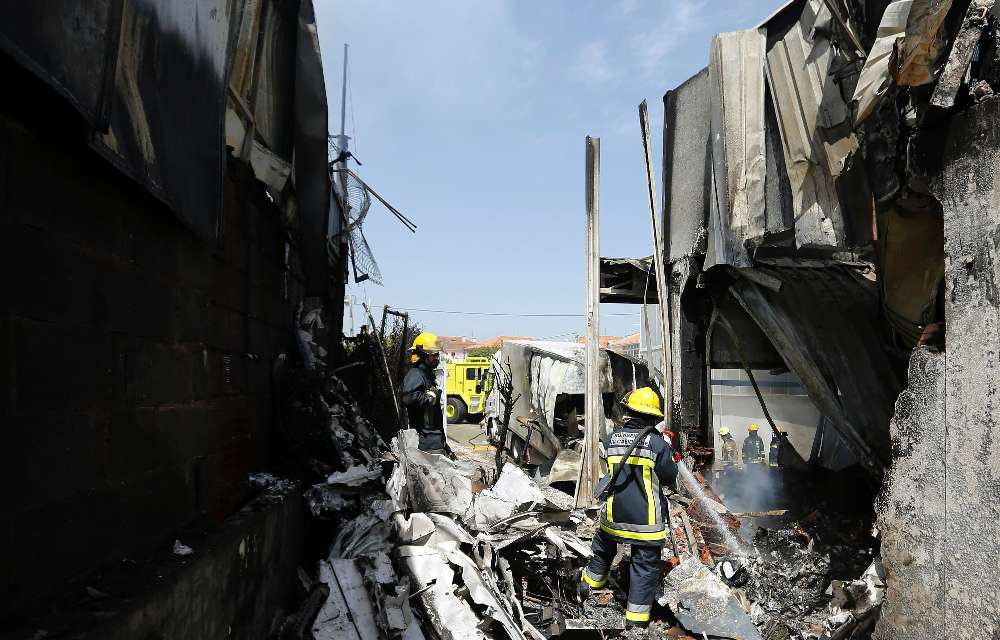
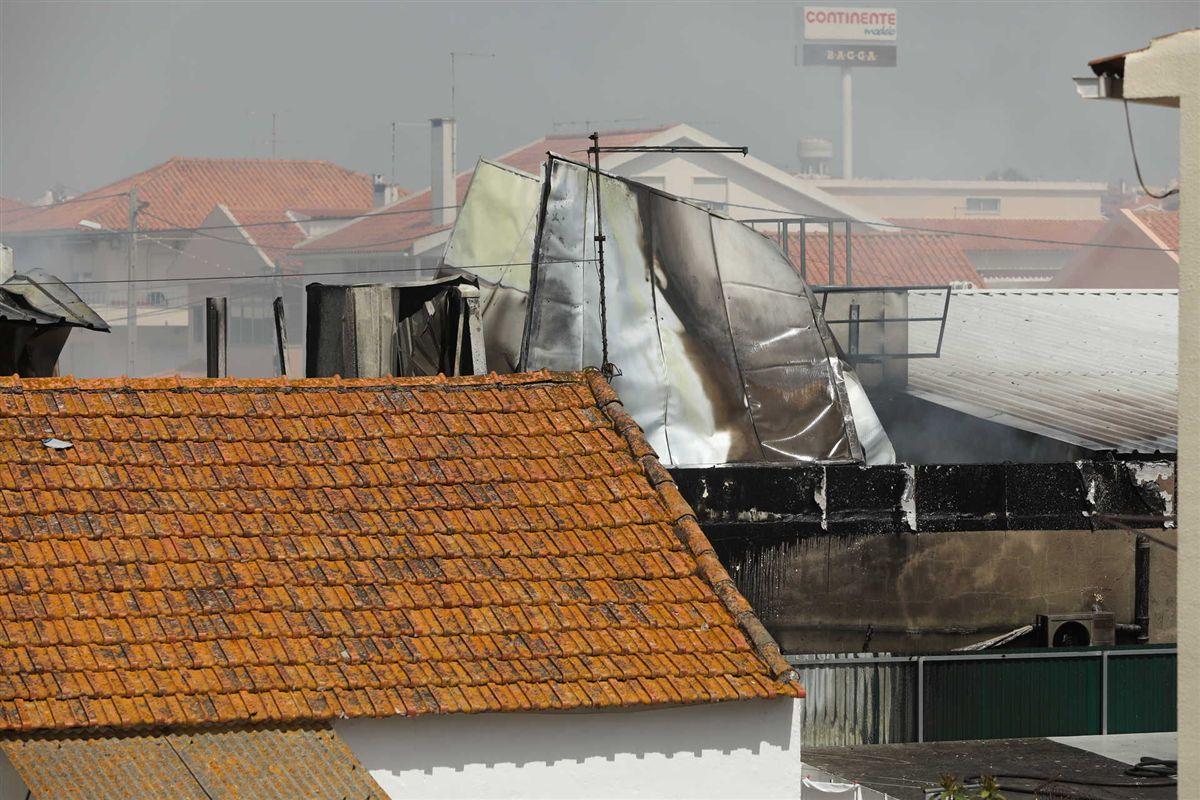
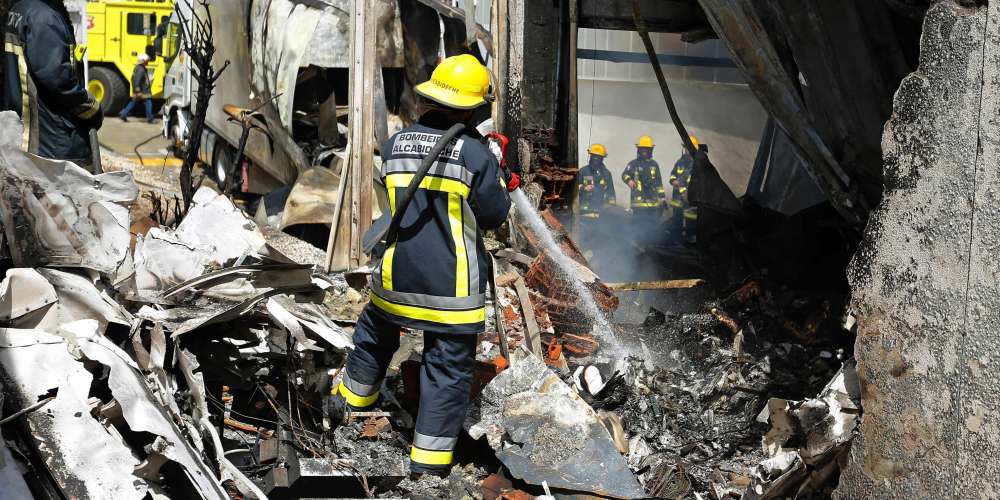
On April 17th, at 11:04 UTC, the aircraft turboprop Piper PA-31 Cheyenne II, registration HBLTI, private property, took off from runway 17 of the Cascais aerodrome (LPCS) bound to Marseille airport (LFML), IFR private flight, with 1 pilot and 3 passengers on board. According to several eyewitness testimonies, after takeoff, the Swiss twin-engine started to put the left wing down and consequently to turn left while climbing slowly to about 300’ feet of altitude. The left bank1 increased and the speed decreased leading the aircraft to stall. The aircraft entered a steep dive and impacted the ground next to a logistics dock of a local supermarket, located southeast of the airfield. The crash occurred 700 m from the end of the departure runway. Following the impact, the aircraft exploded and caught fire affecting a logistic dock, a house and a truck. The aircraft was destroyed by impact force and the post-collision fire, all the four occupants were killed. The driver of the truck affected by the explosion of the plane was also killed. The fuselage, wings, the engines and propellers were severely damaged by the impact force and post-impact fuel-fed fire. The structural damage to the aircraft was consistent with the application of extensive structural loads during the impact sequence, and the effects of the subsequent fire. No pre-crash structural defects were found. All aircraft parts and control surfaces were located at the site. The flaps and the landing gear were found retracted at the time of impact.
Probable cause:
- The pilot’s failure to maintain the airplane control following the power loss in the left critical engine. The root cause for the left engine failure could not be determined due to the extensive impact damages and intensive fire.
Contributing factors:
- Lack of proper pilot training especially concerning the emergency scenario of critical engine failure immediately after takeoff.
Contributing factors:
- Lack of proper pilot training especially concerning the emergency scenario of critical engine failure immediately after takeoff.
Final Report:
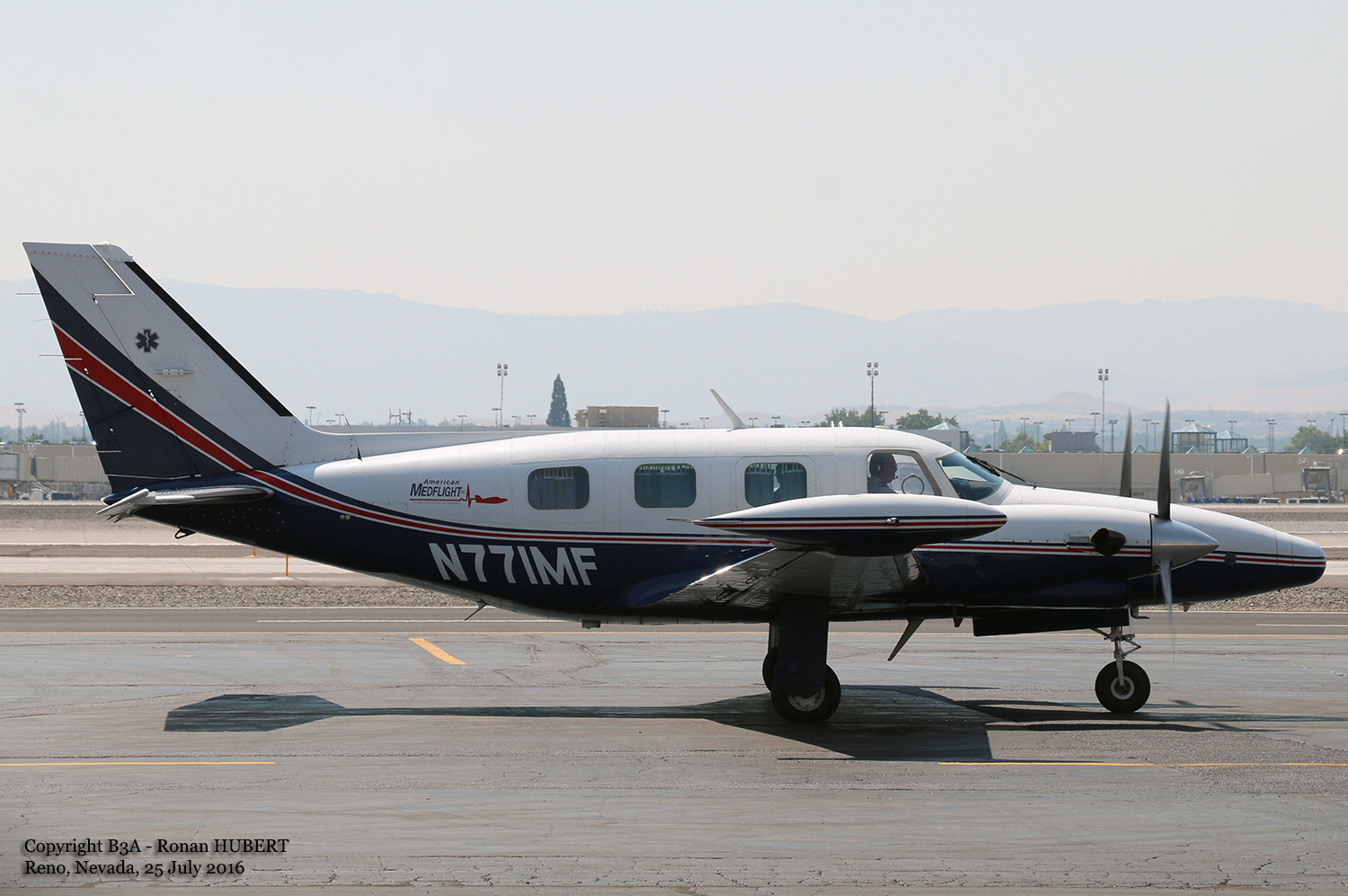
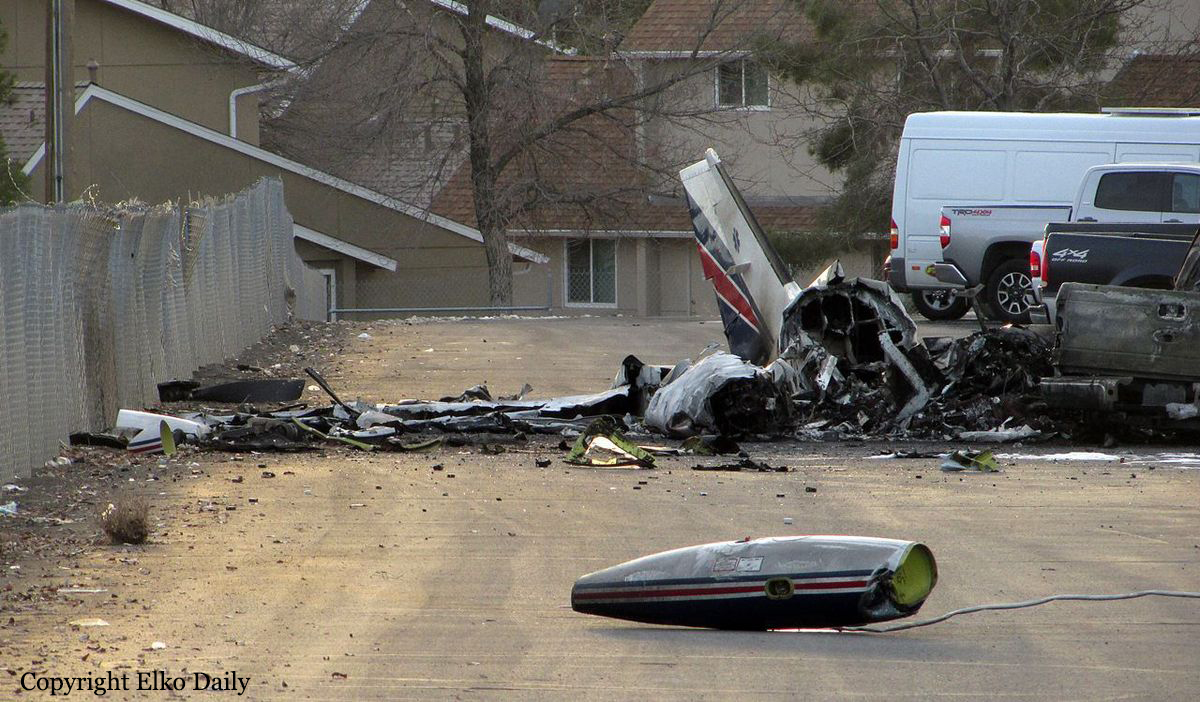
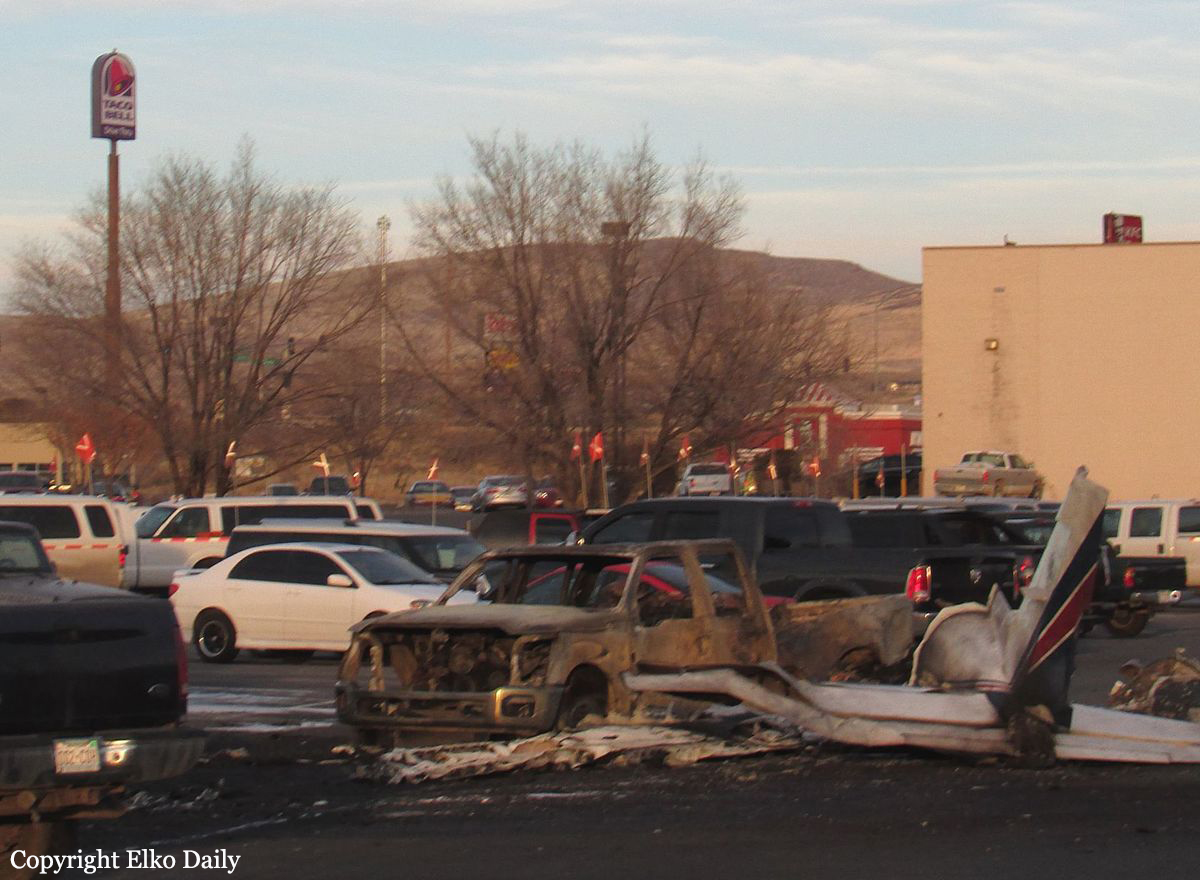
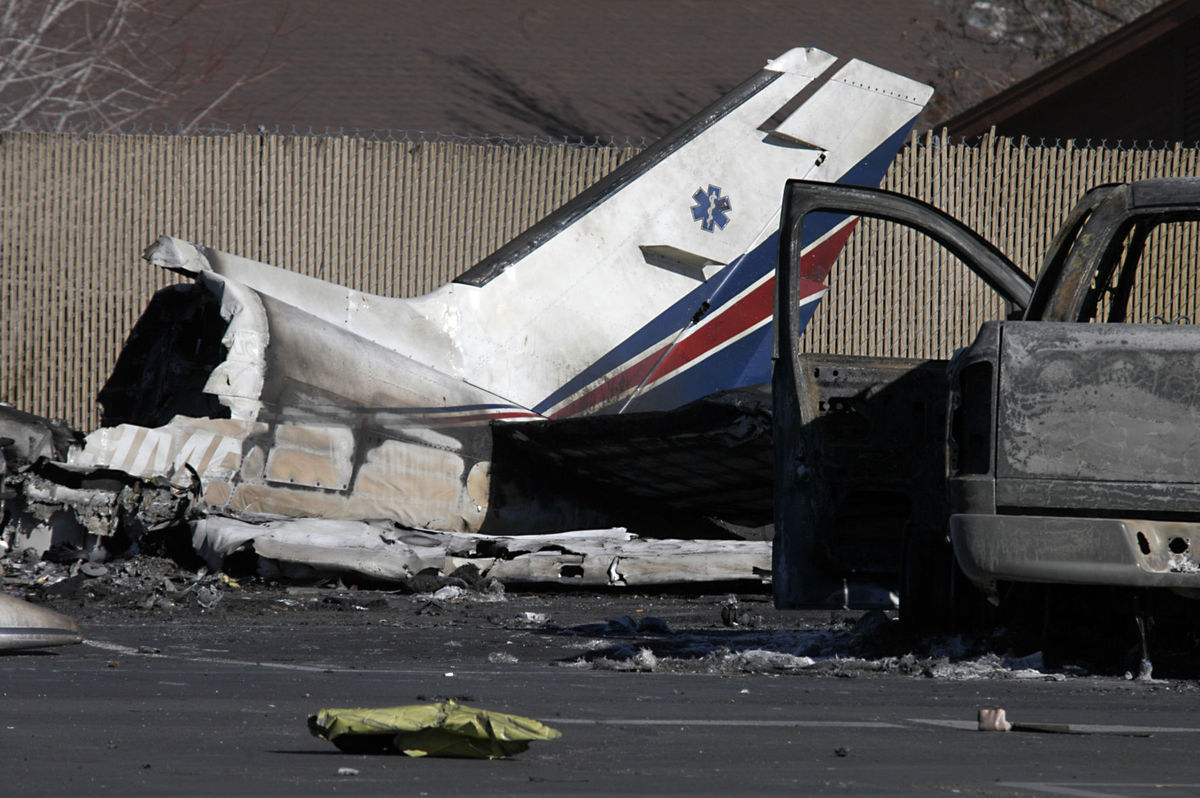
Crash of a Piper PA-31T Cheyenne in Elko: 4 killed
Date & Time:
Nov 18, 2016 at 1920 LT
Operator:

Registration:
N779MF
Survivors:
No
Schedule:
Elko - Salt Lake City
MSN:
31-7920093
YOM:
1979
Crew on board:
1
Crew fatalities:
Pax on board:
3
Pax fatalities:
Other fatalities:
Total fatalities:
4
Aircraft flight hours:
6600
Circumstances:
The airline transport pilot departed in the twin-engine, turbine-powered airplane on an air ambulance flight with two medical crew members and a patient on board in night visual meteorological conditions. According to a witness, during the initial climb, the airplane made a left turn of about 30° from the runway heading, then stopped climbing, made an abrupt left bank, and began to descend. The airplane impacted a parking lot and erupted into flames. In the 2 months before the accident, pilots had notified maintenance personnel three times that the left engine was not producing the same power as the right engine. In response, mechanics had replaced the left engine's bleed valve three times with the final replacement taking place three days before the accident. In addition, about 1 month before the accident, the left engine's fuel control unit was replaced during trouble shooting of an oil leak. Post accident examination revealed that the right engine and propeller displayed more pronounced rotational signatures than the left engine and propeller. This is consistent with the left engine not producing power or being at a low power setting at impact. Further, the abrupt left bank and descent observed by the witness are consistent with a loss of left engine power during initial climb. The extensive fire and impact damage to the airplane precluded determination of the reason for the loss of left engine power.
Probable cause:
A loss of engine power to the left engine for reasons that could not be determined due to the extensive fire and impact damage to the airplane.
Final Report: