Crash of a Socata TBM-910 in Westlock
Date & Time:
Oct 10, 2021 at 1102 LT
Registration:
C-FFYM
Survivors:
Yes
Schedule:
Vernon – Calgary – Westlock
MSN:
1190
YOM:
2017
Crew on board:
1
Crew fatalities:
Pax on board:
3
Pax fatalities:
Other fatalities:
Total fatalities:
0
Captain / Total hours on type:
235.00
Aircraft flight hours:
449
Circumstances:
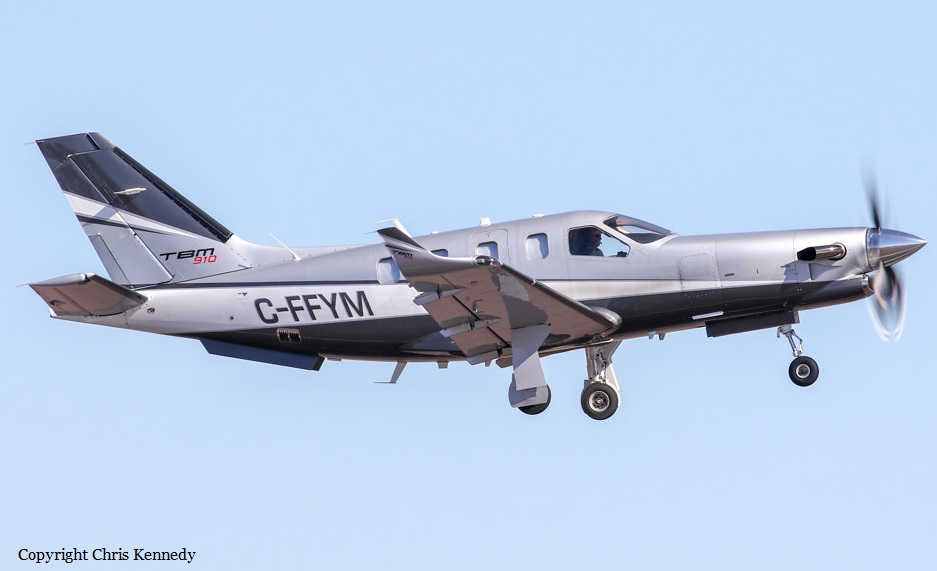
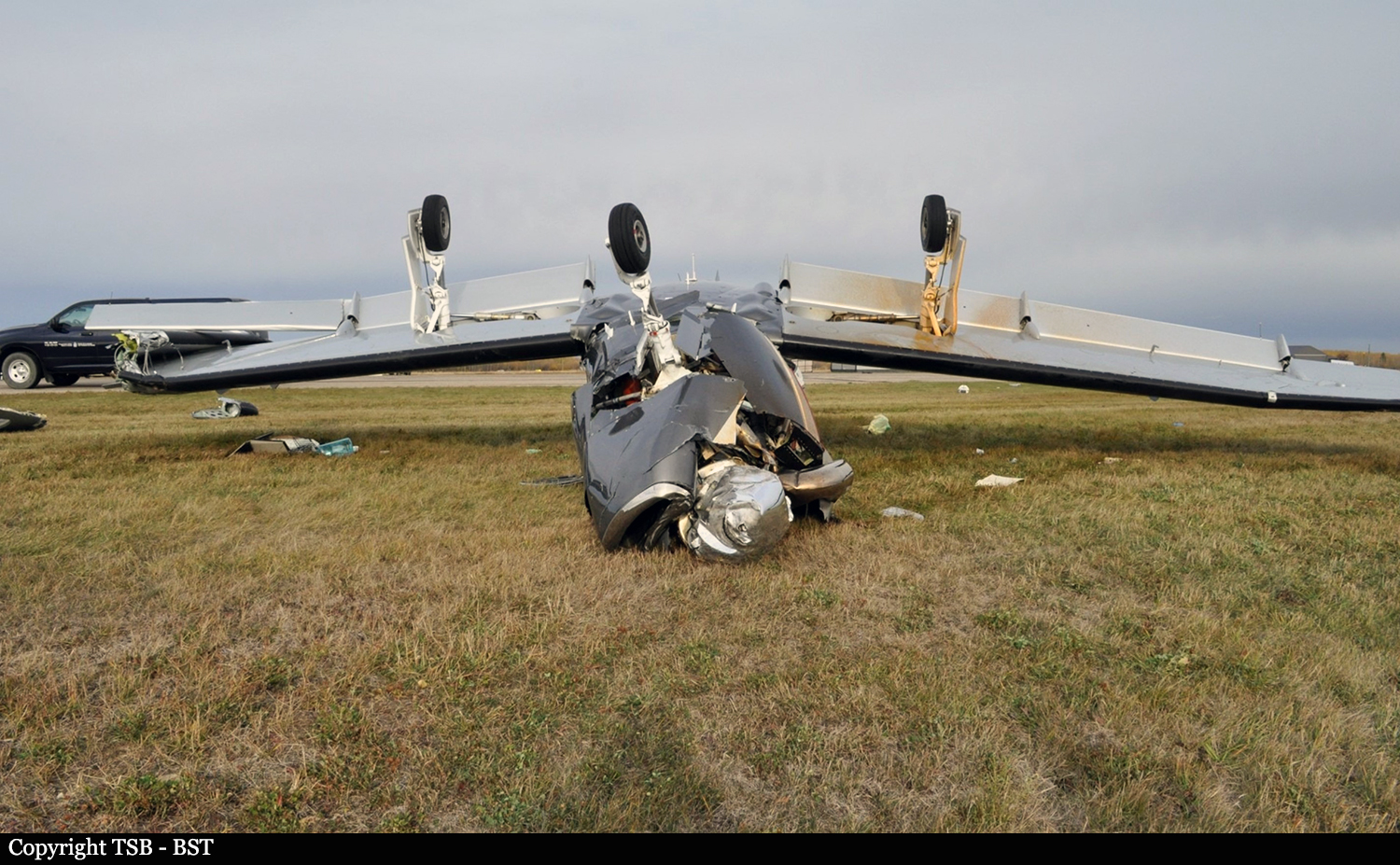
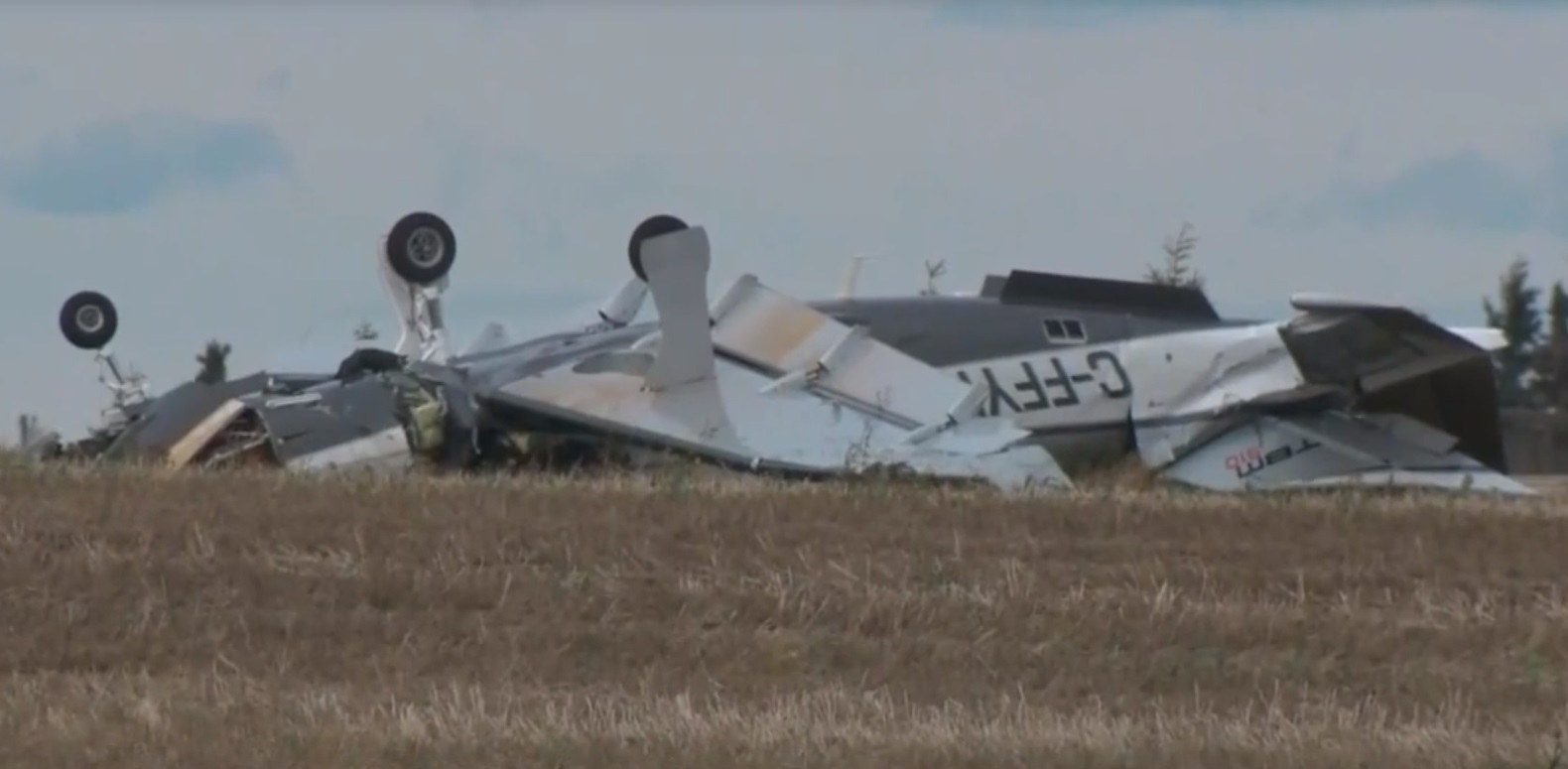
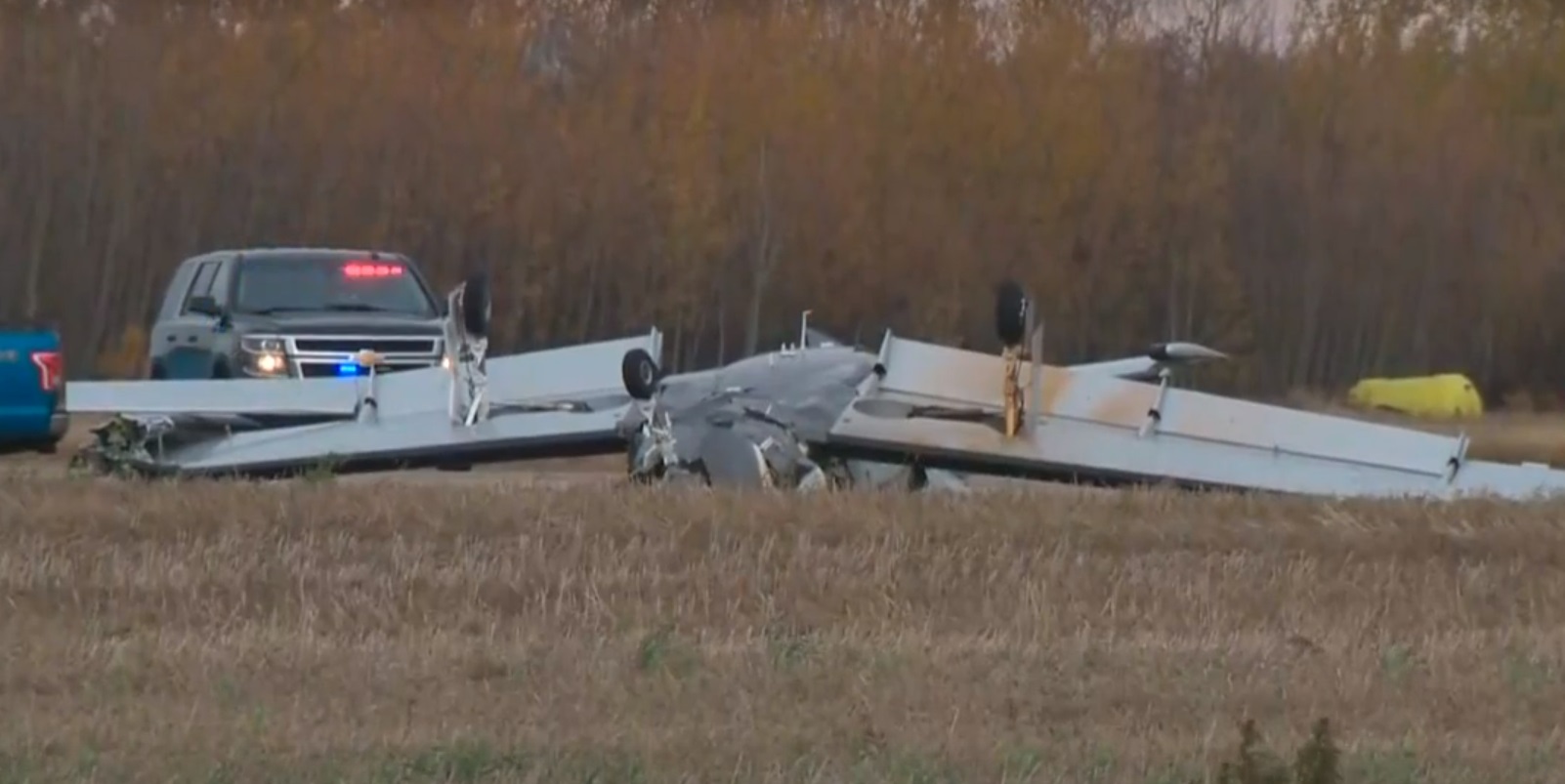
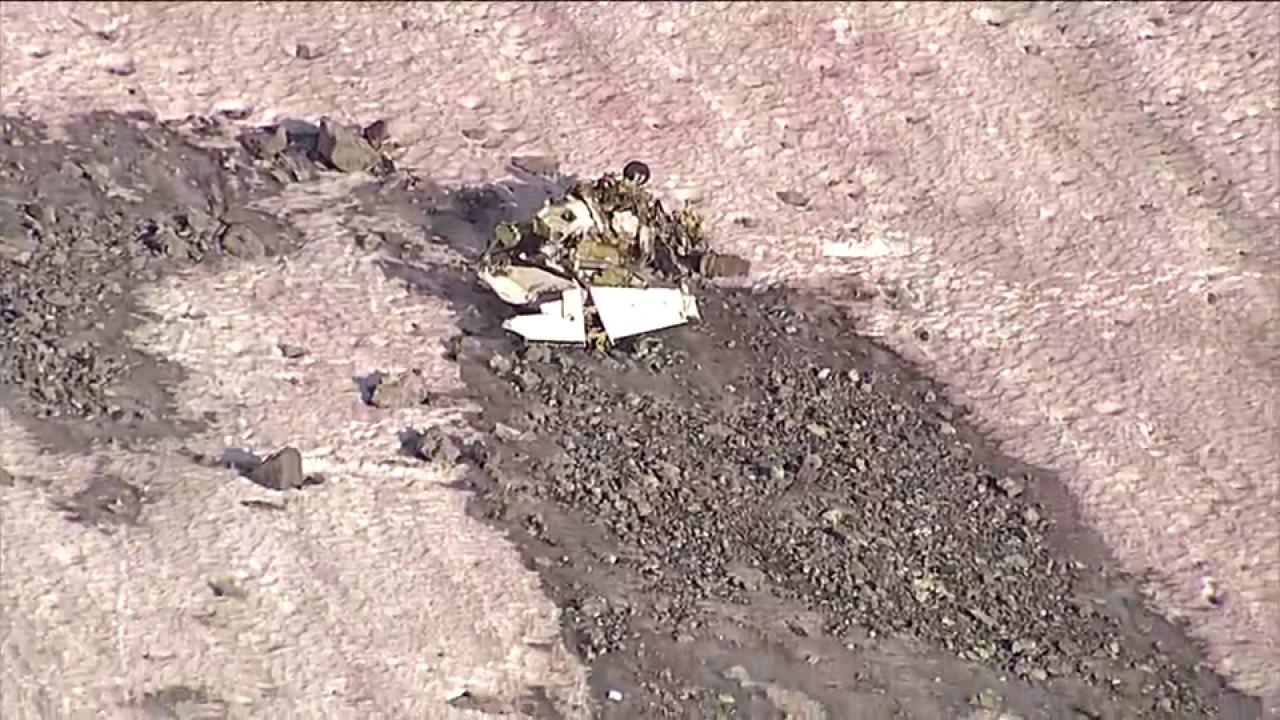
The airplane was conducting an instrument flight rules flight from Vernon Airport, British Columbia, to Westlock Aerodrome, Alberta, with a stop at Calgary/Springbank Airport, Alberta, to pick up passengers, after which 1 pilot and 3 passengers were on board. At 1102:26 Mountain Daylight Time, while the aircraft was landing on Runway 28 at Westlock Aerodrome, the aircraft bounced and the pilot initiated a go-around. During the application of engine power for the go-around, the aircraft rolled to the left, struck the runway inverted, and came to rest on the runway’s south side. The 3 passengers exited the aircraft through the main cabin door with the assistance of persons nearby. One passenger received serious injuries, and the other 2 had minor injuries. The pilot, who was seriously injured, was trapped in the cockpit for approximately 2 hours before first responders could safely rescue him from the wreckage. An emergency locator transmitter signal was received by the search and rescue satellite system. The aircraft was significantly damaged and there was no post-impact fire.
Probable cause:
Findings as to causes and contributing factors:
1. The aircraft joined the final approach well above the optimal 3° descent path and, during the steep approach that followed, the aircraft’s airspeed continually decelerated and resulted in an unstabilized approach.
2. On short final, the pilot reduced the rate of descent by increasing pitch rather than by adding power. As a result, the airspeed continued to decrease and the aircraft entered a stall, resulting in a hard landing and a subsequent bounce.
3. During the attempted rejected landing, the aircraft entered a 25° nose-high attitude and approached a stall condition. This low-speed condition combined with the high power setting resulted in the aircraft entering a rapid roll to the left and striking the runway in an inverted attitude.
4. The passengers did not receive a safety briefing before departure or before landing, and multiple items in the cabin were not secured. As a result, 1 passenger sustained serious injuries due to the deceleration forces and the loose items that were thrown around in the cabin during the accident.
5. The pilot was not wearing the available shoulder harness, and his torso was unrestrained during the impact. As a result, he sustained serious injuries.
Findings as to risk:
1. If pilots do not declare all health issues to Transport Canada Civil Aviation Medical Examiners and pilots’ family physicians do not declare issues assessed to be a risk to aviation safety to Transport Canada, there is an increased risk that pilots will operate with diagnosed medical conditions or medical side effects that could affect flight safety.
2. If an aircraft propeller is rotating and passengers are not supervised during boarding operations, there is a risk that passengers may inadvertently contact the propeller, potentially causing fatal injuries.
Other findings:
1. Following a review of the pilot’s medical history and prescription medication use, the investigation determined that the medication did not contribute to the accident.
1. The aircraft joined the final approach well above the optimal 3° descent path and, during the steep approach that followed, the aircraft’s airspeed continually decelerated and resulted in an unstabilized approach.
2. On short final, the pilot reduced the rate of descent by increasing pitch rather than by adding power. As a result, the airspeed continued to decrease and the aircraft entered a stall, resulting in a hard landing and a subsequent bounce.
3. During the attempted rejected landing, the aircraft entered a 25° nose-high attitude and approached a stall condition. This low-speed condition combined with the high power setting resulted in the aircraft entering a rapid roll to the left and striking the runway in an inverted attitude.
4. The passengers did not receive a safety briefing before departure or before landing, and multiple items in the cabin were not secured. As a result, 1 passenger sustained serious injuries due to the deceleration forces and the loose items that were thrown around in the cabin during the accident.
5. The pilot was not wearing the available shoulder harness, and his torso was unrestrained during the impact. As a result, he sustained serious injuries.
Findings as to risk:
1. If pilots do not declare all health issues to Transport Canada Civil Aviation Medical Examiners and pilots’ family physicians do not declare issues assessed to be a risk to aviation safety to Transport Canada, there is an increased risk that pilots will operate with diagnosed medical conditions or medical side effects that could affect flight safety.
2. If an aircraft propeller is rotating and passengers are not supervised during boarding operations, there is a risk that passengers may inadvertently contact the propeller, potentially causing fatal injuries.
Other findings:
1. Following a review of the pilot’s medical history and prescription medication use, the investigation determined that the medication did not contribute to the accident.
Final Report: